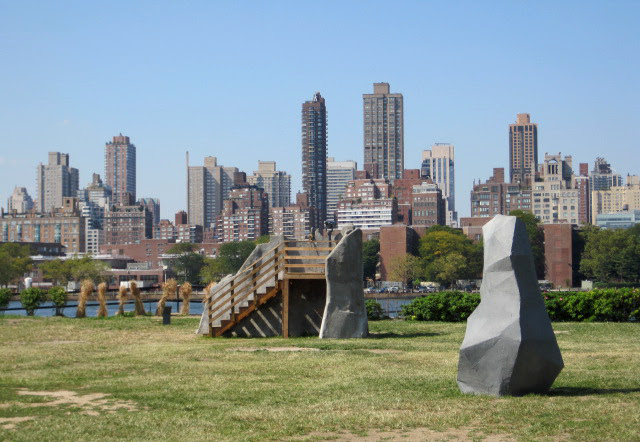
Long Island City has a new sculpture park! Located between 5203 and 5241 Center Blvd, the park is a collaboration between real estate developer TF Cornerstone (TFC) and the Queens-based art organization Culture Lab LIC. There are currently three works on display by New York artists. The first is ‘Confidence” by Long Island-based sculptor Paul Maus. This abstract white marble figure is part of a series by Maus that “portrays women asserting their identity against societal pressures.” Next, neon specialist Kenny Greenberg’s original work, ‘ART DREAM,’ features handcrafted neon letters meant to look like part of a crossword puzzle. Finally, Mexican-born artist Erwin List Sanchez’s ‘The Moose Spirit’ is a life-size moose made of 1,000 old railroad spikes. These three pieces were selected from submissions to an open call for outdoor public sculptures in 2022.
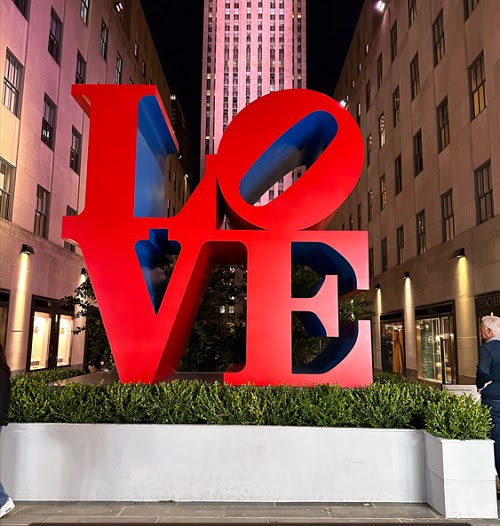
Robert Indiana’s iconic LOVE sculpture has returned to NYC! Rockefeller Center, in partnership with The Robert Indiana Legacy Initiative, is showcasing monumental sculptures by the artist now through October 23rd. The centerpiece of the exhibition is LOVE, a 12-foot-high polychrome aluminum public artwork that stood at the corner of 55th Street and Sixth Avenue for decades. The piece was removed in 2019 for conservation. ONE Through ZERO (The Ten Numbers) (1980-2001) can also be seen at Rockefeller Center this month. This piece is made of eight-foot-high numbers crafted from Cor-ten steel. ONE Through ZERO represents the cycle of human life from birth to death and exemplifies Indiana’s fascination with numbers. Accompanying the sculptures is a series of 193 flags surrounding The Rink at Rockefeller Center. The flags feature images from Indiana’s Peace Paintings series, created as a response to the 9/11 attacks.
Photo Courtesy Four Freedoms Park Conservancy
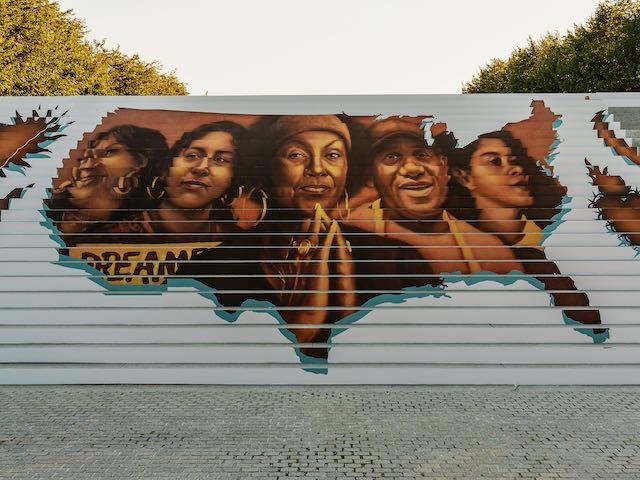
In honor of Hispanic Heritage Month, the Grand Stairs of Four Freedoms Park, a canvas of large-scale art installations, is now covered by a mural from artist Mata Ruda. Titled Esta Tierra Es Nuestra Tierra (This Land is Our Land), the mural “celebrates the histories, cultures, and contributions of American citizens whose ancestors came from Spain, Mexico, the Caribbean, and Central and South America.” It features the portraits of Latino New Yorkers who embody FDR’s Four Freedoms: Brooklynite and freedom-fighter Olga Garriga for freedom of speech and expression, writer and Yoruba priestess Dr. Marta Moreno Vega for freedom of worship, a bodega owner Candido Arcángel, who turned his basement into a homeless shelter, for freedom from want, and transgender advocate Lorena Borjas for freedom from fear. A fifth figure represents the dreamer in everyman. The mural will be unveiled at the Four Freedoms Park Conservancy’s LatinXtravaganza on Saturday, October 7, hosted by Pulitzer Prize finalist Xocihtl Gonzalez. It will be on view through October 15th.
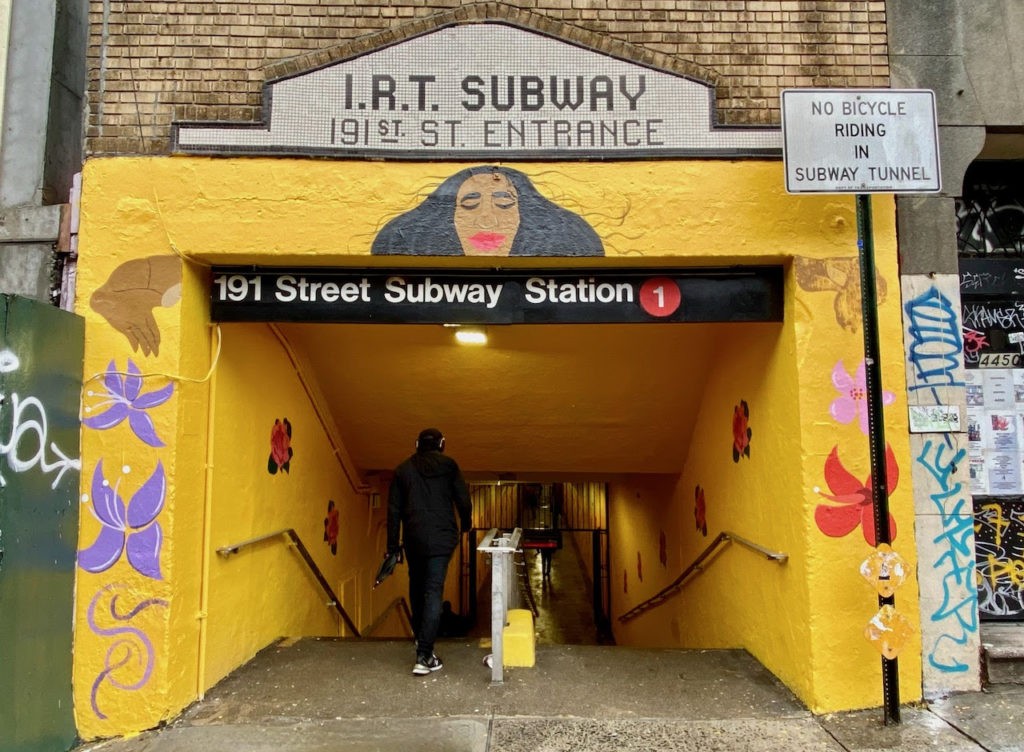
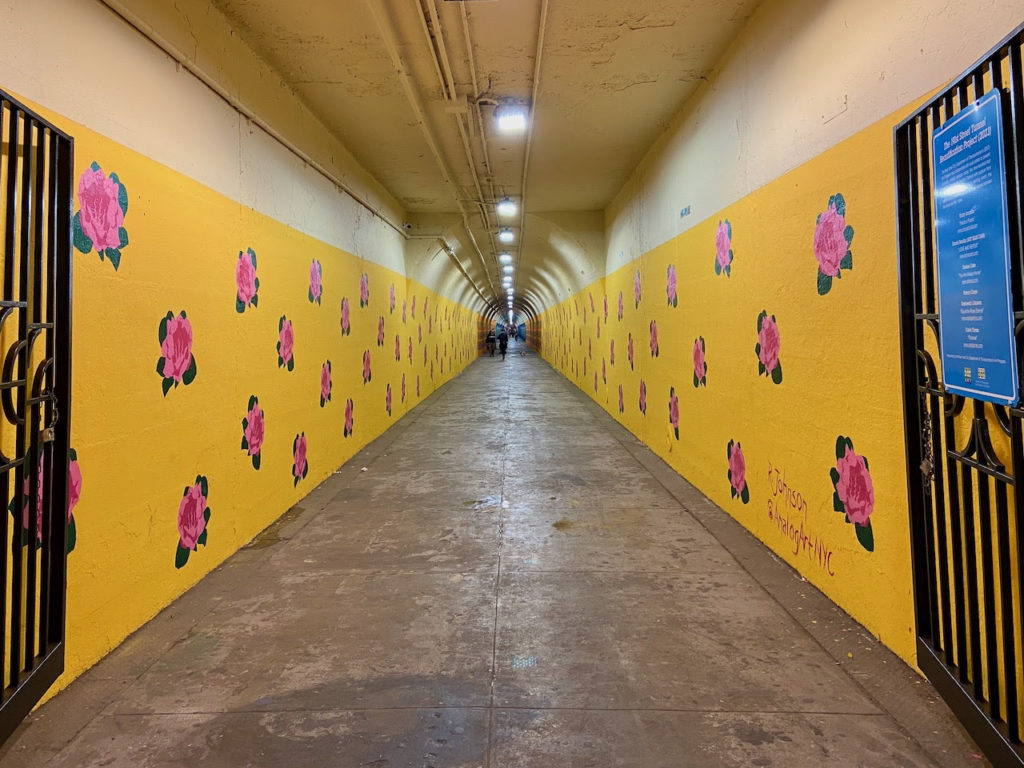
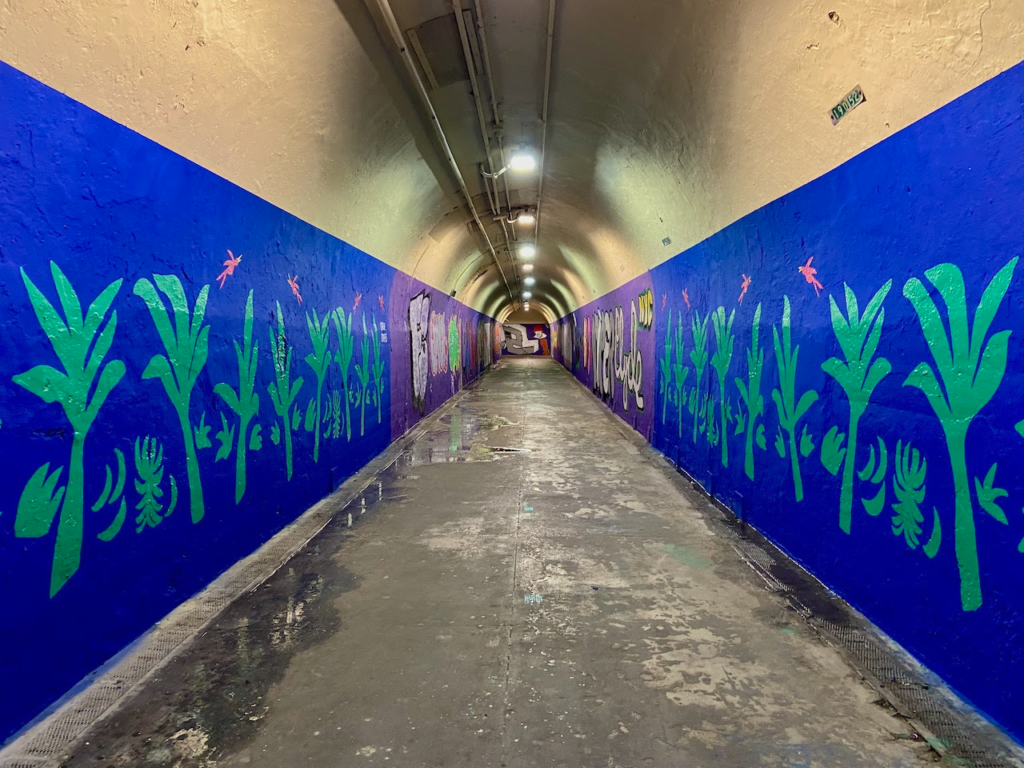
The 191st Street subway station in Washington Heights is considered the deepest station in the system, but its known for something else as well. For years, this station was famous for the street art that covered the walls of its pedestrian tunnel. In early 2023, the walls were painted white and a call was put out for artists to create new murals for the space. Those murals were unveiled this September. Five artists were chosen and they worked with members of the local community to create the murals you see now between Broadway and St. Nicholas Avenue and 1 train station. Those artists are Carla Torres, Rasheeda Johnson, Denise Coke, Daniel Bonilla,and Vicky Azcoitia. Each artist was assigned a section of the roughly 10,000 square feet of artwork space. Their murals highlight characteristics of the surrounding neighborhoods and the people who live there.
Sitting on a ledge in the garden at Villa Albertine’s Fifth Avenue headquarters, you’ll see a bronze version of the title character from Antoine de Saint Exupéry’s 1943 novella The Little Prince. The installation of the statue marks the 80th anniversary of the beloved tale’s publication and its ties to New York City. Now the most translated work of literature of all time, The Little Prince was written in New York City and in Northport, Long Island where the author lived from 1940 to 1943. The statue of the famous character was created by Jean-Marcde Pas and cast in his studio in Normandy, France. The four-foot-tall piece was initially carved from clay, then cast in bronze in one single piece. You can visit The Little Prince at the garden entrance of 972 Fifth Avenue, formerly the Payne Whitney mansion which was designed by Stanford White.
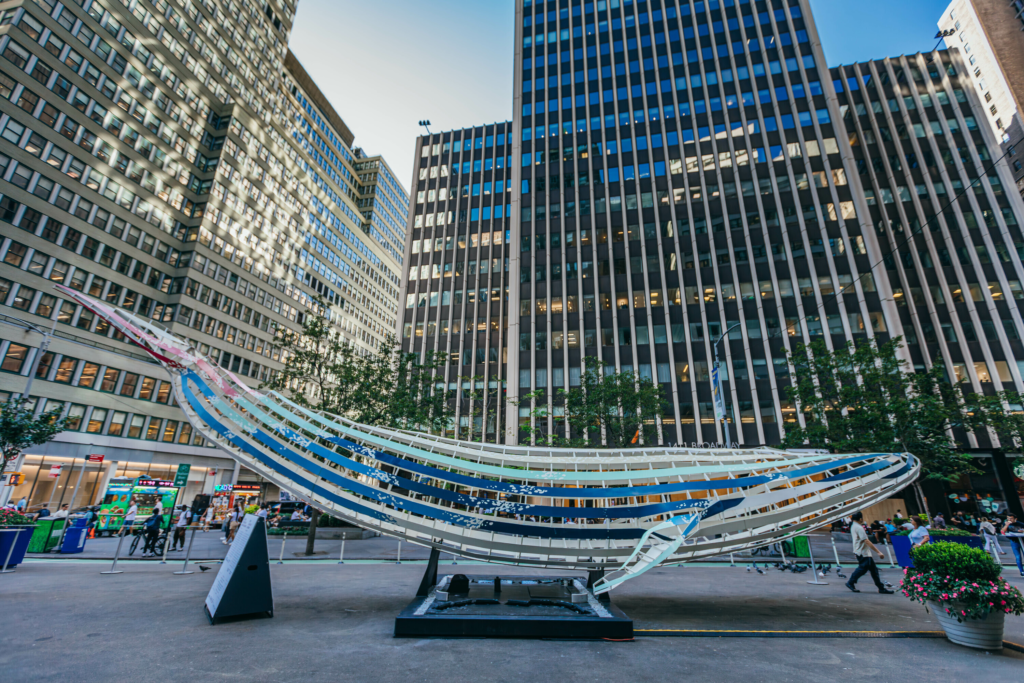
A 55-foot-long whale can now be spotted in the heart of the Garment District! Titled Echoes – A Voice from Unchartered Waters, this steel sculpture created by artist, designer, and researcher Mathias Gmachl “invites viewers to reflect on the impact of everyday activities on nature and the environment.” Located on the Broadway plazas in the Garment District between 38th and 39th Streets, the piece emits an oceanic soundscape that gets interrupted by noise pollution the closer you get. These dueling sounds represent the impact of the industrialized world on the natural one, while encouraging viewers to imagine harmony between them. Echoes will be on view through November 13.
Rendering Courtesy of St. John the Divine
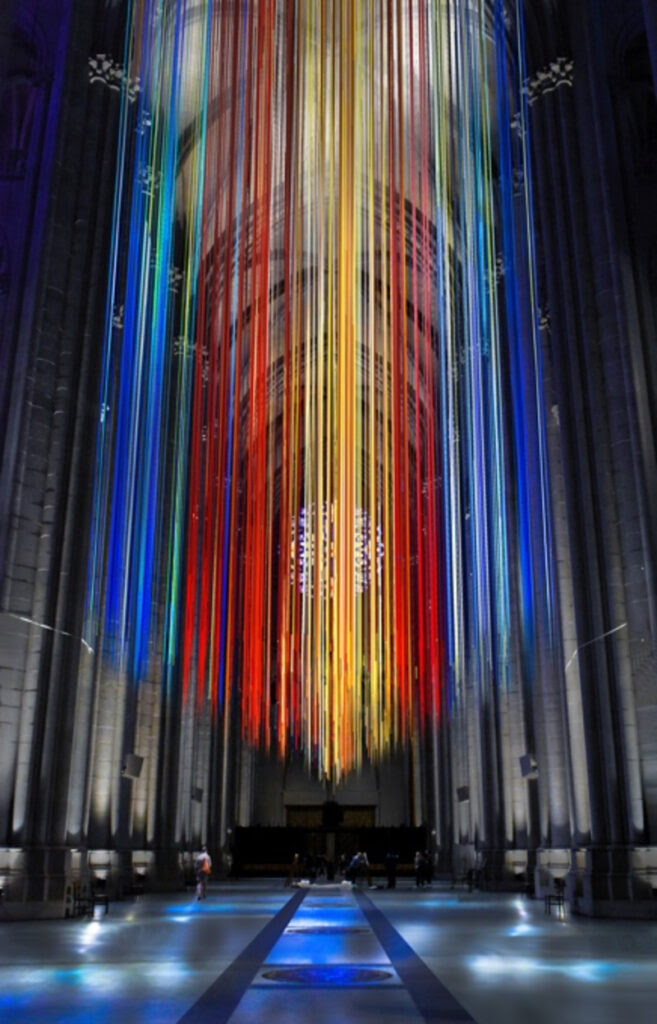
New York City’s largest cathedral is in the process of installing a massive textile work by artistAnne Patterson. On October 12th, Patterson’s Divine Pathways will be unveiled to the public in the nave of St. John the Divine. Over the past few weeks, the local community has gathered at the church to help put the piece together. Pathways is comprised of 1,100 75-foot-long pieces of blue, red, and gold fabric that cascade from the Gothic arches of the cathedral. Each piece of fabric has been written on by someone in the Morningside Heights community who has shared a hope, dream, or prayer. The colors of the ribbons were inspired by the beautiful stained glass windows of the church and their carefully chosen location calls attention to recently restored architectural details. Divine Pathways will be on view through June 2024.
Rendering Courtesy of Ilene Shaw, Design Pavilion Founder & NYCxDESIGN Executive Director, llLab, and L’Observatoire International
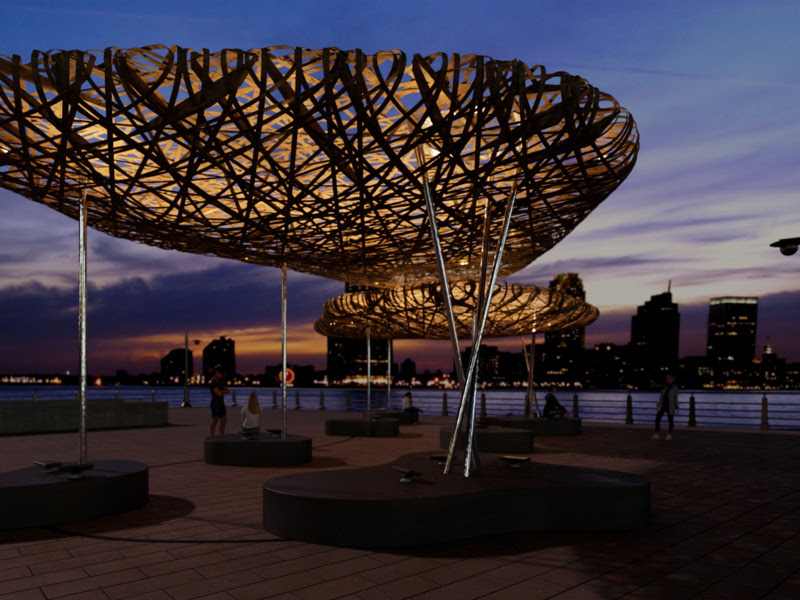
As part of NYC’s Archtober celebrations and in partnership with AIA New York and the Center for Architecture, NYCxDesign will host a fall activation called Design Pavilion. This activation will run from October 12th to October 22nd and feature a series of public installations meant to draw attention “to a vision of stellar sustainable and ethical practices through the lens of design.” The series, which is made of three installations at famous NYC landmarks, will also serve as a preview of the NYCxDesign Festival coming in 2024.
In Hudson River Park at West 16th Street, visitors will be able to walk under a Bamboo Cloud. This piece, designed by llLab with lighting by L’Observatoire International, challenges the traditional applications of bamboo, showing how it may be used as a sustainable building material. At Gansevoort Plaza, Public Display designed by Michael Bennett and Studio Kër with programming by Form Us With Love Studio, will encourage public gathering and communication. Finally, projections titled I Was Here will appear on The Podium at One World Trade Center. This digital presentation was conceptualized by Marjorie Guyon with video and animation co-created by Marc Aptakin, Roy Husdell, and Yoel Meneses of MadLabs. After this month’s NYC debut, the installations will travel to other cities.
Last Friday we heard about flooding during the excessive rainfall. We should tell our neighbors in Western Queens and Astoria that their homes are build on swampy ground. La Guardia Airport is built on the “Corona Dumps” a massive landfill.
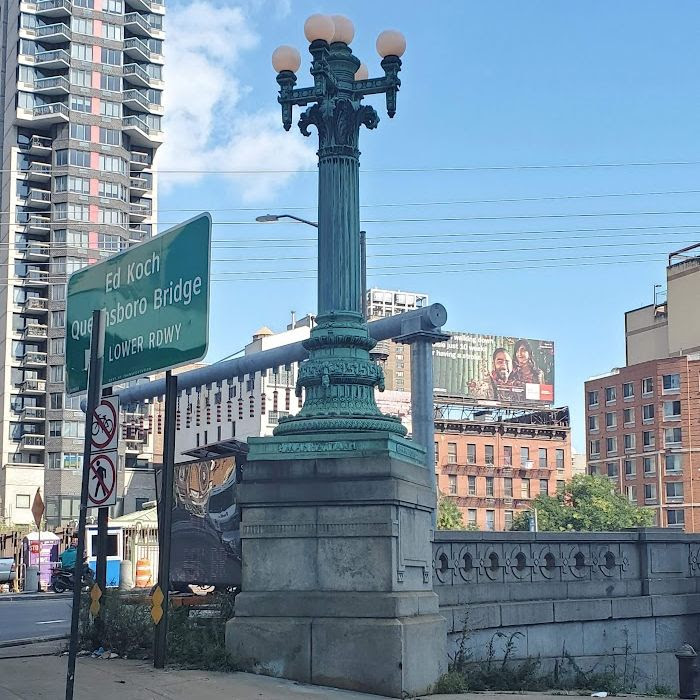
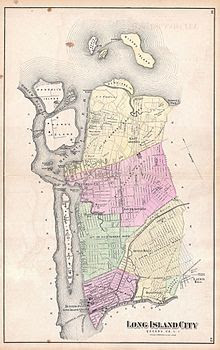
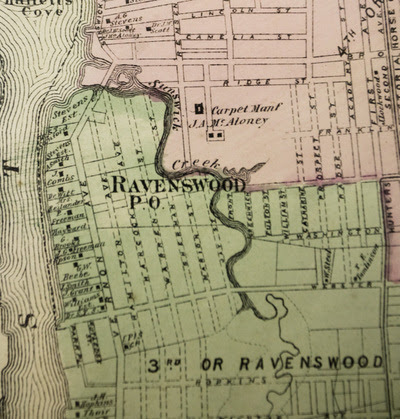
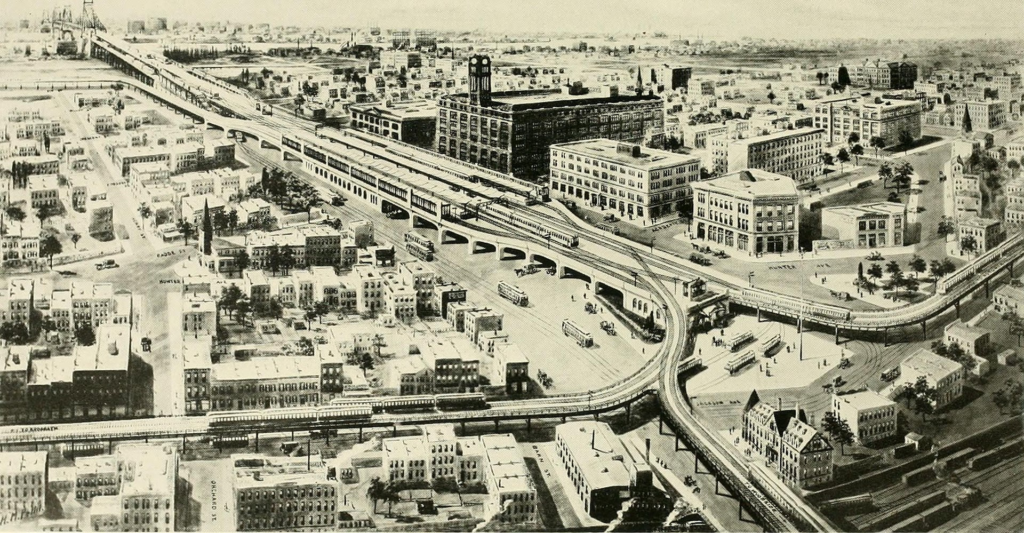
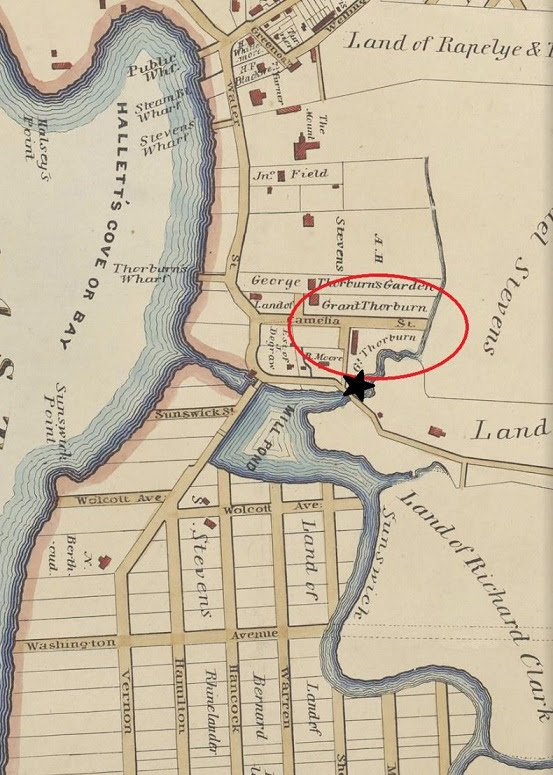
Sunswick Creek is a buried stream located in Astoria and Long Island City, in the northwestern portion of Queens in New York City. It originated to the north of Queensboro Bridge and Queens Plaza in Long Island City, flowing north to the present-day site of the Socrates Sculpture Park in Astoria, and emptying into the East River. The creek was named for a term in the Algonquin language that likely means “Woman Chief” or “Sachem’s Wife.”The mouth of the creek was settled in the late 17th century by William Hallet and Elizabeth Fones, who built a milldam at the creek’s mouth to create a mill pond. Due to industrialization in Long Island City, the creek became heavily polluted and was covered-over starting in the late 19th century.
The term “Sunswick” was a neighborhood name formerly applied to the surrounding portions of Ravenswood and Astoria. It is believed to have originated from a Native American language, possibly the Algonquin word “Sunkisq.”[2] The Greater Astoria Historical Society defines the term as “meaning perhaps ‘Woman Chief’ or ‘Sachem’s Wife.'”[3] This name is shared by Sunswick 3535, a bar at the intersection of 35th Street and 35th Avenue.[1]: 98 Additionally, the present-day 22nd Street was formerly named Sunswick Street.[4]
History
17th through 19th centuries
In 1664, the land on the northern shore of the creek’s mouth was purchased by British settler William Hallet (or Hallett), who obtained the plot from two native chiefs named Shawestcont and Erramorhar.[5]: 84 This peninsula, which jutted out onto Hell Gate to the northwest, was acquired in portions and was later renamed Hallet’s Cove.[5]: 84 [6]: 295 Hallet subsequently built a lime kiln on the creek. Sunswick Creek formed a navigable waterway with Dutch Kills, another stream to the south, making it easy for merchants to transport produce and goods along the creek.[5]: 19 A milldam was built at the mouth of the creek in 1679, creating a small mill pond.[7]: 4 Joseph Hallett and Jacob Blackwell built a mill on the creek’s right bank, near its mouth, in 1753.[6]: 296
By the 1860s and 1870s, Sunswick Creek was heavily polluted due to increasing industrialization, a lack of proper sewerage, and the high population density of Long Island City and Astoria.[7]: 4 The historian Vincent F. Seyfried wrote that disease around Sunswick Creek and Dutch Kills had become common by 1866, and that “The damming of the Sunswick Creek cut off the flushing-out of the meadow lands and the salt water that used to ebb and flow became stagnant and slimy and filled with mosquitoes.”[7]: 4 [8] After outbreaks of disease in 1871 and 1875, the marshes surrounding the creek were drained in 1879.[7]: 4 In addition, Long Island City had started building a proper sewage system in the 1870s, which was still not complete by the time Long Island City became part of the City of Greater New York in 1898.[7]: 5 The creek was partially diverted into one of the sewage system’s brick tunnels at Broadway, which was completed around 1893.[1]: 97
20th century
After the consolidation of Queens into New York City, Sunswick Meadows, a lowland north of the present Queensboro Bridge, was infilled with the construction of the bridge in the 1900s and 1910s.[7]: 6 This was accomplished partly by dumping dirt from the excavation of New York City Subway tunnels in Manhattan.[9][10] In addition, street cleaners tossed dry rubbish into the lowland to raise the grade of nearby streets.[11]
In 1915, residents of Ravenswood sent a letter to the New York City Board of Health to complain about the tide gates along Sunswick Creek, which had been installed to alleviate an infestation of mosquitoes. The residents claimed that the tide gates were actually keeping mosquitoes in the creek, since these gates resulted in stagnant water, and threatened to open the tide gates. In response, the Board of Health suggested filling up their land, which the Brooklyn Times-Union reported would require the infilling of 6 acres (2.4 ha) to a depth of 8 to 10 feet (2.4 to 3.0 m). The operation had a projected total cost of over $100,000 (equivalent to $2,892,763 in 2022), which was not affordable for most of the neighborhood’s residents.[12] Early the next year, in April 1916, residents broke down the barriers with axes.[13] Afterward, the New York City health commissioner told a local newspaper that the residents “prefer to live like hogs,” prompting outrage from local residents.[14] Afterward, the Queens borough president, Maurice E. Connolly, announced a plan to install two tide gates on the creek.[15]
By the end of 1916, the New York City government proposed to close up Sunswick Creek, mandating that households living nearby divert their sewage elsewhere.[16] A 1920 Brooklyn Daily Eagle article stated that the former path of the creek had been mostly developed with industrial buildings.[17] During excavations for a sewer line at Vernon Boulevard and Broadway in 1957, construction workers found remnants of the former grist mill on the creek’s mouth.[18]
Legacy
The creek now exists underground as part of a sewage tunnel, which was documented online by urban explorer Steven Duncan.[1]: 97 [19] According to one blogger, during heavy rains, the creek could be heard near the Sohmer and Company Piano Factory, across from Socrates Sculpture Park.[20] In 2011 and 2012, the Socrates Sculpture Park and Noguchi Museum commissioned a work from artist Mary Miss, entitled Ravenswood/CaLL, which consisted of several signs and mirrors along the course of the creek
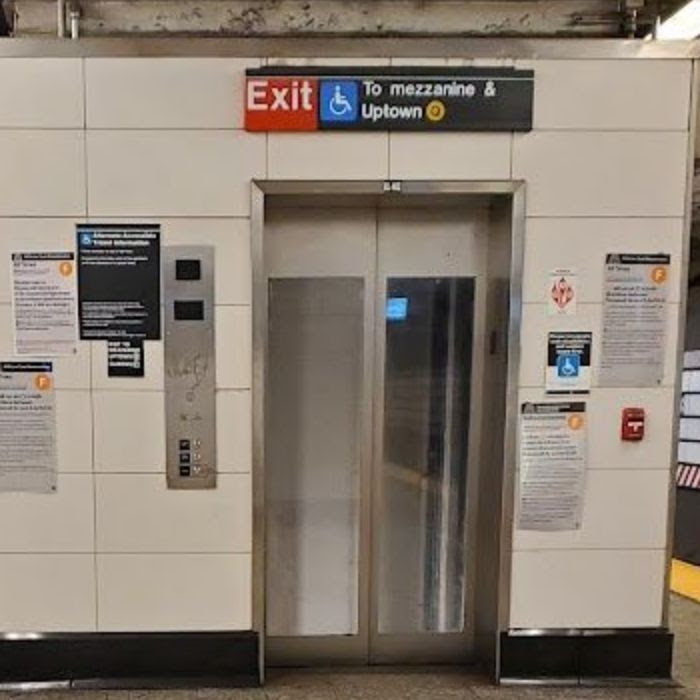
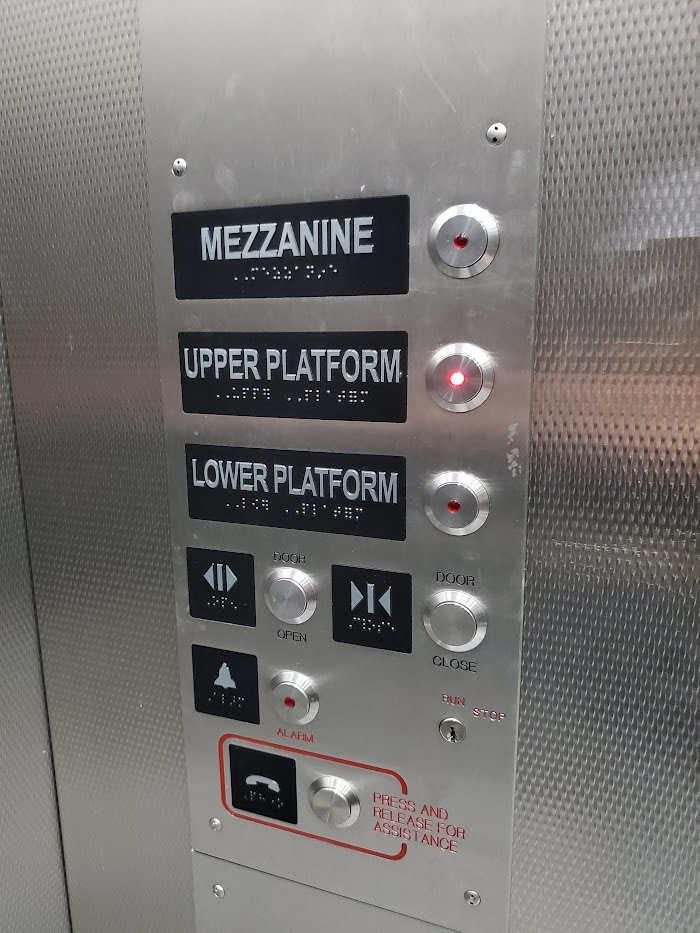
WHERE TO ON THIS ELEVATOR? SUGGESTION FOR THE MTA:
ADD SIGN THAT SAYS: UPPER PLATFORM DOWNTOWN,
ADD SIGN THAT SAYS: UPPER PLATFORM DOWNTOWN, BROOKLYN & F SHUTTLE FOR LOWER PLATFORM A SIGN THAT SAYS : UPTOWN TRAINS
(LEXINGTON AVENUE ELEVATOR AT 63 STEET STATION)
WEEKENDPHOTO
5 KIOSKS FOR QUEENBORO BRIDGE TROLLEY AT 59TH STREEN AND SECOND AVENUE. ANDY SPARBERG, GLORIA HERMAN AND DAVID JACOBY GOT IT RIGHT
Text by Judith Berdy Thanks to Bobbie Slonevsky for her dedication to Blackwell’s Almanac and the RIHS
WIKIPEDIA
JUDITH BERDY
MAYA LEVANON-PHOTOS TIK TOK & INSTAGRAM
All image are copyrighted (c) Roosevelt Island Historical Society unless otherwise indicated
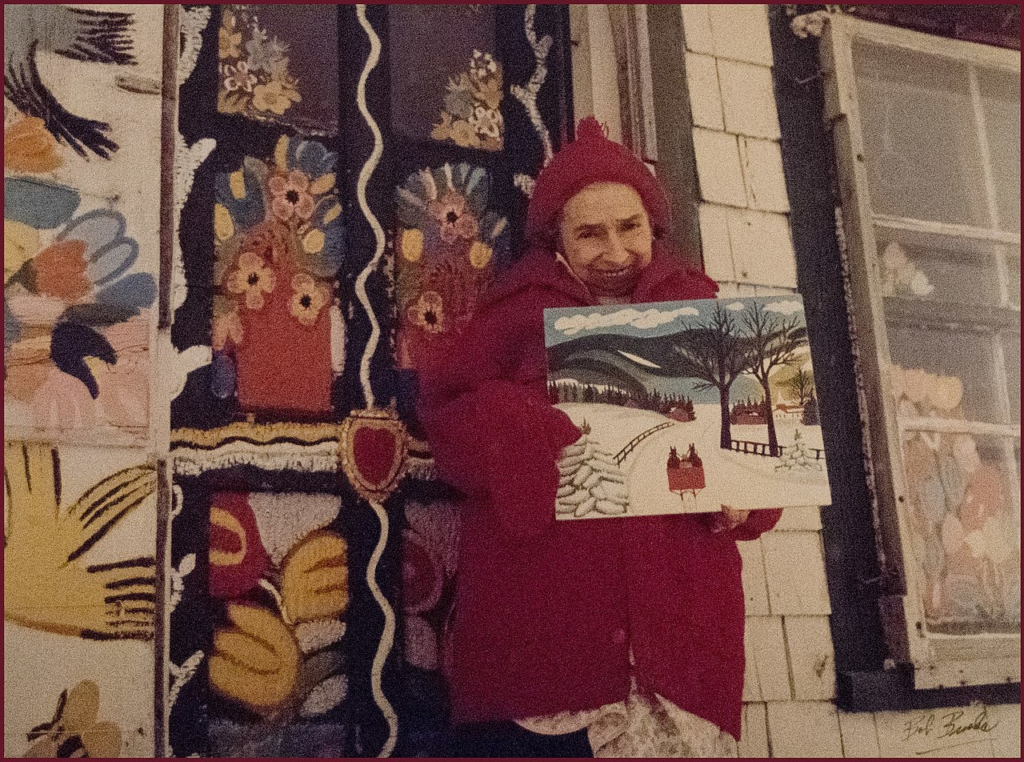
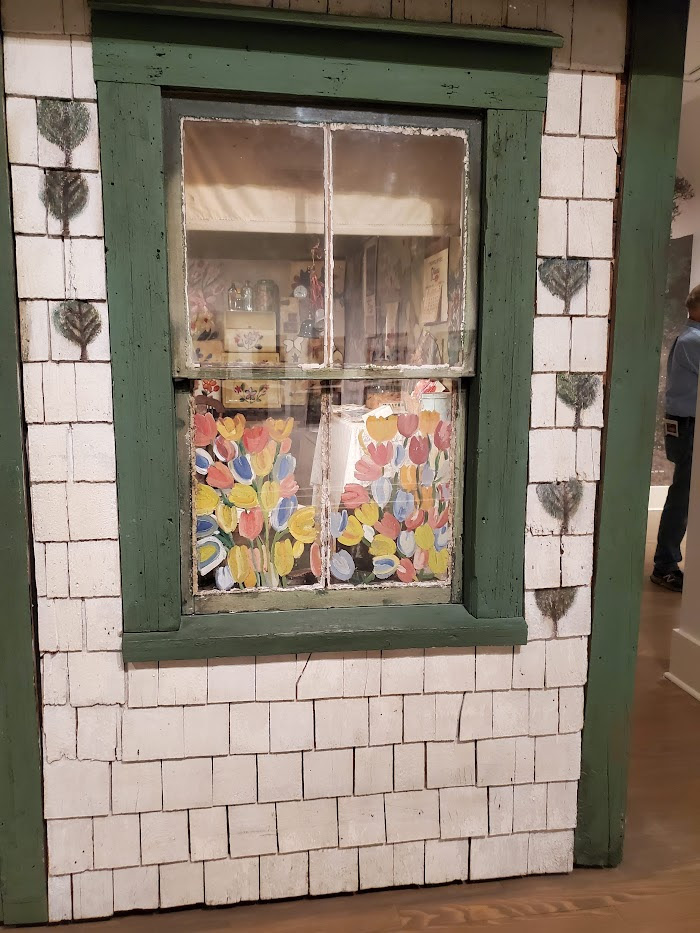
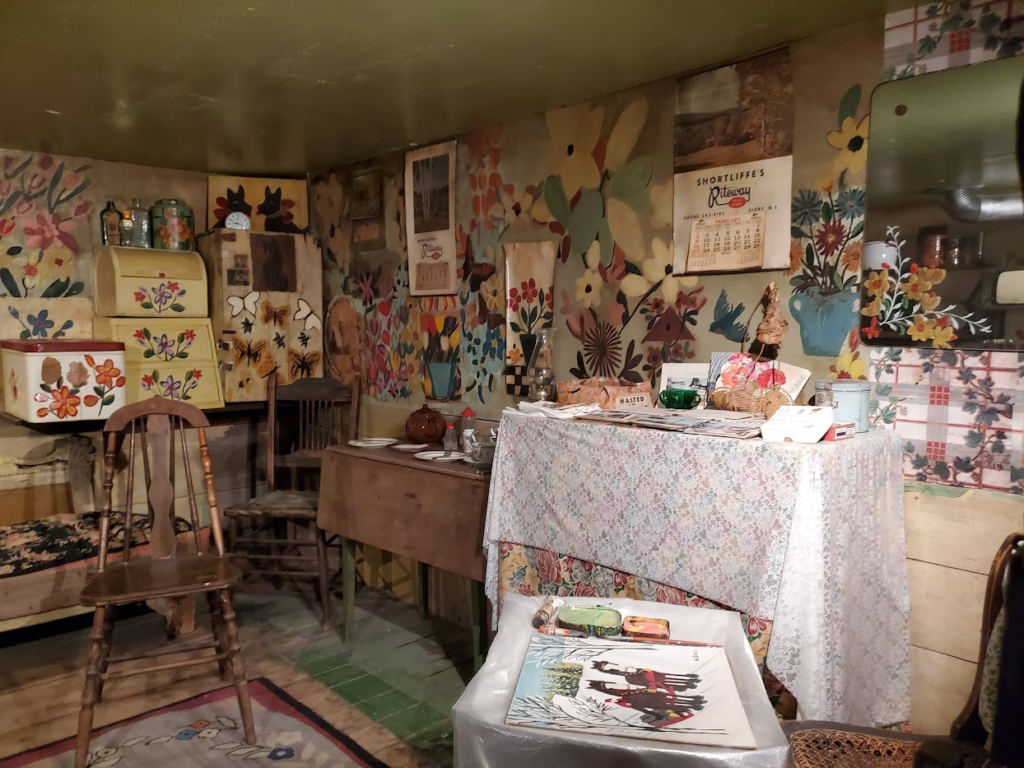
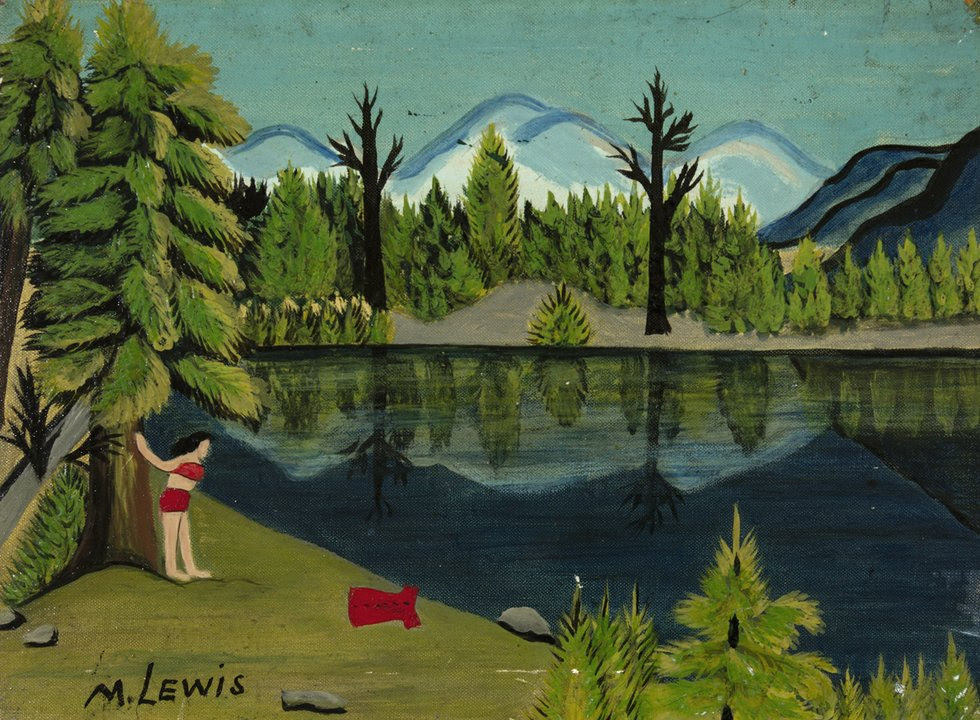
Recently, I was to be in Halifax, Nova Scotia and I asked Kathy Grimm about sites to see. Her daughter lives there and I knew she would have some good suggestions. One was the Art Gallery of Nova Scotia to see the Maud Lewis collection. It was great fun to see the creativity of a woman who painted her entire house!!
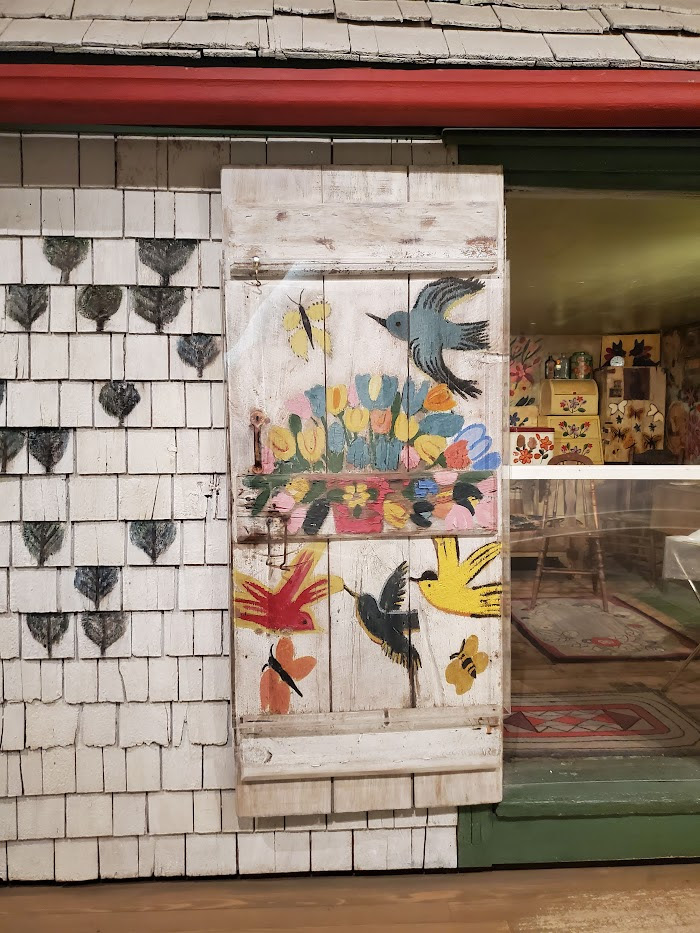
Doorway into Lewis’ home
Early life Lewis was born in South Ohio, Nova Scotia, the daughter of John and Agnes (Germain) Dowley.[4][5] She had one brother, Charles. She was born with birth defects and ultimately developed rheumatoid arthritis, which reduced her mobility, especially in her hands. Lewis’ father was a blacksmith and harness maker who owned a harness shop in Yarmouth, Nova Scotia. His business enabled Lewis to enjoy a middle-class childhood.[3] She was introduced to art by her mother, who instructed her in the making of watercolour Christmas cards to sell.[6] Lewis began her artistic career by selling hand-drawn and painted Christmas cards.[7]
Lewis’ father John died in 1935, and her mother followed him in 1937.[4] After living with her brother for a short while, she moved to Digby, Nova Scotia to live with her aunt.[4]
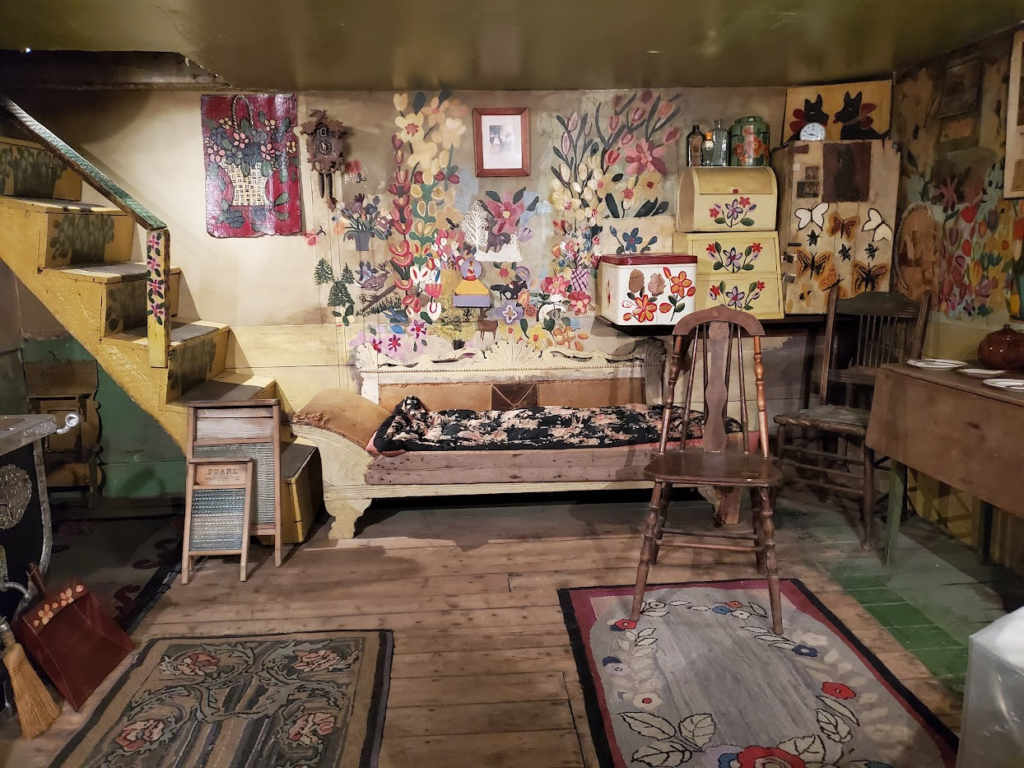
Cottage sitting room
Marriage
Dowley married Everett Lewis, a fish peddler from Marshalltown, on January 16, 1938, at the age of 34.[8] He also worked as the watchman at the county Poor Farm. According to Everett, Maud showed up at his doorstep in response to an ad he had posted in the local stores for a “live-in or keep house” for a 40-year-old bachelor. Several weeks later, they married.[9][4]
They lived in Everett’s one-room house with a sleeping loft, in Marshalltown, a few miles west of Digby. Maud used the house as her studio, while Everett took care of the housework.[10] They lived mostly in poverty.
Maud Lewis accompanied her husband on his daily rounds peddling fish door-to-door, bringing along Christmas cards she had painted. She sold the cards for five cents each, the same price her mother had charged for the cards she had made when Maud was a girl. These cards proved popular with her husband’s customers. When Everett was hired as a night watchman at the neighbouring Poor Farm in 1939, Lewis began selling her Christmas cards and paintings directly from their home.[3] Everett encouraged Lewis to paint, and he bought her her first set of oils.[11]
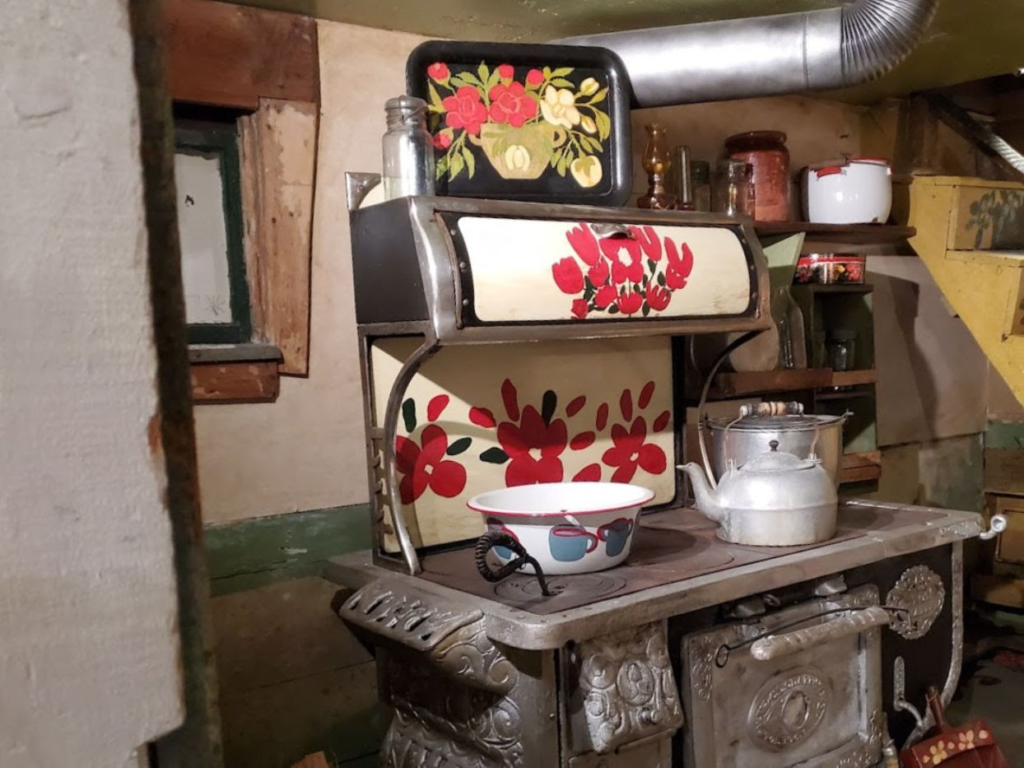
She expanded her range, using other surfaces for painting, such as pulp boards (beaverboards), cookie sheets, and Masonite. Lewis was a prolific artist and also painted on more or less every available surface in their tiny home: walls, doors, breadboxes, and even the stove. She completely covered the simple patterned commercial wallpaper with sinewy stems, leaves, and blossoms.[11]
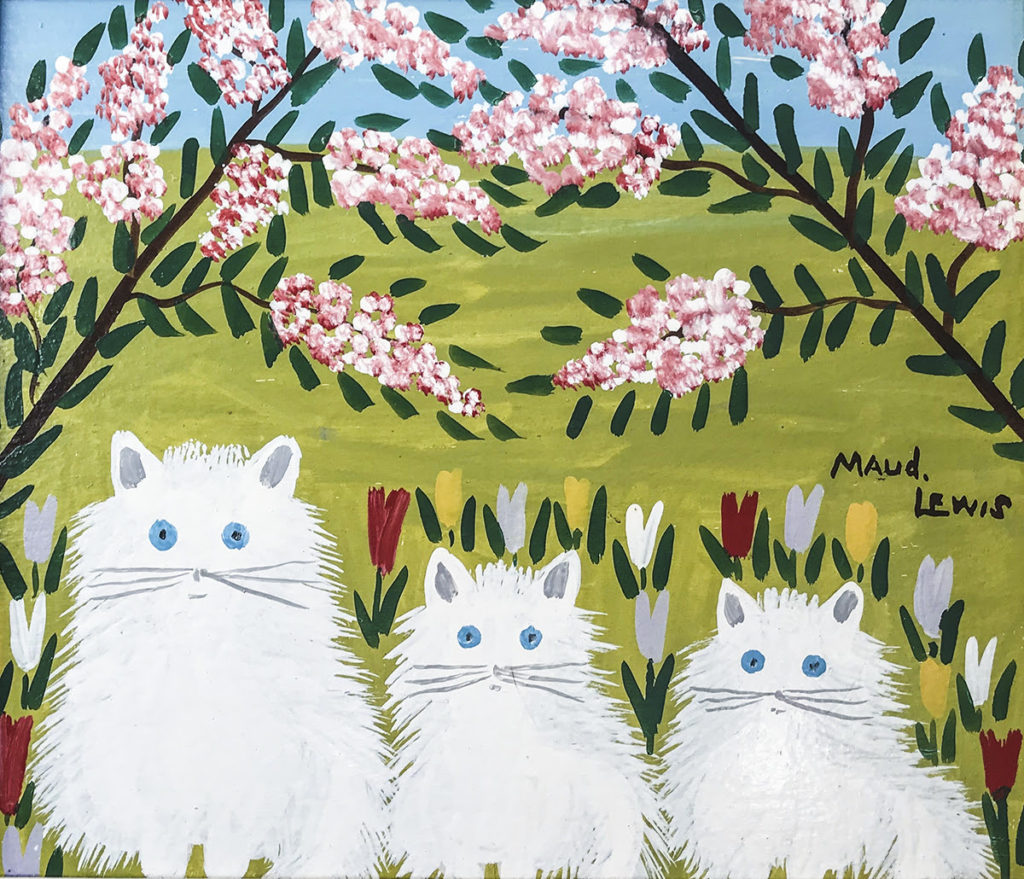
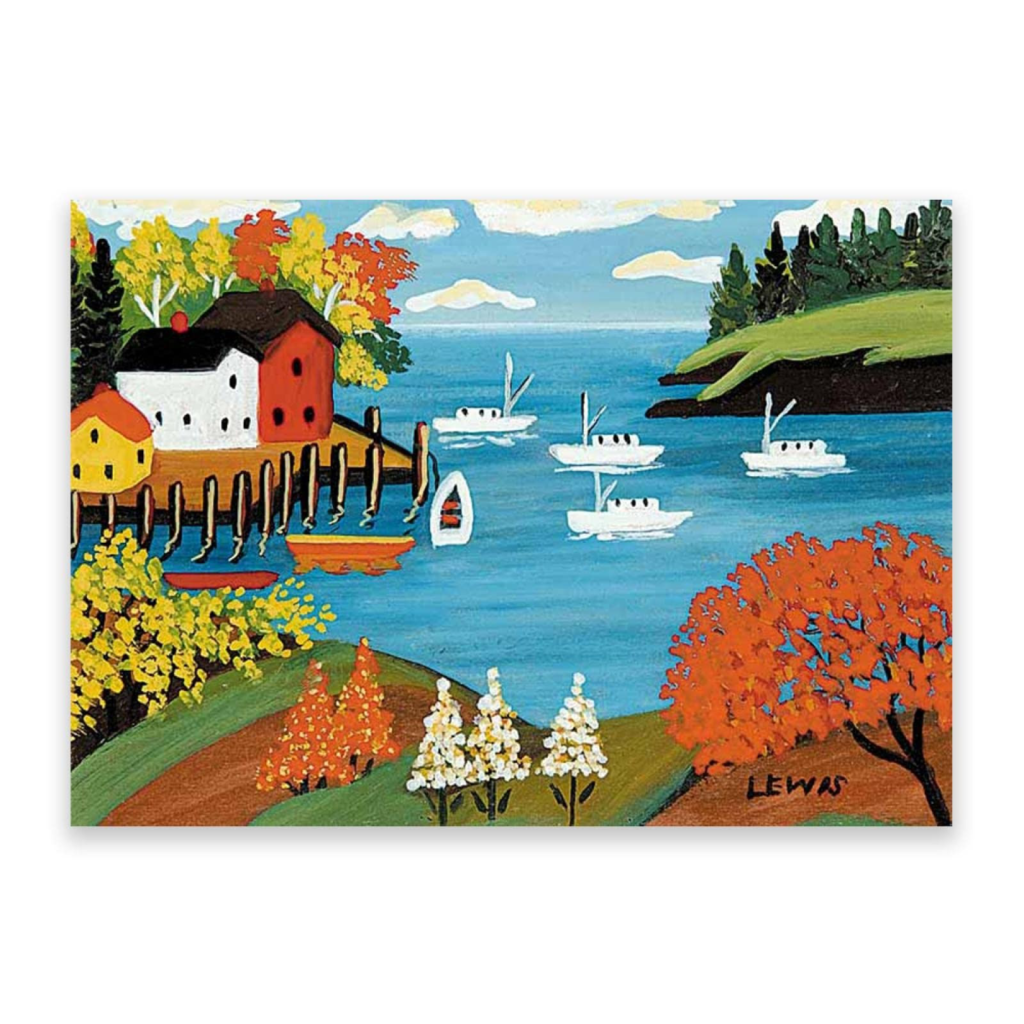
Lewis used bright colours in her paintings, and her subjects were often flowers or animals, including oxen teams, horses, birds, deer, and cats. Many of her paintings are of outdoor scenes, including Cape Island boats bobbing on the water, horses pulling a sleigh, skaters, and portraits of dogs, cats, deer, birds, and cows. Her paintings were inspired by childhood memories of the landscape and people around Yarmouth and South Ohio, as well as Digby locations such as Point Prim and Bayview. Commercial Christmas cards and calendars also influenced her.
Lewis returned to the same subjects again and again, each time painting them slightly differently. For instance, she made dozens, if not hundreds, of images of cats over the course of her career. The serial nature of her practice was partly motivated by customer demand; she repeated compositions that sold well while discarding less popular ones. “I put the same things in, I never change,” she said of her style on the CBC program Telescope in 1965. “Same colours and same designs.”[12]
Many of her paintings are quite small, no larger than eight by ten inches, although she is known to have done at least five paintings that are 24 inches by 36 inches. For several years, Everett cut the boards for the paintings to size, although near the end of her career she was purchasing Masonite pre-cut to set dimensions.[3] The size of her paintings was limited by the extent she could move her arms, which were affected by arthritis. She used mostly wallboard and tubes of Tinsol, an oil-based paint. Her technique consisted of first coating the board with white, then drawing an outline, and applying paint directly out of the tube. She never blended or mixed colours.[13]
Early Maud Lewis paintings from the 1940s are quite rare. A large collection of Lewis’ work can be found in the Art Gallery of Nova Scotia (AGNS). It occasionally displays the Chaplin/Wennerstrom shutters (now part of the Clearwater Fine Foods Inc. collection) comprising 22 exterior house shutters Lewis painted in the early 1940s for some Americans who owned a cottage on the South Shore. Most of the shutters are quite large, at 5 ft x 1 ft.6 inches. Lewis was paid 70 cents a shutter.[citation needed]
Between 1945 and 1950, people began to stop at Lewis’ Marshalltown home on Highway No. 1, Nova Scotia’s main highway and tourist route, buying her paintings for two or three dollars each. Only in the last three or four years of her life did Lewis’ paintings begin to sell for seven to ten dollars. She achieved national attention as a folk artist following an article in the Toronto-based Star Weekly in 1964. In 1965, she was featured on CBC-TV’s Telescope.[14][15] Two of Lewis’ paintings were ordered by the White House in the 1970s during Richard Nixon‘s presidency.[16] Her arthritis limited her ability to complete many of the orders that resulted from her national recognition.
Ktchen stove
Later life and death
In the last year of her life, Lewis stayed in one corner of her house, painting as often as she could while traveling back and forth to the hospital for treatment of health issues. She died in Digby on July 30, 1970, from pneumonia.[17] Her husband Everett was killed in 1979 by a burglar during an attempted robbery of the house.[18]
House
After Everett Lewis’ death, their painted house began to deteriorate. A group of concerned citizens from the Digby area started the Maud Lewis Painted House Society to save the landmark. In 1984, it was sold to the Province of Nova Scotia and transferred to the care of the AGNS,[4] which restored the house and installed it as part of its permanent Lewis exhibit.[4]
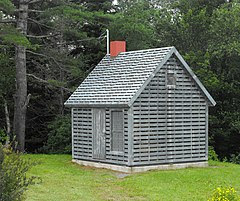
A steel memorial sculpture based on the Lewis’ house has been erected at the original homesite in Marshalltown, designed by architect Brian MacKay-Lyons.[19] A replica of the Maud Lewis House was built in 1999 by retired fisherman Murray Ross, complete with finished interior. It is a few kilometres north of Marshalltown on the road to Digby Neck in Seabrook.[19]
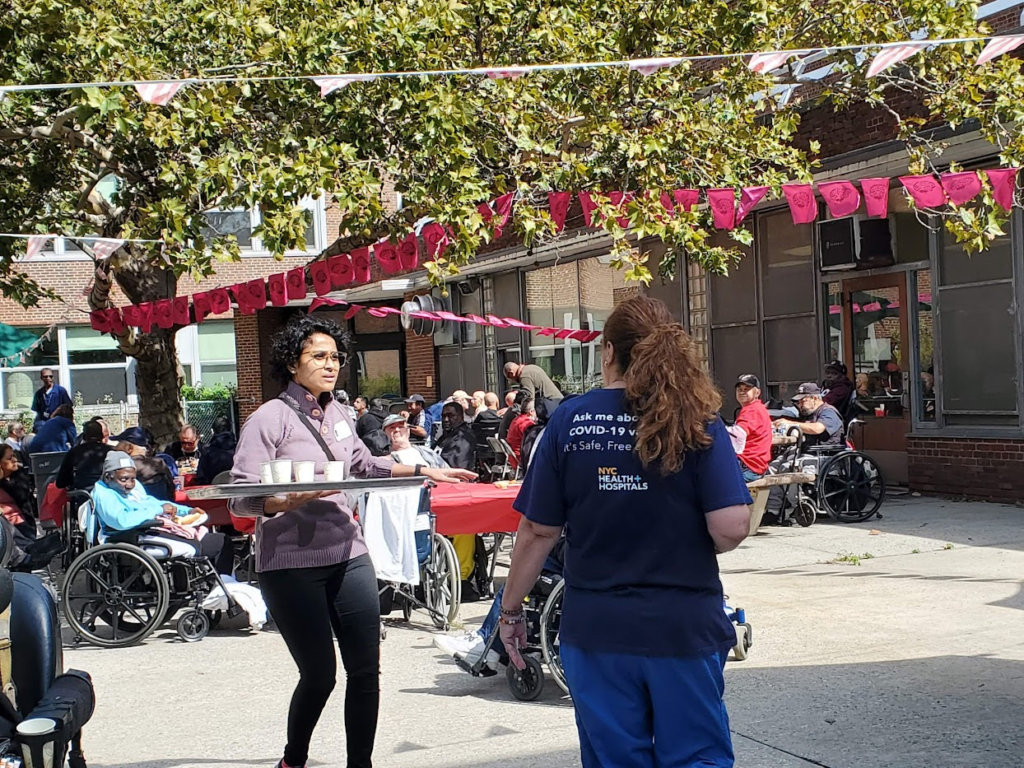
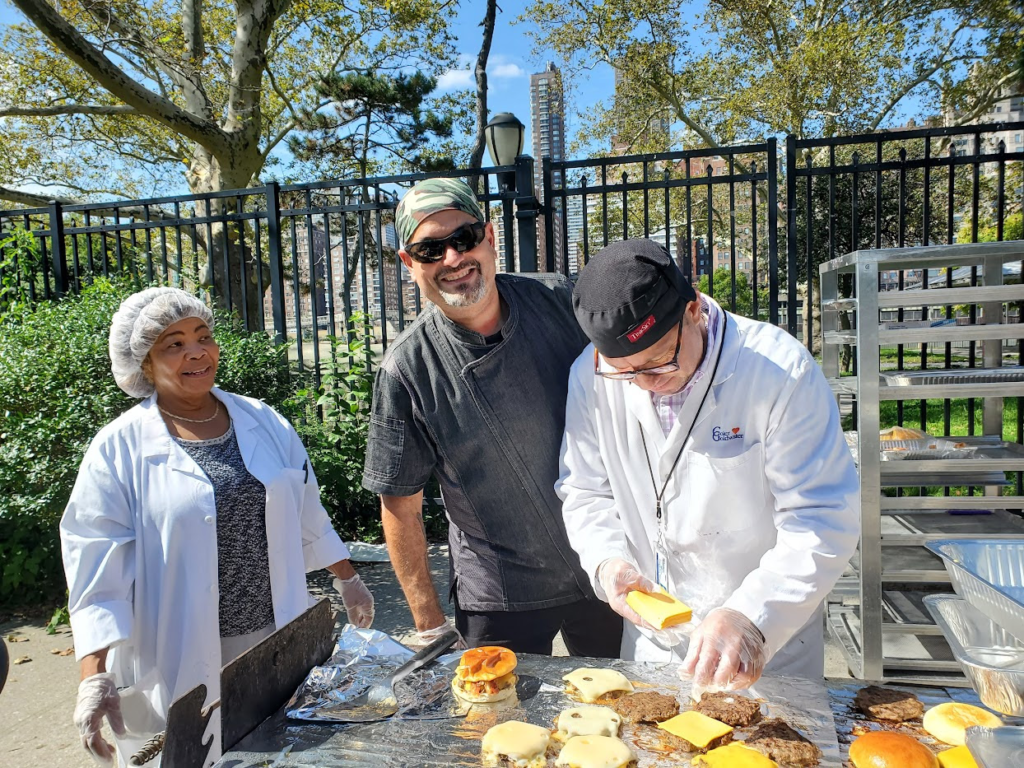
TODAY BRIGHT IN THE SUNSHINE THE COLER RESIDENTS HAD A GRAND BBQ IN THEIR GARDEN.
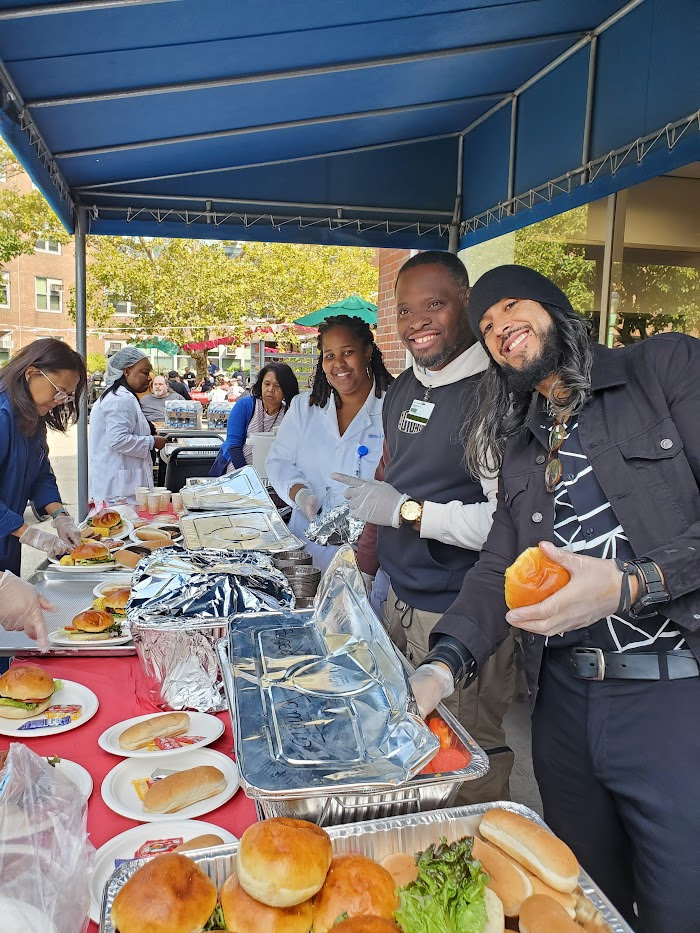
THE DIETARY DEPARTMENT AND THERAPEUTIC RECREATION DEPARTMENTS CAME TOGETHER TO BRING HUNDREDS OF RESIDENTS TO THE GARDEN FOR THE FUN AFTERNOON.
IT TAKES A MULTI-DEPARTMENT EFFORT TO SAFELY SERVE THE RESIDENTS. EVERY RESIDENT HAD A COLOR CODED STICKER INDICATING THE MEAL THAT THEY WERE BEING SERVED.
A GROUP OF HUNTER COLLEGE DIETARY STUDENT ARE INTERNING AT COLER AND THEY MADE GREAT SERVERS AND HELPERS TODAY.
WE ARE NOT ALLOWED TO PHOTOGRAPH THE RESIDENTS, BUT WE ASSURE YOU THAT THERE WERE LOTS OF SMILES AND CHEERFUL RESIDENTS TODAY ENJOYING A SPECIAL END OF SUMMER BBQ.
RECREATION THERAPISTS ROBERT, GENARO AND ASHLEY FORMED AN ASSEMBLY LINE OF HAMBURGER ASSEMBLY. DIRECTOR OF THERAPETIC RECREATION JOVEMAY SANTOS WAS BUSY ON THE ASSEMBLY LINE TOO.
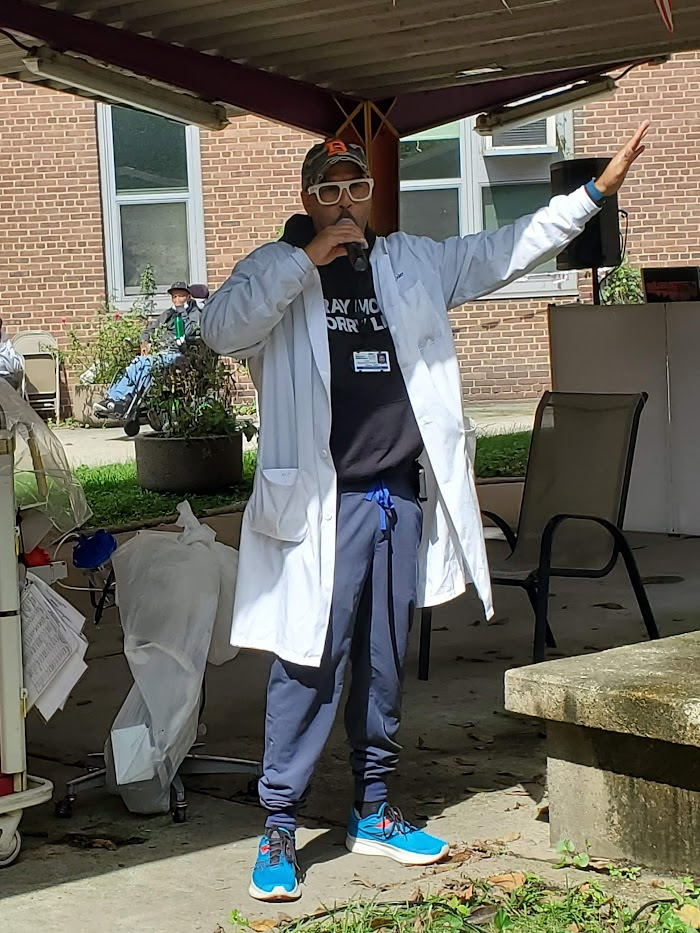
GEORGE IS COLER’S BEST M.C. AND MUSIC MASTER AT ALL EVENTS.
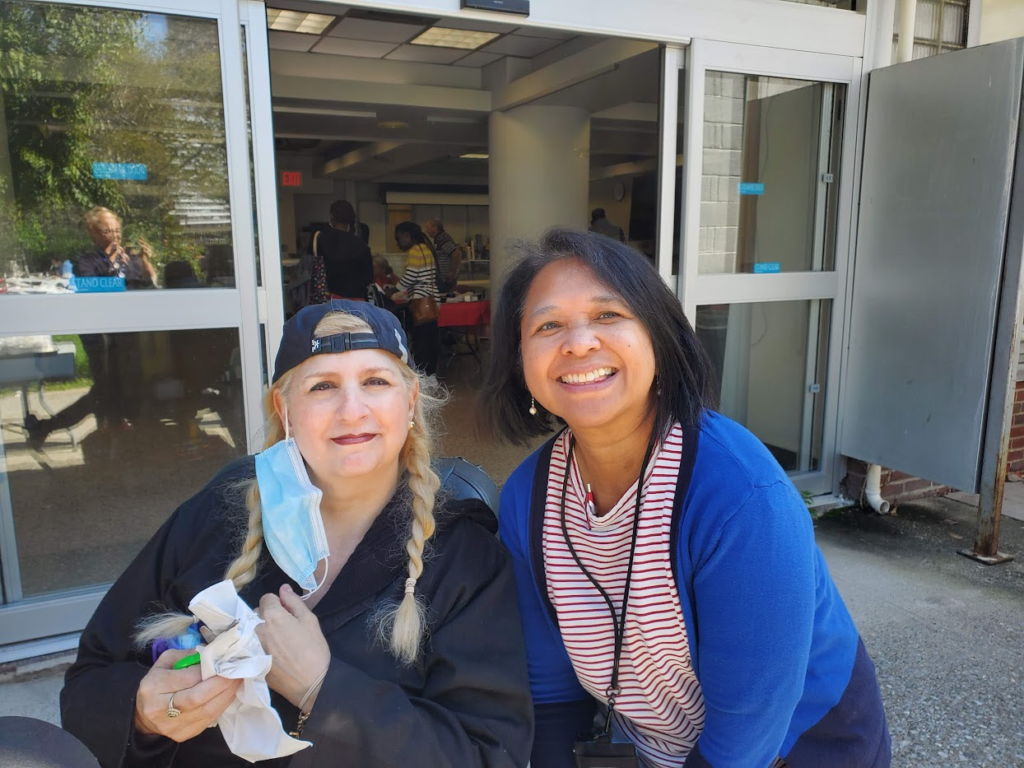
RECREATION THERAPISTS MARGARET AND MARIA TOOK A BREAK TO GREET AND SERVE THE RESIDENTS
THERAPIST ASHLEY LOVES FOOD EVENTS AND DOES SPECIAL SNACKS FOR RESIDENTS EACH WEEK
THURSDAY PHOTO OF THE DAY
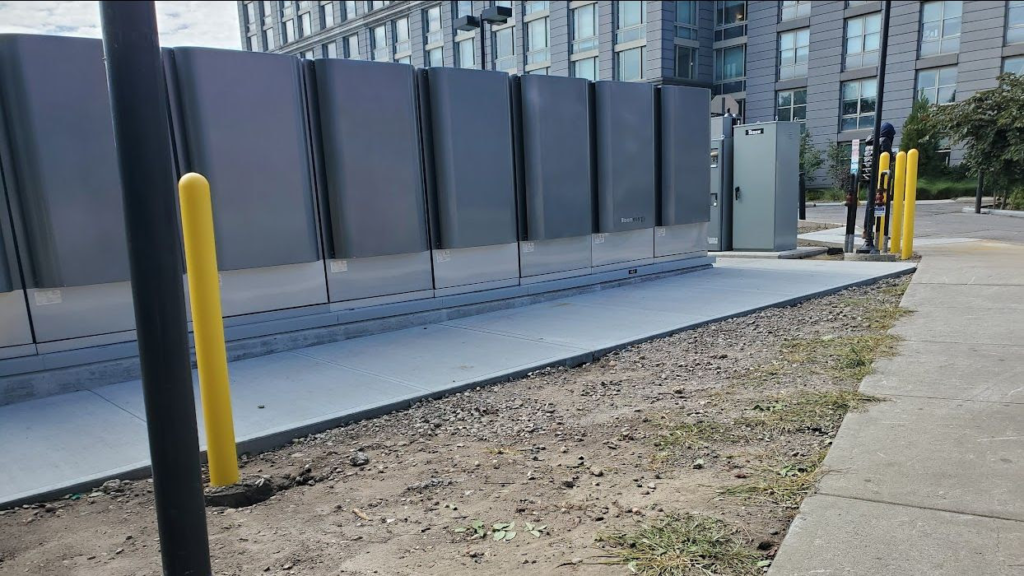
THE NEW POWER CELL AT THE OCTAGON HAS JUST BEEN COMPLETED. THE BUILDING REPLACED THEIR ORIGINAL UNIT THIS YEAR.
Text by Judith Berdy Thanks to Bobbie Slonevsky for her dedication to Blackwell’s Almanac and the RIHS
JUDITH BERDY
Thanks to Deborah Dorff for maintaining our website Edited by Melanie Colter and Deborah Dorff
MAYA LEVANON-PHOTOS TIK TOK & INSTAGRAM
All image are copyrighted (c) Roosevelt Island Historical Society unless otherwise indicated
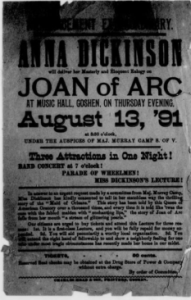
On a cold, snowy January evening in 1874, Anna Elizabeth Dickinson became one of the first women of national prominence to speak on women’s suffrage in Clinton County, NY. Those gathering to hear her at the Palmer Hall, located upstairs at 60 Margaret Street in downtown Plattsburgh, were described as the most intellectual and cultivated in the community.
The crowd that night would have known her reputation.
Dickinson was born in 1842 into a Philadelphian Quaker family. Her father was an abolitionist. She was educated at the Friends’ Select School in Philadelphia and acknowledged as a gifted speaker and prodigy.
Her first speaking engagement was in 1860 at age 18 when she addressed the Pennsylvania Anti-Slavery Society. In early 1861, when she spoke in her native city on “Women’s Rights and Wrongs,” her career on the speaking circuit began.
By 1863 Dickinson’s reputation had grown and her name appeared around the country for her anti-slavery stand during the Civil War. She was a staunch supporter of the Republican Party, though not always of Abe Lincoln, whom she felt was too moderate. Because she was a young phenom, she was elevated by some as the “Joan of Arc” of the United States’ ongoing battle to end slavery in the South.
In 1864 she was the first woman to speak before Congress and after the war she resumed her speaking career, equality for African-Americans and women’s rights. The speech was attended by Lincoln.
By 1874 she had been on the speaking circuit for nearly 15 years. During the 1871-72 lecture season she spoke almost every night from October to April commanding from $150 to $400 a night, a very large sum for its time. At her peak, she earned more than Mark Twain.
Dickinson’s spoke on “The Rights and Wrongs of Women,” Reconstruction, “Women’s Work and Wages,” and “Between Us Be Truth,” on the social evils of venereal disease. Before arriving in Plattsburgh, she had started an acting career, climbed Pike’s Peak, and traveled the nation to give her orations on African American and women’s suffrage. (is is believed to be the first white woman to summit Colorado’s Longs Peak, Lincoln Peak, and Elbert Peak, and the second to climb Pike’s Peak.) It is unclear which organization in Plattsburgh sponsored her lecture or if admission was charged.
She entered the Palmer Hall stage not as the audience expected a radical, nonconformist to appear. Her rich brown silk dress included a train. There were diamonds on her ears, neck, and fingers. Her passport described her as 5’ 2” with large gray eyes, a fair complexion, a large Grecian nose, full lips, a round chin, and a round face. Her voice was rich, deep, and mellow, with a style betraying her Quaker training using biblical words.
Her stage presence was not that of a petite woman, and she used the entire stage to deliver her speech. She was a dramatic actress with a message. The title of her address was “What’s to Hinder Women from Helping Themselves?”
She began with the premise women are weak and dependent and need to understand how to overcome their “disabilities.” Women are their own worst enemy, she said, due to their typically gentle upbringing, women are not toughened for real work as their brothers are. Further, in order for women to do men’s work they needed to have the same training.
There would be no free ride, she argued. One will not get something for nothing. If all women are waiting for is marriage, they are not fitting themselves for good work and will not receive rewards for good work.
“The key of a woman’s success is in the brain and in the skill and cunning handle craft that come only with practice,” the Essex County Republican quoted. The reporter felt she did far more than other female orators in the country to create “a correct public sentiment for the best interests of her sex.”
After Dickinson’s 1874 lecture, Plattsburgh organizations started to host lectures by other noted suffrage supporters such as Wendell Phillips and Susan B. Anthony. But it would be 43 years before the city’s women would win the right to vote in state and federal elections.
Also a writer, Dickinson published the radical novel What Answer? (1868), supportive of interracial marriage. She made arguments for worker training, prison reform, assistance for the poor, and compulsory education for children in A Paying Investment, a Plea for Education (1876).
In the meantime, Anna was committed to against her will by her sister Susan Dickinson to the Danville State Hospital for the Insane in Pennsylvania, before being transferred to a private hospital in Goshen, Orange County, NY, where she quickly began giving lectures. She sued newspapers who claimed she was insane and those who had her committed, winning the case against her kidnapping and three libels suits in 1898.
Once released, she lived with George and Sallie Ackley in Goshen for more than 40 years. According to letters between them, and confirmed by George Ackley and his sisters, Dickinson and Sallie Ackley were lovers. When Sallie died, she left a large portion of her estate to Anna.
Anna Elizabeth Dickinson died in 1932 at the age of 89 and was buried in Slate Hill Cemetery in Goshen. A marker at her grave (next to that of the Ackleys) reads “America’s Civil War Joan of Arc,” and quotes her: “My head and heart, soul and brain, were all on fire with the words I must speak.”
WEDNESDAY PHOTO OF THE DAY
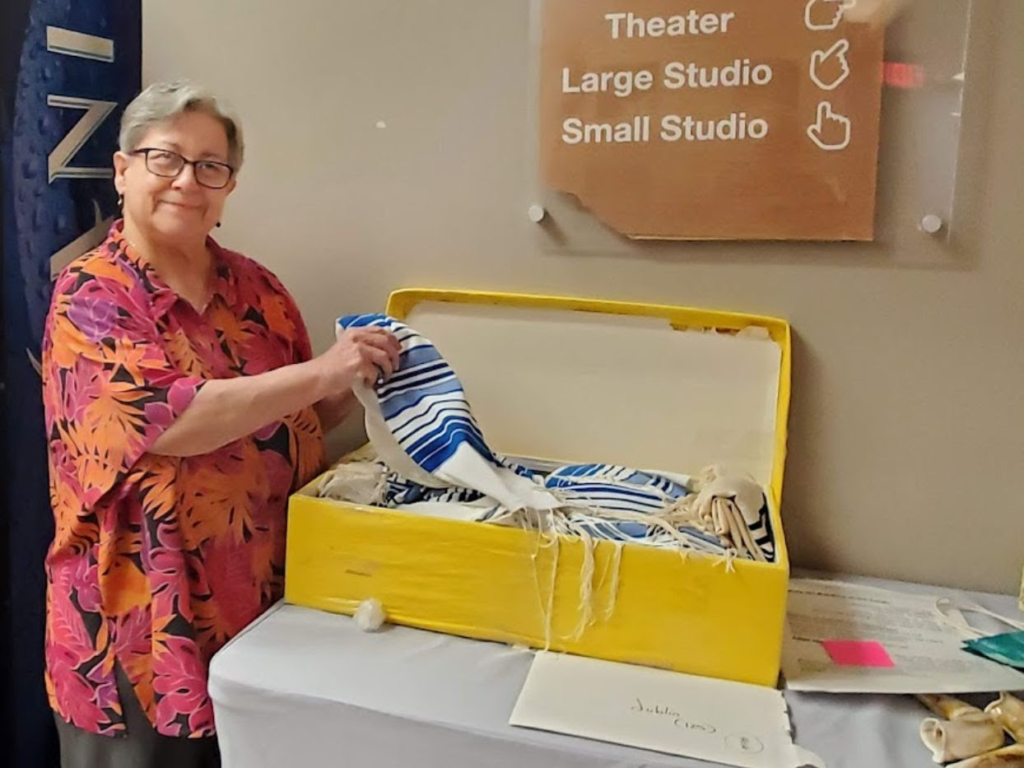
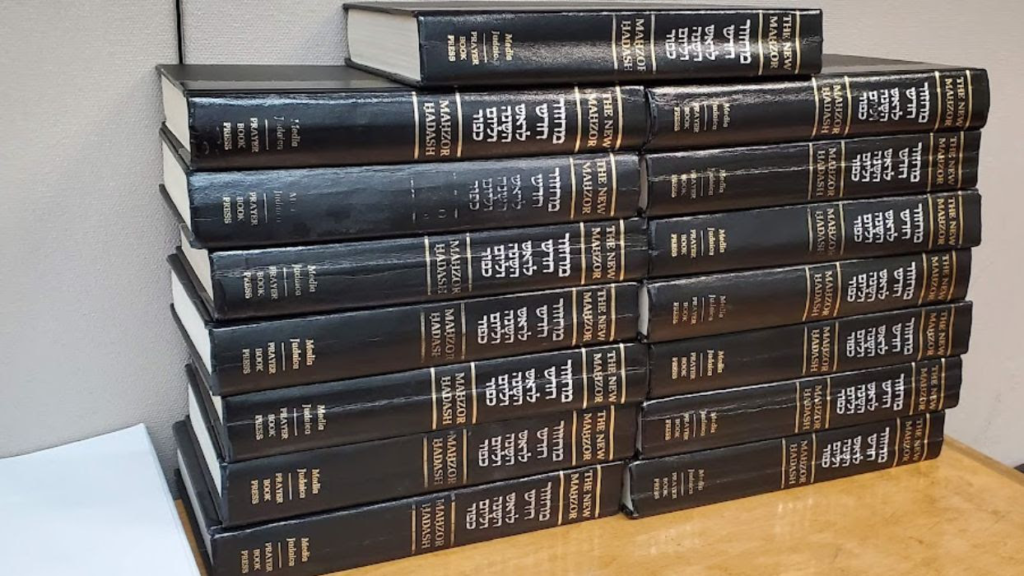
READY FOR NEXT YEAR NINA LUBLIN, PRESIDENT OF THE R.I. JEWISH CONGREGATION STORES ITEMS FOR OUR NEXT HOLIDAYS.
TUESDAY PHOTO OF THE DAY
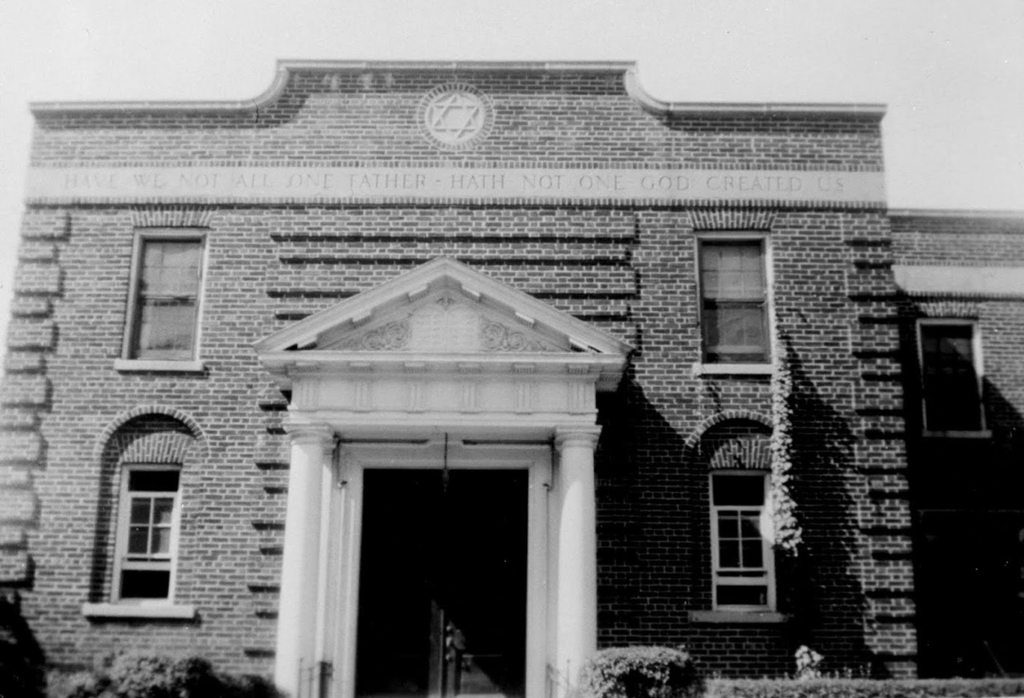
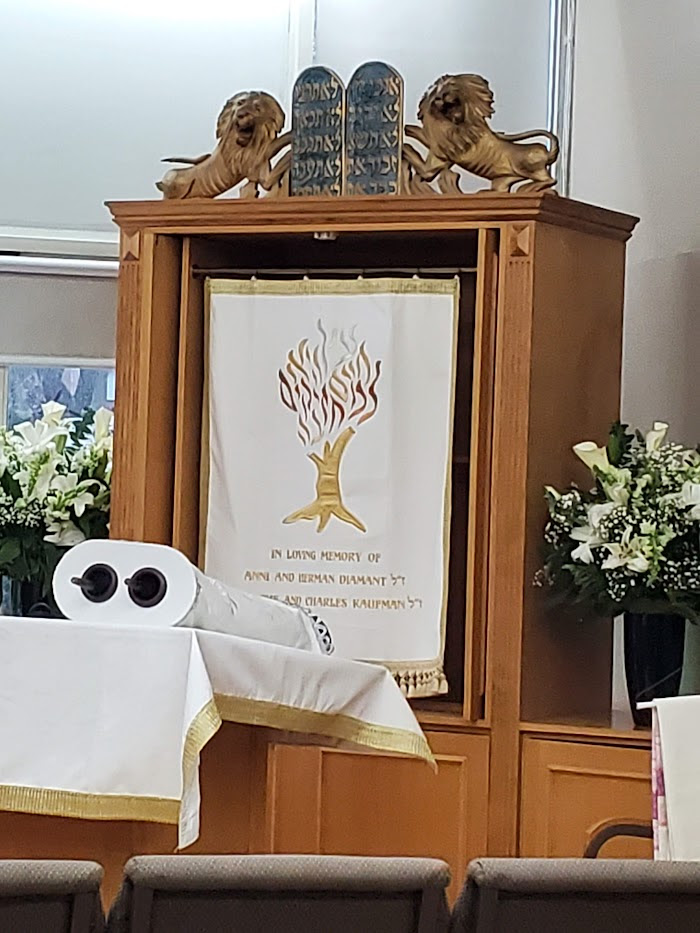
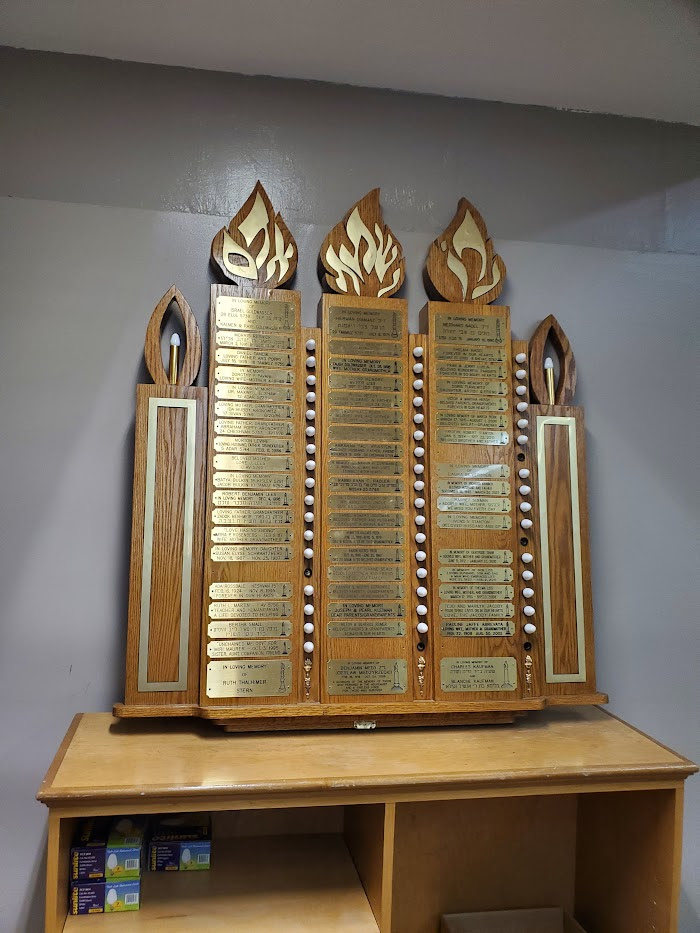
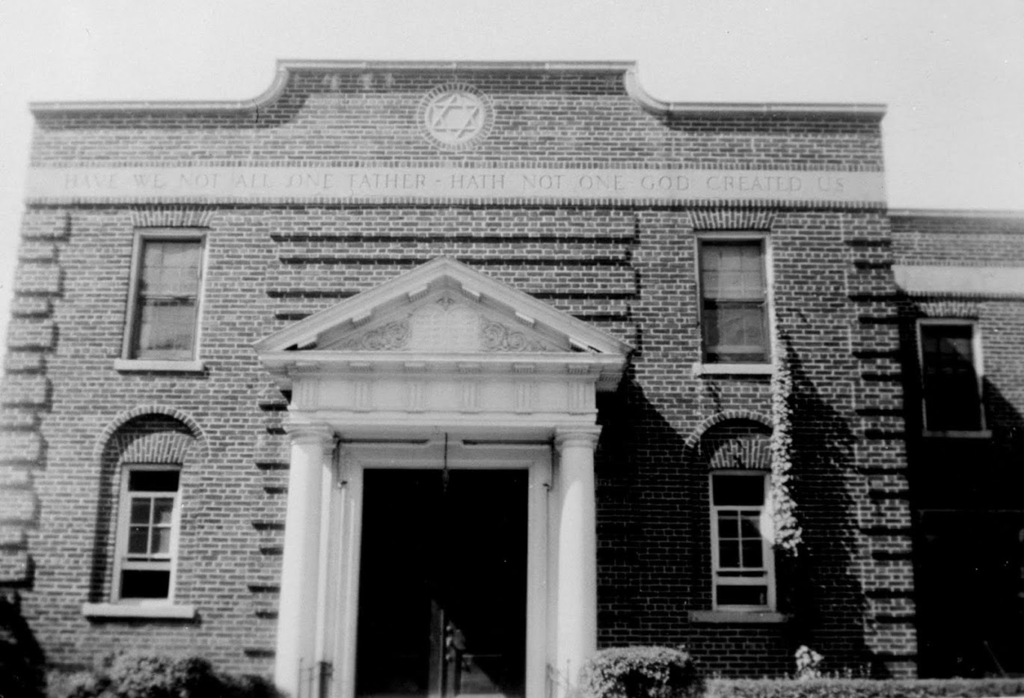
COUNCIL SYNAGOGUE OPENED BY THE NATONAL COUNCIL OF JEWISH WOMEN IN 1927, TO SERVE THE RESIDENTS OF THE CITY HOME
Text by Judith Berdy Thanks to Bobbie Slonevsky for her dedication to Blackwell’s Almanac and the RIHS
Anna Elizabeth Dickinson: ‘America’s Civil War Joan of Arc’ NEW YORK ALMANACK
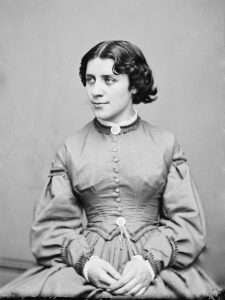
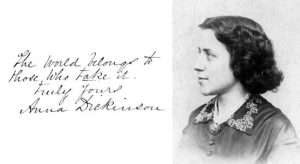
Illustrations, from above: A Mathew Brady photo of Anna Elizabeth Dickinson, taken between 1855 and 1865; an Anna E. Dickinson photo and autograph; and a lecture poster from 1891.
John Warren contributed to this article.
Thanks to Deborah Dorff for maintaining our website Edited by Melanie Colter and Deborah Dorff
MAYA LEVANON-PHOTOS TIK TOK & INSTAGRAM
All image are copyrighted (c) Roosevelt Island Historical Society unless otherwise indicated
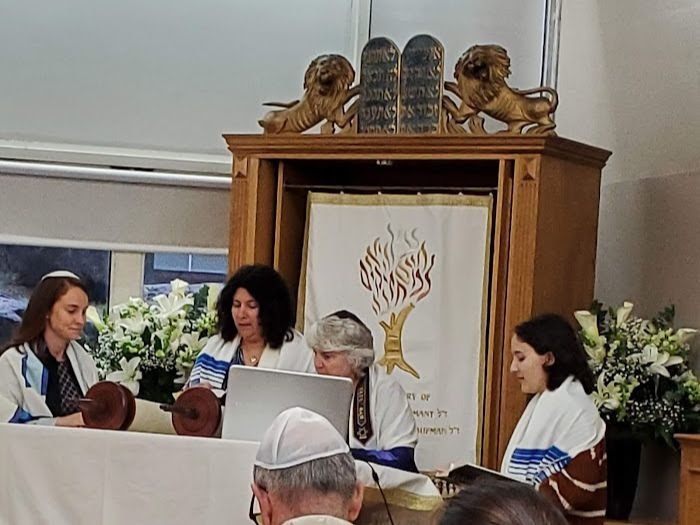
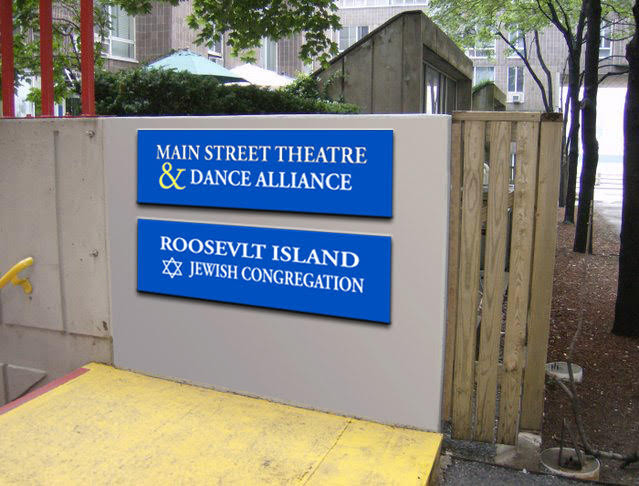
In 1993, the Roosevelt Island Jewish Congregation (RIJC) moved into it’s new home in the Cultural Center. We were the only tenants along with the Main Street Theatre and Dance Alliance (MSTDA).
The RIJC held its services in the same room all year and expanded to the adjacent dance studio for high holidays and and occasional celebrations.
The MSTDA thrived under the direction of Worth and Nancy Howe, and subsequent directors.
Many other island and outside organizations used the space and it thrived as a cultural headquarters.
In the 2000’s the Cultural Center suffered two massive floods that closed the facilties for years. RIOC decided that the RIJC and MSTDA would now rent their space and other groups would also use the facilities.
The constant delays and construction issues, along with RIOC politics lead to extensive delays and postponements of usage.
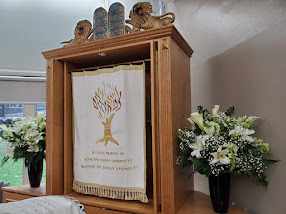
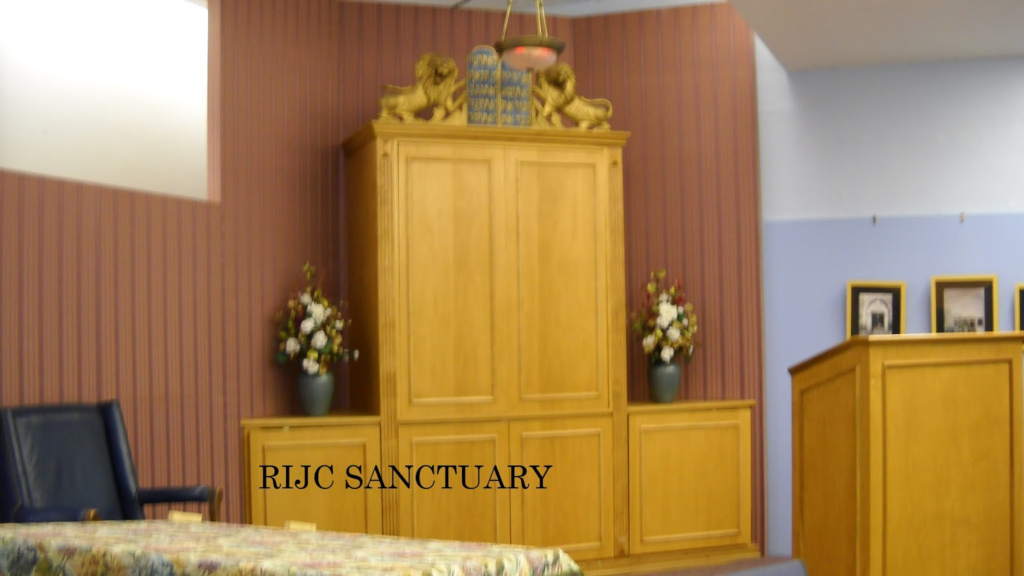
Our sanctuary was no longer ours, stripped of all removable furnishings. Anyone can now rent the space for any event. We agreed to the changes and worked to reserve the space when we needed it for events.
Other groups used the space and left in frustration of dealing with RIOC. Only two groups have persevered with use of the center.
We are thirilled to be back in our “home” even for they most holy of holidays and welcome all to our Succah this Friday evening on the roof of the CUltural Center, at the 540 breezeway (on the senior center terrace) RIJC.ORG for more information.
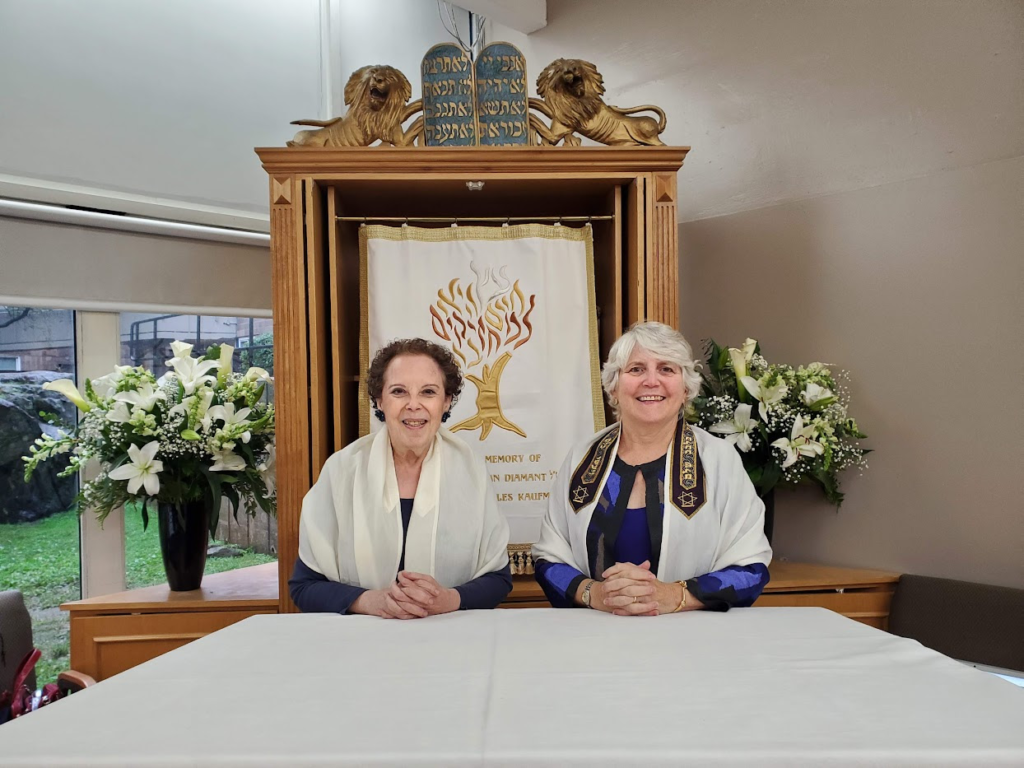
Rabbi Laurie Gold and Cantor Sandra Goodman welcoming congregants for our Yom Kippur service
The torah is read and congregants follow in person or on Zoom.
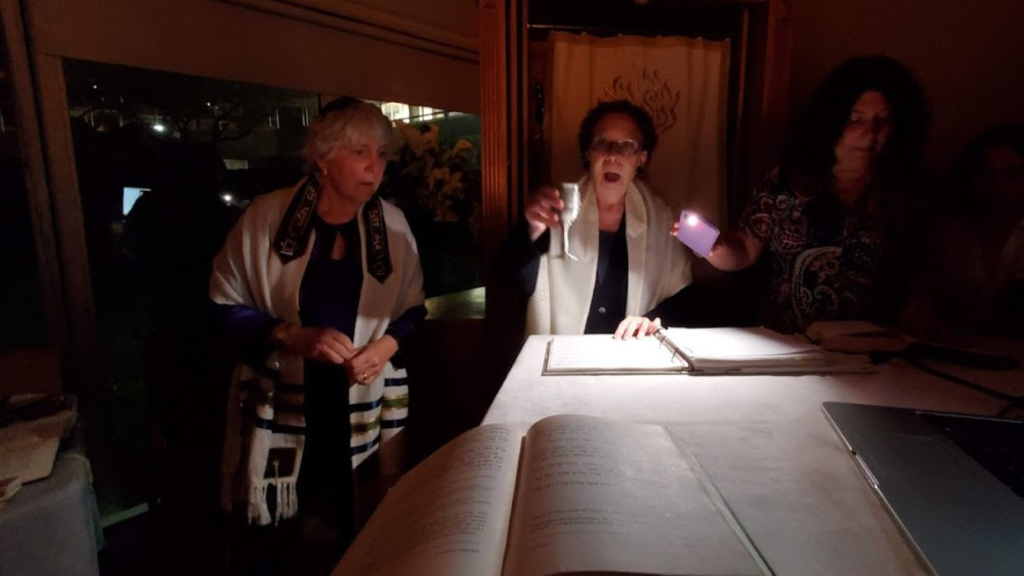
The end of the holiday is celebrated with Havdalah
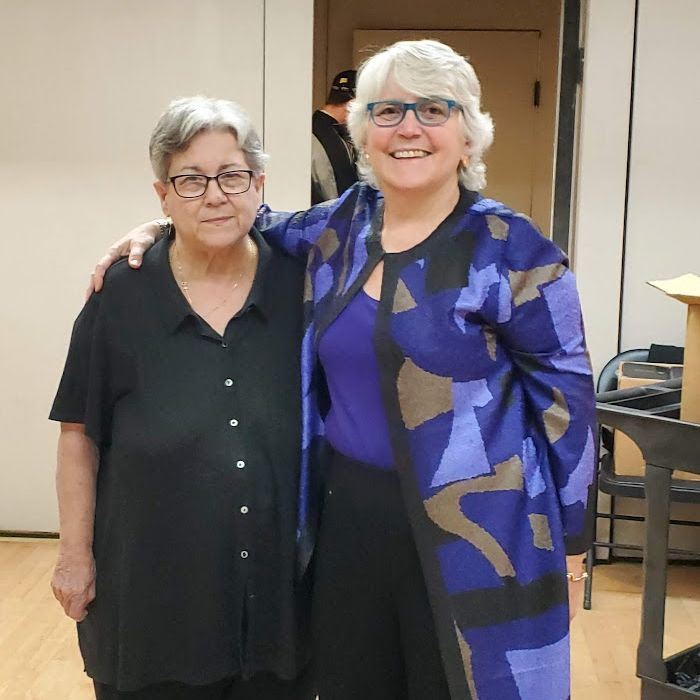
NINA LUBLIN AND RABBI LAURIE GOLD AFTER THE LONG YOM KIPPUR SERVICES.
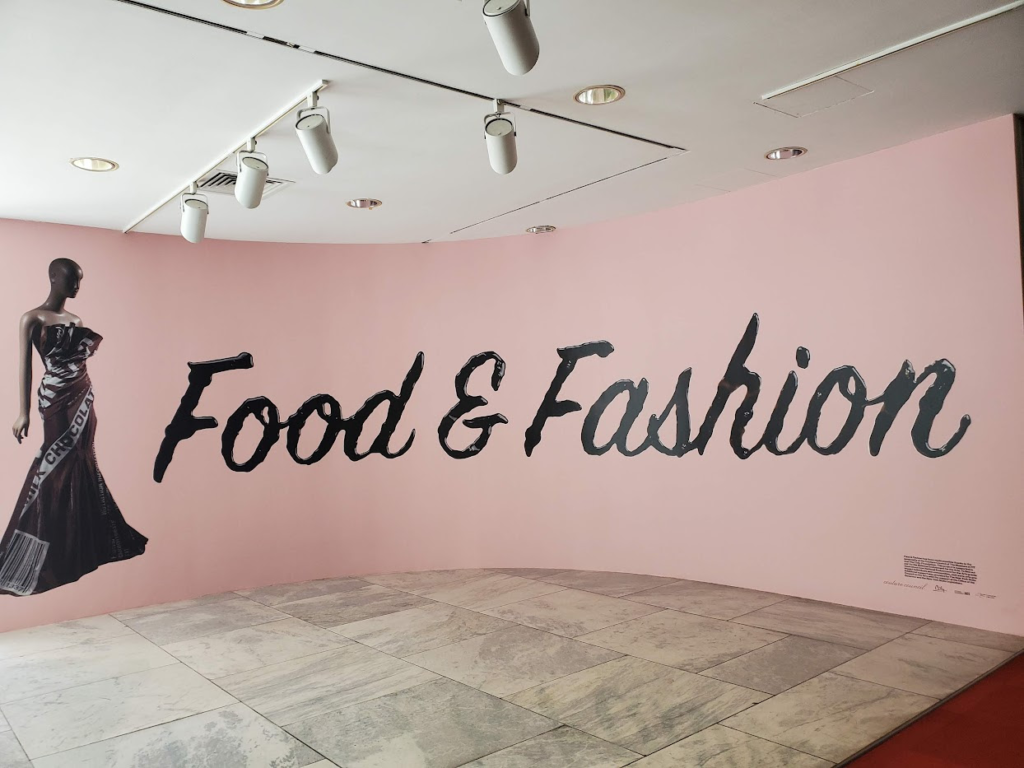
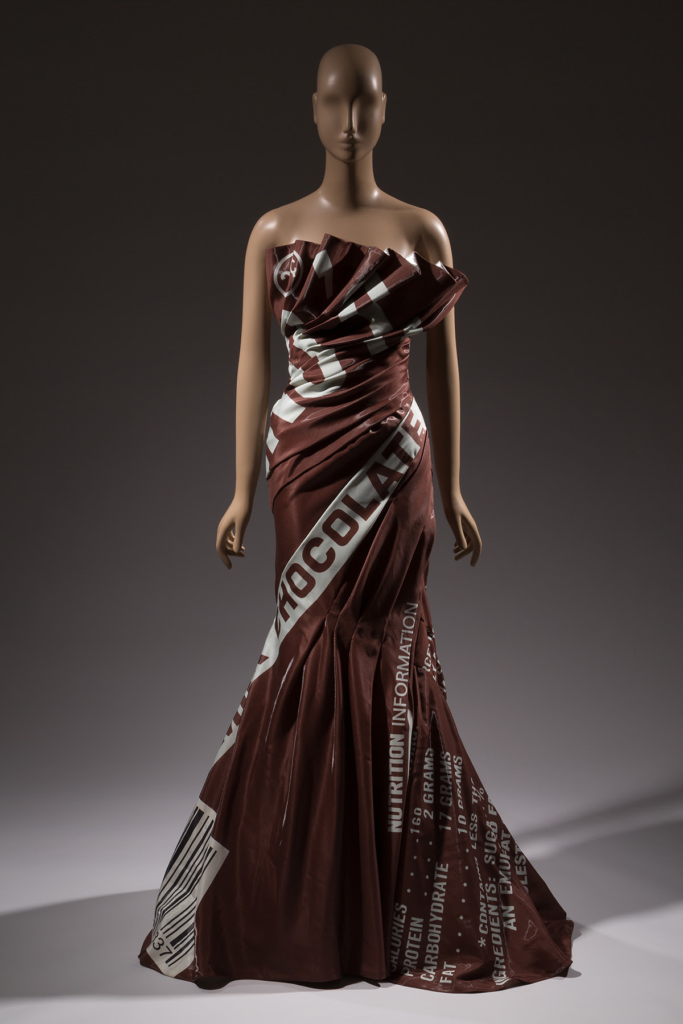
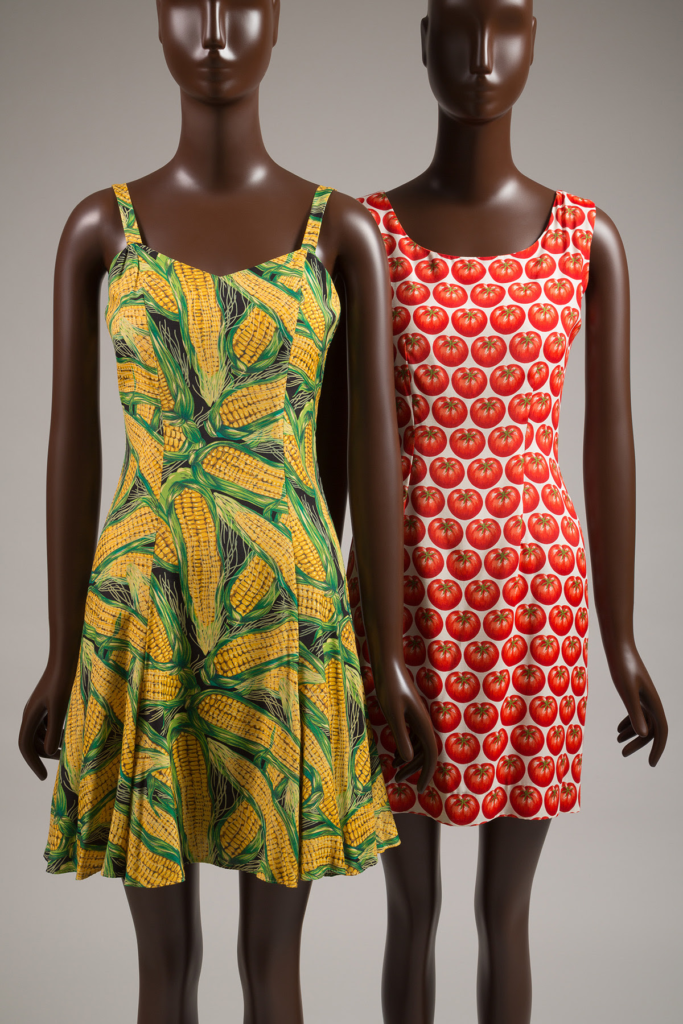
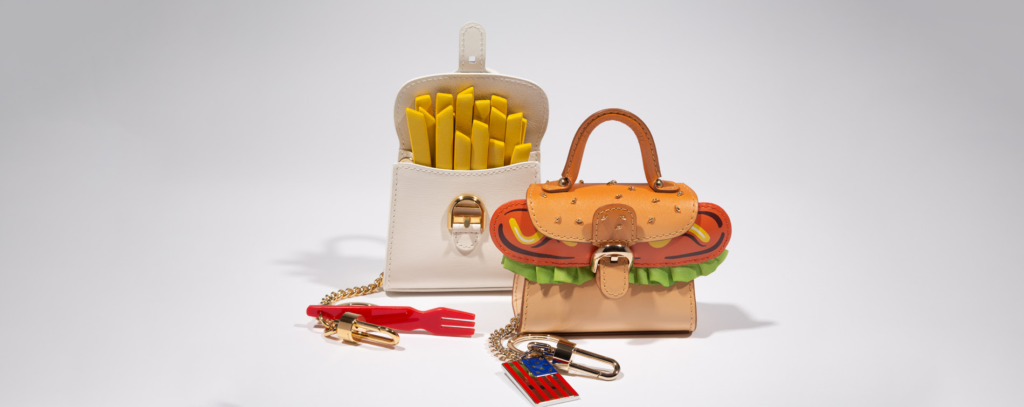
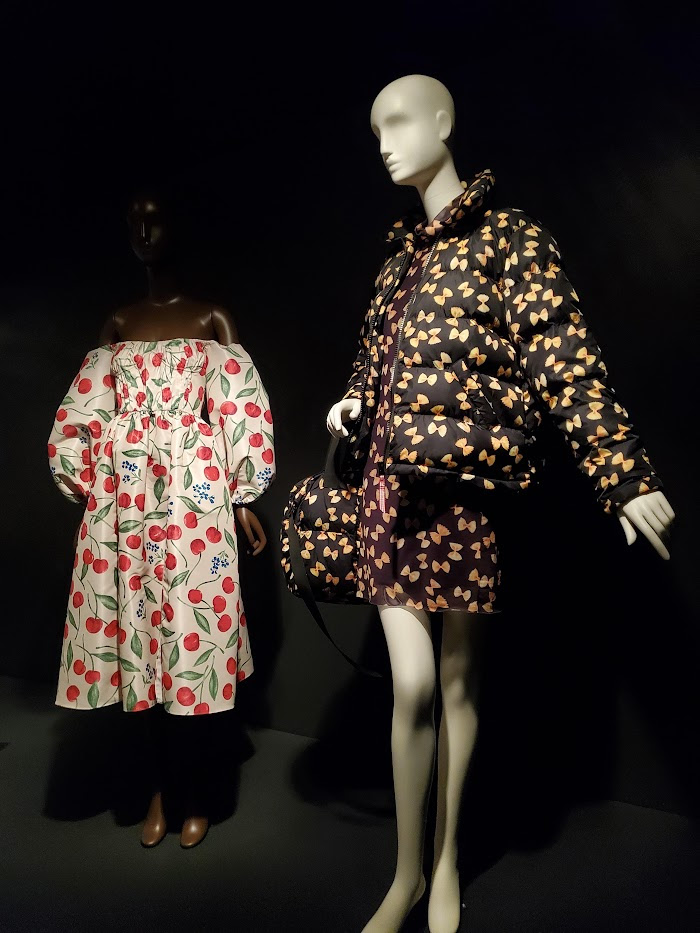
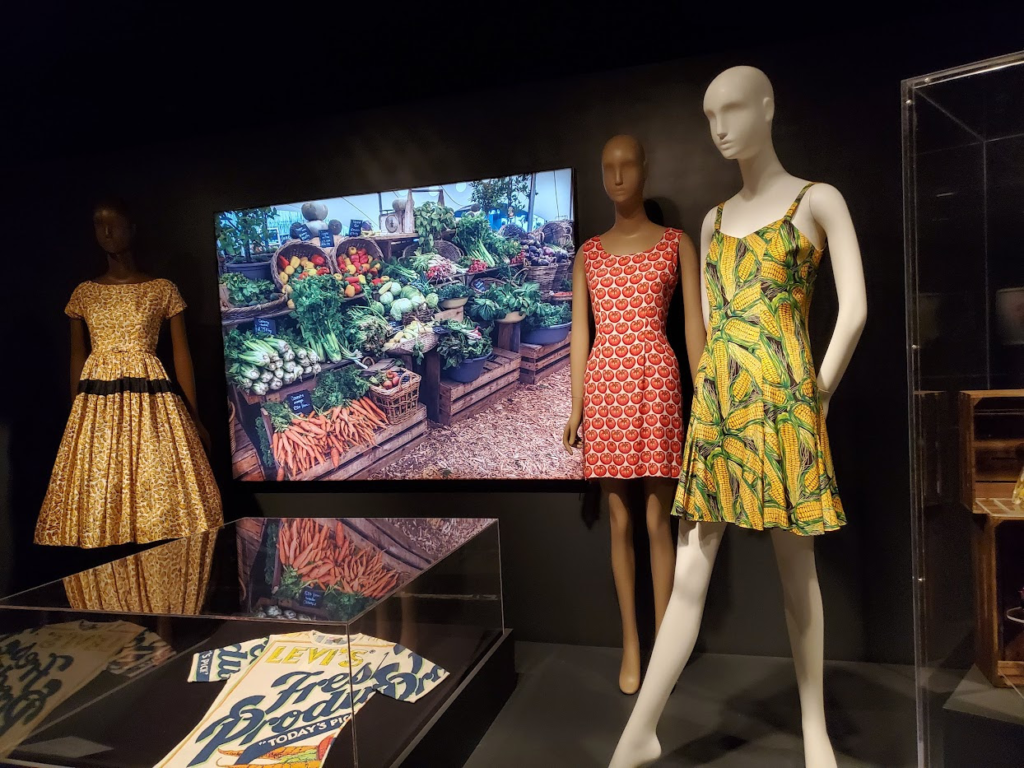
I usually pass by the FIT campus when the museum is closed. The other day I saw it was open and who can resist an exhibit about food and fashion.
Both food and fashion are central to our daily lives. They speak to people’s most basic needs while also expressing our individual and cultural identities. The exhibition Food & Fashion explores how food themes and motifs are used to comment on critical topics from luxury, gender, and consumerism to sustainability, social activism, and body politics. Food has influenced fashion design from the eighteenth-century to today. So while the connection between the two genres is hardly new – think of woven pomegranates, embroidered ears of wheat, or fruit-trimmed hats – just this year, in 2023, the New York Times reported that food motifs are “the new florals” in fashion. Food & Fashion is an exciting and timely exhibition that includes over eighty garments and accessories by designers including Chanel, Moschino, and Stella McCartney. It is a multifaceted look at how intertwined these genres are and what they can express about our culture and society.
Food & Fashion is co-curated by Melissa Marra-Alvarez, curator of education and research, and Elizabeth Way, associate curator of costume at MFIT.
On the occasion of Hispanic Heritage Month, Four Freedoms Park Conservancy has engaged its first guest curator, bestselling author, Pulitzer Prize finalist, and Brooklynite Xochitl Gonzalez.
Kicking off her programming is a newly commissioned mural by Latin-American artist Mata Ruda entitled “Esta Tierra Es Nuestra Tierra” (“This Land is Our Land).”
“Esta Tierra Es Nuestra Tierra” (“This Land is Our Land)”
When: Now through October 15
Where: Franklin D. Roosevelt Four Freedoms State Park, 1 FDR Four Freedoms Park, NYC
Free
LEARN MORE ABOUT THE CURATOR AND ARTIST
XOCHITL GONZALEZ is the New York Times bestselling author of Olga Dies Dreaming. Named a Best of 2022 by The New York Times, TIME, Kirkus, Washington Post, and NPR, Olga Dies Dreaming was the winner of the Brooklyn Public Library Book Prize in Fiction and The New York City Book Awards. Her new novel, Anita de Monte Laughs Last, is forthcoming in March 2024 with Flatiron Books. As a staff writer for The Atlantic, she was recognized as a 2023 finalist for the Pulitzer Prize in Commentary.
MATA RUDA (Karl Miller Espinosa) is a Latin-American artist and muralist residing in Newark. Using iconography from both sides of the border, he creates a variety of murals and paintings that empower overlooked communities. His work has been exhibited by institutions including: the Newark Museum, El Museo Barrio in Harlem, the Street Art Museum in Russia, and the Hudson Valley Center for Contemporary Art. Since 2012 he has been invited to commissioned to create public murals in Russia, Puerto Rico, Ukraine, Mexico, the United States, and more.