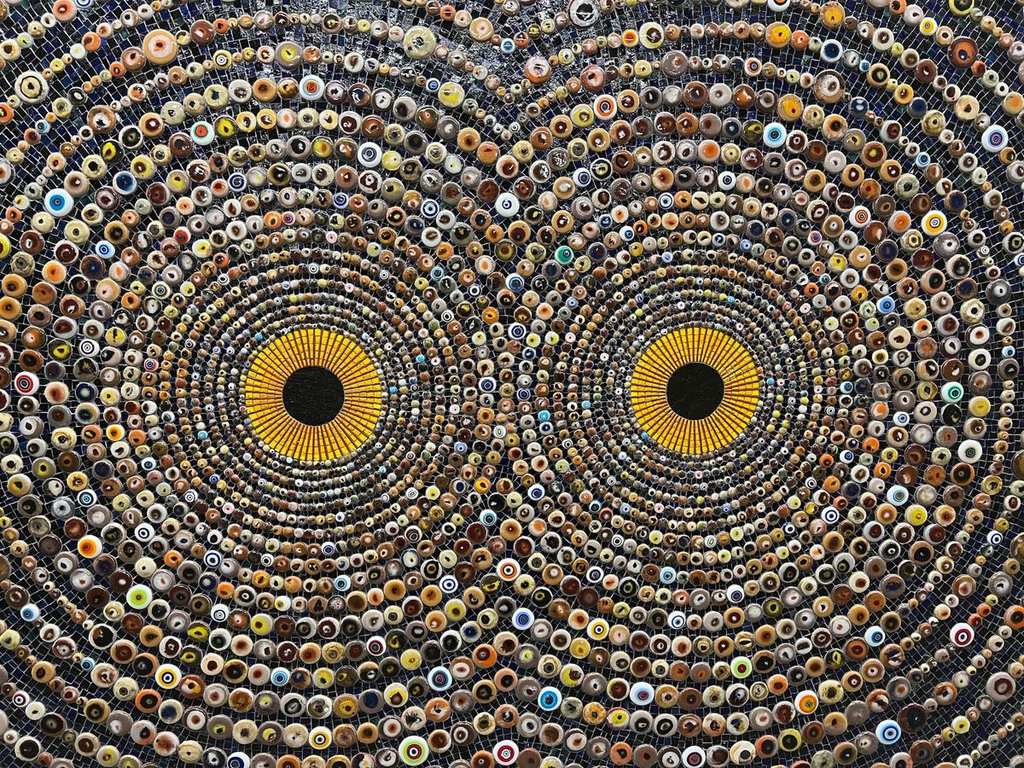
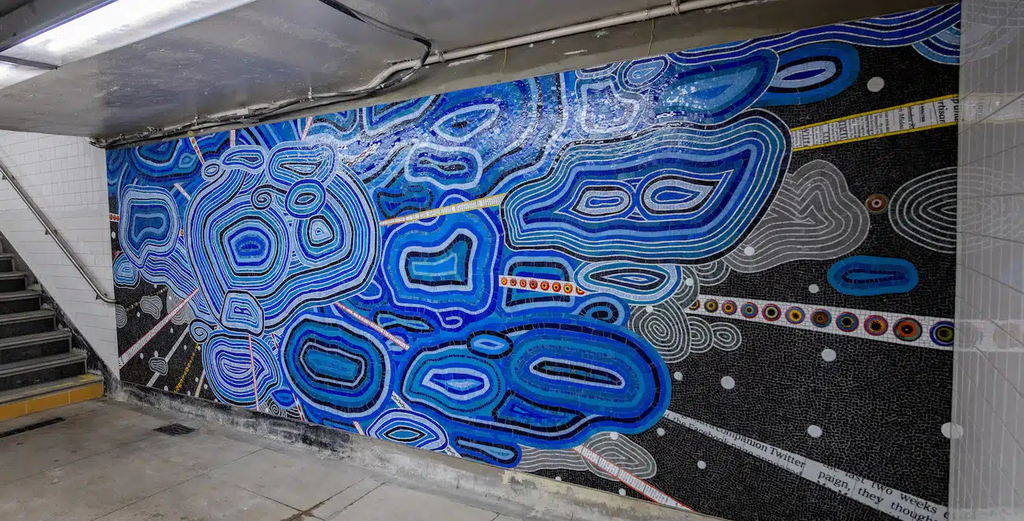
This particular mosaic detail resembles Tomaselli’s collage of Flaco the eagle owl. (image courtesy Fred Tomaselli)
In one of New York City’s transport hubs, riders are now watched by hundreds if not thousands of glass and ceramic eyes.
Earlier this year, artist Fred Tomaselli created “February 25, 2024,”acollage imagining a Sunday New York Times front page announcing the death of Flaco the eagle-owl. Tomaselli envisioned the beloved bird with hundreds of colorful spiraling eyes and a befitting headline: “New Yorkers Mourn Neighbor They Could All Look Up To.” In Tomaselli’s latest work, he again draws New Yorkers closer to the world of aves, this time reaching a wider audience with a massive mosaicinstallation that will last beyond his lifetime.
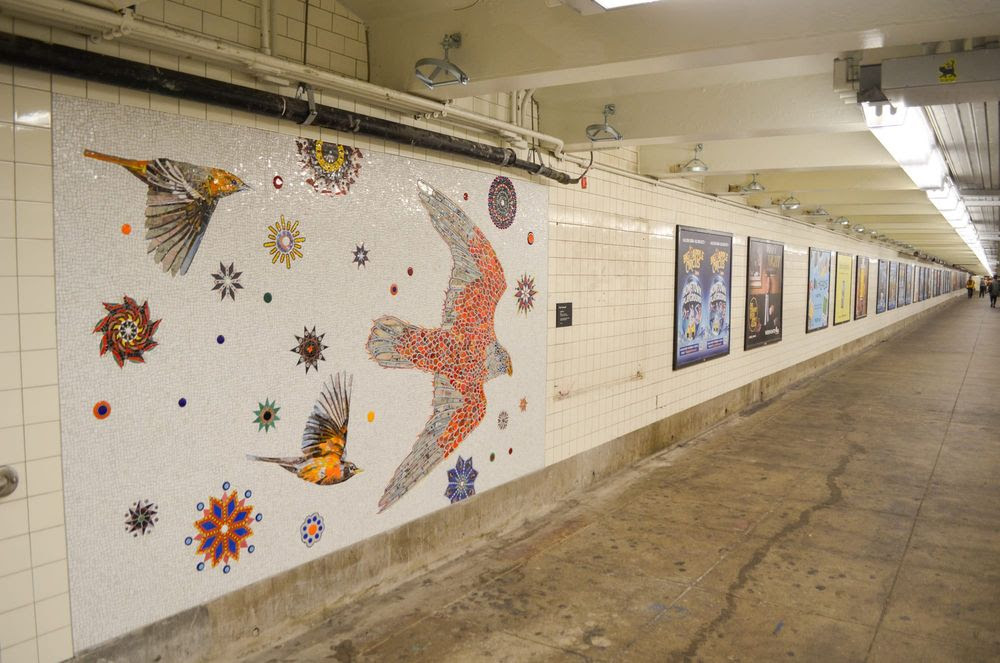
Fred Tomaselli’s mosaics along a subway transfer pathway at the 14th street subway station complex (photo by Isa Farfan/Hyperallergic)
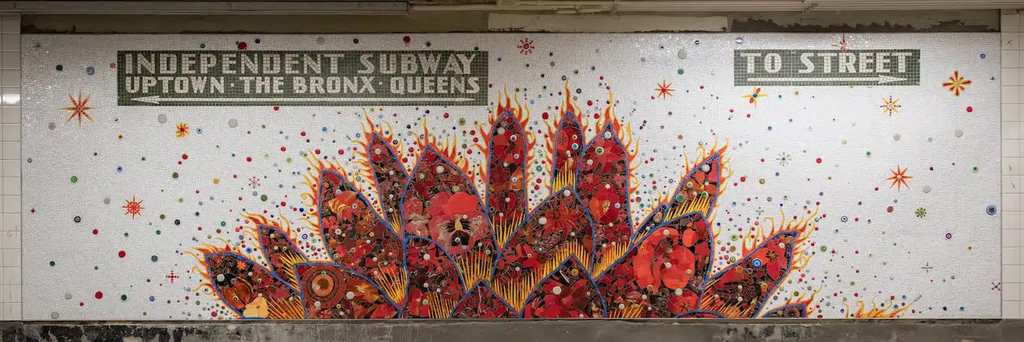
New York City’s Metropolitan Transportation Authority (MTA) Arts and Design commissioned Tomaselli in 2022 to create a permanent 680-square-foot mosaic series in Manhattan’s 14th Street subway station, which is notorious for its avenue block-long pathways facilitating commuter transfers from one line to another.
The MTA inaugurated Wild Things (2024) on Monday, November 4, just before Election Day, after a three-week installation. During election season, Tomaselli sold his bird-inspired work, including “February 25, 2024” (2024), to benefit the Kamala Harris campaign.
Tomaselli took a clear position in this year’s presidential race and has used his New York Times collage series to annotate front-page world news in addition to selling his work to fundraise for sustainability initiatives. The artist said he often uses his practice to address “the chaos and the pathologies of the world,” but this work is different.
“There’s no overt politics,” Tomaselli told Hyperallergic, “other than this idea that art is worth making, nature is worth preserving, and the natural world is strange and amazing.”
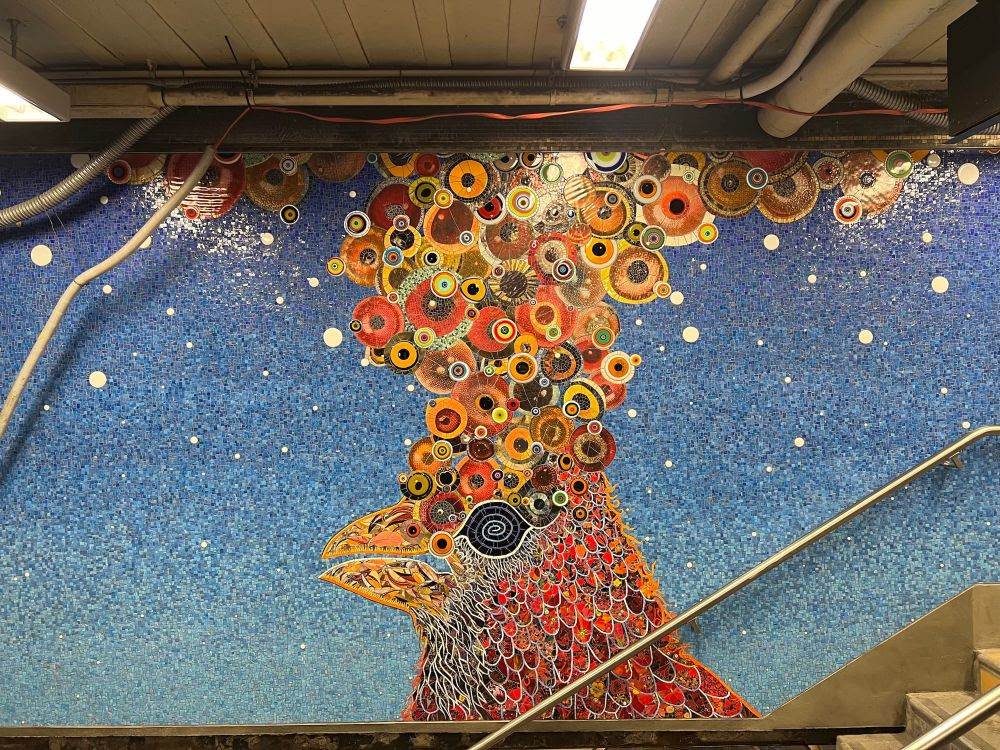
Tomaselli said he wanted to bring the complexity of life above ground into the underground station. (image courtesy Fred Tomaselli)
Tomaselli said he had “hit a burnout phase” with his more political art at the time he began designing his everlasting public work and felt depressed by it. He said he wanted to make “something to escape into the out of this ugly moment that we’re living through.”
“I just wanted to dive head first into this idea of the strangeness of the eternal natural world, an increasingly imperiled world,” Tomaselli said. “I wanted to bring this strangeness of the complexity and oddness that lives above ground and put it underground.
For his first-ever mosaic and permanent public installation in Manhattan, Tomaselli translated his mixed-media painting technique into tile and glass fragments with the help of the German stained glass manufacturer Mayer of Munich.
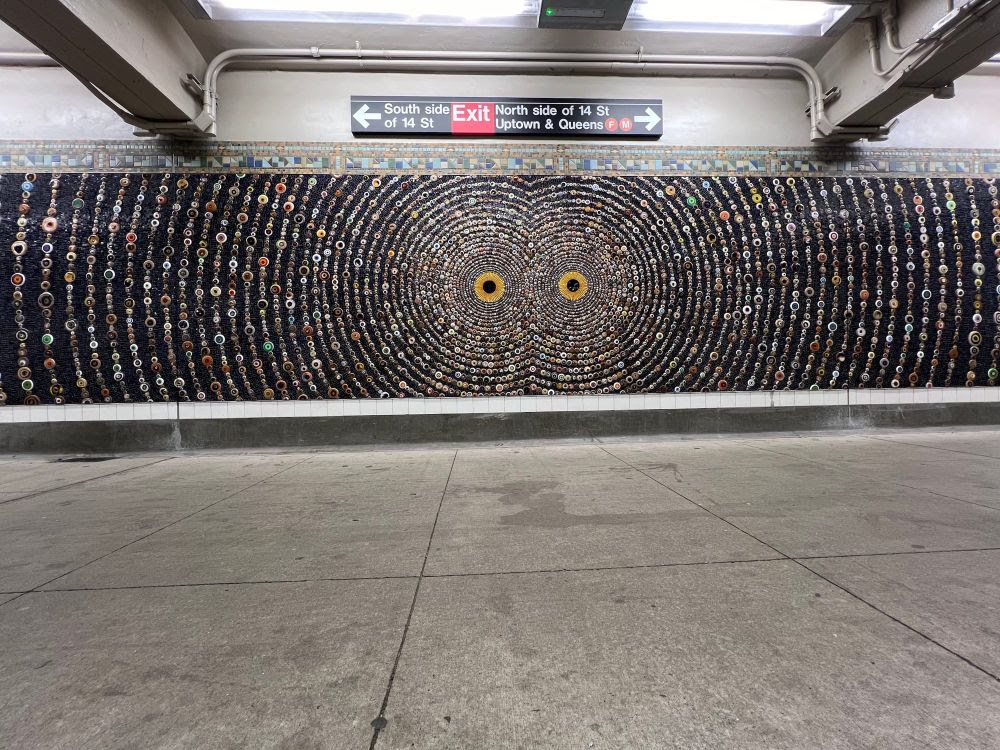
“We kind of assembled it out of Frankenstein bits of my older work,” Tomaselli said. “We made a lot of eyes by taking circular sheets of glass, laying them on top of each other, and then putting them in a blast furnace to melt them together.” He did the same with ceramic.
One mosaic presents riders with a psychedelic representation of a set of eyes diffusing into thousands of tinier eyes, resembling Tomaselli’s Flaco collage. In another, mosaic birds fly next to a spate of aggressive advertisements.
One mosaic contains what appear to be hundreds or thousands of small eyes. (image courtesy Fred Tomaselli)
Tomaselli has lived off the L train, which passes through the station, for nearly 40 years. His studio is also located along the line and so was his son’s former school.
A personal project, Tomaselli said he felt “good” about the final product, but not without a twinge of melancholy.
“I know my son will probably be riding the L train long after I’m gone,” Tomaselli said. “When I finally saw it up there, I was like, ‘God, I’ve entered into the transit history of New York.’ Hundreds of thousands of people are going to pass by this every day, day in and day out, year after year, for 100 years, maybe more. ”
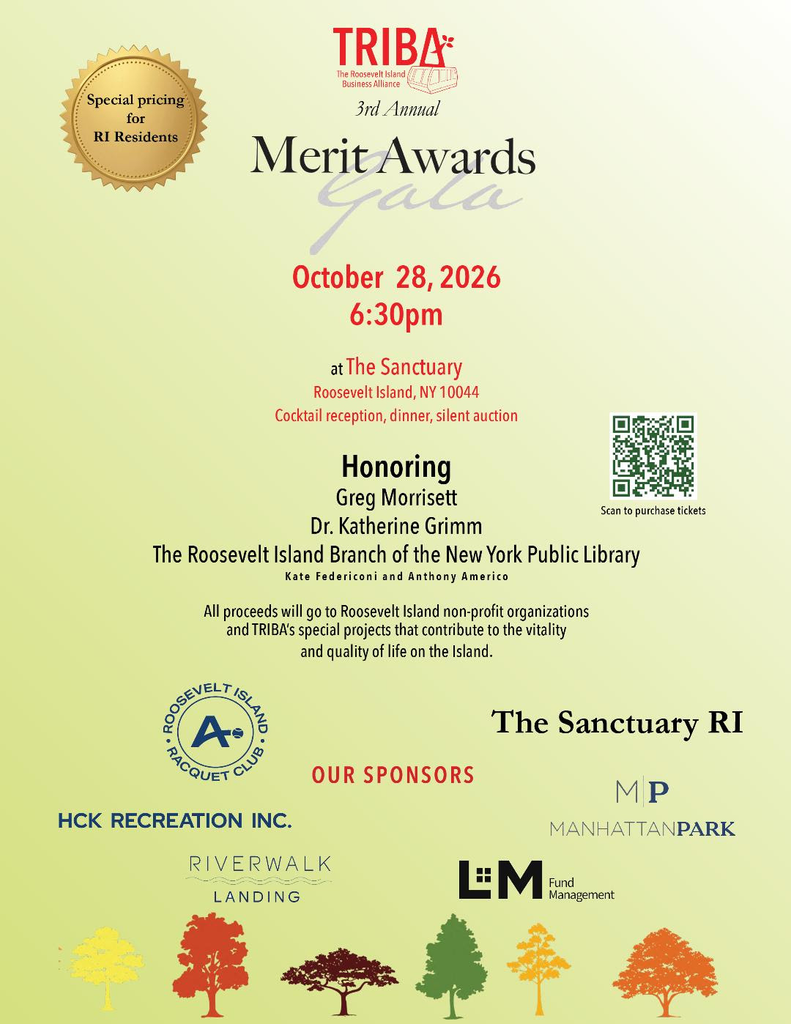
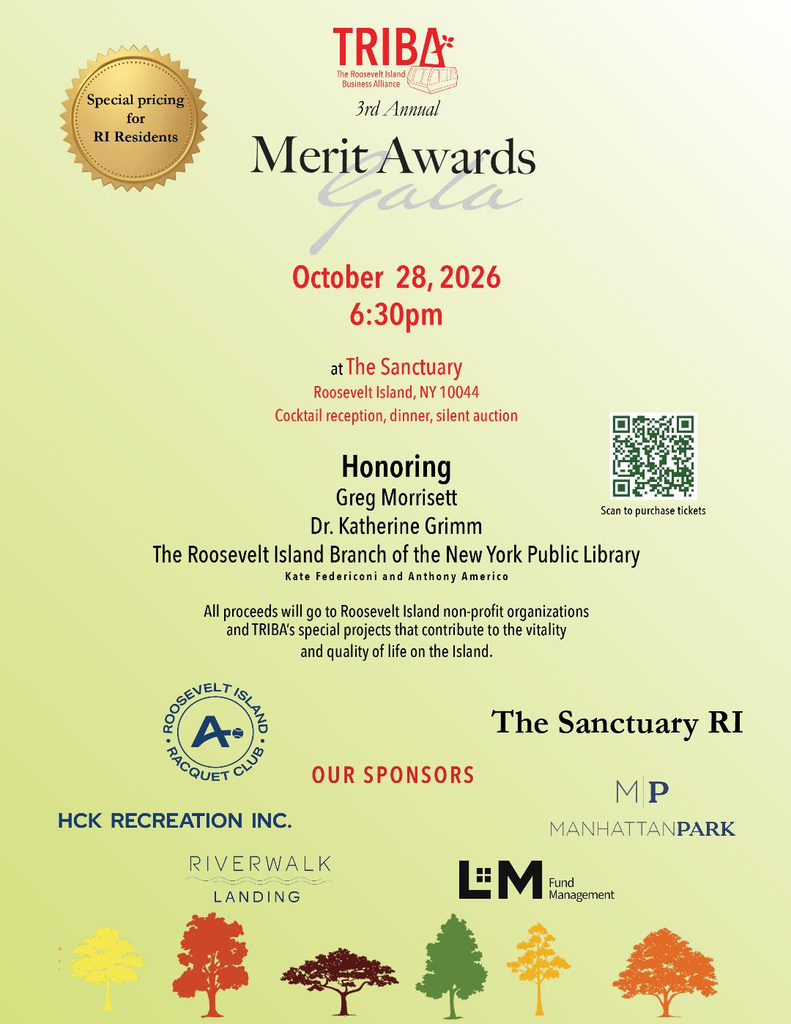
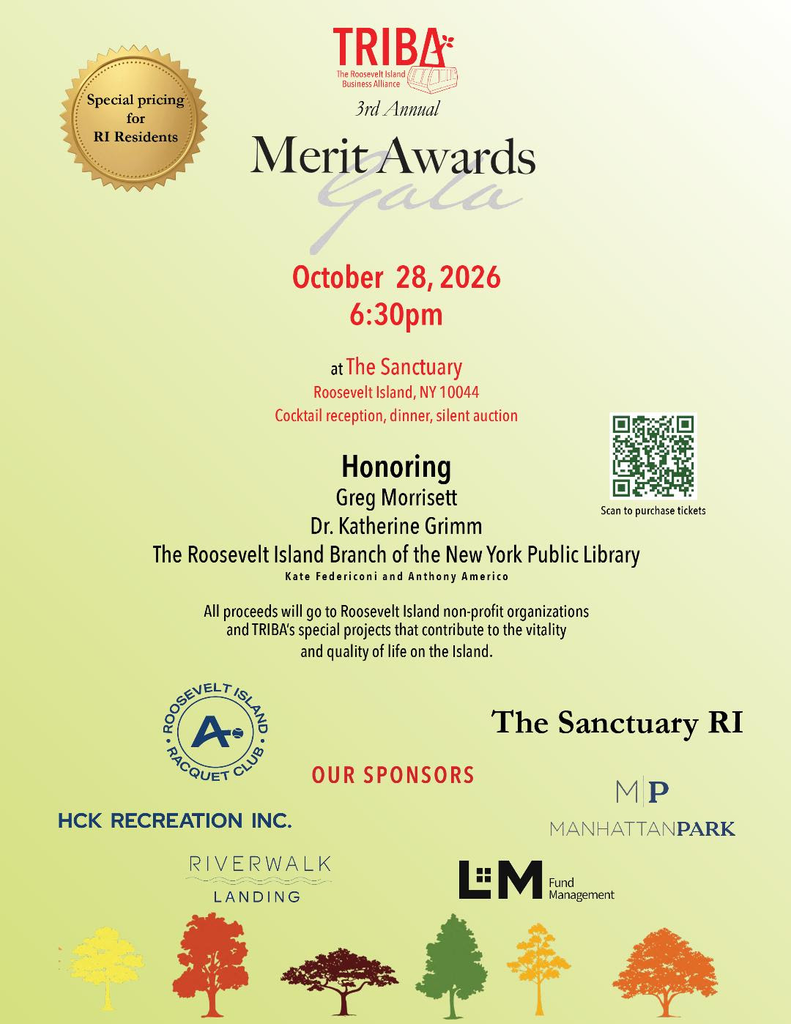
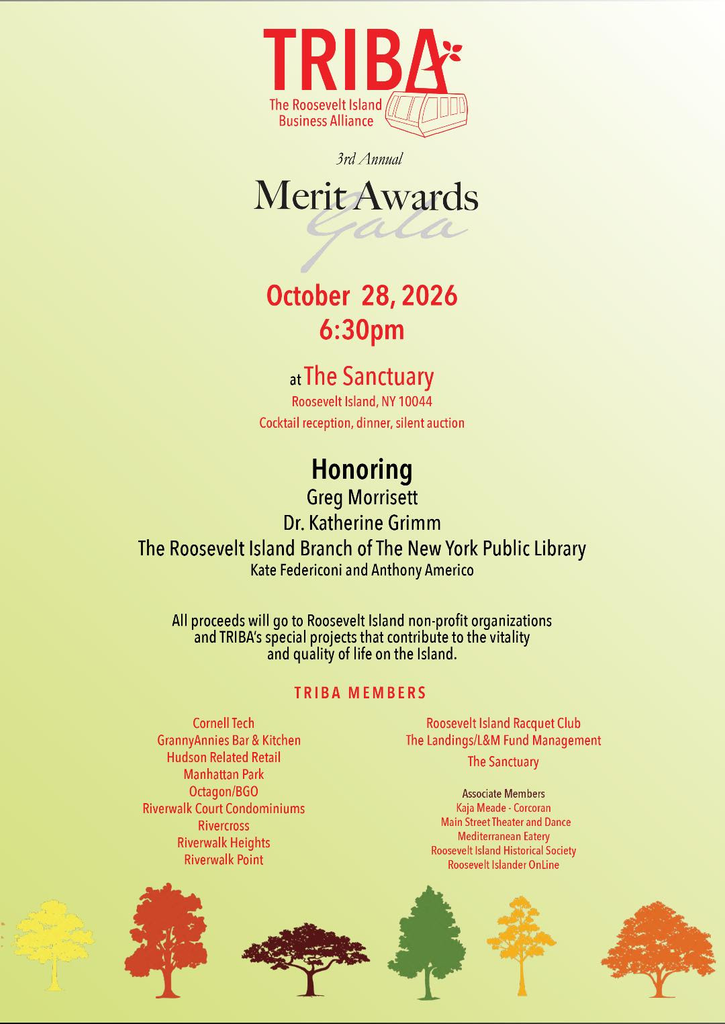
THE ANNUAL TRIBA EVENT IS COMING UP….STAY TUNED FOR REGISTRATION INFO.
PHOTO OF THE DAY
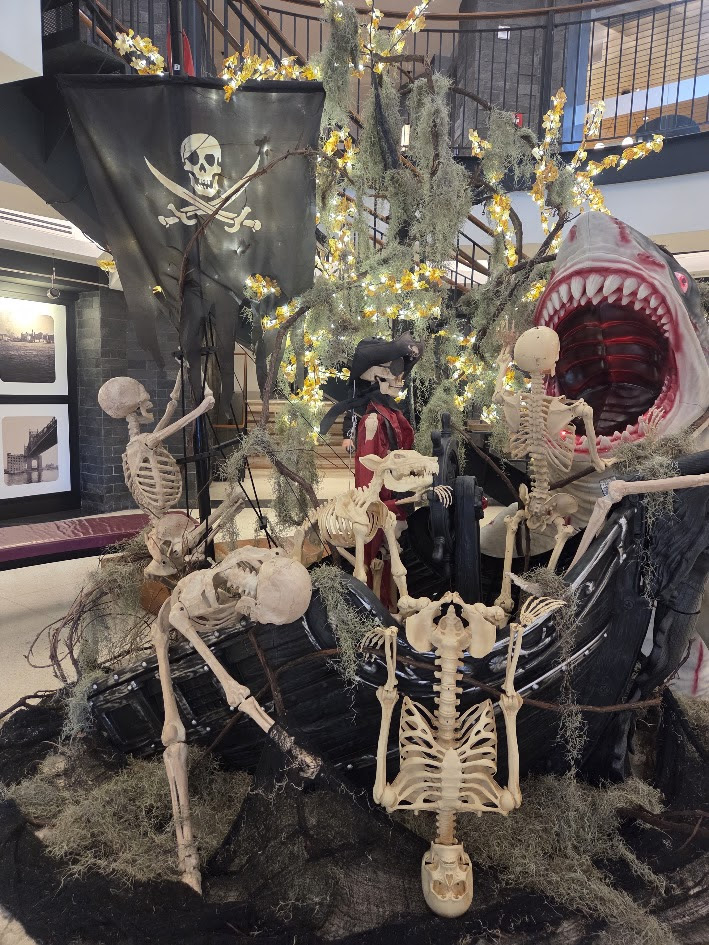
HALLOWEEN FUN RETURNS TO THE OCTAGON LOBBY
CREDIT
WIKIPEDIA JUDITH BERDY
All image are copyrighted (c) Roosevelt Island Historical Society unless otherwise indicated THIS PUBLICATION FUNDED BY DISCRETIONARY FUNDS FROM CITY COUNCIL MEMBER JULIE MENIN & ROOSEVELT ISLAND OPERATING CORPORATION PUBLIC PURPOSE FUNDS.
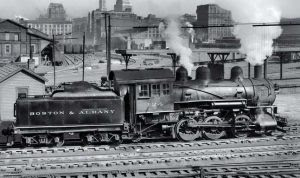
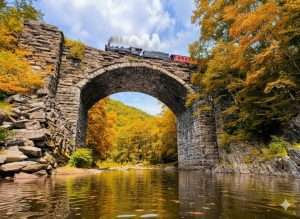
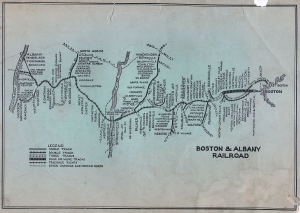
The rail line between Boston and Albany dates back to the birth of American railroading in the 1830s. Its construction was fueled by the economic rivalry between New England and New York exacerbated by the opening of the Erie Canal in 1825. Today, a new effort is underway to better link Albany and Boston by passenger rail.
Despite Massachusetts being home to some of America’s first canals, building a water route across the Berkshires was impossible so the Bay State turned to the emerging railroad technology to bypass the city of New York and Hudson River route and secure for themselves a direct trade route to the west.
The Boston & Worcester Railroad, chartered in 1831, was one of New England‘s earliest railroads. When it fully opened in 1835, it covered about 45 miles between the two cities.
The Western Railroad was chartered in 1833, with the ambitious plan to conquer the Berkshires.
Building a continuous rail line over the mountains in the late 1830s was considered an impossible task due to the steep grades, but the Western closed the gap to the New York state line by 1841.
To combat the 1.8% mountain grade toward Pittsfield, the railroad had to station heavy, specialized “helper” locomotives in Chester, Massachusetts to pushed heavy trains from behind to give them enough power to scale the summit.
Upon reaching the New York line, the Western Railroad leased the Albany & West Stockbridge Railroad, finally opening a single route to the Hudson River in December 1941.
The combined chain of railroads between Boston and the Greenbush (now the city of Rensselaer) on the Hudson River formed what is believed to have been the longest and most expensive rail line in the world.
Or they traveled north to Troy via six miles of track of the Troy & Greenbush Railroad, finally constructed in 1845–1846.
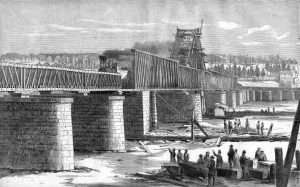
This technically allowed rail travel between Boston to Buffalo, by way the covered Troy-Green Island Railroad Bridge in Troy which required cars cross be horse-drawn.
In 1851 the Greenbush-Troy line was leased to the Hudson River Railroad, which later came under the control of Cornelius Vanderbilt and merged into the New York Central Railroad, the company which consolidated the individual railroads between the Hudson River and Buffalo in 1853.
To more efficiently run the three disconnected lines between Boston and Greenbush, the companies merged on September 4, 1867 to form the Boston & Albany Railroad (B&A).
In the late 19th century, the railroad hired Henry Hobson Richardson to design stone passenger stations along the route, helping to standardize the railroad’s corporate identity.
The New York Central and Post-War Decline
In 1900, the much larger New York Central & Hudson River Railroad leased the B&A for 99 years. While the B&A operated as a subsidiary and kept its historic branding in New England, its independence was effectively over.
Like most American passenger rail lines, the B&A fell on hard time with the rise of the automobile, and especially after the Second World War with the building of the interstate highways and expansion of commercial aviation.
In 1968, the New York Central merged into the ill-fated Penn Central Transportation Company, which collapsed into bankruptcy just two years later.
On May 1, 1971, the newly formed Amtrak assumed control of long-distance passenger travel along the corridor. However, intercity service west of Framingham was temporarily discontinued in 1975 due to a lack of willingness of the state to subsidy the line.
In the meantime, freight infrastructure passed from Penn Central to Conrail in 1976, and was acquired by CSX Transportation in 1999.
The Boston-Albany Corridor Project
Today, the rail line between Albany and Boston remains heavily utilized by CSX freight trains, the MBTA commuter system, and Amtrak’s daily Lake Shore Limited.
Massachusetts’ ongoing Boston-Albany Corridor Project is working to restore the high-frequency intercity service that the original Boston & Albany Railroad spent the 19th century building.
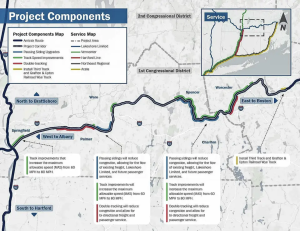
Among the challenges is how to insert fast passenger rail onto tracks owned and heavily utilized by CSX freight trains. To solve this, MassDOT, Amtrak, and CSX are planning targeted infrastructure modifications:
The Pittsfield Track Capacity Project is expected to eliminate delays on Amtrak’s Lake Shore Limited and Berkshire Flyer by installing a new three-mile siding track in Richmond (near Pittsfield) and a new track switch. This will allow passenger trains to bypass parked or slow freight trains.
The Project is also exploring double-tracking and curve modifications along the “Inland Route” (the Springfield-to-Worcester section) to increase speeds. There are also plans to add modern Positive Train Control (PTC) and enhanced signaling to coordinate high-density freight and passenger traffic on shared tracks.
A second platform is being considered for the Pittsfield station to reduce congestion there and new station is being considered for Palmer, Massachusetts.
At present, it is assumed station stops will include South Station and Back Bay in Boston, Framingham, Worcester, Palmer (the proposed station), Springfield, Pittsfield, and Albany-Rensselaer.
In December 2023, the Boston & Albany Corridor was accepted into the Federal Railroad Administration’s (FRA) Corridor ID Program and MassDOT was awarded $500,000 to scope a Service Development Plan, which the FRA has since approved the scope, schedule, and budget for.
The Service Development Plan will study how passenger rail service on the Boston and Albany Corridor would operate and identify the steps needed to get there.
Last August, the US Department of Transportation announced Step 2 funding for the Boston & Albany Corridor through the FRA’s Corridor ID Program.
The announcement identified over $3.5 million in the award to be matched with $395,000 from MassDOT. This funding will be used to support the Boston-Albany Corridor Service Development Plan.
Upcoming Public Meeting
MassDOT is hosting a virtual public information meeting on the Boston and Albany Corridor Service Development Plan on Tuesday, October 6, from 6 until 7:30 pm. The meeting will be held virtually via Zoom.
Written questions and comments submitted through the Zoom Q&A feature will be read aloud and responded to at the end of the presentation, as time allows. A Q&A summary will be posted to the project website after the meeting.
For individuals who are unable to attend, a meeting recording will be posted to the project website. Comments and questions may be submitted anytime to bostonalbanycorridor@dot.state.ma.us.
THE ANNUAL TRIBA EVENT IS COMING UP….STAY TUNED FOR REGISTRATION INFO.
PHOTO OF THE DAY
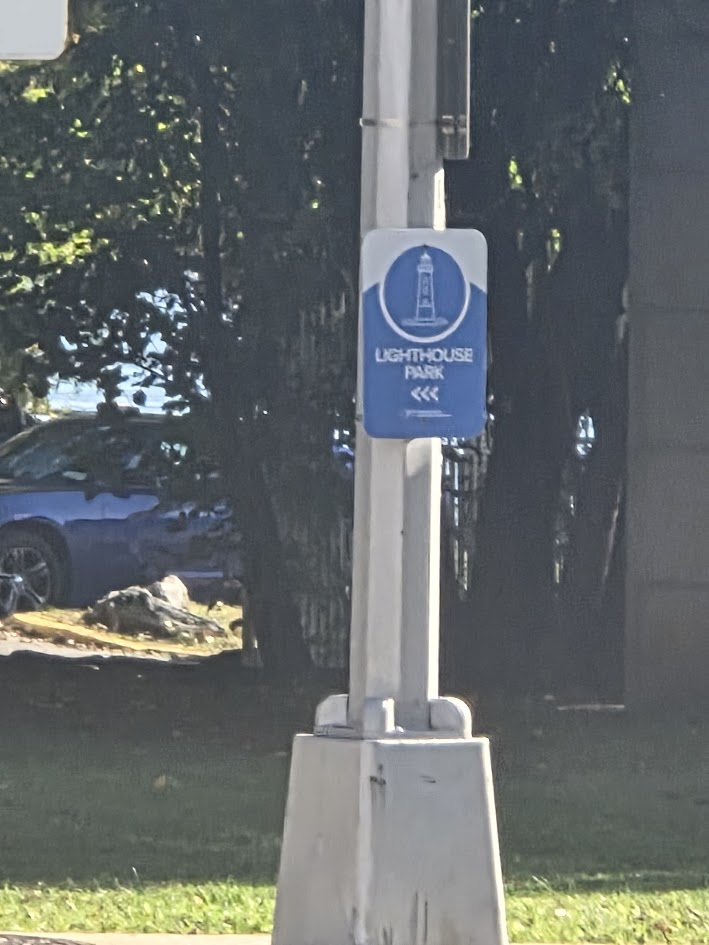
Finally, a sign leading to the lighthouse COULD IT HAVE BEEN SMALLER? REALLY. RIOC
CREDIT
NEW YORK ALMANACK JUDITH BERDY
All image are copyrighted (c) Roosevelt Island Historical Society unless otherwise indicated THIS PUBLICATION FUNDED BY DISCRETIONARY FUNDS FROM CITY COUNCIL MEMBER JULIE MENIN & ROOSEVELT ISLAND OPERATING CORPORATION PUBLIC PURPOSE FUNDS.
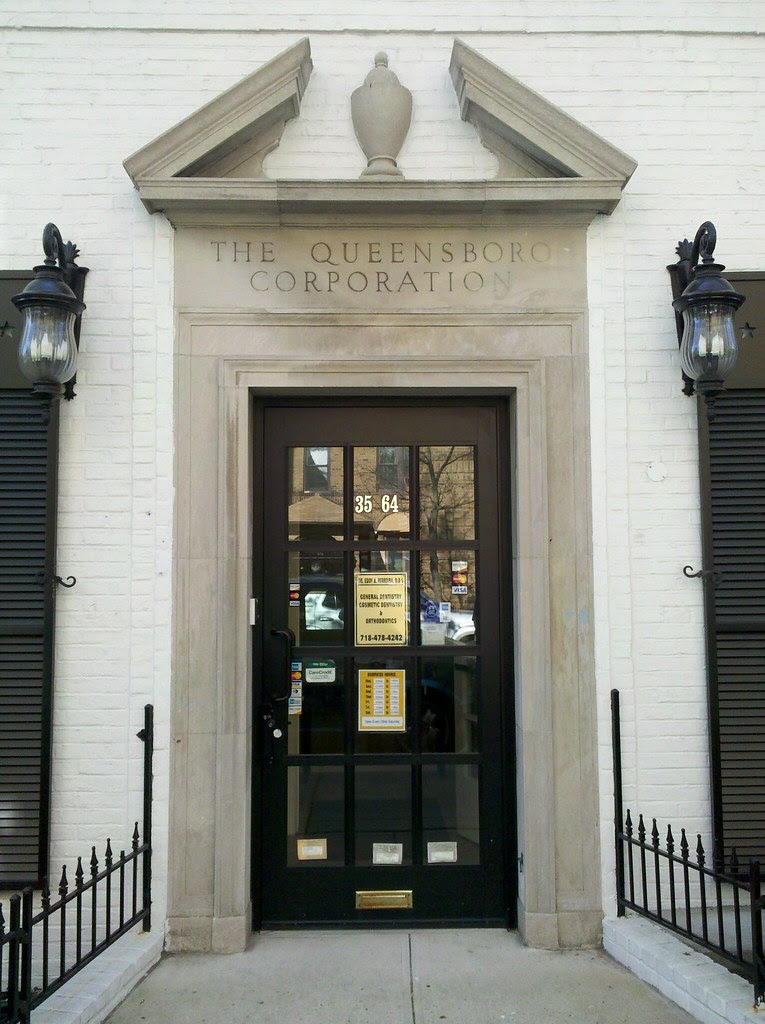
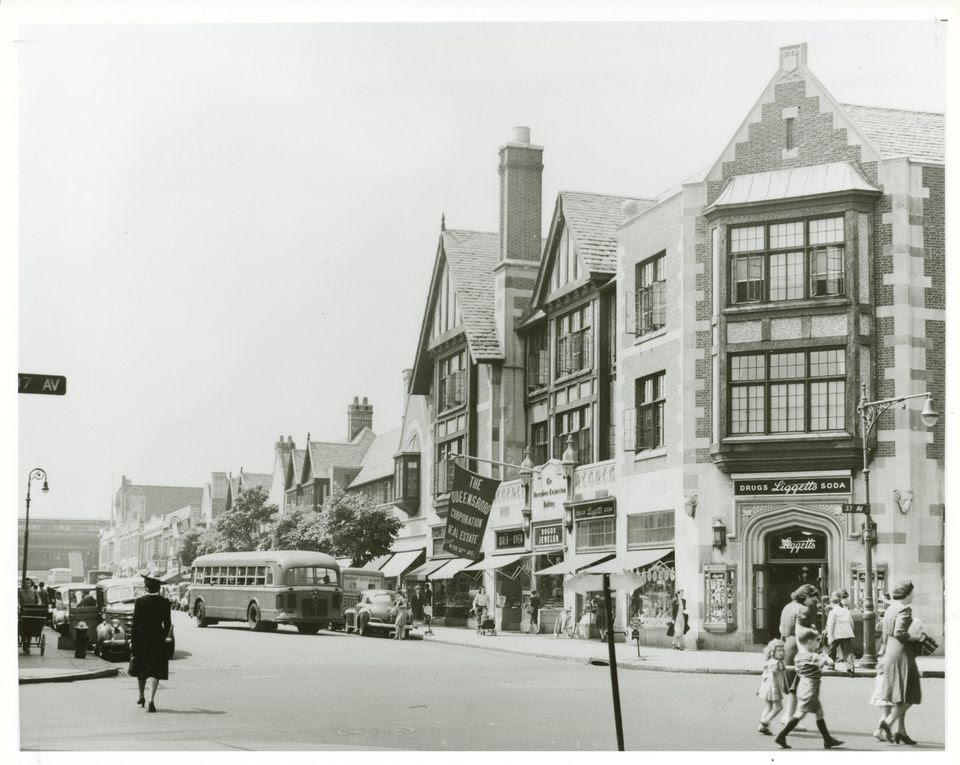
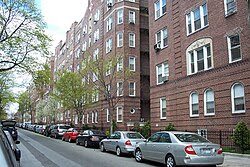
AS I WALKED ALONG 37TH AVENUE IN JACKSON HEIGHTS THIS BUILDING STOOD OUT AND REMINDED ME OF THE HISTORY OF THIS UNIQUE COMMUNITY.
The Queensboro Corporation was a real estate company that was almost solely responsible for the growth and development of this area of northern Queens. The Corporation, formed by local North Queens businessmen in 1909, spent more than $4 million buying more than 350 plots of land between 1909 and 1914. They built residential tracks, apartment buildings, cooperative garden apartments, and were actively involved in advocating for the expansion of the subway through the neighborhood.
The headquarters for the Queensboro Corporation was built on the corner of 82nd Street and 37th Avenue (which was then becoming one of the main commercial thoroughfares). This Neo-Tudor building was constructed prior to 1928 and was designed in a similar style to many of the residential and commercial buildings that the Corporation was developing nearby.
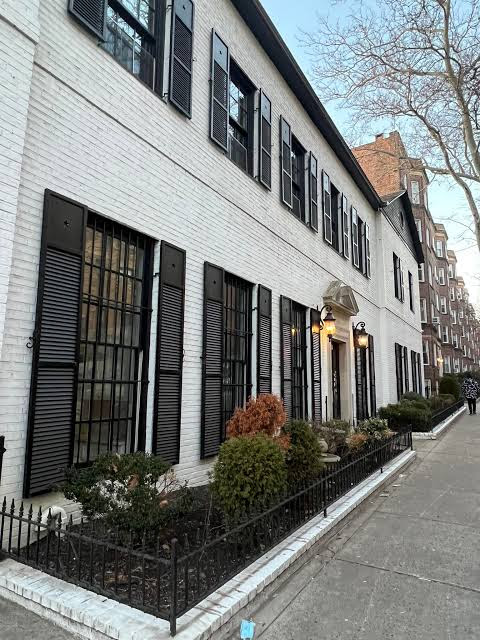
The white brick and black shutters extolled the appeal of the development
The feel of an old English Town along the main shopping street
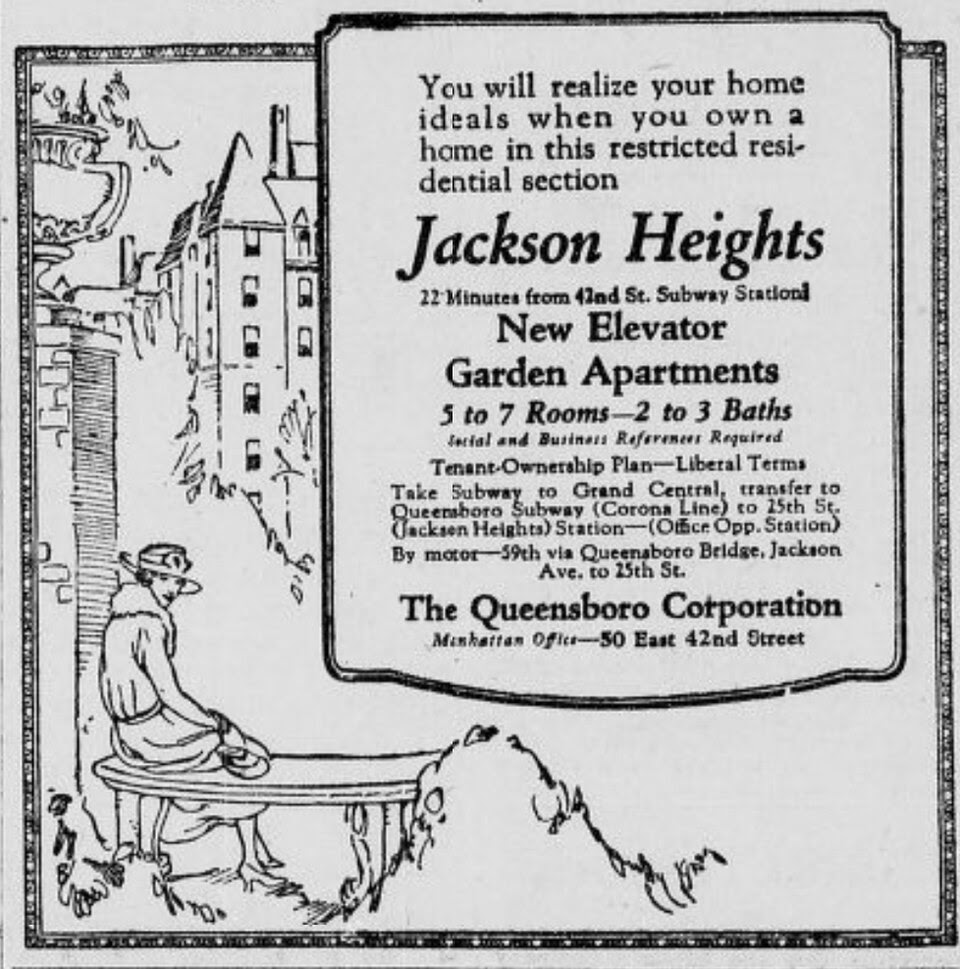
Advertising for white middle class Christian residents, the advertisements openly used the word “restricted”.
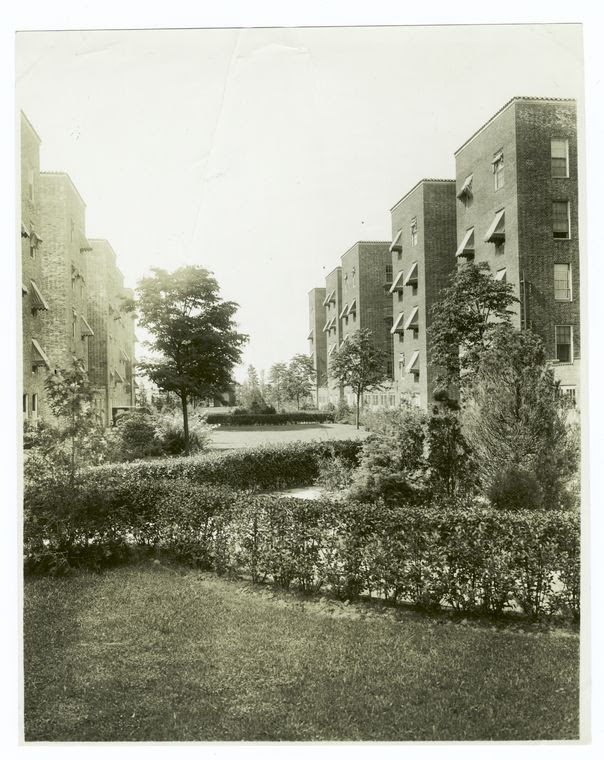
The buildings featured interior courtyards. Many of the original buildings were cooperative. Later buidings were rentals.
From Wikipedia
The Queensboro Corporation was a real estate company founded by Edward A. MacDougall that played a major role in developing the Jackson Heights area of Queens, New York City.
The Queensboro Corporation was formed by a group of investors from New York headed by Edward A. MacDougall.[1] The corporation was founded on August 12, 1909, with the purpose of developing the area that was then called Trains Meadow. The first land purchase of 128 acres (52 ha) was completed in 1910, and the corporation had bought about 350 acres (140 ha) by 1914. MacDougall renamed the area Jackson Heights, after Jackson Avenue (now Northern Boulevard), the main east–west road at the time. There were no prominent “heights” in the area, but the word was presumably chosen to denote social exclusivity. At first the area could most easily be reached via a ferry from Manhattan.[2] The Queensboro Bridge opened in 1909, making the area more accessible.[3]
The corporation started to energetically exploit the potential of the property.[4] MacDougall’s corporation went well beyond simply erecting buildings. It planned the community, divided the land into blocks and building lots, and installed streets, sidewalks, power, water and sewage.[5] By 1912, 8 miles (13 km) of paved roads had been built with sidewalks, curbs and gutters, and there were 5 miles (8.0 km) of sewers.[3] The elevated IRT Flushing Line reached Jackson Heights in 1917, reducing the travel time to Manhattan to twenty minutes.[6] There were four stations in Jackson Heights at 74th Street, 82nd Street, Elmhurst Avenue, and Junction Boulevard. In 1922, prompted by the Queensboro Corporation, the Fifth Avenue Coach Company launched a direct service of double-decker coaches to Jackson Heights.[3]
The target customers for the Queensboro Corporation were middle class residents of New York who could afford to live in the suburbs.[4] In 1914 the Queensboro Corporation directors inspected new housing developments in several European cities. These probably included the garden apartment projects at Charlottenburg, Berlin, built between 1904 and 1909, that Erich Kohn and Paul Mebes had designed for the Berlin Civil Servants Dwelling Association. The housing developments at Jackson Heights closely resemble the Charlottenberg developments.[7] In contrast to traditional suburbs of single-family houses, the Queensboro corporation decided to build upscale apartment buildings distinguished by shared garden spaces.[8] The apartments were of high quality with ornate exteriors and features such as fireplaces, parquet floors, sun rooms and built-in bathtubs with showers.[9] The apartments, or “homes”, were sold rather than rented under what was first called a “collective ownership plan”. This was later changed to “cooperative ownership”, probably because the first name had connotations of socialism.[8]
During the years that followed, the interests of the Jackson Heights community and the Queensboro Corporation were closely intertwined. The local newspaper sometimes sounded like the voice of the corporation. The corporation encouraged development of the commercial area that surrounded the 82nd Street subway station, and assisted in setting up a community board to ensure the growth of civic institutions.[8] MacDougall also donated land for churches.[6] Part of the model in the early years, which broke down with the Great Depression of the 1930s, was “a policy of reasonable restriction in accepting tenants thus bringing together tenants having ideals and living standards in common.” In plain English, this meant that Jews, Blacks, and perhaps Greeks and Italians were excluded from the community.[10] Only white Anglo-Saxon Protestants were welcome.[6]
Garden apartments
Typical residential street in Jackson Heights
The Laurel apartment building on 82nd Street at Northern Boulevard was the first of the Queensboro Corporation buildings in Jackson Heights, completed in 1914. The building included a small courtyard. The Greystones on 80th Street between 35th and 37th Avenues were completed in 1918. The architect George H. Wells designed the Greystones, for which the Queensboro Corporation coined the name “garden apartment” to convey the concept of apartments surrounded by a green environment. With abundant land available, all unused space was used for parks and gardens, or for recreational areas that included a golf course. This was used in initial marketing efforts, although later much of the land was built upon.[11] In 1919 the Corporation introduced the concept of cooperative ownership to strengthen the sense of community.[12]
On August 28, 1922, the Queensboro Corporation paid $50 to the WEAF radio station to broadcast a ten-minute sales pitch for apartments in Jackson Heights.[13] This may have been the first “infomercial“, opening with a few words about Nathaniel Hawthorne before promoting the corporation’s Nathaniel Hawthorne apartments.[14] Mr. Blackwell of the Queensboro Corporation then urged his audience to:
seek the recreation and the daily comfort of the home removed from the congested part of the city, right at the boundaries of God’s great outdoors, and within a few minutes by subway from the business section of Manhattan … The cry of the heart is for more living room, more chance to unfold, more opportunity to get near Mother Earth, to play, to romp, to plant and to dig … Let me enjoin upon you as you value your health and your hopes and your home happiness, get away from the solid masses of brick … where your children grow up starved for a run over a patch of grass and the sight of a tree…[15]
The Queensboro Corporation employed the well known architect Andrew J. Thomas, already an advocate of garden apartments. Some of Thomas’ most important work was undertaken for the corporation. The first example was the Linden Court complex, in the block formed by 84th and 85th Streets and 37th and Roosevelt Avenues.[16] The buildings in this complex are in attached pairs around the perimeter of a shared open space holding a landscaped garden, with gaps at regular intervals in the perimeter wall. The layout provides light and ventilation to the apartments, and fosters a sense of belonging to a community.[17] Linden Court was the first development to include parking spaces, with single-story garages accessed via narrow driveways.[18]
Thomas built variants on the Linden Court design aimed at upper-middle income customers with the Château and Towers projects. Sold as cooperatives, both of these 34th Avenue developments had large, airy apartments and were served by elevators.[16] The elegant Château cooperative apartment complex was built in French Renaissance style. The twelve buildings surround a large common garden. They have slate mansard roofs pierced by dormer windows, and diaperwork brick walls.[19] The early gardens were designed only to be looked at. As the concept of the garden apartment evolved, and the garden areas became relatively larger compared to the built areas, the design of the shared gardens began to include paved spaces where people could meet or sit.[20] In 1924 the Queensboro Corporation started the Ivy Court, Cedar Court, and Spanish Gardens projects, all designed by Thomas.[21]
Later developments
In the mid-1920s the Queensboro Corporation also built attached and semi-detached homes for single families, with brick facades in American Colonial or English Tudor styles.[22]
In response to the ten-year Depression that followed the Wall Street Crash of 1929, the corporation tried to rationalize private enterprise through the Jackson Heights Merchant Association, and to spin off responsibility for maintaining infrastructure to the private sector. Formerly exclusive apartment buildings were opened to lower income groups, with apartments divided into smaller units and rooms rented. Jackson Heights lost its exclusive character, and would not regain it.[10]
After a severe drop in property values in the early 1930s, the Queensboro Corporation struggled financially throughout the decade. To raise money, the corporation began to build on land that until then had been kept open for community use, including the golf course, tennis courts and community garden.[23] The corporation also began erecting traditional six-story apartment buildings. Dunolly Gardens, the last garden apartment complex that Thomas built, was an exception, a modernistic building completed in 1939.[22] The corner windows, considered very innovative in the 1930s, gave the apartments a more spacious feeling.[24]
Edward A. MacDougall died in 1944 and was succeeded as president of the Queensboro Corporation by his son, A.E. MacDougall, who wrote in the September 1944 Jackson Heights News that “As soon as [wartime] restrictions are lifted by the Government, Jackson Heights will be ready to provide the most attractive types of garden apartments in close proximity to the center of Manhattan.”[25] In 1947 the New York City Housing Authority tried to develop public housing in Jackson Heights. The local residents rejected proposal.[26] In the 1940s the Queensboro Corporation sold much of its land to private developers.[27] The Queensboro Corporation completed the Carlton House in 1947 and advertised the apartments for sale on a cooperative basis. Response was poor, and the corporation instead started to rent the apartments. In 1949 the corporation launched the Greenbrier, the last cooperative the Queensboro Corporation was to sell in Jackson Heights.[25]
PHOTO OF THE DAY
The Upper level 58th Street Entrance to the 59th Street Bridge.
CREDIT
WIKIPEDIA JUDITH BERDY
All image are copyrighted (c) Roosevelt Island Historical Society unless otherwise indicated THIS PUBLICATION FUNDED BY DISCRETIONARY FUNDS FROM CITY COUNCIL MEMBER JULIE MENIN & ROOSEVELT ISLAND OPERATING CORPORATION PUBLIC PURPOSE FUNDS.
Dating back to 1824 when it was a free library founded specifically for tradesmen, the Brooklyn Museum is a magnificent repository of 140,000 pieces of art spanning ancient Egypt to contemporary America.
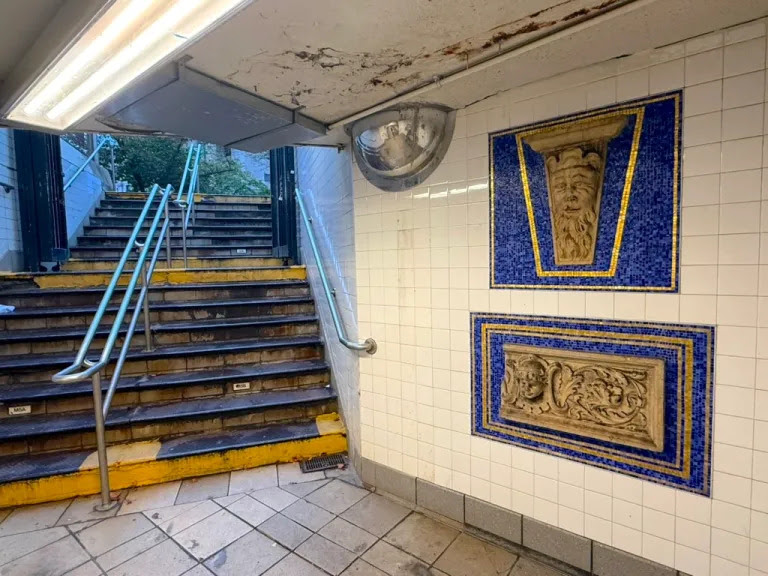
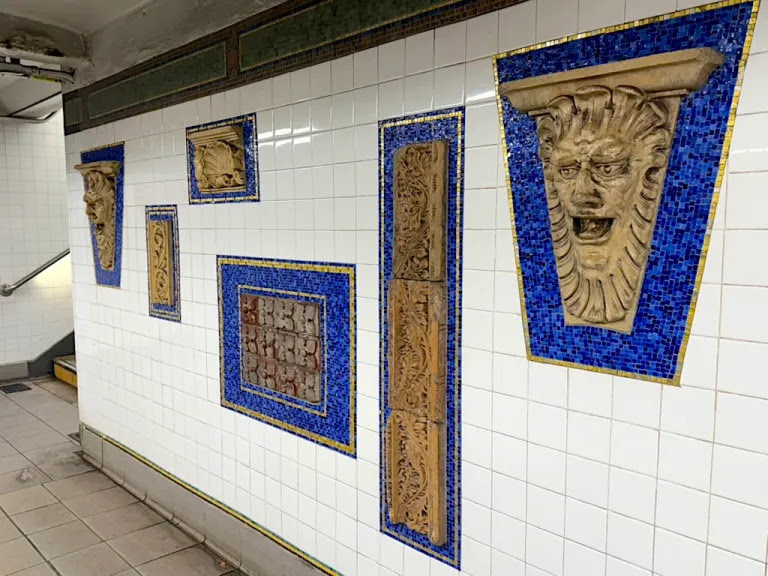
But beneath the museum at the grimy subway stop that takes you directly in front of the Beaux Arts building (which took 29 years to finally complete in 1926) are intentionally placed relics of another kind.
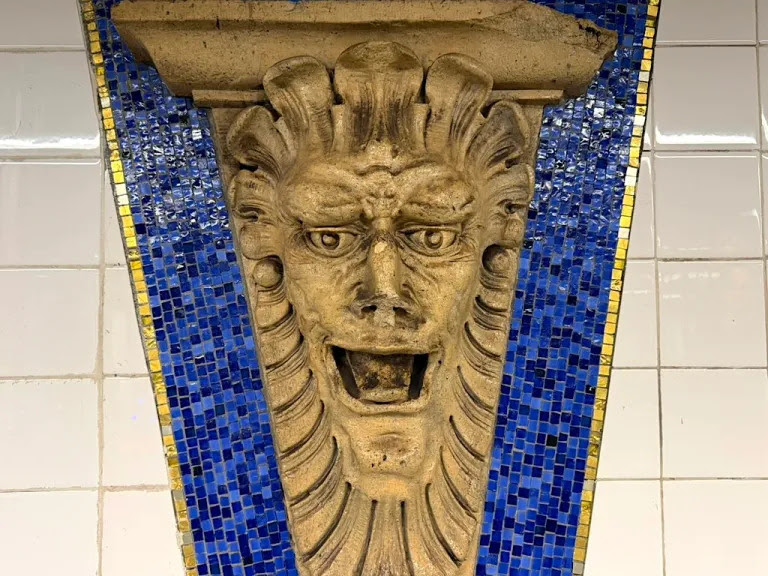
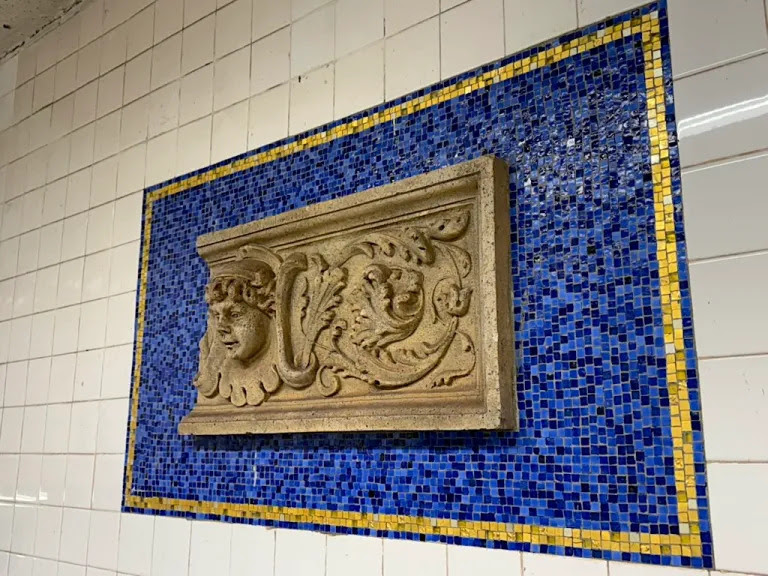
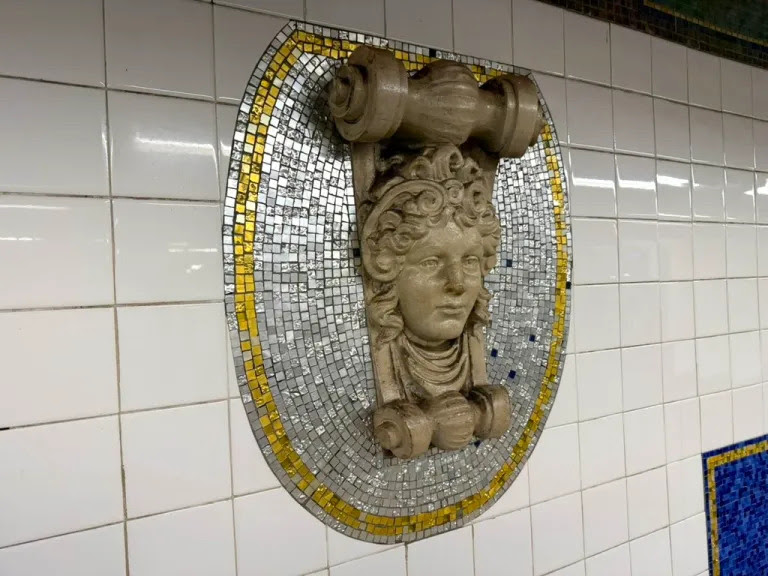
Inside the station is an underground mini-museum of salvaged relics—from corbels to rosettes to human faces with eyes that follow you as you move toward the platform—taken out of the rubble of demolished New York City buildings.
These 78 artifacts of terra cotta and stone are mounted on station walls with the care and precision of the mounted paintings inside the Museum’s halls and rooms.
What are they doing here, besides giving passengers a reason to hang out and experience art underground?
The relics come from the Brooklyn Museum’s longtime collection of ornamental architecture, and they were donated as part of the MTA’s Arts and Design program, which brings art installations to city subway stations.
“New mosaic designs were added to frame the objects and make connections with the architecture of the station,” states the MTA on a web page explaining the backstory of this underground exhibition.
The Brooklyn Museum provides a bit more context, stating that this “long-term installation” got its start in 2004 and was apparently planned to run through 2020, but the relics remain in what seems to be a permanent exhibit.
The MTA also explains that the Brooklyn Museum “has long served as a repository for ornamental architectural forms salvaged from significant buildings that were being demolished.”
I wish we knew which “significant buildings” these remnants came from, and if anyone recognizes them, let us know in the comments.
But for now, they’re the ghostly remains of anonymous city architecture of the 19th and early 20th centuries felled by the wrecking ball.
THE ANNUAL TRIBA EVENT IS COMING UP….STAY TUNED FOR REGISTRATION INFO.
All image are copyrighted (c) Roosevelt Island Historical Society unless otherwise indicated THIS PUBLICATION FUNDED BY DISCRETIONARY FUNDS FROM CITY COUNCIL MEMBER JULIE MENIN & ROOSEVELT ISLAND OPERATING CORPORATION PUBLIC PURPOSE FUNDS.
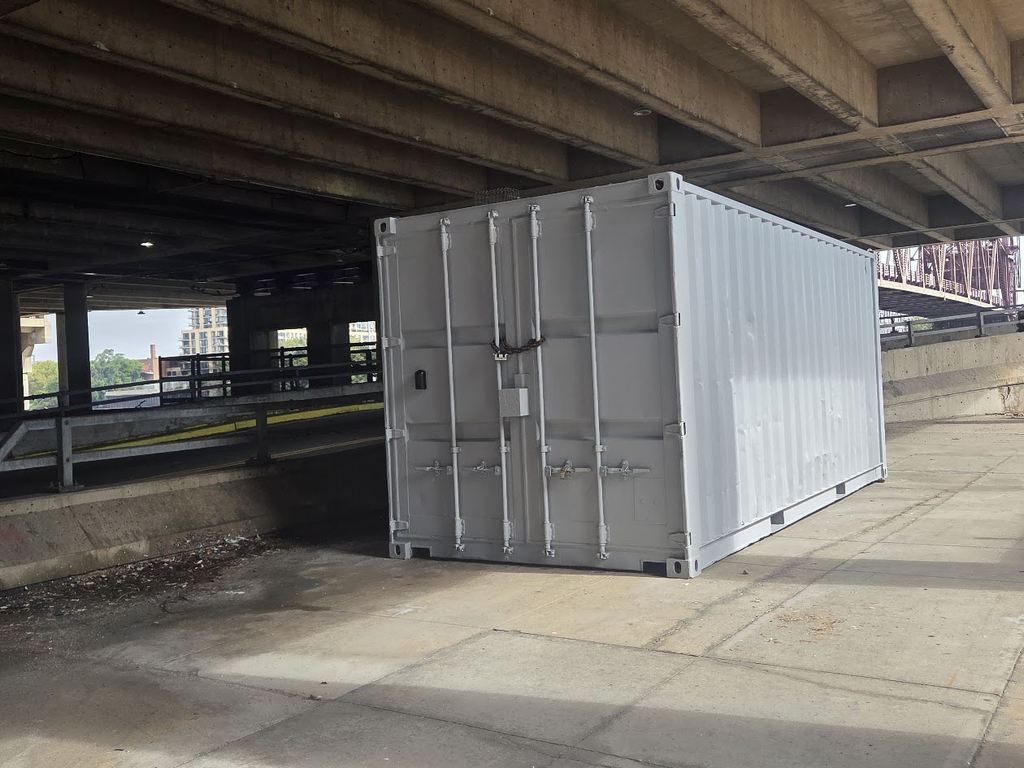
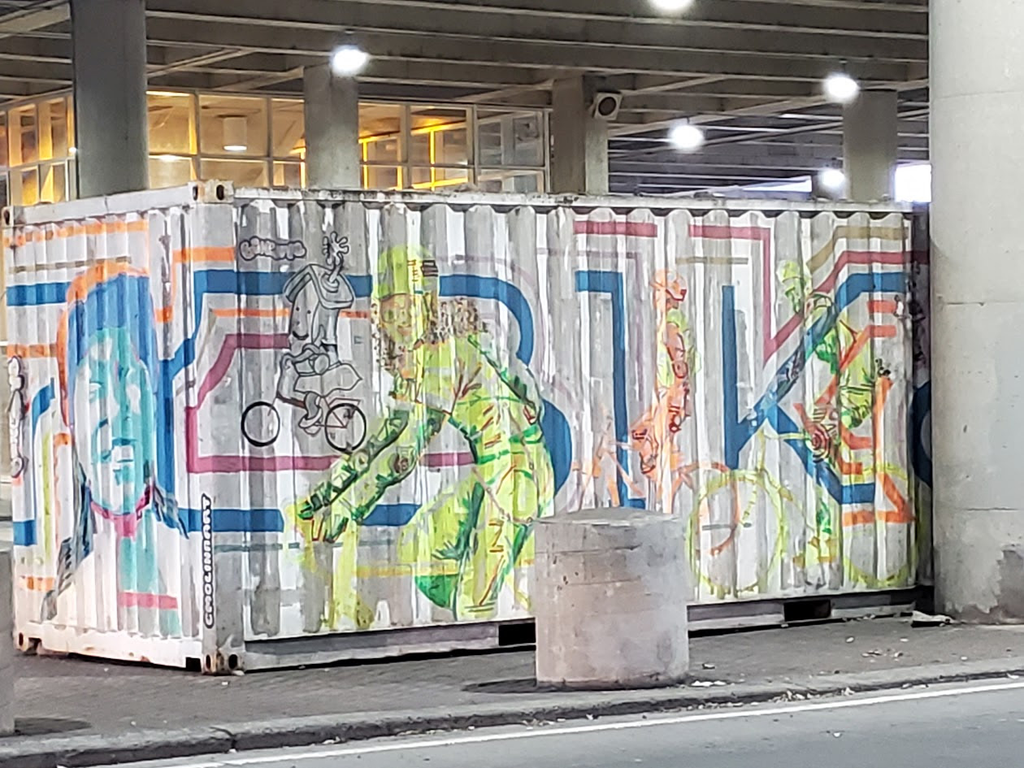
AFTER YEARS OF BEGGING RIOC TO ASK BIKE NEW YORK TO CLEAN OR REMOVE THIS UNSIGHTLY CONTAINER FROM UNDER THE HELIX. RIOC PAINTED IT AND CLEANED THE SURROUNDING AREA TODAY!!!!
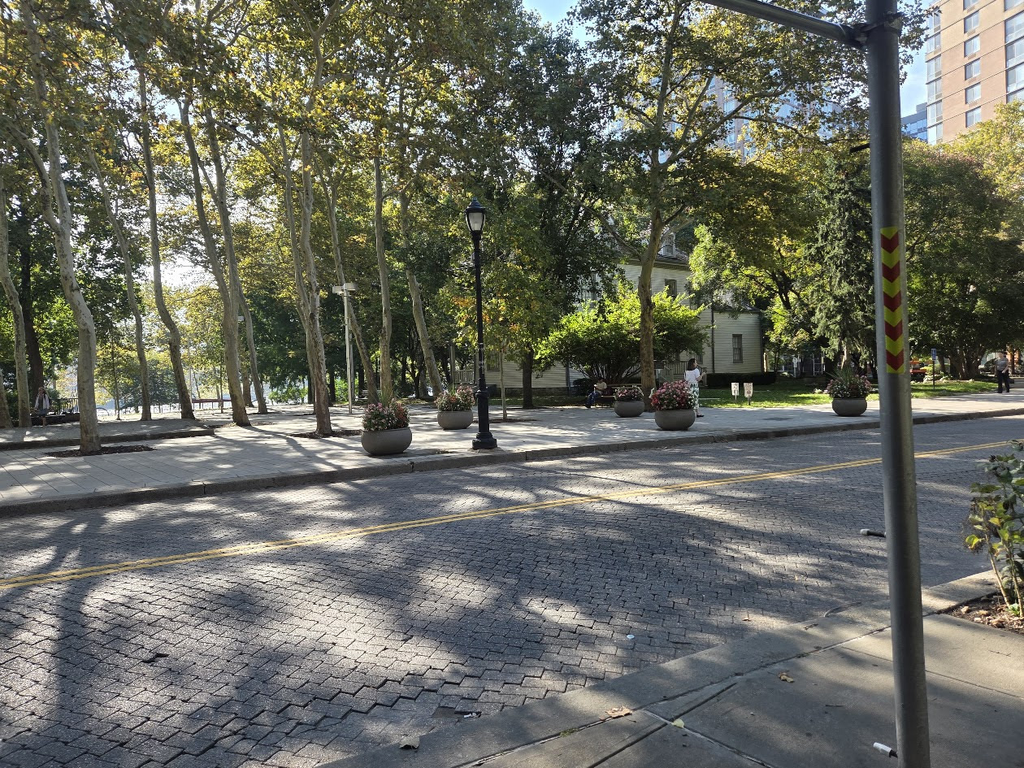
FLOWERING BLOOMS IN PLANTERS IN BLACKWELL PARK AND MANY THER SITES. A DEFINITE PLUS FOR OUR PUBLIC AREAS.
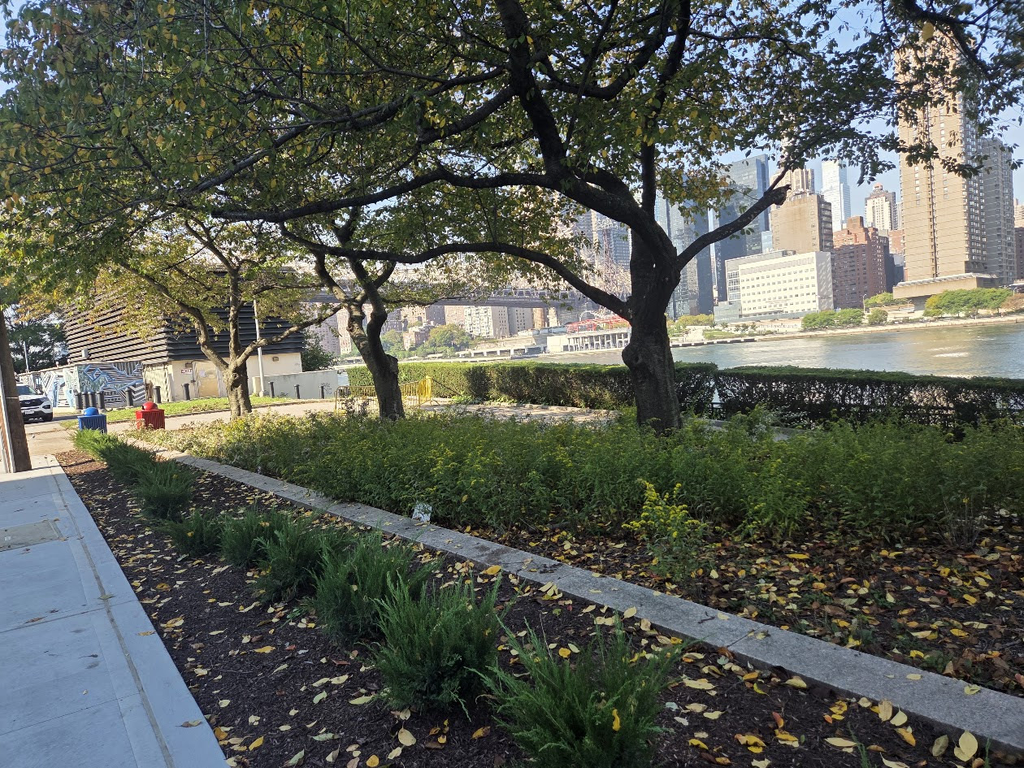
THE WIDENED SIDEWALK AND NEW OPEN VISTA TO THE RIVER ALONG THE WEST ROADWAY
STILL SOME PROJECTS THAT NEED WORK
RIOC HAS REPAINTED THE EXTERIOR OF BUS #8 AND #9. THEY ARE BUS #160 AND #161. WHY, THAT IS A GOOD QUESTION.
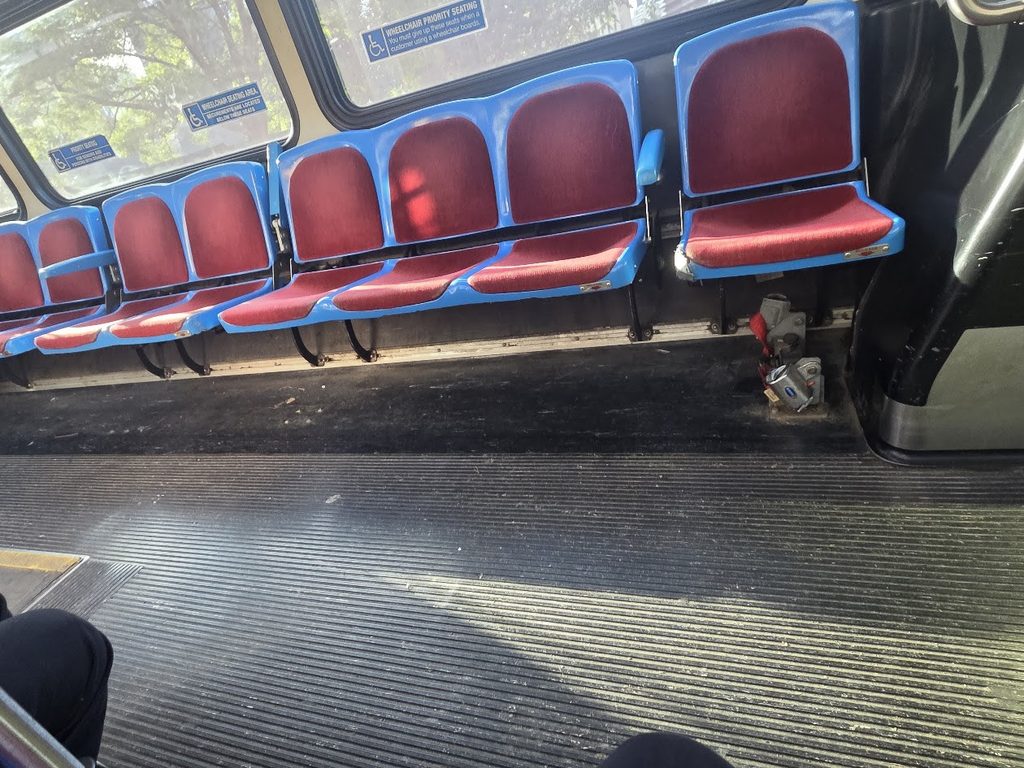
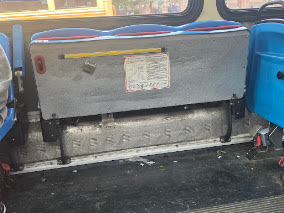
THE INTERIOR FLOORS ARE STILL DIRTY AND THE SITE OF THIS SEAT WHEN TURNED UP IS DISGUSTING.
TIME TO CONCENTRATE ON THE OLD FLOORS GUYS!!
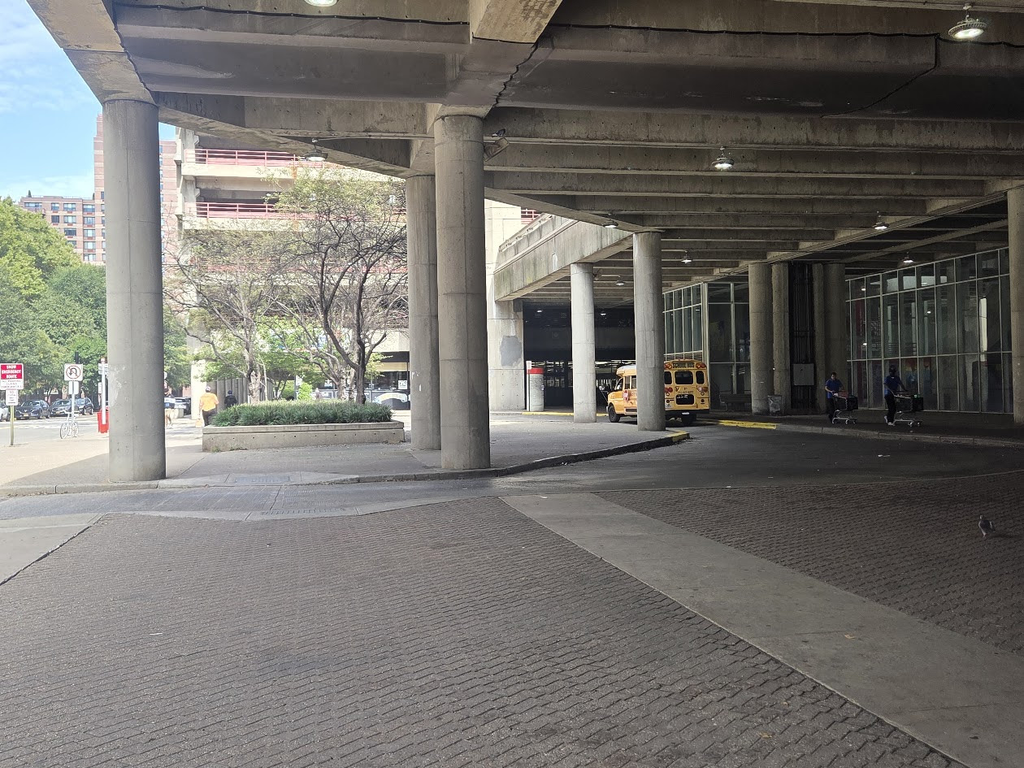
THIS BUS TURN AROUND HAS NOT BEEN USED FOR YEARS., IS IT DEFECTIVE OR NOT? IT COULD BE USED FOR CARS WISHING TO MAKE A U TURN WITHOUT GOING THRU RIVER ROAD.
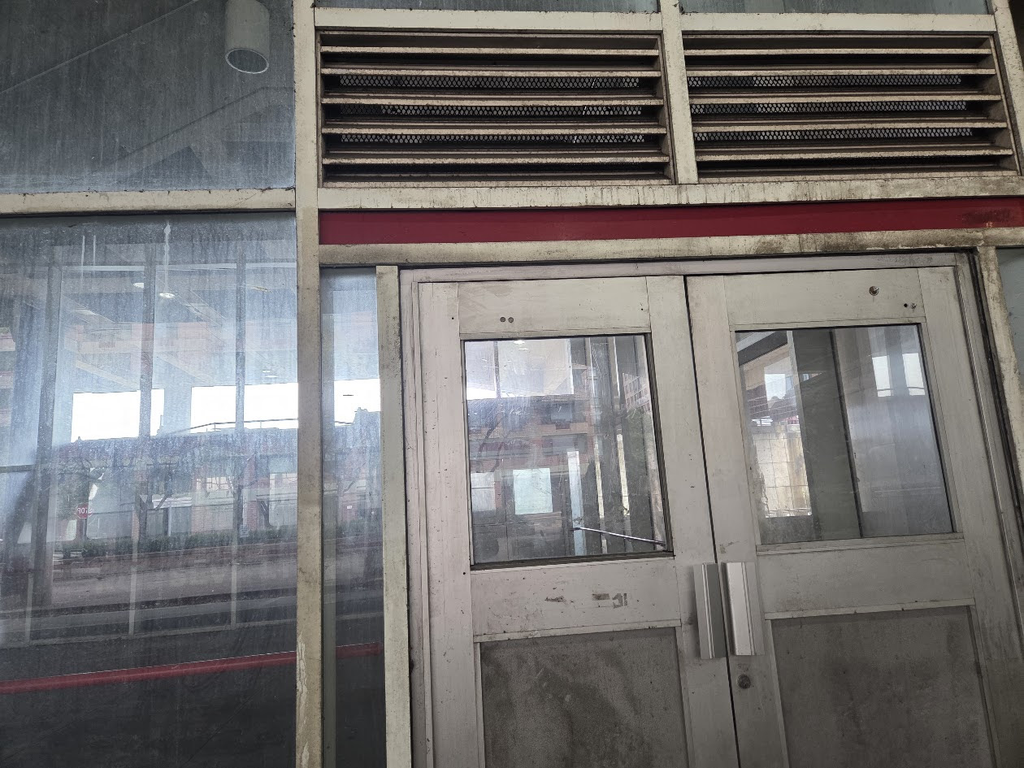
THE FILTHY DIRTY CONDITION OF MOTORGATE WINDOWS IS UNBELIEVABLE!!!!
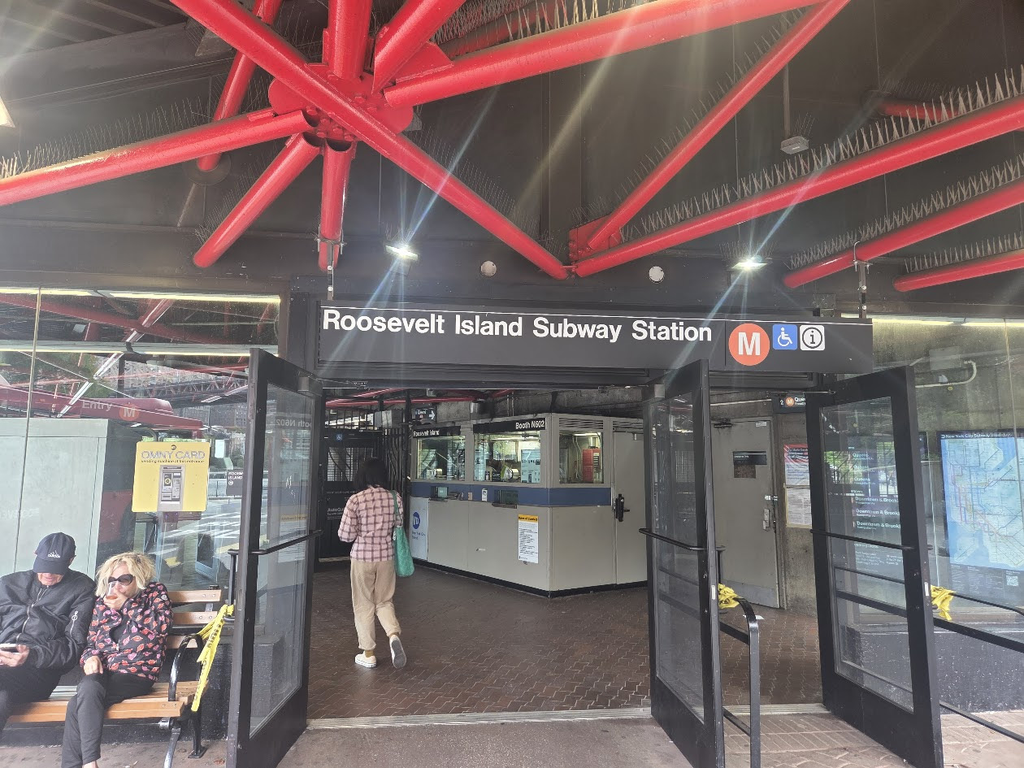
ANY NEWS ON PUTTING THE “F” TRAIN SYMBOL AT OUR SUBWAY STATION, OR THE MTA JUST LOVES TO CONFUSE RIDERS?
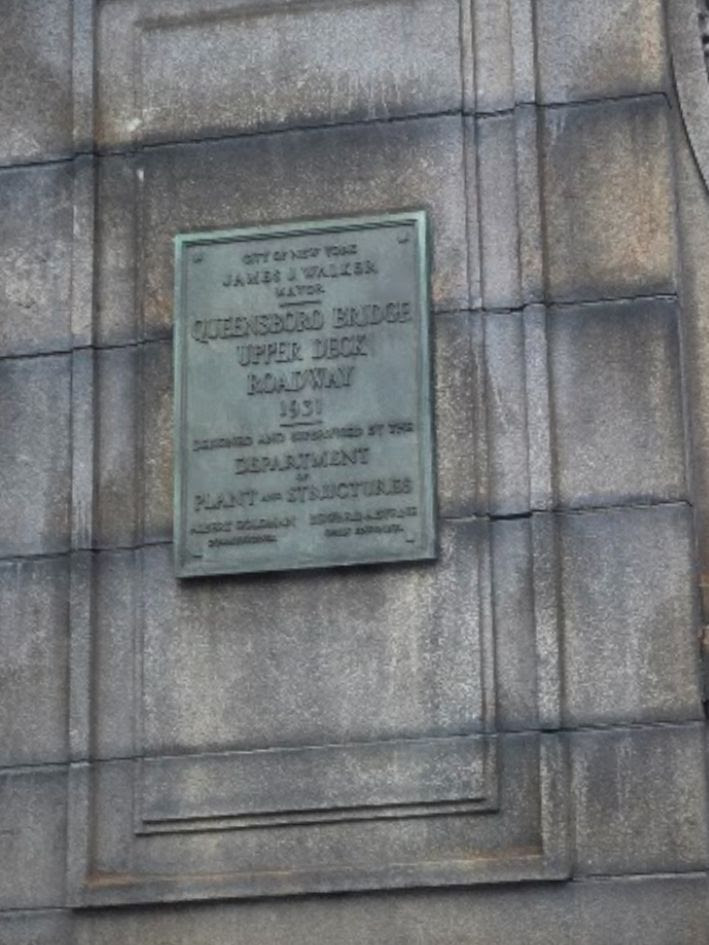
PHOTO OF THE DAY
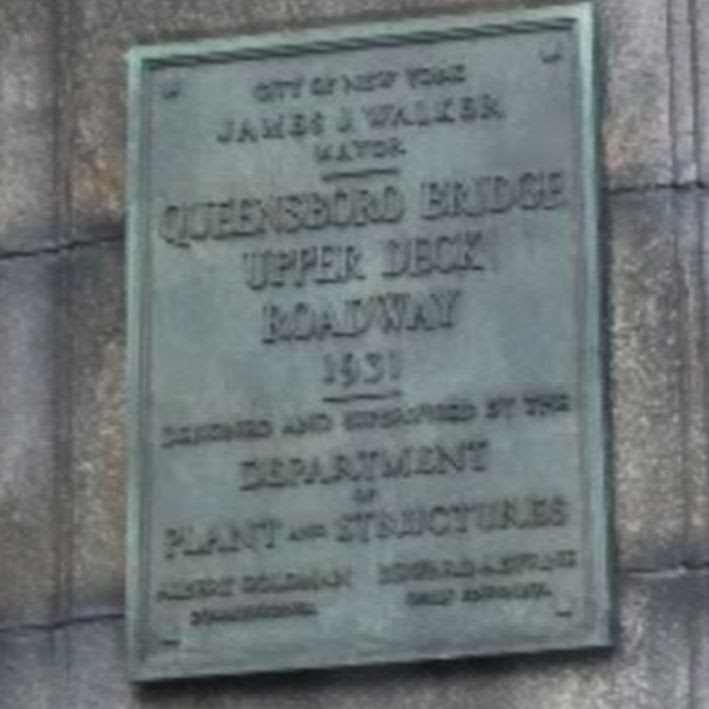
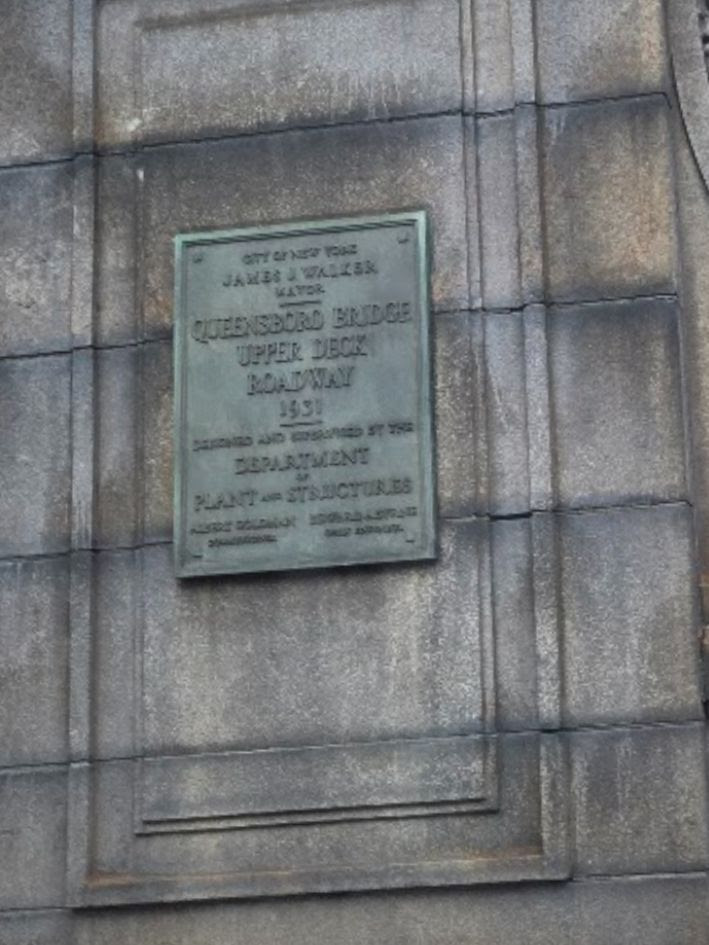
WHERE IS THIS PLAQUE?
CREDIT
NYC MUNICIPAL ARCHIVES
JUDITH BERDY
All image are copyrighted (c) Roosevelt Island Historical Society unless otherwise indicated THIS PUBLICATION FUNDED BY DISCRETIONARY FUNDS FROM CITY COUNCIL MEMBER JULIE MENIN & ROOSEVELT ISLAND OPERATING CORPORATION PUBLIC PURPOSE FUNDS.
Today is National Coffee Day so we are reposting this blog from 2019. Enjoy.
Wednesday, Sep. 30, 2026
New York City Municipal Archives Pauline Toole
Issue # 1756
Brochure for Colombian coffee, ca. 1940. WPA Federal Writers’ Project collection, NYC Municipal Archives.
New York City runs on coffee, a fact that all of the java-toting subway riders prove every day. That’s not a new custom.
The opening of a 1940s article on coffee written by Parker Tyler for the Federal Writers’ Project (FWP) Feeding the City touted the City’s reliance on coffee. “Every citizen of New York knows that the smell of morning coffee sets him up for a day of honest effort and things accomplished.”
Coffee was imported, chiefly from Brazil, Columbia, Venezuela, and El Salvador. Facts assembled by FWP staff writers show that imports of coffee grew from 66,666 bags weighing 132 pounds apiece in 1800 to 15,259,693 such bags in 1939—over 2 billion pounds of coffee! It was estimated that New Yorkers consumed 1,000 cups of coffee annually, half of it at breakfast, or nearly three cups daily. In 1939, the average price per pound of Colombian coffee was around 23 cents a pound in New York City.
Brochure for El Salvador coffee, ca. 1940. WPA Federal Writers’ Project collection, NYC Municipal Archives.
According to the FWP, coffee consumption began early in New York: “The Dutch in New York stopped drinking beer for breakfast and changed to coffee about 1668. They added honey and cinnamon to the beverage. A pound of coffee cost eighteen shillings, nine pence. As in London, coffee houses sprang up, the Kings Arms and the Merchants’ being two of the best known.”
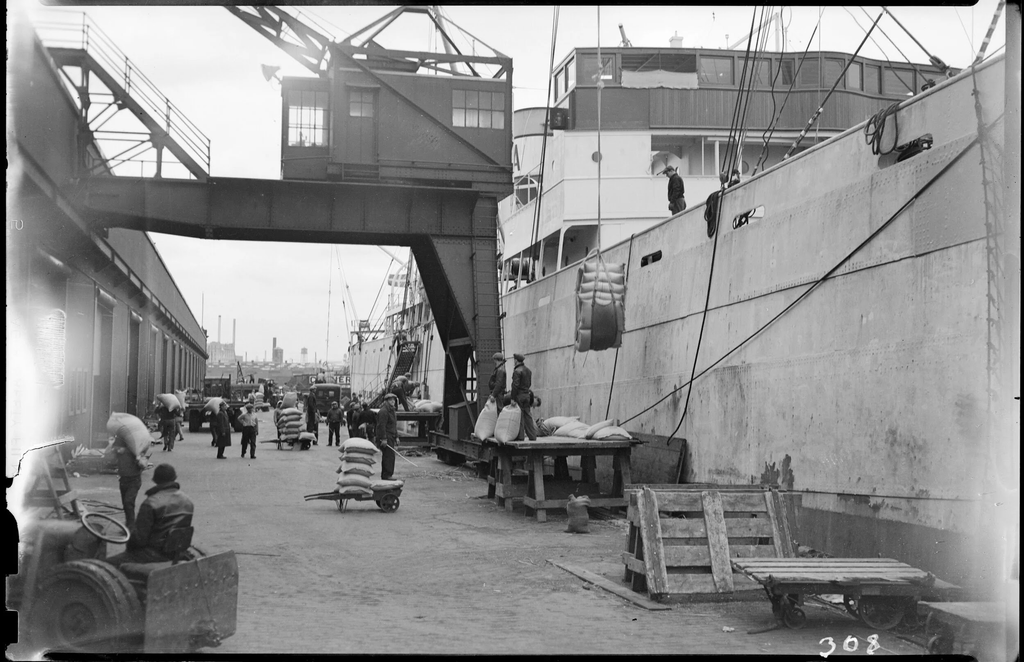
Unloading cargo of Brazilian coffee at Gowanus Bay pier, Brooklyn, ca. 1940. WPA Federal Writers’ Project collection, NYC Municipal Archives.
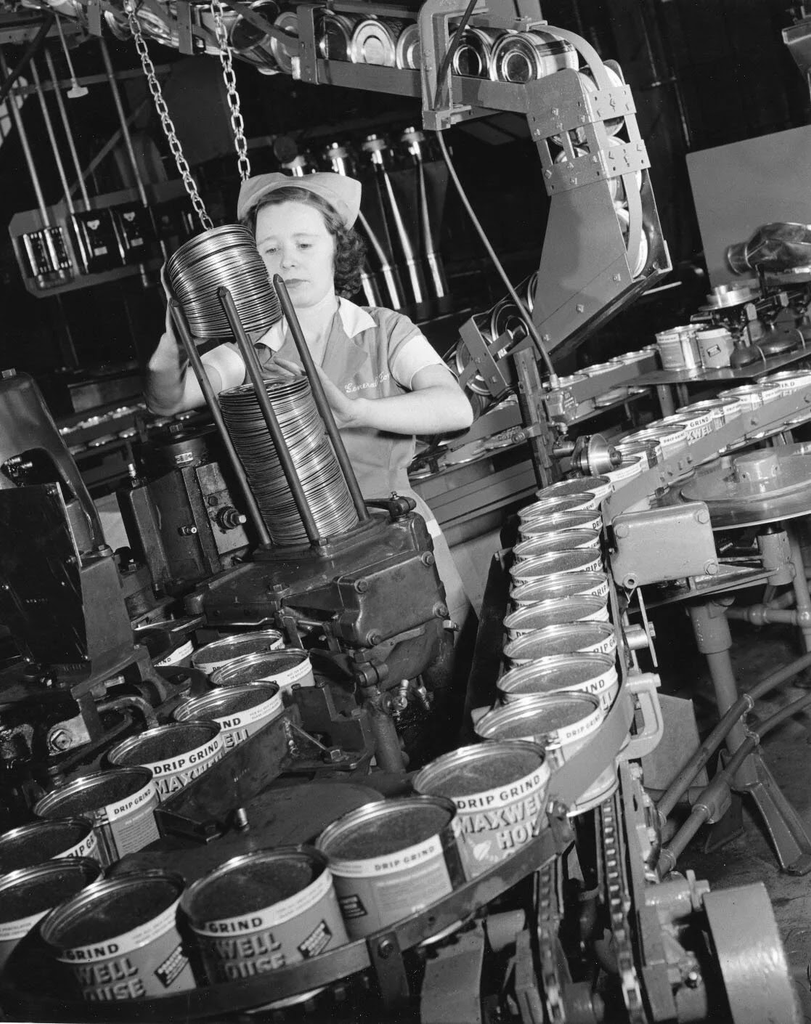
The largest coffee processing plant in the world opened across the Hudson in Hoboken NJ in October, 1939. More than 400 workers handled the production of Maxwell House Coffee and Sanka, bringing 50 years of experience to provide the “good to the last drop” brand of coffee to households around the country. The particular blend was created in the 1880s for the Maxwell House Hotel in Nashville, TN. Its sister brand—Sanka—was described as, “The Immigrant that Brightened Millions of Lives.” Created in 1928 for the New York market, it initially was a luxury item retailing at $1 per pound. By 1939 the price had dropped, providing relief for people who wanted to both sleep and drink their coffee.
Maxwell House Coffee canning factory, ca. 1940. WPA Federal Writers’ Project collection, NYC Municipal Archives.
A news article from 1940 reported that the Quartermaster Depot based at the Brooklyn Army Terminal was planning to purchase 40 million pounds of coffee annually, up from 10 million pounds. And, that would only fulfill half of the Army’s needs. This is the first indication of possible difficulty ahead for coffee consumers.
The FWP wrote about substitute foods in July 1941 stating that the rationing procedures adopted in England provided a clue to the foods likely to be scarce in the United States. These foods included tea, but not coffee. “Moreover, what England may be deprived of in the present emergency is not necessarily a guide to what we may be in America, as for example, coffee, which is not rationed there, chiefly the British, as a people are not great coffee drinkers.”
Early in November, 1942 Mayor Fiorello LaGuardia tackled the topic of coffee rationing on his radio program, with the goal of explaining why coffee was facing restrictions. He acknowledged that coffee was ample but mostly in South America and the Caribbean. “The supply is plentiful, but the rub is shipping it. We are losing ships and besides that we require all the ships that we have for carrying supplies, ammunition, and troops to various parts of the world where we are fighting for our very existence.”
A&P warehouse loading cases of coffee, ca. 1940. WPA Federal Writers’ Project collection, NYC Municipal Archives.
He went on to chide New Yorkers. “Please don’t be silly about this and start chiseling and buying more coffee than you need. A great many people have done that and that just isn’t nice, it isn’t patriotic and it shouldn’t be done… Let’s take the rationing in stride, be sensible in the making of coffee, let’s not be wasteful, and I’m sure there will be no hardship.”
On November 29, 1942, the Office of Price Administration (OPA), which was responsible for setting prices and rationing food and other items to ensure there were sufficient supplies for the armed forces, announced the coffee rations. Basically permissible purchases were cut in half from 20 pounds to ten pounds annually.
During the rationing period, people who wished to stretch their coffee allotments pursued a few strategies including re-using coffee grounds and supplementing with another substance. One of the chief supplements was chicory roots that were roasted, ground and blended with the coffee. Some people used acorns. Others just consumed less
Mayor LaGuardia suggested: “I wouldn’t throw the grounds away if anyone in the family is accustomed to having coffee for their midday or evening meal, just adding a sprinkle on the top of the old grounds will make a very good cup of coffee for the evening.” He also suggested changes to the method of making coffee. “Perhaps we will have to put our percolator away for the duration and use coffee just as people of my generation used to. I strongly recommend the brewing of coffee. Just take a spoonful to a cup, that’s pretty strong, and then brew it. Let it come to a boil for a very short time, then set it aside and let it settle and also strain the coffee in serving it.”
Apparently he received some pushback because in his November 29, 1942 radio address he told the audience to “take the recipe I gave you and stick it away someplace because we’ll need it before long. We’ll have to go back to the old style method of cooking coffee as our mothers did and not be silly about this whole thing. There’s enough coffee to go round if we use it wisely.”
Recently New York was rated the Number One coffee city in the country with more coffee shops here per capita than elsewhere in the country. And apparently NYC residents consume seven times as much coffee as other people. What would we do in a coffee shortage? Let’s hope we don’t find out.
PHOTO OF THE DAY
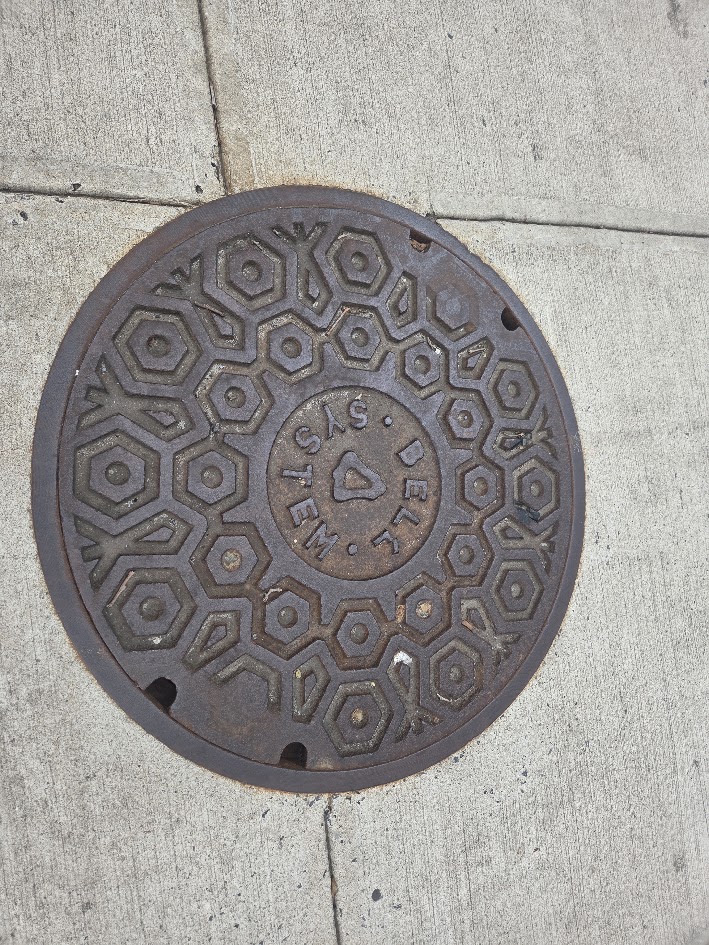
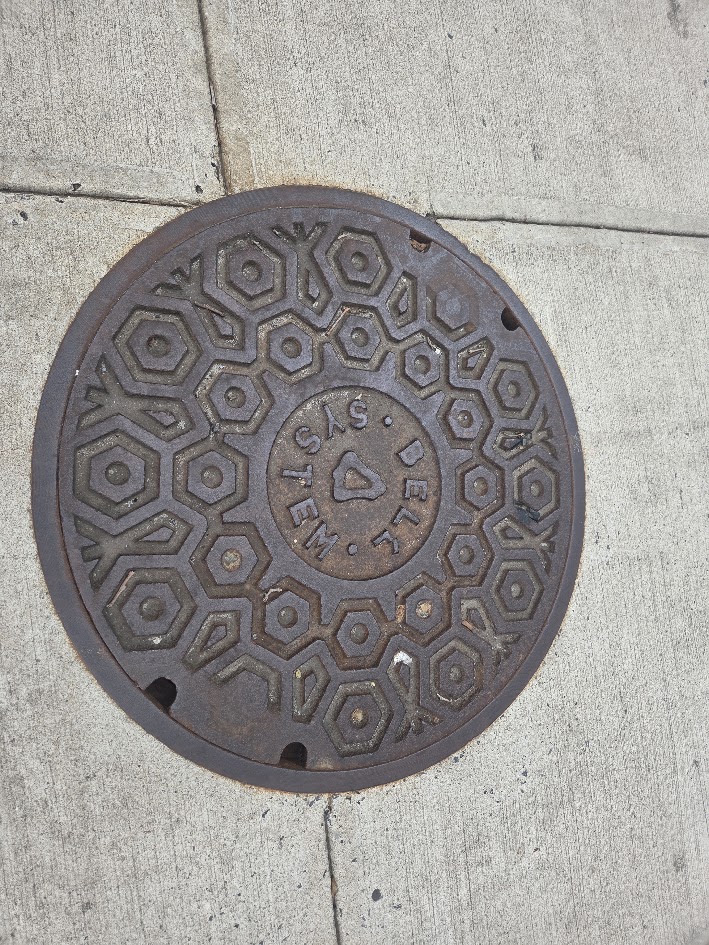
GLORIA HERMAN IDENTIFIED THIS VINTAGE UTILITY COVER ON THE SIDEWALK JUST SOUTH OF BLACKWELL HOUSE. BELL SYSTEM CEASED OPERATING IN 1983
CREDIT
NYC MUNICIPAL ARCHIVES
JUDITH BERDY
All image are copyrighted (c) Roosevelt Island Historical Society unless otherwise indicated THIS PUBLICATION FUNDED BY DISCRETIONARY FUNDS FROM CITY COUNCIL MEMBER JULIE MENIN & ROOSEVELT ISLAND OPERATING CORPORATION PUBLIC PURPOSE FUNDS.
Bo Weinberg sleeps with the fishes. A former lieutenant of the notorious bootlegging gangster Dutch Schultz, Weinberg was made to disappear after the Schultz and Charles “Lucky” Luciano factions went to war. Turns out, Weinberg’s fate wasn’t all that rare.
After a giant octopus attack on the Staten Island Ferry in 1963, search-and-recovery divers found more than 30 victims of New York’s organized crime syndicates beneath the waves of New York Harbor. Preserved by the cold, polluted waters, every victim had one thing in common: their “cement shoes.”
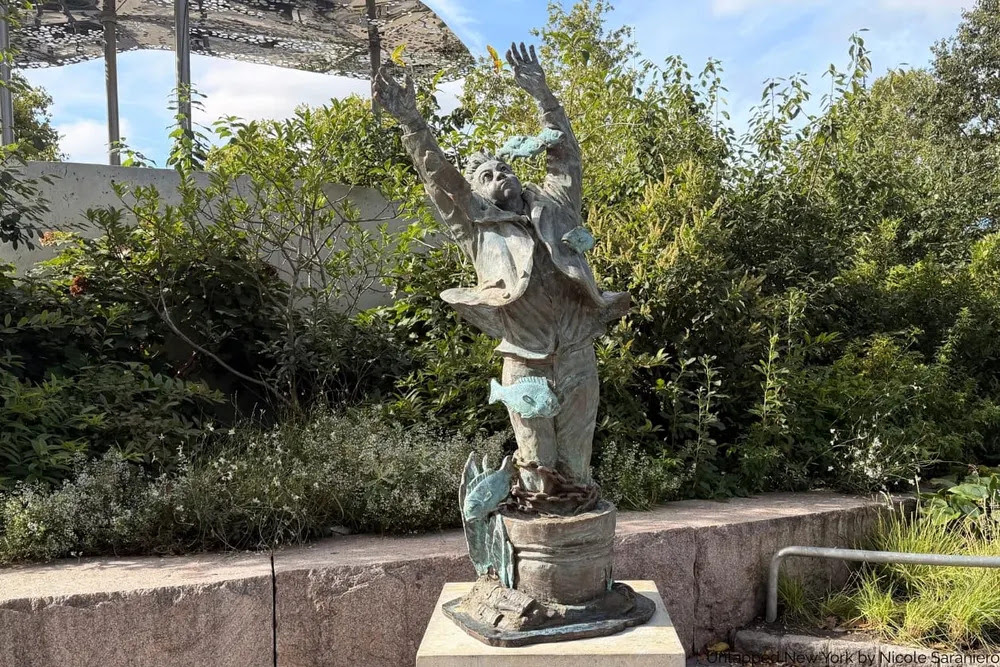
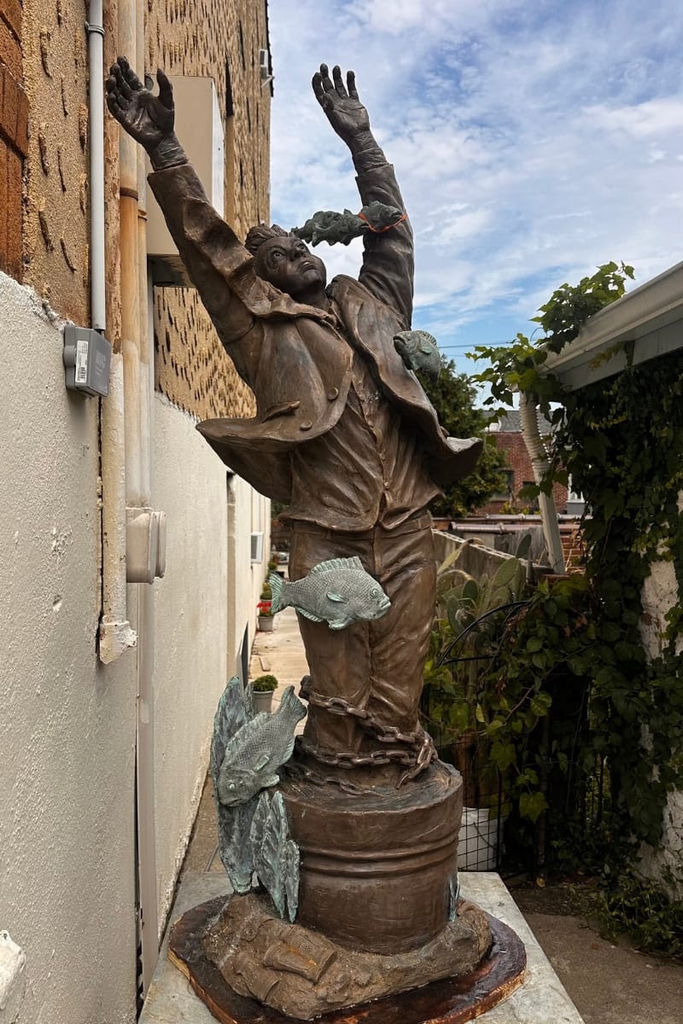
To honor these victims and mark the site as a point of historical significance, a memorial using Weinberg’s likeness was erected at The Battery in 1983. Lost during renovations in the mid 1990s, the monument was recently rediscovered and can now be seen on display. But, we think the sculpture also looks a little like someone we know….
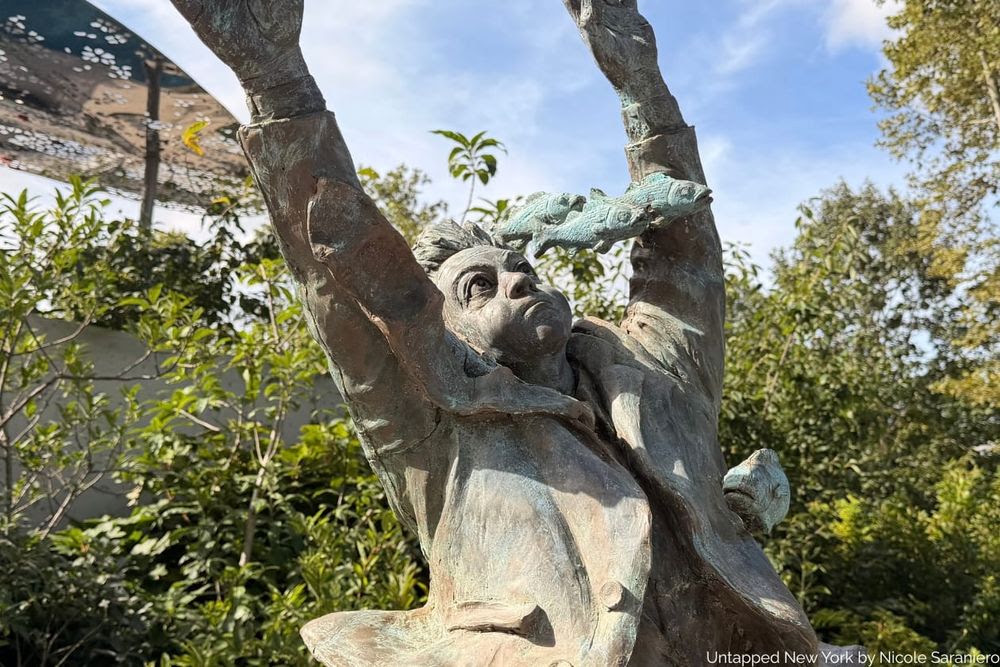
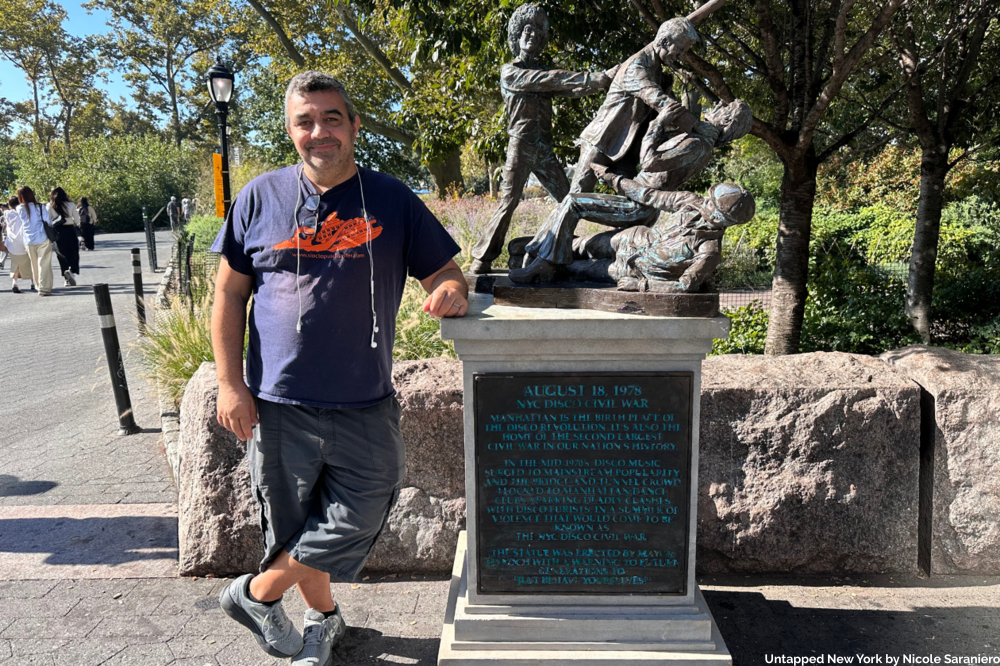
Staten Island-based sculptor Joseph Reginella has been crafting monuments to NYC Urban Legends since 2016 and this piece, Watery Graves, is his latest creation. When sculpting this memorial, he used his own face as a reference.
Each sculpture in the series is given an elaborate and fantastical backstory that is based in just enough true New York City history and pop-culture references to make you scratch your head.
“A lot of people buy it,” Reginella told Untapped New York when we met him at The Battery to see the sculpture in person and watch people react to it. “I heard a guy mumble out loud ‘That can’t be.'”
The sculptor has been playing with the concept for this piece since the early 2000s when he launched a toy line called Toxic Teddies. One of the bears featured in this not-for-kids set was “Blabba Bear,” a teddy bear figurine that clearly said too much.
“The harbor is always mysterious,” Reginella said, “What could be down there? A giant octopus, some old mobsters, lots of garbage?”
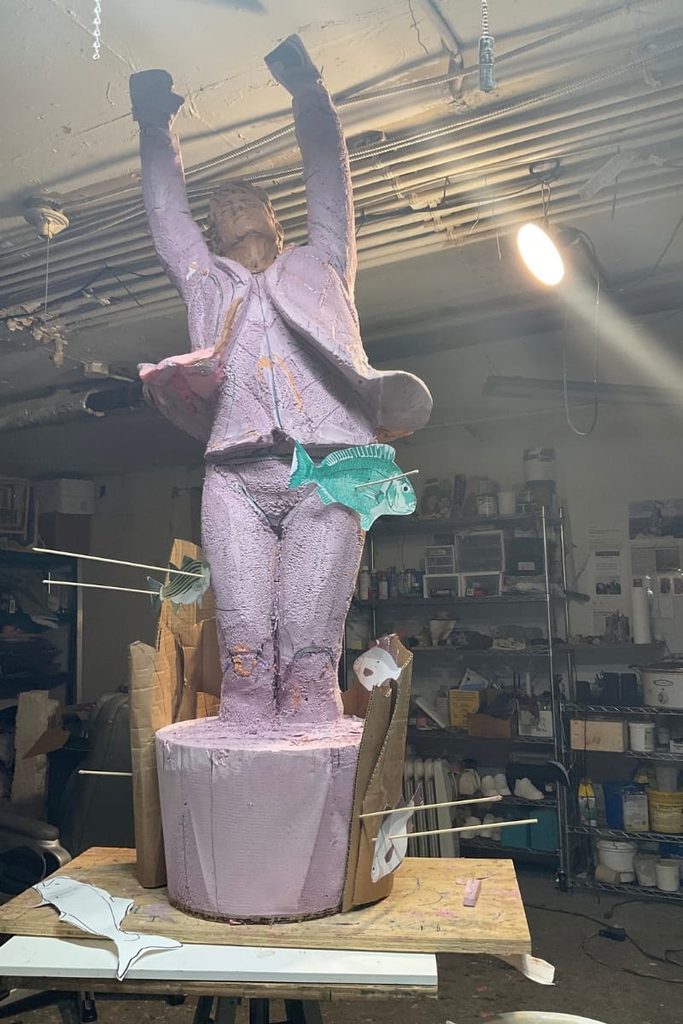
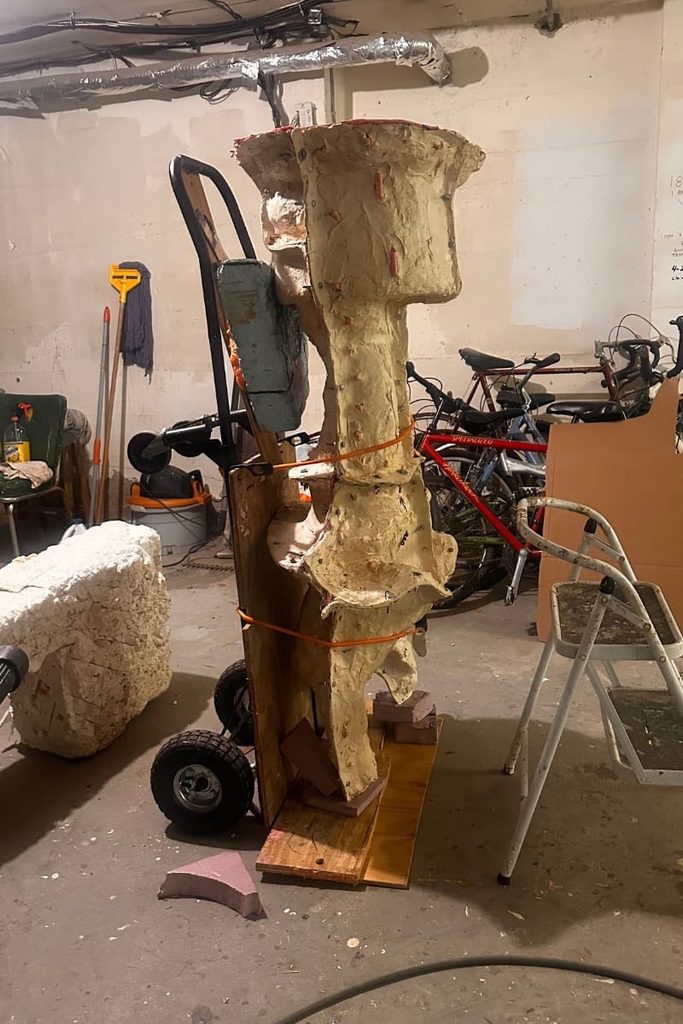
As a special anniversary sculpture, Watery Graves is also the largest in the NYC Urban Legends series, measuring around five and a half tall, plus the pedestal. Despite its size, the whole thing can still be disassembled and put onto a handcart. Like all of the statues before it, this one travels from Reginella’s studio in Staten Island to Manhattan via ferry, so it needs to be portable and light enough for the artist to move himself.
Reginella began working on Watery Graves in January. He walked us through the time consuming process: “The whole thing is sculpted out of Styrofoam, then I add clay for details, then a silicone mold, then a method called cold-cast bronze which is a resin with bronze powder in it to give it a shine.” Since this piece was so large and the mold so heavy, he had to build a special contraption to hold it up while it was cast.
In-process shots from Reginella’s studio
“Children are drawn to this one and I knew they would be, so all of the appendages are reinforced with steel and there’s two inches of plywood inside,” Reginella said, “I made it super bottom-heavy because I anticipated children climbing on it and they do.”
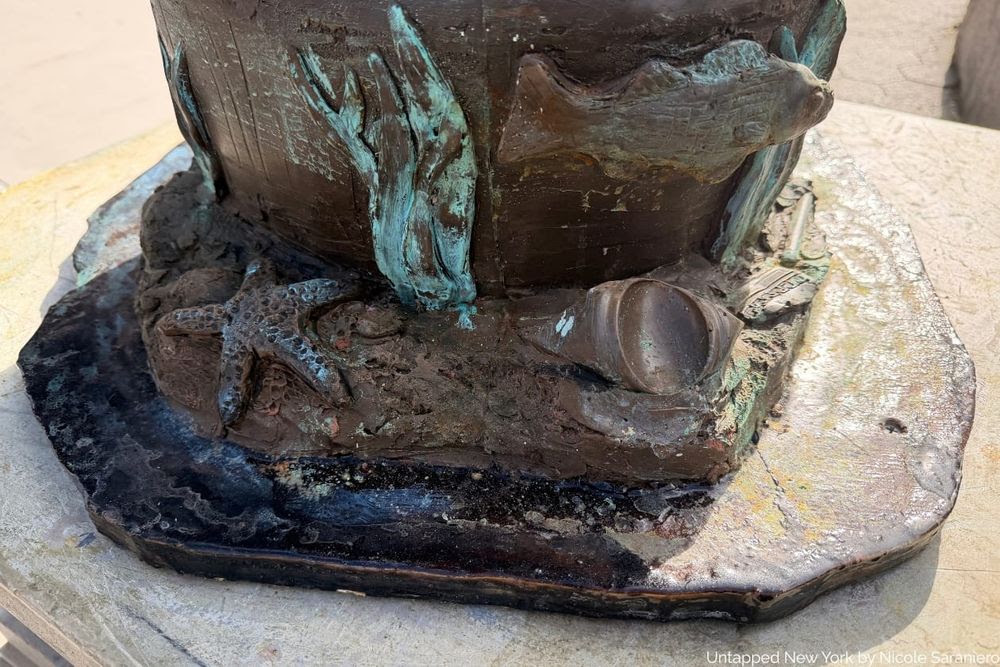
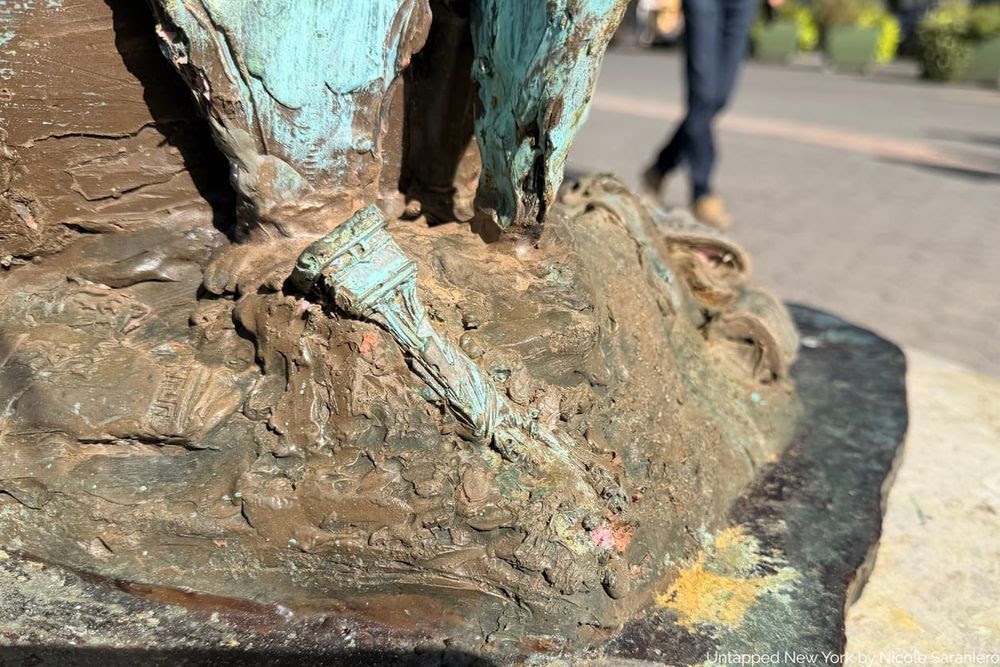
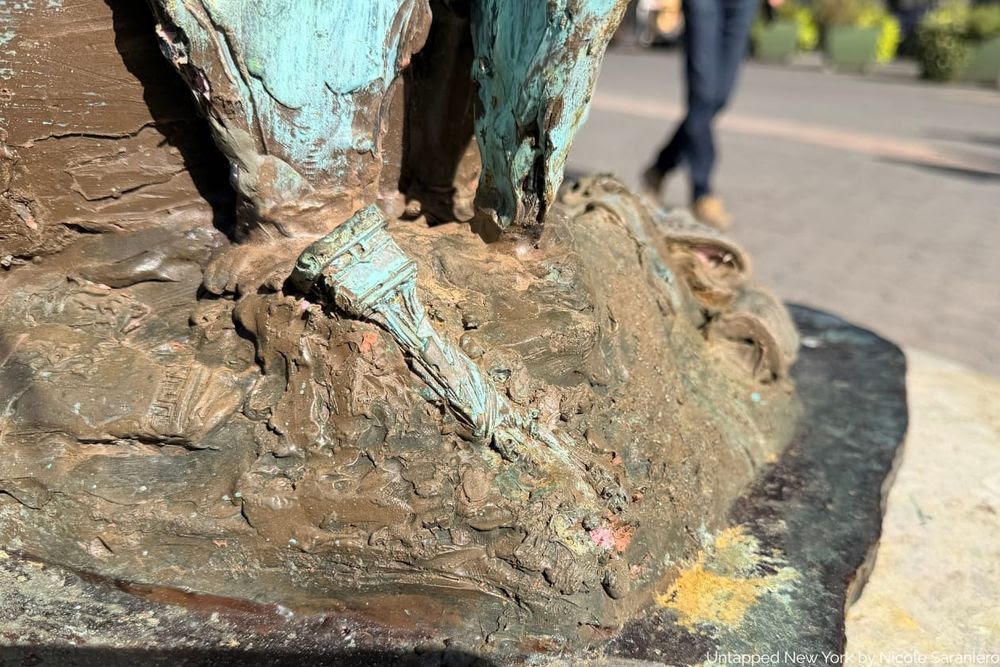
“I wanted to have the sediment littered with garbage so I went with some classic New York City icons,” Reginella said. Look closely and you’ll find a Statue of Liberty figurine, a smashed Greek coffee cup, and a crushed beer can.
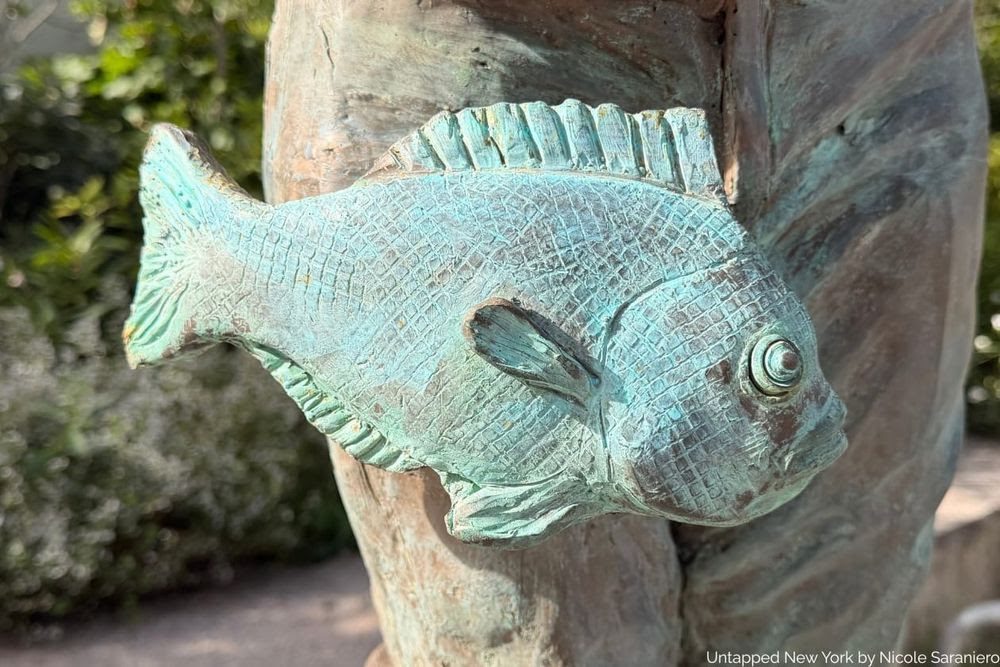
All of the small details, from fishes swimming around the body to the wavy folds of his jacket and his floating arms and tie give the illusion that the figure is suspended in the water, anchored to the floor by that bucket of cement at his feet.
When we met Reginella at his Disco Civil War sculpture last year, he alluded to this year’s piece being the last in the NYC Urban Legends series. “This is really labor intensive. It’s a lot of planning and I always have other jobs and this turns into kind of a second job,” he explained. But, he might not be done just yet.
“I think I’d take at least a year off, but I can go home today and see something and think, ‘Wait, I have to do that!’ It’s a creative outlet.”
Your best chance to spot the sculpture is on Saturday and Sunday mornings along State Street, just outside the entrance to The Battery near the SeaGlass Carousel. Reginella brings the sculpture out sporadically until the weather gets too cold. Let us know if you spot Watery Graves by tagging us @untappedny
PHOTO OF THE DAY
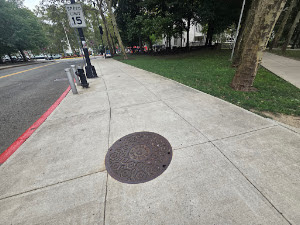
Can you identify and locate this manhole cover?
No one has been seen exiting it here.
The first person to send us the location will get a gift from the RIHS Visitor Center.
All image are copyrighted (c) Roosevelt Island Historical Society unless otherwise indicated THIS PUBLICATION FUNDED BY DISCRETIONARY FUNDS FROM CITY COUNCIL MEMBER JULIE MENIN & ROOSEVELT ISLAND OPERATING CORPORATION PUBLIC PURPOSE FUNDS.
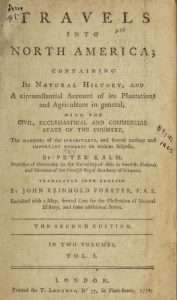
Between 1748 and 1751, Swedish botanist Pehr (Peter) Kalm (1716-1779) made a journey through Pennsylvania, Delaware, New Jersey, New York, and Canada. The Swedish Royal Academy of Sciences had selected him to explore the territory and collect plants that would thrive in Scandinavia’s cold climate.
On his return, Kalm published a three-volume journal of his experiences, translated into English in 1770/1 as Travels into North America. By 1772, there were renderings in German and Dutch, as well as a second English edition. The book provided a reasonably reliable account of America’s natural history and social structure in the eighteenth century.
Kalm catalogued both native plants and imported European species, but his work is more than just a botanical resource. He also described life in the city of New York and its lingering Dutch presence. While the British held political control, Dutch residents and traders dominated the island, although English was the most common language.
He was appalled by Manhattan’s olfactory environment. A wooded landscape that featured swamps and wetlands, the island reeked of autumn rot and decay. Stinking plants like skunk (swamp) cabbage added to the repulsive smells.
Kalm made note of the city’s poor sanitation. Well water was exceptionally filthy. There was “no good water to be met within the town itself” – at times even horses refused to drink it.
The pre-industrial city struggled with uncollected refuse, unmanaged cesspits, and free-roaming livestock. With no sewage system, insufficient street cleaning, and polluted groundwater, New York stank. The big stink was reported two or three miles away from the settlement.
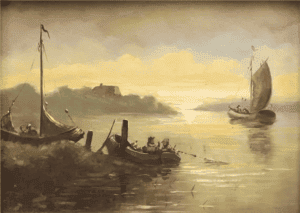
Pigs of New Amsterdam
Ever since the early days of New Amsterdam, its water quality had been dreadful. Built on the island’s swampy southern part, its closest water sources were underground. Lower Manhattan’s natural water table was shallow and prone to seepage of seawater.
Settlers dug wells and built cisterns to collect rain, but neither source was enough to satisfy the colony’s ever-increasing needs. Clean drinking water was a rare commodity.
New Amsterdam was a noxious place to live. Runoffs from tanneries flowed into waters that supplied the wells. Slaughterhouses, breweries, and stables disposed of their waste indiscriminately. Cesspools were rarely cleaned and settlers emptied chamber pots outside their doors.
Pigs, cattle, and goats ran free, leaving piles of excrement. Dead animals lay rotting in the streets. Human and animal waste contaminated the underground aquifers. New Amsterdam was a pigsty, literally and metaphorically.
In 1633, Wouter van Twiller succeeded Peter Minuit as the (fourth) Director of New Netherland and stayed in post for five years. His political presence may have been insignificant, but he amassed great personal wealth by acquiring land and setting up farms.
In 1637 he bought the East River island of Minnehanonck from the Lenape. Known as Roosevelt Island today, Van Twiller used the land to breed pigs and named it Varkens Eylandt (Hog Island).
From the outset, New Amsterdam was an unregulated outpost, attracting drifters, drunks, pirates, and smugglers. The colony was a profit-driven undertaking, not treated as a long-term investment. Infrastructure and urban embellishment were secondary considerations.
Its last Director-General Peter Stuyvesant tried to combat the filth. On February 20, 1657, he issued a ban on the practice of throwing “any rubbish, filth, ashes, oyster shells, dead animals or anything like it” in the street. His attempt to clean up the settlement failed.
Lack of water hastened the take-over of New Amsterdam by the English in August 1664. Fort Amsterdam was devoid of a functioning well or cistern. Without water reserves the garrison could not withstand a siege.
In his justification of surrender in front of the Dutch West India Company, Stuyvesant argued that the catastrophic state of water infrastructure made it impossible to defend the fort and colony.
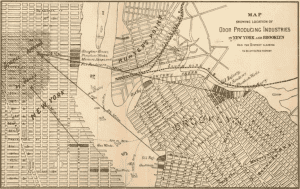
Manhattan’s Stench Map
English settlers did little to improve the colony’s poor sanitation. They demolished the old Dutch wall (today’s Wall Street) as the settlement expanded northwards, digging a dozen wells into garbage-infested streets.
The stench did not deter newcomers. By 1820, the population had reached between 120,000 and 150,000 inhabitants, but Manhattan was still an outhouse crawling with stray pigs.
By the 1820s, the wandering hog population had reached around 20,000. Pigs acted as the city’s street cleaners, scavenging edible waste. During the 1850s, the area between 6th and 7th Avenues was referred to as “Hogtown” or “Pigtown.”
Hundreds of thousands of horses worked the streets, depositing millions of pounds of manure. In the blistering summer heat, these piles dried into a dust that coated buildings or, during rainstorms, turned into sludge.
In 1836, the New-York Mirror described Manhattan’s streets as a “realm of mud,” covered with a slimy, bean-soup like deposit. Ankle-deep muck made even Broadway impassable.
New Yorkers loved their meat. Processing took place in the city center. Abattoirs, shambles, hog pens, and swine butchering dominated an area between Eighth Avenue and the Hudson River. Residents endured the nauseating smells of boiling fat and tanning hides. New York City reeked of death and dying.
Residents stored human waste in backyard cesspools which tended to overflow. By the mid-century, they produced thousands of tons of excreta, causing a public health crisis. Laborers hired by private contractors hauled away raw excrement from privies.
Known as “night soil men,” they had to carry their tubs in closed carts and travel late at night or early in the morning. Some loads were delivered to fertilizer producers; most were deposited in rivers where they coated the dock pilings with slime. Factories at Hunter’s Point dumped toxic waste directly into the East River.
In 1870, the Metropolitan Board of Health produced a pioneering “stench chart” of Manhattan. Kept at Columbia University Library, the document named “offensive” trades such as fat renderers, tanneries, and others.
As current medical science believed that bad air carried diseases (hence the word malaria, literally “bad air”), it detailed the location of polluters and the nature of their malodorous activities. It was a first step towards the imposition of public health regulations.
Mosquitos & Epidemics
The topography of Lower Manhattan was dotted with tidal salt marshes and ponds. Before urbanization, the environment was mosquito-ridden, which contributed to disease and high mortality rates among European settlers. One of the most feared afflictions was malarial fever which caused more anguish than the “threat of Indians.”
With its breeding grounds in putrid marshlands, the invasive Aedes aegypti mosquito became a summer menace to the humid port districts along the East and Hudson Rivers.
Native to Africa and introduced to the Americas by transatlantic slave and trade ships, these small flies caused panic in dense urban settings. A highly contagious viral disease with lethal consequences, yellow fever swept through the city, disrupting social life and economic activity.
Epidemics during the sweltering summers of 1793, 1795 and 1799 claimed the lives of between 3,000 and 3,500 New Yorkers.
Doctors and civic leaders were unaware of mosquito-borne diseases. They blamed the illness on “miasmas” (bad air from rotten garbage and stagnant water), prompting wealthy residents to look for “country air” in places like Greenwich Village.
Others explained the disease as divine punishment for human sin and uncleanliness. The discovery of the causative agent of yellow fever was a lengthy process.
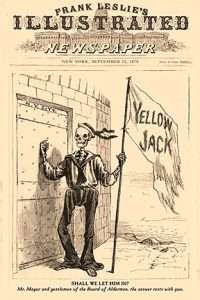
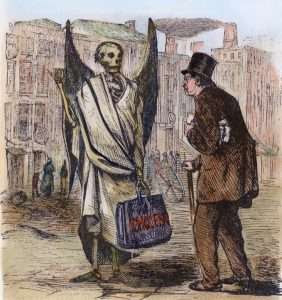
The cover of Frank Leslie’s Illustrated Newspaper, September 21, 1878, depicted a sailor with yellow fever coming ashore at New York Harbor. Embodied as “Yellow Jack” (originating from the nautical yellow flag or “jack” that ships carried to warn of quarantine), its caption reads “Shall we let him in? Mr. Mayor and gentlemen of the Board of Aldermen, the answer rests with you.”
The message is significant, showing that efforts to contain the virus focused on people, not mosquitoes. It was not until 1951 that Pretoria-born Max Theiler of the Rockefeller Foundation received the Nobel Prize for developing a vaccine.
Cholera (nicknamed “Blue Death”) was a consequence of over-population and poor hygienics. It devastated Manhattan in June 1832, killing over 3,500 people as the epidemic hit the slums, including the Five Points neighborhood.
Tragically, until 1811 this was the site of the Collect Pond, once a body of clear water and a pastoral picnic spot that was drained because of industrial pollution. Rich residents fled, but the poor had to face the waterborne disease.
Later outbreaks followed in 1849 and 1854. The spread of cholera was driven by contaminated water. As the routes of germ transmission were not understood, city officials blamed outbreaks on destitute Irish immigrants, rather than systemic sanitation failures.
Population density became a concern when large-scale urban expansion led to a division between rich and poor communities. By the 1830s, inequality was a serious social problem.
The cholera epidemic of 1832 killed many slum dwellers. Mortality rates soared. Public health became an urgent issue. The elite moved uptown to escape the city’s noxious smells, retreating to the outskirts, the countryside, or the coastal resorts.
The term “suburbia” as we understand it today was not in circulation, but the concept itself goes back to that era.
New York City was suffocated by its own filth and in dire need of fresh water. In October 1832, the City Council commissioned a study on means to improve water supply to the metropolis.
Its authors reported that the Croton River in Westchester County was a possible source to satisfy the city’s urgent needs. On February 26, 1833, legislation was passed that allowed for the appointment of five agents to plan the construction of an aqueduct.
New York City & Imperial Rome
At the request of the newly appointed New York State Water Commission (led by the former 56th Mayor of the city, Stephen Allen), surveyors declared the Croton proposal a workable project. The plan was backed by a lobby of developers, bankers, and entrepreneurs.
Many industries were struggling with poor water supply, not to mention the city’s many hotels and taverns. Fire was a continuous risk that crippled insurance companies and threatened the real estate sector.
Civil and military engineer David Bates Douglass was requested to map the aqueduct’s location and trajectory. On May 2, 1834, the legislature passed a law for “Supplying the City of New York with Pure and Wholesome Water.”
New York’s residents had the final say. Despite the eye-watering estimated cost of over five million dollars, the vote’s outcome was never in doubt. The plan was accepted in April 1835 as New Yorkers were desperate for clean water.
Construction of the Croton Aqueduct would not begin until two years later amid the financial Panic of 1837. Another five years elapsed before water would flow to the city.
When the Croton Aqueduct was first put into service, it delivered a hundred million gallons of water every day along a forty-one-mile-long route, fed by gravity alone, to a population of over 312,000.
Stretching from the Croton River, the water flowed through an underground tunnel into Manhattan. Thousands of Irish immigrants worked on the project. Living in makeshift settlements along its route, they endured exploitation, harsh working conditions, cholera outbreaks, and nativist hostility.
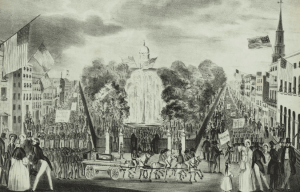
When water first began flowing through the Old Croton Aqueduct on June 22, 1842, the city rejoiced. The official opening took place on October 14th. Set aside as a holiday, the day-long celebrations included a seven-mile-long parade.
Over 25,000 people gathered to see the unlocking of the gates that released water from the aqueduct into the receiving reservoir at 86th Street and the distribution reservoir at 42nd Street. Guns were fired to mark each mile of the water’s journey.
In City Hall Park, President John Tyler was joined by crowds to gather around an ornate Croton-fed fountain unleashing a jet of water that surged fifty feet high. The New York Sacred Music Society performed a specially commissioned “Croton Ode.”
Having learned lessons from grand ancient aqueducts, New York City set out to rival Imperial Rome. The Old Croton Aqueduct was an engineering marvel that transformed Manhattan. By providing an abundance of clean water, it halted rampant epidemics and stopped city-wide fires.
A deepening sense of public safety sparked a population boom and paved the way for New York City’s urban growth. Already the nation’s most important port city, a reliable water supply meant that industrial expansion could continue apace. To New Yorkers, October 14, 1842, was Independence Day.
All image are copyrighted (c) Roosevelt Island Historical Society unless otherwise indicated THIS PUBLICATION FUNDED BY DISCRETIONARY FUNDS FROM CITY COUNCIL MEMBER JULIE MENIN & ROOSEVELT ISLAND OPERATING CORPORATION PUBLIC PURPOSE FUNDS.
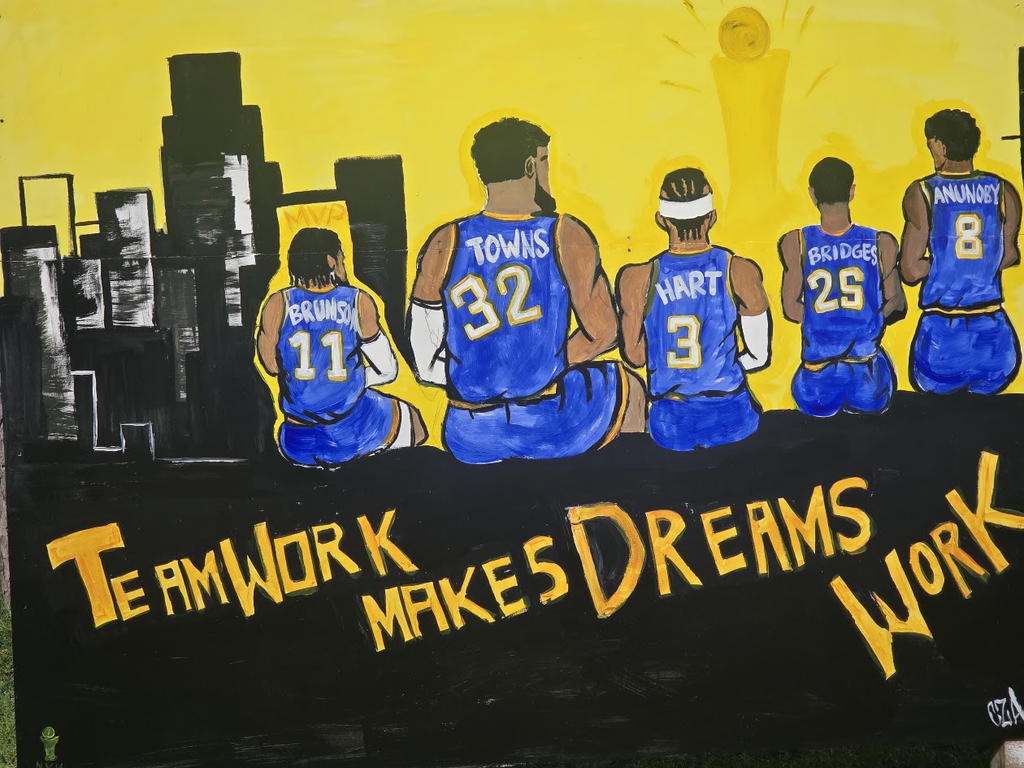
Everyone is invited to join us to enjoy the Cole Art Show
OUR WINNING TEAM
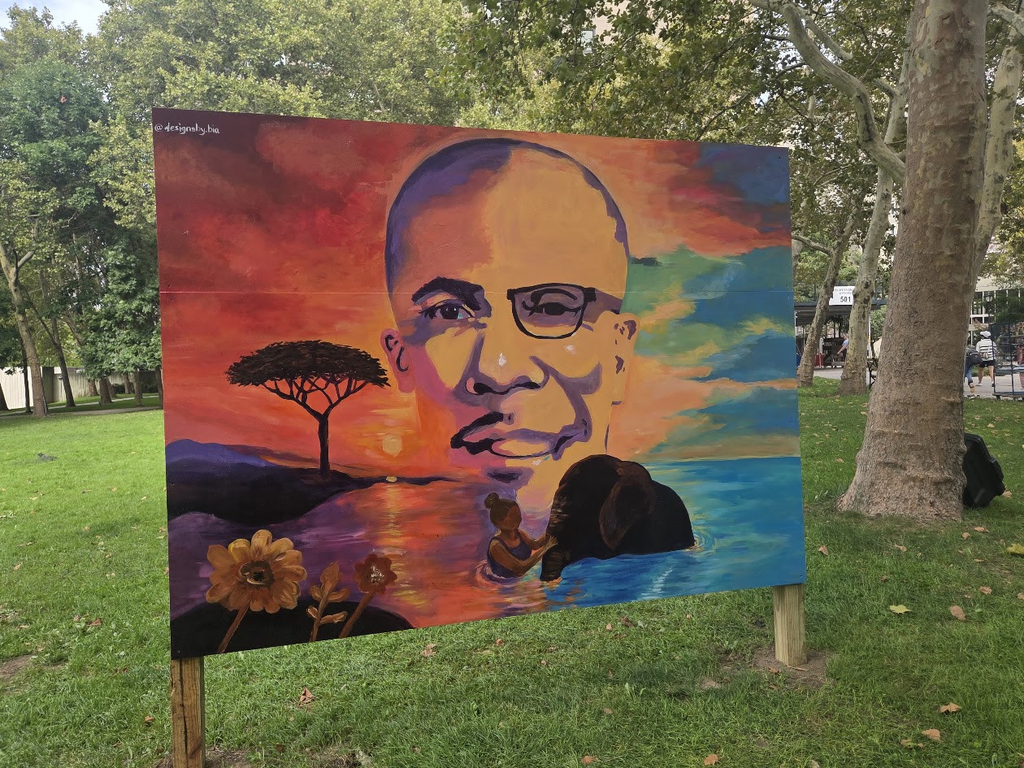
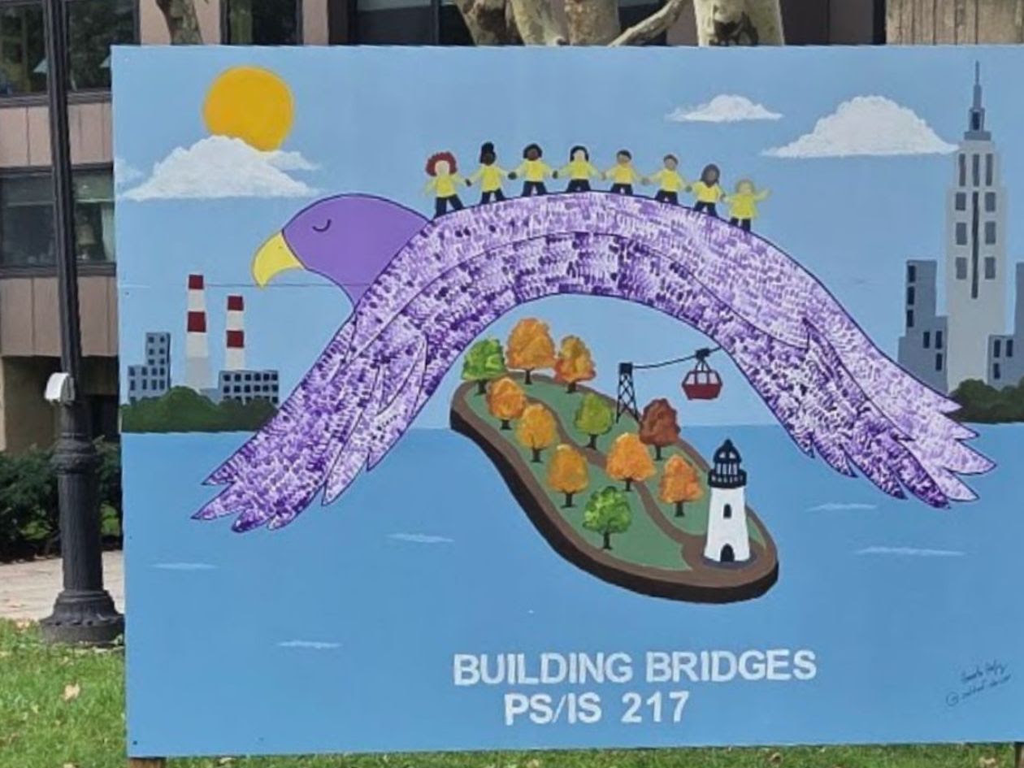
FROM OUR STUDENTS
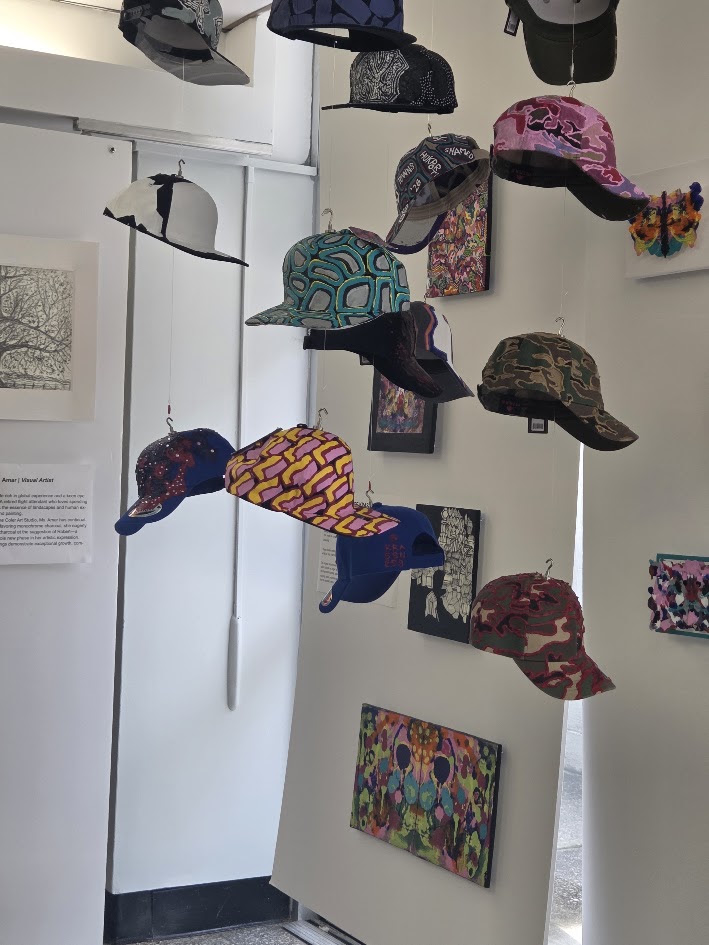
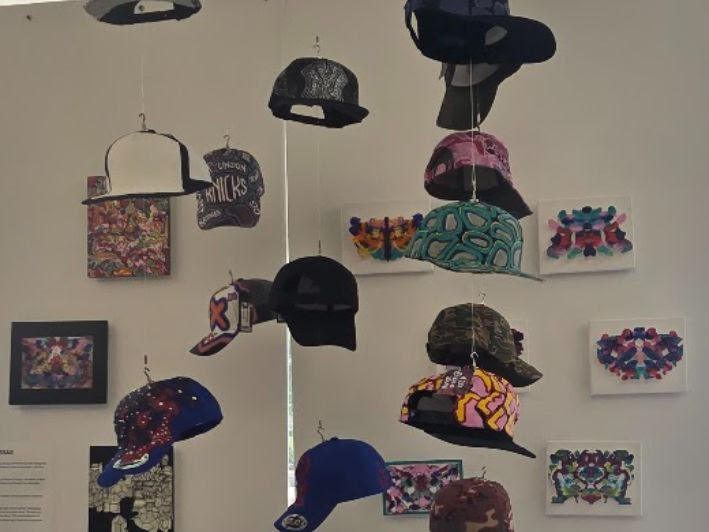
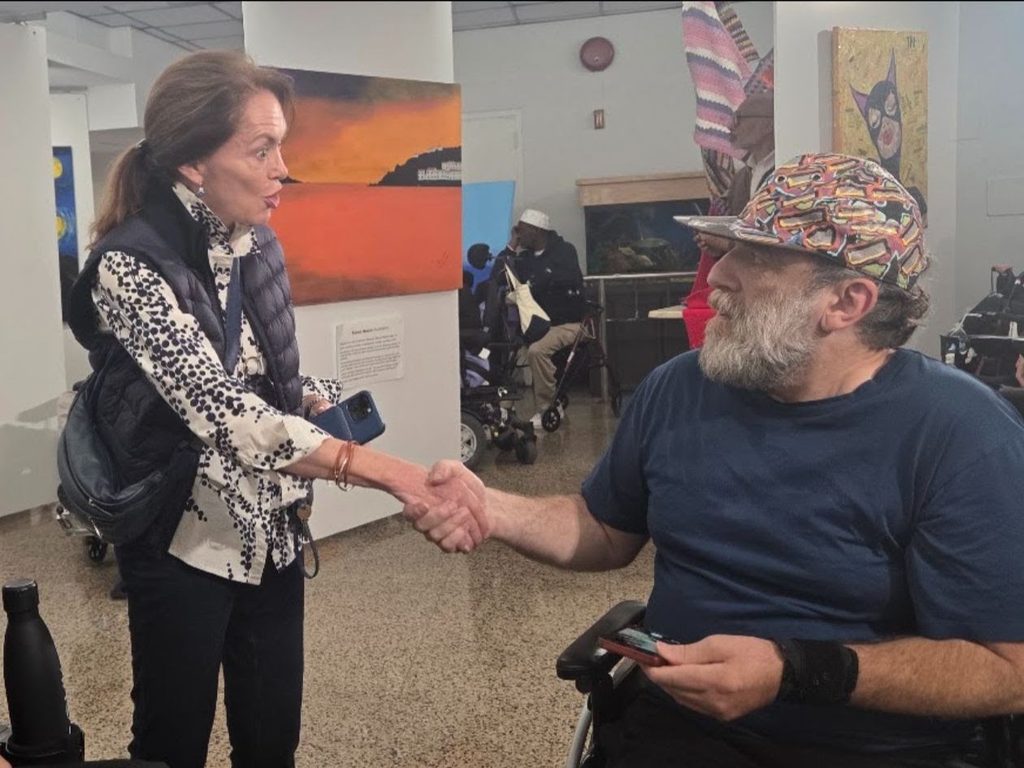
Trish Duval of the Angelica Patient Assistance Foundation greets George Karakis, the artist of the decorated ball caps. Angelia is a major funder of many of Coler’s arts programs.
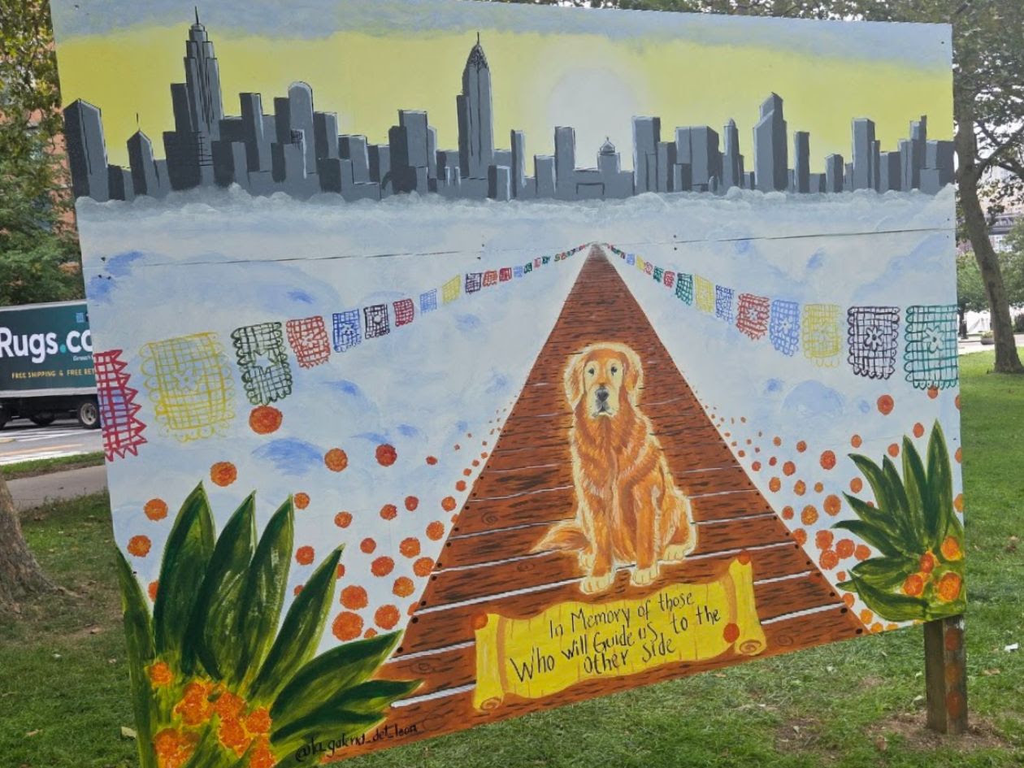
A FRIEND MISSED
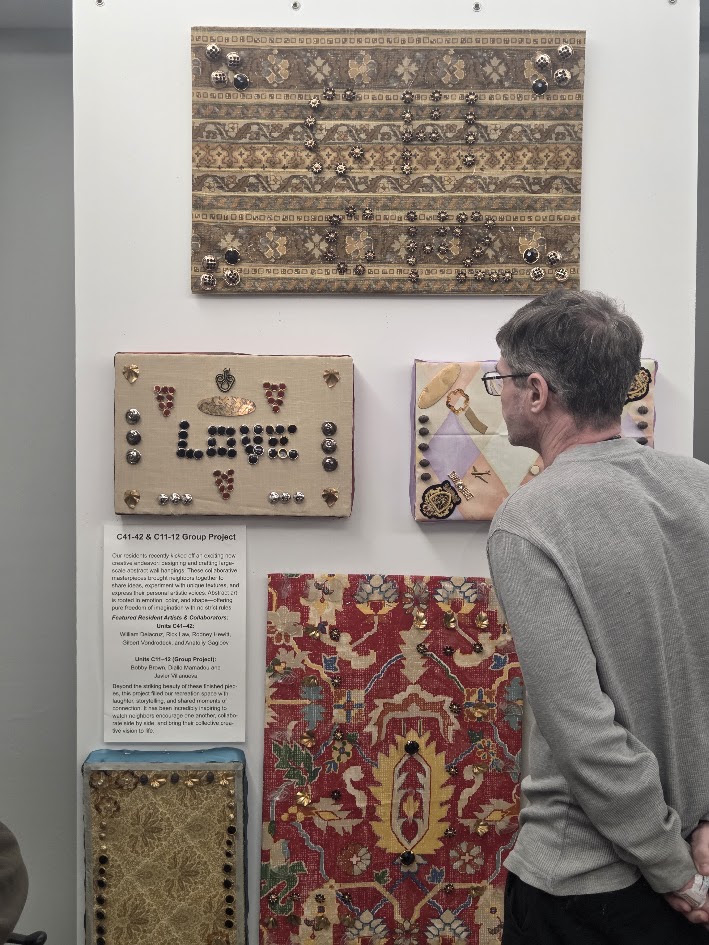
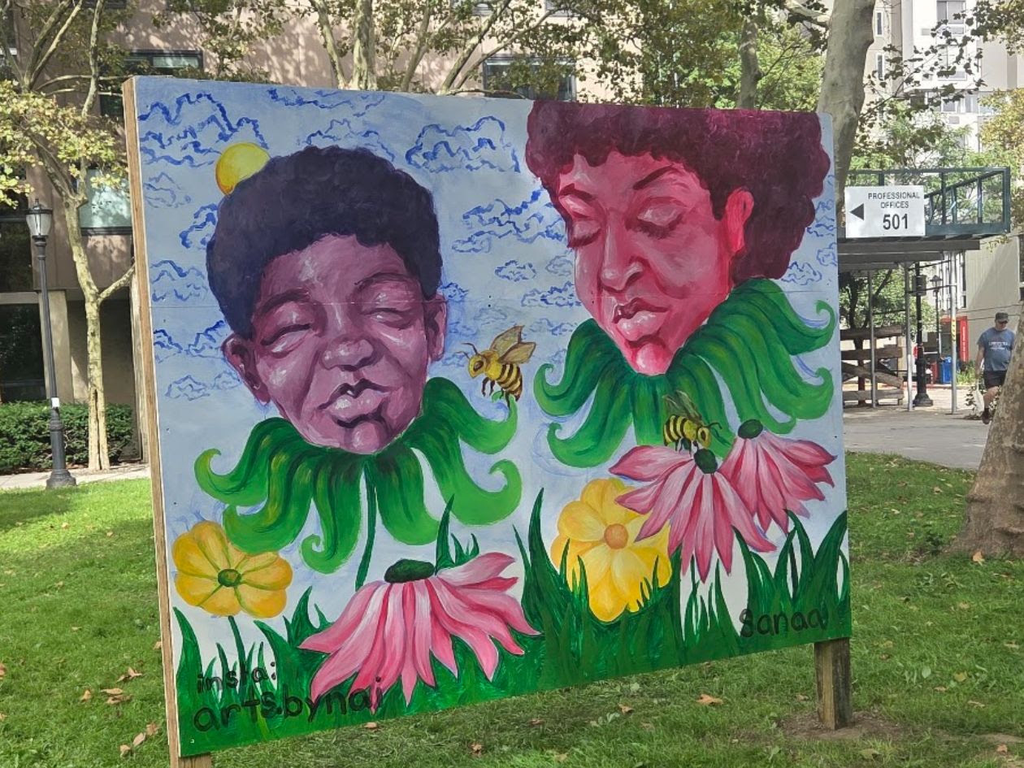
FAMILY LOVE
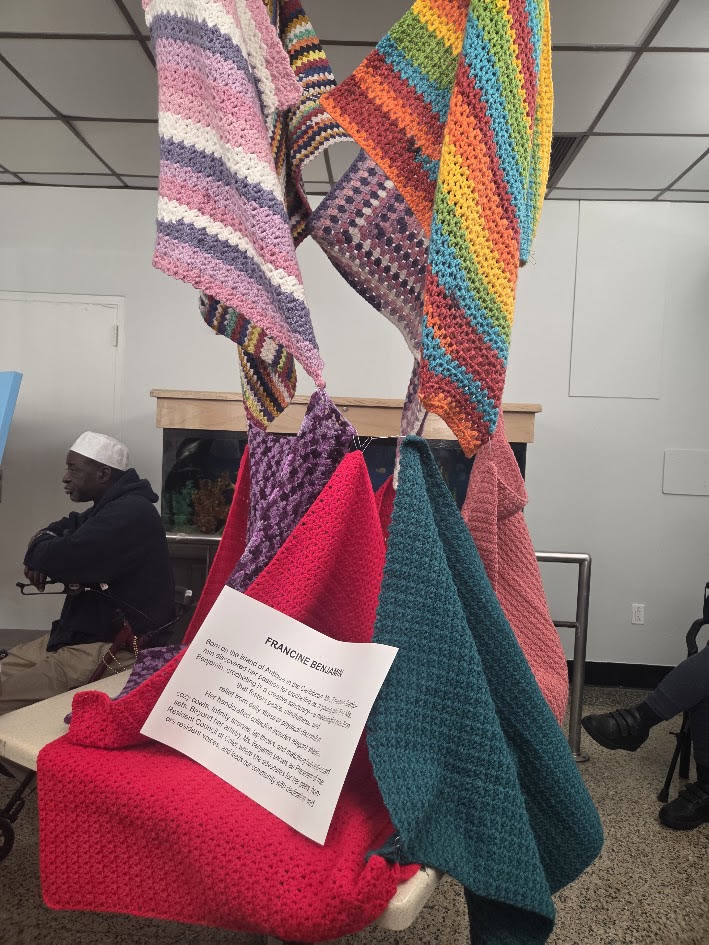
A SPECIAL PERSON
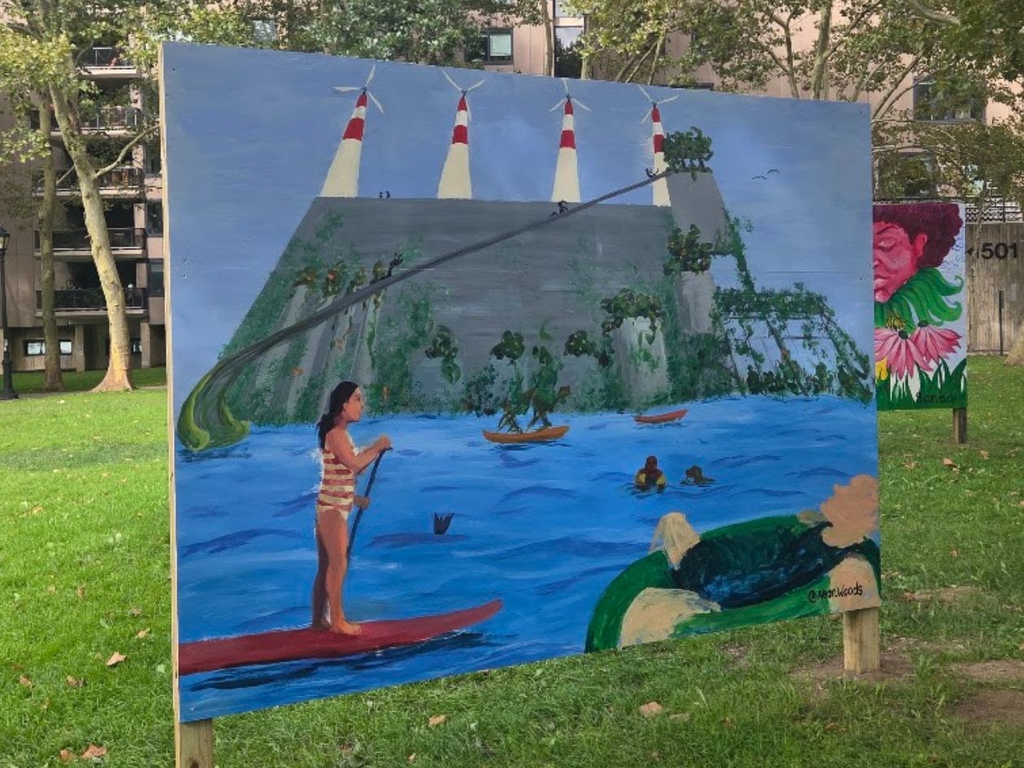
WIND MILLS ACROSS THE RIVER
PHOTO OF THE DAY
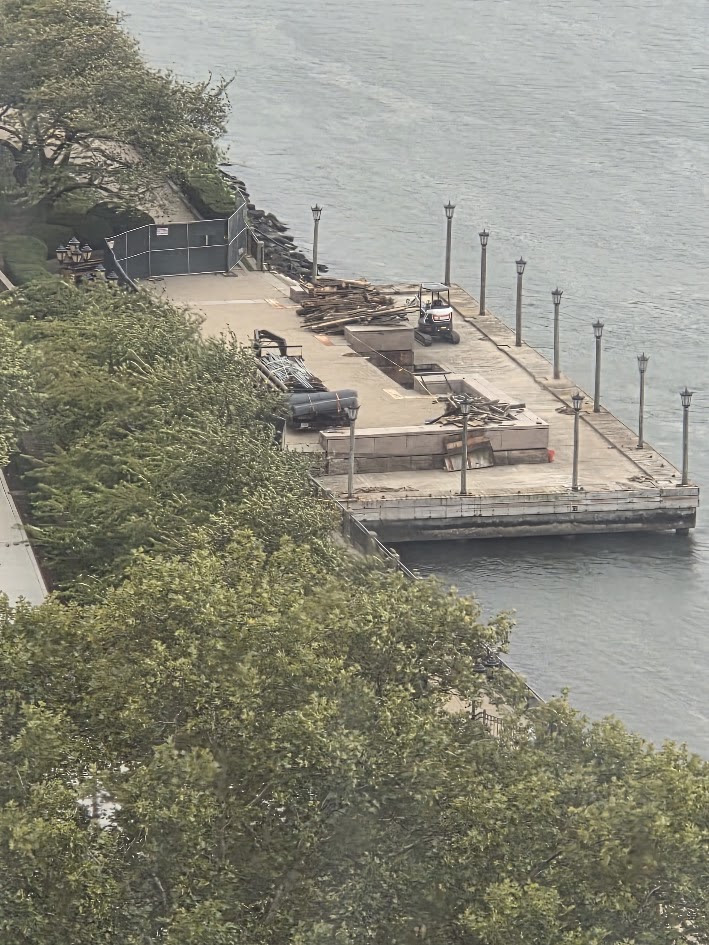
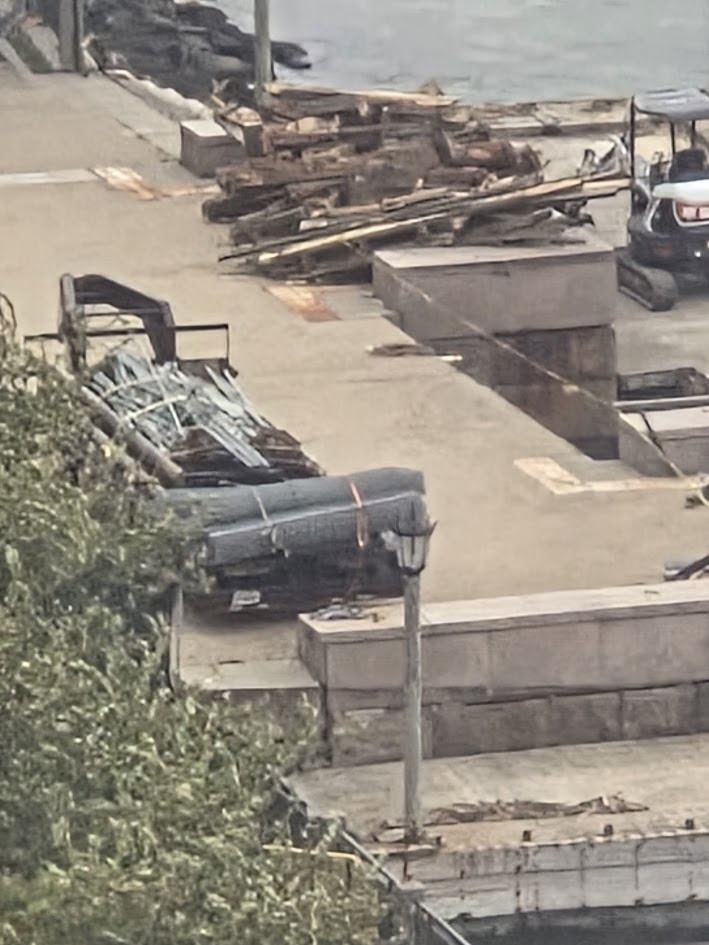
Work is underway at Eleanor’s Pier
CREDIT
JUDITH BERDY
All image are copyrighted (c) Roosevelt Island Historical Society unless otherwise indicated THIS PUBLICATION FUNDED BY DISCRETIONARY FUNDS FROM CITY COUNCIL MEMBER JULIE MENIN & ROOSEVELT ISLAND OPERATING CORPORATION PUBLIC PURPOSE FUNDS.
Everyone is invited to join us for the opening of the Cole Art Show
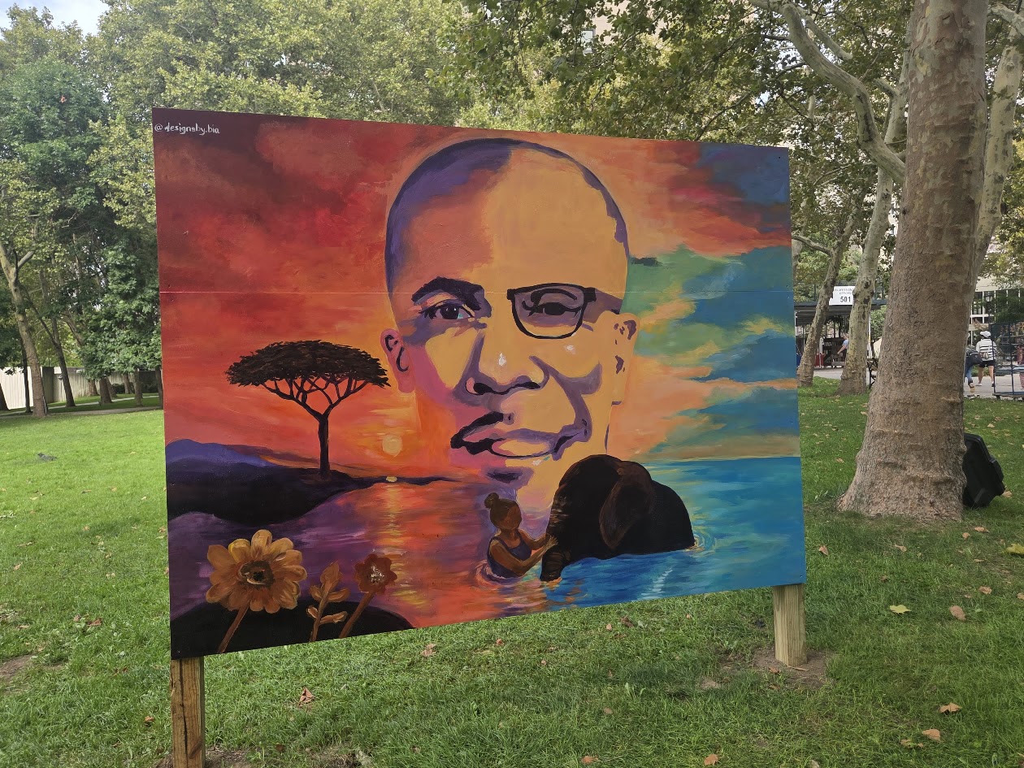
SUPER TALENT AT FALL FOR ARTS
OUR WINNING TEAM
FROM OUR STUDENTS
A FRIEND MISSED
FAMILY LOVE
A SPECIAL PERSON
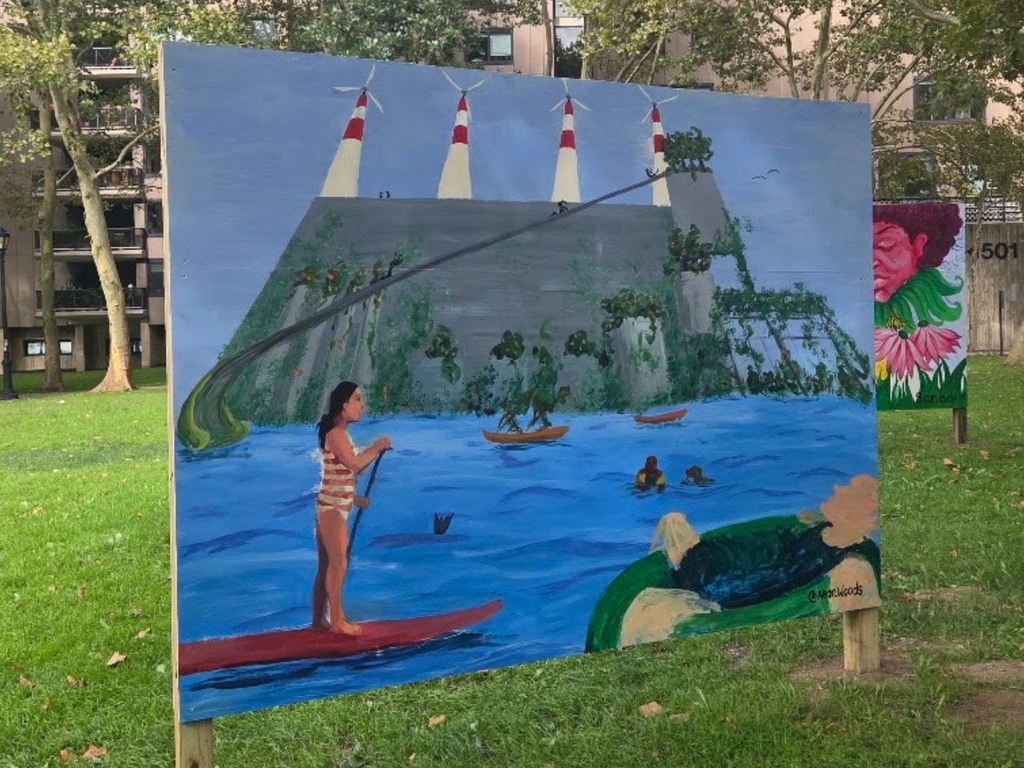
WIND MILLS ACROSS THE RIVER
PHOTO OF THE DAY
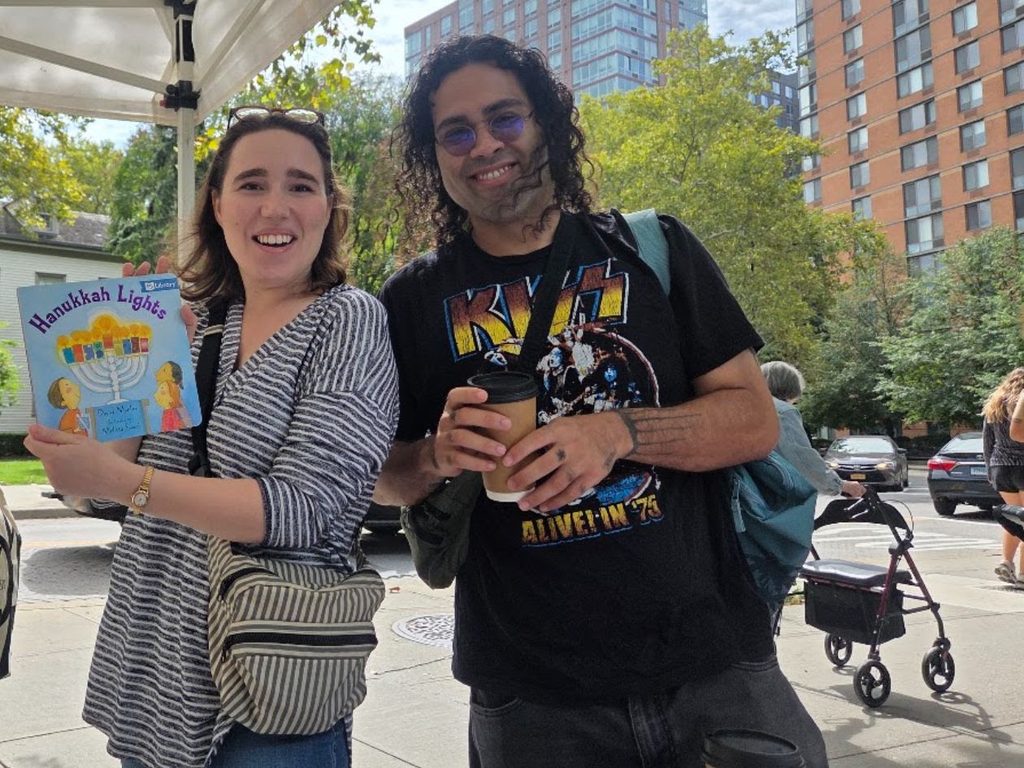
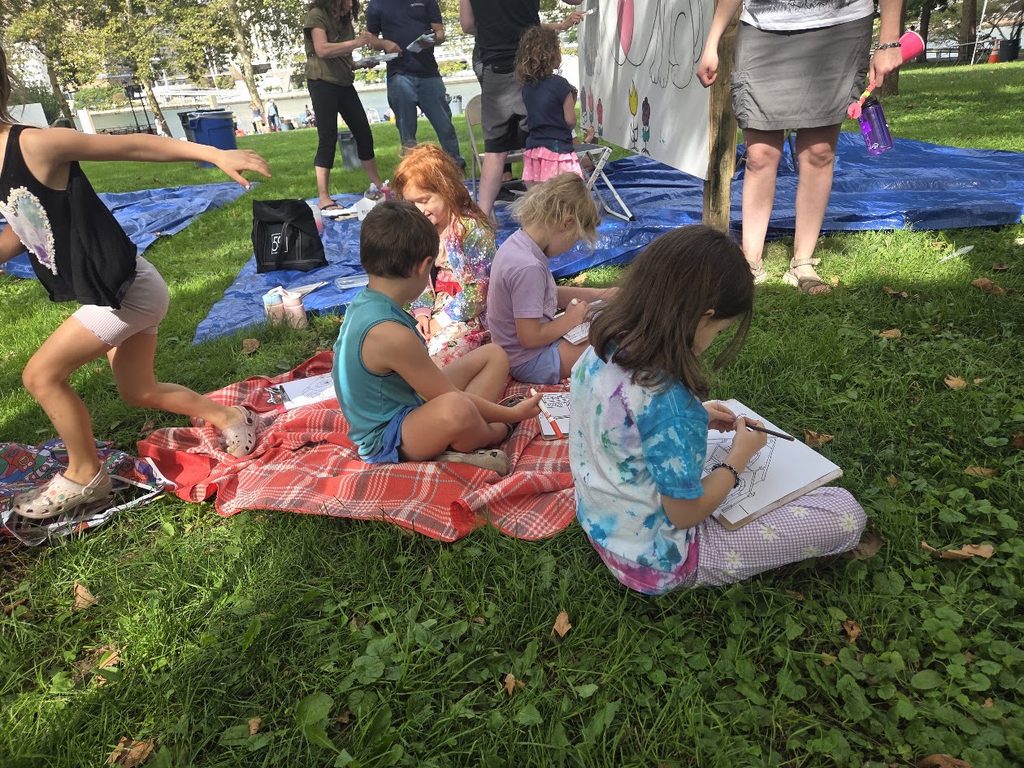
FUN AT THE RIHS TABLE AT
CREDITS
JUDITH BERDY
All image are copyrighted (c) Roosevelt Island Historical Society unless otherwise indicated THIS PUBLICATION FUNDED BY DISCRETIONARY FUNDS FROM CITY COUNCIL MEMBER JULIE MENIN & ROOSEVELT ISLAND OPERATING CORPORATION PUBLIC PURPOSE FUNDS.