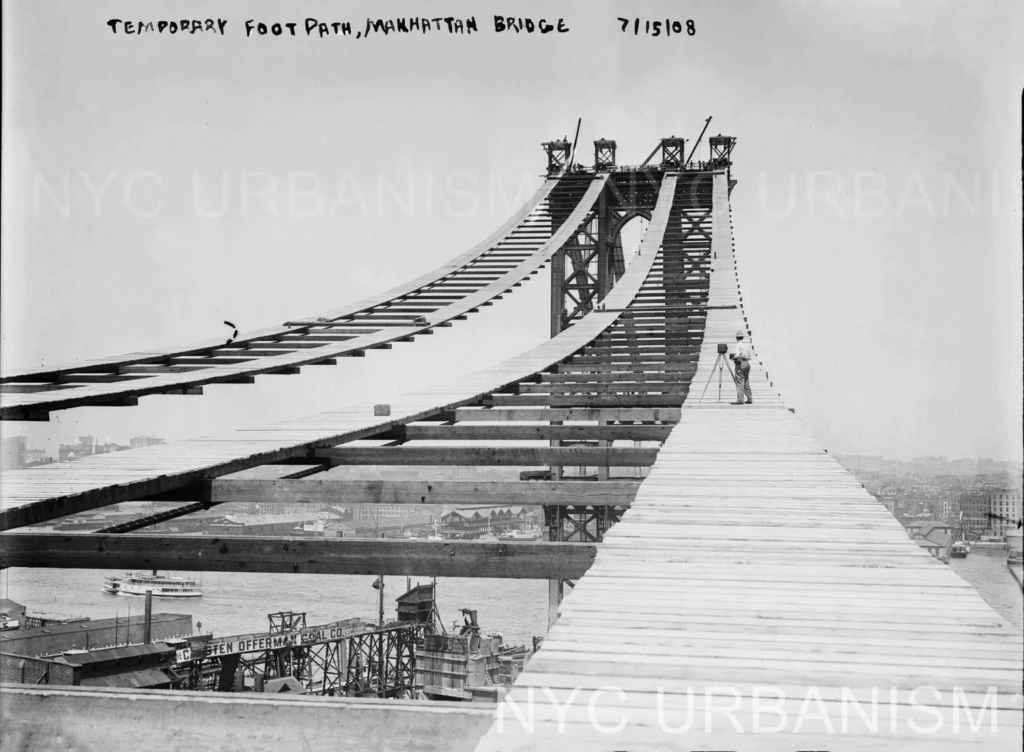
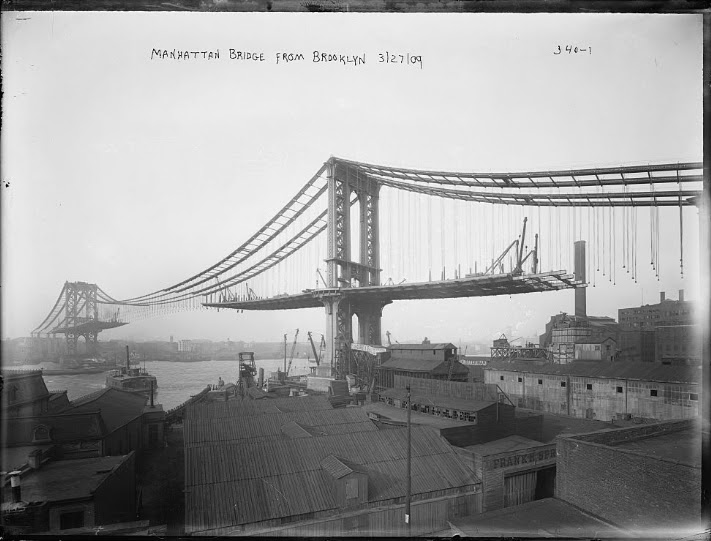
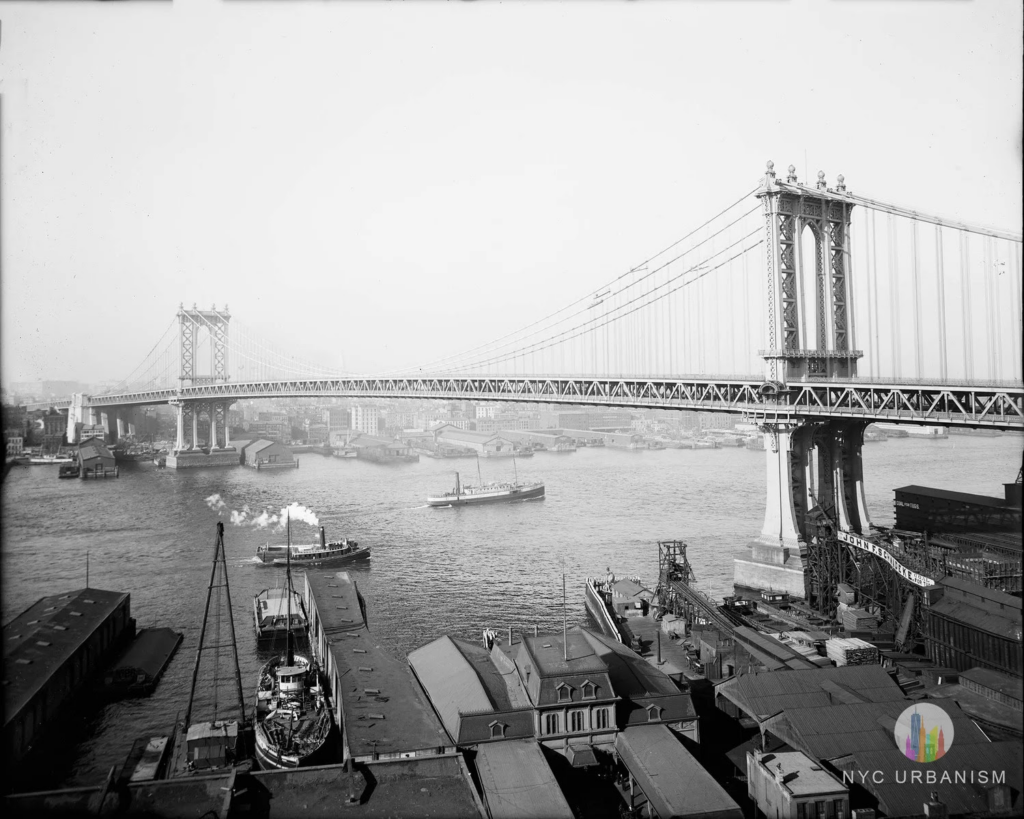
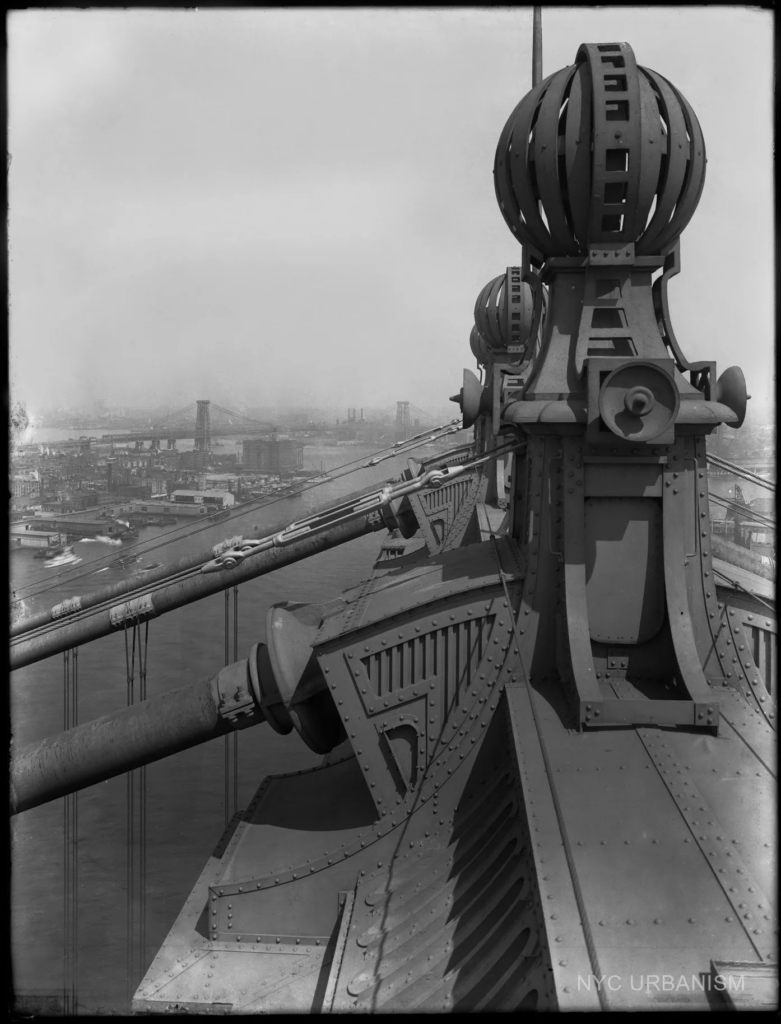
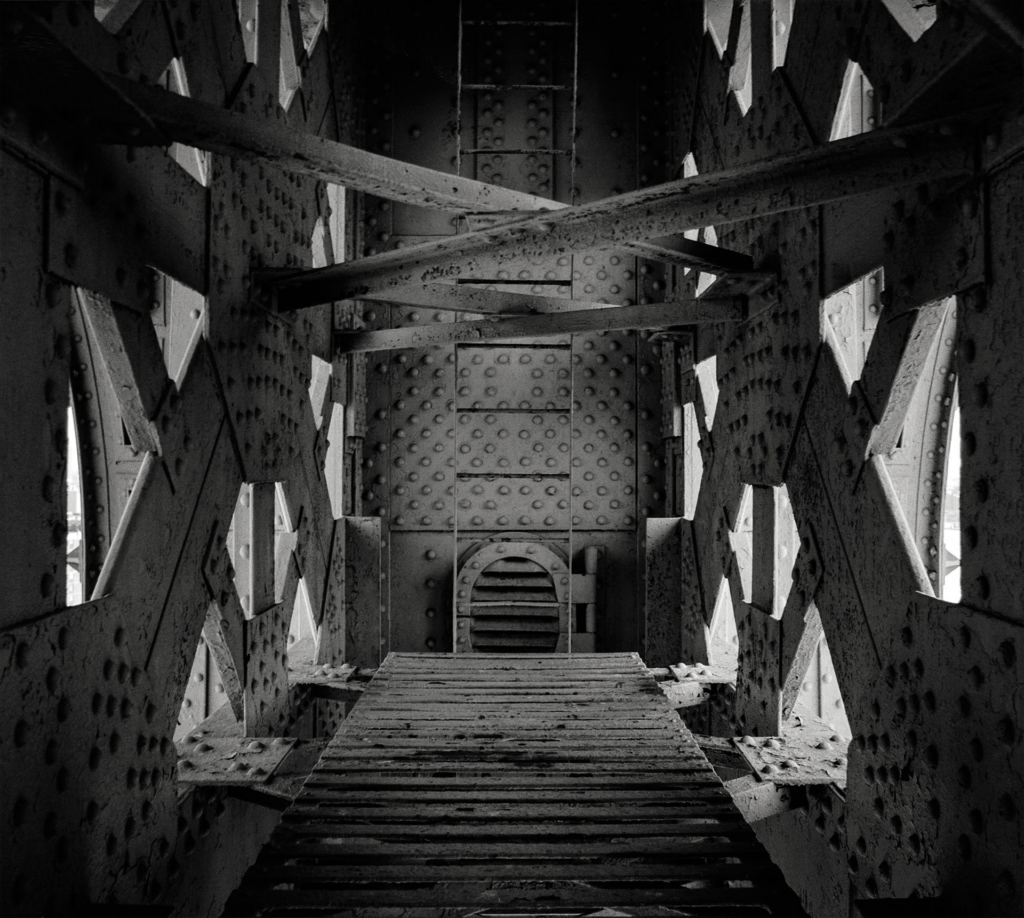
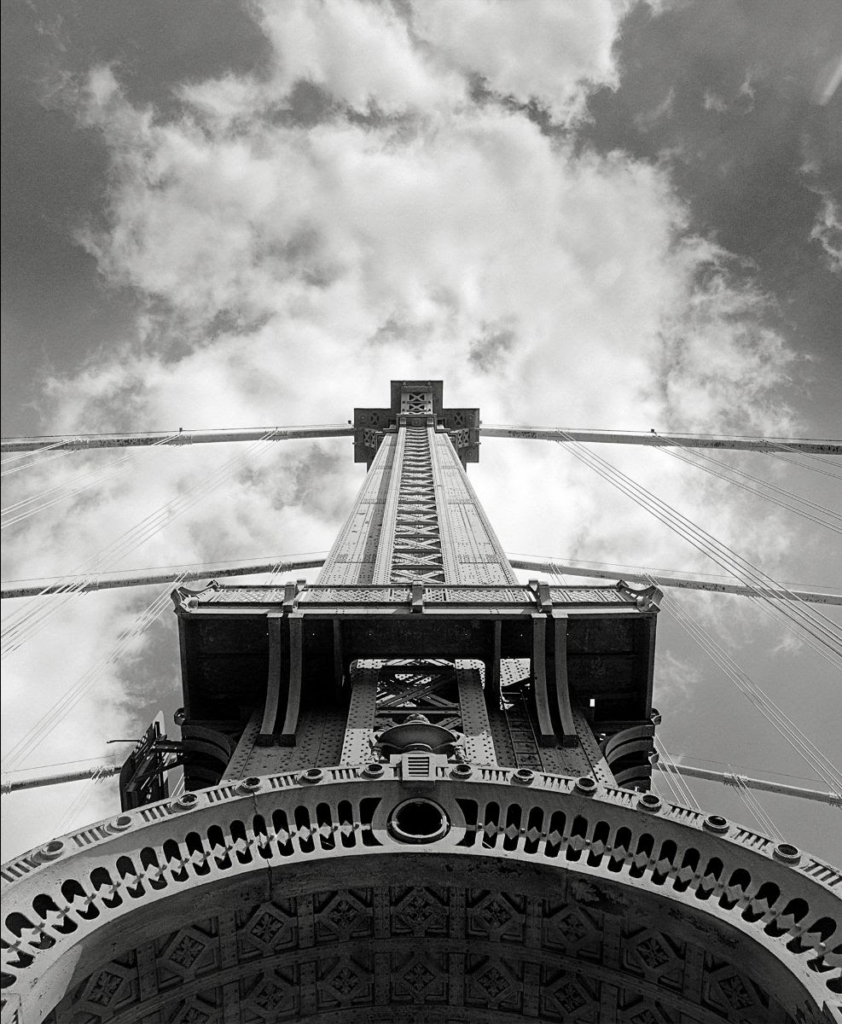
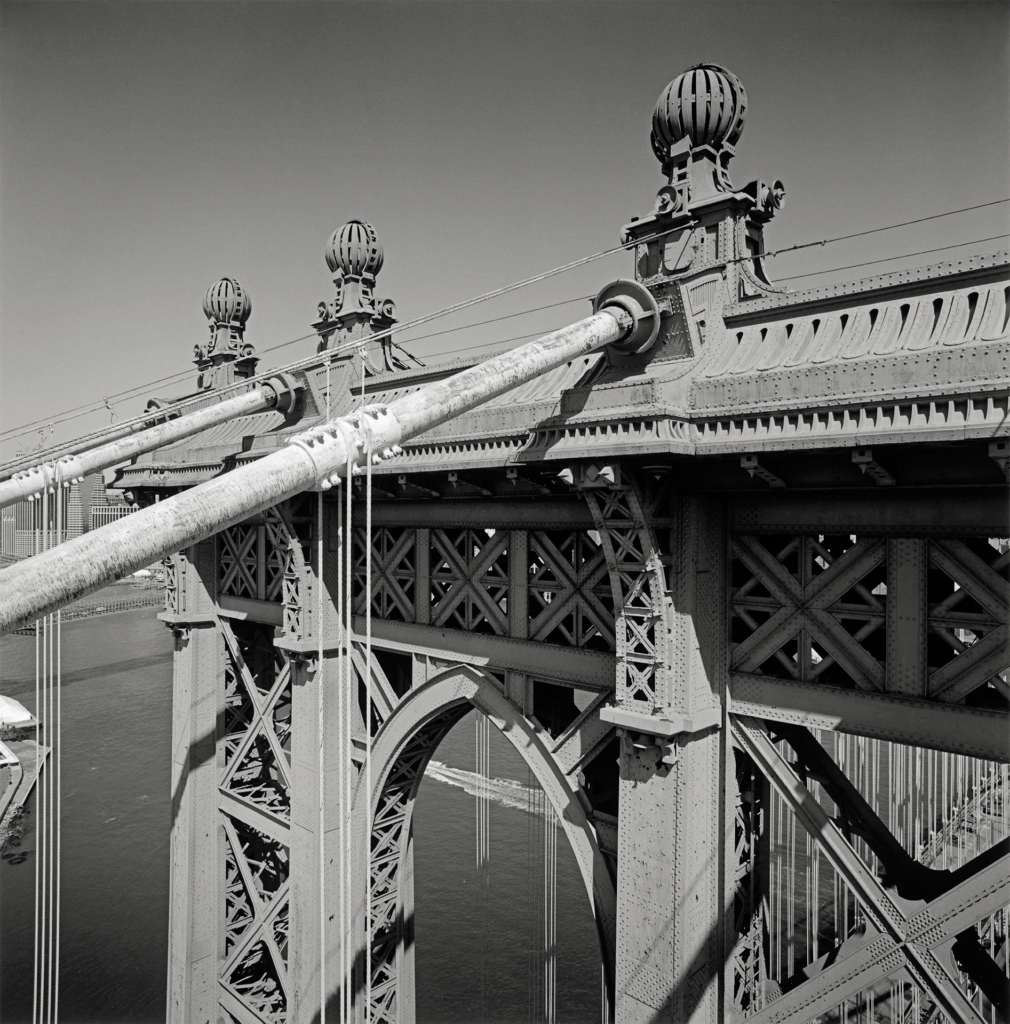
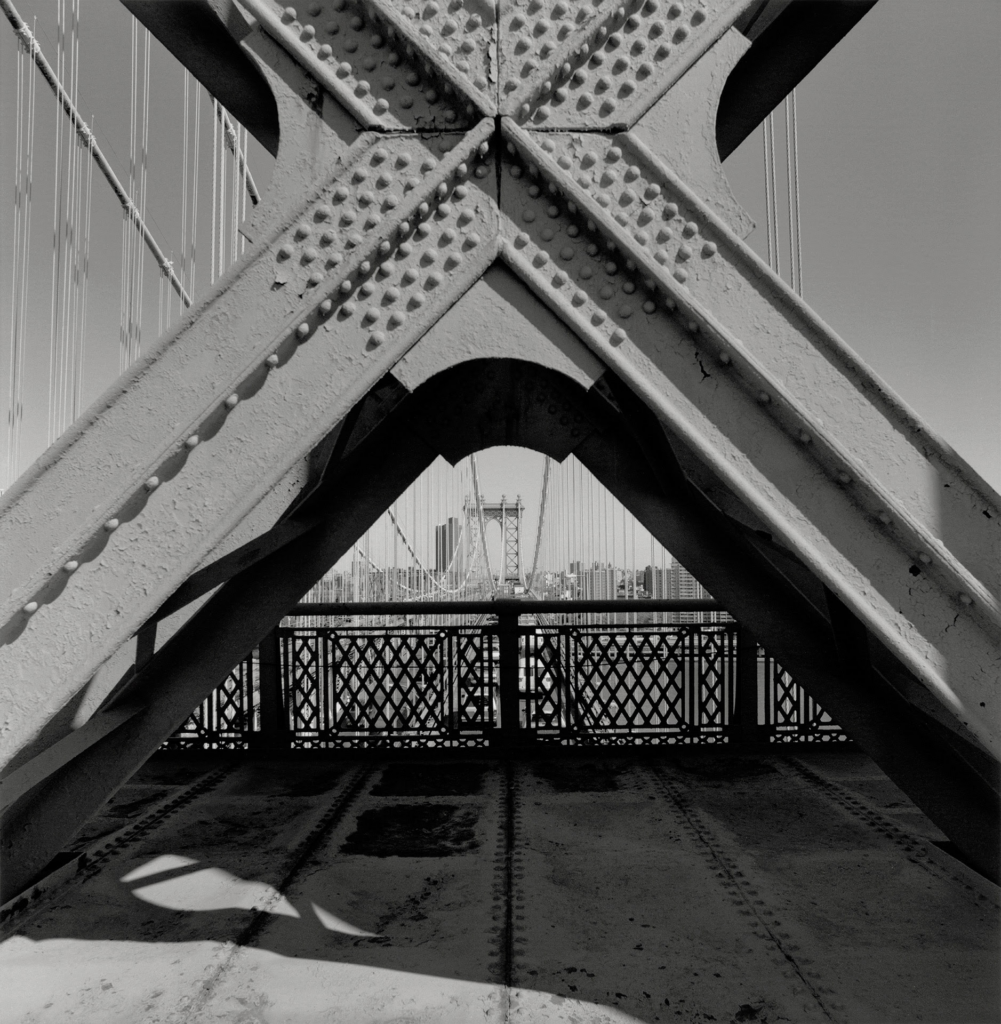
110 Years ago today the Manhattan Bridge opened to traffic. The bridge was the last of the East River bridges to be constructed, following the Brooklyn Bridge (1883) Williamsburg Bridge (1903) Queensboro Bridge (1909). Utilizing a weight-saving Warren Truss, the bridge was the first modern steel suspension bridge and paved the way for future record-breaking bridges. The grand Beaux-Arts arch and collonade entry on the Manhattan side of the bridge was designed by Carrere & Hastings and opened in 1915. On the Brooklyn side, two female figures representing Brooklyn and Manhattan designed by Daniel Chester French flanked the entrance to the bridge. The statues were later moved to the Brooklyn Museum.
Today the bridge carries over 450,000 commuters daily; 85,000 vehicles; 950 subway trains carrying 340,900 riders across four subway lines; and 4,000 bicyclists on a protected bike path. Over three-quarters of all bridge crossings are public transit!
Upper View of Brooklyn Tower from Main Cables 1996
Manhattan Bridge
View from Brooklyn Tower Balcony 1997
PHOTO OF THE DAY
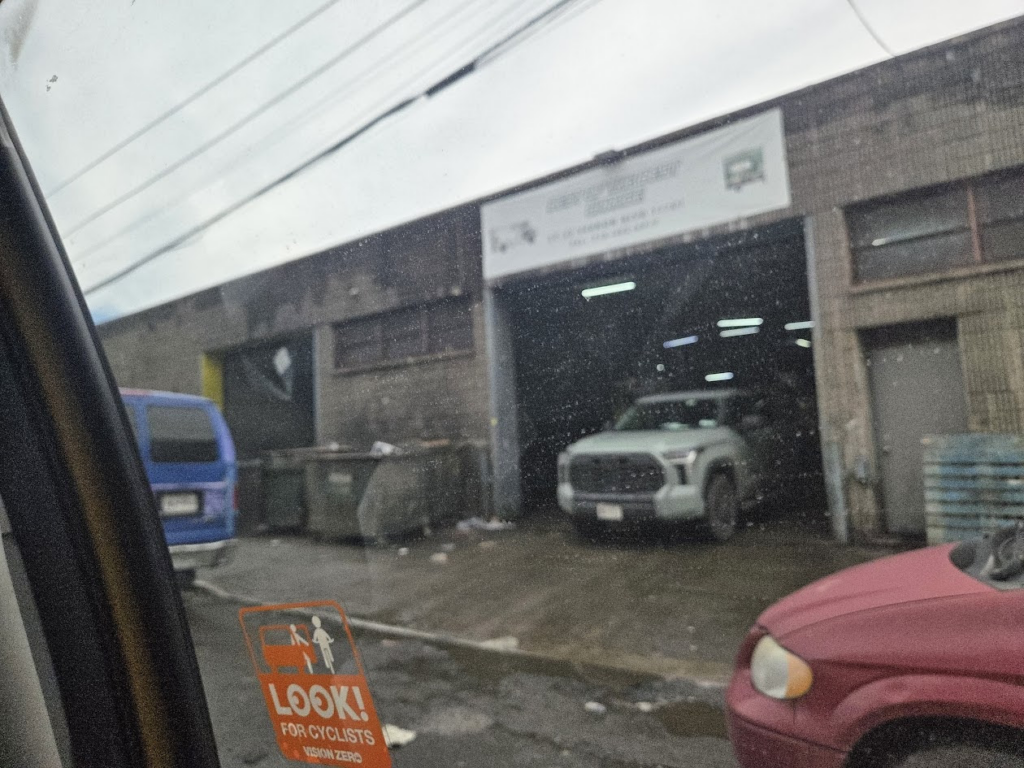
Our campaign continues to have this food truck garage cleaned up or closed by the Sanitation Dept. Last summer it was reported and still no permanent improvements. East from a food truck…NO WAY!!
CREDITS
UNTAPPED NEW YORK NATIONAL POSTAL MUSEUM/ SMITHSONIAN MUSEUM
All image are copyrighted (c) Roosevelt Island Historical Society unless otherwise indicated THIS PUBLICATION FUNDED BY DISCRETIONARY FUNDS FROM CITY COUNCIL MEMBER JULIE MENIN & ROOSEVELT ISLAND OPERATING CORPORATION PUBLIC PURPOSE FUNDS.
Once Ubiquitous in Skyscrapers, Rochester’s Mail Chute Building Languishes
March 1, 2026
Western New Yorkers can always count on finding a little piece of home in the lobbies of historic buildings across the country and the world, including the Empire State Building, the Savoy Hotel in London, and the Bacardi Building in Havana.
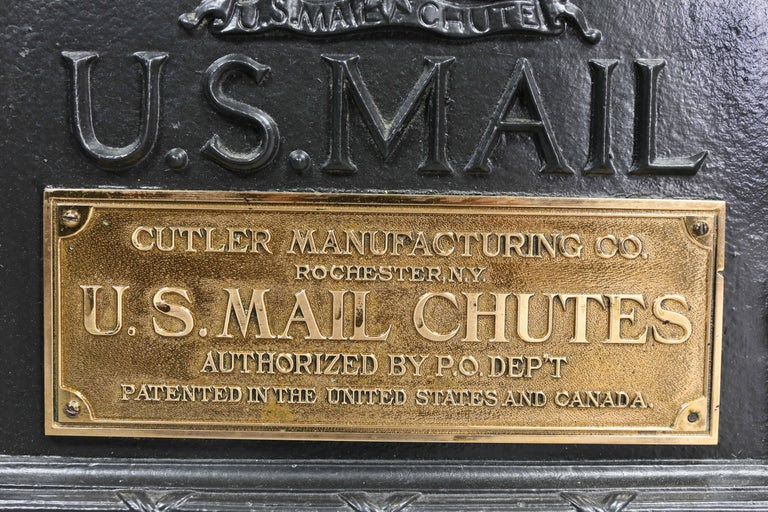
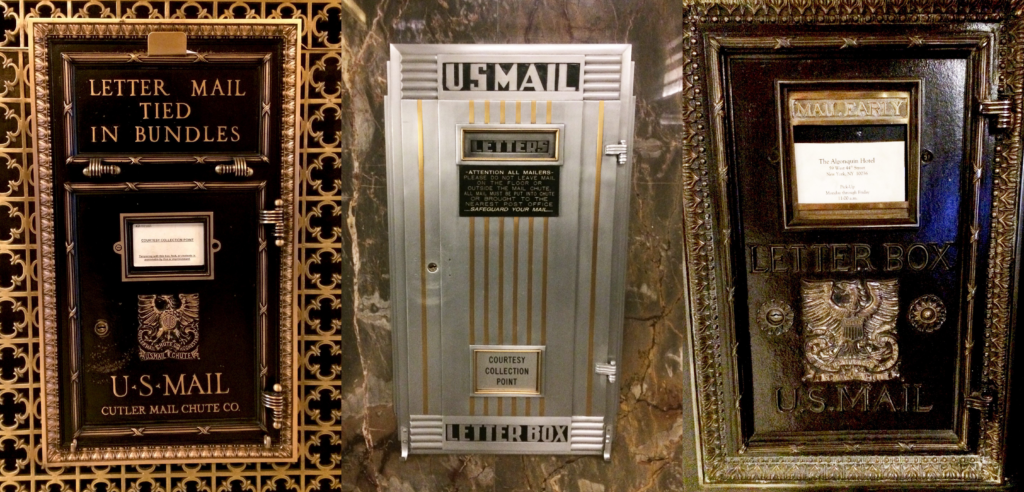
It’s likely that the mail chute, which quickly conveyed letters from the highest stories of ever-growing towers to their lobbies for pick-up, is emblazoned with the eagle insignia and name of the Cutler Mail Chute Company of Rochester, New York.
The first mail chute was installed in the Elwood Building in Rochester in 1884. The experiment was successful and chutes were installed in two New York City office buildings. The first mail chutes were limited to railroad stations and public buildings.
By 1905, the US Postal Service allowed mail chutes to be placed in hotels taller than five stories and in apartment houses with more than 50 residential apartments.
Holding the patents of James Goold Cutler, a Rochester architect and mayor, the Cutler company exercised a virtual monopoly on mail chute production in the late nineteenth and early to mid-twentieth centuries, the boom years of high-rise construction.
A 1920 headline labeled the Cutler mail chute an “essential part of every skyscraper equipment,” with the subsequent article noting the company “has the only factory in the world devoted to the production of mail chutes.”
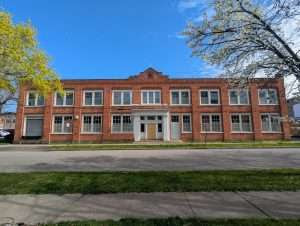
That factory is the humble 1908 structure at 76-94 Anderson Avenue in Rochester’s Neighborhood of the Arts (NOTA), but passersby who look carefully will see the Cutler eagle rendered in terracotta gazing down from its parapet.
With its history producing a singular product found in buildings across the world until its closure in 1971, as well as its well-preserved early twentieth century industrial architectural features including its intact sawtooth roof, the Cutler Mail Chute Company building uniquely testifies to the city’s and the nation’s industrial history and graces a neighborhood transformed by a focus on arts and culture.
However, recent redevelopment plans appeared online that were unsympathetic to the history embodied by the site and indicated demolition as a possibility, prompting concerned neighbors to enlist the help of The Landmark Society of Western New York.
Led by the NOTA Neighborhood Association and guided by preservation architect and researcher Christopher Brandt, former Landmark Architectural Research Coordinator, Cynthia Howk, and The Landmark Society, advocates quickly took action to pursue City Landmark designation — an important tool that would require the City’s Preservation Board to review and approve future changes to the structure’s character-defining exterior.
While the Preservation Board recommended designation, the Planning Commission denied the application, citing concerns that designation would hamper development efforts.
Yet adaptive reuse has proven to be a catalyst for redevelopment by retaining the character and history that make a place distinctive and community-supported. This has been the story of many of Rochester’s historically significant buildings.
With no further local recourse available, The Landmark Society has filed a lawsuit challenging the Planning Commission’s decision. The case is awaiting a ruling, but the vision remains the same: that one of Rochester’s foremost connections to our nation’s architectural heritage can be retained and repurposed for new use, rather than lost to demolition or incompatible alterations.
The Landmark Society of Western New York has included the Cutler Mail Chute Company Building in its 2026 Five to Revive — a list that identifies opportunities for targeted strategic revitalization. The list calls attention to sites across Western New York in need of rehabilitation.
Through this list, the organization hopes to facilitate investment and protect the area’s architectural heritage, by working with owners, developers, investors, and other partners to create connections and reactivate buildings in their communities.
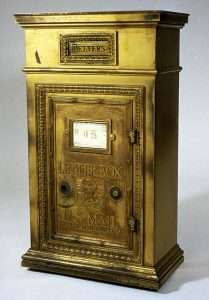
Cutler Mail Box and Chute Natioan Postal Museum
As urban business centers flourished in the 19th century and buildings grew vertically, rather than horizontally in response to growing urban land values, the Post Office Department sought an easier way for occupants to mail their letters. It was more convenient to collect the mail inside the office buildings instead of forcing tenants to deposit their mail in boxes on the street or post offices. The answer was the creation of mail chutes that would extend from the top floor to a receiving box located at ground level.
The first mail chute was installed in the Elwood Building in Rochester, New York in 1884. The experiment was successful and chutes were installed in two New York City office buildings. The first mail chutes were limited to railroad stations and public buildings. By 1905, the postal service allowed mail chutes to be placed in hotels taller than five stories and in apartment houses with more than 50 residential apartments.
This receiving box, which was located at the bottom of the mail chute, was manufactured by James G. Cutler, who received patent #284,951 for his design. which stated that the box must “be of metal, distinctly marked ‘U.S. Letter Box,'” and that the “door must open on hinges on one side, with the bottom of the door not less than 2’6″ above the floor.” If a receiving box was to be placed in a building that was more than two stories high, the bottom of the box was required to be outfitted with an elastic cushion to “prevent injury to the mail.”
Mail chutes had to be accessible along their entire length and at least three-fourths glass fronted so that postal workers could easily locate and remove any lodged mail. Congress placed all chutes and subsequent mail matter under the exclusive custody of the Post Office Department in 1893 and made all chute construction work subject to postal regulations. Cutler’s company was the sole manufacturer of mail chutes and receiving boxes until 1904. During those 20 years, the company produced more than 1600 receiving boxes, and continued to produce them for several more years. This receiving box was constructed in 1920.
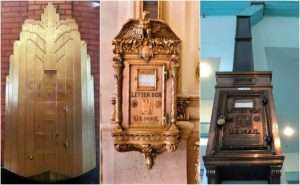
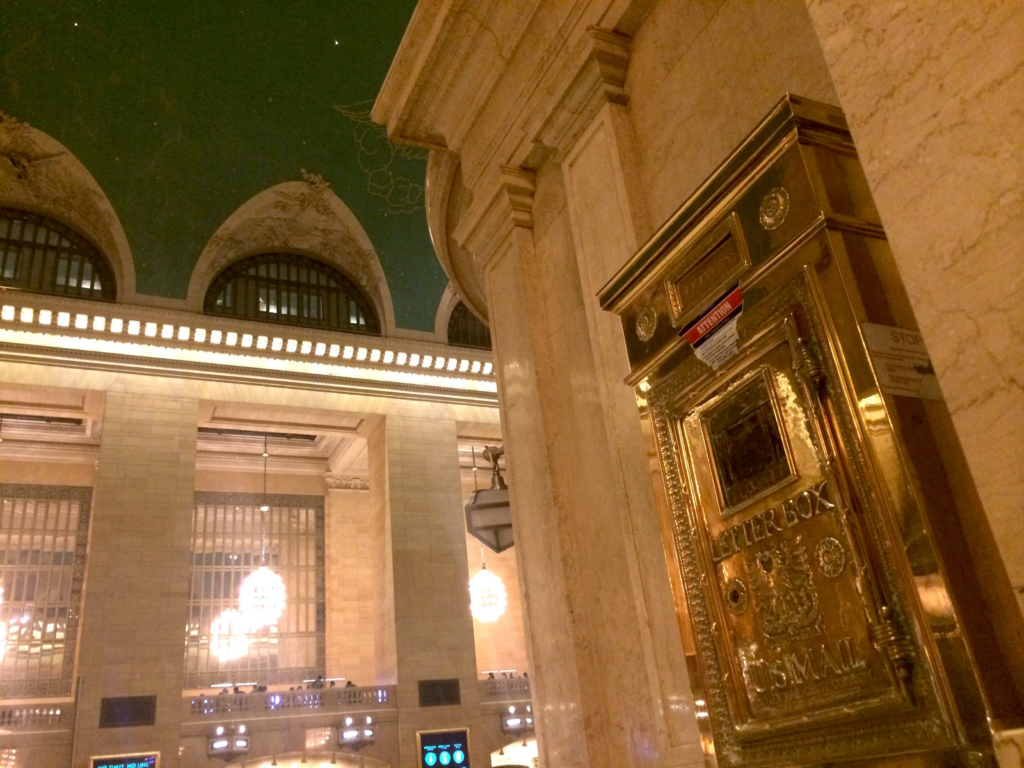
The wonderful mail box in Grand Central Terminal
PHOTO OF THE DAY
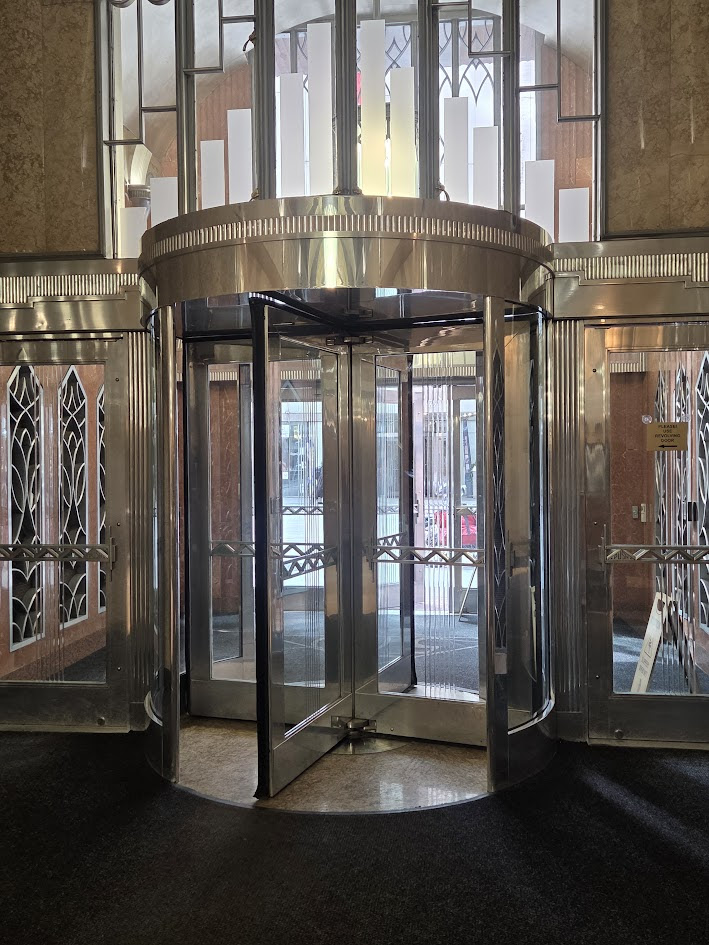
THE WONDERFUL ENTRANCE TO 575 LEXINGTON AVENUE, THE FORMER GENERAL ELECTRIC BUILDING
CREDITS
UNTAPPED NEW YORK NATIONAL POSTAL MUSEUM/ SMITHSONIAN MUSEUM
All image are copyrighted (c) Roosevelt Island Historical Society unless otherwise indicated THIS PUBLICATION FUNDED BY DISCRETIONARY FUNDS FROM CITY COUNCIL MEMBER JULIE MENIN & ROOSEVELT ISLAND OPERATING CORPORATION PUBLIC PURPOSE FUNDS.
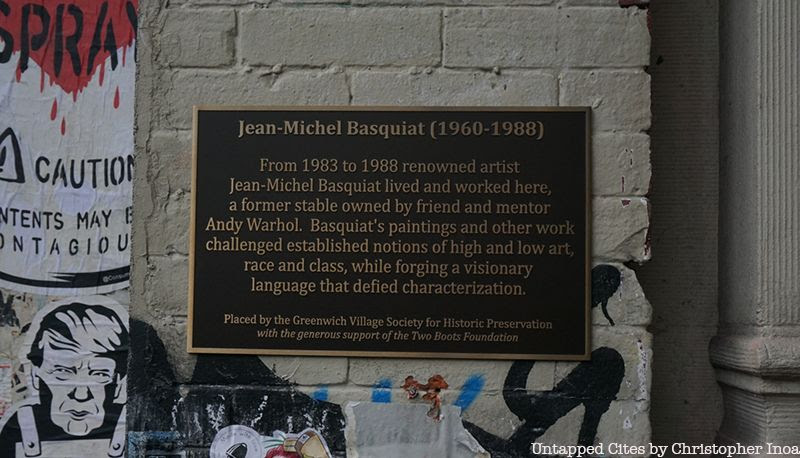
On 57 Great Jones Street in Greenwich Village sits the studio of Jean-Michel Basquiat, an artist of Haitian and Puerto Rican descent best known for his graffiti art. As part of the graffiti duo SAMO, Basquiat created works like the Irony of Negro Policemen series, and he would often use a crown above his signature. A number of Basquiat’s artworks are still found throughout Lower Manhattan, some of which are protected by preservation societies.
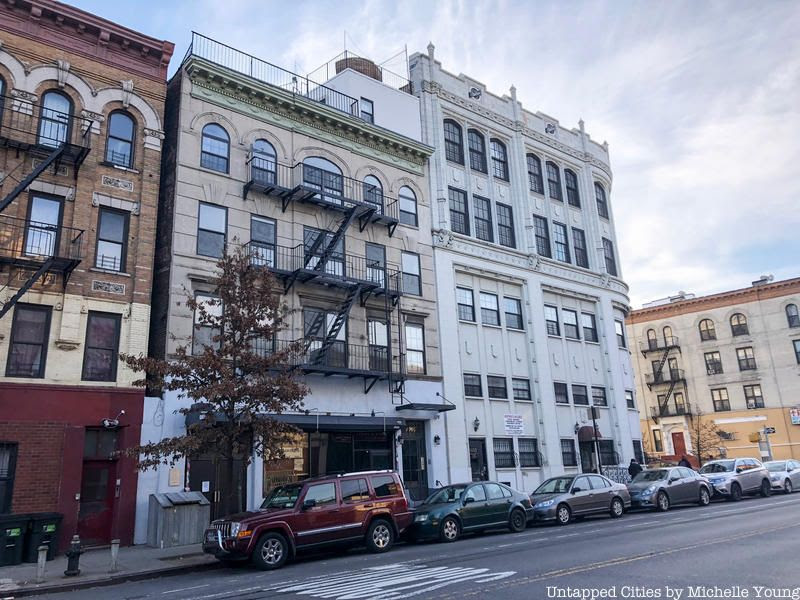
Behind the unassuming exterior of 1467 Bedford Avenue in Crown Heights, Brooklyn is a flourishing event space with myriad historical connections to New York City’s political scene. The former campaign headquarters of Congresswoman and Brooklyn icon Shirley Chisholm, and later the community venue Alpha Space, the building that was built in 1906 has become the new home of Unbossed Media LLC, an initiative working to provide the resources for local artists who haven’t yet had them to get their projects off the ground. Chisholm was the first African American woman to serve in Congress, both the first woman and African American to run for the Oval Office, and the second woman and first African American woman to serve on the House Rules Committee. Chisholm was elected to Congress in 1968 and ran for the presidency four years after. A plaque for Chisholm, created by Alpha Space, was once hanging on the side of the building, but had fallen off due to the wind.
Nearby, the Shirley Chisholm Circle in Brooklyn’s Brower Park is a circular terrace named for her. Chisholm was born in Bedford-Stuyvesant and went on to earn a Master’s Degree in Elementary Education, often teaching her classes outside in Brower Park. As a champion of equal rights, Chisholm would introduce Search for Education, Elevation and Knowledge (SEEK), a program designed to help disadvantaged students enter college. For her work in Congress, she was posthumously awarded the Presidential Medal of Freedom by Barack Obama.
Today, a plaque in Brower Park includes her quote “When I die, I want to be remembered as a woman who lived in the 20th century and who dared to be a catalyst of change.” Chisholm is also honored by the newly-created Shirley Chisholm State Park in Spring Creek, Brooklyn, the largest state park in New York City.
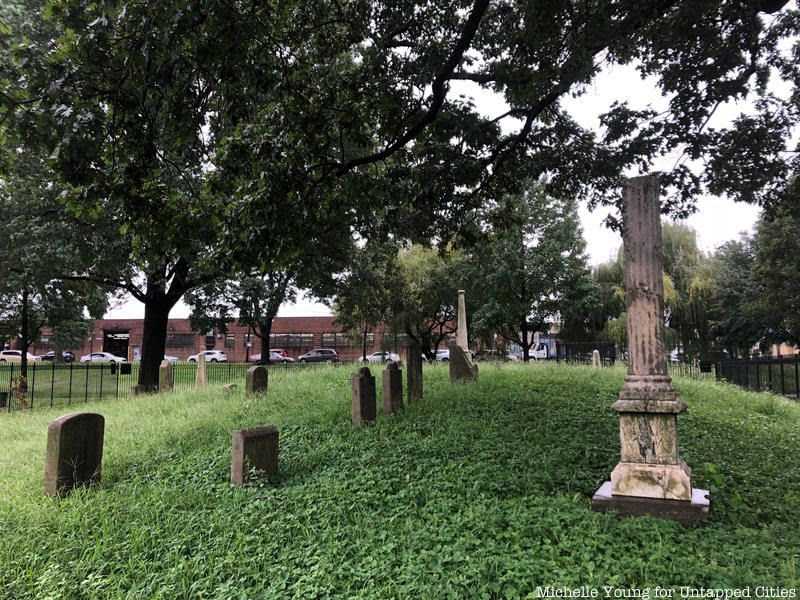
Hunts Point Slave Burial Ground (1909)
Joseph Rodman Drake Park
In Joseph Rodman Drake Park in Bronx’s Hunts Point neighborhood is an enclosed cemetery and recently discovered slave burial ground. When Drake Park was originally created in 1909, an 18th-century cemetery of wealthy slave-owning families like the Hunts and Leggets were preserved. Yet in 2013, students at Public School 48 analyzed census data and maps to identify a potential spot where the remains of 156 Black and Indian slaves in Hunts Point, per the 1790 Census, ended up.
The students and their teacher Justin Czarka found a black-and-white photograph from 1910 showing several markers resembling headstones, labeled on the back, “Slave burying ground, Hunts Point Road.” The US Department of Agriculture sent scientists to perform soil tests using radar in the cemetery in the summer of 2013, and several areas of the park were determined to have “anthropogenic features” as “likely potential burial sites.” A plaque honoring the burial ground was put up in 2014.
Louis Armstrong House Museum (1910)
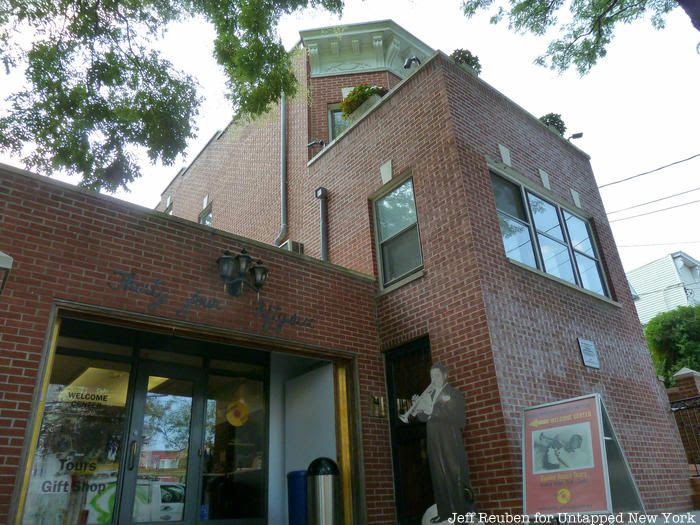
The Louis Armstrong House in Corona, Queens, was where jazz trumpeter Louis Armstrong lived with his wife Lucille Wilson from 1943 until his death in 1971. The brick house was designed by architect Robert W. Johnson in 1910, and it now serves as a museum with archives from Armstrong’s writings and concerts. Many gifts that Armstrong received while on tour internationally are also displayed inside the museum, such as ornate paintings.
Originally from New Orleans, Armstrong is perhaps best known for singing “What A Wonderful World” with his characteristic gravelly voice. He pioneered scat singing with songs like “Heebie Jeebies,” and he also famously covered “West End Blues” and “When the Saints Go Marching In.” He led the “Hot Five” and “Hot Seven” ensembles in the 1920s, and he would also appear in films like Hello, Dolly! and High Society.
Addisleigh Park Historic District (1910s)
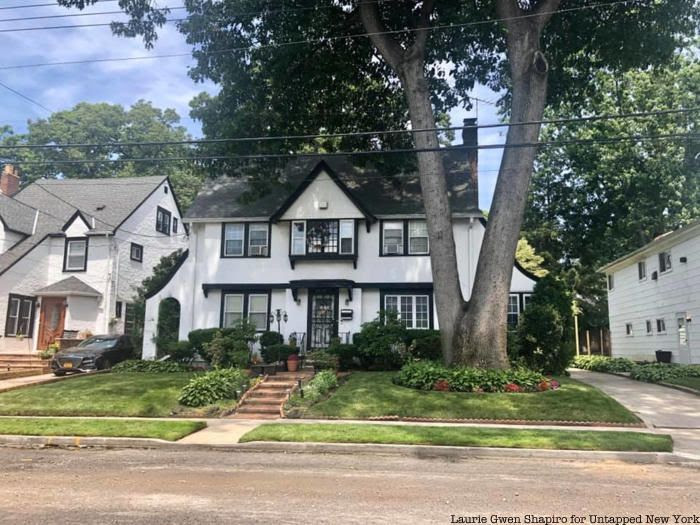
Addisleigh Park is a historic district in the St. Albans neighborhood of Queens that served as the home of many prominent African-American figures and today is an African American and Jamaican enclave. More than 400 houses were built in the area initially as a segregated area for white people, yet in the 1930s, this policy was reversed and many African-American families began to move into the area.
With easy access to Manhattan, the epicenter of the Swing Era, many African-American jazz musicians moved to the suburban haven of Addisleigh Park. Fats Waller, Count Basie, and Ella Fitzgerald each had homes in the area, as well as Jackie Robinson and W.E.B. DuBois. Many of the original homes have been preserved, and the area was declared a historic district in 2011 by the NYC Landmarks Preservation Commission.
St. Philip’s Episcopal Church (1911)
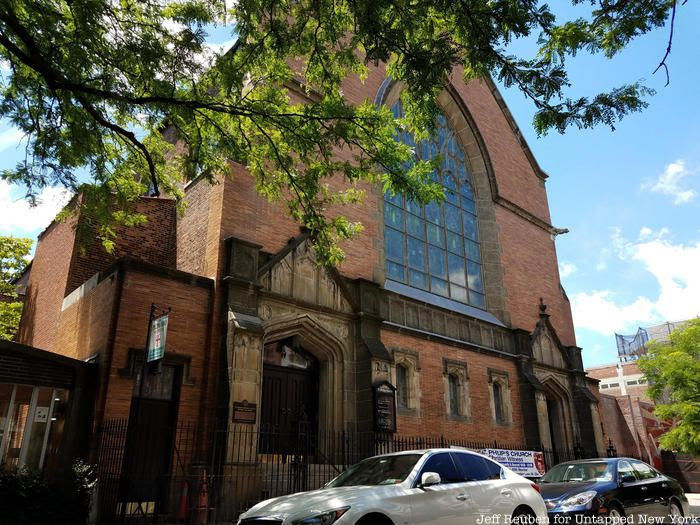
St. Philip’s Episcopal Church on West 134th Street is the oldest black Episcopal parish in New York City, founded in 1809 by free African Americans. The church was originally named the Free African Church of St. Philip and was first located in the Five Points neighborhood, before moving north to Harlem. The church’s first rector was Rev. Peter Williams, Jr., an abolitionist who also supported free black emigration to Haiti and served on the executive committee of the American Anti-Slavery Society.
Many of the church’s members were pioneers in their fields, including many teachers, doctors, restauranteurs, and marine traders. The church would suffer damage in the mid-1800s due to vandalism by whites and by the NYPD during the 1863 Draft Riots. The church moved to Harlem in the early 1900s and was designed by Tandy & Foster, prominent African-American architects, in the Neo-Gothic style. The church included among its parishioners Dr. James McCune Smith, the first African American to hold a medical degree. Among its members were W.E.B. DuBois, Thurgood Marshall, and Langston Hughes.
Audubon Ballroom (1912)
The infamous Audubon Ballroom at 166th Street is where Malcolm X was assassinated in 1965 while giving a speech. The building was originally built as the William Fox Aubudon Theater in 1912, designed by Thomas Lamb. Shabazz died either en route to or at the Harlem Hospital, across the street.
Today it is owned by Columbia University, which provides space for the Malcolm X and Dr. Betty Shabazz Memorial and Education Center. Columbia University also preserved the facade of the theater.
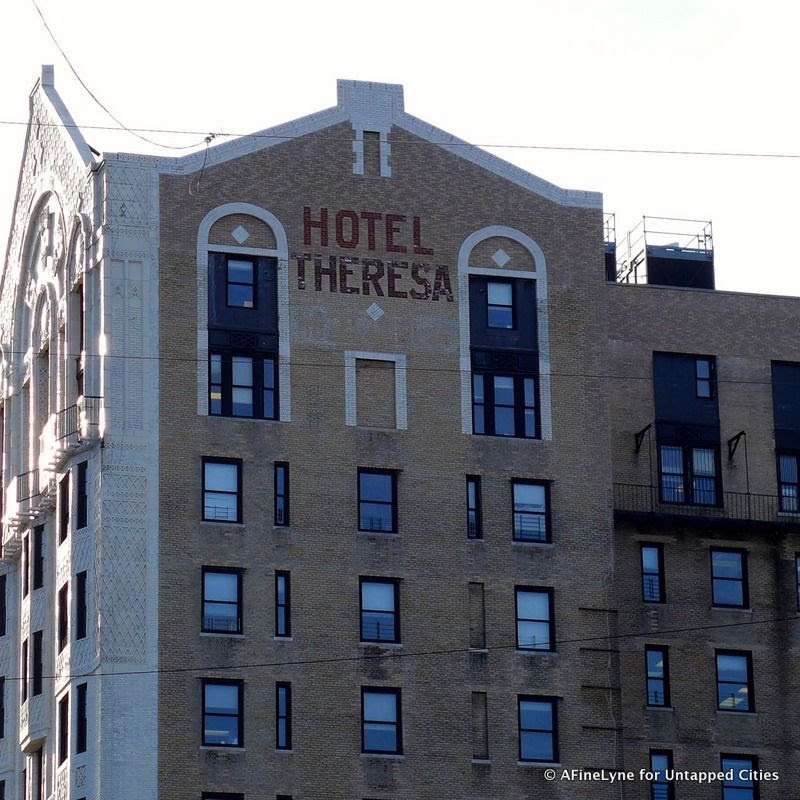
Hotel Theresa (1913)
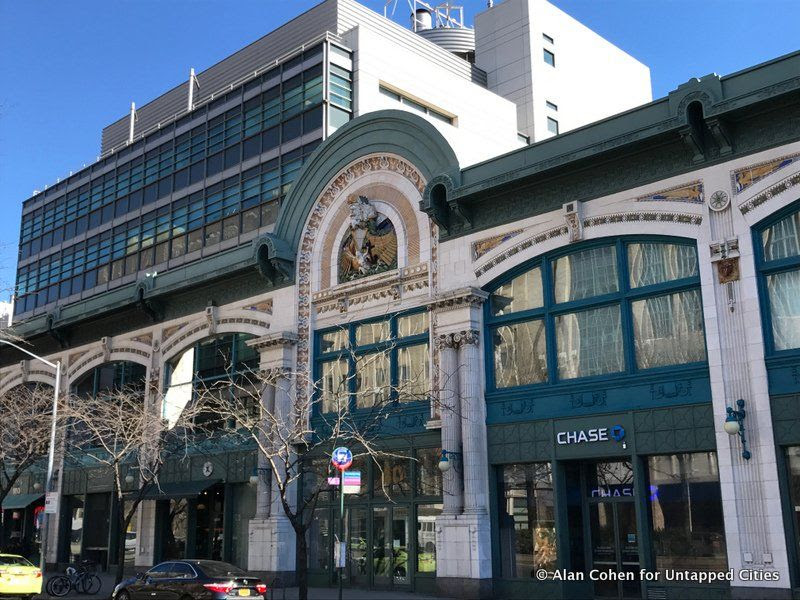
The Hotel Theresa in Harlem
The Hotel Theresa on Adam Clayton Powell Jr. Boulevard is an iconic 13-story building in Harlem that served as a center for African-American life in the mid-1900s. Now an office building known as Theresa Towers, the hotel was considered the “Waldorf of Harlem” and was designed by German stockbroker Gustavus Sidenberg in 1913. As a symbol of Black culture in Harlem, the hotel actually only accepted white guests until 1940, when African-American businessman Love B. Woods bought the hotel and ended its policy of racial segregation.
The hotel served as the location of organizations like the Organization of Afro-American Unity, founded by Malcolm X, and the March on Washington Movement, organized by activist A. Philip Randolph and Bayard Rustin. Politicians like Roy Brown, Secretary of Commerce under Bill Clinton, and Charles Rangel, member of the House of Representatives, worked in the hotel. Fidel Castro and his associates famously stayed at the hotel in 1960 for the opening session of the United Nations, renting out 80 rooms. Castro was visited at the hotel by figures like Nikita Khrushchev, Langston Hughes, and Gamal Abdel Nasser. However, the hotel closed in 1967 as the hotel suffered from business due to Harlem’s deterioration, and the building was renovated into office spaces in 1970.
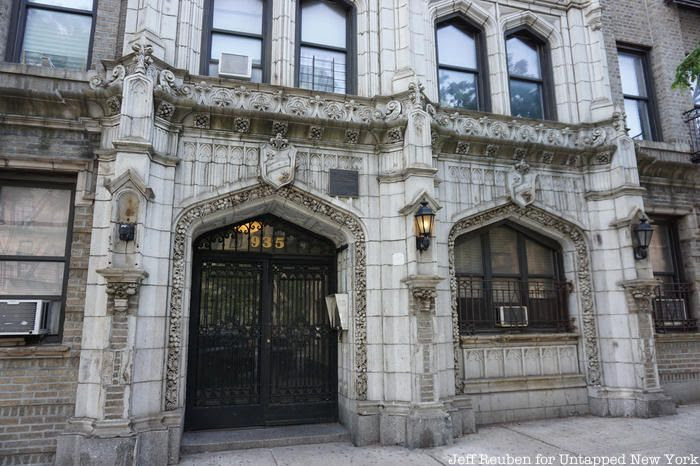
Duke Ellington House (1915)
At 935 St. Nicholas Avenue in Washington Heights is the Duke Ellington House, a National Historic Landmark named for the noted African-American composer and jazz pianist who frequently played at the still-active Cotton Club in West Harlem. The Late Gothic Revival style apartment, specifically Apartment 4A, was where Ellington lived from 1939 to 1961, during which time he published the extended jazz work Black, Brown, and Beige.
Ellington was famous for performing Billy Strayhorn’s “Take the ‘A’ Train,” describing a route to Sugar Hill. Other of his noteworthy compositions include “Mood Indigo,” “It Don’t Mean a Thing (If It Ain’t Got That Swing),” and “In a Sentimental Mood.” His band included musical talents like saxophonist Johnny Hodges and trombonist Juan Tizol, and his album Such Sweet Thunder was actually based on the works of William Shakespeare.
CREDITS
UNTAPPED NEW YORK
PHOTO OF THE DAY
A NEW WAY TO FIND 900 MAIN STREET Many Coler residents and visitors have been misdirected by APPs that lead them to the back of Coler instead of the Main Entrance at 900 Main Street.. While the APPs are being modified, new clear signage is being posted at the north end. THANKS TO COLER ADMINSTATION AND NYC H+H FOR HELPING SOLVE THIS. Pictured are Jovemay Santos, Christina Delfico and Verna Fitzpatrick.
All image are copyrighted (c) Roosevelt Island Historical Society unless otherwise indicated THIS PUBLICATION FUNDED BY DISCRETIONARY FUNDS FROM CITY COUNCIL MEMBER JULIE MENIN & ROOSEVELT ISLAND OPERATING CORPORATION PUBLIC PURPOSE FUNDS.