Photos and text by Guglielmo Mattioli for NYC Urbanism. Cover image: Michael Young
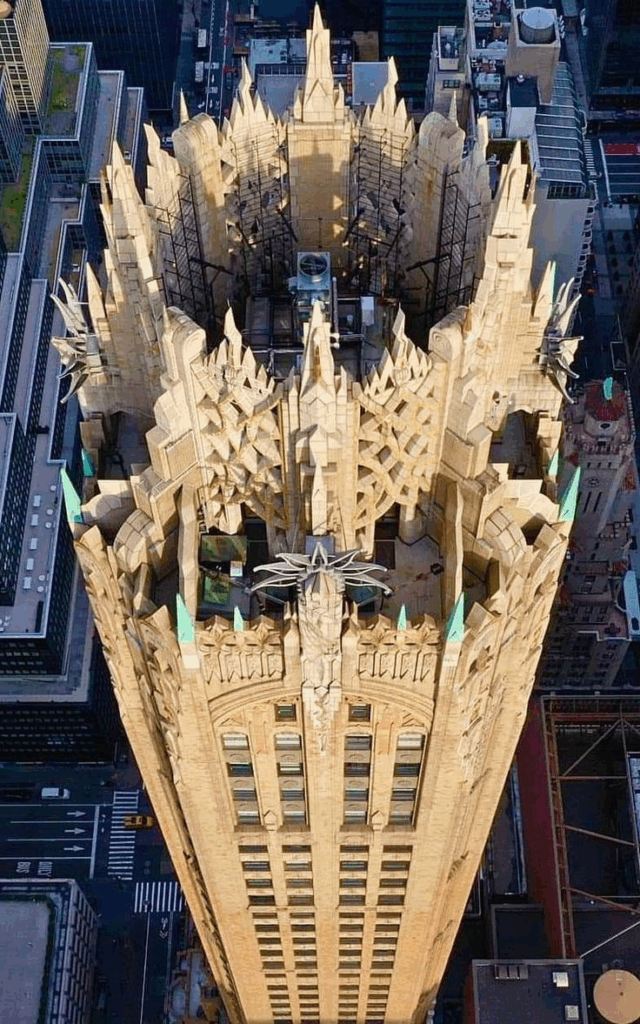
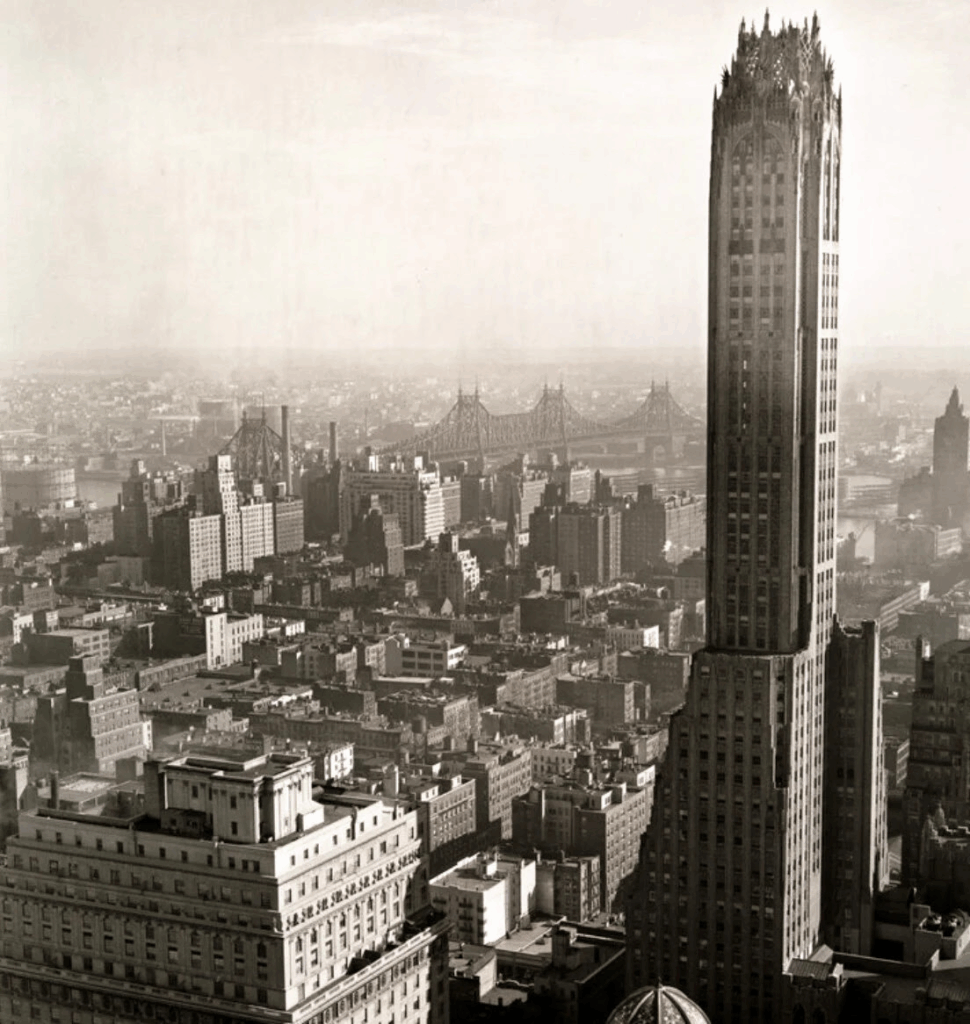
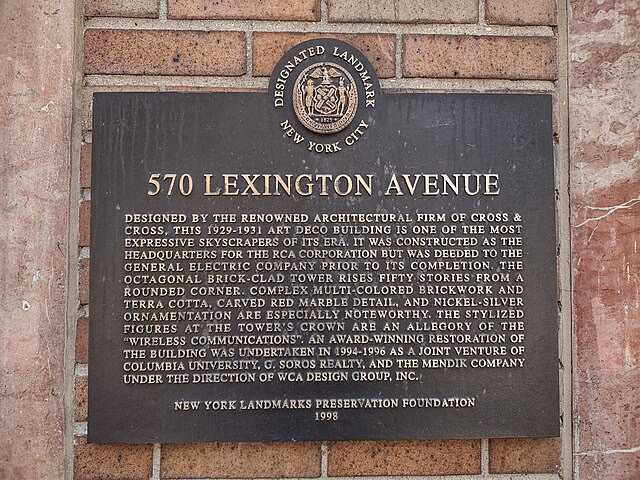
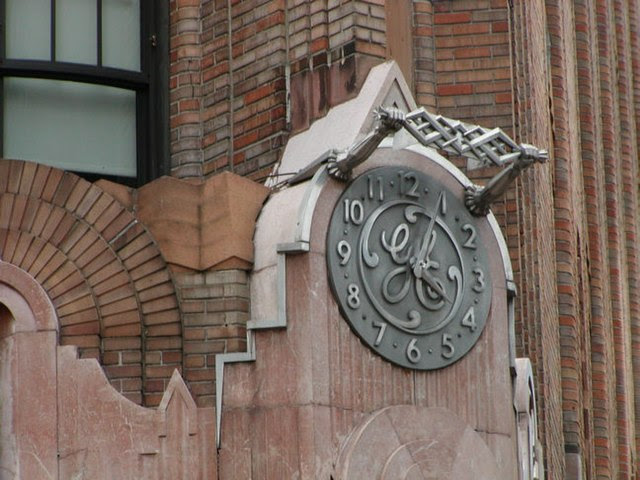
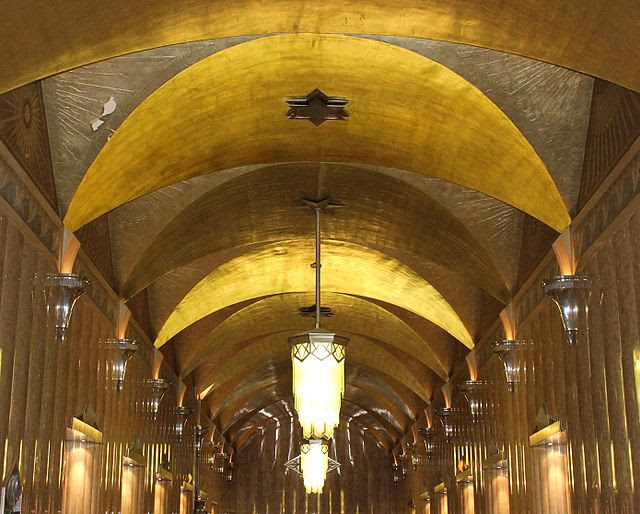
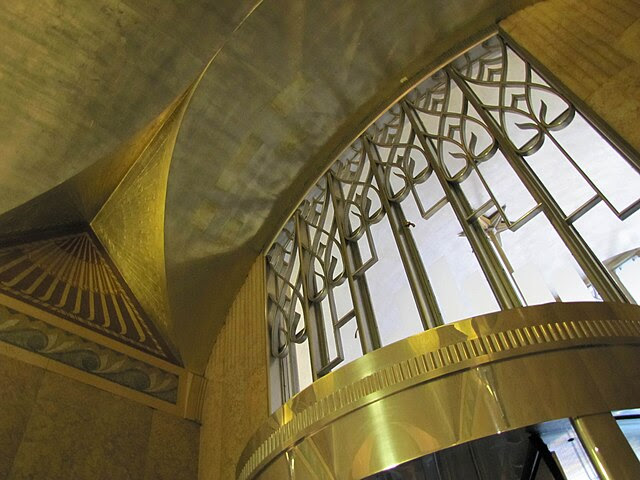
It is one of the most embellished midtown skyscrapers. The crowning crest of the 1930s General Electric Building (originally the RCA Victor Building) is a triumph of metal lightning bolts, art deco ornamentation and terracotta work that masterfully concludes what is already one of the most eclectic and electric skyscrapers in the Manhattan skyline.
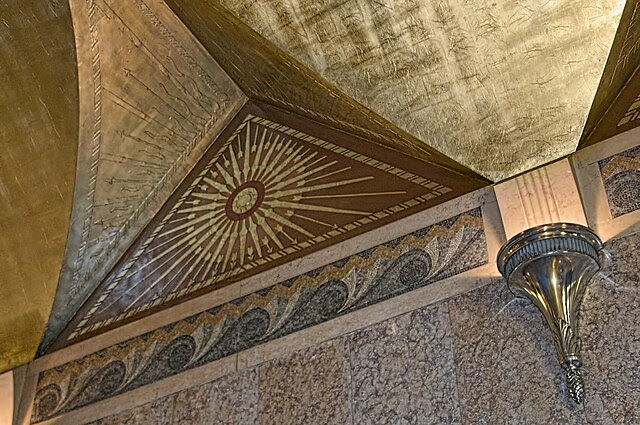
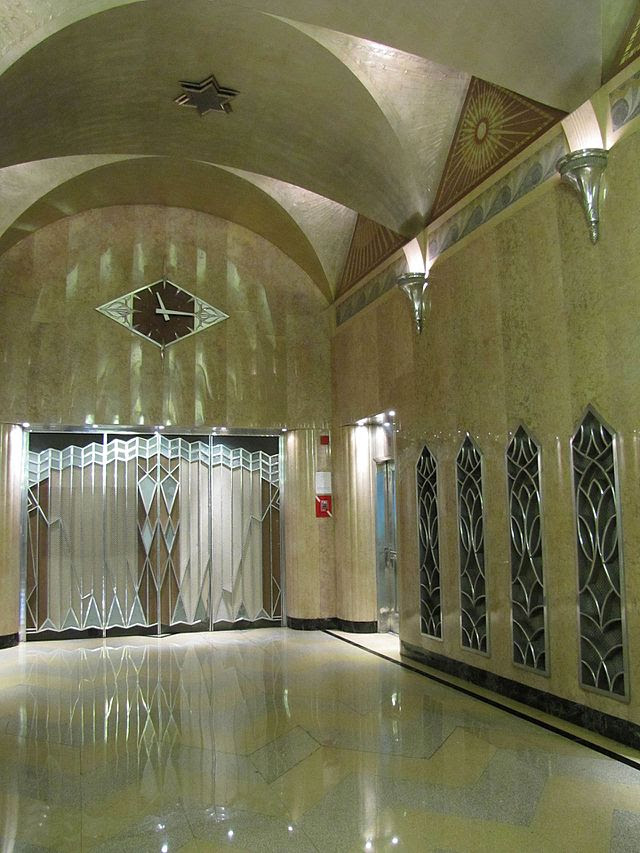
The building was designed in 1931 by two brothers, Cross & Cross, who also designed FiDi’s 20 Exchange Place, another art-deco gem that opened the same year. Along with Raymond Hood (link) and JER Carpenter (link), the two brothers attended the school of Beaux-Art in Paris, absorbed the Art Decoratif lesson and masterfully deployed it throughout the tower, mixing it with gothic revival elements. The result is a neo-gothic tower in its vertical development featuring buttresses and piers, and art-deco ornamentation.
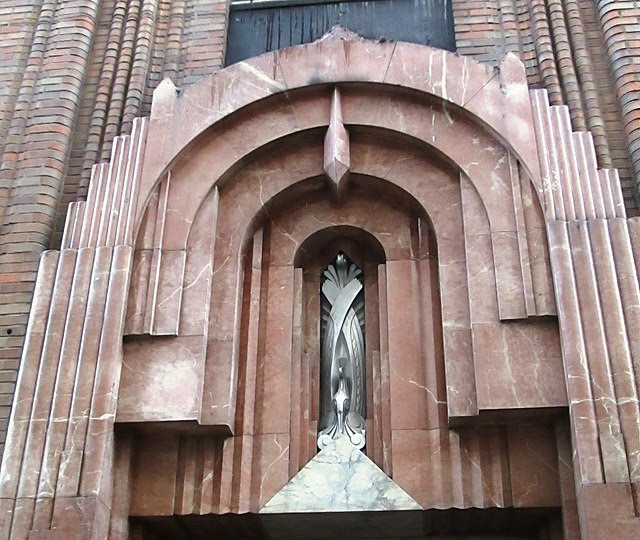
From the ground up, the tower is scattered with symbolism, recalling radio waves, energy, and electricity. Cross & Cross used the ornamentation apparatus to reflect their client’s mission, using architecture as a vessel for prestige and corporate visibility.
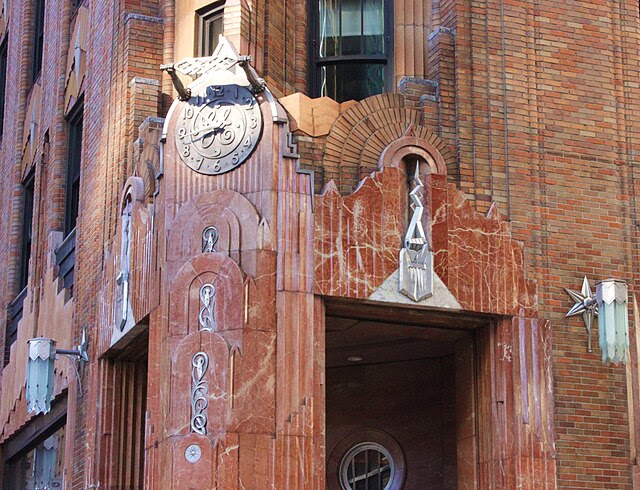
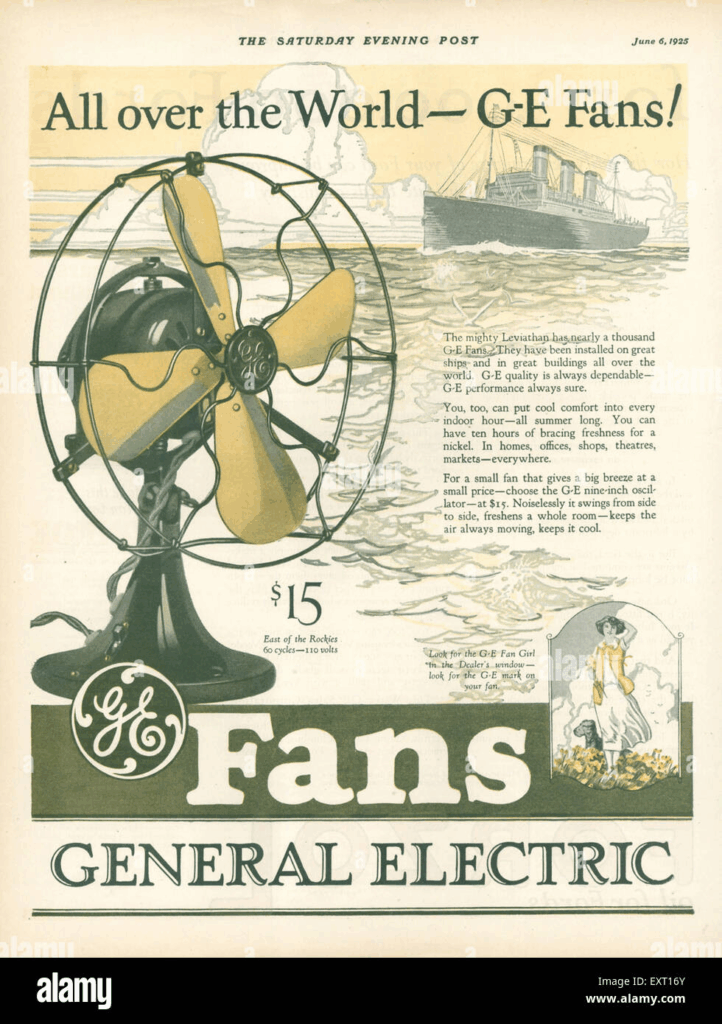
The original commissioner was the Radio Victor Corporation of America (RCA), a subsidiary of General Electric, that sold radio devices and electronics and pioneered radio and television transmissions. It was RCA that created NBC, the National Broadcasting Company. When RCA decided to separate from General Electric, part of the agreement was to cede the new tower then under construction, to GE. The metal, round clock on Lexington and 51st reflects the new ownership and displays the GE logo, surmounted by two metal hands holding a lightning bolt or what could be a symbolic representation of electricity generated by the two hands.
Note: Queensboro Bridge in background with original spires
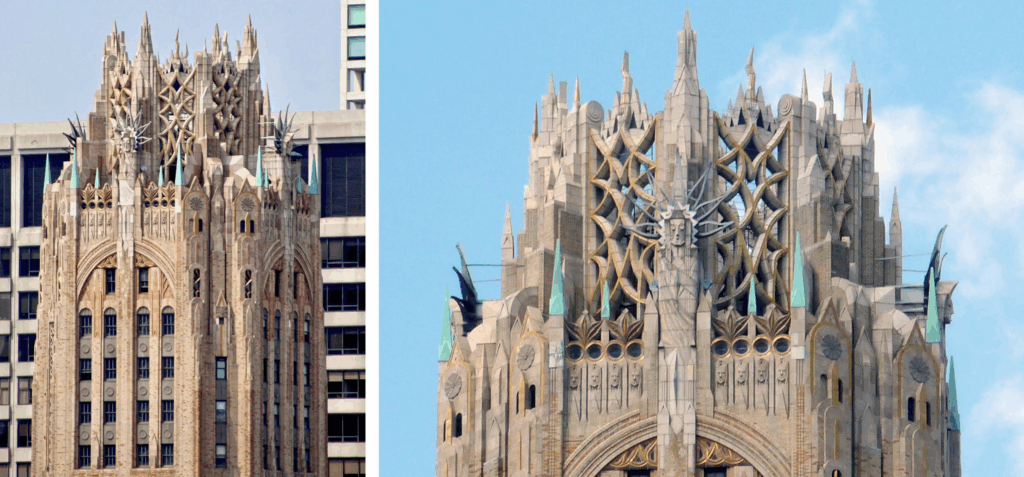
One element that sets Cross & Cross’s design aside is the use of mysterious anthropomorphic figures, reminiscent of what one could find on a byzantine style building, like the church next door. At 570 Lexington, they incorporated dozens of herm figures on the building’s facade; guardians some holding lightning bolts, or spreading their wings to mark a corner or a setback.
But it’s at the very top that the duo fully released their imagination. Four gigantic electric deities on each side of the building, look down on the city below—their faces framed by lightning bolts forged in metal. Connecting the four is an elaborate circular crown, a masterpiece of tracery that looks like a piece of cloth lace made of terracotta. Spikes and pinnacles add to the drama. At night, backlights project the supernatural crown into the sky.
Despite being one of the least visible parts of a tall building, architects, especially in the 1930s, focused their attention on it. The level of details and design stratagem deployed for sections that most will ever see is quite revealing of how designers saw their buildings, not just mere envelopes hosting various functions, but wholesome artistic creations in which every part has its own dignity and expression. The top of a building, therefore, becomes the most crucial component, deserving of the highest attention; ultimately it’s where the work of an architect meets the sky.
All image are copyrighted (c) Roosevelt Island Historical Society unless otherwise indicated THIS PUBLICATION FUNDED BY DISCRETIONARY FUNDS FROM CITY COUNCIL MEMBER JULIE MENIN & ROOSEVELT ISLAND OPERATING CORPORATION PUBLIC PURPOSE FUNDS.
If you spent the first weekend of October hoisting lager and Oomph-ing it up for Oktoberfest, then you joined a long and proud tradition of German beer production and consumption in New York City. In fact, New York’s German-owned breweries were once the largest beer-making operations in the country, and the brewers themselves grew into regional and national power-players, transforming Major League Baseball, holding elected office, and, perhaps most importantly, sponsoring goat beauty pageants in Central Park. While brewing flourished in both Manhattan and Brooklyn throughout the 19th century, the city’s largest breweries were clustered in Yorkville. In fact, much of the neighborhood’s storied German cultural history can be traced to the rise of brewing in the area, and the German-language shops, cultural institutions and social halls that sprang up to cater to the brewery workers.
New York’s first City Hall, the Dutch Stadt Huys, was built in 1642 as the Stadt Herbert, or the City Tavern, which sold Ale. In fact, Ale was the standard variety of beer sold in New York City until the mid-19th century (consider that Civil-War-era McSorley’s is an Ale House). Why? It was German immigrants who introduced lager to NYC.
Large-scale German immigration to New York City began in the 1840s. By 1855, New York City was home to the world’s third-largest German-speaking population behind Berlin and Vienna. According to FRIENDS of the Upper East Side Historic Districts, and their book, “Shaped by Immigrants: A History of Yorkville,” New York’s German community, which had first congregated in “Klein Deutchland” in today’s East Village, began moving to Yorkville in the 1860s and 1870s, drawn by new housing and improved transportation.
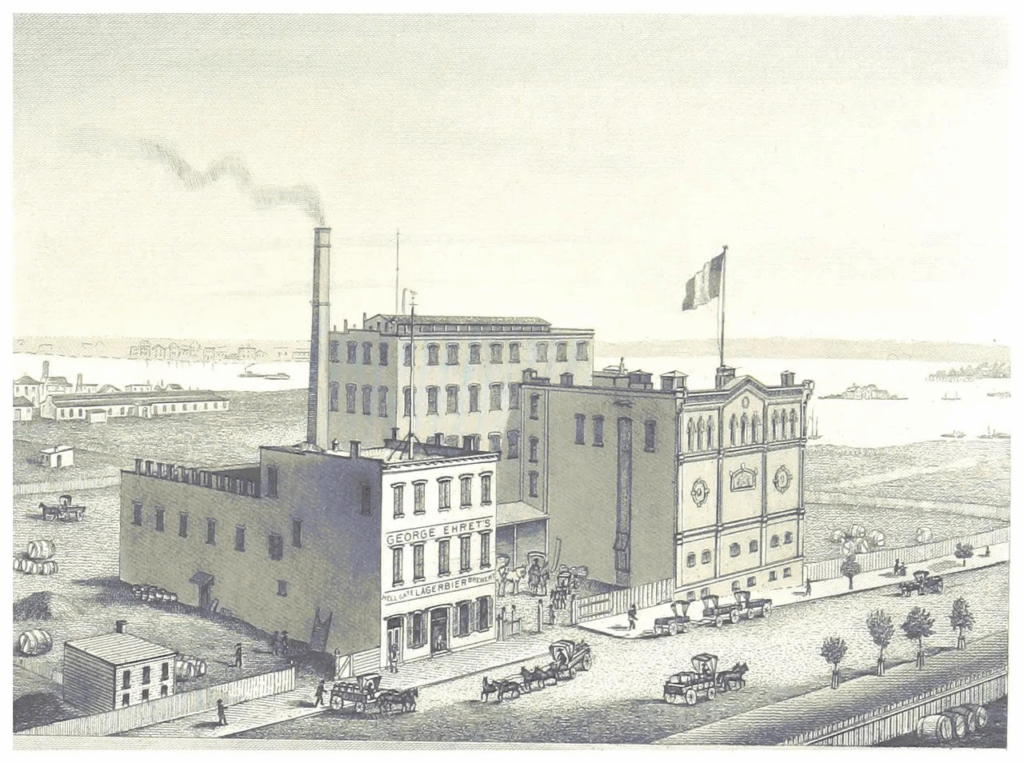
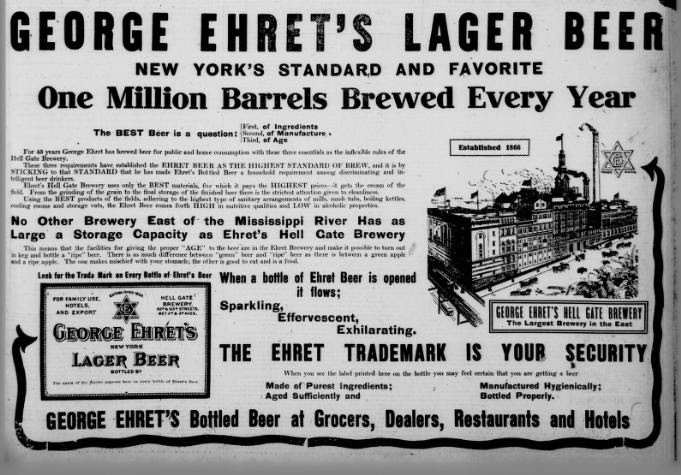
As New York’s German community moved uptown, so did New York’s Breweries. In 1866, George Ehret founded his Hell Gate Brewery between 92nd and 93rd Streets and Second and Third Avenues. Ehret’s brewery was so large, he built his own well to pump 50,000 gallons of fresh water every day and turned to the East River for 1,000,000 daily gallons of saltwater.
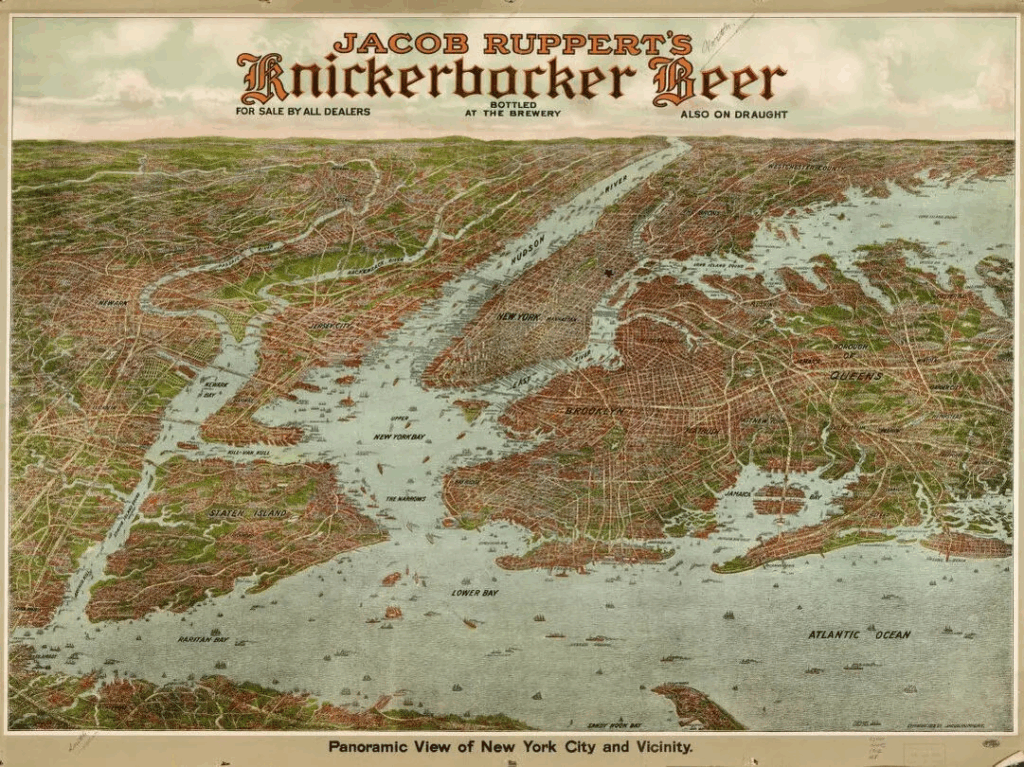
Though Ehert presided over the largest brewery in the nation, he was not the only brewer on the block. The year after Ehret’s Hell Gate Brewery opened, Jacob Ruppert opened a rival brewery across the street. His operation sprawled between 91st and 92nd Streets and Second and Third Avenues. Ruppert also celebrated his local bonafides, calling his most popular beer Ruppert’s “Knickerbocker Beer.”
Lest the two biggest names in beer not be enough for one street corner, the George Ringler Brewery posted up at 92nd Street and Third Avenue in 1872. And the parade of suds did not end there. According to the 1911 Yearbook of the United States Brewers Association, the John Eichler Brewing Co. sat at 128th Street and Third Avenue. Central Brewing Company packed the pints at 68th Street and the East River. Peter Doelger, who’s signage you can still see at Teddy’s Bar in Williamsburg, was on 55th Street east of First Avenue. Elias Henry Brewing presided over 54th Street, and of course, F. M. Shaefer stood tall at 114 East 54th Street.
According to FRIENDS of the Upper East Side, by the 1880s, nearly 72 percent of all New York brewery workers were of German heritage. Accordingly, New York’s brewing culture was based on the systems and traditions that had prevailed in Germany since the Middle Ages. For example, German breweries traditionally required their employees to live in brewery-owned housing, known as Brauerherberge, or “brewer hostels,” which were overseen by brew-masters and company foreman. The same was true for employees in Yorkville, who lived close to their breweries. Since most of the workers living in brewer hostels were single men, employees with families in Yorkville were usually given accommodations in brewery-owned tenements in the neighborhood. And the brewers didn’t just own the hostels, they owned almost all aspects of their businesses. In fact, Jacob Ruppert owned an ice factory, stables, a barrel-making outfit, and a chain of banks.
But nothing brought beer to market better than owning the saloon itself. Here was the deal: the brewers would own the bars, and lease them to saloon-keepers; in return, the spot would sell only the owner’s beer. (There was no such thing as ‘100 beers on tap’ it was Ruppert’s or Hell Gate or Schaefer etc.) Ruppert was famous for his Knickerbocker Inn, but Ehret was “the king of beer corners:” He owned a whopping 42 saloons in New York by 1899.
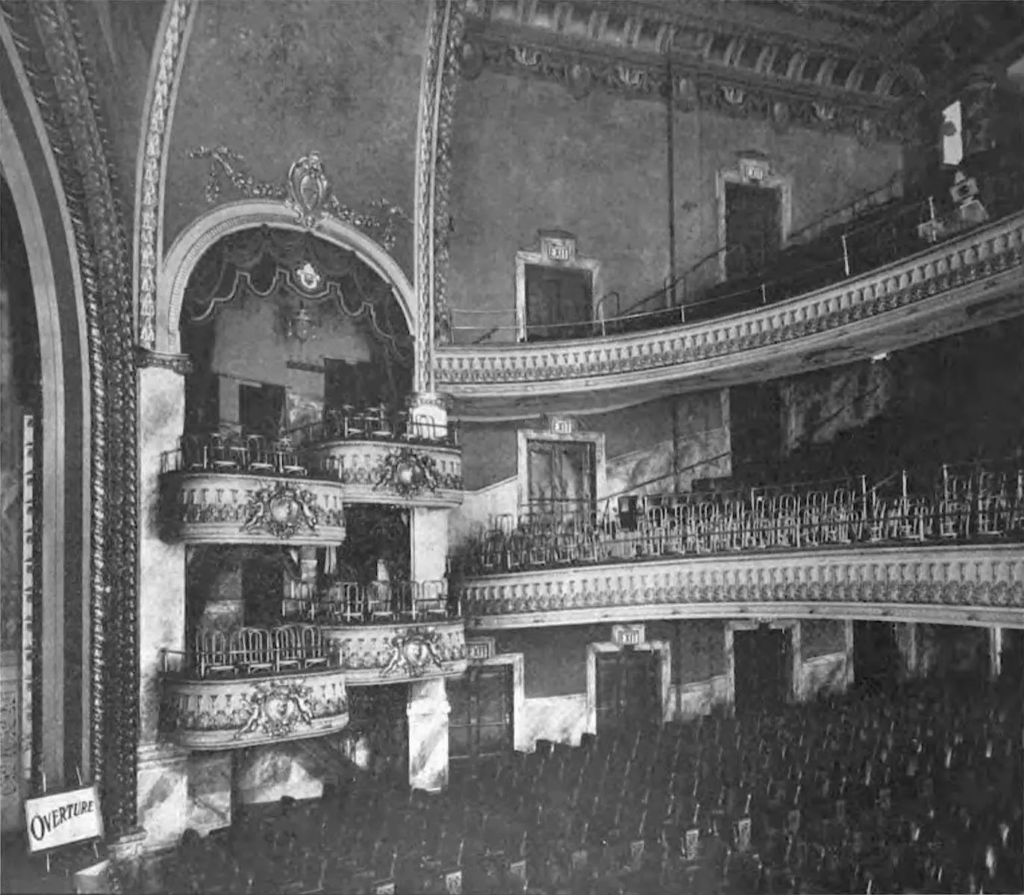
Yorkville Theater, 86th St. between Lexington and Third, via Wikimedia Commons
But the brewers didn’t just build beer corners. Because breweries required such close consolidation of life and work, a full brewing community flourished in Yorkville. Beer halls, beer gardens, and saloons became centers of social life, and hosted all kinds of cultural and professional activities, from vaudeville revues to union meetings.
Meanwhile, 86th street grew into the neighborhood’s main drag, earning the moniker “German Broadway,” providing everything from cabaret to cabbage, lined with German-language shops, restaurants, and theaters. For example, The Doelger Building, built by the Doelger brewing family, and still standing at 1491 Third Avenue at 86th Street, was built as a music hall, with space for stores, a cabaret, office space, and a “hall for public assembly.”
In fact, German life was so intimately tied to the brewers, that the neighborhood got its news from Ruppert. He published the German-language newspaper New Yorker Staats-Zeitung.
That intimacy prevailed among the brewers themselves: For example, Ehert and Ruppert jointly owned a silk mill, they vacationed together, their families intermarried, and they were both loyal members of the Arion Society of New York, a German-American musical society. Like the Arion Society, many of the breweries in Yorkville were felled by the anti-German sentiment in America during and after WWI, and many more were shuttered during Prohibition.
Here is where the fates of Ehert and Ruppert diverge (and converge again). Ehret had gone to Germany in 1914 to recover from an illness, thinking the Alpine air might do him good. But WWI broke out while he was overseas, and he was stranded in Germany during the war, unable to return to the United States until mid-1918. In the meantime, Ehert’s business and property were seized by the US Government as “alien property,” even though Ehert was a naturalized citizen.
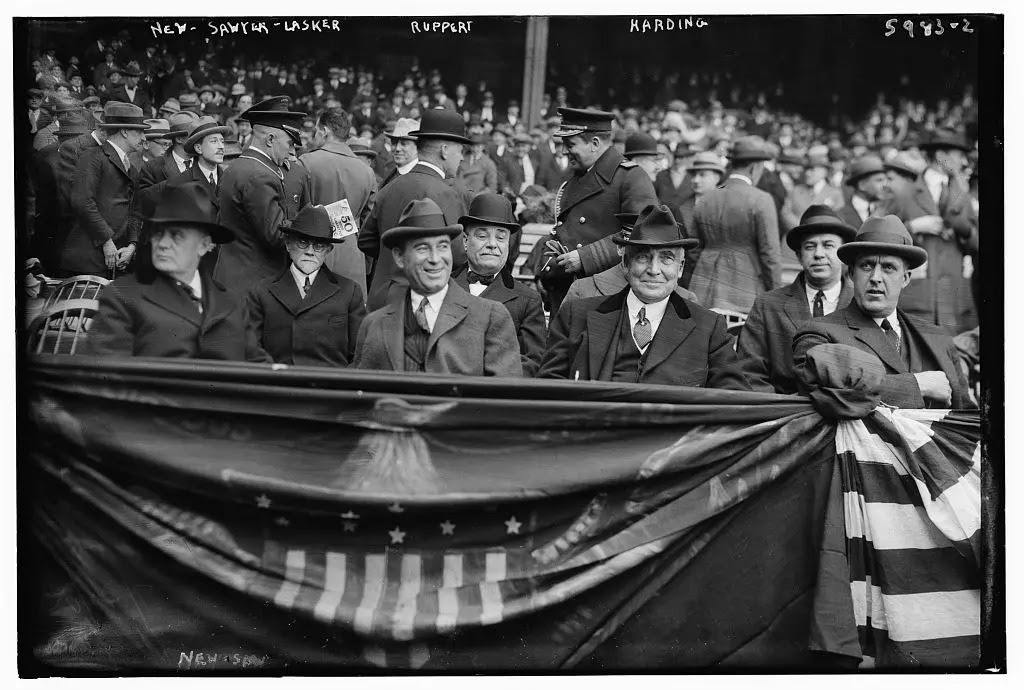
Bain News Service, P. (1923) Harry New Postmaster General, Dr. Chas. Sawyer President’s physician, Albert Lasker, Jacob Ruppert & Pres. Warren Harding at Yankee Stadium, 4/24/23 baseball. 1923 The Library of Congress.
Conversely, Jacob Ruppert Jr. was as All-American as it gets. By the time his father, the founder, Jacob Ruppert Sr., died in 1915, Ruppert Jr. had already served four terms in the House of Representatives and was part-owner of the Yankees. As president of that ball club, he was responsible for signing Babe Ruth in 1919, and for building Yankee Stadium in 1922.
Ehert regained control of the Hell Gate Brewery after WWI, but Prohibition hit him hard. Though he was determined to hang on until the Volstead Act was repealed and keep his workers on for the duration, Ehert died in 1927. When the Act finally was repealed in 1933, Ruppert expanded his own Brewery with 300 additional workers and bought Hell Gate in 1935.
Ruppert Jr. himself died in 1939, but the Brewery that bore his name survived, sending the scent of barley and hops through the streets of Yorkville until 1965. In the 70s, the site of Ruppert’s Brewery became an urban renewal project known as Ruppert Towers and is now a 4-building condo complex called Ruppert Yorkville Towers.
But, in 2014 the red brick of Ruppert’s brewery once again made an appearance in Yorkville. That March, workmen were excavating Ruppert Playground on East 92nd Street as developers prepared to turn the community space into a 35-story apartment building. Serendipitously, the bulldozers unearthed two underground brick archways that had been part of the brewery. For a brief moment, the Brew Man was back in town.
ENJOY A COLD ONE ON A HOT SUMMER DAY!!
CREDIT TO
6sqft Lucie Levine is the founder of Archive on Parade, a local tour and event company that aims to take New York’s fascinating history out of the archives and into the streets. She’s a Native New Yorker, and licensed New York City tour guide, with a passion for the city’s social, political and cultural history. She has collaborated with local partners including the New York Public Library, The 92nd Street Y, The Brooklyn Brainery, The Society for the Advancement of Social Studies and Nerd Nite to offer exciting tours, lectures and community events all over town. Follow her on Twitter and Instagram.
All image are copyrighted (c) Roosevelt Island Historical Society unless otherwise indicated THIS PUBLICATION FUNDED BY DISCRETIONARY FUNDS FROM CITY COUNCIL MEMBER JULIE MENIN & ROOSEVELT ISLAND OPERATING CORPORATION PUBLIC PURPOSE FUNDS.
The holdout houses on a former colonial-era farm by the East River meet the wrecking ball in 1914
It’s hard to imagine in today’s river-to-river concrete city, but Manhattan at one time was almost entirely an island of farms and estates.
As the colonial outpost once known as New Amsterdam transitioned into the city of New York, vast tracts of land were sold and parceled out to new owners and developers—who built urban neighborhoods to accommodate the booming population and surge in commerce and industry.
One by one, as the city expanded northward in the late 18th and 19th centuries, farms in today’s Greenwich Village, Murray Hill, Gramercy, Chelsea, and Midtown were sold off—disappearing into a cityscape of new homes, factories, mass transit hubs, and business spaces.
But farmland in the upper reaches of Manhattan held out for much longer, thanks to their relative remoteness. One of these was the farm of Peter Schermerhorn, which stretched from today’s 63rd and 67th Streets on York Avenue along the East River.
You know the old-money Schermerhorns. The patriarch of this Knickerbocker family arrived in New York from Holland in the 17th century and made his home in the Albany area. A century later, a branch of the family relocated to Gotham, becoming merchants, shippers (Schermerhorn Row on South Street is named for them), and landowners in Manhattan and Brooklyn (see Schermerhorn Street, which runs from Flatbush Avenue to Brooklyn Heights).
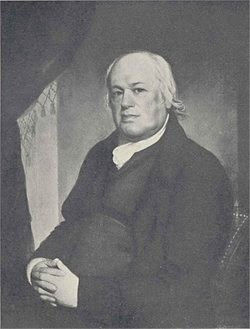
Peter Schermerhorn (right), a ship chandler and merchant, wasn’t the first settler to take hold of this expanse of riverfront. It was originally part of a larger estate owned by David Provoost, a descendent of a French Huguenot immigrant who made his fortune as a merchant.
The Provoost farm was divvied up in 1800, according to a 1922 New York Times story; Schermerhorn supposedly purchased it and added the farm to land he already owned to the north in 1818.
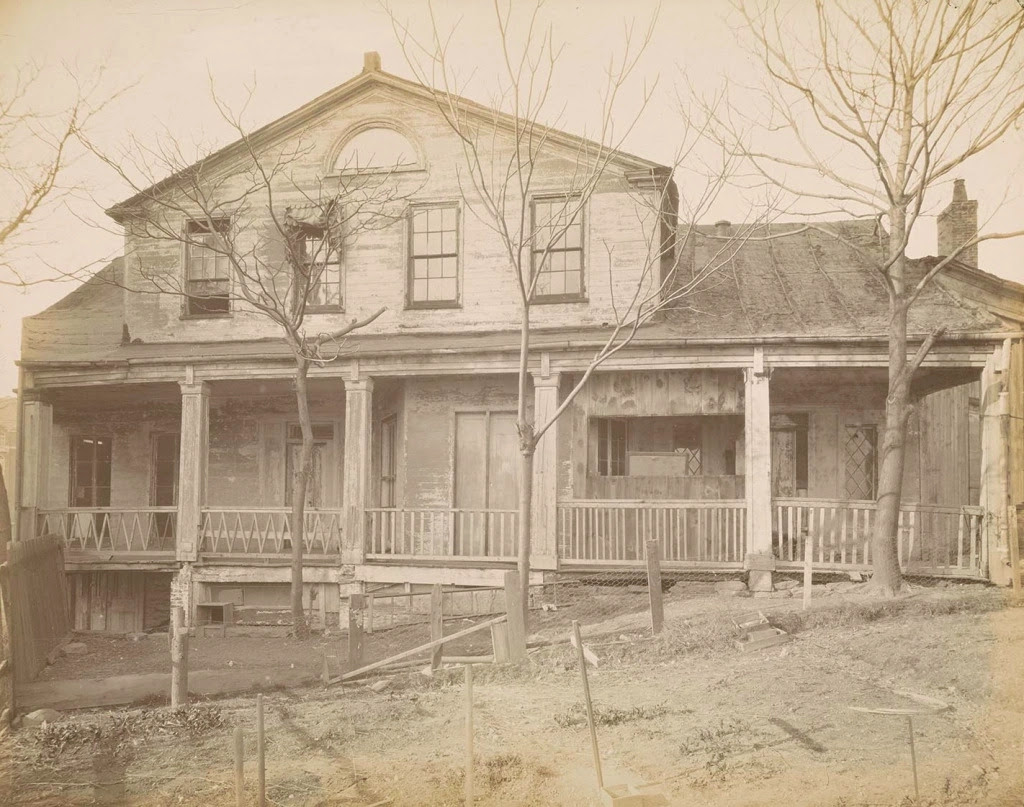
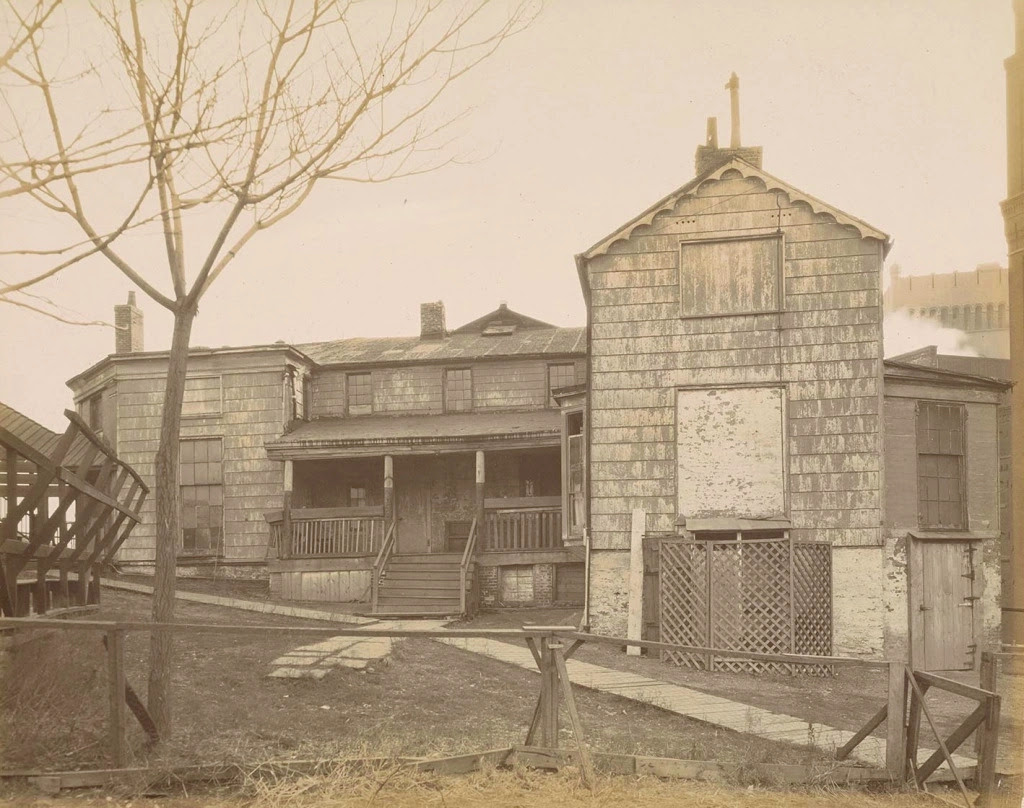
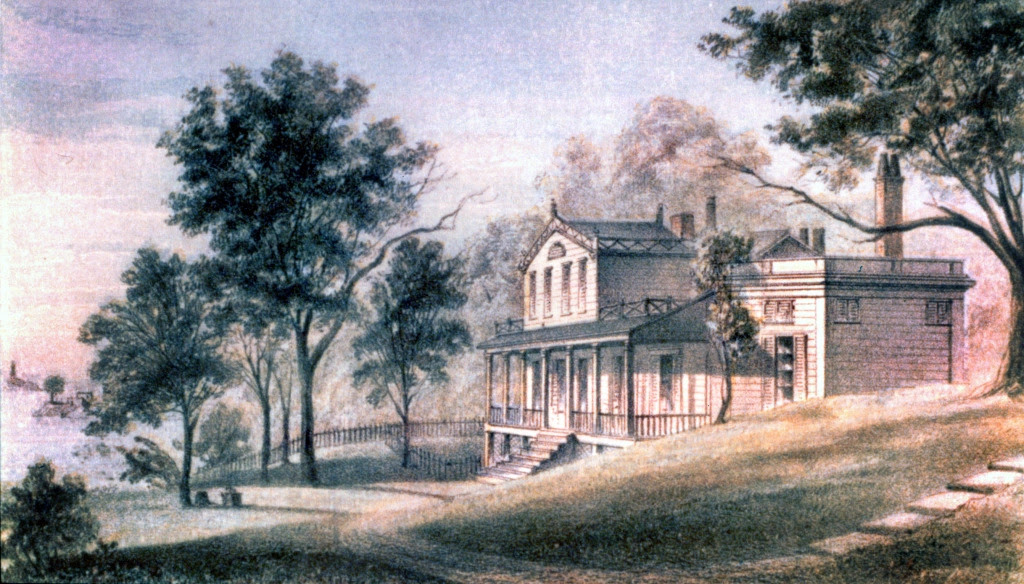
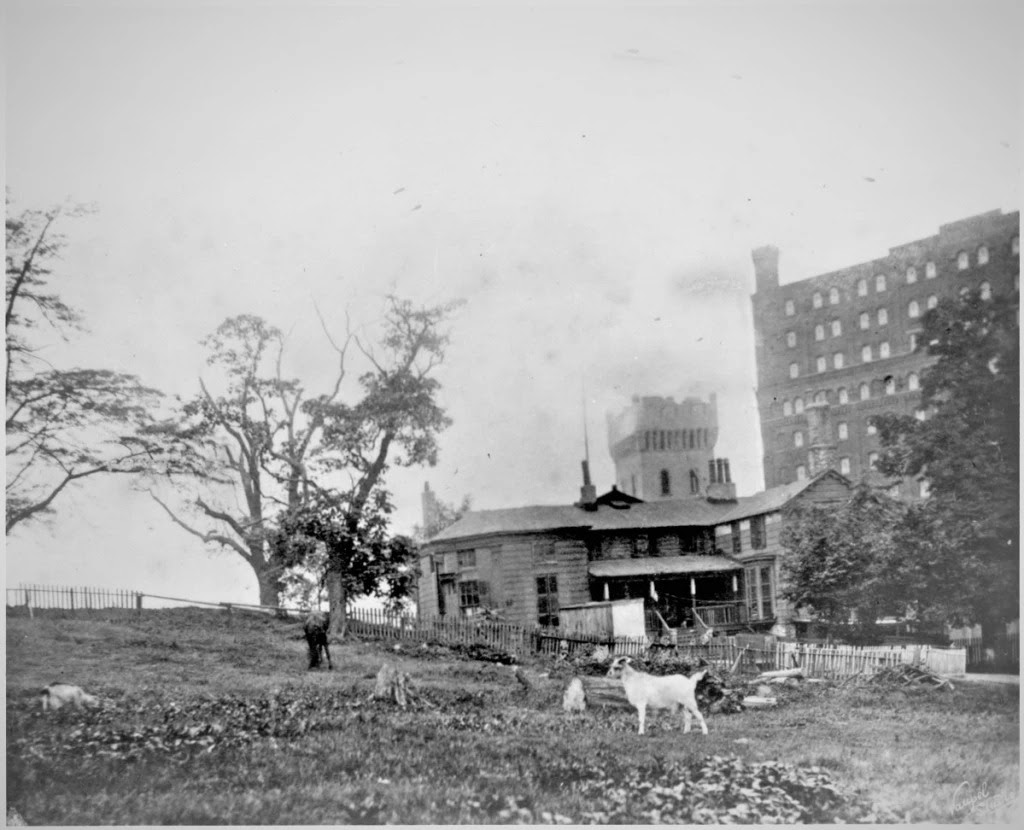
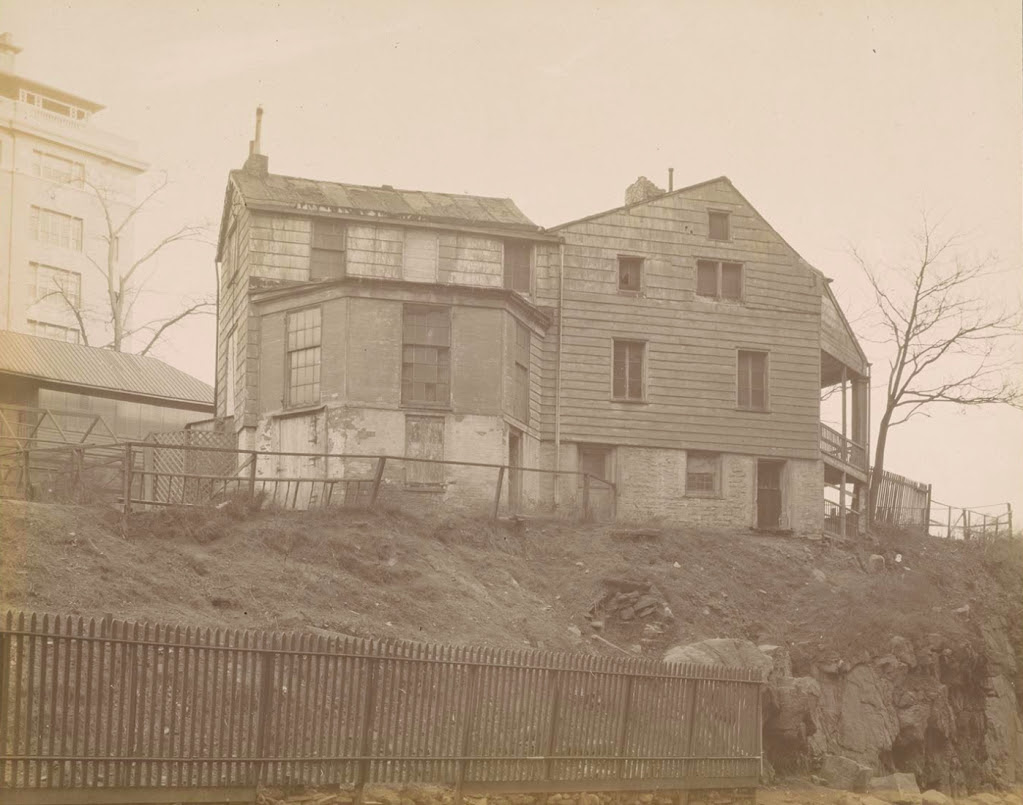
With the land came some outbuildings, including a pretty, colonial-style farmhouse (top two images) on high ground near the future East 63rd Street dating back to 1747.
“Early records state that the house was, for a time after the Revolution, the country home of General George Clinton, who became the first Governor of the State and afterward Vice President of the United States, and tradition also says that Washington visited Clinton at the house and enjoyed the peaceful river view from beneath one of the ancient trees,” reported the New York Times in another 1922 article.
Along with the farmhouse, the Schermerhorn farm had a pre-Revolutionary War chapel building and a cemetery for family members. Over the years, other buildings were added.
Surrounded by woodlands, the family’s nearest neighbors may have been the Jones family to the north, who owned an estate known as Jones Wood, which almost became the site of Central Park.
To the south was the Beekman mansion and estate in today’s East 50s. In between would have been the still-standing Mount Vernon Hotel, built for President John Adams’ daughter as a home but by the early 19th century a summer resort for elite New Yorkers seeking cool breezes and countryside relief far from the sweltering city center.
What was life like in the 19th century on the Schermerhorn’s countryside farm estate, with its ornamental gardens and groves of trees? Probably isolated at first, but as the century went on, railroads and manufacturing invaded; streetcars and later elevated trains brought traffic and crowds to nearby avenues.
Both Peter and his wife Sarah passed away in the middle of the century. Their children inherited the property, and then their heirs. But according to a report by Rockefeller University, it appears that the Schermerhorn descendants moved to a new mansion on 23rd Street in the 1860s and no longer occupied the farmhouse.
A German immigrant, August Braun, leased half of the property and ran a successful boating and bathing facility at the river’s edge. In 1877, the Pastime Athletic Club built a running track on the other half of the estate, using the rundown chapel as a gymnasium.
By the turn of the 20th century, the urban city ringed the former farm, with tenements, apartment houses, and breweries constructed near what was still known as Avenue A; it wouldn’t be renamed York Avenue until 1928.
In 1903, a different kind of wealthy New Yorker took came calling: John D. Rockefeller, Jr. This financier and philanthropist son of the Gilded Age founder of Standard Oil had plans to build the Rockefeller Institute of Medical Research here, and he set about acquiring land for his new biomedical research facility.
Schermerhorn descendant William Schermerhorn (or his estate) sold the farm to Rockefeller. In the Institute’s early days, the roughly 150-year-old colonial farmhouse was repurposed as a nurses’ station and dispensary as part of a hospital for sick babies on the institute’s campus.
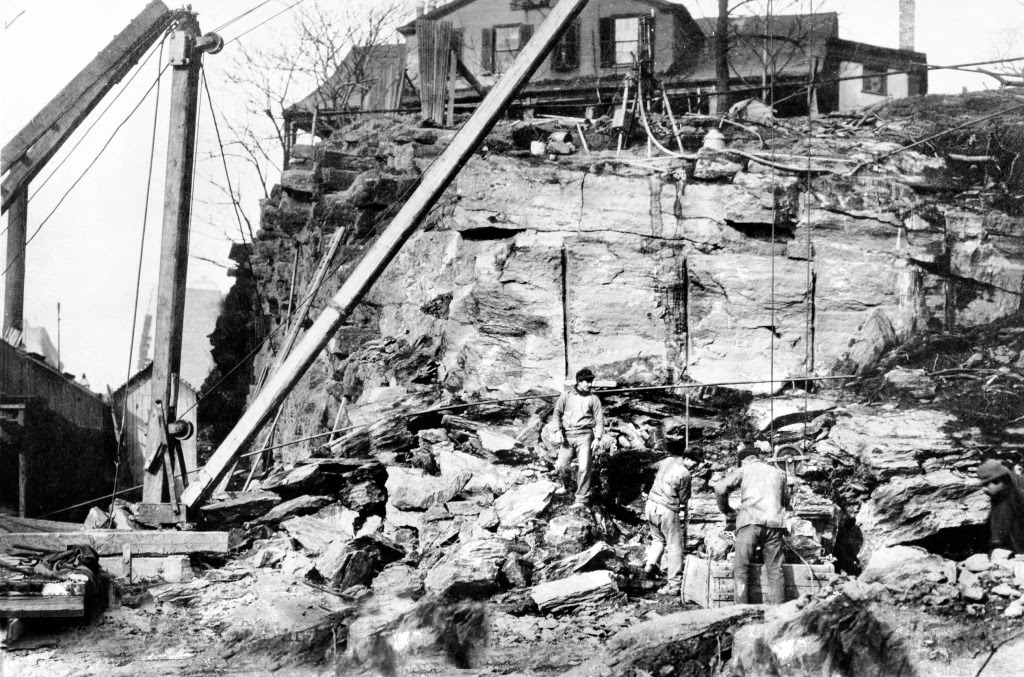
The hospital closed, and the farmhouse met the bulldozer in 1914—as did the chapel and the remnants of other outbuildings on the property that year or sometime before or after. (The cemetery remained sans the headstones, which were toppled and broken long before Rockefeller bought the land.)
Newspapers chronicled the passing of what was deemed the second-oldest house in Manhattan, but not all took a nostalgic ot wistful tone.
“When built in 1747 it was surrounded by woods on all sides but the river,” noted the Sun in 1914, which added that now the marked-for-destruction farmhouse was surrounded by brick medical institute buildings, “in which many wonderful medical wonders are being performed.”
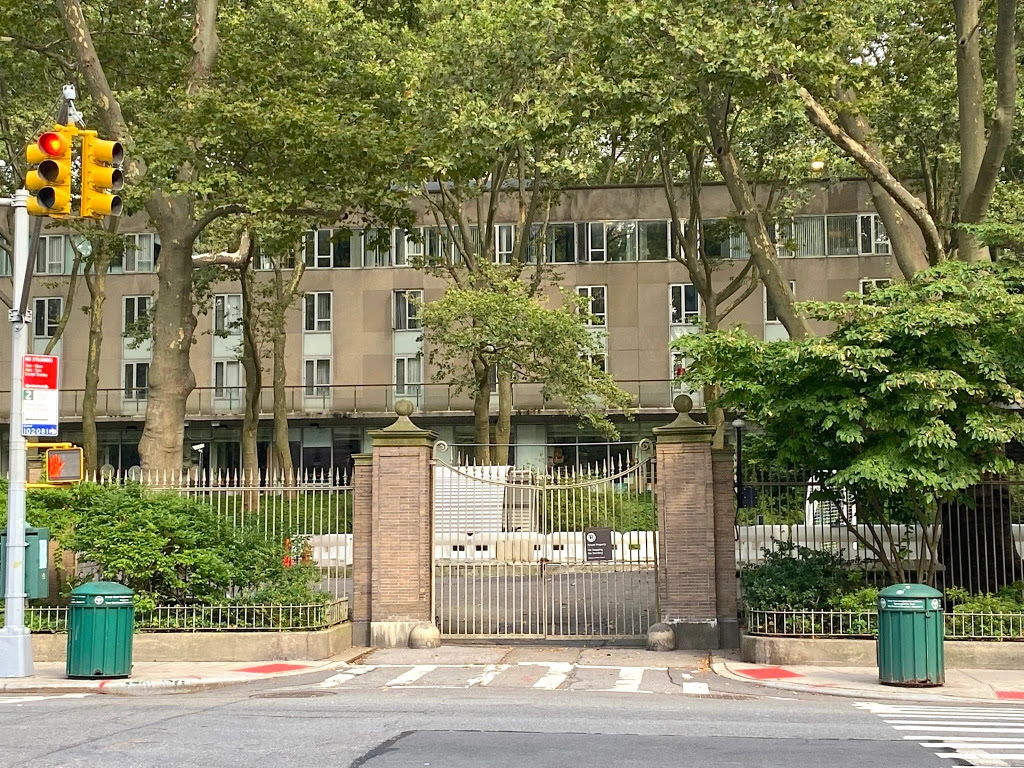
In 1955, the institute became The Rockefeller University, maintaining its presence with a gated driveway and many buildings on sloped grounds overlooking the East River
Gee, now we can grow the marijuana and sell it at the same location,
All image are copyrighted (c) Roosevelt Island Historical Society unless otherwise indicated THIS PUBLICATION FUNDED BY DISCRETIONARY FUNDS FROM CITY COUNCIL MEMBER JULIE MENIN & ROOSEVELT ISLAND OPERATING CORPORATION PUBLIC PURPOSE FUNDS.
All image are copyrighted (c) Roosevelt Island Historical Society unless otherwise indicated THIS PUBLICATION FUNDED BY DISCRETIONARY FUNDS FROM CITY COUNCIL MEMBER JULIE MENIN & ROOSEVELT ISLAND OPERATING CORPORATION PUBLIC PURPOSE FUNDS.
Ever wonder why Madison Square Garden is located atop Penn Station and not at Madison Square? The story is very New York and is not quite finished yet. Repeated calls over the years to relocate the current Madison Square Garden have been rooted in a desire to reimagine Penn Station, but all the recent improvements to the transit hub, including the opening of Moynihan Train Hall, gingerly sidestep the behemoth in the midst.
In total, New York City has been home to not one, not two, but four different Madison Square Gardens dating back to 1879. Sadly, none of the former MSG buildings stand today. Beginning with a humble open-air arena to the world-renowned sports and entertainment venue it is today, the four Madison Square Gardens have witnessed the evolving society of New York City with dramatic scandals and murders, evolving architectural styles, and events that reflected the social and political milieu of the time.
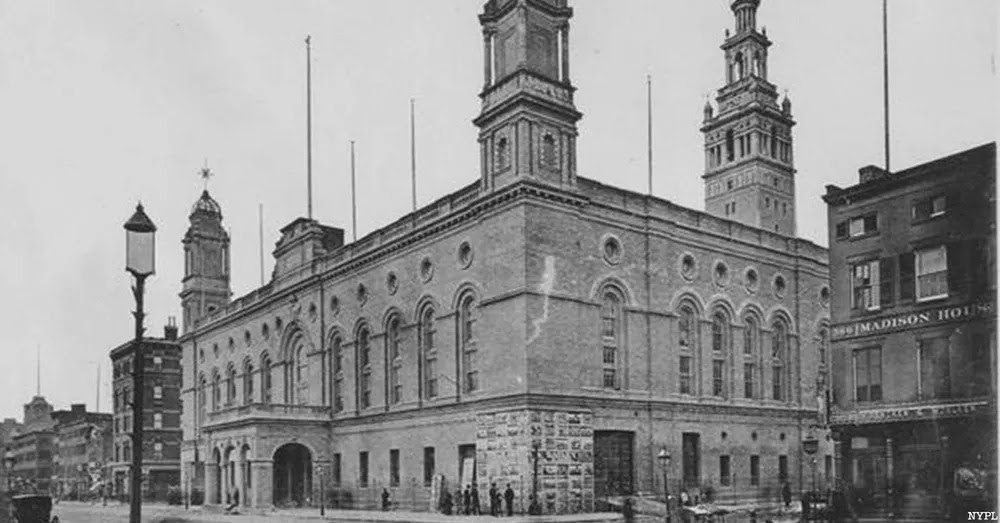
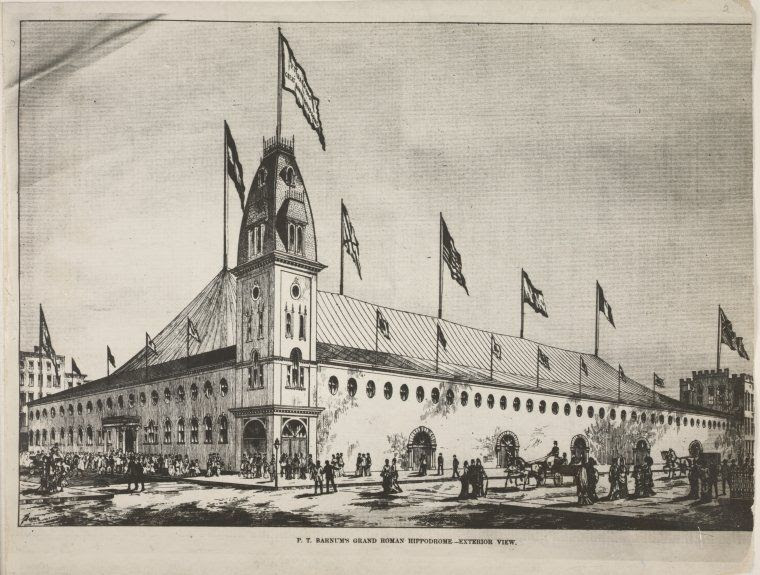
The first Madison Square Garden was already an existing venue known as P.T. Barnum’s “Great Roman Hippodrome,” or “Barnum’s Monster Classical and Geological Hippodrome,” located at the northeast corner of Madison Square Park. In fact, before it was Barnum’s entertainment venue, the complex was actually the former depot of The New York and Harlem Railroad, which pulled trains using horse drawn carriages. Cornelius Vanderbilt, the railroad magnate, relocated the railroad hub to 42nd Street (first as Grand Central Depot, then Station, then Terminal).
The open-air venue was used as a velodrome, for multi-day races, and even for a Roman Carnival. When Vanderbilt opened his new station, he leased the old one at Madison Square to P.T. Barnum. After a few more proprietors and lease changes, Vanderbilt’s grandson, William K. Vanderbilt, rechristened the venue Madison Square Garden in 1879.
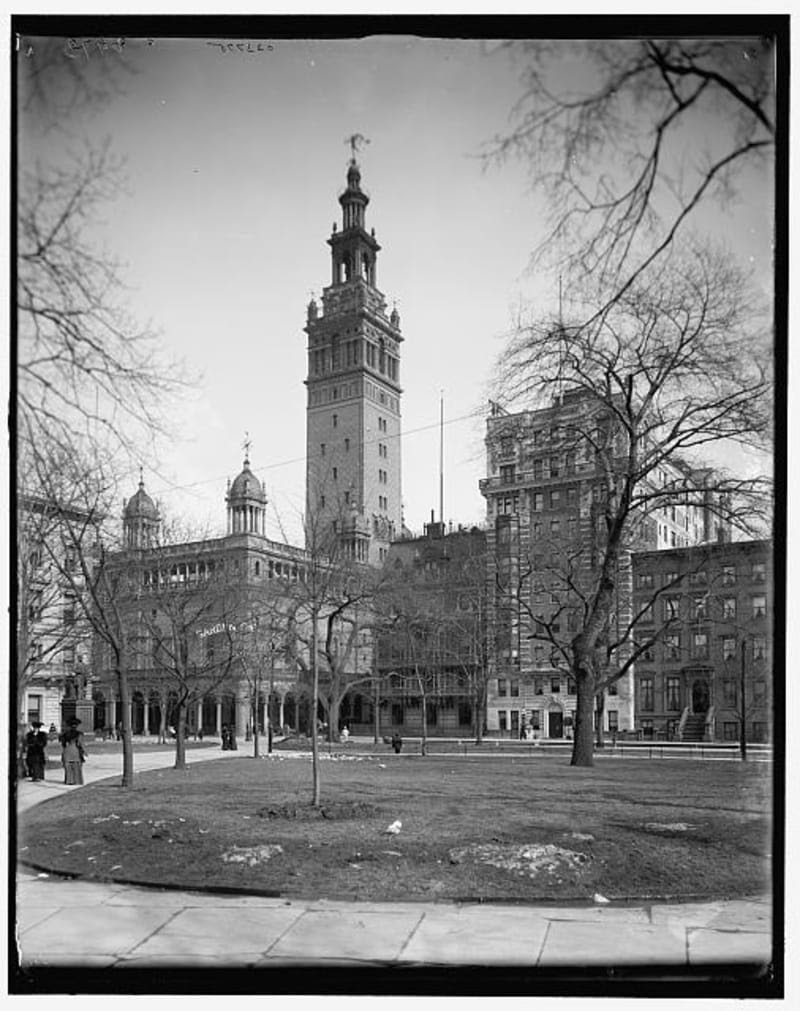
The first Madison Square Garden was demolished in 1889. Vanderbilt, citing lack of profitability of the venue, sold the land to a consortium of esteemed buyers including J.P. Morgan, P. T. Barnum, and Andrew Carnegie. By 1890, a new Madison Square Garden opened with a Beaux-Arts Moorish design by the young celebrated society architect Stanford White. It cost over $3 million or nearly $88 million in 2020 dollars.
The most distinctive feature of the second Madison Square Garden was its tower, modeled on the Giralda in Spain, on top of which stood a statue of Diana by August Saint-Gaudens. Also notable was a rooftop garden, all the rage for entertainment in the Gilded Age, which became the site of Stanford White‘s murder at the hands of Harry K. Thaw, a jealous rival in a love triangle gone wrong.
The Second Madison Square Garden was also the site of the 1924 presidential convention, which was the first time a woman was nominated to be Vice-President of the United States. The second iteration of Madison Square Garden would be demolished just a year late
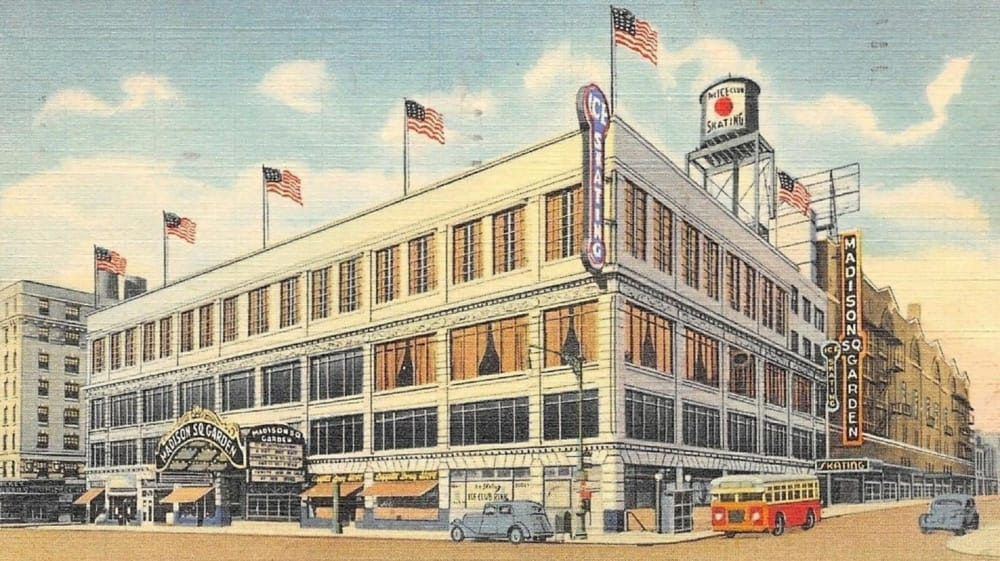
A 1941 postcard depicts Madison Square Garden, Public Domain via National Park Service
New York Life Insurance held the mortgage on the second Madison Square Garden, and in 1923, the company decided to demolish the arena and build their new headquarters at Madison Avenue and 26th Street. The Cass Gilbert-designed headquarters with the gold pyramidal roof still stands today, next to the MetLife buildings.
Madison Square Garden itself was then relocated to the west side, on 8th Avenue between 49th and 50th streets. The venue was designed by renowned theater architect Thomas W. Lamb, but the seats with obstructed views proved to be a problem. It would be here, however, that many political events would take place: a Nazi rally; an anti-Nazi rally; a fundraiser hosted by Eleanor Roosevelt and the Crown Princess of Norway (recently shown in the PBS Masterpiece series, Atlantic Crossing); and the famous rendition of “Happy Birthday” sung by Marilyn Monroe to John F. Kennedy in 1962.
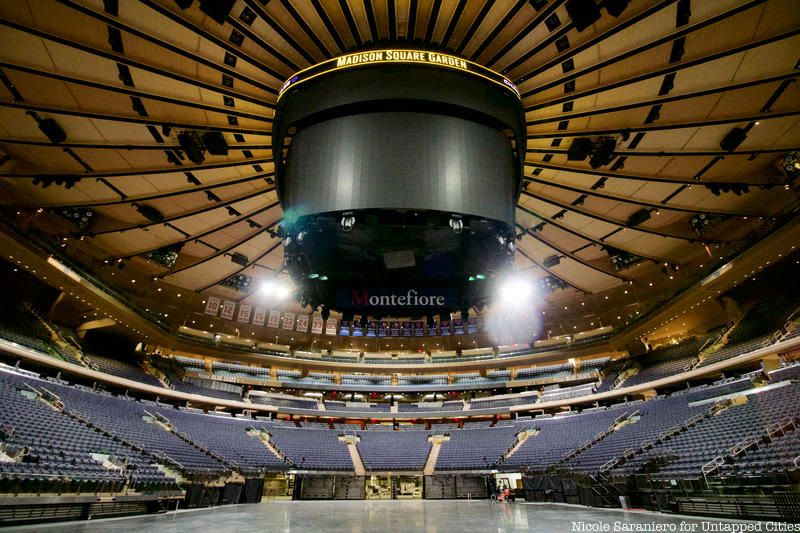
The third Madison Square closed in 1968. The venue moved again to where it currently sits, atop the demolished site of Penn Station. The circular venue was designed by Charles Luckman. He is perhaps most famous for designing Boston’s Prudential Tower. This fourth version of Madison Square Garden has hosted everything from sports games and circuses to concerts and stand-up comedians, and everything in between.
PHOTOS OF THE DAY
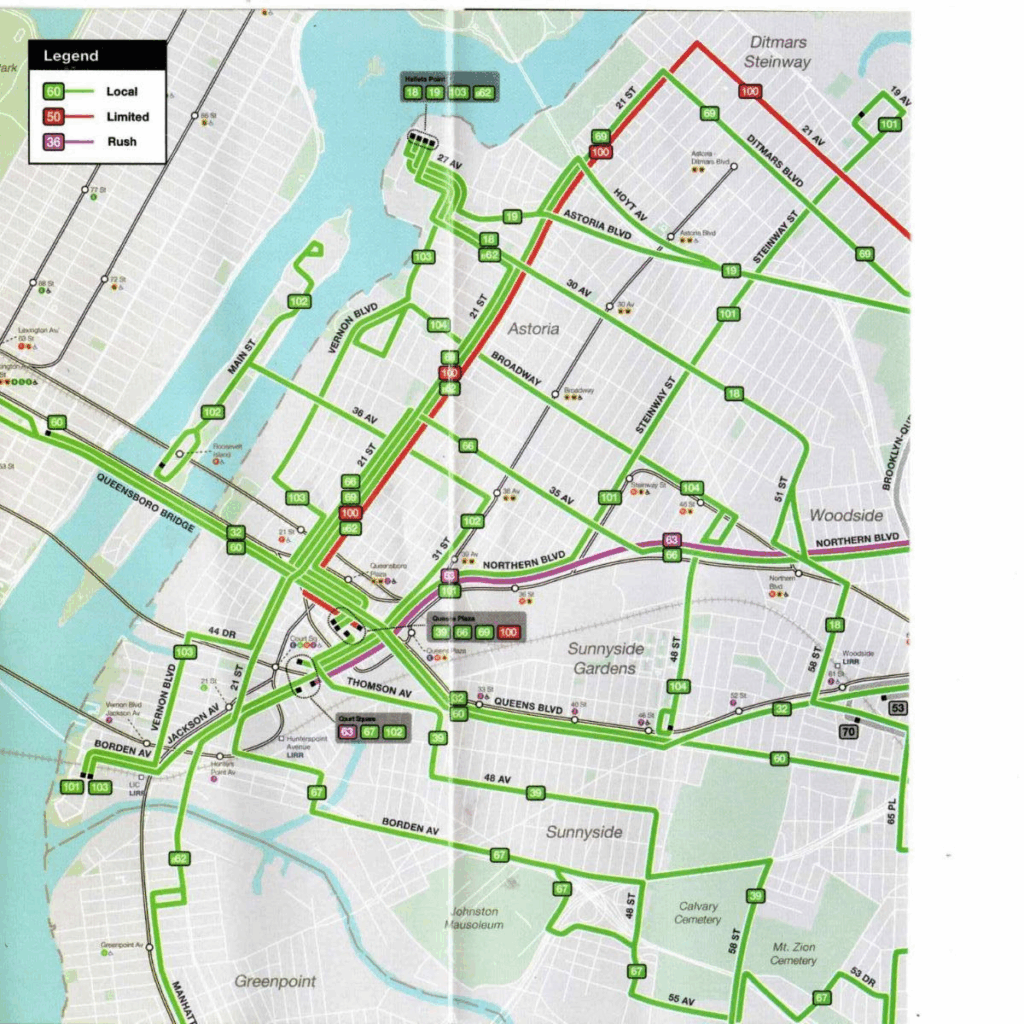
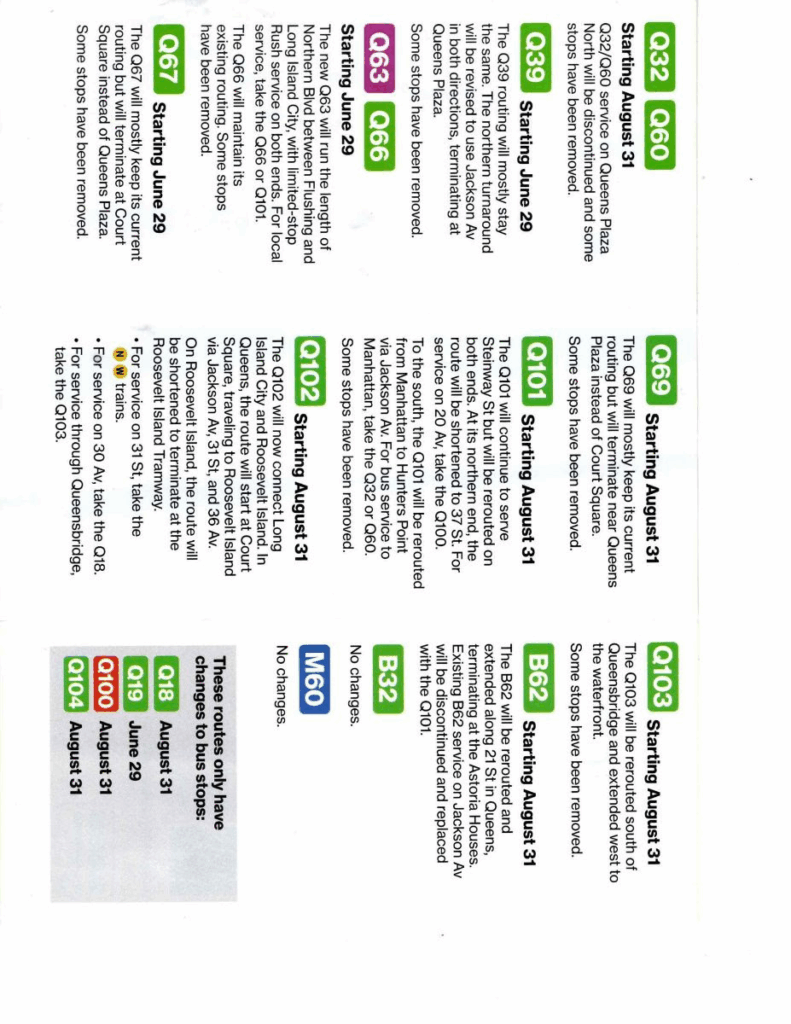
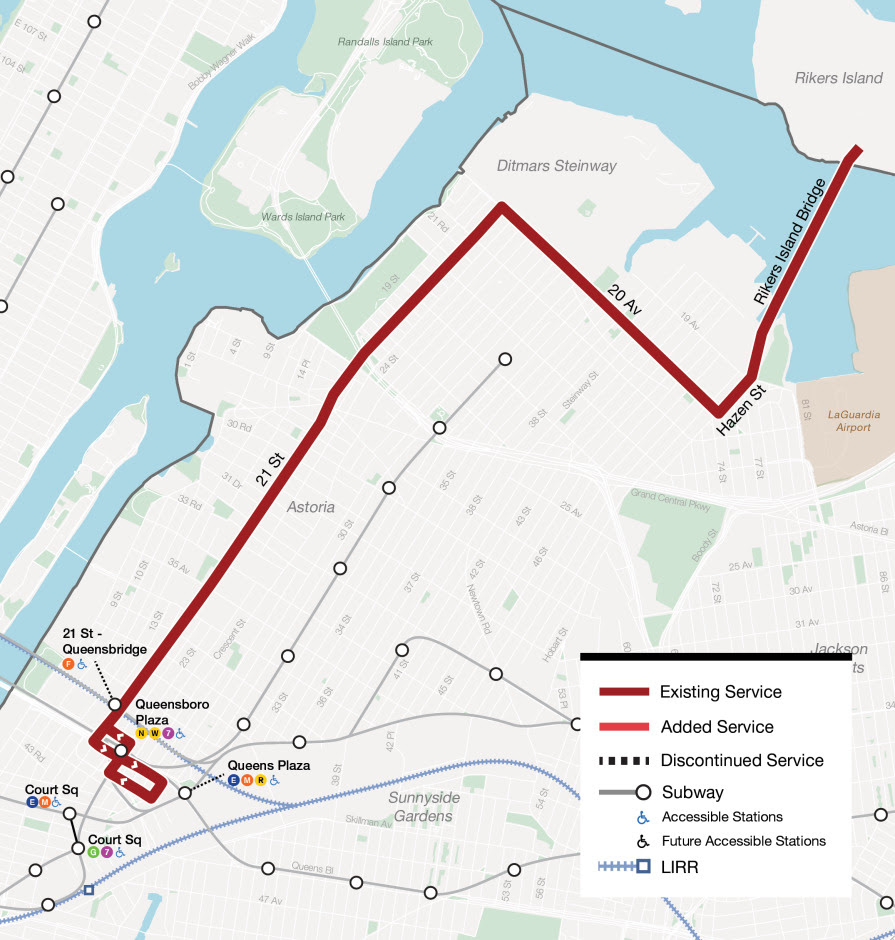
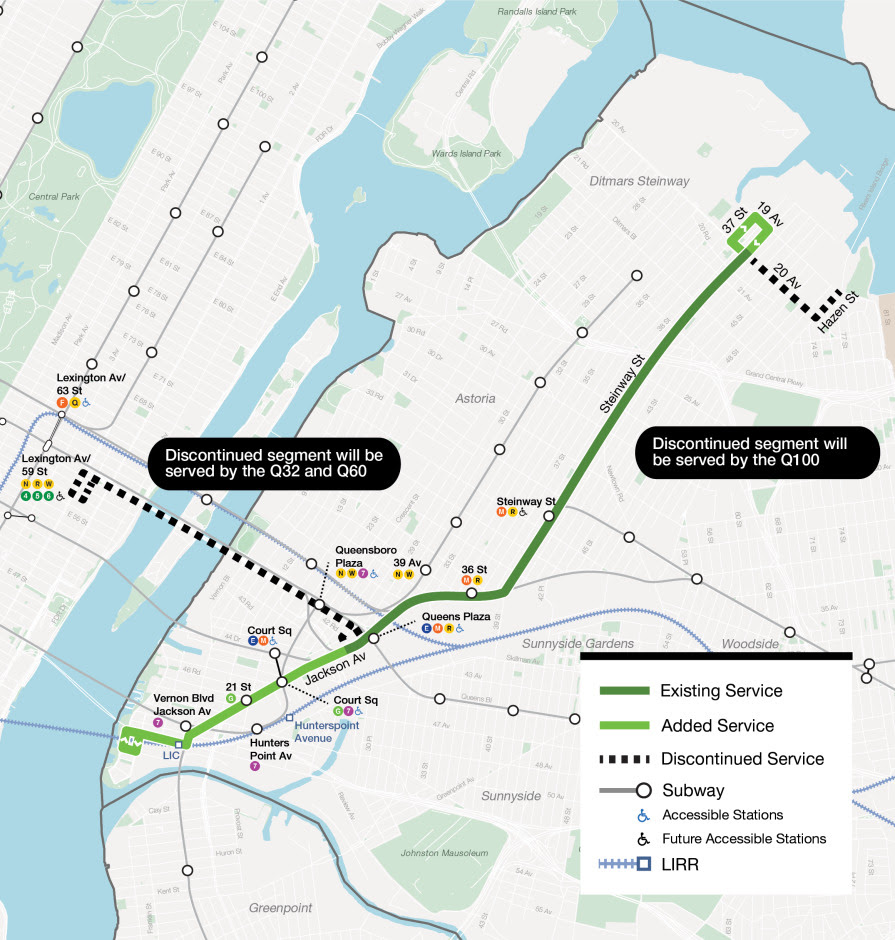
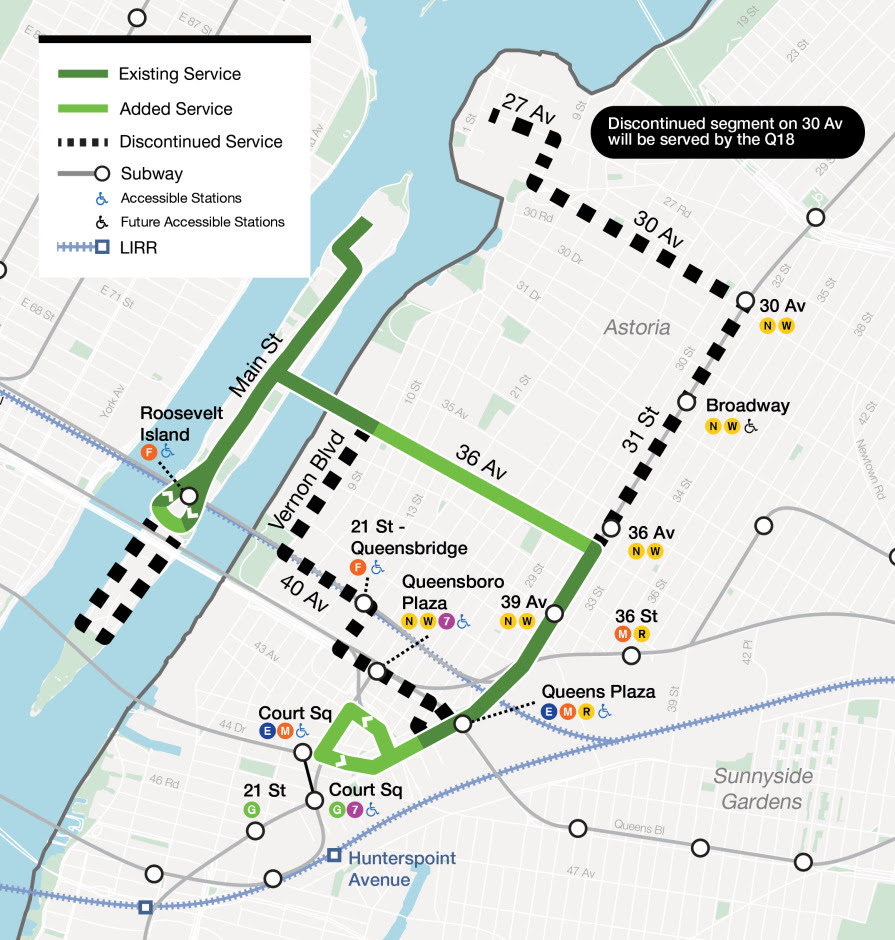
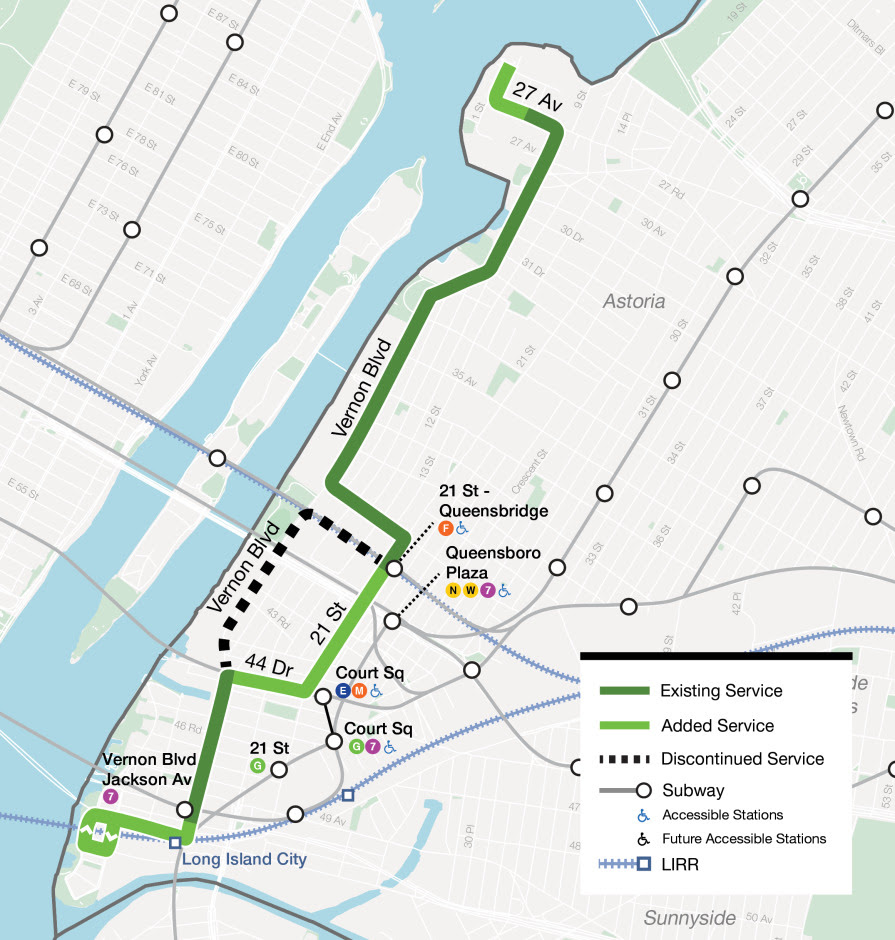
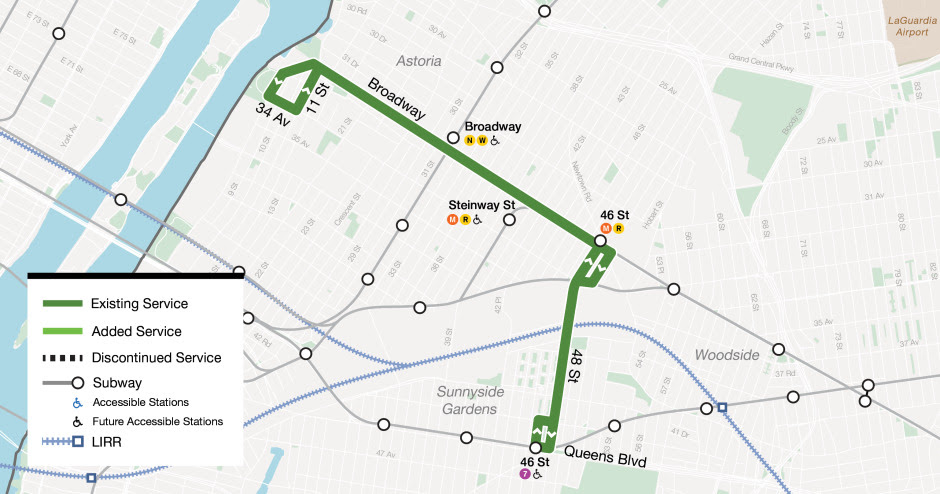
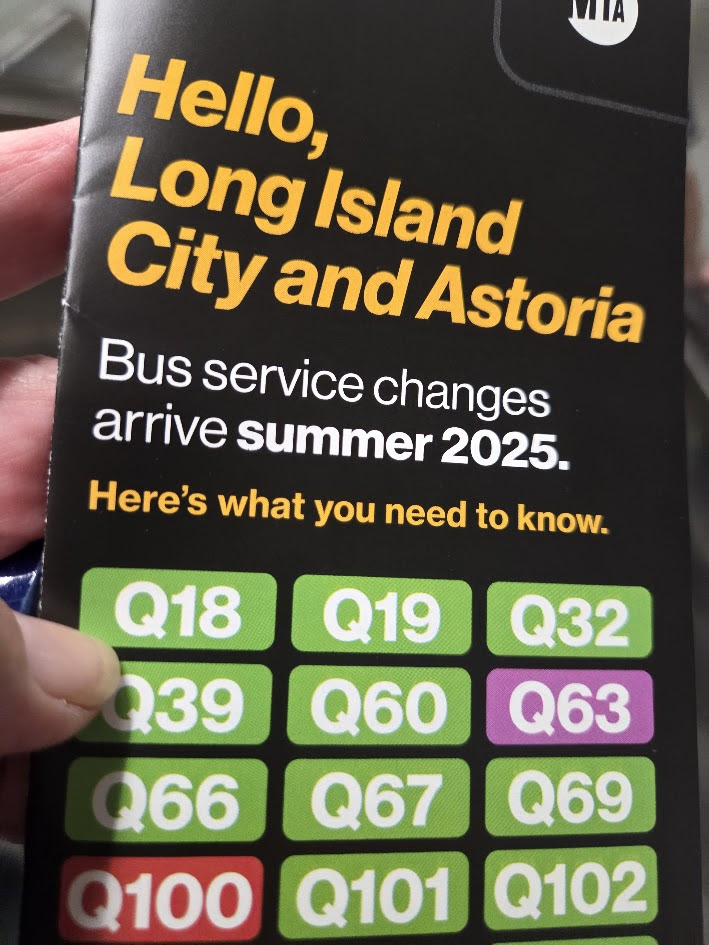
TOMORROW WILL BE A SPECIAL ISSUE ON QUEENS BUS DESIGN NEW ROUTES
Michelle is the founder of Untapped New York and the author of The Art Spy (HarperOne, forthcoming) Secret Brooklyn, Secret New York Hidden Bars & Restaurants, and Broadway. michelleyoungwriter.com
All image are copyrighted (c) Roosevelt Island Historical Society unless otherwise indicated THIS PUBLICATION FUNDED BY DISCRETIONARY FUNDS FROM CITY COUNCIL MEMBER JULIE MENIN & ROOSEVELT ISLAND OPERATING CORPORATION PUBLIC PURPOSE FUNDS.
For Europeans planning or being forced to migrate, the concept of the United States as a virtually border-less society remained alive until the passing of the Immigration Act of 1917 (this was not the case for other groups). It offered an opportunity to governments to “shovel out” troublesome subjects.
The German term Übersiedelung (literally: relocation) was used by officials of the Kingdom of Hanover to describe the practice of exiling “unwanted” subjects to America. From the early 1830s to 1866 (when Hanover was conquered by Prussia), some three thousand individuals – most of them petty criminals or paupers – were expelled from the territory.
Their coerced removal served as an alternative to imprisonment and was, therefore, presented as a mutually beneficial course of action. Criminal law was applied to enforce emigration.
Many Americans resented accepting German speaking outlaws as immigrants. It was not their first conflict with the Kingdom. George III, the Hanoverian British monarch, had in the eyes of colonists overreached his power with a hard-line approach to the American Revolution.
The Declaration of Independence accused him explicitly of tyranny. Britain’s long history of exiling offenders to America had started a century before the ascendancy of the Hanoverians to the British throne in 1714.
In 1615, King James I (1566-1625) allowed English courts to send convicts to the colonies as a way of alleviating the nation’s criminal population. Deported convicts were set to work on plantations in Virginia and Maryland, provide cheap labor and populate remote areas.
By 1699, an estimated 2,300 felons were removed from jails and workhouses, but the system of penal transportation had to cope with rising opposition from within the colonies. The snake began to rattle its tail.
Bloody Code
Enacted in England from the seventeenth century onward, the “Bloody Code” was a set of penal laws that mandated the death penalty for such crimes as murder, arson, forgery, stealing cattle or sheep, pick-pocketing or stealing from a shipwreck. Dating back to 1688, the misdeeds punishable by death initially amounted to fifty; by 1815 the number had increased to over two hundred.
The Code reflected the harshness of a system that responded to social changes – urbanization, population growth, increased poverty and crime. It was used to maintain the status quo and suppress dissent.
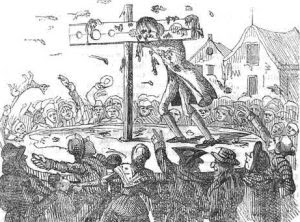
As criminal justice relied upon fear of retribution, the public display of executions was crucial. If punishment was to set an example to onlookers, then the execution should be dramatic. The death penalty was both a ritual and performance.
Over time, “hanging days” deteriorated into drunken orgies of a rowdy and boisterous mob. The regularity of executions led to hanging-fatigue amongst the public and a hardening of its moral senses. Juries became increasingly reluctant to convict defendants for minor misdemeanors, leading to a decline in the effectiveness of the system. It was feared that law and order were at stake.
In 1615, King James I had authorized the process of transporting convicts to the American colonies where they could be profitably employed on the plantations. By the end of the century, the chaotic process had ceased to function as colonies were unwilling to accept convicts and ship owners reluctant to take felons on board.
In response, Parliament passed the Transportation Act of 1717 to create a systematic way of deporting convicts. It formalized the process, allowing courts to sentence felons to either seven or fourteen years of exile as an alternative to capital punishment.
The Act significantly increased the number of deported convicts and established a structured system for their transport to the colonies. Landing along the Potomac and Rappahannock Rivers, they were put to work in the tobacco fields or at shipbuilding yards. Completion of the imposed sentence had the effect of a pardon; the punishment for attempted escape was death.
Between the passing of the 1717 Transportation Act and the outbreak of the American Revolutionary War in 1775, it is estimated that over 52,000 convicts were deported from overcrowded prisons and workhouses to be sold to the highest bidder. Convicts may have made up a quarter of British immigrants to colonial America during that period.
Many observers judged transportation a means of “draining the Nation of its offensive Rubbish.” Lawmakers considered exile an appropriate punishment; others regarded it an offer of rehabilitation, giving felons the opportunity of making a new life.
This applied to female convicts in particular. Upon arrival in the colonies, they were sold as indentured servants, facing harsh working conditions and mistreatment whilst suffering separation from their own families.
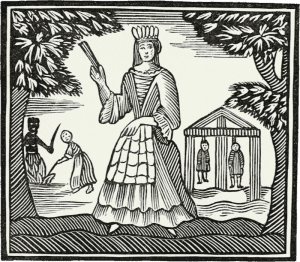
Daniel Defoe’s novel The Fortunes and Misfortunes of the Famous Moll Flanders (1722) is the personal history of a bigamist, prostitute and thief. Born in London’s Newgate Prison to a convict mother and having lived a life of deprivation, she spent eight years as a transported felon in Virginia. Moll Flanders died a penitent.
The novel has been interpreted as a conversion narrative, a piece of propaganda supporting transportation’s “redemptive” powers. In his preface the (Puritan) author promised his reader a serious message, but the storyteller proved stronger than the moralist. It is not so much a story of salvation, but a gripping tale of survival in the urban jungle.
From Satire to Symbol
Exporting criminal miscreants to North America was a policy celebrated as a “way to help the colonies grow.” Settlers were dubious. Although costly, slaves were more attractive to potential buyers than deportees as they were considered stronger, healthier and less defiant. In addition, they were sold for life whereas most convicts served a seven-year term.
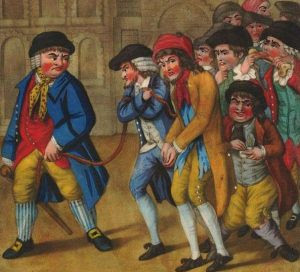
Once English ships arrived at their destination, deportees were lined up for inspection by interested parties. All “unsold” convicts were offered as a group to dealers (known as “soul-drivers”). Chained together they were marched into the country and sold at remote locations.
While plantation owners may have welcomed the availability of cheap labor, other Americans were anxious about the influx of convicts. Authorities in Virginia and Maryland tried repeatedly to prevent the “trade” in felons, but their legal measures were overturned by representatives of the Crown.
In The Scarlet Letter (1850), a novel set in the Puritan Bay Colony, Nathaniel Hawthorne observed that however lofty the ideals of early settlers might have been, the first practical step they took was to “allot a portion of the virgin soil as a cemetery, and another portion as the site of a prison.” Boston Gaol [Jail] was erected in 1635, the city’s first “house of detention” (rebuilt in 1704 on the same site).
Opponents of penal transportation would find support of an eloquent spokesman. On May 9, 1751, using the pen name “Americanus,” Benjamin Franklin published a satirical article in The Pennsylvania Gazette entitled “Rattlesnakes for Felons” in which he praised England for its generosity by which “all the Newgates and dungeons in Britain are emptied into the colonies.”
As a token of appreciation he suggested that the nation should present England with rattlesnakes in exchange. Behind the satire there was a message. Emptying jails into American settlements was an act of contempt. Benjamin Franklin introduced the rattlesnake into political debate.
As the species was unknown in the Old World, European authors and French academics in particular were fascinated by rattlesnakes. The study of snakes saw a mix of empirical observation and lingering traditional beliefs. The myth of the “joint snake” persisted, suggesting the ability of reptiles to regenerate their bodies after being severed. It was perpetuated in emblem books.
In 1685, Nicolas Verrien published a Recueil d’emblèmes (a new edition appeared in 1724), a collection of emblems that includes a sample of a snake cut in two parts with the motto: “Un Serpent coupé en deux. Se rejoindre ou mourir” (A serpent cut in two. Either join or die).
Franklin admired the genre for its use of imagery to communicate complex ideas. He was most likely familiar with Verrien’s emblem. A similar tale circulated in the English colonies: a cut serpent would come alive if the pieces were joined back together before sundown.
Academic interest advanced research. In 1705, Jamestown-born planter Robert Beverley published his History and Present State of Virginia (three French editions were published between 1707 and 1718) in which he called for a better understanding of the rattlesnake’s behavior.
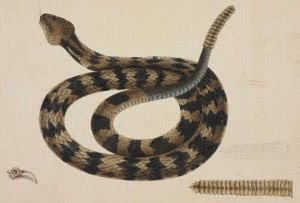
Fears expressed by Europeans were unjustified. He insisted that the viper was not a threat; it would only attack if disturbed. The rattlesnake image produced by Suffolk-born Mark Catesby in The Natural History of Carolina, Florida, and the Bahama Islands (1731/43) further excited the scientific world.
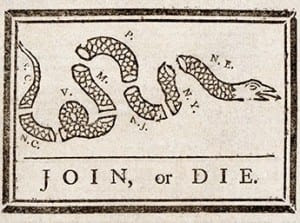
All these trends play in the background of a cartoon “Join, or Die” in The Pennsylvania Gazette of May 9, 1754, presenting a sliced up rattlesnake in the shape of a colonial map. Its engraver has not been identified, but Benjamin Franklin formulated the message behind what he called his “Emblem.”
Alluding to the old myth, the cartoon shows a snake in eight pieces, each representing part of colonial North America. Franklin made a call for the colonies, from New England at the snake’s head to South Carolina at its tail, to unite in battle during the French and Indian War or face defeat.
Metaphor & Banner
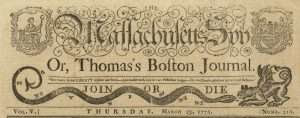
On the eve of the American Revolution, the snake image appeared again in print. Boston-born printer and journalist Isaiah Thomas used his newspaper The Massachusetts Spy (established in 1770) to rally support in the struggle for self-governance.
He published the first eyewitness accounts of the Battles of Lexington and Concord which turned out to be pivotal events in the Revolution. At the head of the newspaper’s first page, Thomas displayed the snake confronting the dragon symbolizing England with the phrase “Join or Die.”
The rattlesnake turned into a mascot. Once again, Franklin played a part. On December 27, 1775, he issued another anonymous article in the Gazette. Signed “An American Guesser,” it was entitled “The Rattlesnake as America’s Symbol.”
A scientist at heart and aware of recent research developments, the author stressed that the rattlesnake tends to avoid confrontation. If provoked or disturbed, however, it will respond in a lethal manner. Franklin’s reference to reptile behavior proved to be a perfect tool for political discourse, both as a metaphor and a prophecy.
The rattlesnake became emblematic of American pride and vigilance.
Almost simultaneously Christopher Gadsden, a native of South Carolina and a Colonel in the Continental Army, designed a flag that displayed a coiled timber rattlesnake with fangs exposed, ready to strike. It contained the words “Don’t Tread on Me” upon a bright-yellow background.
In 1775, George Washington officially established the Continental Navy to intercept English supply ships. Commodore Esek Hopkins was handed the banner for display on his flagship USS Alfred. Known ever since as the “Gadsden Flag,” it was a telling extension of Franklin’s metaphor.
During the uprising, the rattlesnake represented a desire for national unity and independence. It appeared in printed caricatures, newspapers and paper money as well as on flags and buttons.
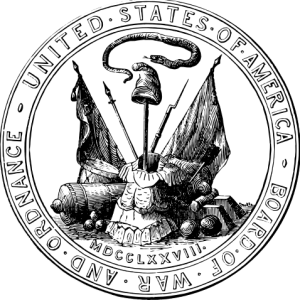
The Continental Congress incorporated the reptile into the seal for the Board of War & Ordnance in 1778. That same year, Georgia issued a $20 bill featuring a rattler accompanied by the motto “Nemo me impune lacesset” (No one will provoke me with impunity). Snakes slithered everywhere.
The American Revolution ended the deportation of English convicts to the United States. Colonial ports ceased accepting convict ships. The Transportation Act was suspended that same year with the introduction of the Criminal Law Act, otherwise known as Hard Labour Act. Australia became the new penal colonial location.
When in 1782 Britain was coming to grips with defeat by the rebels and forced to negotiate a peace treaty in Paris, English cartoonists portrayed the United States as a vengeful and menacing rattlesnake.
While the bald eagle was – against Benjamin Franklin’s wish – ultimately chosen as a national symbol, the rattlesnake continued to be used in various other contexts. To this day, either perverted or not, it remains in certain circles (in 2010, the Tea Party adopted the Gadsden flag as its banner) a symbol of American identity.
PHOTO OF THE DAY
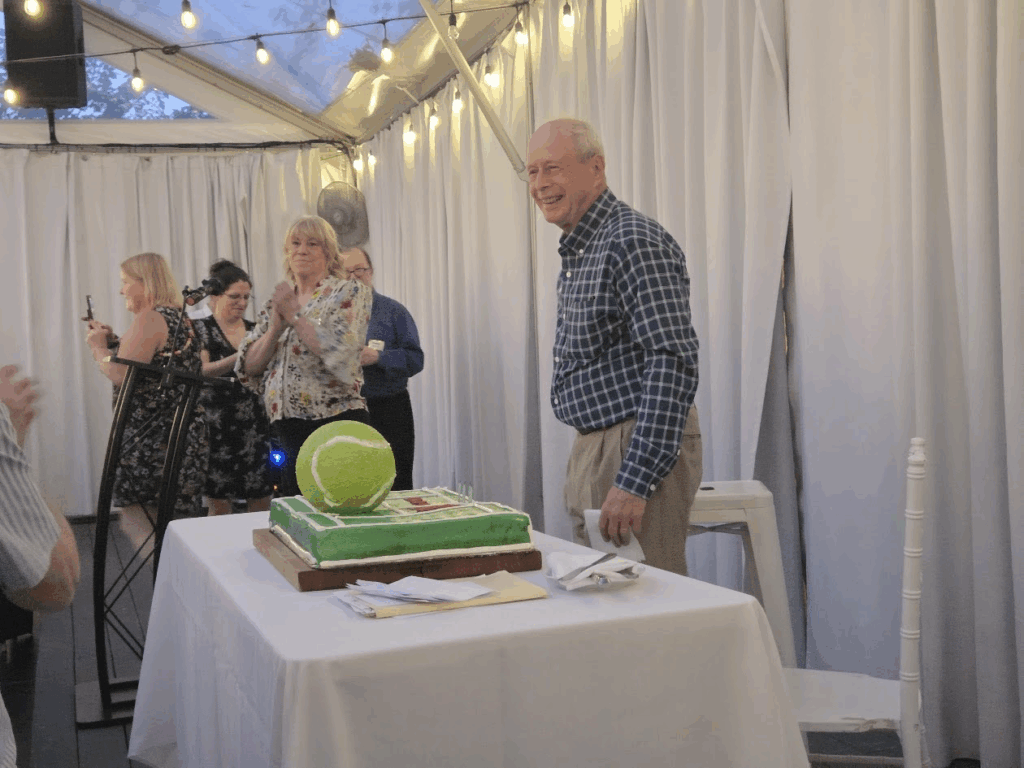
ROOSEVELT ISLAND RACQUET CLUB’S SKIP HARTMAN WAS SALUTED WITH AN 85th BIRTHDAY PARTY AT THE SANCTUARY ON WEDNESDAY.
HAPPY BIRTHDAY SKIP!
CREDIT TO
Illustrations, from above: Detail from “A Fleet of Transports under Convoy,” outside London’s Newgate prison (British Museum); a relatively easy punishment under the bloody code; Illustration from Moll Flanders, from an 18th-century chapbook; “Mother Brownrico Flogging Her Apprentice in the Cellar”; Mark Catesby, watercolor of a timber rattlesnake in The Natural History of Carolina, Florida, and the Bahama Islands, 1731/43 (Plate 41); Franklin’s rattlesnake in The Pennsylvania Gazette of May 9, 1754; The Gadsden flag depicting a coiled timber rattlesnake ready to strike; and the Seal of the Board of War & Ordnance, adopted by the Continental Congress in 1778.
New York Almanack
All image are copyrighted (c) Roosevelt Island Historical Society unless otherwise indicated THIS PUBLICATION FUNDED BY DISCRETIONARY FUNDS FROM CITY COUNCIL MEMBER JULIE MENIN & ROOSEVELT ISLAND OPERATING CORPORATION PUBLIC PURPOSE FUNDS.
Explore the artists who make Printemps New York a truly unique space! Whether emerging or established, working in paint or sculpture, permanent or temporary, each of these amazing artisans bring their own distinctly fresh perspective and unique flair to your experience.
Wednesday, July 23, 2025
PRINTEMPS NEW YORK ONE WALL STREET Issue # 1491
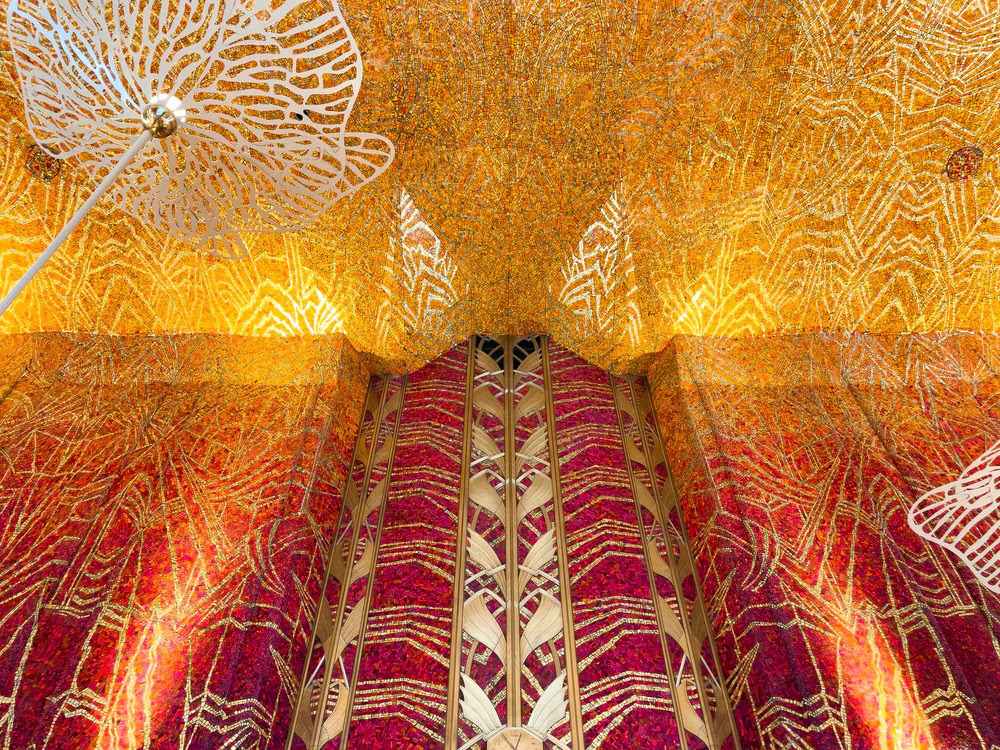
Red Room Mosaic Art, 1931
Designated an official New York City interior landmark in 2024, the Red Room is the pièce de résistance: sculptural walls, soaring 33-foot ceilings, and nearly three million red and gold mosaic tiles. It’s the vision of Hildreth Meière, the trailblazing Art Deco artist whose work also graces Radio City Music Hall and Rockefeller Center. Completed in 1931, originally designed as the banking hall for the Irving Trust Company, and later the Bank of New York, the space still feels bold, glamorous, and full of life …and shoes!
A newly crafted mosaic “river” by Pierre Mesguiche now winds its way from the Red Room’s entrance to the adjacent Red Room Bar. A celebrated mosaicist, and Printemps Paris collaborator, Mesguiche’s latest work creates a playful dialogue between Paris and New York and between the past and the future.
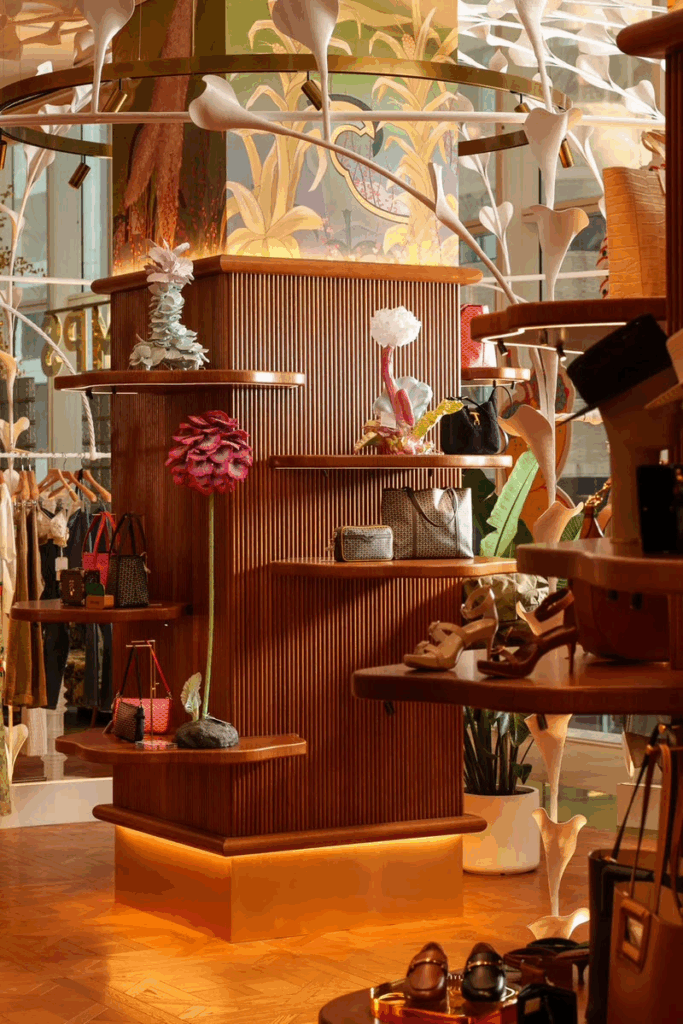
Riviera Botanica, 2025
South Korean artist Maria (Taehyoung) Jeon, brings a breezy charm to our store windows with Riviera Botanica, a layered digital work inspired by the carefree elegance of summer in the French Riviera. Merging vibrant flora with subtle human forms, she evokes a mood of playfulness and ease, bringing summer in botanical form to our windows.
Raised between New Zealand and the UK and now based in Seoul, Jeon draws on a multicultural perspective and a background in printmaking and animation. Eastern and Western influences blend in each digital brushstroke, bringing depth and harmony to her richly composed works
Fantasy Flower No.6, Frutti di Mare, and Chinese Restaurant No.8 Lamps
In collaboration with Todd Merrill Gallery Curated by Valentina Guidi Ottobri
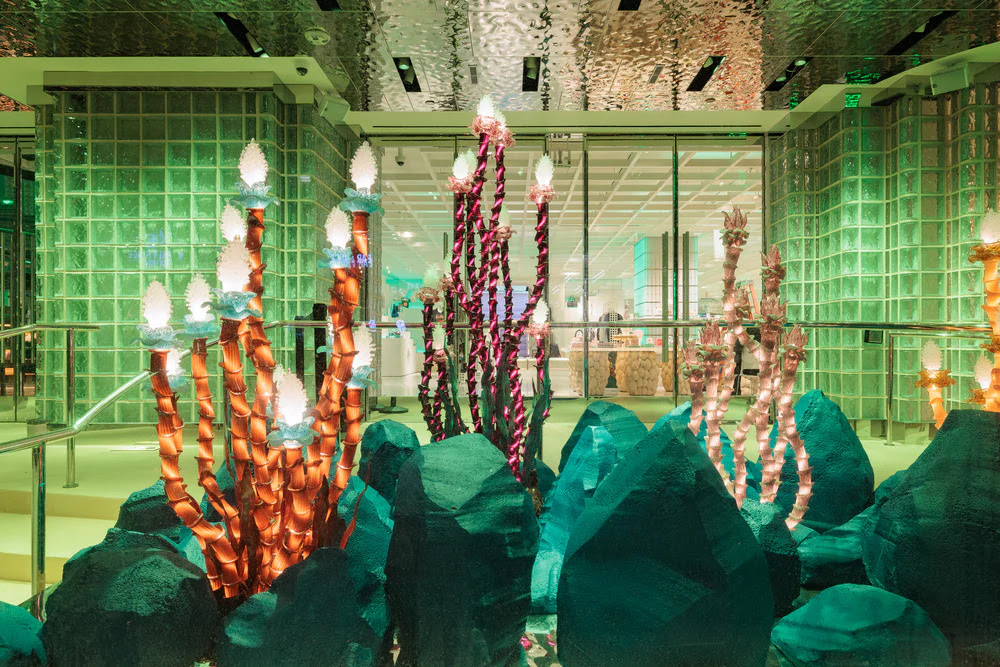
Finnish artist Teemu Salonen brings a touch of the fantastical with his botanical, sculptural lamps that burst with color and movement. Known for blending natural forms with surrealist flair, Salonen’s pieces feel at once organic and otherworldly. Each sculpture invites a closer look, adding moments of surprise and delight throughout the space where blooms that appear caught in mid-movement underscore our endless spring
Currently in the Salon and Red RoomMAARTEN VROLIJK
The Blooming Glass & Ceramic Collection
In collaboration with Todd Merrill Gallery Curated by Valentina Guidi Ottobri
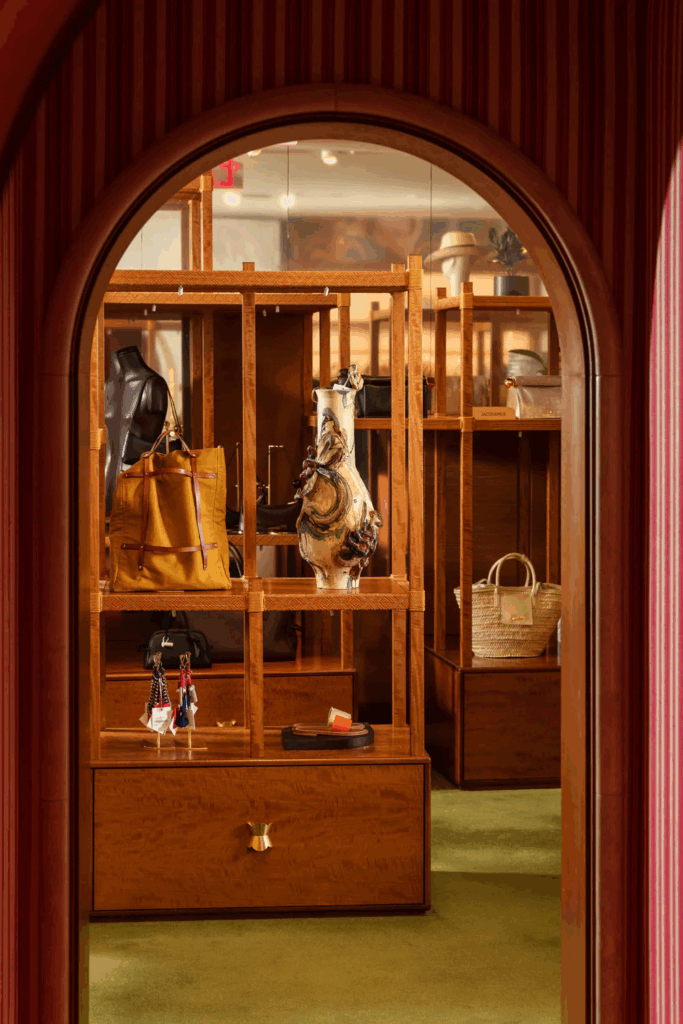
Amsterdam-based artist Maarten Vrolijk brings a sense of softness and joy to the space with his Sakura vases, each a playful, oversized form rendered in soft curves and luminous, layered hues. With a spirit that nods to Romanticism and Art Nouveau, the vases blur the line between function and sculpture. Their fragile transparency, set against the strong lines and saturated palette of the Red Room, creates a beautifully poetic contras
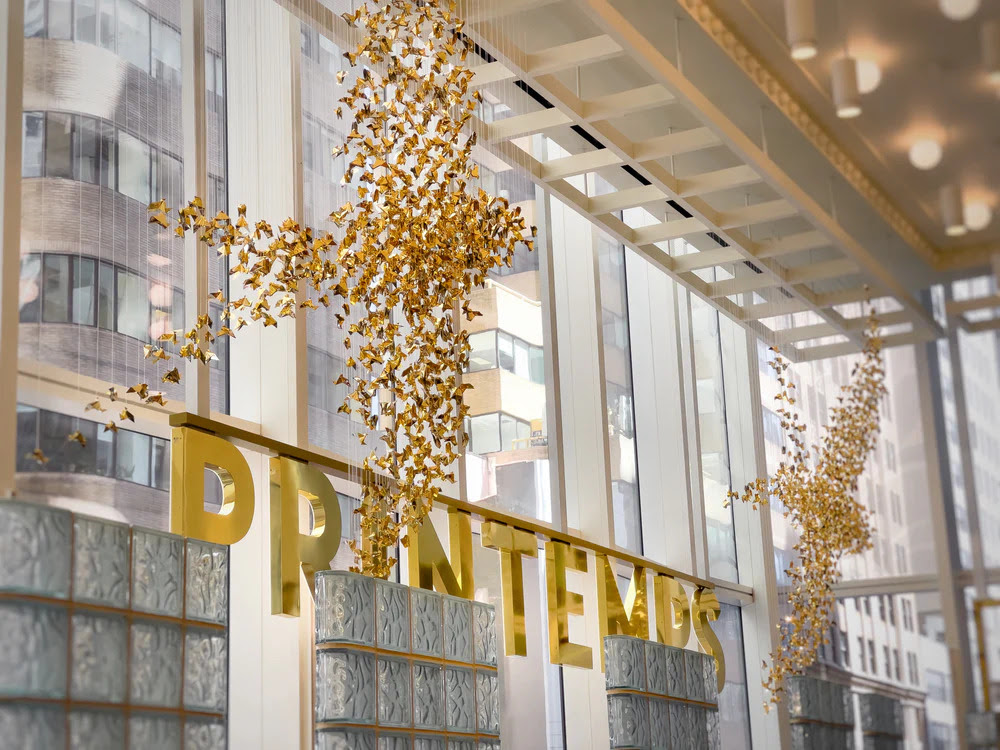
Origami Birds, 2025
Belgian artist Charles Kaisin brings his signature vision to New York with a shimmering flock of golden origami-like birds suspended across our Salon windows overlooking Broadway. Known for sculptural works that explore light, geometry, and organic form, Kaisin previously created a celebrated installation beneath the historic dome at Printemps Haussmann – making his presence at Printemps New York a fitting new bridge between Paris and New York
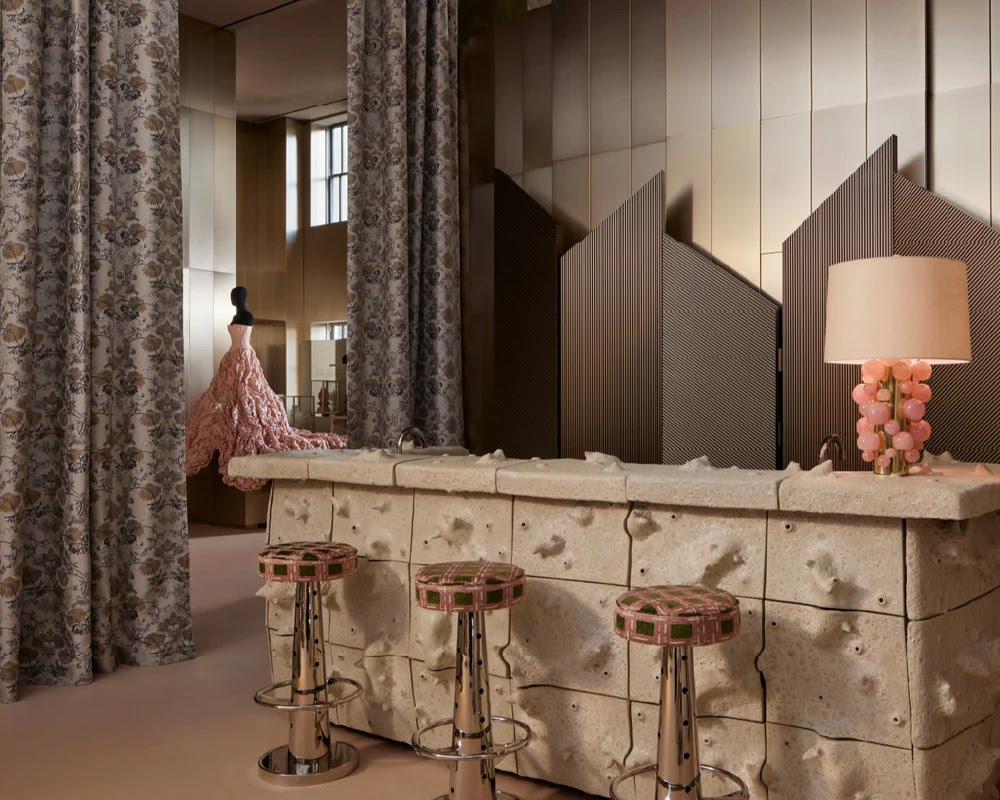
Champagne Bar, 2025
Brooklyn-based artist William Coggin created the Champagne Bar’s ceramic-clad façade, an organic sculptural form that evokes the look and feel of sea coral. Large slabs replete with craggy textures and hand-formed curves create a multi-sensory experience that invites guests to pause, touch, and take it all in. Tucked at the end of our marble Salle de Bain, the Champagne Bar offers an intimate escape – the perfect spot to enjoy a perfectly chilled, small-batch cuvée, surrounded by beauty.
Odyssey of Nature’s Rebirth, 2025
In collaboration with Nilufar Gallery Curated by Valentina Guidi Ottobri
Multi-media artist and fashion designer Christian Pellizzari brings a burst of whimsy and wonder to our Grand Foyer with Odyssey of Nature’s Rebirth, a vibrant, dreamlike garden where Murano glass flowers and intricate 3D prints bloom in full color. Having grown up near Venice, Pellizzari often draws on the centuries-old traditions of Murano glassmaking, blending them with contemporary techniques to create works that feel both timeless and new. Lining the entry with dazzling flowers, he welcomes every guest into a world of beauty, imagination, and renewal. Artwork is available for purchase.
Stained glass panels and windows, 2025
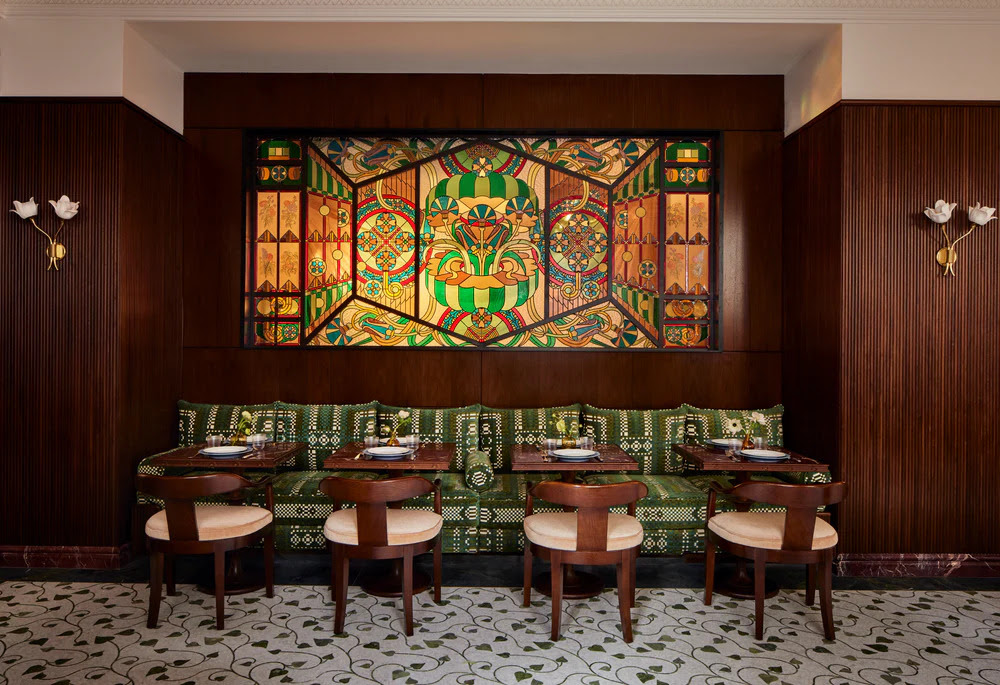
Pierre Marie, the renowned French glass artist, brings his exceptional mastery to Printemps New York with a series of hand-crafted, stained-glass windows and panels featured in both the Red Room Bar and Maison Passerelle. Bold, botanical, and with a nod to the Baroque, these pieces capture the interplay of light and color, drawing inspiration from the intricate patterns and grandeur of the iconic Printemps Paris dome. Each piece blends contemporary techniques with timeless design, making these works of art a stunning tribute to Parisian craftsmanship and the art of glassmaking – a first for Pierre Marie in the U.S.
All image are copyrighted (c) Roosevelt Island Historical Society unless otherwise indicated THIS PUBLICATION FUNDED BY DISCRETIONARY FUNDS FROM CITY COUNCIL MEMBER JULIE MENIN & ROOSEVELT ISLAND OPERATING CORPORATION PUBLIC PURPOSE FUNDS.
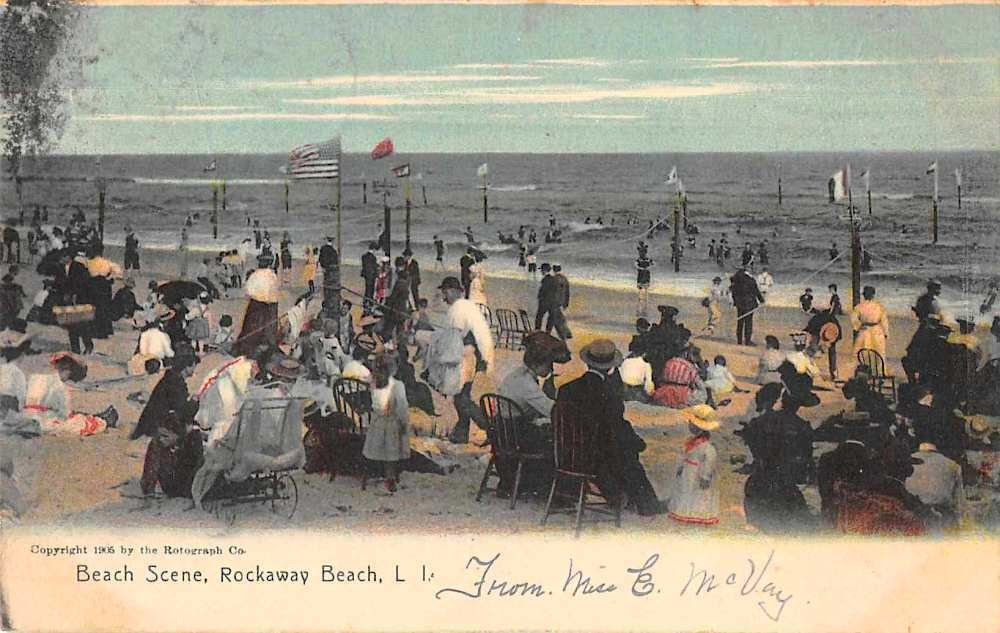
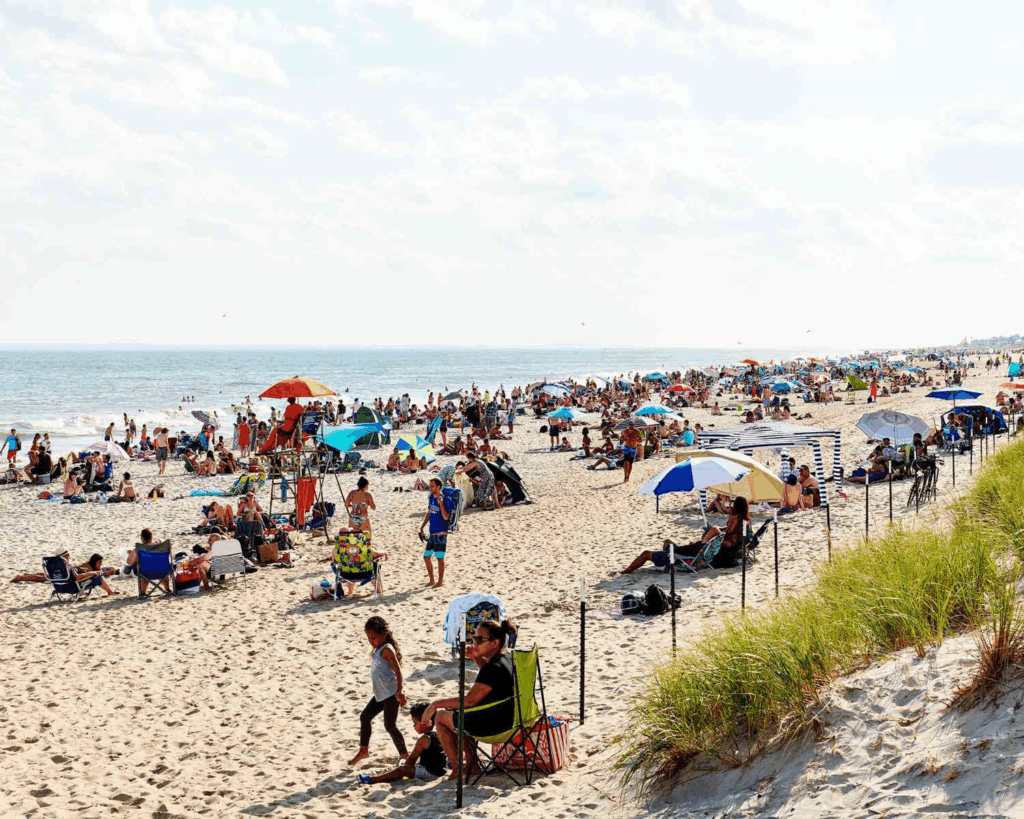
Wondering why the beachgoers in this Rockaway Beach postcard don’t look like they’re having much fun—with their heavy hats, head-to-toe bathing outfits, and stiff posture as they sit in wood chairs or stand near the water?
It might have something to do with some new beach rules instituted a few years earlier.
According to a 2017 article in the longtime Rockaway news site The Wave, an NYPD Captain named Louis Kreuscher was concerned that a surge in visitors to this popular summer destination in the early years of the 20th century might have a negative effect on morals and manners.
So he composed a list of etiquette violations, which The Wave published in an August 1904 edition. The rules included the following:
“No person or persons shall be allowed to sit on the sand under the boardwalk after dark; As the beach is a public place, kissing is strictly forbidden; No hand-holding allowed; Hugging is strictly forbidden and the beach is for the use of bathers and is not to be used as a trysting place…”
A Wikipedia page on the history of Rockaway Beach also referenced Kreuscher’s rules, adding that they allowed for the “censoring the bathing suits to be worn, where photographs could be taken, and specifying that women in bathing suits were not allowed to leave the beachfront.”
Not using the beach as a “trysting place” seems reasonable. But no hugging, handholding, or heading to the boardwalk in a bathing suit? At some point in the 20th century, these rules were ignored, the
All image are copyrighted (c) Roosevelt Island Historical Society unless otherwise indicated THIS PUBLICATION FUNDED BY DISCRETIONARY FUNDS FROM CITY COUNCIL MEMBER JULIE MENIN & ROOSEVELT ISLAND OPERATING CORPORATION PUBLIC PURPOSE FUNDS.
Stitching Meaning: Reflecting on the Themes of Real Clothes, Real Lives
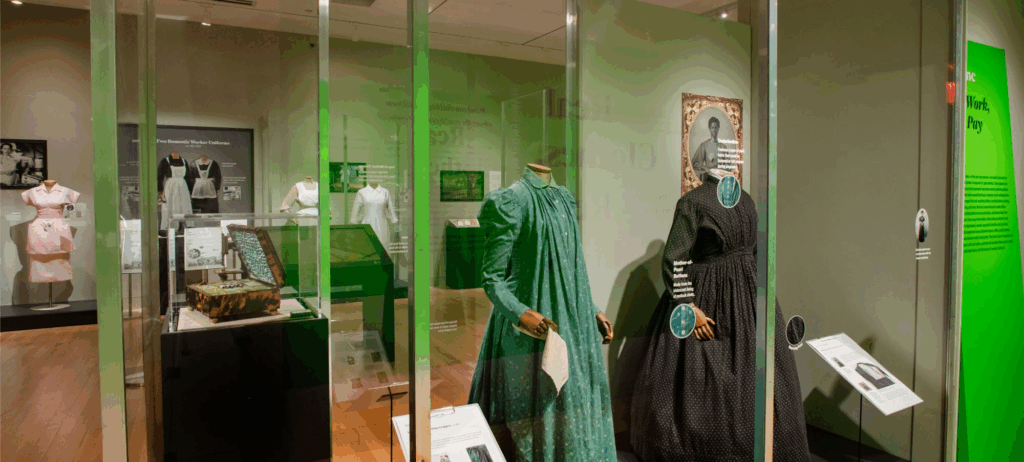
We recently said goodbye to Real Clothes, Real Lives: Two Hundred Years of What Women Wore, an exhibition of historic clothing from the Smith College Collection, on display from September 2024 to June 2025 in our Joyce B. Cowin Women’s History Gallery. The closing of this popular exhibition gives us the opportunity to reflect on some of the larger themes that it explored—in this case, the centrality of sewing to 19th-century American women’s lives, and the difference that race, class, and legal status made in the ways that women experienced this ubiquitous work.
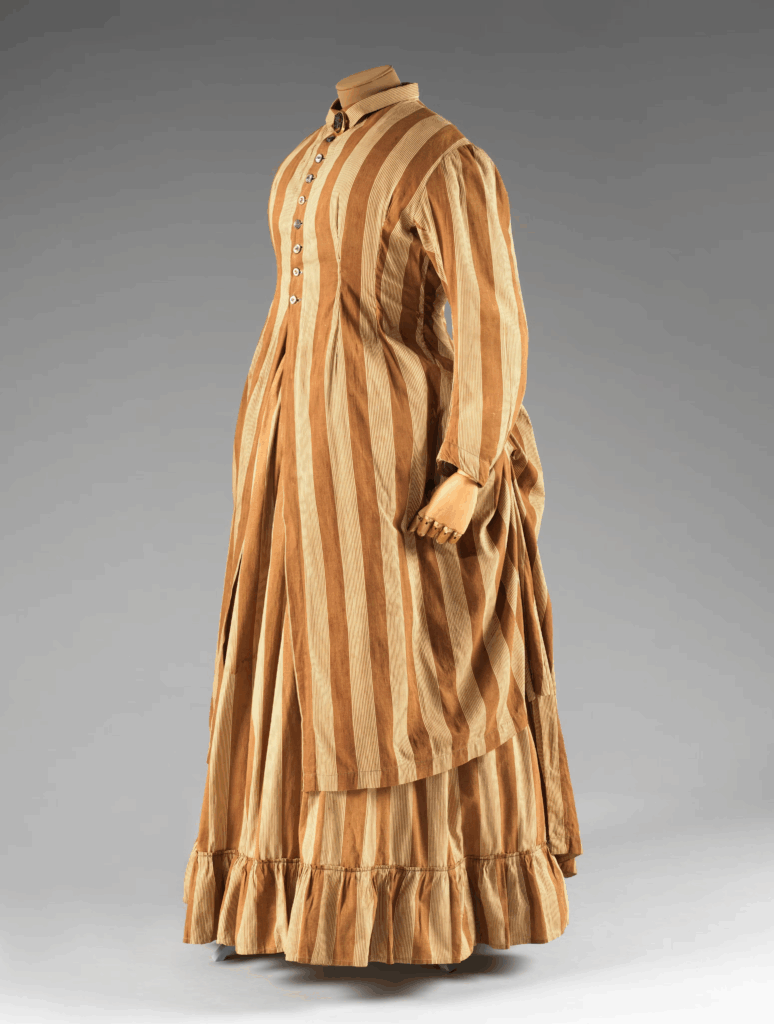
Anna-Marie Kellen, photographer. Homemade bustle-style day dress, 1875–80. Printed cotton. The Smith College Historic Clothing Collection, SCHCC 2012.4.38ab
Women’s sewing encompassed a vast and varied culture in the early to mid-19th-century United States. While every woman was expected to sew, the function of women’s sewing could vary enormously. Some women worked hard piecing together plain clothes, while others spent their leisure time stitching ornamental and fancy embroidery. Sometimes highly skilled women were paid for their sewing work. Most often, however, they were not.
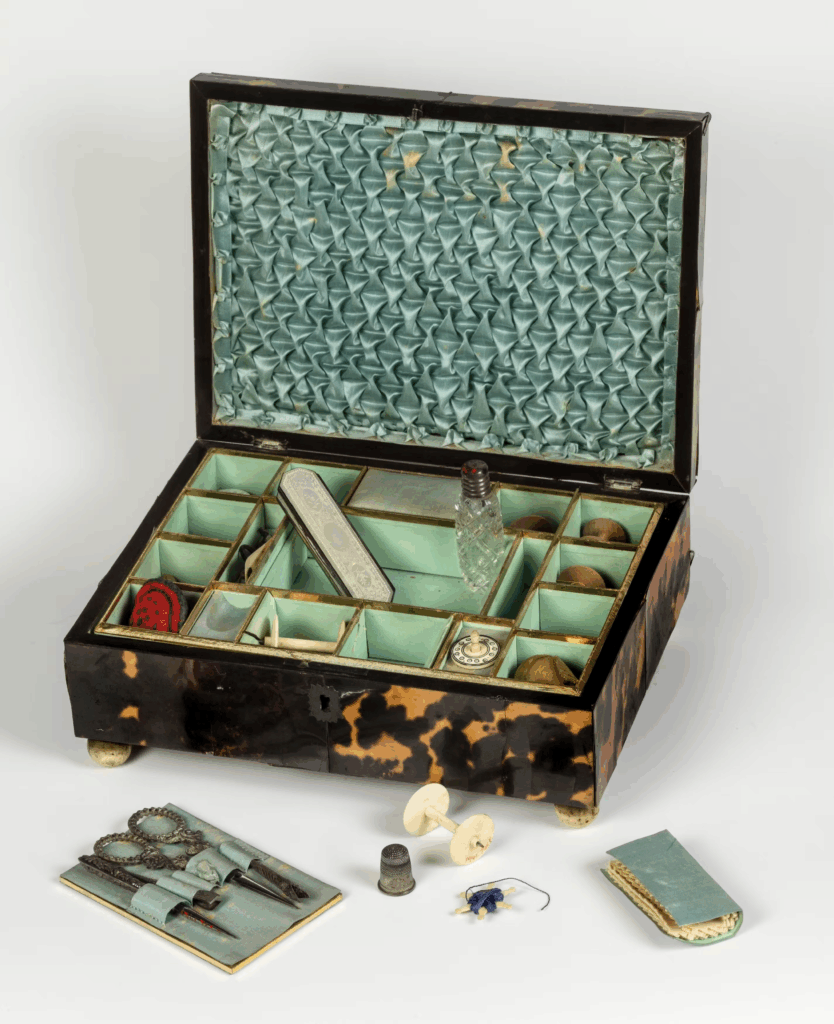
Sewing box owned by Mary Elizabeth Babcock Morris (1808–1851), ca. 1830–40. Wood, tortoise shell, metal, cardboard, paper, textile, ivory, wax, gilding. The New York Historical, Gift of John B. Morris Jr., 1941.746a-cc
Prior to emancipation, many enslaved women were forced to sew for the women and families that enslaved them, for their fellow enslaved men, women, and children, and for their own families. Enslavers invested in, valued, and often advertised the sewing and seamstress skills possessed by the women they enslaved. For example, Ellen Thomas was taught the work of “fine sewing” while enslaved by Cornelia Kimball. Thomas commanded some of the most challenging sewing techniques, including how to add tucks and “back-stitch them in the front of men’s shirts.” This labor—the work of sewing—was integral to the foundation of American slavery, writes historian Alexandra J. Finley. Enslaved women “performed the day-to-day labor necessary to the functioning of the slave trade,” Finley argues, for it was “the ‘product’ of women’s labor–clean, healthy, and well-dressed bodies,” that “were put up for sale in horrifying ways.”
Hannah Jones, the granddaughter of an enslaved woman, recalled that her grandmother’s enslaver had forced her grandmother to sew 12 shirts just three days after she had given birth, demonstrating that free and enslaved women had vastly different relationships to sewing and to motherhood. Historian V. Lynn Kennedy notes that experiences like that of Hannah Jones’s grandmother reveal that “racial differences seemed to trump similarities in physical experiences” between women, “reaffirming rather than challenging social boundaries.”
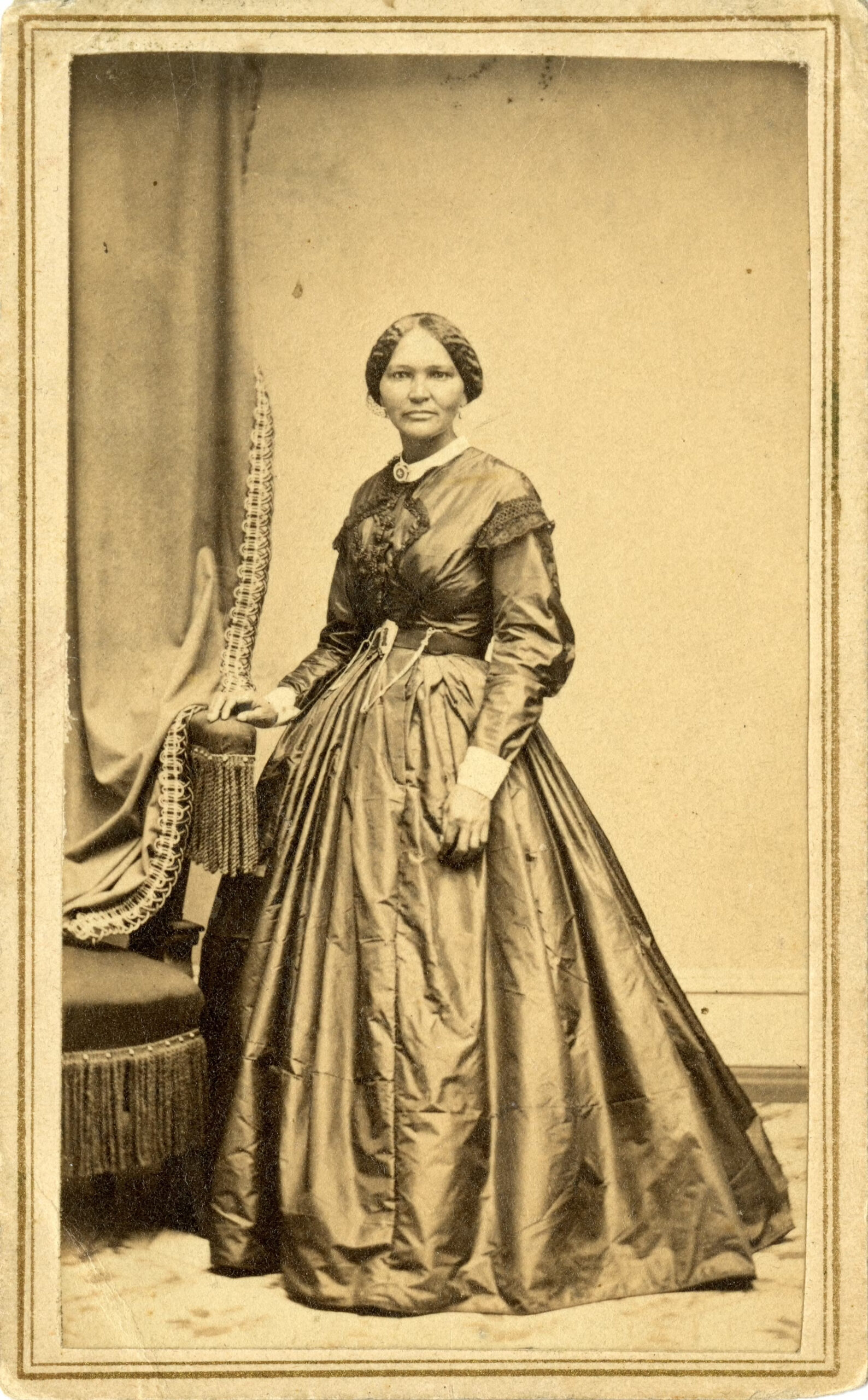
Some enslaved African American women became highly skilled and sought-after seamstresses, such as the famous Elizabeth Keckley—who started working as a seamstress for the wealthy white families of St. Louis to spare her mother from being “rented out.” Still enslaved by Ann Garland (her half-sister), Elizabeth Keckley was at first prevented from keeping her earnings. But with determination and donations from some satisfied customers, she was able to buy her and her son’s freedom in 1855. She went on to become one of the most successful seamstresses in Washington, D.C. (and likely the nation), making dresses for both Mary Todd Lincoln and Varina Davis (whose husband, Jefferson Davis, was president of the Confederacy during the Civil War).
Unidentified photographer. Elizabeth Keckley (1818–1907), 1861. Moorland-Spingarn Research Center, Howard University
Due to sewing’s ubiquitous and tedious nature, free women often socialized and even organized around the task, especially before the introduction of the sewing machine in the mid-century. Delia Locke, a recent migrant to California, and her husband had 13 children, which meant a lot of sewing. But it did not stop Delia from attempting to “improve” society around her through the introduction of a sewing circle. In 1857, she hosted “the ladies of the neighborhood” to organize the Mokelumne River Ladies’ Sewing Circle. Delia, who had written up a Constitution and Bylaws ahead of the meeting, was appointed chairman, and later Treasurer.
Sometimes these sewing circles plied their needles for benevolent causes, selling the articles they stitched to raise money for “charitable purposes.” These religious sewing societies offered opportunities to women who sought socially approved access to more intellectual, or even political, pursuits.
Unidentified photographer. Elizabeth Keckley (1818–1907), 1861. Moorland-Spingarn Research Center, Howard University
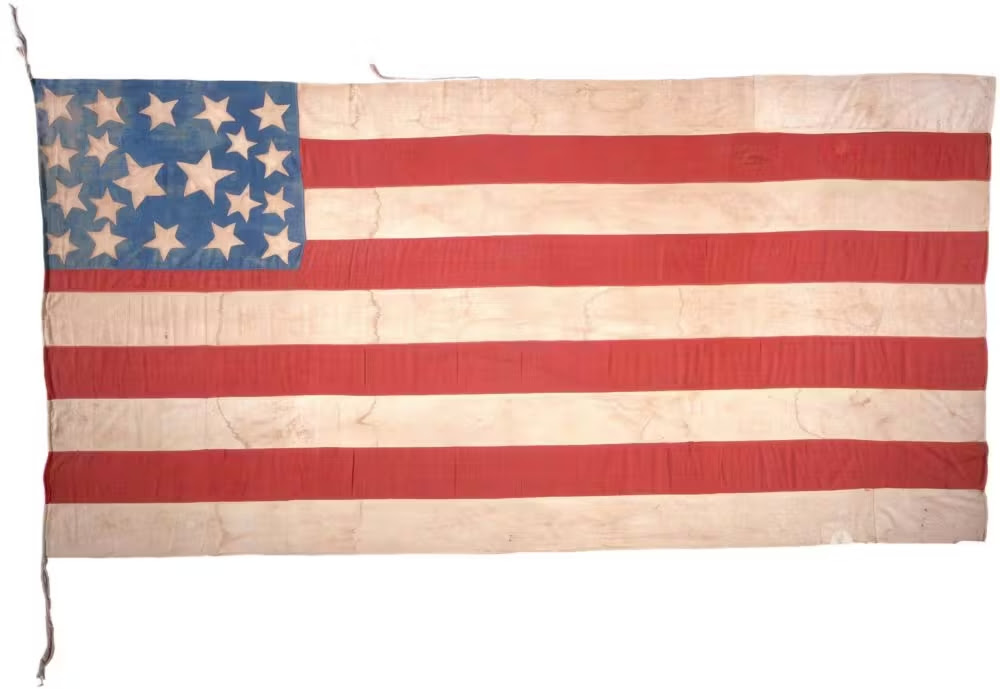
This abolitionist flag was created in Andover, Ohio, an abolitionist center. The flag has only 20 stars and nine stripes because the creator left out every state and original colony that continued to uphold the practice of slavery.
For example, antislavery and abolitionist women activists famously organized around sewing. The women in these groups sewed goods for sale at antislavery fairs, educated themselves by reading antislavery literature and tracts aloud as they sewed, and sometimes stitched garments for people attempting to self-emancipate. Anna Murray Douglass, wife of Frederick Douglass, appears to have contributed to the Lynn Anti-Slavery Sewing Circle. Frederick Douglass urged them on, saying, “I can only say, work on; your cause is good; work on; duty is yours—consequences are the Almighty’s.” During the Civil War, women made and donated objects to Sanitary Fairs across the nation, raising hundreds of thousands of dollars for the US Sanitary Commission, which was tasked with providing hospitals, nurses, and medical supplies to wounded soldiers.
Towards the end of the 19th century, as more and more women acquired sewing machines and could quickly and conveniently complete their sewing at home, women’s relationship to sewing changed again. By the turn of the 20th century, many working-class households had machines, and the social, benevolent, and organizational elements of handsewing fell by the wayside. Nonetheless, women continued to find ways to center clothing and fashion in their everyday lives and in their organizing and activism.
Stay tuned for the next exhibition to be installed in the Joyce B. Cowin Women’s History Gallery: The New York Sari, opening this fall!
PHOTOS OF THE DAY
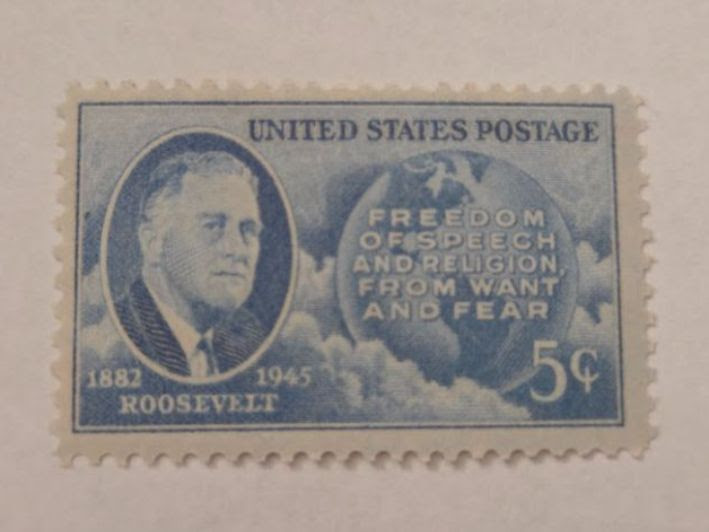
POSTAGE STAMP WITH FDR AND THE FOUR FREEDOMS
CREDIT TO
New – York Historical Society Written by Hope McCaffrey, Andrew W. Mellon Predoctoral Fellow in Women’s History
All image are copyrighted (c) Roosevelt Island Historical Society unless otherwise indicated THIS PUBLICATION FUNDED BY DISCRETIONARY FUNDS FROM CITY COUNCIL MEMBER JULIE MENIN & ROOSEVELT ISLAND OPERATING CORPORATION PUBLIC PURPOSE FUNDS.
New York City is an archipelago of islands. Of the five Boroughs, only the Bronx is connected by land to the continental United States. When temperatures rise many New Yorkers naturally gravitate to the 520 miles of shoreline along the rivers, bays and ocean that surround the city. Or would, if they could.
In recent years, sections of the waterfront have been reclaimed for housing and recreation; Brooklyn Bridge Park and Hudson River Park are two notable examples. But from the days of the first Dutch colonial settlement in the 1600s, until the 1960s, most of the waterfront had been virtually inaccessible except to those involved in the commercial maritime activities that had been the basis of the city’s economy. And if not consumed by docks, piers, factories and other structures, transportation arteries – railways, parkways, and highways – girded many more miles of the waterfront, further impeding access.
The Municipal Archives collections includes extensive documentation of the City’s investment in its waterfront. The records date from the earliest years of the Department of Docks (1870– 1897); Docks and Ferries (1898 -1918); Department of Docks (1919-1942); Marine and Aviation (1942-1977); Ports and Terminals (1978-1985), through its final iteration, the Department of Ports and Trade (1986-1991). These series offer hundreds of cubic feet of maps, surveys, official correspondence and photographs.
Here are some of the more evocative images of New York’s working waterfront in its glory days.
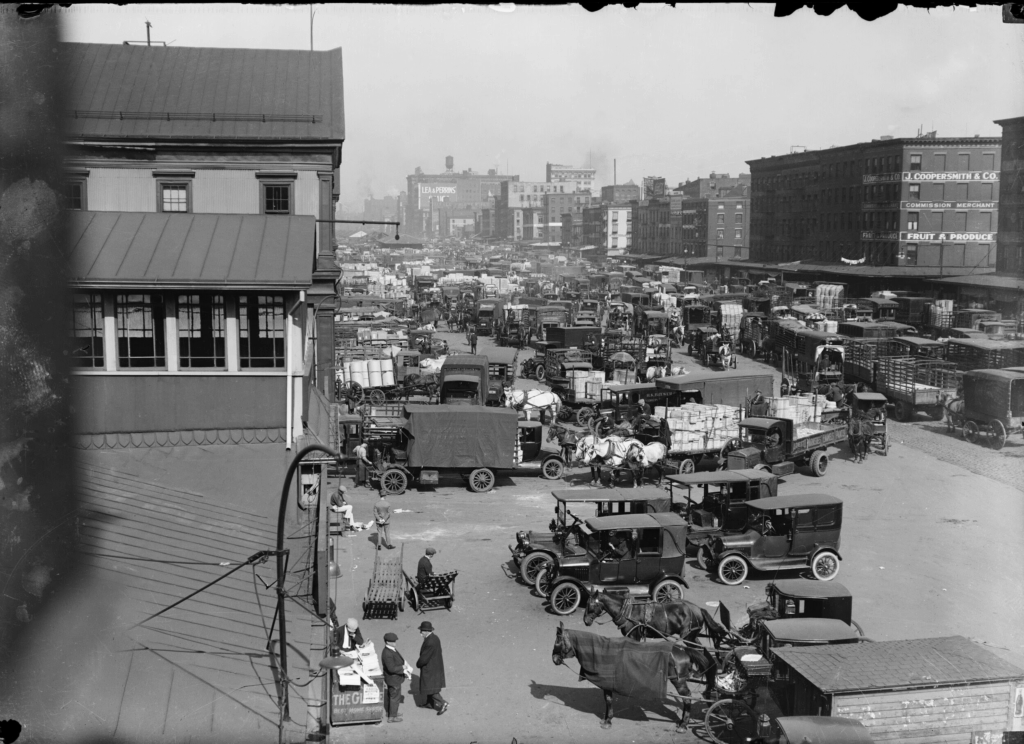
The Department of Docks photograph collection includes numerous large-format glass-plate negatives that depict the intense commercial activity along both the East and North (Hudson) River waterfronts. West Street, ca. 1922. Department of Docks Collection. NYC Municipal Archives.
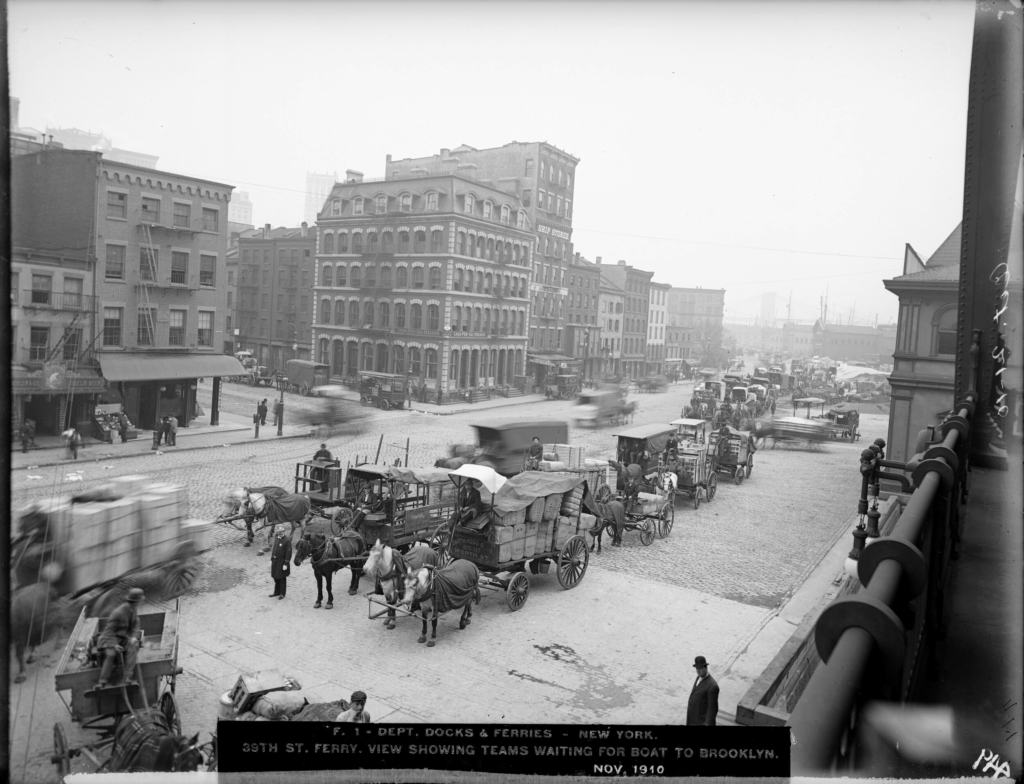
Teams waiting at East 35th Street for the ferry to Brooklyn, November 1910. Department of Docks Collection. NYC Municipal Archives.
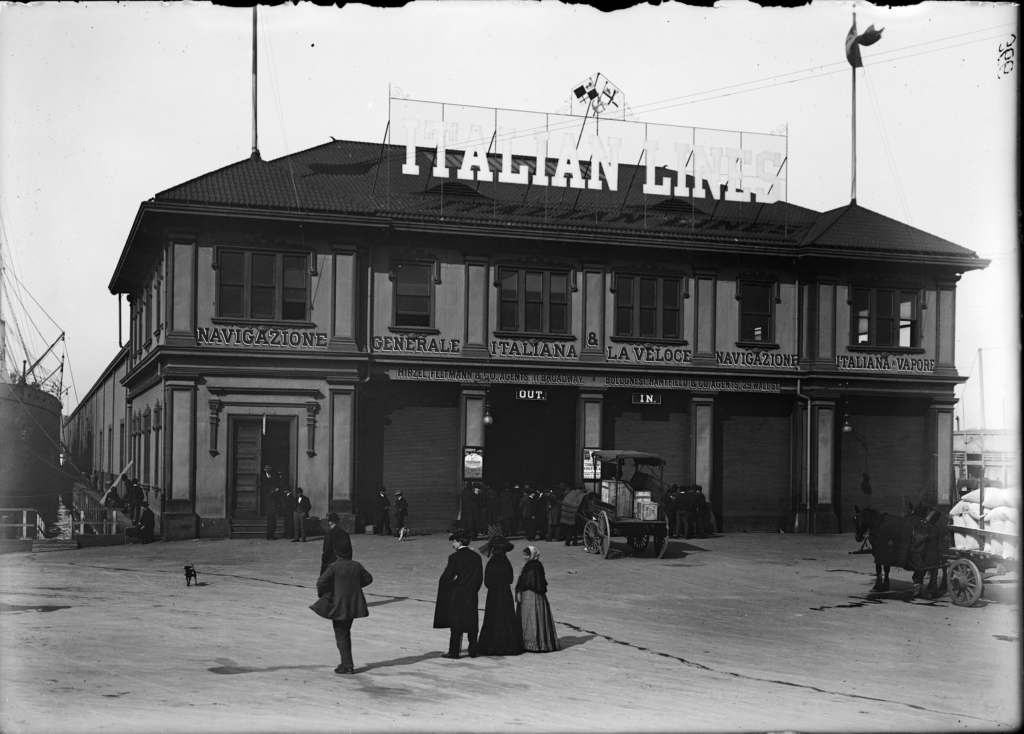
Dozens of steamship lines brought hundreds of thousands of immigrants to the United States via New York City. Italian Line, West 34th Street, 1903. Department of Docks Collection. NYC Municipal Archives
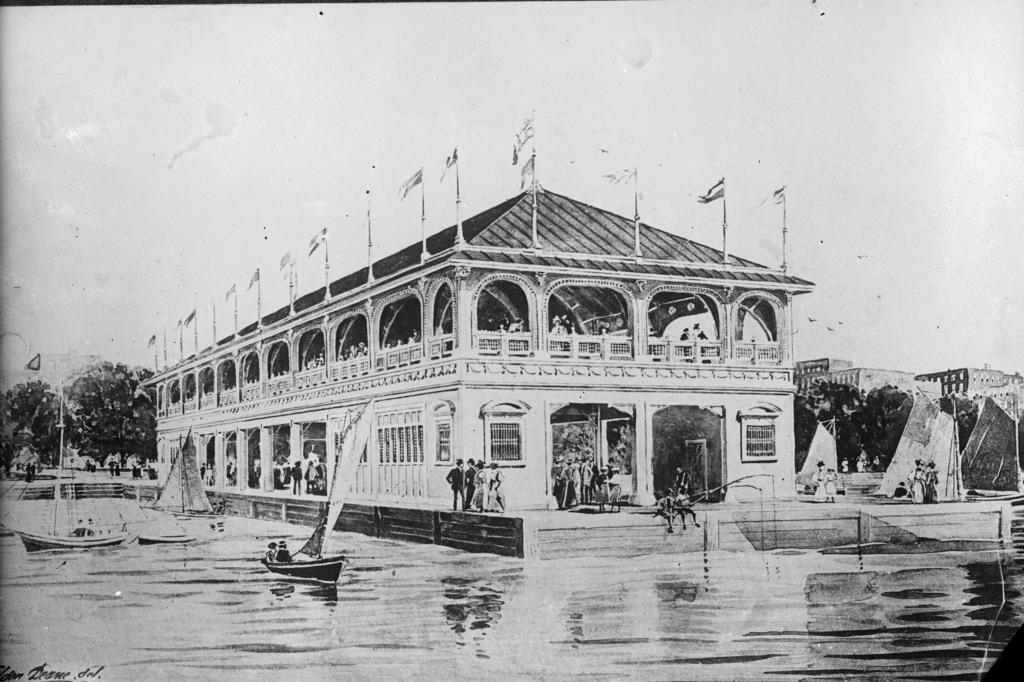
Not every inch of the waterfront was devoted to commercial activities. In 1897, the Department of Docks built the first Recreation Pier at Corlear’s Hook in Manhattan; others were added on the East River at 112th Street, and the Hudson River at Christopher Street and 50th Street. Designed in the French Renaissance style they featured seating for 500 on the second floor and typically offered musical entertainments and food concessions. Recreation Pier Rendering, undated. Department of Docks Collection. NYC Municipal Archives.
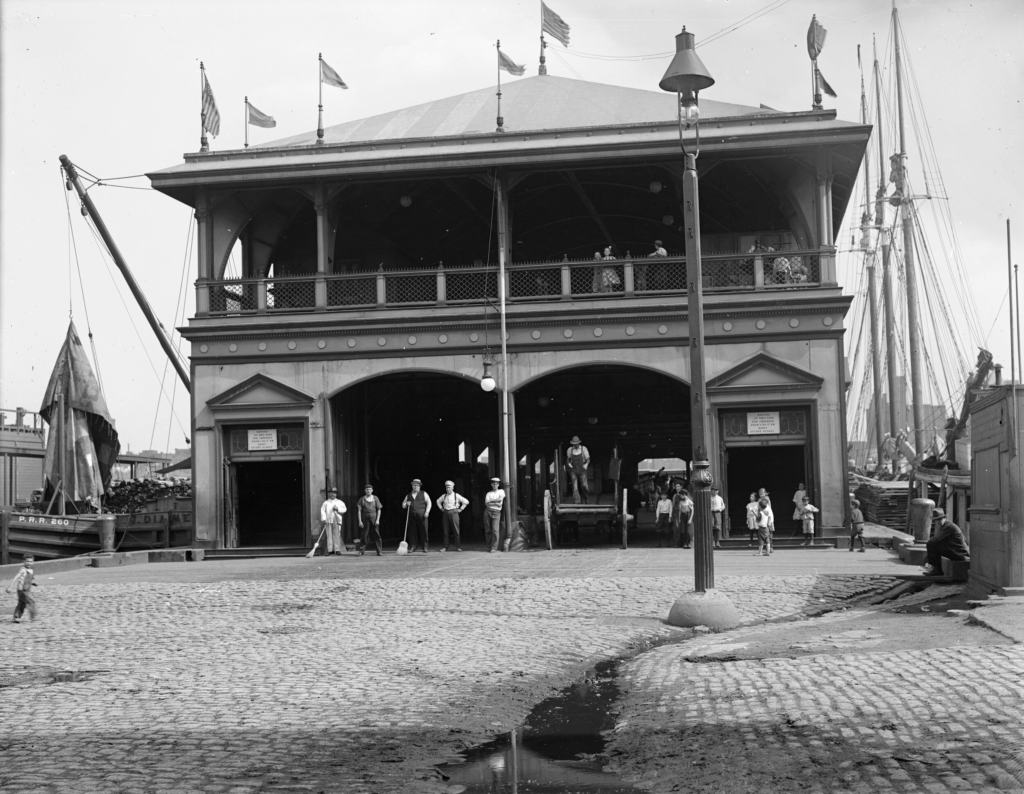
Recreation Pier. The sign over the entry doors reads: “Dancing on this Pier for Children from 3 to 5 p.m. Daily Except Sunday.” Recreation Pier, undated. Department of Docks Collection. NYC Municipal Archives.
The City began building the East River Drive in 1929 and the West Side Highway in 1931. By the time master builder Robert Moses finished construction in the 1950s, multi-lane arterial highways would line the waterfronts of four of the five Boroughs. Elevated Public Highway, looking south from Duane Street, June 23, 1937. Borough President Manhattan Collection. NYC Municipal Archives.
Completed in 1910, the Chelsea Piers along the Hudson River between Little West 12th Street and West 23rd Street were built to accommodate the new Titanic-class of ocean liners coming from Europe. Warren & Wetmore, architects of Grand Central Terminal, designed the pier sheds. Pier 56, Chelsea Piers Elevation, Department of Ports and Trade Collection. NYC Municipal Archives.
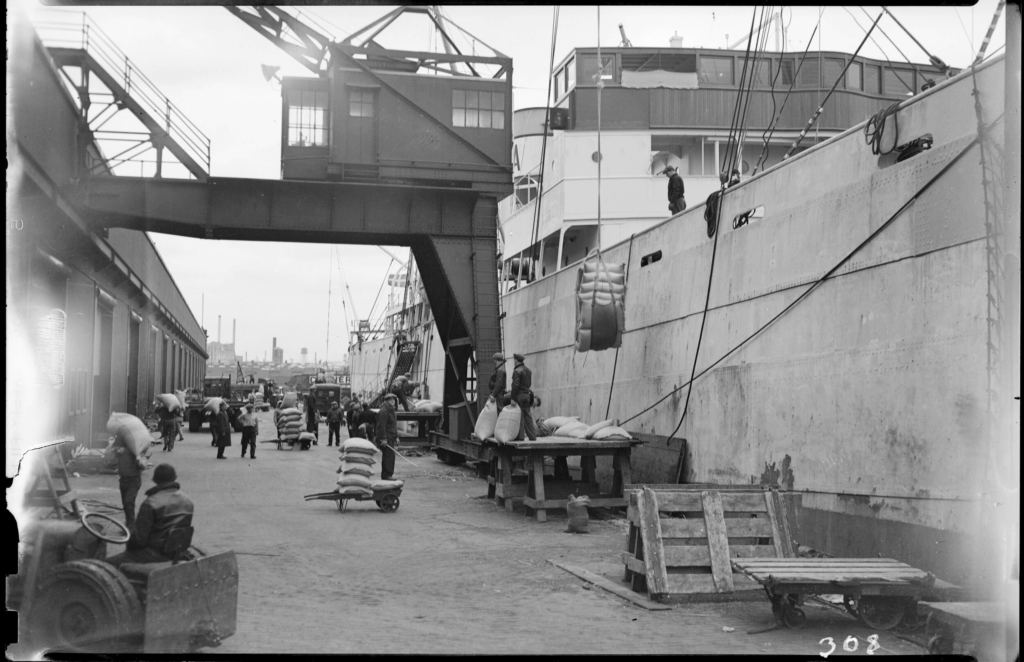
In the 1930s, W.P.A. Federal Writers’ Project staff photographed dockworkers loading and unloading cargo on piers throughout the city. By the 1960s, containerization would eliminate thousands of these jobs. Unloading coffee from Brazil at the Gowanus Bay Pier, Brooklyn, ca. 1937. WPA-Federal Writers’ Project Collection. NYC Municipal Archives.
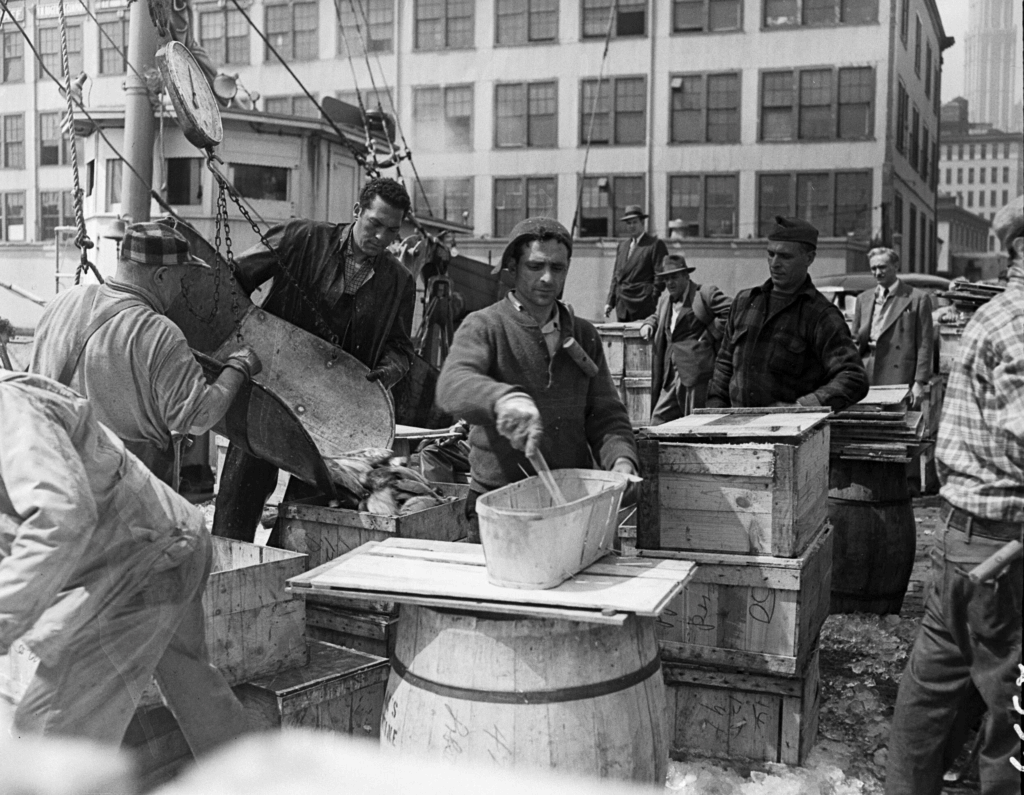
The fishing industry persevered in lower Manhattan until 2005 when it relocated to the Hunts Point Market in The Bronx. Fulton Fish Market, April 14, 1952. Department of Marine and Aviation Collection. NYC Municipal Archives.
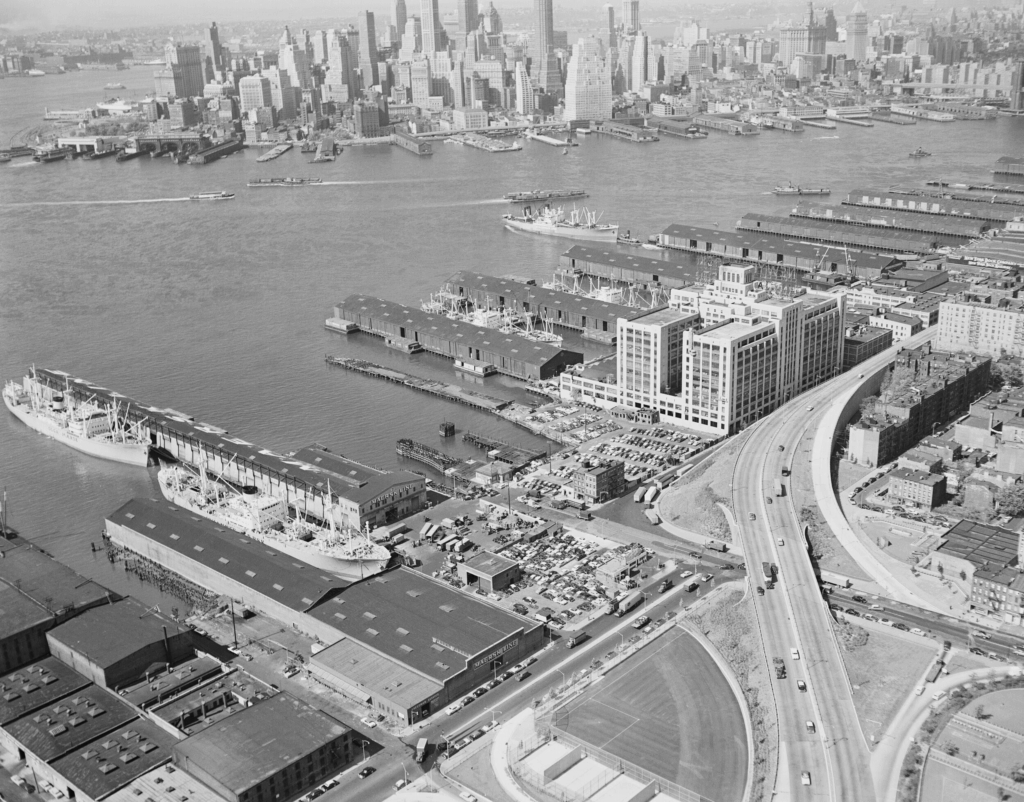
By the mid-20th century, New York was one of the worlds’ greatest port cities. At its peak this vast infrastructure extended well beyond lower Manhattan and included miles of Brooklyn’s waterfront. Aerial view of the Brooklyn waterfront near Atlantic Avenue, September 19, 1956. Department of Marine and Aviation Collection. NYC Municipal Archives.
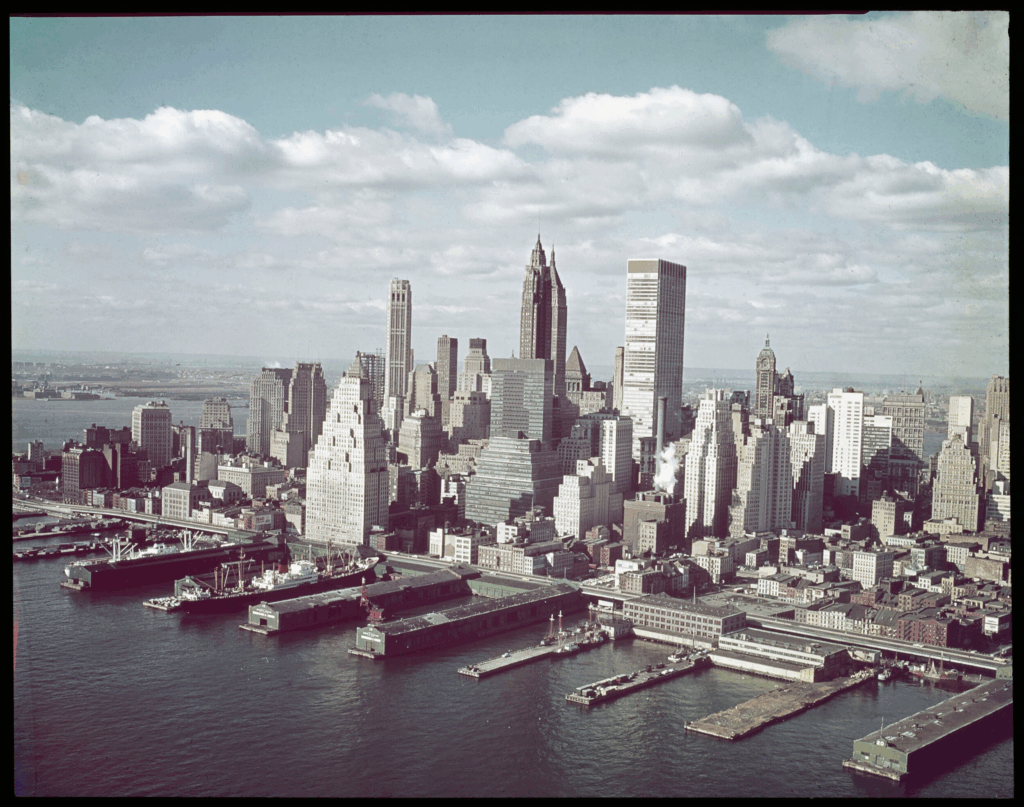
The Department of Marine and Aviation collection includes large format color transparencies. Aerial view, East River, Manhattan, November 5, 1953. Department of Marine and Aviation Collection. NYC Municipal Archives.
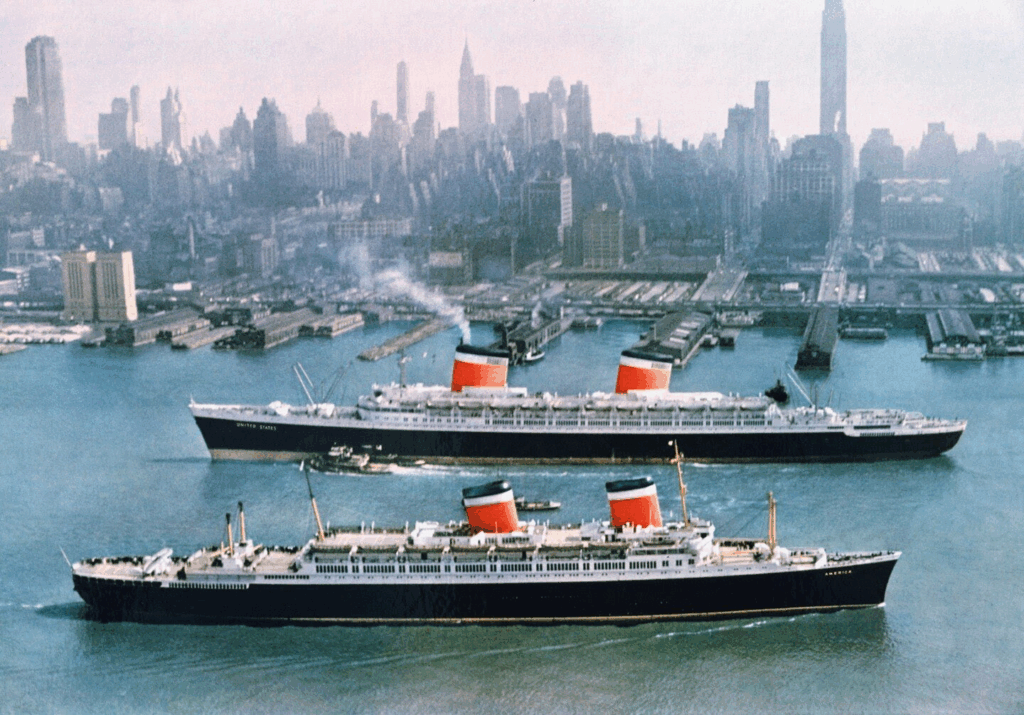
Until the advent of jet air service in the 1960s, luxury ocean liners dominated the trans-Atlantic market. The S.S. United States and the S.S. America, New York harbor, April 7, 1963. Department of Marine and Aviation Collection. NYC Municipal Archives.
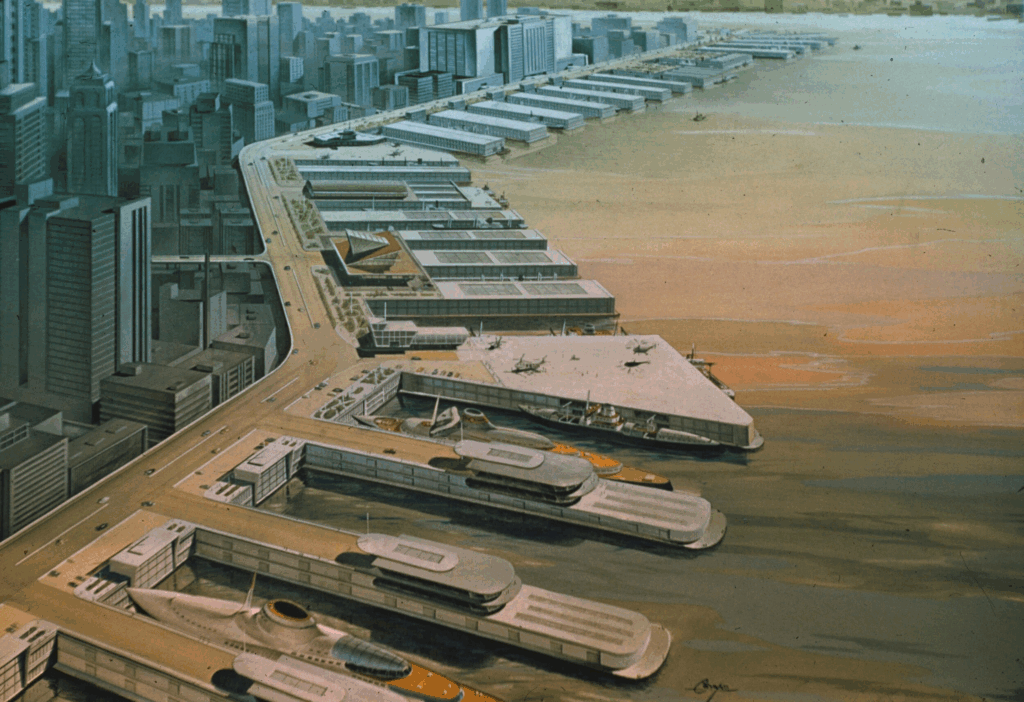
In the 1960s the commercial cargo industry defected to the Port of Newark in New Jersey which had space to accommodate the mechanized equipment needed to load and unload the containerized shipments. Many of the City’s plans to improve its waterfront infrastructure during that time period went no further than the drawing board. East River, Manhattan, Pier Improvements, Rendering. Department of Marine and Aviation Collection. NYC Municipal Archives.
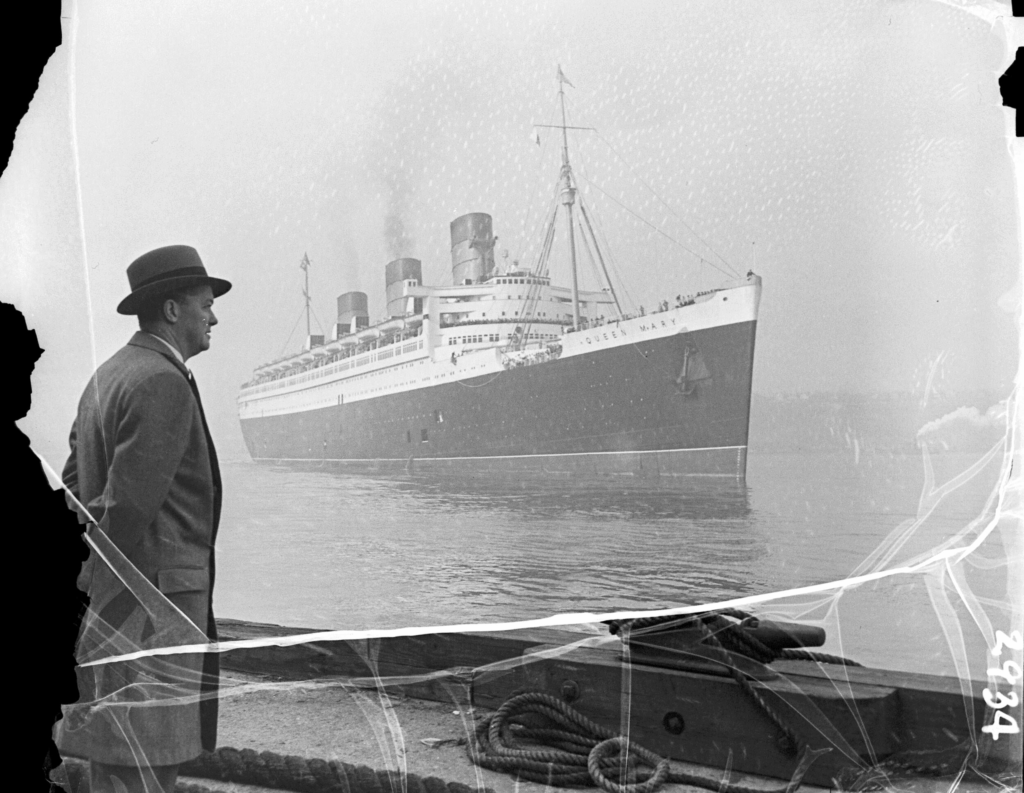
Perhaps Department of Marine and Aviation Commissioner Edward F. Cavanagh was mourning the end of an era as he watched the arrival of the Queen Mary in New York harbor on February 6, 1953. (Negative damaged.) Department of Marine and Aviation Collection. NYC Municipal Archives.
PHOTOS OF THE DAY THURSDAY
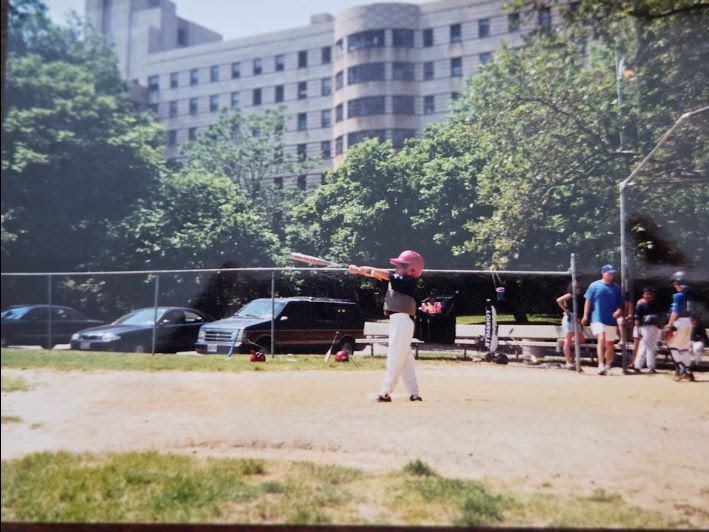
Little League game in front of Central Nurses Residence 1978 (?)
CREDIT TO
New York Municipal Archives JUDITH BERDY
All image are copyrighted (c) Roosevelt Island Historical Society unless otherwise indicated THIS PUBLICATION FUNDED BY DISCRETIONARY FUNDS FROM CITY COUNCIL MEMBER JULIE MENIN & ROOSEVELT ISLAND OPERATING CORPORATION PUBLIC PURPOSE FUNDS.