
Thursday, October 10, 2024 – SOME TURKEY EDUCATION


ALL ABOUT
NEW YORK TURKEYS
EPHEMERAL NEW YORK
THURSDAY, OCTOBER 11, 2024
ISSUE #1325
New York Turkey Numbers Higher, Still Below Historic Levels
October 9, 2024 by Editorial Staff
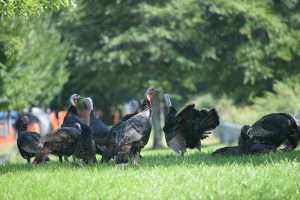
Eastern wild turkeys (Meleagris gallopavo) are native to New York State and are believed to have been in North America before humans inhabited the continent, though their history within New York is checkered.
Wild turkeys occupied New York State when it was first colonized by Europeans. However, they lost much of their habitat when local forests were cleared by settlers for timber and to create farmland. Between habitat loss and unregulated hunting, most of the wild turkeys in New York were exterminated by the mid-1840s.
It wasn’t until around 1948 that they began to return, crossing into Western New York from Northern Pennsylvania. With the help of a 1959 program instituted by the State Conservation Department that involved reintroducing turkeys to areas throughout New York, numbers of wild turkeys began to grow again in the state.
This past August, community scientists from around the state reported nearly 1,800 observations of hen turkeys and poults to the New York State Department of Environmental Conservation (DEC). Productivity (e.g., the number of poults per hen) this past summer was the highest DEC has documented since 2013 and the 3rd highest since the survey began in 2005.
However, turkey populations in New York State peaked in the late 1990s and early 2000s and over the past decade, turkey productivity has consistently been below average, leading to lower populations.
The larger number of turkeys this year was likely the result of a dry and warm nesting season. The late June rains don’t appear to have negatively impacted turkey (and other ground nesting birds).
Wild turkeys generally live in woods, mountain forests, and wooded swamps, preferring areas with a mixture of woodland and open clearings. They can fly, but typically get around by walking or running. They usually roost at night in tall trees to avoid predators, but create their nesting sites on the ground in small depressions lined with grasses and leaves.
The turkey breeding season begins in early April and continues through early June. During this time, the toms perform courtship displays. They will strut, fluff their feathers, drag their wings, and gobble to attract the attention of hens. A single tom will mate with many hens.
After mating, the hen goes off by herself to nest. Over a period of two weeks, the hen lays 10 to 12 cream-colored eggs which hatch after 28 days of incubation, usually in late May or early June. The hen will then move her young, called “poults,” into grassy areas where they can feed on the abundant supply of insects.
Young poults are preyed upon by domestic dogs, coyotes, raccoons, skunks, and great-horned owls, among other predators. Most poults can fly about two to three weeks after they are born. While unable to fly, they are particularly vulnerable to predators. Around 60%-70% of poults die during their first four weeks after hatching.
Once they are able to fly, they will roost in trees at night to avoid predators. Turkeys generally have a lifespan of three to four years in the wild.
Eastern wild turkeys change their diets based on the season. In spring and summer, they feed on a wide variety of plants and insects. In the fall, they eat acorns, corn, oats, and other seasonal plants and nuts. When winter comes they depend on any plants, seeds, nuts, and fruits left over from the fall. They are very adaptable, and are able to live up to two weeks without food.
Photo: A group of turkeys on Staten Island (photo by Katrina Toal / NYC Parks)
YOM KIPPUR
FRIDAY, OCTOBER 11 SUNSET
KOL NIDRE SERVICE
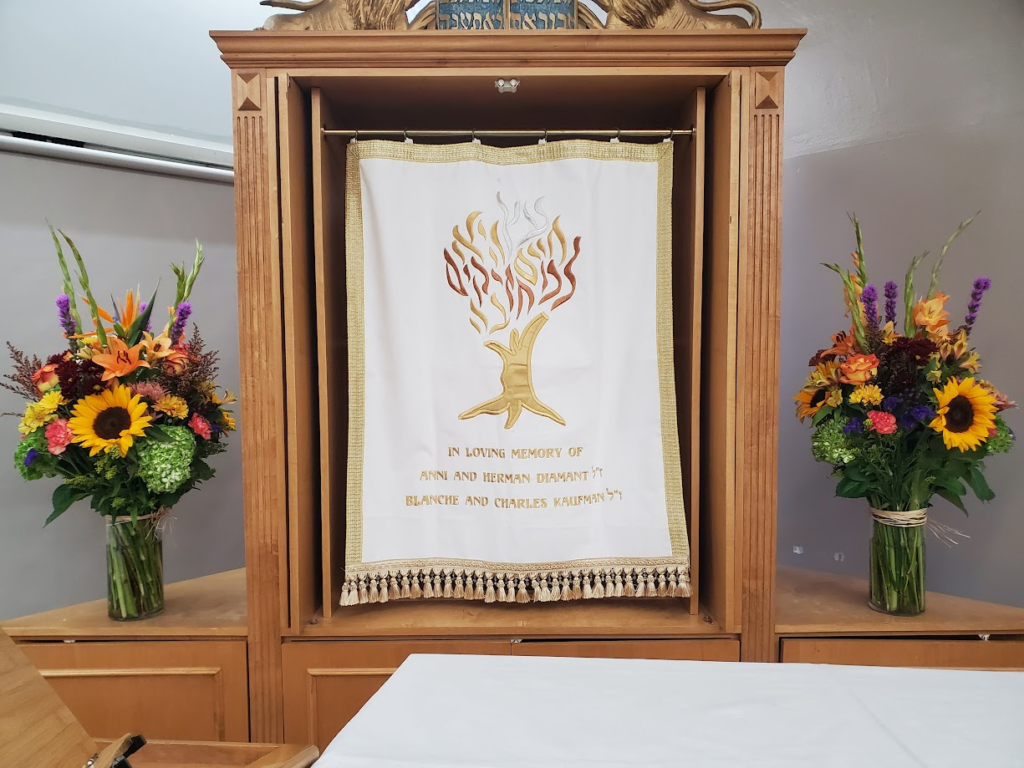
RIJC.ORG
TUESDAY, OCTOBER 15TH,
6:30 PM. GALLERY RIVAA
WALK THRU THE EXHIBIT WITH HISTORICAL SOCIETY’S
JUDITH BERDY AND PHOTOGRAPHER CHRIS VAIL
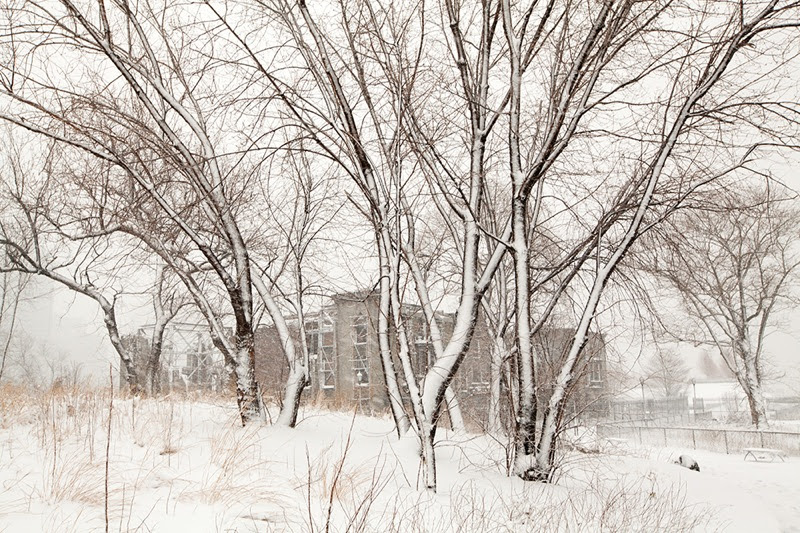
Chris Vail is a documentary and news photographer.
Some of the work displayed on this site is part fo a project on regional Mexican music. It started as a photo essay for the LA Times on music in the Mexican state of Veracruz. The research for that assignment opened up a rich world of traditional music where the different genres of Mexican son vary by geographic location and historical influences.
Chris currently lives on Roosevelt Island in New York City.
CREDITS
NEW YORK ALMANACK
JUDITH BERDY
All image are copyrighted (c) Roosevelt Island Historical Society unless otherwise indicated
THIS PUBLICATION FUNDED BY DISCRETIONARY FUNDS FROM CITY COUNCIL MEMBER JULIE MENIN & ROOSEVELT ISLAND OPERATING CORPORATION PUBLIC PURPOSE FUNDS.


Copyright © 2024 Roosevelt Island Historical Society, All rights reserved.Our mailing address is:
rooseveltislandhistory@gmail.com
Leave a comment