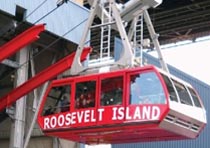
Thurday, August 21, 2025 – An Island with a varied history, similiar to Ours

DE CAMP GENERAL HOSPITAL
FORT SLOCUM
DAVIDS ISLAND NEW YORK
Thursday, August 21, 2025
Wikipedia
Issue # 1515
The other day I was looking thru the NYC Municipal Archives website. In a section there was a category of Transit Records. It appears that any body of a deceased person traveling thru Manhattan had to be cataloged in the large log books. During the Civil War years, I noticed that many of the persons died on David’s Island.
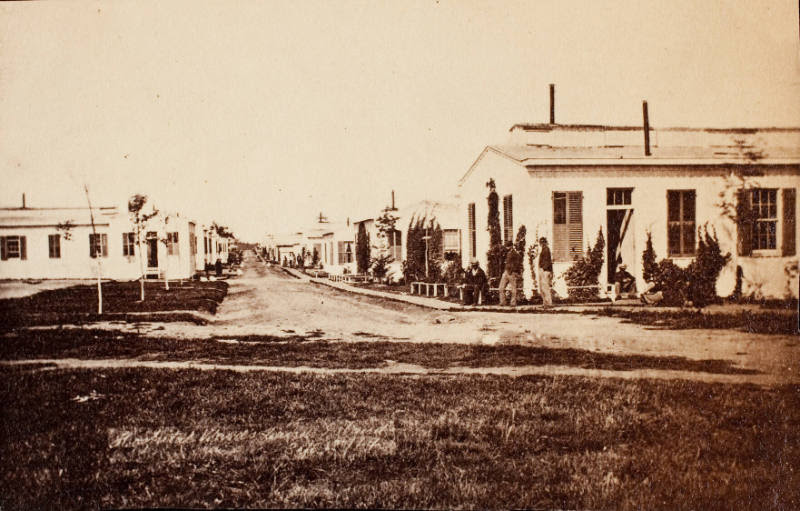
David’s Island was also called Fort Slocum and was the home of a large hospital for Union Civil War Soldiers.
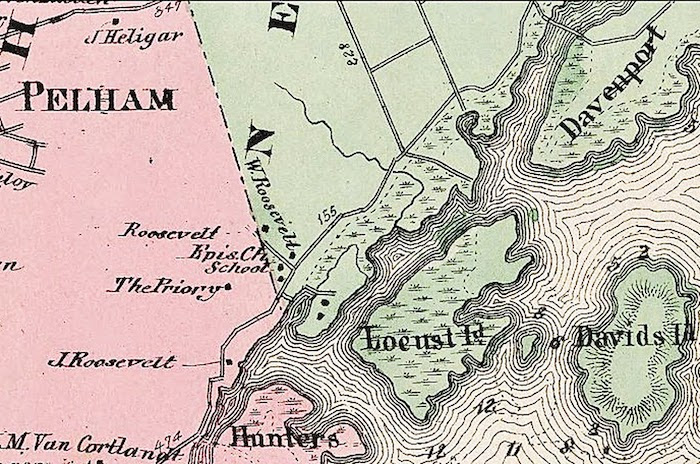
Until as late as 1803, the island was inhabited by members of the Siwanoy and the Algonquin nation. From Colonial times to the second half of the 19th century, the island was used for farming and pasturing and had various owners.
In 1856 Thaddeus Davids Sr., a New Rochelle ink manufacturer, bought the island from Newberry Davenport Jr., and it still bears his name. During the decade before the Civil War the island was a popular spot for excursion boats from New York City and elsewhere. Maps from the period show that it had a concert room, a saloon ( a genteel refreshment room) and several other buildings, perhaps a hotel.
By 1861 the first soldiers arrived on the Island, and the U.S. Army established the De Camp Hospital for the wounded. After the hospital’s closing, the Army purchased the island in 1867 and called the post Davids Island until July of 1896, when the Army formally named it Fort Slocum after Major General Henry Warner Slocum of Civil War fame.
Through the Army years the island served as a prison, hospital, mustering camp, recruiting depot, coast artillery fortification, transit station, training camp, Air Force base, and missile battery.[2] Thousand of soldiers from all over the country served at Ft. Slocum and thousands of Westchester residents worked and visited there. The fort’s busiest time was during World War I when the base processed thousands of men on their way to war.
At the height of World War I, the fort had difficulty keeping up with the inflow of newly arriving troops. In December of 1917, the Department of War issued regulations that would stop voluntary enlistment in favor of a draft. In the week of December 10th, 800 men arrived each day at the New Rochelle train station and were ferried from the Neptune Park Dock to the Island. By the end of the week Fort Slocum was full, and the City of New Rochelle united to aid in the feeding, clothing, and housing thousands of men stranded during one of the coldest winters in recent history.[3] The rapid influx of new troops to the island triggered a massive construction boom, the first since the 1880s. 56 one-story buildings were erected including a recruit examination building and a post office.
In November of 1965, Fort Slocum was abandoned by the Army and bought by the City of New Rochelle. While there have been many potential buyers such as Donald Trump, Con Edison, and Xanadu Properties, the island is still owned by the city. The ruins of Fort Slocum continued to occupy the island until 2008 when Congress approved funds to remove the remaining structures on the island including the iconic water tower. The island is currently inaccessible to the public, but a new future hopefully awaits.
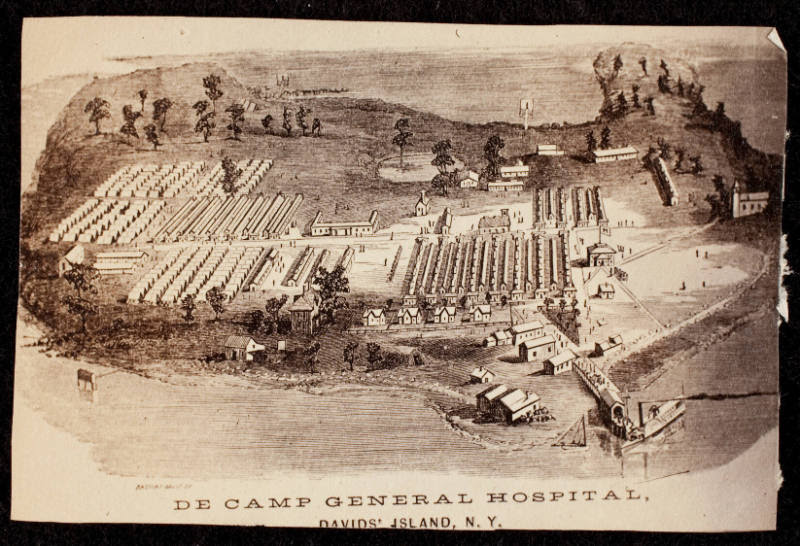
Hospital treated Union and later Confederate Troops during the Civil War.
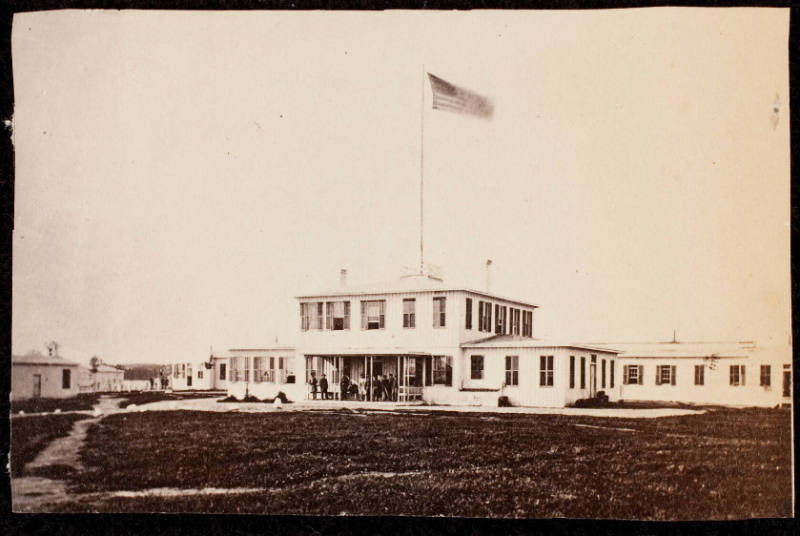
This is a carte de visite. The David L. Hack Civil War Photography Collection. A photograph of a building with people standing on the front porch, several windows and dark shutters. On the roof stands a high flag pole with the American flag flying at the top. This is from _Gardner’s Photographic Sketchbook of the War_ (Hack Collection No. 2].
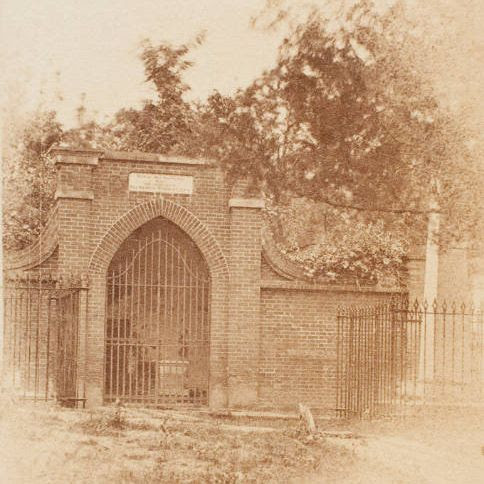
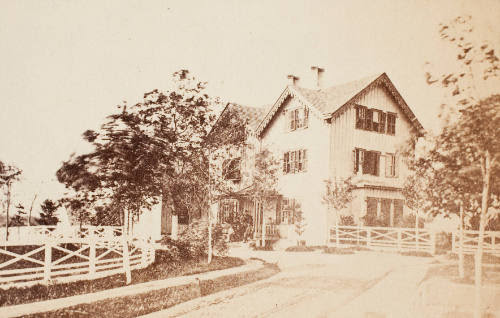
FORT SLOCUM
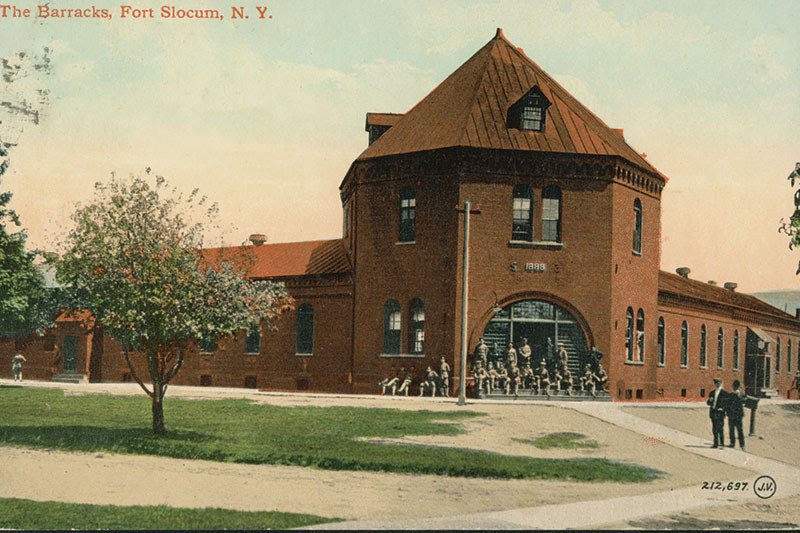
IN USE UNTIL CLOSED IN THE 1960’S
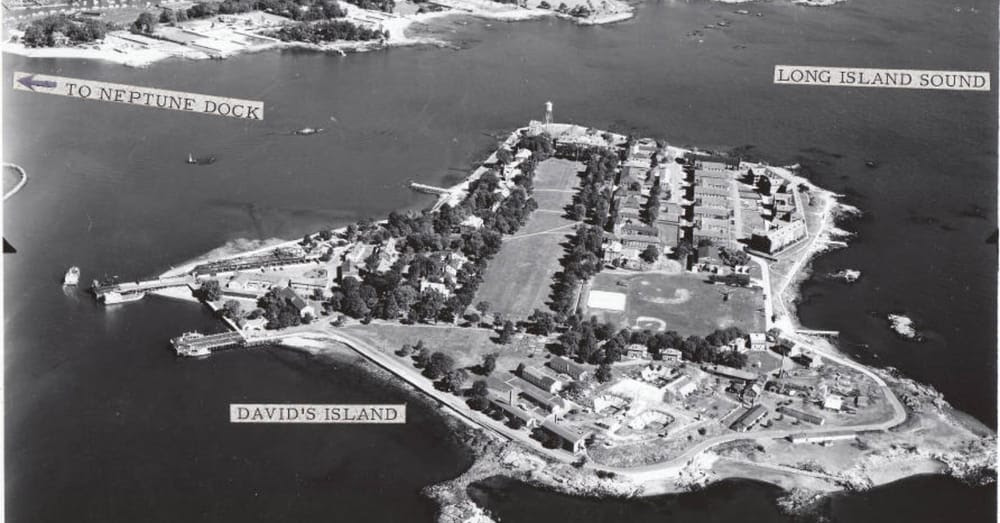
Fort Slocum before all structures were demolished in 2008.
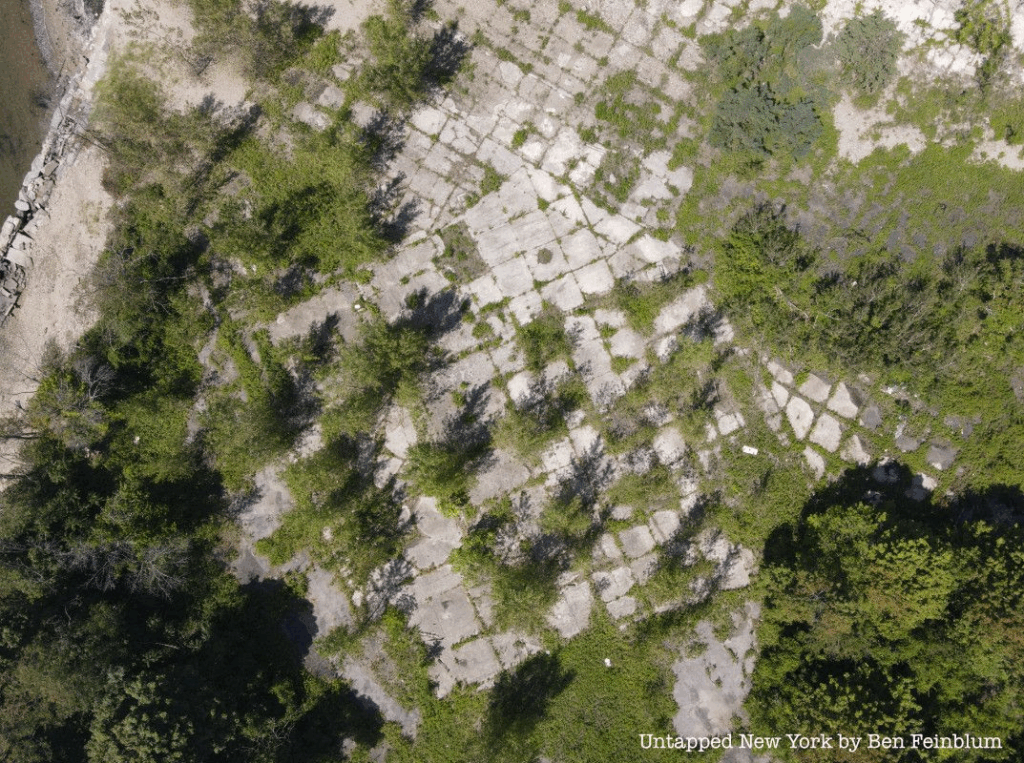
All that remains of the island since multiple plans for development have fallen thru.
PHOTO OF THE DAY
Second Avenue before
Congestion Pricing
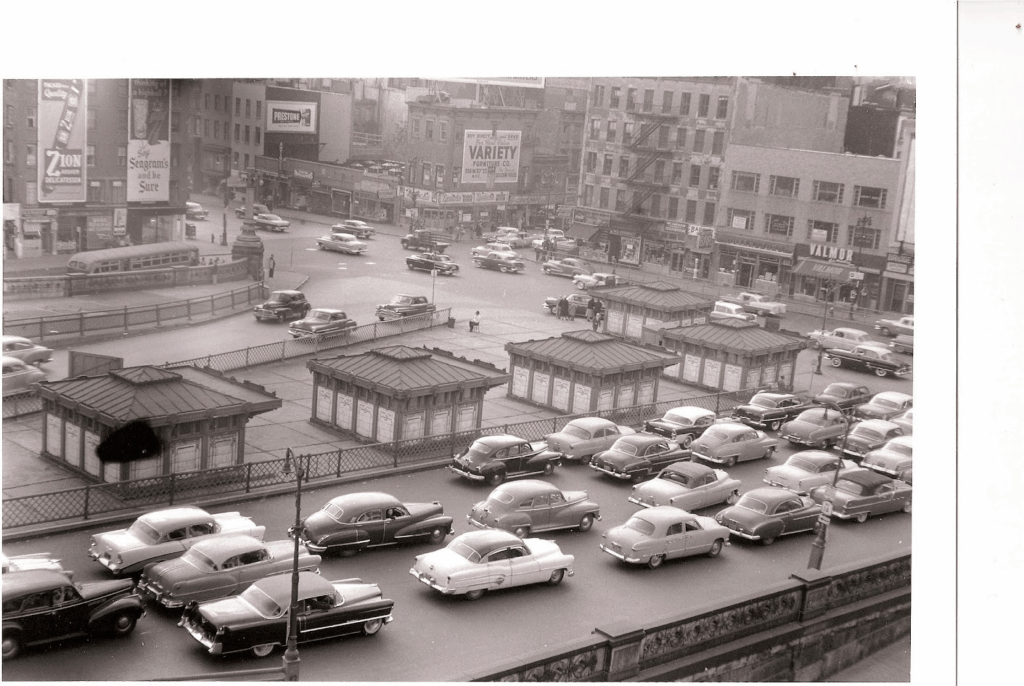
CREDIT TO
Wikipedia
All image are copyrighted (c) Roosevelt Island Historical Society unless otherwise indicated
THIS PUBLICATION FUNDED BY DISCRETIONARY FUNDS FROM CITY COUNCIL MEMBER JULIE MENIN & ROOSEVELT ISLAND OPERATING CORPORATION PUBLIC PURPOSE FUNDS.


Copyright © 2025 Roosevelt Island Historical Society, All rights reserved.Our mailing address is:
rooseveltislandhistory@gmail.com
Leave a comment