Tuesday, December 16, 2025 – THE BROTHERS OF THE FAMOUS PULLMAN RAIL CARS
Albert Benton Pullman:
Gilded Age Entrepreneur
TUESDAY, DECEMBER 16, 2025
ISSUE #1593
NEW YORK ALMANACK
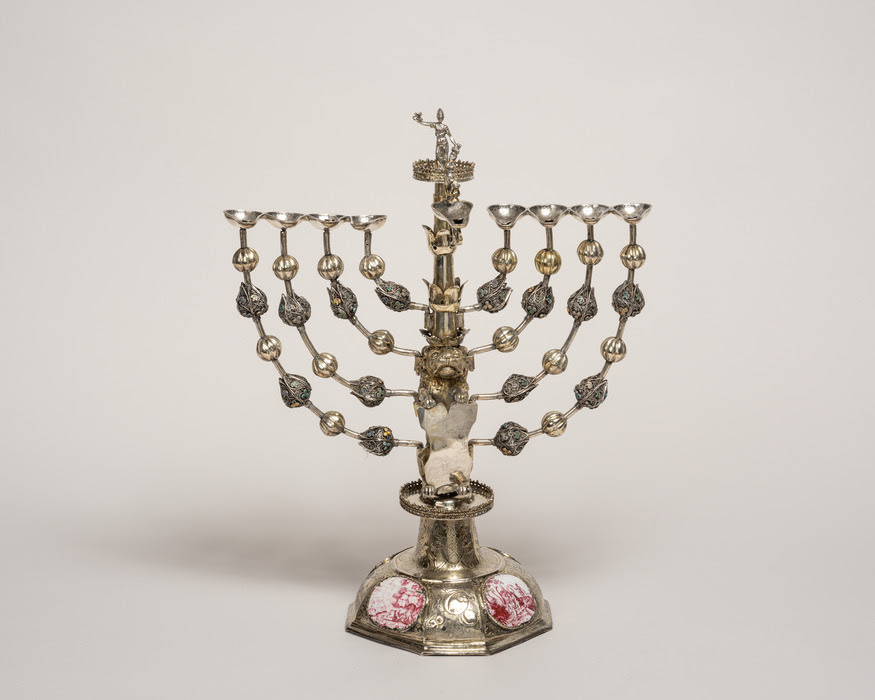
JOYOUS CHANUKAH WISHES TO ALL.
OUR HEARTS ARE SADDENED BY THE TRAGEDY AT BONDI BEACH, NSW, AUSTRALIA. OUR SUPPORT TO ALL THOSE TOUCHED BY THIS HORRIBLE DEATH.
Johann Adam Boller, Hanukkah Lamp, Frankfurt am Main (Germany), 1706–32, silver: cast, filigree, cloisonné enamel, engraved, traced, punched, and parcel-gilt; enamel inlays on copper alloy, 17 3/8 × 14 1/8 × 7 1/8 in. (44.1 × 35.9 × 18.1 cm). The Jewish Museum, New York. Gift of Frieda Schiff Warburg, S 563
Albert Benton Pullman: Gilded Age Entrepreneur
December 9, 2025 by Editorial Staff
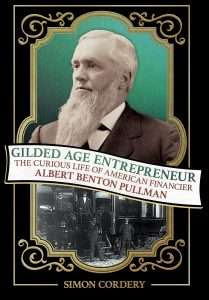
Simon Cordery’s Gilded Age Entrepreneur: The Curious Life of Albert Benton Pullman (Cornell University Press, 2025) illuminates the fascinating and chaotic business world of Albert Pullman (1828-1893).
The influential but little-known older brother of George Pullman (1831-1897) and the craftsman of the family, Albert designed the first luxurious Pullman railroad cars and hosted promotional trips to show them off. In those heady early days, he met national business and political leaders and hired the first Pullman porters.
For the earliest of it’s 100 years (1867-1968) the Pullman Company was known for its sleeping and dining cars. These were designed after the Erie Canal packet boats the Pullmans’ saw in their youths in Albion, NY, the county seat canal town of Orleans County.
Around 1800 the Pullman family had migrated from New England to New York and found their way to Onondaga, where new settlers were exploiting the salt springs on former Onondaga land.
The brothers’ parents Lewis (a carpenter) and Emily Caroline Minton Pullman were married id briefly in Auburn, NY, on Owasco Lake, one of the Finger Lakes in Central New York’s Cayuga County, where Albert was born. They moved to Albion after the Erie Canal was well established, probably to avoid the higher costs in the boom-town of Auburn.
Palace Cars, Pullman Porters, and Great Strikes
Albert and George’s first grand “palace car,” named (as a canal boat would be) The Pioneer, was finished in 1864 in Chicago. In 1867, the Pullmans introduced a “hotel on wheels,” the President, a sleeper with an attached kitchen and dining car. The food and service were said to have rivaled the best restaurants of the day.
As sales exploded, their labor force grew. They built a company town near Chicago following the Great Railroad Strike of 1877. That ultimately led to the national 1894 Pullman Strike over high company town rents and low wages, which occurred the year after Albert died, and three years before George died.
Notably, that strike engulfed Buffalo, NY, where the American Railway Union (ARU) local joined the nationwide boycott of Pullman cars. They halted rail traffic which led to clashes and federal intervention. The strike was one of the inspirations of Labor Day as a national holiday.
No biography of the company’s founders can fail to mention the Pullman Company was also widely known for it’s use of Black American workers as “Pullman Porters,” who were themselves American cultural icons. They performed luxury services for wealthy white travelers on trains, who often derisively called them all “George” or other epithets.
Despite severe racism, long hours and low wages, the job was seen as one of the best opportunities for Black men due to its stable income and culminated in the formation of the first successful Black labor union, the Brotherhood of Sleeping Car Porters, founded in 1925, long after the death of the Pullman brothers.
Led by A. Philip Randolph (1889-1979), the Brotherhood fought for better conditions, helped many men and their descendants reach the Black middle class, and inspired Civil Rights Movement leaders.
Albert and George as Entrepreneurs
Albert and George Pullman made a formidable team, they supported Republican candidates and took advantage of workers and their political connections and contracts.
But as the Pullman Company grew along white American workers’ resistance to exploitation nationally, Albert Pullman’s role shrank. His self-interest inspired more close association with the returning power of the Democratic Party. He turned to his own investment portfolio, often with disastrous results.
Beginning with the industrial laundry that cleaned sleeping-car linens, Albert appeared before the U.S. Supreme Court after a catastrophic insurance investment, ran afoul of federal banking regulations, and failed in an attempt to corner wheat futures.
With evermore unsuccessful speculations, Albert was tempted by illegal land sales and entered exploiting silver mines.
Finally, his own family in crisis and his relationship with George shattered, Albert Pullman launched into one last round of adventurous investments – including both the early electricity and telephone industries – with mixed results.
Although it largely misses his role in the labor and race struggles of the era, Gilded Age Entrepreneur does instead focuses on the idea that Albert Pullman embodied the small-time investors who were legion after the Civil War.
“From banking and insurance to manufacturing and mining, a host of hopeful dreamers like Albert Pullman fueled the circulation of capital by forging political connections, creating and losing businesses, issuing shares, and longing for profit,” the book press materials say.
Although much of this history is focused on Chicago (where he made significant arts investments with his wealth), the book is well-placed on a New York bookshelf as a biography of those against whom New York workers and Black Americans struggled for dignity in the late 19th and early 20th centuries.
SPARKLING AT THE MET OPERA
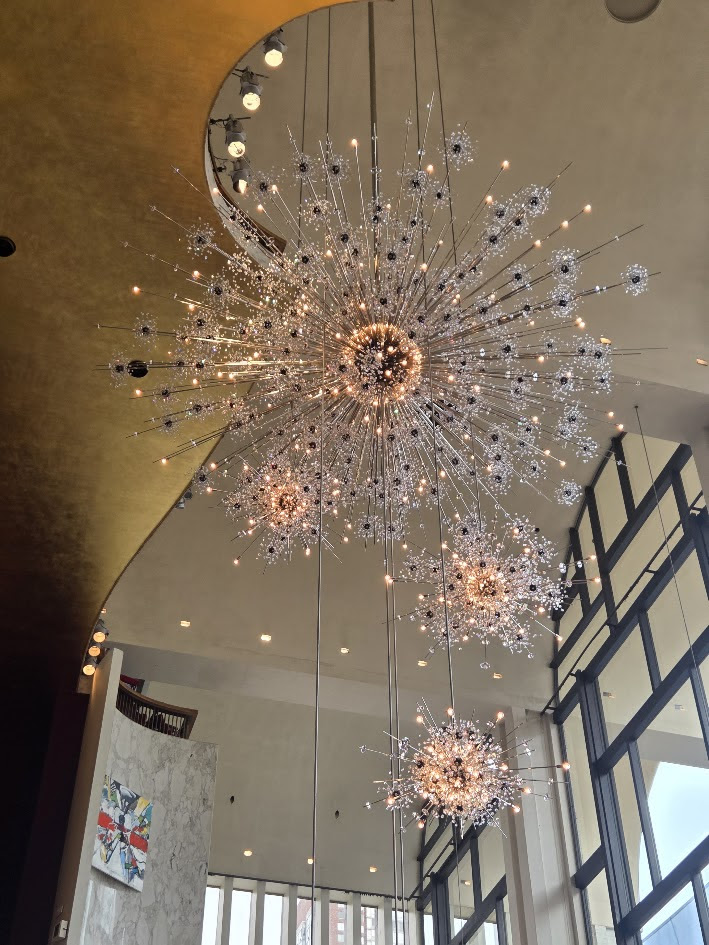
PHOTO BY JUDITH BERDY
CREDITS
NEW YORK ALMANACK
JUDITH BERDY
Book Purchases made through this Amazon link support the New York Almanack’s mission to report new publications relevant to New York State.
Read more about railroad history in New York State.
All image are copyrighted (c) Roosevelt Island Historical Society unless otherwise indicated
THIS PUBLICATION FUNDED BY DISCRETIONARY FUNDS FROM CITY COUNCIL MEMBER JULIE MENIN & ROOSEVELT ISLAND OPERATING CORPORATION PUBLIC PURPOSE FUNDS.
Copyright © 2025 Roosevelt Island Historical Society, All rights reserved.Our mailing address is:
rooseveltislandhistory@gmail.com
Leave a comment