Friday, Februrary 27, 2026 – One last remainder of wooden clapboard houses in Manhattan

The story of Harlem’s
Last remaining
Wood Clapboard House,
Built at the Dawn of the
Gilded Age
EPHEMERAL NEW YORK
FRIDAY, FEBRUARY 27, 2026
ISSUE #1635
Can you stand another story of a storybook–like wood clapboard holdout? I hope so, because this 3 and a half-floor charmer, at 17 East 128th Street, has a backstory that dovetails with the urbanization of all of Manhattan.
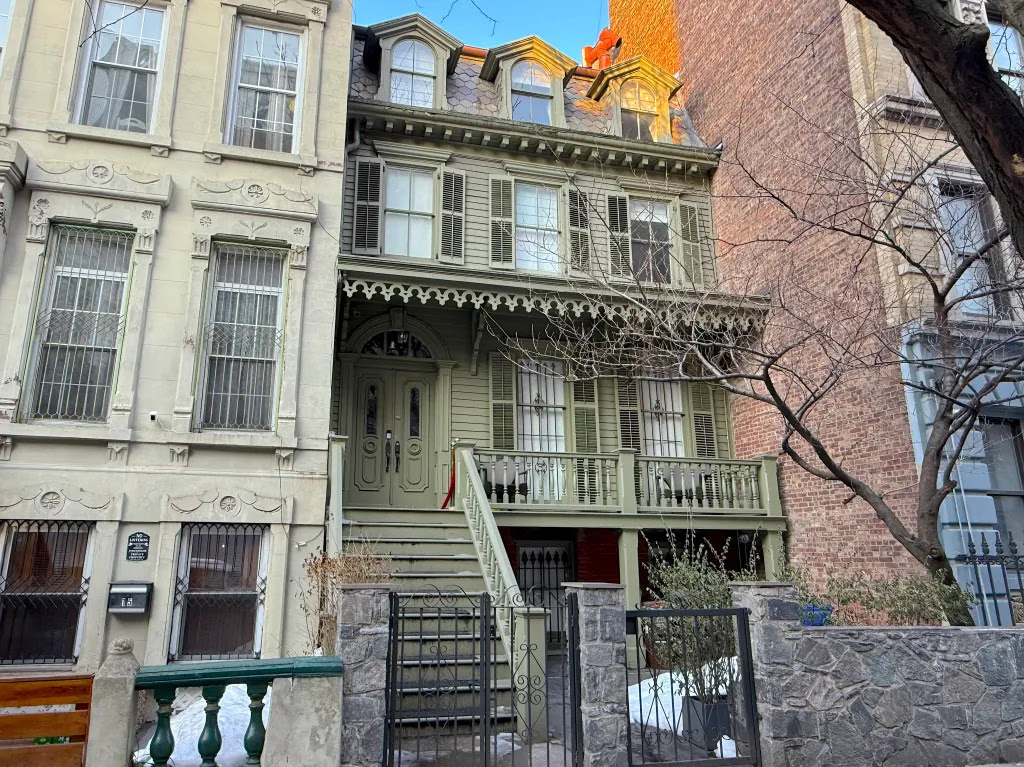
Built toward the end of the Civil War and at the start of the Gilded Age, it’s a totem of Harlem’s transition from isolated farmland to a vital part of Manhattan’s cityscape. It managed to survive more than 160 years more or less intact because in all that time, it’s only had a handful of owners.
Let’s go back to mid-19th century Harlem. Mostly rural with well-spaced estate homes, farmhouses, and shantytowns, the area was cut off from the main city thanks to unreliable roads, plus spotty train and streetcar service.
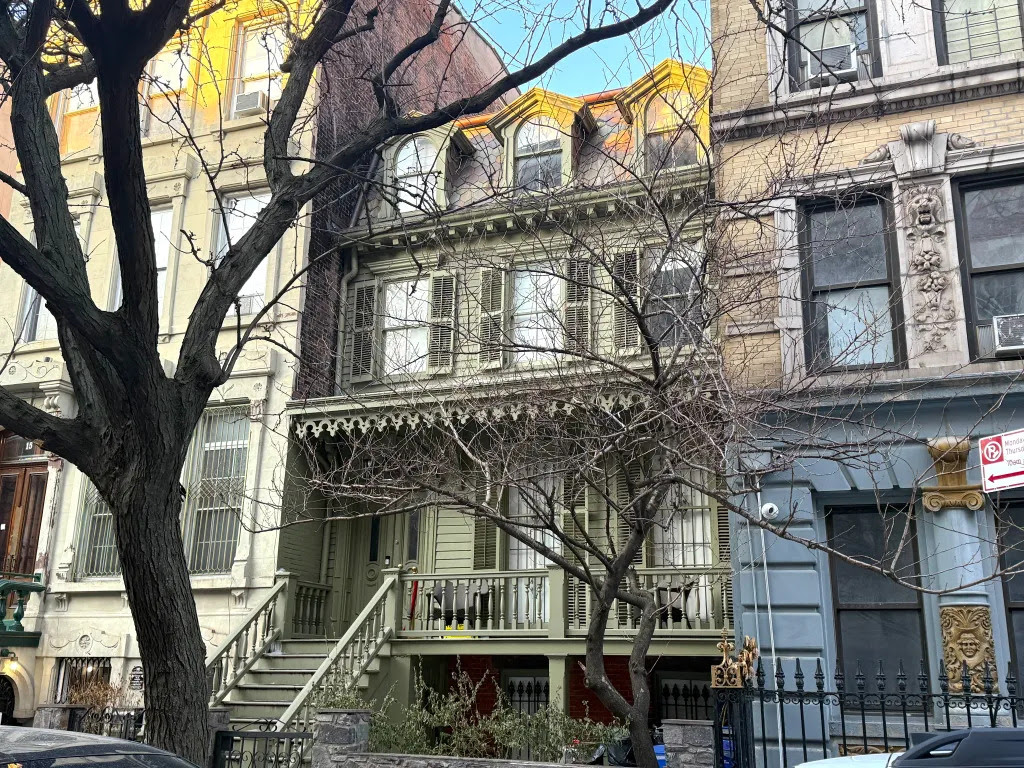
Harlem’s population at that time numbered just 1,500, according to the Landmarks Preservation Commission (LPC) report on 17 East 128th Street. By contrast, Manhattan as a whole had more than half a million residents.
But 200 years of farming hurt the quality of the soil, and during the 1860s, the city’s population swelled. Developers began eyeing Harlem for its potential as a fine new residential area, especially with the impending arrival of elevated trains, which could whisk residents downtown and back.
Enter a real-estate investor named Abraham Overhiser. Owner of the lot at 17 East 128th Street, he sold it to another investor for $2,200, and in turn in 1864 that investor sold it to a James Beach for $5,900—which gives you an idea of how hot land in Harlem was toward the end of the Civil War.
The house probably went up in 1864 or 1865. The exact builder isn’t known, but “the design of the structure, its detailing, and the type of building materials used in its construction indicate that the house at 17 East 128th Street had to have been built at roughly this time,” states the LPC report.
The architectural design was the fanciful French Second Empire with Italianate touches, both popular residential styles at the time. As for the choice of wood, it had not yet been banned in Harlem as a building material in Manhattan (due to its penchant to go up in flames). That wouldn’t happen until 1882.
James Beach stayed in the house until 1874, watching before his eyes the transformation of this part of Harlem into an enclave of fine brownstones, row houses, and churches. That year, he sold it to a Hannah Van Reed for $11,000. Van Reed and her husband shared the house for 12 years.
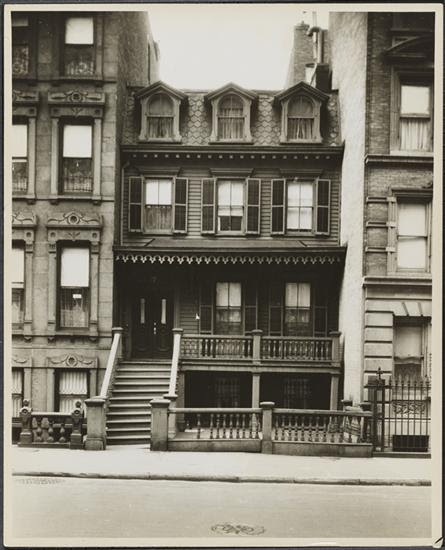
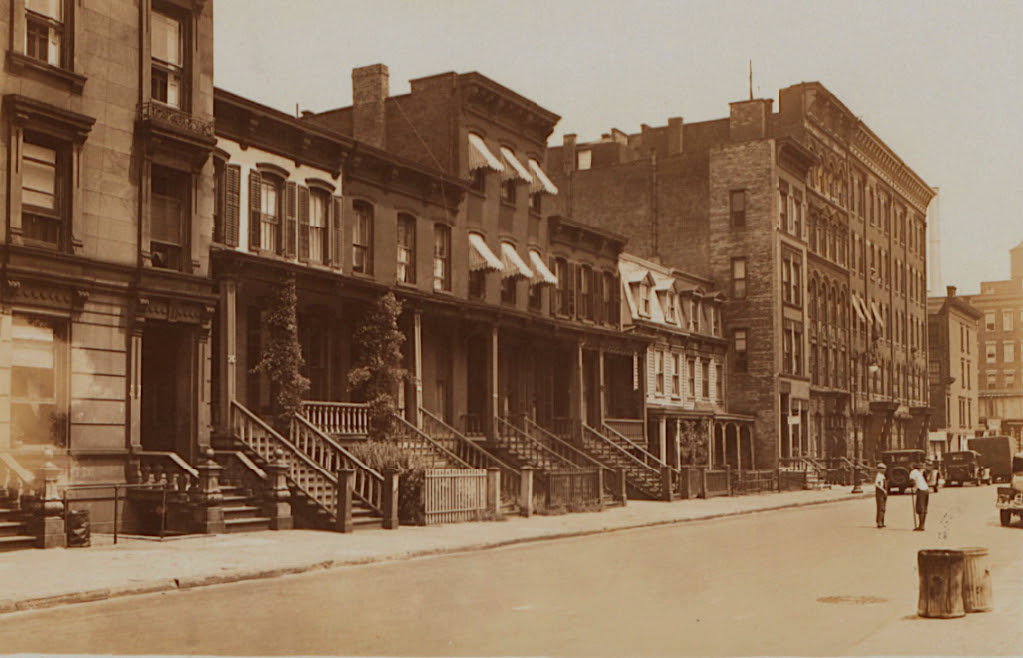
(Below, similar houses with front porches on East 128th Street between Park and Madison Avenues, 1932
In 1886, Viola H. Banning purchased the house, now surrounded by lovely residential blocks and just three streets away from the shopping, theaters, and services on bustling 125th Street. Banning lived in the house with her lawyer husband, Hubert A. Banning, who worked on Nassau Street downtown.
Sadly, Viola lost her husband on an elevated train platform in 1916. The Sun ran a small new item on June 5 of that year stating that a man’s body was found on the northbound platform at 66th Street. “Banning was on his way home when he dropped dead,” a reporter tersely wrote, misidentifying him as Herbert, not Hubert.
Viola continued to live in the house, passing it on to her son and daughter-in-law, who put it in a trust. After Viola’s death in the late 1920s, a trustee named Palmer Brooks sold the house for $12,000 to Margaret Lane, who seven years later sold the house for $1 to Louis and May Seeley. (Third image: the house in 1932)
The $1 sale “suggests some arrangement between Lane and the Seeleys,” states the LPC report. “Indeed, when Seeley, at the age of 90, sold the property in 1979, he told the buyer that he had inherited the property from his nanny. Evidently Margaret Lane was his nanny.”
At the time the LPC report was completed in 1982, it notes the current resident of the house as Carolyn Adams. Raised in Harlem, Adams joined the Paul Taylor Dance Company as a dancer and is described as being involved in numerous performance, preservation, and community events in the neighborhood.
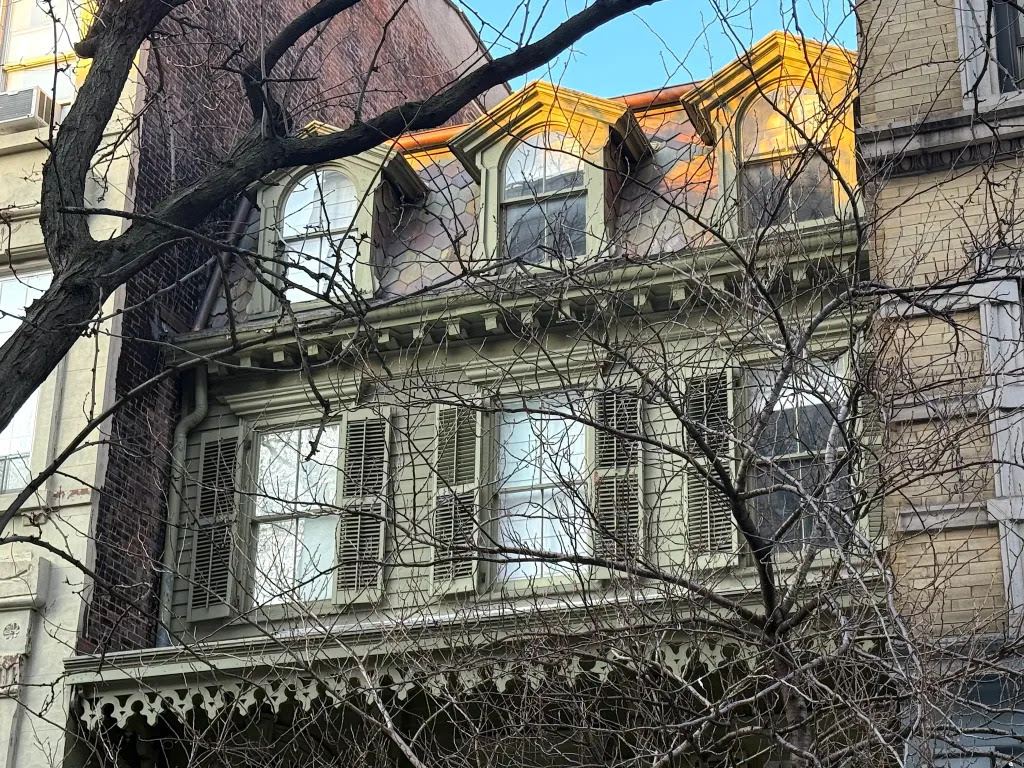
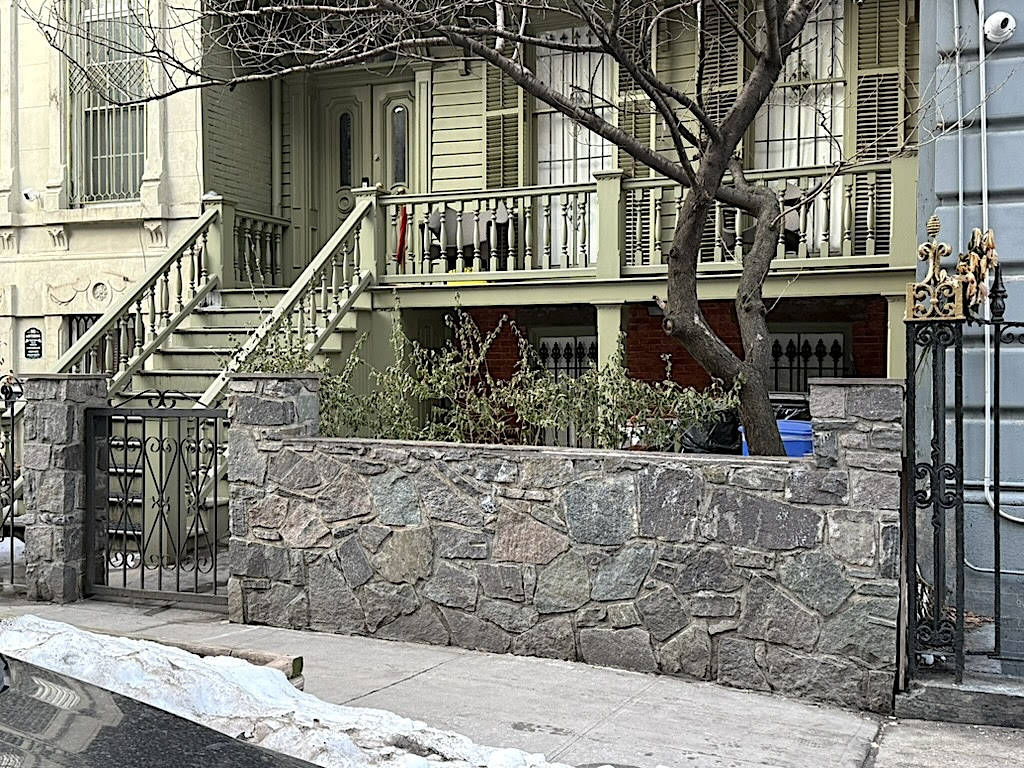
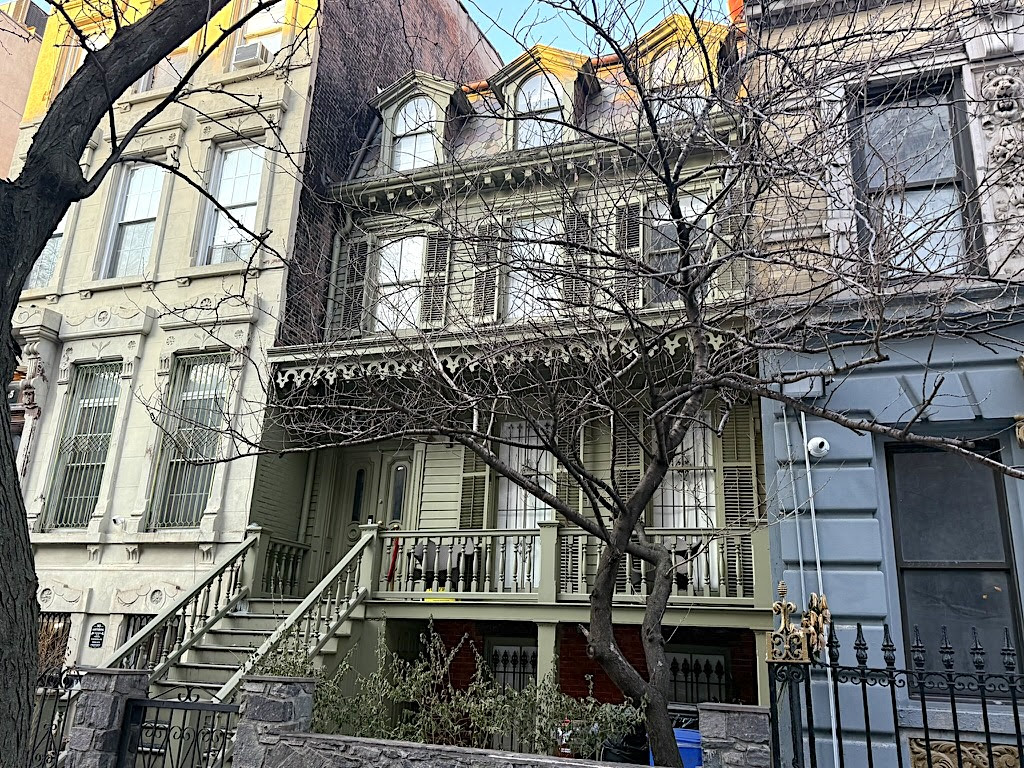
A new owner appears to have purchased the house in 2015, completely updating the interior while maintaining its Second Empire and Italianate details. That includes the slate mansard roof, wood clapboard facade, and “gingerbread pendants” over the porch, which is in its original place—as are all the windows and the main entrance, notes the LPC report.
The details about the renovation in 2015 come from a sales listing, which seems to be active. The link to the listing includes dozens of gorgeous exterior and inside photos of this Civil War–era survivor, including the curvy banister and small backyard.
The listing price for 17 East 128th Street, still a one-family residence, isn’t so bad at $2.95 million. But it’s quite a lot higher than the $2,200 it went for in a very different version of Harlem in 1864.
Where else can you find wood holdout houses in Harlem? The only others I’m aware of are on Astor Row, across Fifth Avenue at 130th Street, which have lovely wood front porches—though the houses themselves are brick.
CREDITS
EPHEMERAL NEW YORK
[Third image: MCNY, 33.173.495; fourth image: NYPL Digital Collections]
Tags: 17 East 128th Street historic house NYC, 17 East 128th Street holdout house NYC, 17 East 128th Street NYC, Harlem in the 1860s, Last wood house in Harlem photos, Old Harlem holdout house 1860s, Photos of one of the last wood houses in New York City, Wood house Harlem from 1860s
Posted in Upper Manhattan |
PHOTO OF THE DAY
READY FOR SUMMER?
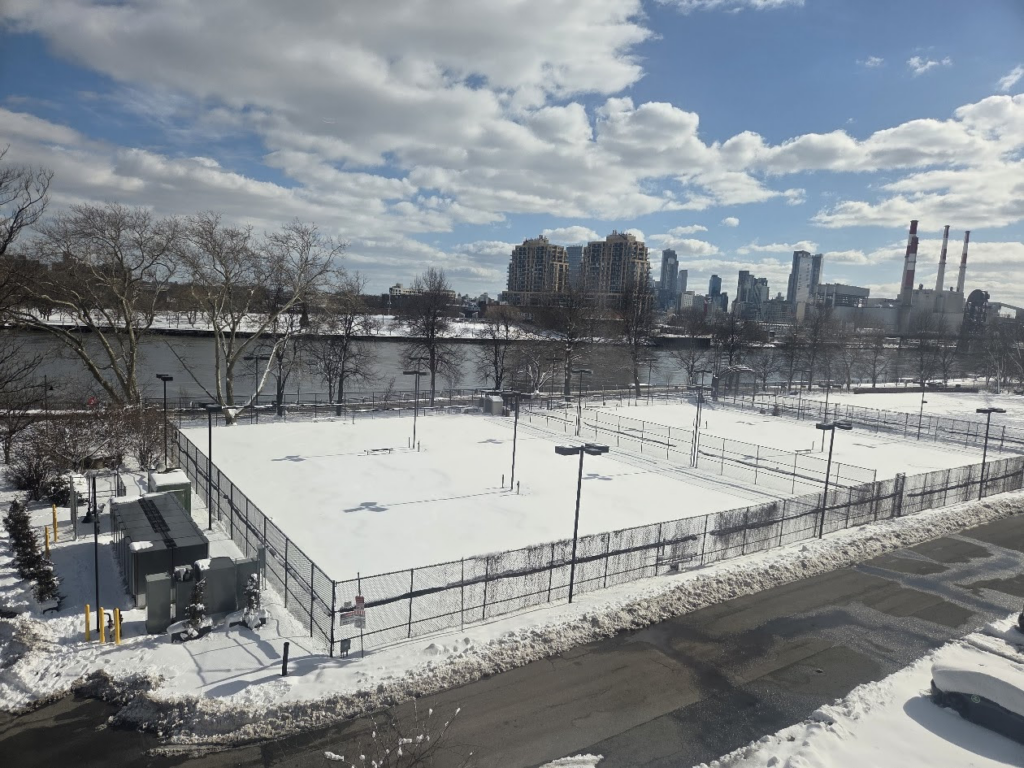
All image are copyrighted (c) Roosevelt Island Historical Society unless otherwise indicated
THIS PUBLICATION FUNDED BY DISCRETIONARY FUNDS FROM CITY COUNCIL MEMBER JULIE MENIN & ROOSEVELT ISLAND OPERATING CORPORATION PUBLIC PURPOSE FUNDS.


Copyright © 2026 Roosevelt Island Historical Society, All rights reserved.Our mailing address is:
rooseveltislandhistory@gmail.com
Leave a comment