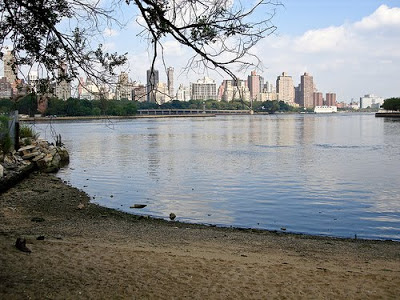
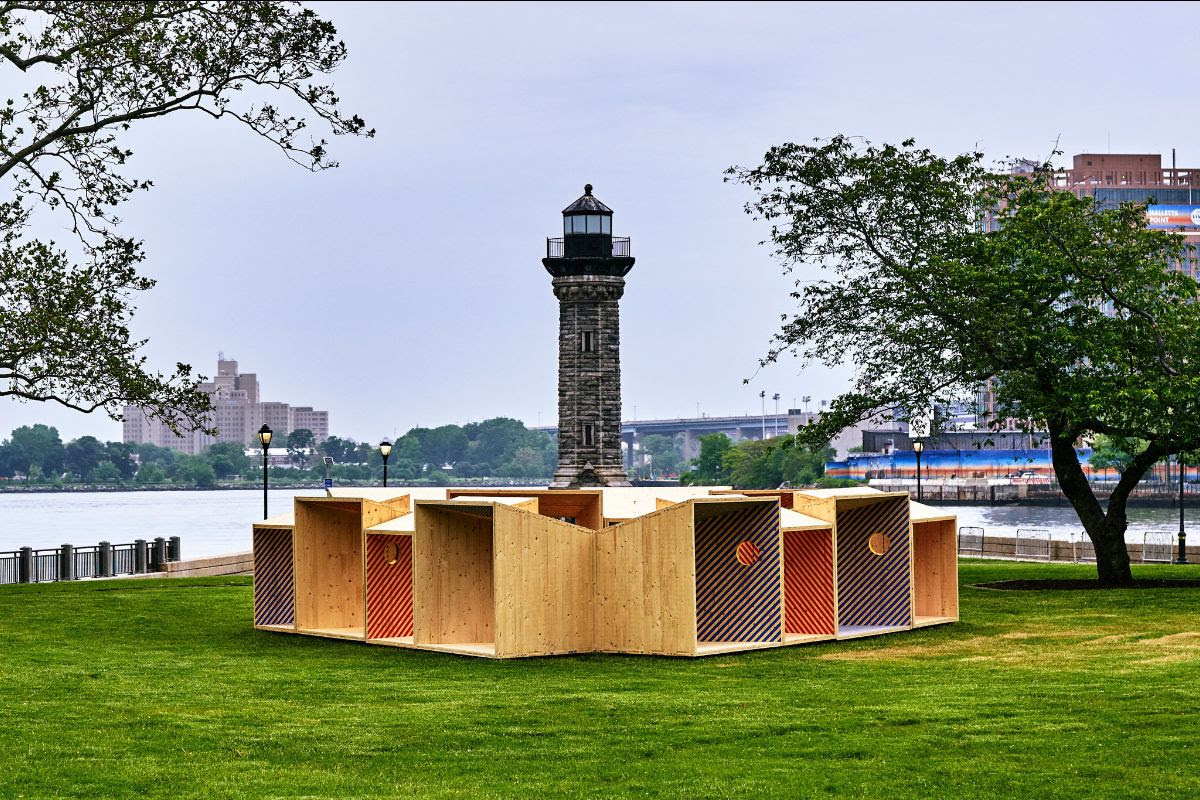
Sunswick Creek is a buried stream located in Astoria and Long Island City, in the northwestern portion of Queens in New York City. It originated to the north of Queensboro Bridge and Queens Plaza in Long Island City, flowing north to the present-day site of the Socrates Sculpture Park in Astoria, and emptying into the East River. The creek was named for a term in the Algonquin language that likely means “Woman Chief” or “Sachem’s Wife.” The mouth of the creek was settled in the late 17th century by William Hallet, who built a milldam at the creek’s mouth to create a mill pond. Due to industrialization in Long Island City, the creek became heavily polluted and was covered-over starting in the late 19th century.
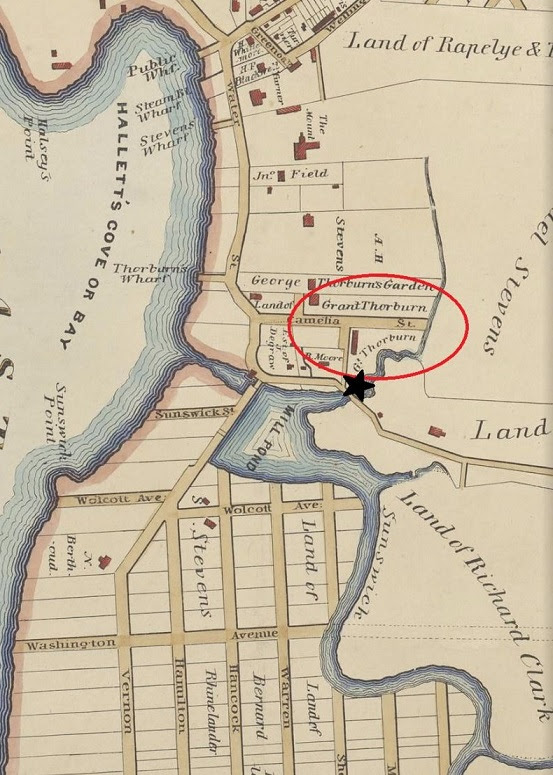
ABOVE 1840 MAP
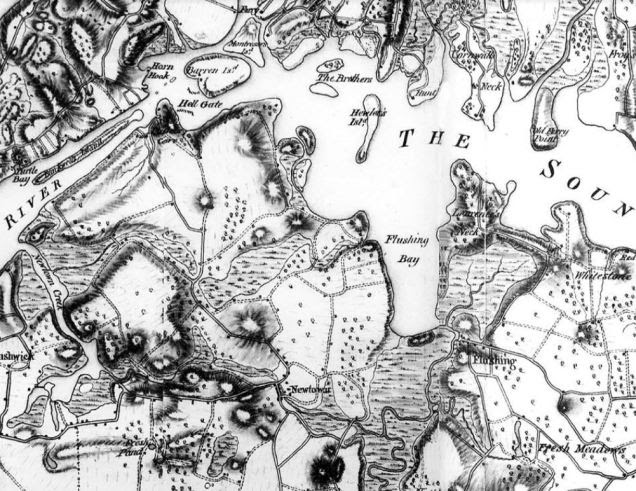
When it comes to western Queens history, my leading source is Bob Singleton and the Greater Astoria Historical Society. From its collection, the earliest map showing Sunswick Creek dates to 1780. Beneath Hell Gate, the elevated knob of land is the Astoria peninsula and to its south is Sunswick Creek. This map is a true GIS treasure as it also displays other hidden waterways that I’ve written about including: Dutch Kills, Luyster Creek, Jackson’s Mill Pond, Flushing Creek, Horse Brook, Kissena Creek, and Newtown Creek. notice how the colonial period roads often ran atop watershed boundaries to avoid being flooded. The sources of streams flowing away from each other often originated from the same hilltops, for example Horse Brook and Maspeth Creek; Dutch Kills and Jackson’s Mill Creek. No wonder at the turn of the 20th century there were canal proposals to connect streams whose headwaters were so close to each other.
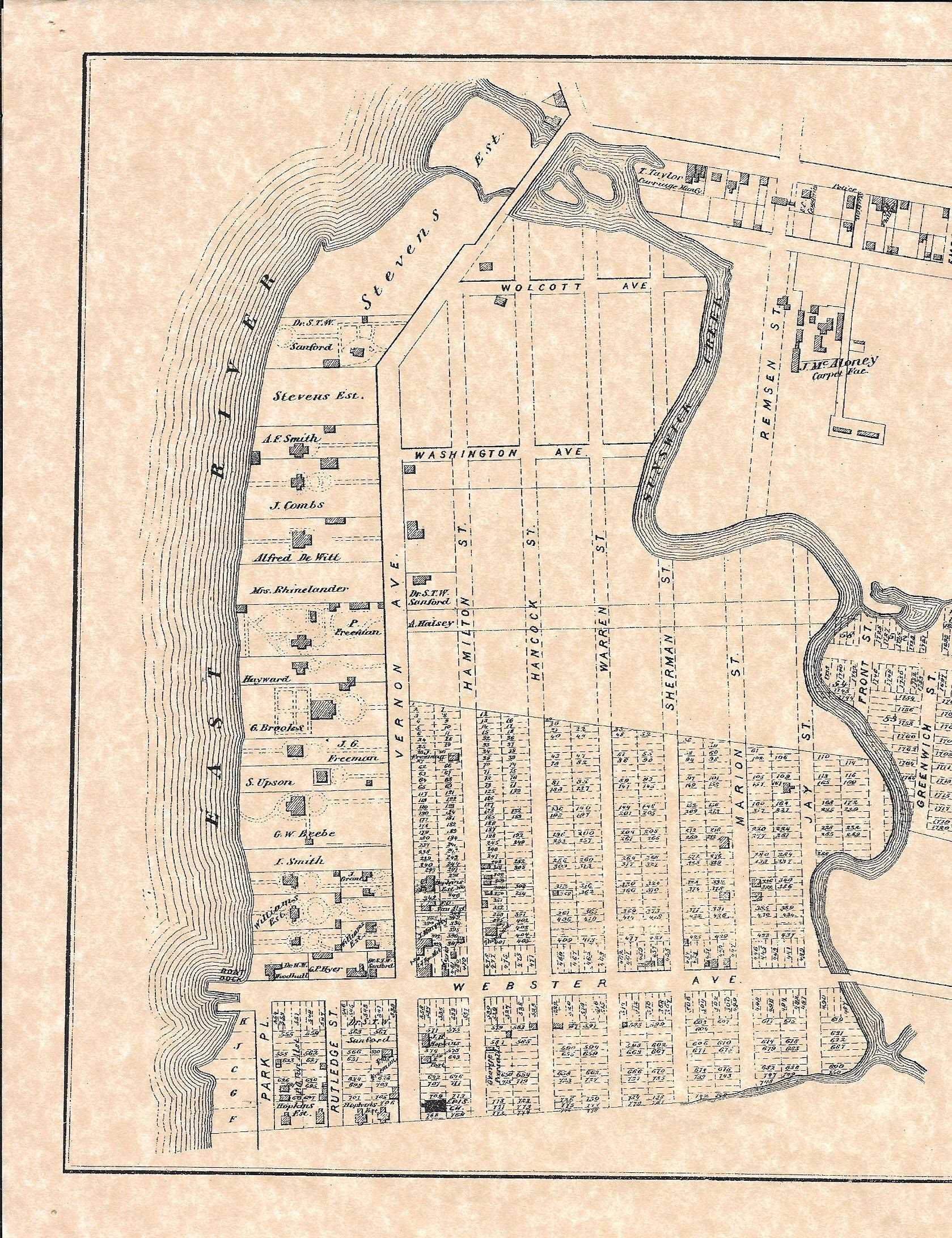
Looking at an 1840 map of where Sunswick Creek flowed into Hallets Cove, we see a mill pond dammed by Vernon Boulevard. The mill was constructed in 1679, and rebuilt in 1753 by Capt. Jacob Blackwell and Joseph Hallett. The former owned Roosevelt Island while the latter owned land on the Astoria side of the East River. In its early years, the milldam opened for small boats that carried goods from the farms of John Greenoak, John McDonnaugh and George Van Alst, which stood alongside the creek. Van Alst is not forgotten: his last name graced 21st Avenue until the 1930, still appears on a local playground and a subway station. His descendants lived in the area into the early 20th century.
The star on the above map corresponds to today’s corner of Broadway and 12th Street, which at the time was Grant Thorburn’s Nursery. Thorburn (1772–1863) had emigrated to America in 1794 as a nailmaker. As automation killed his job, he turned his shop into a grocery, and in 1834, a flower nursery. His busy mail-order enterprise won Thorburn the honor of doubling as the postmaster of a new Hallett’s Cove Post Office. Thorburn wrote a book about his life entitled “Reminiscences” that tells us of his gardens and life in the village.
COURSE
Prior to its burial, Sunswick Creek’s source was located close to 21st Street north of what is now the Queensboro Bridge and Queens Plaza, within the Long Island City subsection of Ravenswood. The creek passed north near the current site of the Queensbridge Houses and the Ravenswood Generating Station, roughly following the present path of 21st Street.[1]:96 A large city block, now the site of the Long Island City High School, marks the former above-ground course of the creek. Sunswick Creek drained into the East River near the present Socrates Sculpture Park in Astoria.
Etymology
The term “Sunswick” was a neighborhood name formerly applied to the surrounding portions of Ravenswood and Astoria. It is believed to have originated from a Native American language, possibly the Algonquin word “Sunkisq.”[2] The Greater Astoria Historical Society defines the term as “meaning perhaps ‘Woman Chief’ or ‘Sachem’s Wife.'”This name is shared by Sunswick 3535, a bar at the intersection of 35th Street and 35th Avenue.[1]:98 Additionally, the present-day 22nd Street was formerly named Sunswick Street.
17th through 19th centuries
In 1664, the land on the northern shore of the creek’s mouth was purchased by British settler William Hallet (or Hallett), who obtained the plot from two native chiefs named Shawestcont and Erramorhar.:84 This peninsula, which jutted out onto Hell Gate to the northwest, was acquired in portions and was later renamed Hallet’s Cove.[5]:84[6]:295 Hallet subsequently built a lime kiln on the creek. Sunswick Creek formed a navigable waterway with Dutch Kills, another stream to the south, making it easy for merchants to transport produce and goods along the creek. :19 A milldam was built at the mouth of the creek in 1679, creating a small mill pond :4 Joseph Hallett and Jacob Blackwell built a mill on the creek’s right bank, near its mouth, in 1753.[6]:296 By the 1860s and 1870s, Sunswick Creek was heavily polluted due to increasing industrialization, a lack of proper sewerage, and the high population density of Long Island City and Astoria.
The historian Vincent F. Seyfried wrote that disease around Sunswick Creek and Dutch Kills had become common by 1866, and that “The damming of the Sunswick Creek cut off the flushing-out of the meadow lands and the salt water that used to ebb and flow became stagnant and slimy and filled with mosquitoes.” After outbreaks of disease in 1871 and 1875, the marshes surrounding the creek were drained in 1879. In addition, Long Island City had started building a proper sewage system in the 1870s, which was still not complete by the time Long Island City became part of the City of Greater New York in 1898.:5 The creek was partially diverted into one of the sewage system’s brick tunnels at Broadway, which was completed around 1893.
After the consolidation of Queens into New York City, Sunswick Meadows, a lowland north of the present Queensboro Bridge, was infilled with the construction of the bridge in the 1900s and 1910s. This was accomplished partly by dumping dirt from the excavation of New York City Subway tunnels in Manhattan. In addition, street cleaners tossed dry rubbish into the lowland to raise the grade of nearby streets. In 1915, residents of Ravenswood sent a letter to the New York City Board of Health to complain about the tide gates along Sunswick Creek, which had been installed to alleviate an infestation of mosquitoes.
The residents claimed that the tide gates were actually keeping mosquitoes in the creek, since these gates resulted in stagnant water, and threatened to open the tide gates. In response, the Board of Health suggested filling up their land, which the Brooklyn Times-Union reported would require the infilling of 6 acres (2.4 ha) to a depth of 8 to 10 feet (2.4 to 3.0 m). The operation had a projected total cost of over $100,000 (equivalent to $2,527,303 in 2019), which was not affordable for most of the neighborhood’s residents. Early the next year, in April 1916, residents broke down the barriers with axes. Afterward, the New York City health commissioner told a local newspaper that the residents “prefer to live like hogs,” prompting outrage from local residents
Afterward, the Queens borough president, Maurice E. Connolly, announced a plan to install two tide gates on the creek. By the end of 1916, the New York City government proposed to close up Sunswick Creek, mandating that households living nearby divert their sewage elsewhere. A 1920 Brooklyn Daily Eagle article stated that the former path of the creek had been mostly developed with industrial buildings During excavations for a sewer line at Vernon Boulevard and Broadway in 1957, construction workers found remnants of the former grist mill on the creek’s mouth.
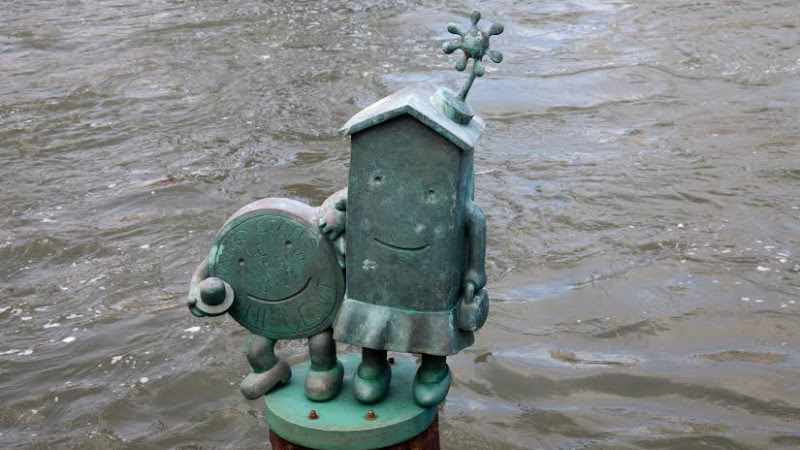
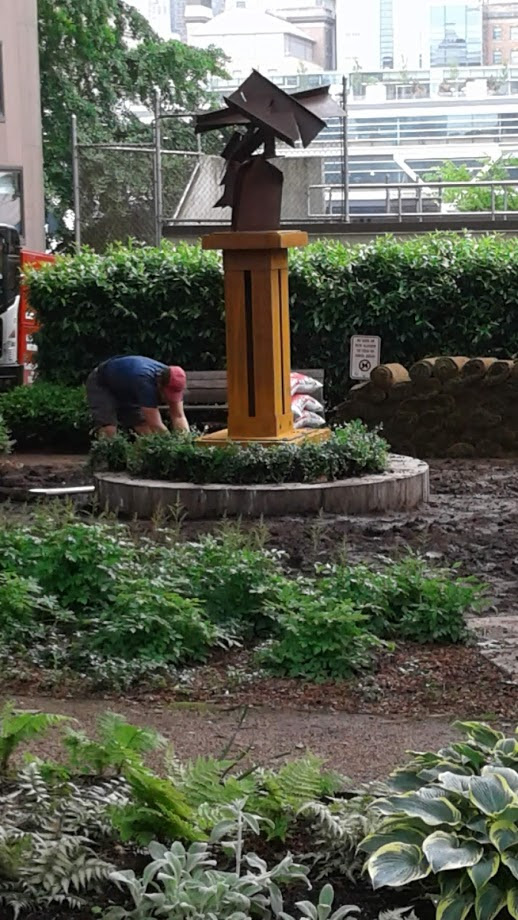
The creek now exists underground as part of a sewage tunnel, which was documented online by urban explorer Steven Duncan.[1]:97[19] According to one blogger, during heavy rains, the creek could be heard near the Sohmer and Company Piano Factory, across from Socrates Sculpture Park.[20] In 2011 and 2012, the Socrates Sculpture Park and Noguchi Museum commissioned a work from artist Mary Miss, entitled Ravenswood/CaLL, which consisted of several signs and mirrors along the course of the creek.
WEDNESDAY PHOTO OF THE DAY Seven of our neighbors recognized the walkway on the 17th and 19th floors of Rivercross
EDITORIAL
I have heard about the Sunswick Creek for ages and it is a complicated story of this meandering underground waterway from Queens Plaza to the Socrates Sculpture Park. Enjoy the story of how are predecessors used and abused the waterway. I was offered a tour of the tunnel leading from the creek, at one point and gracefully declined. What did I miss?
Text by Judith Berdy Thanks to Bobbie Slonevsky for her dedication to Blackwell’s Almanac and the RIHS Thanks to Deborah Dorff for maintaining our website Edited by Melanie Colter and Deborah Dorff
All image are copyrighted (c) Roosevelt Island Historical Society WIKIPEDIA (C) GREATER ASTORIA HISTORICAL SOCIETY (C) unless otherwise indicated
FUNDING PROVIDED BY ROOSEVELT ISLAND OPERATING CORPORATION PUBLIC PURPORE GRANTS CITY COUNCIL REPRESENTATIVE BEN KALLOS DISCRETIONARY FUNDING THRU DYCD
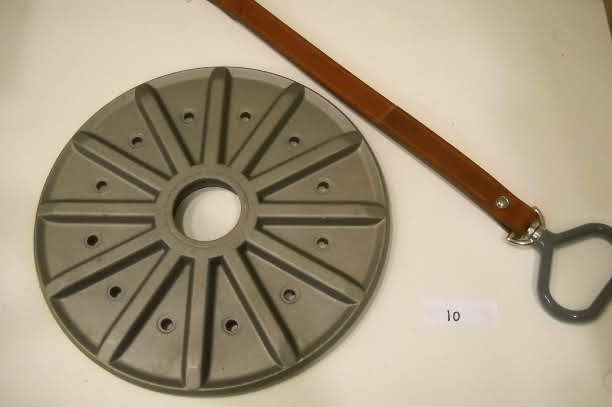
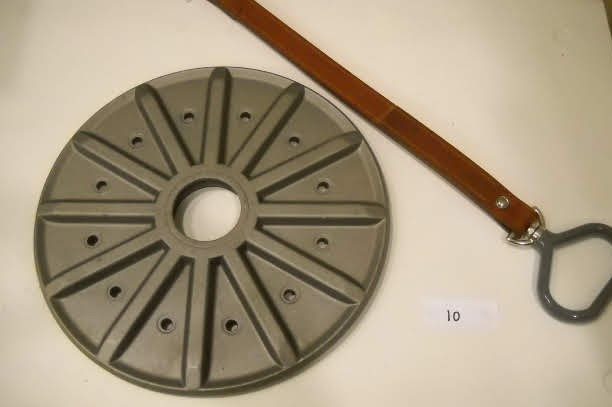
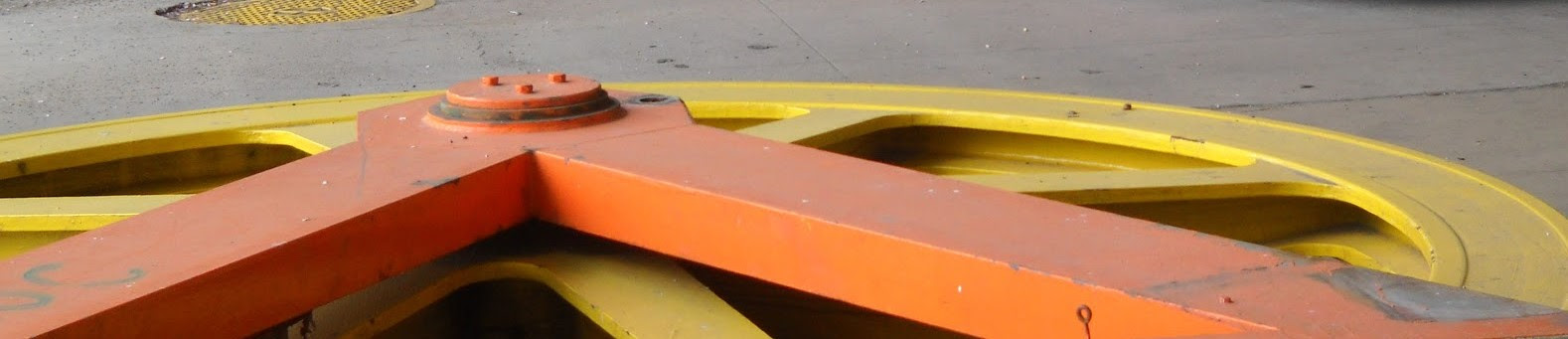
Leather handstrap from original tram cabin and wheel from mechanical part of original tram
EDITORIAL
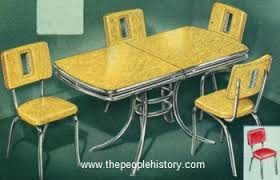
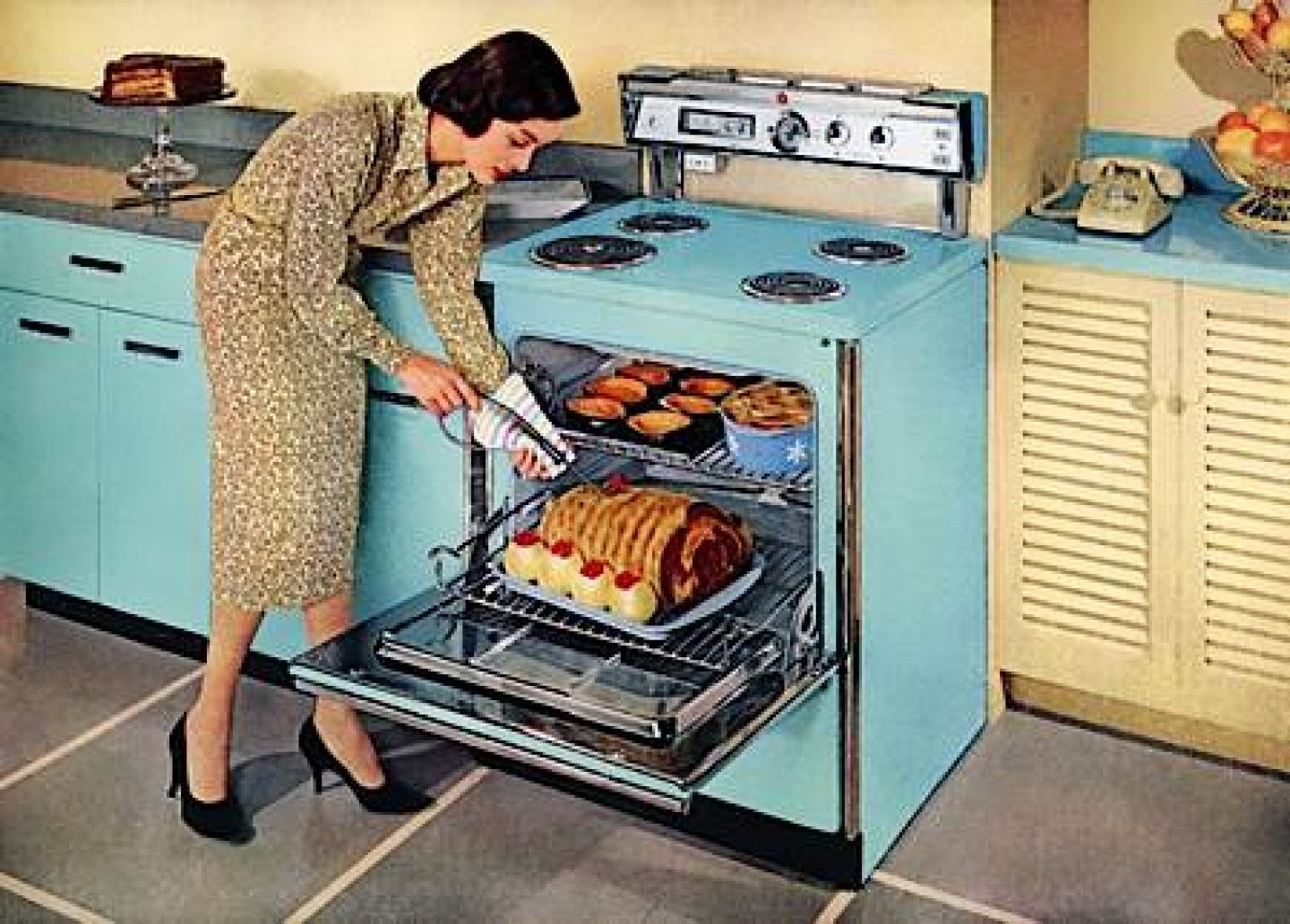
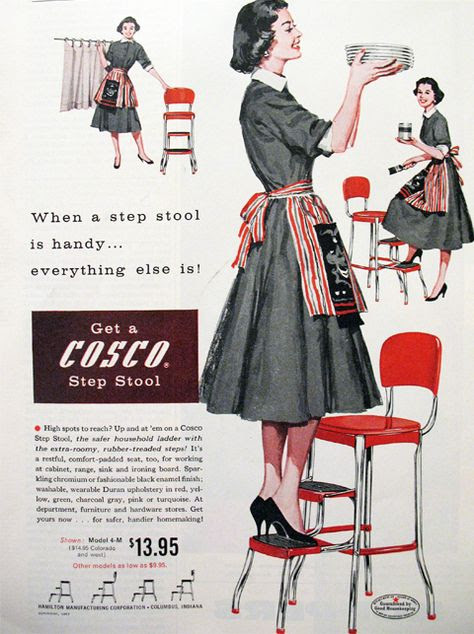
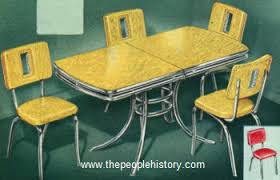
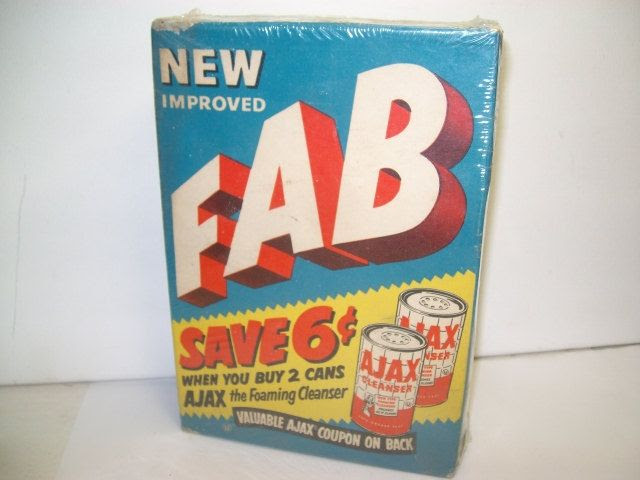
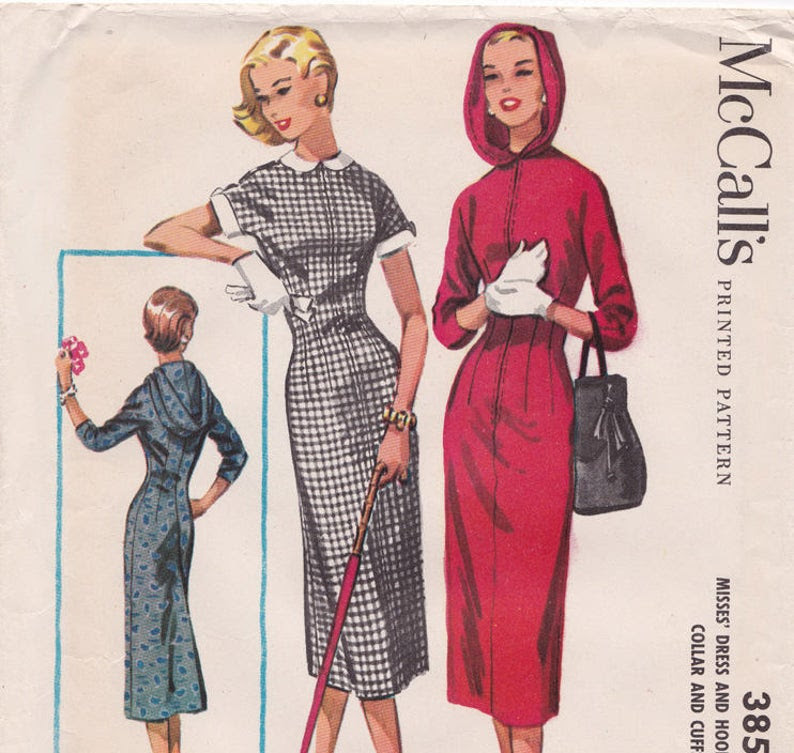
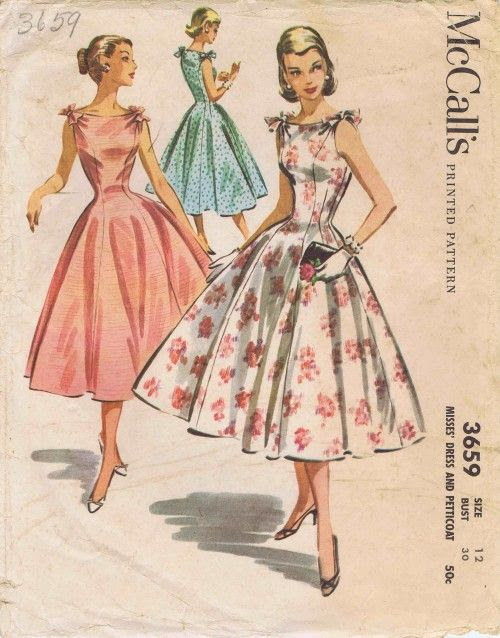
The 1950’s seem to be so glamorous in the year 2020.Looking back, it was a tough time for women and there was an abundance of new postwar innovations but still mom was home cooking and cleaning most days.
You will notice dad is nowhere to be seen. He was on the easy chair, reading the newspaper, feet up and dog asleep at his side.
Text by Judith Berdy Thanks to Bobbie Slonevsky for her dedication to Blackwell’s Almanac and the RIHS Thanks to Deborah Dorff for maintaining our website Edited by Melanie Colter and Deborah Dorff
All image are copyrighted (c) Roosevelt Island Historical Society unless otherwise indicated PHOTOS COPYRIGHT GHILA KRATJZMAN (c) FUNDING PROVIDED BY ROOSEVELT ISLAND OPERATING CORPORATION PUBLIC PURPOSE GRANTS CITY COUNCIL REPRESENTATIVE BEN KALLOS DISCRETIONARY FUNDING THRU DYCD
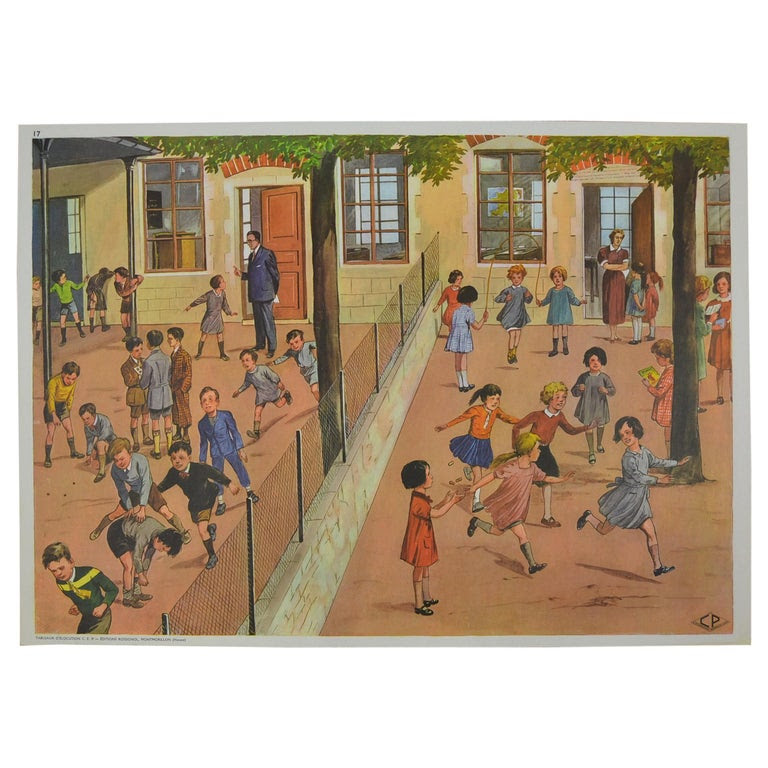
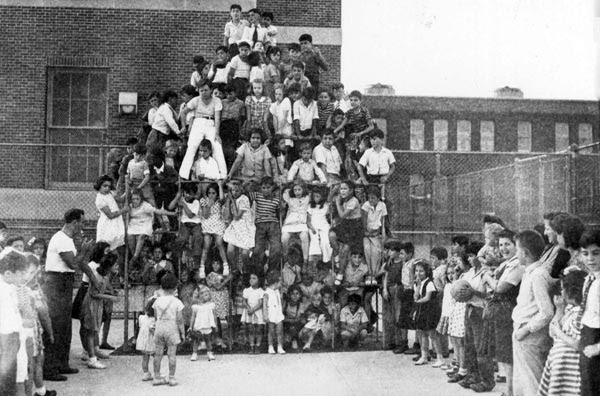
Think about your childhood where little girls and little boys played in separate areas of the school yard.
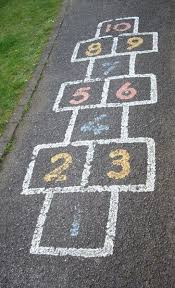
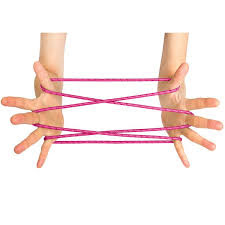
Girls had hopscotch, which has recently been revived on Roosevelt Island, along with jump rope and cat’s cradle
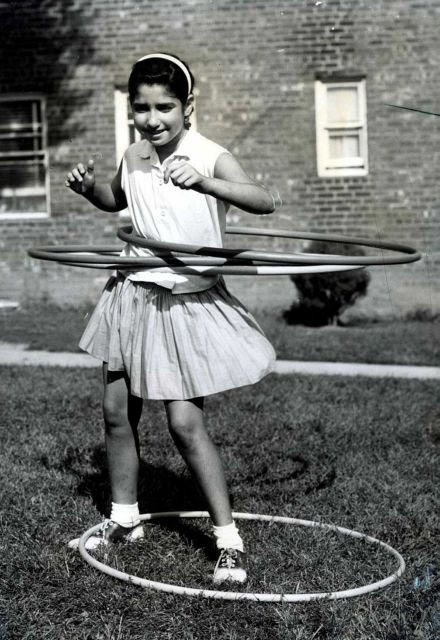
The ever present hula-hoop of 1957.
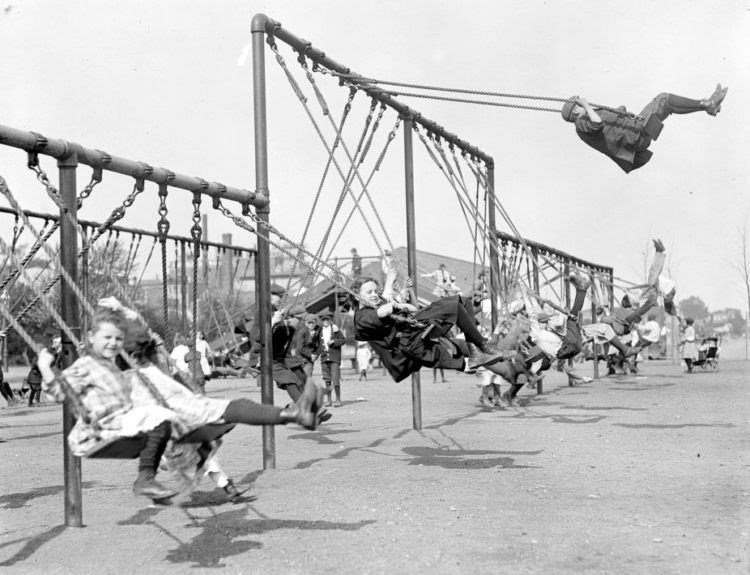
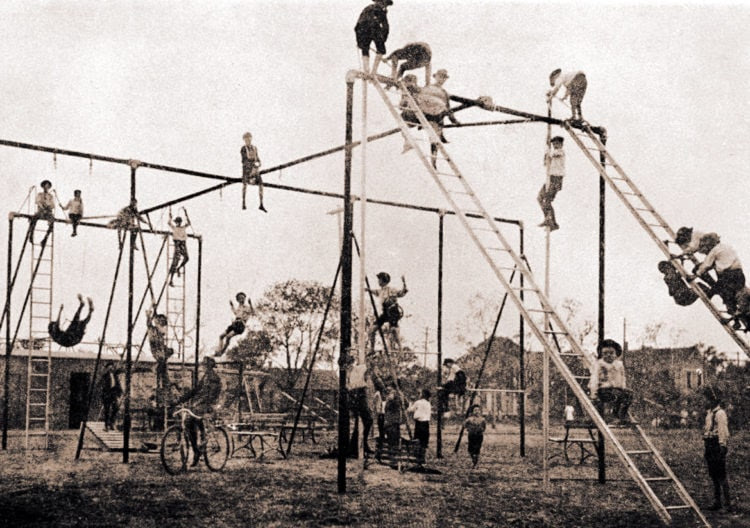
47 dangerous old playgrounds that our great-grandparents somehow from Click Americana (c)
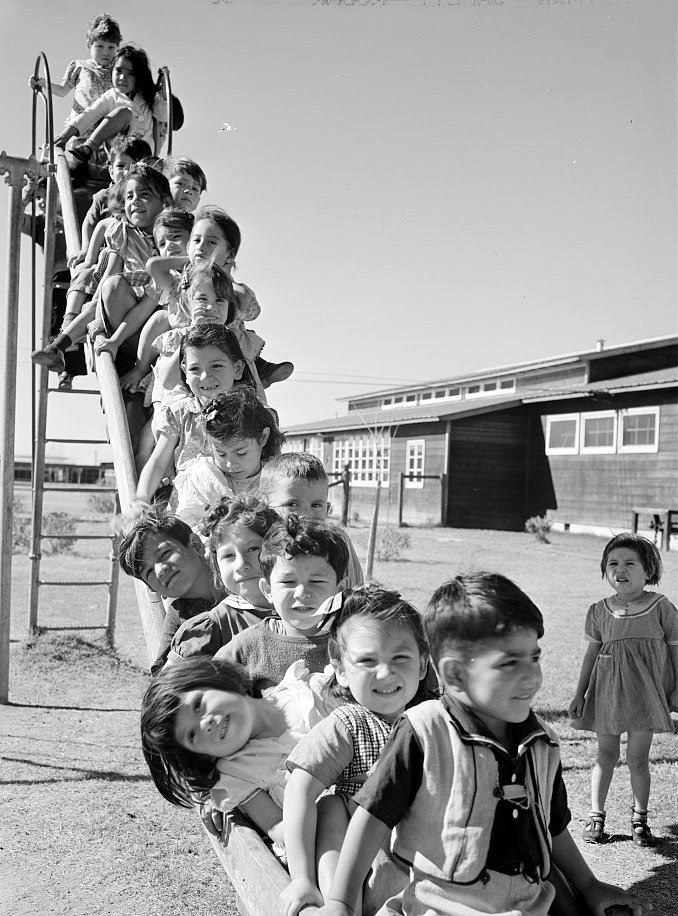
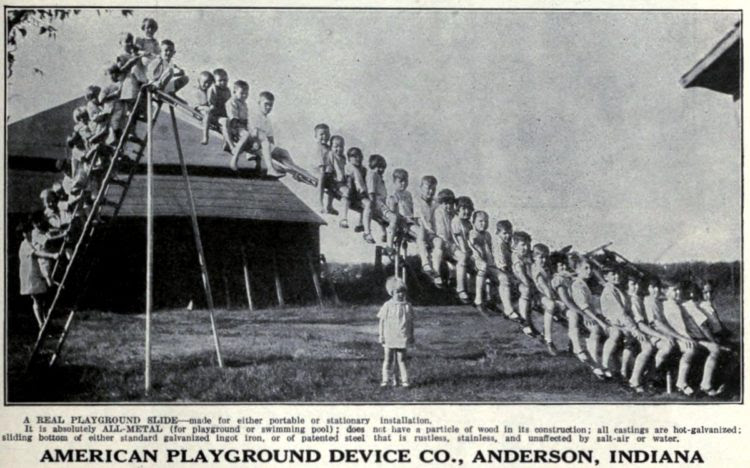
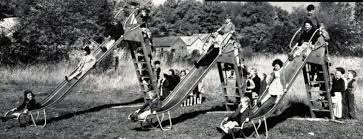
How many can slide down at once?
Before composites, rubber padding and any kind of protection, the playground was a “free-for-all.”
Remember the slides, shiny metal and burning hot in the sunshine.
The Jungle Jim
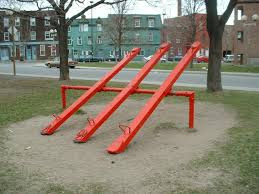
The seesaw, another favorite. just hold on real tight
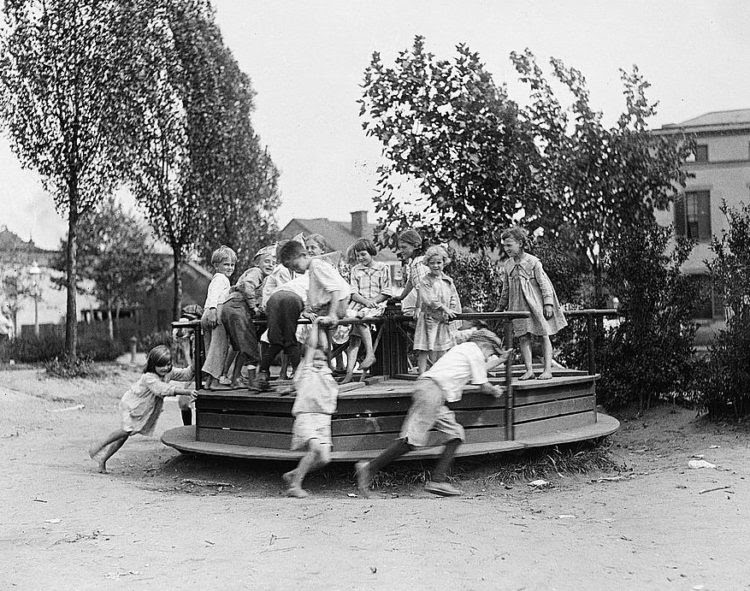
You spin me right round (1925) On the Medart Ocean Wave (“With an Undulating and Wavelike Motion”) you could sit facing in or out — or stand — on this spinner from the mid-’20s. It just depended on whether you wanted to throw up on bystanders, or the other people on the ride with you.
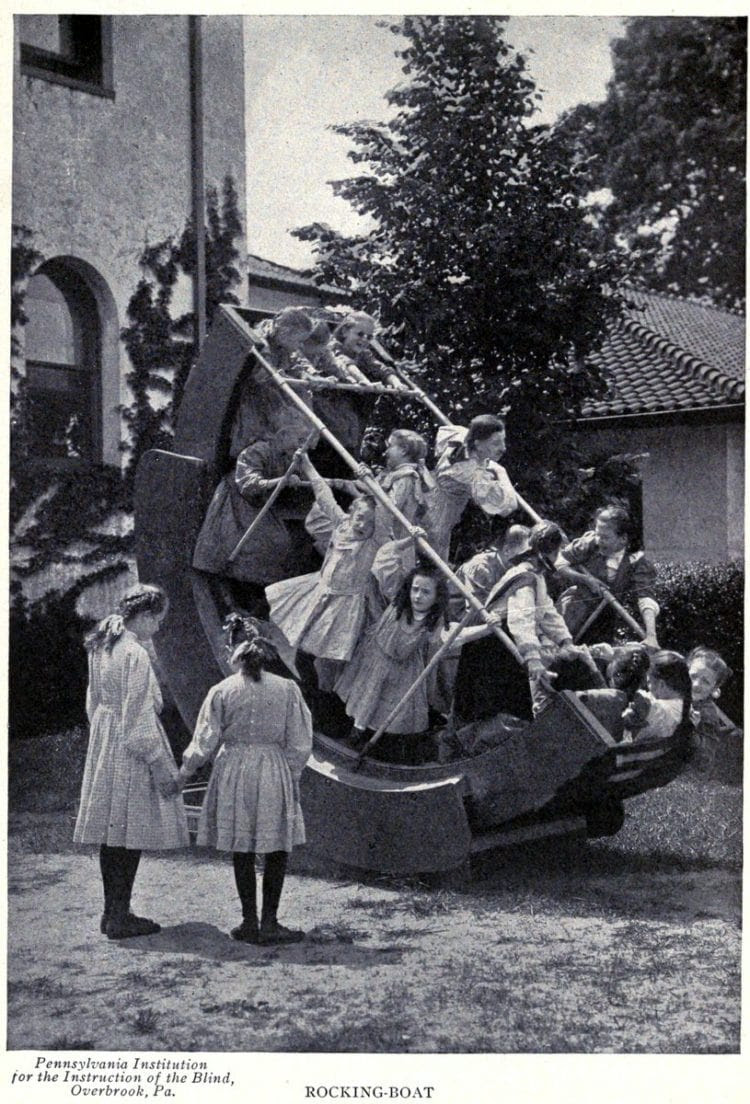
The description says this comes from a school for the blind
Knee boo boos were an everyday occurrence.
TUESDAY PHOTO OF THE DAY
WHAT AND WHERE IS THIS? Send your submission to rooseveltislandhistory@gmail.com Win a trinket from the RIHS Visitor Center Kiosk
MONDAY PHOTO OF THE DAY
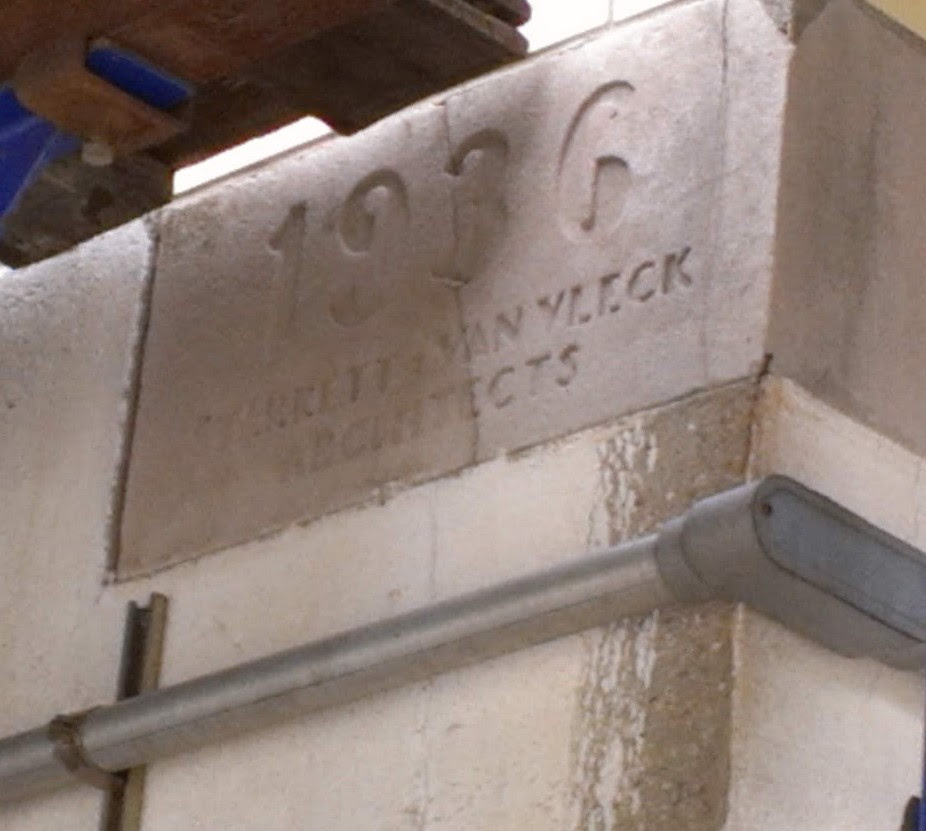
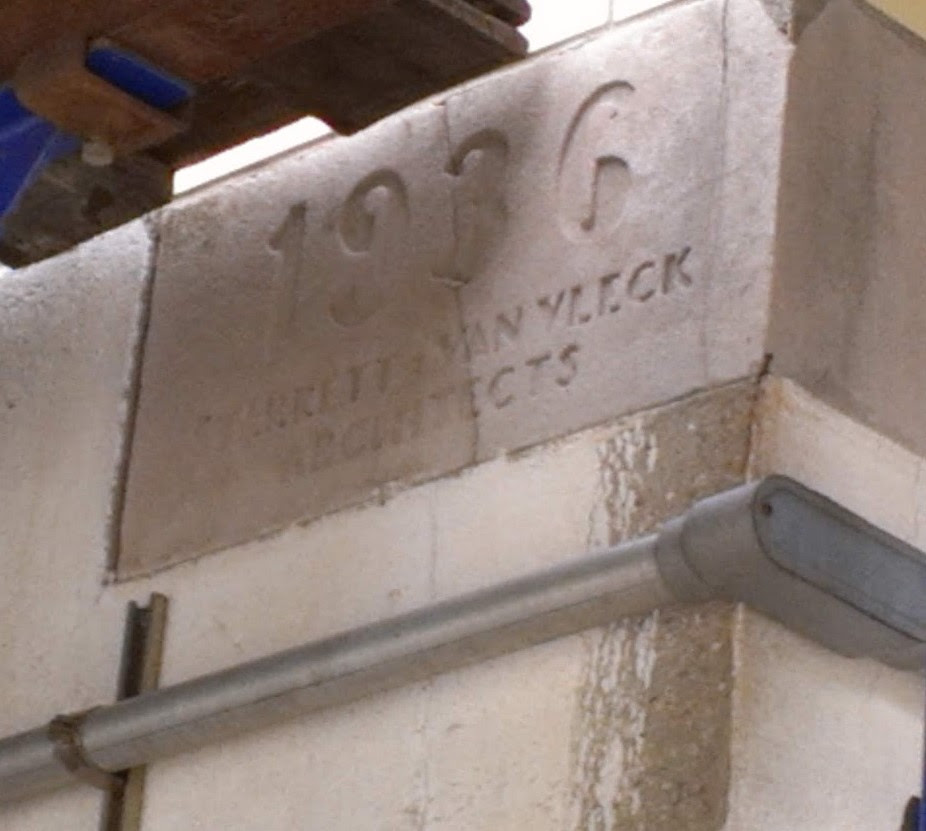
CORNERSTONE ON FORMER GOLDWATER STEAM PLANT. STARETT VAN YLECK ARCHITECTS 1936
Go out and play was the instructions kids of the 50’s received from mom. I remember some of the playground equipment illustrated here. I think I mastered cat’s cradle and Hopscotch
Text by Judith Berdy Thanks to Bobbie Slonevsky for her dedication to Blackwell’s Almanac and the RIHS Thanks to Deborah Dorff for maintaining our website Edited by Melanie Colter and Deborah Dorff FUNDING PROVIDED BY: ROOSEVELT ISLAND OPERATING CORPORATION THRU PUBLIC PURPOSE FUNDING
CITY COUNCIL MEMBER BEN KALLOS DISCRETIONARY FUNDS THRU DYCD
THE ROOSEVELT ISLAND HISTORICAL SOCIETY (C) WIKIPEDIA (C) Images courtesy of CLICK AMERICANA (C)
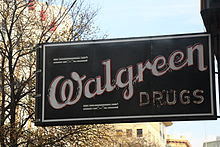
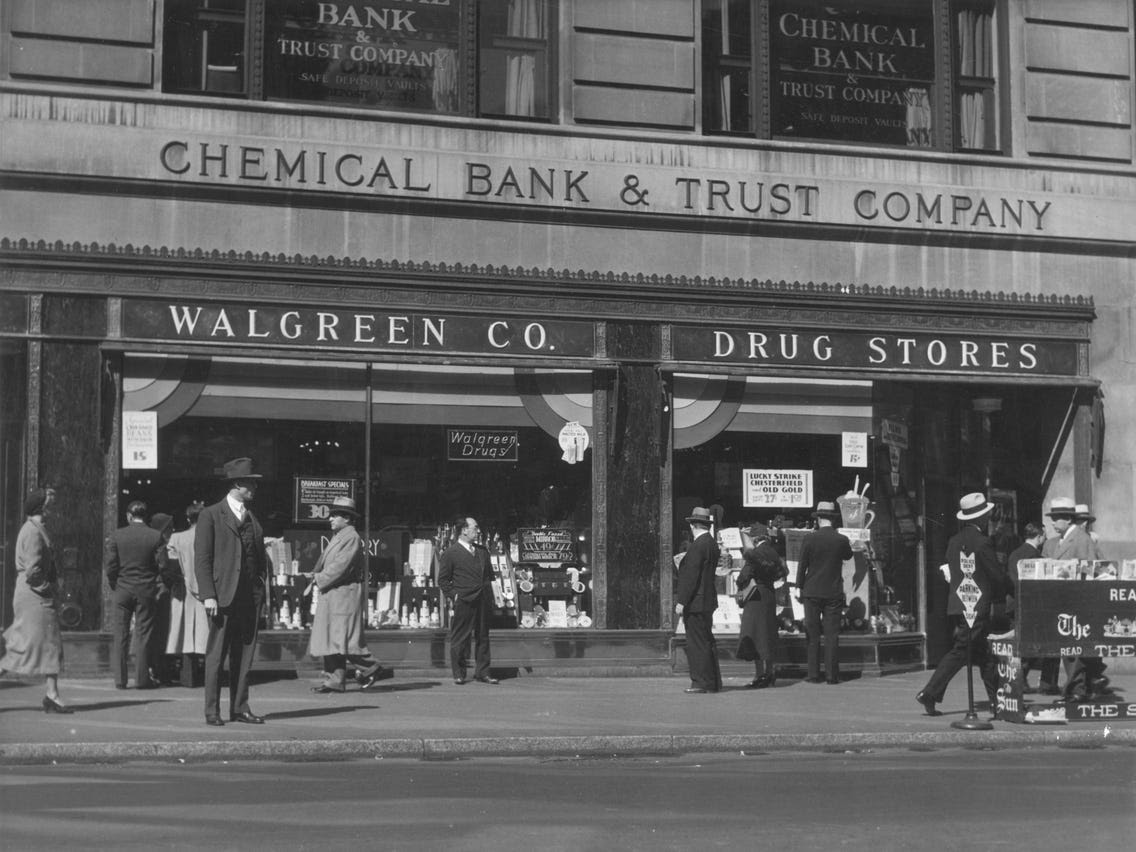
Walgreens began in 1901, with a small food front store on the corner of Bowen and Cottage Grove Avenues in Chicago, owned by Galesburg native Charles R. Walgreen. By 1913, Walgreens had grown to four stores on Chicago’s South Side. It opened its fifth in 1915 and four more in 1916. By 1919, there were 20 stores in the chain. As a result of alcohol prohibition, the 1920s were a successful time for Walgreens. Although alcohol was illegal, prescription whiskey was available and sold by Walgreens.
In 1922 the company introduced a malted milkshake, which led to its establishing ice cream manufacturing plants. The next year, Walgreen began opening stores away from residential areas. In the mid 1920s, there were 44 stores with annual sales of $1,200,000 combined. Walgreens had also expanded by then into Minnesota, Missouri, and Wisconsin. By 1930 it had 397 stores with annual sales of US$4,000,000.
This expansion partly was attributed to selling prescribed alcohol, mainly whiskey, which Walgreen often stocked under the counter, as accounted in Daniel Okrent’s Last Call: The Rise and Fall of Prohibition. The stock market crash in October 1929 and the subsequent Great Depression did not greatly affect the company. By 1934, Walgreens was operating in 30 states with 601 stores. After Charles Walgreen Sr. died in 1939, his son Charles R. Walgreen Jr. took over the chain until his retirement. The Charles R. Walgreen (Walgreen Jr.) years were relatively prosperous, but lacked the massive expansion seen in the early part of the century. Charles “Cork” R. Walgreen III took over after Walgreen Jr.’s retirement in the early 1950s and modernized the company by switching to barcode scanning. The Walgreen family was not involved in senior management of the company for a short time following Walgreen III’s retirement.
More Discreet than Duane Reade signage
REXALL
In 1903, Louis K. Liggett persuaded 40 independent drug stores to invest $4,000 in a retailers’ cooperative called United Drug Stores, which sold products under the Rexall name. After World War I, the cooperative established a franchise arrangement whereby independently owned retail outlets adopted the Rexall trade name and sold Rexall products. The company was based in Boston.
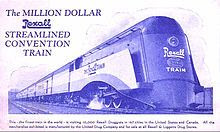
Rexall Train Postcard photo of the Rexall Train
The Rexall Train of March to November 1936 toured the United States and Canada to promote Rexall drug store products, and to provide the equivalent of a national convention for local Rexall druggists without the cost of travel. Free tickets for locals to see displays of Rexall products were available at local Rexall drug stores. The 29,000 mile tour visited 47 of the 48 contiguous states (omitting Nevada) and parts of Canada. The blue-and-white train of 12 air-conditioned Pullman cars with displays in 4 cars, convention facilities in 4 cars and a dining car was hauled by a streamlined 4-8-2 Mohawk locomotive, No. 2783 from the New York Central Railroad. It was the million-dollar brainchild of Louis Liggett, who travelled in the rear observation car. Justin Whitlock Dart, formerly of the Walgreens drugstore chain, took control of Boston-based United Drug Company in 1943. The chain operated under the Liggett, Owl, Sonta, and Rexall brands, which Dart rebranded under the Rexall name. Rexall gained national exposure through its sponsorship of two famous classic American radio programs of the 1940s and 1950s: Amos and Andy and The Phil Harris-Alice Faye Show. Both shows were often opened by an advertisement from an actor (Griff Barnett) portraying “your Rexall family druggist”, and included the catch phrase “Good health to all from Rexall.” They also sponsored the Jimmy Durante Show and references are made by the character Mr. Peavey in some of The Great Gildersleeve radio shows. Rexall also sponsored Richard Diamond, Private Detective starring Dick Powell from April 1950 until Camel replaced Rexall as the sponsor after the December 6, 1950, broadcast.
C.O. Bigelow Apothecaries
Bigelow is on Sixth Avenue
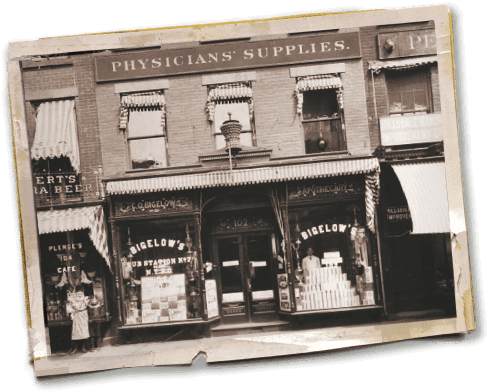
THE HISTORY OF C.O. BIGELOW OUR APOTHECARY, OUR LEGACY Nestled in the tiny neighborhood of Greenwich Village in New York City, C.O. Bigelow is the oldest apothecary in America. For nearly two centuries we have served some of the country’s most predominant personalities and have remained true to our traditions, transporting customers back to a time and place of personalized attention, customized formulas and healing therapeutic natural preparations.
Caswell-Massey
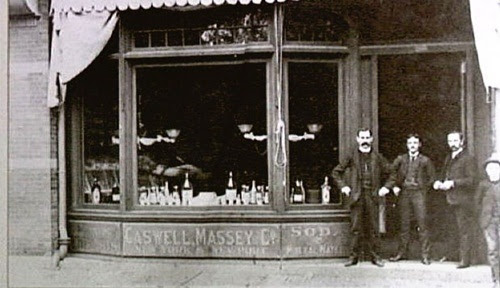
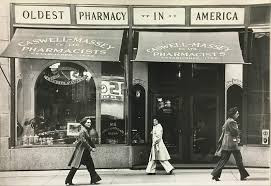
Caswell-Massey, founded in 1752, is the first fragrance and personal care product company in America. Originally, Caswell Massey started as an apothecary shop in Newport, Rhode Island, by a Scottish-born doctor named William Hunter. The main product categories include fine-fragrance, soap, bath & body products, men’s shaving products and toiletries, other assorted apothecary-style personal care accessories. Its products are preferred favorites of notable historical figures such as: JFK, George Washington, Cole Porter, Alla Nazimova, John Denver, and The Rolling Stones. The company is regarded as the fourth-oldest continuously operating company in America and the oldest American consumer brand in operation. The current motto of is “America’s Original”.
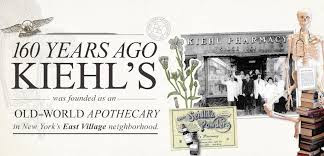
Kiehl’s
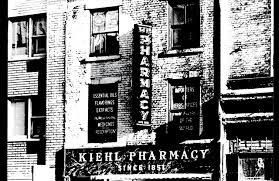
Founded in 1851 by John Kiehl, Kiehl’s began as a homeopathic pharmacy located in New York City‘s East Village: 3rd Avenue and 13th Street. In 1921 Irving Morse, a former apprentice and Russian Jewish émigré who had studied pharmacology at Columbia University, purchased the store. Morse was involved in developing many of Kiehl’s products that are still popular today; including Blue Astringent Herbal Lotion and Creme de Corps. Irving’s son, Aaron Morse, who also studied pharmacology at Columbia University and was a former World War II pilot, took over the store in the 1960s.
The younger Morse was credited for propelling Kiehl’s from obscurity in the 1950s to international recognition in the 1980s as an upscale natural cosmetics shop. Aaron transitioned the store from traditional pharmaceuticals towards skin care lines. After Aaron‘s death in 1995, his desk and some of his vintage motorcycles were prominently showcased in the store.
From 1988 to 2000, Jami Morse Heidegger, Aaron’s daughter, operated Kiehl’s. Maintaining Kiehl’s as a single store, but selling their products through high end retail stores, Morse Heidegger increased Kiehl’s revenue to $40 million. Morse Heidegger achieved this growth by being “a clever marketer”, relying on word of mouth and extensive free samples – and gifts – to market Kiehl’s products, rather than traditional advertising.
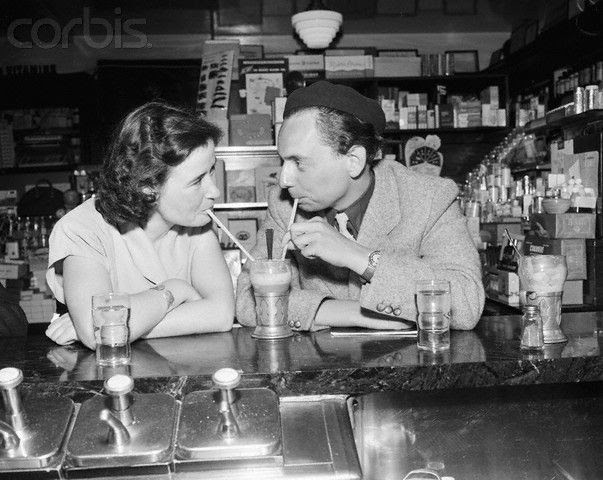
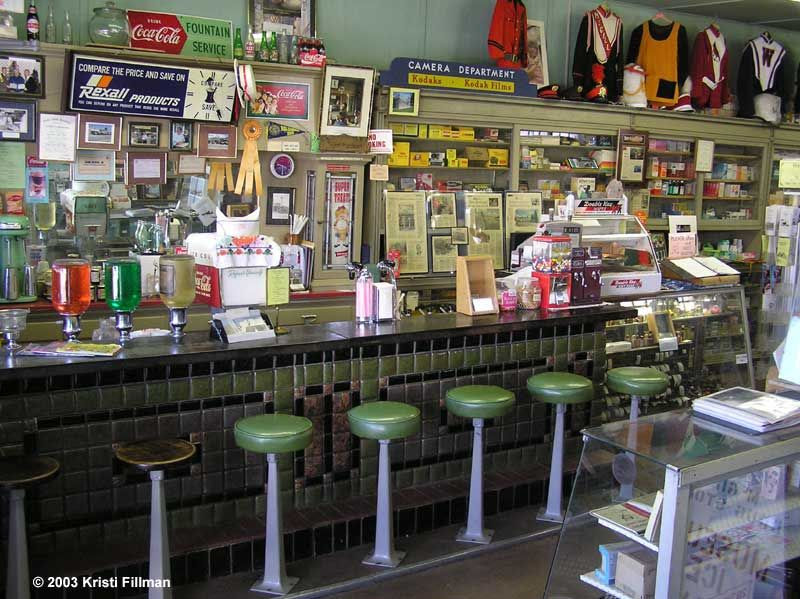
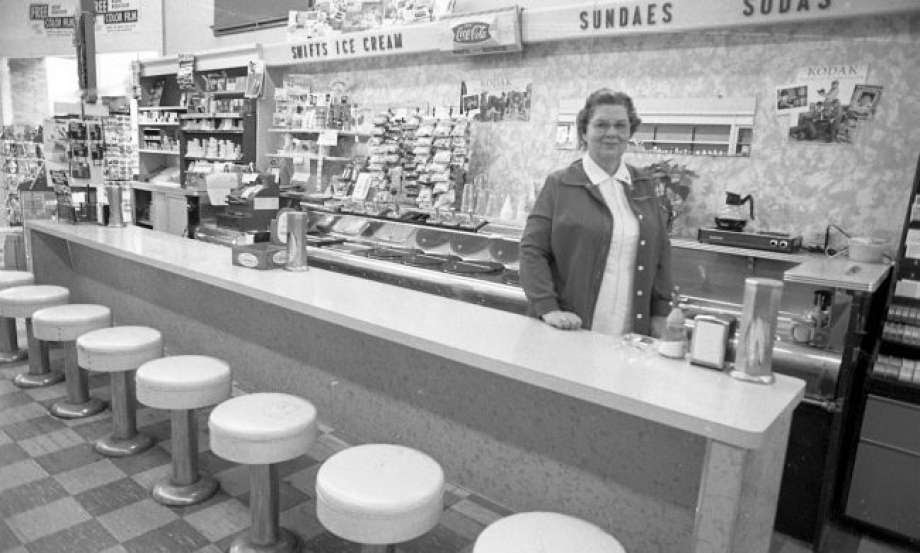
SODA FOUNTAINS AT THE DRUG STORE
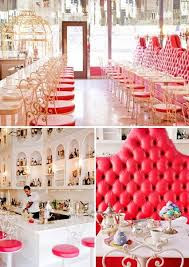
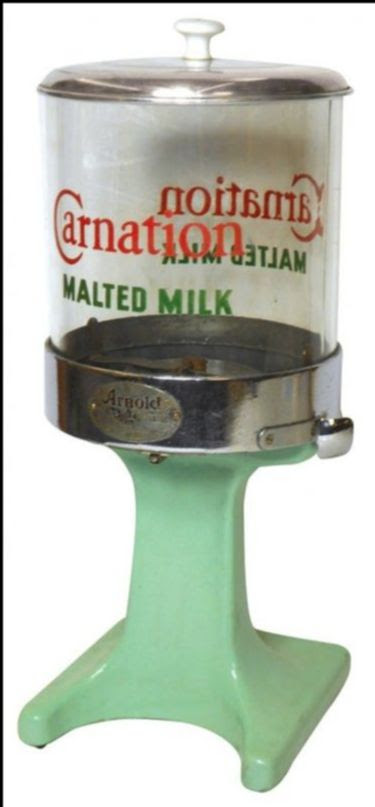
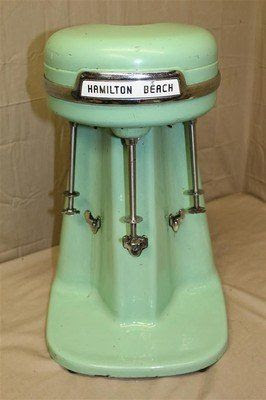
Being a skinny kid, I remember going to the soda fountain in the local drug store for a malted milk. The malted was great and spinning around on the tall stool was even more fun. Watching the staff make the malted with milk from a mysterious pump, malt from a dispenser and the all Hamilton Beach green mixer. The mixer seemed to take so much time to finish. Then 3 glasses of the luscious beverage!!!
Text by Judith Berdy Thanks to Bobbie Slonevsky for her dedication to Blackwell’s Almanac Thanks to Deborah Dorff for maintaining our website Edited by Melanie Colter and Deborah Dorff All materials in this publication are copyrighted (c)
MORE INFORMATION ON EACH PHARMACY ARE AVAILABLE ON-LINE THRU WIKIPEDIA (C)
MATERIAL COPYRIGHT WIKIPEDIA, GOOGLE IMAGES, RIHS ARCHIVES AND MAY NOT BE REPRODUCED WITHOUT PERMISSION (C)
FUNDING BY ROOSEVELT ISLAND OPERATING CORPORATION PUBLIC PURPOSE FUNDING
DISCRETIONARY FUNDING BY COUNCIL MEMBER BEN KALLOS THRU NYC DYCD
THIS IS THE 102nd ISSUE OF FROM THE ARCHIVES JULY 11-12, 2020 WEEKEND EDITION
PARADISO
ON
GOVERNOR’S ISLAND, 2013
PHOTOGRAPHS BY
CHARLES GIRAUDET
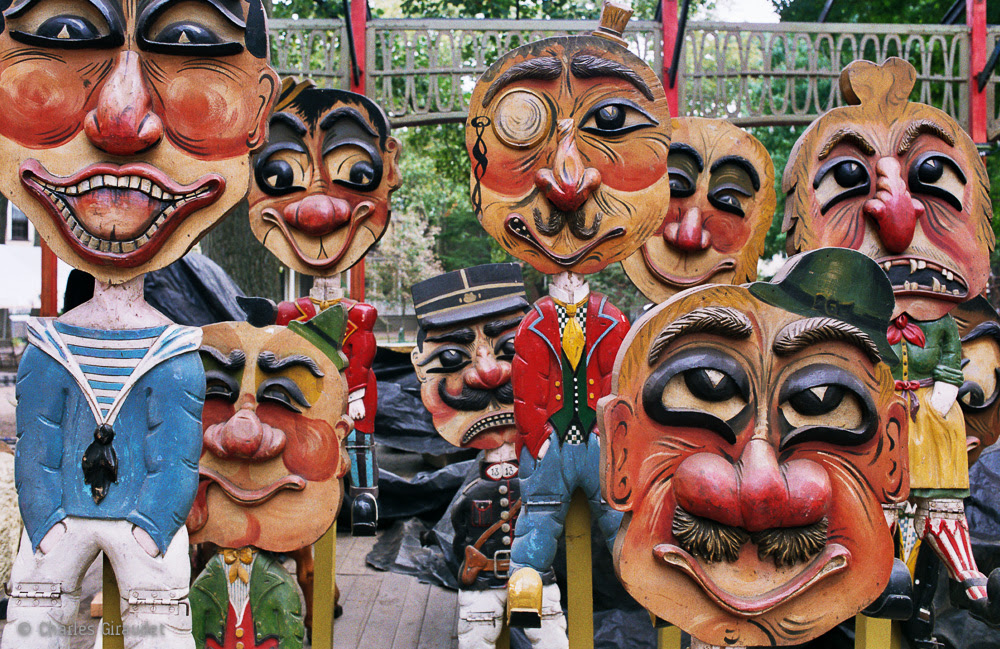
CHARACTERS
The PARADISO SERIES
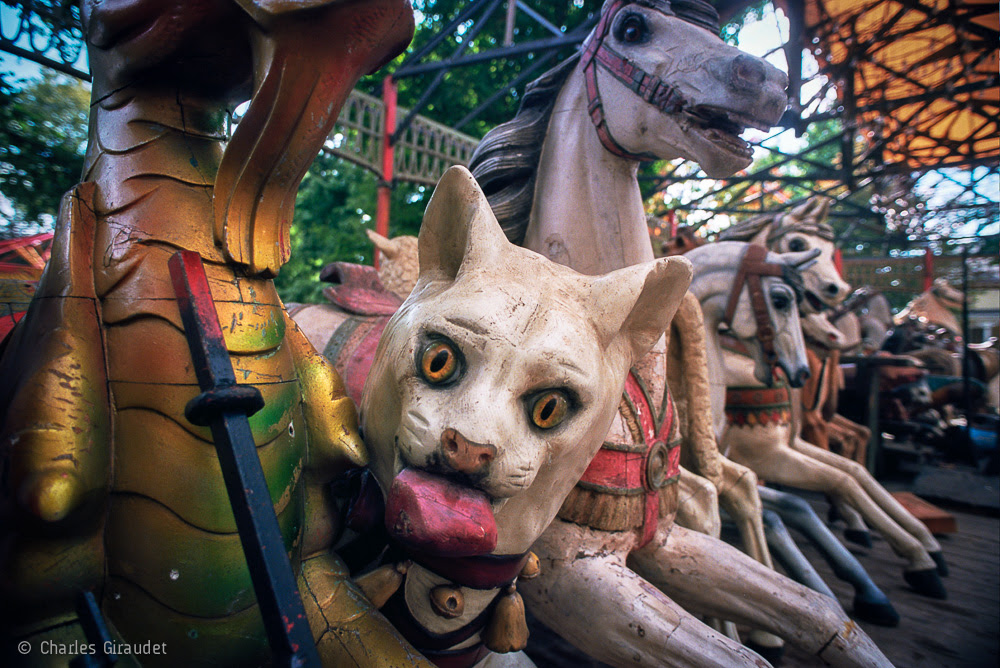
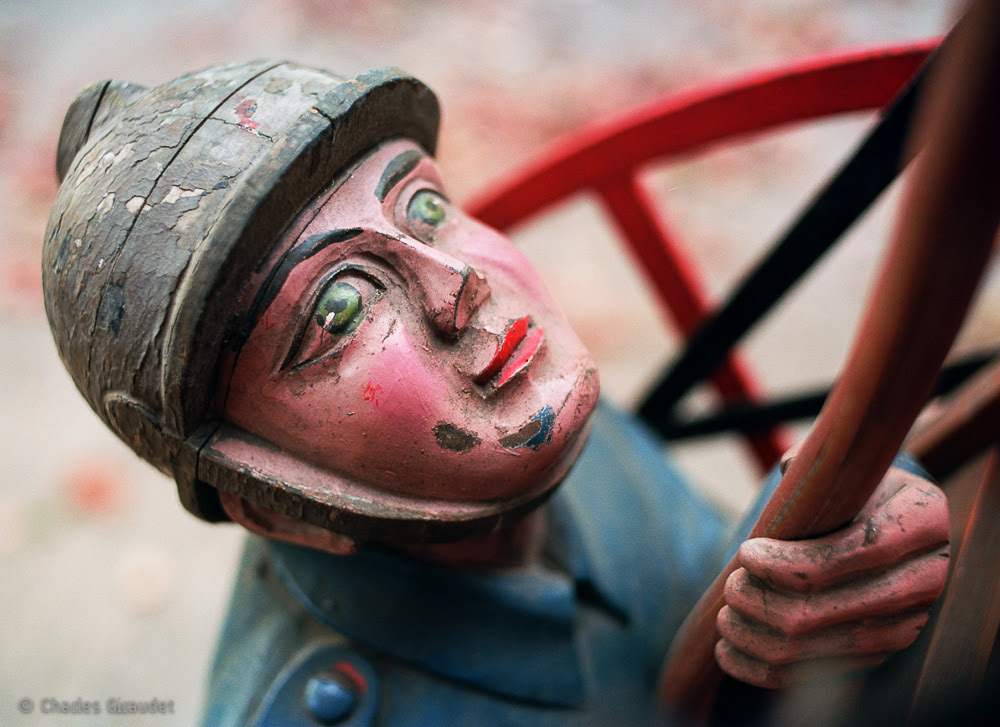
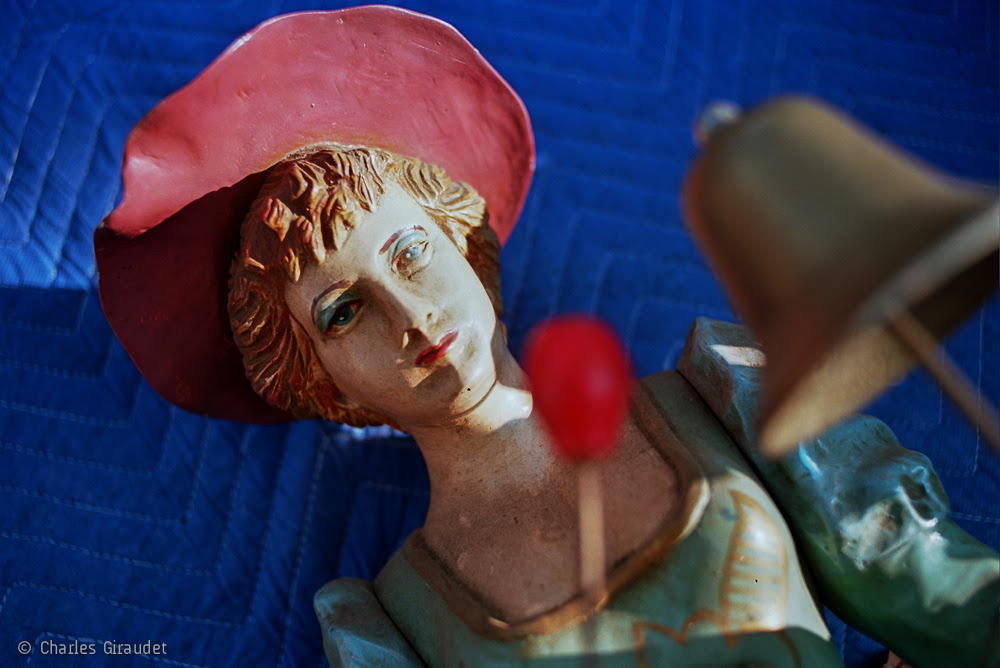
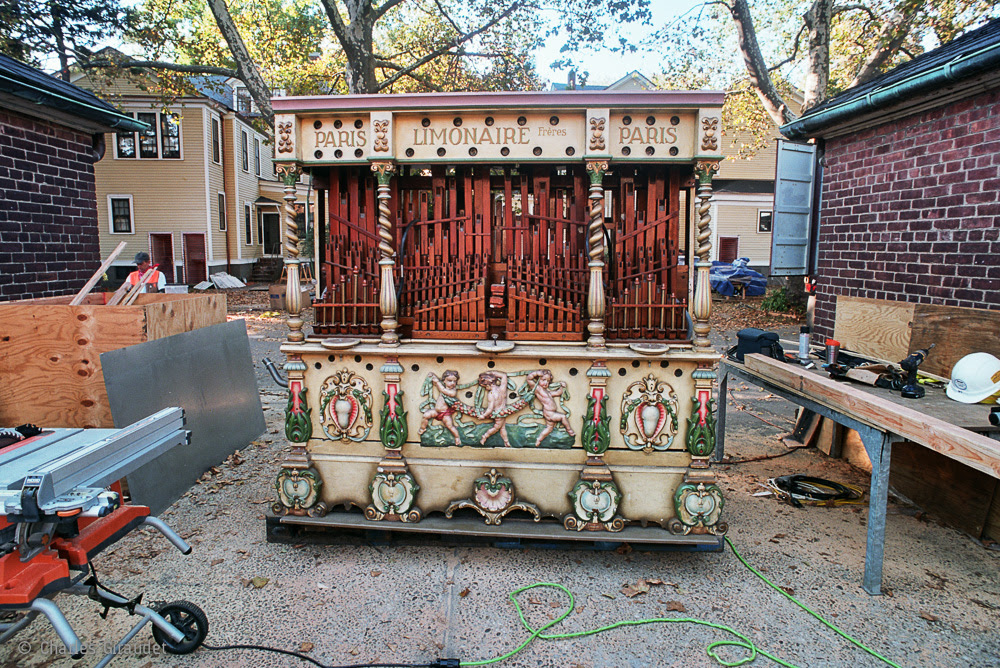
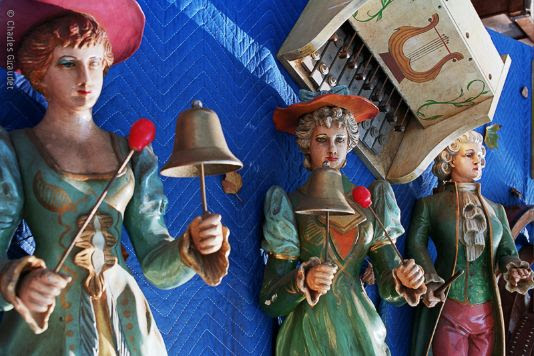
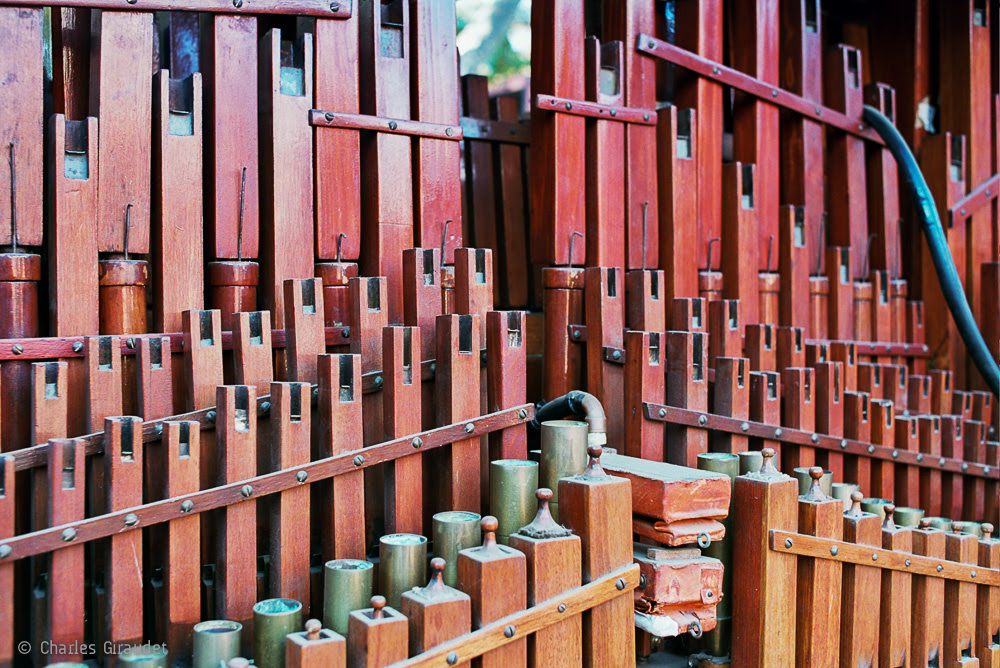
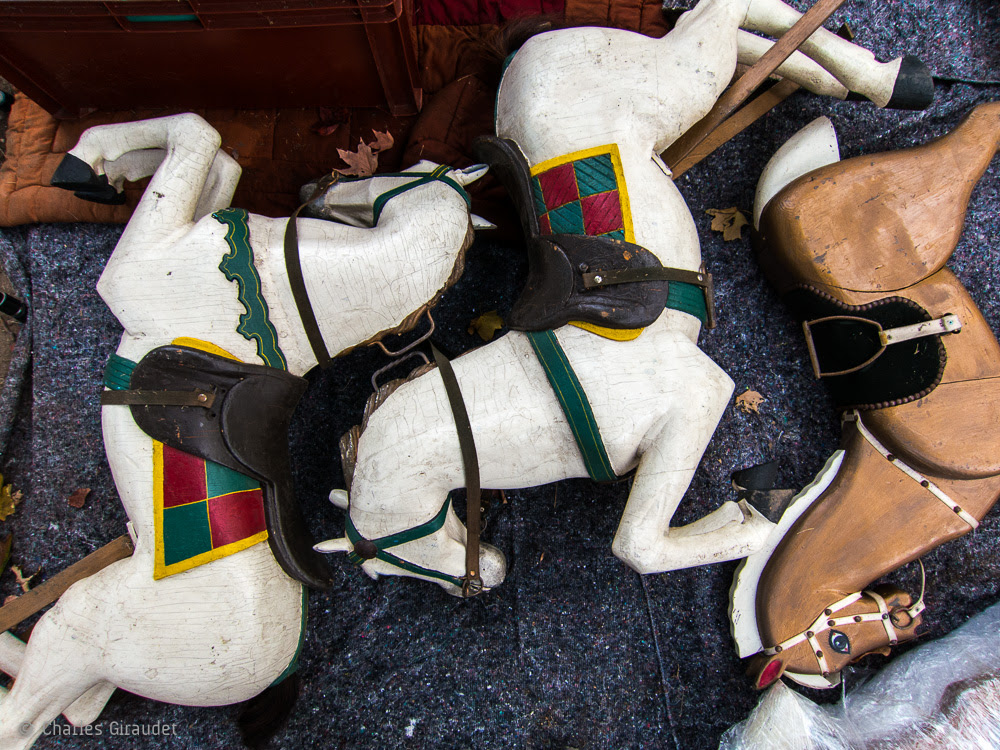
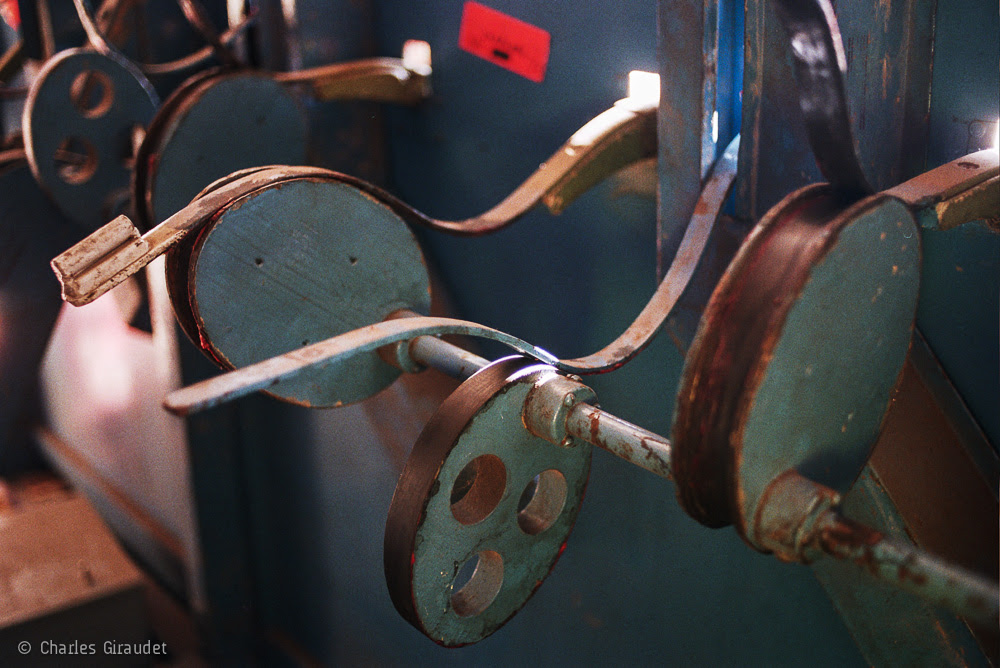
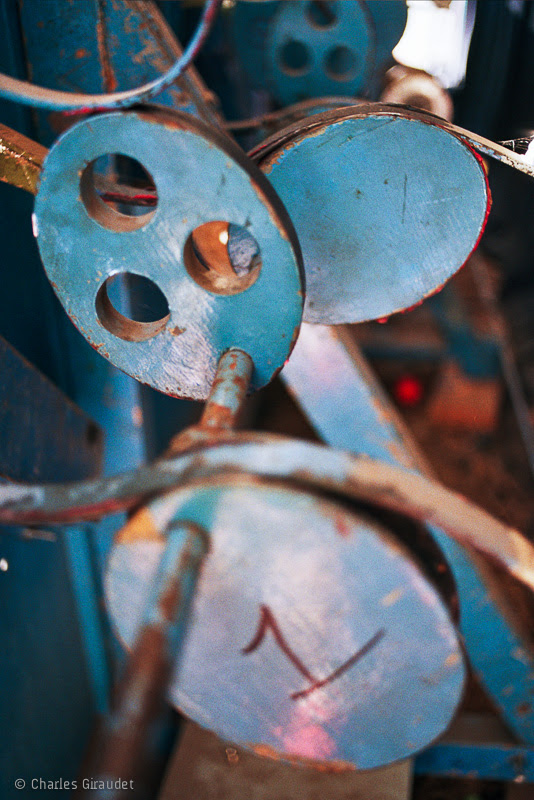
During the summer of 2013, visitors to Governor’s Island in New York city were able to experience the FETE PARADISO, a collection of French amusement rides from the 1880s to the 1950s, a period during which much of the vocabulary of fair design was invented.
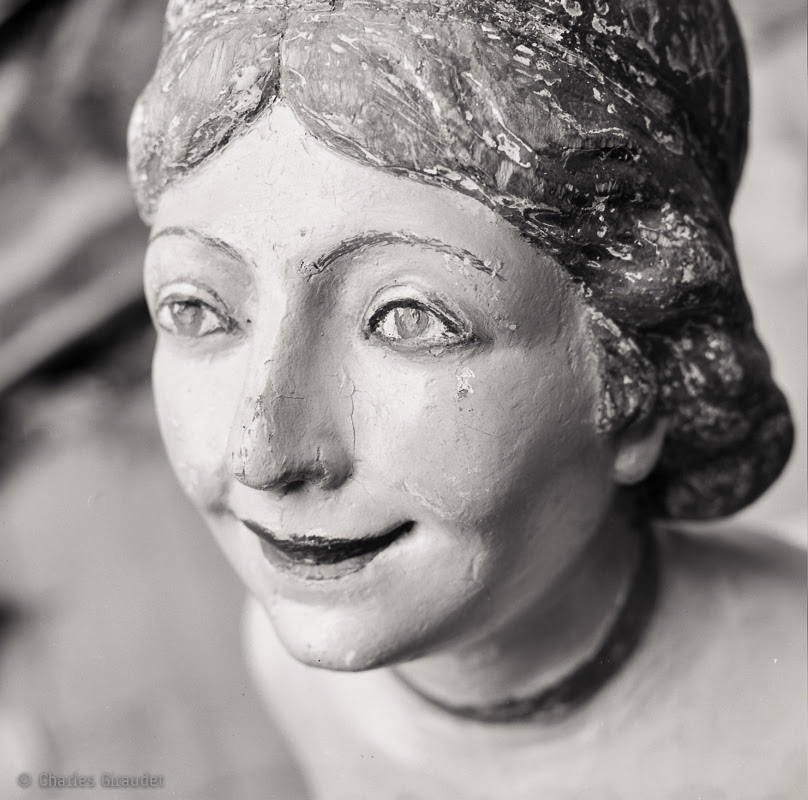
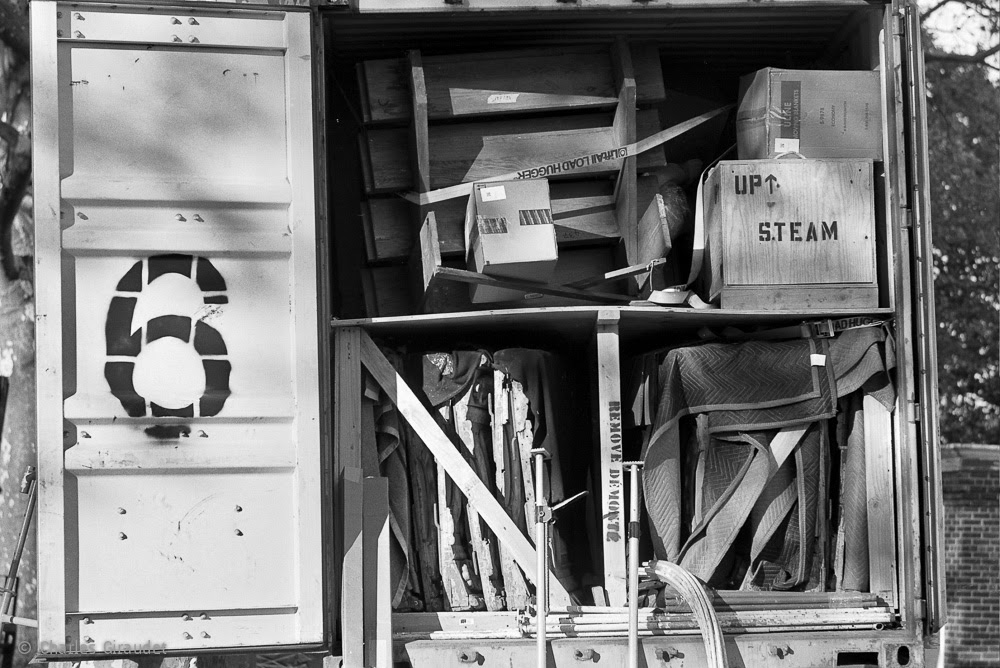
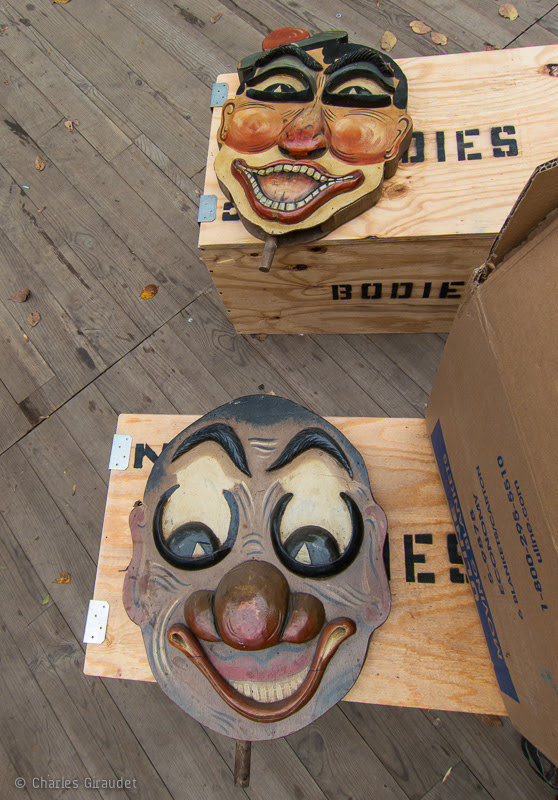
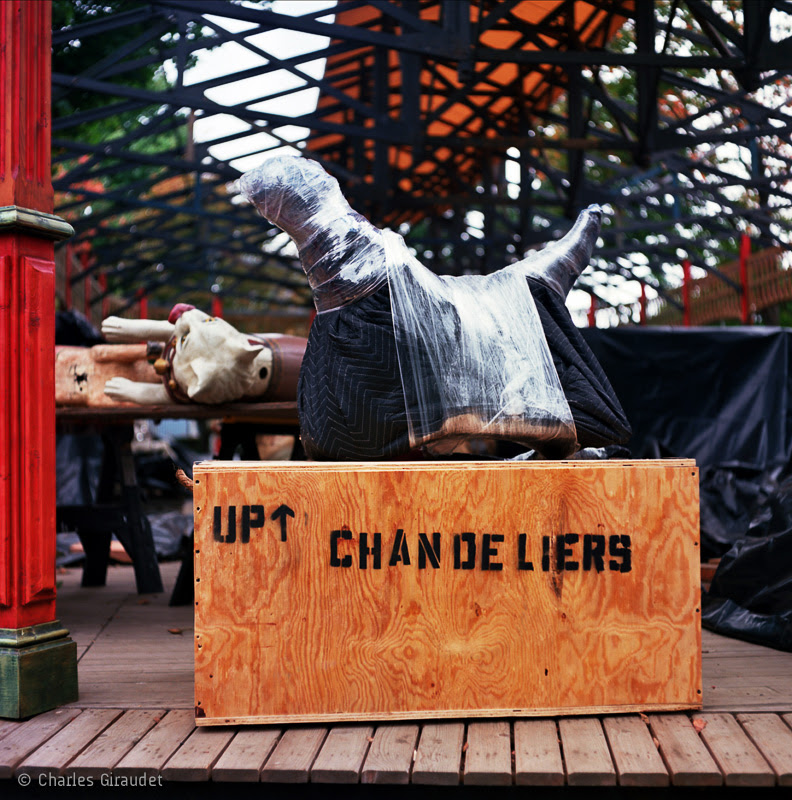
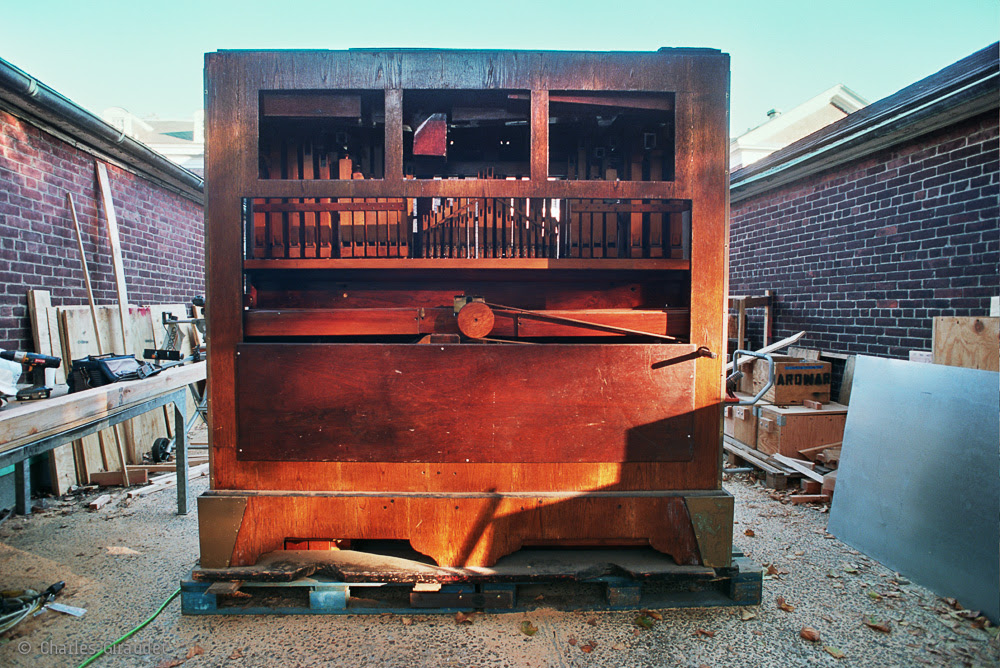
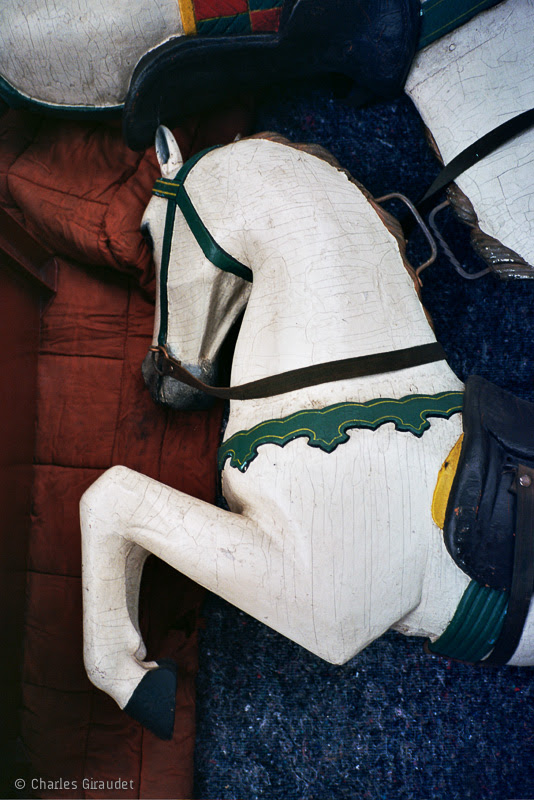
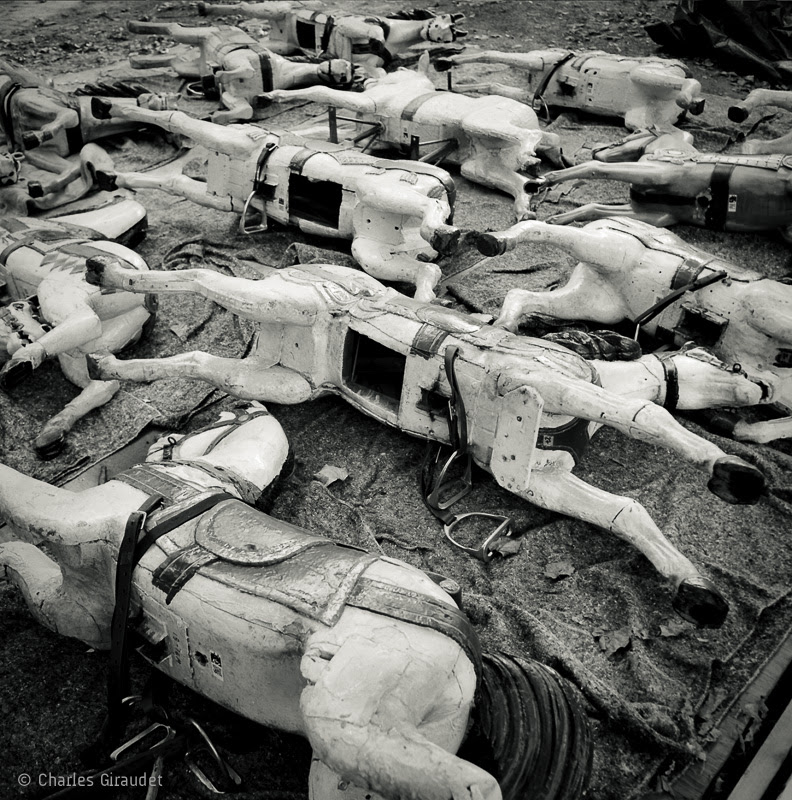
The PARADISO SERIES documents the FETE’s dismantling when the myriad parts of the carousels with their population of toy cars, ballerinas, horses, dragons, lions and cartoon characters were moved back to crates and containers to await their next outing.
For four weeks, Charles followed the process as the temporary structures folded themselves back into compact, anonymous containers. Circular structures returned to square boxes, and the objects took on different identities in the gentle chaos that followed their liberation from mandatory gyration.
Charles is interested in how objects and spaces are vehicles for memories, real and imagined. The PARADISO SERIES takes us through an intimate visit to the place where memory and dreams meet.
Thanks to our friend and photographer extraordinaire Charles Giraudet for taking us to the carnival, fair or gathering with wonderful Limonaire Organ music.
You can listen to some of the music linked on YOUTUBE. Just having this joyous music will cheer your day. Imagine being on the fair grounds and enjoying summertime.
Funding Provided by: Roosevelt Island Operating Corporation Public Purpose Funds Council Member Ben Kallos City Council Discretionary Funds thru DYCD Text by Judith Berdy Thanks to Bobbie Slonevsky for her dedication to Blackwell’s Almanac and the RIHS Thanks to Deborah Dorff for maintaining our website Edited by Melanie Colter and Deborah Dorff ALL PHOTOS COPYRIGHT RIHS. 2020 (C) ALL PHOTOS COPYRIGHT CHARLES GIRAUDET 2013 (C) ALL PHOTOS IN THIS ISSUE (C) JUDITH BERDY RIHS
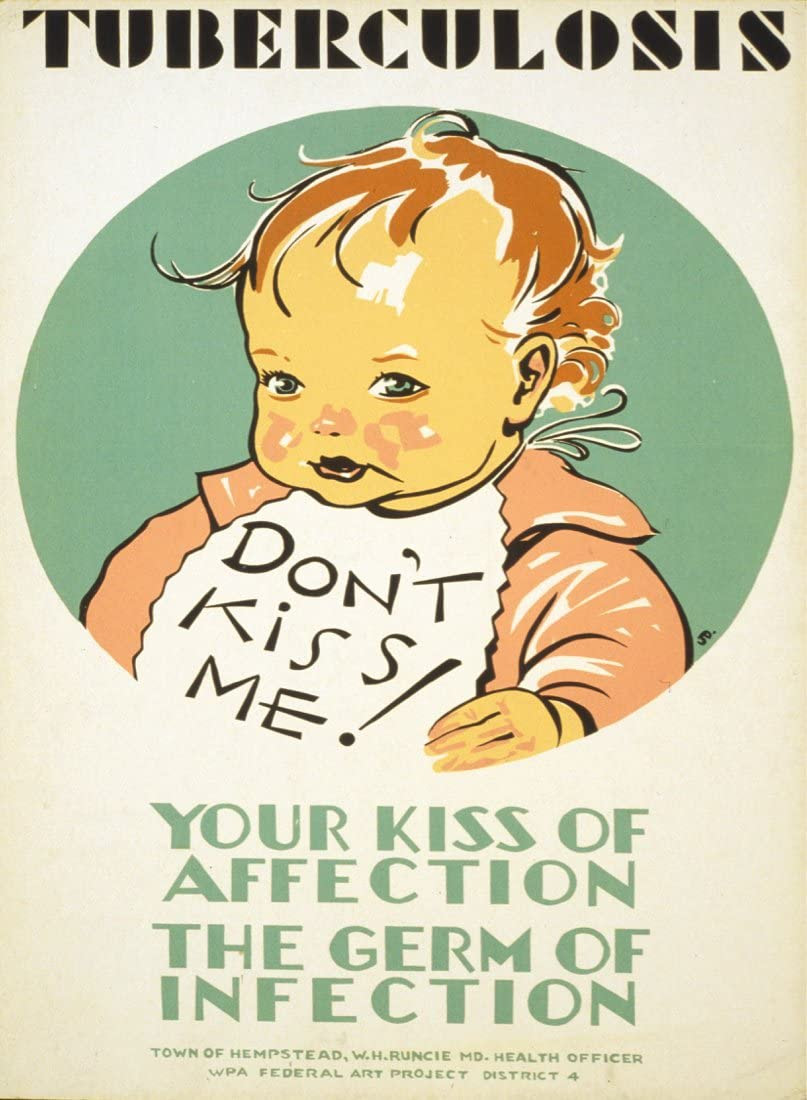
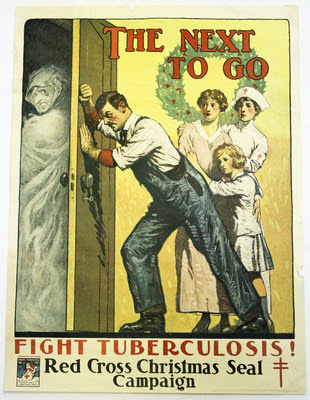
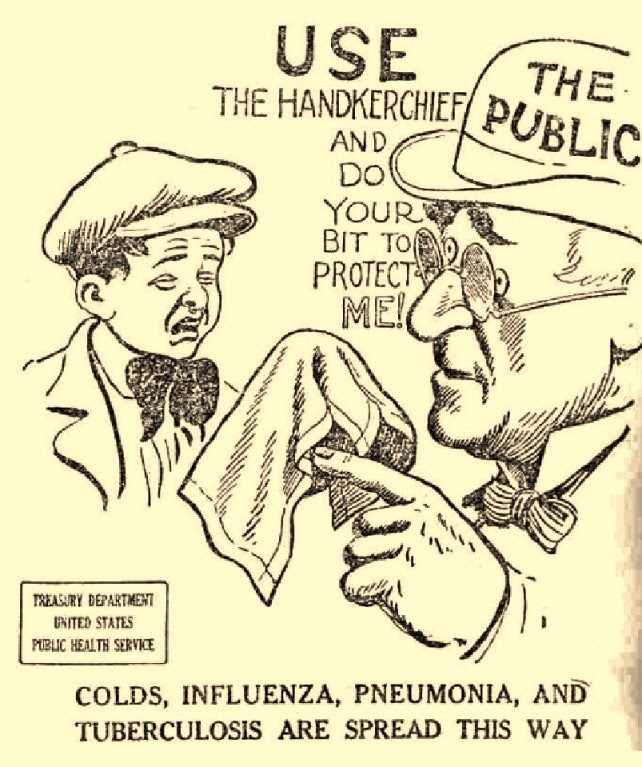
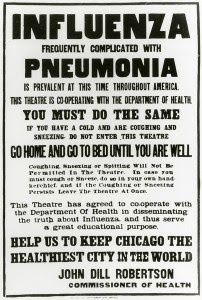
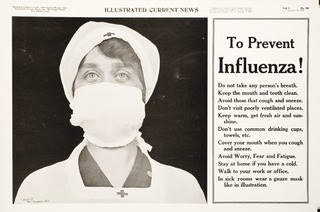
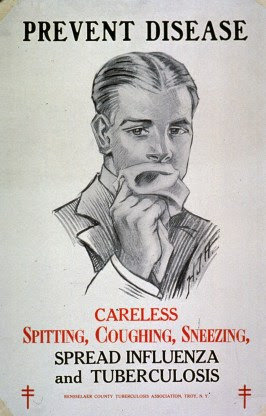
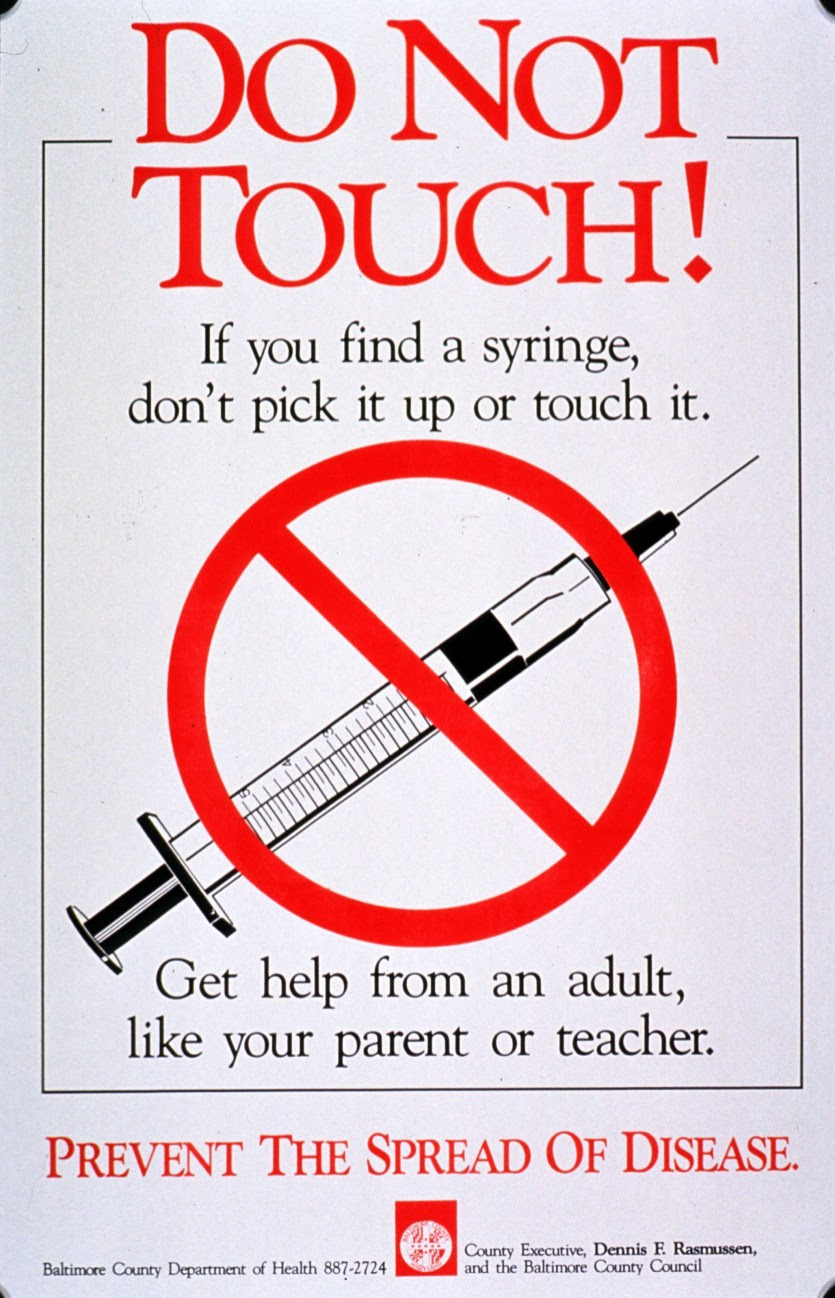
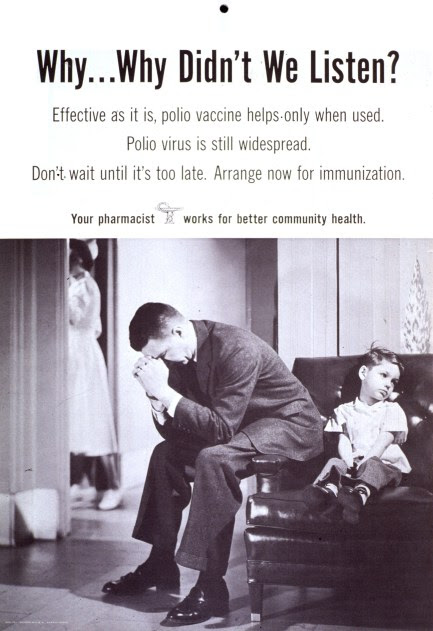
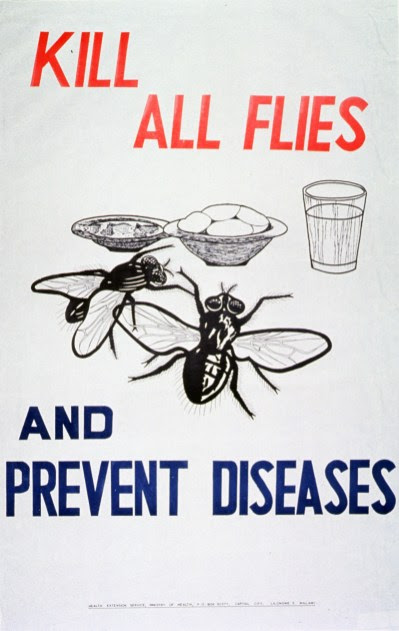
Before the age of social media, posters were a primary form of visual communication meant to catch the public’s eye even if just for a fleeting moment. Like today’s tweets, posters have limited amount of room for text and must effectively convey a concise message to an audience that does not have the time or attention span to read while on the go. And like tweets, posters have the added benefit of allowing for a dominant image to help convey a message in visual form.
TUBERCULOSIS
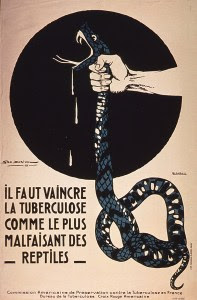
Tuberculosis, an infectious disease affecting the lungs, and described in a 2018 article in The Lancet as, “the number one cause of death from infectious disease globally,” saw a wide-variety of posters distributed with imagery meant to elicit an emotional or fearful response from the viewer, therefore leaving a lasting impression that would lead to good health hygiene. Illustration of a human hand choking a snake. Venom drips from the snake’s open mouth. Il Faut Vaincre la Tuberculose Comme le Plus Malfaisant des Reptiles, poster, 1918 National Library of Medicine #101439371 Primary image is a photograph of a baby. On either side of image is a Cross of Lorraine Protect Them From Tuberculosis, poster, 1930 National Library of Medicine #101453758 The French poster here created in 1918 by the American Tuberculosis Preservation Commission in France features a menacing illustration of a human hand choking a cobra, while venom drips from the snake’s open mouth. The poster warns that tuberculosis must be battled as the most harmful of reptiles. The poster, “Protect Them from Tuberculosis,” created in the United States in 1930 prominently features a baby, creating an emotional appeal to the viewer to protect a vulnerable population from the deadly disease.
INFLUENZA
Tuberculosis, an infectious disease affecting the lungs, and described in a 2018 article in The Lancet as, “the number one cause of death from infectious disease globally,” saw a wide-variety of posters distributed with imagery meant to elicit an emotional or fearful response from the viewer, therefore leaving a lasting impression that would lead to good health hygiene. Illustration of a human hand choking a snake. Venom drips from the snake’s open mouth. Il Faut Vaincre la Tuberculose Comme le Plus Malfaisant des Reptiles, poster, 1918 National Library of Medicine #101439371 Primary image is a photograph of a baby. On either side of image is a Cross of Lorraine Protect Them From Tuberculosis, poster, 1930 National Library of Medicine #101453758 The French poster here created in 1918 by the American Tuberculosis Preservation Commission in France features a menacing illustration of a human hand choking a cobra, while venom drips from the snake’s open mouth. The poster warns that tuberculosis must be battled as the most harmful of reptiles. The poster, “Protect Them from Tuberculosis,” created in the United States in 1930 prominently features a baby, creating an emotional appeal to the viewer to protect a vulnerable population from the deadly disease.
AIDS
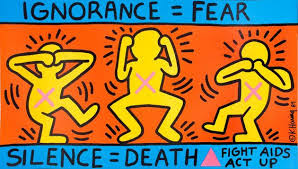
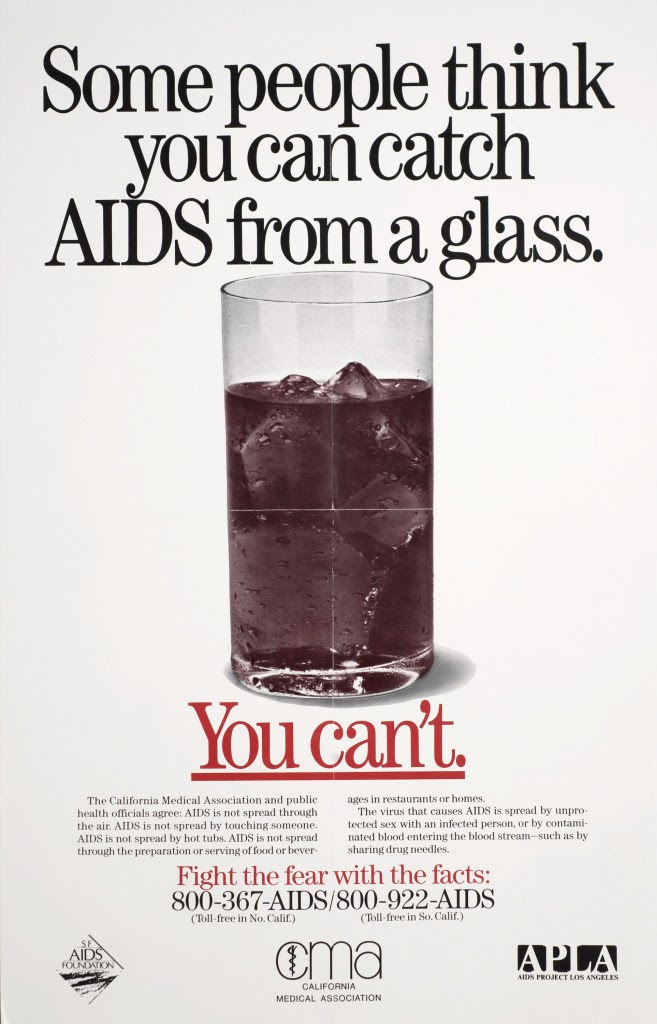
In 1981 the first known cases of AIDS were reported in the United States. The disease swiftly circled the globe, leaving in its wake a profound sense of fear and negative social stigma among those who were diagnosed with AIDS. A lack of knowledge about the disease coupled with the fact that there was no cure, lead to myths and misinformation being spread, which served to propagate public panic and bigotry amidst a rapidly increasing number of AIDS-related deaths. No one knew what caused the disease, how to prevent it, or if they were immune. Illustration of a syringe. The top of the plunger is a skull and crossbones. Title to right of illustration. Don’t Share Needles, Don’t Get Stuck with AIDS, poster, 1988. National Library of Medicine #101438836 Two men are embracing each other. One is holding an unopened condom between his fingers. Men of the 90’s. Top, Bottom, Both. Do the Safe Thing, poster, ca. 1990. National Library of Medicine #101452097 Targeted posters for the gay community and IV drug users, two of the highest risk populations, became prevalent in the 1980s as more was discovered about how the disease was spread. Posters educated individuals on how to protect themselves without stifling or discriminating against their lifestyles. The first poster, “Don’t Share Needles,” does not preach to drug users to stop using needles, but rather instructs not to share them. The skull and crossbones at the top of the syringe suggests dire consequences if risky behavior continues. The poster, “Men of the 90’s,” promotes the use of condoms while visually celebrating the gay lifestyle. Crayon-like drawing of a child standing amid flowers. The child’s arms are stretched out as if asking for a hug I Have AIDS, Please Hug Me, poster, 1987 National Library of Medicine #101451779 Posters were also aimed at the general public to debunk myths about how the disease was spread. A common myth in the early days of the AIDS crisis was that the disease could be spread by touching or being in the same room as an AIDS patient. The poster, “I Have AIDS, Please Hug Me,” seeks to discredit this notion by showing a child’s self-portrait drawn in crayon stating “I have AIDS.” The child’s arms are outstretched asking for a hug, and unequivocally adding, “I can’t make you sick.”
POLIO
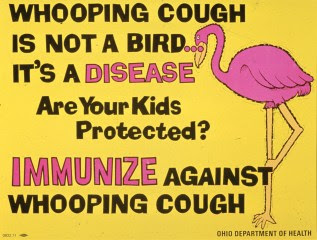
WHOOPING COUGH RECENTLY RETURNING
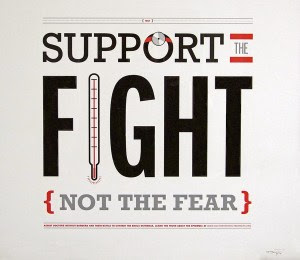
West African Ebola Between 2014 and 2016 West African Ebola claimed the lives of over 11,000 people in 10 countries, in what became the largest Ebola virus epidemic in history. A series of public health posters were created during the outbreak meant to dispel rumors about how the disease was spread. The posters below were created as part of a campaign to show support for health-workers and Doctors Without Borders who risked their lives to treat patients of the deadly disease.
FRIDAY PHOTO OF THE DAY SEND YOUR ENTRY TO
THURSDAY PHOTO OF THE DAY
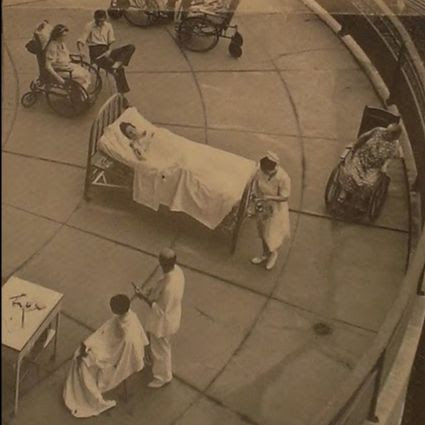
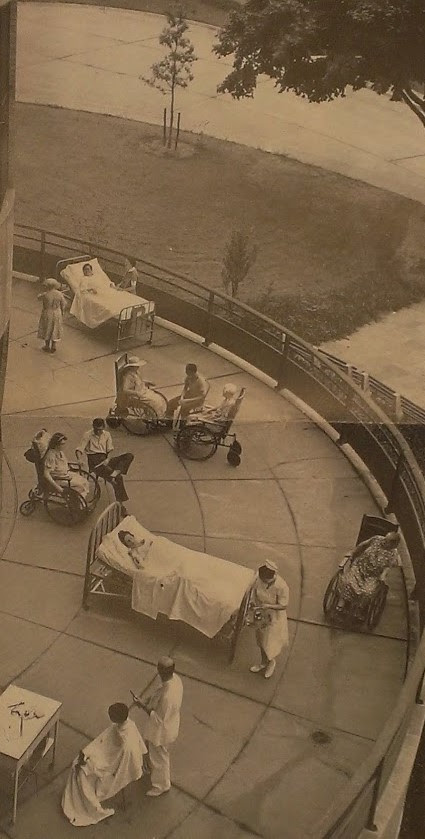
1940’S PHOTO OF GOLDWATER HOSPITAL TERRACE WITH THE BARBER GIVING A HAIRCUT AND VISITORS ENJOYING THE OUT-OF-DOOR AREA ADJACENT TO THE WARDS. The winner is JAY JACOBSON, ALEXIS VILLEFANE, BONNIE WALDMAN
EDITORIAL
This edition is part of a longer publication of CIRCULATING NOW by Ginny Roth. Ginny A. Roth is the Curator of Prints & Photographs in the History of Medicine Division at the National Library of Medicine.
We have a phenomenal resource for medical information and history; THE NATIONAL LIBRARY OF MEDICINE of the National Institute of Health. Located in Bethesda, Maryland the NLM has an amazing collection of medical, historical and reference material that can be used by the public. Last year I visited the NLM and met with staff and historians, Jeffrey S. Reznick, Ph.D. Chief of the History of Medicine Division and Stephen Greenberg, MSLS, PhD Librarian and archivist.
CIRCULATING NOW is an online publication that features articles on medical and scientific history The website is: https://www.nlm.nih.gov/hmd/index.html
JUDITH BERDY
Text by Judith Berdy Thanks to Bobbie Slonevsky for her dedication to Blackwell’s Almanac and the RIHS Thanks to Deborah Dorff for maintaining our website Edited by Melanie Colter and Deborah Dorff
All image are copyrighted (c) Roosevelt Island Historical Society unless otherwise indicated
FUNDING PROVIDED BY ROOSEVELT ISLAND OPERATING CORPORATION PUBLIC PURPOSE GRANTS CITY COUNCIL REPRESENTATIVE BEN KALLOS DISCRETIONARY FUNDING THRU DYCD
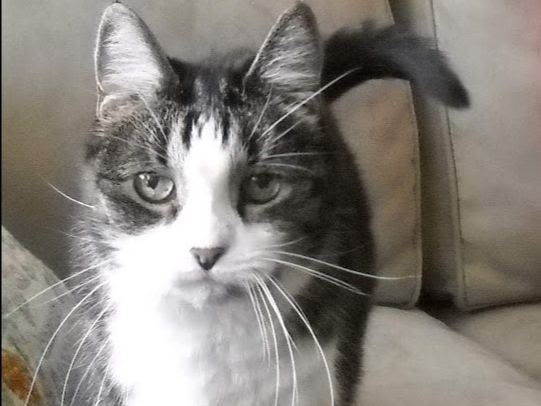
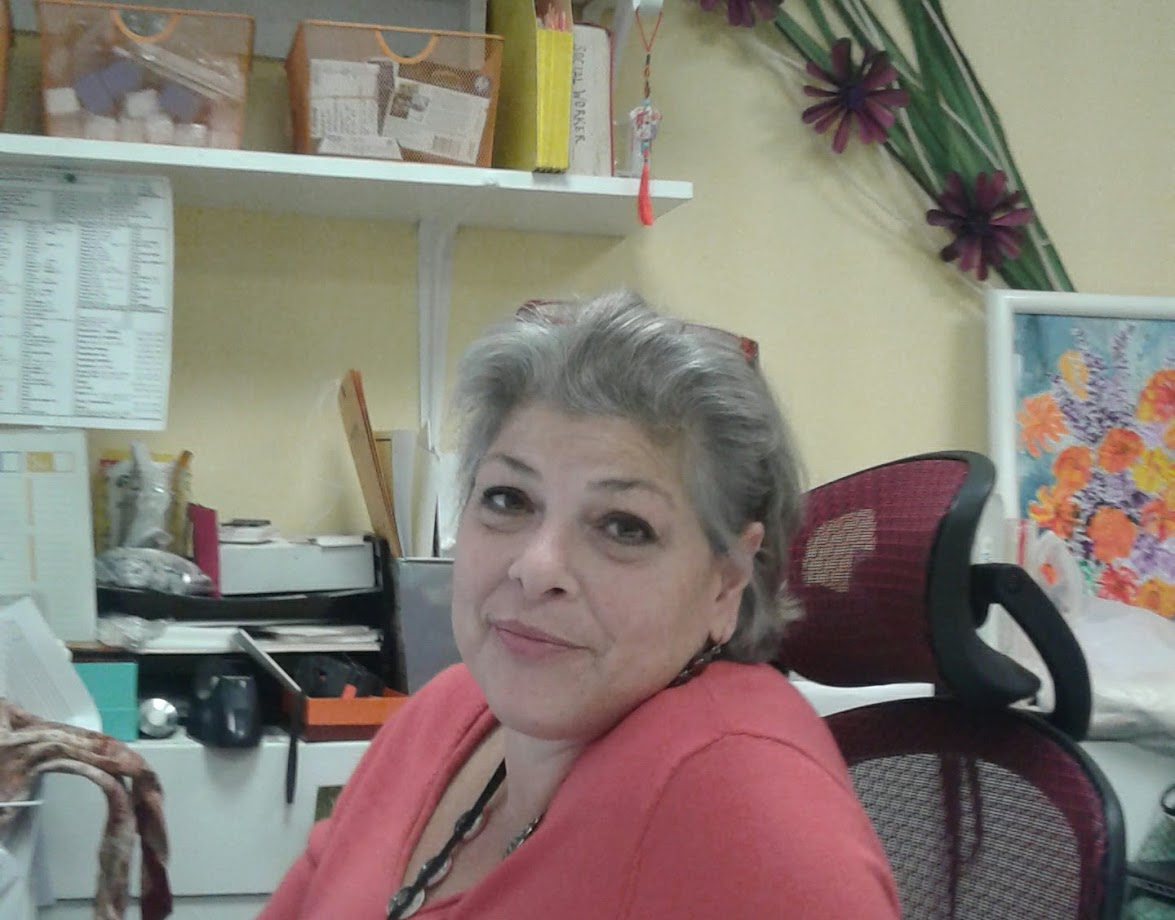
100 issues, 100 people, more-or-less how do we see our community? Some of those who have lived here for years or just months. Some are thriving and living active social lives, some are retires, some are not here anymore. Some are fondly remembered Some were joiners, coming to every event. Some worked here and left or many just vanished with no explanation, (many whisked off by the RIOC Drone). Some have served the community, serving as an officer or cook-doing for friends and neighbors. Some are artists and visionaries while others make us think of past and future. Some were critters, 4 legged loyal friends Some are our future, adventures in learning, giving and sharing. All are Roosevelt Island
Judith Berdy
Text by Judith Berdy Thanks to Bobbie Slonevsky for her dedication to Blackwell’s Almanac and the RIHS Thanks to Deborah Dorff for maintaining our website Edited by Melanie Colter and Deborah Dorff
All image are copyrighted (c) Roosevelt Island Historical Society RON CRAWFORD (C) unless otherwise indicated
FUNDING PROVIDED BY ROOSEVELT ISLAND OPERATING CORPORATION PUBLIC PURPORE GRANTS CITY COUNCIL REPRESENTATIVE BEN KALLOS DISCRETIONARY FUNDING THRU DYCD
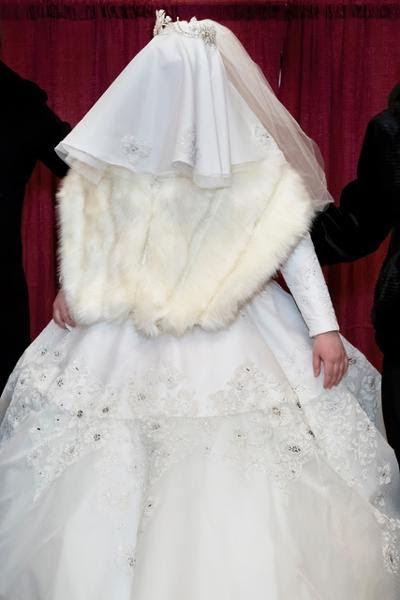
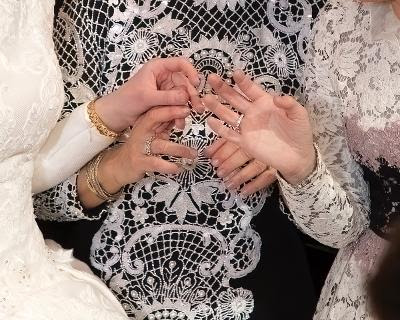
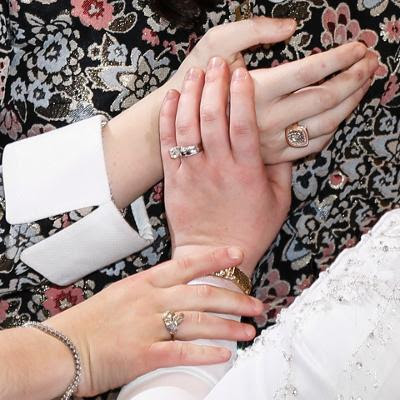
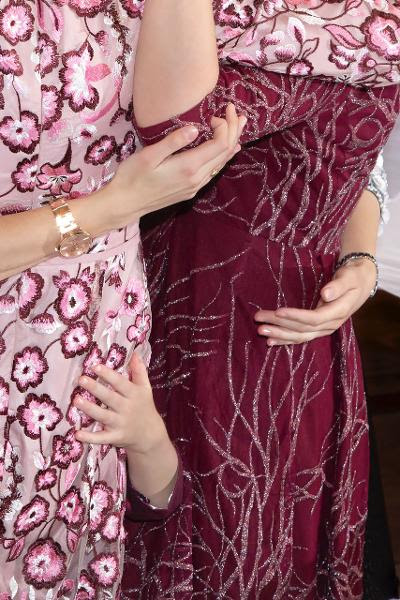
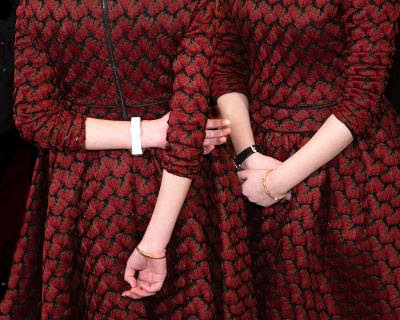
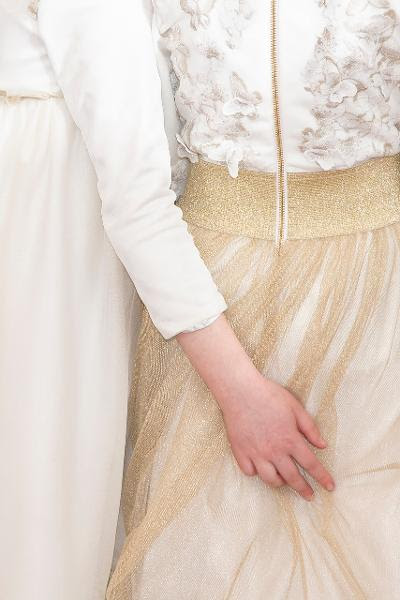
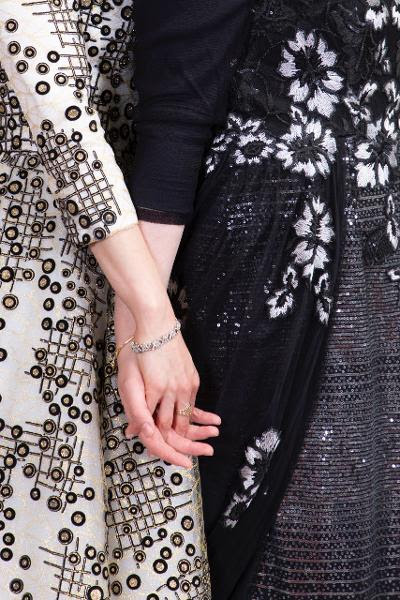
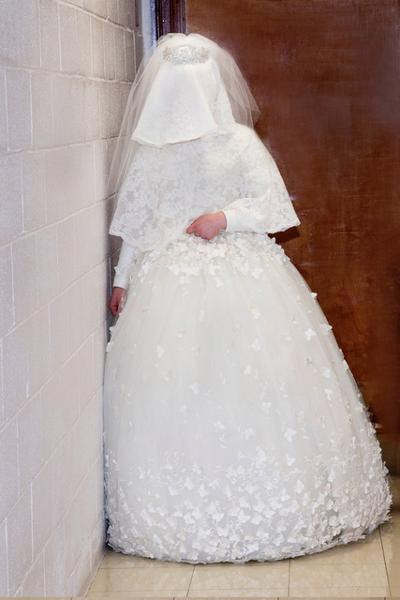
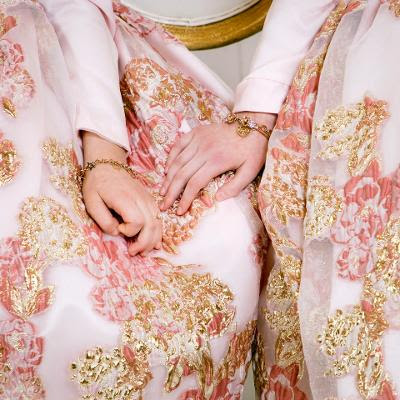
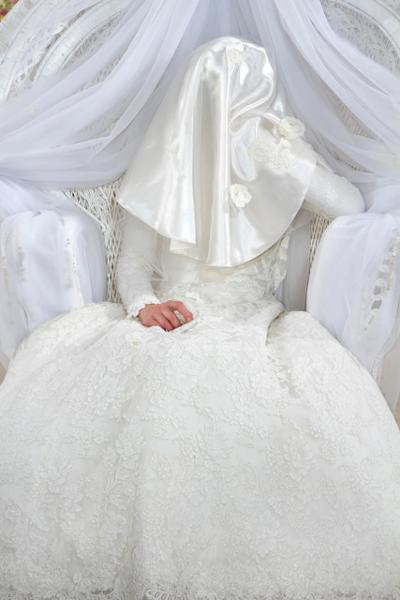
In the ultra orthodox community, surrounded by mystery, women and men live mostly apart. It’s a life regulated by many rules. One important aspect is the invisibility of women. They are not to be represented outside of their family.
Ghila Krajzman has found a way to show the strong bond that unites these women. With extreme cropping, showing their hands only, and heavy photoshop, these images let us peek into this intriguing world, and reveal their intense relationships.
Modesty, and the reluctance to stand out, have them dress mostly alike, in very similar color palette. And the similarity of their looks brings a feeling of unrest to the viewer. By removing all specific context from the images, this artistic documentary aims to convey communication among women in all societies.
Ghila Kratjzman is a professional wedding photographer and longtime island resident. Her photos are available on gknyphoto.com
Prior to the ceremony, Ashkenazi Jews have a custom to cover the face of the bride (usually with a veil), and a prayer is often said for her based on the words spoken to Rebecca in Genesis 24:60.[10] The veiling ritual is known in Yiddish as badeken. Various reasons are given for the veil and the ceremony, a commonly accepted reason is that it reminds the Jewish people of how Jacob was tricked by Laban into marrying Leah before Rachel, as her face was covered by her veil (see Vayetze). Another reasoning is that Rebecca is said to have veiled herself when approached by Isaac, who would become her husband Sephardi Jews do not perform this ceremony. Additionally, the veil emphasizes that the groom is not solely interested in the bride’s external beauty, which fades with time; but rather in her inner beauty which she will never lose. Wikipedia (c)
The atrium of Motorgate Winner is Alexis Villefane and Nancy Brown
Wheel from old tram cabins that area abandoned in back of Motorgate
EDITORIAL
Last evening a phone call arrived from an old friend. She retired from the island about 20 years ago to live in California with her family. After being a member of a community she relished the thought of her own life and own home.
We spoke of the old days, when we consulted each other at a booth at Trellis, when we all met and chatted no matter where we were on Main Street. We followed our own paths but all paths seemed to intermingle here. We supported the store, donating and buying. Some folks worked there for a pittance and may bags of food. No on was turned away.
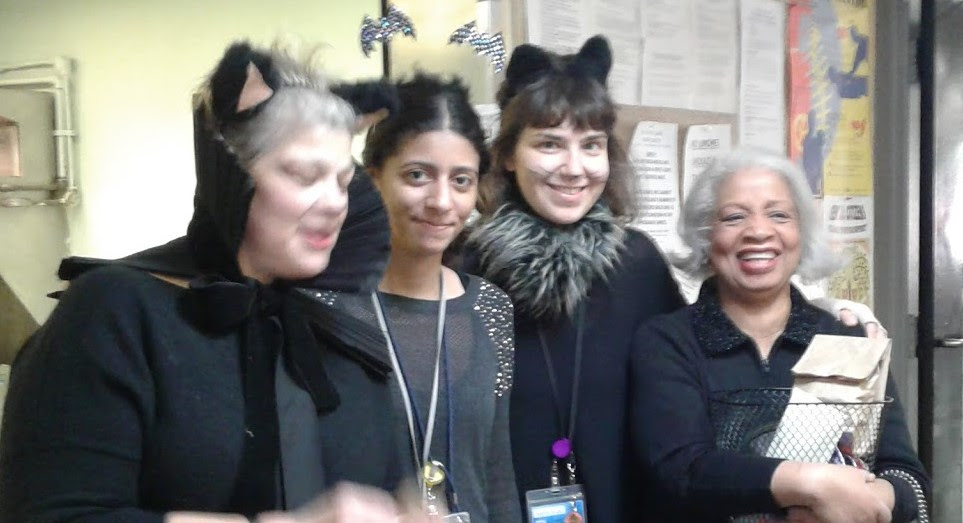
The teens loved the activities, celebrations, Halloween, trips and all kind of fun activities.
After she left, our communities went back into isolation, few activities for the community and a hands – off attitude of those who here part time to serve us. We miss you friend. Your years on the island brought us a sense of community well-being.
Text by Judith Berdy Thanks to Bobbie Slonevsky for her dedication to Blackwell’s Almanac and the RIHS Thanks to Deborah Dorff for maintaining our website Edited by Melanie Colter and Deborah Dorff FUNDING PROVIDED BY: ROOSEVELT ISLAND OPERATING CORPORATION THRU PUBLIC PURPOSE FUNDING
CITY COUNCIL MEMBER BEN KALLOS DISCRETIONARY FUNDS THRU DYCD
All image are copyrighted (c) Roosevelt Island Historical Society unless otherwise indicated PHOTOS COPYRIGHT GHILA KRATJZMAN (c) FUNDING PROVIDED BY ROOSEVELT ISLAND OPERATING CORPORATION PUBLIC PURPOSE GRANTS CITY COUNCIL REPRESENTATIVE BEN KALLOS DISCRETIONARY FUNDING THRU DYCD
Today is my 43rd anniversary of moving to Roosevelt Island. The weather was about the same as today, hot, humid and steamy. I came from Manhattan and moved into 580 #134. I was supposed to move to an apartment on the 7th floor. Three days before I moved I discovered that the apartment had been rented to two tenants. The only apartments that were available were on the 4th floor in 560 or the 1st floor in 580.
The day before I was supposed to move the apartment in 560 was burned out due to a fire spreading to 4 apartments.
My only option was the apartment with a garden in 580. It was a lucky choice and I loved the backyard for 19 years. It was the scene of neighbors sitting there during hot summer evening, lobster roasts and just being out of doors.
The first year I was on the island I hired the company that paved Main Street to lay a brick patio, which beat the gravel surface that came with the apartment.
Growing flowers every summer made the yard glorious including wisteria that climbed the fence and barrels of inpatients and geraniums.
Th gardens were private and I never had a problem with intruders, except the 6 year old who snatched my tulips.
The back of one of the school buildings was just outside my yard. There was a hill that the kids would sled down in winter. After a year or two, I came home and found that management had bulldozed the hill. End of fun time in this courtyard.
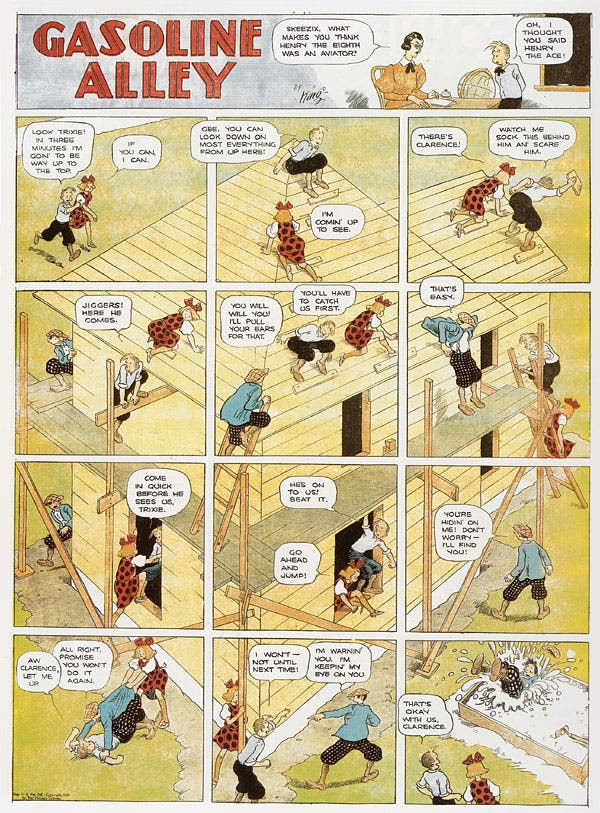
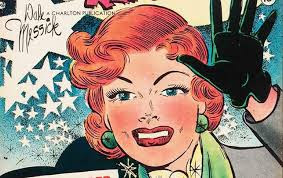
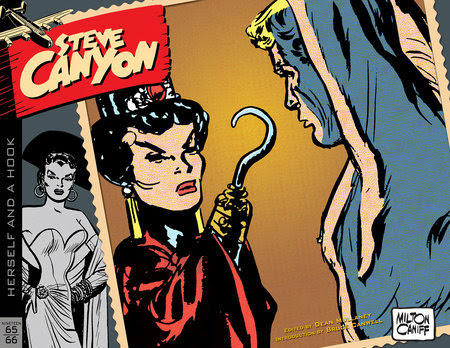
MORE CARTOONS HOW MANY CAN YOU IDENTIFY? PART 2
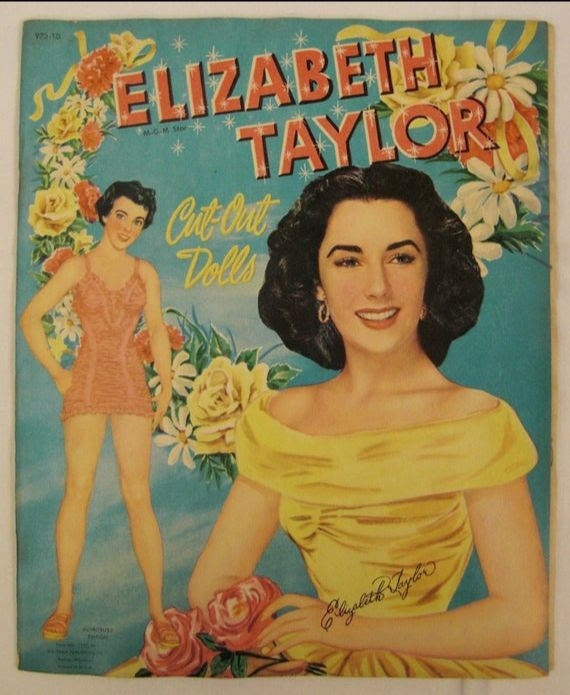
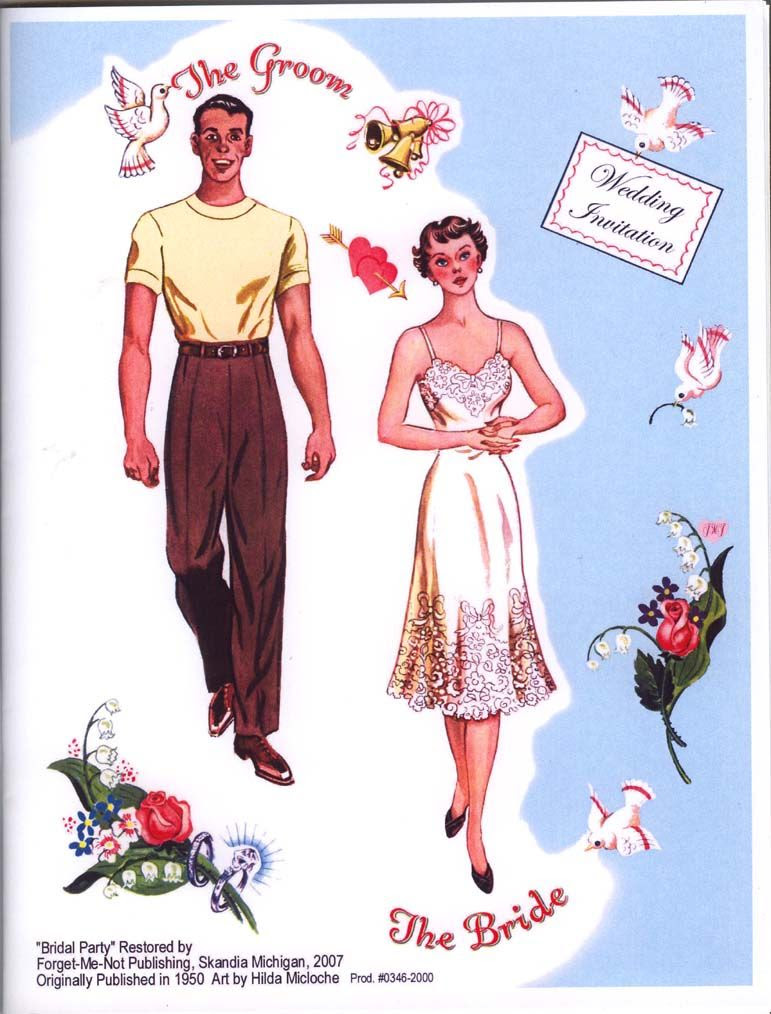
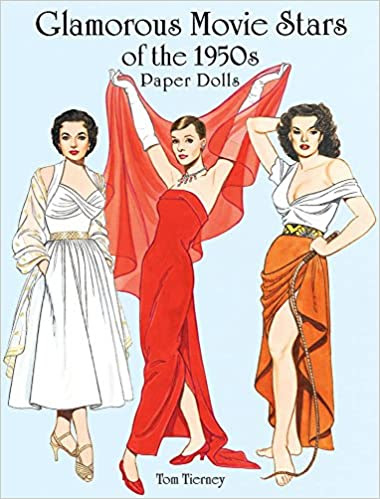
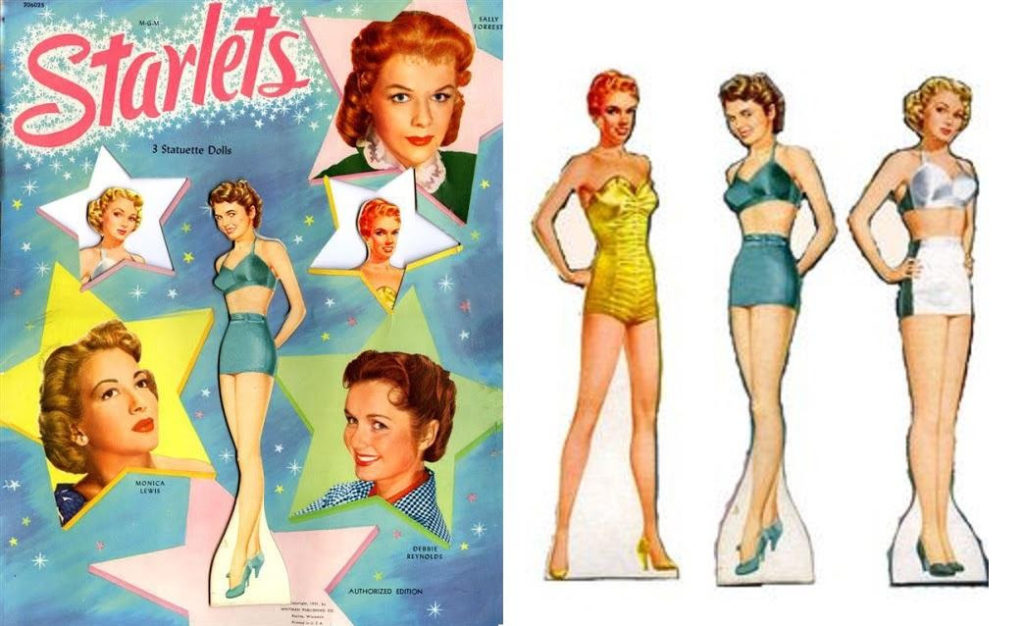
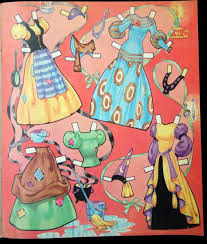
GIRLS HAD PAPER DOLLS
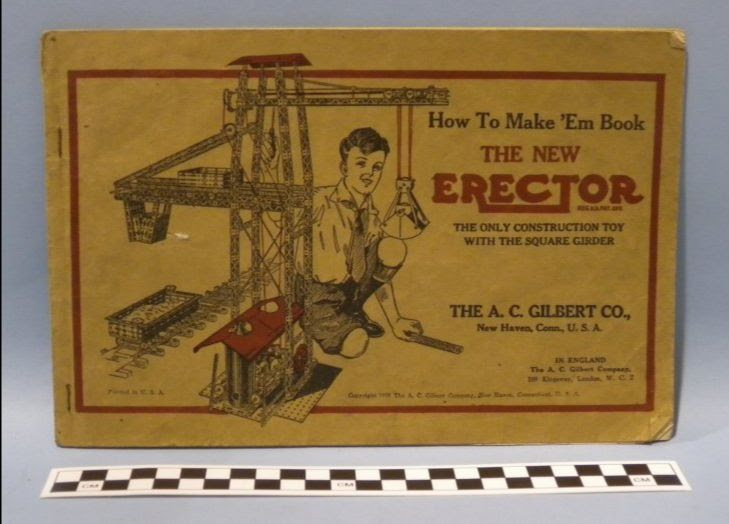
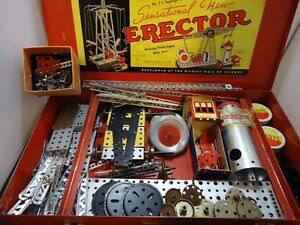
BOYS HAD ERECTOR SETS
Many of our childhood past-times came back this winter. My friends and I would spend hours clipping out paper dolls or dressing our Barbie dolls. My brother and father would be in the basement with the Erector Set making a Ferris wheel that worked.
TUESDAY PHOTO OF THE DAY
WHAT AND WHERE IS THIS? Send your submission to rooseveltislandhistory@gmail.com Win a trinket from the RIHS Visitor Center Kiosk
MONDAY PHOTO OF THE DAY
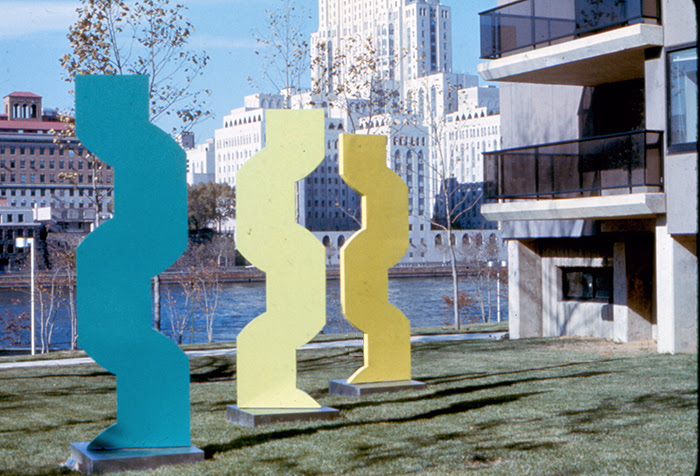
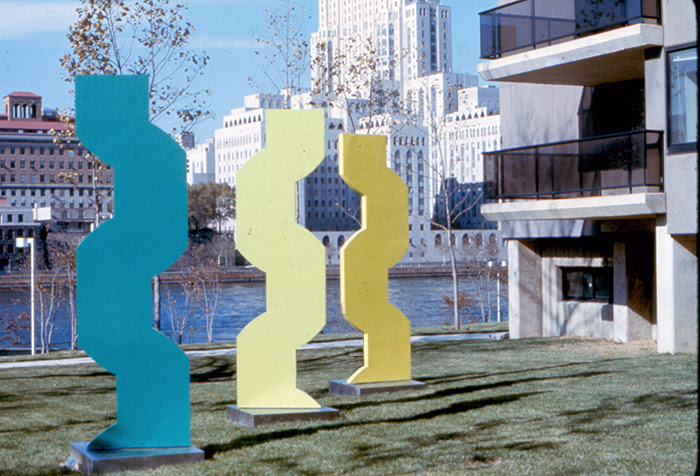
WIND INTERVALS BY PHYLLIS MARK (1976) ON THE RIVERCROSS LAWN FOR ABOUT 2 YEARS IN THE LATE 1970’S. LINDA BECKER, JAY JACOBSON AND JOAN BROOKS REMEMBER THE ART PIECE
EDITORIAL
100 is Coming This Thursday, July 9th will be our 100th edition. Please pick a photo, article or item that you particularly enjoyed. Go to rihs.us and scroll down thru all our issues.
Pick your favorite and e-mail it to rooseveltislandhistory@gmail.com. Judith Berdy
Text by Judith Berdy Thanks to Bobbie Slonevsky for her dedication to Blackwell’s Almanac and the RIHS Thanks to Deborah Dorff for maintaining our website Edited by Melanie Colter and Deborah Dorff FUNDING PROVIDED BY: ROOSEVELT ISLAND OPERATING CORPORATION THRU PUBLIC PURPOSE FUNDING
CITY COUNCIL MEMBER BEN KALLOS DISCRETIONARY FUNDS THRU DYCD
THE ROOSEVELT ISLAND HISTORICAL SOCIETY (C) WIKIPEDIA (C)
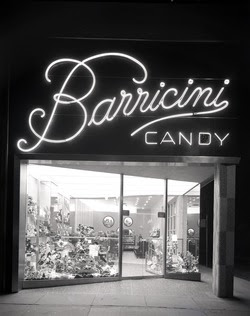
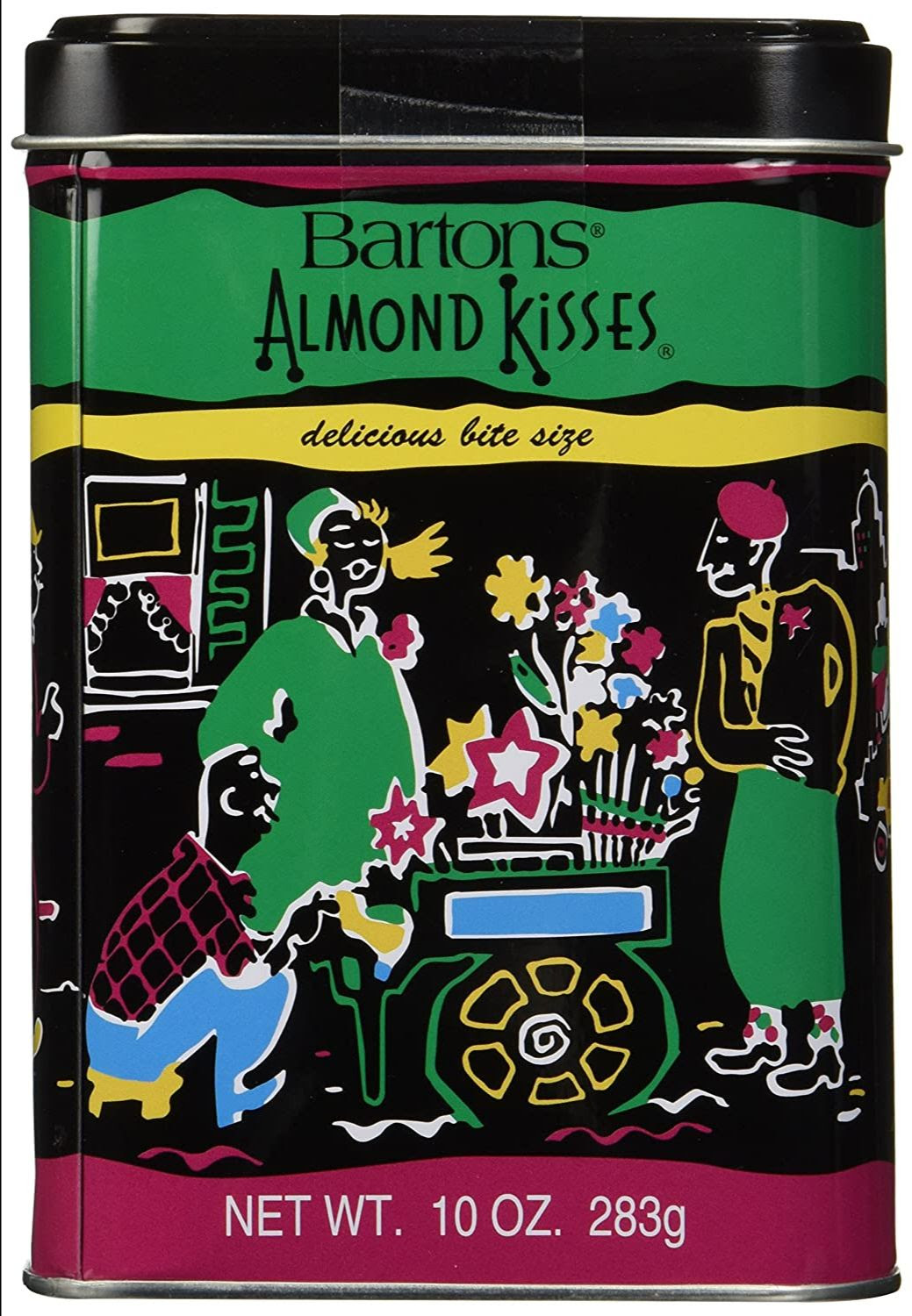
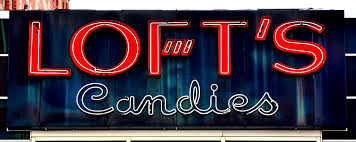
WONDERFUL CANDY SHOPS IN EVERY NEIGHBORHOOD THOSE BARTONS ALMOND KISSES WERE YUMMY LOFT’S CANDIES WERE MANUFACTURED ON VERNON BLVD. IN THE BUILDING THAT IS NOW MOISHE’S MINI STORAGE
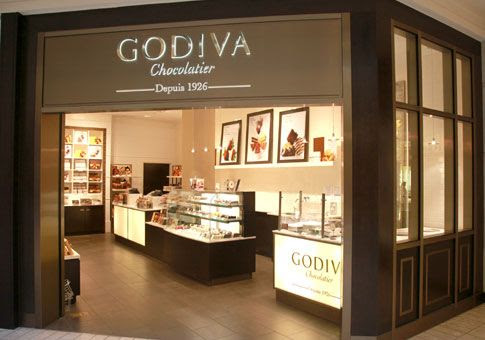
THERE ARE STILL SOME GODIVA SHOPS
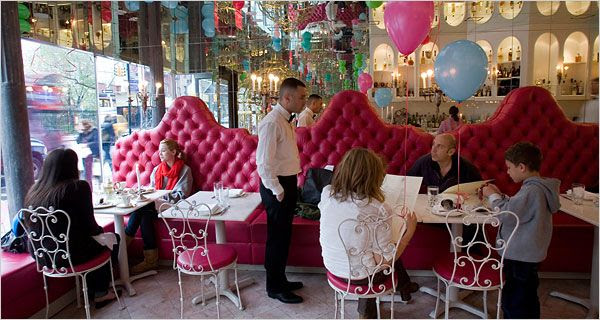
DINING
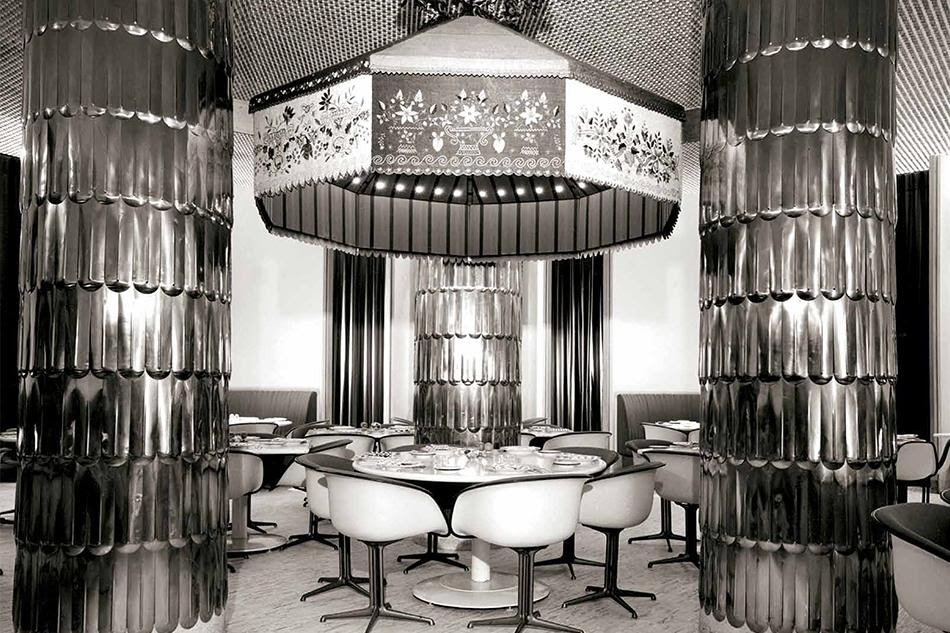
LA FONDA DEL SOL IN THE TIME LIFE BUILDING
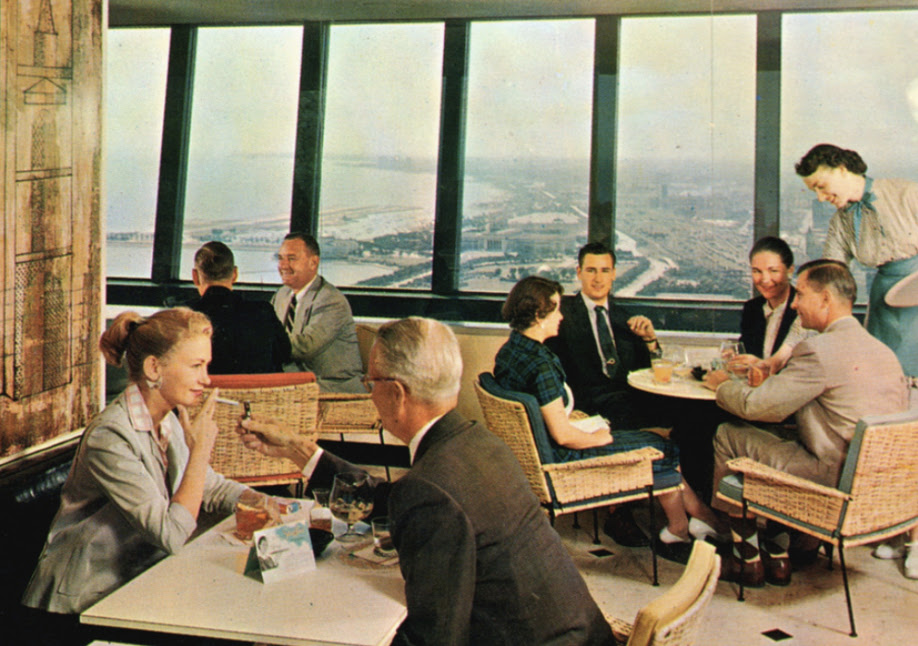
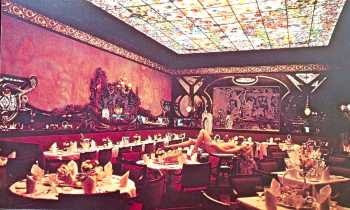
ABOVE: TOP OF THE 666’S BELOW: MAXWELL’S PLUM ON FIRST AVENUE
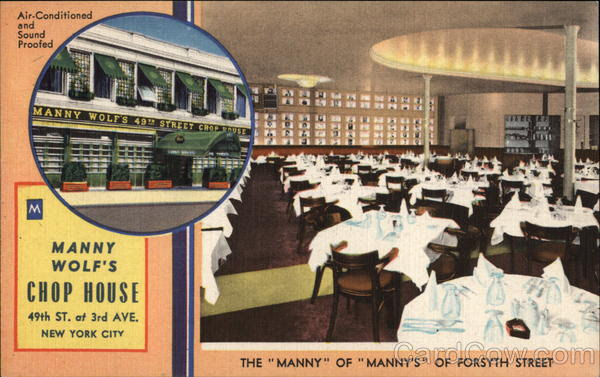
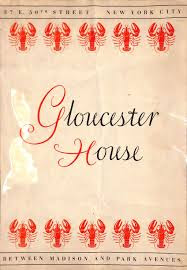
ABOVE: MANY WOLFE’S STEAK HOUSE (THREE MARTINI LUNCH) BELOW: GLOUCESTER HOUSE (ACROSS FROM ST. PAT’S, GREAT BISCUITS)
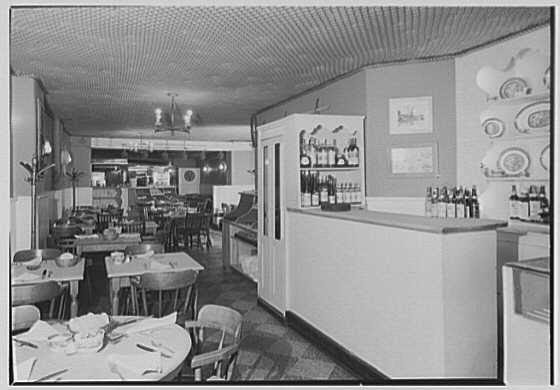
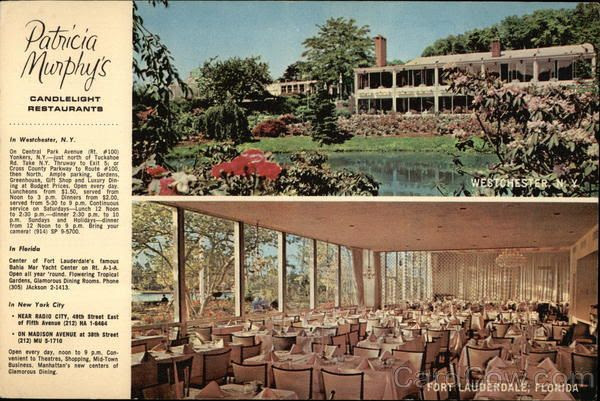
ON EAST 49TH STREET PATRICIA MURPHY’S WAS WHERE YOU TOOK GRANDMA FOR MOTHER’S DAY AND TO EAT LOTS OF POPOVERS.
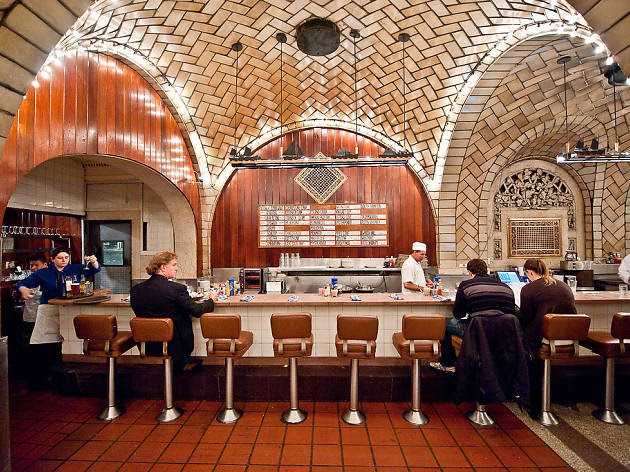
STILL A FAVORITE IS THE OYSTER BAR IN GRAND CENTRAL. PROBABLY MY ADMIRATION OF THE GUASTAVINO TILES AND CLAM CHOWDER.
PART OF FDR FOUR FREEDOMS SPEECH ENGRAVED ON WALL OF FDR FOUR FREEDOMS PARK
MULTIPLE WINNERS: BARBARA BROOKS, NANCY BROWN, ED LITCHER, ALEXIS VILLEFANE, BRENDA VAUGHAN
The family tradition continues. My brother Alan is the chief grilling specialist.
From Caroline Cavalli-
You forgot Alba’s Italian Pastries in Bensonhurst, Brooklyn. But I sure do miss Ebinger’s. You could buy half the cake or pie, thereby getting a nice assortment. Caroline
Hi Judy, I loved your bakery issue!!! I’ve always adored bakery windows, from the time I was very little. I would ogle the pastries, wanting to taste everything on display. In my old Brooklyn neighborhood, there were alway Napoleans and cupcakes with whipped cream and a cherry on the top. And cakes with lots of frosting. There was an Ebinger bakery about a half-hour walk from our apartment (there was no transportation available to get there other than on foot), and for years, my birthday cake came from there: yellow layer cake with chocolate butter cream frosting.
Back in the 1950s they could sell you half a cake (the cake would be sliced into two perfectly even halves), for people like my parents, who couldn’t afford to pay for a whole cake. My mother never asked for any kind of decoration, or even the words “Happy Birthday” written on it. It wasn’t until I married Mitch that I got a real “birthday cake,” bought by his mother. It left me teary-eyed.
Ironically, when we moved to a more middle-class neighborhood (in the Midwood High School area, where Bernie Sanders grew up), there was an Ebinger’s bakery around the corner from our apartment building. That was absolutely heaven!! They would sell holiday-themed individual pastries, with icing that matched the holiday symbolically (e.g., green icing with a shamrock for St. Patrick’s Day, pink icing with a red heart for Valentine’s Day). These were made of yellow cake with butter cream in the center. My mother would buy two on Friday afternoons, one for me and one for Mitch, when we were dating.
The other picture that you included in the bakery issue that meant something special to me was the Hungarian pastry shop next to Columbia University. Amber was an undergraduate at Columbia, and she would frequent that place, because she loved my mother’s Hungarian homemade pastries, and she could buy things that she was fond of in that bakery (I think their Hungarian accent also gave her a lift). She also would visit my parents during those four undergraduate years, on Friday nights, for sabbath dinner. Mitch and I were based in Pittsburgh, so we missed out on those dinners. So, many, many thanks for the bakery issue!! Susan — Susan Berk-Seligson Research Professor and Professor Emerita Department of Spanish and Portuguese
Text by Judith Berdy Thanks to Bobbie Slonevsky for her dedication to Blackwell’s Almanac Thanks to Deborah Dorff for maintaining our website Edited by Melanie Colter and Deborah Dorff All materials in this publication are copyrighted (c)
MATERIAL COPYRIGHT WIKIPEDIA, GOOGLE IMAGES, RIHS ARCHIVES AND MAY NOT BE REPRODUCED WITHOUT PERMISSION (C)
FUNDING BY ROOSEVELT ISLAND OPERATING CORPORATION PUBLIC PURPOSE FUNDING
DISCRETIONARY FUNDING BY COUNCIL MEMBER BEN KALLOS THRU NYC DYCD