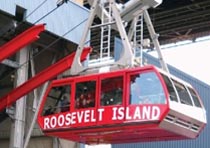
JUNE 6th BRING YOUR DOG TO THE KIOSK TRAM PLAZA 1-4 P.M. DOG TREATS GOODIES FUN MERCHANDISE THE DOGS NEED A SOCIALLY DISTANCING FUN EVENT
IMAGE COURTESY OF MARC TETRO (C)
POLITICAL CARTOONS
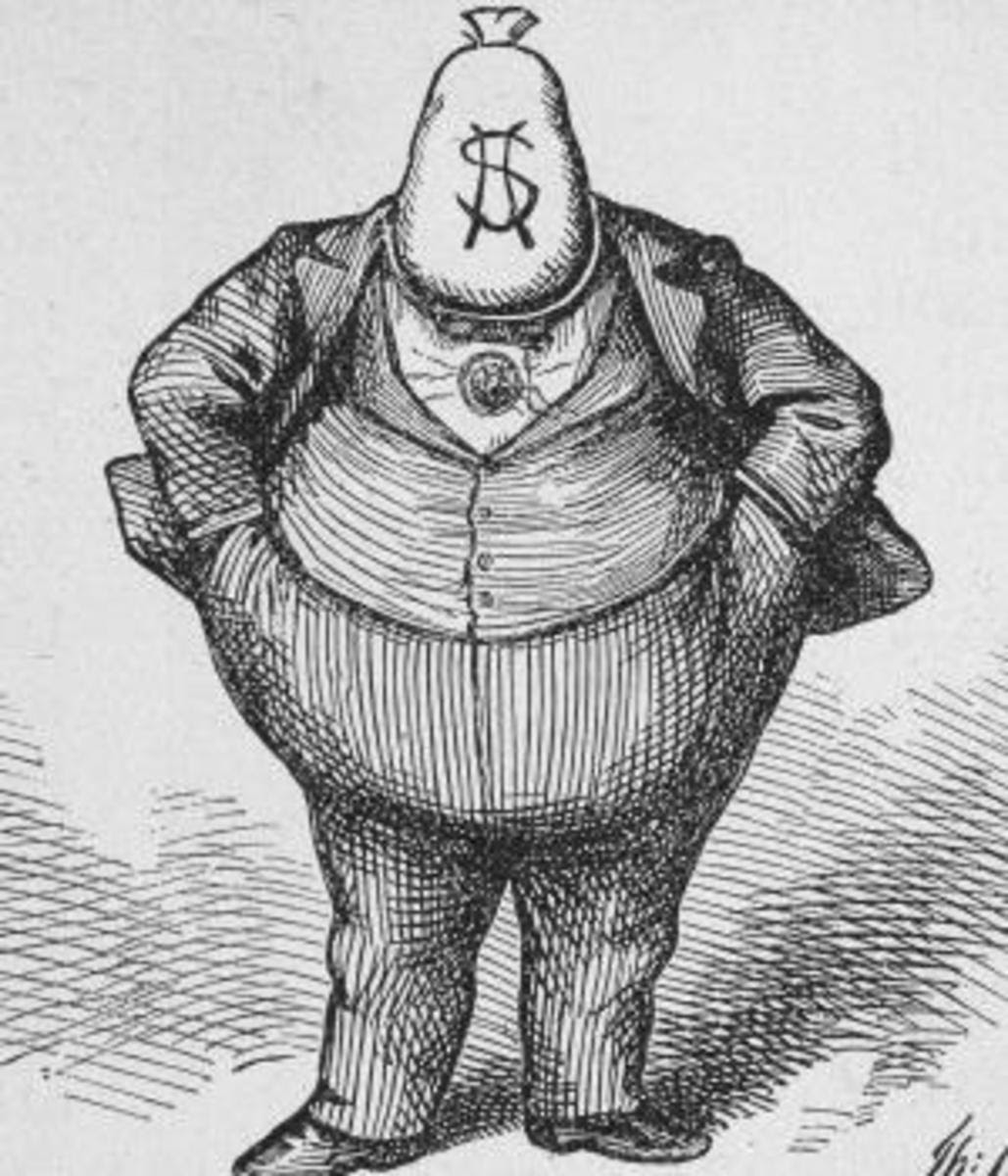
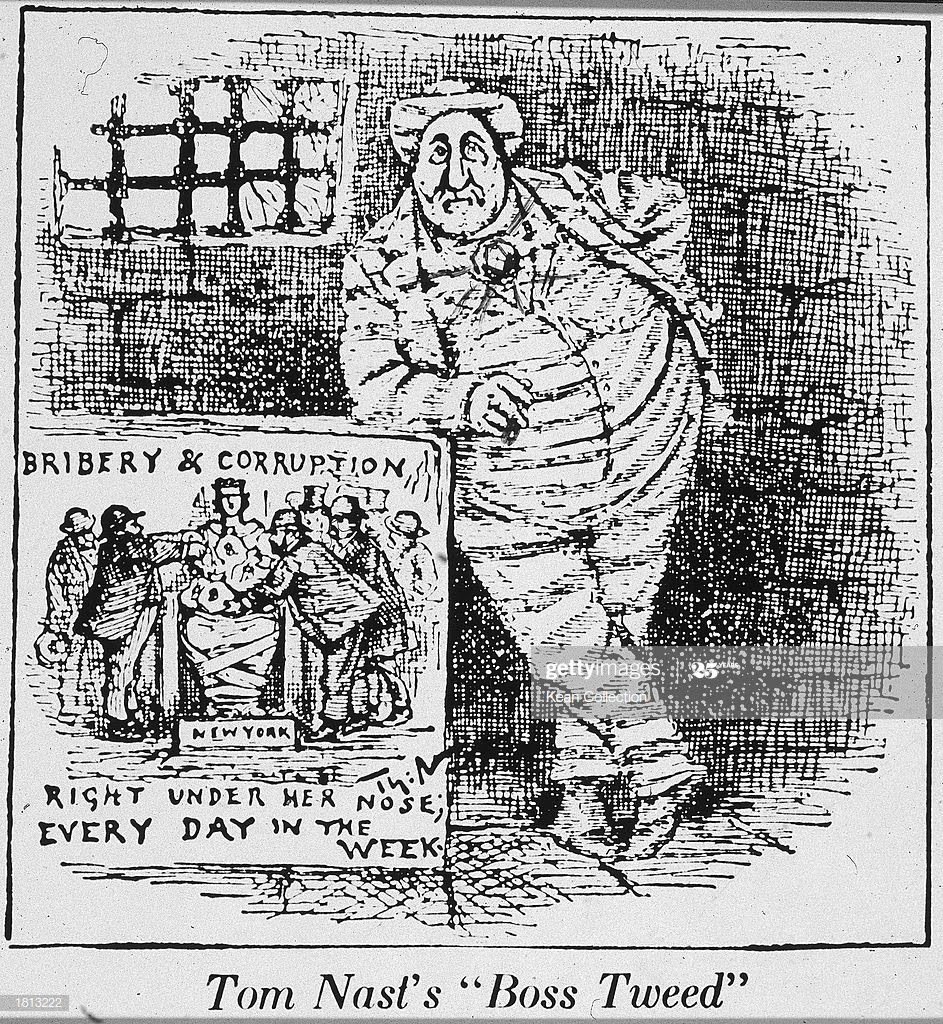
THOMAS NAST ON WILLIAM “BOSS” MARCY TWEED
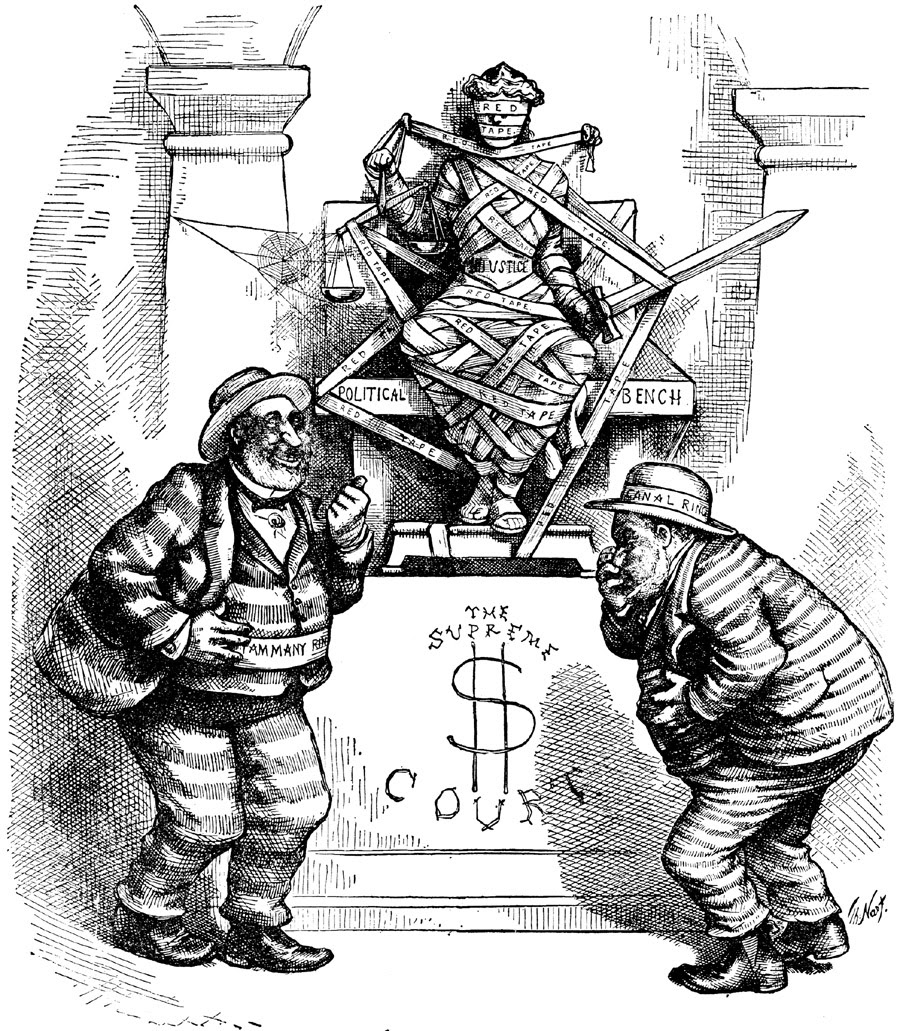
“The Brains” Harper’s Weekly Oct. 21, 1871
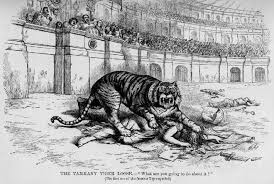
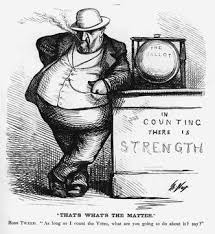
The Tammany Tiger Loose “What are you going to do about it?” Harper’s Weekly November, 1871
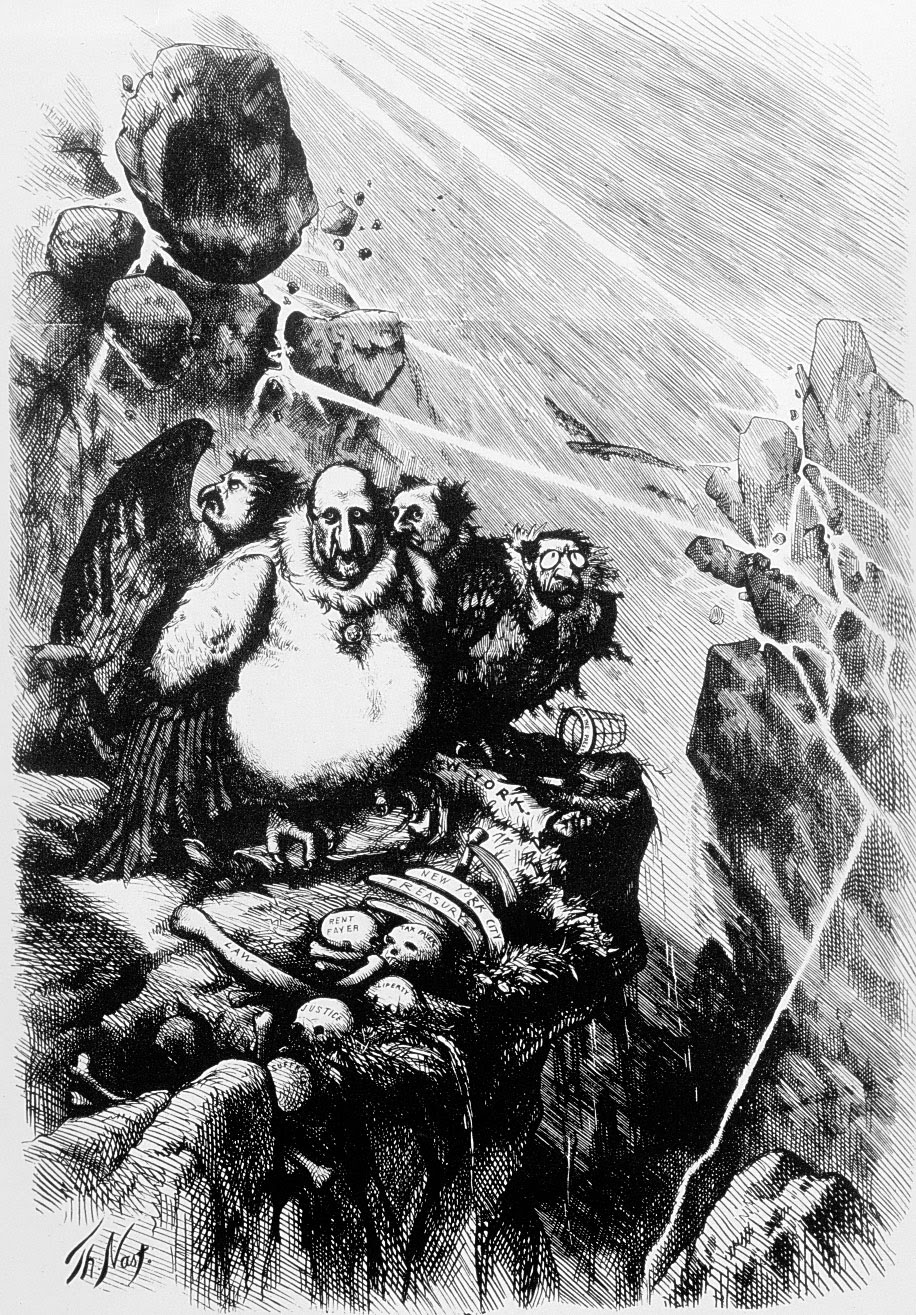
A group of Vultures Waiting for the Storm to “Blow Over”- “Let us Prey” Harper’s Weekly, Sept. 23, 1871
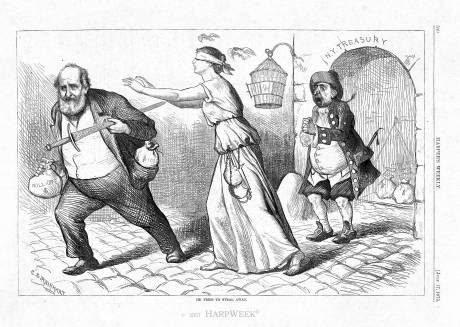
“No Prison is big enough to hold the Boss.”
In on one side, and out at the other. This Harper’s Weekly cartoon by Thomas Nast predicts that the legal authorities of New York City will not be able to keep William Tweed, the corrupt boss of Tammany Hall, in jail. In the 1860s and early 1870s,
William Tweed ran Tammany Hall, the powerful Democratic political machine in New York City, and served as the city’s public works commissioner and as a state senator (1867-1871). The name of Boss Tweed and his bulky visual caricature became synonymous with political corruption and greed, an association that remains potent even today. This is thanks in large part to the creatively memorable cartoons drawn by Thomas Nast for Harper’s Weekly.
As political boss, Tweed used his formal and informal authority to gain financial profit for himself and his Tammany Hall cohorts. The Tweed Ring, as they became known, extorted a reported $6 million from the public treasury, although more recent estimates put the figure between $30 to $200 million. Tweed became one of New York City’s largest landowners by the late 1860s, and spent his ill-gotten gain lavishly, living in a mansion on Fifth Avenue and wearing a large diamond stud on his shirt. Although criticized by good-government reformers, the Tweed Ring found support among the working class, many of whom were immigrants, by providing jobs and basic necessities like food and fuel, establishing the Manhattan Eye and Ear Hospital, and expanding the number of public baths, almshouses, and orphanages in the city. However, in the less than three years of the height of the Tweed Ring’s power (1869-1871),
New York City’s debt tripled and its taxes rose accordingly. The downfall of the Tweed Ring came when disgruntled Tammany Hall members leaked incriminating evidence to the New York Times, which published a series of damning articles beginning in July 1871. Harper’s Weekly and other newspapers joined the Times to expose the scandal, and Tweed allegedly most feared “those damned pictures” by Harper’s Weekly cartoonist Thomas Nast. In November 1871, Tweed was reelected to another term in the state senate.
In general, though, the press campaign against the Tweed Ring was successful, with most Tammany Hall candidates losing in the fall election. In December, Tweed was arrested on fraud charges, and forced to resign as public works commissioner, state senator, and head of Tammany Hall. The first criminal trial against Tweed resulted in a hung jury, but the second ended with a conviction on misdemeanor charges. The sentence was a $12,500 fine and 13 years in jail, which in 1875 an appeals court deduced to $250 and one year.
Since he had already served 19 months in the city jail on Blackwell’s Island, he was released. The police, however, rearrested him the next day to stand trial on the civil charges. Being unable to raise the $3 million bail, Tweed ended up in Ludlow Street jail. He was granted privileges and liberties not allowed to other inmates, such as carriage rides and visits to his home and those of his adult children.
On December 4, 1875, he escaped while on such a sojourn and hid out in New Jersey. In March 1876, the civil jury found Tweed guilty and liable for over $6 million. Learning of the judgment, he fled to Cuba, then Spain. In September, Spanish officials arrested and deported him, mistakenly identifying him (through a Nast cartoon) as a child abductor. Back in New York by late November, he was placed in the Ludlow Street jail again. In poor health, Tweed gave the attorney general, Charles Fairchild, a full confession as part of a deal for his release. Fairchild, however, changed his mind and Tweed remained in prison. The former political boss later testified before a Board of Aldermen investigation, detailing how the ring operated, but he received no pardon for his cooperation. In April 1878, he died in Ludlow Street jail of heart failure caused by pneumonia
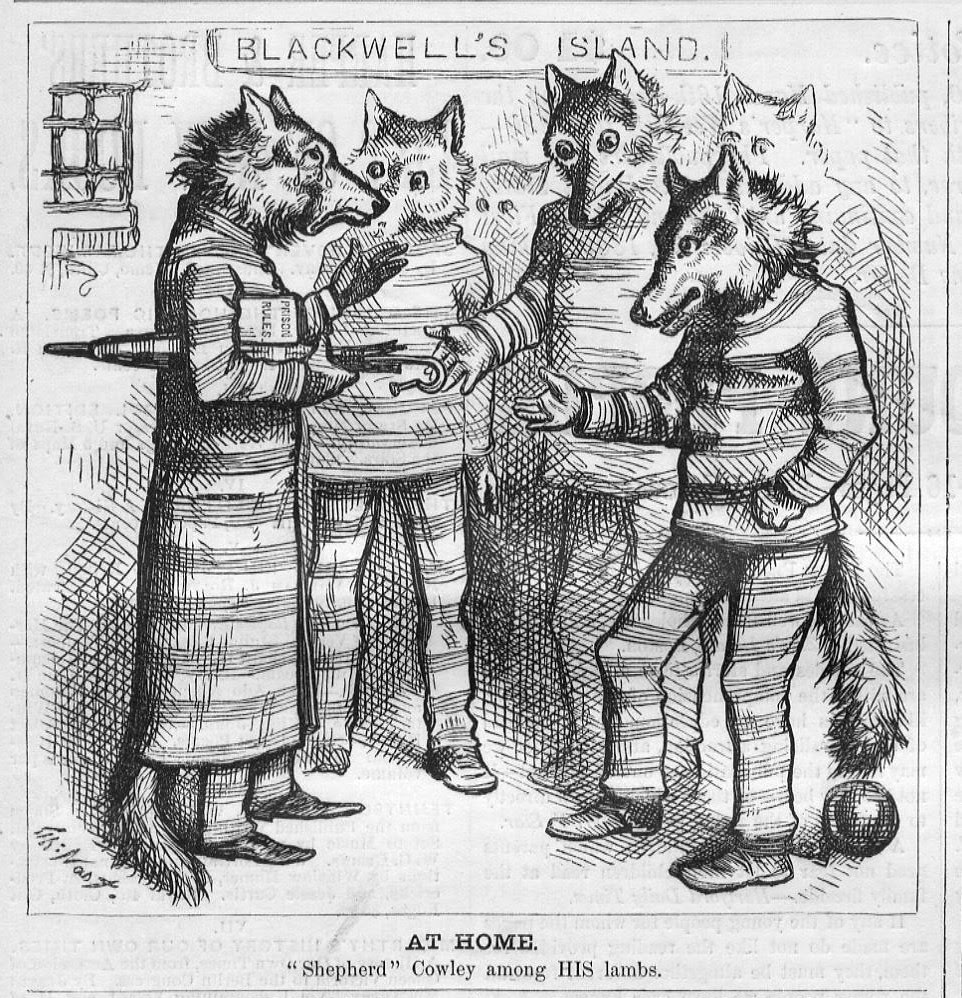
REVEREND EDWARD COWLEY by THOMAS NAST
Shepherd’s Fold was an institution under Reverend Edward Cowley charged with helping children. Instead many died in their charge. For the sad tale, see “Damnation Island” by Stacy Horn”
Campaign against the Tweed Ring The “Brains” Boss Tweed depicted by Thomas Nast
Nast’s drawings were instrumental in the downfall of Boss Tweed, the powerful Tammany Hall leader. As commissioner of public works for New York City, Tweed led a ring that by 1870 had gained total control of the city’s government, and controlled “a working majority in the State Legislature” Tweed and his associates—Peter Barr Sweeny (park commissioner), Richard B. Connolly (controller of public expenditures), and Mayor A. Oakey Hall—defrauded the city of many millions of dollars by grossly inflating expenses paid to contractors connected to the Ring.
Nast, whose cartoons attacking Tammany corruption had appeared occasionally since 1867, intensified his focus on the four principal players in 1870 and especially in 1871. Tweed so feared Nast’s campaign that he sent an emissary to offer the artist a bribe of $100,000, which was represented as a gift from a group of wealthy benefactors to enable Nast to study art in Europe. Feigning interest,
Nast negotiated for more before finally refusing an offer of $500,000 with the words, “Well, I don’t think I’ll do it. I made up my mind not long ago to put some of those fellows behind the bars”. Nast pressed his attack in the pages of Harper’s, and the Ring was removed from power in the election of November 7, 1871. Tweed was arrested in 1873 and convicted of fraud. When Tweed attempted to escape justice in December 1875 by fleeing to Cuba and from there to Spain, officials in Vigo were able to identify the fugitive by using one of Nast’s cartoons.
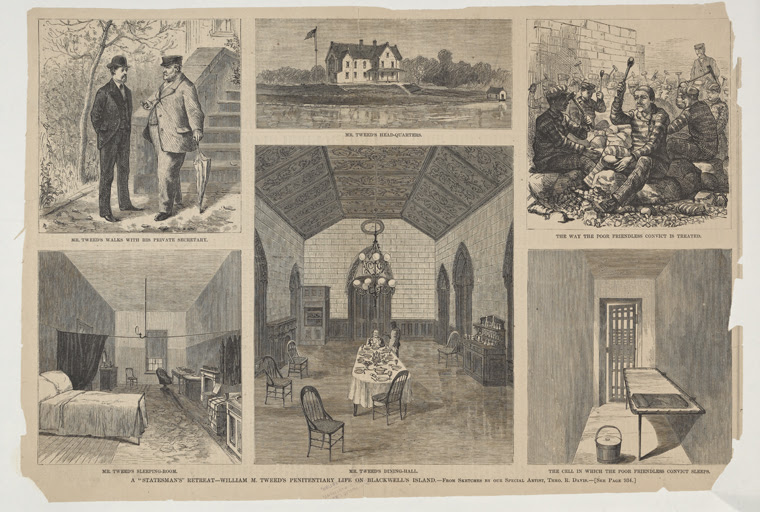
Cartoon depicts how Tweed lived on Blackwell’s Island While others worked the quarry and lived in cells he seemed to be living in the warden’s house
EDITORIAL
Many of us have seen an increase in the number of four legged friends on the island since March. It is time for the dogs to have a day in the sun. Bring your pooch over to the kiosk on Saturday from 1 to 4 p.m. Snacks for them and all the water they can drink.
The kiosk is not open yet, but we will be glad to provide any gifts you need. We are eager to welcome everyone back soon! We have a real good deal on winter gloves, which were good sellers when we closed on March 15th!!!
See you Saturday and the Kiosk crew will be here to welcome you and your four legged friends back Judith Berdy 212 688 4836 Jbird134@aol.com
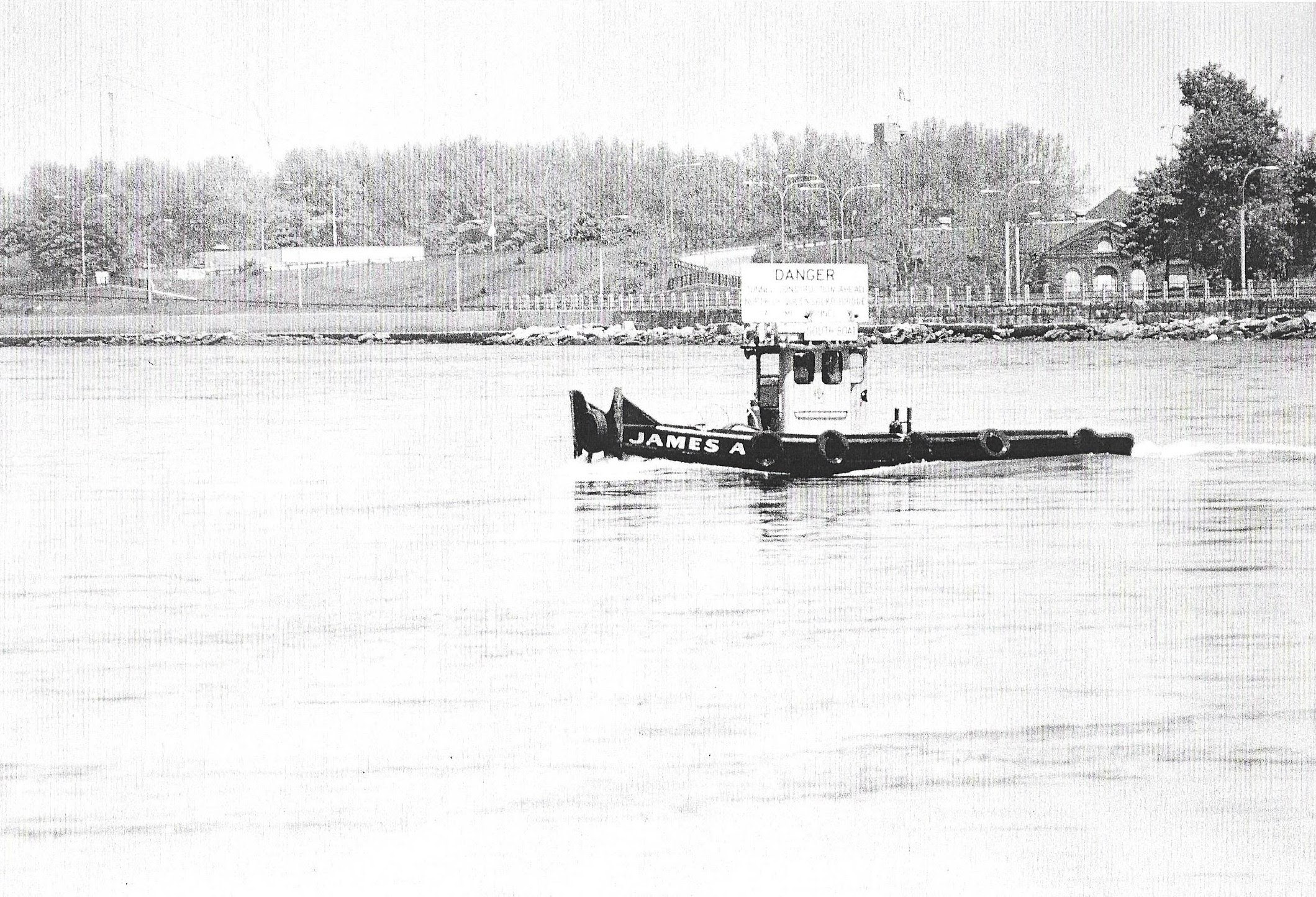
IMAGE OF THE DAY THURSDAY
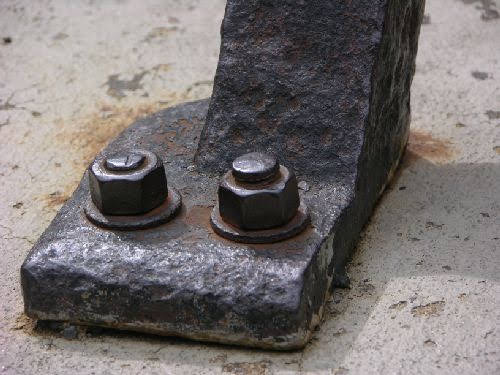
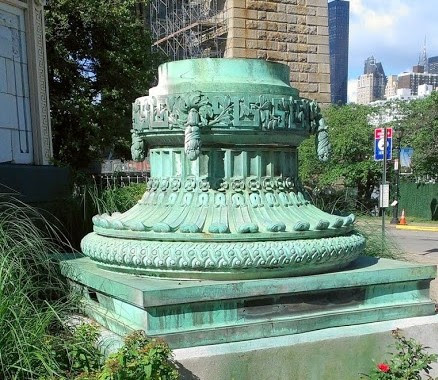
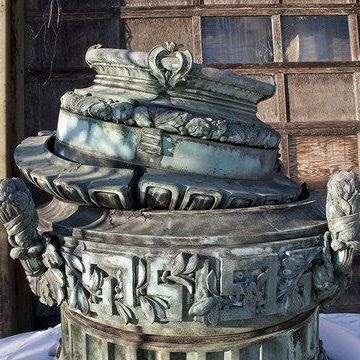
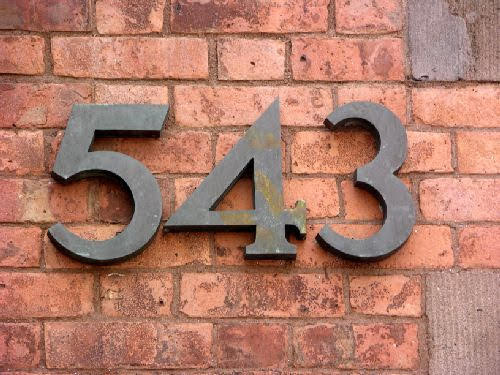
What is this object and where is it located? E-Mail: jbird134@aol.com Win a trinket from the RIHS Kiosk
YESTERDAY’S IMAGE OF THE DAY
Correctly guessed by Shelly Brooks
Text by Judith Berdy Thanks to Bobbie Slonevsky for her dedication to Blackwell’s Almanac and the RIHS Thanks to Deborah Dorff for maintaining our website Edited by Melanie Colter and Deborah Dorff
All image are copyrighted (c) Thanks to the RIHS Archives for Images Harper’s Weekly Archive Damnation Island
FUNDING PROVIDED BY: THE ROOSEVELT ISLAND OPERATING CORPORATION PUBLIC PURPOSE FUNDS
CITY COUNCIL MEMBER BEN KALLOS DISCRETIONARY FUNDS ADMINISTERED BY NYC DIVISION OF YOUTH AND COMMUNITY DEVELOPMENT
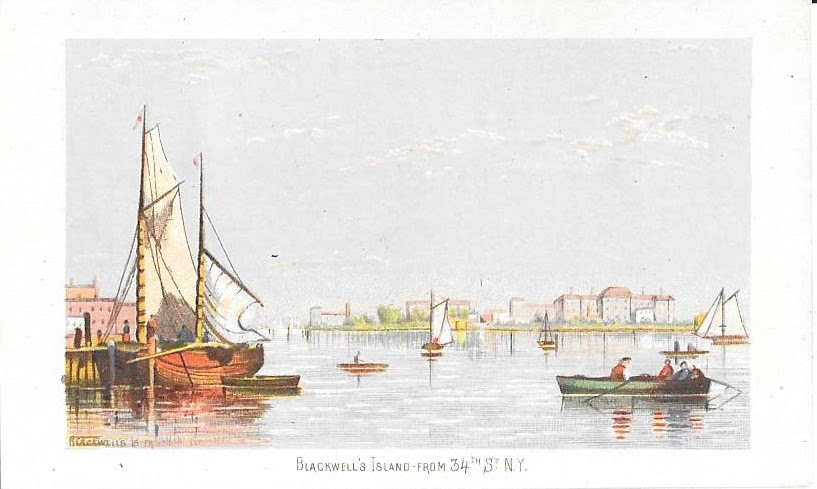
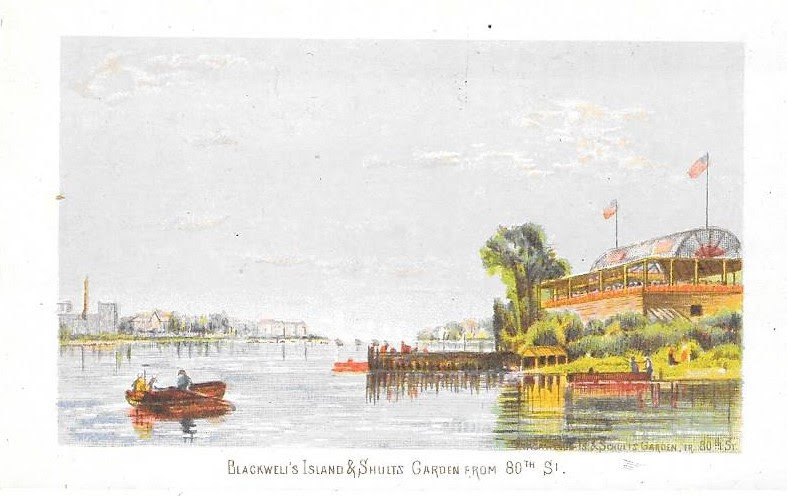
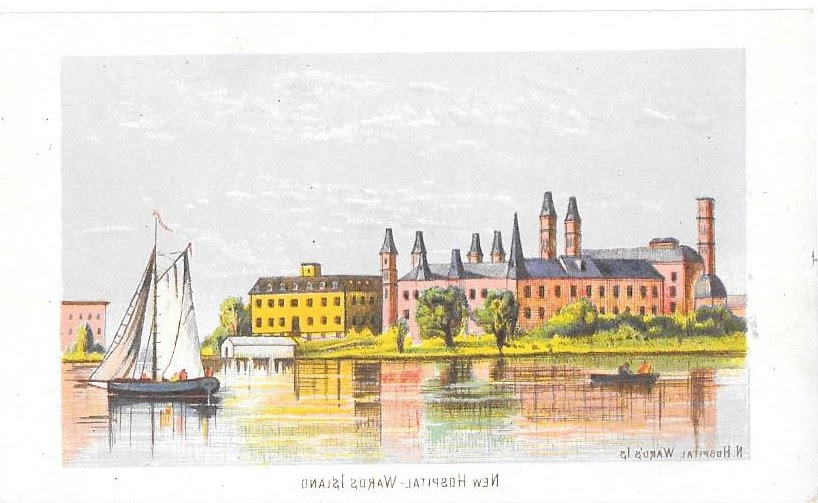
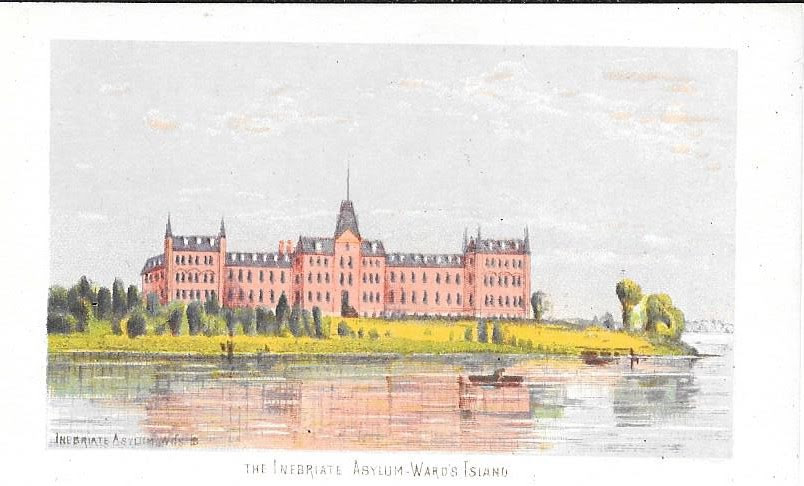
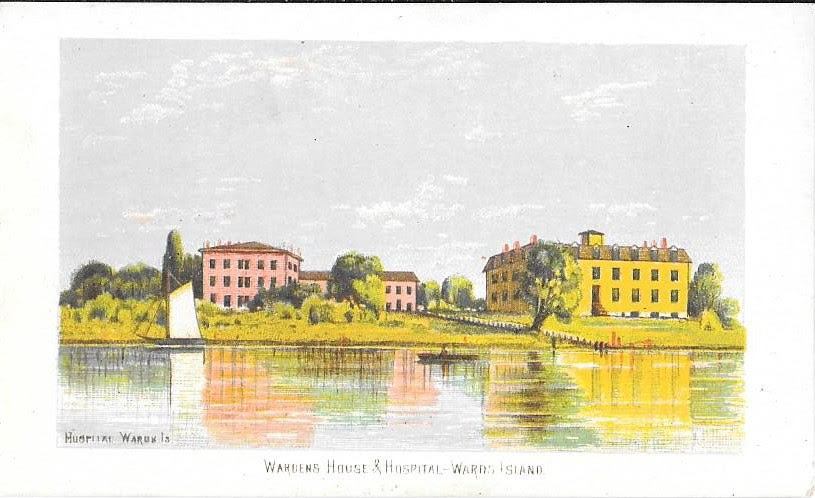
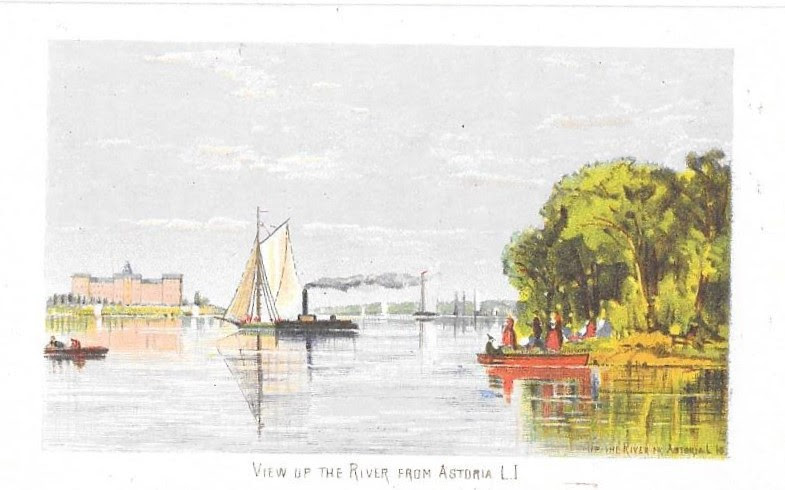
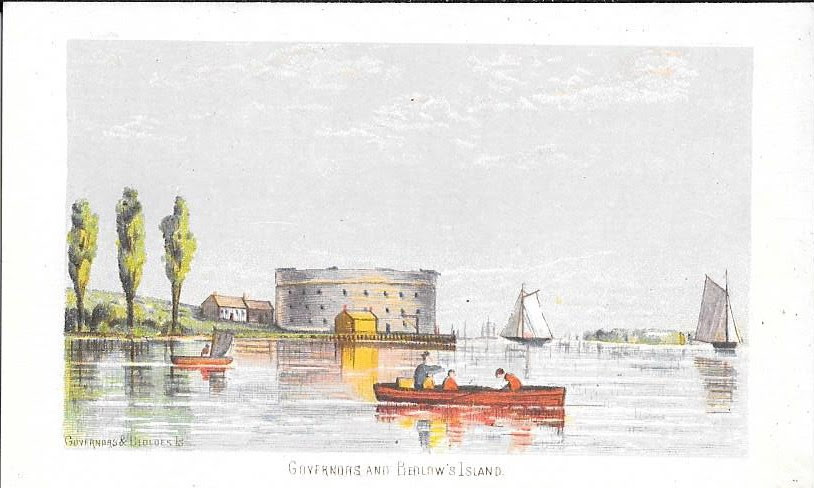
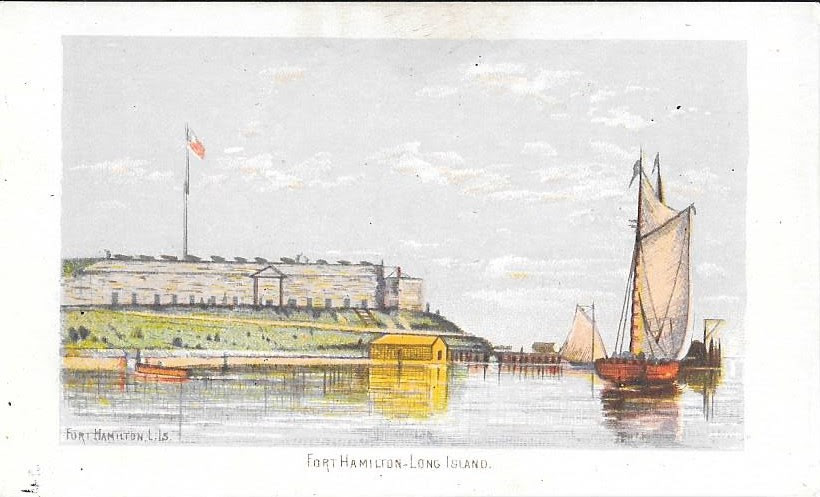
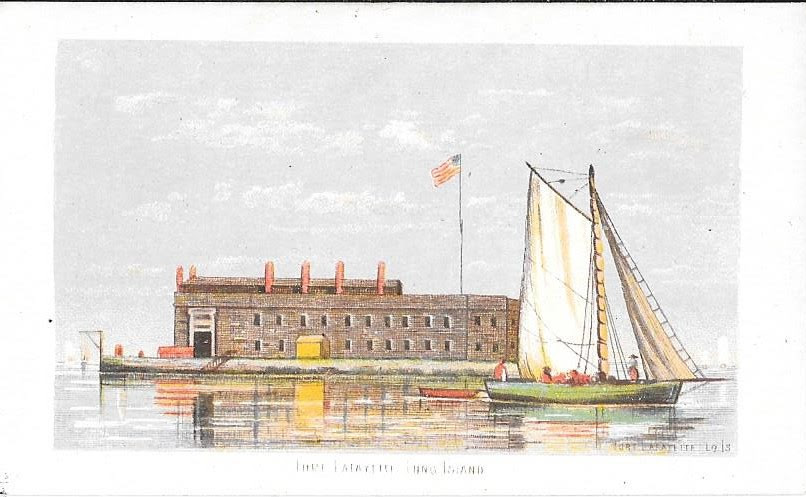
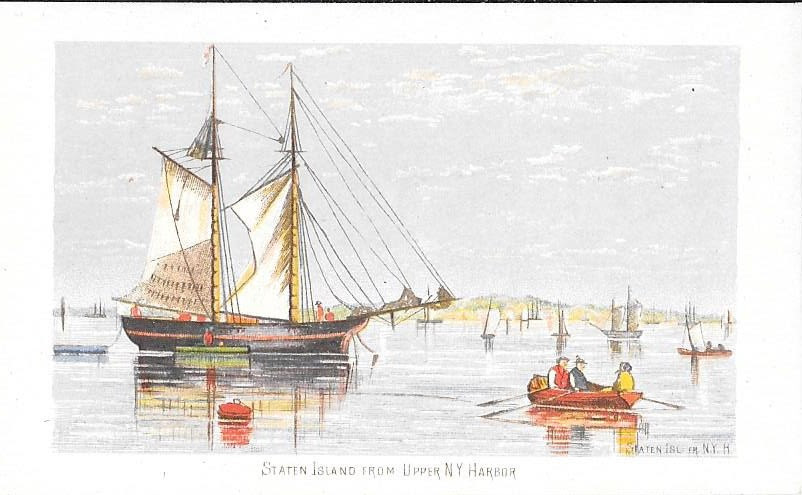
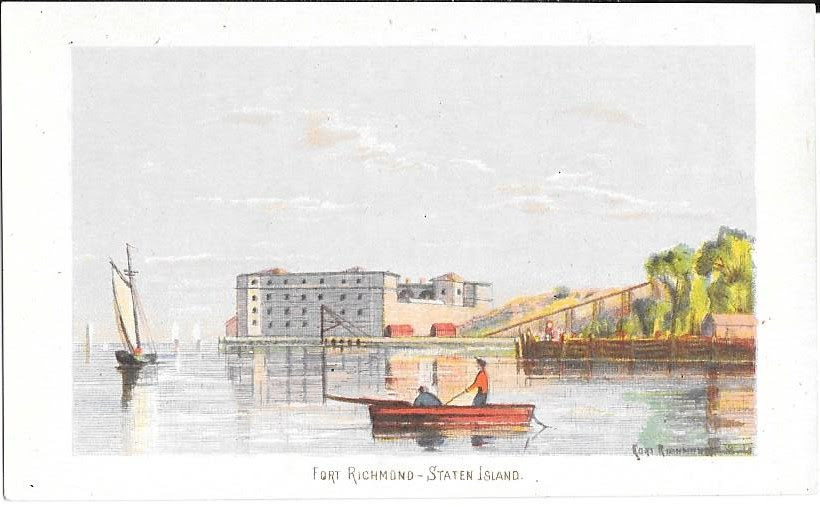
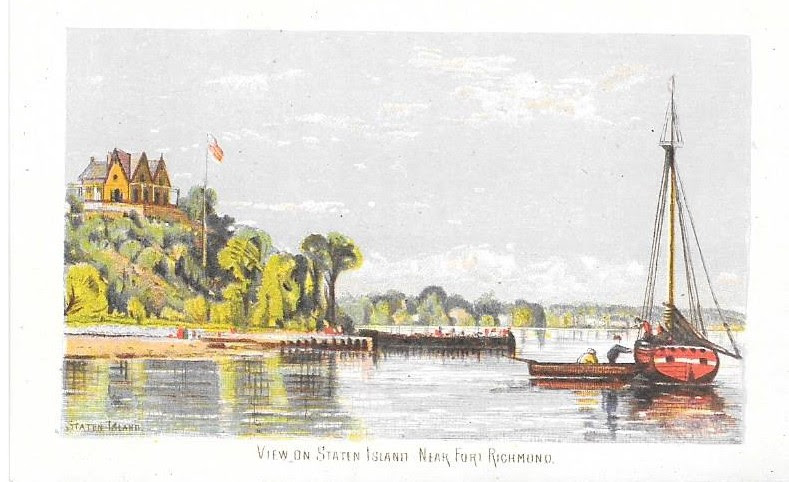
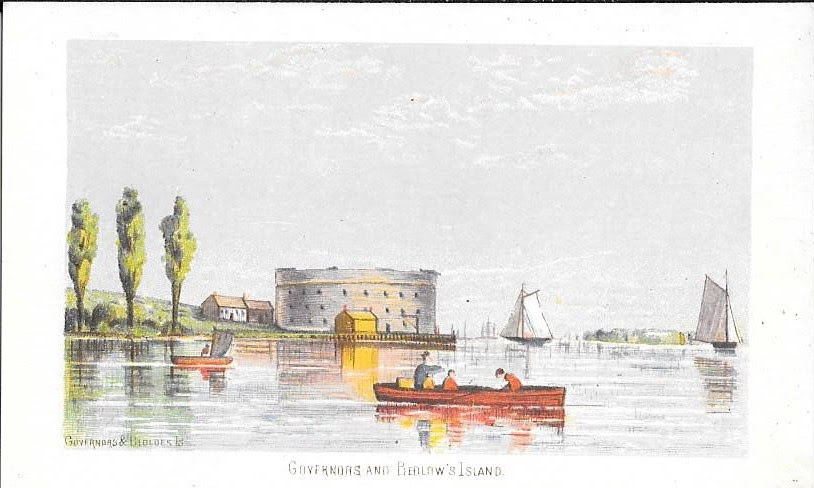
MINIATURE WATER COLOR SCENES OF NEW YORK HARBOR AND ISLANDS
These unmarked cards were probably collecting cards, from Chapin Collection (c) RIHS
Blackwell’s Island
Ward’s Island
Astoria
Governor’s and Bedloe’s Islands
Fort Hamilton
Staten Island
Governor’s Island
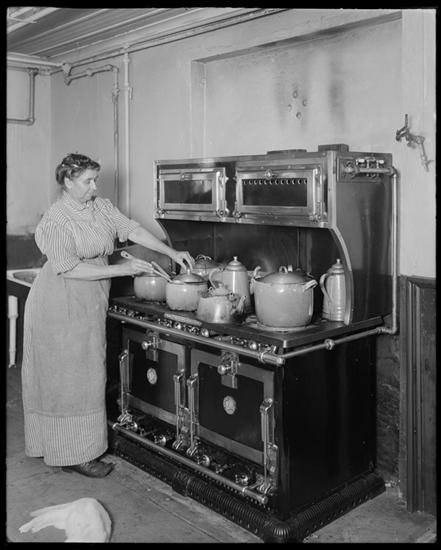
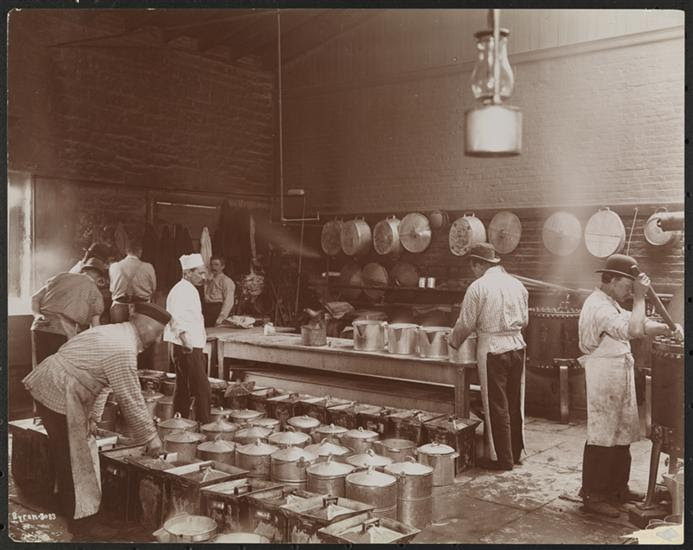
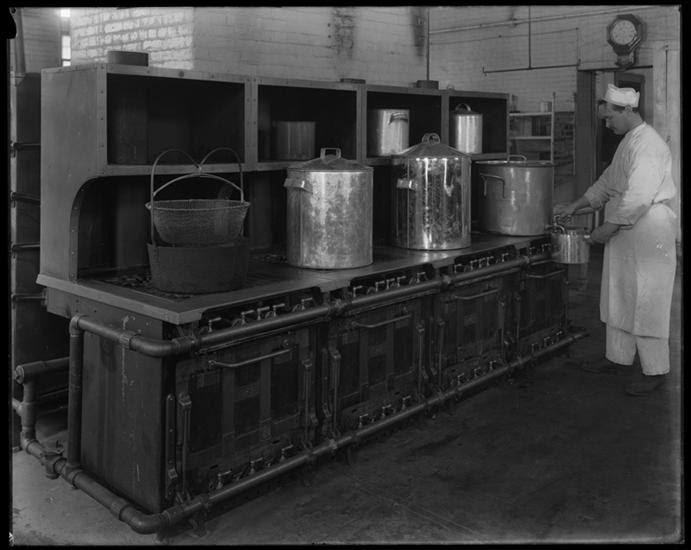
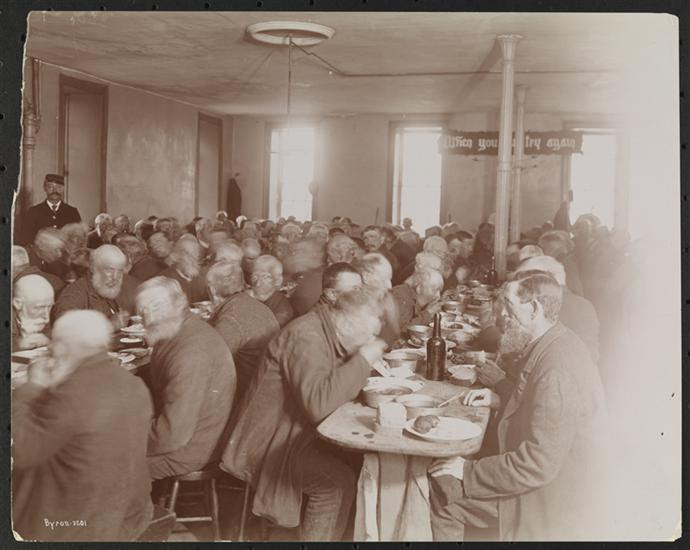
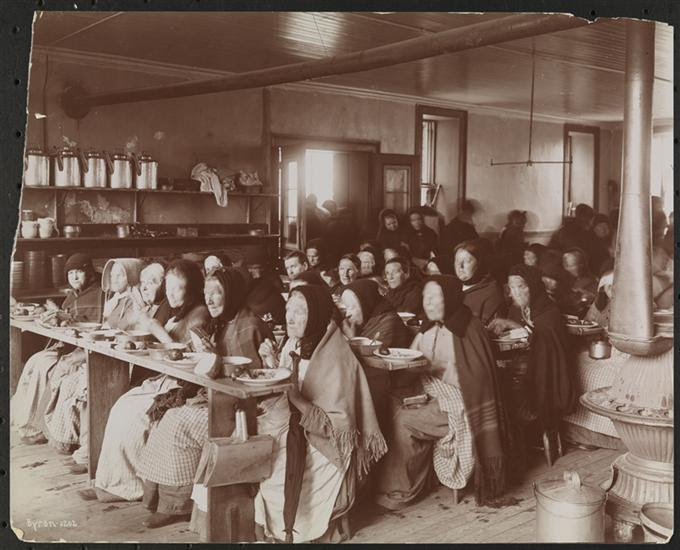
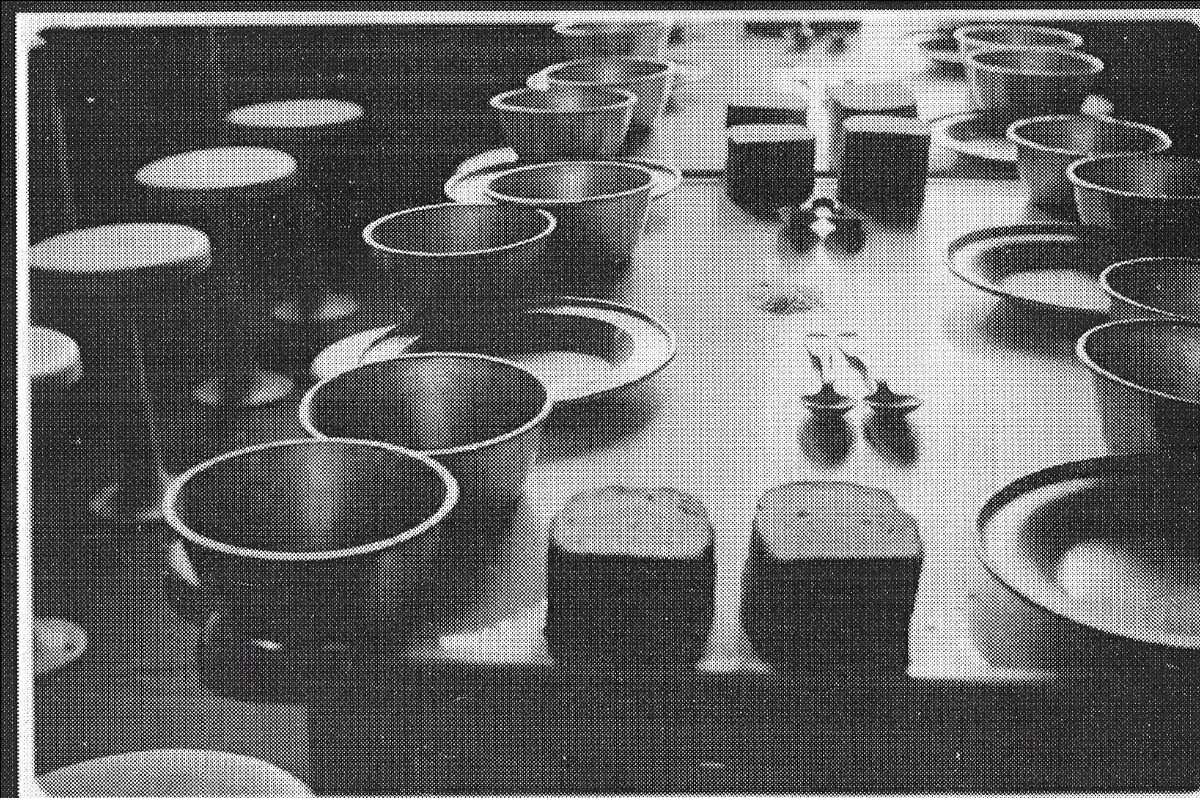
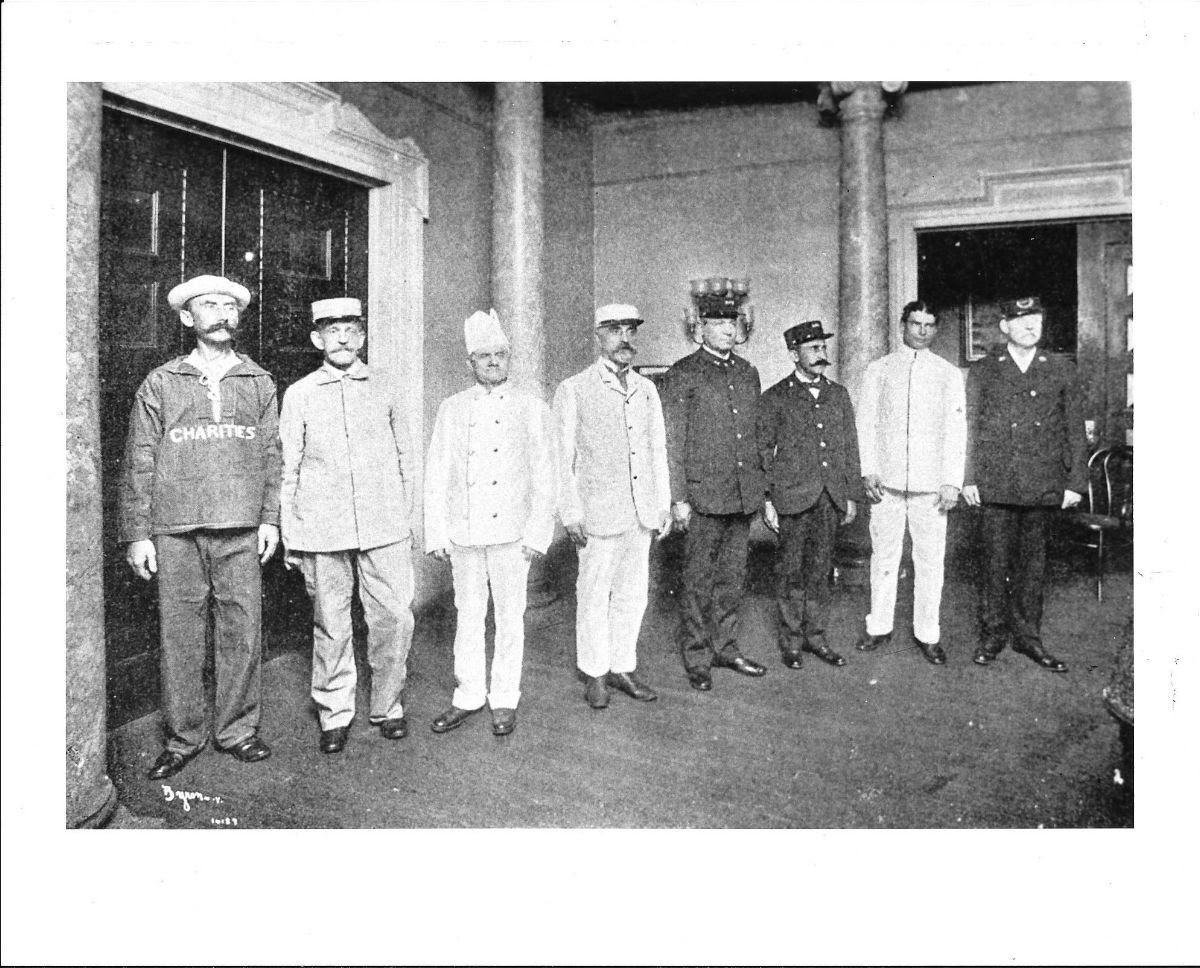
FEEDING THE ISLAND
After looking at the 19th and early 20th century dining choices, we will be glad to live here now.
Superintendent’s Cook
City Hospital Kitchen
Un-named Kitchen
Dinner at the Men’s Almshouse
Dinner at the Women’s Almshouse
Dinner will be served at the Penitentiary
(c) Ben Shahn Collection Harvard Museums
Island Staff including chef
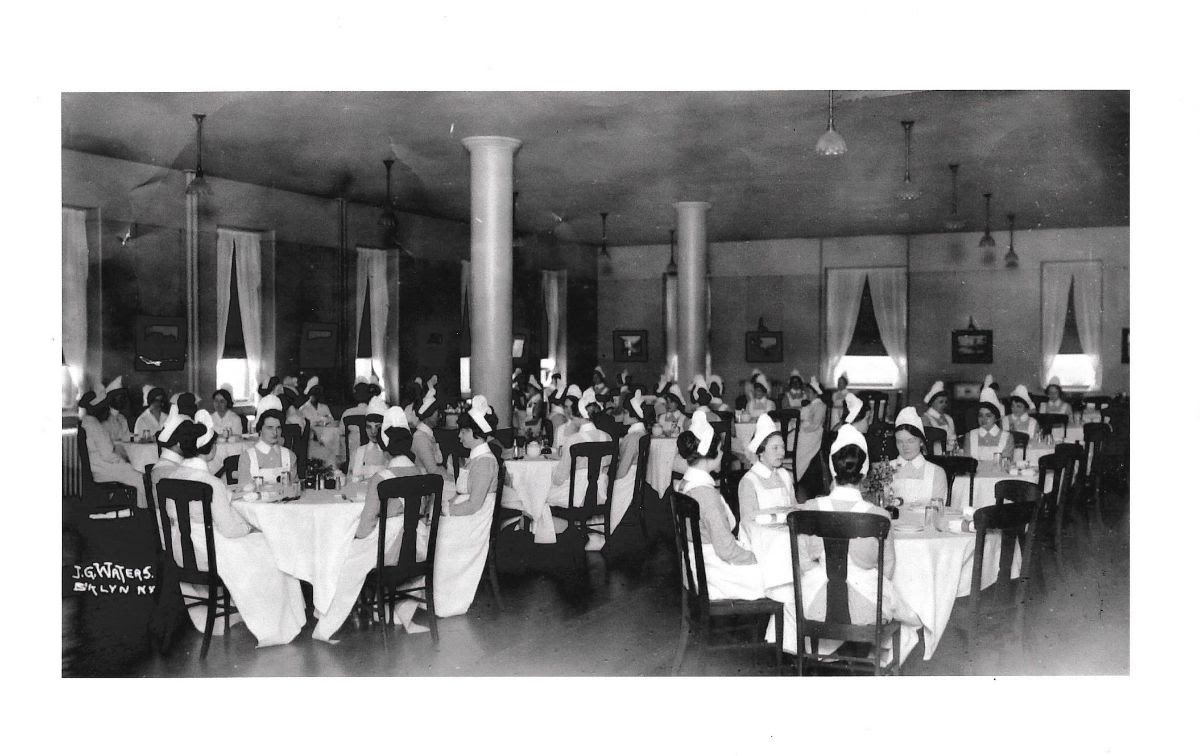
Metropolitan Hospital School of Nursing Dining Room at Draper Hall
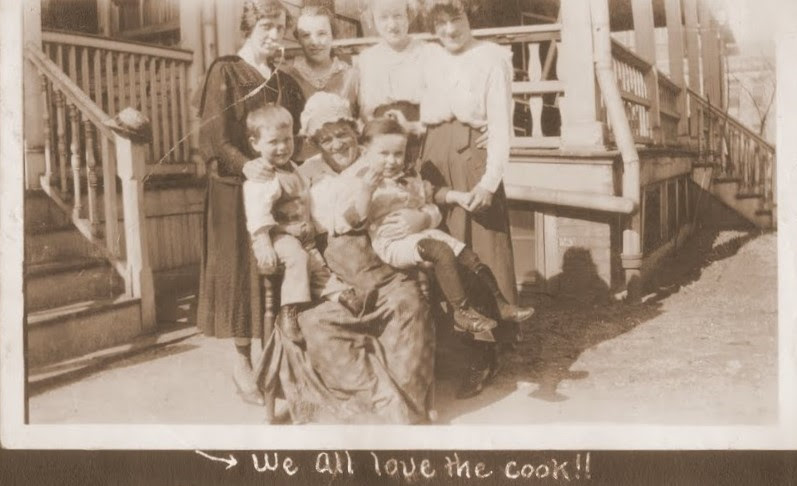
Effler family outside Blackwell House Kitchen with cook
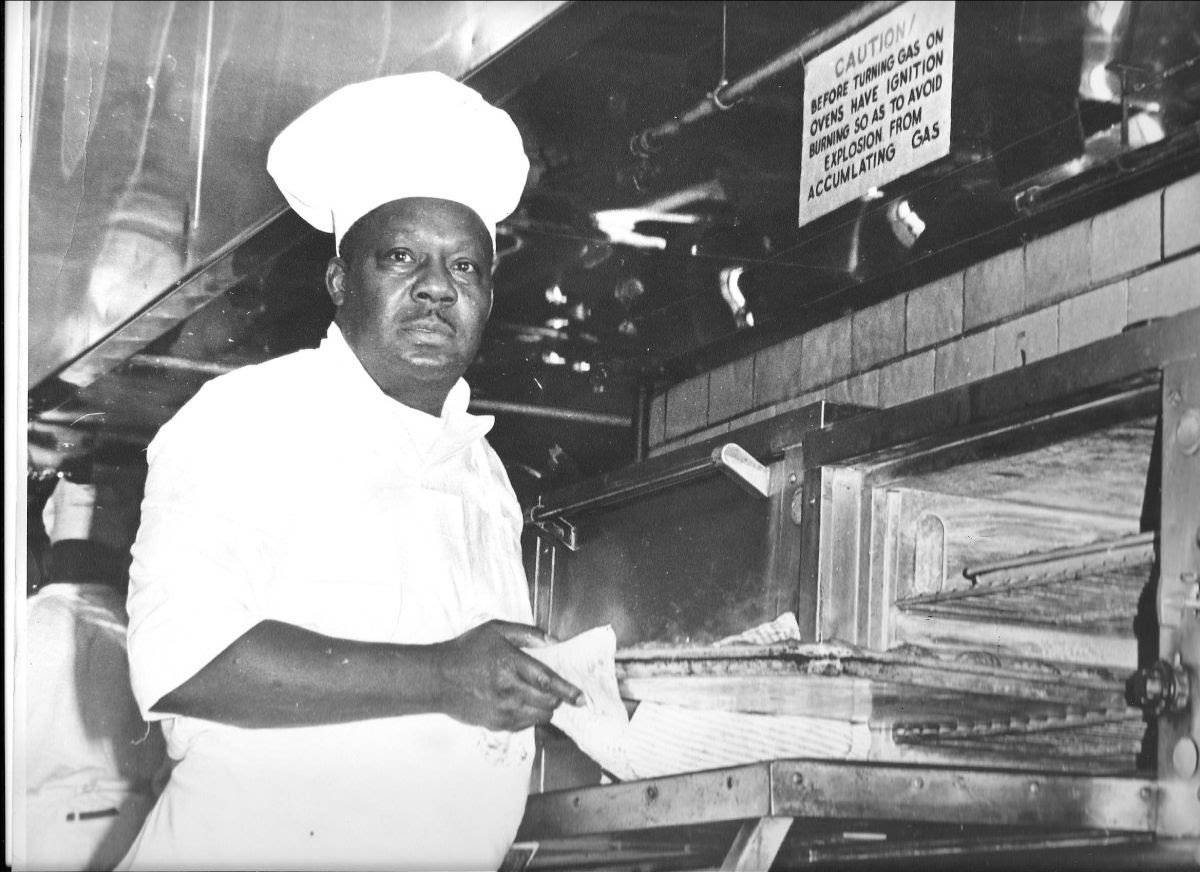
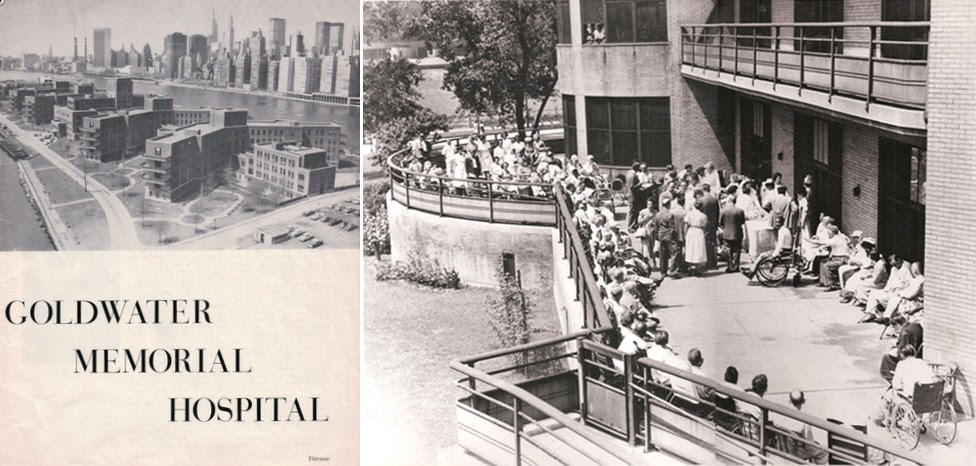
Goldwater cook that prepared over 3.000 meals a day in the kitchens
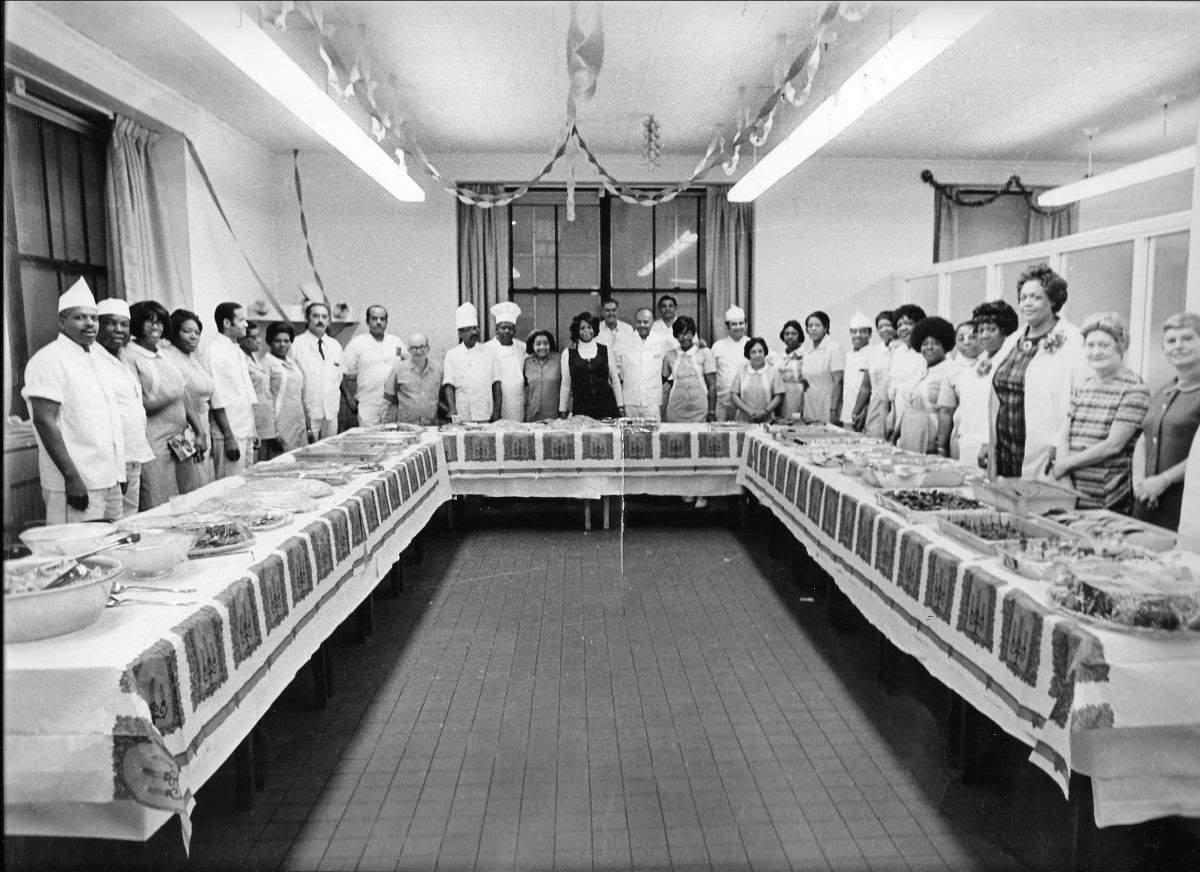
Goldwater’s kitchens prepared meals for all special occasions
With this crowd, I am sure food was involved
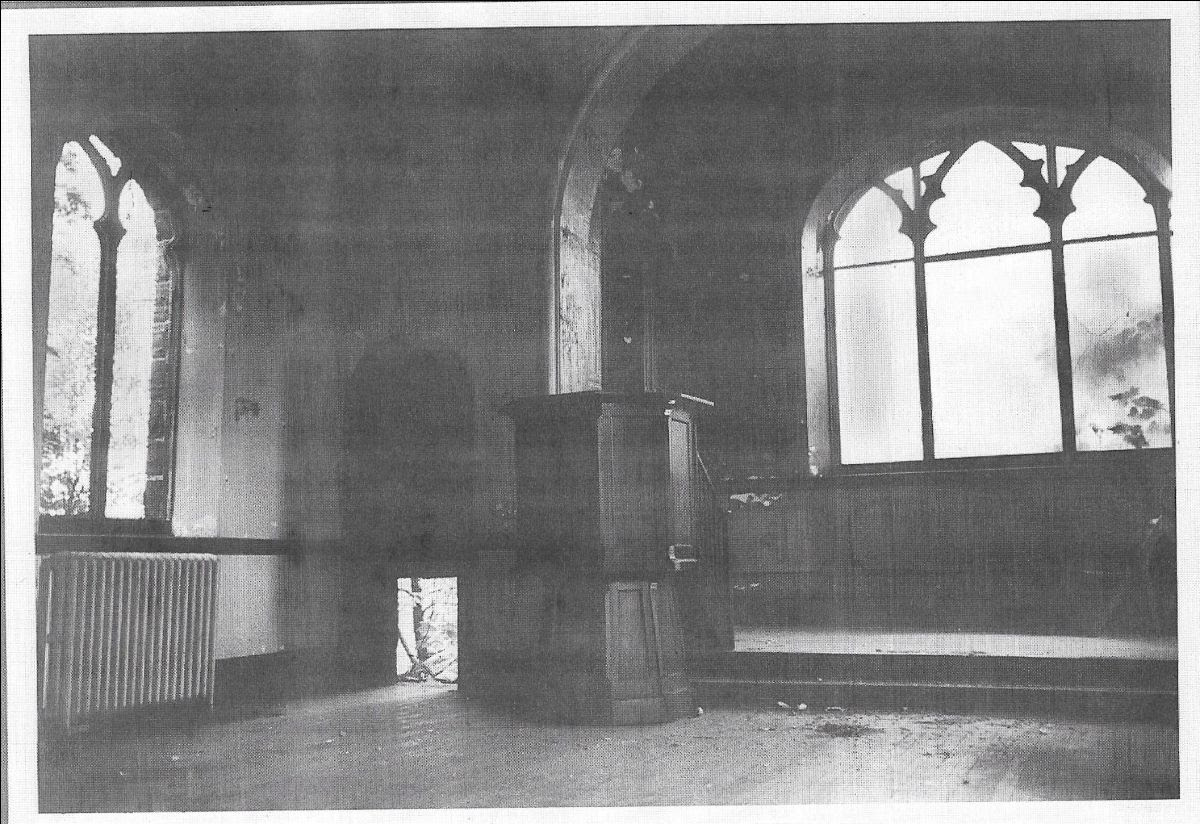
WEDNESDAY’S PHOTO OF THE DAY
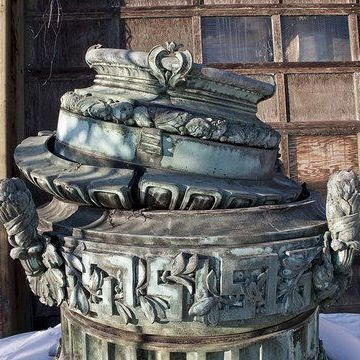
What is this and where is it located E-mail jbird134@aol.com Win a trinket from Kiosk
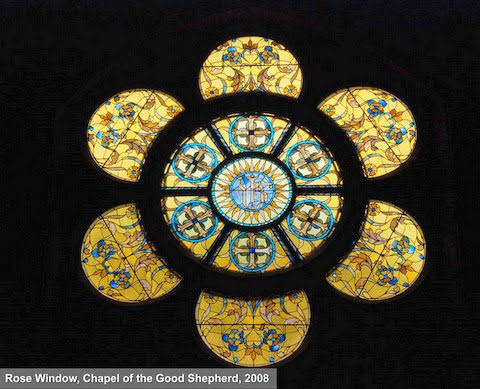
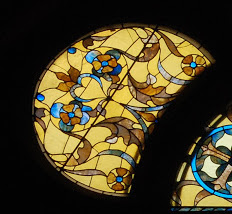
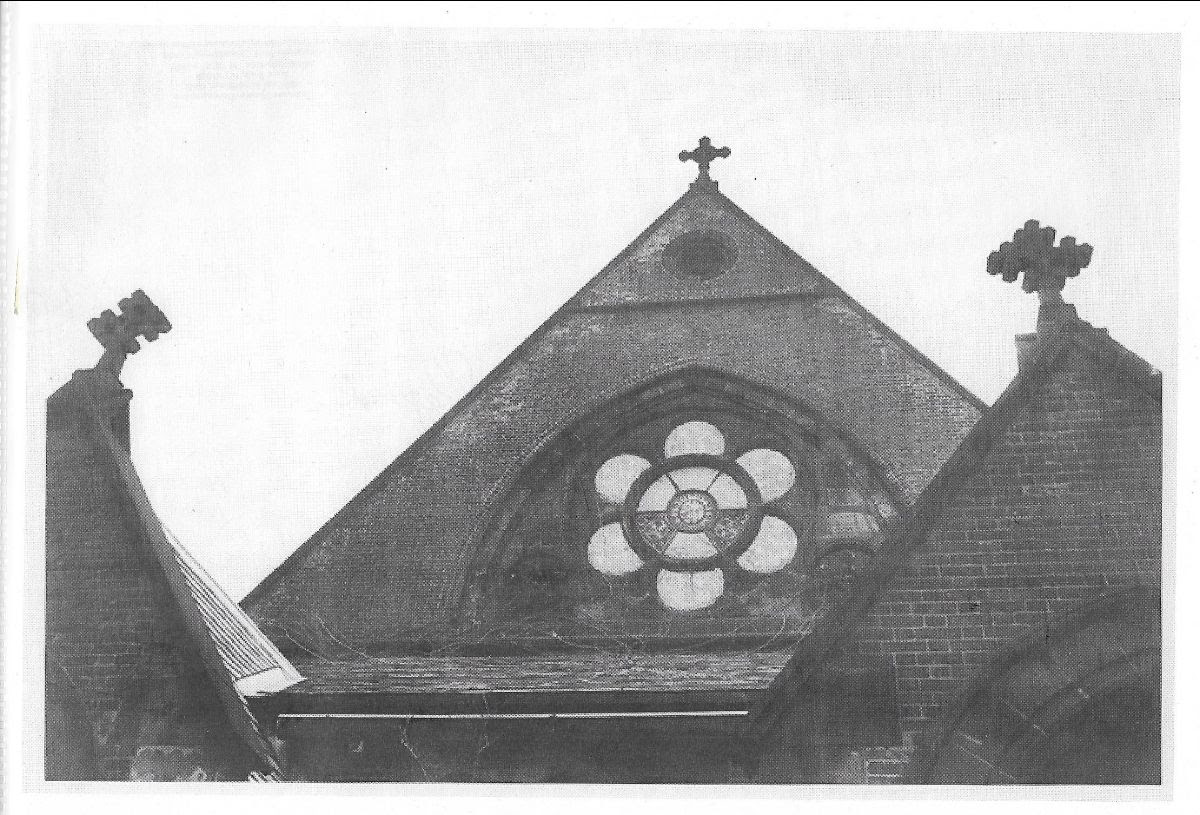
TUESDAY’S PHOTO OF THE DAY A SECTION OF ROSE WINDOW IN CHAPEL OF THE GOOD SHEPHERD
EDITORIAL #blackouttuesday
Text by Judith Berdy Thanks to Bobbie Slonevsky for her dedication to Blackwell’s Almanac and the RIHS Thanks to Deborah Dorff for maintaining our website Edited by Melanie Colter and Deborah Dorff
All image are copyrighted (c) Roosevelt Island Historical Society unless otherwise indicated TEXT FROM THE NEW ENGLAND HISTORICAL SOCIETY FUNDING PROVIDED BY ROOSEVELT ISLAND OPERATING CORPORATION PUBLIC PURPOSE GRANTS CITY COUNCIL REPRESENTATIVE BEN KALLOS DISCRETIONARY FUNDING THRU DYCD
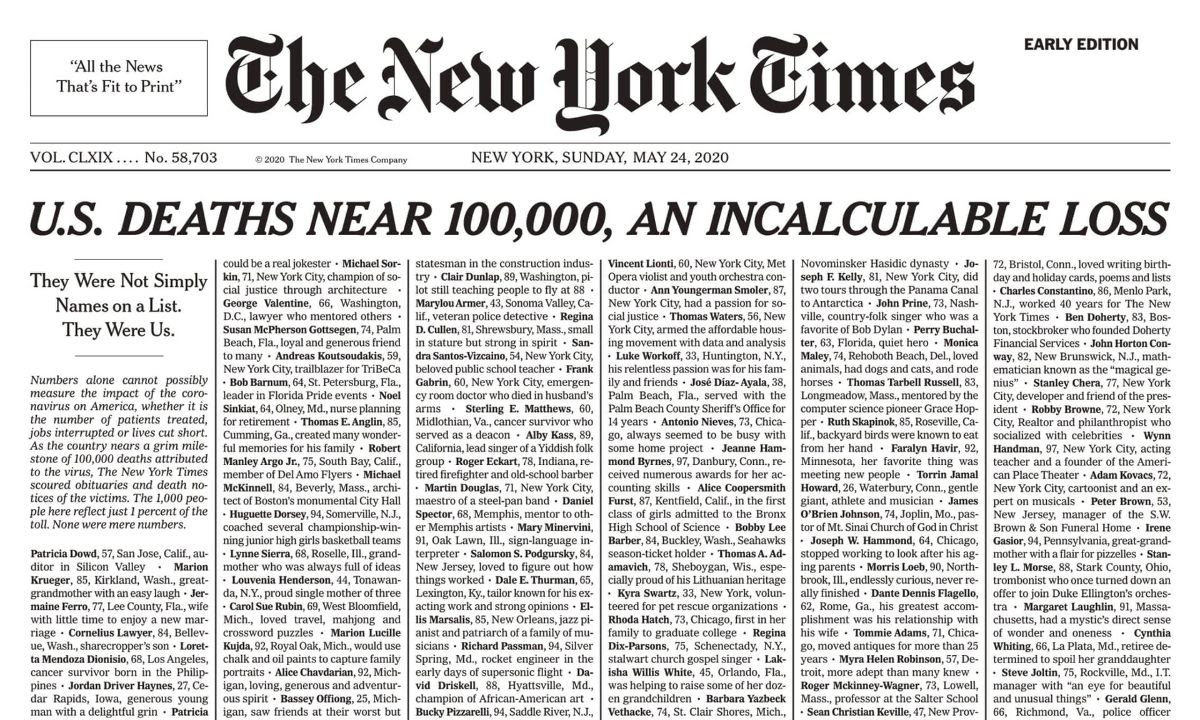
Our country has suffered so much the last 3 months and we could tolerate being home, teaching our own kids, wondering what food would be available in the market. The day after we realized 100,000 human beings including friends and many of our family members have succumbed to this plague the scene changed.
The pandemic feels minor since the murder in Minneapolis. No one can justify any action taken that day by a peace officer. Being in a community where we respect every person, we cannot fathom this action. My heartfelt sympathies, and the fury we feel over the actions we have seen. May our States have leadership to make this country stronger. Judith Berdy
TUESDAY
JUNE 2, 2020
RIHS’s 68th Issue of
Included in this Issue:
ROCK FORMATION IN LONG ISLAND CITY
REMEMBERING CRISTO IN CENTRAL PARK AND
BISCAYNE BAY
MID-CENTURY ARCHITECTURE IN LONG ISLAND CITY
(c) ROOSEVELT ISLAND HISTORICAL SOCIETY
LONG ISLAND CITY PEDESTRIAN PLAZA HIGHLIGHTS ANCIENT ROCK FORMATION
The city and a developer converted the little-used block into a pedestrian oasis
By Caroline Spivack
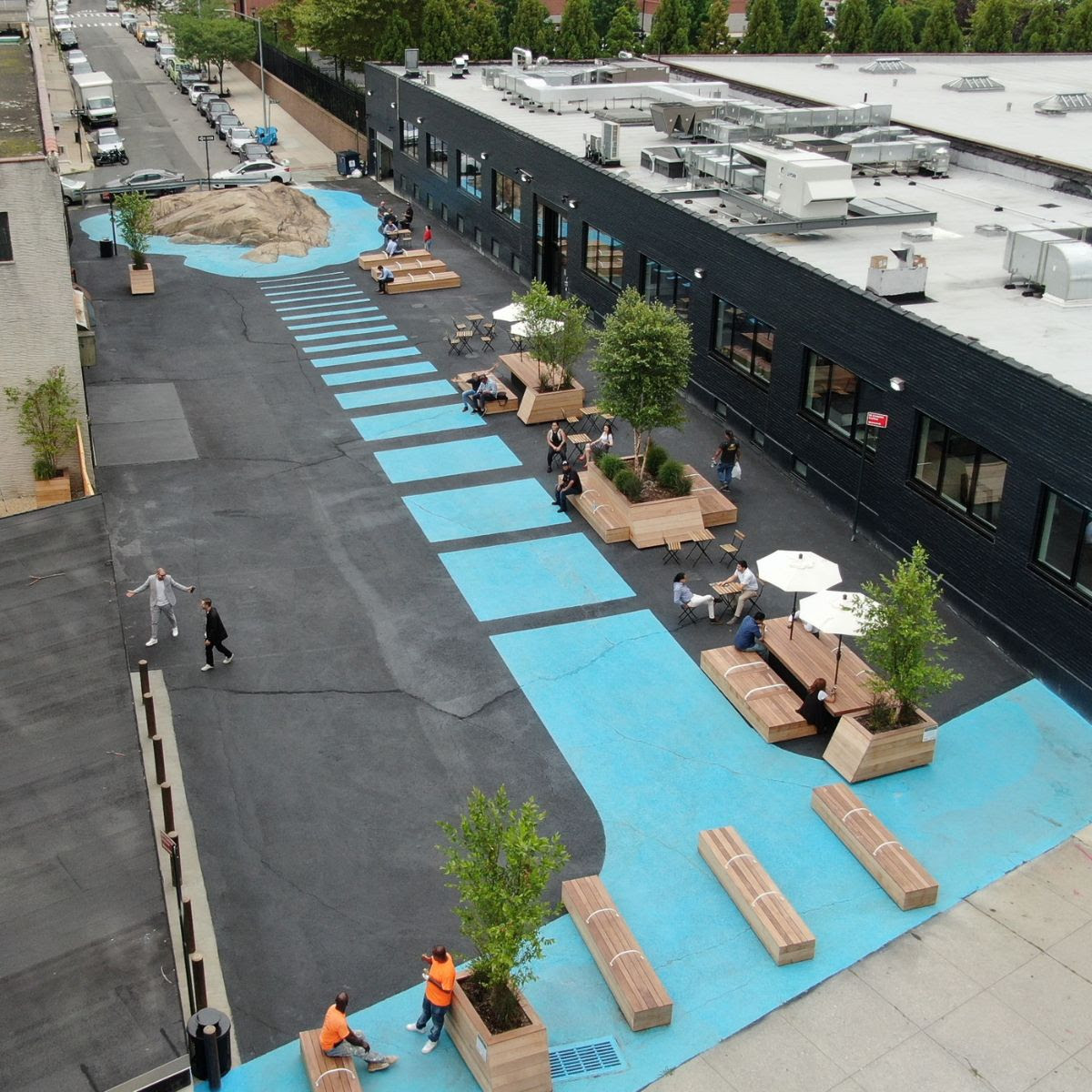
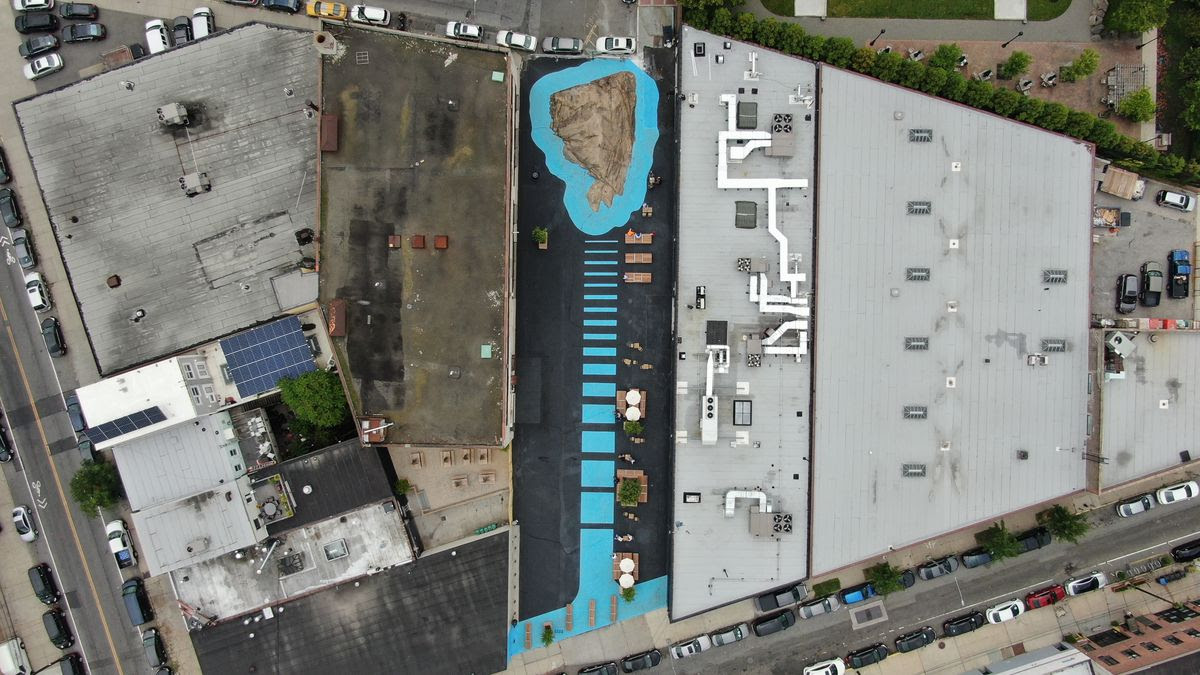
This new Street Seat in Long Island City highlights an ancient rock formation on 12th Street. The VOREA Group A Long Island City street with an unusual, ancient impediment has been transformed from a derelict strip of concrete into a vibrant pedestrian plaza. The city’s Department of Transportation (DOT) has partnered with developer the VOREA Group to overhaul a stretch of 12th Street between 44th Avenue and 43rd Road, where through traffic was previously prohibited by a glacial rock formation.
The partnership came to be through the Street Seats program, a citywide effort that converts underused streets into public spaces. The geological quirk left the street, which originally lacked pedestrian sidewalks, in a sort of limbo; it couldn’t easily be accessed by the public, so was previously used as employee parking for a local company.
Enter VOREA, which owns properties along the street, and who applied to work with the city to turn the block into a pedestrian oasis in a largely industrial swath of the Queens neighborhood. Now, instead of functioning as an obstacle, the rock formation and its history serves as a focal point. “That was the vision we had with the developer, to highlight that as a unique element within the space,” says Samantha Dolgoff, the director of strategic initiatives with DOT. “We didn’t want the rock to just be there. We wanted it be more prominent in the space.”
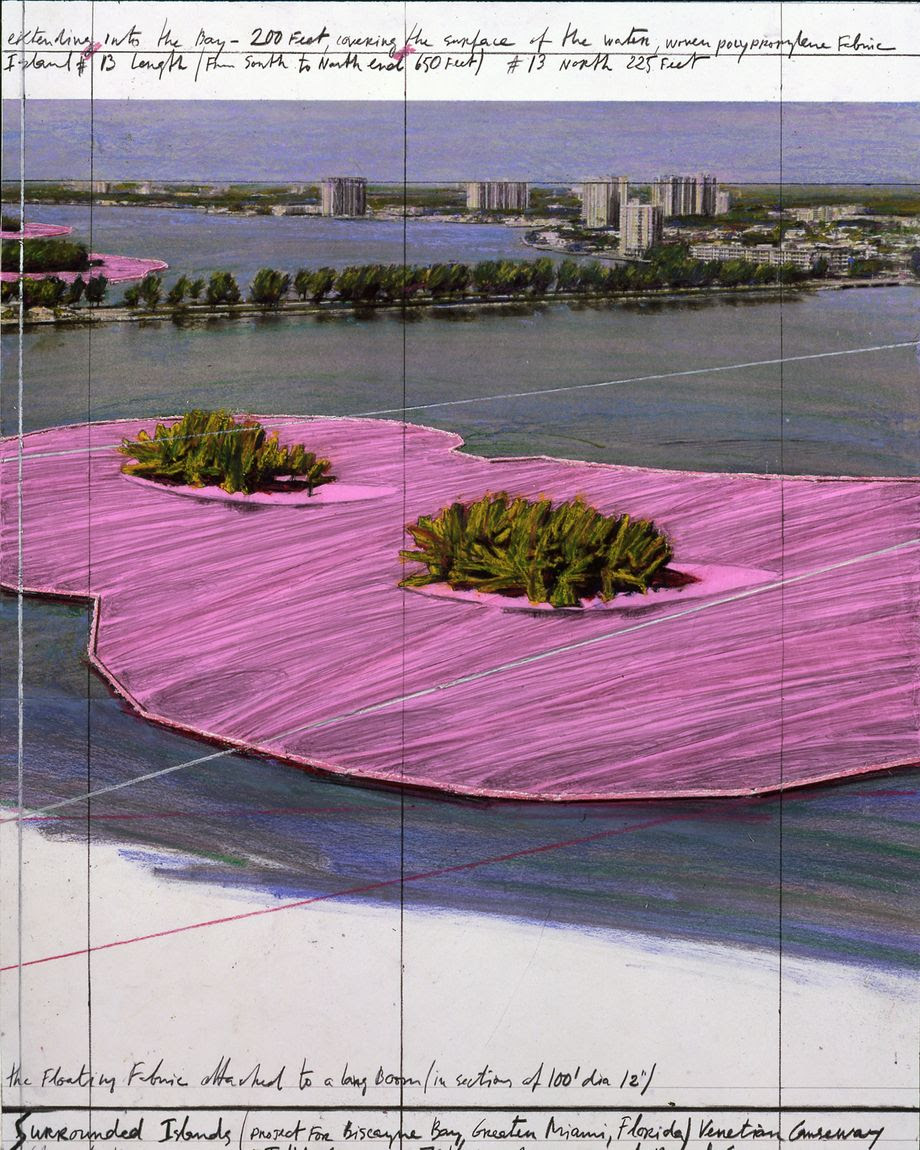
Designed by MAPOS Architecture and Design, the spacious Street Seat creates a pedestrian-friendly environment with outdoor seating and planters. Bright blue paint outlines the glacial rock and is used for striping, lending a vibrant pop of color to the space. Its design was inspired by Christo and Jeanne-Claude’s 1983 “Surrounding Islands” installation, where 11 small, uninhabited islands were surrounded by 6.5 million square feet of hot pink fabric in Miami.
The VOREA Group The block will also offer a space for displaying artwork crafted by local artists and makers. “Our goal was to use art as a vehicle to celebrate the unique history of LIC and help breathe new life into this incredible, creative pocket of the neighborhood,” says Adam Joly of VOREA. The Street Seat is the second to be rolled out in Queens—16 were installed in the city last year in Manhattan and Brooklyn—and DOT hopes more will apply through the program so that additional underutilized spaces throughout the borough can be revitalized.
Transportation officials and VOREA hope the community will take advantage of the space not only on lunch breaks and outdoor respites, but also for hosting neighborhood events, which can be done by securing a permit through the city’s Street Activity Permit Office. “One of the great things about this space in particular is it’s a pretty large space that’s been dedicated to pedestrians,” says Dolgoff. “It’s great for community events.”
Aerial view of area
The concept for the art was inspired by Cristo’s Surrounding Islands in Biscayne Bay in Miami..
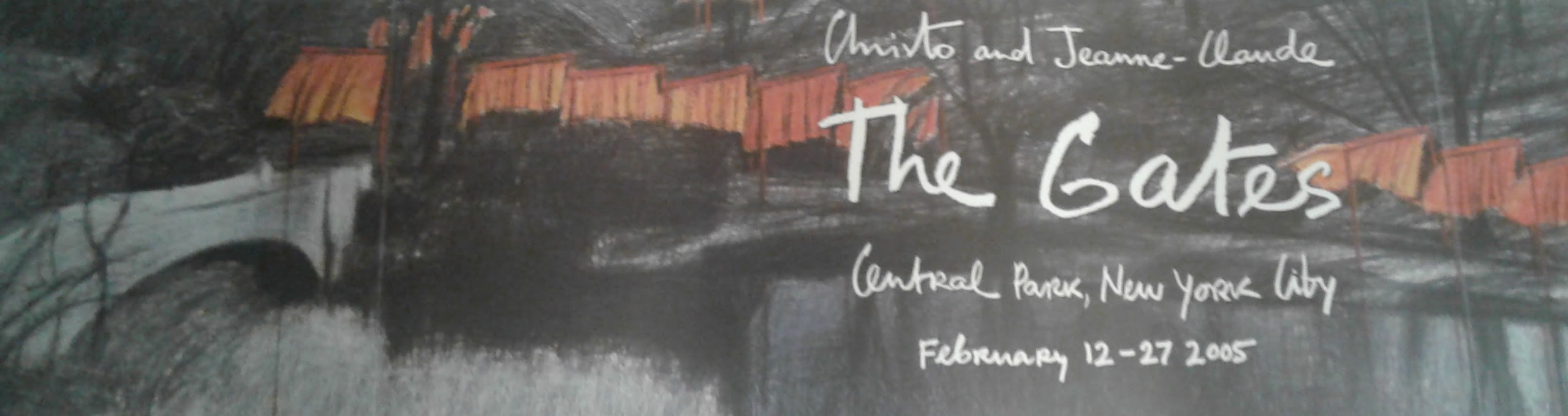
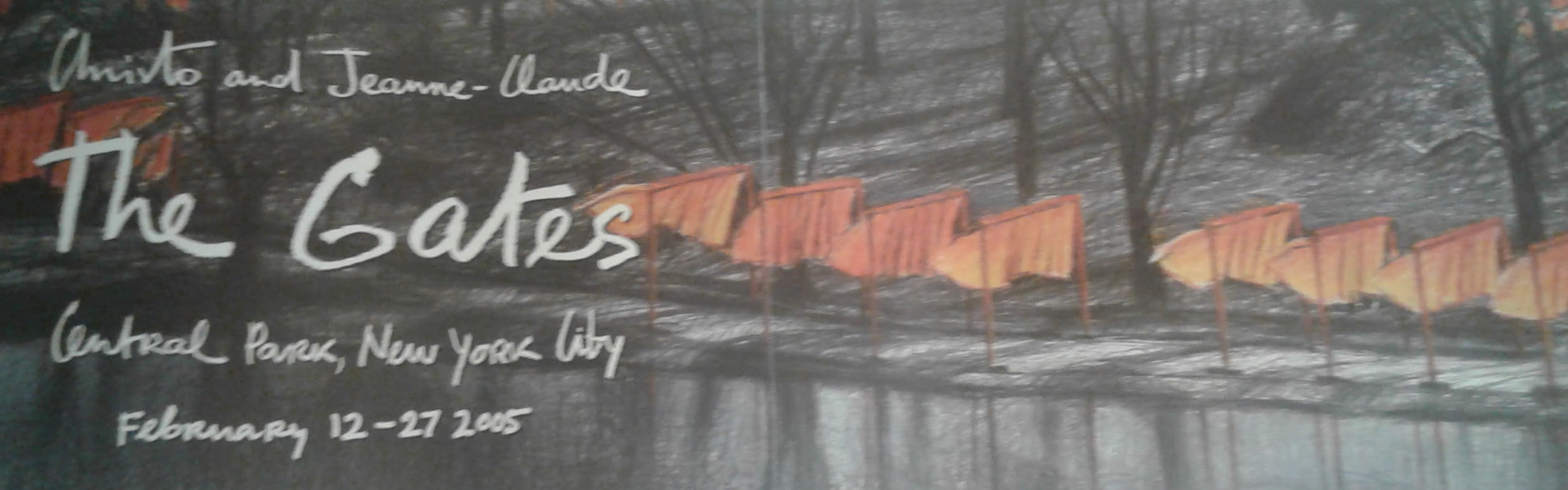
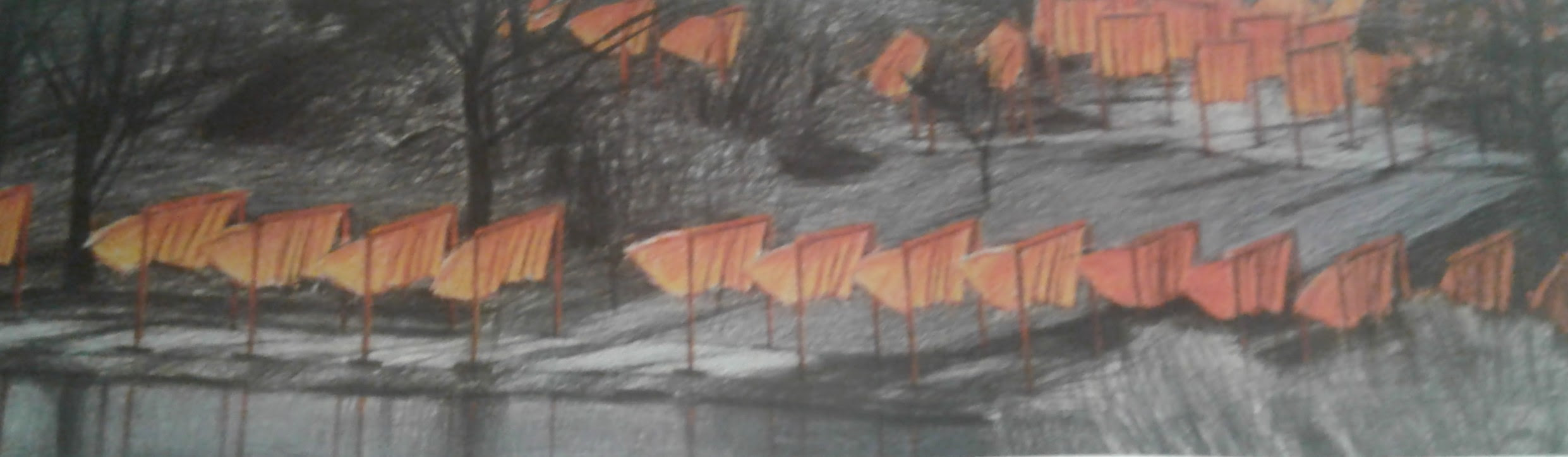
MTA NY SUBWAYS POSTER FOR “THE GATES”
Courtesy of Eunice Chang
Jerome Perlstein – Walter Lippmann Building,Long Island City NY
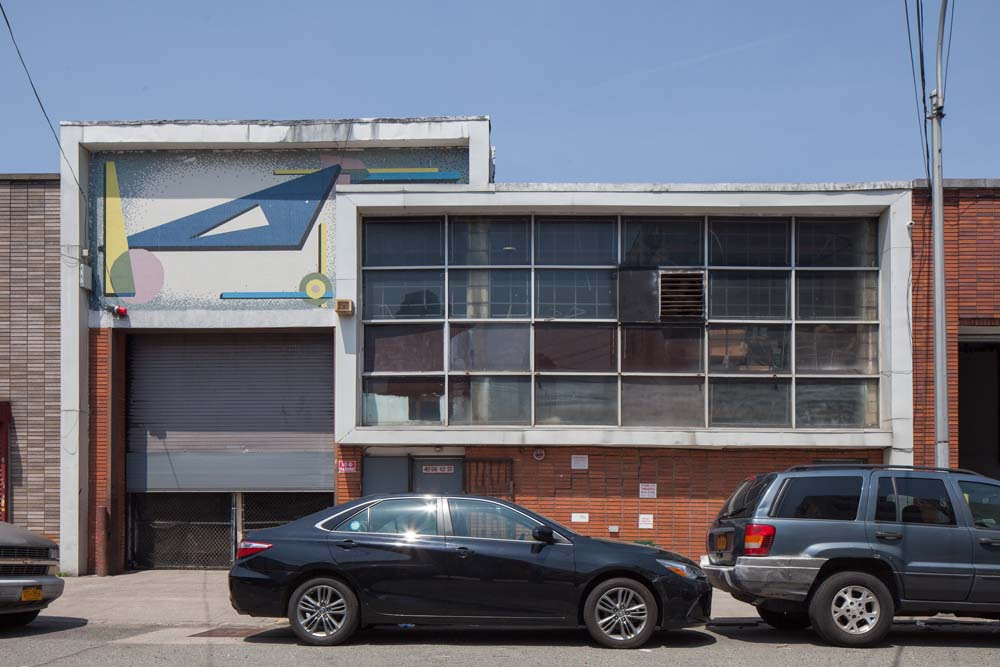
Queens-based architect Jerome Perlstein (January 2, 1924-November 13, 1984) designed a wide range of structures, including restaurants, athletic clubs, residences, and synagogues, but put he put his mark on the borough largely with his quirky interventions to industrial structures.
Perlstein was born in New York City and even before graduating from high school in 1940 was already assisting his father, architect Morris Perlstein, as a draftsman. He served in World War II, studied at New York University and Pratt Institute, and then returned to his father’s office until 1949. In 1950 he set out on his own. One of his earliest extant works is the Do All Eastern Building, a long, low industrial building of tan brick with a contrasting red brick entrance surround and a corner wall of picture windows.
The Queens Chamber of Commerce gave it an honorable mention in its building awards program. In 1962, Perlstein became a consultant to Propper Manufacturing Company, a maker of medical devices, owned by Seymour Schuman. In the 1960s, Schuman began branching out into real estate development, eventually controlling numerous small industrial sites around Long Island City under the names Propper Properties and Schuman Properties. Perlstein was hired to rehabilitate many of these.
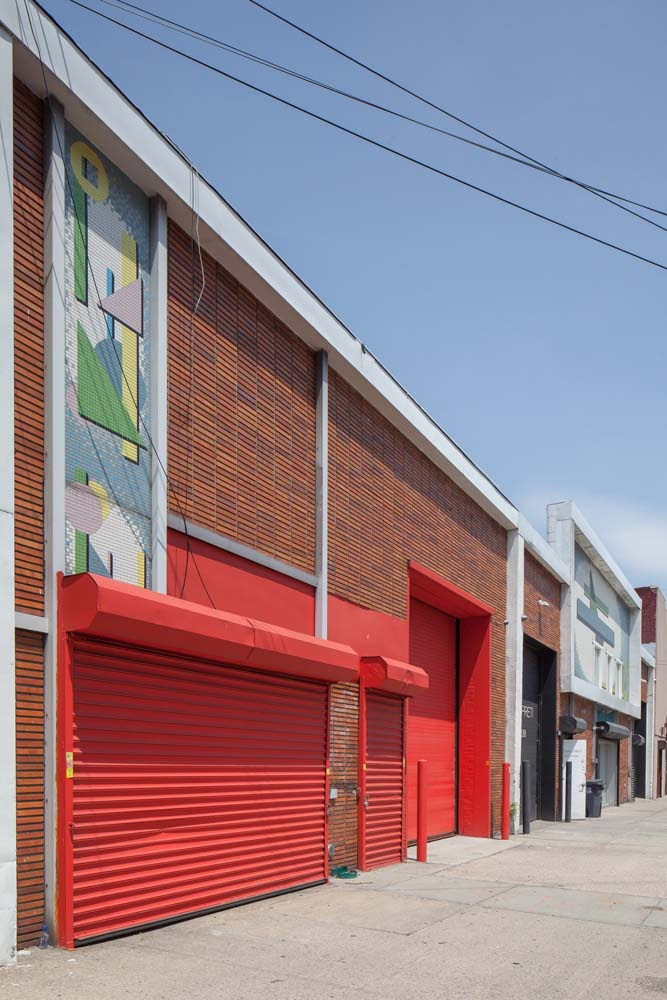
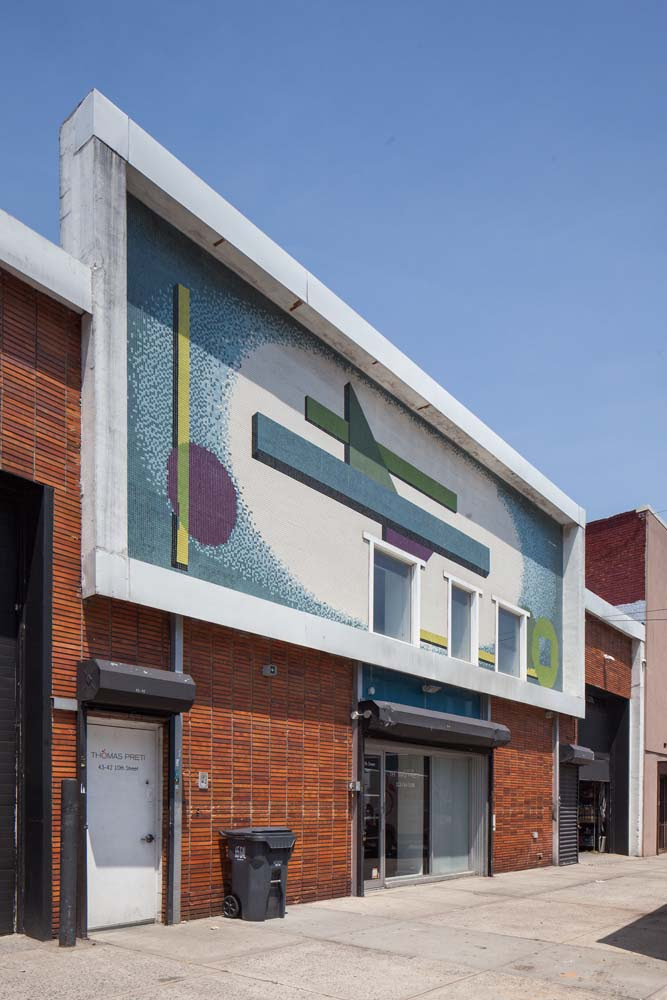
Between 1962 and 1975 Perlstein altered at least 10 buildings with eye-catching but cost effective designs. He used numerous materials, primarily in facade alterations, to make the street view of these buildings more compelling. The facades incorporate Roman brick, stone veneer, glass, concrete, enamel paneling, metal screens, and mosaic tiling, as quick ways to enliven largely utilitarian complexes.
Perlstein or Schuman also labeled each building with small metal plaques naming the buildings after specific individuals, both famous and obscure. A small garage at 11th Street and 44th Drive with red enamel brick and a jaunty metal facade screen is named after Perlstein.
The Queens Chamber of Commerce honored three of these industrial structures, as well as two restaurants, a bank, and a commercial building that all exhibit the same design characteristics. Awards also went to the Harold Felixson residence in Bayside, a long, wood house on a narrow site, and a more standard apartment complex in Forest Hills, designed with Jack Brown, architect of LeFrak City.
Perlstein died in 1984 at the age of 60. Note: A version of this biography appeared in docomomo_us New York/Tri-State’s mōd, issue 2, 2017.
SOME NOTES
This morning I needed a visual that has been here a long time. The giant rock outcropping in Queens qualified. I discovered the site last October when trying to find an architectural office. Tucked away in an alley was the bright blue painted paving leading to the rock formation.
This morning, when reading about it, the Cristo art piece “The Islands” was mentioned!! Cristo who passed away yesterday. Coincidence.
Then I remembered that Eunice Chang donated a series of posters to the RiHS. There is was… a 46 inch long poster for the event. I have enclosed photos of the poster.
I was always intrigued by the moderne building in Long Island City. The description of it is fascination and proves that Queens has wonder mid-century architecture.
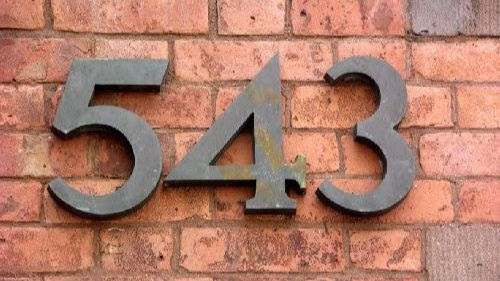
WHAT AND WHERE ARE THESE OBJECTS? Send your submission to JBIRD134@AOL.COM Win a trinket from the RIHS Visitor Center Kiosk
MONDAY’S PHOTO OF THE DAY
The correct answer is the address of Chapel of the Good Shepherd. Andrea Niall was first to answer.
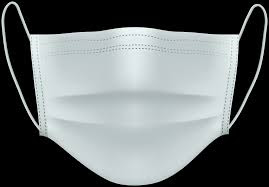
DESIGN THE PERFECT ROOSEVELT ISLAND FACE MASK WHAT ARTWORK WOULD YOU PUT ON THE MASK? SUBMIT THIS IMAGE WITH ARTWORK ON IT TO: ROOSEVELTISLANDHISTORY@GMAIL.COM DEADLINE: JUNE 10, 2020 ALL DECISIONS ARE FINAL WIN A GIFT BASKET FROM THE RIHS VISITOR CENTER.
ACKNOWLEDGMENTS
Text by Judith Berdy Thanks to Bobbie Slonevsky for her dedication to Blackwell’s Almanac and the RIHS Thanks to Deborah Dorff for maintaining our website Edited by Melanie Colter and Deborah Dorff
FUNDING PROVIDED BY: ROOSEVELT ISLAND OPERATING CORPORATION THRU PUBLIC PURPOSE FUNDING CITY COUNCIL MEMBER BEN KALLOS DISCRETIONARY FUNDS THRU DYCD
NIGHTHAWKS BLACKWELL’S ISLAND NAKED CITY DARK WATER CONSPIRACY THEORY AND MORE
DESIGN THE PERFECT ROOSEVELT ISLAND FACE MASK
WHAT ARTWORK WOULD YOU PUT ON THE MASK?
SUBMIT THIS IMAGE WITH ARTWORK ON IT TO: ROOSEVELTISLANDHISTORY@GMAIL.COM
DEADLINE: JUNE 10, 2020
ALL DECISIONS ARE FINAL
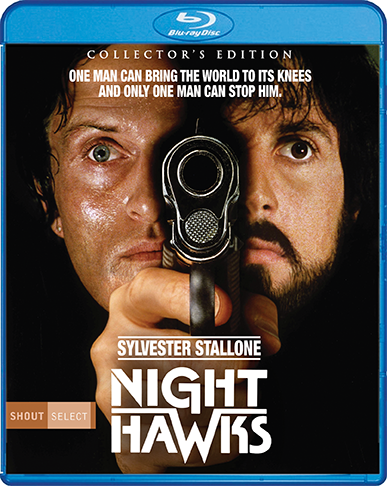
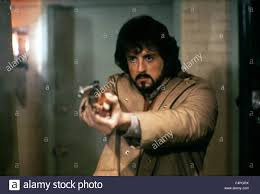
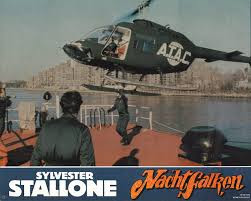
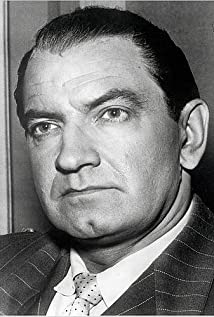
NIGHTHAWKS (1981)
If you have lived long enough on the island you remember Sylvester Stallone being booed out of the Chapel, when the residents resisted the tram being “hijacked” for a film shoot.The film NIGHTHAWKS got shot, the tram closed for two weeks and we were appeased with free coffee and newspapers. Supposedly a $20,000 donation was to go the the Youth Center.
As we watched NIGHTHAWKS in the 1980’s, it was a captivating thriller. When I watched it in the post 9/11 world, it was too real life. Sly Stallone and Billy Dee Williams were the stars.
Deke DaSilva (Sylvester Stallone) and Matthew Fox (Billy Dee Williams) are two New York City cops who get transferred to an elite anti-terrorism squad. About this same time, an infamous international terrorist shows up in New York City looking to cause some chaos. It’s up to DaSilva and Fox to stop him, but will they be in time?
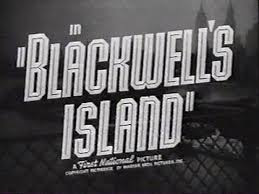
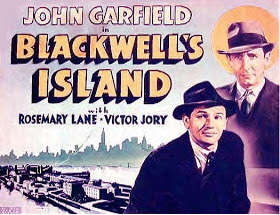
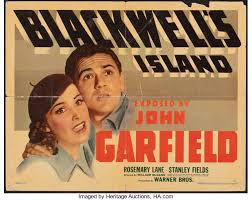
BLACKWELL’S ISLAND (1939)
In 1934, a New York reporter infiltrates a crime syndicate by befriending its boss who is serving time inside Blackwell Island prison.
The only scenes of the island were views from the Queensboro Bridge
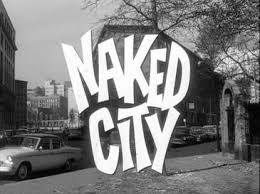
NAKED CITY (1939)
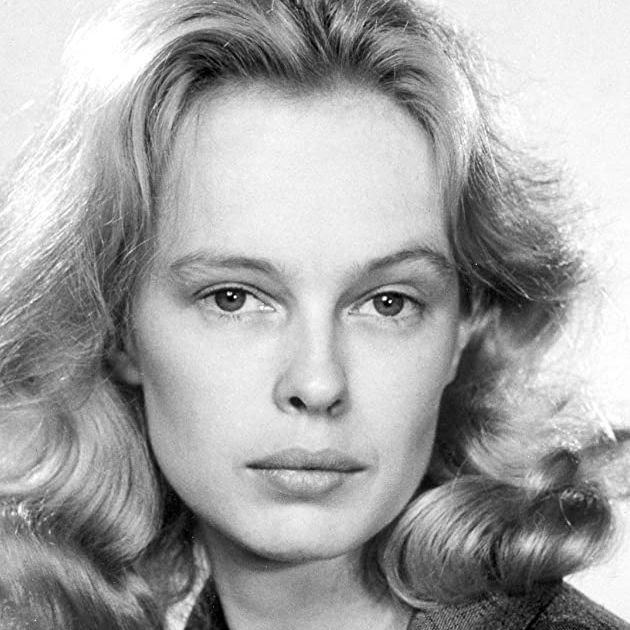
A young woman, a carrier of a deadly infectious disease, leaves a self-imposed exile of 14 years on Welfare Island (now called Roosevelt Island) for Manhattan and a “normal” life. The NYPD is notified and seeks to find her before the “Van Nortons Sawyers Fever” infects the populace and causes multiple deaths.
I was just told of this episode called “Carrier” that has great actual film of the Queensboro Bridge Elevator Storehouse Building and scenes filmed at the old Central Nurses residence. Most of the episode is recognizable being filmed around Manhattan. Sandy Dennis plays the infected person. The episode is timely. It is free to watch on You Tube or IMDB. Sit back and think of the island in 1963.
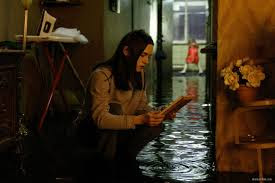
DARK WATER (2005)
Dahlia Williams and her daughter Cecelia move into a rundown apartment on New York’s Roosevelt Island. She is currently in the midst of divorce proceedings and the apartment, though near an excellent school for her daughter, is all she can afford. From the time she arrives, there are mysterious occurrences and there is a constant drip from the ceiling in the only bedroom. There are also noises coming from the apartment directly above hers, though it would appear to be vacant. Is the apartment haunted or is there a simpler explanation?
Mostly filmed in the halls of 540 Main Street and continual “rain” falling on Main Street during filming. Not very popular with the residents. Who authorized this filming?
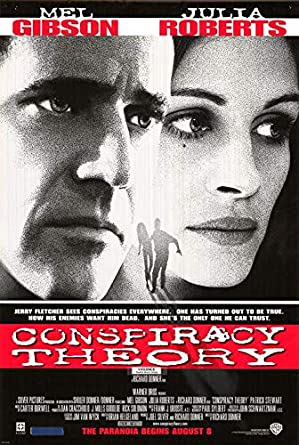
CONSPIRACY THEORY (1997)
Jerry Fletcher is a man in love with a woman he observes from afar. She works for the government. Fletcher is an outspoken critic of that government. He has conspiracy theories for everything, from aliens to political assassinations. But soon, one of his theories finds itself to be accurate. But which one? Some dangerous people want him dead, and the only person he trusts is the woman he loves, but does not know.
Filmed inside an outside old Central Nurse residence (where 475 Main Street is located), a scene included helicopter landings on adjacent ball field. Forgot how cute Mel Gibson was in his youth!
OTHER FILMS
Some other films include: EXORCIST which was supposedly filmed inside Goldwater Hospital CITY SLICKERS Star Billy Crystal gets on Tram SHAFT filmed in the abandoned City Hospital SPIDERMAN film at Tram and in studio, where they “destroyed” one of the Tram stations.
MONDAY PHOTO OF THE DAY
Identify and locate this. Send your answer to jbird134@aol.com Win a trinket from the RIHS kiosk.
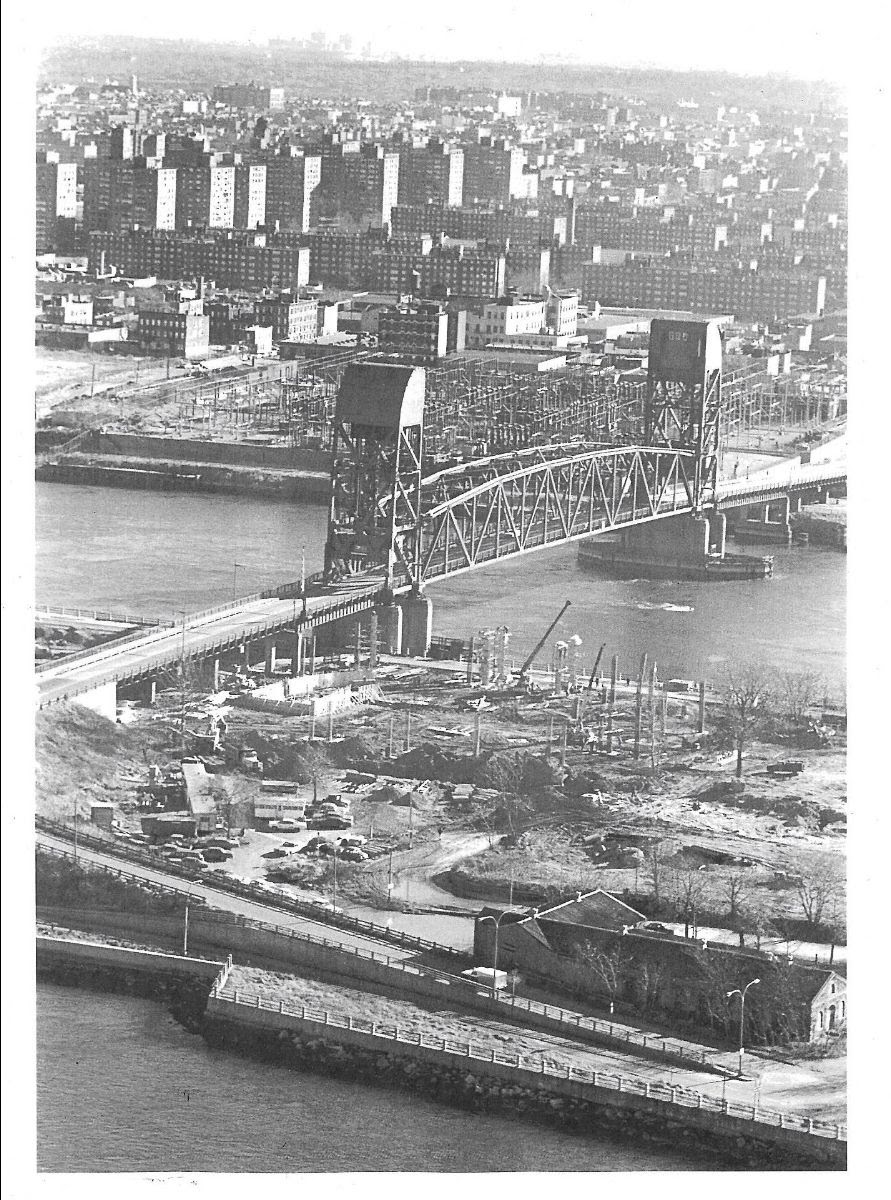
WEEKEND MYSTERY PHOTO OF THE DAY
EDITORIAL
Escaping the real world, a good idea this weekend of chaos. Not being a film buff, I probably left out may films and the fine details that some people appreciate.
BRING YOUR DOG TO OUR SOCIALLY DISTANCING DOG APPRECIATION DAY NEXT SATURDAY, JUNE 6TH FROM 1-5 P.M. AT THE RIHS KIOSK. WE HAVE FREE TREATS FOR THE DOGS, INDIVIDUAL DISHES OF WATER FOR THEM. GOODIES FOR THEIR FAMILIES. ALL DOGS AND THEIR FAMILIES WELCOME TO GREET SUMMER OUTSIDE THE KIOSK.
Judith Berdy
Text by Judith Berdy Thanks to Bobbie Slonevsky for her dedication to Blackwell’s Almanac Thanks to Deborah Dorff for maintaining our website Edited by Melanie Colter and Deborah Dorff All materials in this publication are copyrighted (c)
FUNDING BY ROOSEVELT ISLAND OPERATING CORPORATION PUBLIC PURPOSE FUNDING
DISCRETIONARY FUNDING BY COUNCIL MEMBER BEN KALLOS THRU NYC DYCD
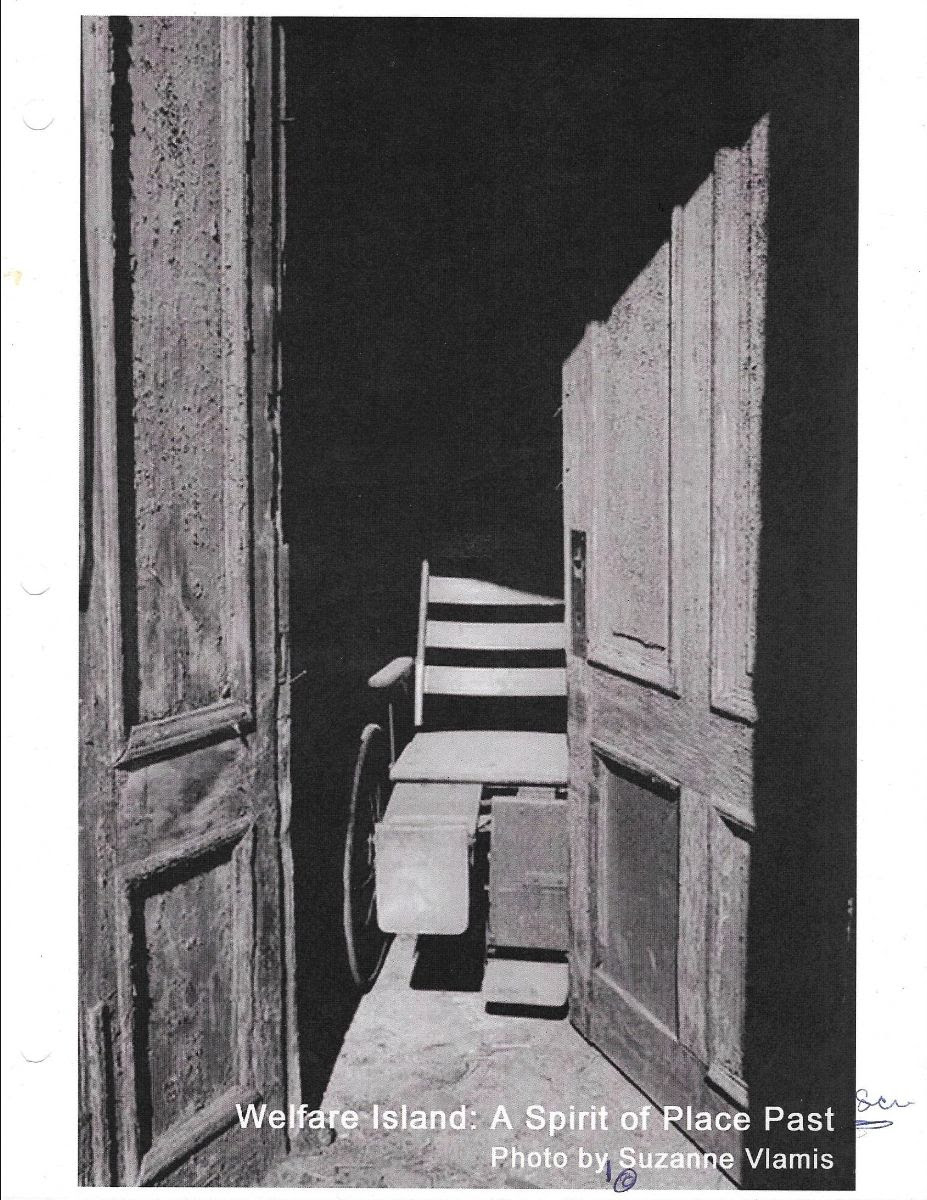
Welfare Island: The Spirit of Place Past The Photography of Suzanne Vlamis ******************************
DESIGN THE PERFECT ROOSEVELT ISLAND FACE MASK. WHAT ARTWORK WOULD YOU PUT ON THE MASK? SUBMIT THIS IMAGE WITH ARTWORK ON IT TO: ROOSEVELTISLANDHISTORY@GMAIL.COM DEADLINE: JUNE 10, 2020 ALL DECISIONS ARE FINAL WIN A GIFT BASKET FROM THE RIHS VISITOR CENTER
Many of these photos were originally displayed in the Octagon Gallery in 2009
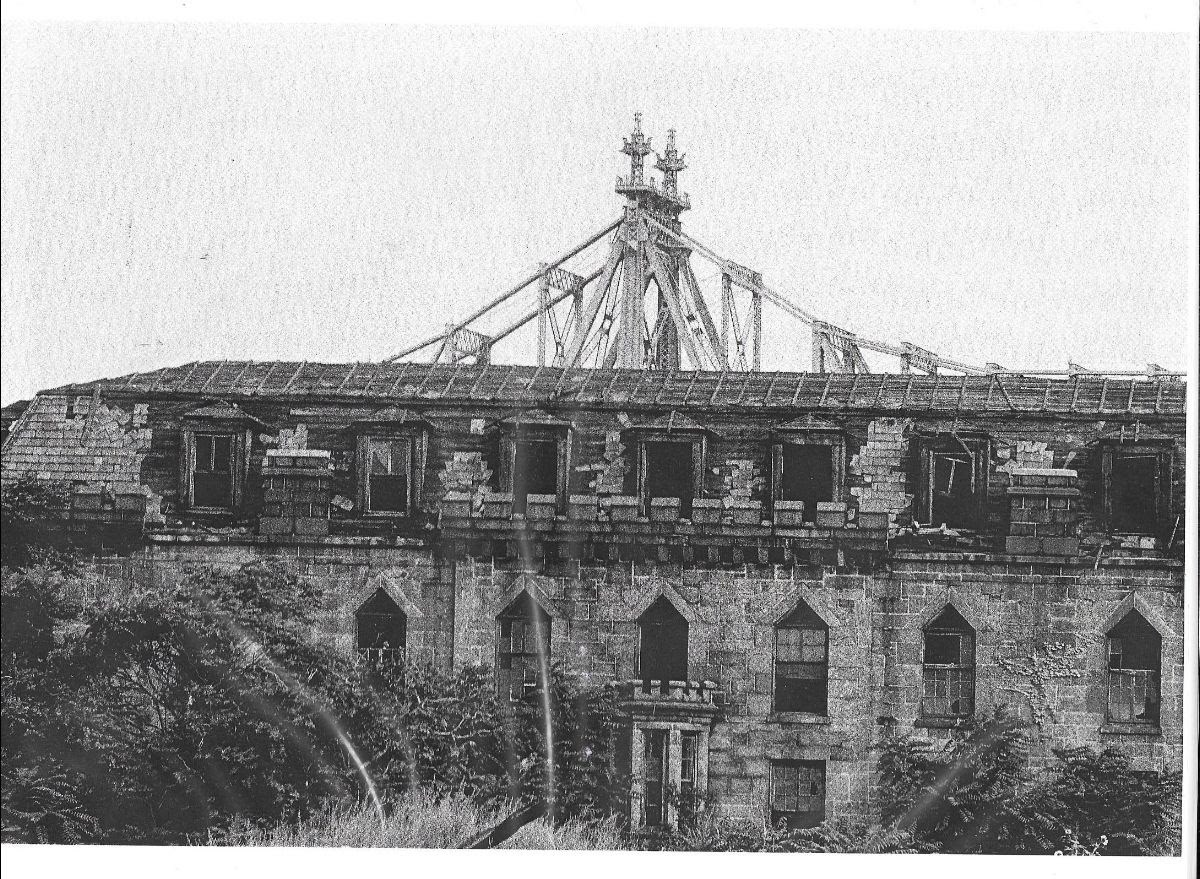
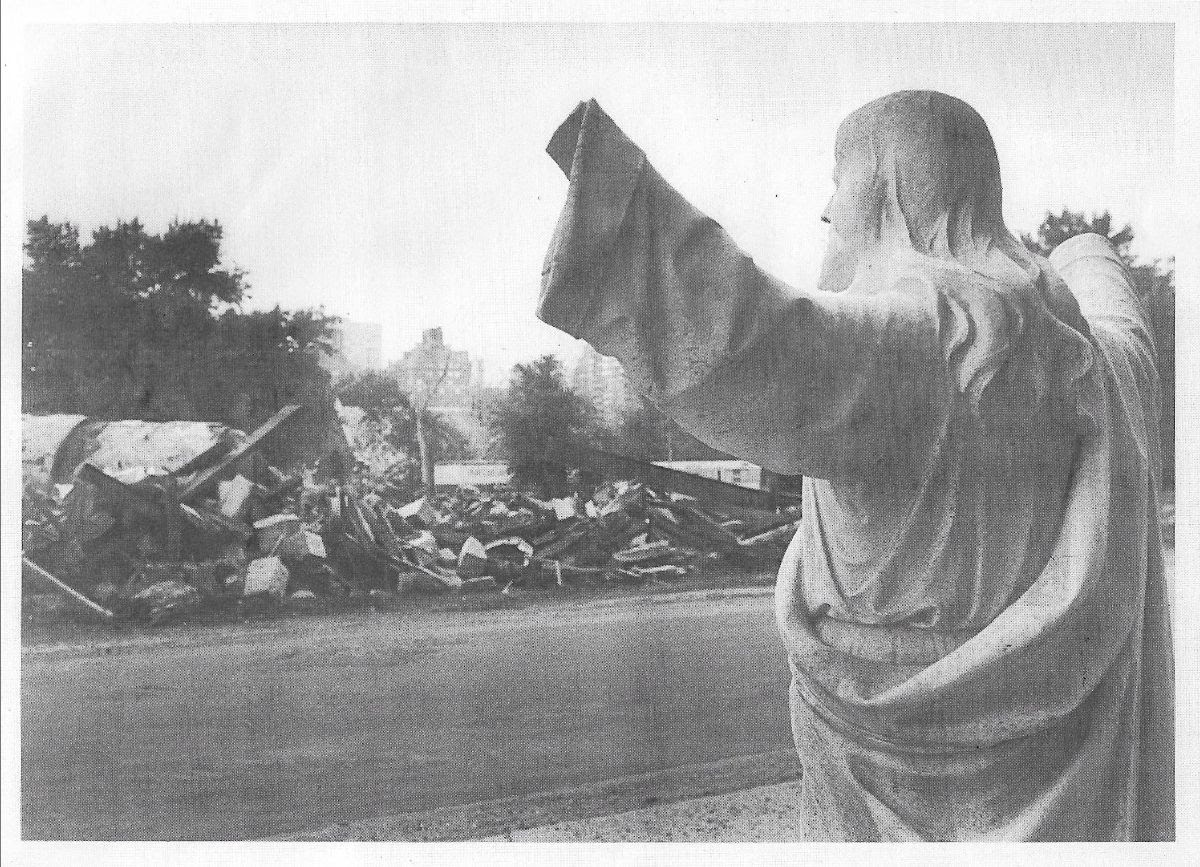
Views of the Smallpox Hospital and Queensboro Bridge
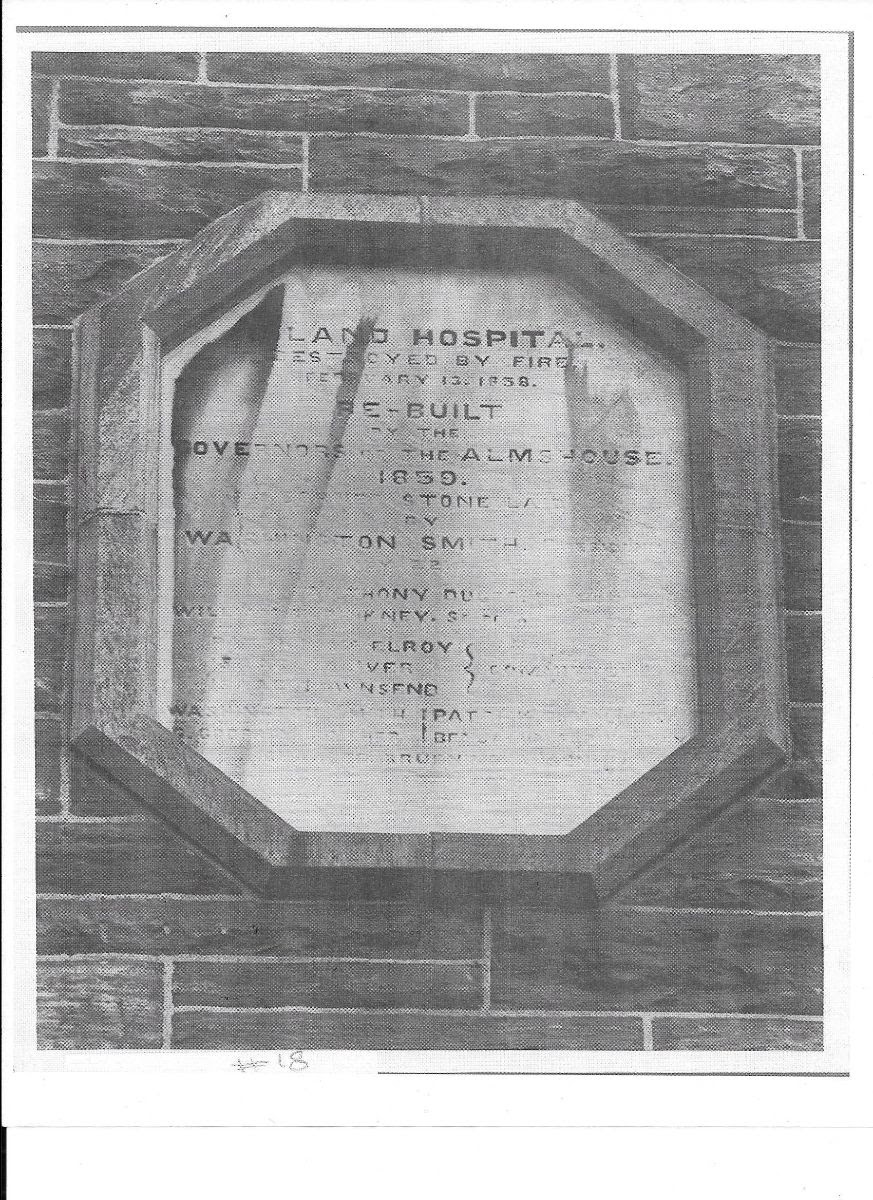
Plaque from City (formerly Island Hospital, then Charity Hospital) commemorating the first building was destroyed by fire 1858 (?) and rebuilt by the Governors of the Almshouse 1859.
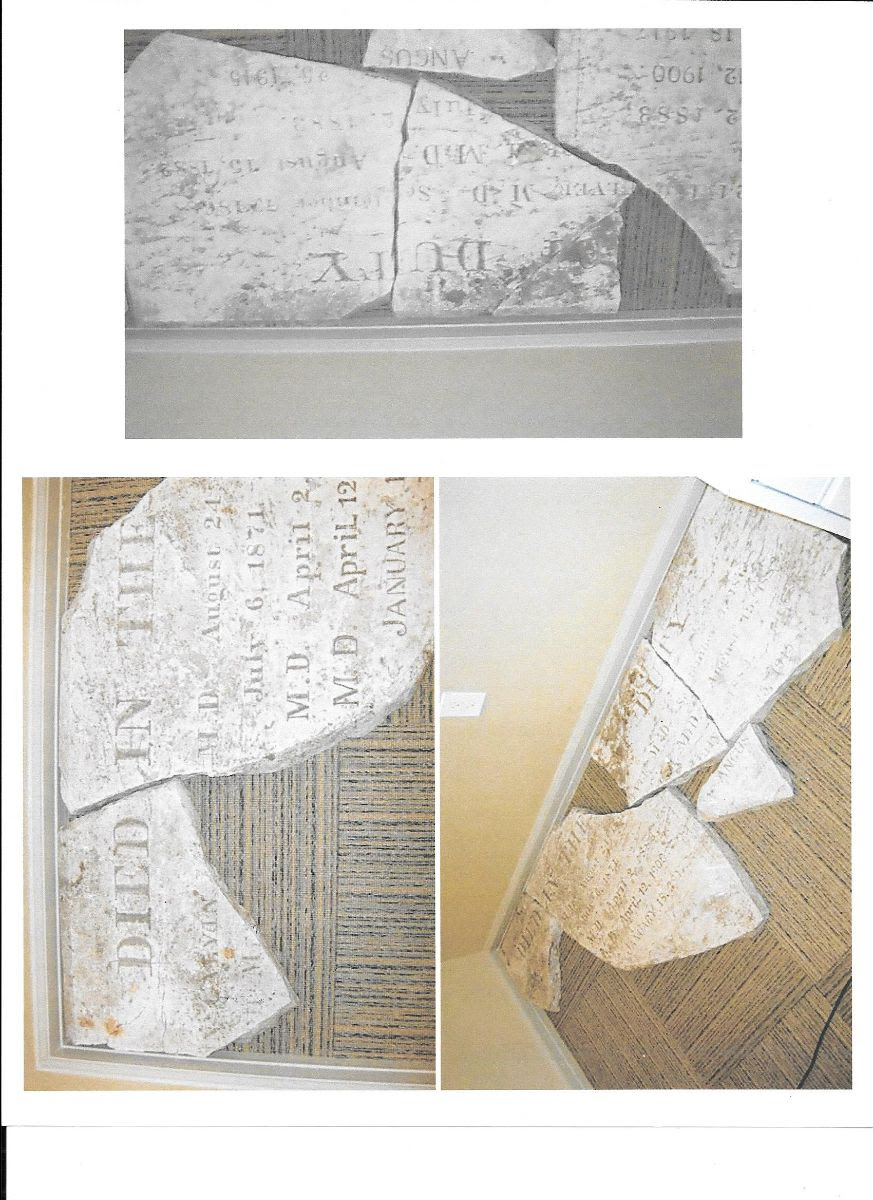
Plaque that was in the City Hospital “DIED IN THE DISCHARGE OF DUTY.” The plaque was removed from the building and eventually returned to the RiHS Archives.
Pieces of plaque that were returned.
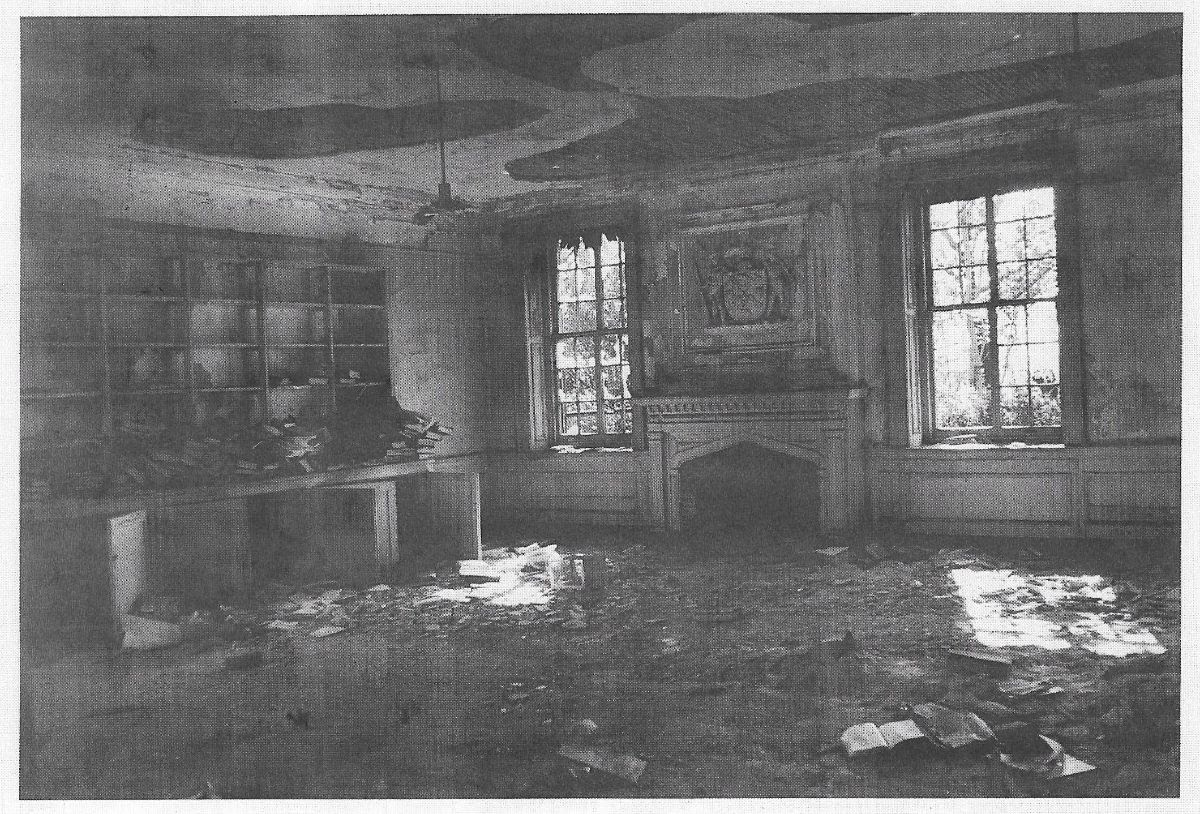
Signs stenciled on walls of City Hospital
Always signs left on walls.
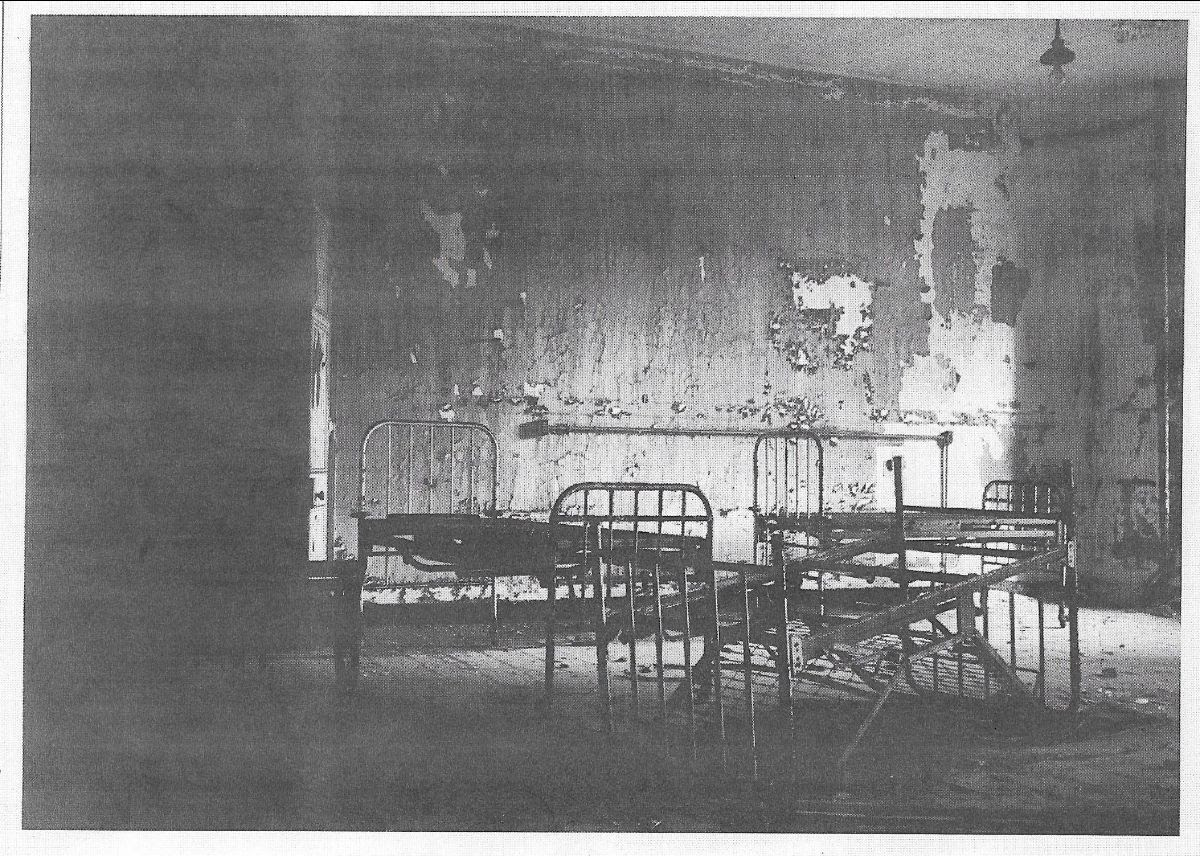
Abandoned
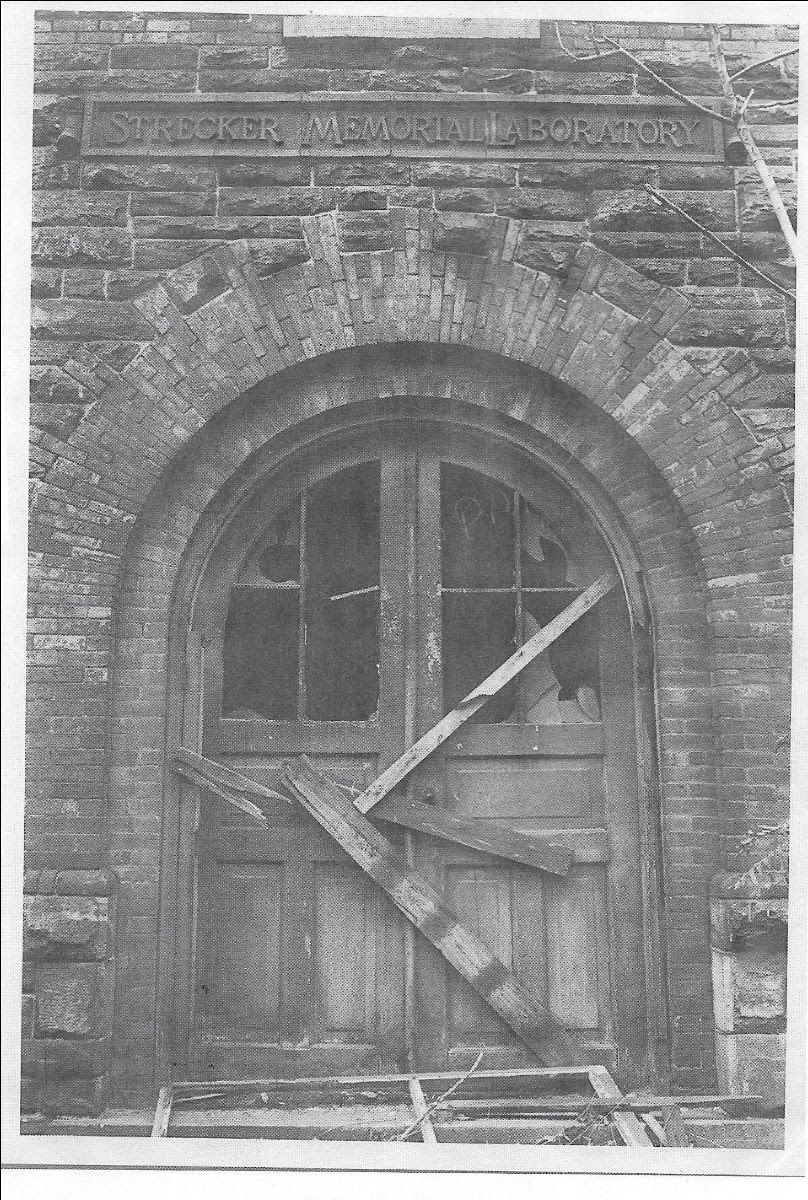
Abandoned Strecker Memorial Laboratory
Abandoned Pathology Laboratory
Specimens
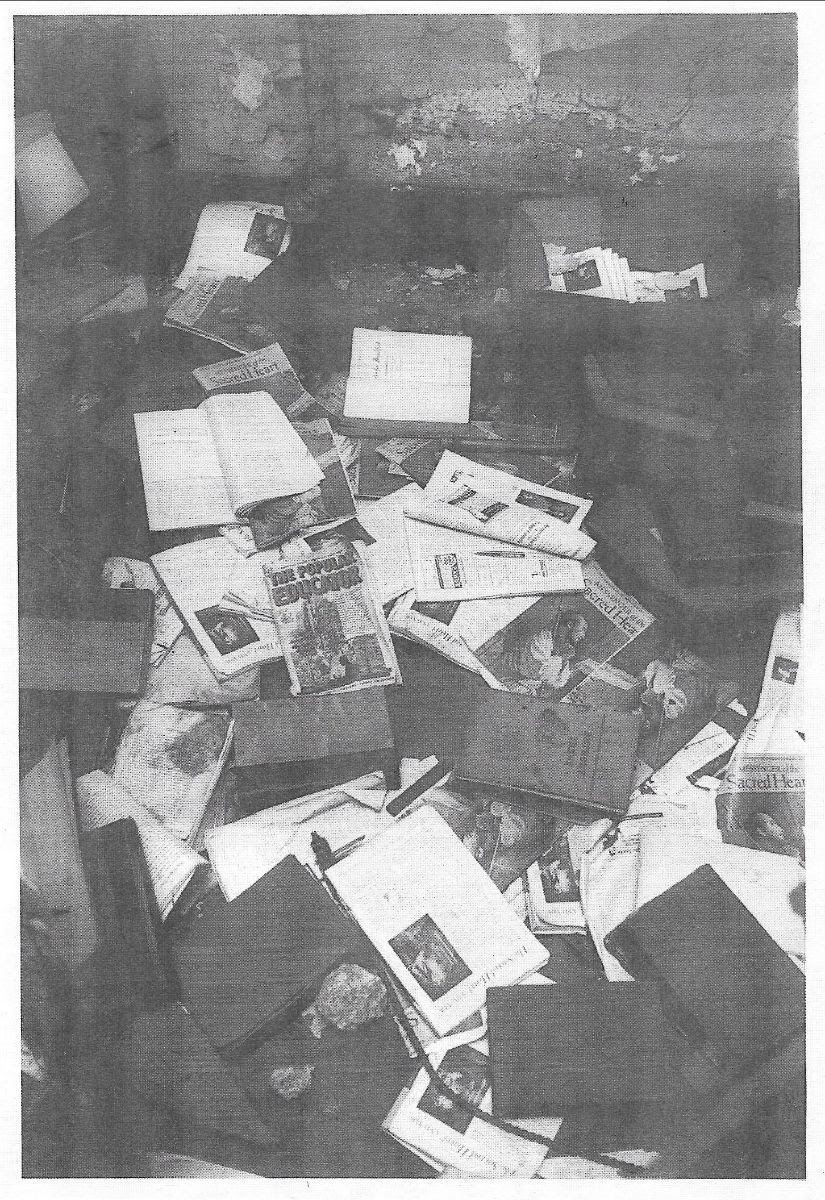
Reference Books
Luncheonette next to Elevator Storehouse Building where staff would get their morning coffee
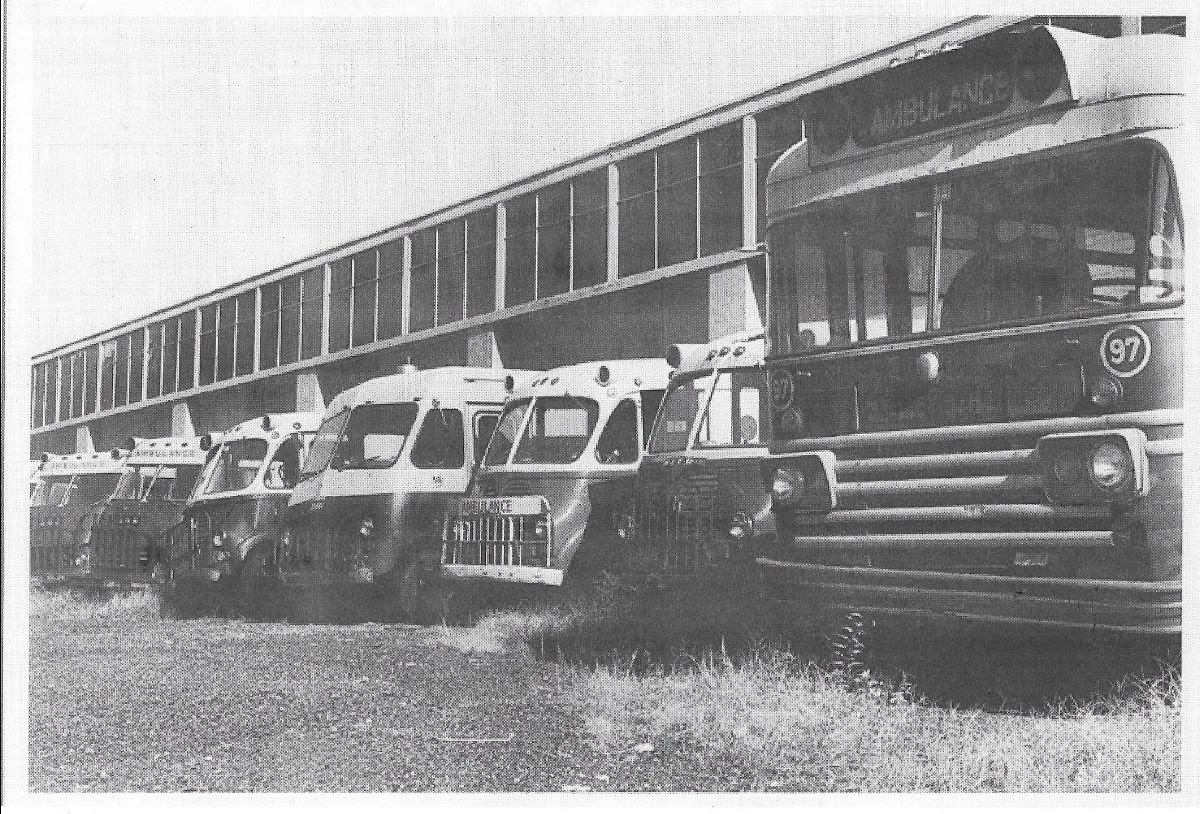
Abandoned buses and ambulances outside the Laundry, Firehouse and Garage Building.
Chapel of the Good Shepherd
Abandoned German Lutheran Hospital
Dredging the River to bury the subway tunnel tubes
The helix under construction
Near Sacred Heart Chapel
Octagon interior dome
The staircase leading to the cupola.
Leading to the patient floors
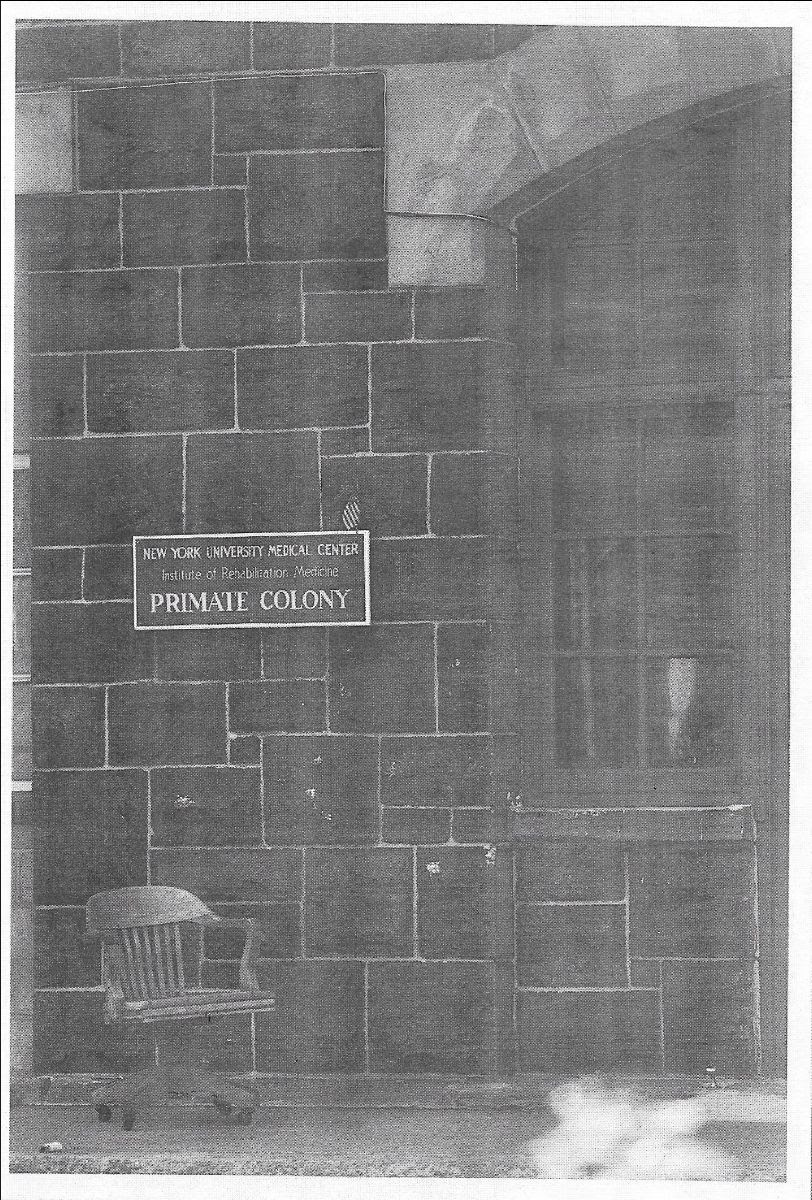
New York University Medical Center Institute of Rehabilitation Medicine PRIMATE COLONY
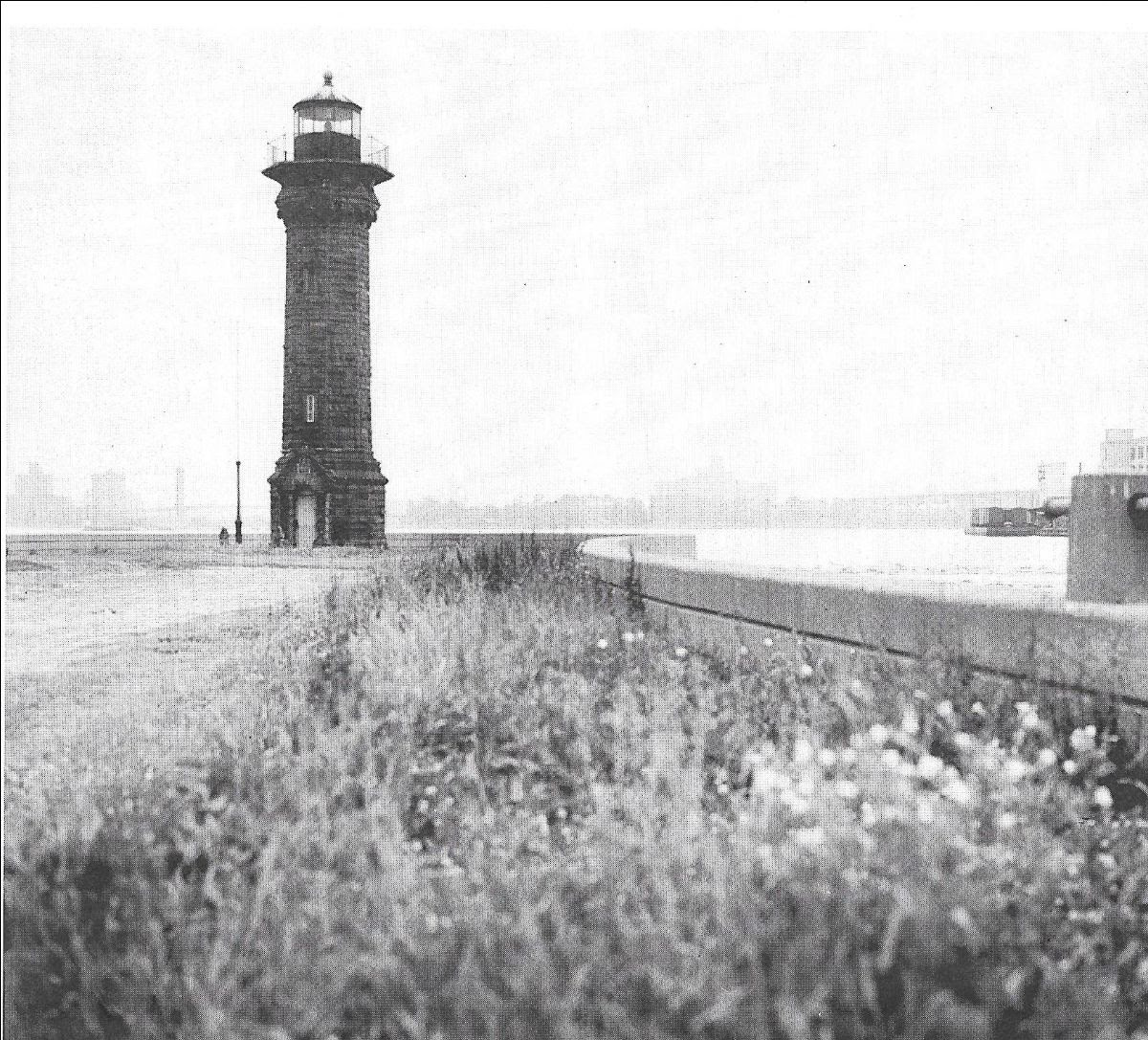
Lighthouse before the Park
MYSTERY PHOTO OF THE DAY
Can you identify this building and location? Send you response to jbird134@aol.com Winner gets a trinket from kiosk.
YESTERDAY’S IMAGE
This image is the escalator entrance to the 63rd Street and Third Avenue Lexington Street Station.
Funding Provided by: Roosevelt Island Operating Corporation Public Purpose Funds Council Member Ben Kallos City Council Discretionary Funds thru DYCD Text by Judith Berdy Thanks to Bobbie Slonevsky for her dedication to Blackwell’s Almanac and the RIHS Thanks to Deborah Dorff for maintaining our website Edited by Melanie Colter and Deborah Dorff ALL PHOTOS COPYRIGHT RIHS. 2020 (C) ALL PHOTOS IN THIS ISSUE (C) SUZANNE VLAMIS 2009
How Abstract WPA Murals Were Preserved for Cornell Tech Campus, New York City
Cornell Tech’s campus on Roosevelt Island will have technologically advanced and future-facing facilities, but it will also have something else: a glimpse into US history, and a critical link to the island it calls home.
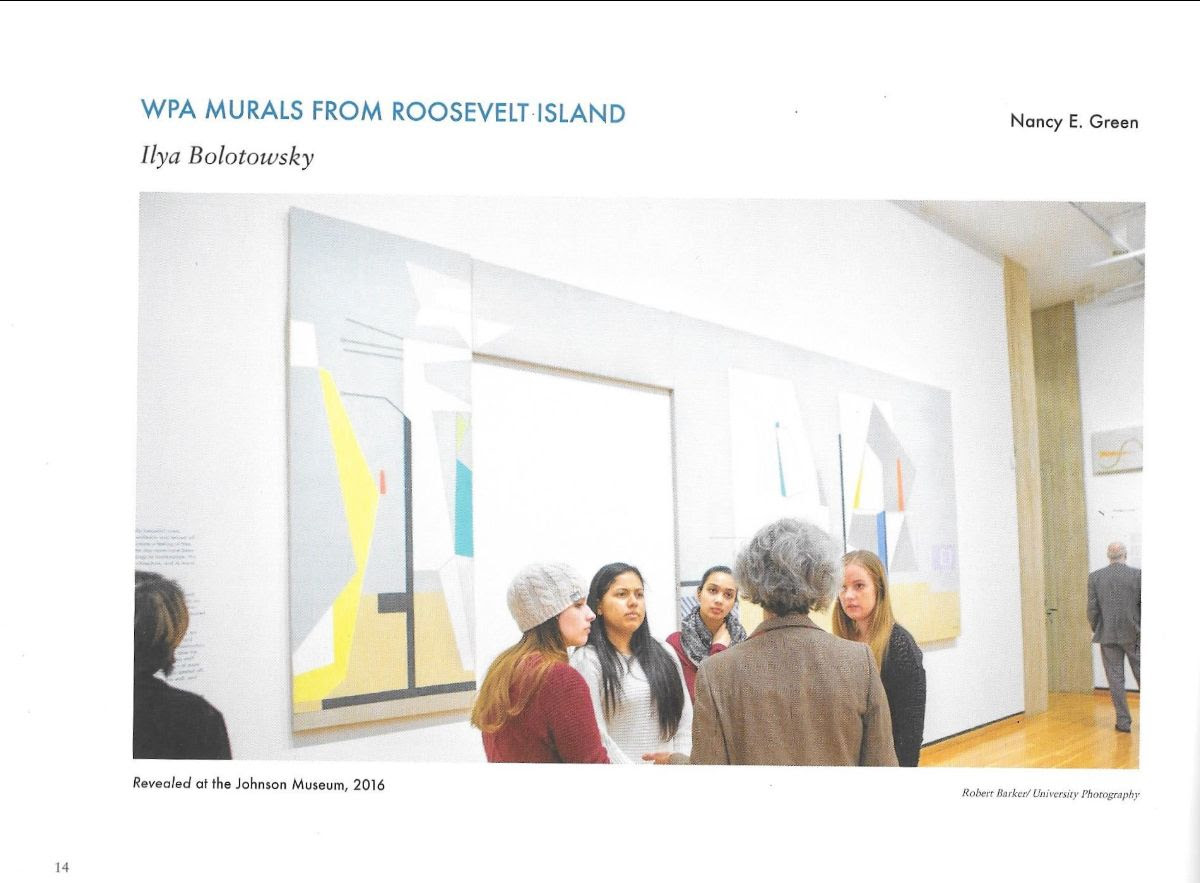
That’s thanks to a team of conservators who carefully removed three historic murals from Roosevelt Island’s Coler-Goldwater Specialty Hospital and Nursing Facility just before its demolition in 2014, and who will reinstall them within the new Cornell Tech buildings.
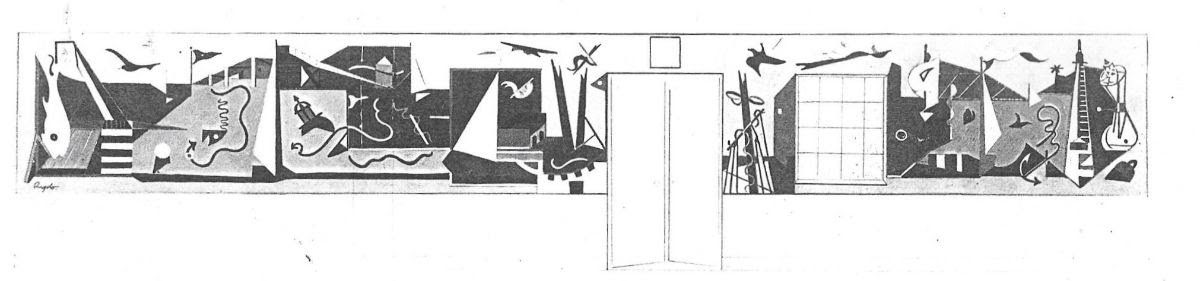
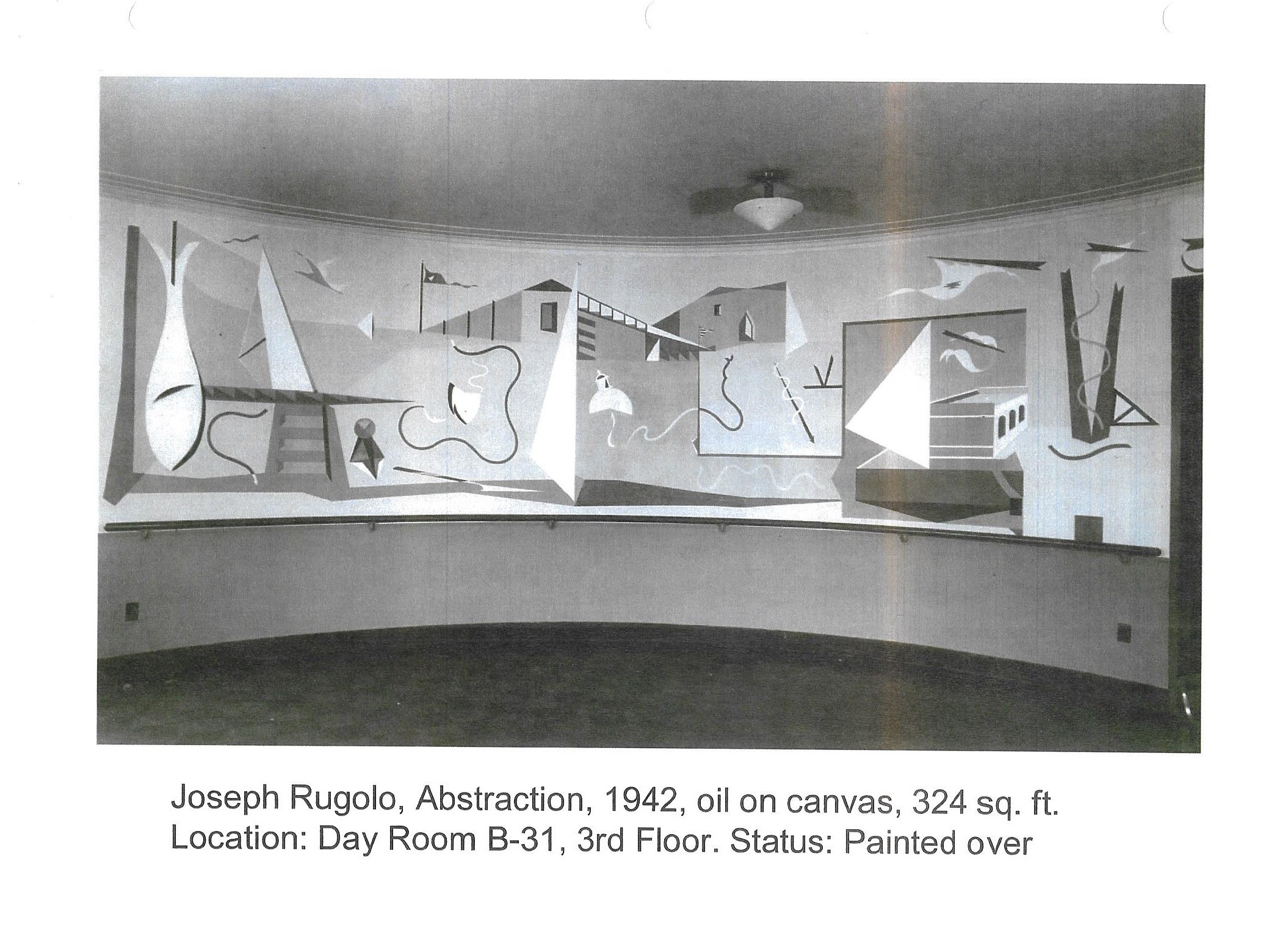
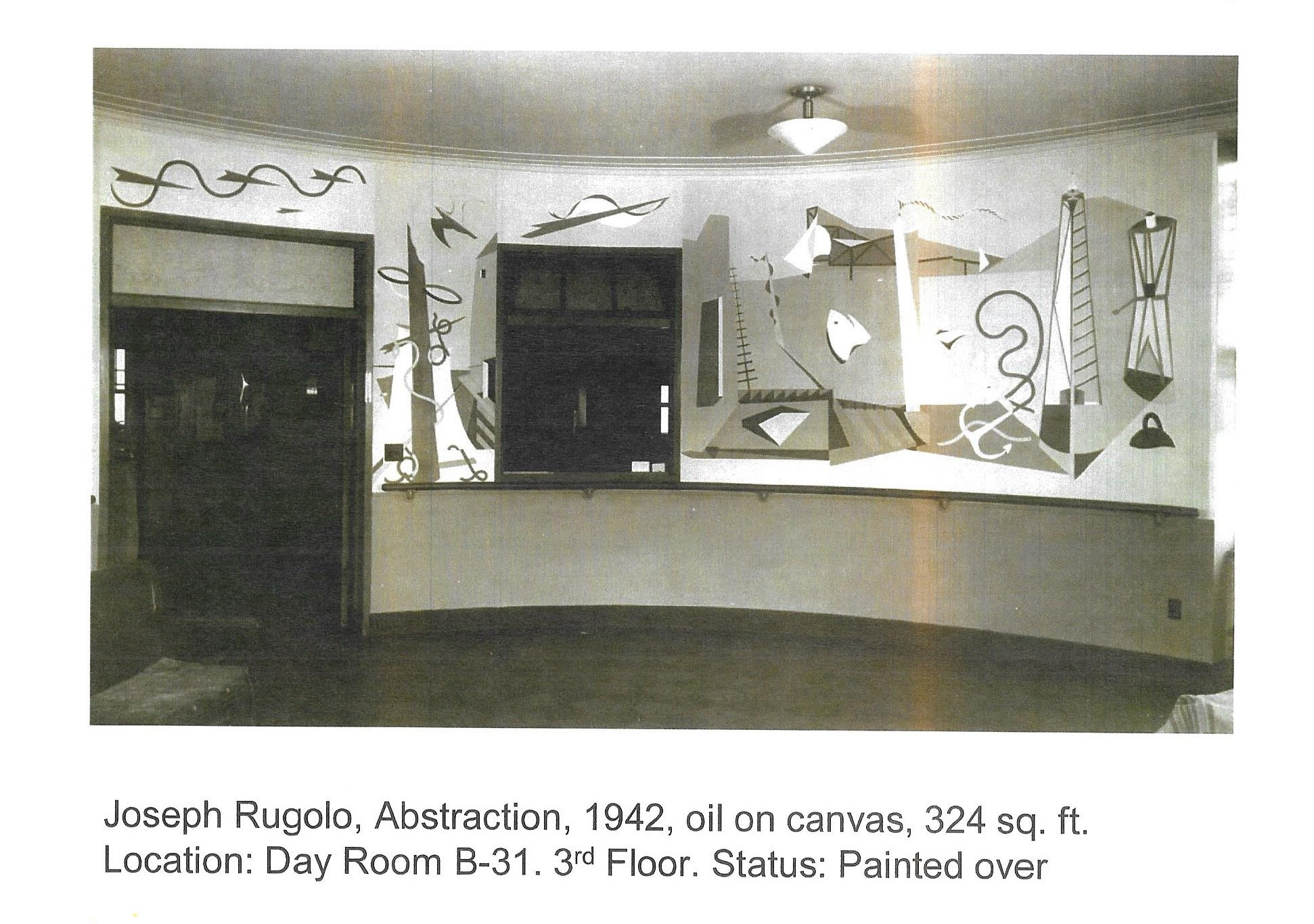
The murals were by Ilya Bolotowsky, Albert Swinden and Joseph Rugolo.
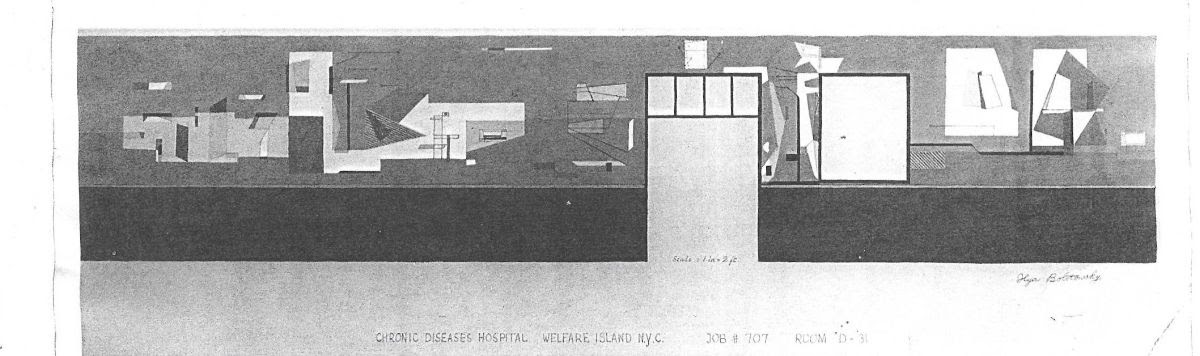
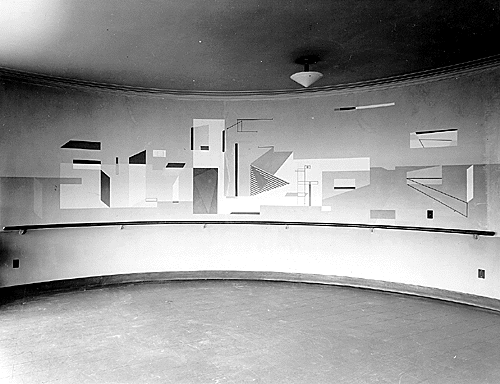
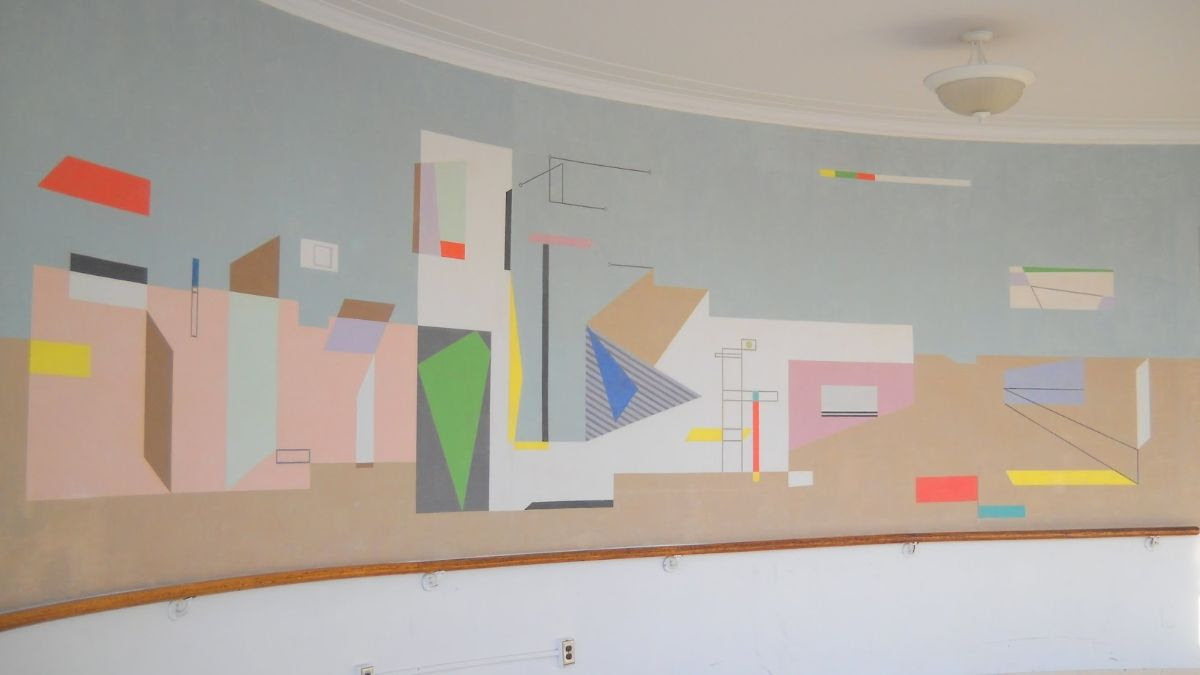
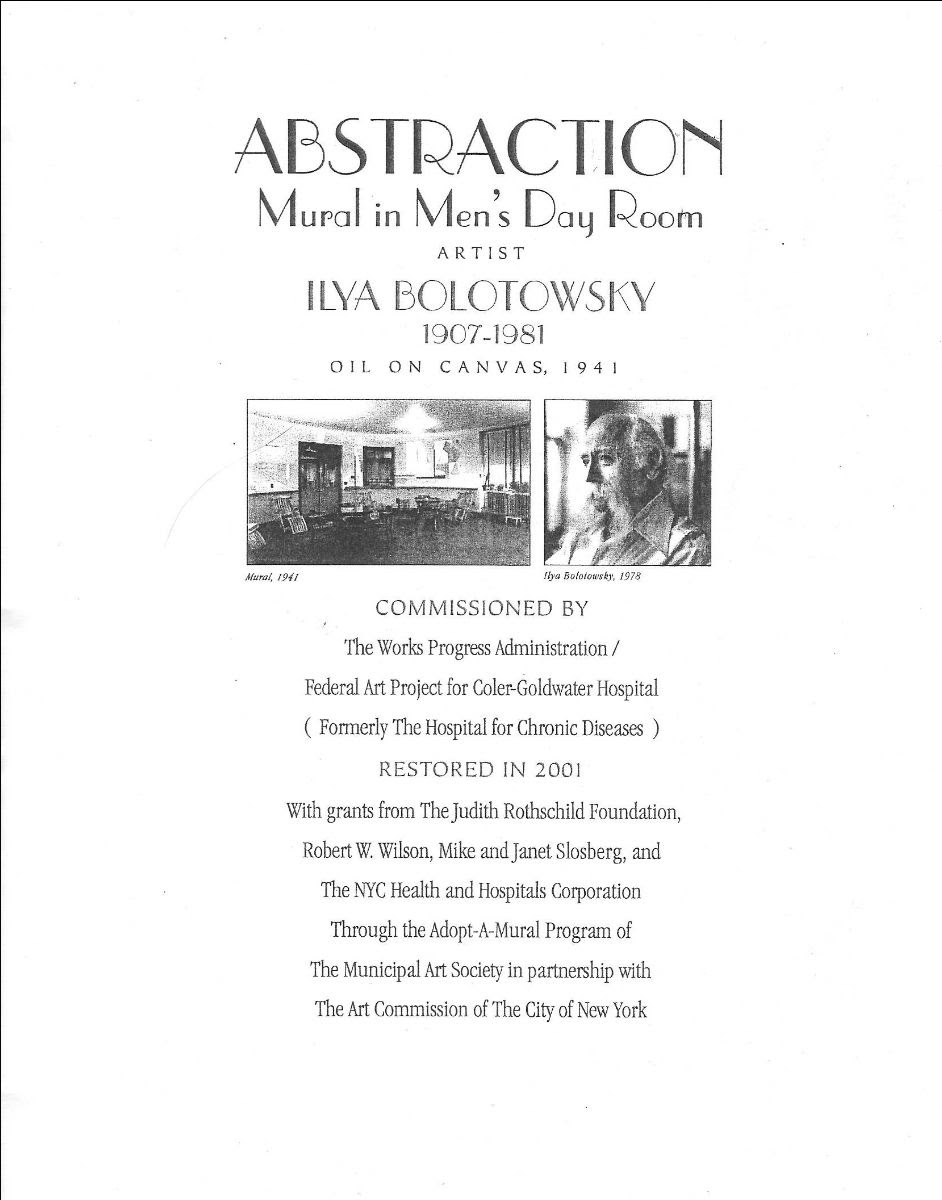
Bolotowsky, the best known of the three, was a protégé of Piet Mondrian and leading early abstract painter known for creating a sense of order and balance in his paintings. What makes the mural he created for the hospital so unique, according to Keri Butler, deputy director at the Public Design Commission of the City of New York, is that it was commissioned by the Works Progress Administration (WPA).
The WPA seldom commissioned abstract works of art, Butler said, but Bolotowsky’s work was championed by a fellow abstract artist Burgoyne Diller, who also happened to be project supervisor of the New York City WPA/FAP Mural Division.
Removing these murals was no walk in the park. In their original incarnation, all of the murals by Bolotowsky, Swinden and Rugolo had been installed on walls in three of the building’s 32 circular-shaped rooms. In these circular rooms, patients would congregate, get fresh air, and look out through the windows to the river — the idea being that sunlight and fresh air supported convalescence.
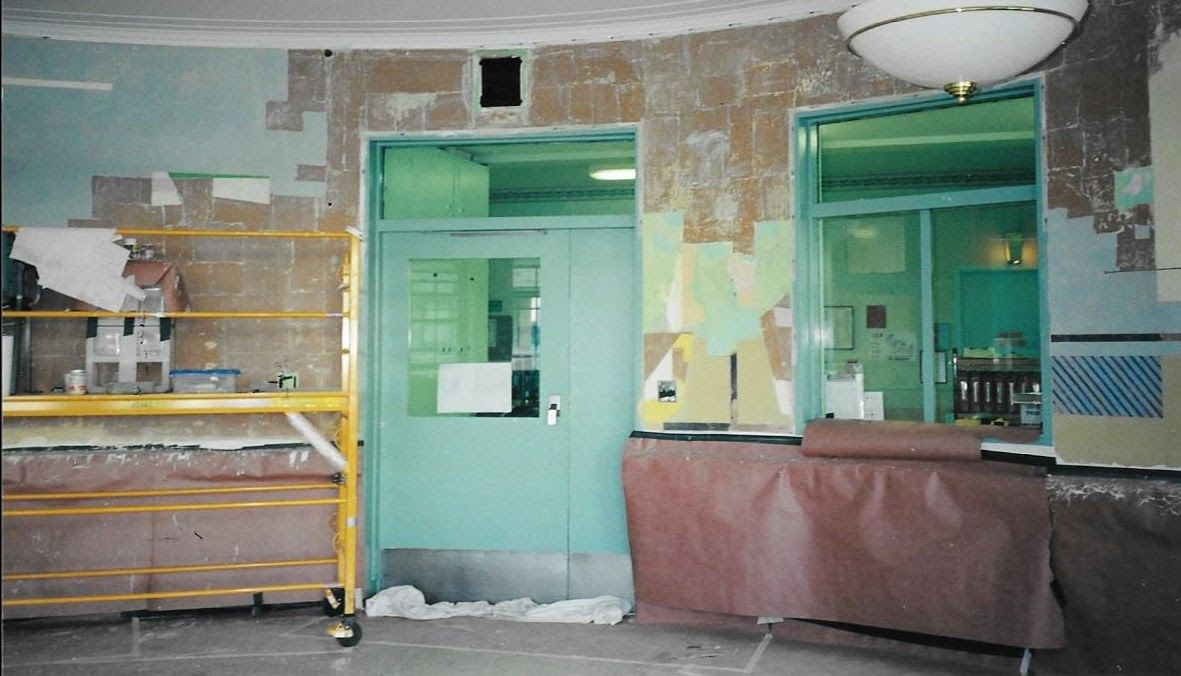
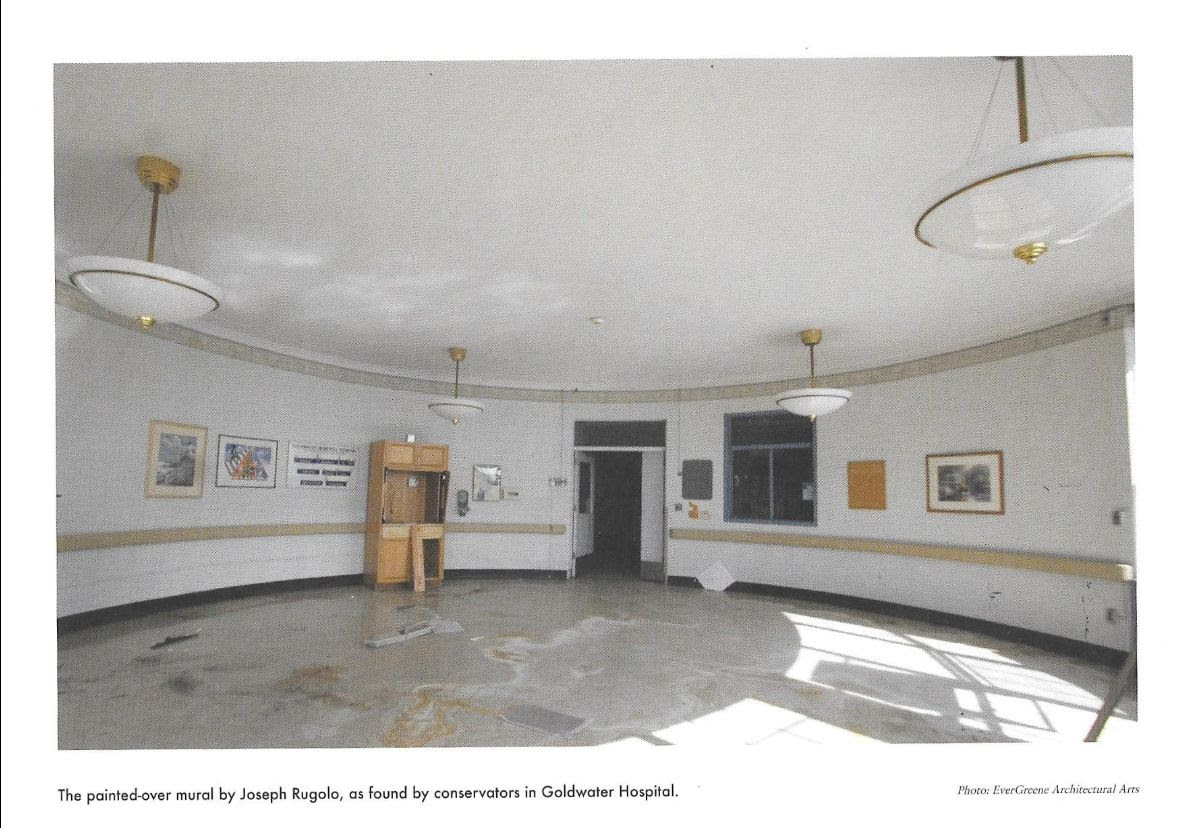
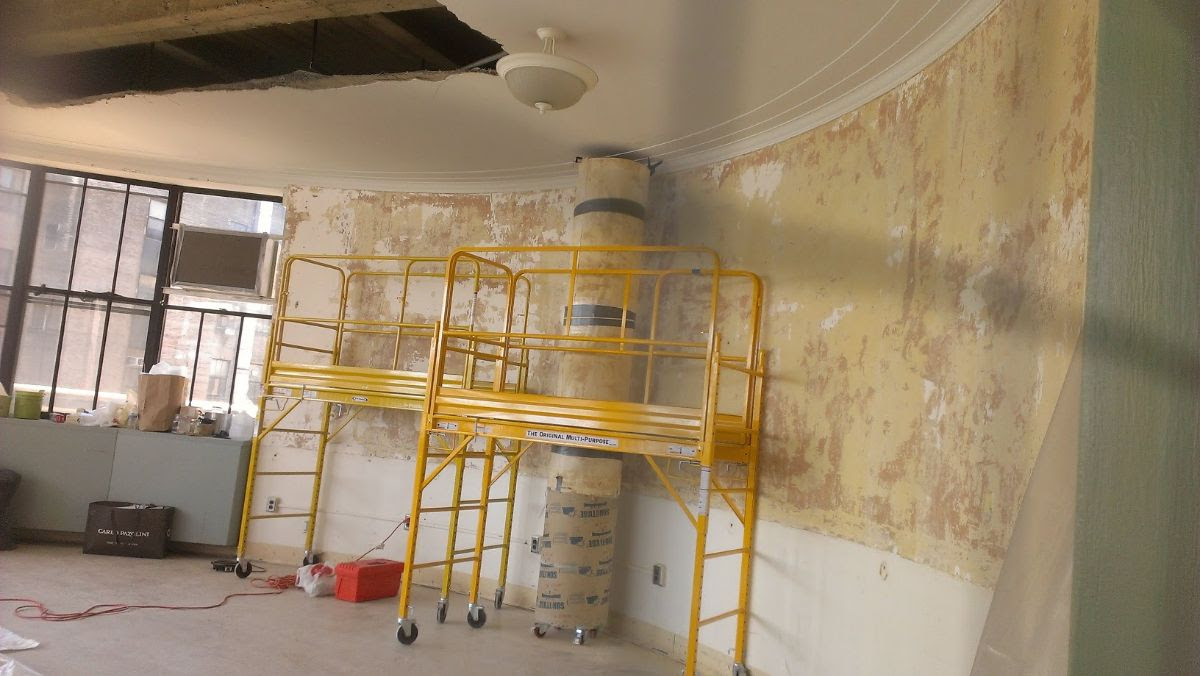
A total of eight murals were commissioned for these spaces, though only four were ever completed. But over the years, these rooms were repainted many times. Eventually, layer upon layer of interior house paint obscured the locations of the murals themselves. Then, with demolition of the hospital slated for late 2014, Cornell and New York City worked together with a team of conservators on a kind of scavenger hunt, scouring the hospital to find these works.
—Bolotowsky’s, which had been restored in 2000, was easier to find than the other two. Though conservators knew a fourth mural may have existed, after searching each of the 32 rooms the group determined that the mural was not within any of them. Butler describes the discovery process like something out of a detective novel. “We were in one of these day rooms, and a conservator asked if it was okay to remove the light switch cover. So we got a screwdriver and removed the cover — there was canvas there! It was a revelatory moment.”
Once all of the murals had been painstakingly secured, they were chemically stabilized and, finally, restored off-site at a conservator’s studio, according to Stephanie Lee Wiles, director of the Herbert F. Johnson Museum of Art at Cornell University. Where paint was missing, conservators filled in the blanks.
All of these New York City murals serve as reminders of an unprecedented government-funded initiative that provided essential work and income to artists, and supported the artistic careers of many otherwise overlooked abstract artists,” said Wiles. The murals, she hopes, will connect students and visitors to the history of the island. She also noted a conceptual overlap between Bolotowsky’s style of abstract painting, which was then avante-garde, and Cornell Tech’s mission in the world today: “In this brand-new building, [Bolotowsky’s murals] represent thinking about new horizons — and new directions that technology will take us.” Now that these paintings will be accessible to so many, Butler said she hopes they’ll inspire dialogue about not only the past, but also the future of public funding for art in America. “I can’t even imagine another time when the United States government had such an impact on cutting-edge American art,” she said. “I hope that students will look up and wonder what these murals are about, and that the murals provide inspiration and an uplifting experience.
ILYA BOLOTOWSKY
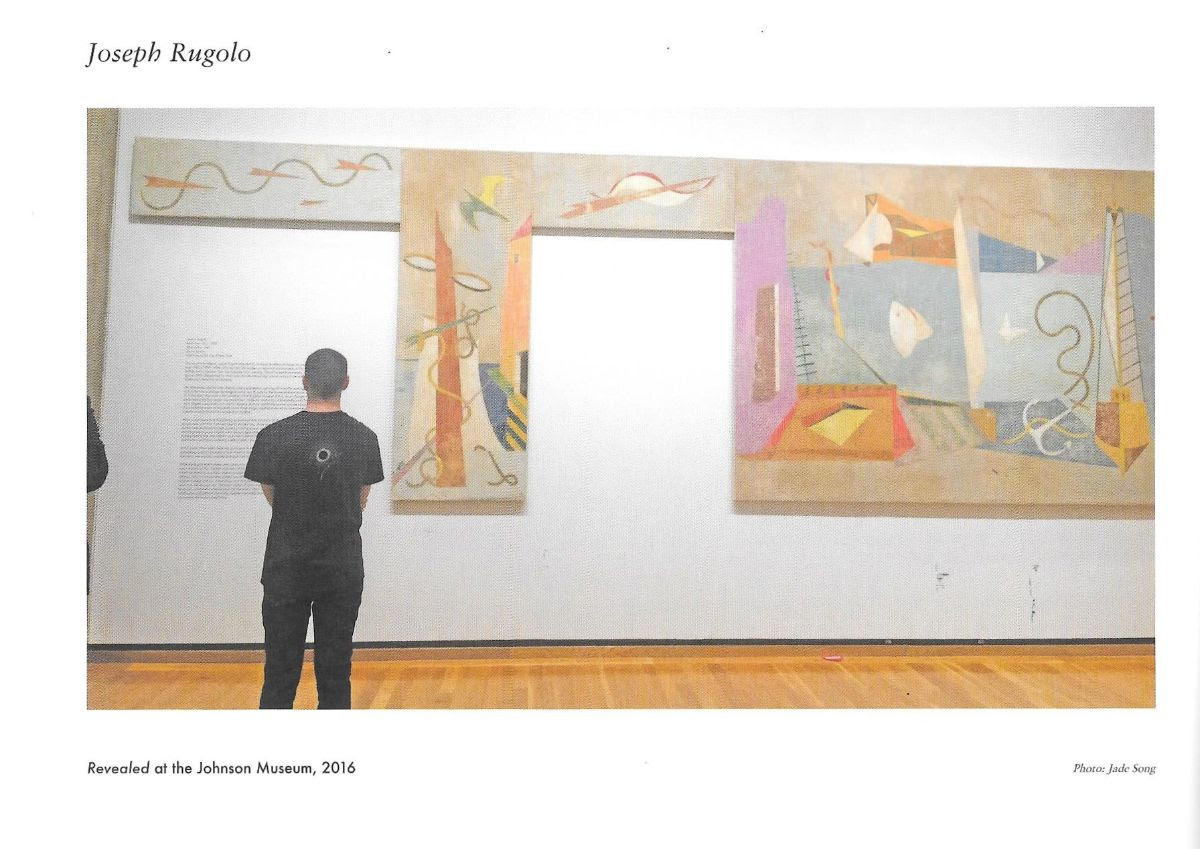
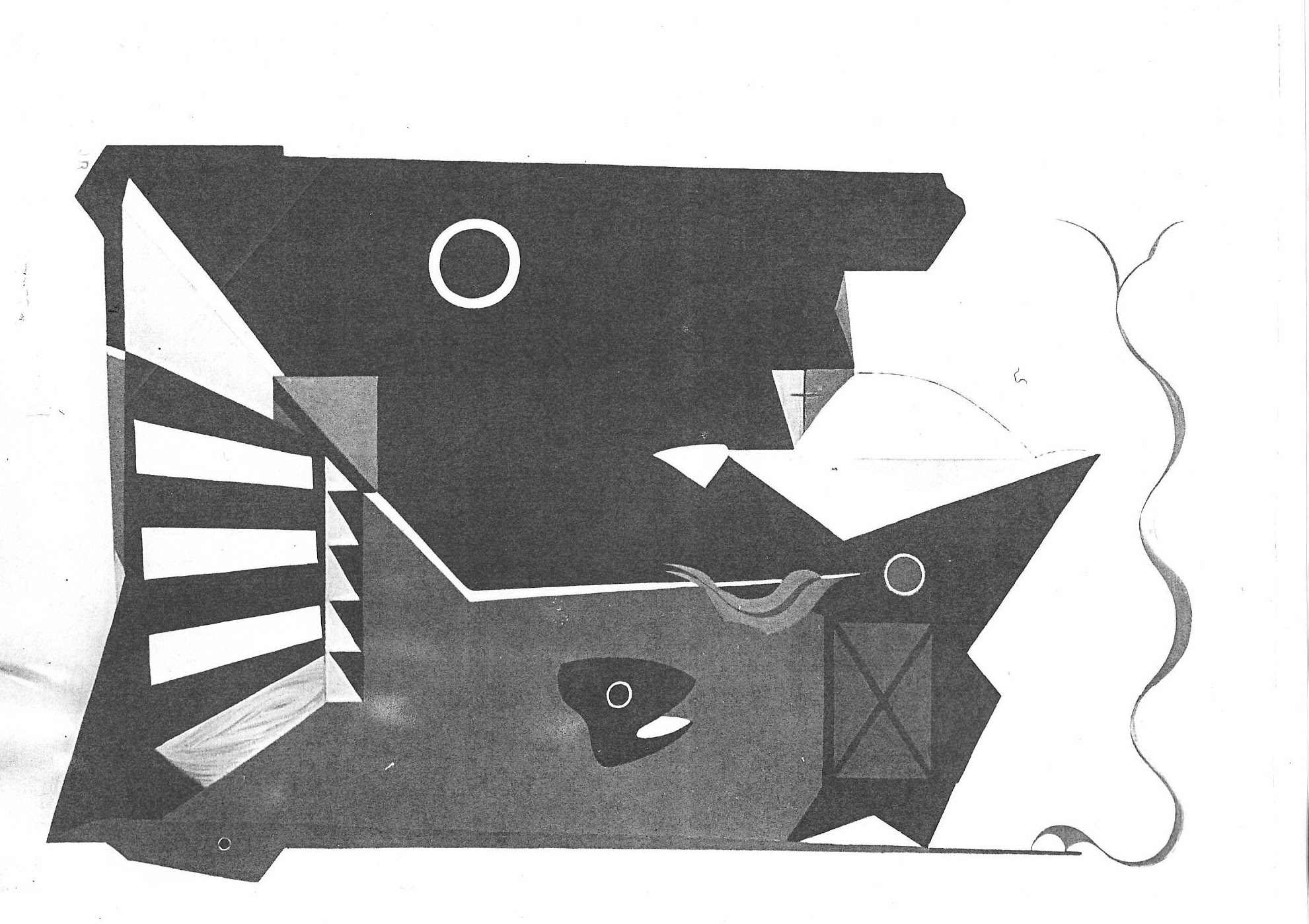
JOSEPH RUGOLO
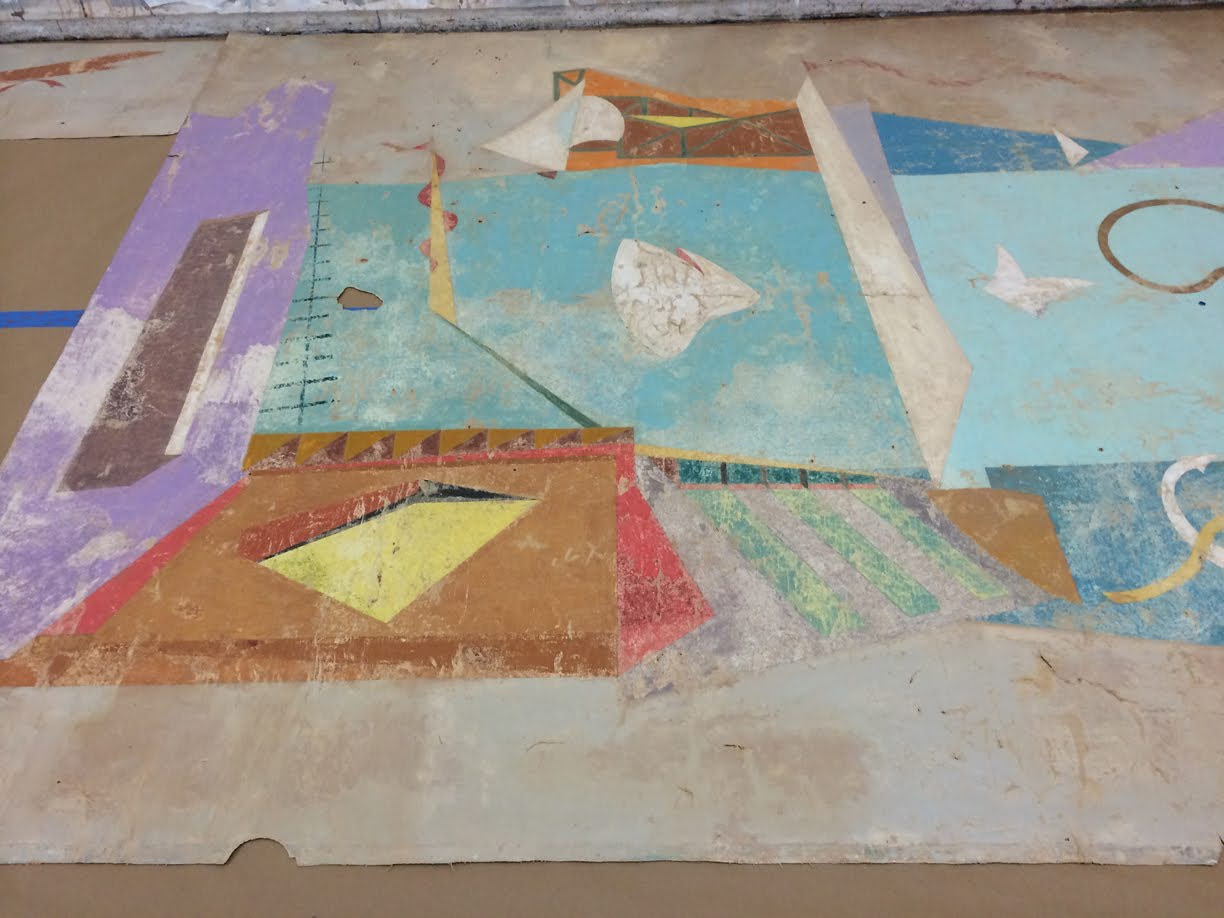
Rugolo mural laid out at conservators
Mural parts on exhibit at Johnson Museum at Cornell, Ithaca in 2016. The Rugolo mural was not been placed yet and is in storage awaiting a suitable location.
ALBERT SWINDEN
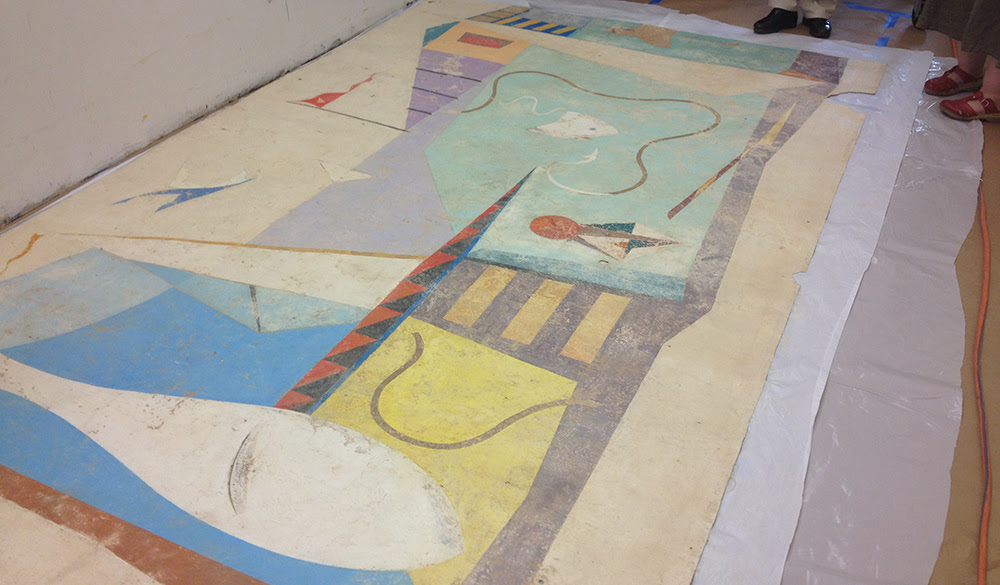
Swinden mural laid out at conservators
The Swinden mural was the most complex to install high on a wall in the TATA Innovation Center
The Swinden mural high above the tiered study area in the TATA Innovation Center
EDITORIAL
Now that we have tempted you with these photos of the murals at Cornell Tech. Cornell Tech offers monthly art tours. On exhibit are some other contemporary artworks and installations.
To book a tour see: https://www.eventbrite.com/e/cornell-tech-art-tours-registration-44681635976
All tours are subject to the campus being open. The tours are free and limited to 10 persons.
Judith Berdy 212 688 4836 Jbird134@aol.com
PHOTO OF THE DAY
What is this and where is it located? E-mail answer to jbird134@aol.com Win a kiosk trinket
YESTERDAY’S PHOTO OF THE DAY
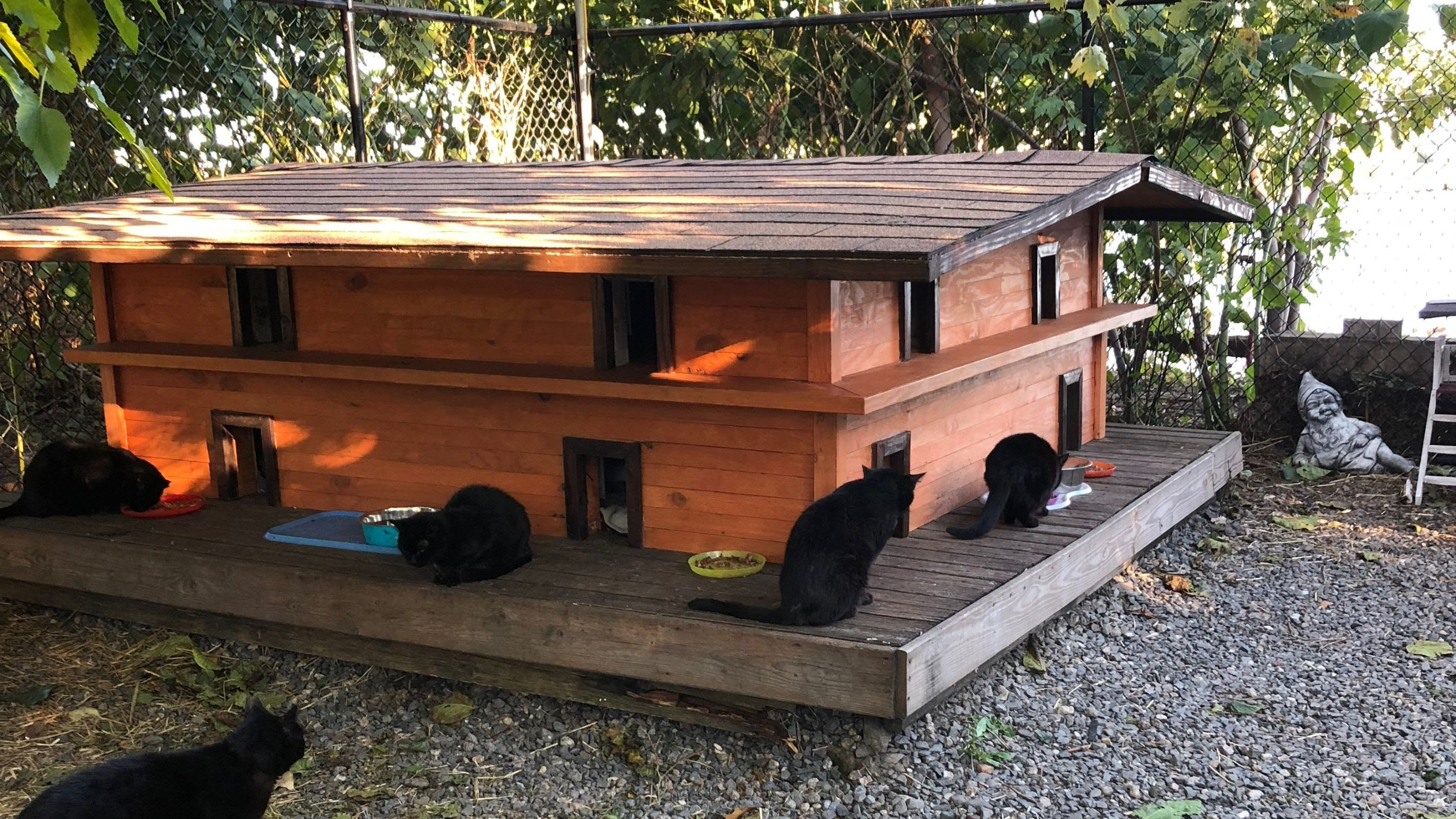
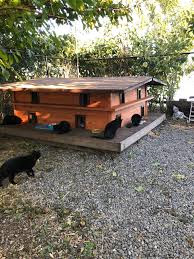
This is the WILDLIFE FREEDOM FOUNDATION Cat sanctuary at Southpoint Park on the east side of the Island.
This arrived from Jay Jacobson this morning:
This morning’s very interesting picture appears to me to be the southern and western facades of the Roosevelt Island Residence for Less Fortunate Felines.
It is located in the northeast corner of Southpoint Park, adjacent to the East Channel of the East River. Although RIRFLFF does not appear on any copies of the RI Master Plan I have ever seen, it is believed to be the Quantico equivalent on the Island.
There, elite teams of cats, rescued from abandonment by sympathetic trainers and friends, are working to learn to herd the Canada Geese into parts of the Island where their signature pooping pattern is removed from the Island’s lawns and pathways and confined to places not populated by people.
I understand that Ben Kallos has been asked for funding support for RIRFLFF but has deferred a decision until he sees how many have registered to vote.
Beano, my long time friend and neighbor passed away last night with her family. She is socializing with her felines in cat heaven.
Text by Judith Berdy Thanks to Bobbie Slonevsky for her dedication to Blackwell’s Almanac and the RIHS Thanks to Deborah Dorff for maintaining our website Edited by Melanie Colter and Deborah Dorff
All image are copyrighted (c) RIHS Thanks to the RIHS Archives for Images Museum of the City of New York Cornell University Johnson Museum
FUNDING PROVIDED BY: THE ROOSEVELT ISLAND OPERATING CORPORATION PUBLIC PURPOSE FUNDS
CITY COUNCIL MEMBER BEN KALLOS DISCRETIONARY FUNDS ADMINISTERED BY NYC DIVISION OF YOUTH AND COMMUNITY DEVELOPMENT
Born to Jewish parents in St. Petersburg, Russia, Bolotowsky lived in Baku and Constantinople before immigrating to the United States in 1923, where he settled in New York City. He attended the National Academy of Design.He became associated with a group called “The Ten Whitney Dissenters,”or simply “The Ten,” artists, including Louis Schanker, Adolph Gottlieb, Mark Rothko, and Joseph Solman, who rebelled against the strictures of the Academy and held independent exhibitions. Bolotowsky was strongly influenced by Dutch painter Piet Mondrian] and the tenets of De Stijl, a movement that advocated the possibility of ideal order in the visual arts. Bolotowsky adopted Mondrian’s use of horizontal and vertical geometric pattern and a palette restricted to primary colors and neutrals. Having turned to geometric abstractions, in 1936 Bolotowsky co-founded American Abstract Artists, a cooperative formed to promote the interests of abstract painters and to increase understanding between themselves and the public.
The B-11 day room as it looked in the 1940’s
Images during 2001 restoration
After the 2001 restoration
Commemorative Plaque that hung in B-11 Patient Lounge
JOSEPH RUGOLO
American Artist, 1911 -1983
The day Room as it looked before the Joseph Rugolo mural was removed from multiple layers of paint after the hospital closed in 2013.
ALBERT SWINDEN
Albert Swinden was born in Birmingham, England in 1901.When he was seven, he moved with his family to Canada, and in 1919 he immigrated to the United States. He lived in Chicago, where he studied for about a year and a half at the Art Institute. He then relocated to New York City, where his art education continued briefly at the National Academy of Design. He soon changed schools again, to the Art Students League, which he attended from 1930 to 1934. He studied with Hans Hofmann and gained an appreciation for Synthetic Cubism and NeoplasticismAccording to painter and printmaker George McNeil, Swinden “could have influenced Hofmann … He was working with very, very simple planes, not in this sort of Cubistic manner. Swinden was working synthetically at this time.”While still a student, Swinden began teaching at the Art Students League, in 1932. Swinden married Rebecca Palter (1912–1998), from New York. Their daughter, Alice Swinden Carter, also became an artist. Carter, who attended the School of the Museum of Fine Arts, Boston, received an award from the Institute of Contemporary Art, Boston for her large sculptures.
The conceptual image of the B-11 day room mural “Abstraction”
DANE CHANASE
He was born in Palermo, Italy. He exhibited at the Salon d’Automne. He served in World War I. He married artist Sheva Ausubel (1896–1957). He was a member of the Federal Art Project. He created a mural for the School of Industrial Art, Brooklyn. His work is held by the Smithsonian American Art Museum.
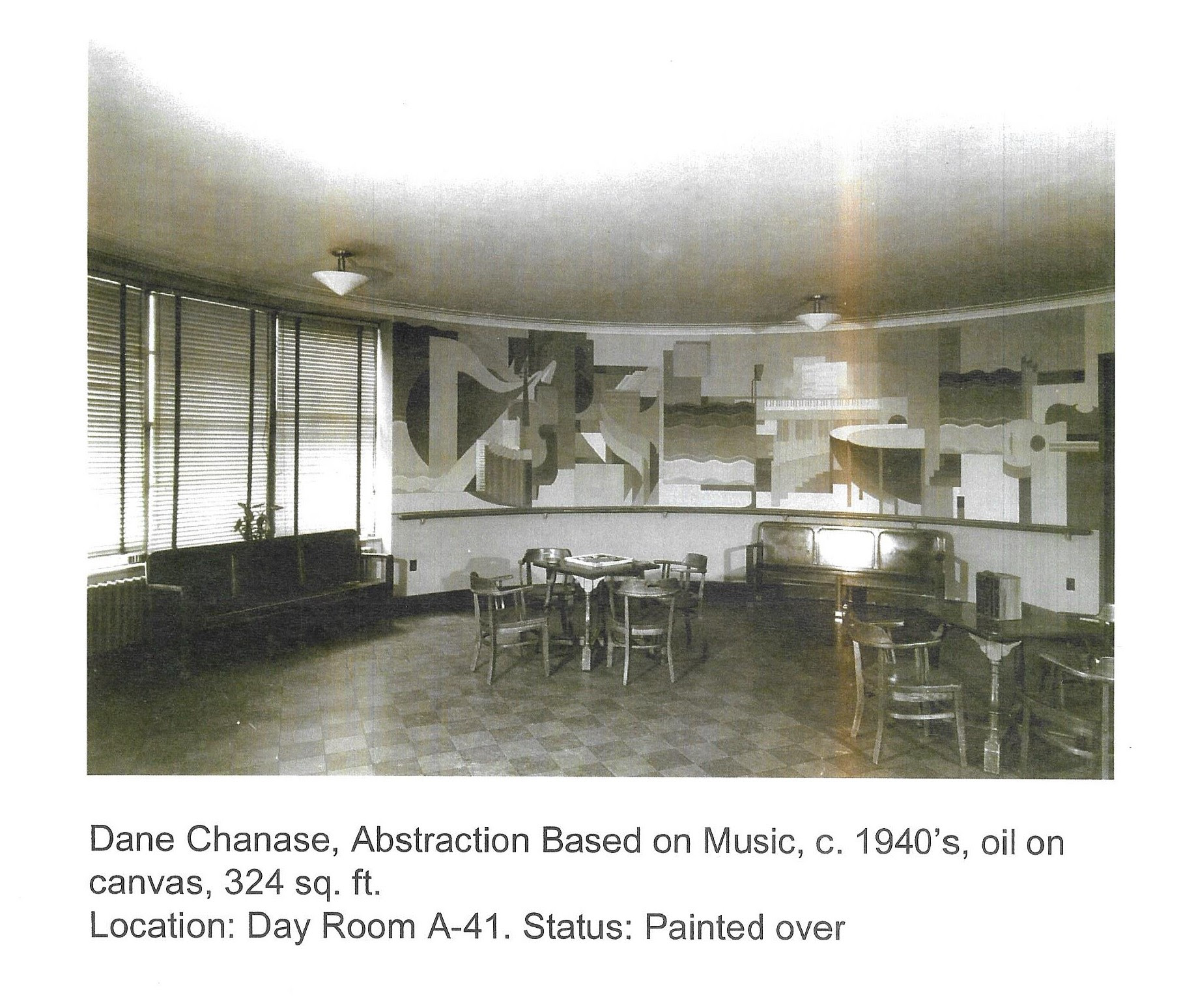
The Dane Chanase mural was never found. As with the others, it was probably painted over and eventually removed from the walls during the 70 plus years Goldwater was open.
Conceptual Image of mural
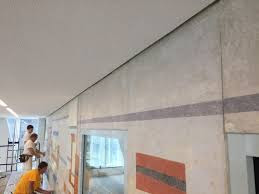
REMOVING BOLOTOWSKY MURAL FROM GOLDWATER UNIT B-11
The murals were peeled off the walls onto wheeled tubes. Some pieces were placed on the floor to have the first layer of lead paint and contaminates removed. The murals then went to conservation studios where they were further cleaned and restored.
The room was sealed off from the rest of the area. Some images were shot thru the window from the hallway.
The conservators worked in the rooms for months to remove the 3 murals. Each mural was on a different floor of the hospital.
PHOTO OF THE DAY
What is this and where is it located? E-mail answer to jbird134@aol.com Win a kiosk trinket
Yesterday’s Photo of the Day
Yesterday’s photo was the Elevator Storehouse Building, with the smokestack from the steam plant that serviced the buildings on Welfare Island. The winner is JAY JACOBSON!!!
EDITORIAL
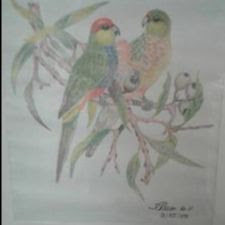
When we were walking the halls of the empty Goldwater Hospital, occasionally we would spot a piece of abandoned art. On bulletin boards there were religious metals, buttons. small signs and prayer cares. When we walked into the unit where the Bolotowsky mural there was a small pastel artwork on the wall, framed and matted hanging by the doorway, The sweet picture of the two parrots was just left there, in the empty hallway. I returned with a screwdriver and have adopted the picture. It is now in my home freshly matted and framed, a reminder of the artistic residents of Goldwater. Goldwater had a wonderful art program with annual exhibits and classes led by the then director of therapeutic recreation Ron Becker.
Text by Judith Berdy Thanks to Bobbie Slonevsky for her dedication to Blackwell’s Almanac and the RIHS Thanks to Deborah Dorff for maintaining our website Edited by Melanie Colter and Deborah Dorff
All image are copyrighted (c) Thanks to the RIHS Archives for Images NYC Municipal Archives Cornell University Johnson Museum
FUNDING PROVIDED BY: THE ROOSEVELT ISLAND OPERATING CORPORATION PUBLIC PURPOSE FUNDS
CITY COUNCIL MEMBER BEN KALLOS DISCRETIONARY FUNDS ADMINISTERED BY NYC DIVISION OF YOUTH AND COMMUNITY DEVELOPMENT
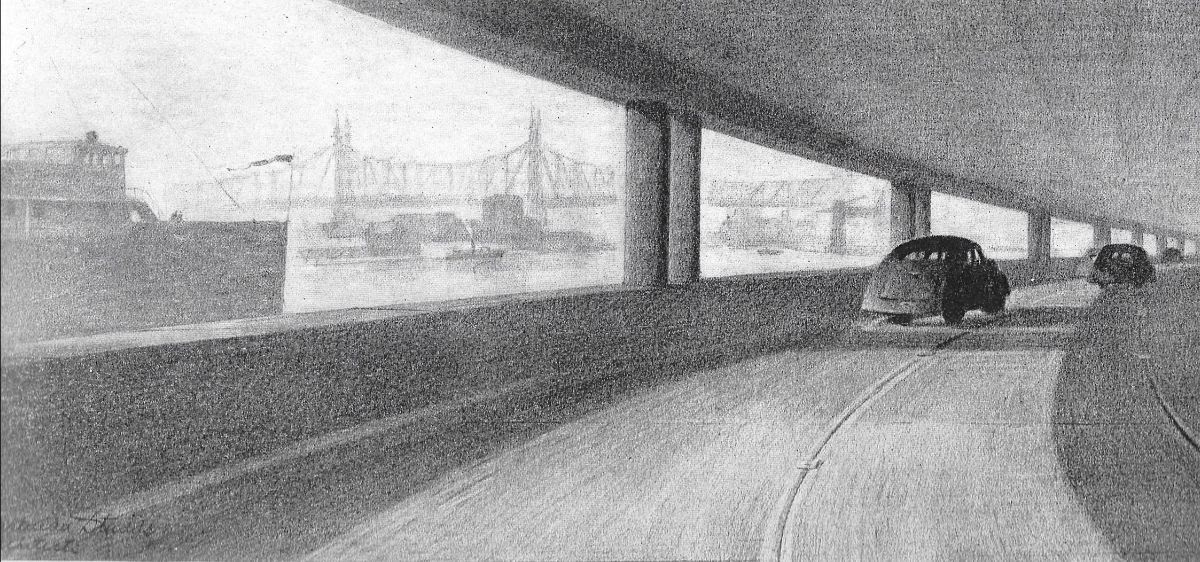
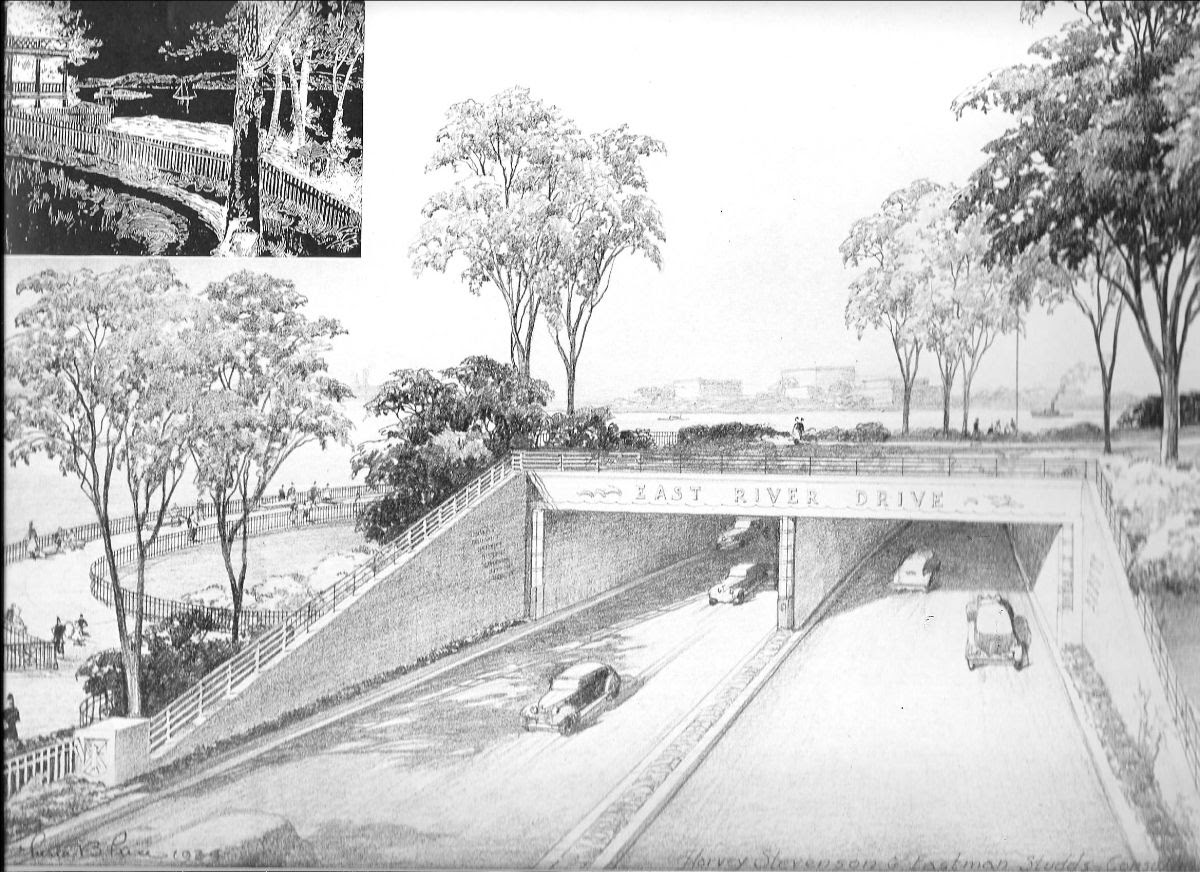
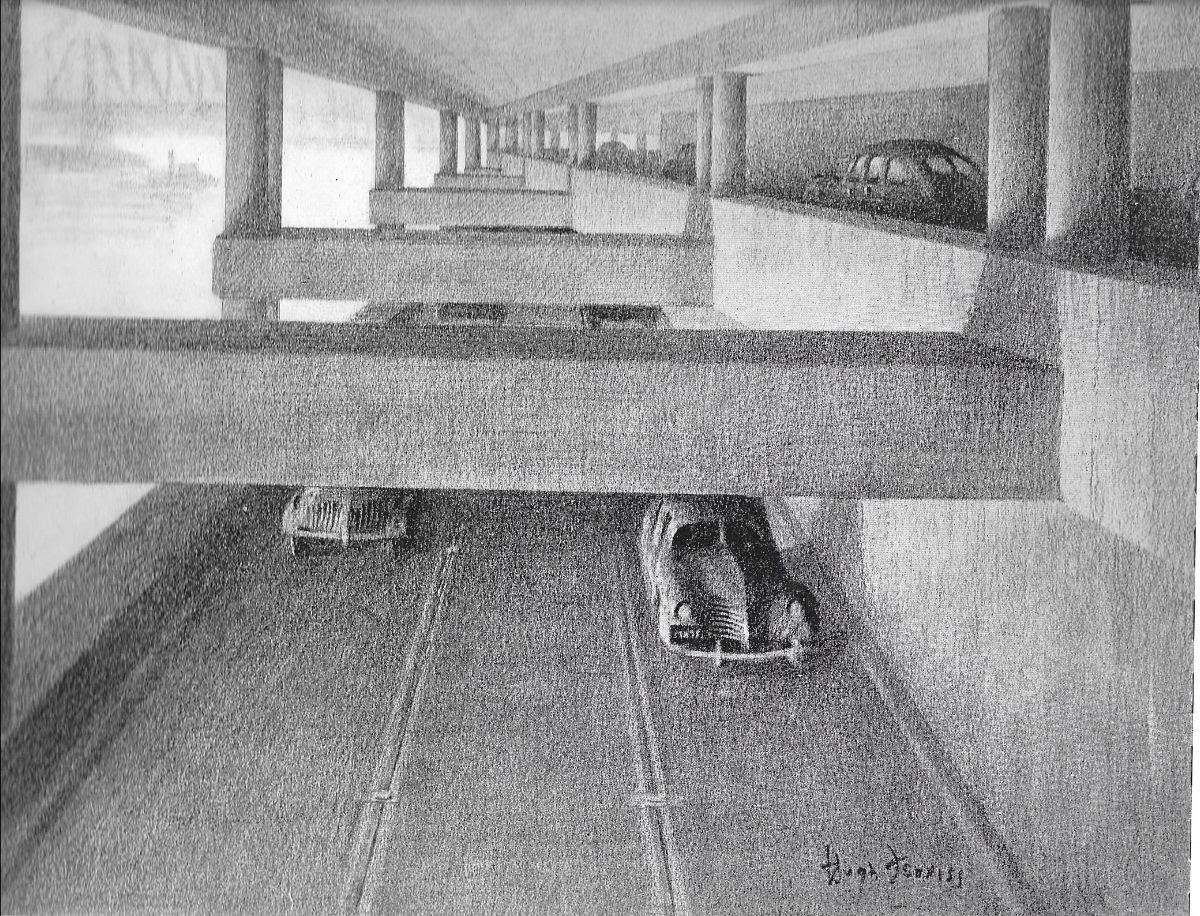
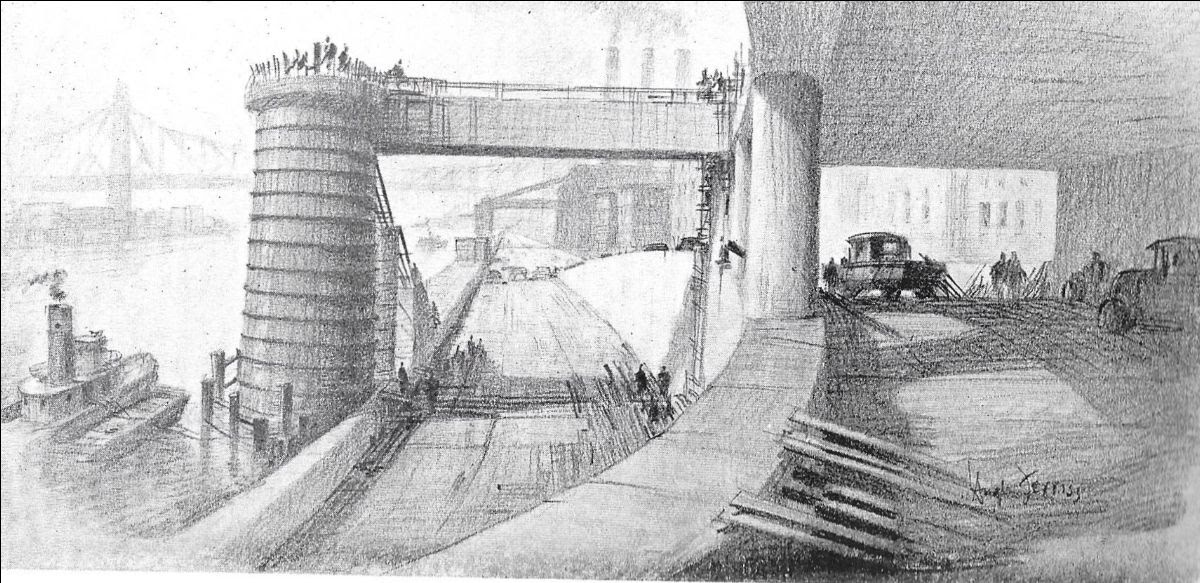
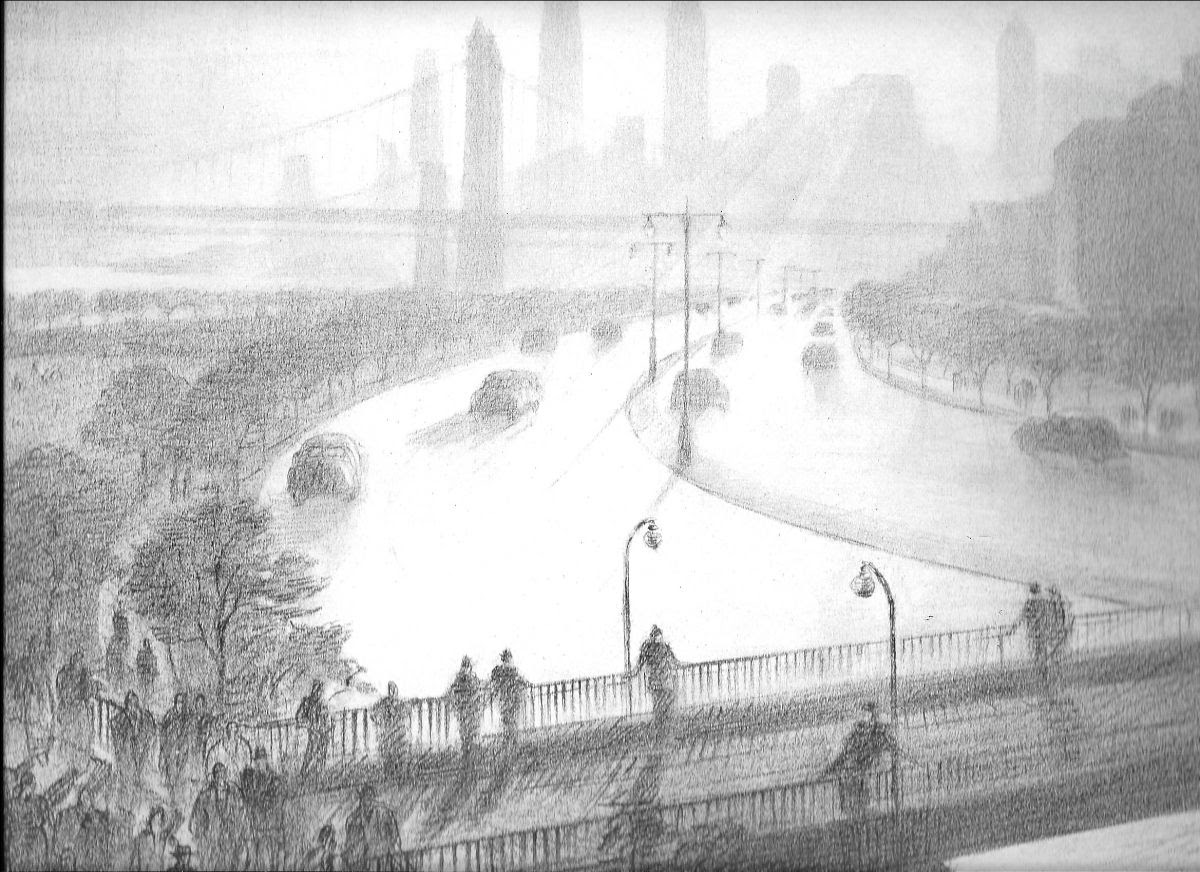
ILLUSTRATIONS BY HUGH FERRIS DEDICATION: JUNE 18, 1940
80 YEARS ON THE F.D.R.
Hugh Macomber Ferriss (July 12, 1889 – January 28, 1962) was an American architect, illustrator, and poet.[1][2] He was associated with exploring the psychological condition of modern urban life, a common cultural enquiry of the first decades of the twentieth century. After his death a colleague said he ‘influenced my generation of architects’ more than any other man.” Ferriss also influenced popular culture, for example Gotham City (the setting for Batman) and Kerry Conran’s Sky Captain and the World of Tomorrow.
Early in his career, Ferriss began to specialize in creating architectural renderings for other architects’ work rather than designing buildings himself. As a delineator, his task was to create a perspective drawing of a building or project. This was done either as part of the sales process for a project, or, more commonly, to advertise or promote the project to a wider audience. Thus, his drawings were frequently destined for annual shows or advertisements. As a result of this, his works were often published (rather than just given to the architect’s client), and Ferriss acquired a reputation.
After he had set up as a free-lance artist, he found himself much sought after. In 1912, Ferriss arrived in New York City and was soon employed as a delineator for Cass Gilbert. Some of his earliest drawings are of Gilbert’s Woolworth Building; they reveal that Ferriss’s illustrations had not yet developed his signature dark, moody appearance. In 1915, with Gilbert’s blessing, he left the firm and set up shop as an independent architectural delineator.
In 1914, Ferriss married Dorothy Lapham, an editor and artist for Vanity Fair. Daily News Building, NYC By 1920, Ferriss had begun to develop his own style, frequently presenting the building at night, lit up by spotlights, or in a fog, as if photographed with a soft focus. The shadows cast by and on the building became almost as important as the revealed surfaces. His style elicited emotional responses from the viewer. His drawings were being regularly featured by such diverse publications as the Century Magazine, the Christian Science Monitor, Harper’s Magazine, and Vanity Fair. His writings also began to appear in various publications.
In 1916, New York City had passed landmark zoning laws that regulated and limited the massing of buildings according to a formula. The reason was to counteract the tendency for buildings to occupy the whole of their lot and go straight up as far as was possible. Since many architects were not sure exactly what these laws meant for their designs, in 1922 the skyscraper architect Harvey Wiley Corbett commissioned Ferriss to draw a series of four step-by-step perspectives demonstrating the architectural consequences of the zoning law. These four drawings would later be used in his 1929 book The Metropolis of Tomorrow.
This book illustrated many conte crayon sketches of tall buildings. Some of the sketches were theoretical studies of possible setback variations within the 1916 zoning laws. Some were renderings for other architect’s skyscrapers. And at the end of the book was a sequence of views in Manhattan emerged in an almost Babylonian guise. His writing in the book betrayed an ambivalence to the rapid urbanization of America: There are occasional mornings when, with an early fog not yet dispersed, one finds oneself, on stepping onto the parapet, the spectator of an even more nebulous panorama. Literally, there is nothing to be seen but mist; not a tower has yet been revealed below, and except for the immediate parapet rail . . . there is no suggestion of either locality or solidity for the coming scene.
To an imaginative spectator, it might seem that he is perched in some elevated stage box to witness some gigantic spectacle, some cyclopean drama of forms; and that the curtain has not yet risen . . . there could not fail to be at least a moment of wonder. What apocalypse is about to be revealed? What is its setting? And what will be the purport of this modern metropolitan drama? In 1955, he was elected into the National Academy of Design as an Associate member, and became a full Academician in 1960.
THIS IS A SMALL SELECTION OF THE IMAGES IN THE COMMEMORATIVE BOOK. THERE ARE MULTIPLE PHOTOS AND COMMENTARY. YOU CAN REQUEST TO SEE IT FROM THE R.I.H.S.
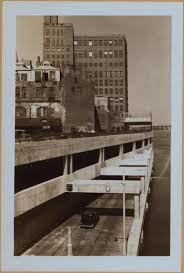
Drawing of Southbound Roadway in the Triple-Dec Section in the 80’s
North portal of only true tunnel in East River Drive. It fronts Gracie Mansion, preserving its ancient view of the river.
Architects’ rendering of new municipal asphalt plant to replace existing structure on 91st Street.
The successful Asphalt Green today
Drawing of north-bound roadway of triple deck section in the 80’s
2020
Ferris Rendering
From the Archives
Artist view of Grand to Montgomery Street link looking southward toward lower Manhattan.
Hugh Ferris drawings of the 81st Street portal during construction. The sketch shows the tower and northbound roadway.
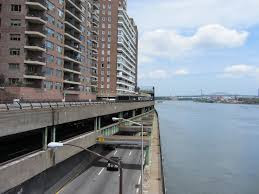
81st Street Portal Today
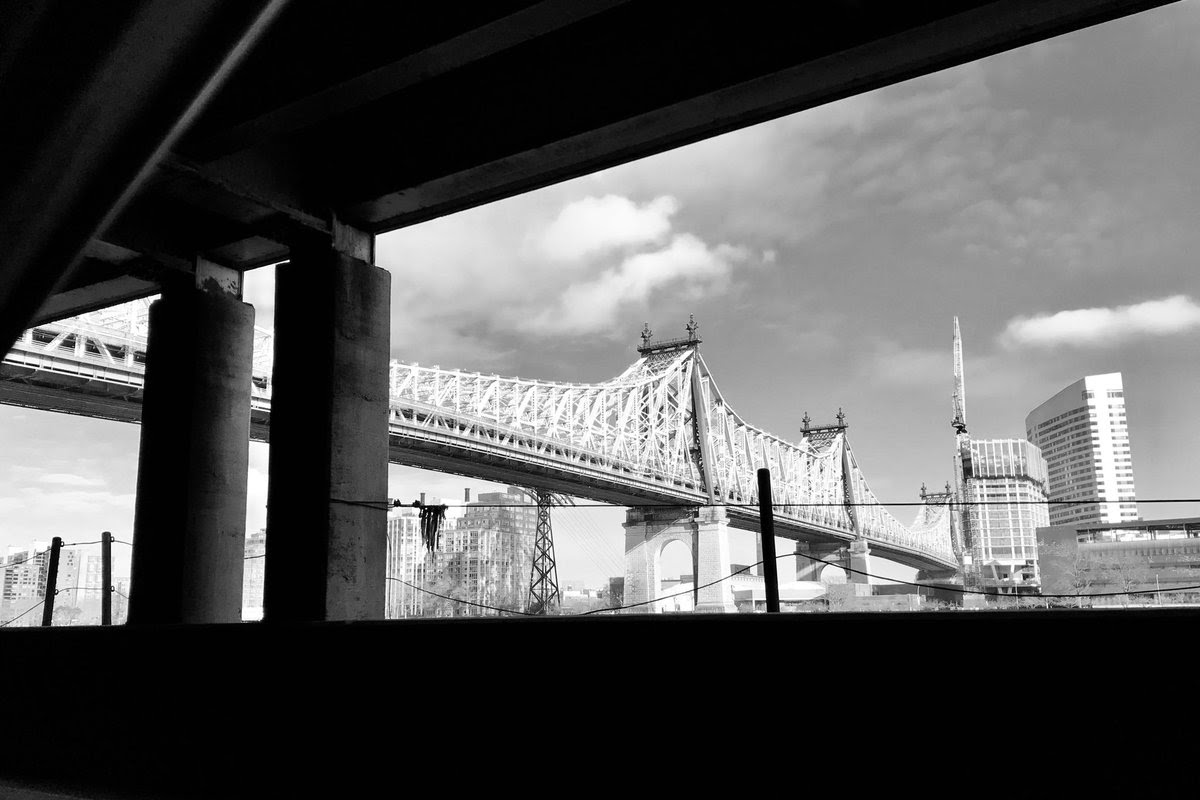
Drawing looking south from 60th Street showing north and southbound roadways as they pass under Queensboro Bridge. Structure at left is new Department of Sanitation dump. The ramp to the dump is for Sanitation trucks.
East River Roundabout by Alyce Aycock
A drawing of the completed portal of the triple deck structure at 81st Street. The tower marks the juncture of the portion of the drive built on land with that built over water. The stairway joins the shore front drive at water level with the esplanade that is the third deck of the drive. Overpass leads to 81st Street.
Future concept of 91st Street redesign with Sanitation dump.
Chester Price drawing of new municipal ferry house at 78th Street. The roof of the ferry house will serve as a section tho the Drive’s pedestrian esplanade. Access to the ferry house from the west side of the Drive is by an overpass.
WEDNESDAY’S PHOTO OF THE DAY
What is this and where is it located E-mail jbird134@aol.com Win a trinket from Kiosk
TUESDAY’S PHOTO OF THE DAY
The Encampment tent construction to recreate the island history was constructed at Southpoint Park by artist Tom Sokolowski in the year………………
The winner is Liz Pirraglia
FROM 2007
The Encampment: Roosevelt Island’s Past, Illuminated
BY JEN CHUNG
This October, artist Thom Sokoloski will build 100 white tents on Roosevelt Island, and the public will be able to see the illuminated tents at night as well as explore what’s in them. The project is called The Encampment and here is a description the website: The Encampment is a large-scale public participatory art installation. 100 – 19th century luminous tents will be erected as a work of optical art on Roosevelt’s Island Southpoint. From 7pm to 7am each night, New Yorkers will be able to view the luminous symmetries of the tents from both sides of the East River, as well as visit the actual site and experience the installations in each of the tents. It proposes an archaeological dig as its metaphor; the search for artifacts is replaced by the search for a collective memory of Roosevelt Island. Sokoloski told Metro that Roosevelt Island’s past, filled with hospitals, lunatic asylum and other facilities, inspired him, “When you go deep the history is so fascinating. This will be a kind of digital archaeology, a model of exchange where the community will uncover the stories of the island’s past.” He also calls it “a metaphorical, archaeological dig into the history of mental health.”
EDITORIAL
Yesterday, my friend and I decided to walk from 81 Street to 60th Street along the FDR Promenade. I was eager to see the areas that have been improved by Hospital for Special Surgery (HSS) and Rockefeller University.
I must say I was overwhelmed by noise. I am used to the calm at the Roosevelt Island promenade with the quiet drone in the background. Here the noise was in your head. Unfortunately, I did not have ear buds or a headset with me.
There was a steady flow of pedestrians, runners, bikers, dogs on leashes, and family groups. Most were masked and determined to enjoy their time out.
The area from 81st Street south to 69th Street was beat-up to say the least. Lots of patches, temporary fencing, missing pavers and weeds. You must be a romantic to walk here and luckily look out on the river and that beautiful island beyond. The area by HSS and Rockefeller are better with new paving, landscaping and a great effort made to break the noise with barriers The barriers cut the noise about 20 percent.
The area by Rockefeller is a real effort to make the area better. Beyond that is a park area and dog run where the paving is wider. The abandoned heliport (fomer Sanitation dump) sits as an omni-present eyesore with a sign indicating some far-in-the-future development.
We walked up the ramp to the park with the art piece East River Roundabout above it. The park has great single seats placed in all directions. It is sad to see a park just refurbished a year or two ago has peeling paint and a grassy area that seems to be full of rat holes. It is better to look at if from afar or definitely from above. We hiked up to the tram stopping at the former entrance to the Queensboro Bridge Pedestrian elevator and then onto the Tram. The elevator closed over 50 years ago. There was an elevator at 60th Street in Manhattan and one at Vernon Blvd. in Queens. (You walked on the Upper Level in those days). My first trip to Manhattan in 10 weeks was over and back here, to peace and quiet.
Text by Judith Berdy Thanks to Bobbie Slonevsky for her dedication to Blackwell’s Almanac and the RIHS Thanks to Deborah Dorff for maintaining our website Edited by Melanie Colter and Deborah Dorff
All image are copyrighted (c) Roosevelt Island Historical Society unless otherwise indicated TEXT FROM THE NEW ENGLAND HISTORICAL SOCIETY FUNDING PROVIDED BY ROOSEVELT ISLAND OPERATING CORPORATION PUBLIC PURPORE GRANTS CITY COUNCIL REPRESENTATIVE BEN KALLOS DISCRETIONARY FUNDING THRU DYCD
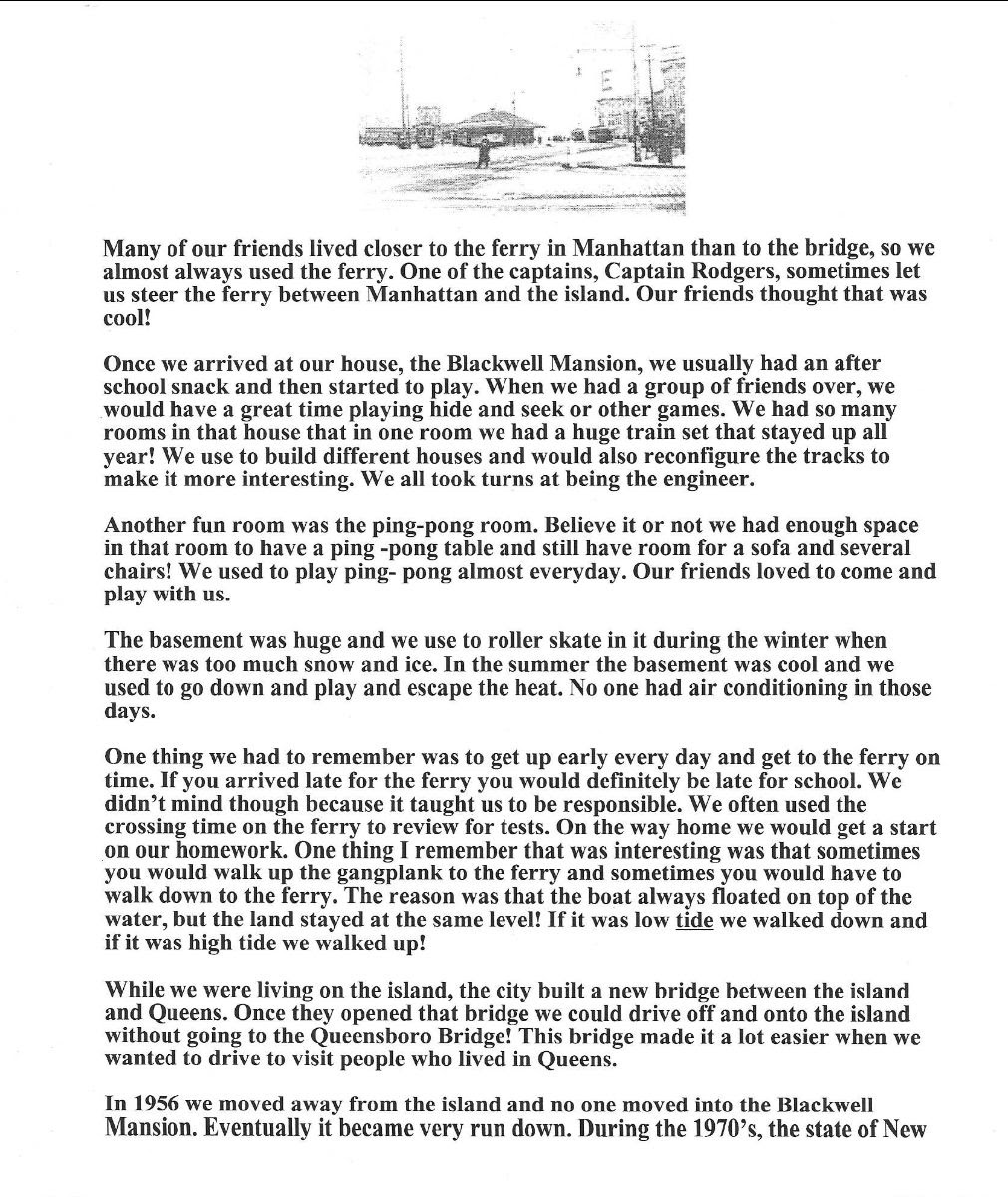
THE HERMAN BAUER FAMILY OF BLACKWELL HOUSE on WELFARE ISLAND
(c) ROOSEVELT ISLAND HISTORICAL SOCIETY
There has never been proof that George Washington visited the island but he may have been in the neighborhood at one time.
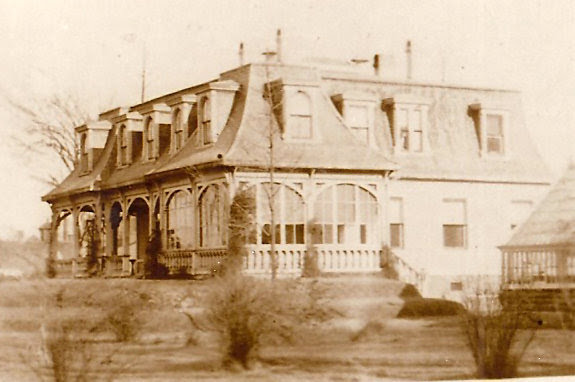
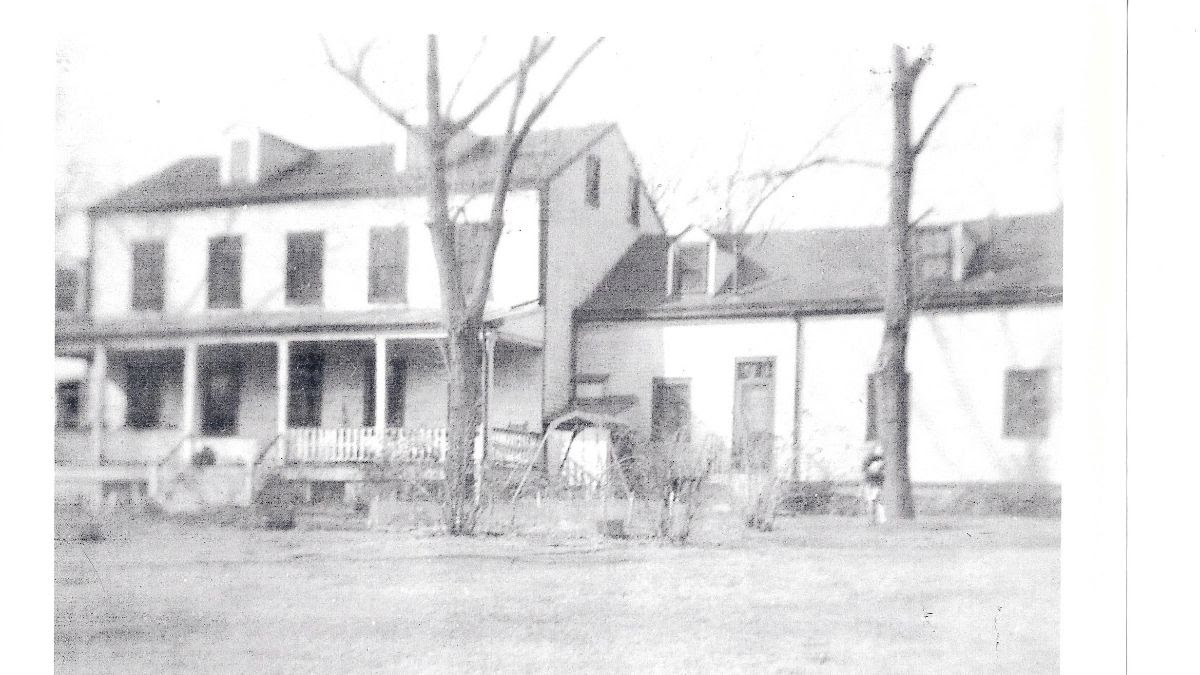
As you can see from the photos, Blackwell House had a large addition on the north side of the building which was probably the ping-pong room she described.
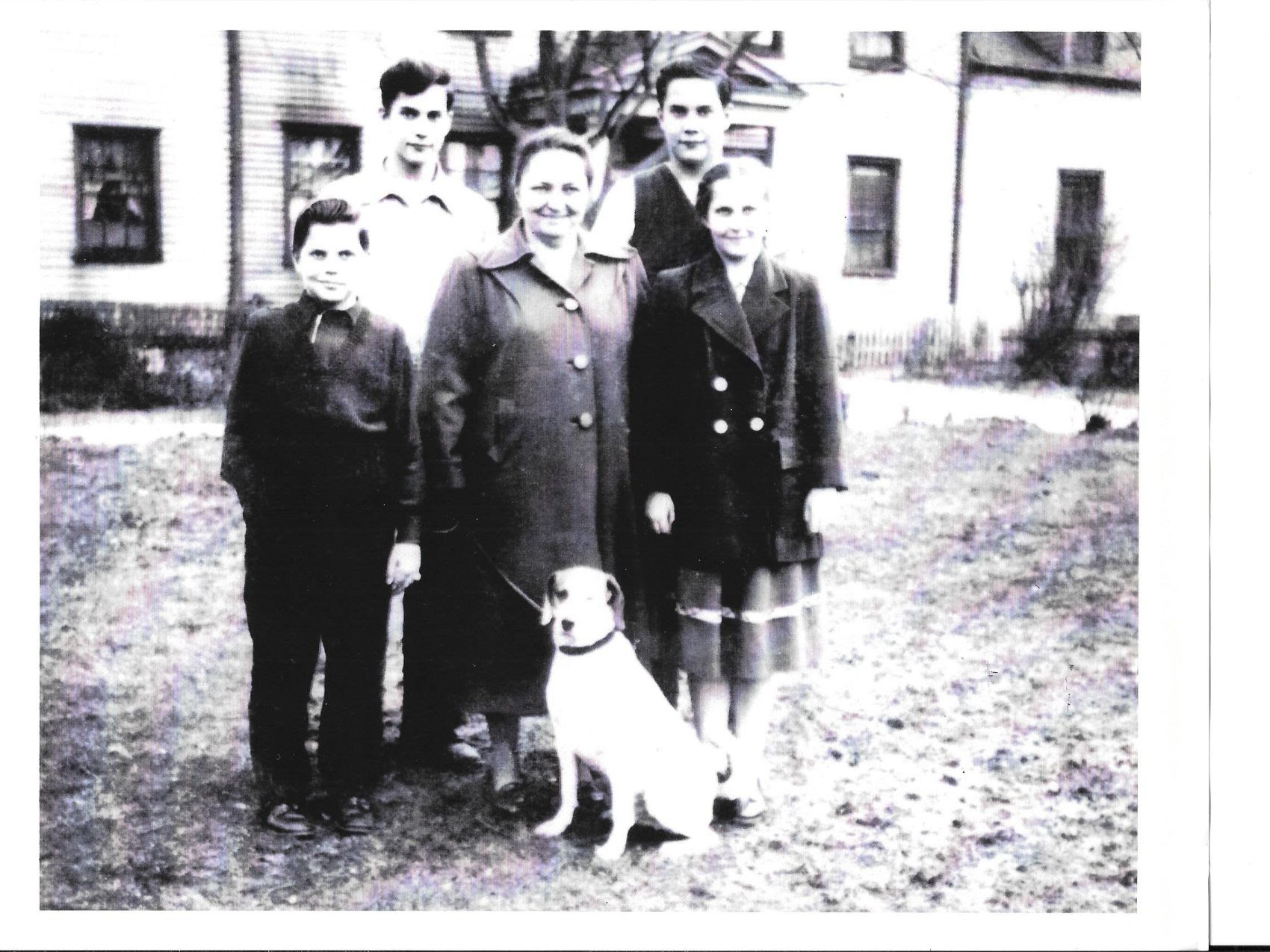
The Bauer family in front of the Blackwell House. front row: Vernon, Mother, Geniza, back row twin brothers Herman and Jim. Dog name Lucky in forefront.
Front (or back of house) with small building on south side may have been servants quarters at one time.
Front (or back of house) with north wing, Wing was not original and was demolished at time of restoration.
Path leading to house with small building (possibly former servants quarters) in distance.
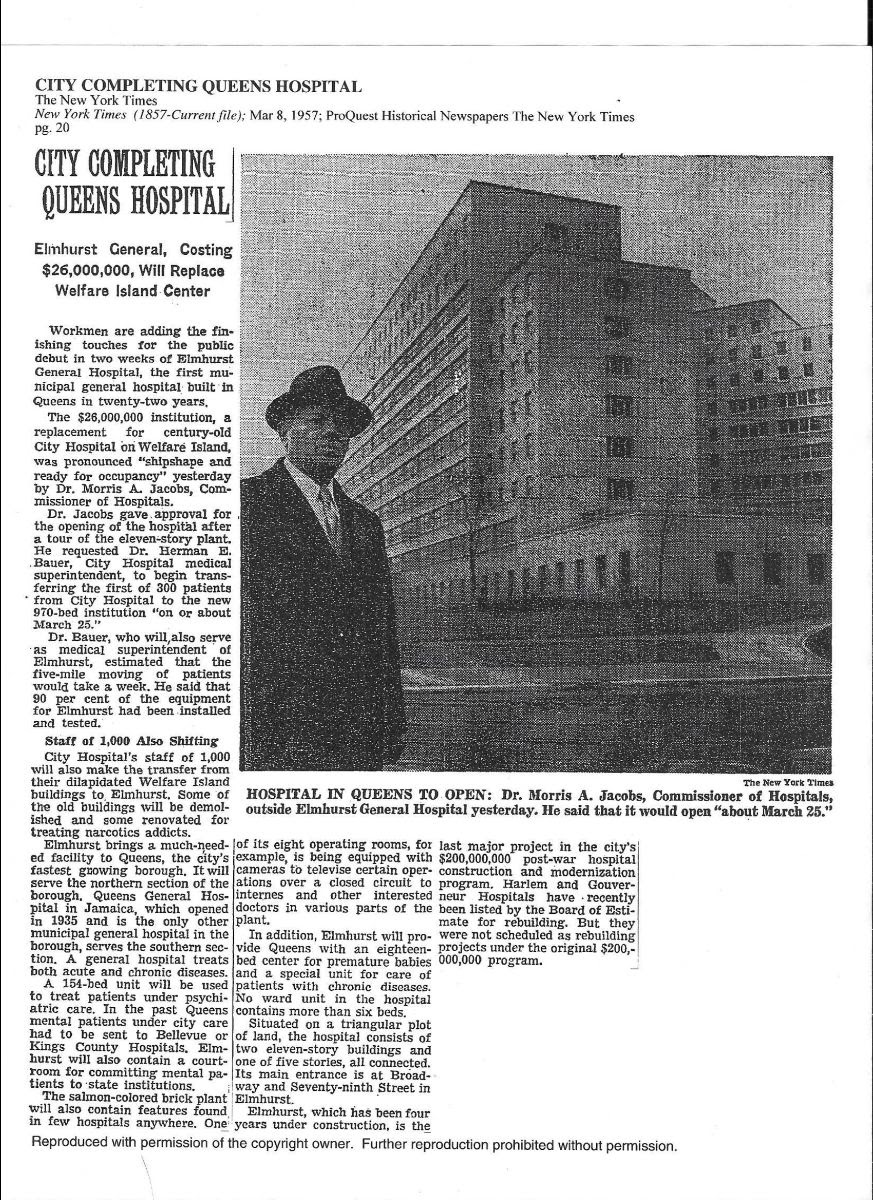
In 1957 Herman Bauer was appointed medial superintendent of the new Elmhurst Hospital. At that time City Hospital closed and the patients were transferred to Elmhurst. Dr. Bauer and family had an apartment in the new hospital and left Blackwell House. They were the last known residents of the house.
Elmhurst, as it looks today with multiple additions and serving the Elmhurst, Jackson Heights area of Queens.
Geniza returned to the island and the RIHS in 2002. She and her husband enjoyed the new community, and seeing the remaining building she remembered from her childhood. Geniza passed away on 2004.
EDITORIAL
The life of the Bauer family as well as other families who lived on the Island seemed bucolic. Dad worked at the hospital, storehouse, penitentiary or other institution. The moms had staff to wash. clean, serve and maintain the home. Groceries were ordered (before Fresh Direct) and laundry was handled.
These were municipal employees who probably did not become rich but had long stable careers serving the City.
These families left the island with fond reflections and many have shared them with the RIHS.
WHAT AND WHERE ARE THESE OBJECTS? Send your submission to JBIRD134@AOL.COM Win a trinket from the RIHS Visitor Center Kiosk
MONDAY’S PHOTO OF THE DAY
The correct answer is the pool deck at Manhattan Park. Two winners Andrea Nialla and David Jacoby.
ACKNOWLEDGMENTS
Text by Judith Berdy Thanks to Bobbie Slonevsky for her dedication to Blackwell’s Almanac and the RIHS Thanks to Deborah Dorff for maintaining our website Edited by Melanie Colter and Deborah Dorff FUNDING PROVIDED BY: ROOSEVELT ISLAND OPERATING CORPORATION THRU PUBLIC PURPOSE FUNDING CITY COUNCIL MEMBER BEN KALLOS DISCRETIONARY FUNDS THRU DYCD
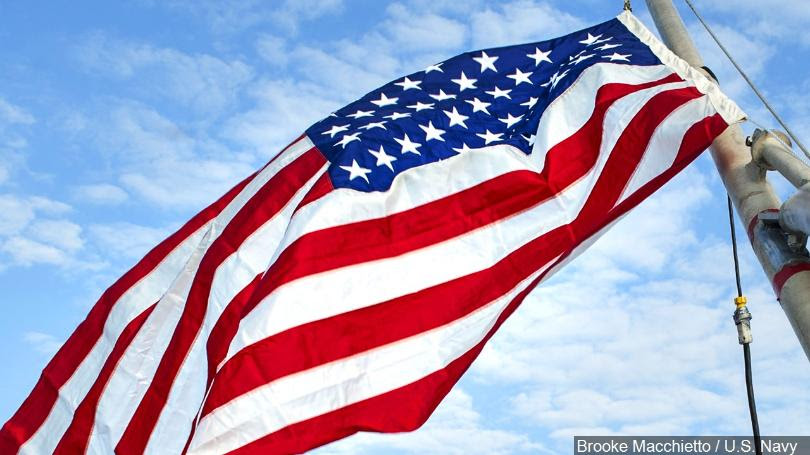
IN MEMORY OF THOSE WHO PERISHED WHETHER IN THE LINE OF DUTY OR IN THE CURRENT EPIDEMIC. YOU WILL BE REMEMBERED IN OUR HEARTS
On this Memorial Day we thank the staff at Coler who have worked thru the worst of times to make a better home for its residents, whether serving coffee or doing the acts of kindness that make Coler residents comfortable. We salute the staff, permanent, temporary, long-timers or visitors for their dedication.
MONDAY
MAY 25 2020
RIHS’s 60th Issue of
Included in this Issue:
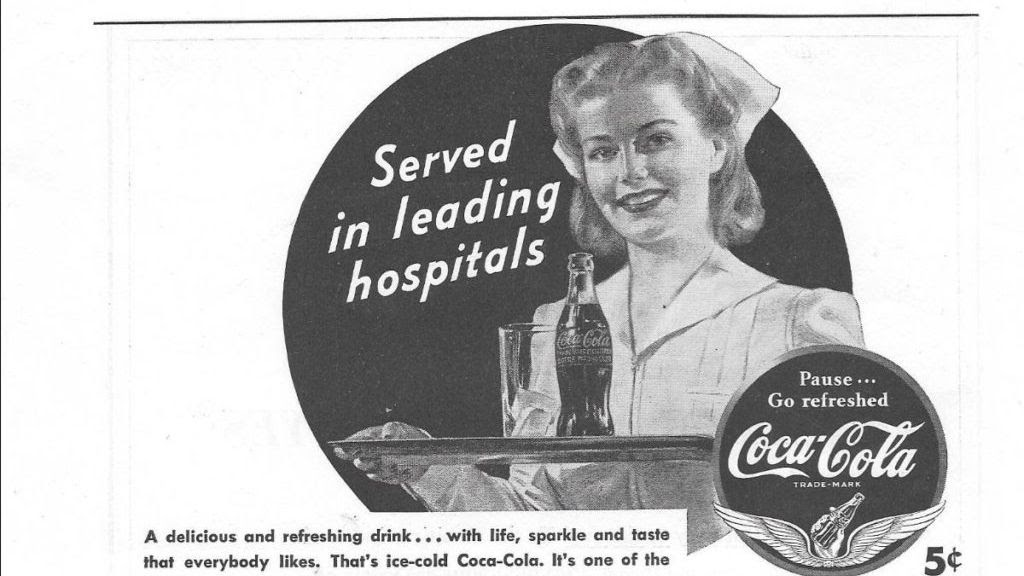
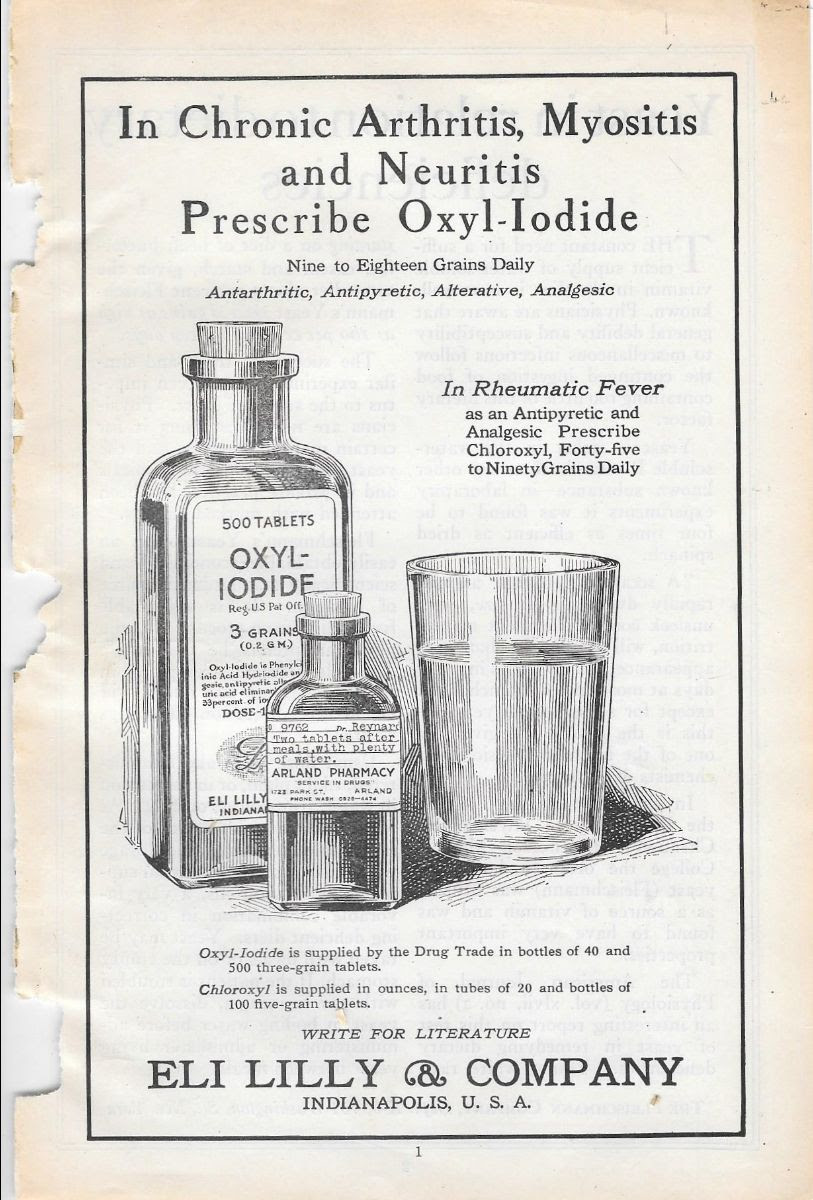
MEDICAL ADVERTISING OF 60 to 100 YEARS AGO
(c) RIHS
Hundreds of journals were found in the Goldwater Hospital after it closed. They are a time-line of history.
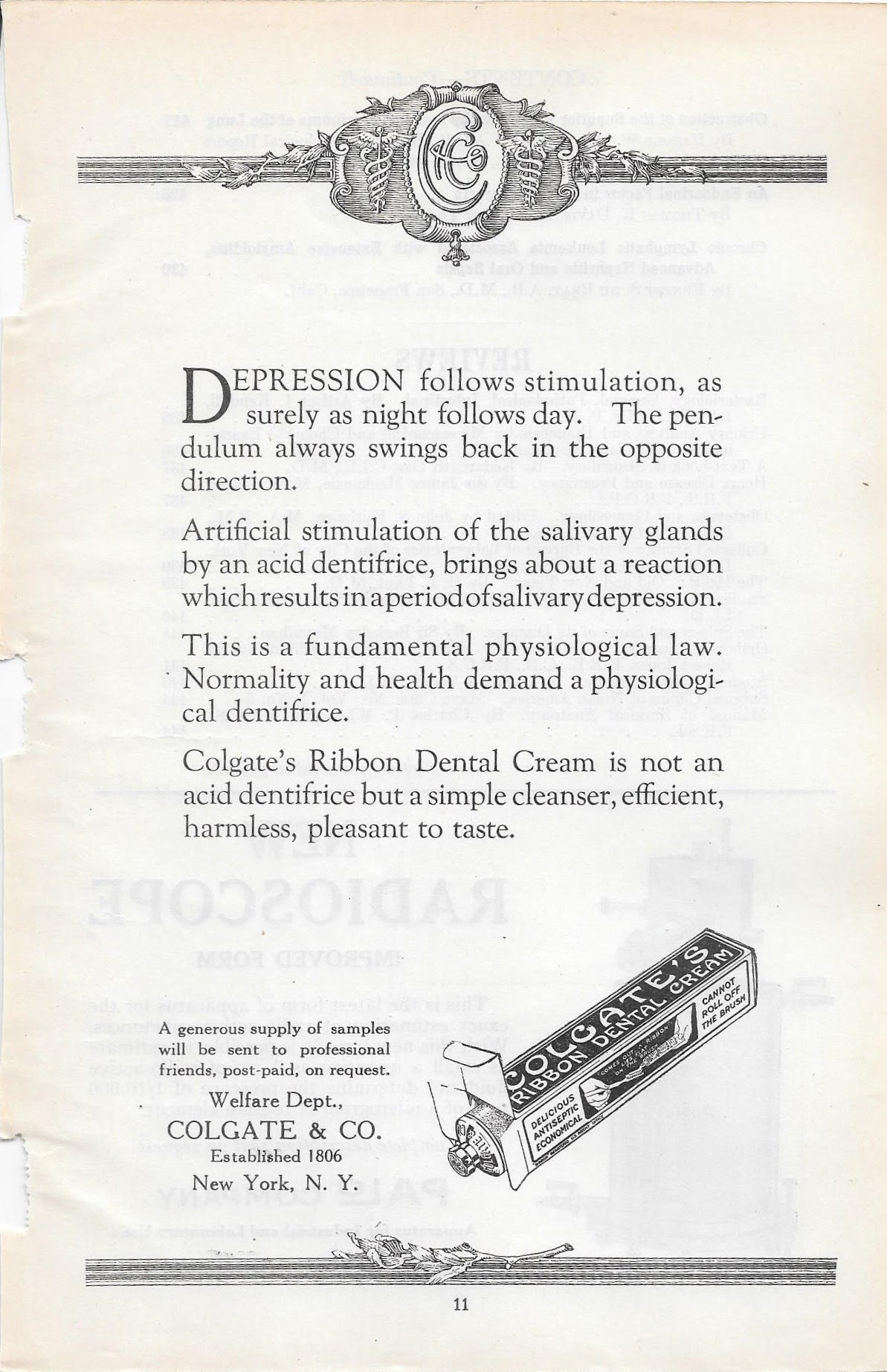
Enjoy this ad for COLGATE’S RIBBON DENTAL CREAM
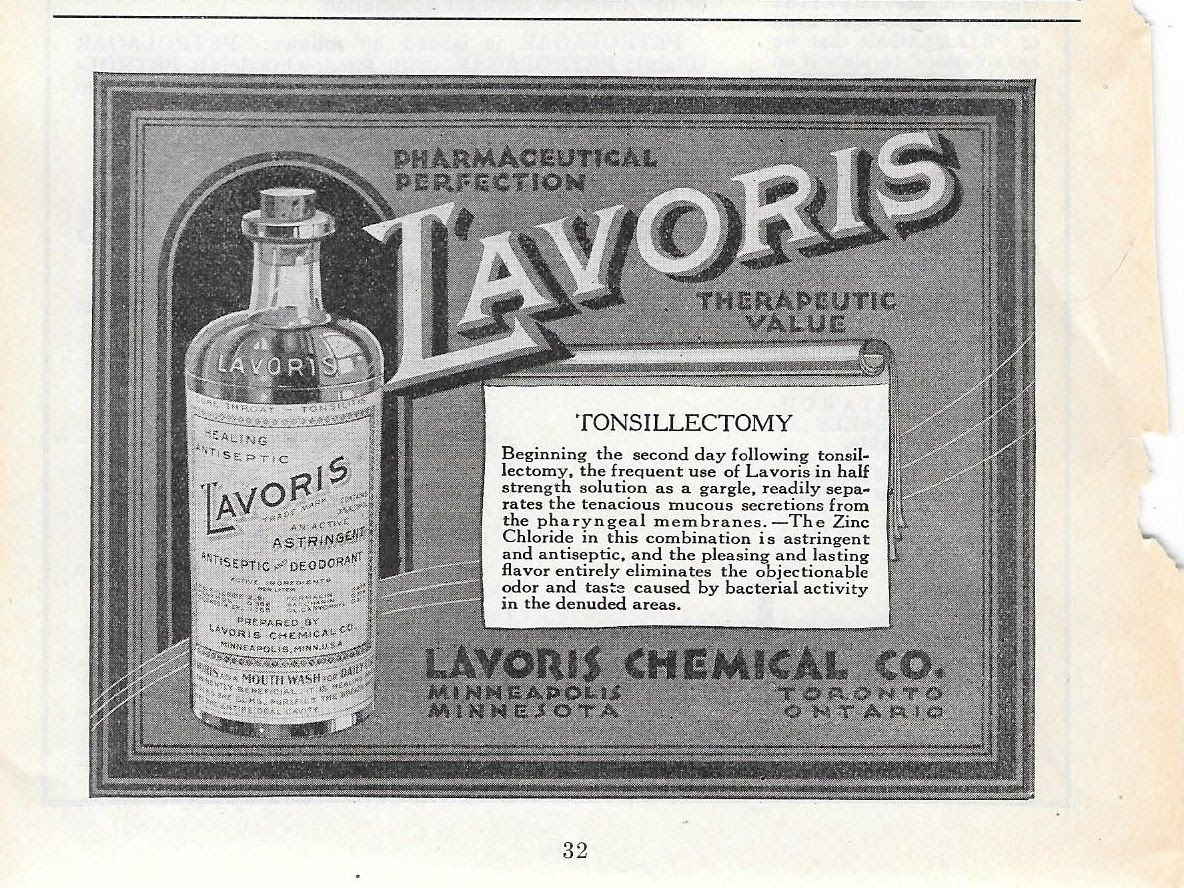
After you brush your teeth have some LAVORIS
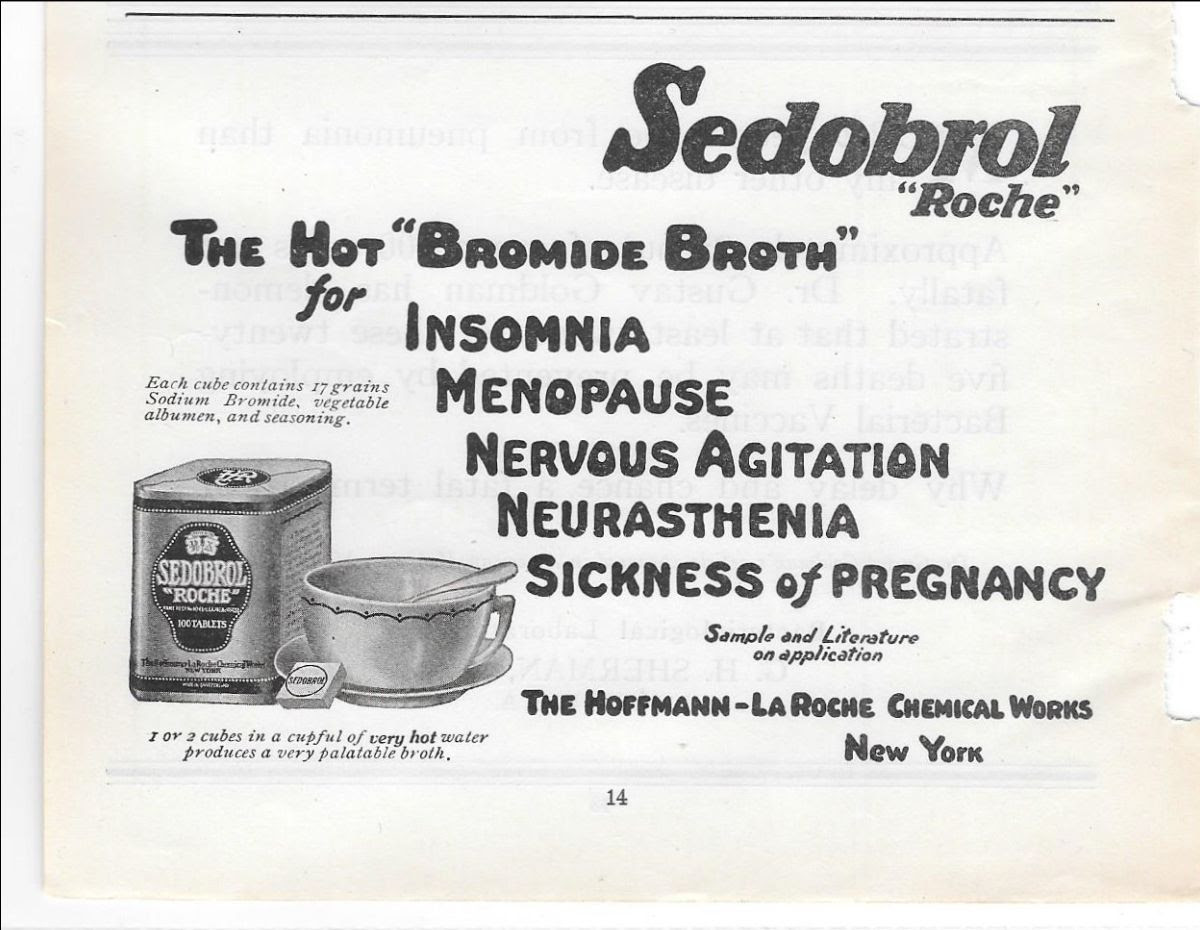
The “palatable” broth cured everything.
This lamp treats everything from carbuncles to tuberculosis.
Take a deep breath and hold it……..
Impressive-just by the dials and gauges
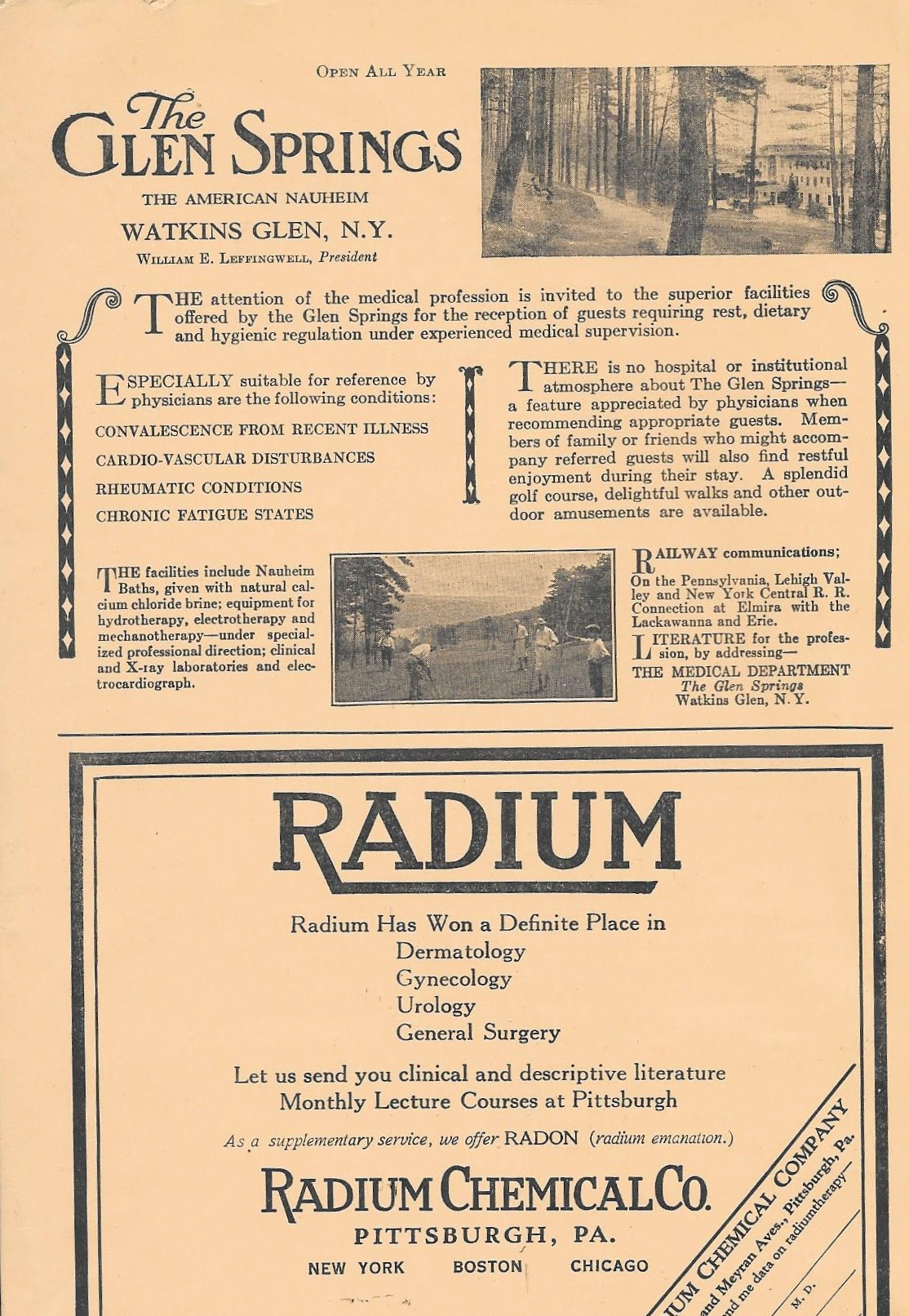
You can take the Pennsylvania Railroad to Glen Springs to be treated for what ails you.
RADIUM was a wonder treatment
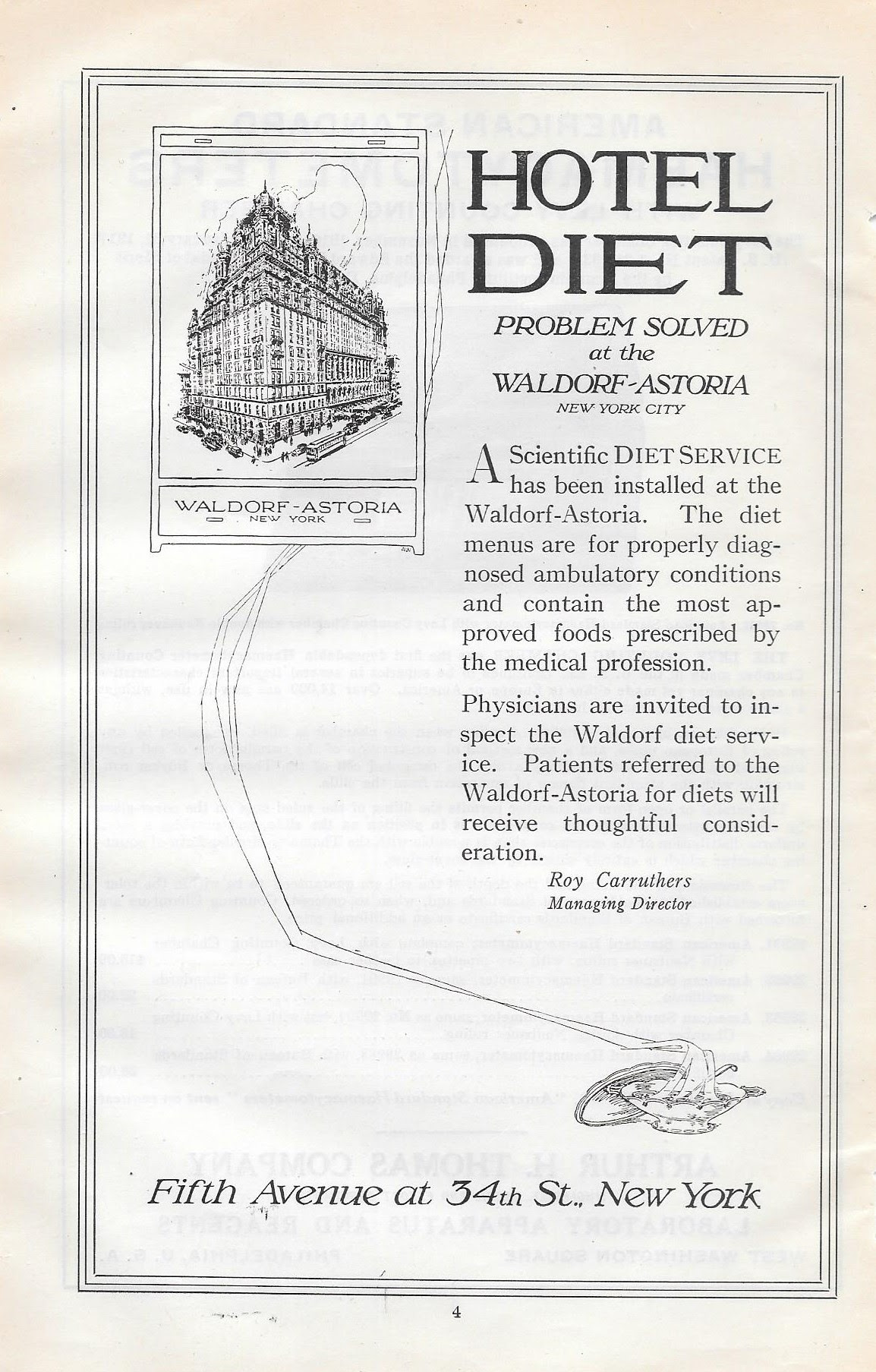
Waldorf Astoria in its original location where the Empire State Building is now located.
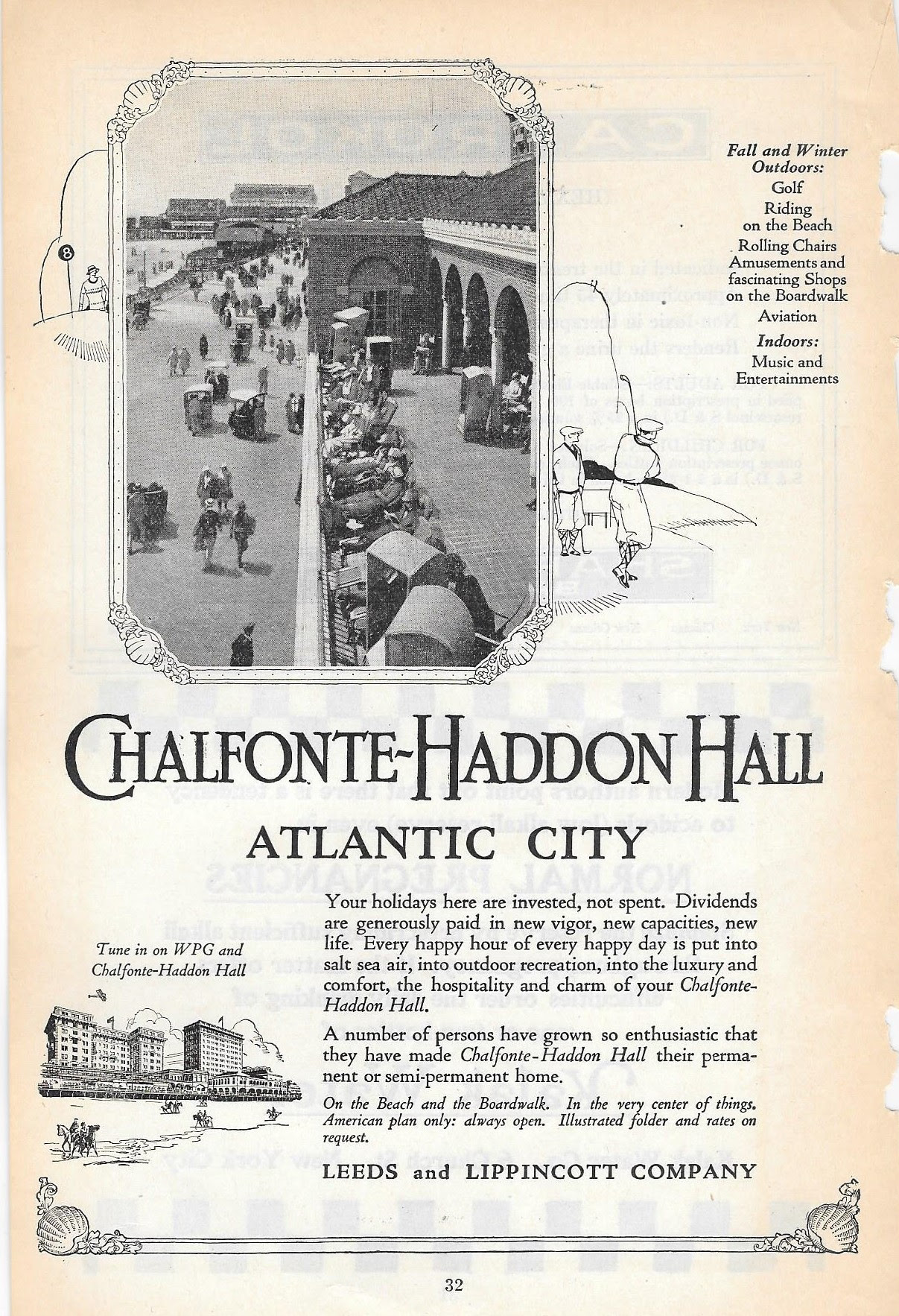
New vigor, new capacities when you stay at this Atlantic City Hotel before gambling
LEITZ is still one of the finest optical equipment company based in Rochester, New York
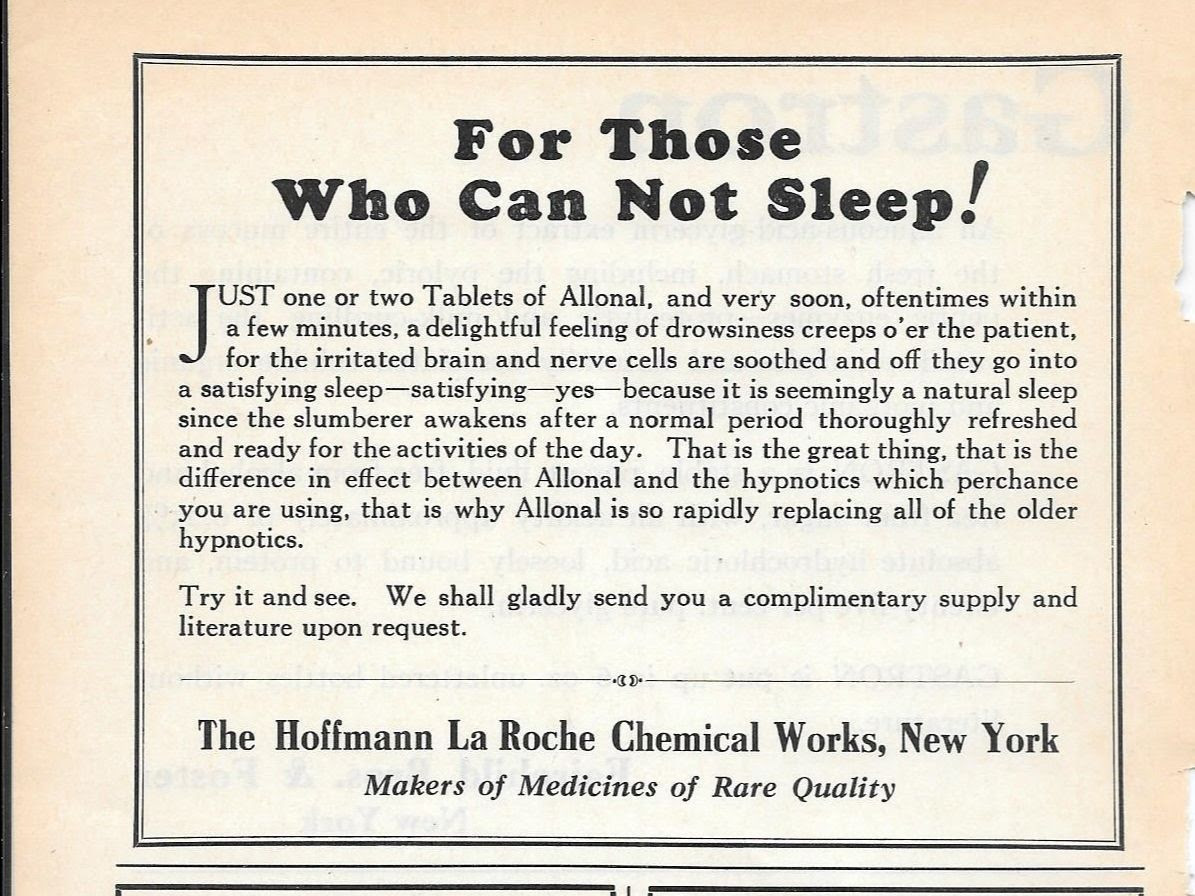
Sounds like an interesting logo “Makers of Medicine of Rare Quality”
Just look at the list this device will treat!
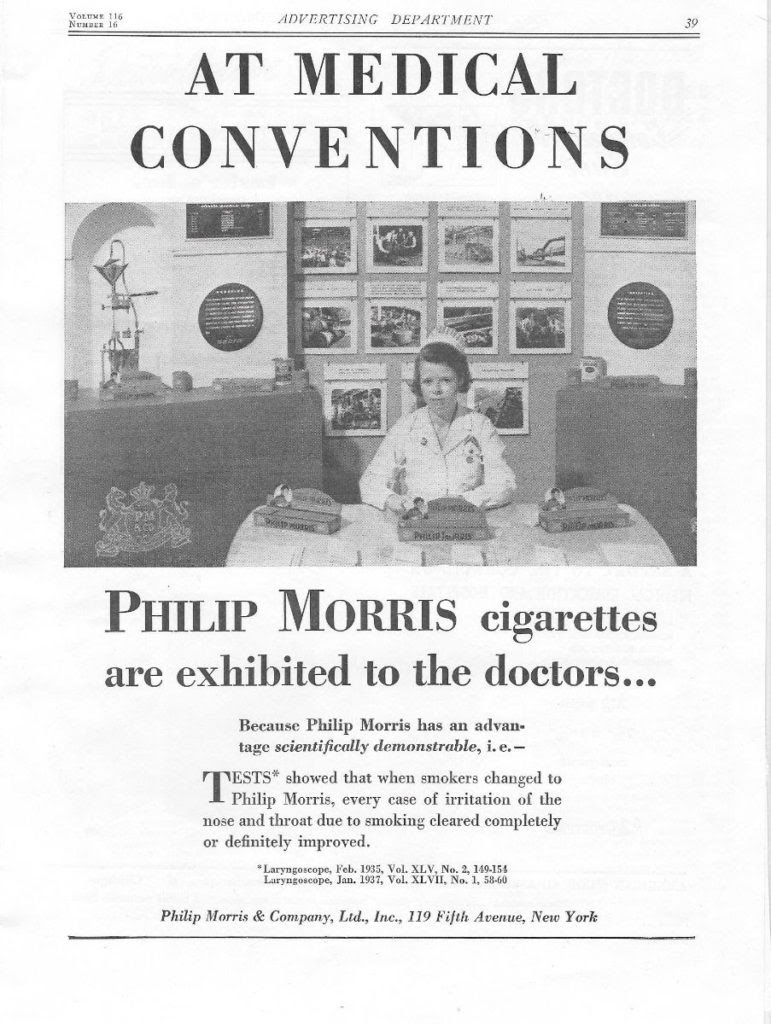
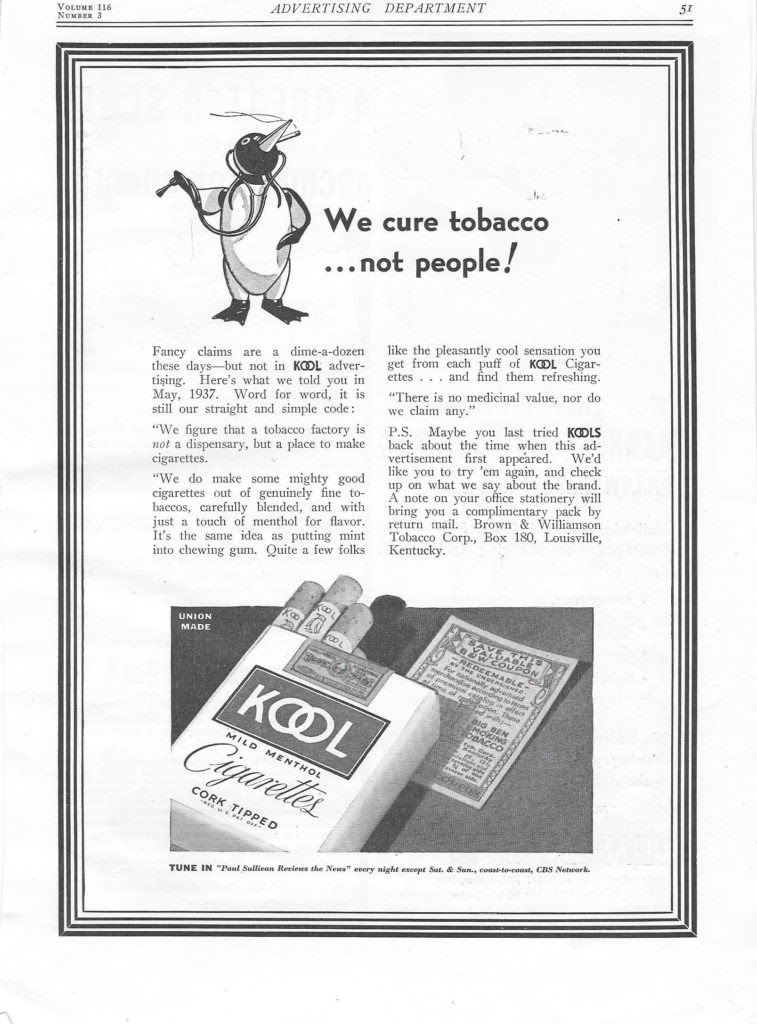
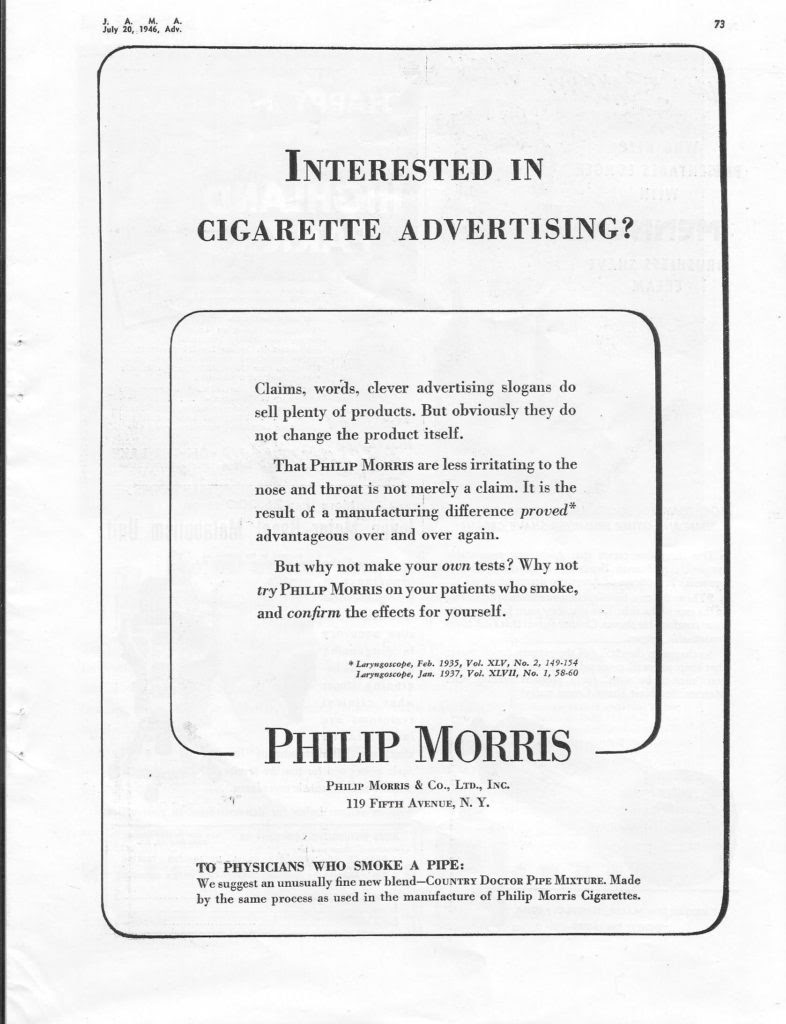
HERE ARE SOME OF OUR FAVORITE CIGARETTE ADS
MONDAY PHOTO OF THE DAY
Identify and locate this. Send your answer to jbird134@aol.com Win a trinket from the RIHS kiosk.
YESTERDAY’S MYSTERY PHOTO OF THE DAY
Mural “Abstraction” by Ilya Bolotowsky that was at Goldwater Hospital, now in Bloomberg Center at Cornell Tech.
EDITORIAL
With all the talk of quick fix medicines for the Covid-19 virus, I was thinking of the medical devices, pharmaceuticals that were prevalent in the country years ago. After I posted these ads, i
I realized that not much has changed. We don’t sell radium over the counter but we still have Snake oil salesmen trying to sell us unproven cures, remedies and concoctions.
Judith Berdy
Text by Judith Berdy Thanks to Bobbie Slonevsky for her dedication to Blackwell’s Almanac Thanks to Deborah Dorff for maintaining our website Edited by Melanie Colter and Deborah Dorff All materials in this publication are copyrighted (c)
FUNDING BY ROOSEVELT ISLAND OPERATING CORPORATION PUBLIC PURPOSE FUNDING
DISCRETIONARY FUNDING BY COUNCIL MEMBER BEN KALLOS THRU NYC DYCD