For the second time this month I guided a group of 10 visitors from the Tram to Southpoint Park and the FDR Park.
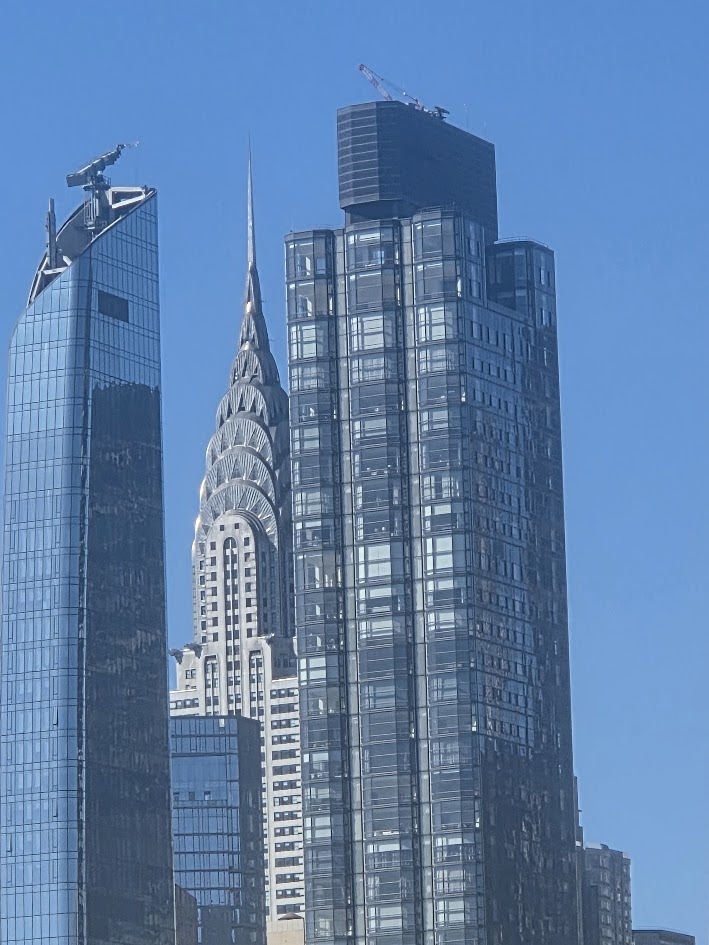
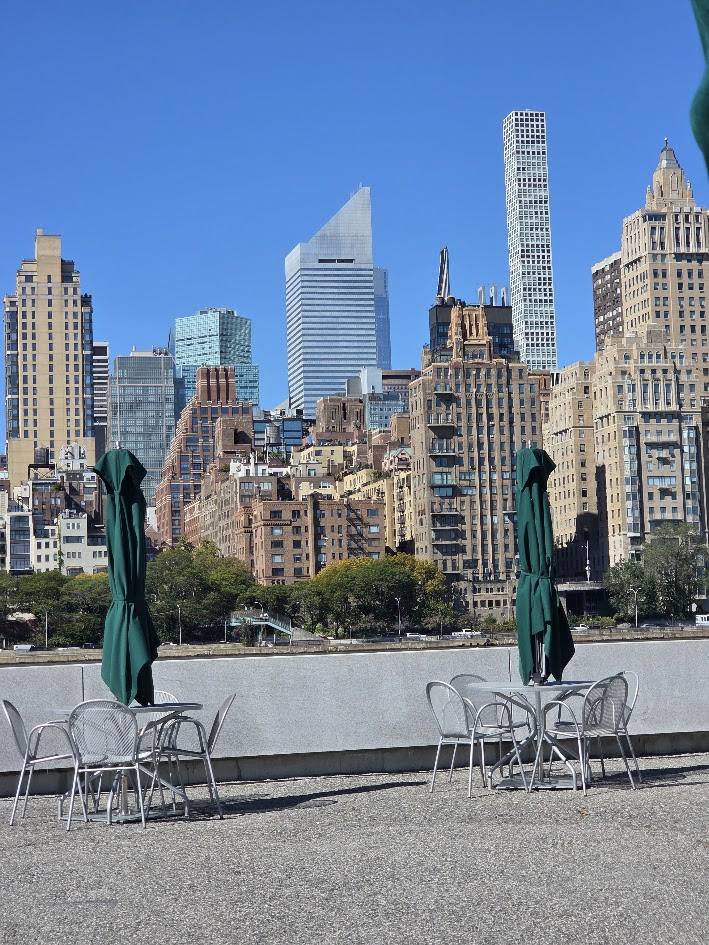
As with last week’s tour the weather was clear and crisp. I could not resist the image of the grand Chrysler Building surrounded by contemporary towers.
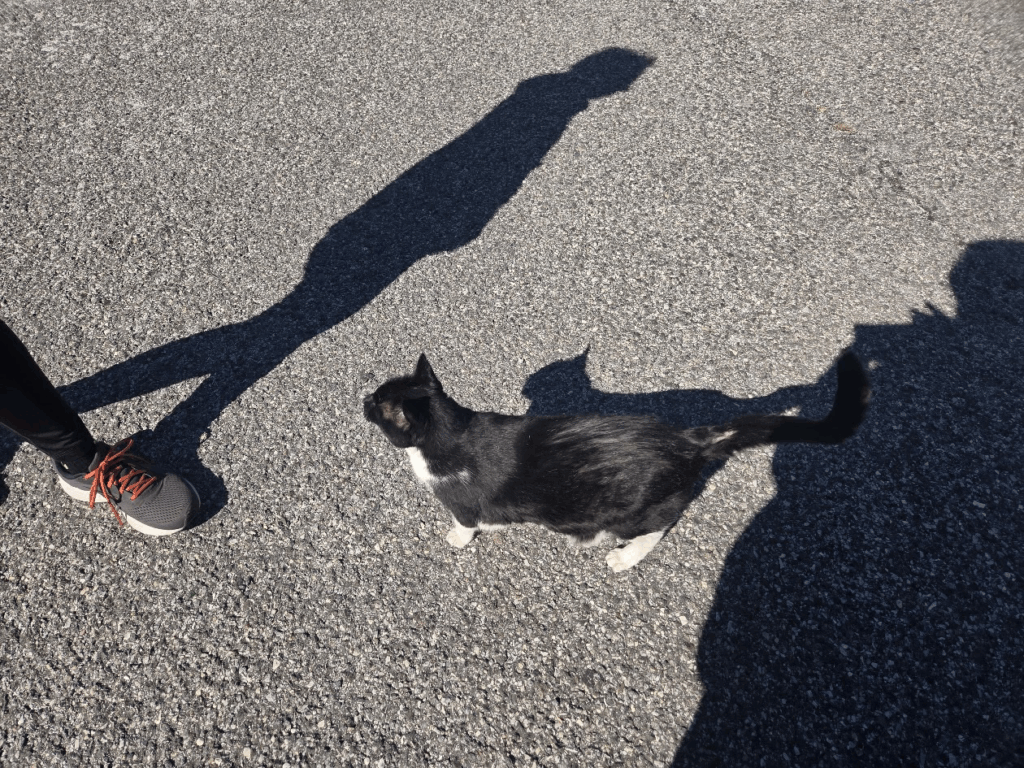
Our visit started out with one of our feline friends who was patrolling the FDR Park.
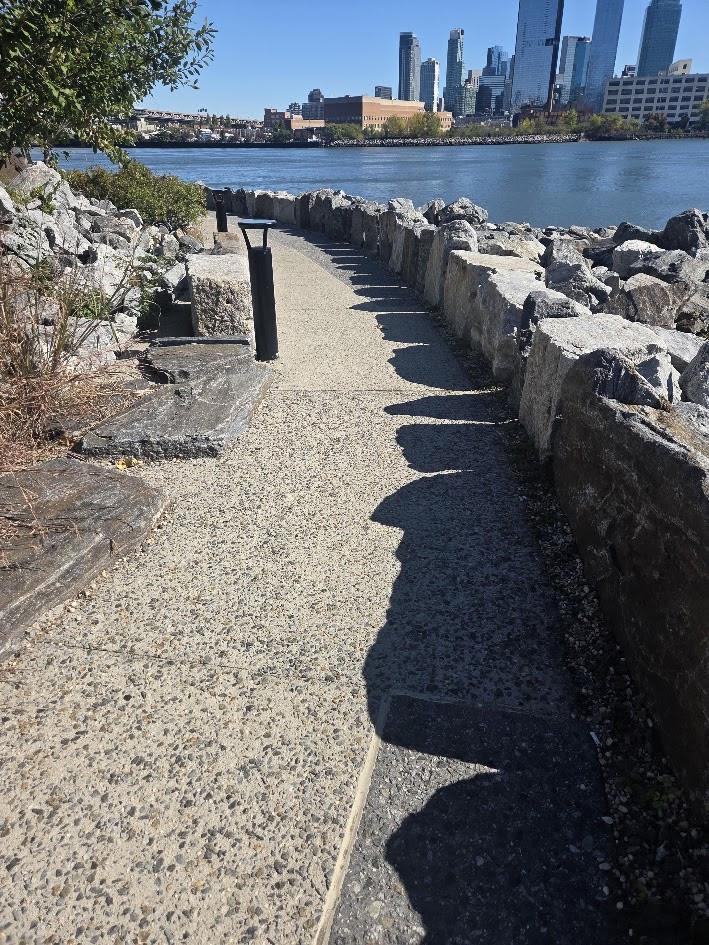
The entrance to the east walkway is accross from the WFF Cat Sanctuary,
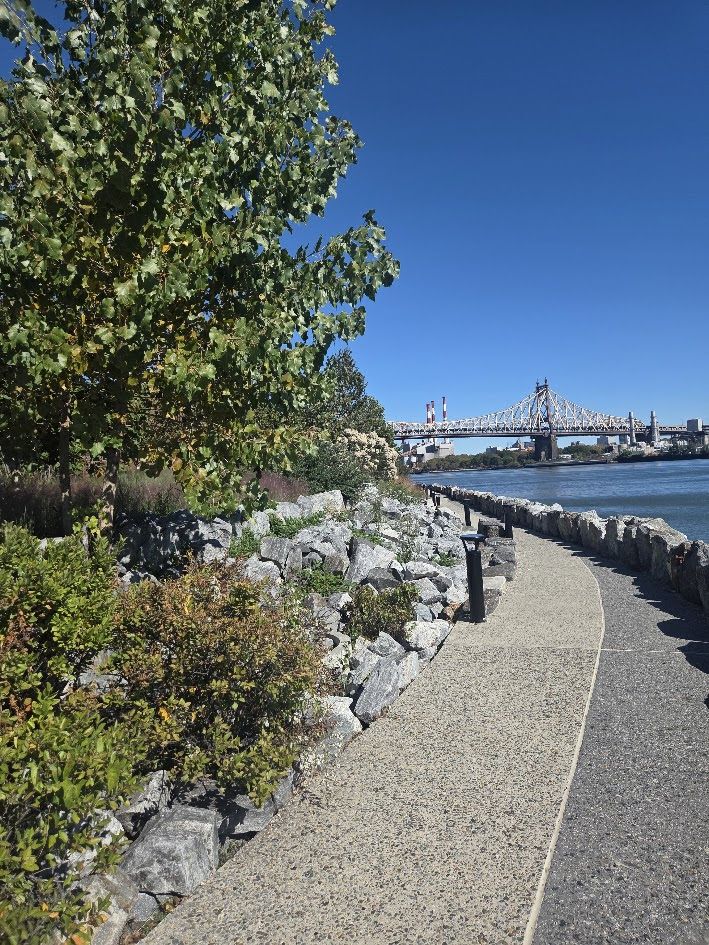
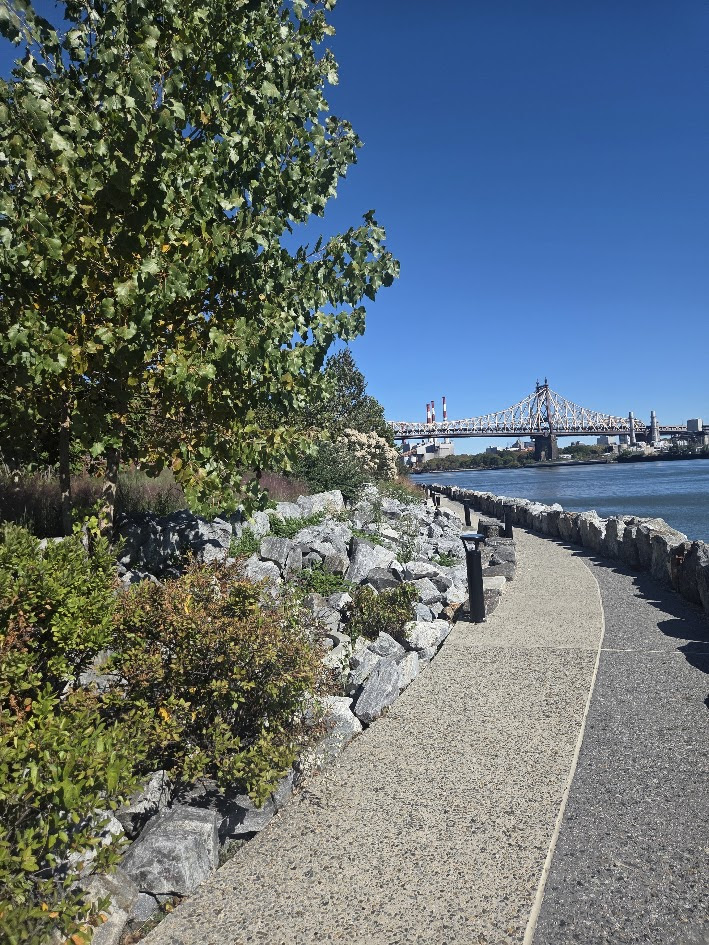
Two tidbits about the path: You notice the dark pavement on the right side. Why? The park was under construction during the pandemic and suddenly RIOC discovered the ADA path was too narrow. Therefore, rocks had to be reomoved and the path widened.
I always have fears that some daring teen will walk the rocks and fall into the river.
Th path is below grade and you are not visible from the east roadway. Also, two exits were planned from the path to the road. They were never installed. This means the only north exit is at the park north exit.
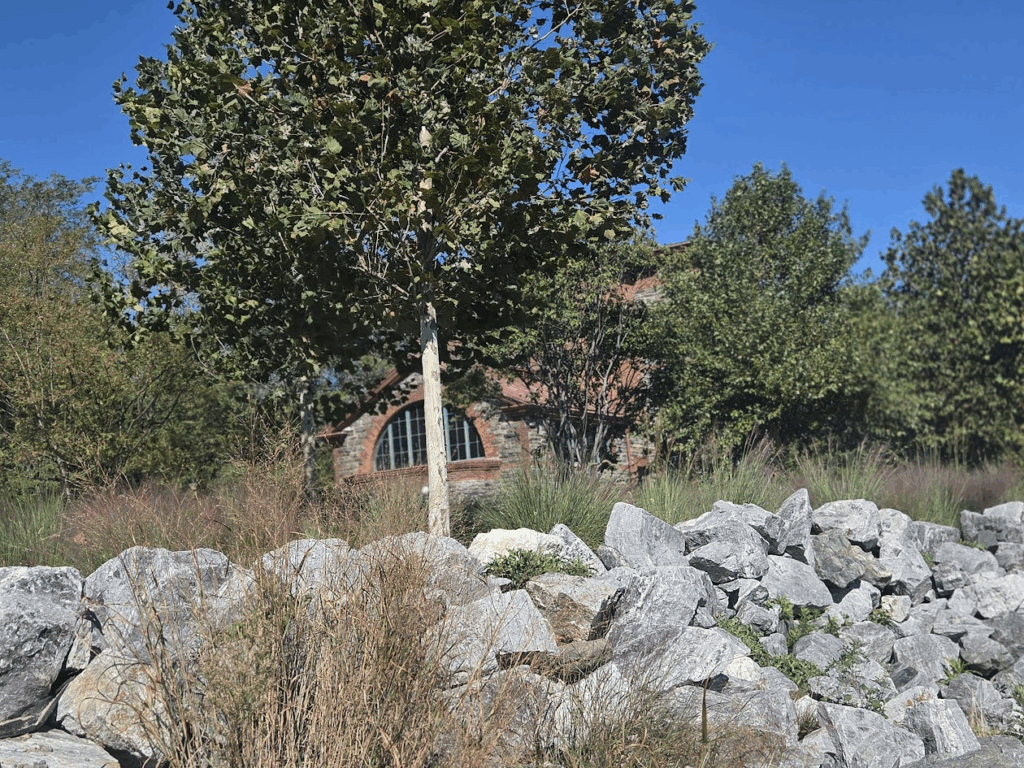
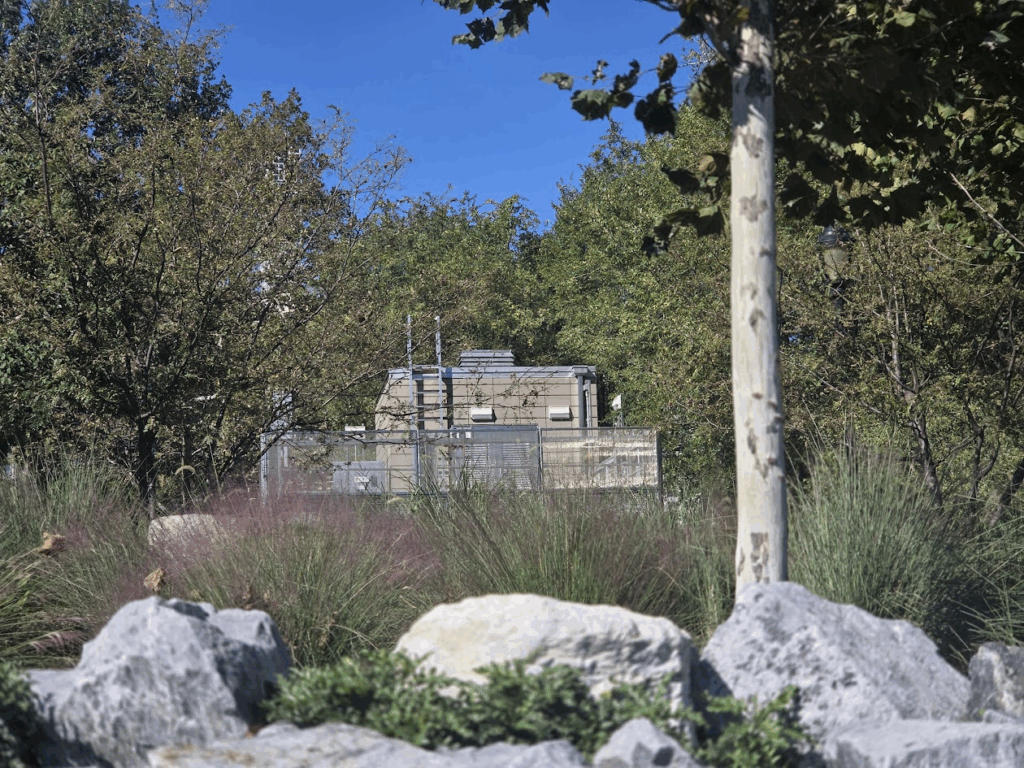
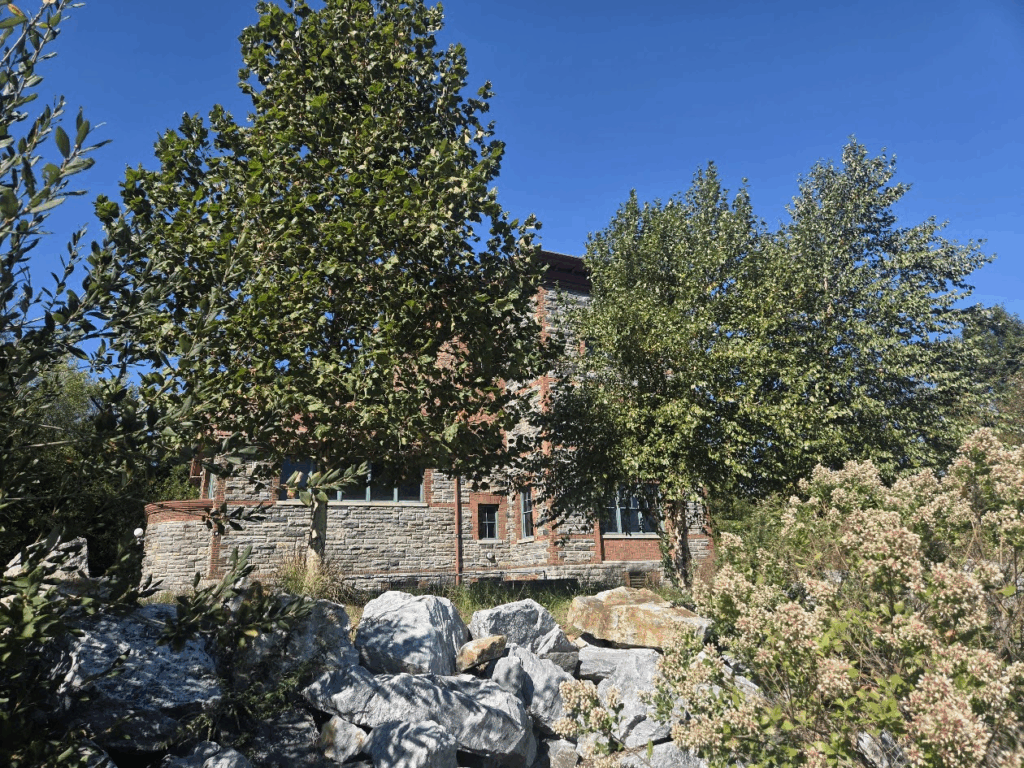
Strecker Laboratory peeking out thru the plantings.
The structure south of Strecker was built to provide emergeny suppor in case of the potential of subway tunnel flooding.
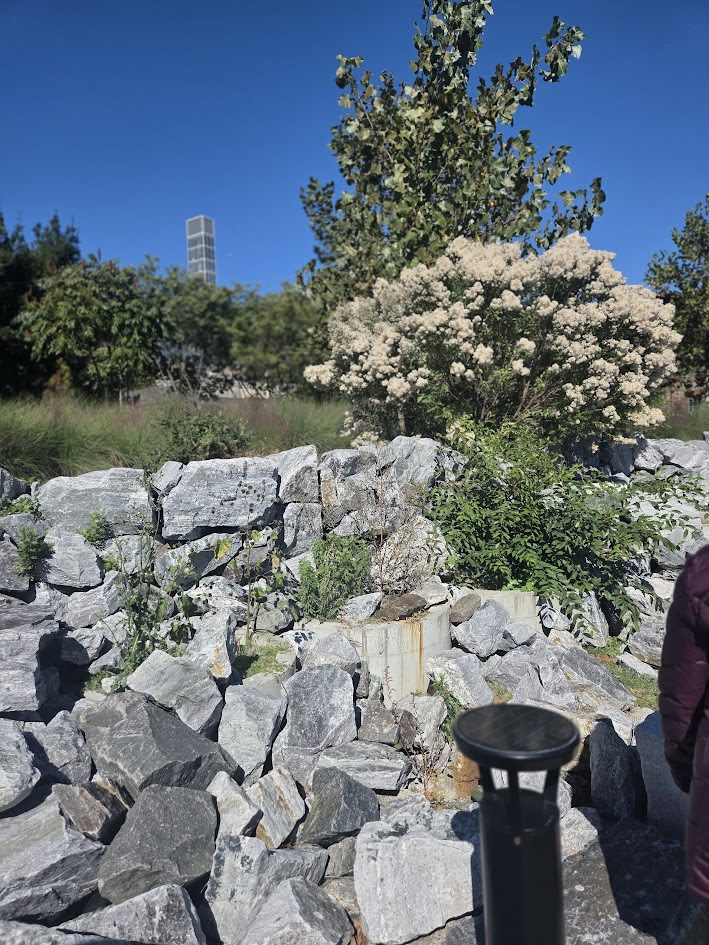
Just the beginning of fall foliage here
Wonderful views are plentiful all along the path. Next time “go east, off the beaten path.”
RIHS/NYPL ROOSEVELT ISLAND AT 50 PROGRAM
NYPL RI Branch Monday, October 20th 6:30 P.M. THE ROOSEVELT ISLAND HISTORICAL SOCIETY & THE NEW YORK PUBLIC LIBRARY
“ROOSEVELT ISLAND AT 50”
Our next program in our 50th anniversary series presents: Non-Profit Island Discussion with Howard Axel and Christina Delfico.
Howard Axel, the CEO of Four Freedoms Park Conservancy responsible for maintaining and operating FDR Four Freedoms Park on Roosevelt Island, NY. Axel is a nonprofit executive committed to bringing the best of business practices to sustainable social impact efforts in the United States. Axel has 13+ years of experience in fundraising, creating and stewarding strategic partnerships, executing marketing and social media-driven crowdsourcing opportunities for non-profits and entertainment brands.
In 2012, Christina Delfico founded iDig2Learn because she recognized the need for a local organization that would connect city children and their families with nature. Leveraging her expertise as an Emmy-nominated children’s media producer, she saw the chance to disconnect children from their screens and get them outside. Developing and facilitating enriching opportunities soon expanded to include spotlighting smart waste reduction practices to support a healthy environment. Today, iDig2Learn creates experiences for all ages and abilities.
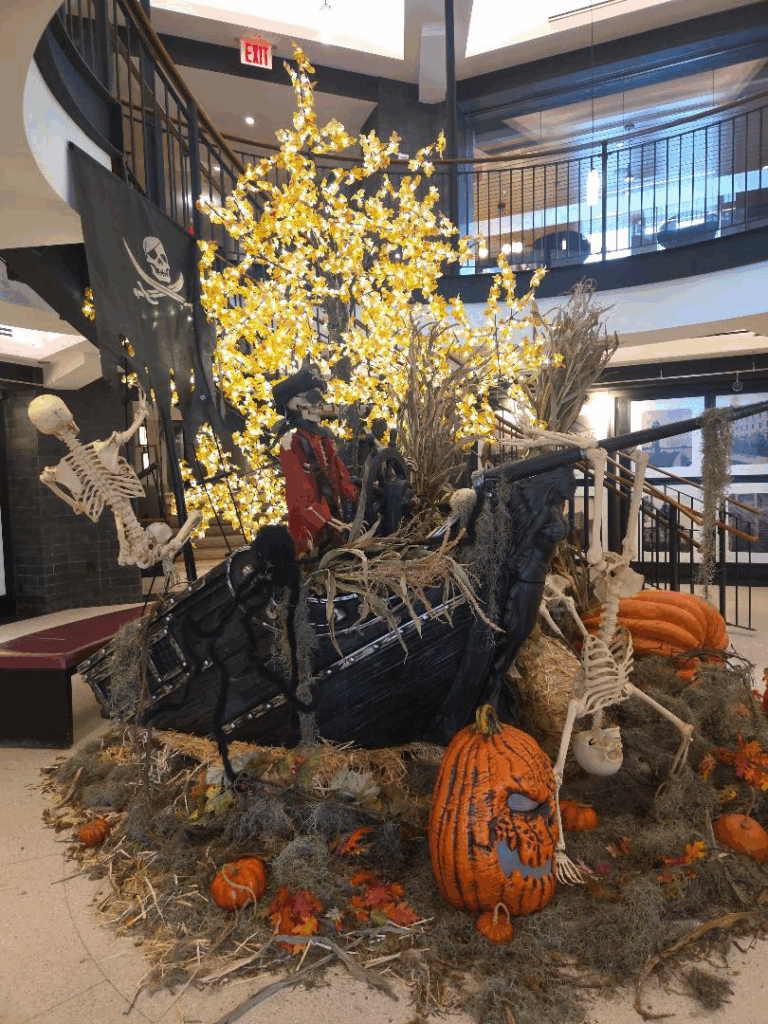
HALLOWEEN EXTRAVAGANZA IN THE OCTAGON LOBBY
Credits
Judith Berdy
All image are copyrighted (c) Roosevelt Island Historical Society unless otherwise indicated THIS PUBLICATION FUNDED BY DISCRETIONARY FUNDS FROM CITY COUNCIL MEMBER JULIE MENIN & ROOSEVELT ISLAND OPERATING CORPORATION PUBLIC PURPOSE FUNDS.
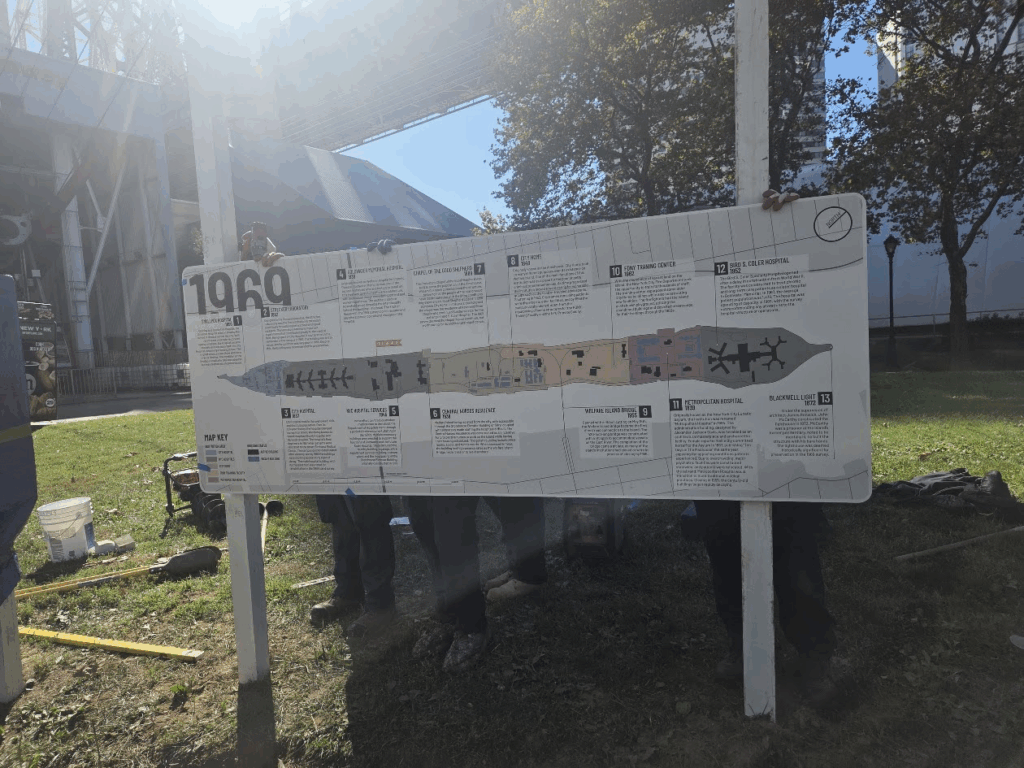
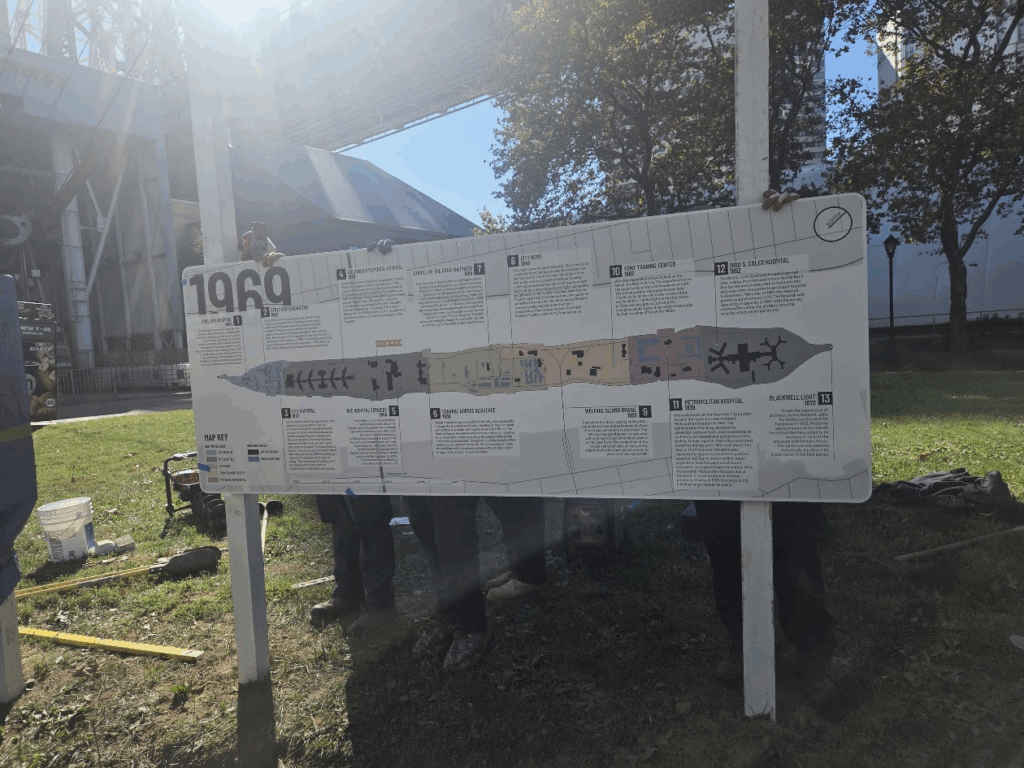
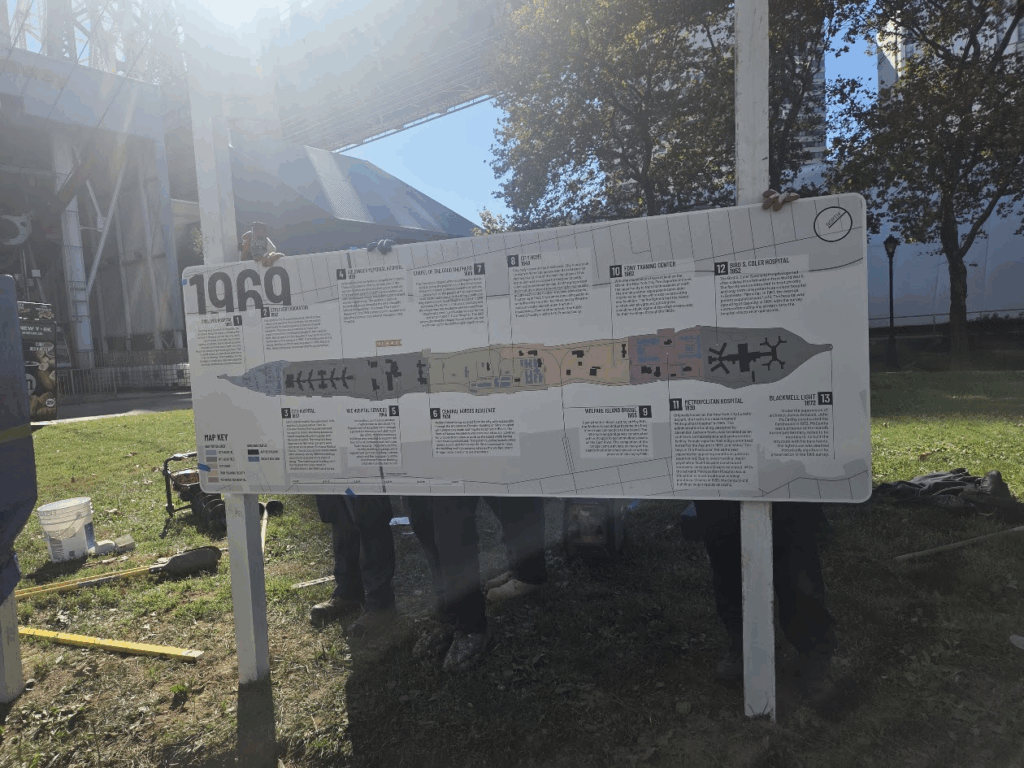
In celebration of the 50th anniversary of residents moving to the island, RIOC has partnered with the Roosevelt Island Historical Society to create “RI 50,” a special history panel exhibit at the Tram Plaza. The exhibit consists of two large maps—one of the island in 2025 and one from its original land survey in 1969—and two info graphic panels that detail how the island has developed over the past 5+ decades. The panels tell the story of the island’s rich history, walking visitors back in time to understand how the one-time “Welfare Island” became a serene home to more than 12,000 New Yorkers today.
DYLAN BROWN, BJ JONES AND JUDITH BERDY AT THE CEREMONY REVEALING THE MAPS AND PHOTO PANELS. THANKS TO WONDERFUL COOPERATION WITH RIOC,THIS PROJECT CAME OUT BETTER THAN EVER ANTICIPATED. THIS IS A TRIBUITE TO MUTUAL COOPERATION. THANKS TO ALL WHO WORKED TO MAKE THIS A RED LETTER DAY!
The two panels show photos of Welfare Island in 1969 and Roosevelt Island in 2025.
RIHS/NYPL ROOSEVELT ISLAND AT 50 PROGRAM
NYPL RI Branch Monday, October 20th 6:30 P.M. THE ROOSEVELT ISLAND HISTORICAL SOCIETY & THE NEW YORK PUBLIC LIBRARY
“ROOSEVELT ISLAND AT 50”
Our next program in our 50th anniversary series presents: Non-Profit Island Discussion with Howard Axel and Christina Delfico.
Howard Axel, the CEO of Four Freedoms Park Conservancy responsible for maintaining and operating FDR Four Freedoms Park on Roosevelt Island, NY. Axel is a nonprofit executive committed to bringing the best of business practices to sustainable social impact efforts in the United States. Axel has 13+ years of experience in fundraising, creating and stewarding strategic partnerships, executing marketing and social media-driven crowdsourcing opportunities for non-profits and entertainment brands.
In 2012, Christina Delfico founded iDig2Learn because she recognized the need for a local organization that would connect city children and their families with nature. Leveraging her expertise as an Emmy-nominated children’s media producer, she saw the chance to disconnect children from their screens and get them outside. Developing and facilitating enriching opportunities soon expanded to include spotlighting smart waste reduction practices to support a healthy environment. Today, iDig2Learn creates experiences for all ages and abilities.
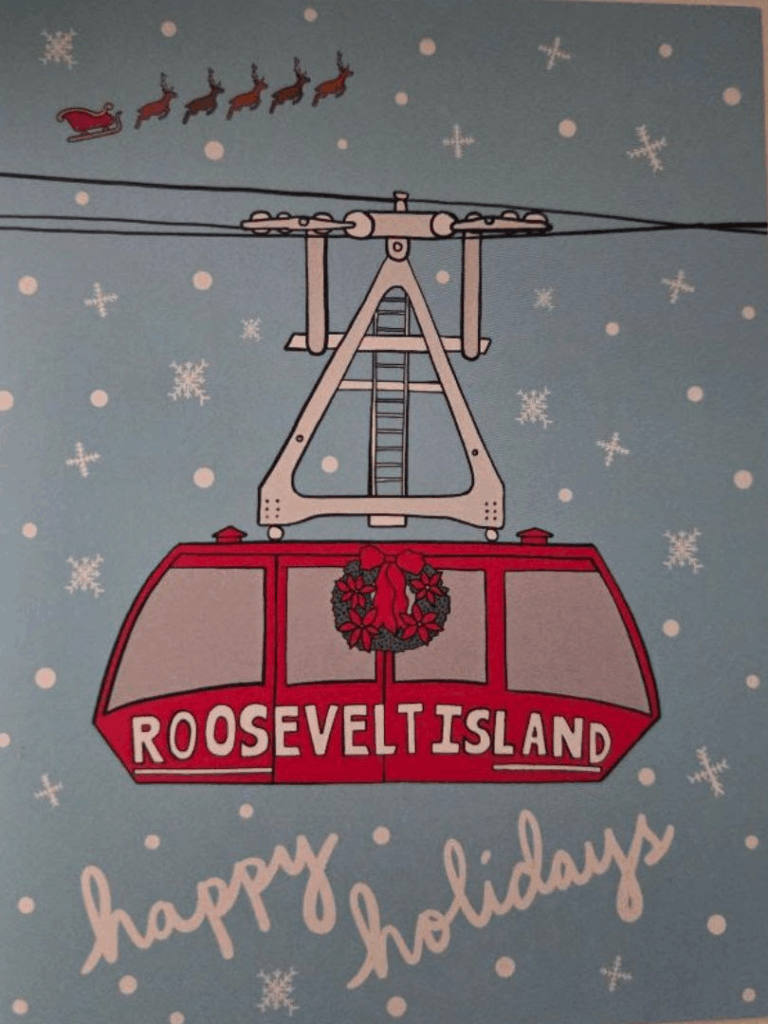
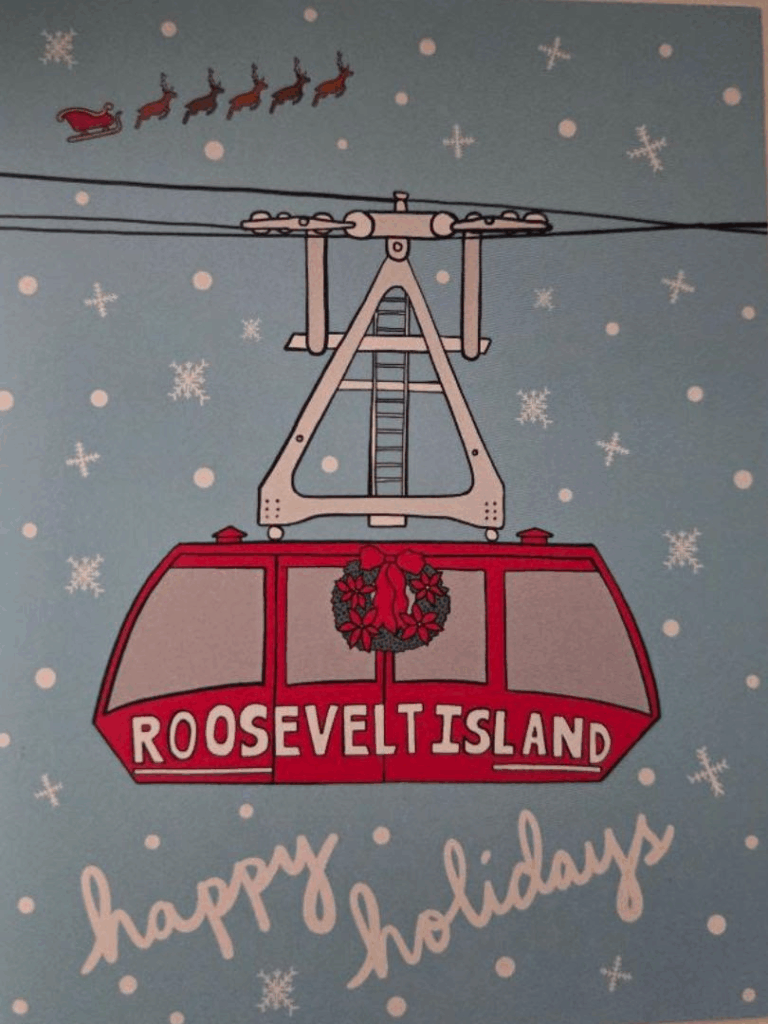
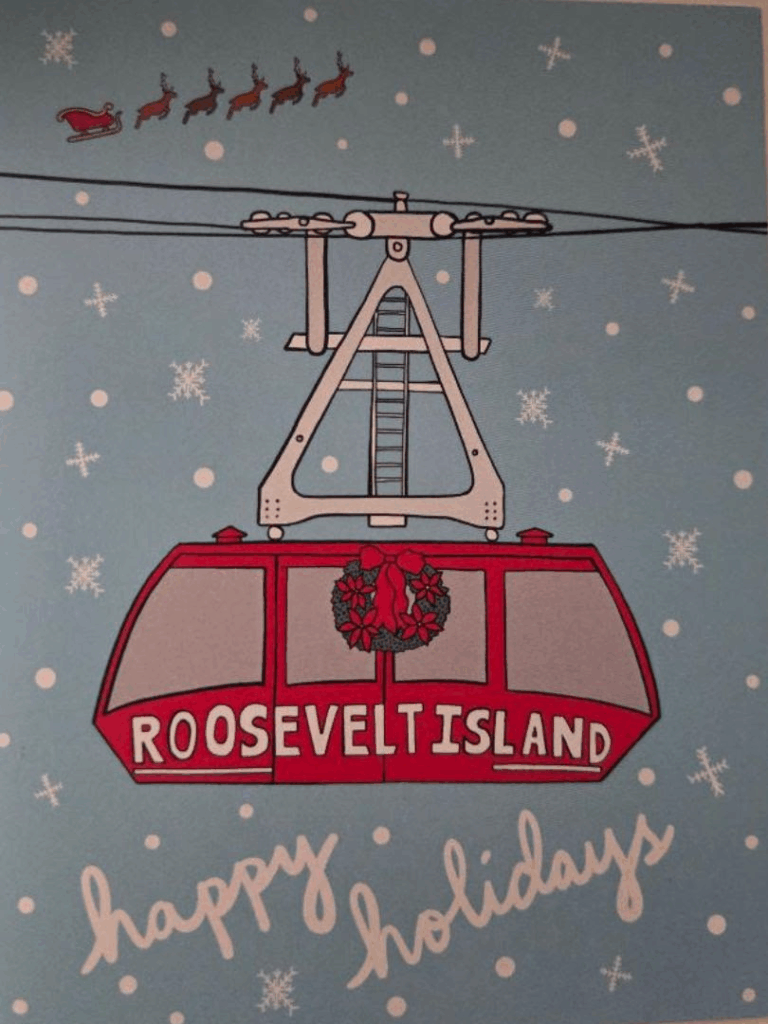
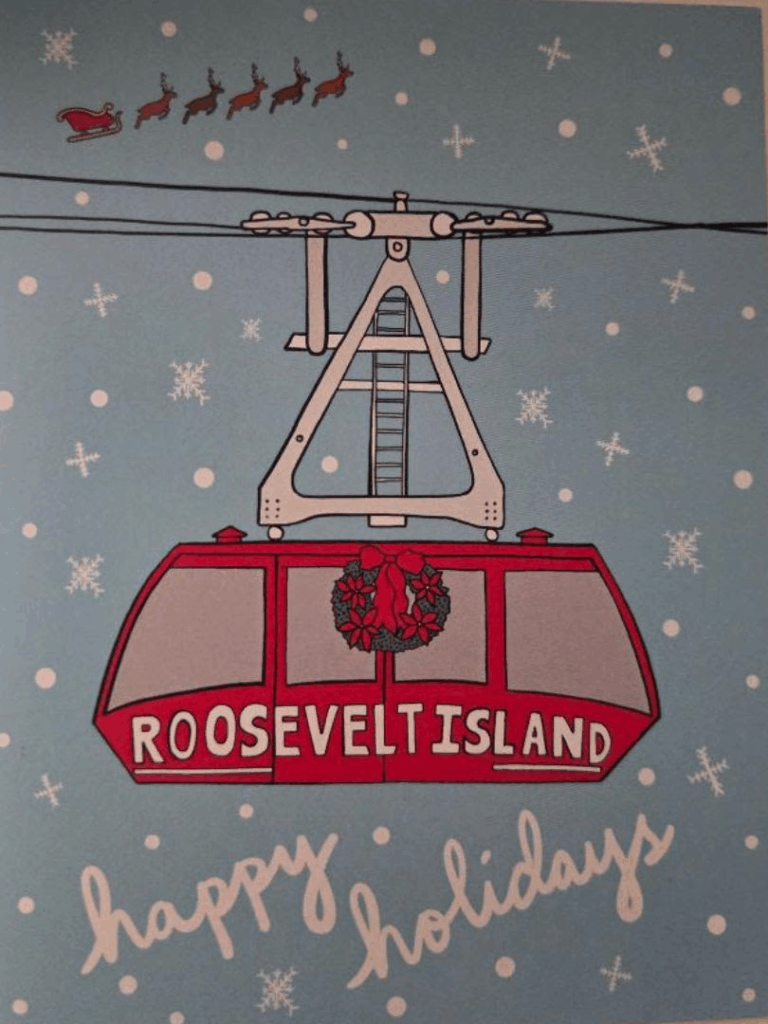
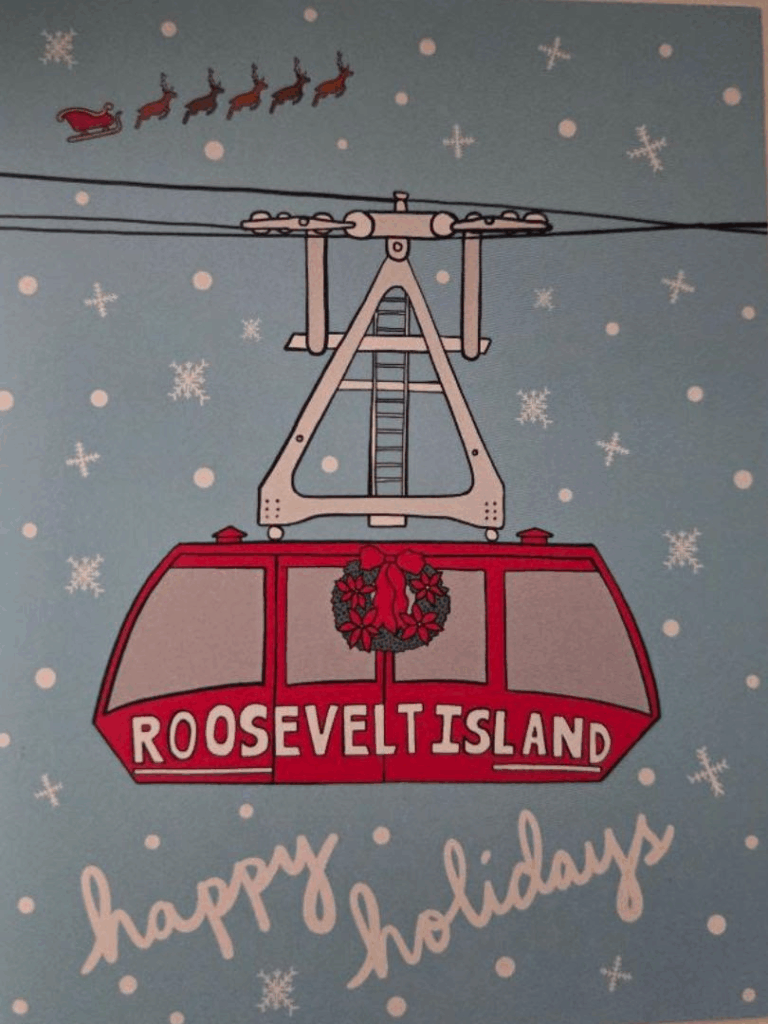
Our limited edition holiday card is available at a special early shopper price of 2 cards for $5- While supplies last!
PHOTO OF THE DAY
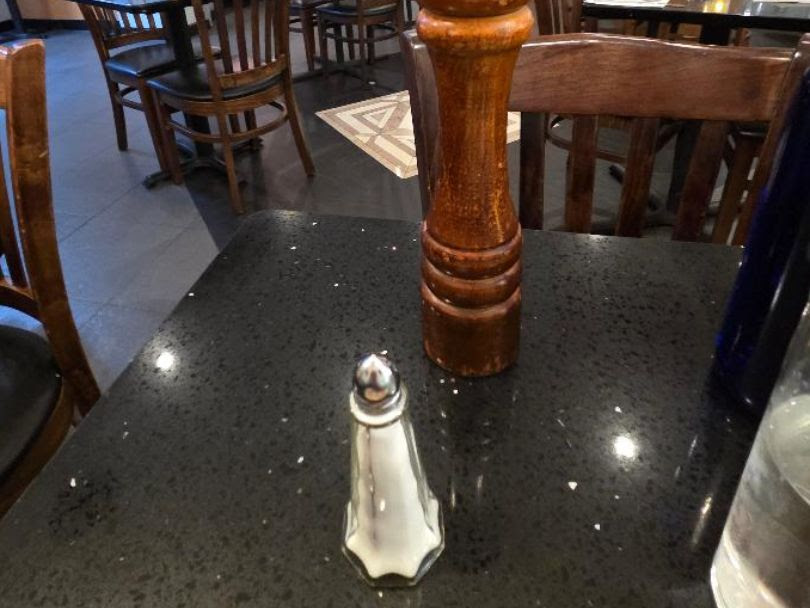
(NISI IS BACK WITH A CUSTOMER FRIENDLY MENU) SALT SHAKERS HAVE RETURNED
Credits
RIHS
All image are copyrighted (c) Roosevelt Island Historical Society unless otherwise indicated THIS PUBLICATION FUNDED BY DISCRETIONARY FUNDS FROM CITY COUNCIL MEMBER JULIE MENIN & ROOSEVELT ISLAND OPERATING CORPORATION PUBLIC PURPOSE FUNDS.
Join RIOC and RIHS for a Special “RI 50” Exhibit Unveiling Ceremony at Tram Plaza on Wednesday, October 15th at 1PM
In celebration of the 50th anniversary of residents moving to the island, RIOC has partnered with the Roosevelt Island Historical Society to create “RI 50,” a special history panel exhibit at the Tram Plaza. The exhibit consists of two large maps—one of the island in 2025 and one from its original land survey in 1969—and two info graphic panels that detail how the island has developed over the past 5+ decades. The panels tell the story of the island’s rich history, walking visitors back in time to understand how the one-time “Welfare Island” became a serene home to more than 12,000 New Yorkers today.
Join us for the unveiling next to the Visitor Center TOMORROW, Wednesday, October 15th, at 1 PM — we’d love to see you there!
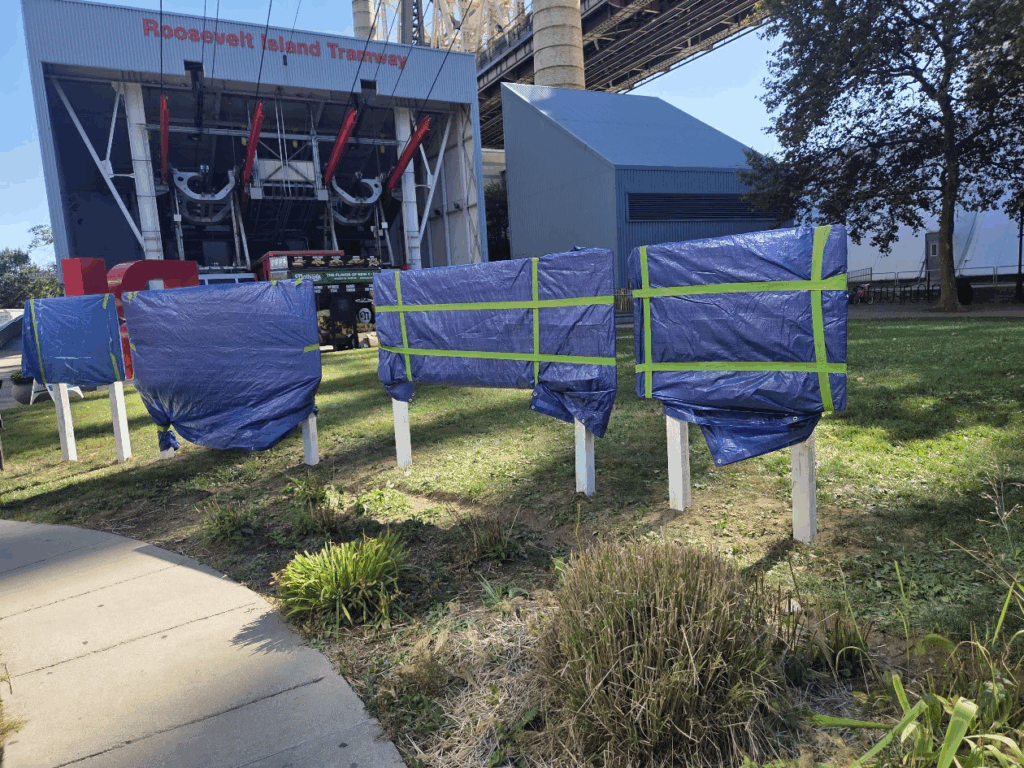
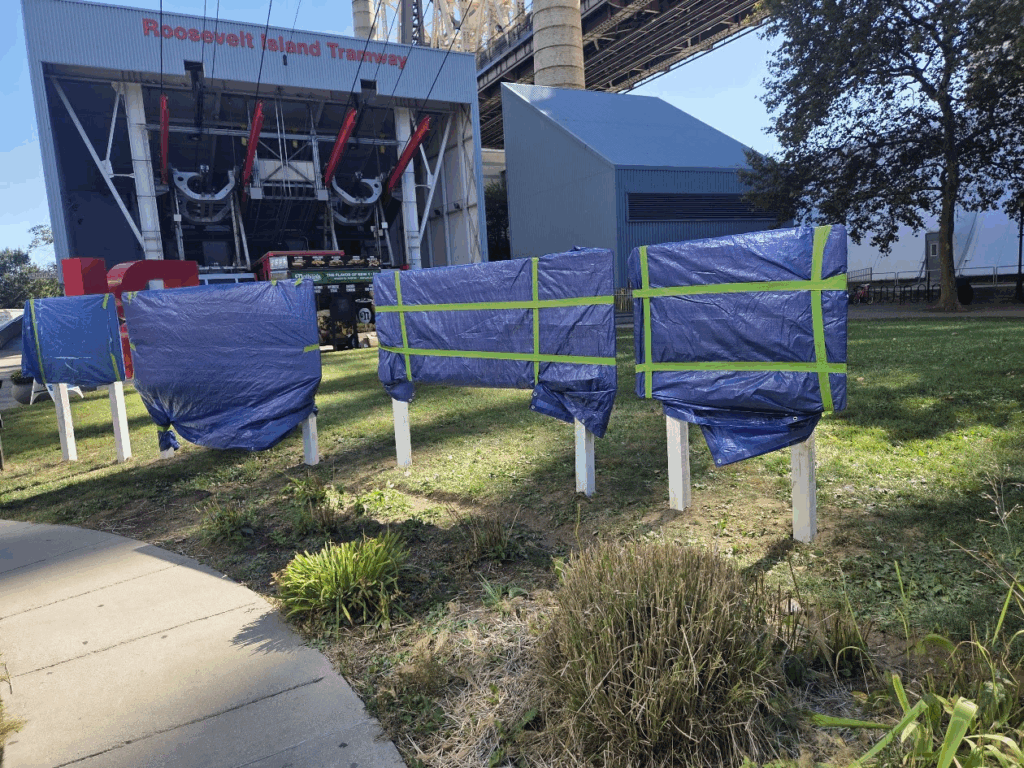
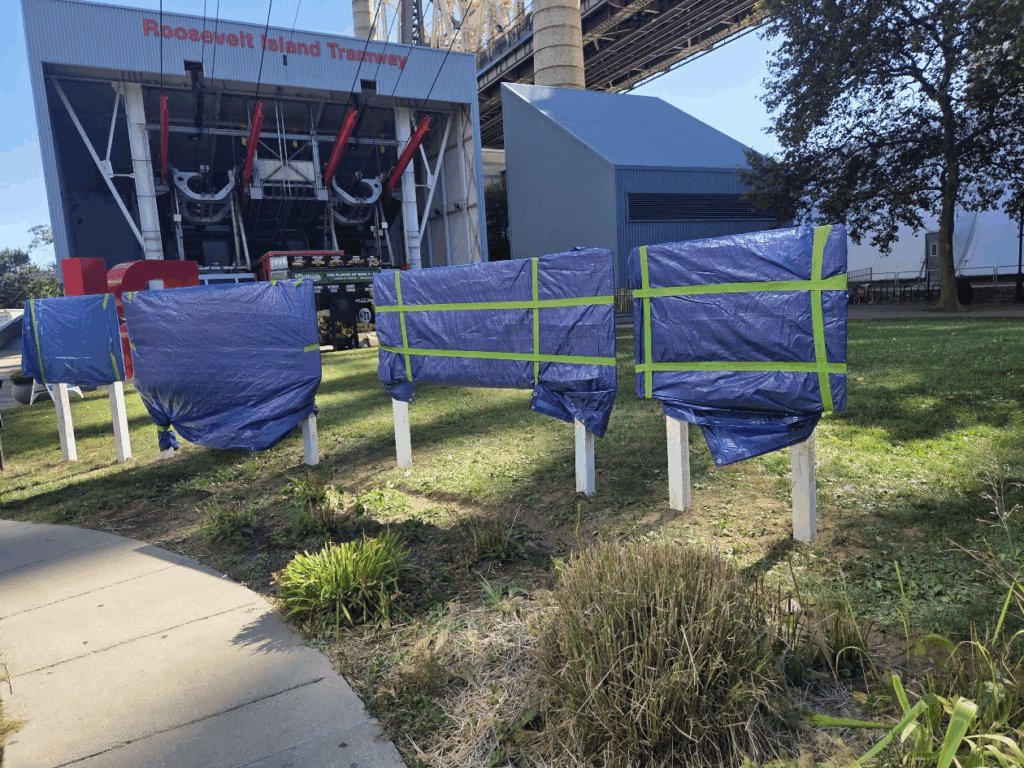
Back at the Tram Lawn the Map Project panels were installed and awaiting the reveal on Wednesday, October 15th at 1 p.m.
Come for the event and learn 50+ years of island history
Our limited edition holiday card is available at a special early shopper price of 2 cards for $5- While supplies last!
Save the Date Wednesday, October 15th 1 p.m. at the Tram Lawn for the Revealing of the “Roosevelt Island 1969-2025 Maps and Images”
Credits
JUDITH BERDY
All image are copyrighted (c) Roosevelt Island Historical Society unless otherwise indicated THIS PUBLICATION FUNDED BY DISCRETIONARY FUNDS FROM CITY COUNCIL MEMBER JULIE MENIN & ROOSEVELT ISLAND OPERATING CORPORATION PUBLIC PURPOSE FUNDS.
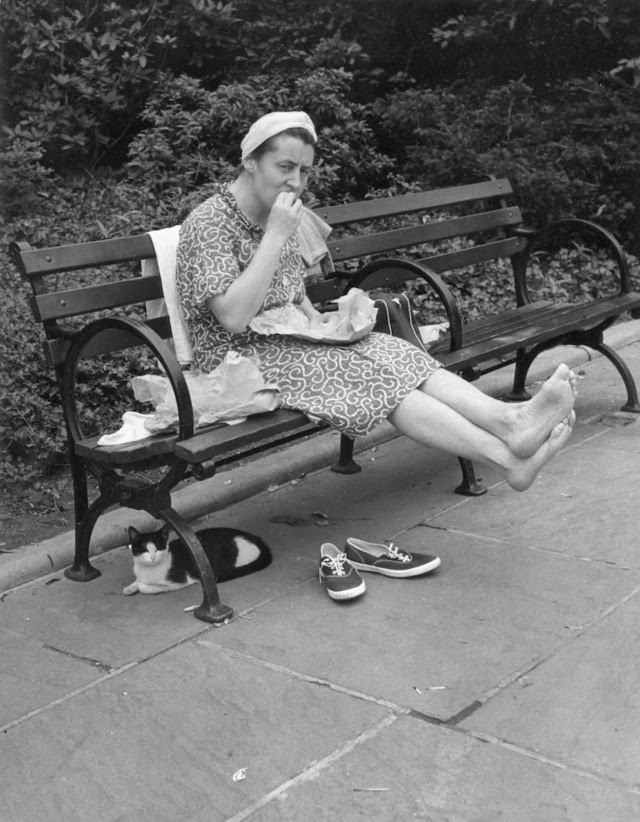
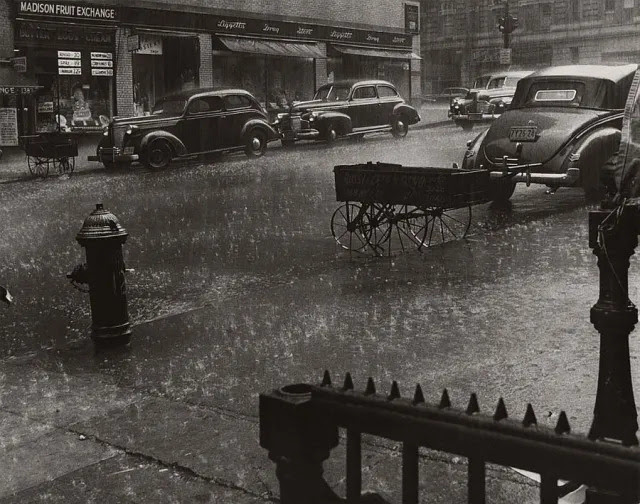
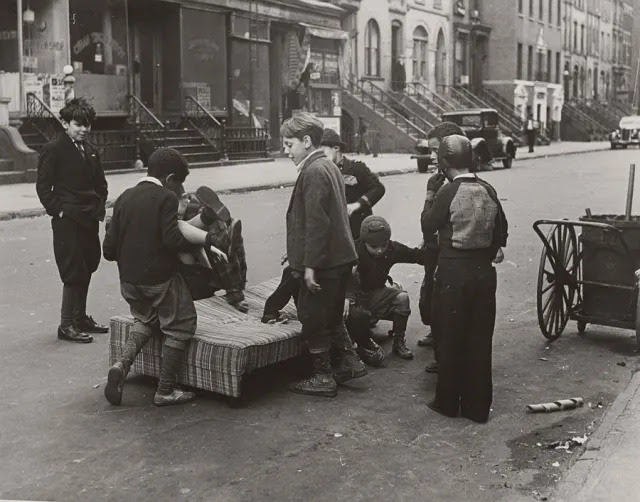
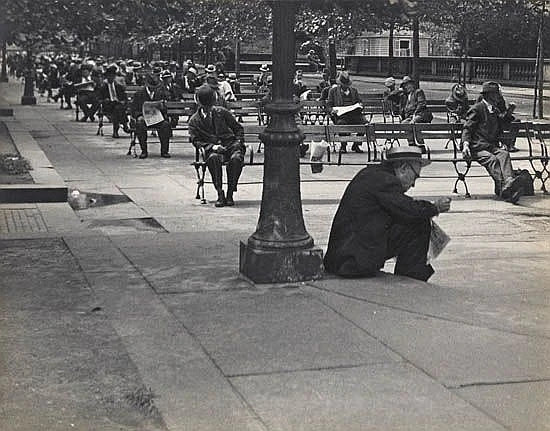
John Albok saw much loss early in his life. Born in Hungary in 1894, he was drafted into war, then returned home to learn that two of his sisters died of starvation and his father had committed suicide
He may have been able to get through these tragedies by focusing on his passion: photography.
As a 12-year-old, he acquired his first camera, a Kodak Brownie. He took photos during his army years, documenting scenes from prisons and hospitals, according to New York University’s digital library. But his family had no funds to spend on art school. Instead he was apprenticed to a tailor.
In 1921 he immigrated to New York City, opening a tailor shop at 1392 Madison Avenue, between 96th and 97th Streets. Now married, Albok, his wife, and his daughter lived in an upstairs tenement apartment for the next six decades, witnessing waves of demographic change on the border of the Upper East Side and East Harlem.
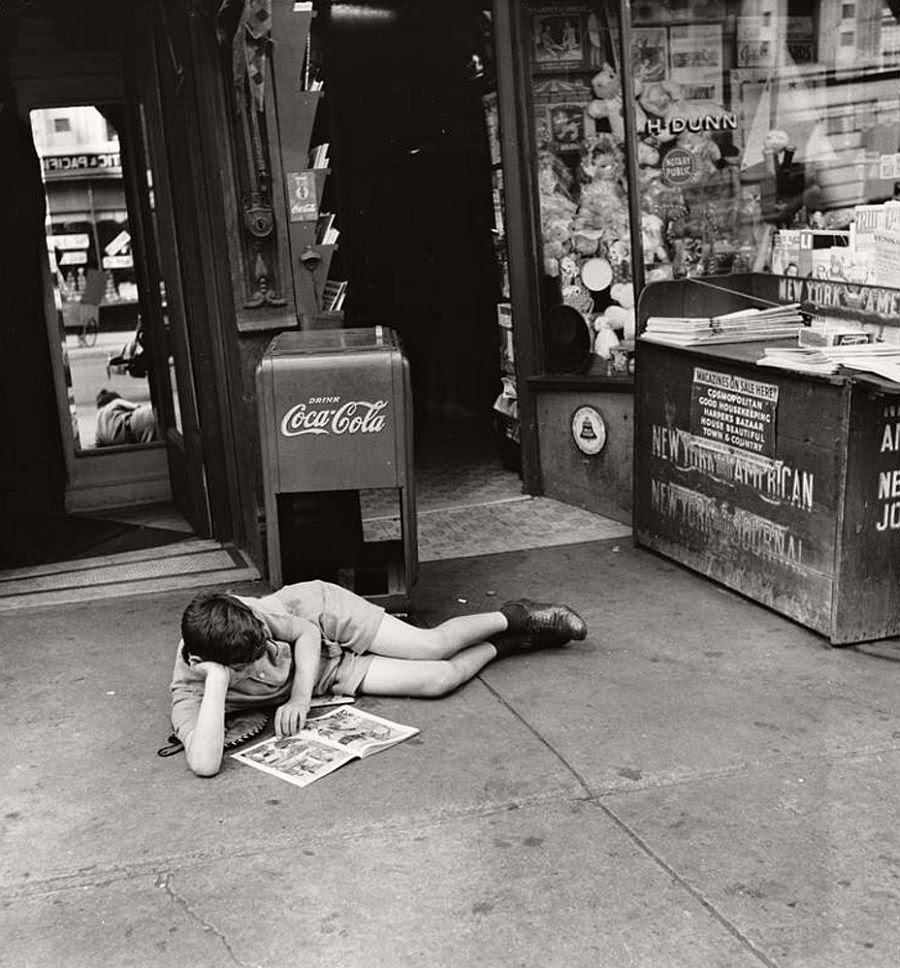
From his shop, he began taking pictures—turning a compassionate, sensitive eye toward the sidewalks and streets in all seasons outside his front window.
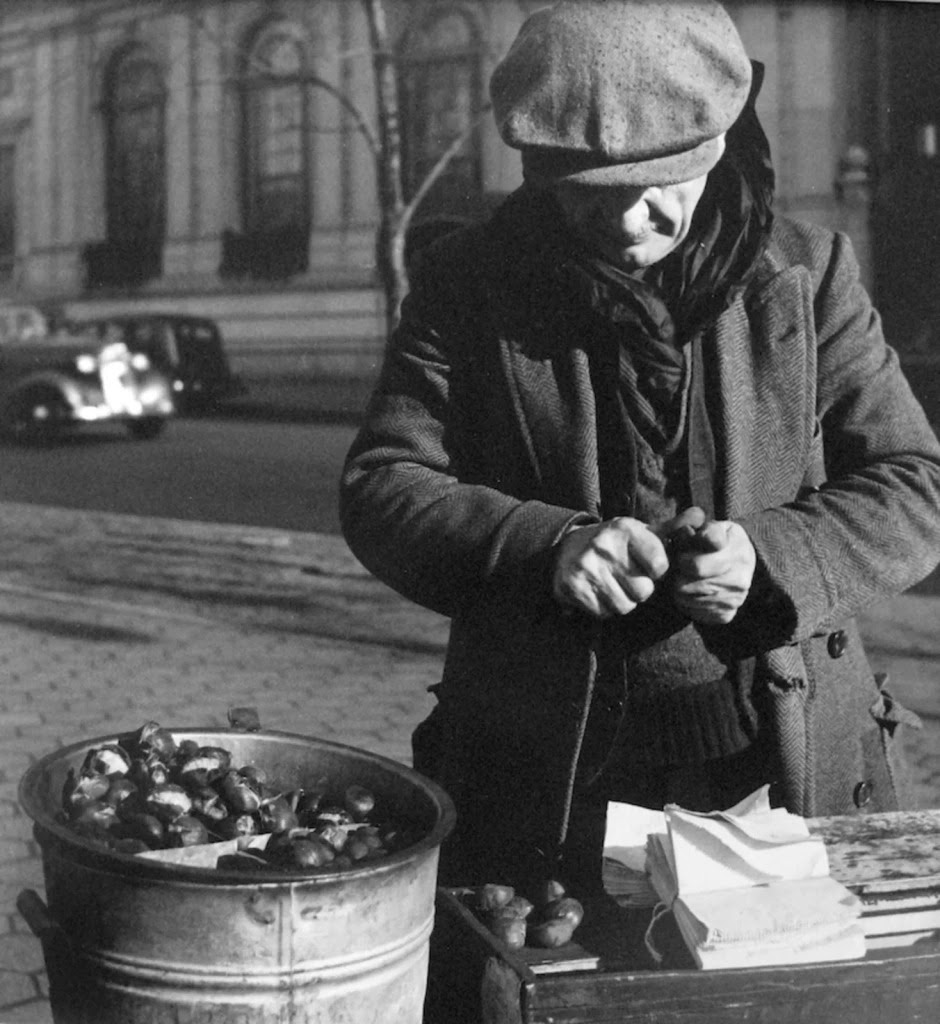
“For 60 years, using a 5 x 7 view camera and then a twin lens reflect camera, Albok took as his subject people and passersby outside his shop, and New York City life during the Depression, and World War II,” per NYU. “Central Park, children, street scenes, and people at leisure were also among his preferred subjects.”
He described his Depression-era photos as a way to combat the degradation of poverty. “I photographed many poor souls, trying my best to leave them their most precious heritage—their dignity,” he said. “There is nothing else left.”
His work as a tailor occupied his days. “At night, he used the small shop as a darkroom to develop his pictures, many of them taken through the shop’s window,” wrote the New York Times.
Albok didn’t only capture images on Madison Avenue. He roamed the city for subjects, sometimes not returning home until early the next morning, much to the consternation of his wife. Labor protests and antiwar activism sparked his interest, as did day-to-day life among the Hungarian immigrant community then concentrated around East 79th Street.
Critical acclaim for his images came in the late 1930s. A curator at the Museum of the City of New York (MCNY) mounted a solo exhibit titled “Faces of the City.”
Through the next decades he had occasional exhibits, published photos in art journals, and was the subject of two documentaries.
Framed photos he had taken also hung from the walls of his shop, “peeking out from behind the garments hanging from the ceiling,” reported the New York Daily News in 1968.
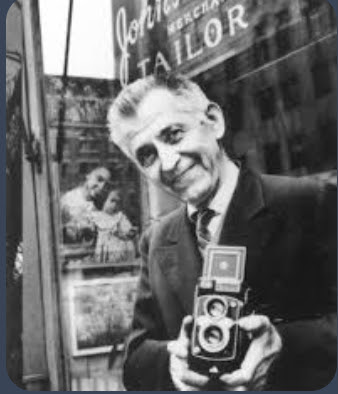
This gentle tailor (at right, in the 1970s) found himself and his work rediscovered in the early 1980s, per NYU.
Another MCNY show, “Tailored Images,” was put together. One day before this retrospective exhibit was to open in 1982, Albok died at age 87.
Albok was still residing in the tenement apartment above the shop that provided a window to the wonder and pathos of New York City life—glimpsed in these and thousands of other poetic images.
In a 1966 Daily News piece, he explained what might sum up his drive to chronicle the humanity in the city: “Wherever there is people there is pictures because there is life.”
Back at the Tram Lawn the Map Project panels were installed and awaiting the reveal on Wednesday, October 15th at 1 p.m.
Come for the event and learn 50+ years of island history
Our limited edition holiday card is available at a special early shopper price of 2 cards for $5- While supplies last!
Save the Date Wednesday, October 15th 1 p.m. at the Tram Lawn for the Revealing of the “Roosevelt Island 1969-2025 Maps and Images”
CREDIT TO
Ephemeral New York
All image are copyrighted (c) Roosevelt Island Historical Society unless otherwise indicated THIS PUBLICATION FUNDED BY DISCRETIONARY FUNDS FROM CITY COUNCIL MEMBER JULIE MENIN & ROOSEVELT ISLAND OPERATING CORPORATION PUBLIC PURPOSE FUNDS.
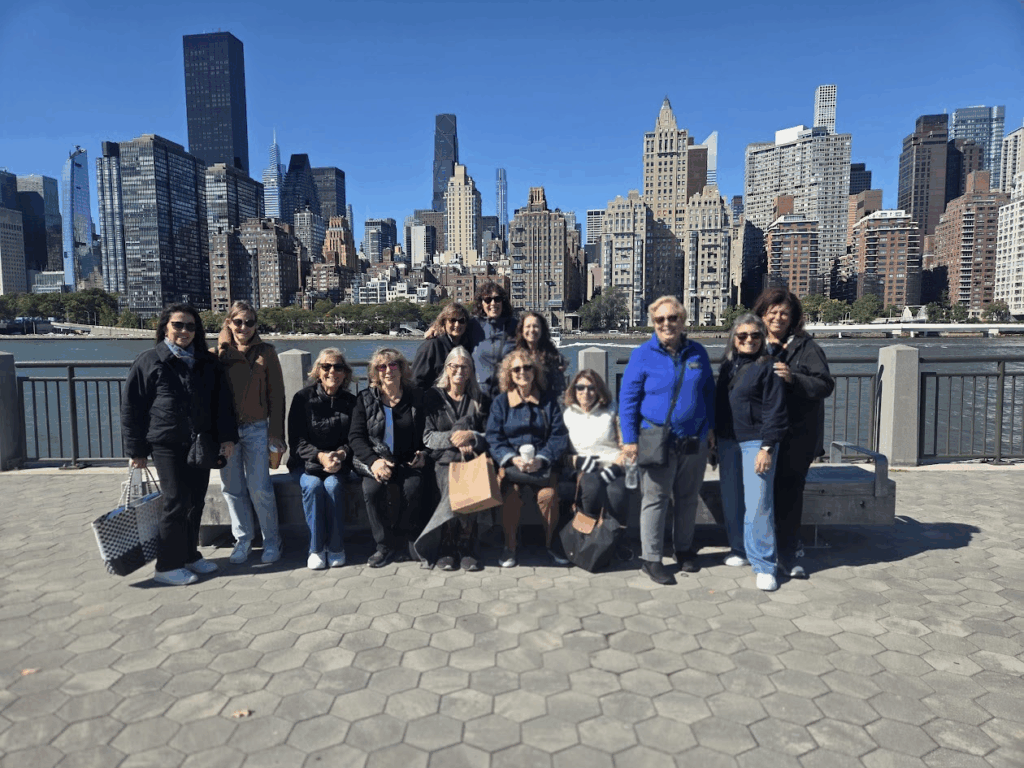
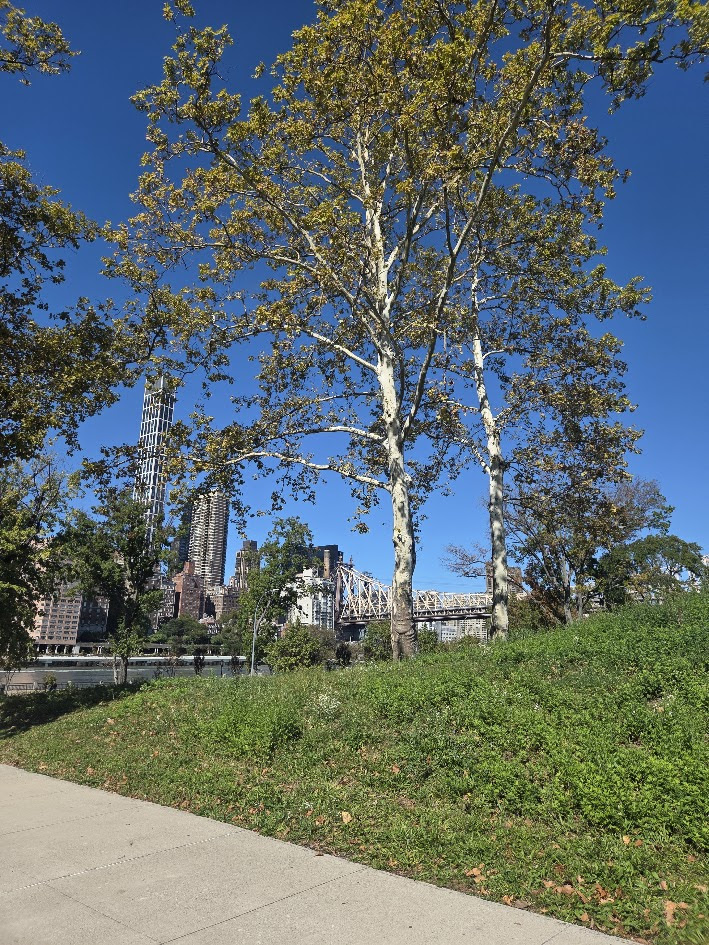
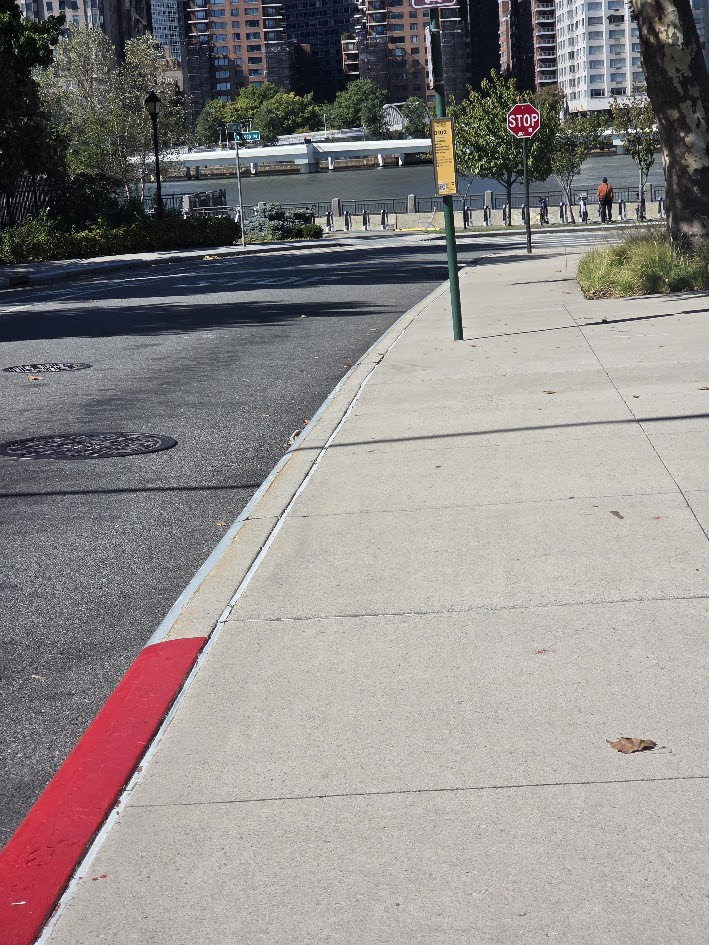
Thursday was a perfect day for a tour of the south end of the island. With a group of 11 women,leisurely walked from the kiosk to the FDR Park.
It is always fun to read the engraved stones at the Hope Memorial. A good lesson in lsland History a few feet at a time.
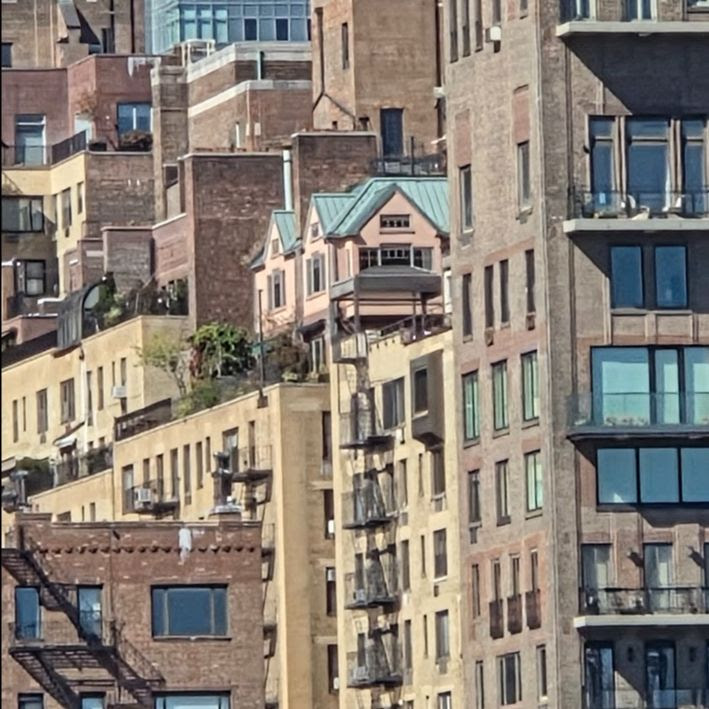
Find the pink house? My favorite thing to do. Usually people spot it.
Here it is. On top of an apartment building. Rumor is that it was once the home of John Lennon.
The new (2023?)_ lookout is perfect for a group photo
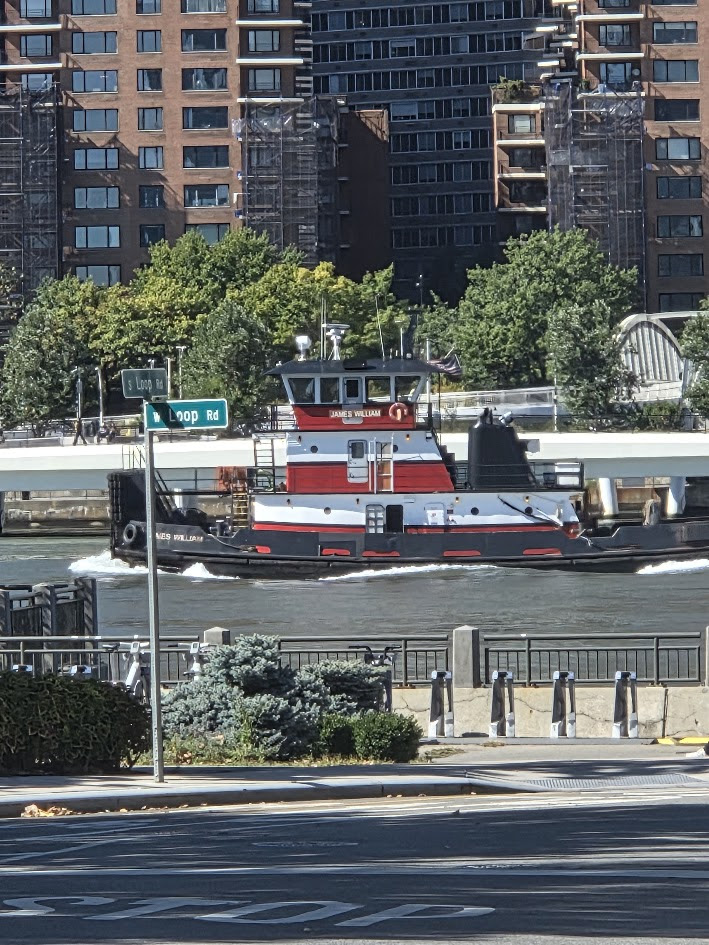
Never tired of seeing tugs in the river.
Walking home, really waiting for the RED BUS, was a perfect view west.
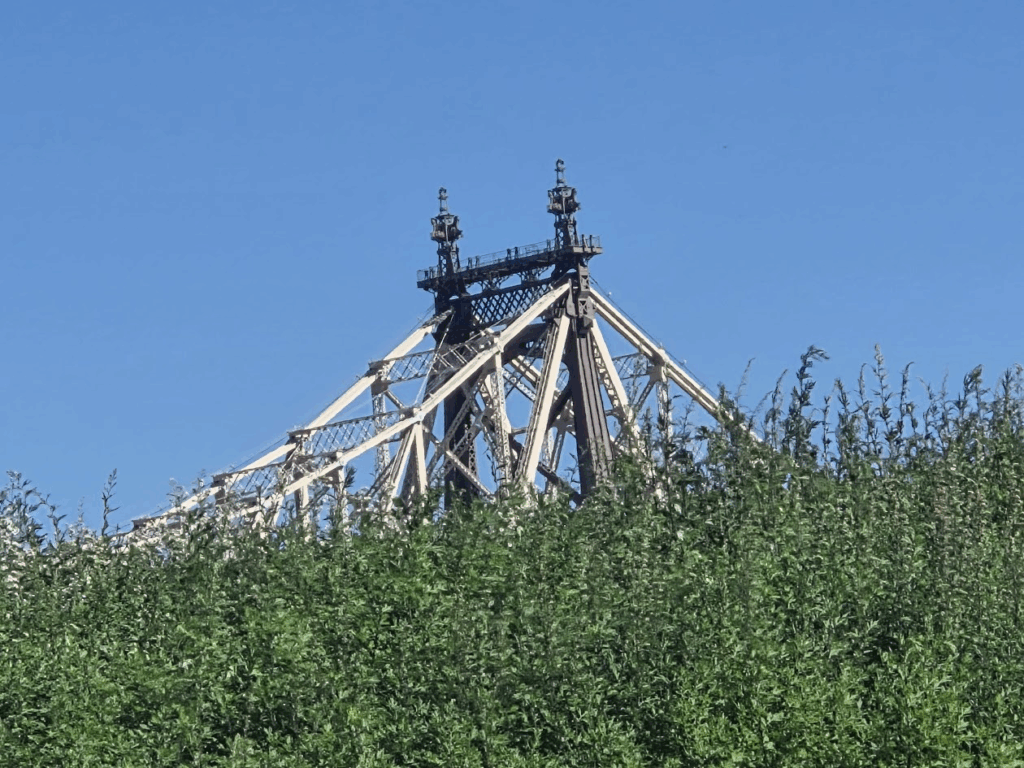
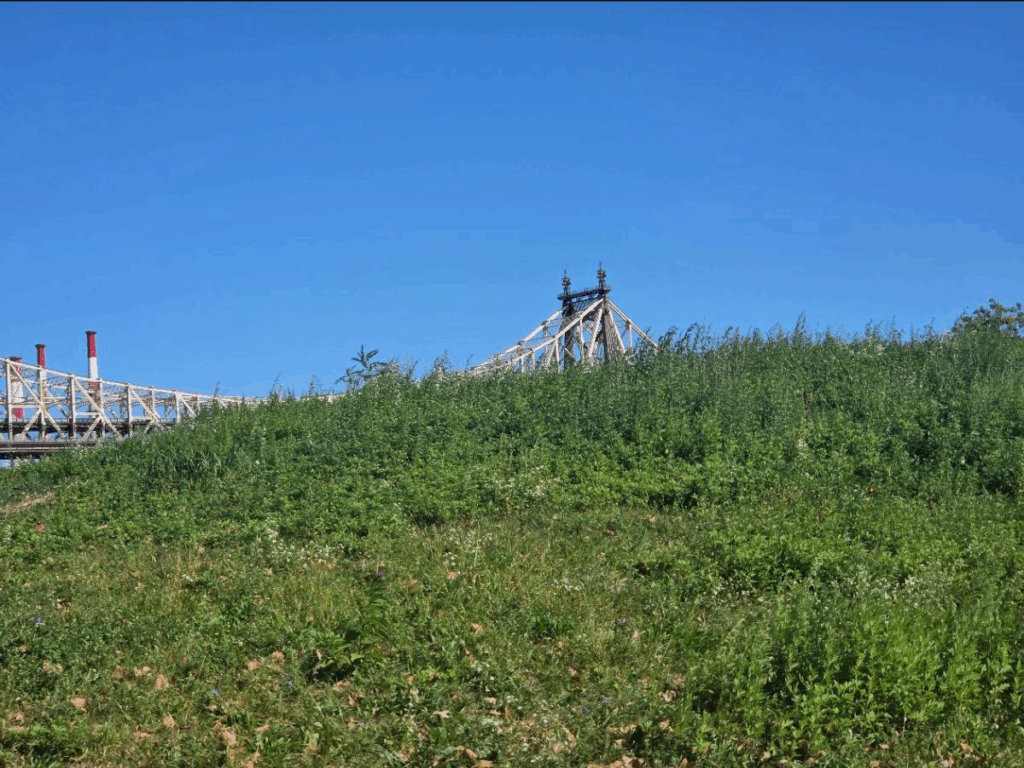
There seems to be no way to take a bad photo of the Bridge.
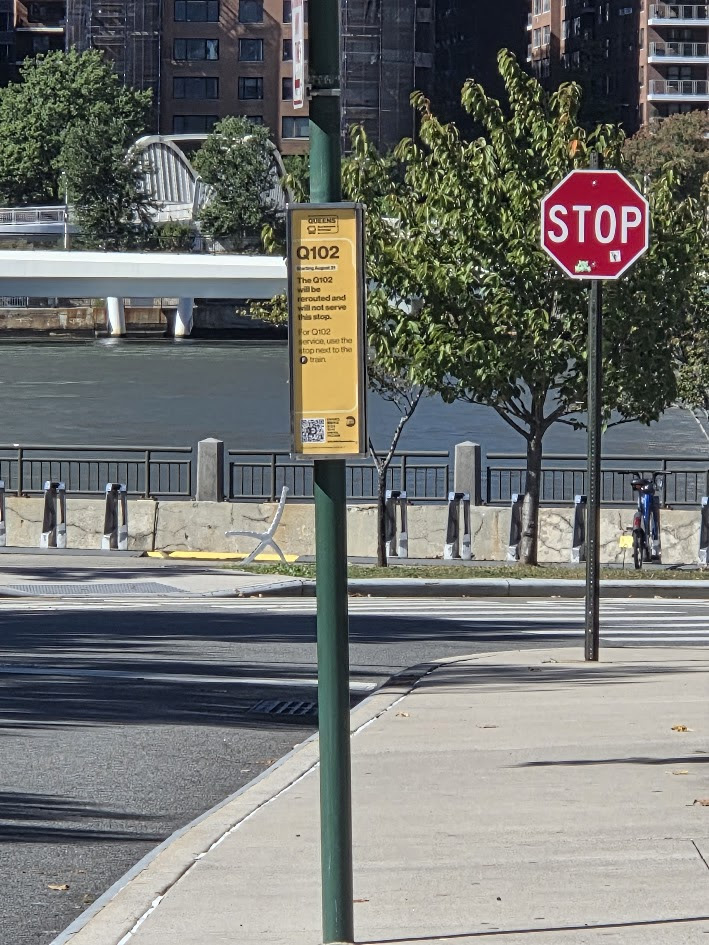
Though the Q102 no longer stops at Southpoint the RED BUS still does.
RIOC…How about a bench at this bus stop. My feet were aching and many visitors would welcome a bench while waiting.
Back at the Tram Lawn the Map Project panels were installed and awaiting the reveal on Wednesday, October 15th at 1 p.m.
Come for the event and learn 50+ years of island history
Our limited edition holiday card is available at a special early shopper price of 2 cards for $5- While supplies last!
Save the Date Wednesday, October 15th 1 p.m. at the Tram Lawn for the Revealing of the “Roosevelt Island 1969-2025 Maps and Images”
Credits
Judith Berdy
All image are copyrighted (c) Roosevelt Island Historical Society unless otherwise indicated THIS PUBLICATION FUNDED BY DISCRETIONARY FUNDS FROM CITY COUNCIL MEMBER JULIE MENIN & ROOSEVELT ISLAND OPERATING CORPORATION PUBLIC PURPOSE FUNDS.
By T.M. Brown Published Sept. 30, 2025 Updated Oct. 1, 2025
ISSUE #1551
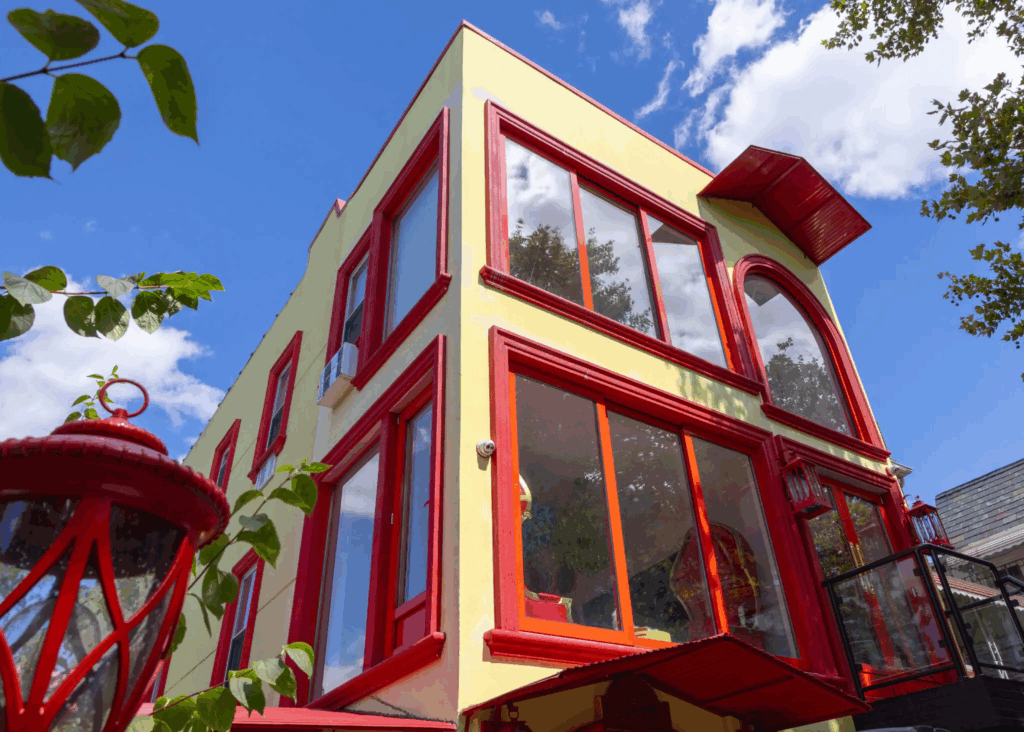
We first reported on this colorful house in our September 17th issue. Here is the update from the NY Times.
Times Insider explains who we are and what we do and delivers behind-the-scenes insights into how our journalism comes together.
“An acid trip in house form.”
That was how my editor on the Real Estate desk, Matthew Oshinsky, described the “ridiculous” house in Astoria, Queens, that he was proposing I cover a few months ago.
The exterior of the home, I found out, was painted a painfully mismatched butter yellow and fire-engine red. A surrounding wrought-iron gate was emblazoned with metal flowers in the same mustard-and-ketchup color scheme. The interior was just as outlandish: sofas and chandeliers in all the colors of the rainbow and a fake cherry blossom tree sprouting from the living room floor.
I began my reporting by searching for the property owner’s name. Eventually, I found a name, Jasmin Bokhari, and it appeared she owned other properties across the borough. So I typed three words into Google: “Jasmin Bokhari Queens.”
The first result shocked me. It was a 2023 news release from the U.S. attorney’s office, Eastern District of New York, saying that someone named Rashidun Bokhari from Astoria had been convicted of embezzling more than a million dollars from three people, also Bengali Americans, in a real estate scam. Mr. Bokhari was ordered to serve 38 months in a federal prison facility and pay restitution of nearly $1.5 million to his victims. He is also Jasmin Bokhari’s husband.
I searched for both of their names and discovered a civil suit that predated the criminal trial by a year. In the suit, the plaintiff alleged that Ms. Bokhari had knowledge of her husband’s misdeeds, and that she had used an LLC she owned to obscure how the embezzled funds were being used. The civil case had been halted in 2022 while the criminal court process had played out.
I thought it was suspicious that a woman named in a pending lawsuit was trying to sell a property for $3 million while her husband claimed he couldn’t afford to pay back the people he had admitted to stealing from. I wanted to find out whether Mr. Bokhari’s victims were at risk of never being paid back, and if Ms. Bokhari was trying to sell these properties before the government could seize them.
Several properties owned by Ms. Bokhari had been passed back and forth among her, her husband and other family members over the past two decades. Nearly every deed transfer was done for “no consideration,” a real estate term for homes changing hands for free. I called a forensic accountant, who told me that people sometimes use this maneuver to hide assets and avoid scrutiny from law enforcement.
I called Neal Fellenbaum, the lawyer representing Aslam Ansari, the plaintiff in the civil suit, who said that the Bokharis had defrauded more than a dozen other people in the Bangladeshi community in Queens. Those people were reluctant to come forward because they were frightened of U.S. Immigration and Customs Enforcement actions across the country.
Convincing those unidentified accusers to be interviewed for my article was a delicate process. There was a fear of the government, sure, but many were also embarrassed and ashamed that they could be fooled by someone from their own tight-knit community. I assured them I would protect their identities, and I told them that this would be a way to tell their stories safely. When they finally agreed to being interviewed, we set up a meeting in Mr. Fellenbaum’s office
I arrived early with the photographer, Thea Traff, who would later shoot silhouetted portraits of each person. I wasn’t sure how many accusers would actually show up; I was anxious that it would only be one or two. But as we sat in the glass-walled conference room, a group of nine men and women walked into the office vestibule together.
“I am ashamed, I am a fool,” one man told me, his voice shaking. I sat across from him as he told me how he’d been deceived by someone he had known for decades.
I asked the group why they had decided to talk to me after suffering in silence for so long. A few said they’d been scammed by the Bokharis in the last few years, while others had money stolen a decade ago. “It’s a good question,” one man said. He paused for a moment. “I don’t have any hope left. I need my money back. I just want to be able to give something to my daughter.”
I worked on this article, which was published online on Sept. 16, for three months. In that time, I never had the opportunity to speak with the Bokharis or their lawyers, who refused to return my many calls. But I could sense that they knew something was happening. The price on the flamboyant home that Ms. Bokhari was selling was reduced by $500,000, from $3 million to $2.5 million. Then the government slapped a lien on both that house and another property in Jamaica, Queens, owned by Ms. Bokhari for the amount that Mr. Bokhari had been ordered to repay his victims.
After the article was published, Mr. Fellenbaum called me. He told me that the story had apparently caused a national sensation, albeit not in the United States. “It was all over the TV news in Bangladesh,” he said.
Our limited edition holiday card is available at a special early shopper price of 2 cards for $5- While supplies last!
Save the Date Wednesday, October 15th 1 p.m. at the Tram Lawn for the Revealing of the “Roosevelt Island 1969-2025 Maps and Images”
Credits
NY Times Judith Berdy
All image are copyrighted (c) Roosevelt Island Historical Society unless otherwise indicated THIS PUBLICATION FUNDED BY DISCRETIONARY FUNDS FROM CITY COUNCIL MEMBER JULIE MENIN & ROOSEVELT ISLAND OPERATING CORPORATION PUBLIC PURPOSE FUNDS.
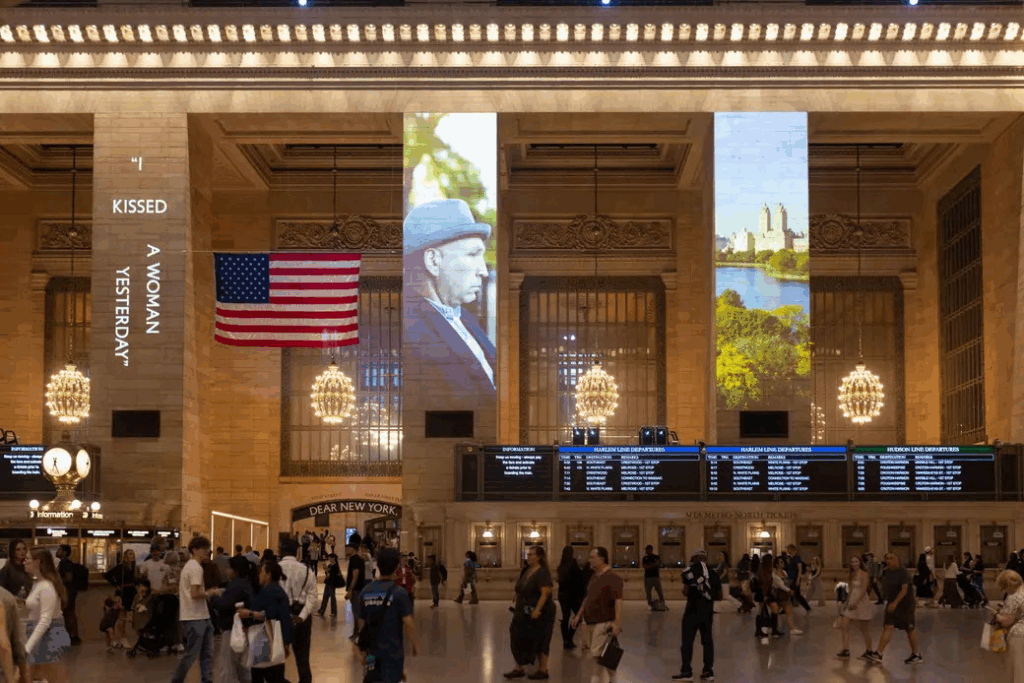
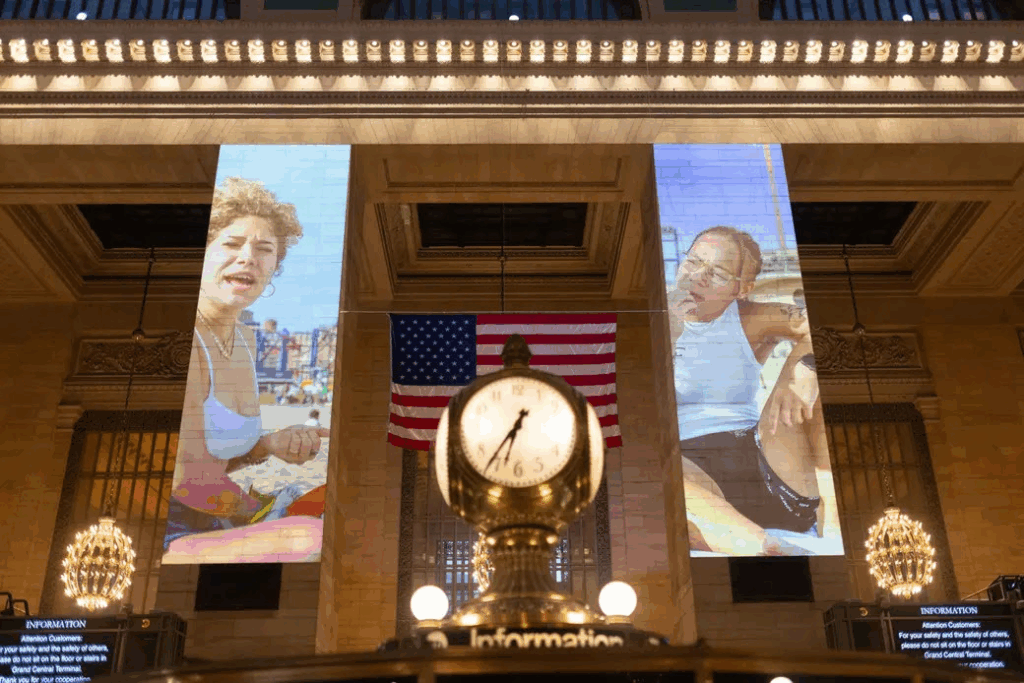
All photos courtesy of Ahmed Gaber for Dear New York
THURSDAY, OCTOBER 9, 2025
ISSUE #1550
All photos courtesy of Ahmed Gaber for Dear New York
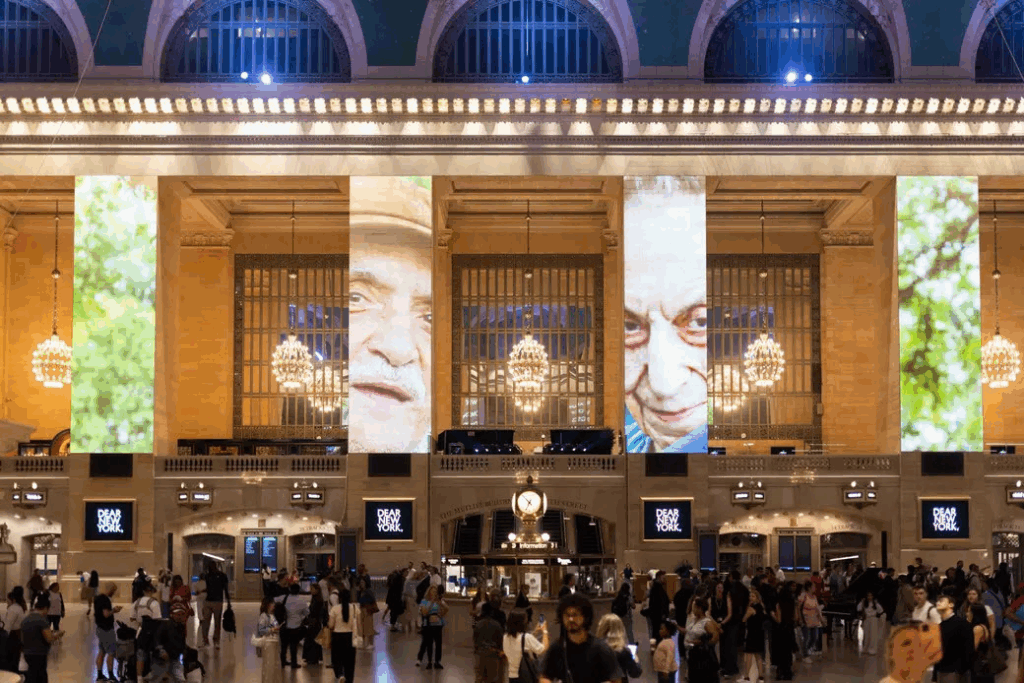
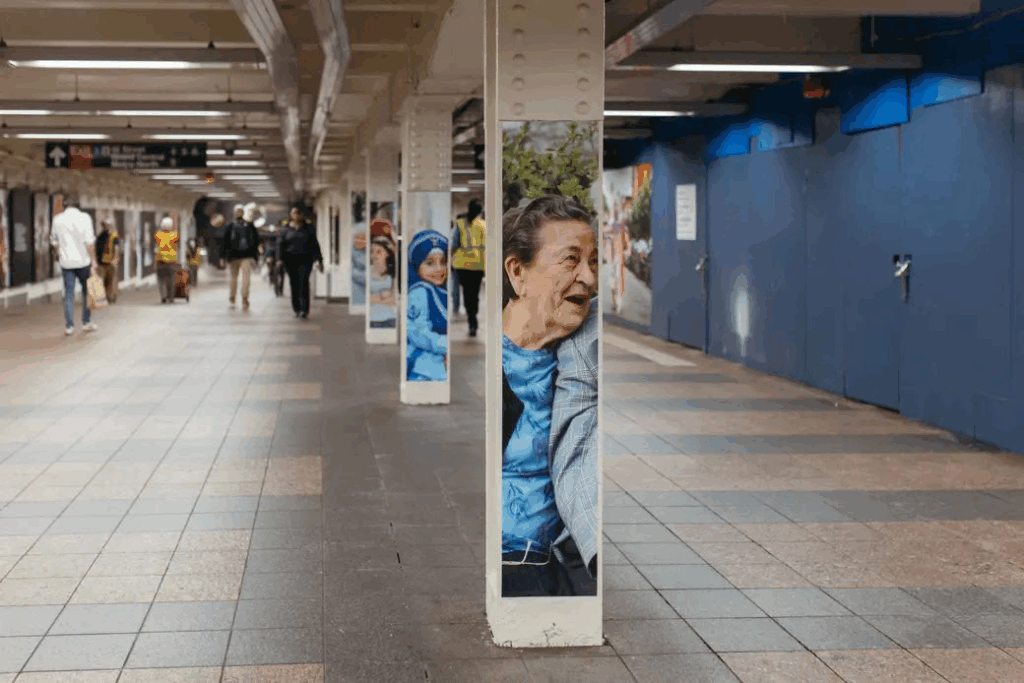
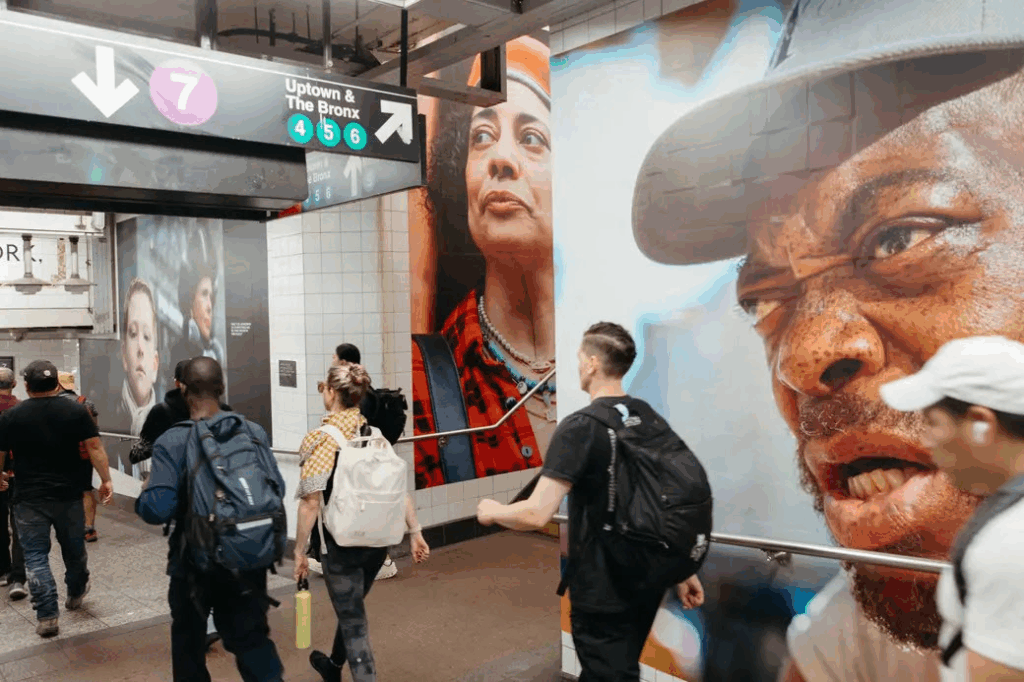
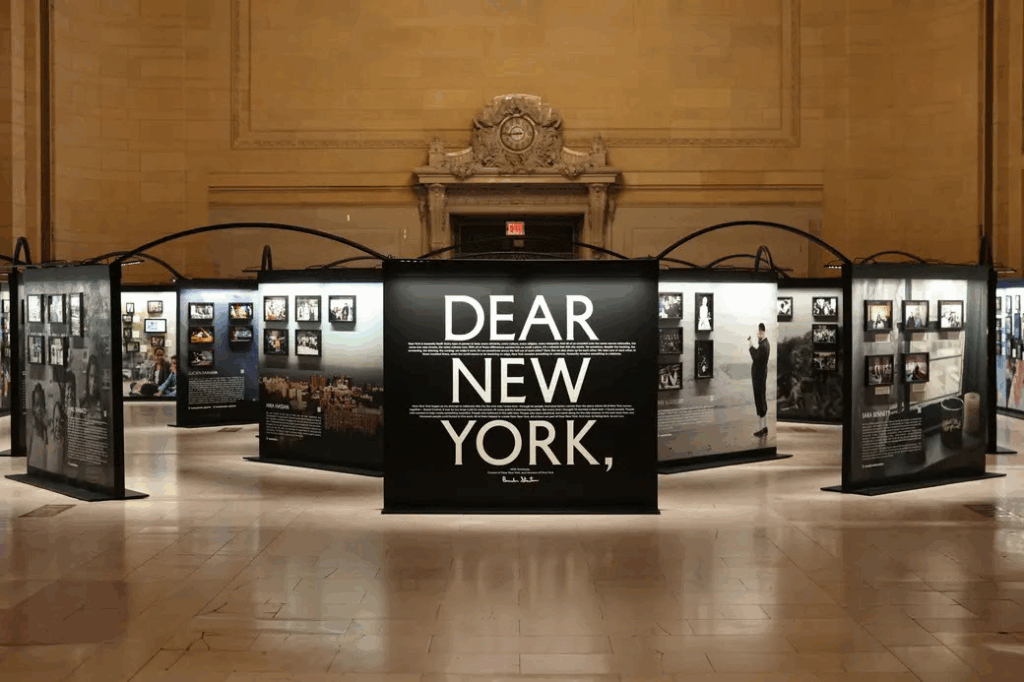
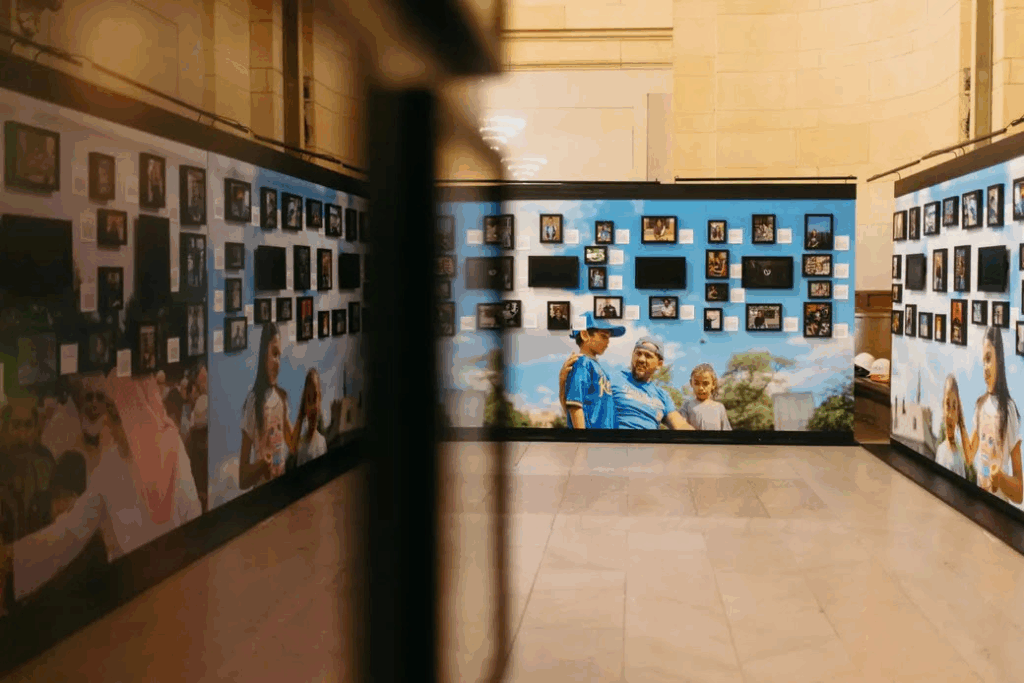
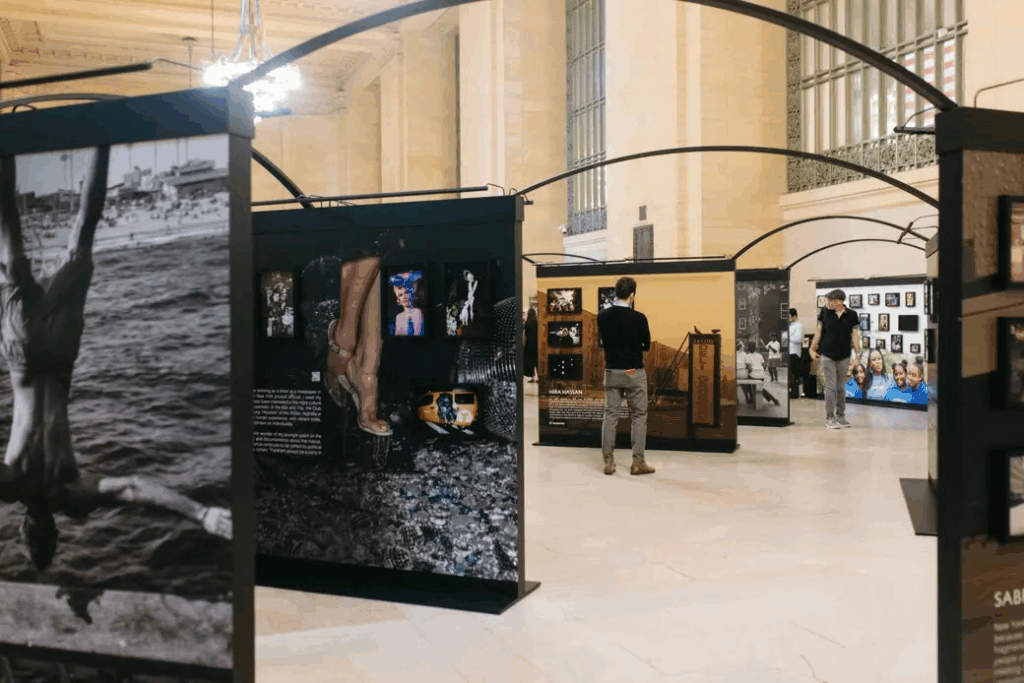
One of the most famous photography projects in the world has taken over Grand Central Terminal. This week, Brandon Stanton of “Humans of New York,” the long-running online portrait series featuring the stories of everyday New Yorkers, opened the installation “Dear New York,” a sweeping “love letter” to the city. The exhibit includes 50-foot-tall photographs from the Humans of New York portfolio displayed across the terminal, including the main concourse, the subway station, Vanderbilt Hall, and 150 digital screens. The two-week installation is on view through October 19.
The installation is a continuation of Stanton’s beloved “Humans of New York” project, which he began in 2010, initially setting out to photograph 10,000 New Yorkers across the city. What started as a blog to showcase and sell his work has since achieved global fame, offering an intimate glimpse into the lives of city dwellers.
The project also accompanies Stanton’s upcoming book, “Dear New York,” a 500-page collection of portraits and stories styled after “Humans of New York.”
“New York is humanity itself. Every type of person is here—every ethnicity, every culture, every religion, every viewpoint. And somehow, despite the honking, the yelling, the shoving, we find a way to make it work,” Stanton said. “In a world that seems to be on fire, New York provides a reason for hope.”
He added: “Dear New York, is a living, breathing immersive art installation staged in the one place where the entire city comes together—Grand Central. It is a love letter to the people of this city, and about the people of this city. Everyone who visits Dear New York will not only see the art, they will become a part of it.”
Emmy-winning designer David Korins, known for his work on “Hamilton,” “Dear Evan Hansen,” and “Immersive Van Gogh,” served as the installation’s creative director of experience, according to Smithsonian Magazine.
“This is the largest public work the city has seen since The Gates, and in some ways ever, speaking to every walk of life and every kind of person,” Korins said.
“There is no entrance fee. No elitism. It is for all of us and made of us. Humbly and simply, holding a mirror up to society and acknowledging we are human. It is my belief that we have an opportunity here to change peoples’ lives, immediately, and perhaps permanently.”
The sprawling subway installation, the largest physical use of space in the subway’s history, was created in collaboration with Andrew Trabucco-Campos, creative director of design for “Dear New York.”
The funds Stanton earned from “Dear New York” are financing the installation, and any additional book proceeds will be donated to local charities.
During the installation’s two-week run, Juilliard students, faculty, and alumni are performing over 100 combined hours on a grand piano in the concourse. Featured performers hail from the school’s classical, jazz, historical performance, and collaborative piano programs.
An accompanying community art showcase is also on display in the station’s Vanderbilt Hall, featuring work from local artists and more than 600 NYC public school students, who were selected through an open call.
“New York City is a place where every voice matters and every student’s story deserves to be seen and heard,” NYC Public Schools Chancellor Melissa Aviles-Ramos said.
“We are proud to provide all of our young artists with the space to shine and share their perspectives through photography and visual storytelling.”
Save the Date Wednesday, October 15th 1 p.m. at the Tram Lawn for the Revealing of the “Roosevelt Island 1969-2025 Maps and Images”
Credits
6SQFT
All image are copyrighted (c) Roosevelt Island Historical Society unless otherwise indicated THIS PUBLICATION FUNDED BY DISCRETIONARY FUNDS FROM CITY COUNCIL MEMBER JULIE MENIN & ROOSEVELT ISLAND OPERATING CORPORATION PUBLIC PURPOSE FUNDS.
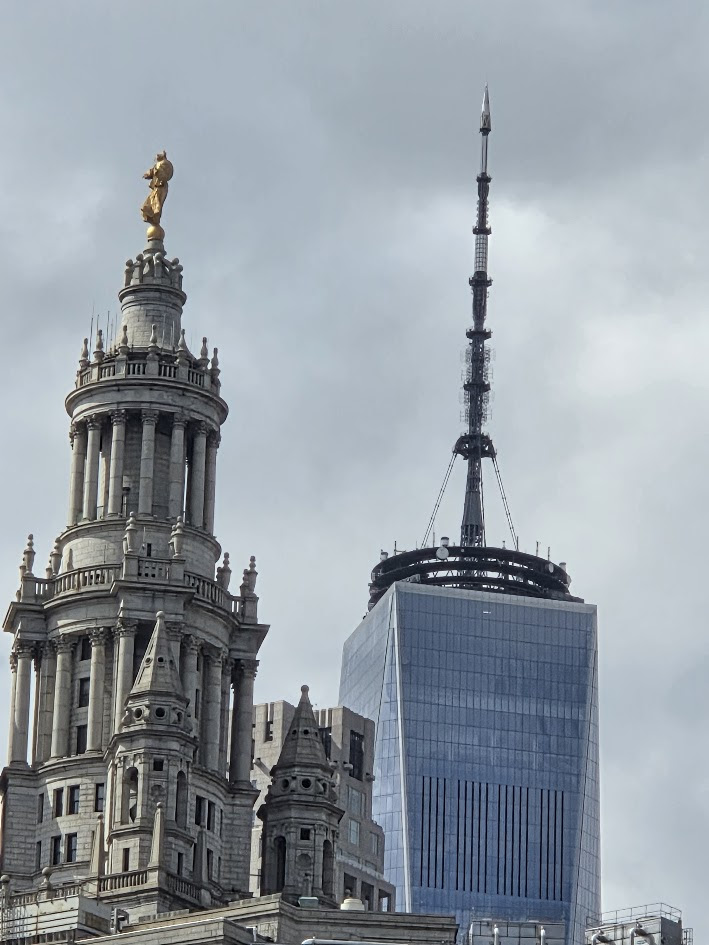
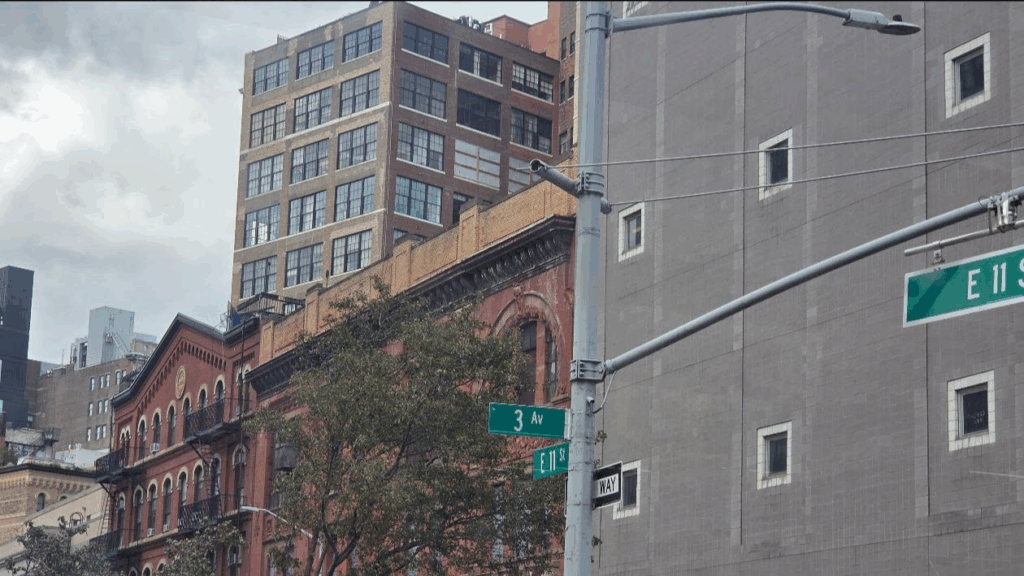
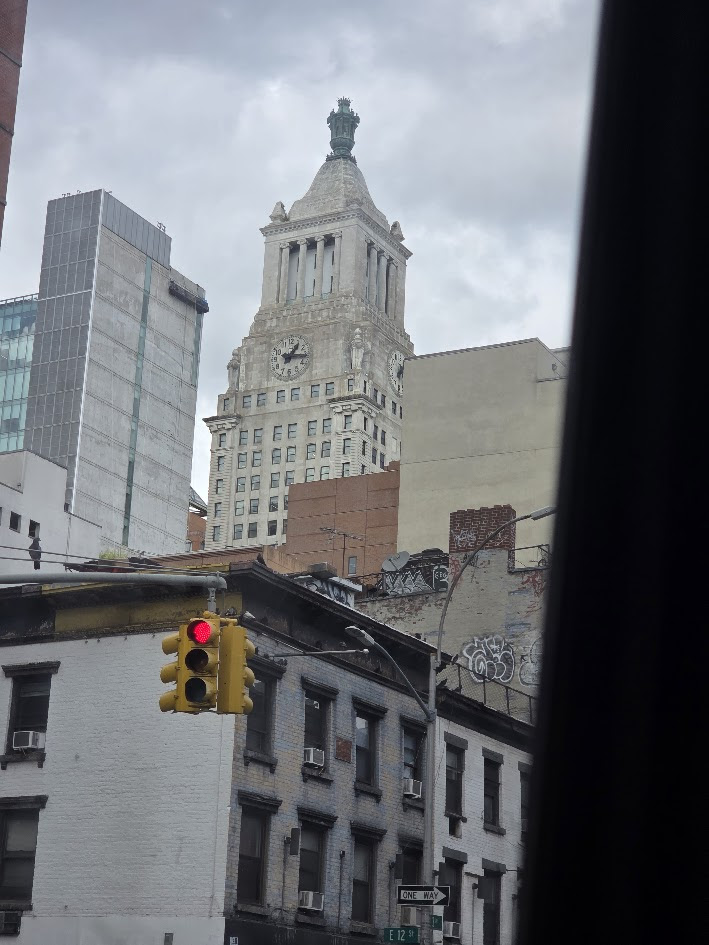
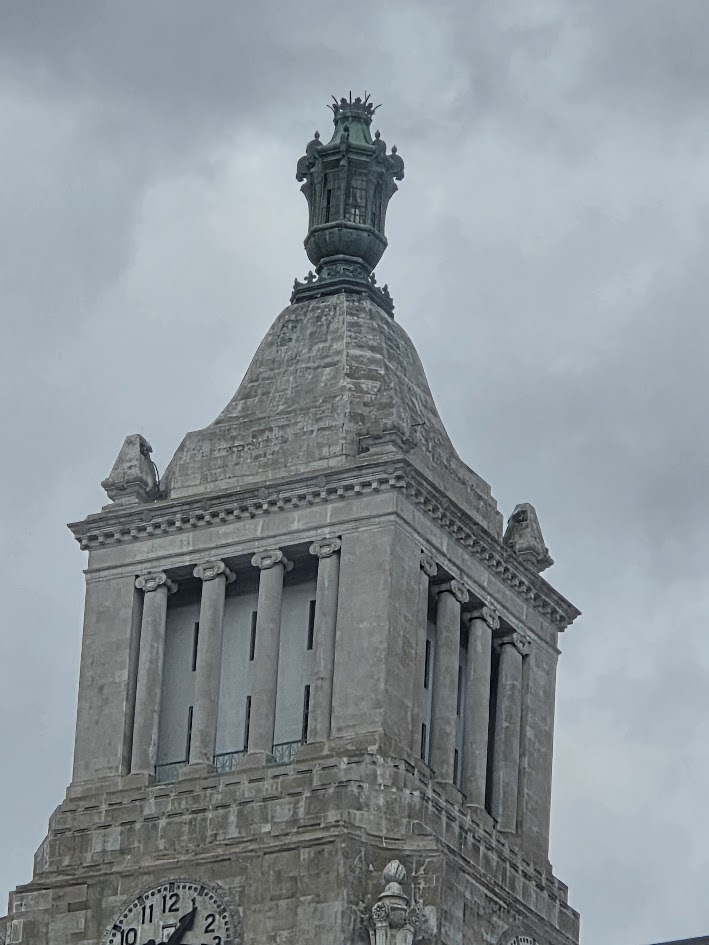
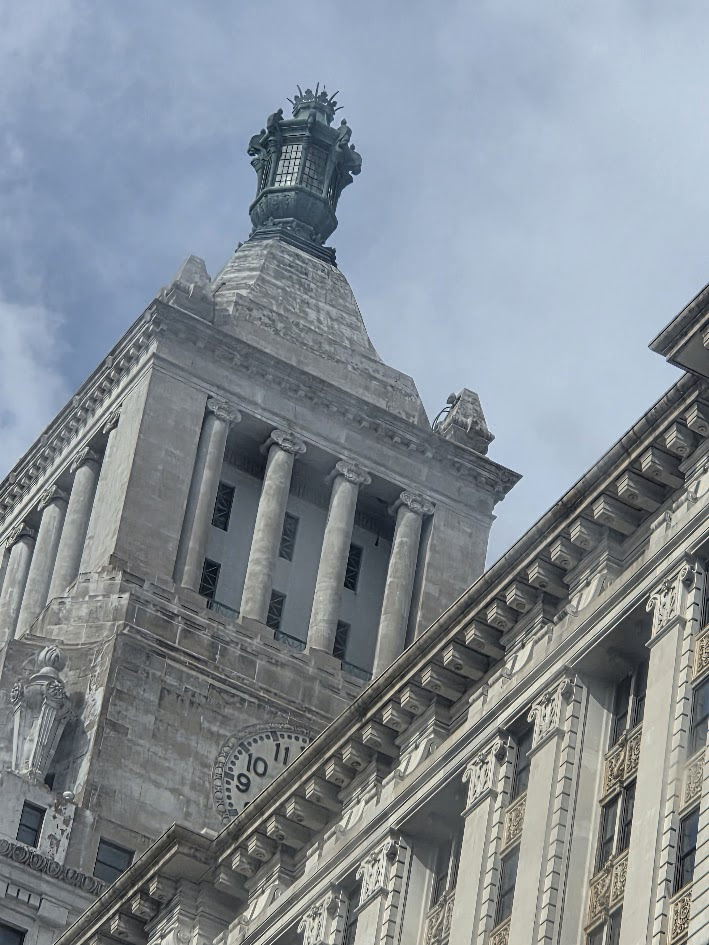
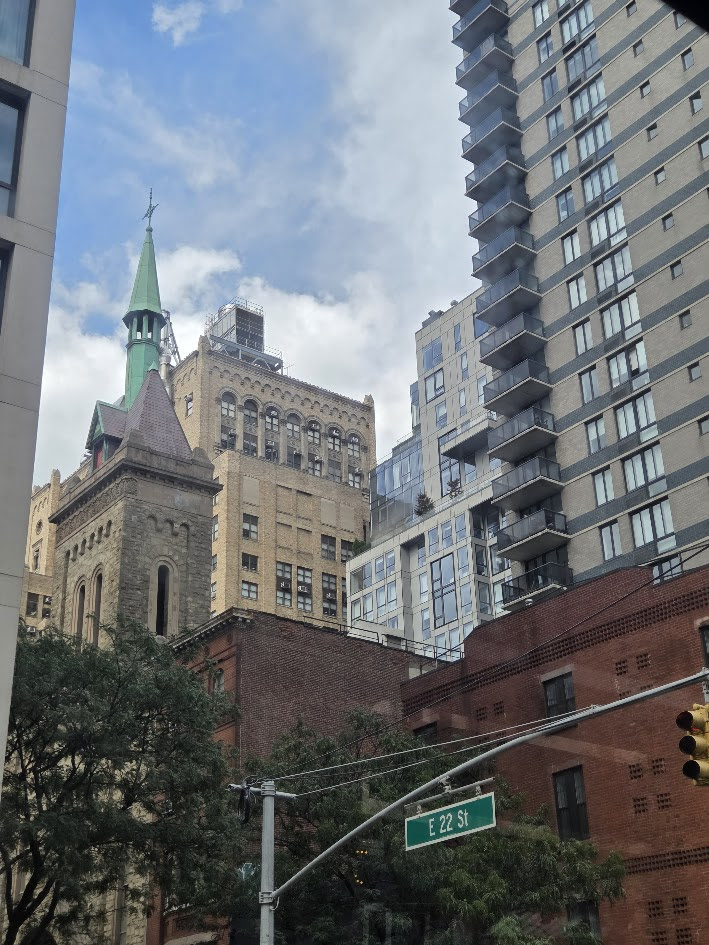
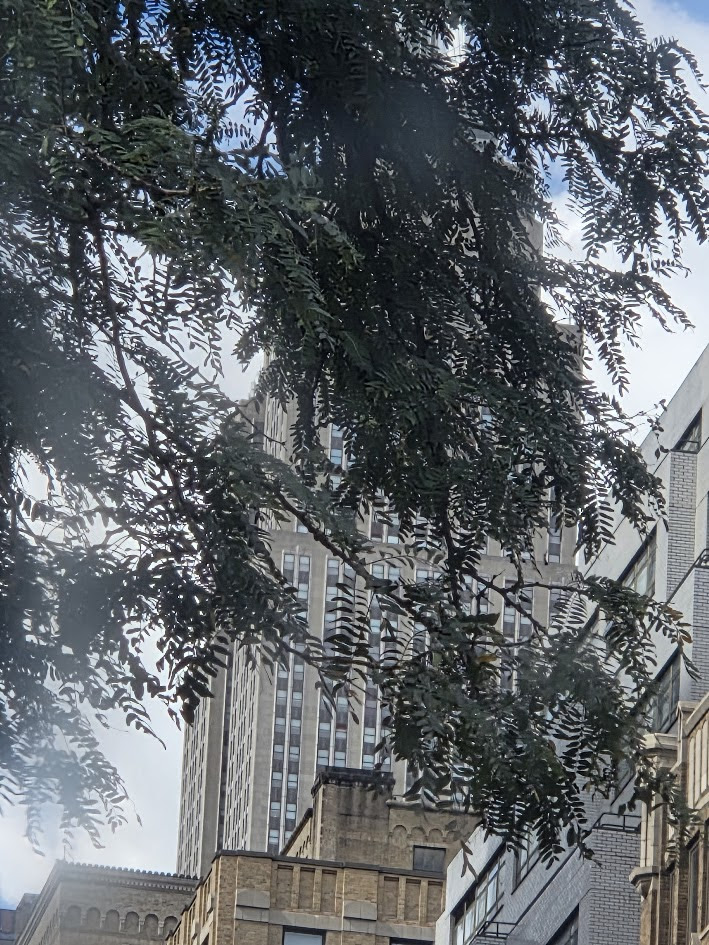
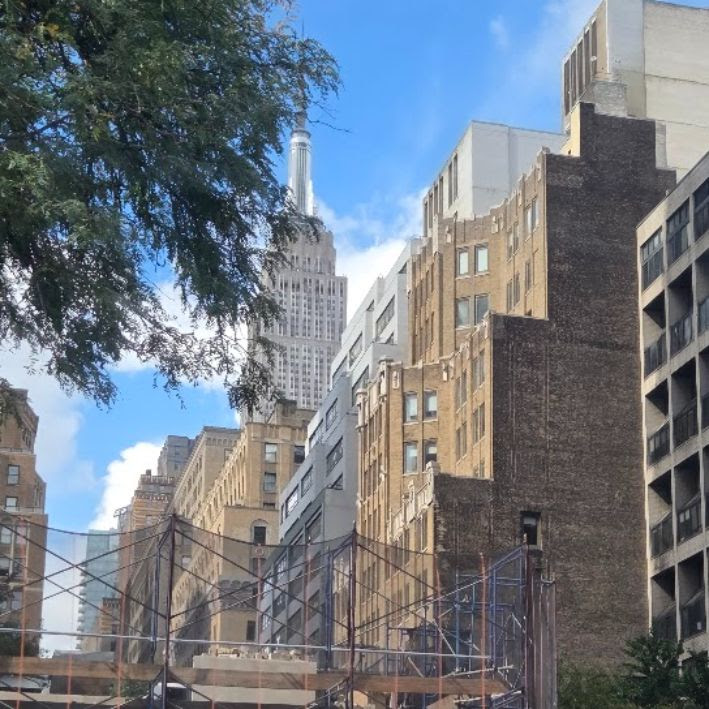
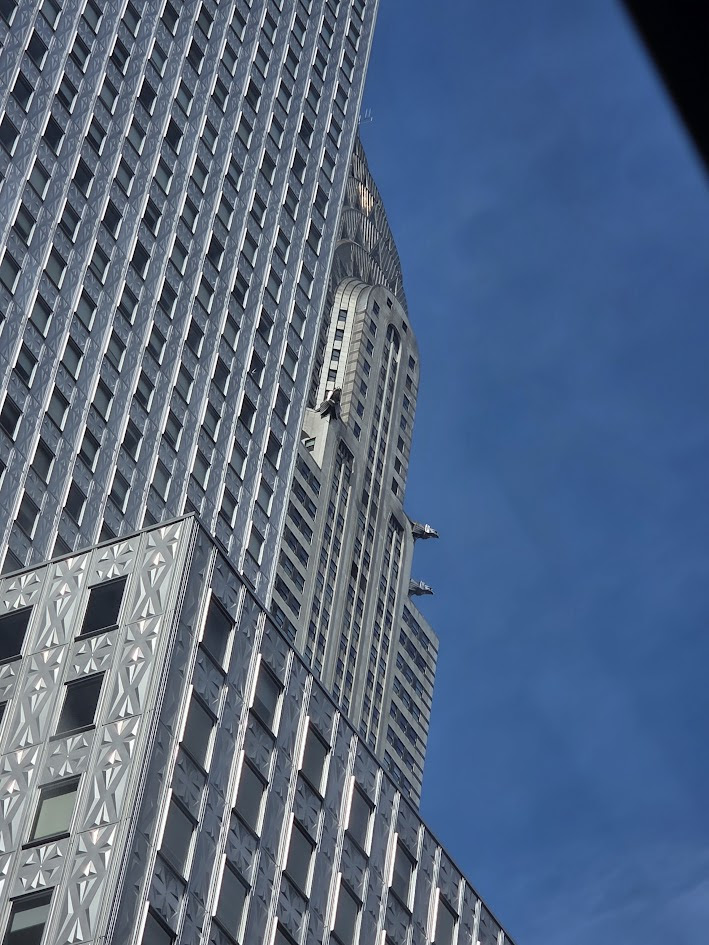
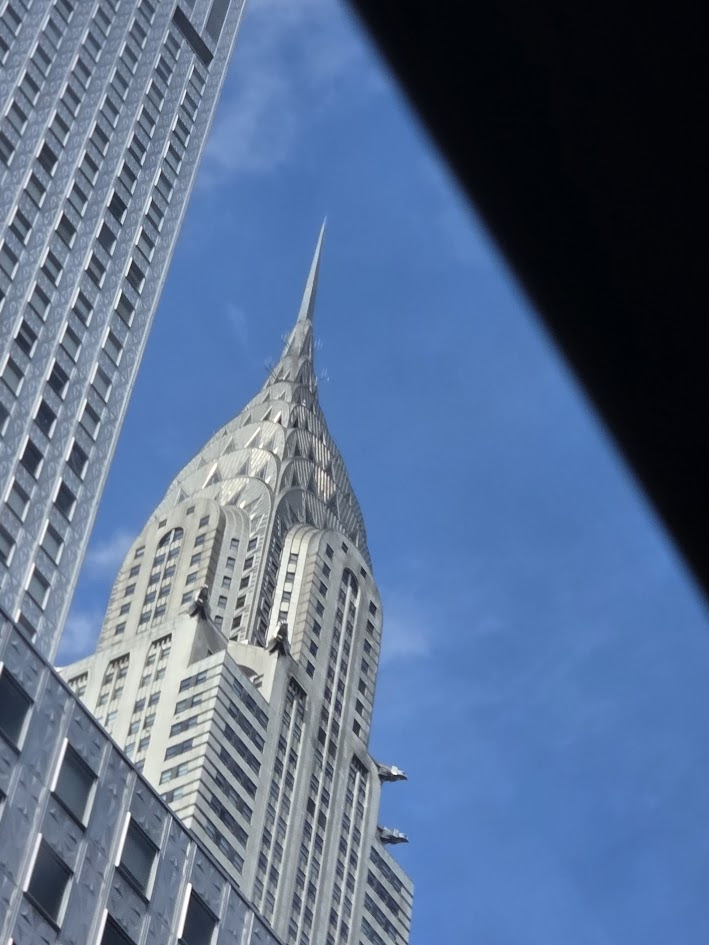
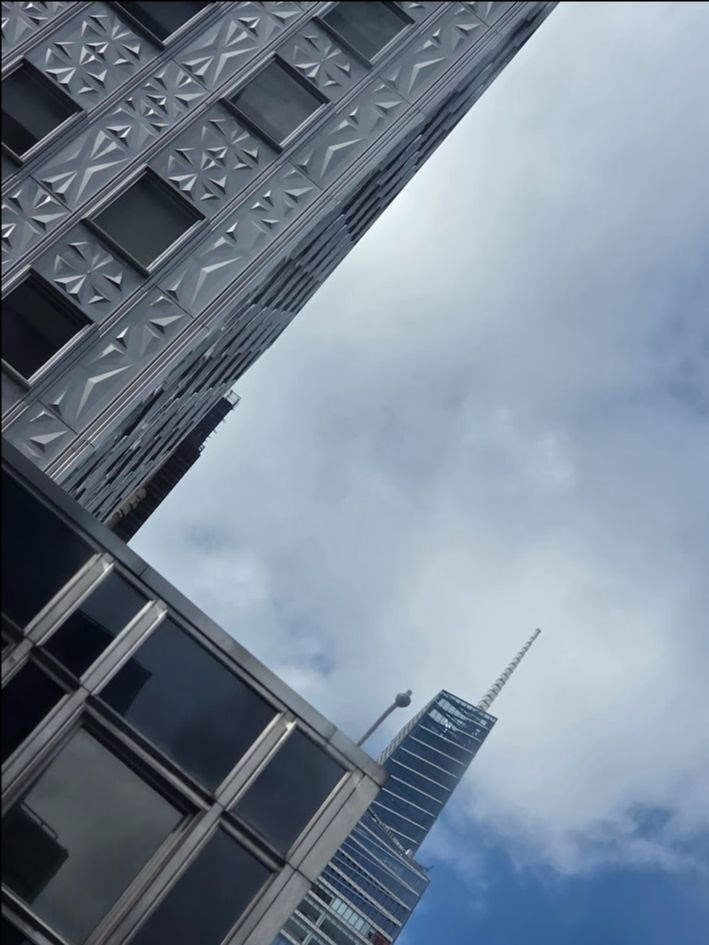
This afternoon, I was traveling north on the Q103 bus and spotted our skyscrapers and other high rise attractions from my seat. The angles are a little off, but that is the fun of trying to grab a shot in Third Avenue mid-afternoon travel.
The Municipal Building and One World Trade from Chatham Square
From glorious brick to contemporary gray at 11th Street
Approaching Con Ed on Irving Place
A temple to electricity
I can almost tell the time.
A Lutheran Church peeking out
We all know what is behind the tree.
A little closer
Chrysler peeking out from former Mobil Oil headquarters
Chrysler in full view
One Vanderbilt may look better on an angle
Save the Date Wednesday, October 15th 1 p.m. at the Tram Lawn for the Revealing of the “Roosevelt Island 1969-2025 Maps and Images”
Judith Berdy
Credits
All image are copyrighted (c) Roosevelt Island Historical Society unless otherwise indicated THIS PUBLICATION FUNDED BY DISCRETIONARY FUNDS FROM CITY COUNCIL MEMBER JULIE MENIN & ROOSEVELT ISLAND OPERATING CORPORATION PUBLIC PURPOSE FUNDS.
Mansions, equipages, Parisian ball gowns, box seats at the Academy of Music—top-tier Gilded Age families had access to the finest material luxuries, thanks to their deep pockets and social influence in post-Civil War New York.
Yet one luxury some Gilded Age elites desired was much harder to come by: a family connection to royalty.
America had no aristocracy, of course. But Europe did. And many lesser dukes, earls, counts, and barons in England and across the continent were finding it difficult to maintain their expensive lifestyles and ancient estates while watching their funds dwindle in poor economic conditions.
So emerged the “dollar princesses.” These marriage-age daughters of posh American families were typically pressured into tying the knot not for love but status.
Their family would arrange a dowry of sorts for the intended husband who needed the cash infusion. In turn, his new wife would gain an aristocratic title—and her social-climbing relations became linked to nobility.
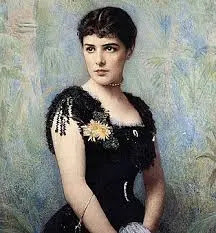
One of the earliest dollar princesses was Jennie Jerome (below left), the 19-year-old daughter of “King of Wall Street” Leonard Jerome. Jennie married Lord Randolph Churchill in 1874. (She gave birth to their son Winston seven months later.)
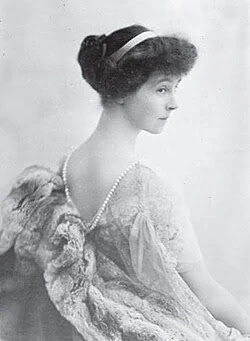
Perhaps the best known dollar princess was Consuelo Vanderbilt (below right), who was strong-armed by her mother, Alva, into giving up the American suitor she loved and accepting a proposal in 1894 from Charles Spencer-Churchill, aka the 9th Duke of Marlborough—a man she met on a visit to England when she was 17.
“We reached a stage where arguments were futile, and I left her then in the cold dawn of morning feeling as if all my youth had been drained away,” Consuelo recalled in a final confrontation with her manipulative mother at their Newport mansion in her 1953 autobiography, The Glitter and the Gold.
Both Jennie and Consuelo’s marriages were marred by infidelities and the transactional nature of the relationships. Consuelo cried the morning of her wedding, noting that she was 20 minutes late to the ceremony at St. Thomas Church because she had so many tears to wipe away under her veil.
The stories of these two high-profile dollar princesses have been retold over the years, with Consuelo currently serving as the inspiration for Gladys Russell in HBO’s The Gilded Age show.
But there’s a lesser-known dollar princess from New York City who also married an aristocrat from the UK. It was an unhappy union as well. But the marriage produced a descendent first known as Lady Diana Spencer and then Princess Diana, the modern world’s most famous princess.
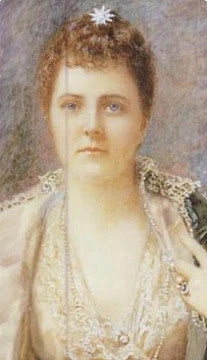
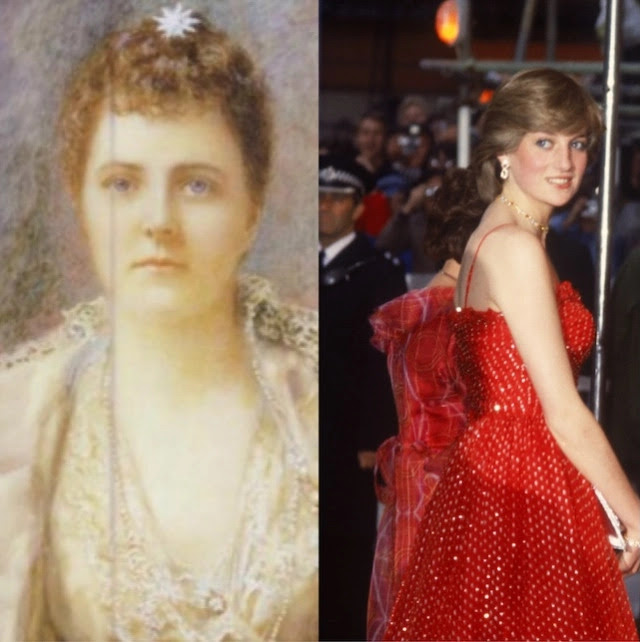
The dollar princess’s name was Frances Ellen Work (top image and at left). Born in the fashionable Madison Square neighborhood in 1857, Fanny was the daughter of a Midwesterner who earned his fortune as Cornelius Vanderbilt’s personal stockbroker, according to American Aristocracy.
Fanny grew up at 13 East 26th Street, on the northern end of Madison Square Park. Bright and fluent in French, she summered in Newport and made the rounds of social events in New York City.
“She was also headstrong, so when the handsome James Burke Roche—the son of an Irish Lord with empty pockets but ladles of charm—proposed, she ignored her father’s angry remonstrations and married him anyway,” notes American Aristocracy.
Fanny’s father may not have been pleased by the nuptials; he reportedly cut his daughter’s allowance to $7,000 per year. (Not a bad sum in the 1880s.) Yet he did pay off her husband-to-be’s $50,000 in gambling debts.
But she had the support of her grandmother, according to a writeup in History Collection, who wanted her “exceptionally beautiful” granddaughter to “run in the most prestigious social circles of them all: British nobility.”
The marriage took place at Christ Church in September 1880. Two daughters and twin sons were born to the couple, and Fanny’s father once again paid off his son-in-law’s gambling debts, which now amounted to $100,000. By 1886, Fanny Burke Roche had enough. She fled to New York and filed for divorce, claiming desertion.
The divorce was messy, thanks to custody disputes and the fact that American divorces were not valid in England at the time. Fanny married again in 1905 at the Empire Hotel, this time to her Hungarian-born driving instructor. That marriage also ended in divorce a few years later.
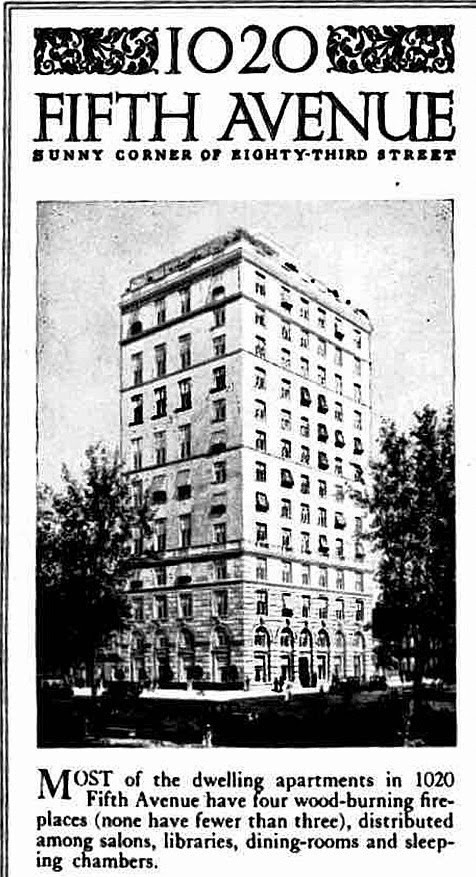
When her father died in 1911, Fanny inherited a portion of his $14 million fortune. For the rest of her life, she entertained at her apartment at 1020 Fifth Avenue (below ad from the 1920s) and in her Newport mansion. She also visited various European destinations.
“Mrs. Burke Roche, during her later years, divided her time between this country and Europe, visiting her son, Lord Fermoy, who in addition to the title, inherited an estate of 20,000 acres at Rockbarton, County Limerick, Ireland, and a seat in the British Parliament,” reported the New York Times in Fanny’s 1947 obituary, which stated that she died in her apartment at the age of 90.
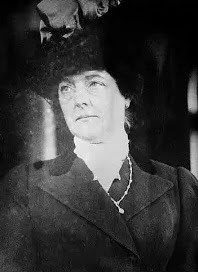
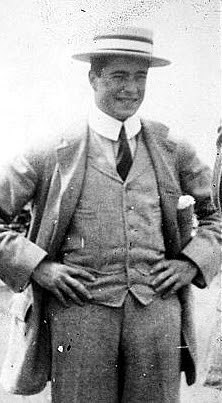
Here’s where the Princess Diana connection comes in. The son she visited in Ireland, Lord Fermoy, aka Edmund Maurice Burke Roche (above right), had a daughter named Frances Ruth Roche.
This daughter grew up to marry John Spencer, and the two became parents to four children—including Princess Diana in 1961.
Diana was born into the British aristocracy, and she hailed from a long line of UK nobles. But her connection to Gotham’s Gilded Age through a beautiful and independent-minded great-grandmother (who is also great-great-grandmother to William and Harry, and great-great-great grandmother to their children) adds a historical New York angle to her compelling life story.
[Top photo: American Aristocracy; second photo: American Aristocracy; third photo: Wikipedia; fourth photo: Wikipedia; fifth photo: American Aristocracy; sixth image: Wikipedia; seventh image: American Aristocracy (Frances Ellen Work) and Getty Images via Oprah Daily (Princess Diana)]
Save the Date Wednesday, October 15th 1 p.m. at the Tram Lawn for the Revealing of the “Roosevelt Island 1969-2025 Maps and Images”
Credits
Ephemeral New York
All image are copyrighted (c) Roosevelt Island Historical Society unless otherwise indicated THIS PUBLICATION FUNDED BY DISCRETIONARY FUNDS FROM CITY COUNCIL MEMBER JULIE MENIN & ROOSEVELT ISLAND OPERATING CORPORATION PUBLIC PURPOSE FUNDS.
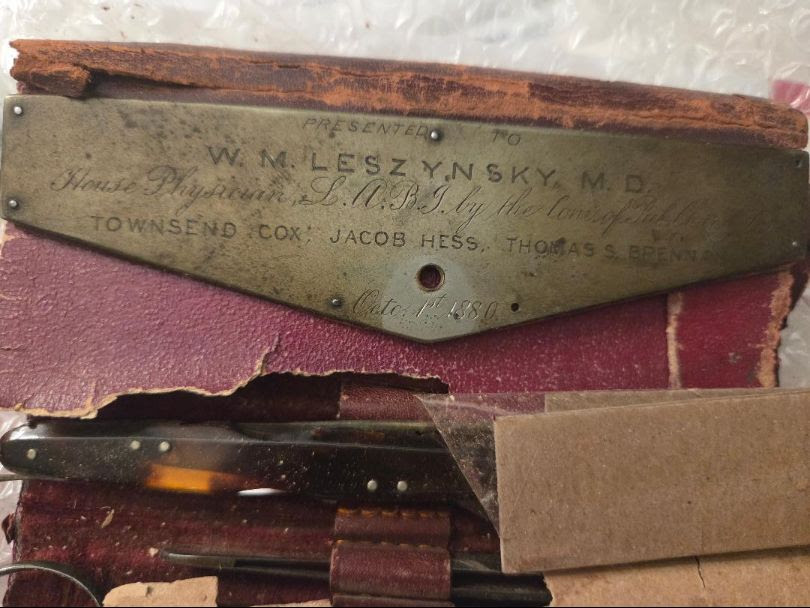
PRESENTED TO W.M. LESZYNSKY, M.D. HOUSE PHYSICIAN L.A.B.I. By the Comm of Pub Charity cor. TOWNSEND COX JACOB HESS THOMAS S. BRENNAN Oct. 1st, 1880
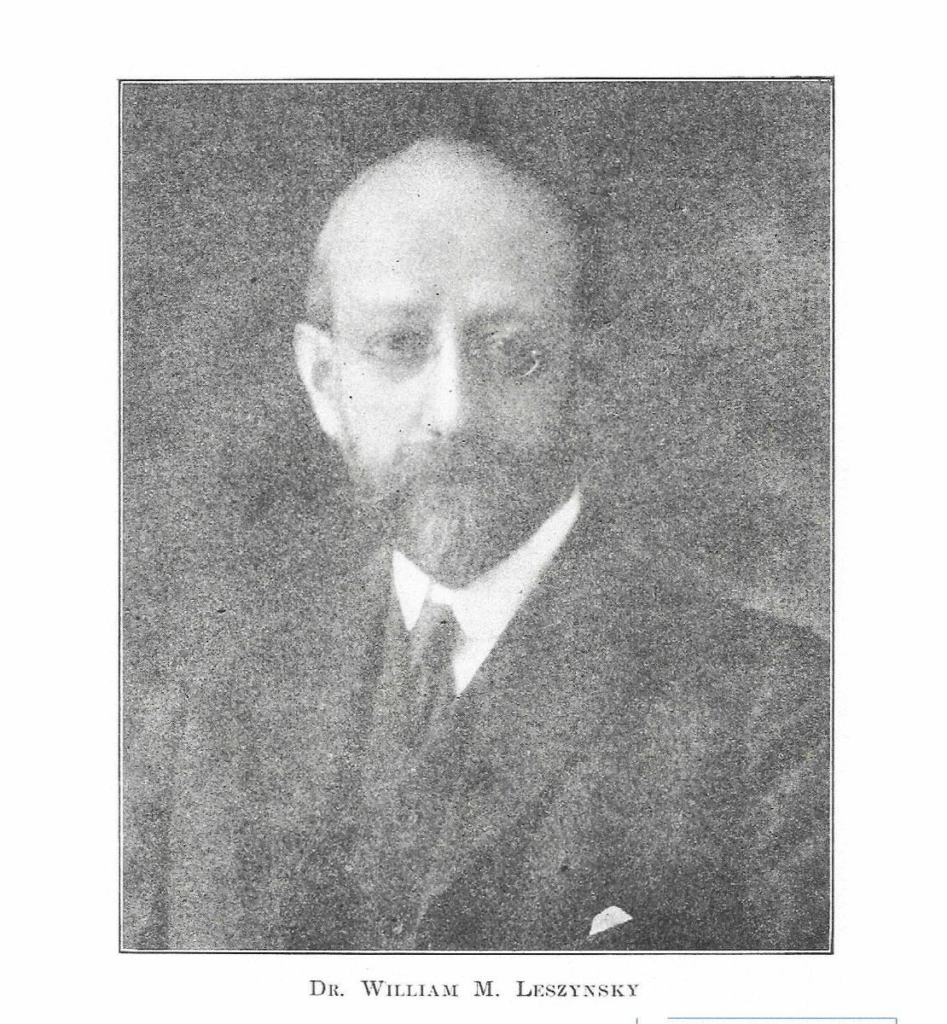
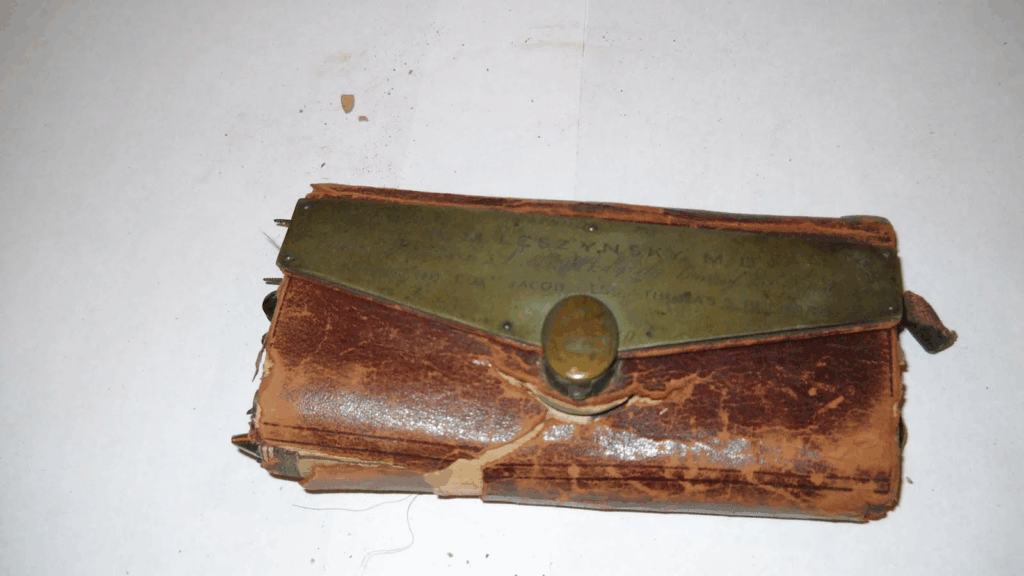
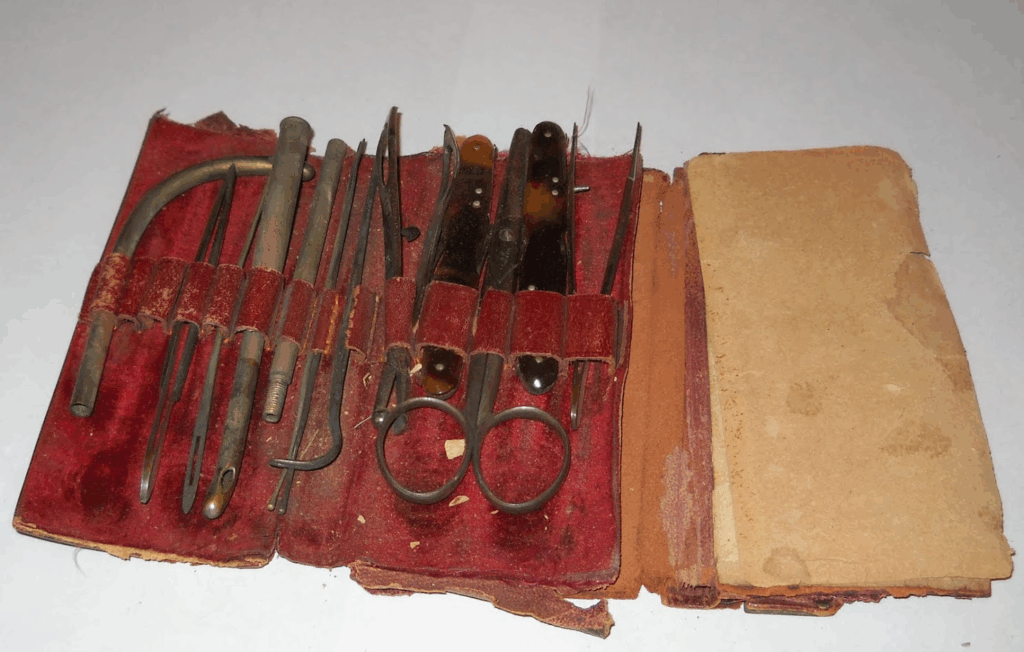
About 12 years ago the RIHS received a donation of a surgical kit from a physician who worked at the Blackwell’s Island Lunatic Asylum. Dr.Leszynsky went on to have a career in neurology (1859-1923), practicing at may New York hospitals.
The kit as we received if from Cathey Brinton, MD of Seattle.
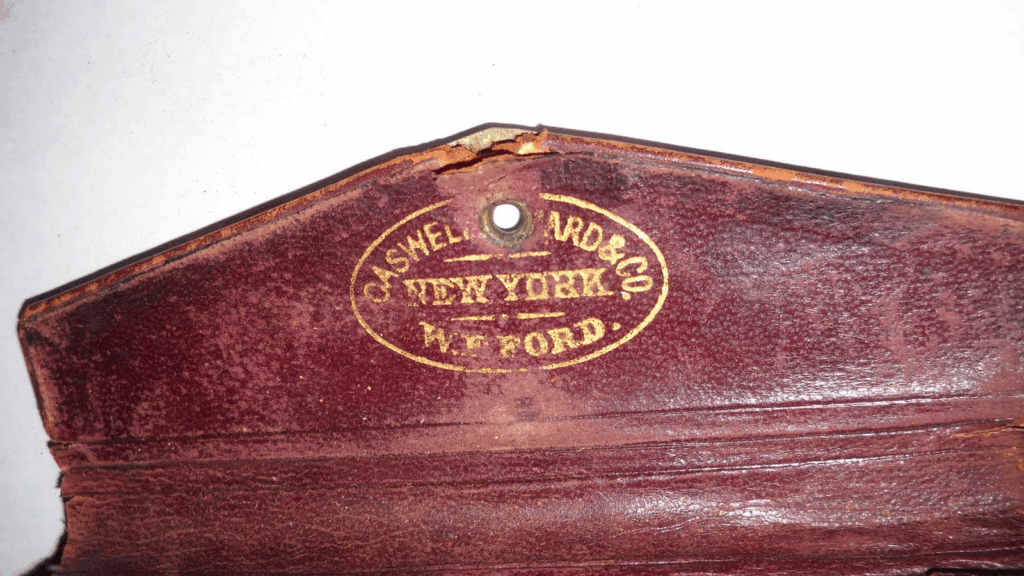
A traveling surgical kit with instruments.
The manufacturer was in New York, one of many that supplied surgeons during the Civil War. Without census records the RIHS and other historic preservation, genealogical and archival organizations would have little biographical information to work with.
One person that I followed thru the census records was William Leszynsky, MD.
Dr. Leszynsky was a House physician at the Blackwells Island Lunatic Asylum . At one point of his work on the island he was presented with a leather and brass engraved surgical instrument set.
We tracked Dr. Leszynksy from census records.
In 1860 his mother Amelia was married to Henry and living in San Francisco In the 1870 William, 13 years old was one of 6 children of Henry and Amelia living in New York City In 1880 William, 25 was a physician living in New York City (His address is listed as the B.I. Lunatic Asylum) In 1900 William, 40 was married to Adele for 5 years and lived in Manhattan and listed as a physician. In 1910 William 52 and Adele lived in Manhattan and listed as a physician. In 1920 William, 62 and Adele were living in Manhattan listed as a Physician Neurology. In 1930 Adele (listed as Belle) was living in Manhattan, with a housekeeper Mary Cronin
(The ages do not add up by the years indicated)
It his Wikipedia listing Leszynsky graduated from University Medical College in 1878.(now NYU) . He died March 3, 1923. There are numerous papers listed on-line for him including one on “Coffee as a Beverage: It’s Deleterious Effects on the Nervous System.
Credits
Roosevelt Island Historical Society
All image are copyrighted (c) Roosevelt Island Historical Society unless otherwise indicated THIS PUBLICATION FUNDED BY DISCRETIONARY FUNDS FROM CITY COUNCIL MEMBER JULIE MENIN & ROOSEVELT ISLAND OPERATING CORPORATION PUBLIC PURPOSE FUNDS.