The tradition of freak shows in Europe dates back to the sixteenth century. Medical “monstrosities” became standard components of traveling exhibitions. During the nineteenth century such shows caught the imagination of large viewing (and paying) audiences.
Human exhibits were presented for public entertainment and the parade of “freaks of nature” was a booming business. With the expansion of colonialism, the emphasis changed from physical to racial characteristics. Displays of exotic but “backward” populations (“human zoos”) became common in the 1870s in the midst of imperialist ambitions.
This social phenomenon also inspired a remarkable venture at the beginning of trade relations between the independent United States and Imperial China. P. T. Barnum may be considered the “father” of the American freak show, but he was not the first to sense its commercial opportunities.
Tea & Opium
Formerly named Canton City, Guangzhou has a long history as a trading port. During the Tang Dynasty (618-907) many foreigners settled in the city, establishing a network of commercial ties.
Muslim merchant Sulaiman al-Tājir (“Solomon the Merchant”) left a travelogue of his visit to the city in 851 in which he observed the strict control over the movement of foreigners and the steep rates being charged for imported goods. He pointed at the city’s sizeable Muslim community and commented upon local tea consumption. Solomon admired the quality of local porcelain.
Trade between China and Europe began during the sixteenth century. Portuguese and Spanish traders brought silver from the Americas in exchange for silks. Having settled in Macau, the Portuguese monopolized the early foreign trade with China.
In 1685 the nation’s legendary Kangxi Emperor (1654-1722) permitted Western merchants to trade in Canton, but their freedom of movement was limited. They could deal with the “Cohong” only, members of which were official representatives of the Emperor.
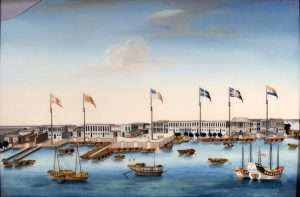
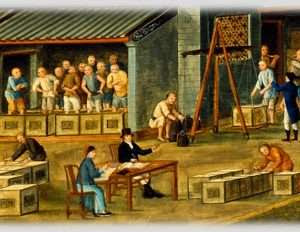
The “foreign devils” (European traders) worked out of rented offices called “factories” in a walled off part of the city that combined warehouses and offices with living quarters. Their vessels were required to anchor downstream on the Pearl River. The British East India Company soon dominated commercial dealings.
Payments were demanded in silver Spanish dollars minted from mines in the New World. As the Qing Imperial Court refused opening its internal market to foreign goods, Britain could not sustain its deficits and needed a substitute currency.
Opium appeared as a new form of exchange. Rapidly expanding through the 1800s, India-grown opium was traded illegally for bullion (“specie”) with local smugglers and reinvested in tea for importation to British and American markets.
Growing Anglo-Chinese friction over the practice started the First Opium War in 1840. Two years later, the defeated Qing Empire was forced to sign the Treaty of Nanking (1842) that ceded Hong Kong to Britain, eliminated trading restrictions and opened five new ports to foreign trade.
Old China Trade
The British East India Company had long been selling Chinese goods to the colonists, but no American ship is believed to have had ever sailed beyond the Cape of Good Hope. Prior to 1783 Britain did not permit the colonies access to Asian markets.
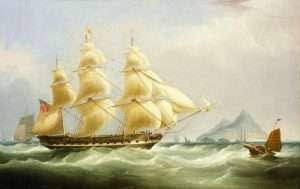
The Company’s so-called East Indiamen were amongst the most powerful merchant ships ever built and dominated the trade routes. American contacts with China started after the Revolution when American merchants took over from the British.
During the uprising armed privateers, backed by the infant American government, had preyed on British commercial shipping. Their crews were ready to take on a new challenge.
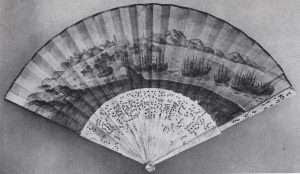
The three-master Empress of China was built in 1783 as a privateer, but refitted for trade after the war. Leaving New York Harbor on February 22, 1784, she became what is believed to have been the first American vessel to enter Chinese waters.
Organized by Robert Morris (1734-1806), a financier from Philadelphia, and captained by former Philadelphian U.S. naval officer John Green, she returned to New York on May 11, 1785, after a round voyage of fourteen months and twenty-four days, opening up what today is known as the “Old China Trade.”
She also transported former army officer Samuel Shaw (1754-1794) to Canton who would act as the first American consul to China. This profit-driven venture acquired political significance.
The nation’s ability to access Canton was seen as a statement of the Republic’s independent intentions. The Empress of China marked the entry of America as a serious player into global trade markets.
(The next ship to engage in the China trade was the Experiment, a sixty-foot-long sloop captained by Stewart Dean of Albany. It left in the spring of 1785 for China, 14,000 nautical miles away.)
The Empress of China carried silver as trading currency and thirty tons of ginseng. A traditional medicine in China used for restoring strength to the infirm, American ginseng was found in abundance in the Appalachian Mountains.
Its export opened the Chinese market to merchants (other commodities were added in the process, including furs, metals, cotton and sandalwood). The Empress returned with a rich cargo of eight hundred chests of tea and a huge quantity of porcelain.
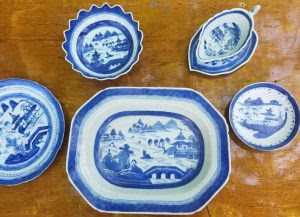
Canton ware is a cobalt blue and white porcelain, the ceramic recipe of which was a closely-guarded secret. Manufactured in Ching-Te Chen province (the “Capital of Porcelain”), plates and dishes were sent to Canton for decoration by professional artists who, working on an “assembly line,” painted a single element before passing it to the next workstation. The hand-painted subjects of tea houses, pagodas, foot bridges, meandering waterways, mountains and small figures were popular.
Porcelain was exported in large quantities by East India cargo ships, serving at the same time as ballast to keep the vessel stable. From 1784 to circa 1850, about two million pieces were exported to North America.
Canton ware was inventoried at Mount Vernon, the Virginia home of President George and Martha Washington, in the late 1790s.
Flood of Imports
A few Chinese migrants may have crossed the Pacific during the first decades of trading contacts, but their movements were barely recorded. In 1847, a former cook on a packet liner named Ah Sue, opened a store on Cherry Street, Manhattan, selling tobacco.
He also ran a small boarding house renting rooms to sailors. Ah Sue set a pattern for fellow newcomers, although their number remained low. According to the 1875 census there were 157 Chinese immigrants living in the city of New York.
Knowledge of the country therefore was limited, but the colonies were familiar with Chinese imports. From the mid-1600s onward, an array of products was imported from Canton.
Quantities of tea, silk and porcelain were available in these early years, both by legal and illegal means. Dutch smugglers were active in bringing tea to the colonies from Batavia. American pirates also circumvented the East India Company’s monopoly. The United States became hooked on tea.
The American China trade flourished after independence in spite of the risk of pirate attacks on bullion carrying ships. Merchants and investors were keen to explore the trade. The demand for Asian goods made the gamble worthwhile. It marked the beginning of America’s international trade.
Until the Treaty of Nanking it was a free trade arrangement whereby products were manufactured specifically for the American market. Production was based on a business model that relied upon the Chinese genius for imitation.
Having transported exclusive European items to Canton (shawls from Italy, tapestry from Belgium, perfume from France), replicas were churned out en masse by local manufacturers.
Selling cheaply produced items whilst pretending class and status, became a lucrative trading stratagem. Design theft in the Far East was stoked by American merchants. Boatloads of cargo made their way to the United States to satisfy the desire for oriental and exotic goods.
In 1832 a vessel named Howard returned to New York from China. Soon after, its owners placed its cargo up for auction. For the Carnes Brothers this had been a first foray into the Canton market. Up until then, they imported luxury goods from France. The emergence of an affluent urban middle class had prompted the venture. The surviving auction catalogue of the Howard shows an intriguing trend.
Absent were standard items that characterized the trade (teas, porcelain or jade). Instead, the merchants offered an assortment of “pongee” fabrics, silk shawls, decorated window blinds, fireworks, backgammon boards, snuff boxes, colored paper, walking canes, lacquered furniture and folding fans.
The Carnes Brothers aimed at creating a new market of fancy non-necessities to an emerging group of (female) shoppers. They also introduced a novel promotional ploy.
The Chinese Lady
Attempting to draw attention to their sales, the Brothers decided upon the strategy of exhibiting a young Chinese lady in a “home” decor of opulent furnishings. They approached Captain Benjamin Obear, whose ship Washington was setting sail for Canton, to arrange a deal on their behalf.
It is not known how and on what terms Obear persuaded the parents to part with their fourteen-year old daughter, but on October 17, 1834, a Cantonese youngster arrived in Manhattan.
Listed on the passenger list as “Auphinoy,” she was given the anglicized name of Afong Moy (her true name is unknown as are the details of her family background). The first reported female Chinese immigrant to the United States, she was treated as a commodity.
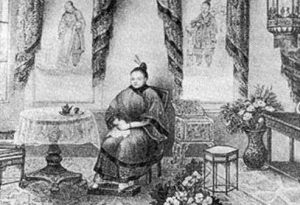
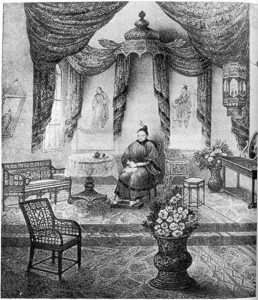
Her first “performance” took place in November 1834 at Obear’s Manhattan home at No. 8 Park Place. Seated in a throne-like armchair and dressed in silk, her bound feet were displayed on a stool (foot binding tales created enormous curiosity).
A lithograph of “The Chinese Lady,” produced in 1835 by Charles Risso and William R. Browne, recreated the settings of Moy’s presentation.
She was surrounded by a range of goods, lanterns, mirrors, curtains, wall hangings, paintings, vases, lacquer furniture and ornamental boxes – the sort of items that the Carnes Brothers were putting up for sale. The aim was strictly commercial.
Not only did New Yorkers enjoy a “meeting” with an exotic Chinese woman at her imagined residence, but they were also offered the opportunity to acquire elegant items for an affordable price.
Assisted by an interpreter, Afong would occasionally walk around the room and encourage visitors to make a purchase. The exhibition created excitement and journalistic attention.
As she represented a culture that was alien to Americans, thousands paid the entrance fee of fifty cents to see this “Unprecedented Novelty” (including Vice-President Martin Van Buren). Sales soared.
In January 1835, the exhibition was taken on tour. In Philadelphia she suffered the indignity of white doctors examining her feet (a violation of privacy in Chinese culture).
In March, she was presented to Andrew Jackson in Washington DC, the first American President to meet a Chinese person while in office. She visited Maryland and South Carolina, before returning to New York in June that year.
On arrival, a new manager by the name of Henry Hannington had taken over. He organized a whirlwind of tours for her. Over a period of six months she traveled over a thousand miles.
Back in Manhattan where Hannington ran his “Grand Moving Dioramas” at the City Saloon, an amusement house on Broadway, he transformed Moy’s role to an onstage “oriental” spectacle.
He made her display her unbound feet, eat with chopsticks and sing a Chinese song to audiences. His operations collapsed during the 1837 financial panic. Those responsible for Afong’s arrival had disappeared from the scene. By 1838, she entered a poorhouse in Monmouth, New Jersey.
She reappeared a decade later as an exhibit in P. T. Barnum’s American Museum, on the corner of Broadway and Ann Street, being reduced to a freakish spectacle of “otherness.”
Beginning in July 1847 at Niblo’s Garden in Manhattan, she began touring again, at times appearing on stage with Charles Stratton, better known as “General Tom Thumb” (a little person who would become a global celebrity).
Within a few years, she was replaced by a younger Chinese woman whose feet were even smaller than hers.
Chinatown
Moy’s last public exhibition took place on February 21, 1851, after which she disappeared from the public eye. There is no evidence that she ever returned to Canton; her name has not been traced in any census or death records.
The “interaction” between Moy and the public fed and formed early perceptions of Chinese culture, but to some observers such displays raised ethical questions about exploitation. Protests were voiced against the abusive manipulation of a young “disabled” foreign woman for commercial gain.
The New-York Mirror refused to print any reference to the Chinese Lady and her “little feet.” The anger, however, was not directed against the men who profited from her appearances, but turned against a cultural system that allowed for women to be physically deformed.
It was believed, therefore, the duty of missionaries to bring the gospel to China. Lacking accurate information, stereotypes emerged of a stagnant Empire which allowed western authorities to justify imperialism as a “noble” quest to civilize that section of humanity.
Stock images would re-emerge during the economic hardships of the 1870s when, after a period of mass Chinese male immigration (and recruitment by mining and railway bosses), resentment against incomers raged in California in particular.
Large numbers of migrant workers fled the region and moved towards Manhattan. Settling in the surroundings of Mott Street, a new and vibrant district of immigrants emerged that would later be named Chinatown.
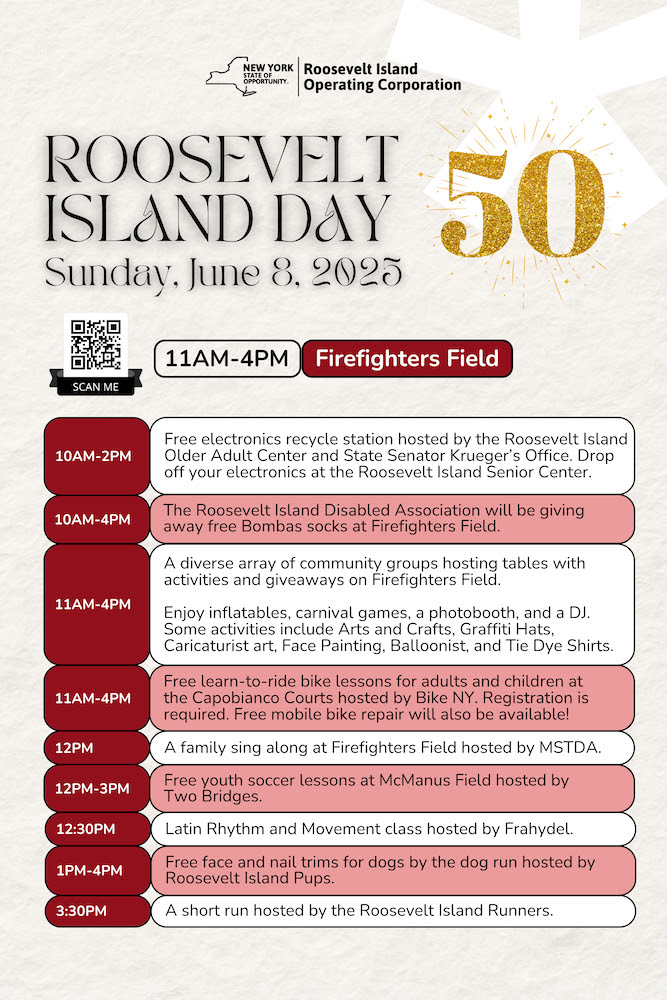
STOP BY THE RIHS TABLE ON SUNDAY AT RI DAY
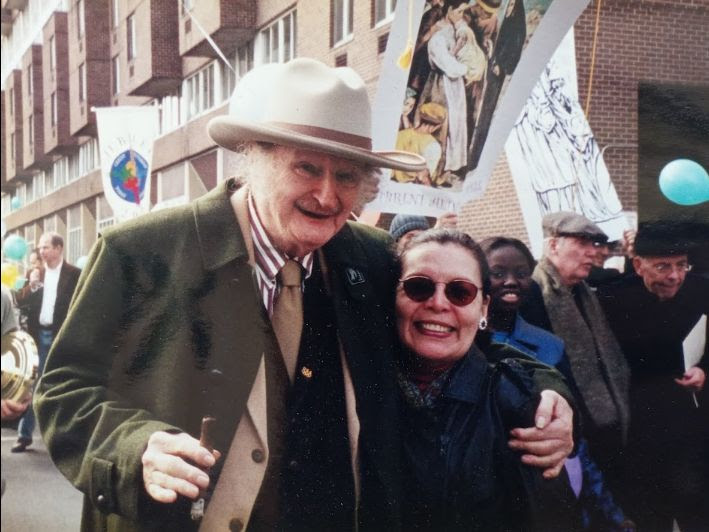
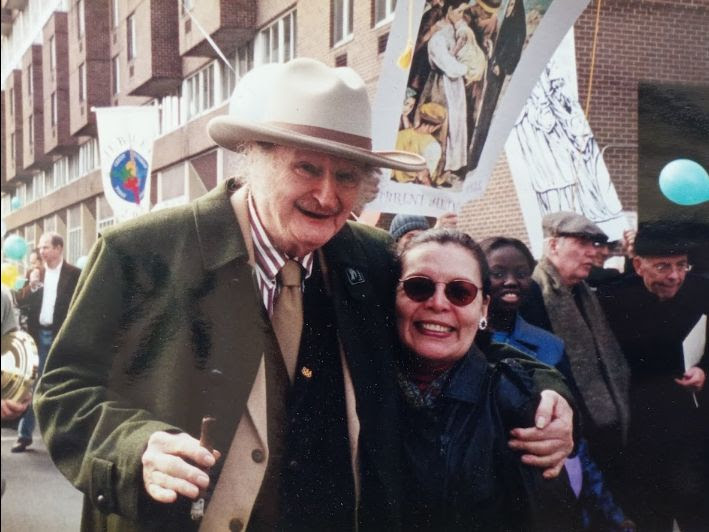
AN YOU IDENTIFY THIS ISLAND CELEBRITY AND FRIEND?
CREDITS
NEW YORK ALMANACK
Illustrations, from above: Detail from Risso & Browne’s “Afong Moy, the Chinese Lady,” 1835 (New York Public Library); A reverse-glass export painting of Canton’s harbor and its European “factories,” 1805; Artist unknown, “The Production of Tea,” 1790-1800 (Peabody Essex Museum); Fan depicting the Empress of China on the far left, the only traced image of the ship, ca. 1784. (Historical Society of Pennsylvania); A collection of Canton ware. (Porter-Phelps-Huntington House, Hadley, Massachusetts); William John Huggins, “The Indiaman Asia,” 1836 (Royal Museums Greenwich); Risso & Browne’s “Afong Moy, the Chinese Lady,” 1835 (New York Public Library); and the Port Arthur Chinese Restaurant, at 7-9 Mott Street, ca. 1900, one of the first banquet halls of Chinatown
All image are copyrighted (c) Roosevelt Island Historical Society unless otherwise indicated THIS PUBLICATION FUNDED BY DISCRETIONARY FUNDS FROM CITY COUNCIL MEMBER JULIE MENIN & ROOSEVELT ISLAND OPERATING CORPORATION PUBLIC PURPOSE FUNDS.
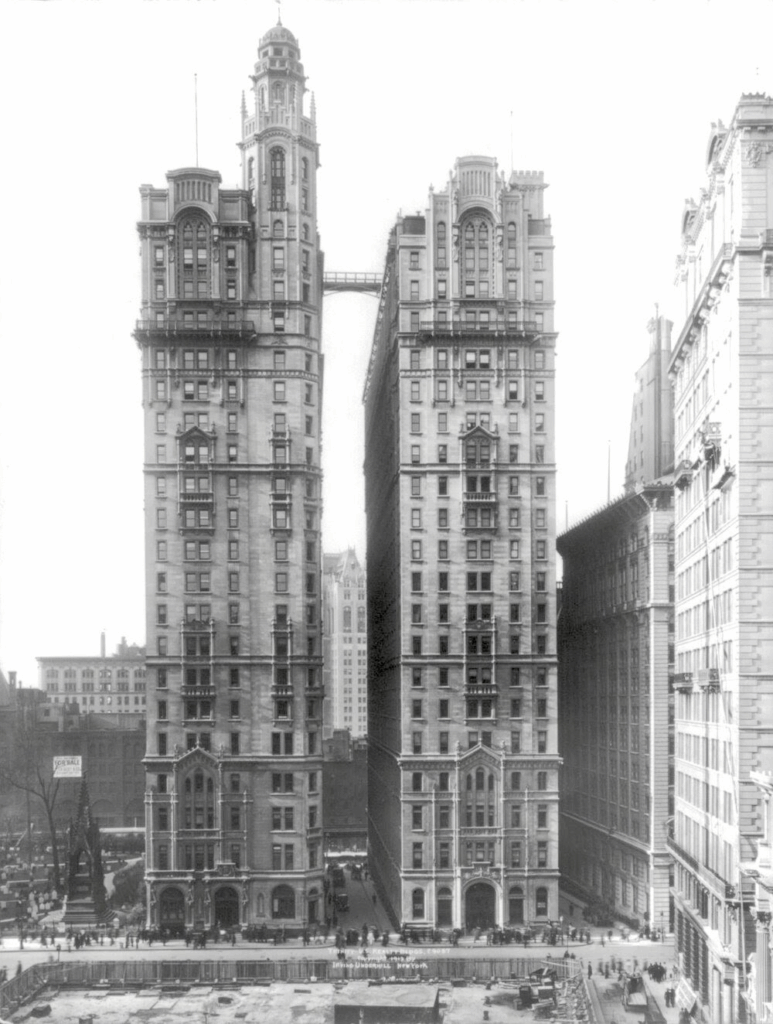
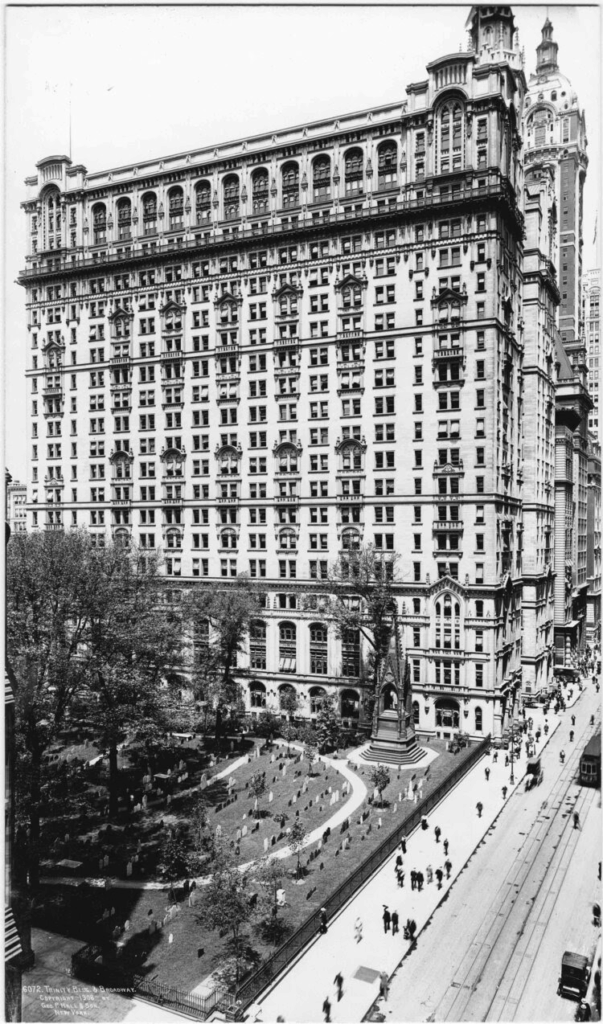
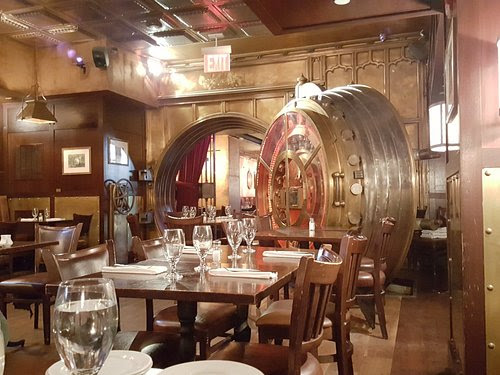
The Neo-Gothic Trinity Building at 111 Broadway, next door to Trinity Church, was constructed around its bank vault in 1907! Today there is a bar and restaurant in that bank vault!
The 70-ton vault was commissioned in 1904 by the New York Realty Bank and constructed upstate in Hudson, NY before being placed on a barge and sailed down the Hudson River. Once it reached Lower Manhattan the vault was loaded on to railroad tracks, which were constructed just to get the vault up the hill from the bank of the river to the Broadway location. The vault still sits on these tracks to this date!
Designed by Francis H. Kimball, the Trinity and US Realty Building was constructed around the bank and rose to a height of 308-feet when it was completed in 1907. Adjacent to Richard Upjohn’s 1846 Trinity Church and inspired by its neo-gothic architecture, the skyscraper is actually two separate 21-story slab buildings that rise straight from the street with no setbacks – separated by Thames Street and only linked by a steel footbridge.
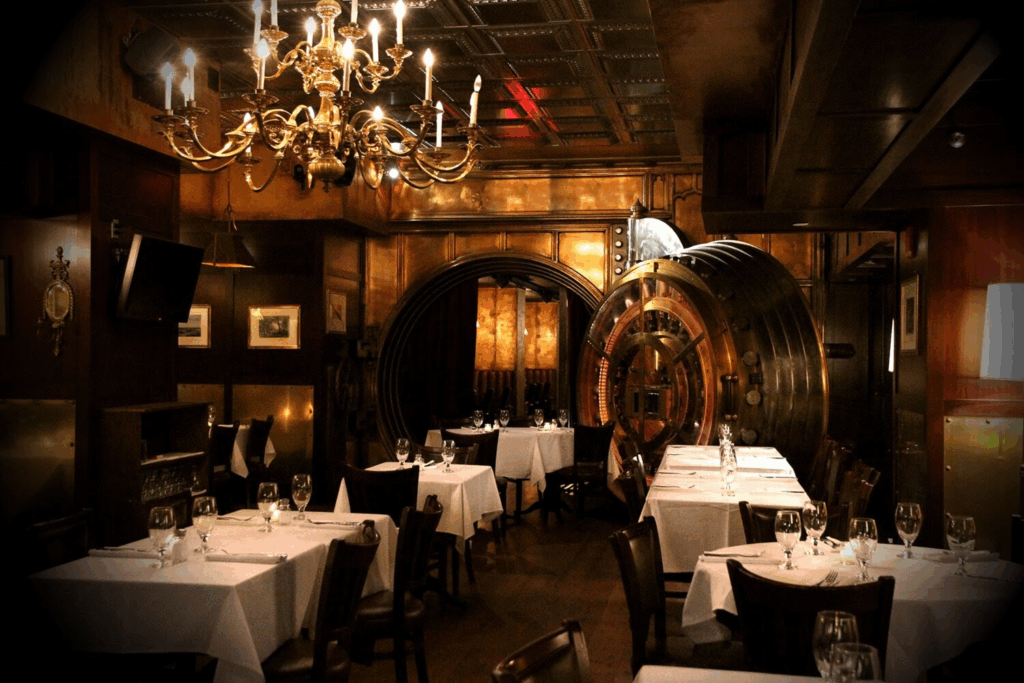
In 2006 the bank vault was restored to repurposed as Trinity Place, a bar and restaurant inside the former vault, giving the public an opportunity to see the historic site first hand. Trinity Place still houses both restored vault doors, one leading into the bar and the other into the restaurant, which was historically used as a secret meeting room for the board of directors and still has its original brass chandelier. The 5″ thick steel walls that surrounded the vault are still visible.
CAN YOU IDENTIFY THIS ISLAND CELEBRITY AND FRIEND?
CREDITS
NYCURBANISM
All image are copyrighted (c) Roosevelt Island Historical Society unless otherwise indicated THIS PUBLICATION FUNDED BY DISCRETIONARY FUNDS FROM CITY COUNCIL MEMBER JULIE MENIN & ROOSEVELT ISLAND OPERATING CORPORATION PUBLIC PURPOSE FUNDS.
VISIT THE RIHS TABLE AT THE RI DAY CELEBRATION THIS SUNDAY, JUNE 8th AT FIREFIGHTERS FIELD.
THE RIHS WILL BE DISPLAYING 50 YEARS OF ISLAND PHOTOS FROM RESIDENT AND FAMILIES.
WE WILL ALSO BE DISTRIBUTING BOOKS FROM THE NYPL. STOP BY OUR TABLE AND JOIN THE FUN!
JP MORGAN
23 WALL STREET
Thursday, June 5, 2025 NYCUrbanism Issue #1463
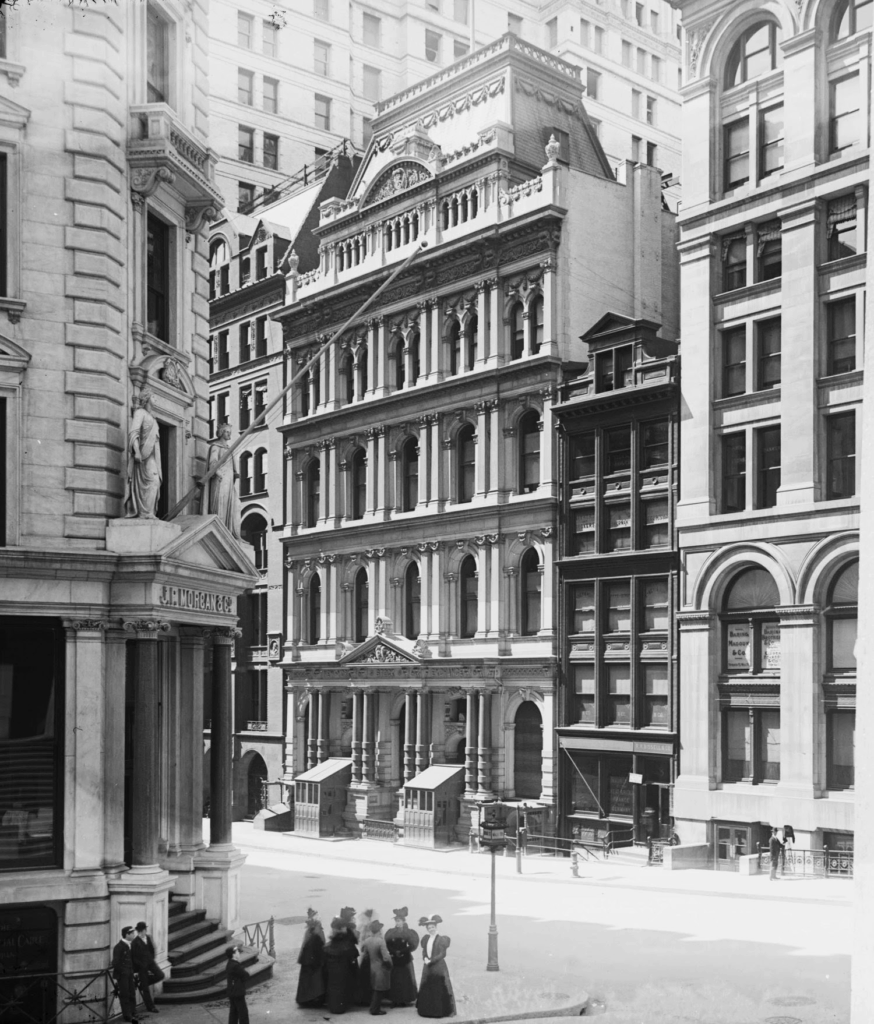
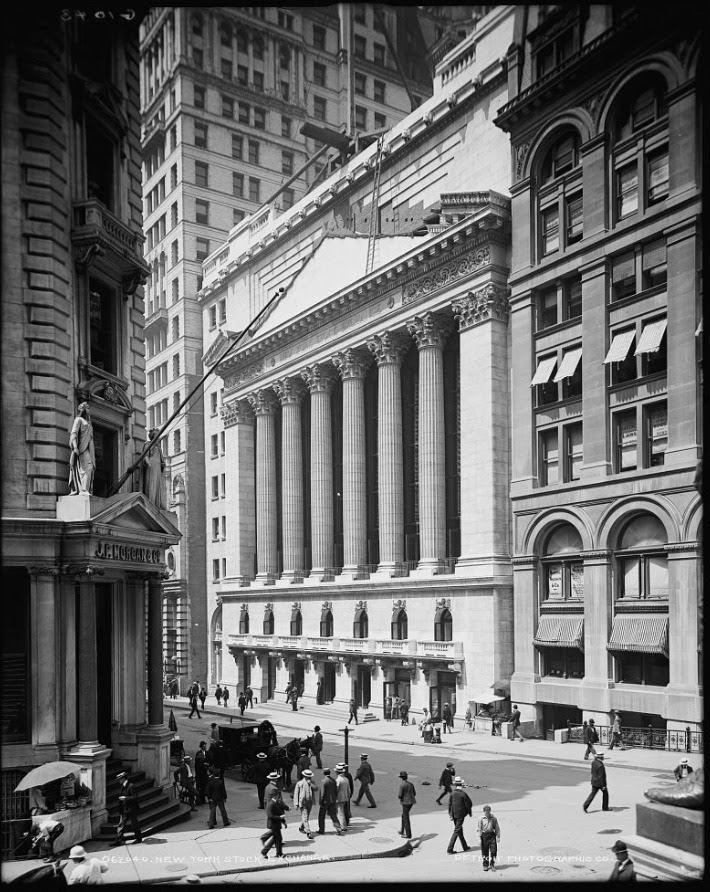
In 1869 J. Pierepont Morgan co-founded Drexel, Morgan & Co. with businessman Anthony Drexel, setting their vision on the southeast corner of Wall and Broad Street between Federal Hall and the New York Stock Exchange for their new headquarters. Three years later the bank paid $250,000 in gold for the site, setting records as the most expensive lot of that size in the world. Drexel, Morgan & Co. would hire architect Arthur D. Gilman to design a six-story French Second Empire style building clad in Vermont marble with a mansard roof and a prominent entrance on the chamfered corner topped with a sculpted pediment and two statues depicting Europe and America.
The entrance of the Drexel Building (left) with the original (top) and current Stock Exchangeb (bottom) across the street.
Current Stock Exchange
The building opened in 1873 with the bank designating the first floor as a banking hall with offices above. In 1882 the building was the center of attention when Thomas Edison flipped a switch, illuminating the structure with 600 electric lights. By the 1890s the renamed J.P. Morgan & Co. was the country’s most powerful investment bank, helping to transform the U.S. economy and financing some of the country’s strongest financial players including the U.S. Steel Corporation; the world’s first billion-dollar corporation and the New York, New Haven and Hartford Railroad, which dominated northeast regional rail traffic during the first half of the 20th century.
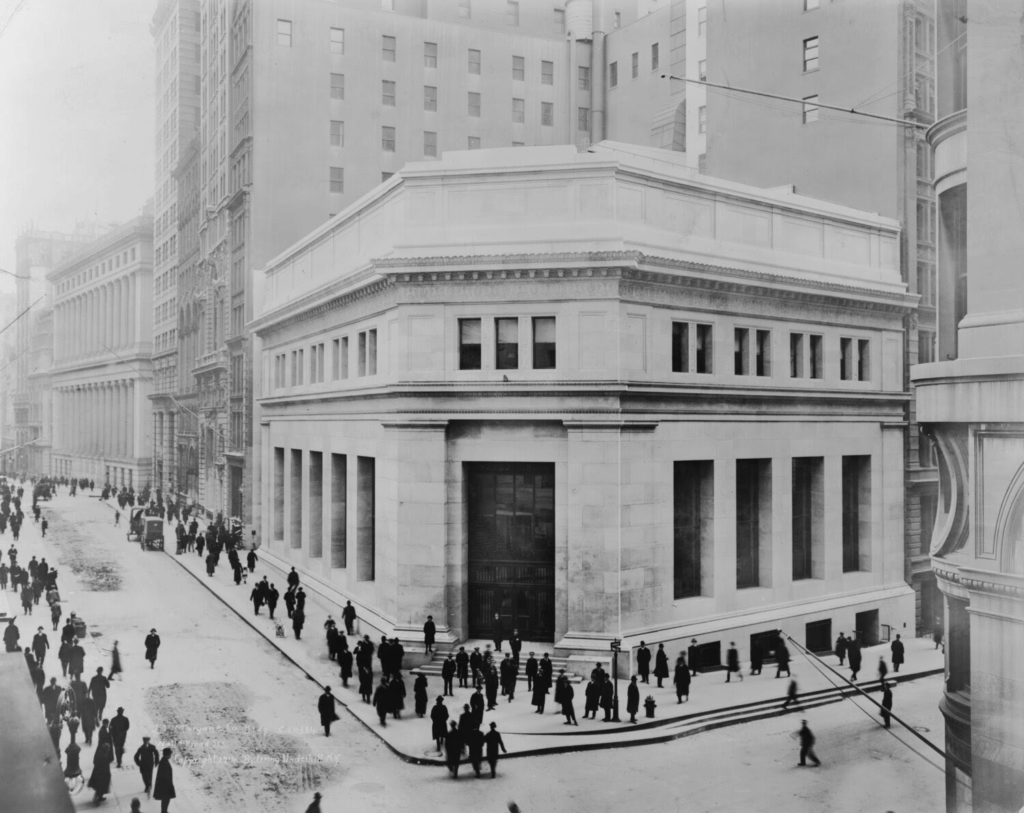
The building would temporarily close on April 1, 1913, the day J.P. Morgan died, and less than a year later the Drexel Building would be demolished, with a new building rising on what had become the most valuable lot in the country, completed a year later. Designed by Towbridge & Livingston (architect of the 1912 Bankers Trust Building diagonally across the Street), the new unadorned limestone building that would replace Drexel was drastically smaller, only four stories tall, contradicting the cardinal rule of Wall Street development where taller buildings have always replaced shorter ones over time. Today JPMorgan Chase & Co. is one of the largest banks in the world.
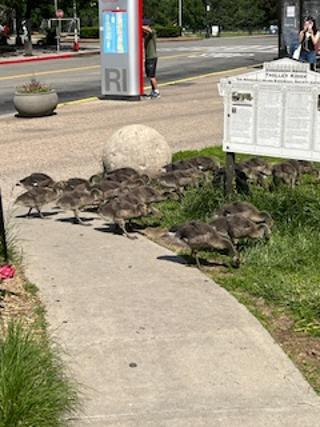
VISITORS TO THE RIHS KIOSK TODAY
CREDITS
NYCURBANISM
All image are copyrighted (c) Roosevelt Island Historical Society unless otherwise indicated THIS PUBLICATION FUNDED BY DISCRETIONARY FUNDS FROM CITY COUNCIL MEMBER JULIE MENIN & ROOSEVELT ISLAND OPERATING CORPORATION PUBLIC PURPOSE FUNDS.
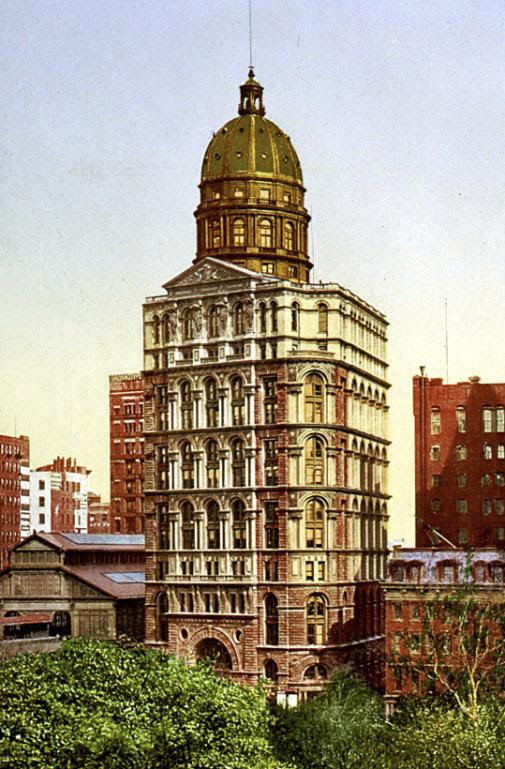
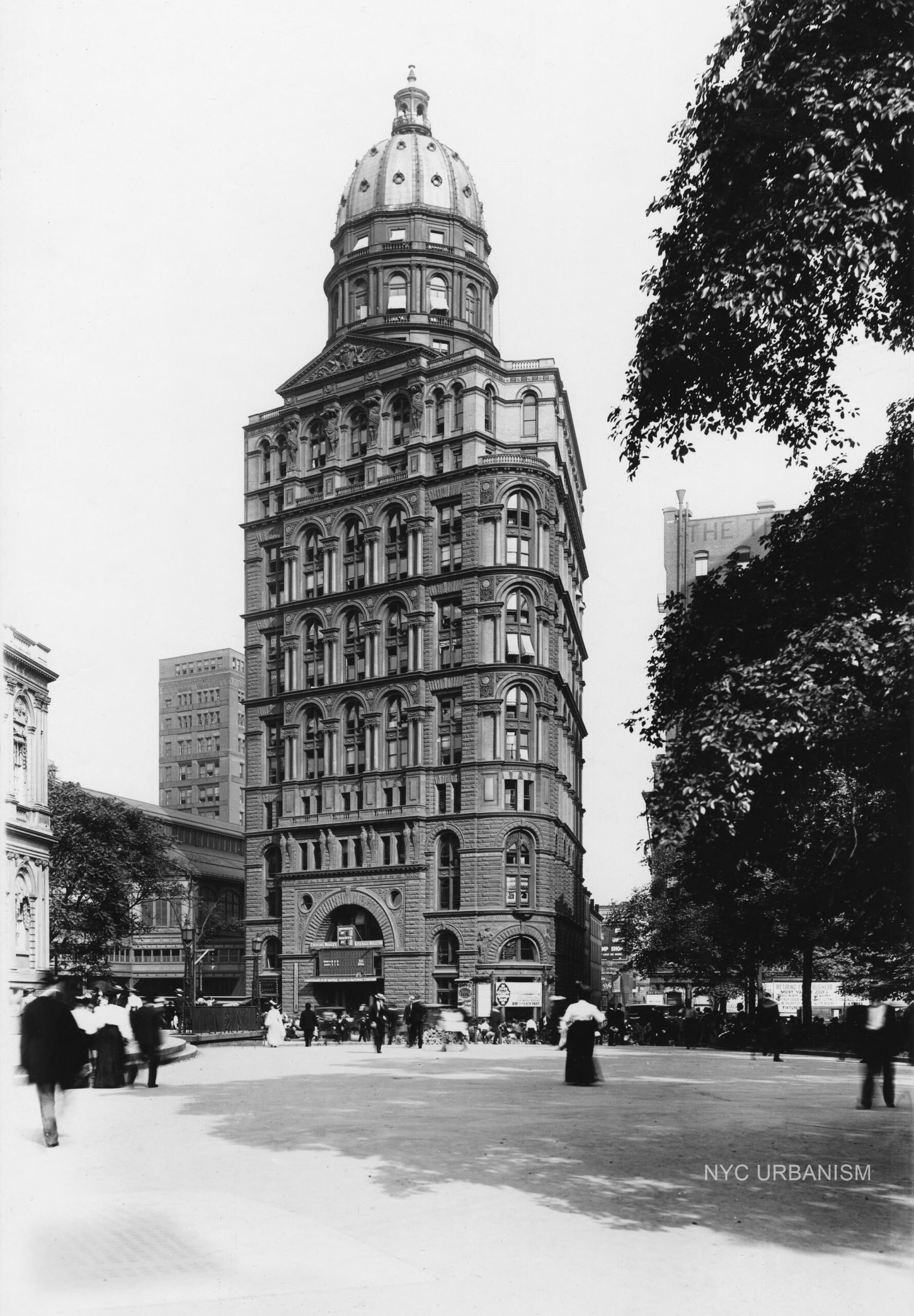
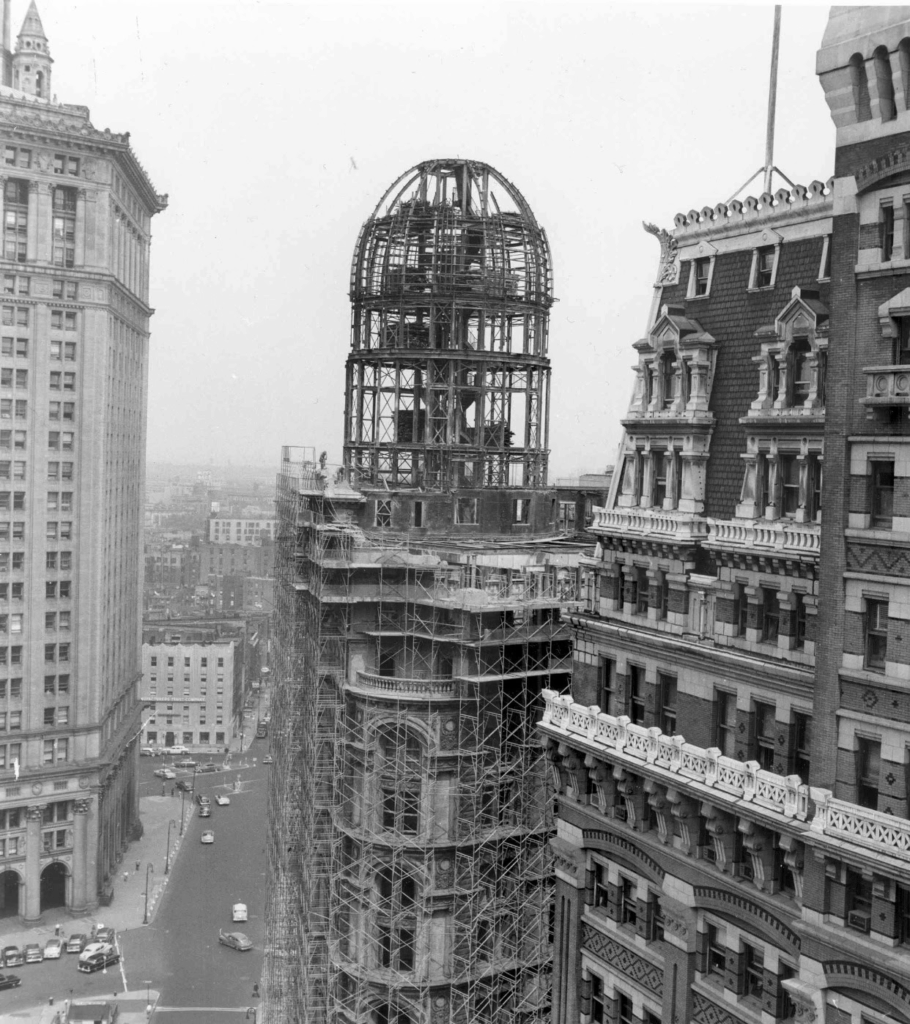
The 309-foot New York World Building (officially known as the Pulitzer Building) was the tallest skyscraper in the world when it opened in 1890. Located on Newspaper Row (today’s Park Row) across from City Hall and next to the Tribune, Times, Herald, and Sun newspaper buildings, it served as an office building and vertical factory, with newspaper production starting in the tower’s dome – under the publisher Joseph Pulitzer’s direction – with photoengraving, editorial and reportorial staff meeting and compiling photographs and news stories in the sun-light upper floors. Production then traveled down to the linotype composing room, then to the giant presses in the cellar, where newsprint paper making machines printed 48,000 8-page papers per hour. Paperboys waited outside on the curb for the cut, pasted and folded papers to be distributed.
Designed by architect George B. Post (NY Stock Exchange) the skyscraper featured an ornate red sandstone facade. The dome at the top of the world housed a public observation deck where visitors could ascend a flight of stairs to a cupola where they would be greeted with a 360-degree view of the city.By the mid-19th Century, the newspaper buildings had moved from Park Row, with the Herald going to 34th Street (Herald Sq) and the Times going to 42nd Street (Times Sq). But in January of 1953, the New York Times reported the fateful news for the World Building, which neighbored the entrance to the Brooklyn Bridge: “The doom of the historic World Building at 63 Park Row was forecast yesterday as the City Planning Commission approved a $5,266,000 plan drafted by Manhattan Borough President Robert F. Wagner Jr. for rearrangement and reconstruction of the street system at the Manhattan plaza of the Brooklyn Bridge.”
In 1955 the building was demolished to make way for an on-ramp to the Brooklyn Bridge. The iconic Tribune Building next door would also be demolished to make way for the Brutalist Pace University
World Building elevation drawing
World Building demolition, 1955. Tribune Building on the right before demolition.
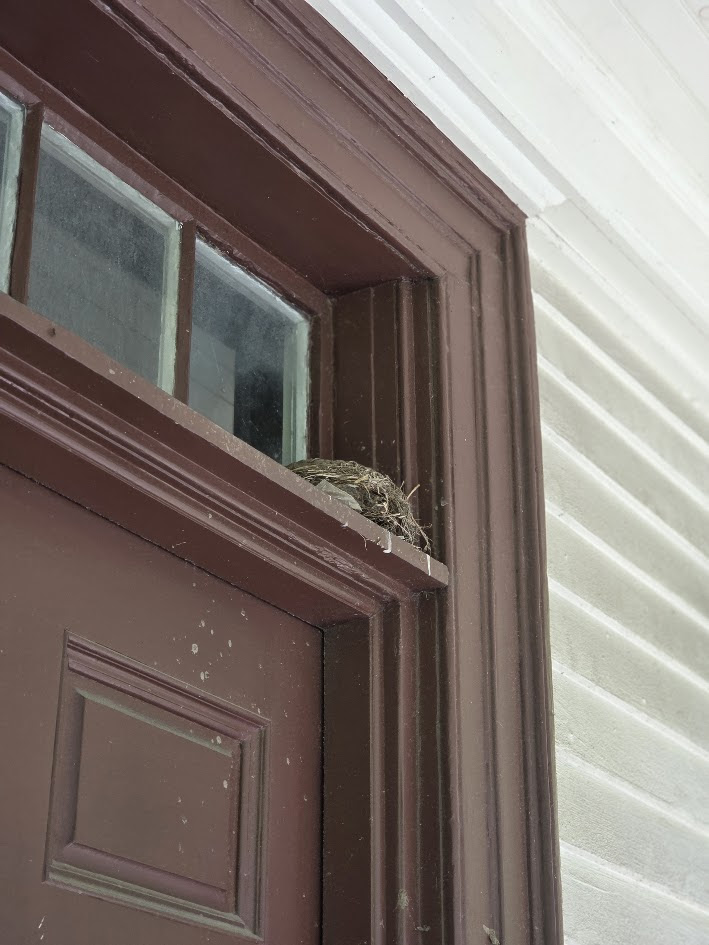
THE BIRDS ARE LONG GONE
TIME TO CLEAN OFF THE BLACKWELL HOUSE NEST AND BIRD DROPPINGS!
CREDITS
NYCURBANISM
All image are copyrighted (c) Roosevelt Island Historical Society unless otherwise indicated THIS PUBLICATION FUNDED BY DISCRETIONARY FUNDS FROM CITY COUNCIL MEMBER JULIE MENIN & ROOSEVELT ISLAND OPERATING CORPORATION PUBLIC PURPOSE FUNDS.
Defining a New Era for American Women: The New York Woman Magazine
Tuesday, June 3, 2025 New-York Historical Blog Issue #1461
The 1930s was a time of immense change for American women. This was especially true for women working in New York City, who saw their professional, economic, and social opportunities rapidly expand during this decade.
Historians predominantly characterize the 1930s in the United States as an era of economic turmoil due to the Great Depression. Nevertheless, women joined the urban workforce in unprecedented numbers. The rate of working women rose to 24%, with nearly 50% of single women in employment. In New York alone, there were 13 million women employed by the end of the decade, compared to 10.5 million in 1930. The majority of these women worked in clerical jobs in the rapidly expanding American corporate sector or in teaching and nursing. Some trailblazing women also achieved careers in law, finance, publishing, and politics.
American cities thus became hubs of opportunity for ambitious—mostly single—women. Indeed, 1930s New York embodied the exciting, liberating possibilities that the modern metropolis could hold for American women, as the epicenter of commercial, technological, cultural, and social innovation in the United States.
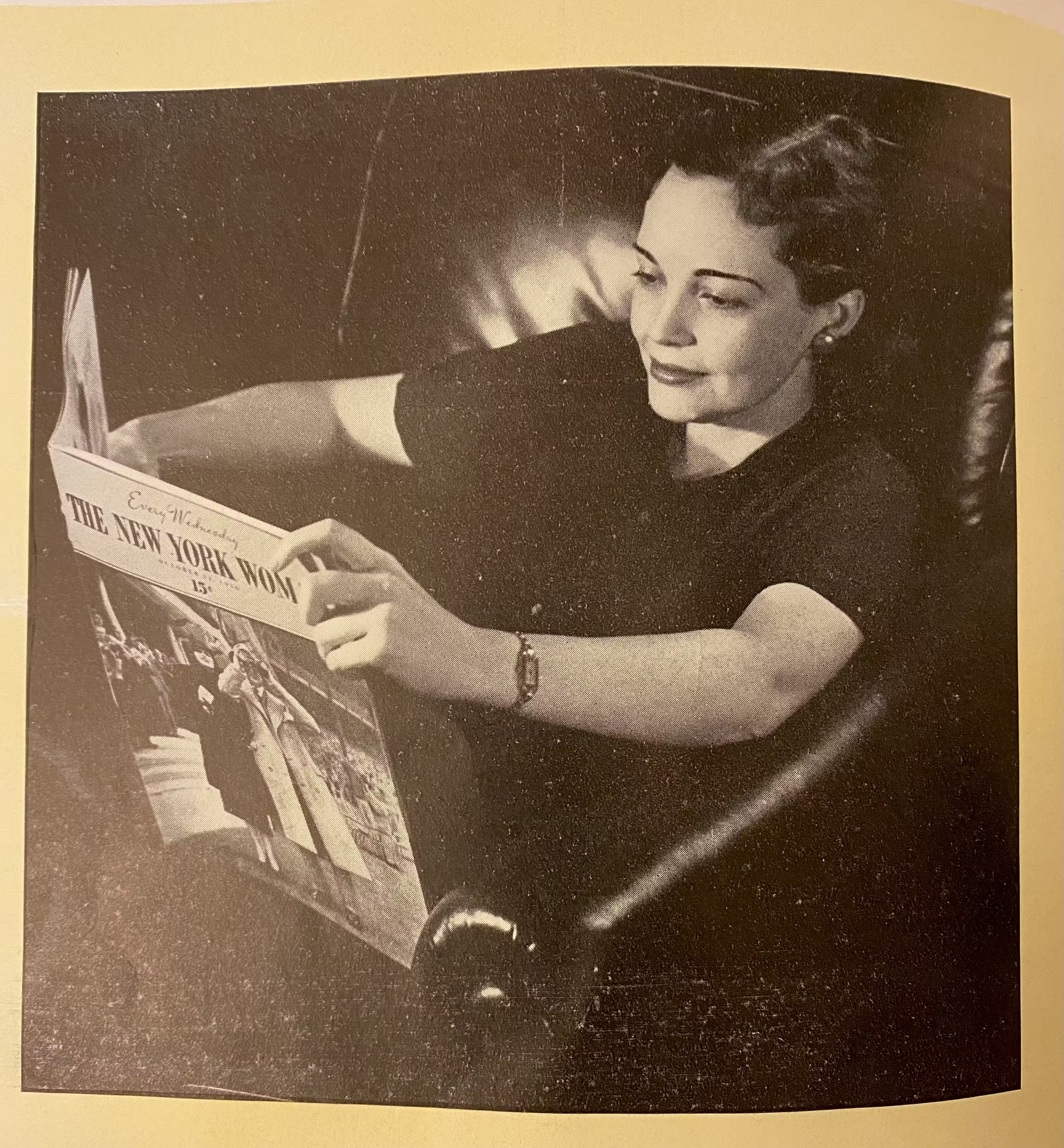
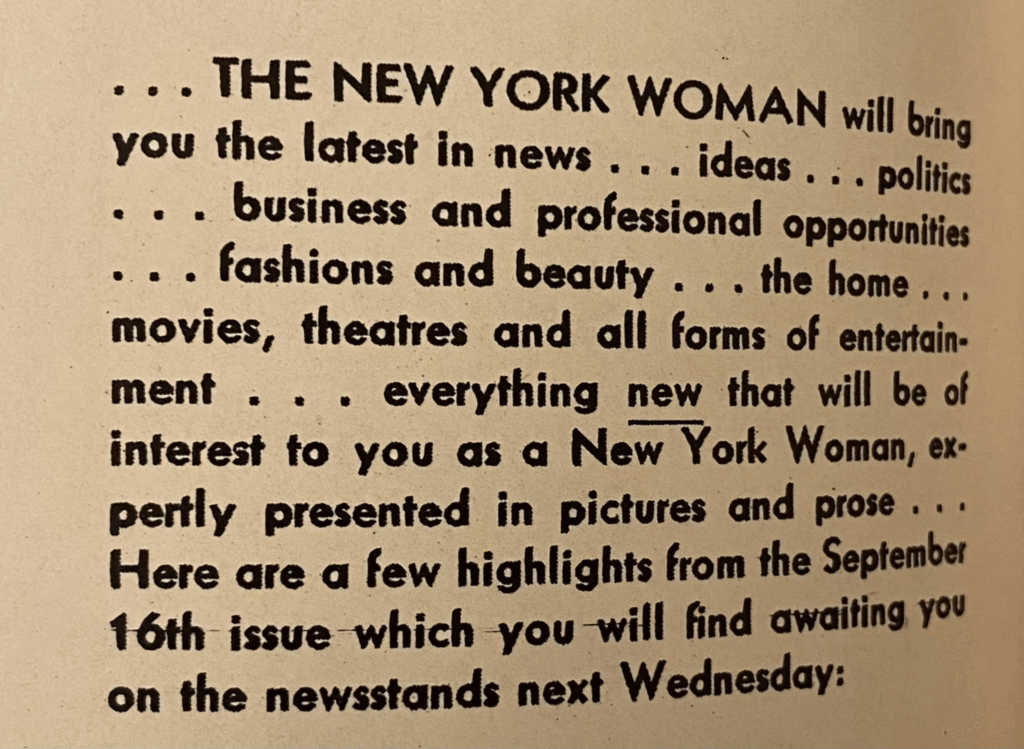
The New York Woman captured the emergence of the urban career woman as a defining figure of modern New York. The magazine became one of the best-selling publications of the 1930s. Written and “edited for the women of metropolitan New York,” the magazine sold out within 24 hours when the first issue hit the shelves on September 9, 1936.
Published weekly on Wednesdays, The New York Woman catered to the urban career woman’s interests in:
“LOVE – MARRIAGE – POLITICS – PERSONALITIES – SOCIETY – MOVIES – THEATRE – DANCING – FASHION – BEAUTY – COOKING – DECORATING – WHERE TO BUY – WHAT TO DO – HOW TO HAVE FUN!”
Copy from the inaugural issue of The New York Woman, September 9th, 1936. The New York Historical.
While attending to conventionally ‘feminine’ topics of fashion, dating, and beauty—topics that still dominate contemporary women’s magazines—The New York Woman’sinclusion of detailed articles on politics, career advice, and financial management underline how women’s lives were being reshaped during the 1930s. Rather than presenting a principal concentration on housekeeping and domestic affairs, as women were gaining access to professional institutions and the public sphere of the modern metropolis, The New York Woman reflects how magazines began to offer more diverse content to women readers, which better reflected the new realities of their urban lives.
The magazine’s weekly column, “Soundings: Opinions of the New York Woman,” printed select readers’ correspondence with the magazine editors, covering topics ranging from whether America should join the Second World War to whether it was ‘proper’ for single women to drink alcohol at bars in the city. The publication also offered profiles of prominent career women in New York, many of whom worked in traditionally male-dominated industries. These ranged from Judge Justine Wise Tulin, the first New York woman to hold a judicial post higher than a magistrate, to women working as political advisors on the 1936 Presidential election campaigns
“9 to 5…five to nine.” Profile of Barbara Schaffa, a woman “typical of the girl all busy men desire; the smart, self-sufficient secretary,” in the October 7, 2025 issue of The New York Woman. The New York Historical.
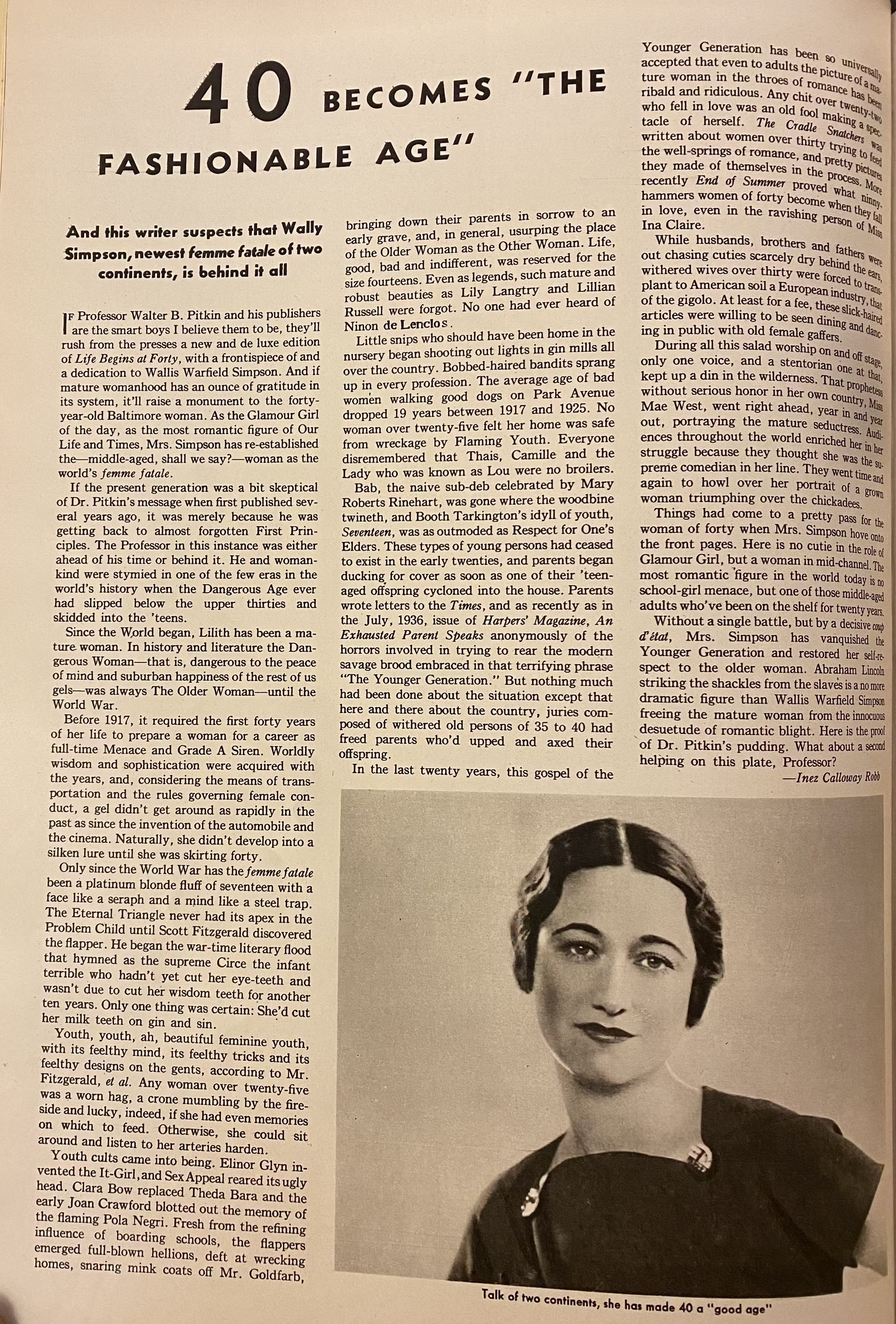
While detailing the latest fashion trends through exquisite watercolor illustrations in its weekly feature, “Today Along Fifth Avenue,” TheNew York Woman challenged many reductive myths around style and beauty. Its writers questioned the youth-centered ideas of beauty and glamour that had defined the 1920s flapper era. Instead, in such articles as Inez Calloway Robb’s “40 Becomes ‘The Fashionable Age,’” The New York Woman profiled Wallis Simpson, arguing that women of all ages could embody the glamour and excitement of modern America.
The “Today Along Fifth” feature, in the October 7, 1936 issue of The New York Woman. The New York Historical.
“40 Becomes ‘The Fashionable Age,’” featuring a profile of the American socialite Wallis Simpson, in the October 7, 1936 issue of The New York Woman. The New York Historical.
The magazine also ran features on a range of topics relating to life in the Big Apple. These included articles designed to improve domestic life. Readers could browse reviews for appliances tailored to cooking in a small apartment kitchen, guides to New York nursery schools, fashionable color schemes for decorating an apartment, and advertisements for new apartment buildings in the city (from the Savoy Plaza to the El Dorado). New York nightlife was another prominent topic. Notable features surveyed fun things to do in New York for less than $5, lists of the best restaurants and bars to visit on a Saturday night, reviews of new Broadway shows and movies, and ideas for quick but tasty dinners to cook for guests.
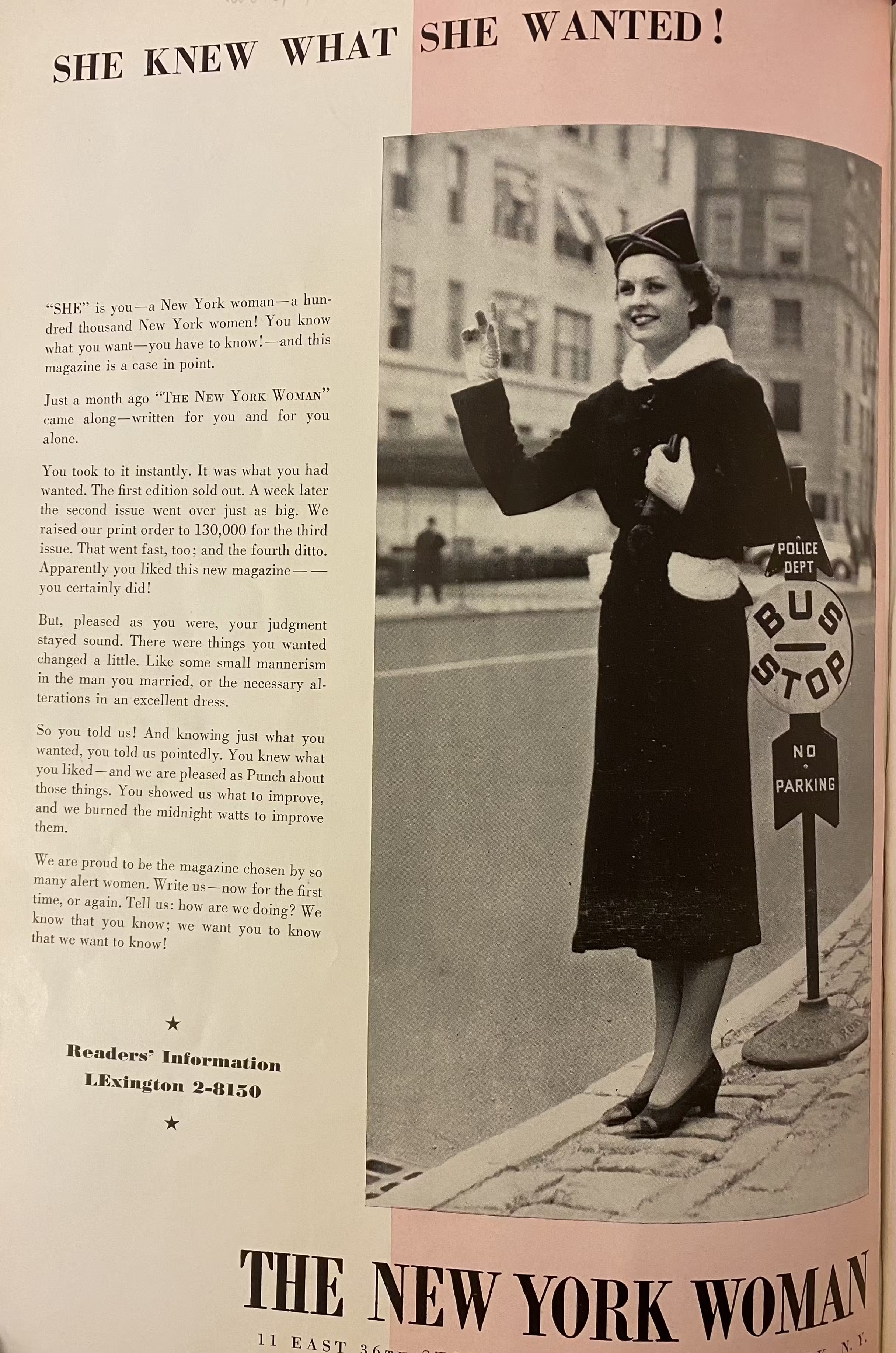
“She knew what she wanted!” Making the case for the new woman in the October 7, 1936 issue of The New York Woman. The New York Historical.
The New York Historical’s collection of The New York Woman magazine offers fascinating insight into New York women’s aspirations, ideas, concerns, and daily lives in the 1930s, and illuminates how American women’s lives were changing rapidly during this decade. Whereas magazine readership is waning in the twenty-first century, this collection underlines the centrality of magazines to early-20th-century American culture. As The New York Woman declared to its readers: “To live successfully in New York, read The New York Woman.”
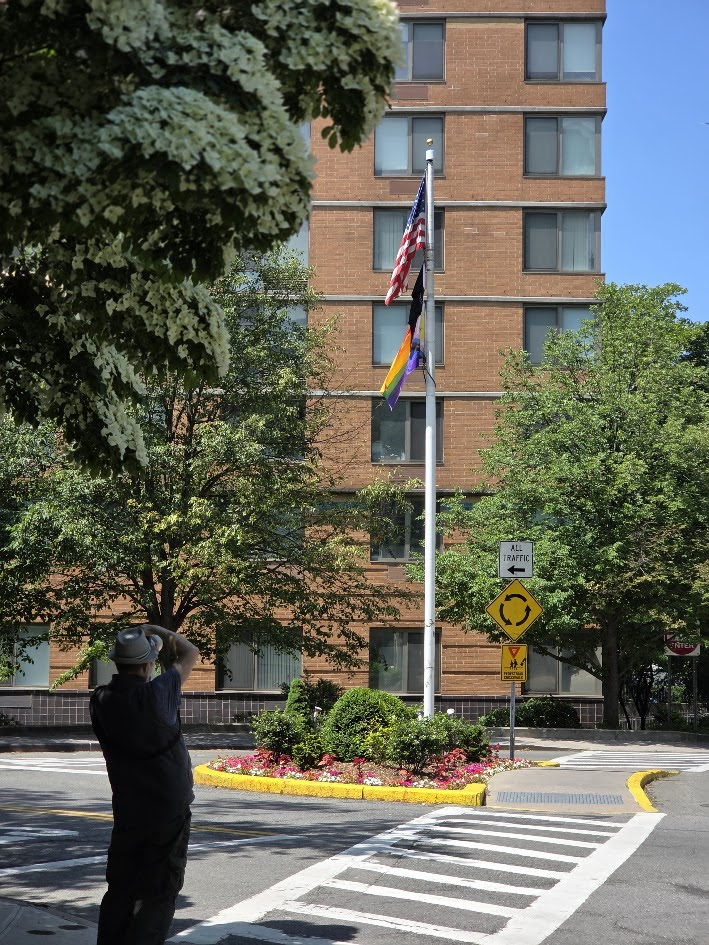
PRIDE FLAG RAISED OVER MAIN STREET
CREDITS
Written byDr. Angelica De Vido. De Vido is the 2024-2025 Mellon Foundation-Robert David Lion Gardiner Fellow at The New York Historical.
All image are copyrighted (c) Roosevelt Island Historical Society unless otherwise indicated THIS PUBLICATION FUNDED BY DISCRETIONARY FUNDS FROM CITY COUNCIL MEMBER JULIE MENIN & ROOSEVELT ISLAND OPERATING CORPORATION PUBLIC PURPOSE FUNDS.
Monday, June 2, 20-25 Untapped New York Nicole Saraniero Issue #1460
One of the best ways to enjoy the warmer weather in New York City is to get outside and see some art and attend art-related events! This June, you’ll find larger-than-life flowers, a museum on wheels, a celebration of pigeons, and more:
“Irises on Yellow Columns” by Graphic Rewinding at Van Gogh’s Flowers, Courtesy of New York Botanical Garden
The iconic van Gogh paintings of irises and sunflowers come to life in this year’s summer exhibit at the New York Botanical Garden.Flourishing floral displays and large-scale interactive artworks fully immerse you in van Gogh’s timeless masterpieces. Learn more about the exhibit from one of the artists who worked on it, here!
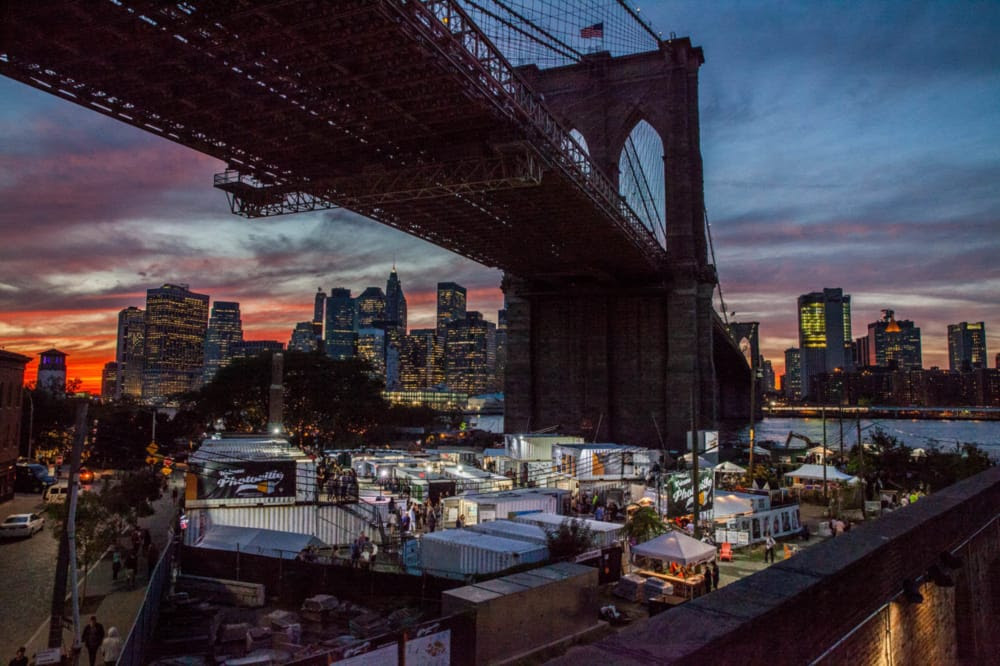
The city’s biggest pop-up photography event will hit all five boroughs this June! Photoville returns for its 14th year with over 80 international exhibits that highlight the work of photographers from right here in New York City and nations across the globe. The photo festival’s signature shipping container galleries will be on view at Brooklyn Bridge Park while satellite exhibits can be seen at Barretto Point Park, Bella Abzug Park, the Seaport, Alice Austen House, and many other locations. One special exhibit to look out for is Early Distant Warning. It features large photographs frozen in large ice blocks that will gradually melt throughout the day to reveal Louie Palu’s photographs of the Arctic. See it at Brooklyn Bridge Park on June 7th from 1:30-7pm!
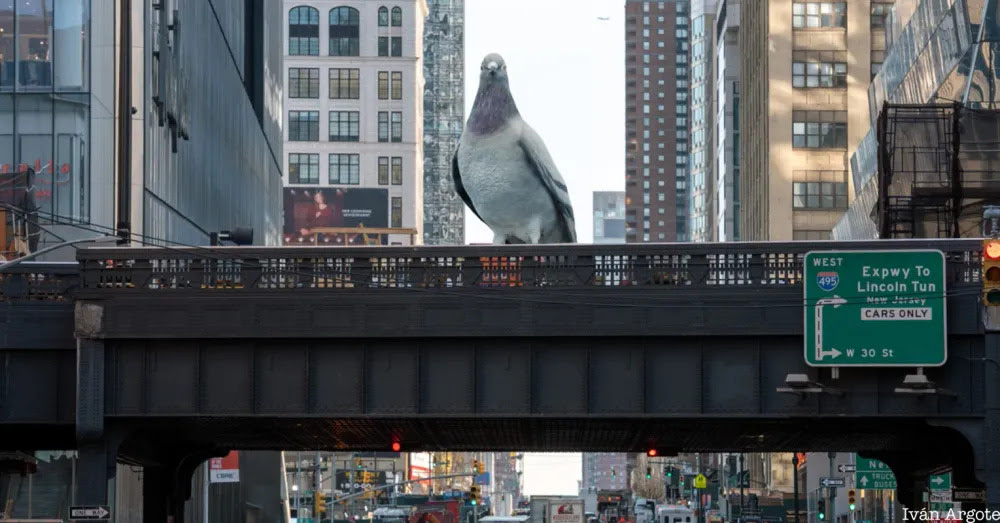
Did you know there is a National Pigeon Appreciation Day?! Well, the High Line is celebrating with Pigeon Fest, in honor of Iván Argote’s 17-foot-tall aluminum pigeon sculpture Dinosaur currently on view at the Spur. This full-day festival will feature free public programming including pigeon-themed carnival games, family-friendly art workshops, a Pigeon Impersonation Pageant, panel discussions, and a concert presented in collaboration with the Birdsong Project
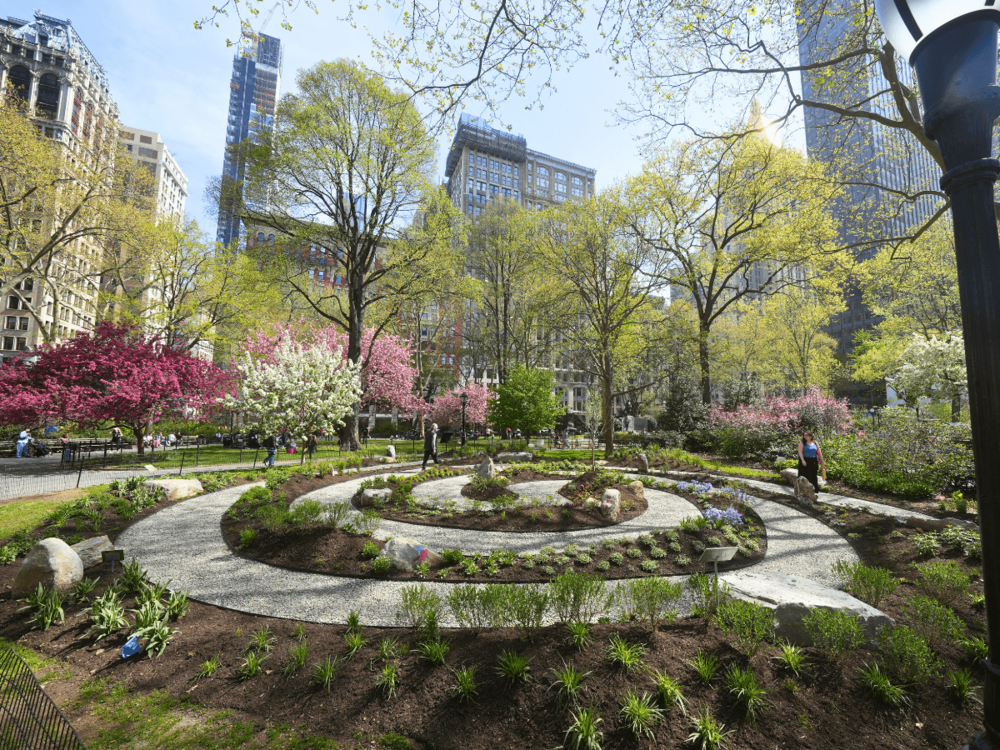
Gardens of Renewal by Lily Kwong, Photo Courtesy of Madison Square Park
The winding pathway of this living installation provides opportunities for play, learning, self-reflection, and ecological awakening. Created by artist Lily Kwong in collaboration with the Madison Square Park Conservancy,Gardens of Renewal “explores the ecological potential of the built environment while underscoring the political urgency of the climate crisis.” In the Meditation Garden, visitors follow a spiral path surrounded by gorgeous flowers, herbs, and other native plants, with endangered and rare specimens at the center. On Sparrow Lawn, the Children’s Garden offers a library, stage, and play structures that promote adventure, creativity, and ecological awareness.
The installation is accompanied by a series of conversations, performances, and educational programming for children of all ages. QR codes scattered throughout the gardens offer supplemental digital materials, including an illustrated field guide plant list, a meditation, and a customized playlist.
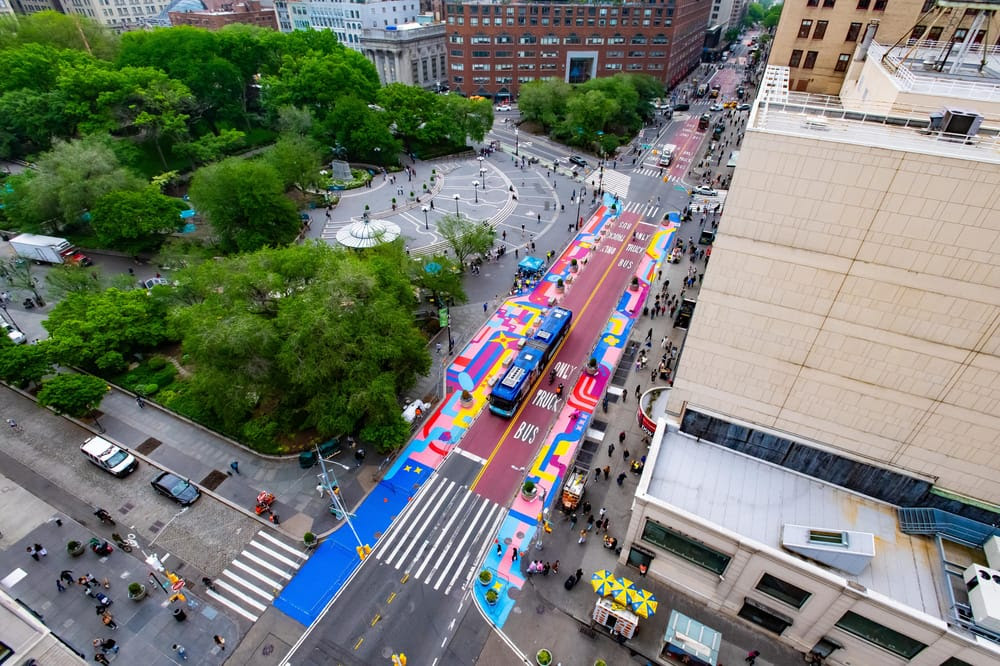
14th Street Busway, between Broadway and University Place, Union Square
New York-based visual artist Yuke Li has transformed a bland busway into a vibrant 7,500-square-foot mural. Union Square Partnership’s fifth annual street mural was completed with the help of volunteers who spent five days bringing Li’s vision to life. Turning Point “honors Union Square’s role as a place that facilitates the movement of people, whether gathering, dispersing, or embarking on new journeys.” This movement and flow are represented by retro-inspired abstract shapes painted in bright colors.
Monumental 20-foot screens have taken over six acres of land on Manhattan’s east side next to the United Nations. This photography and video project takes an optimistic approach to the future of America on the occasion of our nation’s 250th anniversary. Spread out along a winding path, viewers will uncover the stories of over fifty everyday Americans captured on film by award-winning local filmmaker and photographer Daniella Vale. Each subject shares their thoughts on liberty, democracy, and what it means to be American.
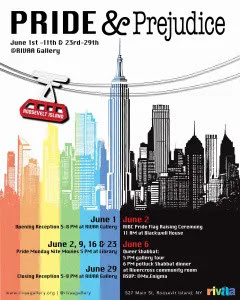
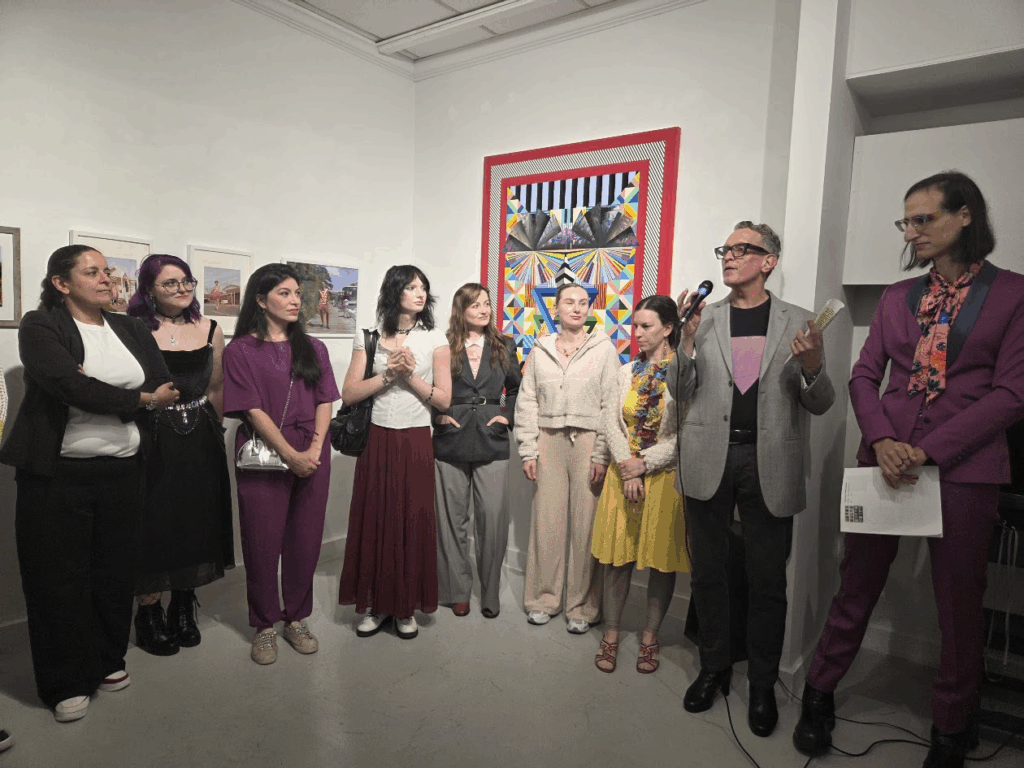
PRIDE EXHIBIT OPENS AT RIVAA
FEATURING WORKS BY 23 ARTISTS OPEN THRU THE MONTH (CHECK FOR DATES)
THOM HEYER INTRODUCES THE PARTICIPATING ARTISTS AT OPENING ON SUNDAY.
CREDITS
UNTAPPED NEW YORK NICOLE SARANIERO JUDITH BERDY
All image are copyrighted (c) Roosevelt Island Historical Society unless otherwise indicated THIS PUBLICATION FUNDED BY DISCRETIONARY FUNDS FROM CITY COUNCIL MEMBER JULIE MENIN & ROOSEVELT ISLAND OPERATING CORPORATION PUBLIC PURPOSE FUNDS.







 14th Street Busway, between Broadway and University Place, Union Square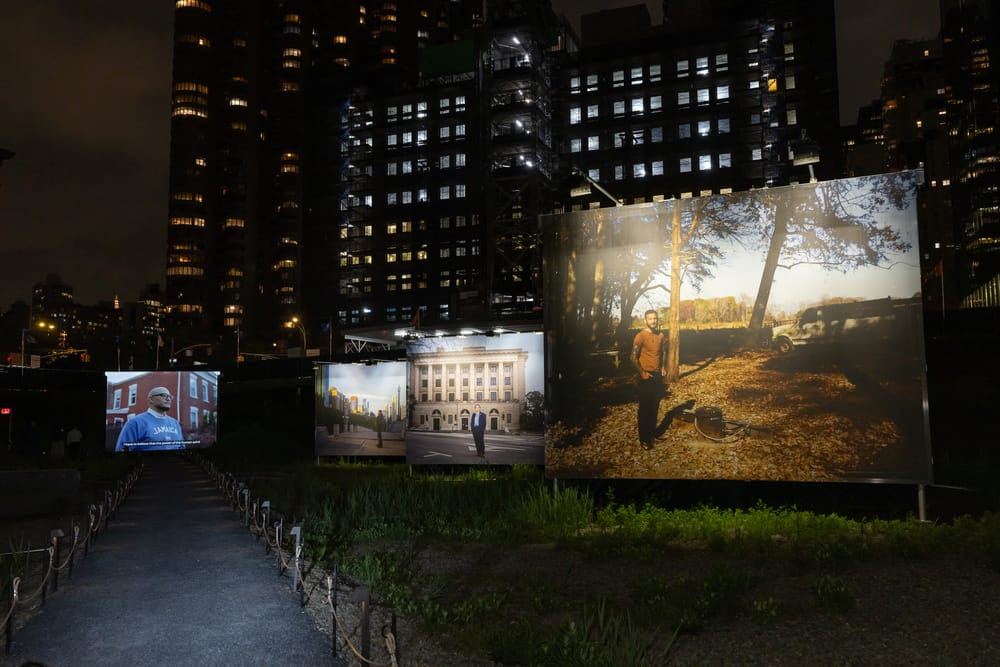
 Open through July 31st