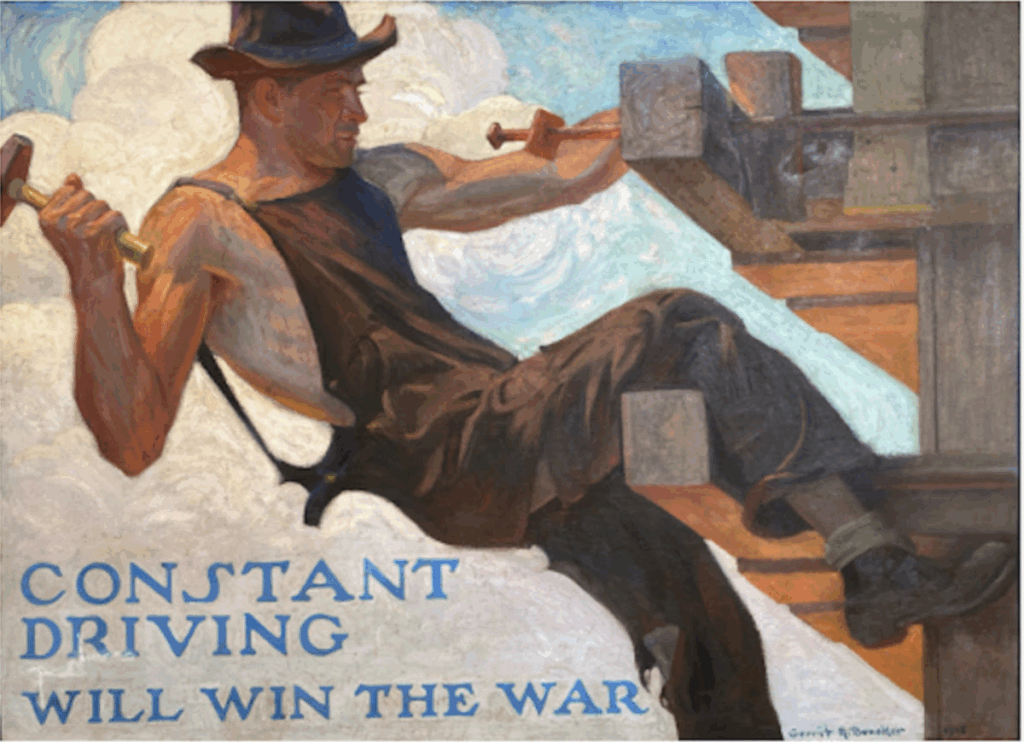
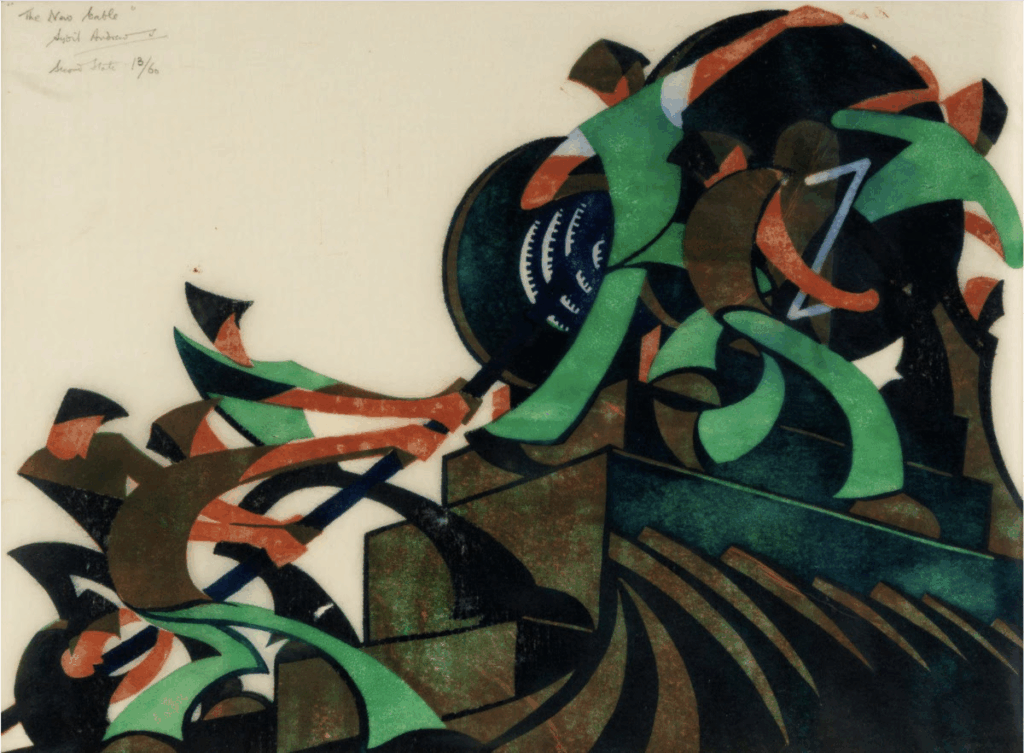
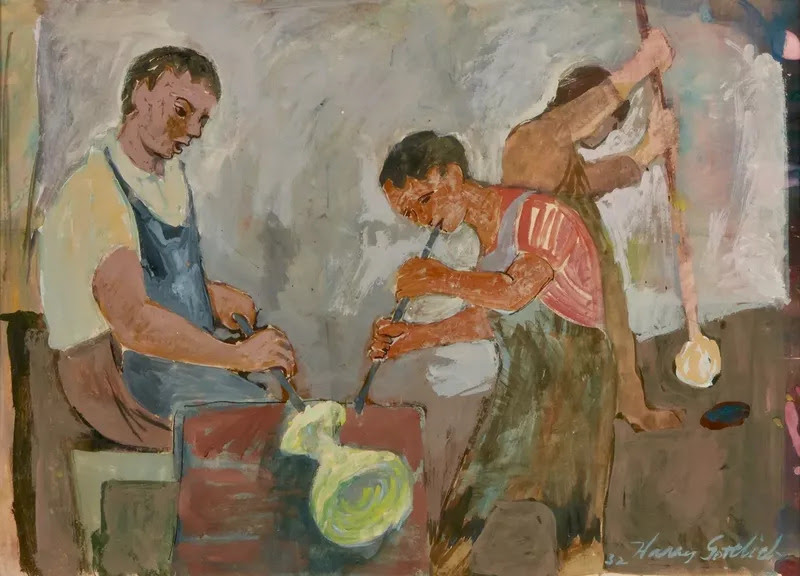
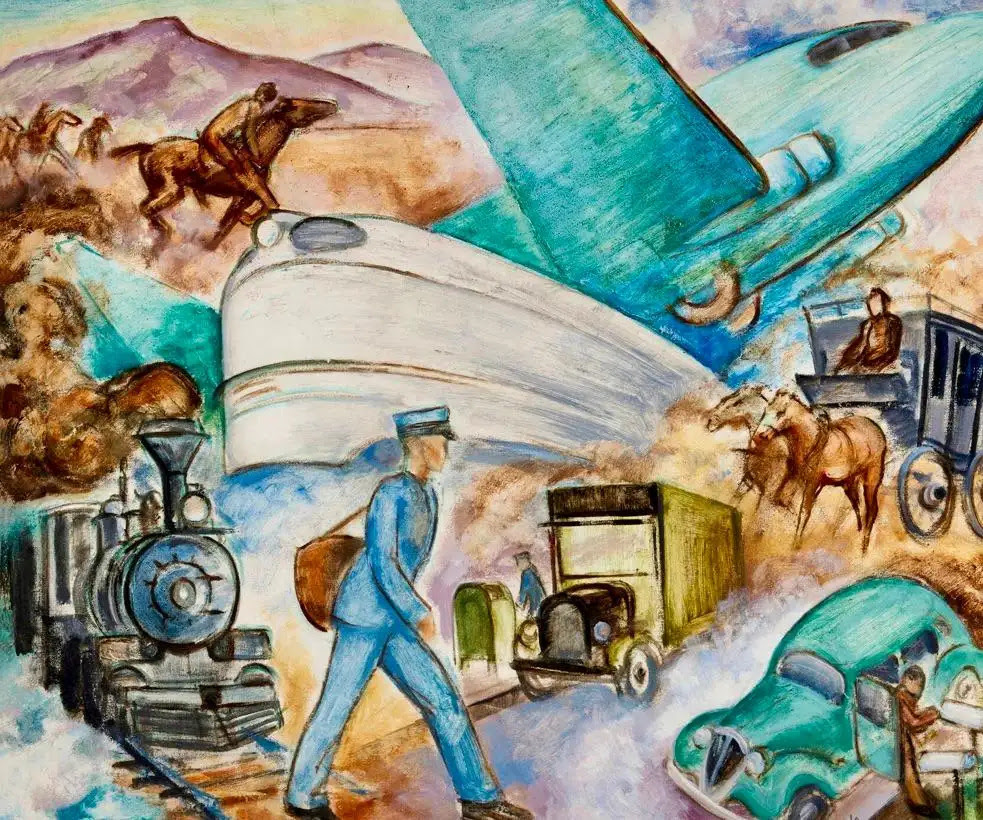
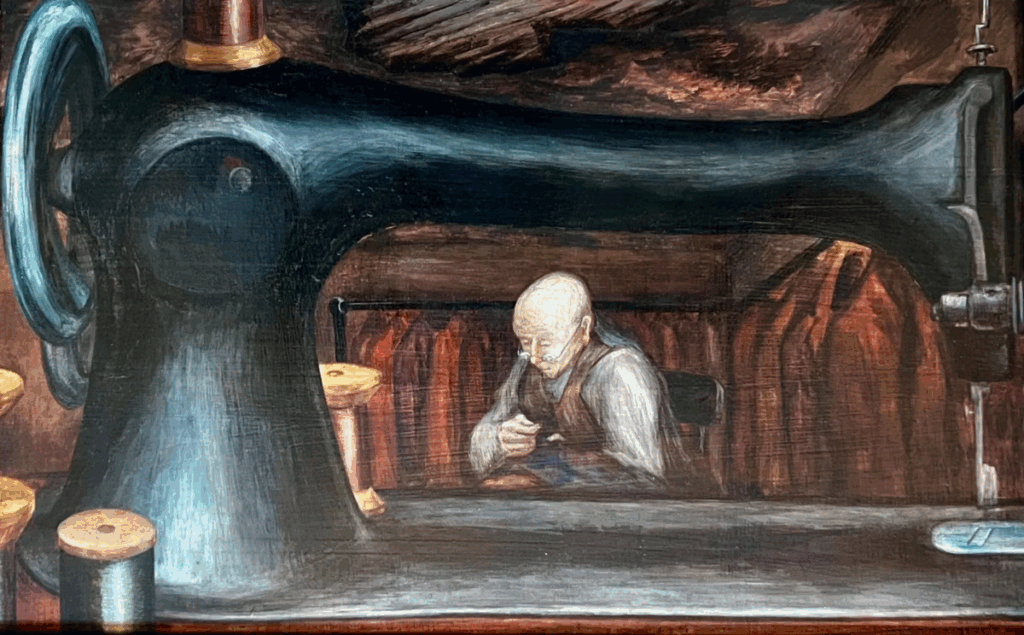
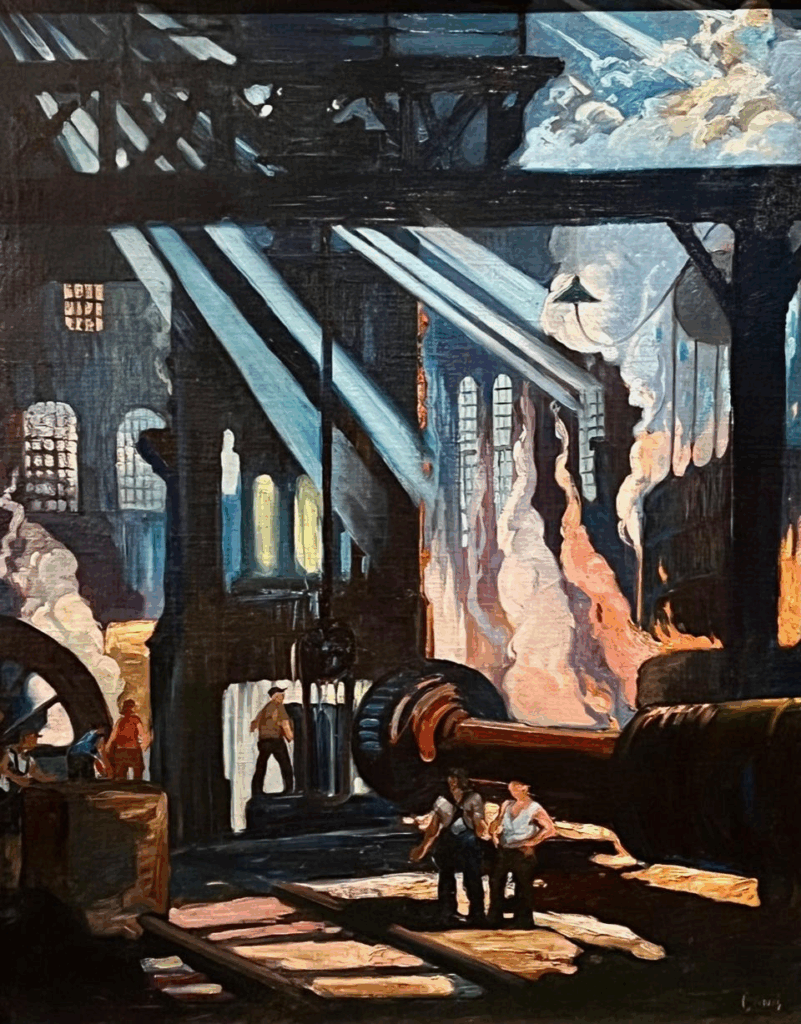
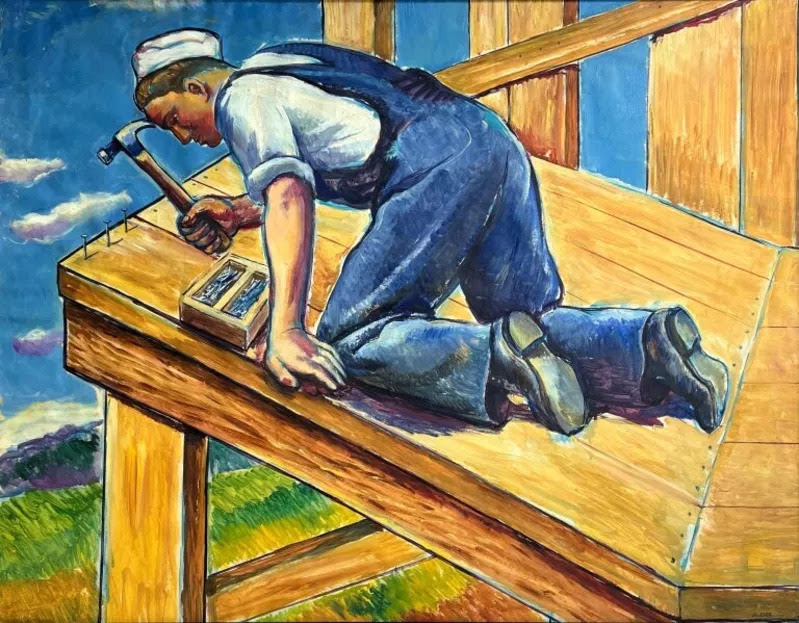
As we head into the Labor Day Weekend we have labor on our minds. People at work. Labor has long been at the heart of modern art, nowhere more so than in the powerful WPA era, when artists set out to honor the dignity, strength, and resilience of working people.
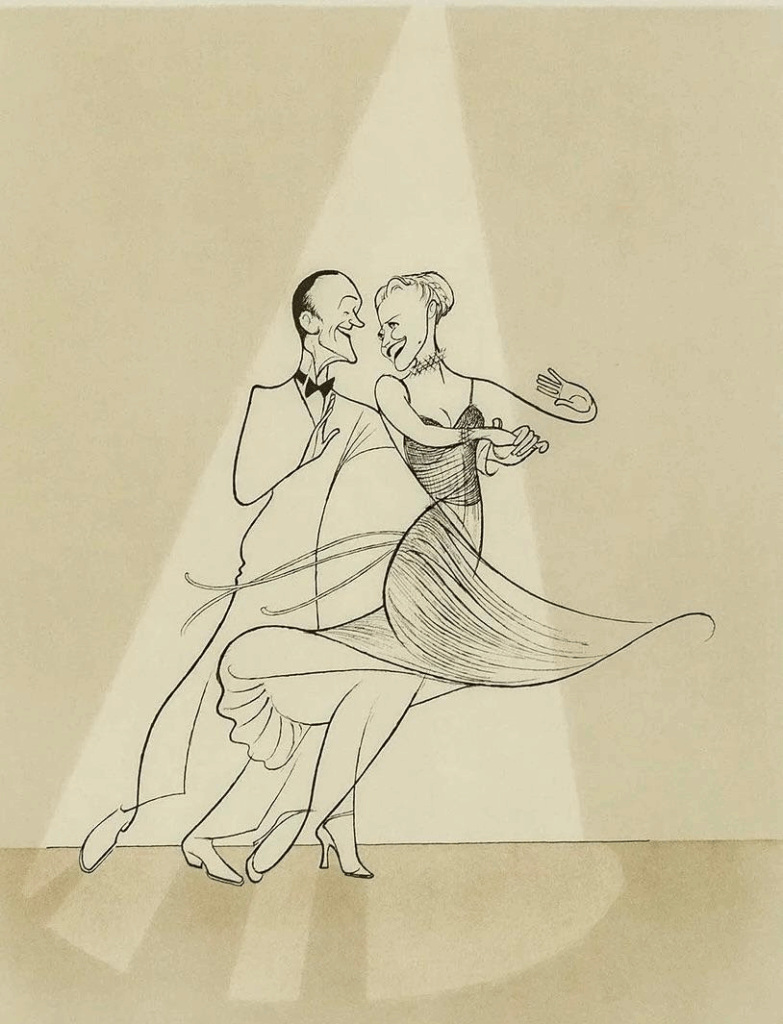
And because labor comes in many forms, our final featured piece today shifts from the job site to the stage: Fred Astaire and Ginger Rogers, captured in an iconic drawing by Al Hirschfeld. With a few elegant lines, Hirschfeld shows us a different kind of work – the art of performance, the labor of grace.
This lithograph offers a glimpse into our next exhibition: HIRSCHFELD: STROKES OF GENIUS. We can’t wait to share the exciting details next week.
This Labor Day, we celebrate the art of work — in every form. Scroll down to see how artists have captured its power and beauty across time.
All image are copyrighted (c) Roosevelt Island Historical Society unless otherwise indicated THIS PUBLICATION FUNDED BY DISCRETIONARY FUNDS FROM CITY COUNCIL MEMBER JULIE MENIN & ROOSEVELT ISLAND OPERATING CORPORATION PUBLIC PURPOSE FUNDS.
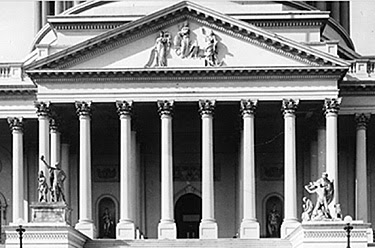
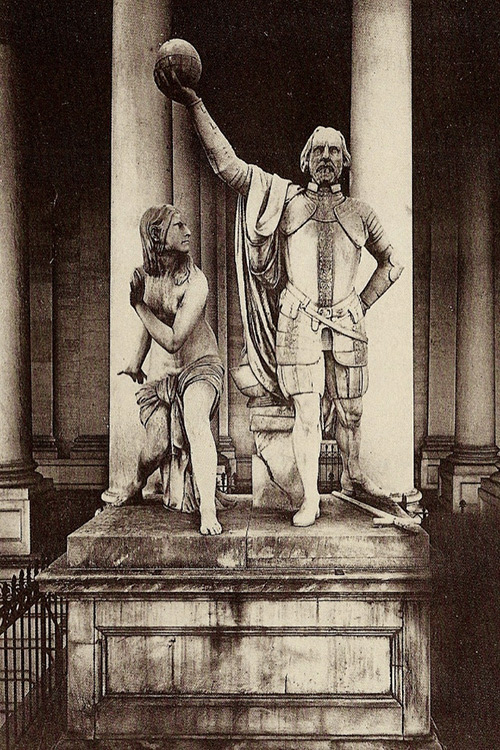
The placement and eventual removal of two statues in front of the U.S. Capitol building in Washington, D.C. is an oft-forgotten piece of American history, pertinent to our observance of Native American Heritage Month. The Rescue and The Discovery of America both included harmful stereotypes of indigenous people next to white figures in positions of power. For nearly a century, members of Congress walked past these statues to enter the Capitol. But due to the criticism of advocacy organizations like the National Congress of American Indians and individual activists like Leta Myers Smart, these statues were both taken down—a powerful example of indigenous activism in the mid-20th century.
In 1836, future president James Buchanan (then a Senator from Pennsylvania) headed a movement to commission two statues to flank the entrance to the Capitol building. Selected was Luigi Persico, an Italian-born sculptor who already created several statues for the exterior of the Capitol. Some members of Congress expressed dissent at the prospect of a non-American artist creating such important work; thus American-born Horatio Greenough was selected to sculpt the companion piece. In the following months, a proposal worked its way through Congress and to then President Martin Van Buren, who authorized Persico and Greenough to create the statues.
Persico’s Discovery of America was finished and installed in front of the Capitol by 1844. It depicted a triumphant Christopher Columbus holding up a globe next to a cowering American Indian woman. Symbolically, Columbus was shown confidently taking a step forward, while the Indian woman appeared intimidated and rooted in place, in a defensive stance.
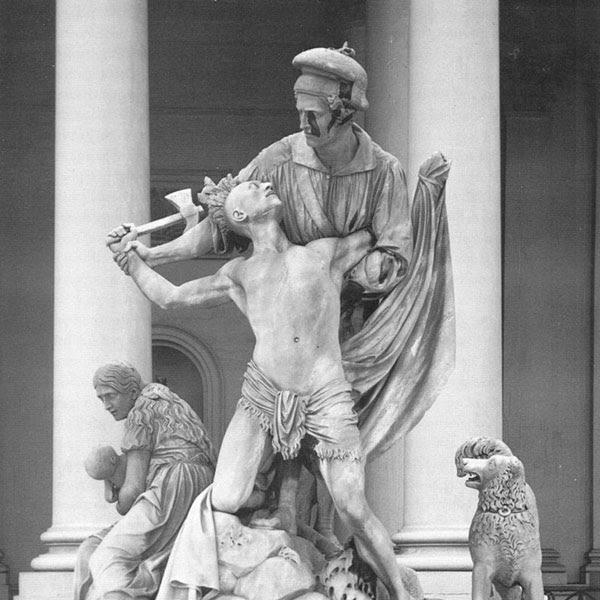
On the other side of the staircase, Greenough’s The Rescue featured a more explicitly violent altercation between indigenous people and white settlers. The centerpiece of the statue depicted a calm, strong frontiersman towering over an American Indian warrior with a tomahawk. Behind them, a frightened woman clasped a small child, and nearby, a dog looked on in horror. The implication is that the Indian threatened the lives of this small pioneer family, and the patriarch stepped up to protect them. The emotion on the Indian’s face revealed fear, while the frontiersman is in complete control. Greenough himself wrote that the statue was meant “to convey the idea of triumph of the whites over the savage tribes.”
The central theme of these sculptures ultimately promoted the idea of Manifest Destiny; that Americans were destined to take control and civilize the lands that became the United States. These false and offensive depictions of white men as more powerful and capable than indigenous people reflected and reinforced the belief that violence in the name of westward expansion was justified. At least one member of Congress was conscious of the connection between these statues and their promotion of manifest destiny. James Belser, a representative from Alabama, said, “Let gentlemen look on the two figures which have so recently been erected on the eastern portico of the Capitol and learn an instructive lesson…The artist, when he made Columbus the superior of the Indian princess in every respect, knew what he was doing.” Whether consciously or
subconsciously, this idea no doubt permeated through some members of Congress as they discussed the annexation of Texas, Oregon, and California in order to spread American influence across the West.
For their part, American Indian groups always opposed the creation and installation of these statues. Their dissent became even more vocal in the 1950s under the leadership of Smart, a member of the Omaha Tribe of Nebraska. She became active in Native political organizations (such as the National Congress of American Indians) after her negative experiences with the Office of Indian Affairs, which participated in the forceful assimilation of Native children in boarding schools. During this period, she began a campaign that called for the removal of The Rescue and The Discovery of America by writing open letters to magazines and organizations like the National Sculpture Society. Her criticisms drew attention to the physical and sexual violence depicted in the statues, as well as the cultural violence they promoted. She knew that only a legislative act could remove the sculptures and, therefore, submitted petitions to Congress that stated that the statues were “misleading to the general public in that they fail to portray the true character of the American Indian.”
everal indigenous activist groups and individual members of Congress supported Smart’s petitions. Many thought, however, it was impossible to persuade Congress to pass legislation to remove the sculptures. But in 1958, the Capitol building underwent an extensive renovation project, which provided the necessary vehicle to achieve that end.
The decision on whether to retain the statues was taken away from the larger Congress and given to the five-man ‘Commission for the Extension of the United States Capitol,’ made up of the Vice President, the Speaker of the House, the minority leaders of both chambers, and the Architect of the Capitol. This small group made the determination that year to remove the statues in accommodation with the extension of the building. The campaign to remove the statues was the most important factor. But the statues had also deteriorated significantly after being exposed to the elements during their century-long display along the steps of the Capitol. Restoration would be very expensive. So, while the dog from The Discovery of America is on display in the Middlebury College Museum of Art, the rest of the statues remain in storage.
The success of Smart and her allies speaks to the determination of American Indians to ensure a place of dignity for themselves in our nation’s capital. Indigenous people always lived in the land that is now Washington, D.C. The cultural narrative authored by colonialism attempted to rewrite their role into weak, submissive, incapable bystanders, as depicted in the two statues discussed. The removal of these statues was a meaningful step that put indigenous stories back under the control of indigenous people.
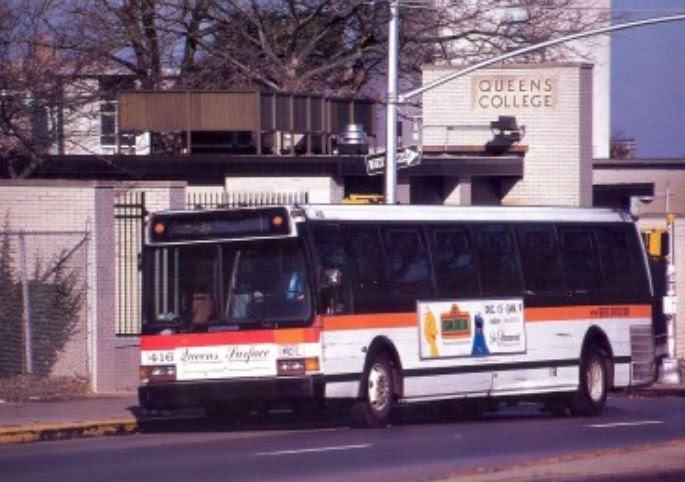
Queens Surface offered little reliable schedules and was replaced by the MTA in200-5, a vast improvement over the privately operated system.
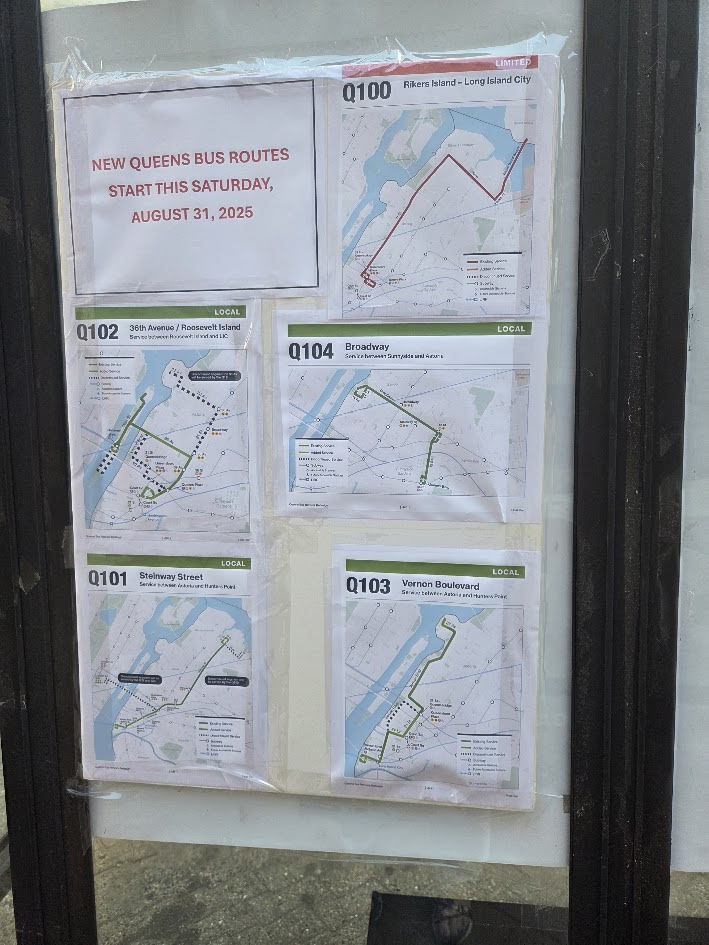
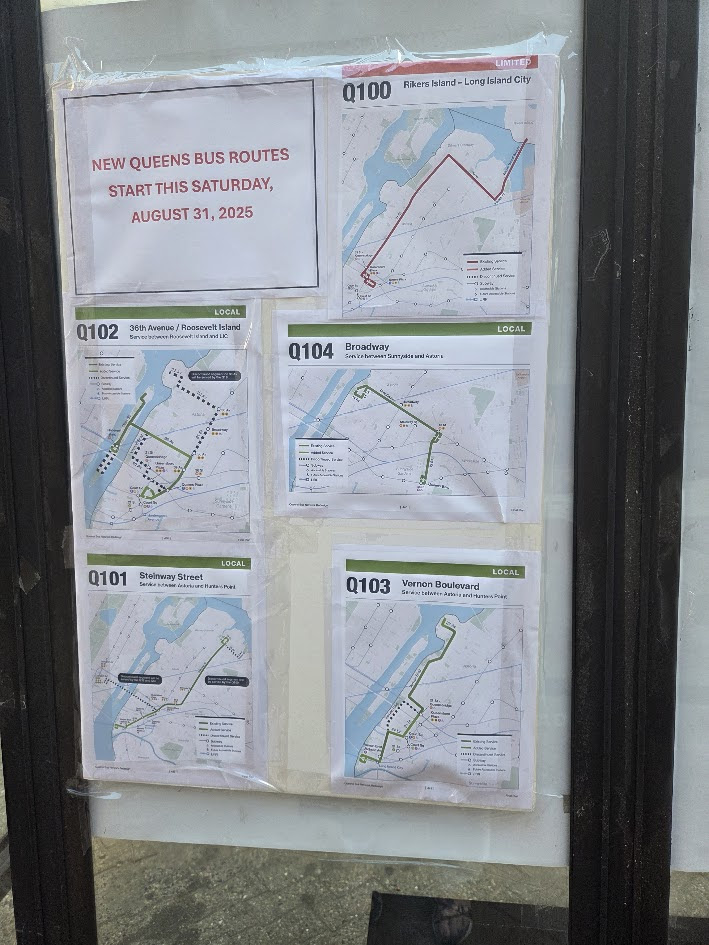
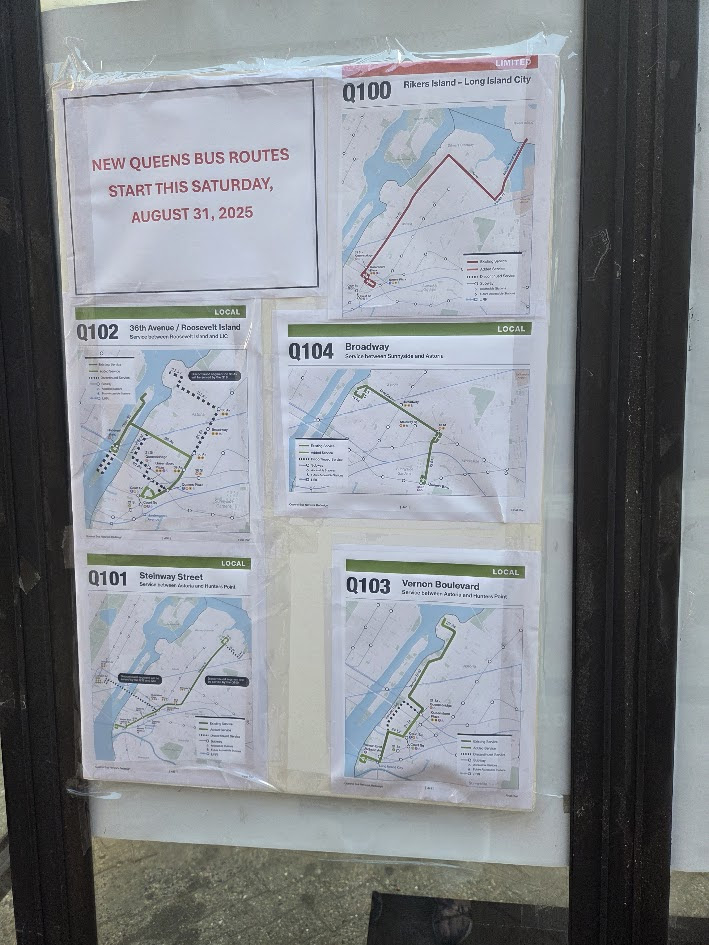
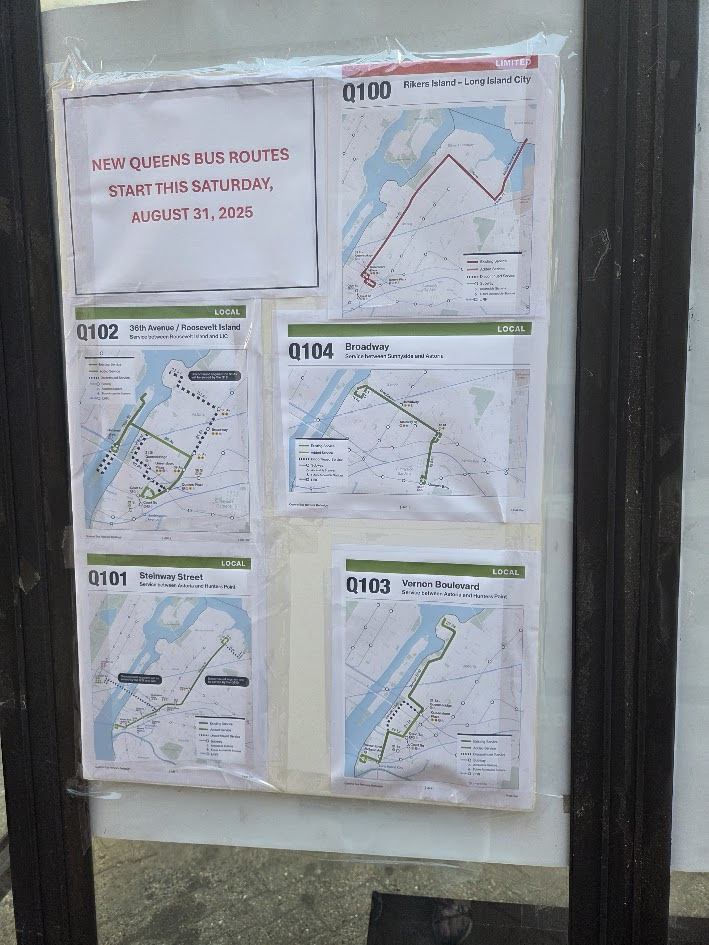
WHERE IS THE MTA? OUR QUEENS BUS ROUTES ARE CHANGING THIS SUNDAY, AUGUST 31ST
MTA AND RIOC HAVE NOT POSTED ANY SIGNAGE INFORMING THE PUBLIC
WE HAVE POSTED THE NEW ROUTE MAPS ON THE BACK OF THE CHAPEL BUS SHELTER
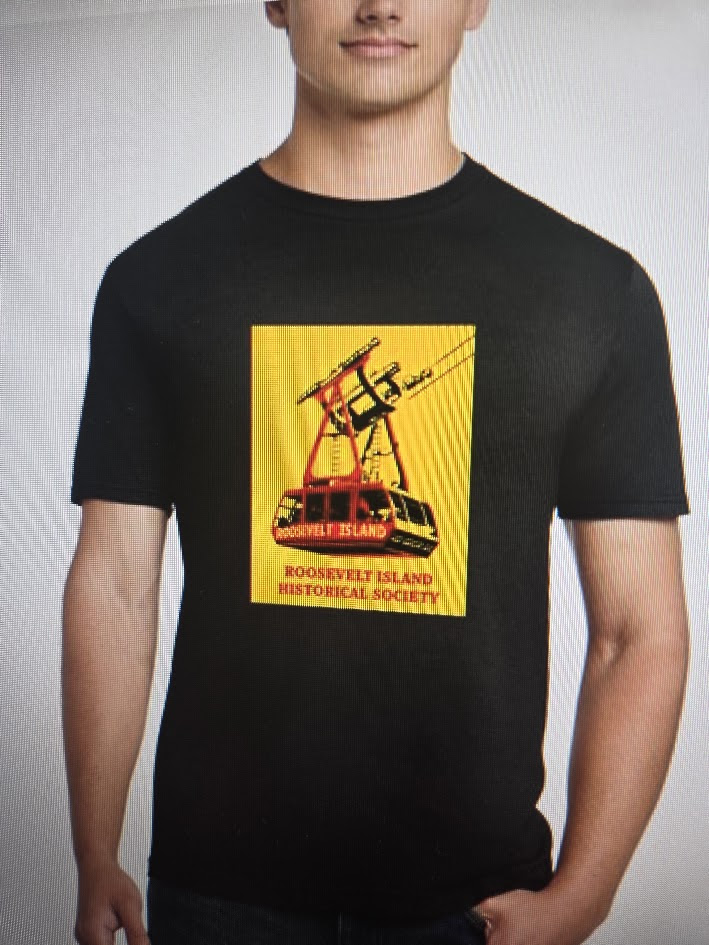
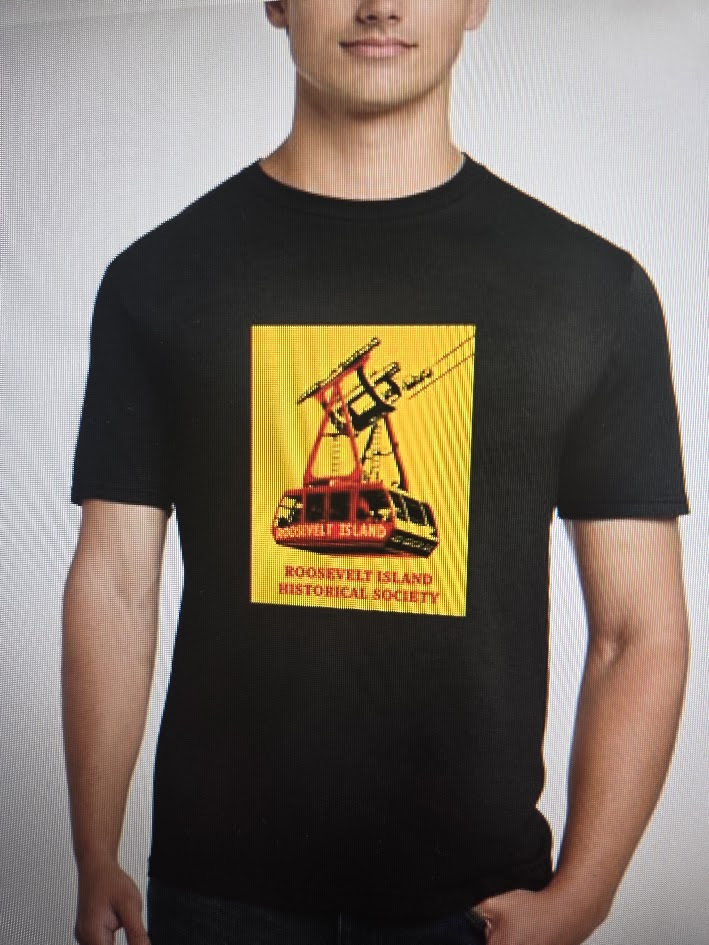
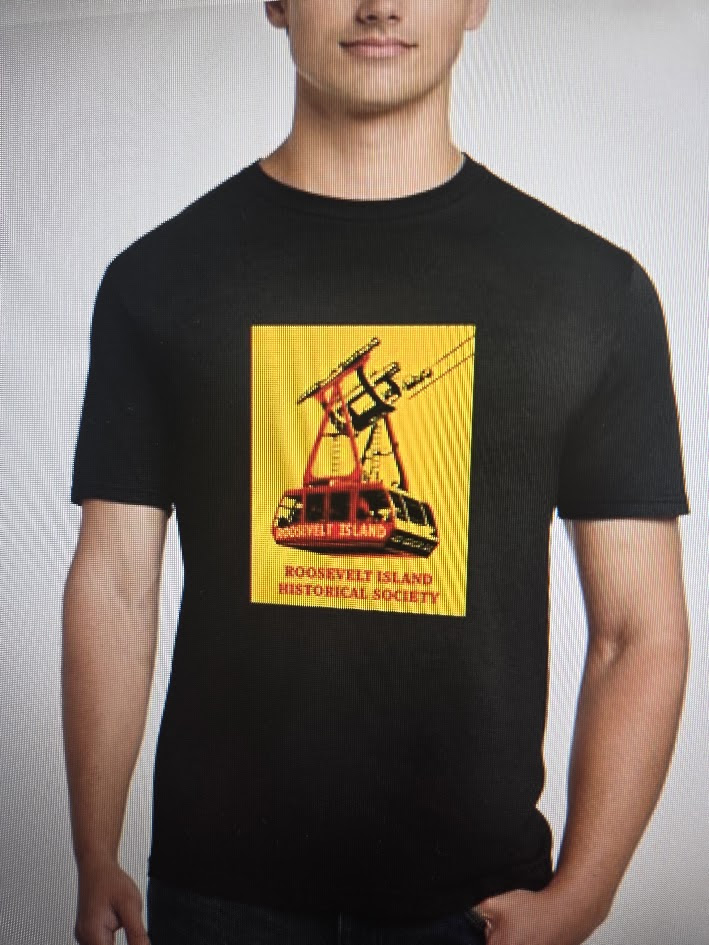
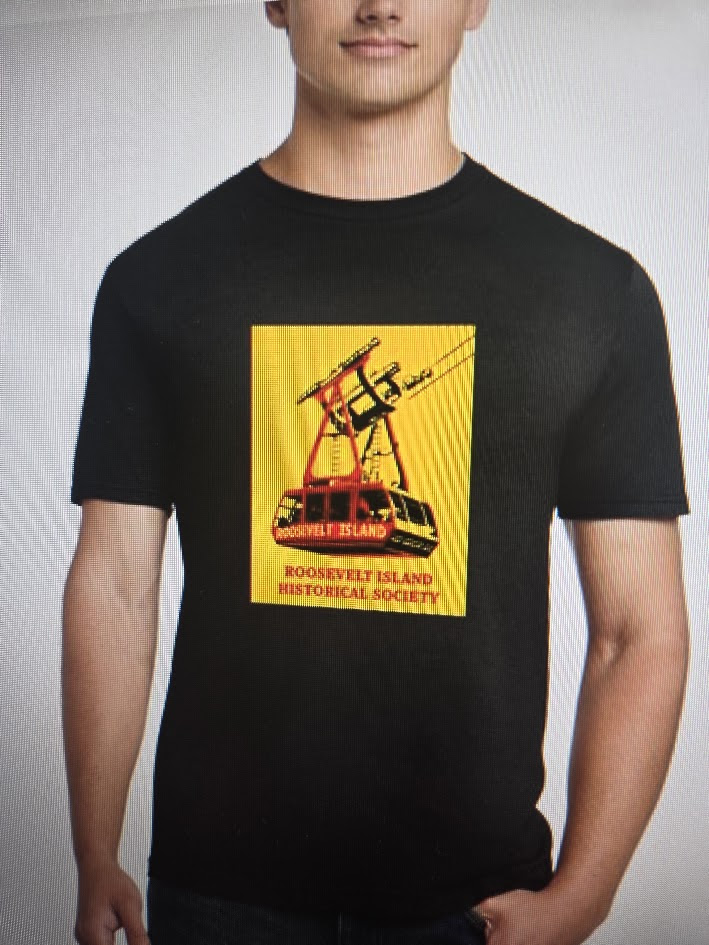
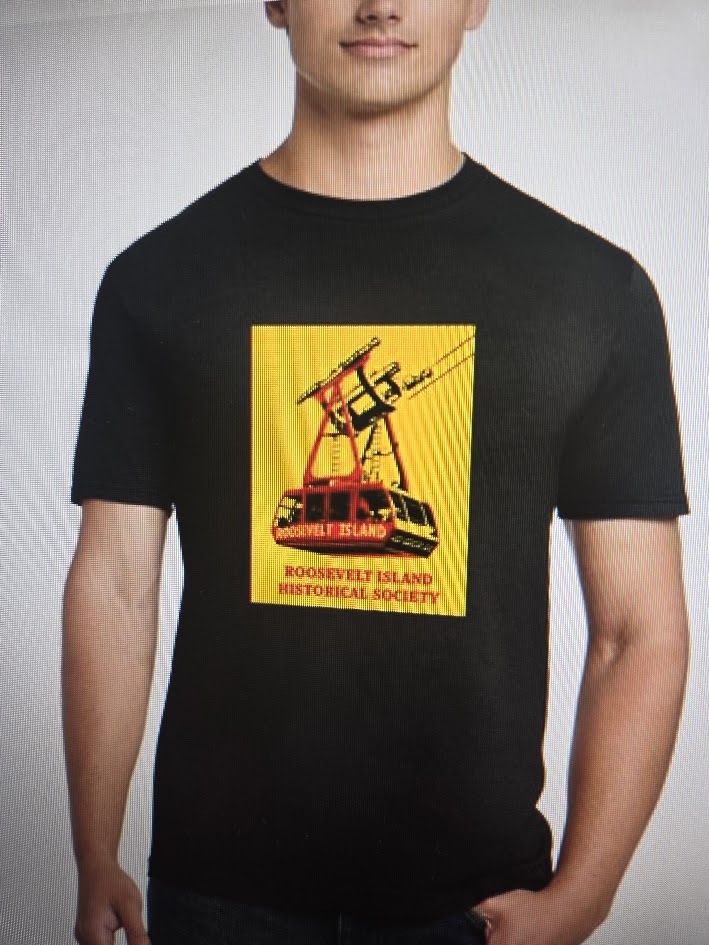
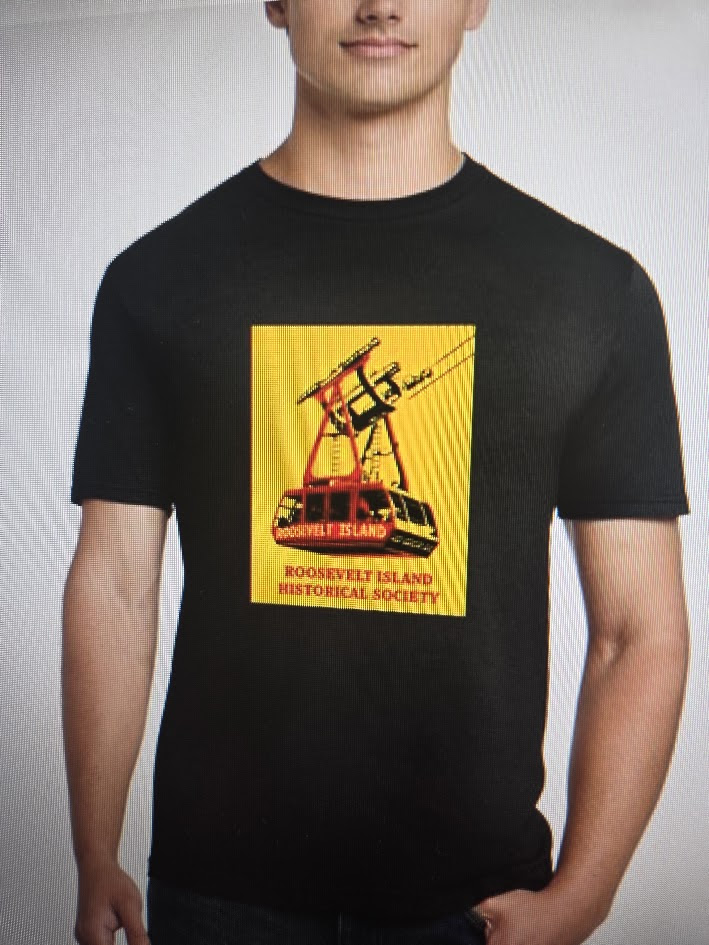
STOP BY OUR VISITOR CENTER FOR YOUR NEW RTIHS TEE SHIRT (ADULT SIZES)
Credits
Written by guest contributor Kate Ashman, a senior at Brigham Young University majoring in American Studies. Edited by U.S. Capitol Historical Society staff.
All image are copyrighted (c) Roosevelt Island Historical Society unless otherwise indicated THIS PUBLICATION FUNDED BY DISCRETIONARY FUNDS FROM CITY COUNCIL MEMBER JULIE MENIN & ROOSEVELT ISLAND OPERATING CORPORATION PUBLIC PURPOSE FUNDS.
Orion VII OG HEV Orion VII NG HEV New Flyer Xcelsior XD40
Start
Roosevelt Island, Manhattan – Coler-Goldwater Hospital
Via
Northern Boulevard, Steinway Street, 20th Avenue, Roosevelt Island Bridge
End
Astoria – 27th Avenue and 2nd Street
Length
TBA
The Q102 consitutes a bus route in Queens, New York running primarily on Northern Boulevard, Steinway Street, 20th Avenue, between Roosevelt Island, Manhattan and Astoria, Queens. Formerly a streetcar route, it was operated by Steinway Transit until 1988 and then Queens Surface Corporation until MTA takeover in 2005.
The Q102 begins at 27th Avenue and 2nd Street, and goes on the avenue until it turns to 8th Street and then 30th Avenue. It then continues on 30th Avenue until it turns to 31st Street. It then then goes on the street until it heads to Jackson Avenue, while eastbound buses use 28th Street, 42nd Road, and Jackson Avenue to access Northern Boulevard. It then continues on Queens Plaza until it turns to 21st Street, 41st Avenue, and then Vernon Boulevard. It then continues on the boulevard until it turns right to 36th Street and accesses the Roosevelt Island Bridge, and after the bridge, it turns right onto Main Street. It then goes on until it uses the Bird S Coler Hospital Roadway, and loops around to head to the loop road, and continues on Main Street until it uses the East, South, and West Loop Road, where it ends there. For buses heading to Queens, they use the West Loop Road to go on Main Street and then the Roosevelt Island Bridge.
History
Streetcar service
On 1869, a horscar service opened from the 34th to 92nd Street Ferries. It was known as the Dutch Kills or 31st Street Line. It was the first horsecar line in Queens, and was operated by the Astoria and Hunter’s Point Railroad. On November 27, 1877 a person named Patrick Gleason leased the Astoria and Hunter’s Point Railroad, operating the 31st Street line for an annual rental of $4,000.
On 1901, a line was authorized in 31st Street along its whole length. Part of this was used in 1910 after the New York and Queens County Railway gave up the crooked Jane Street to Academy Street to Lockwood Street routing of the old 31st Street Line that had existed since 1865, and operated the cars in a direct line along 31st Street from Jackson Avenue to 35th Avenue.
The opening of the Queensboro Bridge caused a change in the 31st Street Line. The old route through Jane Street and 29th Street and the private right of way, still one track with turnouts, was outdated and cut directly across the new bridge plaza. Therefore, on December 4th, 1908, the New York and Queens County Railway secured a franchise to operate straight down 31st St. from 35th Ave. to Jackson Avenue, and on July 2nd, 1909 the Public Service Commission approved the abandonment of the old route. The new 31st Street Line opened on December 4th, 1909.
Bus service
Beginning in the 1920s, many streetcar lines in Queens and in the rest of the city were replaced by buses, particularly after the unification of the city’s three primary transit companies in June 1940. The bus service started on September 29, 1939 to replace the 31st Street streetcar route. The bus route was initially operated by Steinway Transit.
The bus company would become Queens-Steinway Transit Corporation in 1986, and Queens Surface Corporation in 1988.
MTA takeover
On February 27, 2005, the MTA Bus Company took over the operations of the Queens Surface routes, part of the city’s takeover of all the remaining privately operated bus routes.
Starting on April 18, 2010, all service began traveling through Roosevelt Island in the same direction and some closely spaced bus stops on the island were discontinued.
Newtown Avenue, Crescent Street, and Astoria Boulevard segment was discontinued in favor of operating via 30th Avenue on June 29, 2014.
In December 2019, the MTA released a draft redesign of the Queens bus network. As part of the redesign, the Q102 bus would have been replaced with the QT78, a “neighborhood” route that would run between Roosevelt Island and Middle Village, and the QT79, also a “neighborhood” route that would have run between Rikers Island and Hunter’s Point. The redesign was delayed due to the COVID-19 pandemic in New York City in 2020, and the original draft plan was dropped due to negative feedback.
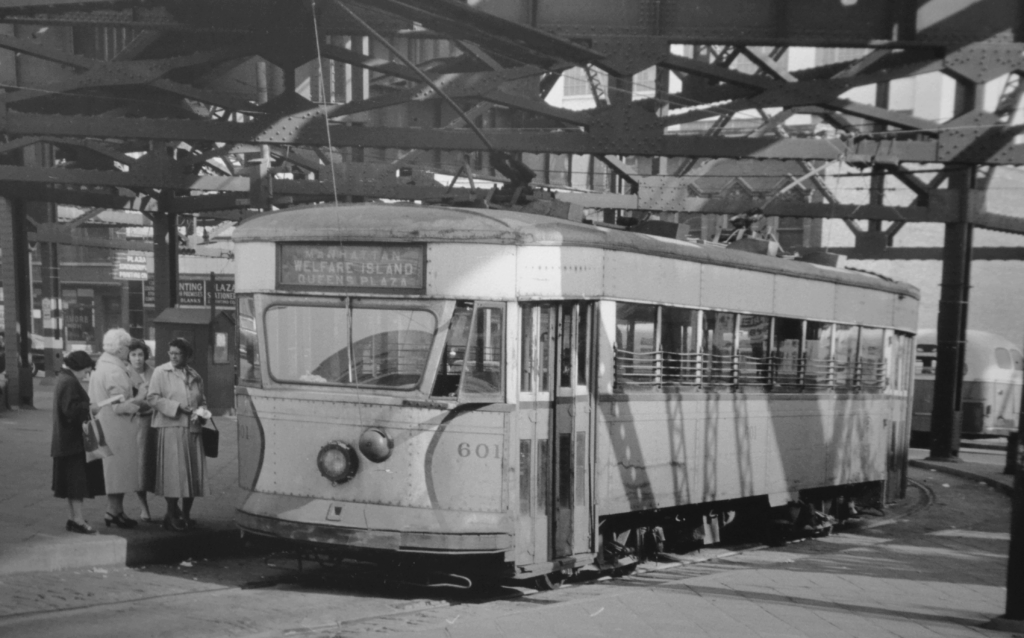
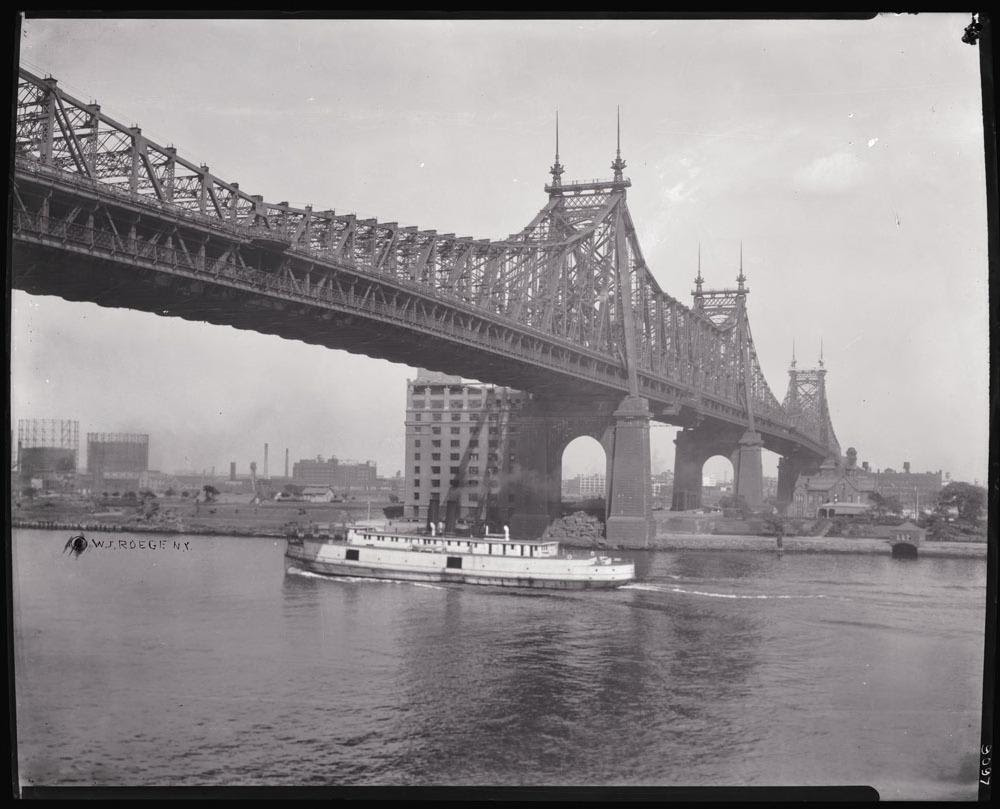
The trolley operated over the Queensboro Bridge until the RI Bridge opened in 1957, bringing direct bus service to the island.
Queens Surface offered litte reliable schedules and was replaced by the MTA in200-5, a vast improvement over the privately operated system.
WHERE IS THE MTA? OUR QUEENS BUS ROUTES ARE CHANGING THIS SUNDAY, AUGUST 31ST
MTA AND RIOC HAVE NOT POSTED ANY SIGNAGE INFORMING THE PUBLIC
WE HAVE POSTED THE NEW ROUTE MAPS ON THE BACK OF THE CHAPEL BUS SHELTER
STOP BY OUR VISITOR CENTER FOR YOUR NEW RTIHS TEE SHIRT (ADULT SIZES)
CREDIT TO
Fandom
All image are copyrighted (c) Roosevelt Island Historical Society unless otherwise indicated THIS PUBLICATION FUNDED BY DISCRETIONARY FUNDS FROM CITY COUNCIL MEMBER JULIE MENIN & ROOSEVELT ISLAND OPERATING CORPORATION PUBLIC PURPOSE FUNDS.
STOP BY OUR VISITOR CENTER FOR YOUR NEW RTIHS TEE SHIRT (ADULT SIZES)
CREDIT TO
NEW YORK HISTORICAL
All image are copyrighted (c) Roosevelt Island Historical Society unless otherwise indicated THIS PUBLICATION FUNDED BY DISCRETIONARY FUNDS FROM CITY COUNCIL MEMBER JULIE MENIN & ROOSEVELT ISLAND OPERATING CORPORATION PUBLIC PURPOSE FUNDS.
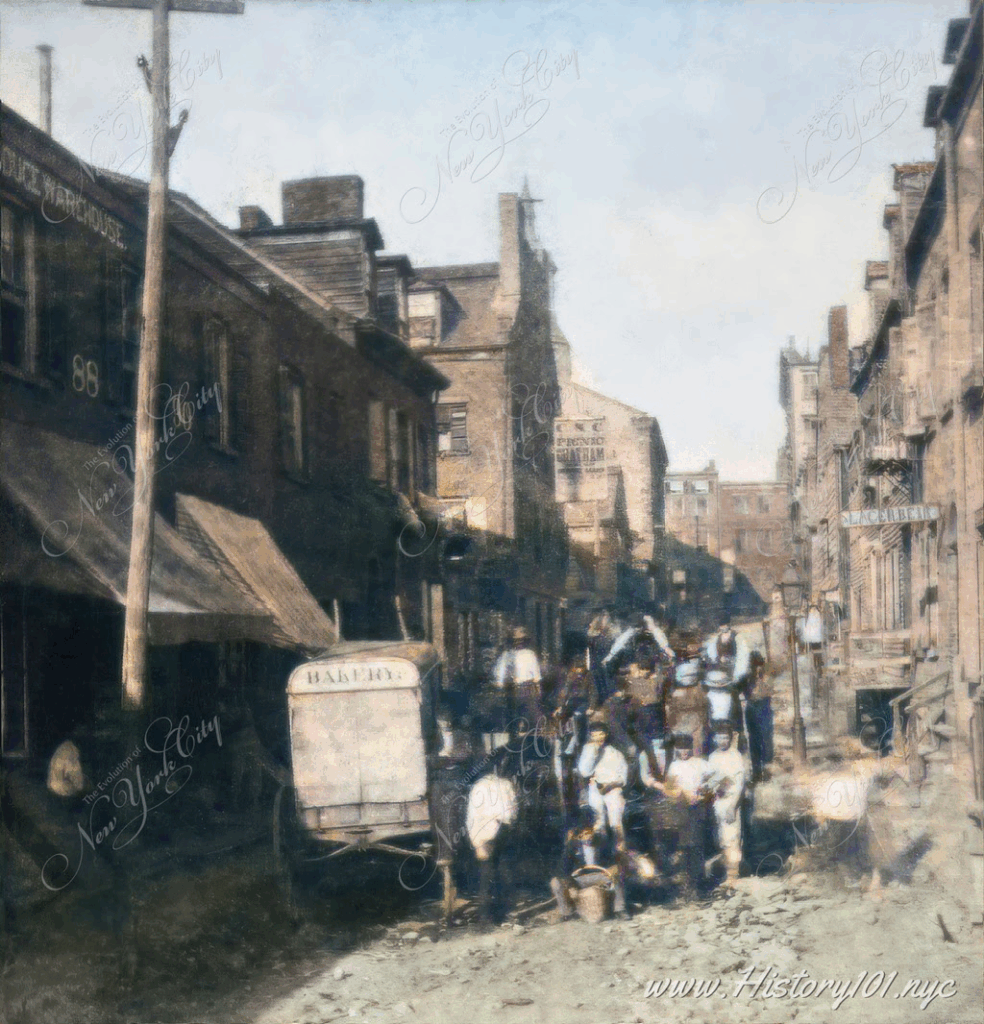
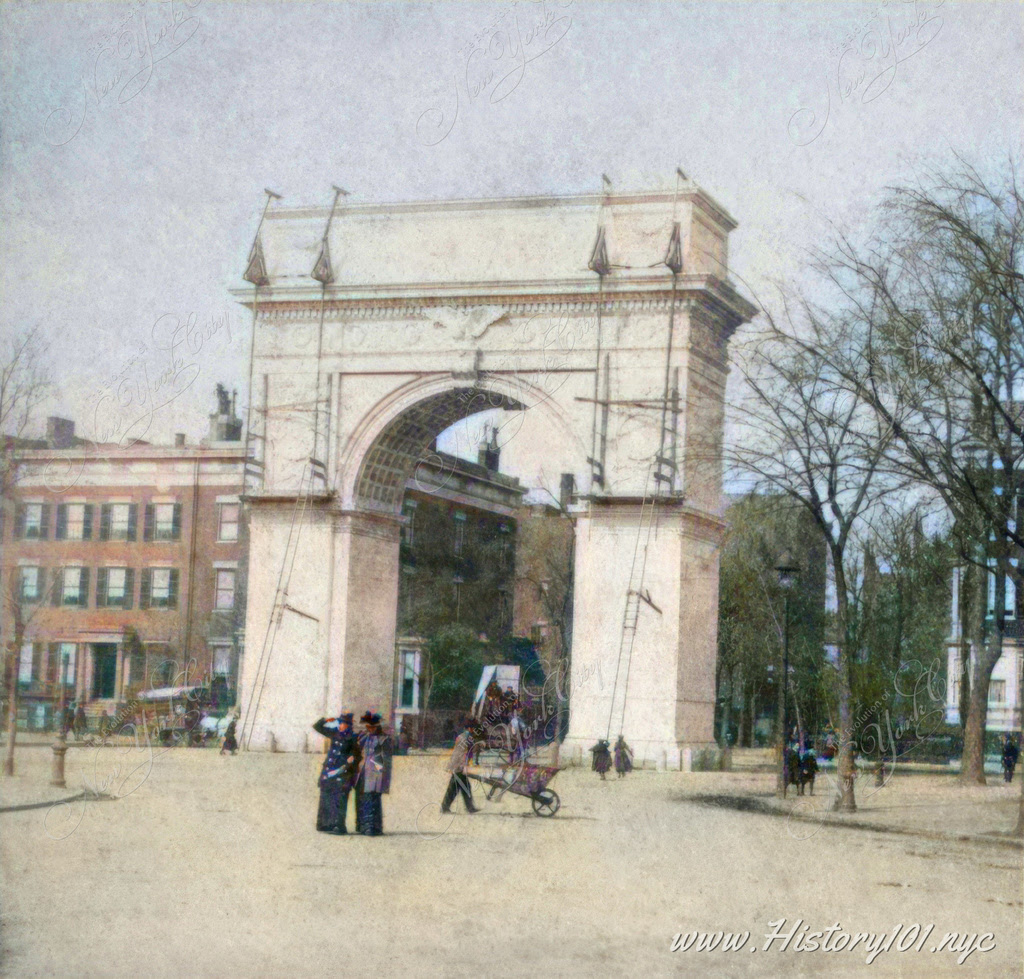
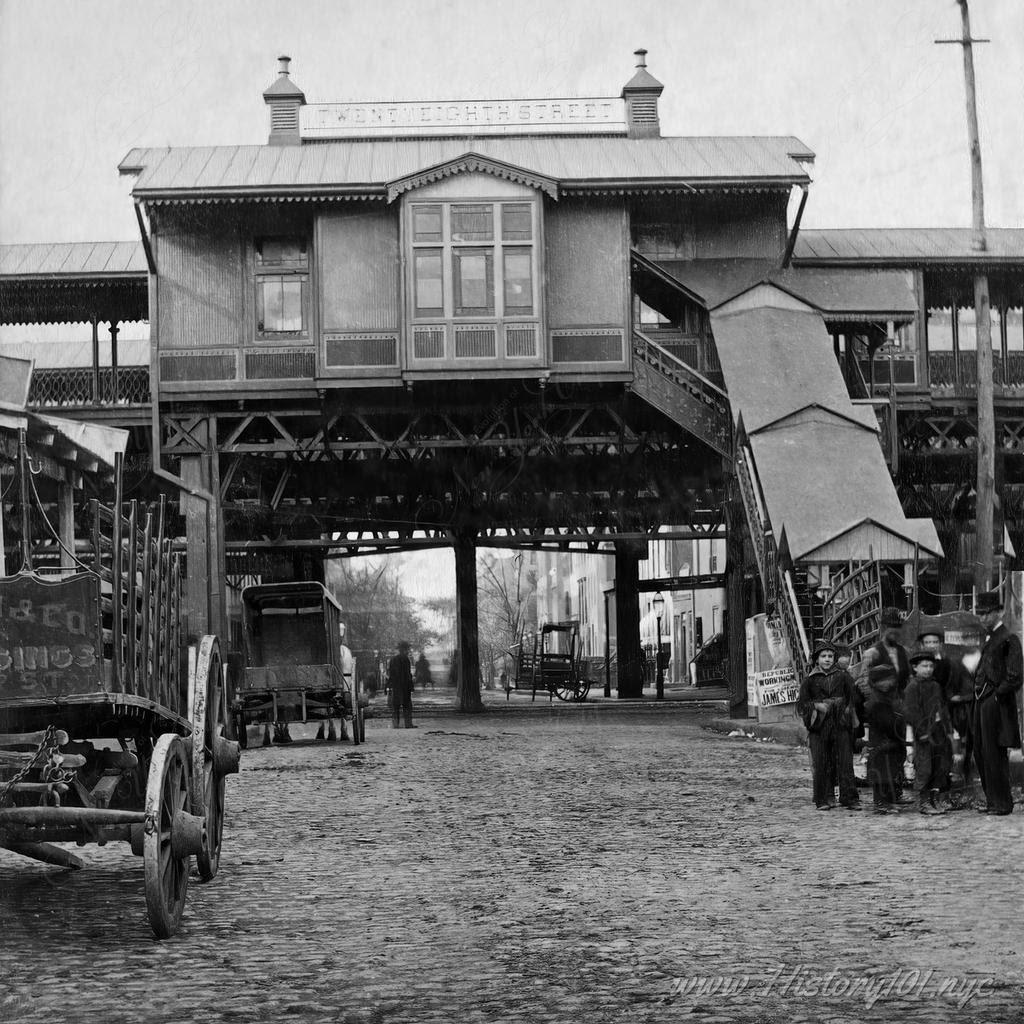
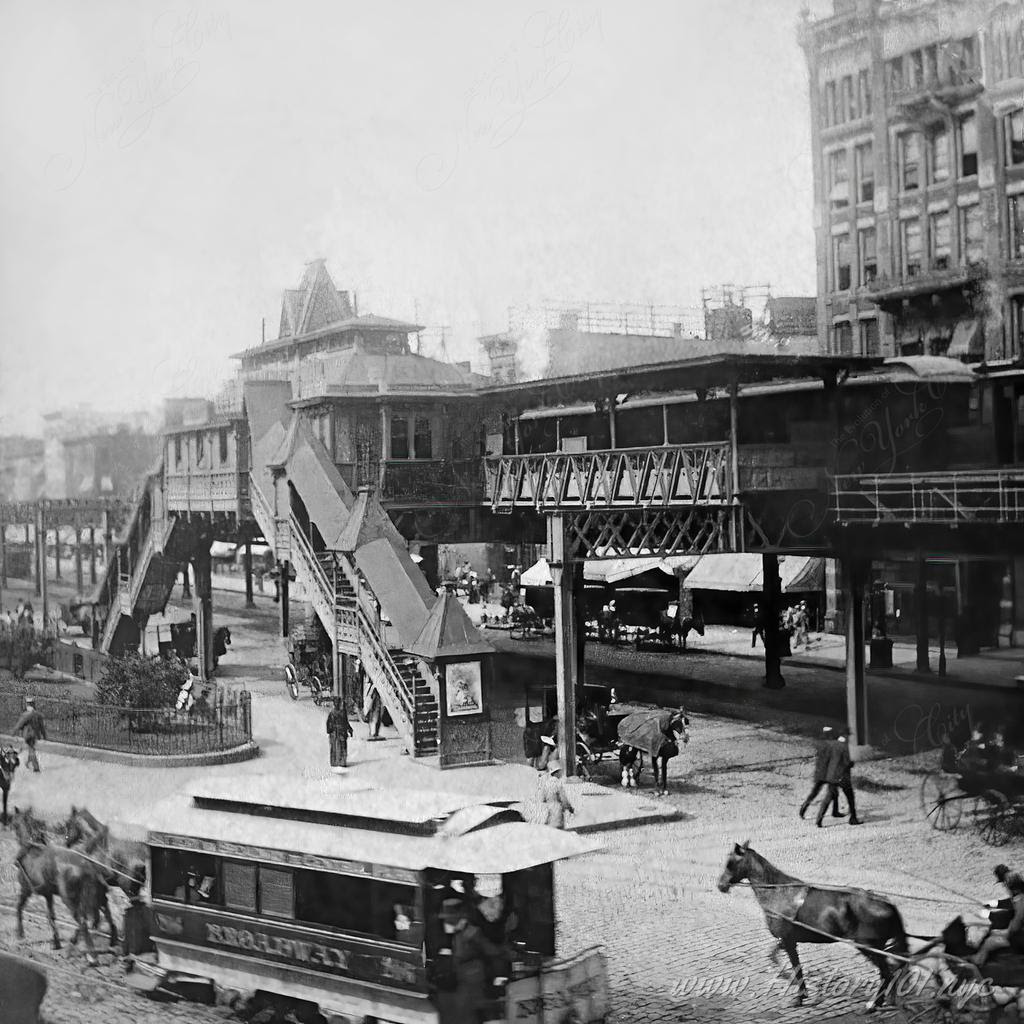
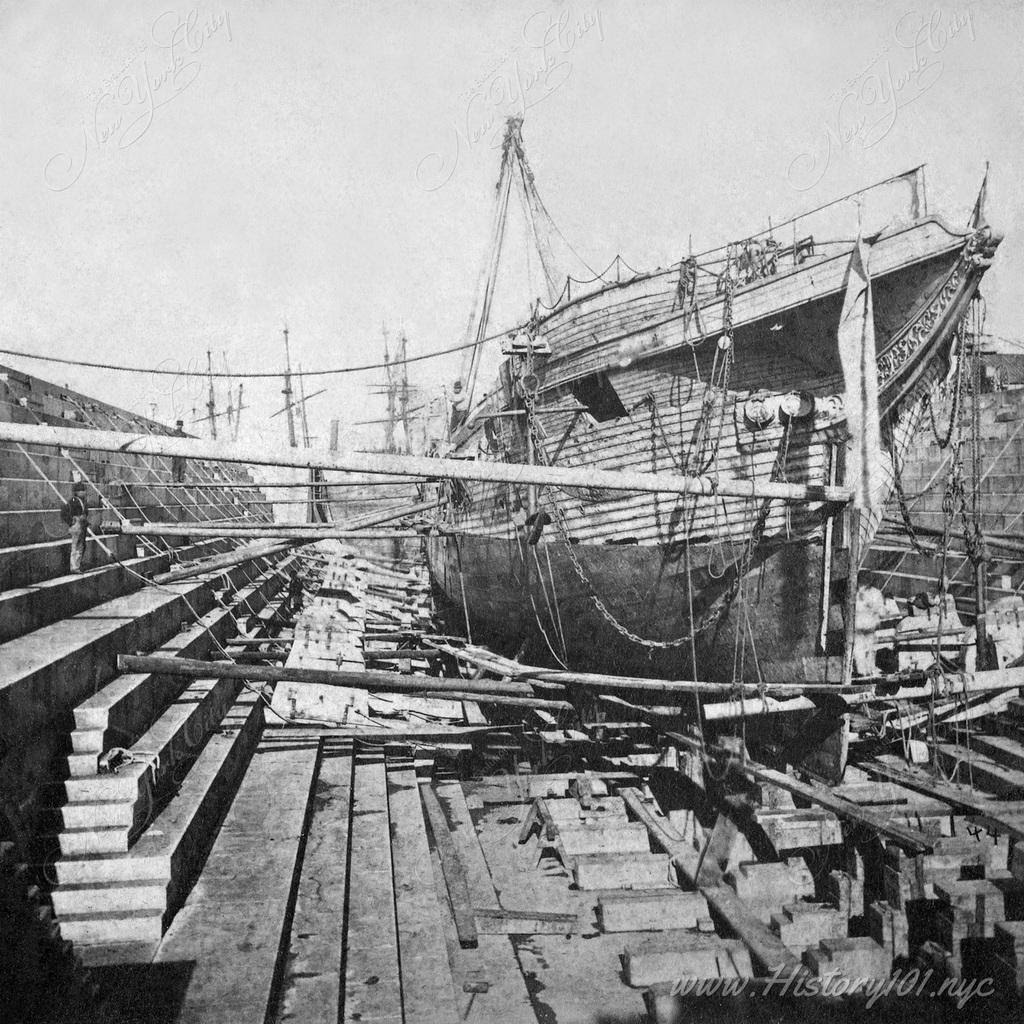
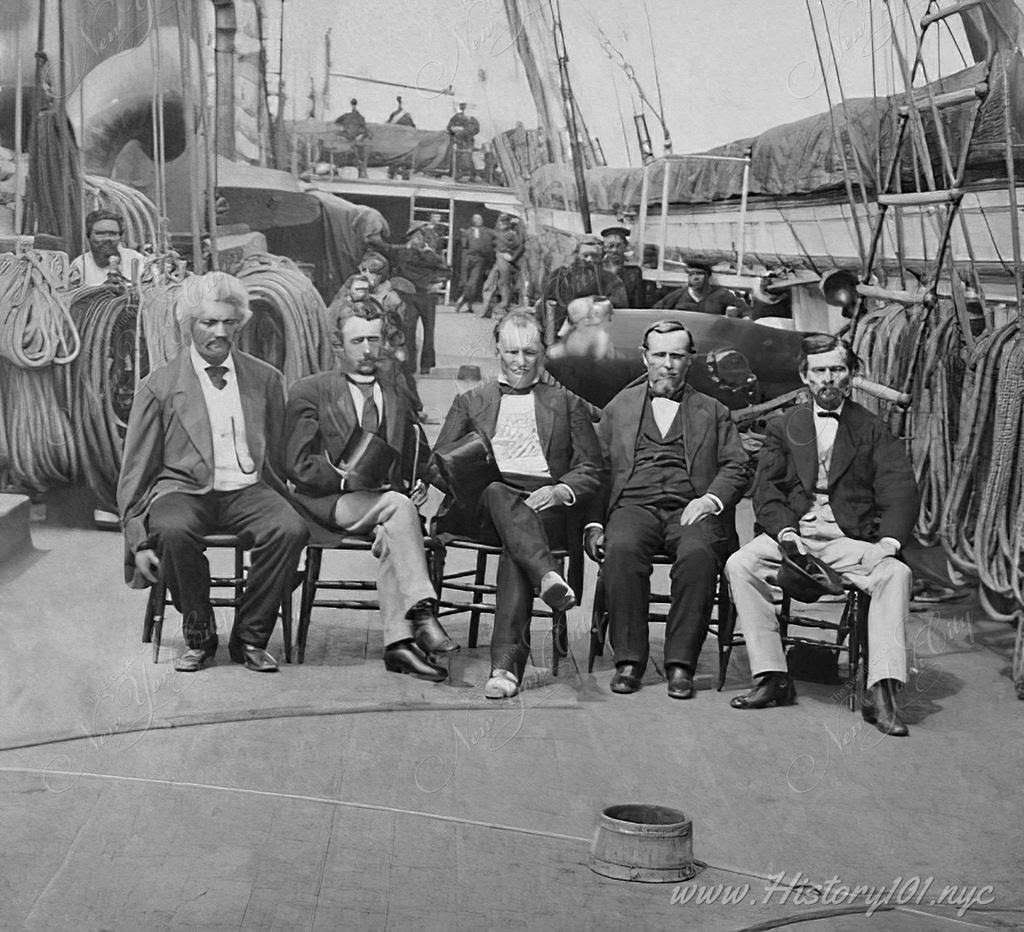
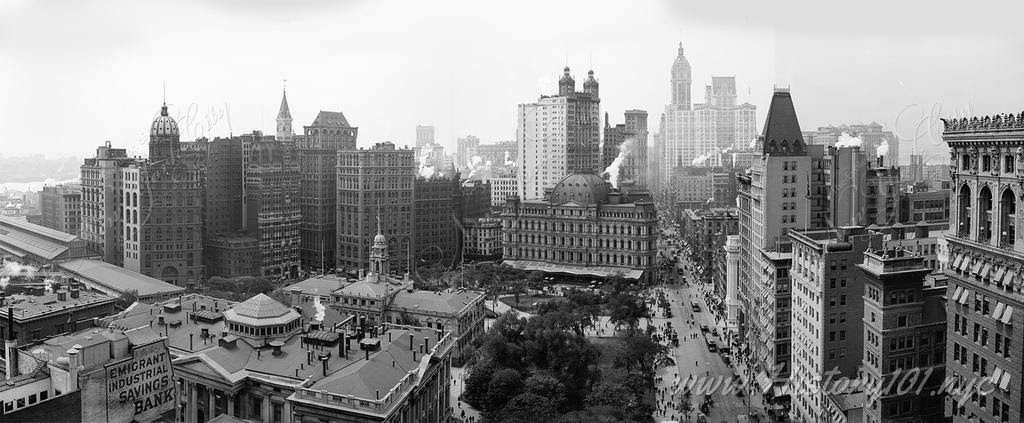
The 1870s marked a pivotal decade of transformation for New York City during the Gilded Age, initiating its evolution toward modern urbanization. This period was defined by groundbreaking infrastructural developments, most notably the commencement of the Brooklyn Bridge construction. This engineering marvel symbolized innovation and showcased the city’s progressive vision, setting the stage for New York City’s future as a global metropolis. The Gilded Age also laid the foundation for the cityscape we recognize today, with the emergence of new architectural styles and the expansion of the city’s geographical boundaries.
Culturally, New York City thrived with enriched diversity, driven by a surge in immigration during the 1870s. The city became a vibrant mosaic of cultures, languages, and traditions, significantly enhancing its social fabric. This influx of new inhabitants brought a wealth of cultural influences, reshaping New York City’s societal and cultural landscape.
During this time, New York City also faced challenges linked to rapid urban expansion, including housing shortages, sanitation issues, and the growing need for efficient public transportation. These challenges spurred extensive urban planning and public works projects, laying the groundwork for the modern New York City we recognize today.
In summary, the 1870s were a crucial period for New York City, characterized by remarkable infrastructural advancements and significant cultural transformation. The developments of this decade were instrumental in shaping the city’s future in terms of both architecture and society. The legacy of this period remains a pivotal chapter in New York City’s history, offering valuable insights into its evolution into a renowned global metropolis.
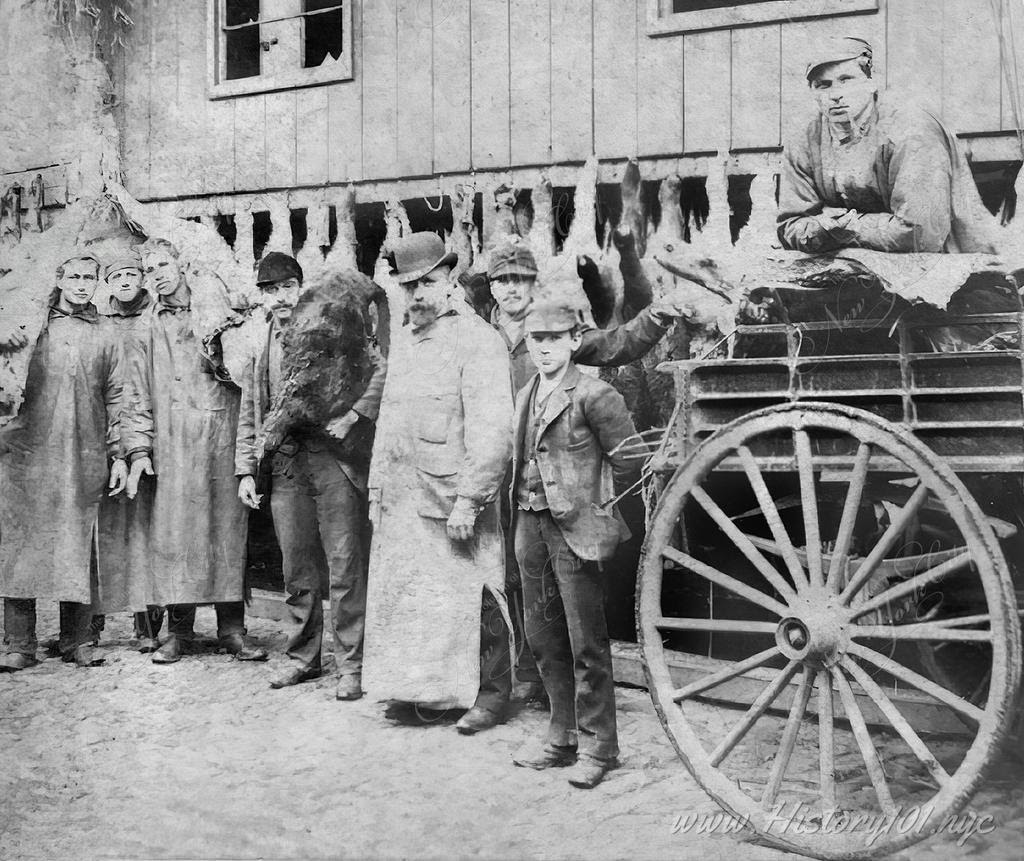
Timeline of New York City’s History in the 1870s Discover surprising historical facts about The City That Never Sleeps—explore fun, educational insights into its history, population, iconic landmarks, and more, perfect for students, history enthusiasts, and anyone curious about NYC’s rich heritage.
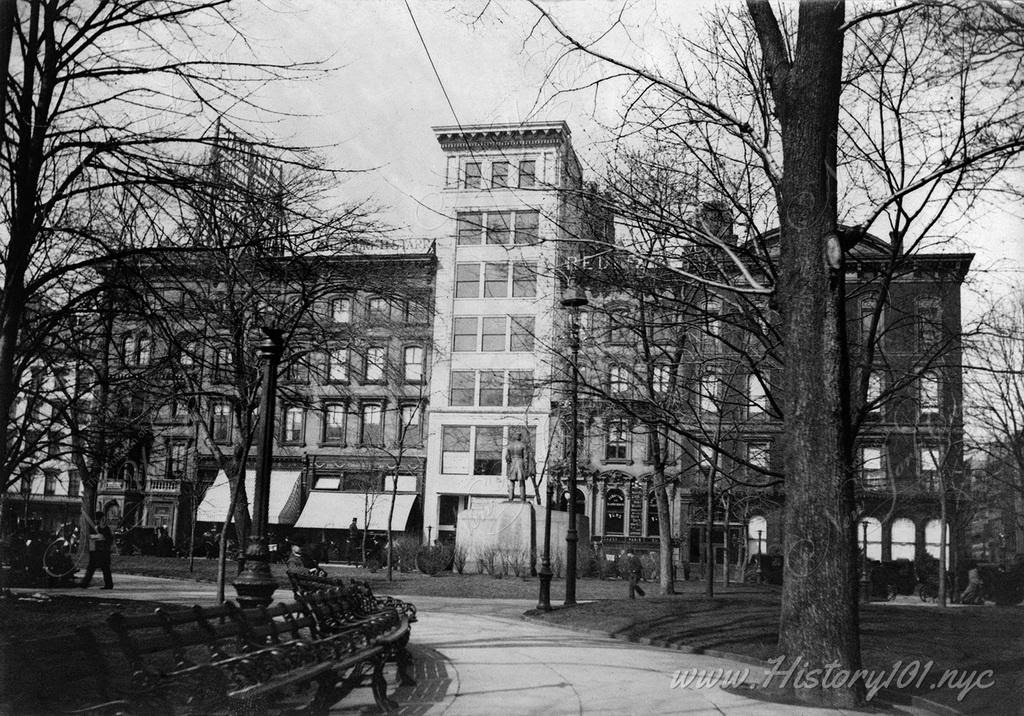
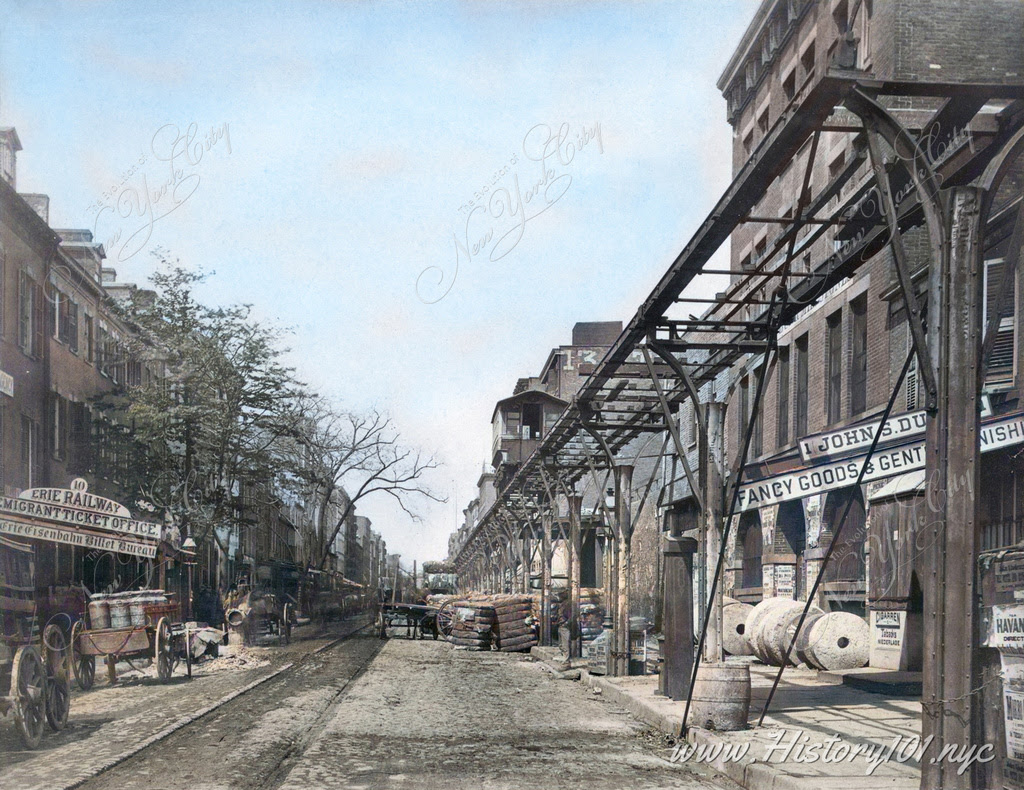
In the 1870s, Greenwich Street in New York City was a bustling hub of activity, with the Erie Railway Migrant Ticket Office and the elevated rail line adding to the vibrant atmosphere.
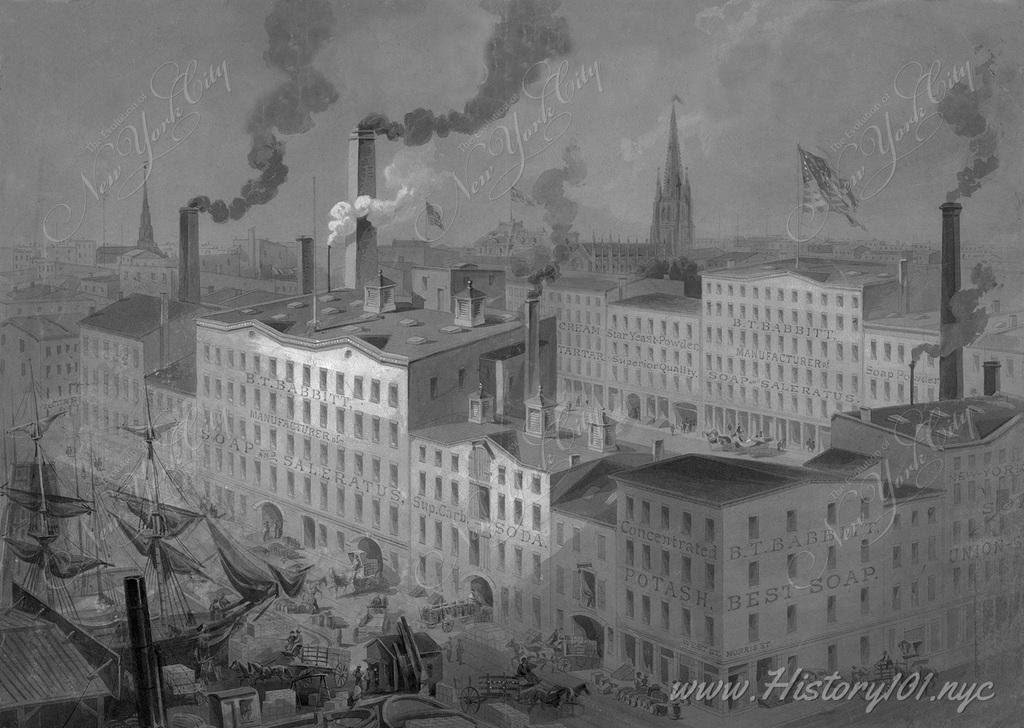
Drawing by James A. Shearman featuring a soap factory in lower Manhattan, from West St. looking northeast, with the Equitable Building in the background.
All image are copyrighted (c) Roosevelt Island Historical Society unless otherwise indicated THIS PUBLICATION FUNDED BY DISCRETIONARY FUNDS FROM CITY COUNCIL MEMBER JULIE MENIN & ROOSEVELT ISLAND OPERATING CORPORATION PUBLIC PURPOSE FUNDS.
The Architectural and Cultural Flourishing of New York City
Weekend August 23-24, 2025
History101.nyc
Issue # 1517
To see these photos in a larger format, go to history101.nyc
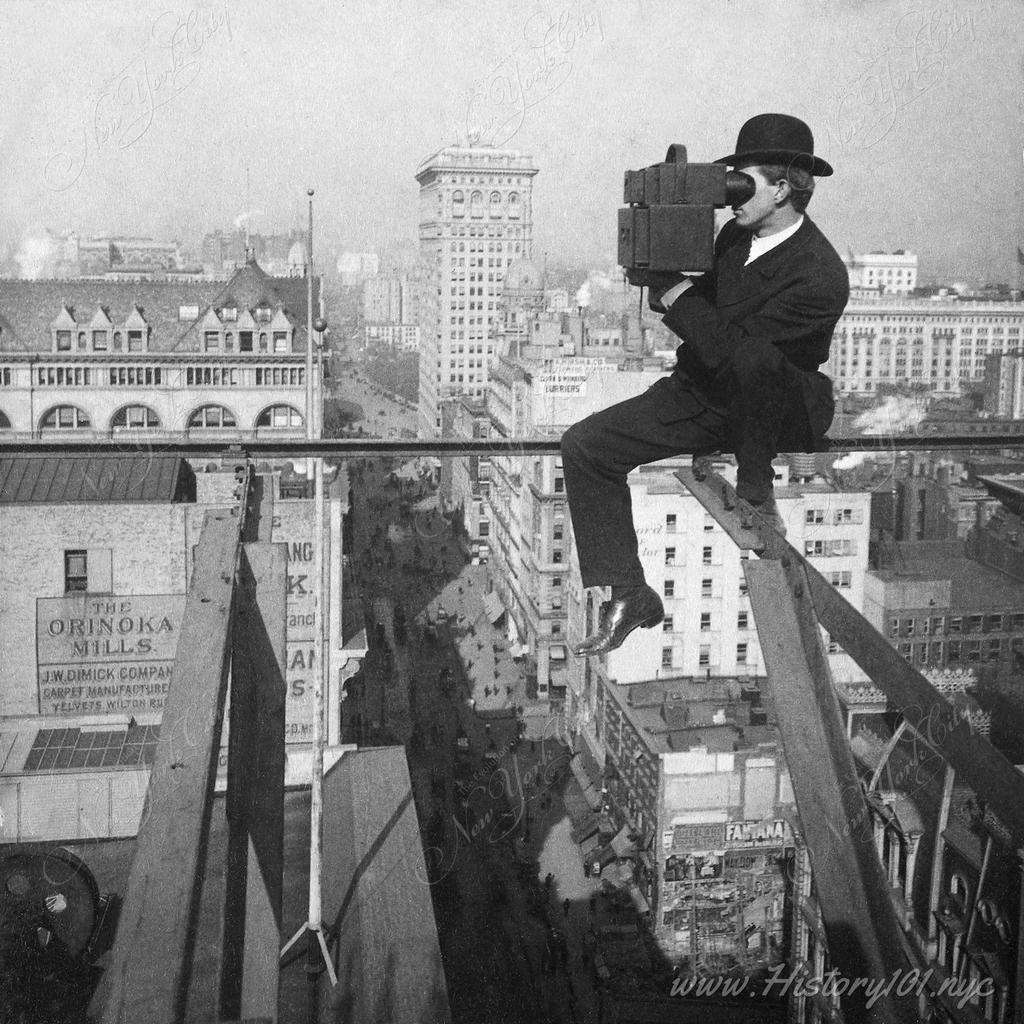
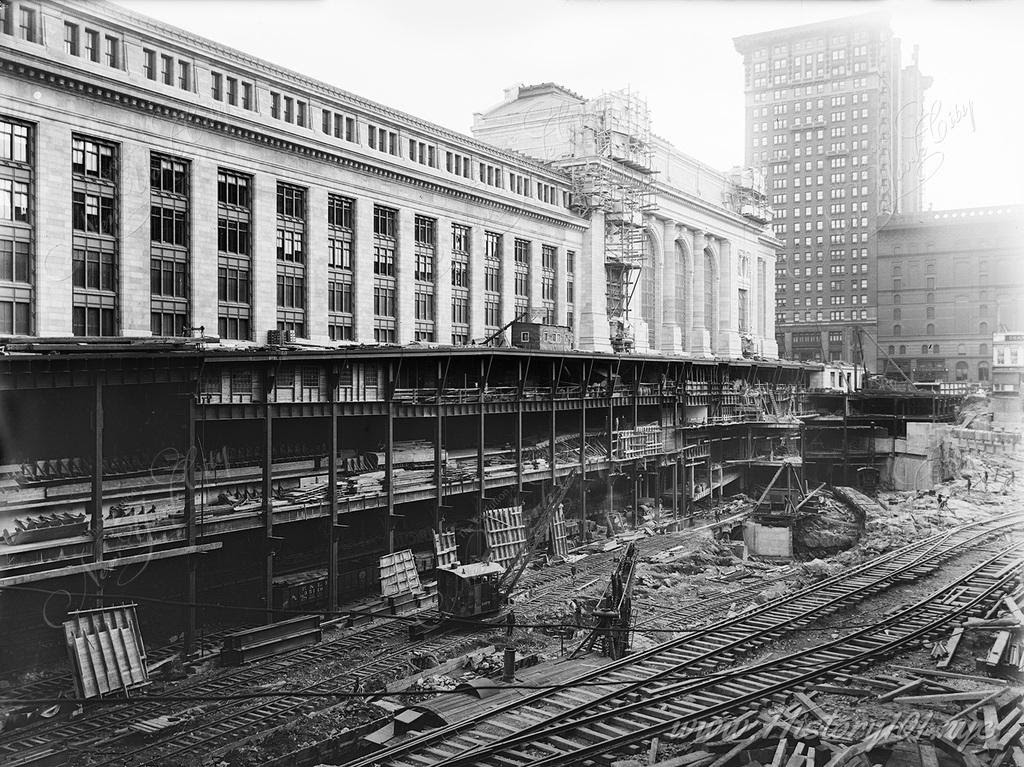
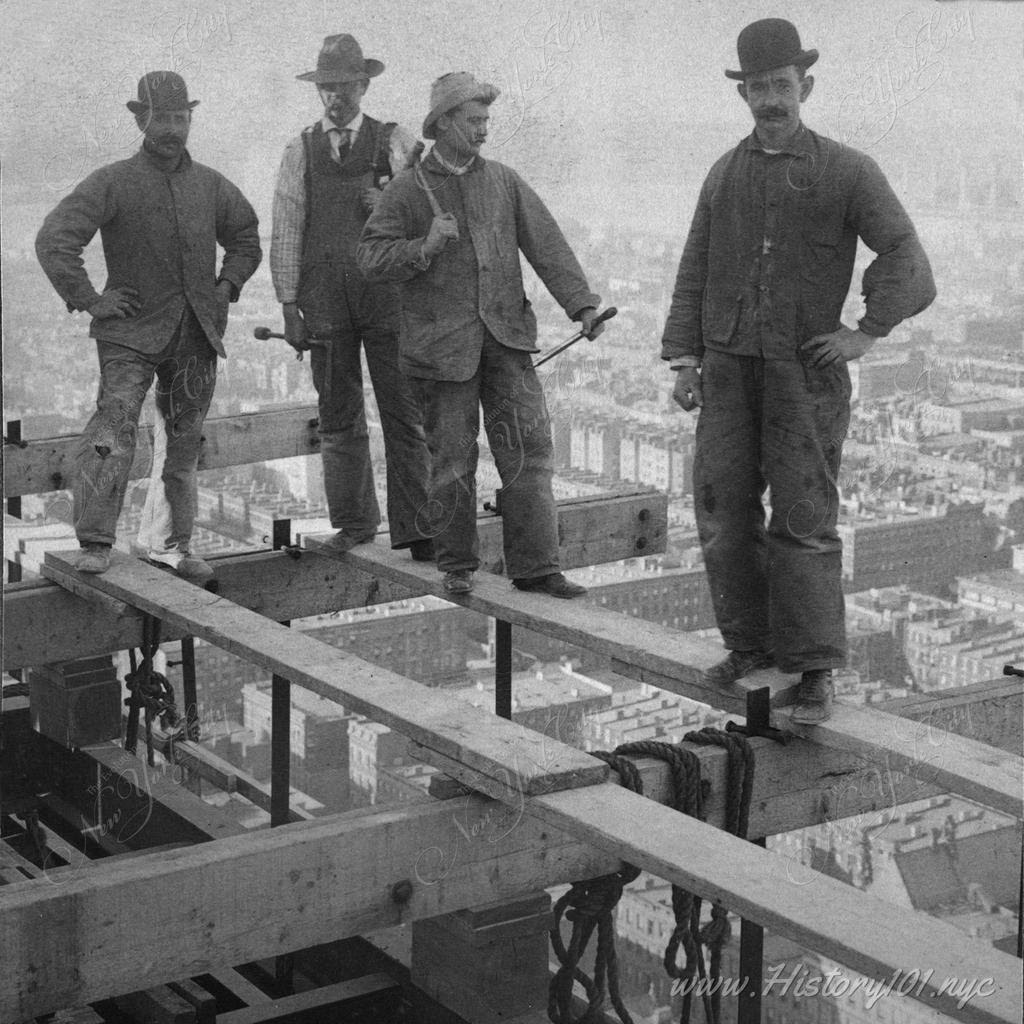
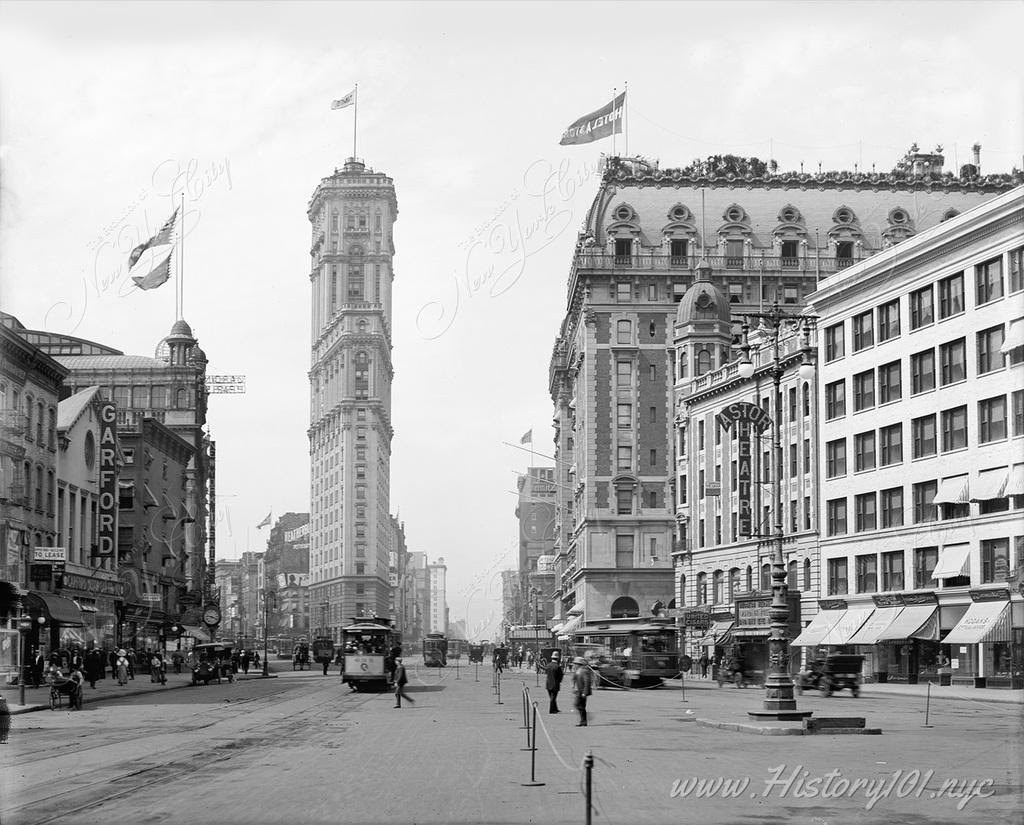
The early 20th century, specifically between 1905 and 1910, marked a pivotal shift in New York City’s architectural landscape. This period witnessed the rise of iconic structures that redefined the city’s skyline. The Singer Building, completed in 1905, soared to 47 stories, claiming the title of the world’s tallest building at the time. This architectural achievement was soon followed by the Metropolitan Life Insurance Company Tower, completed in 1909. It held the title of the tallest building until 1913, further solidifying New York City’s status as a burgeoning metropolis.
Concurrently, New York City’s subway system, inaugurated in 1904, underwent rapid expansion. The opening of the IRT Lexington Avenue Line in 1905 was instrumental in connecting the city’s diverse neighborhoods, facilitating both residential and commercial development across the boroughs. This expansion significantly transformed the city’s physical and socio-economic landscapes.
This era was marked by a significant cultural renaissance. The New York Public Library’s main branch, a standout Beaux-Arts building, began construction in 1902 and opened in 1911, symbolizing the city’s dedication to cultural enrichment. Moreover, the evolution of Broadway’s theater district, with the openings of the Hudson and New Amsterdam Theaters in 1903, mirrored the city’s expanding artistic landscape.
During this period, New York City underwent profound economic changes. Following the Panic of 1907, Wall Street emerged more robust, prompting critical banking reforms that contributed to the establishment of the Federal Reserve System in 1913. Simultaneously, the city’s population growth, fueled by immigration and urbanization, led to diverse social challenges. These included the need for new approaches to housing and public services, reflecting the city’s evolving demographics.
Timeline of New York City’s History 1905-1910 Discover surprising historical facts about The City That Never Sleeps—explore fun, educational insights into its history, population, iconic landmarks, and more, perfect for students, history enthusiasts, and anyone curious about NYC’s rich heritage.
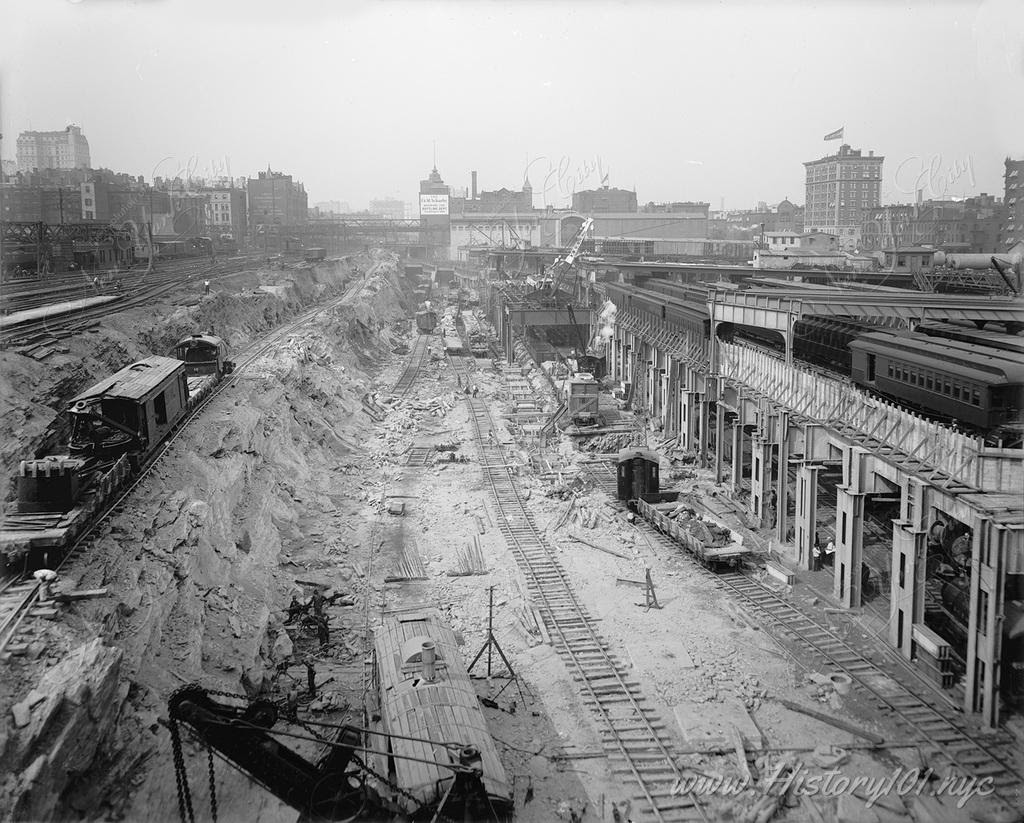
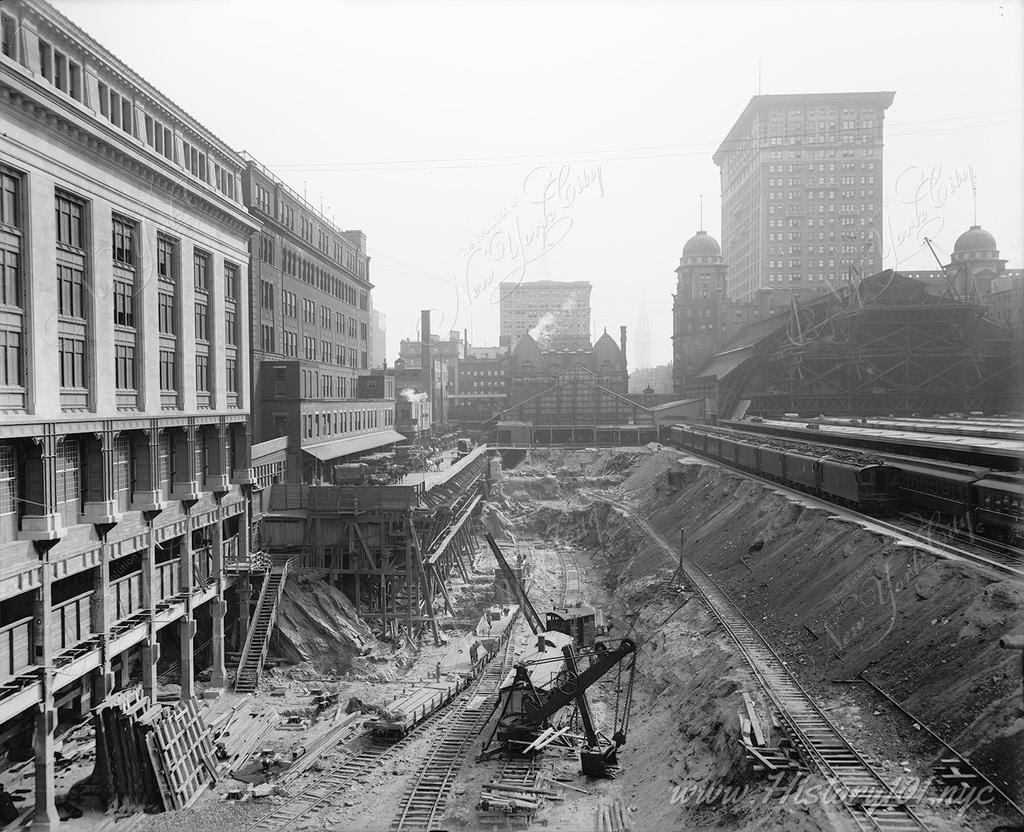
A straight perspective following the direction of the newly laid train tracks which would help to service thousands, and eventually millions of commuters a day.
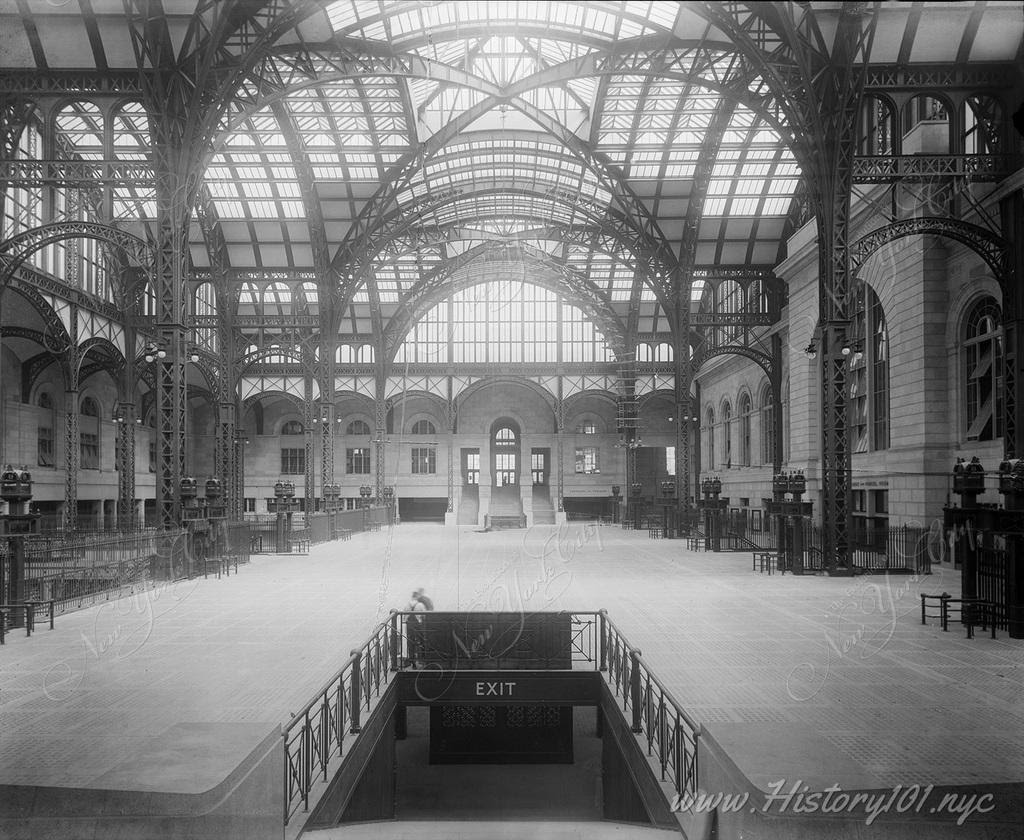
A photograph which illustrates the great style, symmetry and lighting of Penn Station’s Main Concourse.
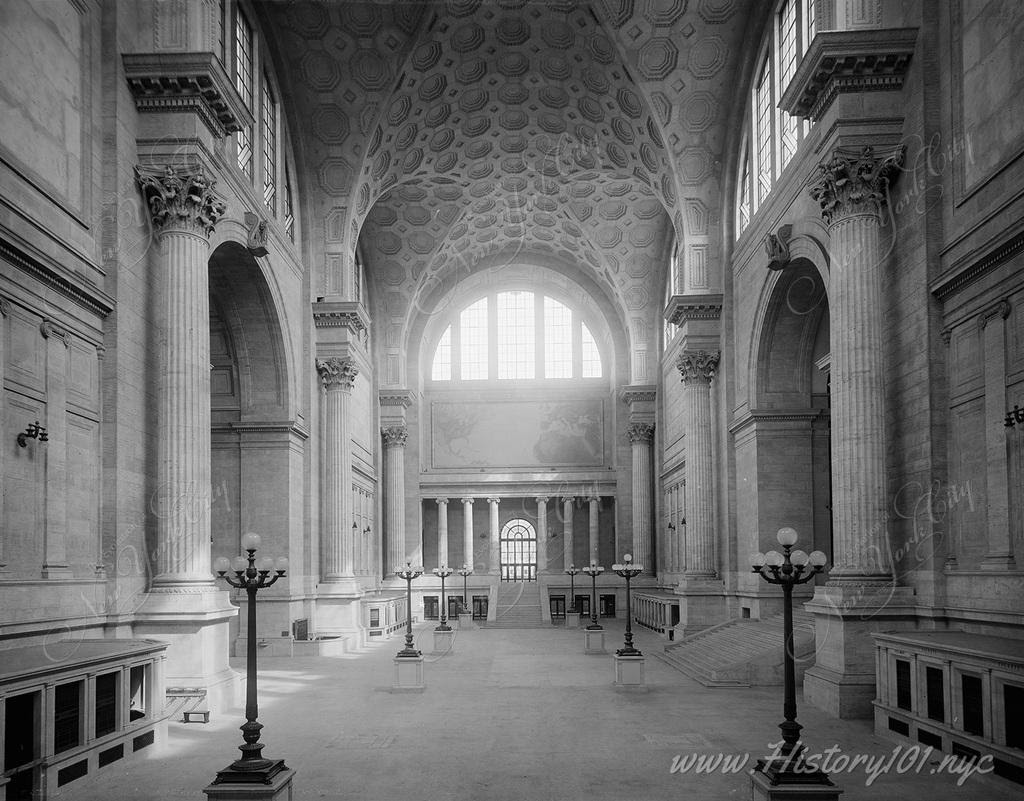
Interior view of Penn Station’s famously opulent waiting room, with its high vaulted ceilings and turn-of-the-century stonework. Image Credit: Unknown. Reprinted with permission. Restoration Credit: This image has been digitally repaired by Fine Print Design Studio.
PHOTO OF THE DAY
STOP BY OUR TABLE AT THE FLEA MARKET THIS SATURDAY TO PURCHASE YOUR NEW RTIHS TEE SHIRT (ADULT SIZES)
All image are copyrighted (c) Roosevelt Island Historical Society unless otherwise indicated THIS PUBLICATION FUNDED BY DISCRETIONARY FUNDS FROM CITY COUNCIL MEMBER JULIE MENIN & ROOSEVELT ISLAND OPERATING CORPORATION PUBLIC PURPOSE FUNDS.
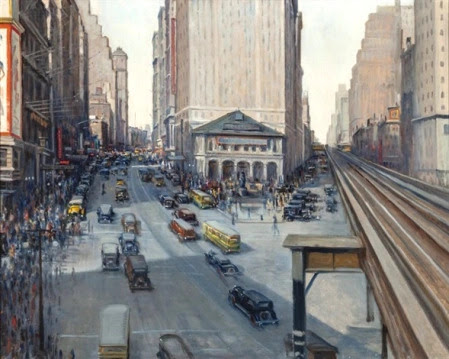
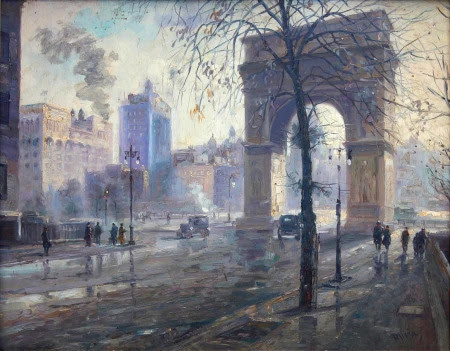
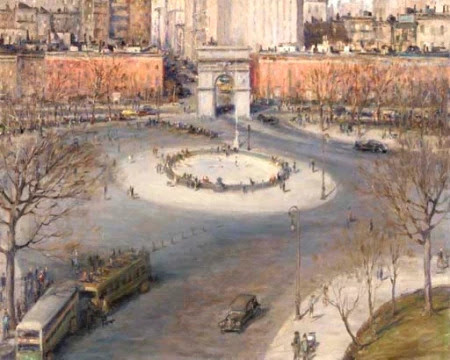
New York right now feels like it’s at a crossroads. People are fearful of walking the streets with the threat of a virus literally in the air. Subway problems, homelessness…the city doesn’t always seem to be working.
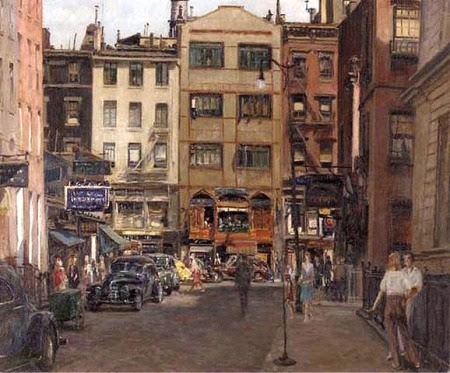
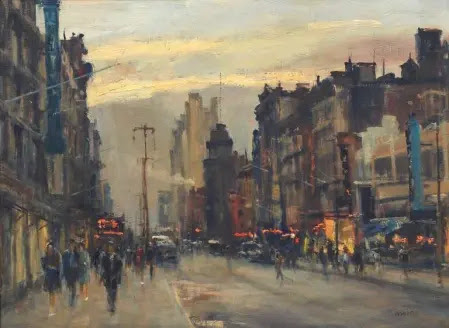
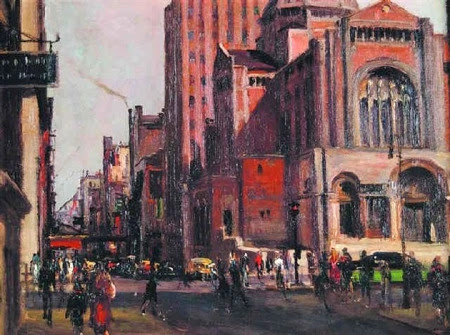
To restore your faith in Gotham, take a look at these paintings by Alfred S. Mira, whose vivid street scenes of the 1930s and 1940s city capture the life, passion, and activity inherent in New York’s soul.
Mira wasn’t a native New Yorker. Born in Italy in 1900, he came to New York as a boy with an “insatiable desire to draw,” as he put it.
Despite his parents’ misgivings, he embarked on a long career as an artist, painting cityscapes (many of his own neighborhood, Greenwich Village) depicting the day-to-day street life New Yorkers relate to and thrive on.
His style is sometimes Impressionist, but his vision of New York was one of realism. He painted the city “the way busy people see it…None of those breathtaking shots cameramen contrive of towers and infinity, which no New Yorker sees in actuality,” he said.
Mira’s paintings capture something real and remarkable about city life—the stunning palette of colors from buildings and roads, the hidden views from el trains and windows, the ordinary exchanges New Yorkers have on sidewalks with one another.
“The lure of the outdoors always attracted me, especially the city streets with their movements, color and depth—they were the things that inspired me and which I painted as they looked and as I felt them,” he said.
This site has featured Mira’s work before, and it’s the right time to present him again. Let his work remind you of what makes New York great and why you don’t ever want to leave.
PHOTO OF THE DAY
STOP BY OUR TABLE AT THE FLEA MARKET THIS SATURDAY TO PURCHASE YOUR NEW RTIHS TEE SHIRT (ADULT SIZES)
CREDIT TO
Ephemeral New York
All image are copyrighted (c) Roosevelt Island Historical Society unless otherwise indicated THIS PUBLICATION FUNDED BY DISCRETIONARY FUNDS FROM CITY COUNCIL MEMBER JULIE MENIN & ROOSEVELT ISLAND OPERATING CORPORATION PUBLIC PURPOSE FUNDS.
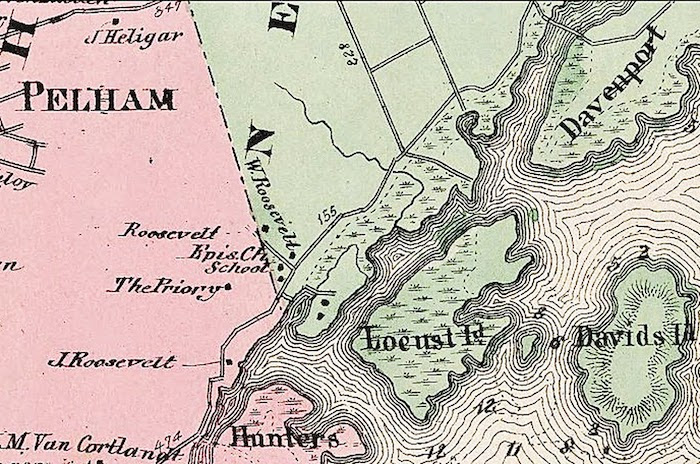
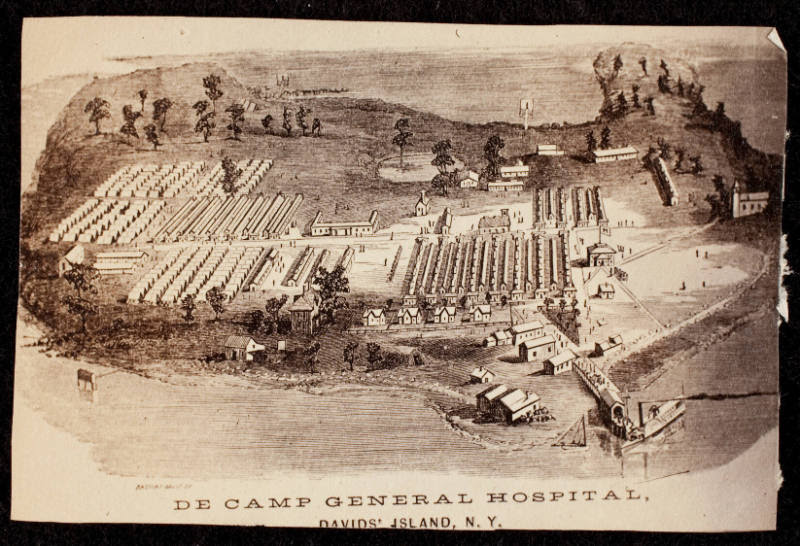
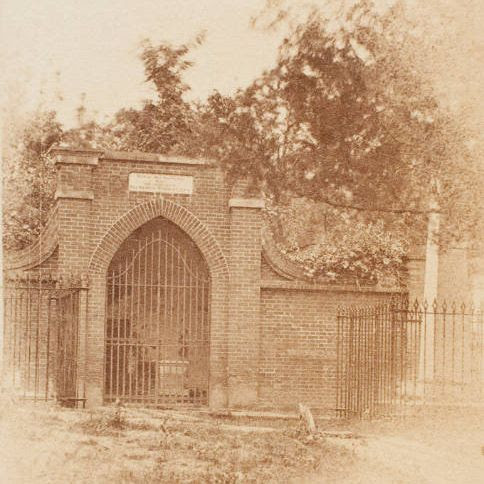
The other day I was looking thru the NYC Municipal Archives website. In a section there was a category of Transit Records. It appears that any body of a deceased person traveling thru Manhattan had to be cataloged in the large log books. During the Civil War years, I noticed that many of the persons died on David’s Island. David’s Island was also called Fort Slocum and was the home of a large hospital for Union Civil War Soldiers.
Until as late as 1803, the island was inhabited by members of the Siwanoy and the Algonquin nation. From Colonial times to the second half of the 19th century, the island was used for farming and pasturing and had various owners.
In 1856 Thaddeus Davids Sr., a New Rochelle ink manufacturer, bought the island from Newberry Davenport Jr., and it still bears his name. During the decade before the Civil War the island was a popular spot for excursion boats from New York City and elsewhere. Maps from the period show that it had a concert room, a saloon ( a genteel refreshment room) and several other buildings, perhaps a hotel.
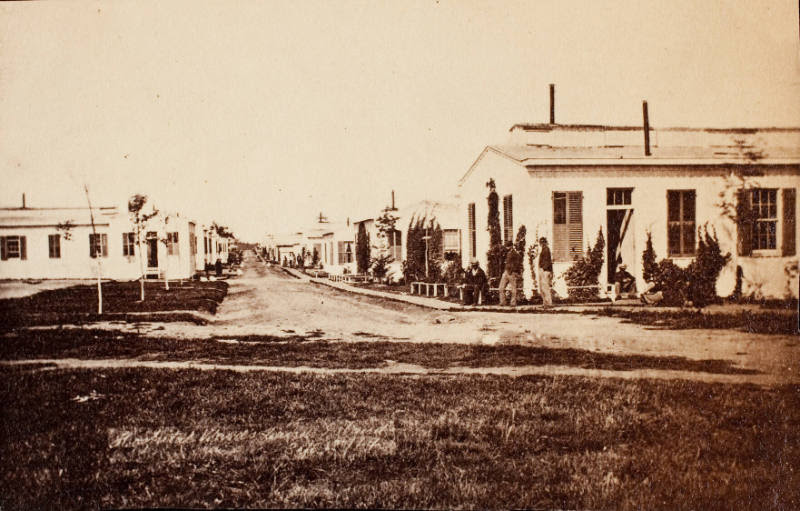
By 1861 the first soldiers arrived on the Island, and the U.S. Army established the De Camp Hospital for the wounded. After the hospital’s closing, the Army purchased the island in 1867 and called the post Davids Island until July of 1896, when the Army formally named it Fort Slocum after Major General Henry Warner Slocum of Civil War fame.
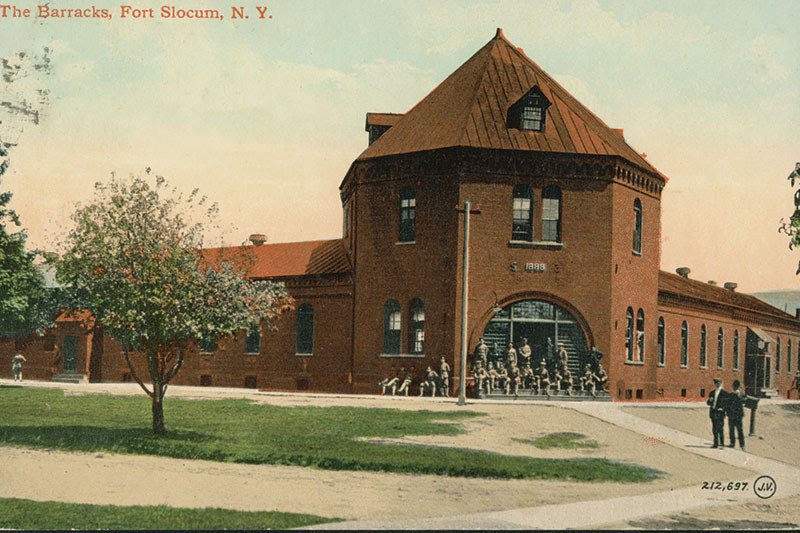
Through the Army years the island served as a prison, hospital, mustering camp, recruiting depot, coast artillery fortification, transit station, training camp, Air Force base, and missile battery.[2] Thousand of soldiers from all over the country served at Ft. Slocum and thousands of Westchester residents worked and visited there. The fort’s busiest time was during World War I when the base processed thousands of men on their way to war.
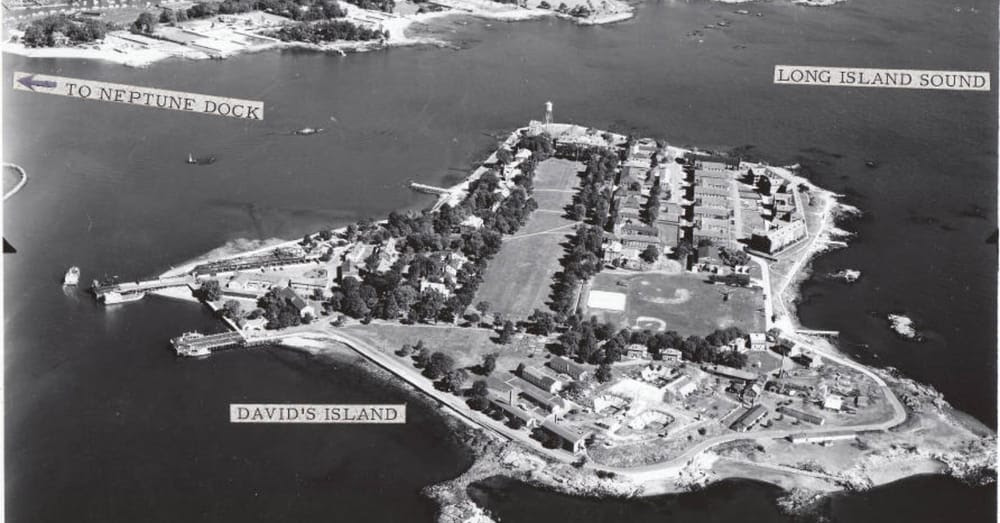
At the height of World War I, the fort had difficulty keeping up with the inflow of newly arriving troops. In December of 1917, the Department of War issued regulations that would stop voluntary enlistment in favor of a draft. In the week of December 10th, 800 men arrived each day at the New Rochelle train station and were ferried from the Neptune Park Dock to the Island. By the end of the week Fort Slocum was full, and the City of New Rochelle united to aid in the feeding, clothing, and housing thousands of men stranded during one of the coldest winters in recent history.[3] The rapid influx of new troops to the island triggered a massive construction boom, the first since the 1880s. 56 one-story buildings were erected including a recruit examination building and a post office.
In November of 1965, Fort Slocum was abandoned by the Army and bought by the City of New Rochelle. While there have been many potential buyers such as Donald Trump, Con Edison, and Xanadu Properties, the island is still owned by the city. The ruins of Fort Slocum continued to occupy the island until 2008 when Congress approved funds to remove the remaining structures on the island including the iconic water tower. The island is currently inaccessible to the public, but a new future hopefully awaits.
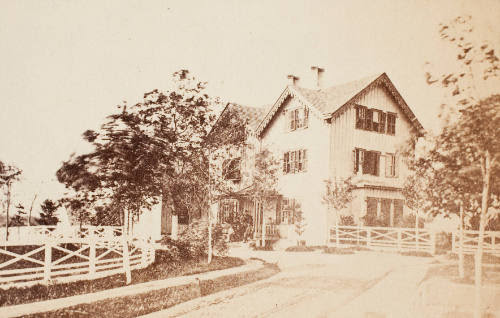
Hospital treated Union and later Confederate Troops during the Civil War.
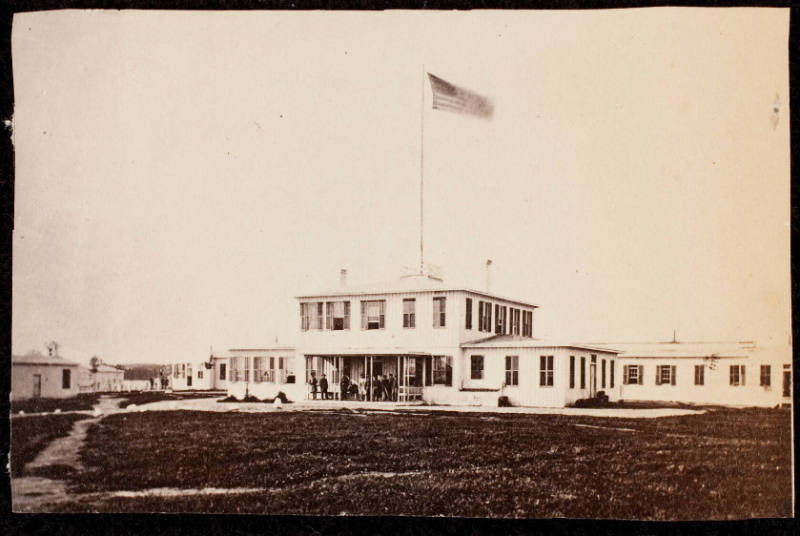
This is a carte de visite. The David L. Hack Civil War Photography Collection. A photograph of a building with people standing on the front porch, several windows and dark shutters. On the roof stands a high flag pole with the American flag flying at the top. This is from _Gardner’s Photographic Sketchbook of the War_ (Hack Collection No. 2].
FORT SLOCUM
IN USE UNTIL CLOSED IN THE 1960’S
Fort Slocum before all structures were demolished in 2008.
All that remains of the island since multiple plans for development have fallen thru.
PHOTO OF THE DAY
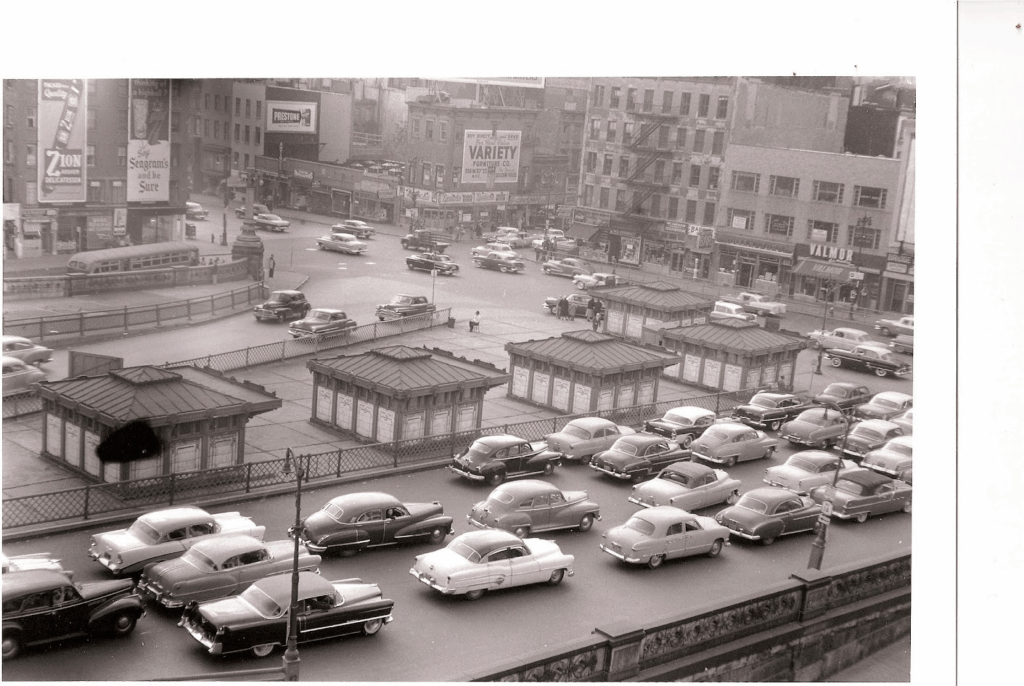
Second Avenue before Congestion Pricing
CREDIT TO
Wikipedia
All image are copyrighted (c) Roosevelt Island Historical Society unless otherwise indicated THIS PUBLICATION FUNDED BY DISCRETIONARY FUNDS FROM CITY COUNCIL MEMBER JULIE MENIN & ROOSEVELT ISLAND OPERATING CORPORATION PUBLIC PURPOSE FUNDS.
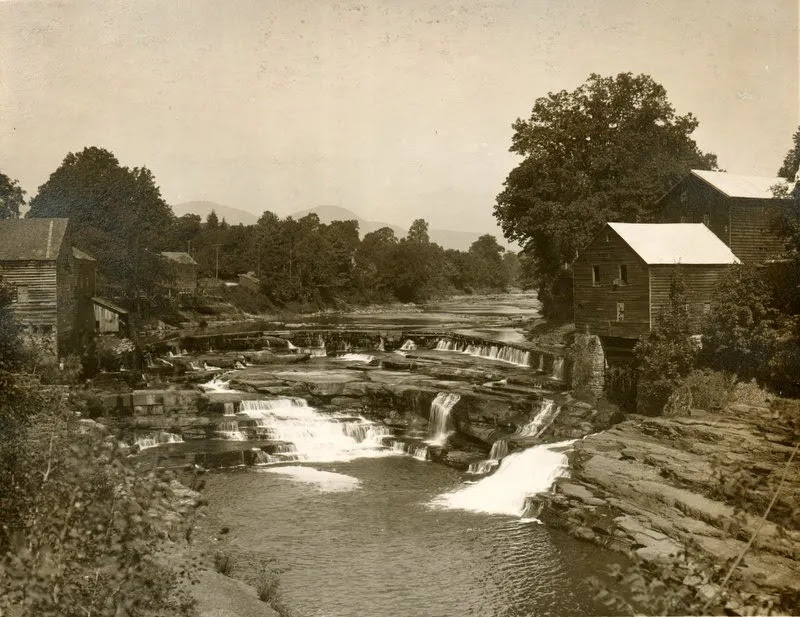
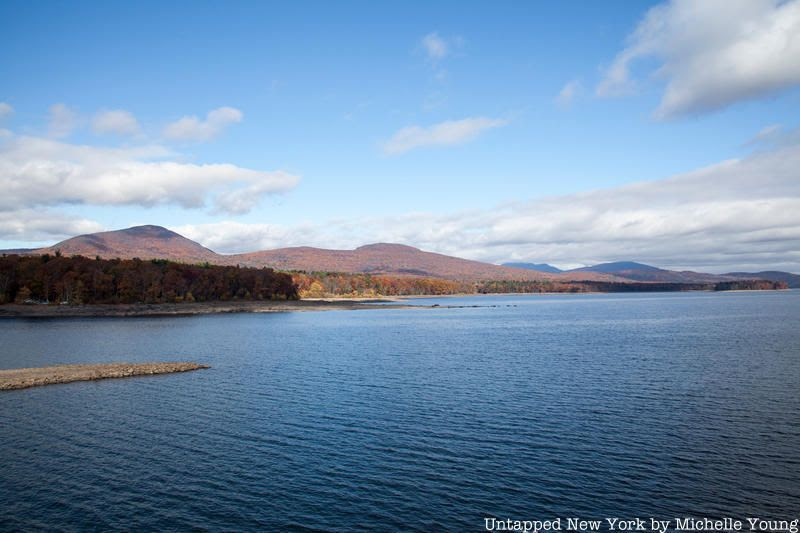
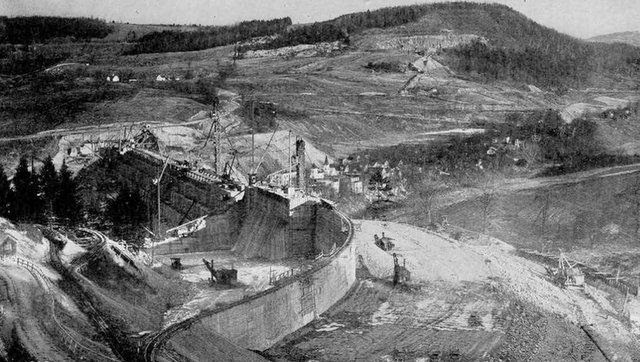
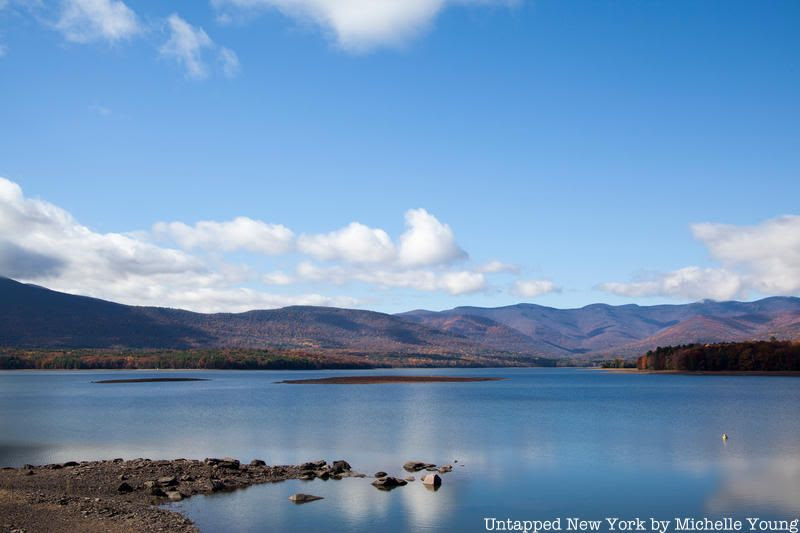
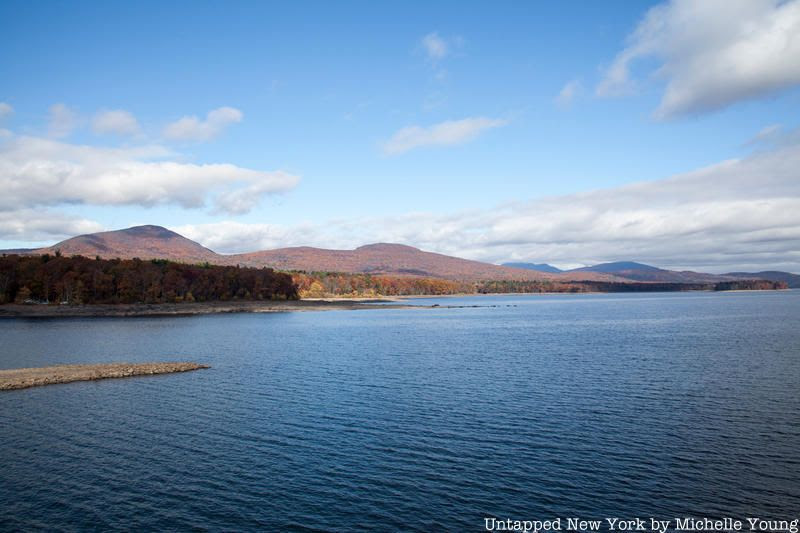
New York City has some of the best drinking water in the country, but it didn’t come without a price. Most are familiar with the Croton Aqueduct, the first to bring fresh water to the city in 1842–updated in 1890. The Catskill Aqueduct was next (a push after Brooklyn was incorporated into the City of New York), built between 1917 and 1924, bringing 40% of New York City’s water from a series of reservoirs 163 miles from upstate New York. What New Yorkers may not know is that the six reservoirs of the Catskill Aqueduct, including Ashokan Reservoir which is New York City’s largest, were formed by flooding a dozen towns.
The plan for the Catskill Aqueduct began in 1905 when the New York City Board of Water Supply was formed, allowing for the acquisition of property by eminent domain and the construction of dams, reservoirs and and aqueducts. The area in question was formerly a farming area, with logging activity as well as the quarrying of bluestone, some of which ended up on the Brooklyn Bridge.
2000 people were relocated, including a thousand New Yorkers with second homes. 32 cemeteries were unearthed and the 1,800 residents buried elsewhere, to limit water contamination. Residents were offered $15 from the city ($65 later for the Delaware Aqueduct) to disinter their relatives and rebury them elsewhere.
Some of NYC’s Water Comes from Drowned Towns in the Catskills
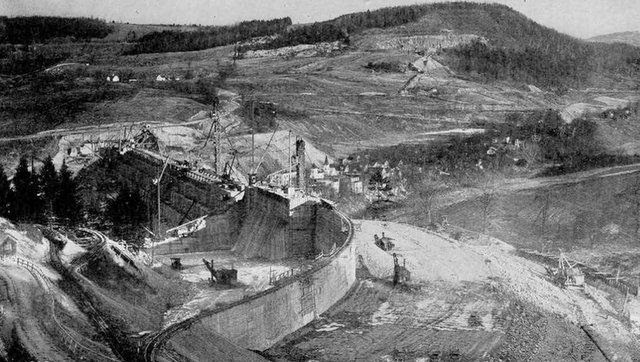
Construction of the Ashokan Reservoir in 1910. Image from New York City Department of Environmental Protection
Buildings and industries were relocated or burned down, trees and brush were removed from the future reservoir floor–all the work done predominantly by local laborers, African-Americans from the south and Italian immigrants. To control the fighting that arose between labor groups, a police force which became the New York City Department of Environmental Protection (NYCDEP) Police, was created.
In sum, four towns were submerged while eight were relocated to build the Ashokan Reservoir. When the dam was completed, steam whistles were blown for an hour warning residents that the water was coming. Today, remnants of foundations, walls, and more can still be seen, particularly when water levels are lower–often in the fall. Although access to the reservoirs has been limited since 9/11, you can see some of those archeological finds from bridges. You can also hike and bike along a ridge of the reservoir.
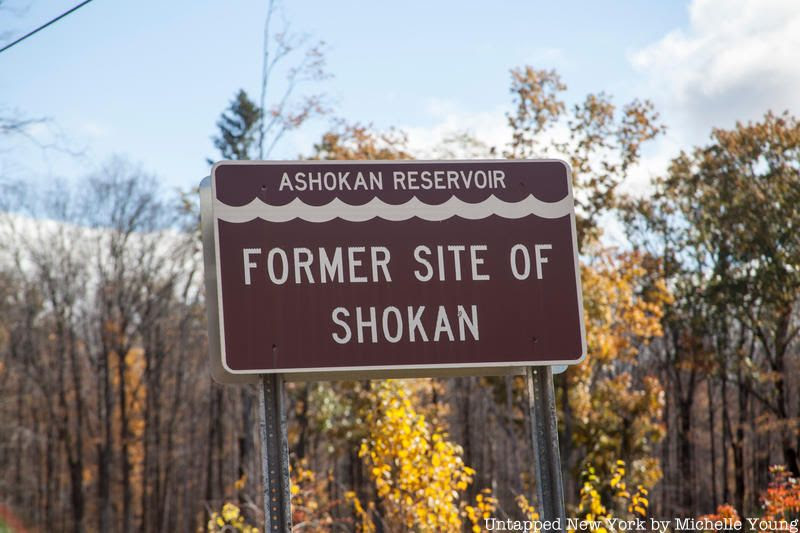
The last of the eminent domain lawsuits in the Ashkoan Reservoir area was not settled in 1940 and it was not until 2002 that New York City made any moves to acknowledge the history in the Esopus Valley. The NYCDEP installed an outdoor exhibition in Olive, New York that commemorated the lost towns and the feat of the aqueduct itself, with the intention to add exhibits at five other reservoirs (although we were not able to find that the exhibition or any others are still available). Signage now shows the sites of the former towns.
The Delaware Aqueduct is the most recent of the city’s aqueducts and its story is similar to the Catskill Aqueduct–the Pepacton Reservoir (aka the Downsville Reservoir or the Downsville Dam) was formed by not only flooding four towns, but also submerging half of the existing Delaware and Northern Railroad. This reservoir provides 25% of the city’s drinking water, and combined the Catskill and Delaware Aqueduct provides 90% of the city’s water.
All image are copyrighted (c) Roosevelt Island Historical Society unless otherwise indicated THIS PUBLICATION FUNDED BY DISCRETIONARY FUNDS FROM CITY COUNCIL MEMBER JULIE MENIN & ROOSEVELT ISLAND OPERATING CORPORATION PUBLIC PURPOSE FUNDS.
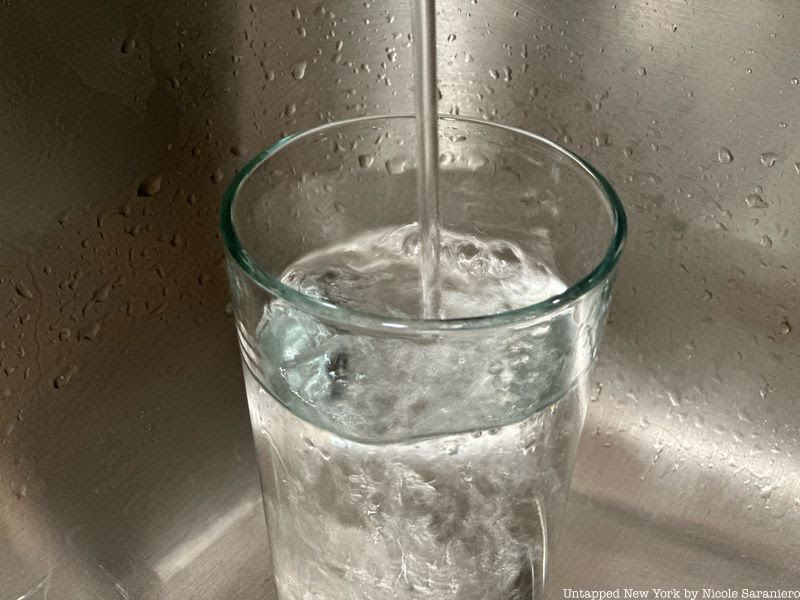
NYC tap water has been called “the champagne of drinking water.” It’s won multiple taste test awards and is credited as the reason NYC bagels and pizza are so delicious. In addition to being famously tasty, NYC tap water is also an impressive feat of engineering. Here, we explore where it comes from, what makes it taste so good, and more secrets!
1. Some of NYC’s Water Comes from Drowned Towns in the Catskills
Construction of the Ashokan Reservoir in 1910. Image from New York City Department of Environmental Protection
Fresh water first came to New York City via the Croton Aqueduct in 1842. In 1917, construction began on the Catskill Aqueduct which provided six new reservoirs that supplied water to New York City. Many of those reservoirs were built on the site of existing Catskill towns in an area used largely for farming, logging, and bluestone quarrying. To make way for the reservoirs, 2,000 people had to be relocated. In addition to living residents, 1,800 bodies from cemeteries at the sites were unearthed and re-interred elsewhere. Homes, businesses, and trees were torn down.
In total, four towns were submerged and eight were relocated to build the Ashokan Reservoir, the largest reservoir for New York City. Before the water rushed in, whistles were blown for an hour to warn any stragglers to leave. When the water levels are low today, you can see foundations, walls, and other remnants of the lost towns. Learn more about the drowned towns here!
2. Microscopic Crustaceans Were Found in NYC Tap Water
In 2010, a Reddit user uploaded images of microscopic shrimp-like organisms found in a glass of tap water. What the user captured were copepods, very tiny crustaceans that are known to eat mosquito larvae and help keep water supplies clean. The presence of this organism, though invisible and harmless, posed a problem for Orthodox Jewish people who follow a Kosher diet in New York City. A NYC Department of Environmental Protection (DEP) spokesman told Wastewater Digest back in 2004 that the copepods can easily be filtered out with a commercial filter or the water could be run through a double cloth to remove the creatures.
3. What’s Inside Drinking Water Sampling Stations?
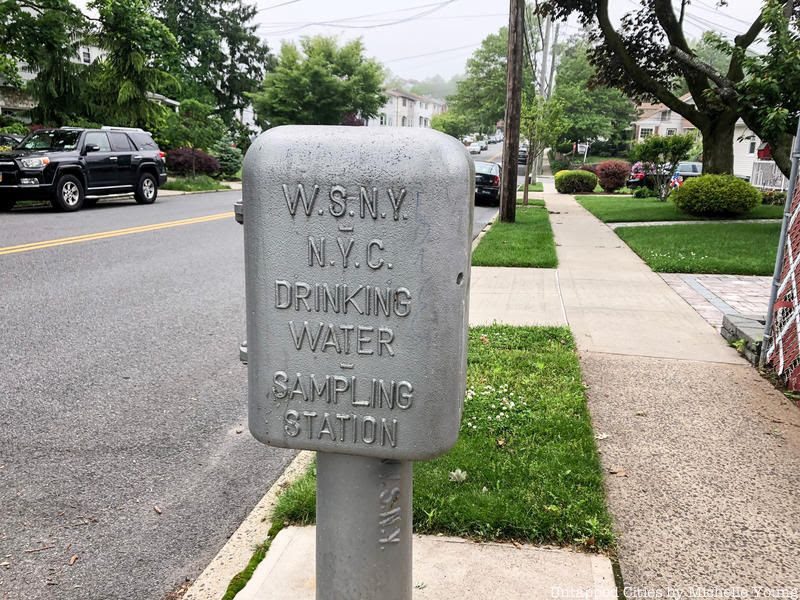
There are more than 950 NYC drinking water sampling stations spread across the five boroughs. Inside these silver, cast iron boxes there is a sink. Quality scientists working for the DEP visit these sampling sites to conduct tests over 30,000 times a month. They are out in the field every day of the year making sure the water is safe to drink. A few things they test for include “bacteria, chlorine levels, pH, inorganic and organic compounds, turbidity, and odor” among other quality metrics.
4. NYC’s Water Supply System Provides One Billion Gallons of Water Per Day
New York City’s tap water comes from 19 reservoirs and three controlled lakes located in the Hudson Valley and Catskill regions. Those bodies of water are part of two primary surface water supplies, the Catskill/Delaware and Croton. In order to get clean water to all of New York City’s more than 8.8 million residents, the water supply system provides more than one billion gallons of water per day! This supply also serves one million people residing in Westchester, Putnam, Orange, and Ulster counties. That’s nearly half of the entire population of New York State. The water from our upstate watershed areas can take anywhere from 12 weeks to a year to travel through the system to the city, according to the New York Times.
5. NYC Tap Water is Unfiltered (Most of it)
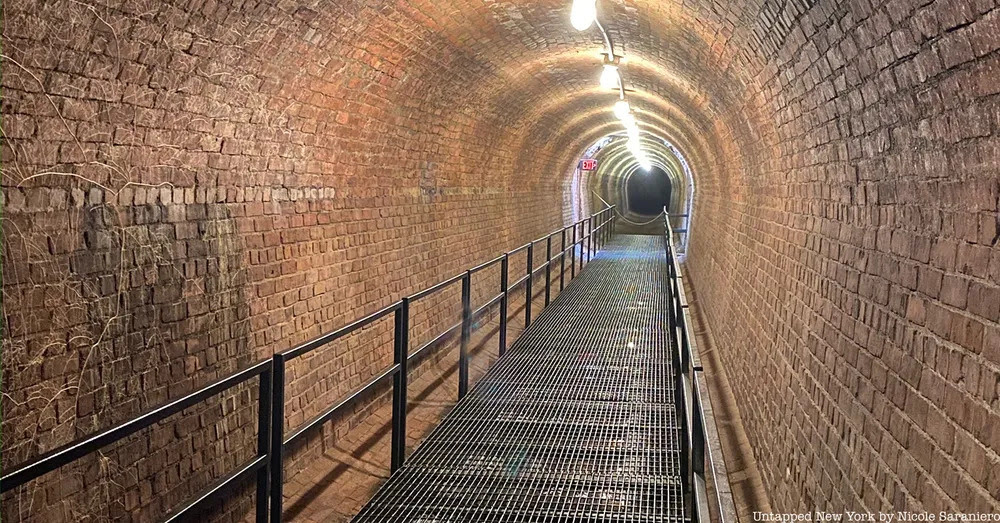
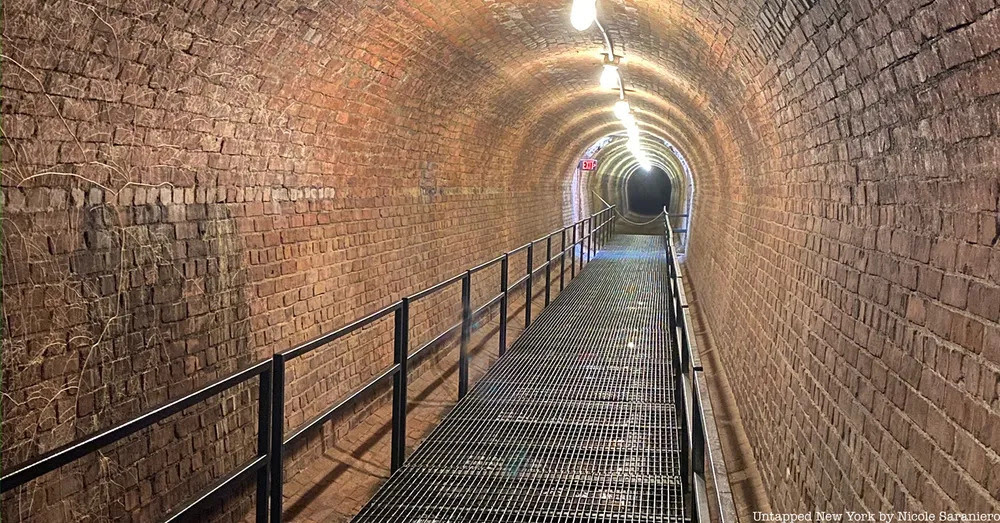
Inside a tunnel of the Old Croton Aqueduct in Ossining, NY
Due to the high quality of water from the Catskill/Delaware supply, New York City is one of only five large cities in the nation that does not use filtration as a treatment method. It is actually the largest unfiltered water system in the country. Instead of filtration, NYC tap water that comes from the Catskill/Delaware supply is treated using chlorine and ultraviolet light. Chlorine is a disinfectant that kills germs and prevents bacteria from growing on pipes. Ultraviolet light further disinfects the supply. More than 2 billion gallons of water go through this disinfection process every day at the Catskill/Delaware UV Disinfection Facility in Westchester. Water from the Croton supply is filtered at an underground facility in the Bronx called the Croton Water Filtration Plant.
6. You Can See Remnants of NYC’s Old Reservoirs
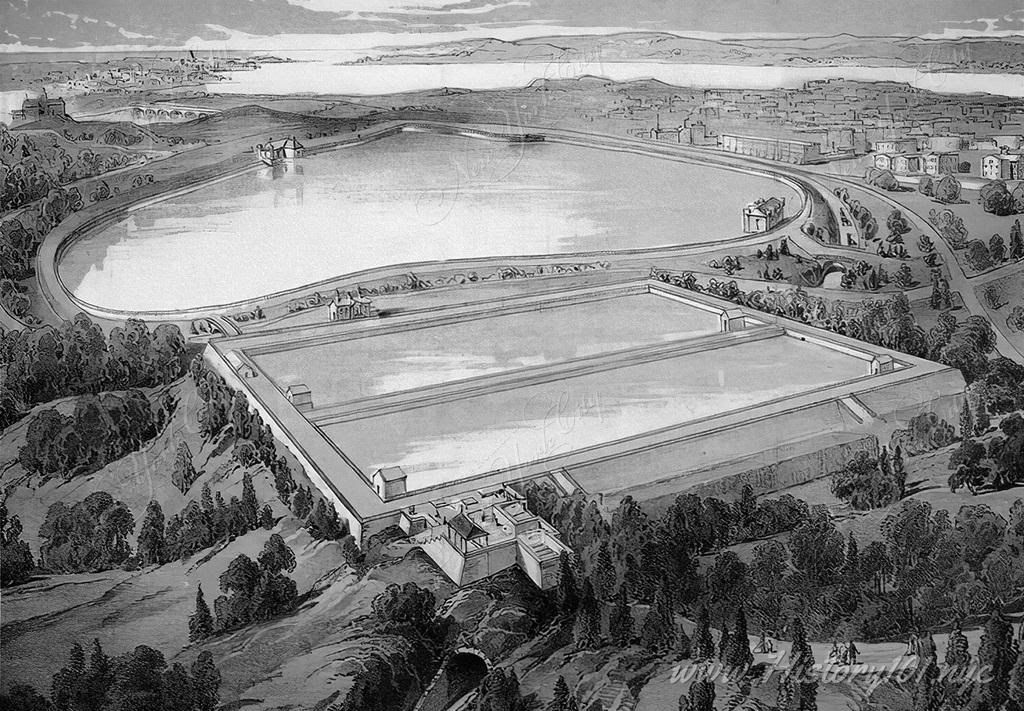
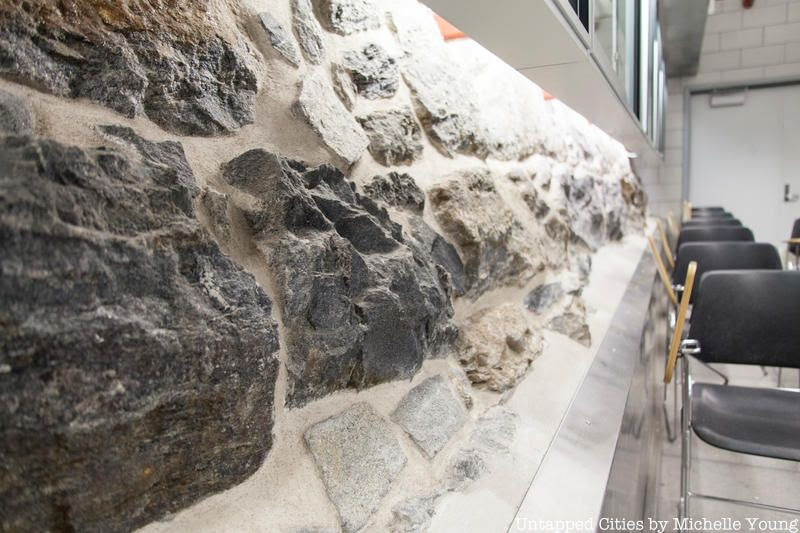
When the Old Croton Reservoir first opened, there were multiple reservoirs within the limits of New York City that it fed and there are many remnants of that system that you can see today. One of these remnants is a stone wall inside the New York Public Library which was once part of the Croton (or Murray Hill) Distributing Reservoir’s foundation. The reservoir opened in 1842 and stood where Bryant Park is today. It was a favorite walking spot of Edgar Allan Poe and other New Yorkers who could walk along the edge and take in the city views.. It was torn down in 1900.
Another reservoir once stood where the Great Lawn of Central Park is now. Remnants of this structure can be found poking out of the ground on the east side of the Great Lawn and inside the conference room at the Central Park NYPD station on the 86th Street transverse (seen above). Track down more remnants of the Croton Aqueduct here! Today, the last point of travel for most NYC tap water before it enters homes and businesses is the Hillview Reservoir in Yonkers.
7. The Bethesda Fountain Honors NYC’s First Drinking Water Supply
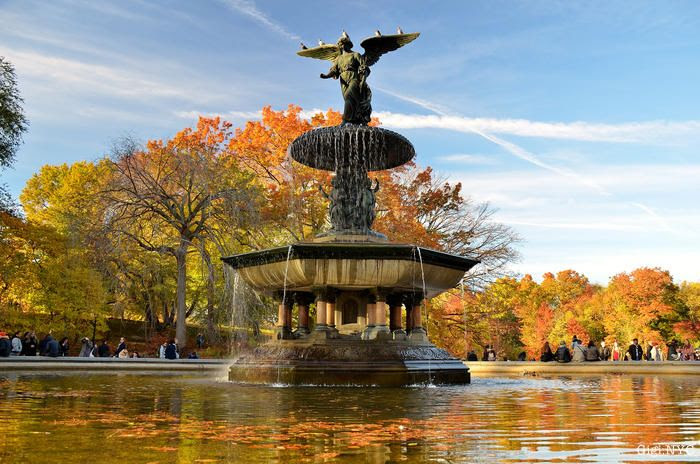
Bethesda Fountain is an iconic attraction of Central Park, but few may know the story behind it. The official name of the fountain is Angel of the Waters. When Central Park was originally designed, this was the only fountain that was in the plan. The twenty-six-foot-high fountain was created by sculptor Emma Stebbins, the first woman to receive a commission for a major public work in New York City. Calvert Vaux designed the base it stands on and Jacob Wrey Mould created the ornamentation. The fountain commemorates the 1842 opening of the Corotn Aqueduct which brought fresh drinking water to the city. The angle holds a lily in one hand while blessing the waters with the other. At her feet, four cherubs represent health, purity, temperance, and peace.
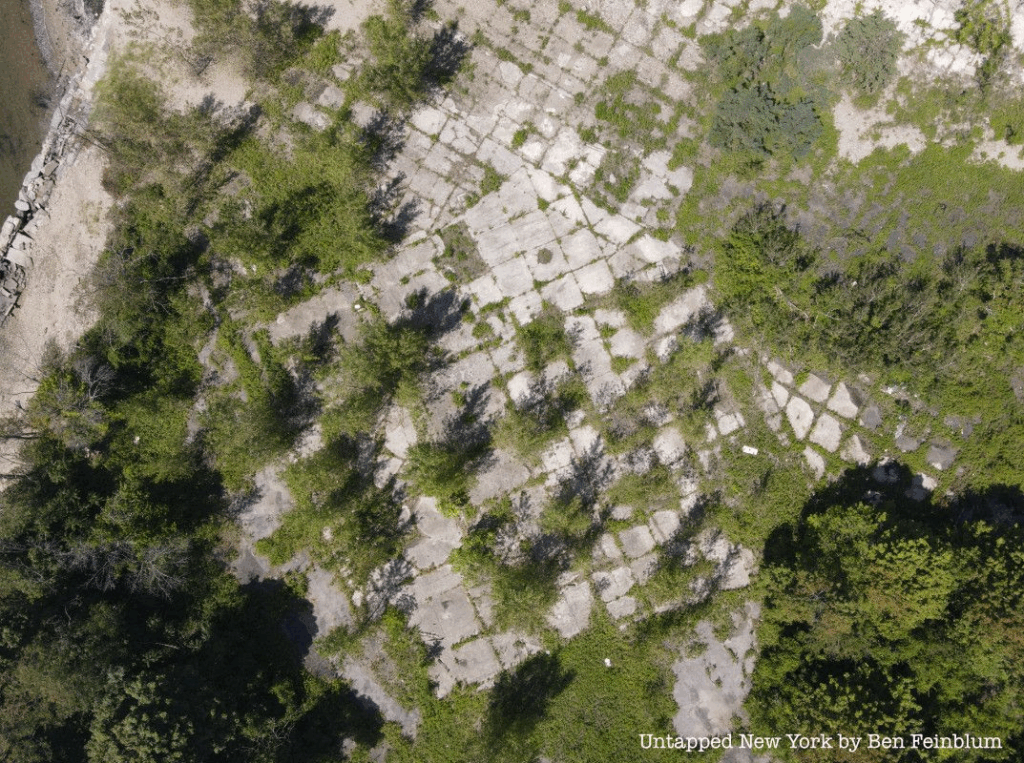
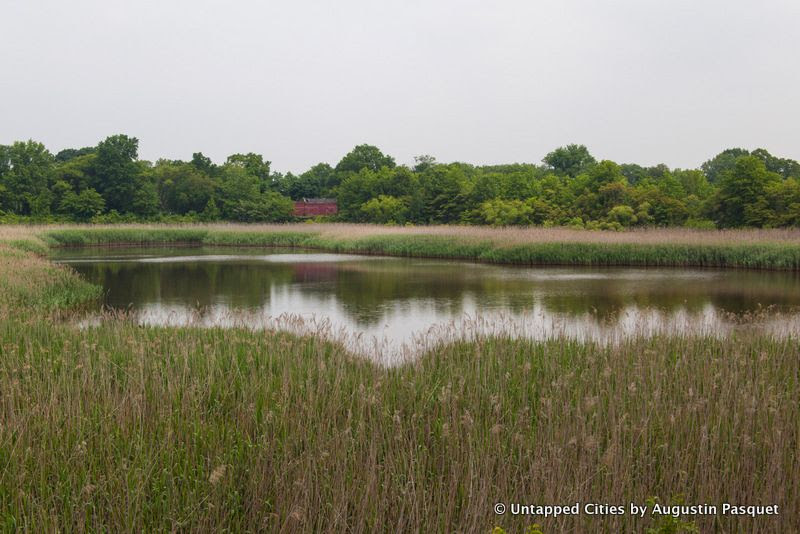
8. A Formerly Abandoned Queens Reservoir is Now Part of a Park
From 1858 until 1990, parts of Brooklyn received water from the now-decommissioned Ridgewood Reservoir. This reservoir was fed by small streams on Long Island. Located on the southeastern corner of Ridgewood, Queens, the reservoir distributed over 45 million gallons of water per day. After being decommissioned in 1990, the site sat largely untouched. Management of the site was transferred to the parks department in 2004. Today, the reservoir is part of Highland Park, a designated freshwater wetland.
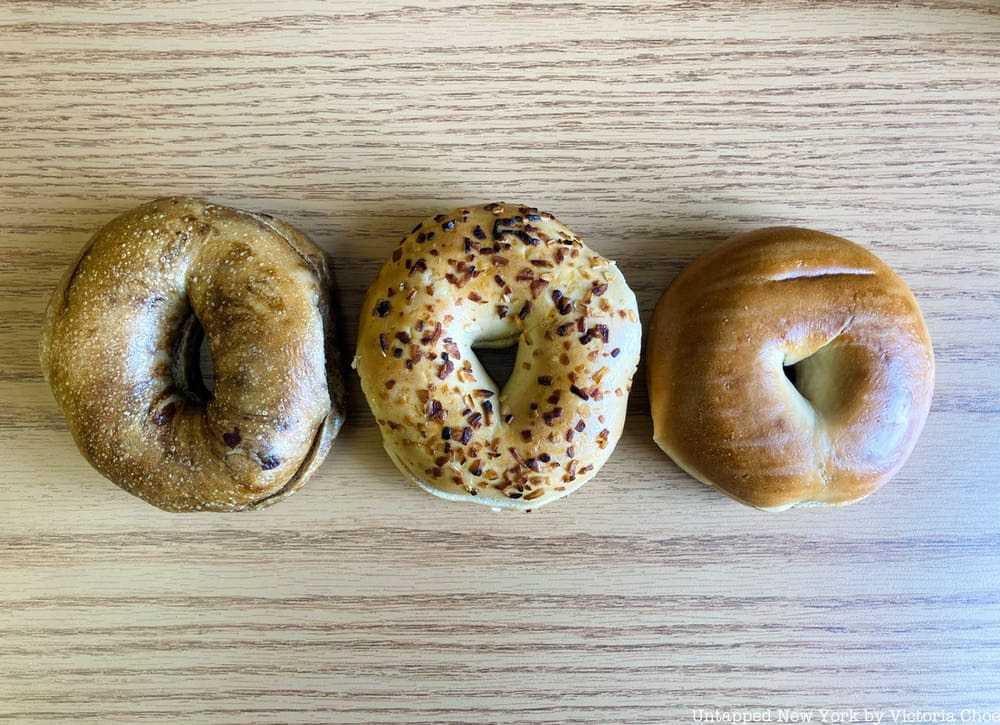
9. Does NYC Tap Water Really Make Bagels and Pizza Taste Better?
NYC tap water has been called “the champagne of drinking water” and businesses in states across America have imported or tried to replicate our water to make their bagels or pizza taste just like those made here in the city. But is water really the key to the best bagel or slice? It’s a debate that’s been hashed out in articles by NPR, Reader’s Digest, Sauce, Food & Wine, Smithsonian Magazine, and countless other publications. There are certain qualities that make NYC tap water unique, such as lower concentrations of calcium (an element that can make water have a bitter taste) and magnesium, but higher levels of sodium and other natural minerals from the water source. These attributes make NYC water “soft.” The softness or hardness of water does impact how it reacts to gluten in the dough. Hard water tends to strengthen gluten, making for a dough that’s a bit tougher, as noted by Smithsonian Magazine. While NYC tap water may give our dough the slightest edge, there are many other factors that contribute to making a good bagel or pizza pie, like how you bake it and the quality of the other ingredients you use. The water likely has little impact on the overall taste, but what do you think?
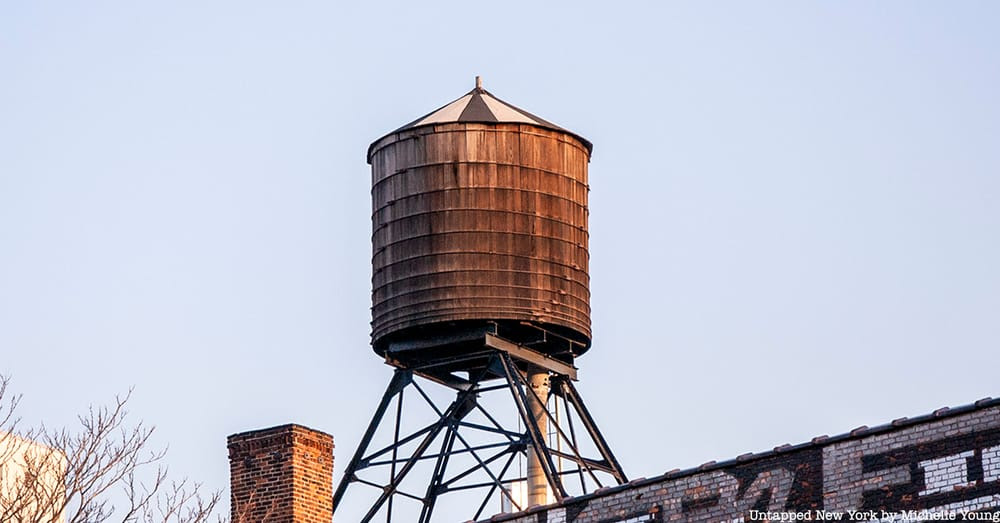
10. How Do Water Towers Work?
Water towers are a ubiquitous part of the New York City skyline, but how do they actually work? Most of New York City’s water travels to the city purely by the force of gravity, gaining enough speed and pressure to travel up to six floors high naturally (roughly 60 to 75 feet). This is impressive, but many New York City buildings are much, much taller. In order to get water to the upper floors of the tallest buildings, you need pumps and water storage. Enter the water tower. Traditionally, water towers are made of cedar wood or California redwood planks held together like a barrel with steel hoops. The wood is highly effective at insulating the water, keeping the water from freezing in the winter. Though the concept of water towers is simple and seems old-fashioned, they are still very much in use today. Check out some of the most unique water towers in NYC right here including the giant water towers at the World Trade Center!
PHOTO OF THE DAY
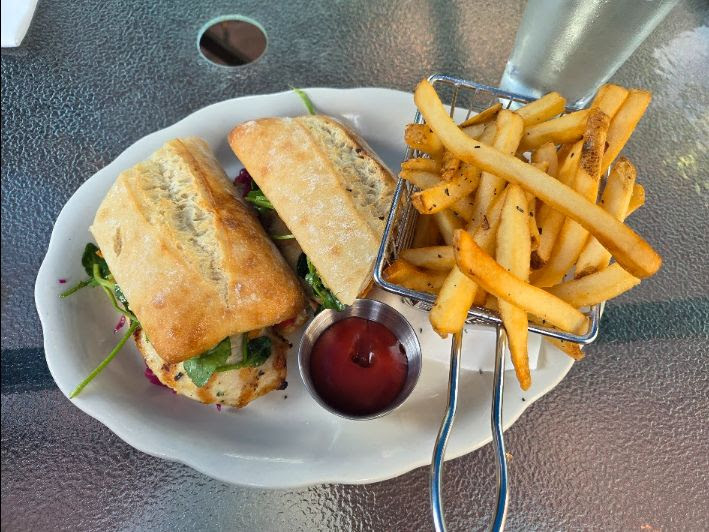
Grilled Chicken Sandwich at Nisi Yummy
Credits
UNTAPPED NEW YORK
All image are copyrighted (c) Roosevelt Island Historical Society unless otherwise indicated THIS PUBLICATION FUNDED BY DISCRETIONARY FUNDS FROM CITY COUNCIL MEMBER JULIE MENIN & ROOSEVELT ISLAND OPERATING CORPORATION PUBLIC PURPOSE FUNDS.