Monday, June 8, 2026 – FORMER IRONWORKS SAVED AND NOW IS A CHARTER SCHOOL

The Story of the 19th Century
Factory Building
Hidden Within Modern
Bronx High-Rise Towers
Monday, June 8, 2026
By ephemeralnewyork
ISSUE # 1694
B.J. JNES JOINED JUDY BERDY AT THE RIHS TABLE
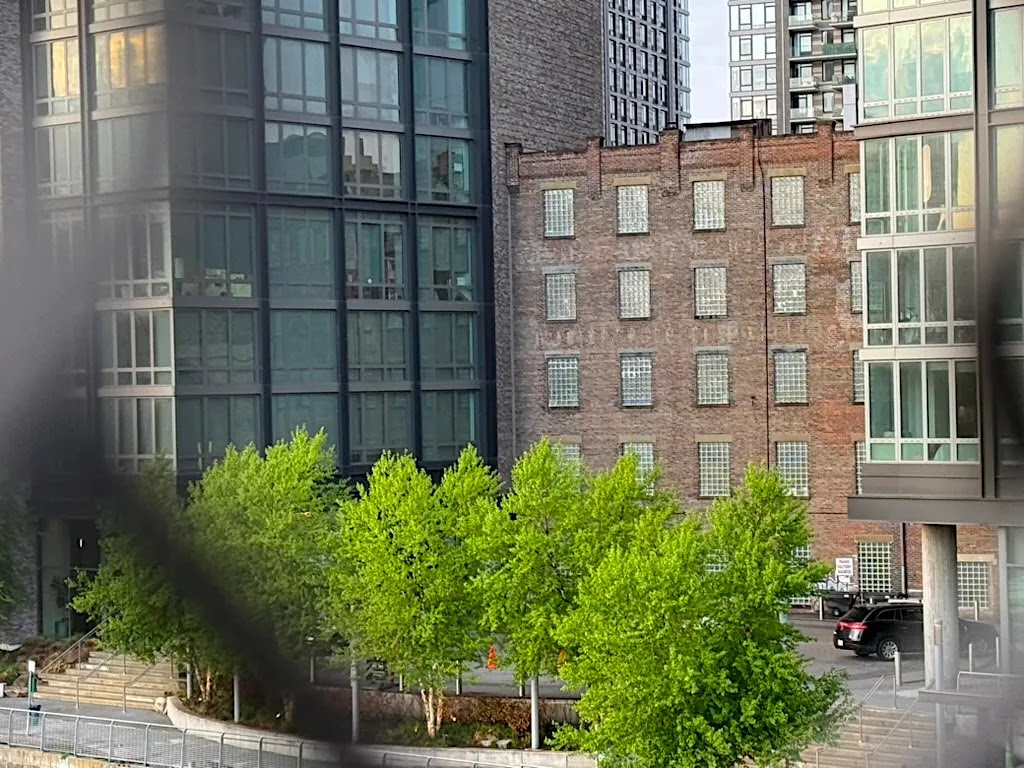
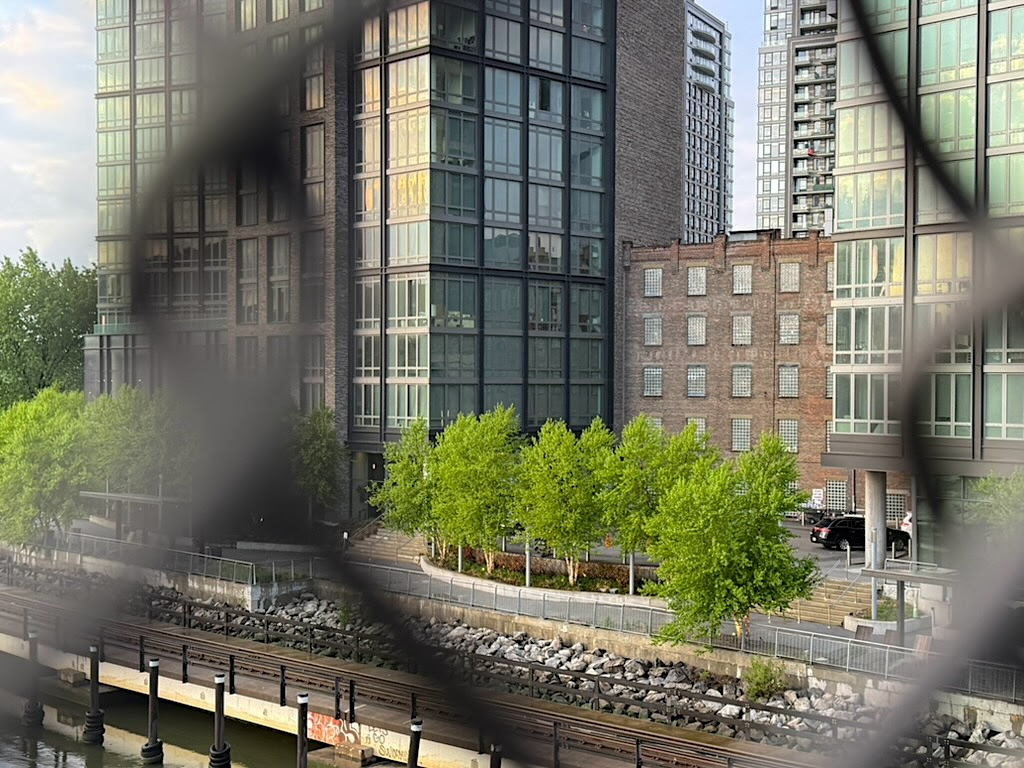
You can see it peeking out from the Harlem River Drive or through the chain-link fence of the Third Avenue Bridge: a five-story red brick building almost buried behind glass and steel apartment towers.
The towers are newish luxury rental residences built on the Bronx side of the Harlem River. Shiny and modern, they bring Manhattan-style living spaces to a section of the borough that some canny real estate people have tried to rebrand as “SoBro.”
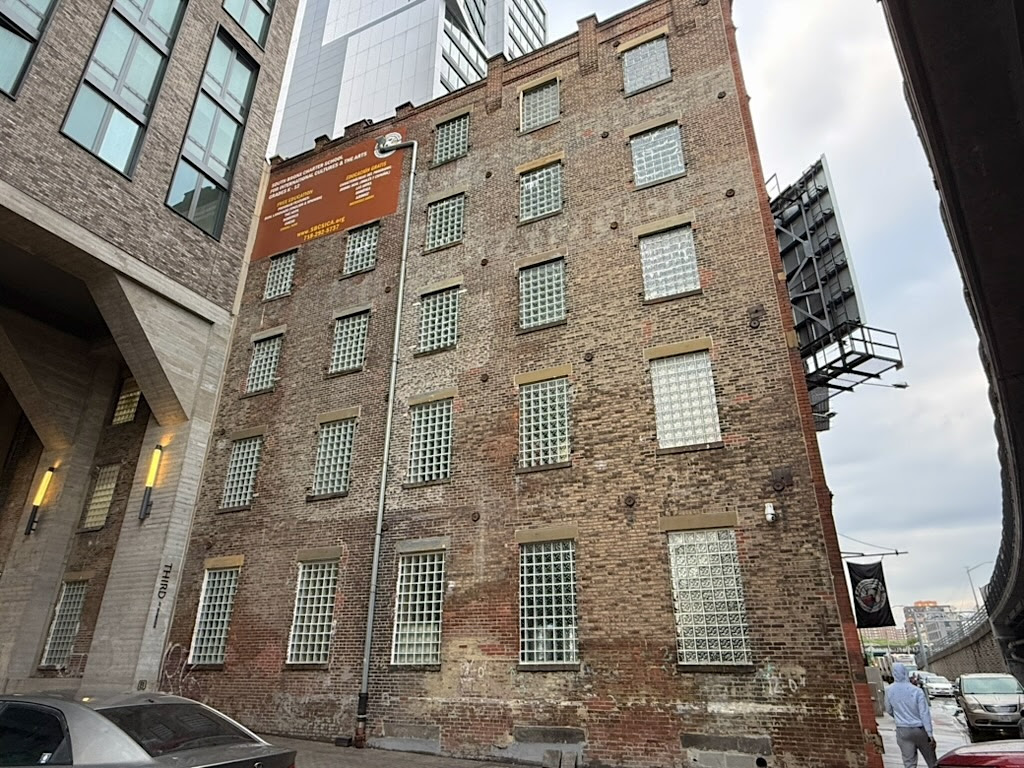
But the red brick building, which is longer than it appears and has faded letters painted on its Manhattan-facing side, is a curiosity. It’s not just shielded by the apartment towers; it looks stuck, wedged between their outer walls.
How did it avoid the wrecking ball when the apartment buildings were under development, and what is its backstory?
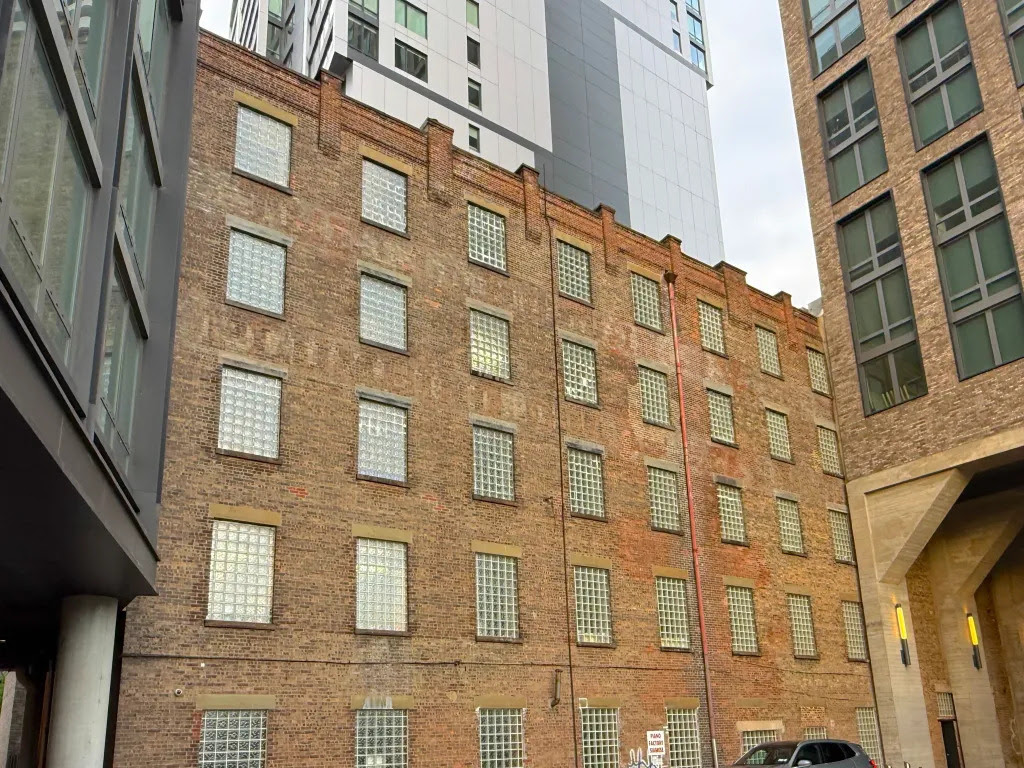
Turns out this timeworn survivor played a role in two crucial businesses that practically defined the industrial South Bronx since the middle of the 19th century.
First, the ironworks business. Constructed in 1882, the building originally housed the offices of the J.L. Mott Ironworks firm, according to a 2020 report in the New York Times.
Mott Ironworks was established on the Harlem River waterfront by Jordan Lawrence Mott in 1841. The company grew, attracting German and Irish immigrant workers to the new Mott Haven neighborhood. With success under its belt, Mott expanded its product line and produced “a whole range of household goods such as tubs and sinks, as well as decorative work like fountains and fences,” states the Historic Districts Council.
The ironworks company packed up and left the Bronx for Trenton in 1902, but not before another industry—piano manufacturing—began dominating the waterfront.
The South Bronx piano business got its start in the 1880s, when it became something of a cultural requirement for a middle-class family to have a piano in its parlor. Thanks to this trend, several manufacturing concerns sprang up to supply pianos.
“By the early 20th century, the Bronx had (by one count) 63 piano factories—43 of them in Mott Haven—producing more than 100,000 instruments a year,” states the Historic Districts Council.
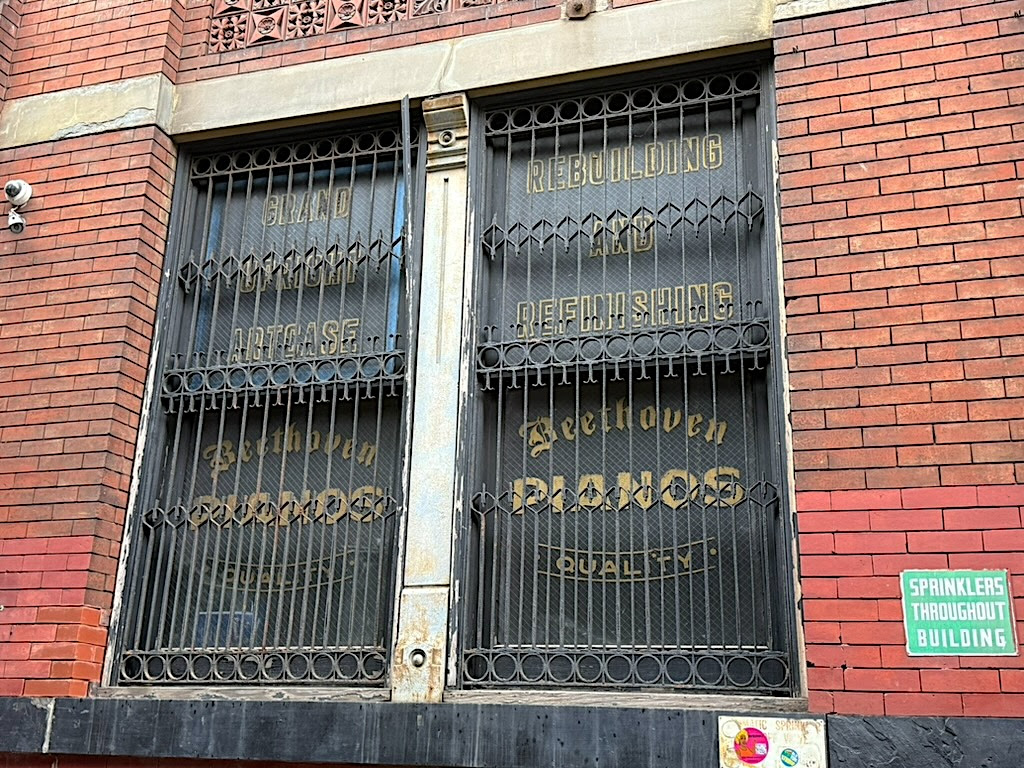
The red brick factory building eventually transitioned into the Beethoven Piano Company, with the name appearing on the windows facing the Third Avenue Bridge (third photo).
The piano business declined as the 20th century progressed, decimated in part by record players and radio. Most of the Bronx piano makers closed their doors, leaving behind gorgeous industrial buildings that have found new life as residences—like the Clock Tower, formerly home to the Estey Piano Company, on nearby Bruckner Boulevard.
Today, the holdout factory building is occupied by a charter school. A sign for the school obscures the J.L. Mott Ironworks insignia, which remains on the Manhattan-facing facade (fourth photo).
The factory building has also been designated by the Historic Districts Council as worthy of being landmarked. That’s a good decision, and it might be the reason the apartment developers didn’t reduce it to rubble.
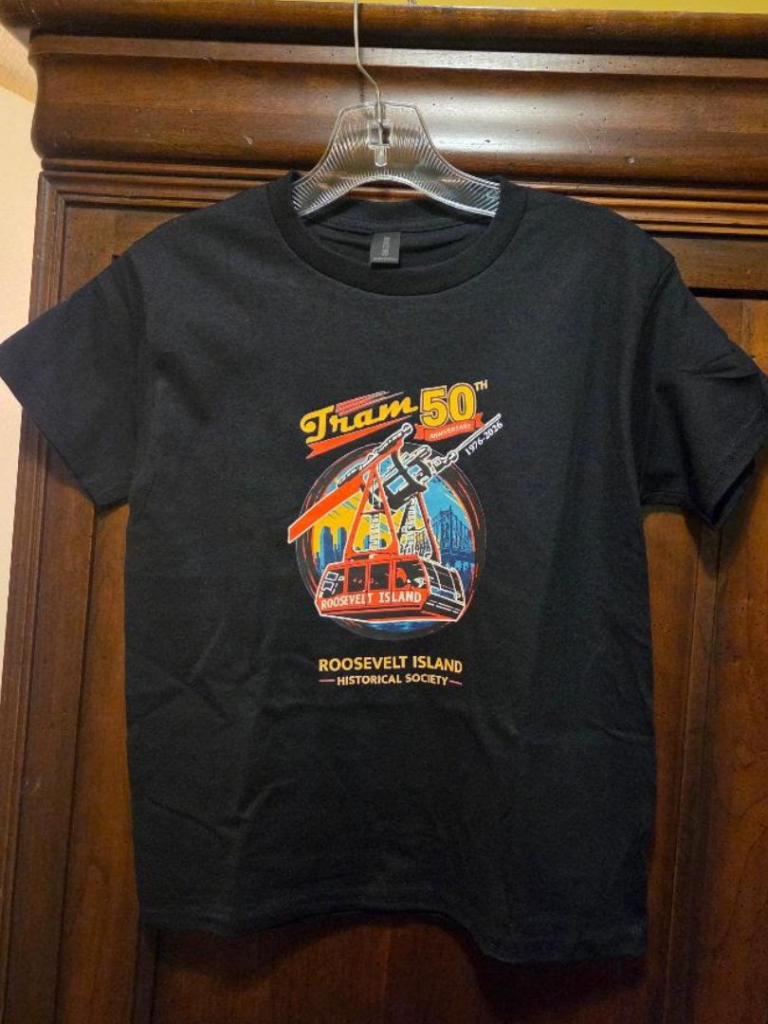
KID’S TEE SHIRTS HAVE ARRIVED
SIZES XS, S,M,L
AVAILABLE AT THE VISITOR CENTER NOW
CREDITS
Tags: 2403 Third Avenue Bronx NYC, Beethoven Piano Company Third Avenue Bronx, Holdout Buildings New York City, Holdout Buildings South Bronx., JL Mott Ironworks Building Third Ave Bronx, Mott Haven Historic District, Old Red Brick Factories in NYC, Piano Factories South Bronx
Posted in Bronx and City Island, Random signage |
All image are copyrighted (c) Roosevelt Island Historical Society unless otherwise indicated
THIS PUBLICATION FUNDED BY DISCRETIONARY FUNDS FROM CITY COUNCIL MEMBER JULIE MENIN & ROOSEVELT ISLAND OPERATING CORPORATION PUBLIC PURPOSE FUNDS.


Copyright © 2026 Roosevelt Island Historical Society, All rights reserved.Our mailing address is:
rooseveltislandhistory@gmail.com
Leave a comment