Today, the city of Frankfurt-am-Main is the largest financial hub in Continental Europe, home to the European Central Bank (ECB), the Deutsche Bundesbank and the Frankfurt Stock Exchange. The same city was at one time the epicenter of a liberal uprising that swept the German states. The Frankfurt Parliament was convened in May 1848; its members were elected by direct (male) suffrage, representing the full political spectrum. In the end, the revolution of 1848 failed and was suppressed with excessive force and retribution.
Many of those who had taken part in the uprising, collectively known as Forty-Eighters, moved to the United States (some of the refugees would fight on behalf of the United States in the Civil War). Others were arrested and some rebels served long jail sentences. One of them was a person by the name of Schwab (a Jewish regional name for a native from Schwaben [Swabia]) who ran a tavern in Frankfurt. Just after the birth of his son Justus, he was convicted to four years imprisonment for rioting against the Prussian military.
Trained as a mason, young Schwab became active in the German labor movement in the late 1860s. Conscripted into the army, Justus deserted and fled to France. He migrated to New York in May 1869, settled in Manhattan’s Lower East Side, and opened a small saloon named Liberty Hall that would become a hotbed of anarchism and social radicalism.
Allons Enfants on Tompkins Square
Schwab started his working life in New York in the building profession, but following the Financial Panic of 1873 (in which at least a hundred banks failed) he lost his job and became one of an ever-increasing number of unemployed laborers.
He joined the German Workingmen’s Association in their demand that the city provide aid to those affected by the depression. Rejecting offers of charity, labor movements demanded social protection programs that would create jobs for the masses desperately seeking work. An era of labor agitation followed to which the authorities took a heavy-handed approach.
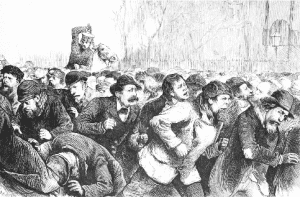
In January 1874 a protest meeting of an estimated 10,000 workers, including 1,200 members of the German Workingmen’s Association, was called in Tompkins Square Park, East Village. Without the organizers’ knowledge, their permit to assemble in the park had been revoked. A force of 1,600 policemen crushed the demonstration by brutally dispersing the crowd.
When Schwab and fellow workers resisted, they were clubbed by the cops. The square was cleared, but Schwab – a powerful, red-haired and bearded man known to friends as the “Viking” – marched back whilst holding a Paris Commune’s red flag and singing “The Marseillaise.” He was arrested and charged with incitement.
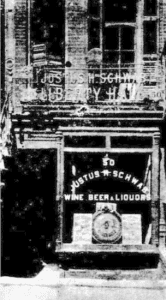
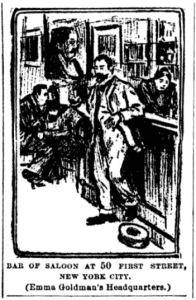
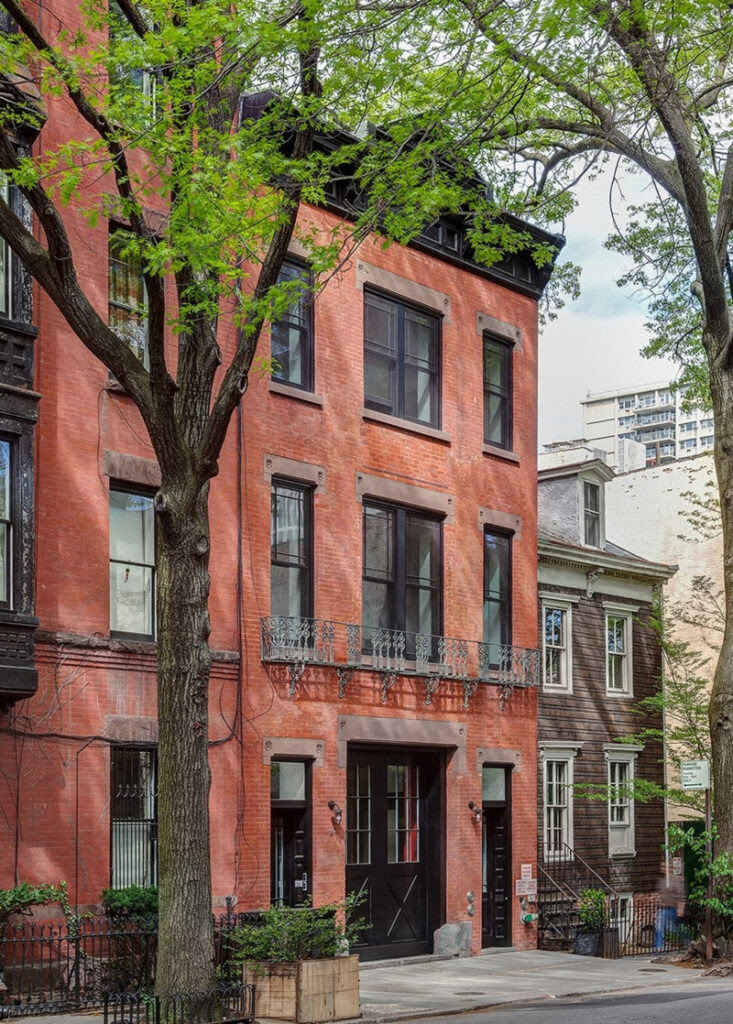
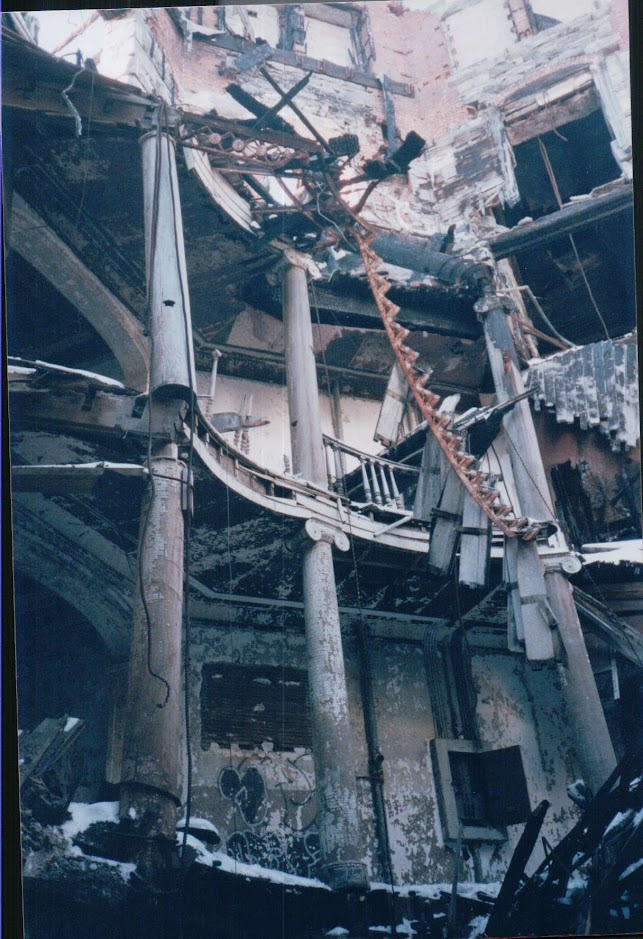
Justus married shortly after the incident and opened a saloon at 50 East First Street in the East Village neighborhood of Manhattan. Seen as a potential rabble-rouser, the police kept him under surveillance. Unwilling to pay bribes or give officers special treatment, his saloon was frequently raided.
He was also targeted by the temperance movement who celebrated his arrest in June 1876 for selling beer on a Sunday. Once acquitted, he became determined to take on the authorities by turning his establishment into a center for radical thinkers and activists.
On occasion, Schwab advertised his subculture saloon as “Pechvogel’s Hauptquartier” (losers’ headquarters) deliberately evoking an image of the bohemian outcast and beer-drinking anarchist mocked by New York’s mainstream society. The same ploy would be used over and again by urban protest groups during the 1960s.
Inside the Saloon
Small in size, the saloon was described as a bier-höhle (beer cave: a pun on “bierhalle”). The tavern developed into a multi-national meeting place for political refugees and their American sympathizers, including the authors John Swinton and Ambrose Bierce as well as Sadakichi Hartmann, the Japanese-American poet and art critic. The bar was decorated with a bust of Shakespeare and several prints depicting the French Revolution.
Vanguard authors and artists intended at the time to transform art by fusing politics and painting, advocacy and poetry. They claimed that modernism should be the aesthetic realization of anarchist ideas. Creativity was an act of rebellion. Renewal implied destruction. The French avant-garde had suggested that the verb “trouver” (to find) is etymologically linked to the Latin “turbare” (to disturb; cause turbulence). Artist and activist happily shared the same saloon.
In a rich German-American tradition, Justus Schwab was a music lover and talented singer (a man blessed with a “golden voice”). He was leader and member of the Internationale Arbeiter-Liedertafel, a German anarchist choral society founded in 1884. Music was also an essential part of his saloon’s ambience. At the back of the establishment, placed on a platform, stood an old and smoke-stained piano. When requested, the landlord himself would happily play “The Marseillaise” or belt out “The Internationale” and invite his clientele to partake in a spontaneous concert of protest songs.
More ‘serious’ anarchists condemned such convivial gatherings as a waste of valuable time. They demanded (immediate) action, not recreational activities. They rejected joviality as an expression of a petty club mentality that was detrimental to the movement’s credibility. Rebel and dreamer Schwab would have laughed at these arguments. Fundamental to his political outlook was the idea that the fight for liberation must be an assertion of joy and fortitude.
His saloon was much more than a taproom or artist’s den. It developed into a proper infoshop, a term coined in anarchist circles to denote a center that served as a node for the distribution of information and resources to local comrades. The tavern functioned as a library by stocking books, pamphlets and an array of newspapers.
Schwab’s collection consisted of some six hundred books. His back room was used as a meeting place and reading room for socialists and anarchists. Amongst his visitors was Lithuanian-born Jewish immigrant Emma Goldman. She would make ample use of Schwab’s generous lending policy. To her, his saloon represented a political education and a space of freedom. For a while, it was also her mailing address.
Anarchist Nomad
Schwab was an active participant in political discussions and a member of the Socialist Labour Party (SLP). As it was the case in Europe, the history of radical socialism in the United States was one of conflict and infighting. The road to utopia is covered with potholes.
Disagreements about the reformist direction of the SLP would lead to the expulsion of Schwab’s faction from the Party. In November 1880 its members formed a new grouping by the name of the Social-Revolutionary Club which met weekly at Schwab’s saloon. Its increasingly anarchistic orientation was influenced by the arrival of Johann Most. The latter’s life reflects in many ways that of other European anarchists who, because of persecution, were forced into a nomadic existence. It explains the movement’s restless spirit. Many of its members were or had been continuously on the run from the authorities.
The illegitimate son of a clerk and governess, Johann Most was born in Augsburg, Bavaria, in February 1846. His mother died young and he was brought up by a stepmother who maltreated him. Working as a journeyman bookbinder, he plied his trade from job to job, working in fifty cities in six countries from 1863 to 1868. He moved to Vienna in 1867 where he joined the International Working Men’s Association (the First International). A committed socialist he became a well-known and – to the local authorities – an unwelcome street orator. In 1871 he was deported from the country.
Having returned to Germany, he worked as a journalist for the Berliner Freie Presse. In 1874 he was elected as a Social Democratic deputy in the Reichstag, but after the passing of Bismarck’s anti-socialist laws he was forced to flee the country.
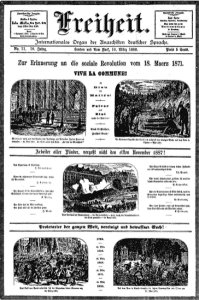
Johann Most arrived in London in 1878. The following year he began publishing the German-language newspaper Freiheit (Freedom) from an office in Titchfield Street, Westminster, targeting the international community of expatriate Germans and Austrians. The notorious slogan of “propaganda of [by] the deed” which came in circulation during that period is associated with his thinking and activities.
When Most published an article in 1881 justifying the assassination in Russia of Tsar Alexander II, he was arrested and sent to prison. Released in 1882, he moved to the United States and settled in Chicago where he continued to publish his newspaper.
Webster Hall
Schwab had been a subscriber to Freiheit since 1880 and the newspaper’s activist stance radicalized his own thinking. In 1882 he became interim editor of the paper whilst Most was making his way from Europe to the USA. The two remained closely associated for a number of years, with Schwab formally introducing Most to the Social-Revolutionary Club at his first appearance before an American audience.
However in 1886 the two fell out over a scam played out by some anarchists who first insured their tenements and then set fire to them. Several fire-raisers were imprisoned. The negative publicity caused a split in the German movement. Whilst Most refused to denounce the swindle, Schwab warned fellow radicals that the means of action must never desecrate the end. Most and friends stopped frequenting Schwab’s premises.
Justus contracted tuberculosis in the winter of 1895 and was bed-ridden until his death in December 1900. His funeral was attended by representatives of the various opposing factions in the movement of German-American anarchism, their differences forgotten in sorrow. A tearful Johann Most was also present at the occasion. According to The New York Times, the procession comprised nearly 2,000 people. Rarely has the death of an anarchist caused such a collective outpouring of grief.
Schwab’s saloon set the scene for later developments in the Village. Webster Hall was built in 1886 on East 11th Street. Commissioned by cigar maker Charles Goldstein and designed by Charles Rentz, the building was operated from its inception as a “hall for hire” and used for such social occasions as balls, receptions or Hebrew weddings. It soon became better known for its radical political gatherings, particularly after 1900 when the anti-establishment politics of the so-called Greenwich Village Left were widely communicated.
Webster Hall was turned into a presentation stage for controversial political factions and rebellious artistic groups. It was from here that Emma Goldman began to stir the national political sphere. In rousing speeches she developed provocative ideas that originated from the time that she had been a regular at Schwab’s establishment. It all had started in a Village beer cave in East First Street ran by a German-born host with a passion for French revolutionary songs.
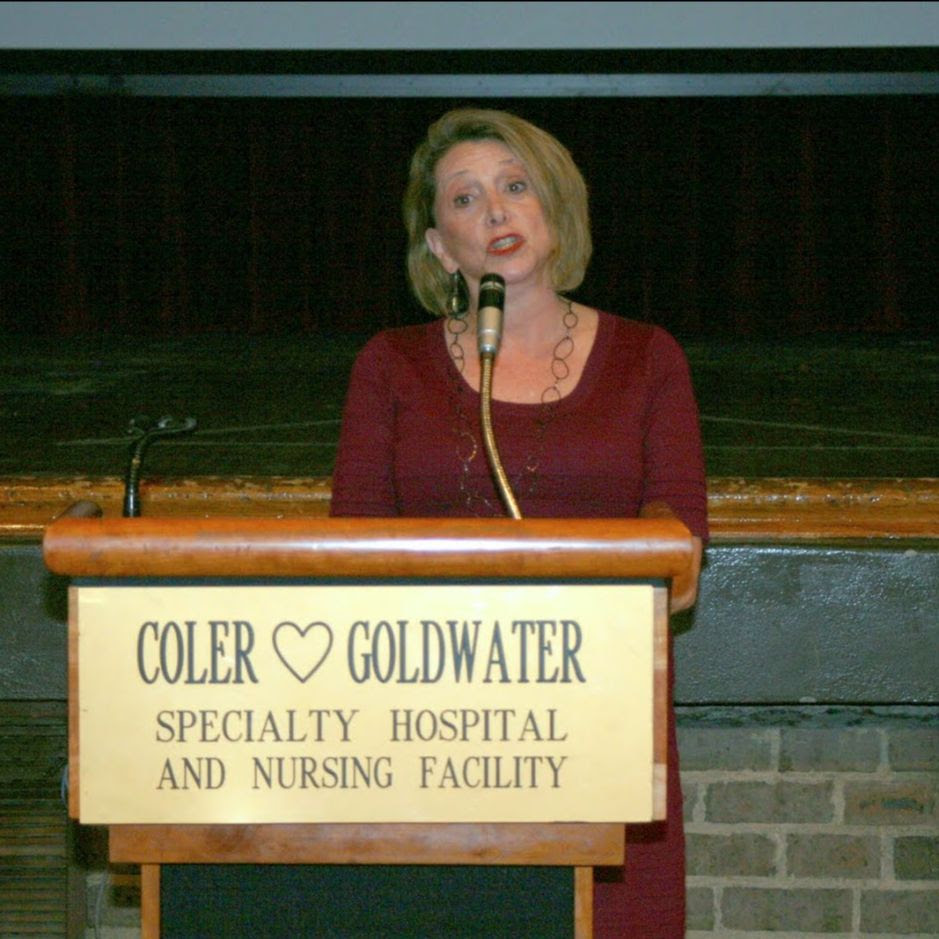
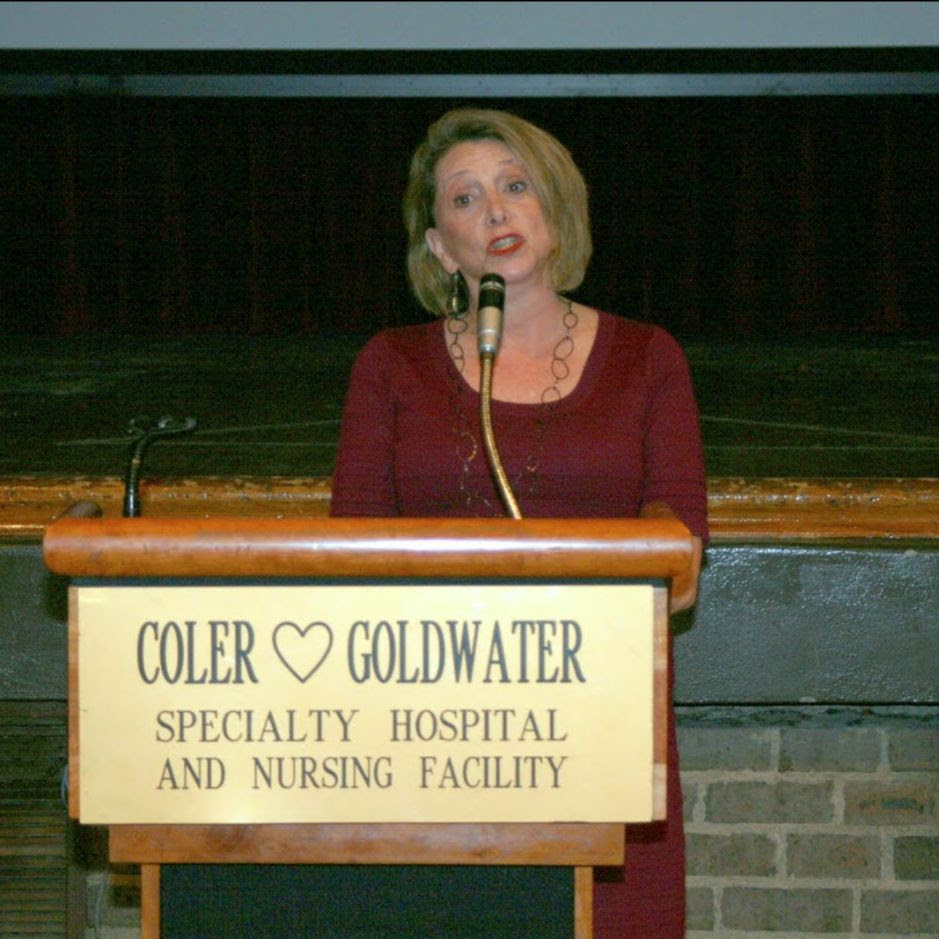
ABOVE: ROSINA ABRAMSON, FIRST RIOC PRESIDENT AND FROM 2008-2010 VICE PRESIDENT OF RIOC. SHE RAN AN EFFICIENT OFFICE WITH CONSTANT COMMUNICATION AND OCCASIONAL INTERESTING INTERACTIONS WITH THE COMMUNITY. WE NEVER DOUBTED HER INTEREST IN THE RESIDENTS AND MAKING THE ISLAND A BETTER PLACE TO LIVE.
Text by Judith Berdy Thanks to Bobbie Slonevsky for her dedication to Blackwell’s Almanac and the RIHS Thanks to Deborah Dorff for maintaining our website Edited by Melanie Colter and Deborah Dorff
All image are copyrighted (c) Roosevelt Island Historical Society unless otherwise indicated
ACKNOWLEDGEMENTS
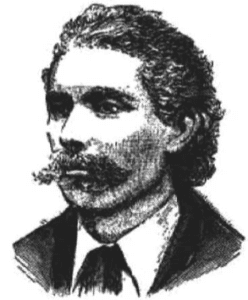
Illustrations, from above: Portrait of Justus Schwab published in Leslie’s Weekly (New York) in February 21, 1874; Mounted police attack on demonstrators, Tompkins Square Park, 1874; Schwab’s Liberty Hall saloon at 50 East First Street; Schwab’s saloon according to Laporte Weekly (Pennsylvania), October 24, 1901; and Title page of Freiheit, March 10, 1888.
THIS PUBLICATION FUNDED BY DISCRETIONARY FUNDS FROM CITY COUNCIL MEMBER JULIE MENIN & ROOSEVELT ISLAND OPERATING CORPORATION PUBLIC PURPOSE FUNDS.
UPDATE: OUR FIRST DONATIONS HAVE ARRIVED THANK YOU TO RACHEL MAINES AND GLORIA, MARK HERMAN, CAROLINE CAVALLI, MR. & MRS. RICHARD MEYER, NANCY BROWN, ARLENE &STEVE BESSENOFF, MARIE EWALD & DAVID DANZIG, BARRY & JUDY SCHNEIDER, & MICHELLE ROY, ARON EISENPRESIS, TANYA MORRISETT, MATTHIAS ALTWICKER, JUDY CONNORTON, THOM HEYER, STEPHEN QUANDT, QING XUN, LAWRENCE FEINALTER, ANNE & DAVID CRIPPS, STEVE & RITA MEED, JOAN BROOKS, MARK AND JINNY EWALD & ANNONYMOUS FOR THEIR DONATIONS. WE ARE WAITING TO ADD YOUR NAME TO OUR DONOR LIST
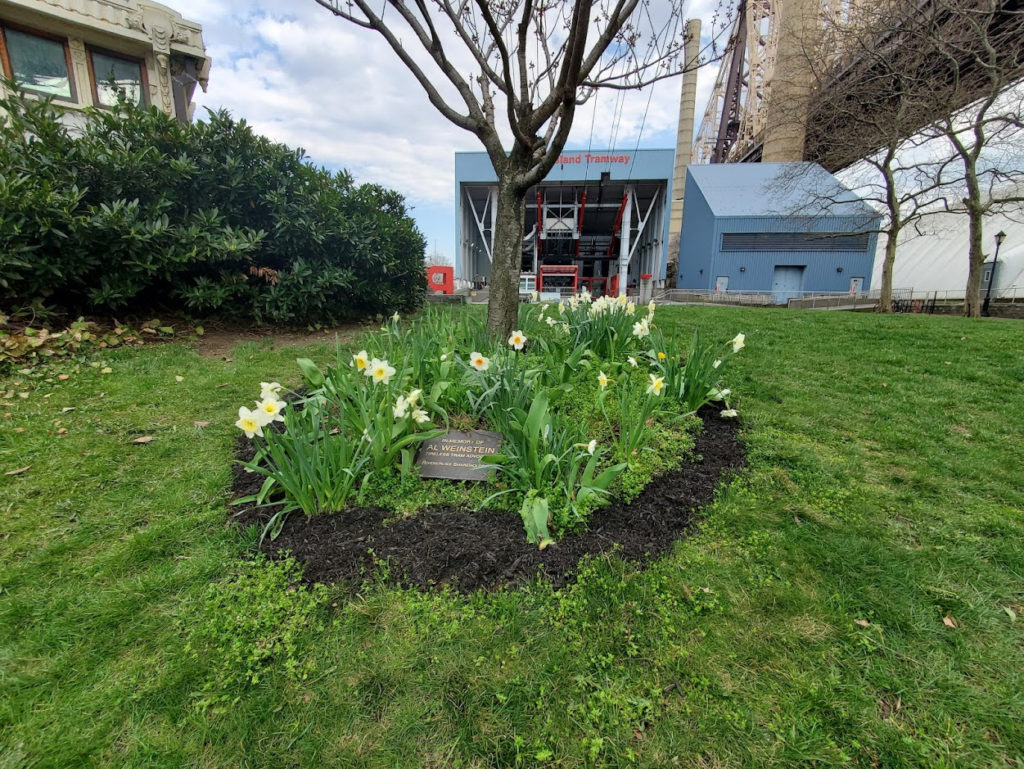
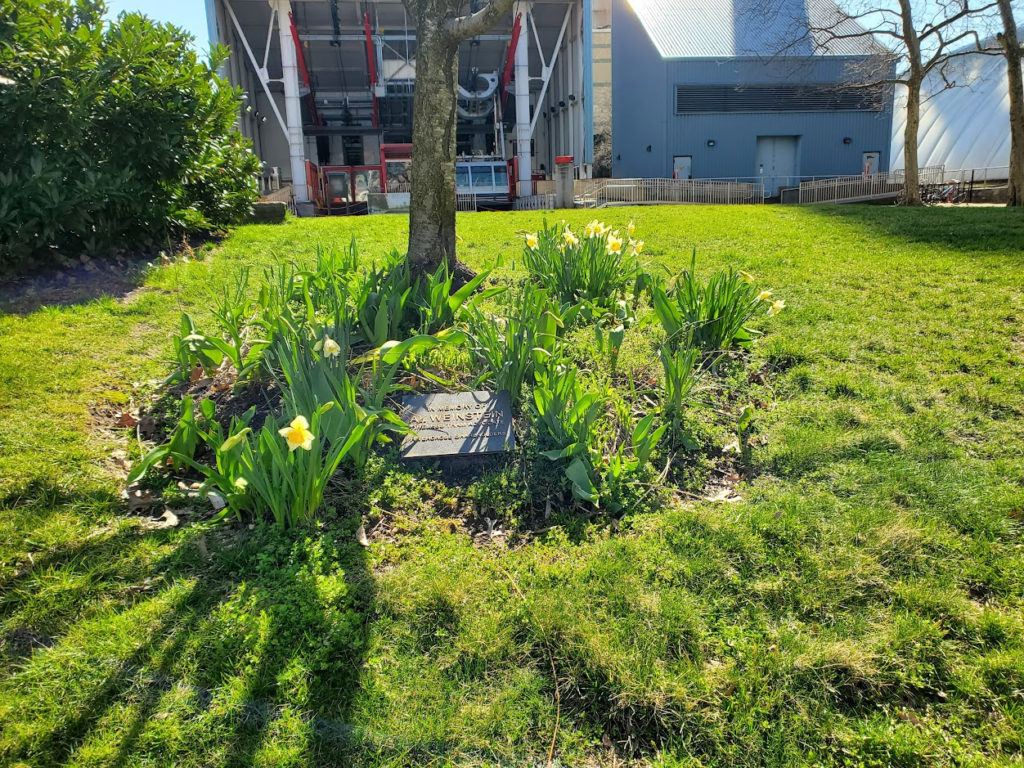
BEFORE AND AFTER MORE IMAGES IN THIS EDITION
WE ARE WITHIN A FEW HUNDRED DOLLARS OF REACHING OUR GOAL OF $2000- THANKS TO OUR GENEROUS DONORS.
HELP PUT US AT OUR GOAL THIS WEEK!!!!
Join us in making our garden thrive again. ALL DONATIONS ARE TAX DEDUCTIBLE
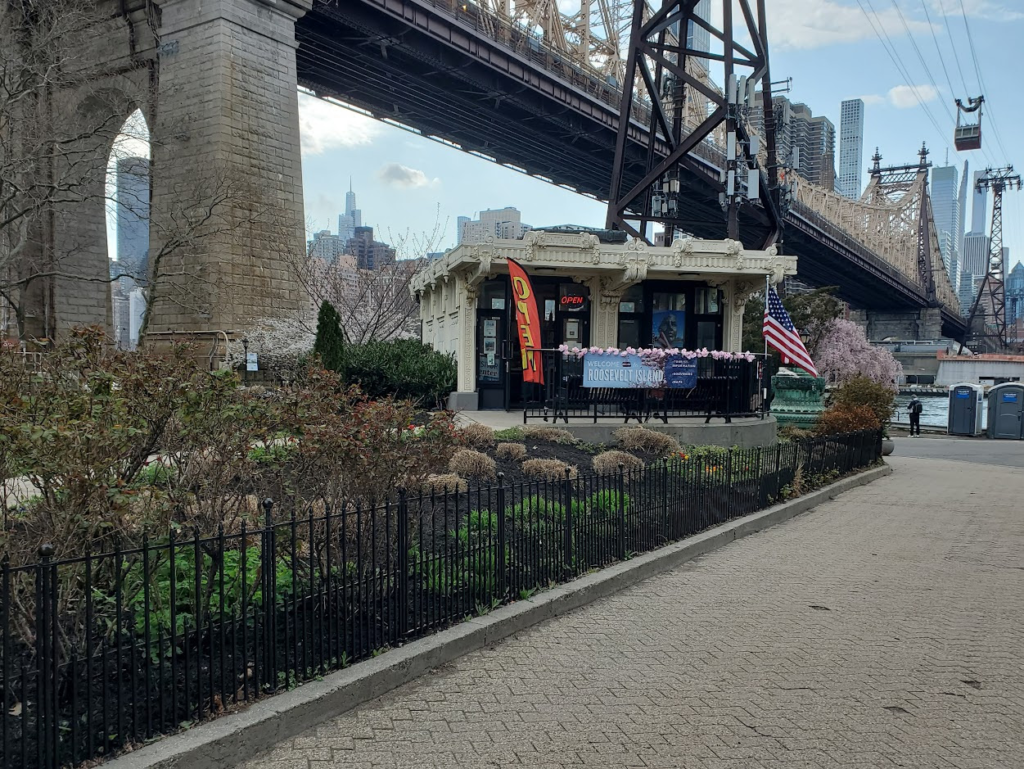
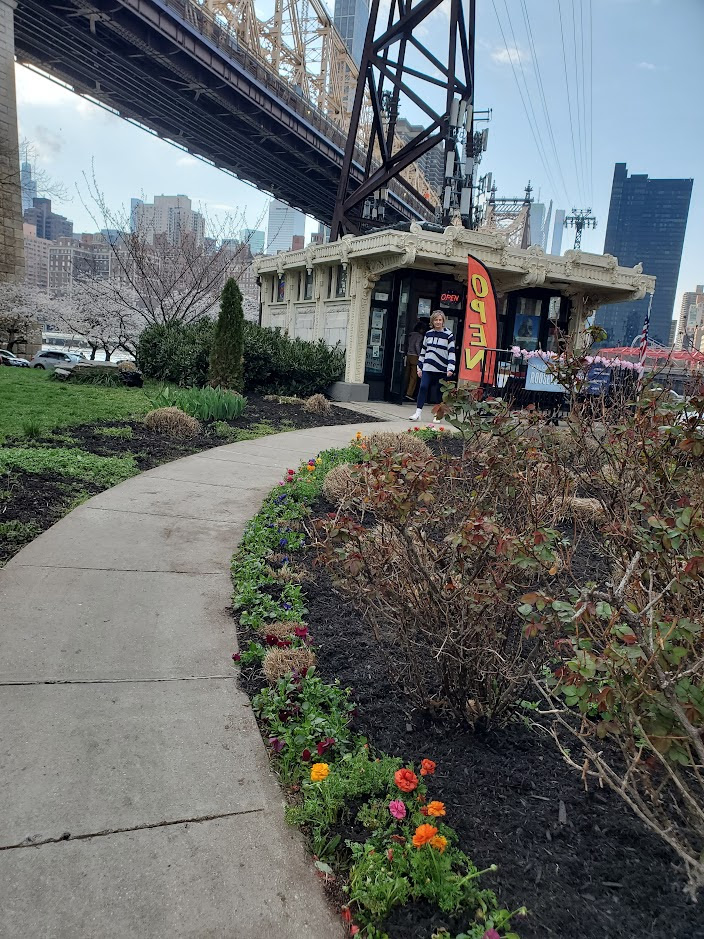
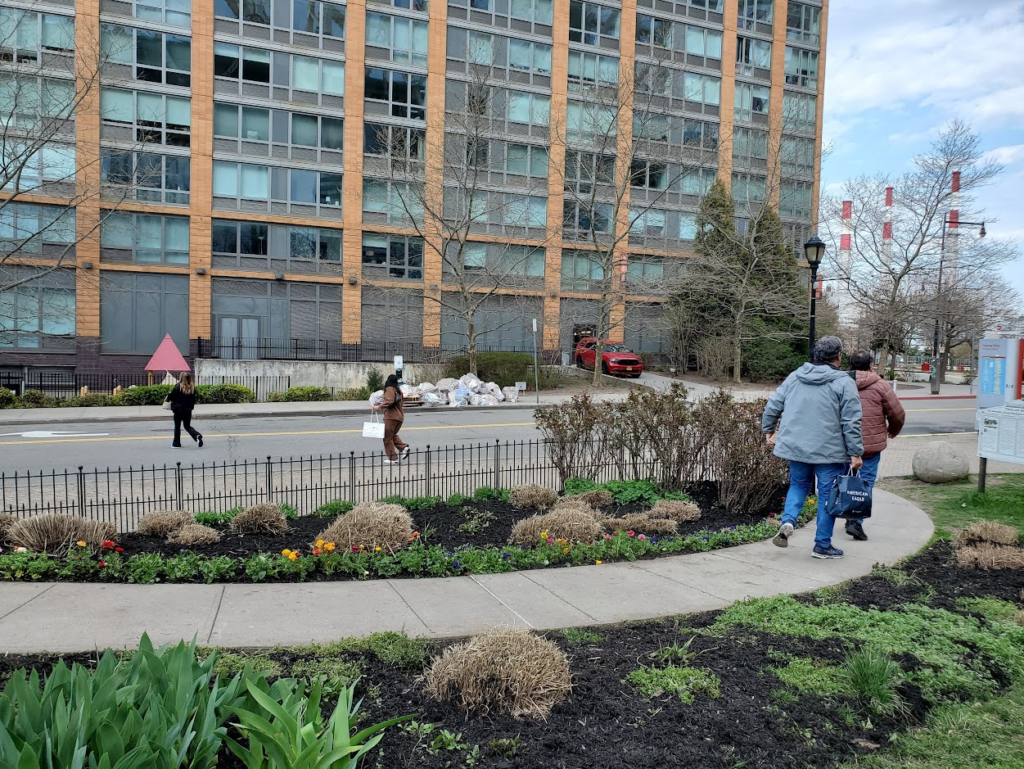
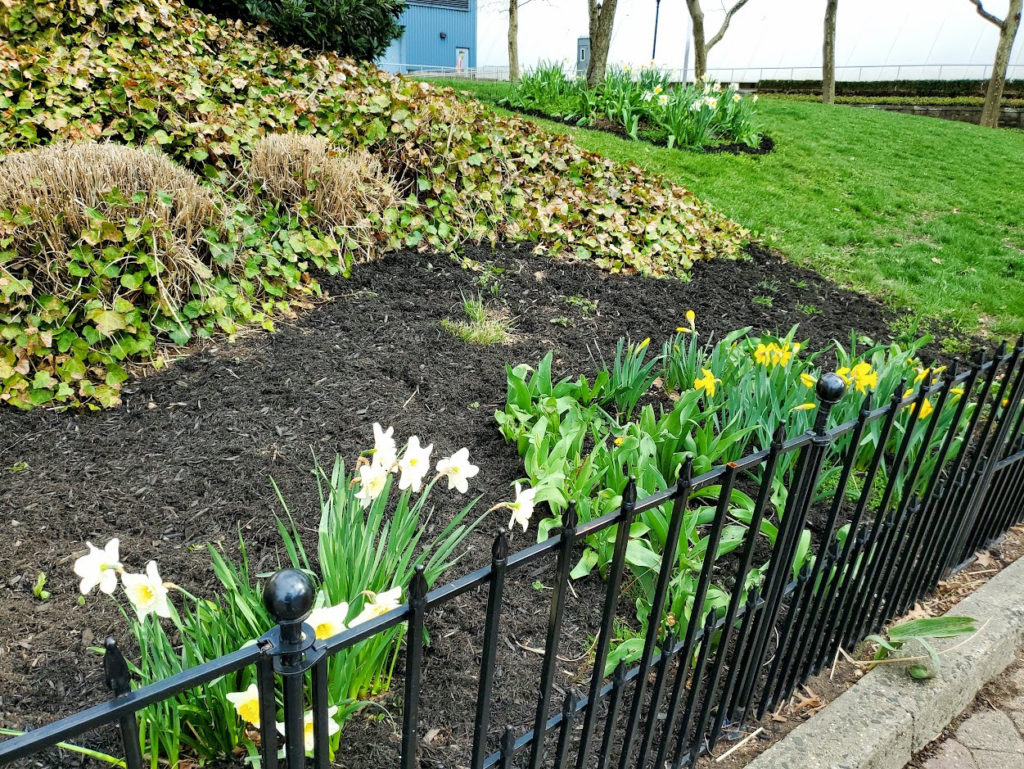
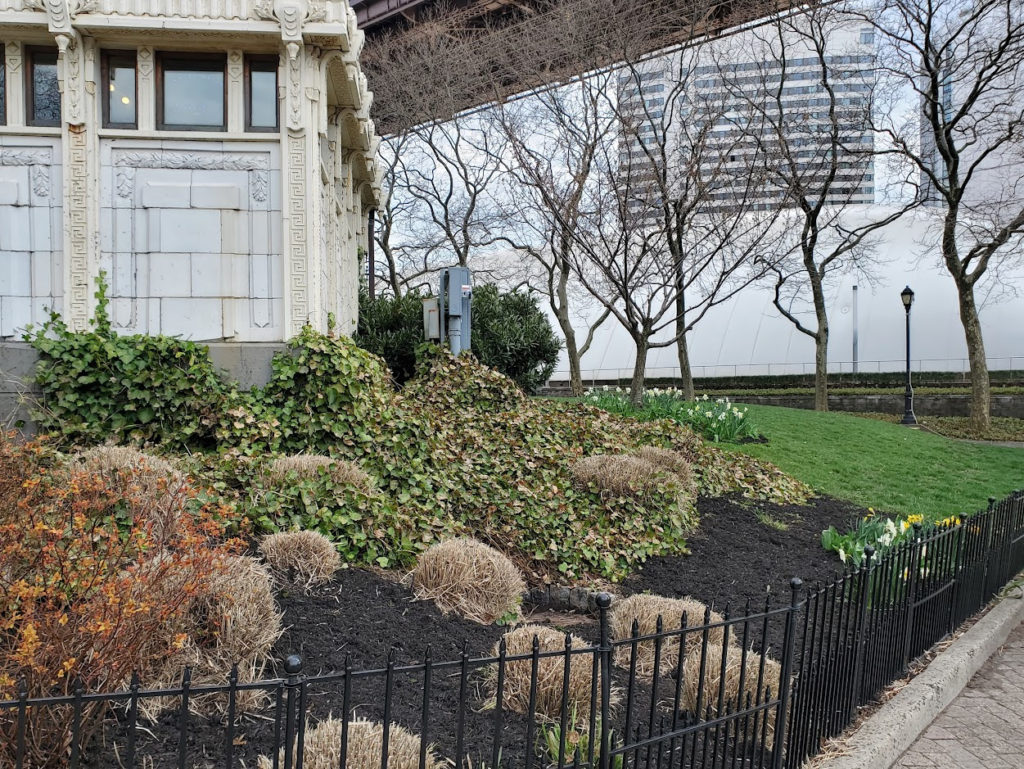
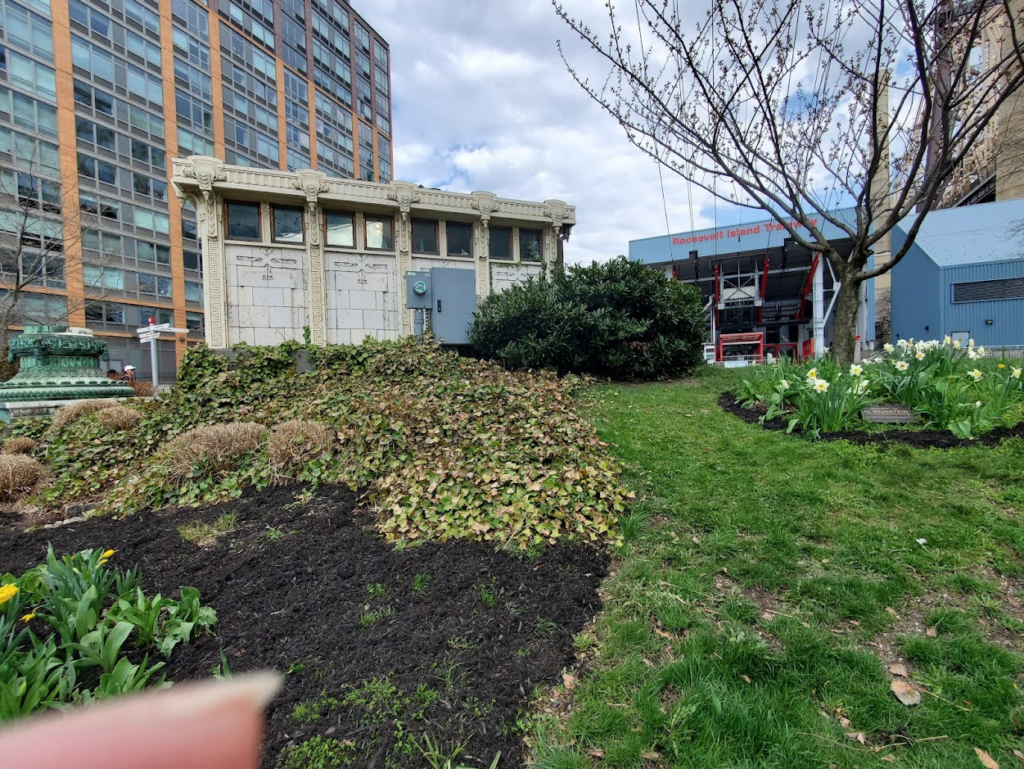
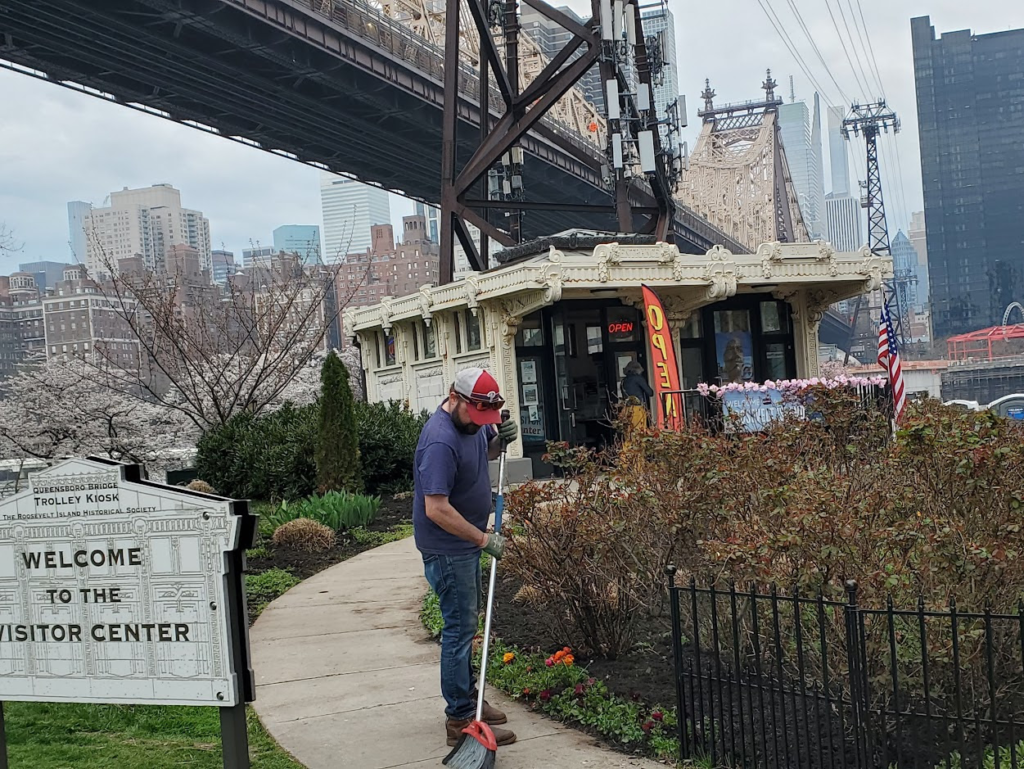
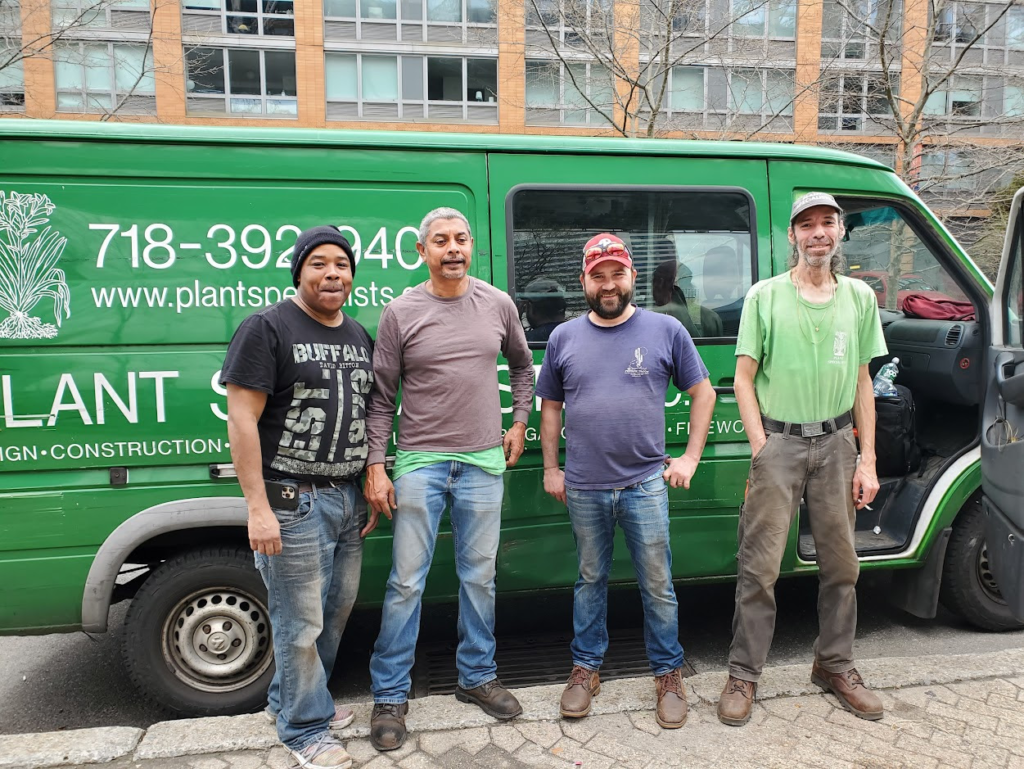
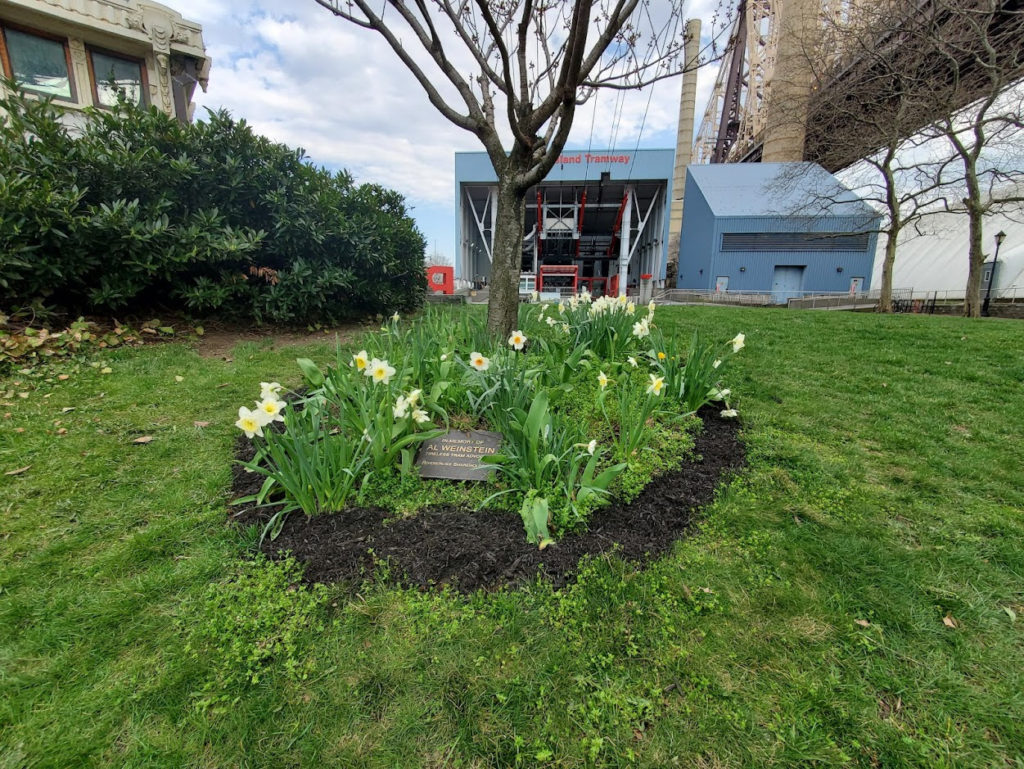
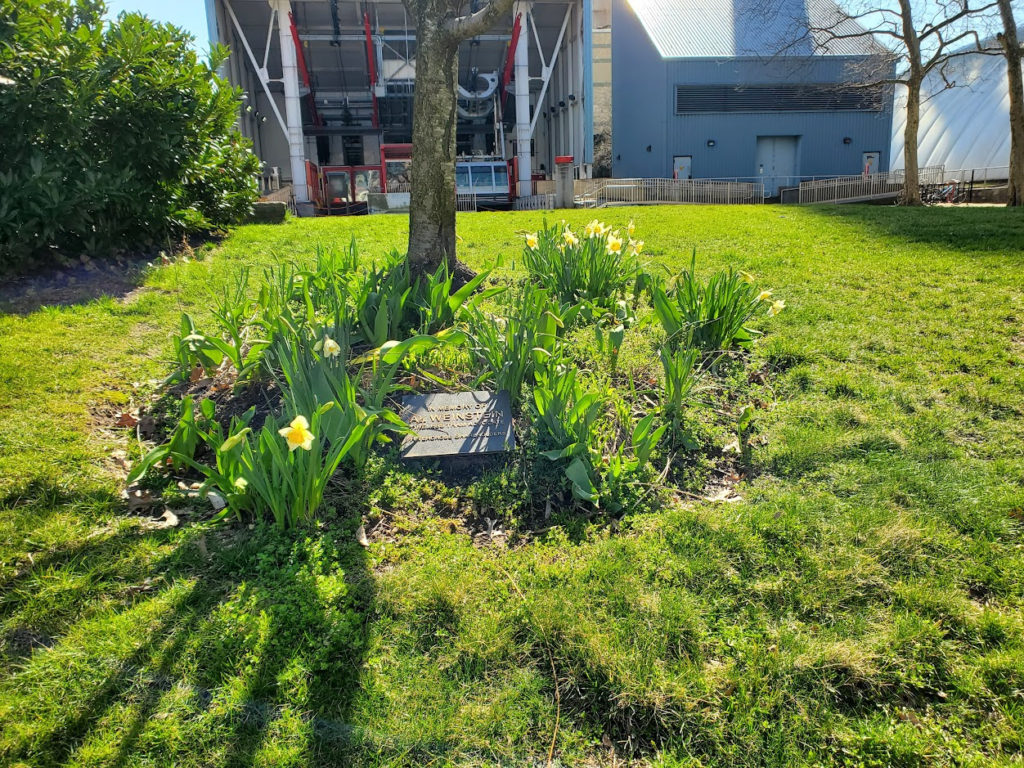
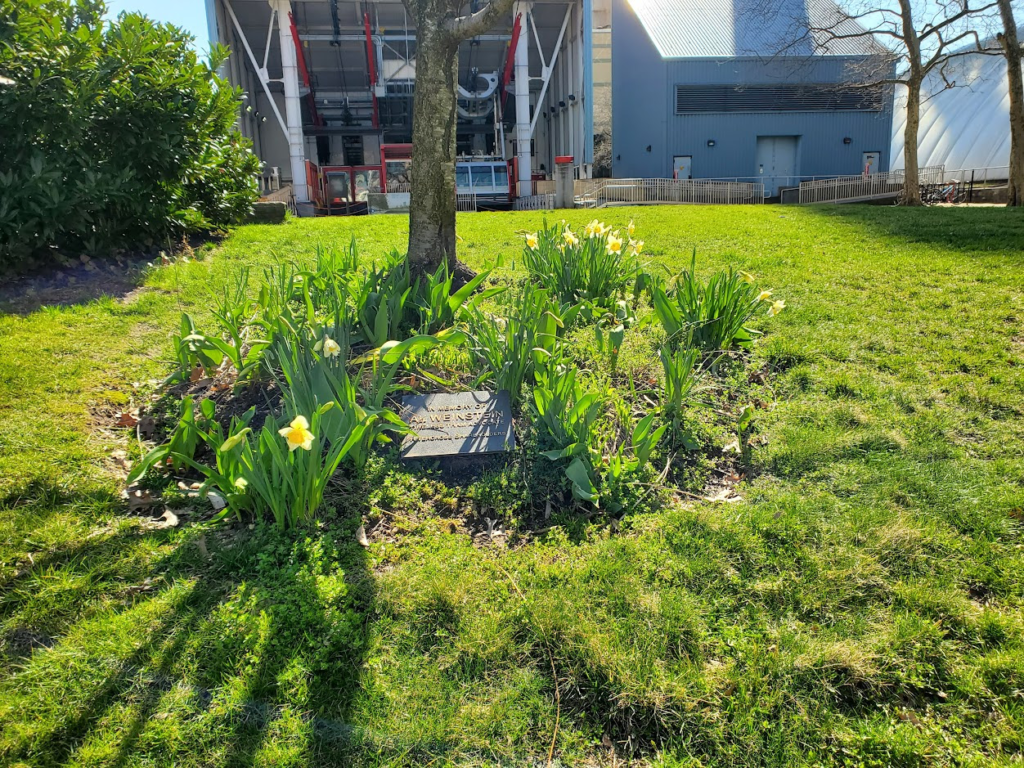
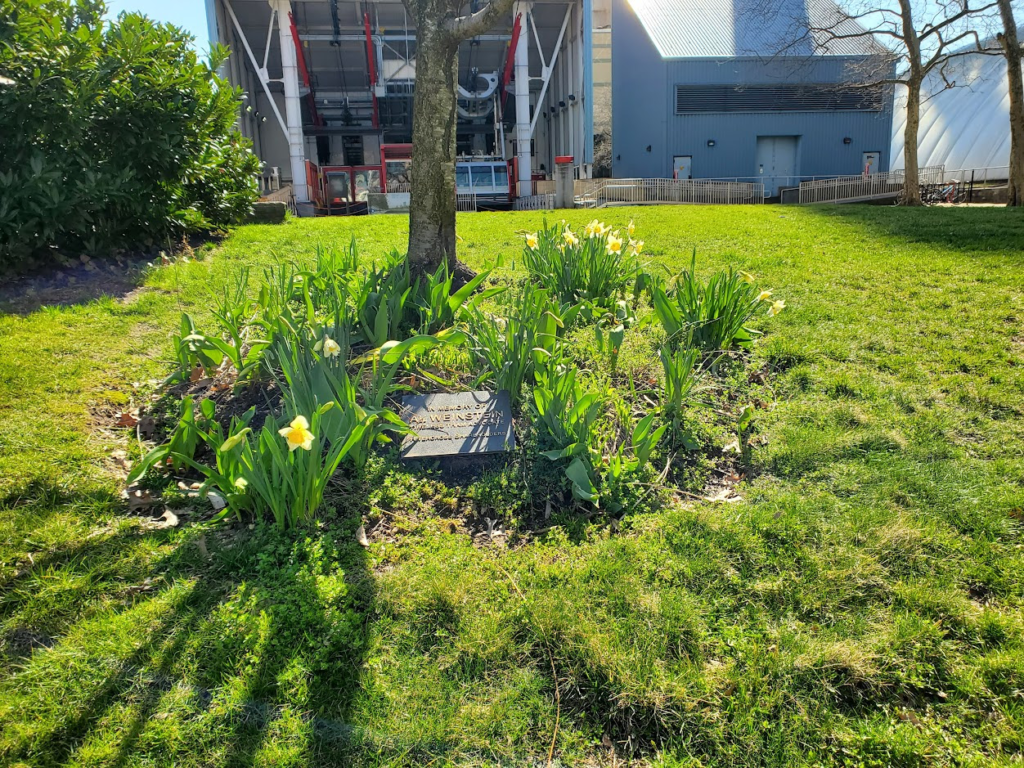
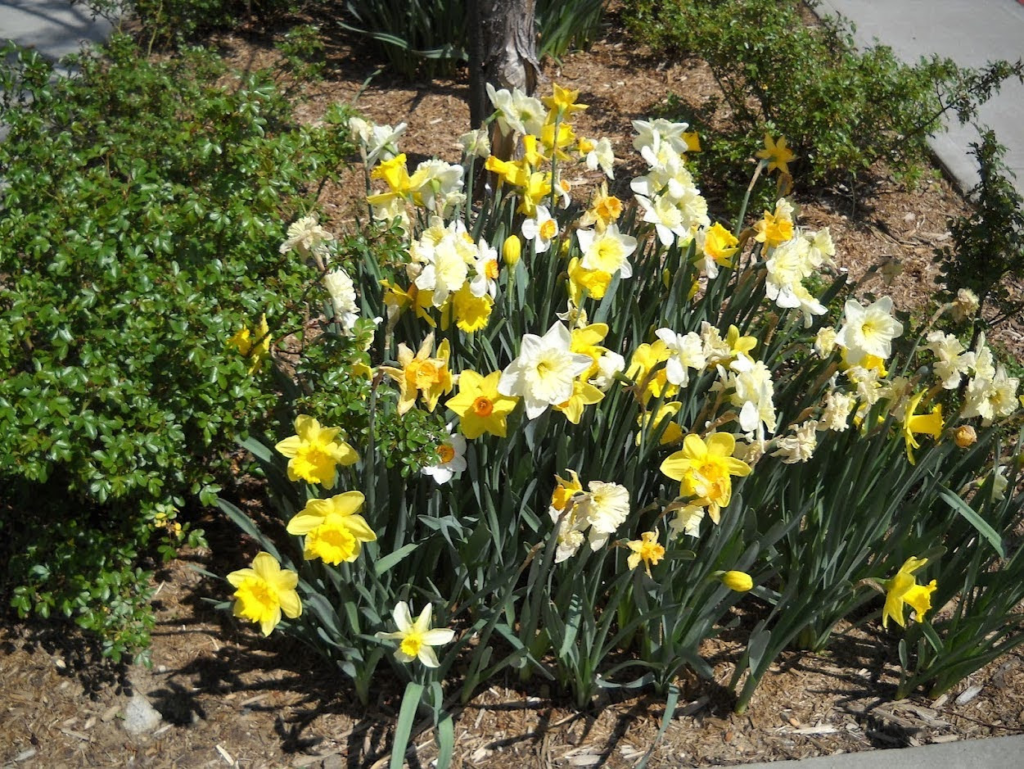
On Friday morning a crew from Plant Specialists arrived the clean-up, trim, cut and plant our garden at the kiosk. Bag loads of overgrown grasses, weeds and dead plants were removed and our perennials were visible for their spring blooming. We have daffodils, tulips, day lilies, pachysandra, roses, lavender, echinacea, daisies & ivy already planted in the garden and the crew brought us trays of pansies and annuals to decorate the path to the kiosk.
Our rose bushes are beginning to bud along the path.
Our irises are already growing strong and ready to burst into bloom in May.
The ivy will soon be green and echinacea will soon fill the hill at the rear of the kiosk
When all done a last minute sweep and the landscape was refreshed. Soon the planting will grow and the garden will be in full bloom for summer.
Our crew was finished with our job and off to the Upper East Side for more gardening.
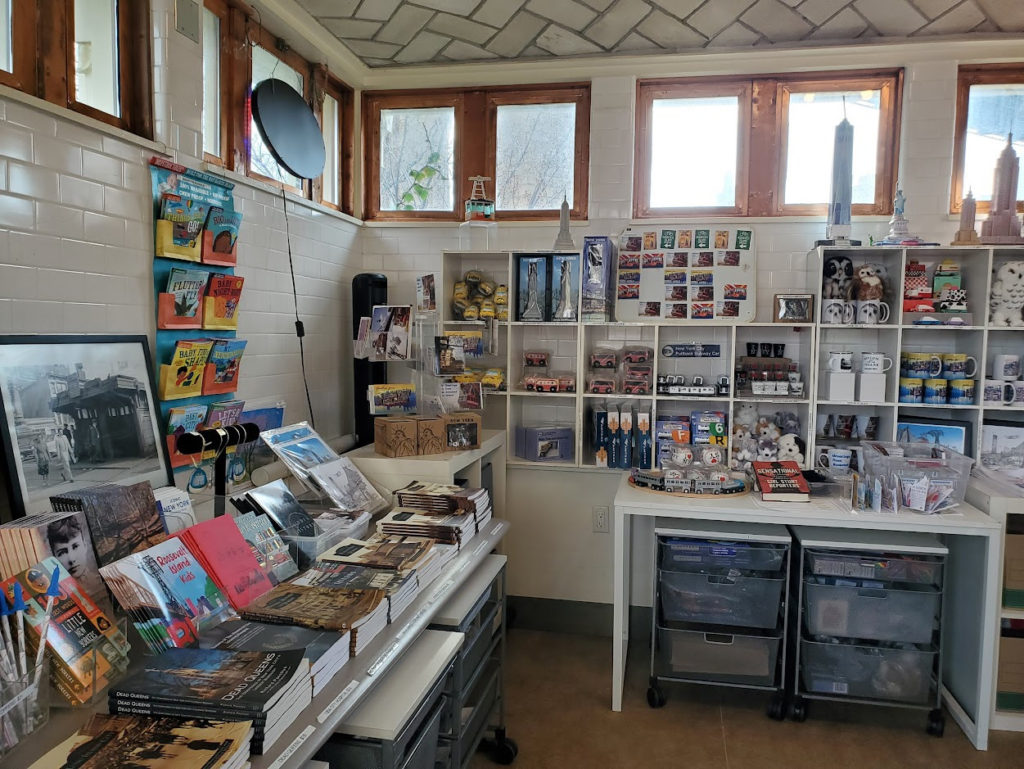
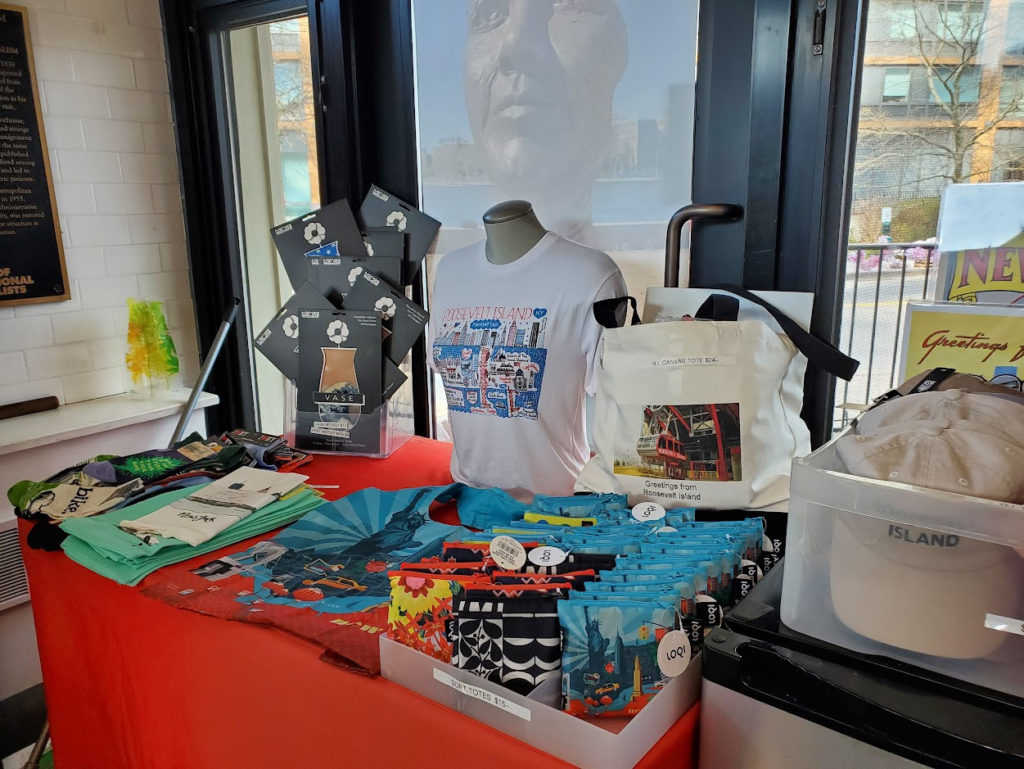
After a few hours of gardening the kiosk opened to customers; who have been plentiful this week to shop and support the RIHS
WEEKEND COMMENT
The RIHS kiosk has never had a water supply. When we need water, a garden hose must be hauled from the bathroom at the rear of the Tram Station, 300 feet to the kiosk. Currently we have no staff member strong enough to do this work. Wouldn’t it be nice if RIOC would provide us with a water line?
Text by Judith Berdy Thanks to Bobbie Slonevsky for her dedication to Blackwell’s Almanac and the RIHS Thanks to Deborah Dorff for maintaining our website Edited by Melanie Colter and Deborah Dorff
All image are copyrighted (c) Roosevelt Island Historical Society unless otherwise indicated
ACKNOWLEDGEMENTS
Judith Berdy
THIS PUBLICATION FUNDED BY DISCRETIONARY FUNDS FROM CITY COUNCIL MEMBER JULIE MENIN & ROOSEVELT ISLAND OPERATING CORPORATION PUBLIC PURPOSE FUNDS.
THANK YOU TO RACHEL MAINES AND GLORIA, MARK HERMAN, CAROLINE CAVALLI, MR. & MRS. RICHARD MEYER, NANCY BROWN, ARLENE &STEVE BESSENOFF, MARIE EWALD & DAVID DANZIG, BARRY & JUDY SCHNEIDER, & MICHELLE ROY, ARON EISENPRESIS, TANYA MORRISETT, MATTHIAS ALTWICKER, JUDY CONNORTON, THOM HEYER, STEPHEN QUANDT, QING XUN, LAWRENCE FEINALTER, ANNE & DAVID CRIPPS, STEVE & RITA MEED, JOAN BROOKS, MARK AND JINNY EWALD & ANNONYMOUS FOR THEIR DONATIONS. WE ARE WAITING TO ADD YOUR NAME TO OUR DONOR LIST
BEFORE AND AFTER MORE IMAGES IN OUR WEEKEND EDITION
WE ARE WITHIN A FEW HUNDRED DOLLARS OF REACHING OUR GOAL OF $2000- THANKS TO OUR GENEROUS DONORS.
HELP PUT US AT OUR GOAL THIS WEEK!!!!
Join us in making our garden thrive again. ALL DONATIONS ARE TAX DEDUCTIBLE
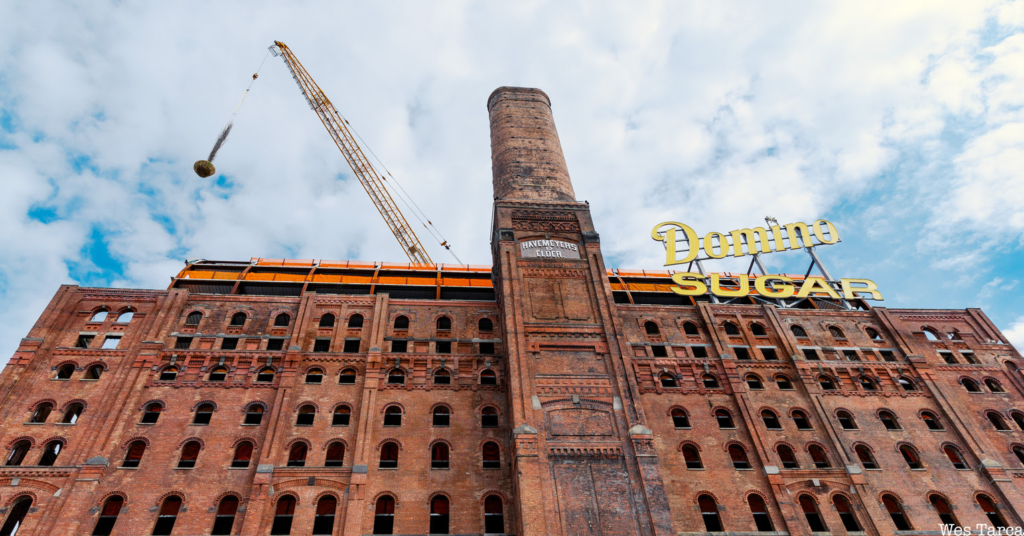
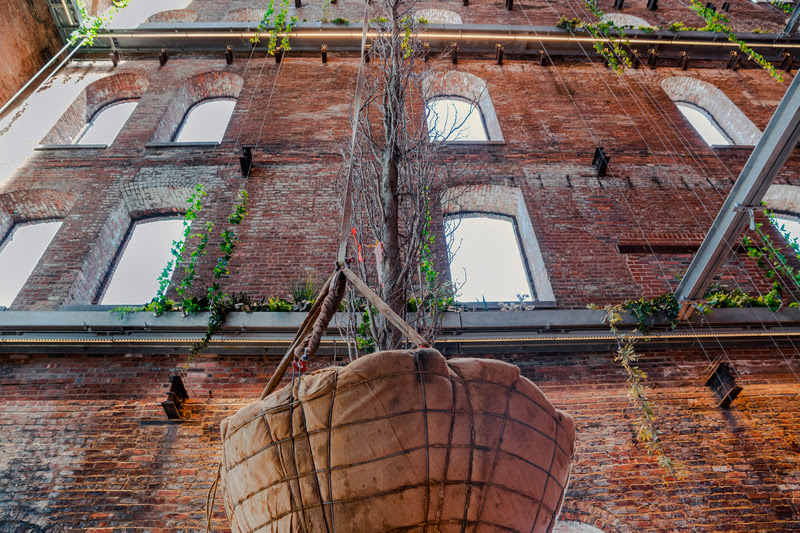
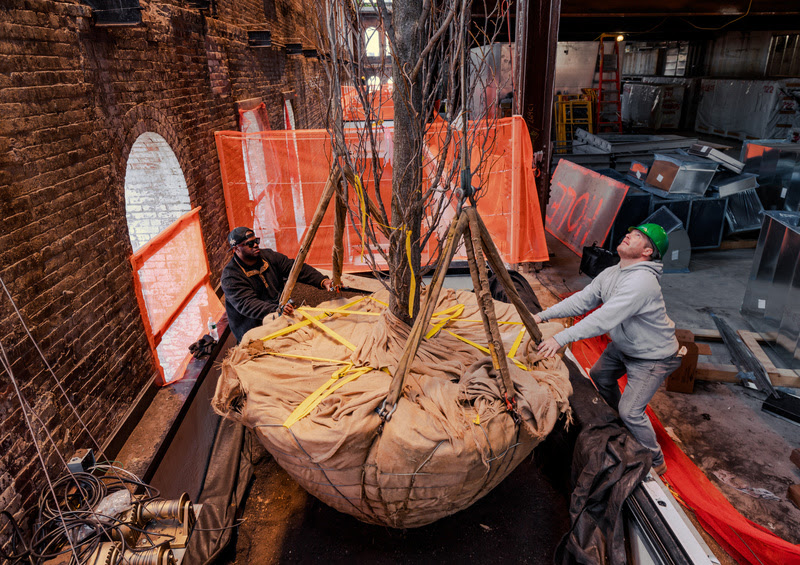
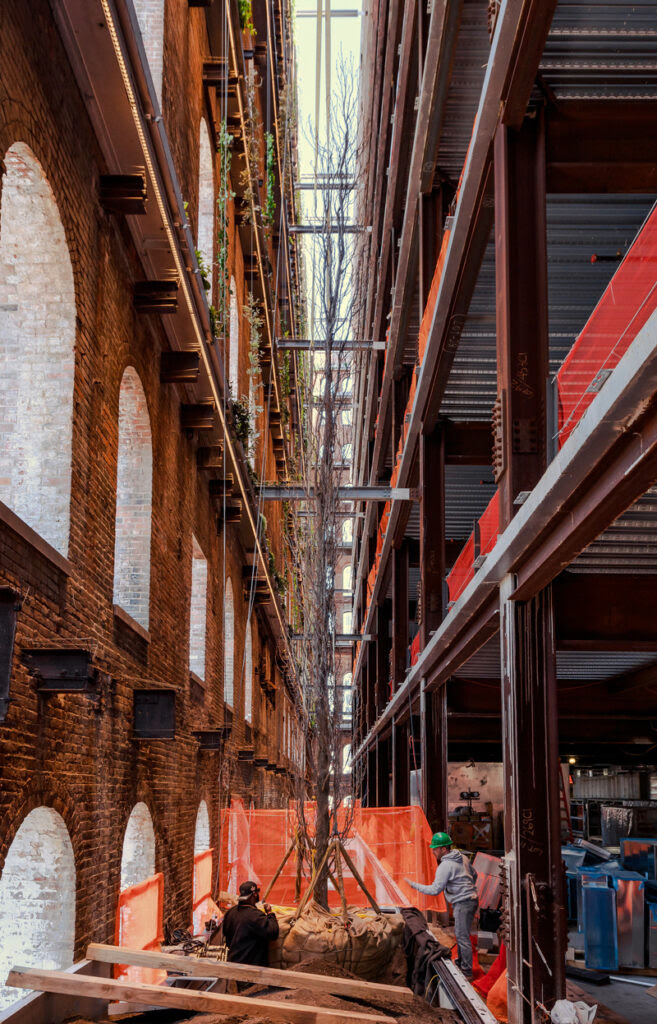
Giant cranes are hovering above the former Domino Sugar Factory refinery building in Williamsburg this week as they hoist live trees into place to create a vertical garden. The Domino Sugar Factory garden will be sandwiched in a 12-foot space between the historic brick facade and the new glass and steel office building being constructed inside. The vertical garden will line the entire perimeter of the 460,000-square-foot, formerly abandoned structure.
Photo by Wes Tarca
Seventeen 30-foot trees weighing 10,000 lbs each are being put in place around the building. These mature trees will be accompanied by vines and other plantings. Nathan Bartholomew, Director of Horticulture at Domino Park and formerly with the US Botanical Gardens, told Untapped New York that the unique nature of this garden space led him to pick very specific types of trees. “I prioritized trees with a specific narrow form,” Bartholomew said, “I chose two species: the American sweet gum tree for its slender silhouette and the native pin oak for its vertical green column. Height was also a key consideration – as we’re planting on the second floor, we selected 30 foot tall trees so tenants on the taller floors would be able to see and interact with all this greenery as well.”
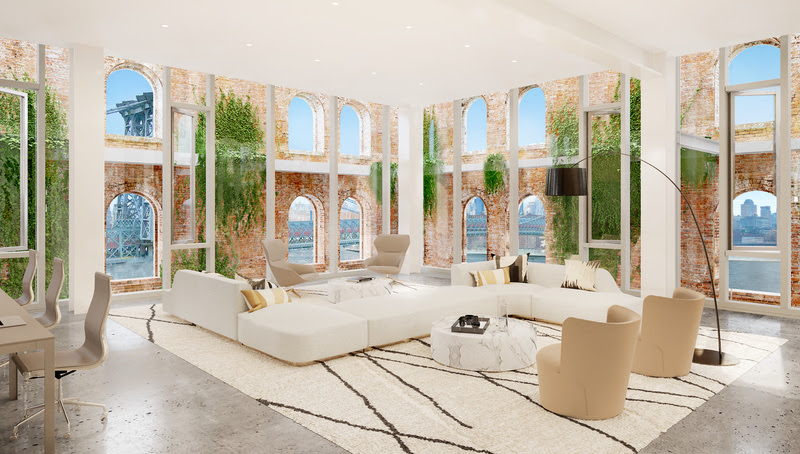
Dave Lombino, Managing Director External Affairs at Two Trees Management, explained how this new vertical garden ties into the holistic approach of the Domino complex. “In addition to top-tier amenities and the convenience of working closer to where they live, the next generation of office workers are looking for a wellness-forward workspace,” said Lombino, “The Refinery will also be an all-electric building and one of the most sustainable in New York City, and our goal was to tie this together with indoor environmental quality through a green ecosystem of lush plantings, vines, and trees.”
Photo by Wes Tarca
“Over time as we care for the plantings, we expect the foliage to grow towards the glass,” Bartholomew explained, “so although the trees will be 5-8 feet from the window, especially on the second, third, and fourth floors of the building, tenants will feel almost as if they are inside of a tree, surrounded by greenery. We will also have beam planters of various heights and vines connecting the beams from the second floor all the way up to the tenth floor of the building.”
Refinery at Domino is expected to be complete in the next few months after a major restoration project that is turning the former industrial building into a Class A office building. The installation of the garden follows other recent milestones in construction, such as the return of the iconic Domino Sugar sign.
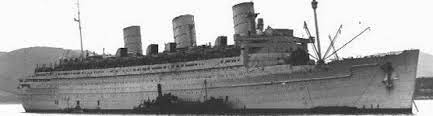
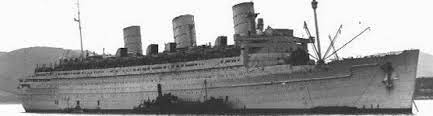
RMS QUEEN MARY IN 1942 WHEN SHE WAS PLACED IN SERVICE DURING WORLD WAR ll
Text by Judith Berdy Thanks to Bobbie Slonevsky for her dedication to Blackwell’s Almanac and the RIHS Thanks to Deborah Dorff for maintaining our website Edited by Melanie Colter and Deborah Dorff
All image are copyrighted (c) Roosevelt Island Historical Society unless otherwise indicated
ACKNOWLEDGEMENTS
UNTAPPED NEW YORK
THIS PUBLICATION FUNDED BY DISCRETIONARY FUNDS FROM CITY COUNCIL MEMBER JULIE MENIN & ROOSEVELT ISLAND OPERATING CORPORATION PUBLIC PURPOSE FUNDS.
THANK YOU TO RACHEL MAINES AND GLORIA, MARK HERMAN, CAROLINE CAVALLI, MR. & MRS. RICHARD MEYER, NANCY BROWN, ARLENE &STEVE BESSENOFF, MARIE EWALD & DAVID DANZIG, BARRY & JUDY SCHNEIDER, & MICHELLE ROY, ARON EISENPRESIS, TANYA MORRISETT, MATTHIAS ALTWICKER, JUDY CONNORTON, THOM HEYER, STEPHEN QUANDT, QING XUN, LAWRENCE FEINALTER, ANNE & DAVID CRIPPS, STEVE & RITA MEED & ANNONYMOUS FOR THEIR DONATIONS. WE ARE WAITING TO ADD YOUR NAME TO OUR DONOR LIST
WE ARE WITHIN A FEW HUNDRED DOLLARS OF REACHING OUR GOAL OF $2000- THANKS TO OUR GENEROUS DONORS.
HELP PUT US AT OUR GOAL THIS WEEK!!!!
Join us in making our garden thrive again. ALL DONATIONS ARE TAX DEDUCTIBLE
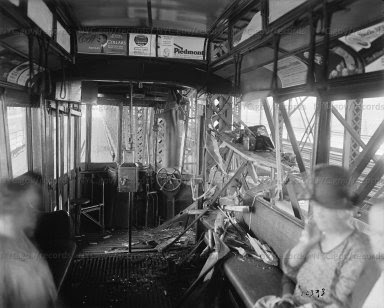
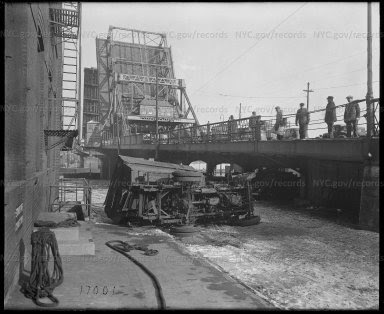
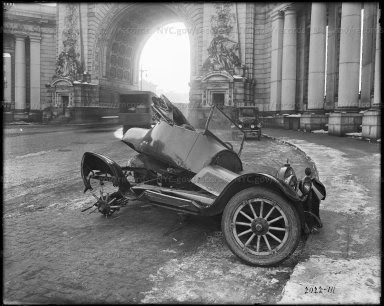
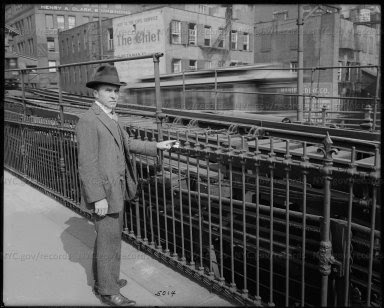
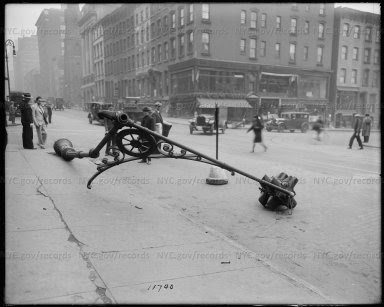
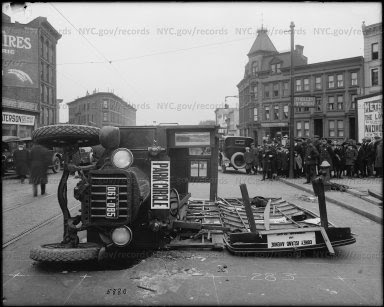
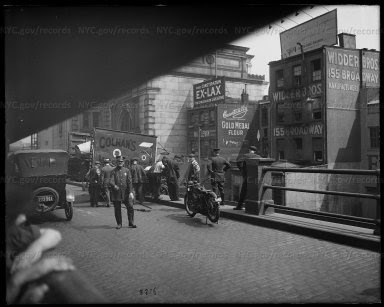
EUGENE DE SELIGNAC WAS THE OFFICIAL PHOTOGRAPHER FOR THE CITY AND SPENT MANY YEARS PHOTOGRAPHING ALL SORTS OF CONSTRUCTION SITES, BUILDINGS, BRIDGES AND ALSO VEHICLE ACCIDENTS.
ENJOY THE IMAGES AND REMEMBER WHAT CARS WERE LIKE BEFORE ANY SAFTY FEATURES
ABOVE MANHATTAN BRIDGE DAMAGED CAR 1936
Williamsburg Bridge, showing accident, interior of trolley car 1926
Vernon Avenue Bridge broken fence and coal truck “accident” 1935
Manhattan Bridge view showing auto damaged by accident 1924
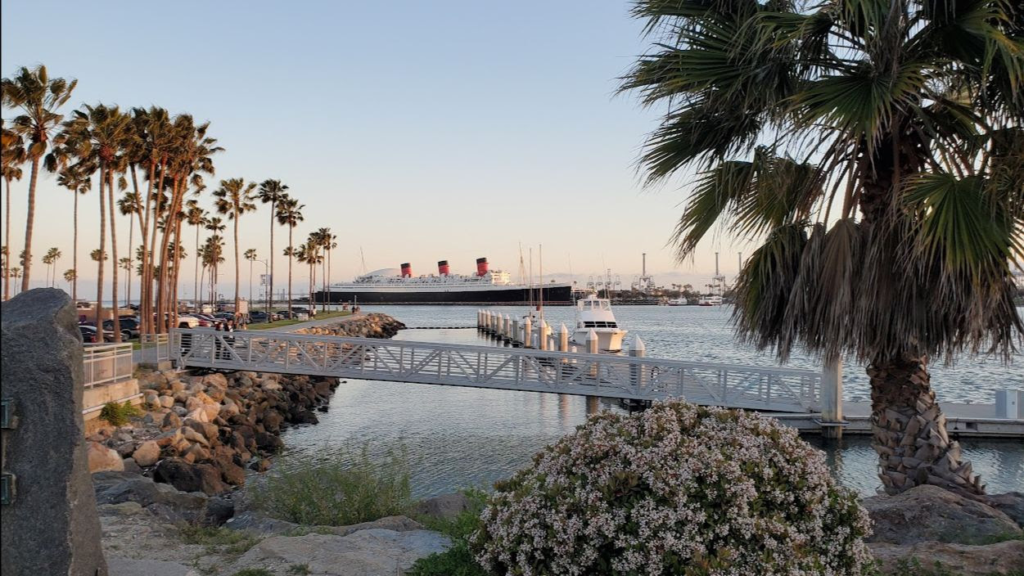
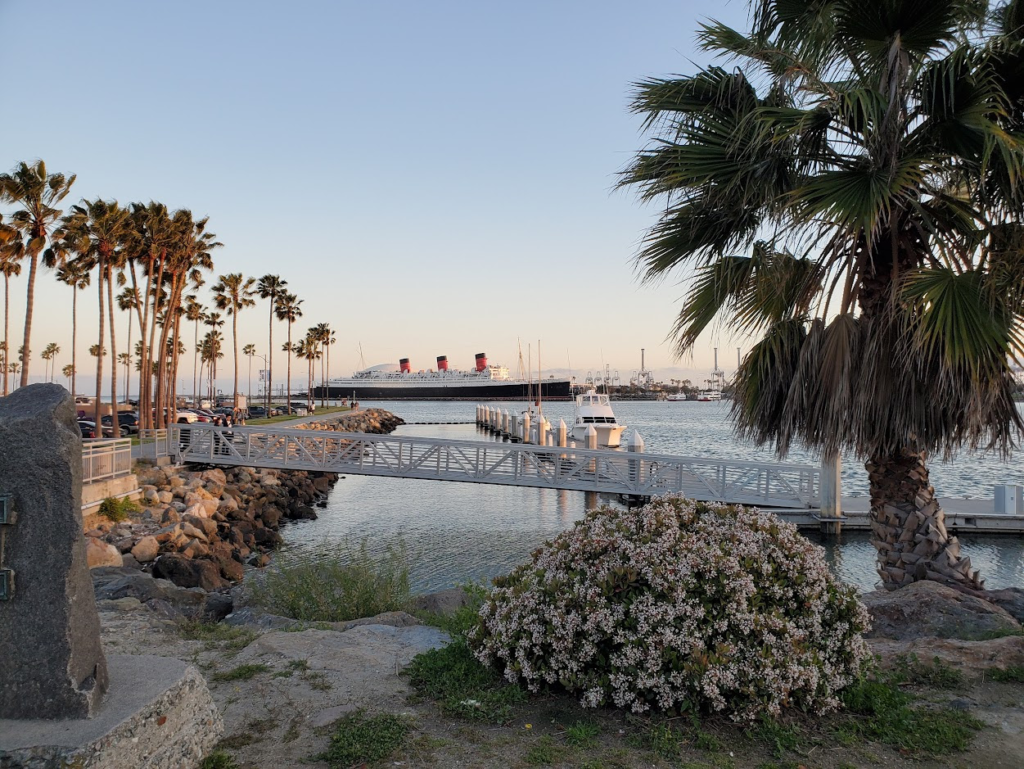
WEDNESDAY PHOTO OF THE DAY QUEEN MARY DOCKED PERMANENTLY IN LONG BEACH, CALIFORNIA
Text by Judith Berdy Thanks to Bobbie Slonevsky for her dedication to Blackwell’s Almanac and the RIHS Thanks to Deborah Dorff for maintaining our website Edited by Melanie Colter and Deborah Dorff
All image are copyrighted (c) Roosevelt Island Historical Society unless otherwise indicated
ACKNOWLEDGEMENTS
NEW YORK CITY MUNICIPAL ARCHIVES
THIS PUBLICATION FUNDED BY DISCRETIONARY FUNDS FROM CITY COUNCIL MEMBER JULIE MENIN & ROOSEVELT ISLAND OPERATING CORPORATION PUBLIC PURPOSE FUNDS.
THANK YOU TO RACHEL MAINES AND GLORIA, MARK HERMAN, CAROLINE CAVALLI, MR. & MRS. RICHARD MEYER, NANCY BROWN, ARLENE &STEVE BESSENOFF, MARIE EWALD & DAVID DANZIG, BARRY & JUDY SCHNEIDER, & MICHELLE ROY, ARON EISENPRESIS, TANYA MORRISETT, MATTHIAS ALTWICKER, JUDY CONNORTON, THOM HEYER, STEPHEN QUANDT, QING XUN, LAWRENCE FEINALTER & ANNONYMOUS FOR THEIR DONATIONS. WE ARE WAITING TO ADD YOUR NAME TO OUR DONOR LIST
We need your help this spring to help us restore and enhance our garden. Our goal is $2000.00 for a complete restoration of soil, drainage, plantings and fencing. We will update donations daily. We will list our donors.
Join us in making our garden thrive again. ALL DONATIONS ARE TAX DEDUCTIBLE
The Brooklyn Bridge Promenade and Manhattan Terminal in 1907 — a view glimpsed earlier on Shorpy, with the addition of a train. Here we have a better view of the signs. 8×10 inch glass negative, Detroit Publishing Co. View full size.
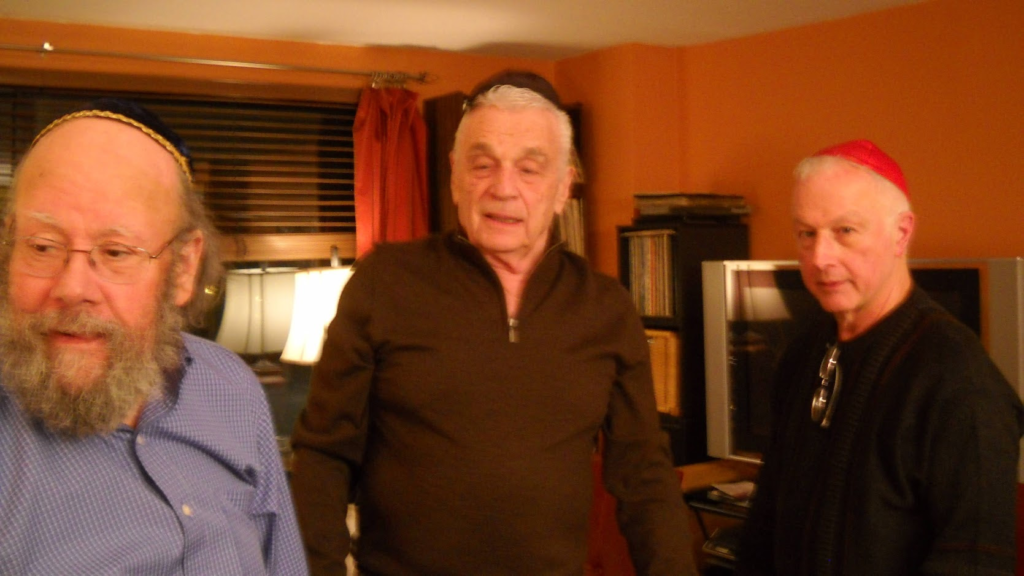
FRIENDS GONE NOW AT PASSOVER, 2011 MIKE SCHWARTZBERG, RON VASS AND FREIND
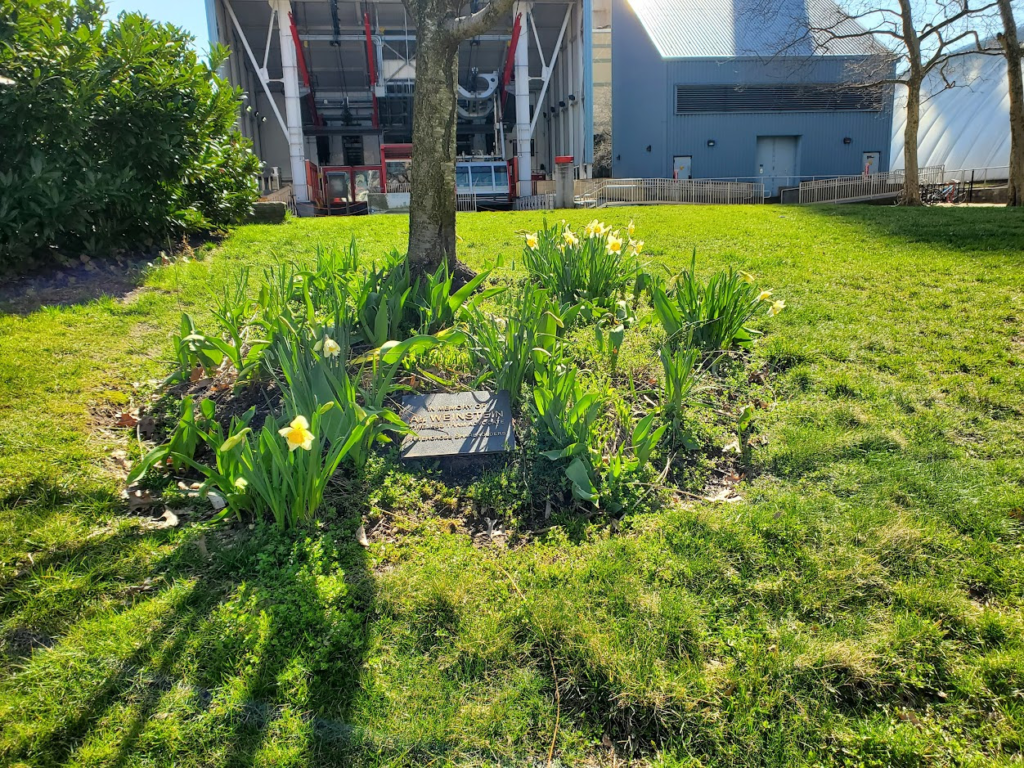
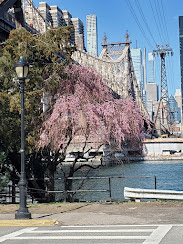
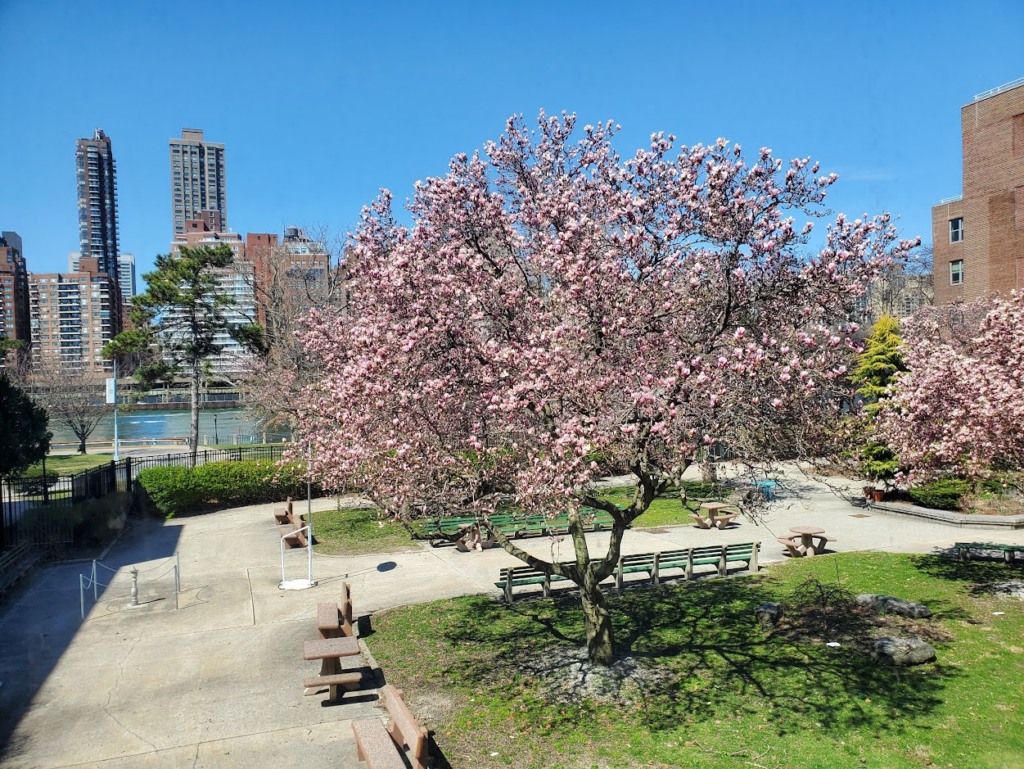
PHOTO OF THE DAY COLER MAGNOLIA GARDEN
Text by Judith Berdy Thanks to Bobbie Slonevsky for her dedication to Blackwell’s Almanac and the RIHS Thanks to Deborah Dorff for maintaining our website Edited by Melanie Colter and Deborah Dorff
All image are copyrighted (c) Roosevelt Island Historical Society unless otherwise indicated
ACKNOWLEDGEMENTS
SHORPY
THIS PUBLICATION FUNDED BY DISCRETIONARY FUNDS FROM CITY COUNCIL MEMBER JULIE MENIN & ROOSEVELT ISLAND OPERATING CORPORATION PUBLIC PURPOSE FUNDS.
THANK YOU TO RACHEL MAINES AND GLORIA, MARK HERMAN, CAROLINE CAVALLI, MR. & MRS. RICHARD MEYER, NANCY BROWN, ARLENE &STEVE BESSENOFF, MARIE EWALD & DAVID DANZIG, BARRY & JUDY SCHNEIDER, & MICHELLE ROY, ARON EISENPRESIS, TANYA MORRISETT, MATTHIAS ALTWICKER, JUDY CONNORTON, THOM HEYER, STEPHEN QUANDT, QING XUN & ANNONYMOUS FOR THEIR DONATIONS. WE ARE WAITING TO ADD YOUR NAME TO OUR DONOR LIST
We need your help this spring to help us restore and enhance our garden. Our goal is $2000.00 for a complete restoration of soil, drainage, plantings and fencing. We will update donations daily. We will list our donors.
Join us in making our garden thrive again. ALL DONATIONS ARE TAX DEDUCTIBLE
The Lucy G. Moses Awards are the Conservancy’s highest honors for outstanding preservation efforts, named for a dedicated New Yorker whose generosity benefited the City for more than 50 years.
Winners of the “Oscars of Preservation” have been announced and they feature a wide variety of historic structures across New York City. The Lucy G. Moses Preservation Award is the highest honor for excellence in preservation awarded by The New York Landmarks Conservancy. Every year the Conservancy recognizes outstanding contributions to the city from individuals, organizations, and building owners. Here, we take a look at the winners of this year’s preservation award, including a Manhattan armory, a historic lighthouse, stunning churches, and more!
In addition to the buildings being honored, Laurie Beckelman, former Chair of the New York City Landmarks Preservation Commission, will receive the 2023 Public Leadership in Preservation Award. John J. (Jack) Kerr, Jr., attorney, will receive the Preservation Leadership Award in honor of his role in preservation’s most significant legal decisions, and for his work with many nonprofit organizations, including the Conservancy, where he served as Board Chair. Winners will be recognized at the Awards Ceremony on April 19th at 6:00 pm at Saint Bartholomew’s Church in Manhattan. You can register for tickets to attend the event here.
CONTINUED FROM YESTERDAY’S ISSUE
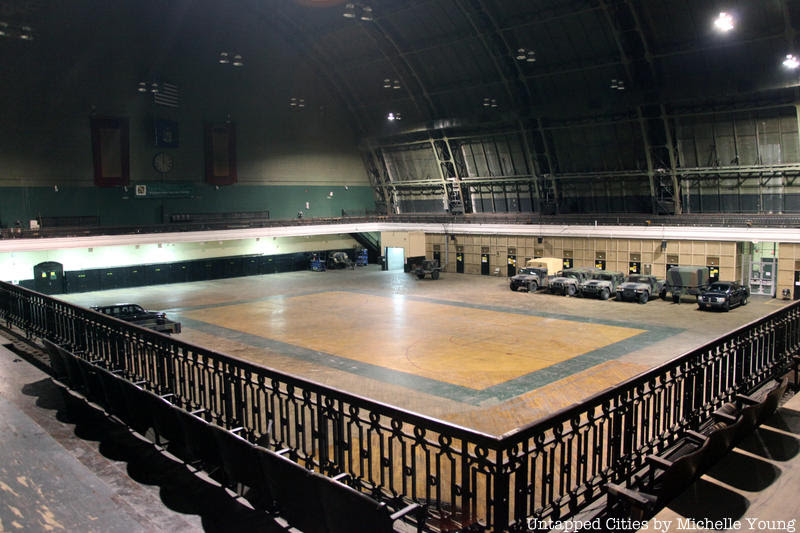
5. 69th Regiment Armory, Manhattan
The 69th Regiment Armory still functions as an active military facility, which made preservation work challenging. Despite this obstacle, over 200 original dilapidated and unusable wood windows have been restored. All new fenestration that precisely matches the historic windows and meets current energy efficiency standards have been installed.
The restoration project also had the added requirement of meeting Department of Defense Anti-Terrorism standards for blast resistance. Discover more of New York City’s historic armories!
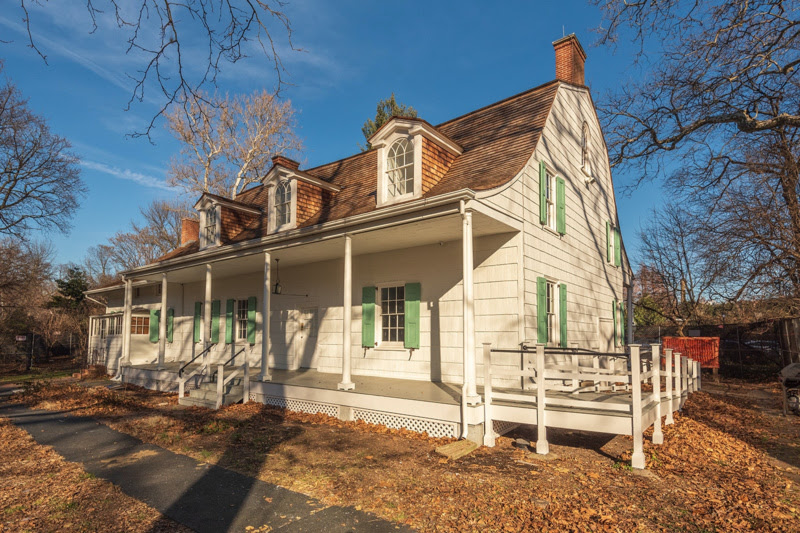
6. Lefferts Historic House, Prospect Park, Brooklyn
Photo by redit Jordan Rathkopf
The Lefferts Historic House is one of the oldest buildings in Brooklyn. Located within Prospect Park, the 18th-century farmhouse belonged to the Lefferts family, one of the wealthiest and most influential families in Brooklyn. In 1917, the John Leffert’s estate gifted the home to the city of New York under the condition that it be moved onto city property to be protected and preserved.
Today, the home is operated by the Prospect Park Alliance in partnership with the Historic House Trust. The building will be honored with a preservation award for the $2.5 million restoration project that replaced the cedar shingle roof and repaired the façades, windows, and porch. The project was funded by the Speaker and the Brooklyn Delegation of the New York City Council.
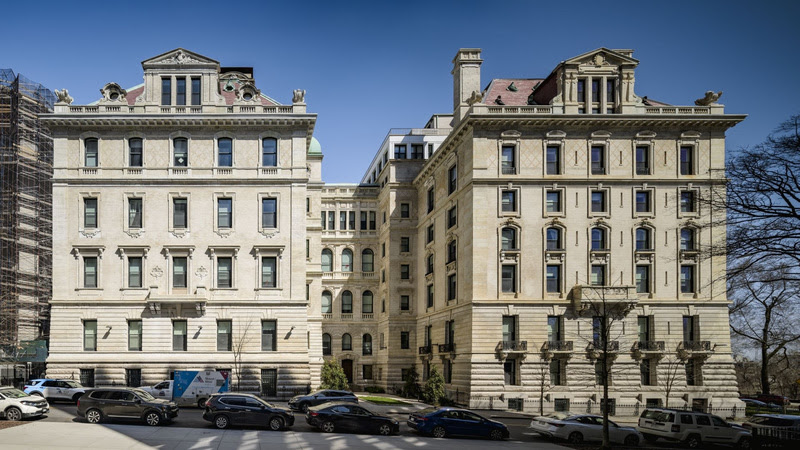
7. St. Luke’s Historic Pavilions, Manhattan
Photo by Alex Severin
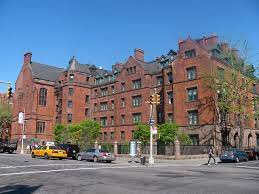
St. Luke’s Hospital Pavilions will receive the Lucy G. Moses Preservation Award for a successful adaptive reuse project which has transformed the abandoned 19th-century hospital into a high-end residential complex. Designed by Ernest Flagg, a Beaux-Arts architect known for the Singer Building, the hospital complex sits just north of the Cathedral of St. John the Divine in Morningside Heights. Over the years, some of the original nine pavilions have been demolished, while others have been preserved. The Plant and Scrymser Pavilions for Private Patients became designated New York City Landmarks in 2002.
Four remaining pavilions make up the new residential complex. The restoration work that has been completed on these pavilions has stabilized and restored the elaborate brick and granite façade, slate roofs, and copper trim. Owner Delshah Capital made use of preservation tax credits to make the restoration possible. Thanks to the owner’s vision and financial planning, this old historic building has found a new use in the modern city.
8. Asia Art Archive in America, Brooklyn
Photo by Peter Peirce
The Asia Art Archive in America is housed inside a repurposed carriage house at 23 Cranberry Street in the historic neighborhood of Brooklyn Heights. The restoration project honored converted the building into a public space for the study of post-war Asian Art.
In the process of transforming this former carriage house into a public space, the lower levels were turned into offices and rooms for public programs, while the upper floors have been converted into residences. The legacy of the building’s former owner, sculptor John Rhoden, has been incorporated into the current iteration through pieces from his personal collection. Some of Rhoden’s items that are featured in the new design include a Buddhist prayer table, a teak railroad tie from Indonesia, and pieces of hardware and cast iron, brass, and bronze.
TO BE CONTINUED TOMORROW
WEEKEND PHOTO OF THE DAY
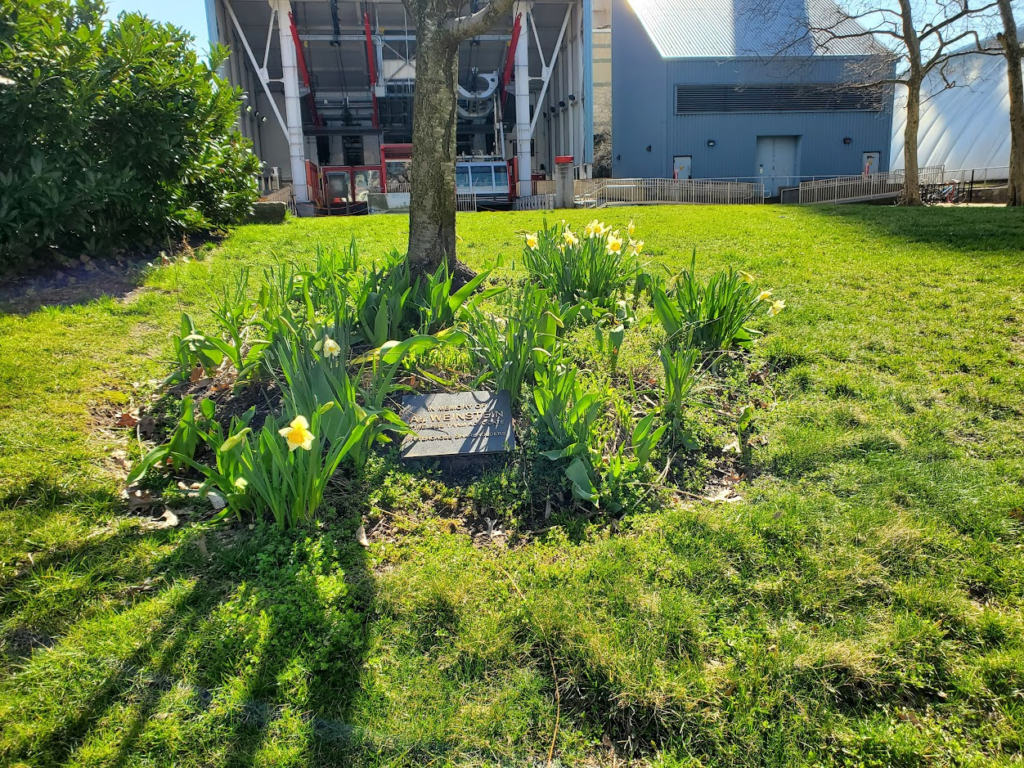
WE WILL BE AWAY FOR A FEW DAYS IDENTIFY THE IMAGE
FRIDAY PHOTO OF THE DAY
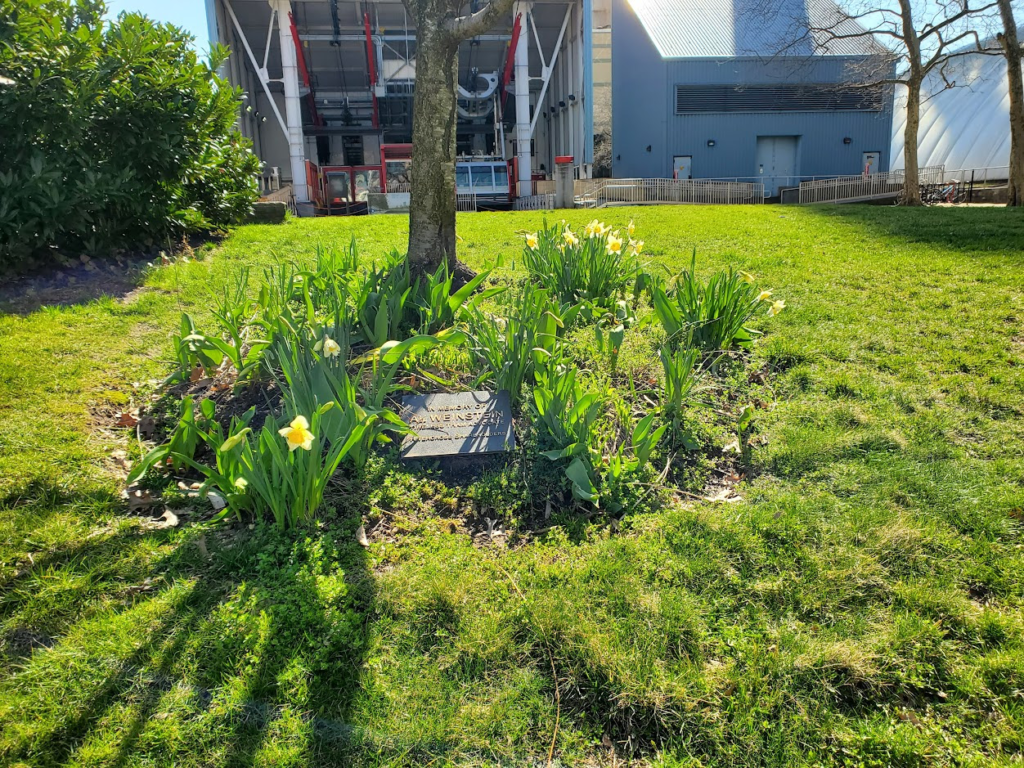
WE ARE AWAY FOR A FEW DAYS. ENJOY THE VIEWS OF THE COLER GARDEN
Text by Judith Berdy Thanks to Bobbie Slonevsky for her dedication to Blackwell’s Almanac and the RIHS Thanks to Deborah Dorff for maintaining our website Edited by Melanie Colter and Deborah Dorff
All image are copyrighted (c) Roosevelt Island Historical Society unless otherwise indicated
ACKNOWLEDGEMENTS
NEW YORK LANDMARKS CONSERVANCY
THIS PUBLICATION FUNDED BY DISCRETIONARY FUNDS FROM CITY COUNCIL MEMBER JULIE MENIN & ROOSEVELT ISLAND OPERATING CORPORATION PUBLIC PURPOSE FUNDS.
THANK YOU TO RACHEL MAINES AND GLORIA, MARK HERMAN, CAROLINE CAVALLI, MR. & MRS. RICHARD MEYER, NANCY BROWN, ARLENE &STEVE BESSENOFF, MARIE EWALD & DAVID DANZIG, BARRY & JUDY SCHNEIDER, & MICHELLE ROY, ARON EISENPRESIS, TANYA MORRISETT, MATTHIAS ALTWICKER, JUDY CONNORTON, THOM HEYER, STEPHEN QUANDT, QING XUN & ANNONYMOUS FOR THEIR DONATIONS. WE ARE WAITING TO ADD YOUR NAME TO OUR DONOR LIST
We need your help this spring to help us restore and enhance our garden. Our goal is $2000.00 for a complete restoration of soil, drainage, plantings and fencing. We will update donations daily. We will list our donors.
Join us in making our garden thrive again. ALL DONATIONS ARE TAX DEDUCTIBLE
TO MAKE YOUR DONATION: https://rihs.us/donation/ TO MAKE YOUR DONATION BY CHECK: R.I.H.S., 531 MAIN STREET, #1704. NY NY 10044
The Lucy G. Moses Awards are the Conservancy’s highest honors for outstanding preservation efforts, named for a dedicated New Yorker whose generosity benefited the City for more than 50 years.
Winners of the “Oscars of Preservation” have been announced and they feature a wide variety of historic structures across New York City. The Lucy G. Moses Preservation Award is the highest honor for excellence in preservation awarded by The New York Landmarks Conservancy. Every year the Conservancy recognizes outstanding contributions to the city from individuals, organizations, and building owners. Here, we take a look at the winners of this year’s preservation award, including a Manhattan armory, a historic lighthouse, stunning churches, and more!
In addition to the buildings being honored, Laurie Beckelman, former Chair of the New York City Landmarks Preservation Commission, will receive the 2023 Public Leadership in Preservation Award. John J. (Jack) Kerr, Jr., attorney, will receive the Preservation Leadership Award in honor of his role in preservation’s most significant legal decisions, and for his work with many nonprofit organizations, including the Conservancy, where he served as Board Chair. Winners will be recognized at the Awards Ceremony on April 19th at 6:00 pm at Saint Bartholomew’s Church in Manhattan. You can register for tickets to attend the event here.
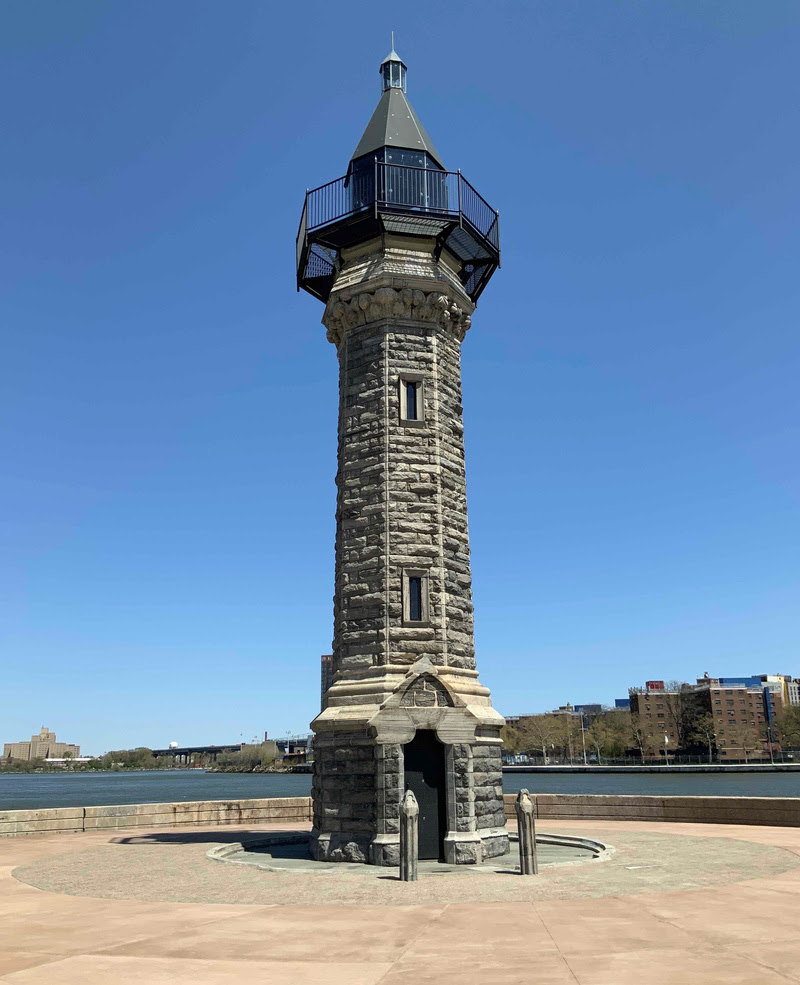
1. Roosevelt Island Lighthouse, Lighthouse Park
Photo by Thomas Fenniman
In 1872, the Blackwell’s Island Lighthouse was constructed at the northern tip of the island now known as Roosevelt Island. The beacon was put in place to aid ships navigating the treacherous rocky waters of the East River. It was designed by James Renwick, Jr., architect of the Smallpox Hospital on the island. The 50-foot tall, octagonal lighthouse is made of stone quarried right from the island by inmates of the Penitentiary which once stood on Blackwell’s.
The lighthouse ceased operations in the 1940s. Roosevelt Island Operating Corporation, a New York State Authority, led the restoration of the lighthouse, which started in 2021. Work done to the lighthouse entailed repairing the gneiss stone façade, replacing the lantern, and adding colorful architectural lighting. Discover more historic lighthouses of New York here!
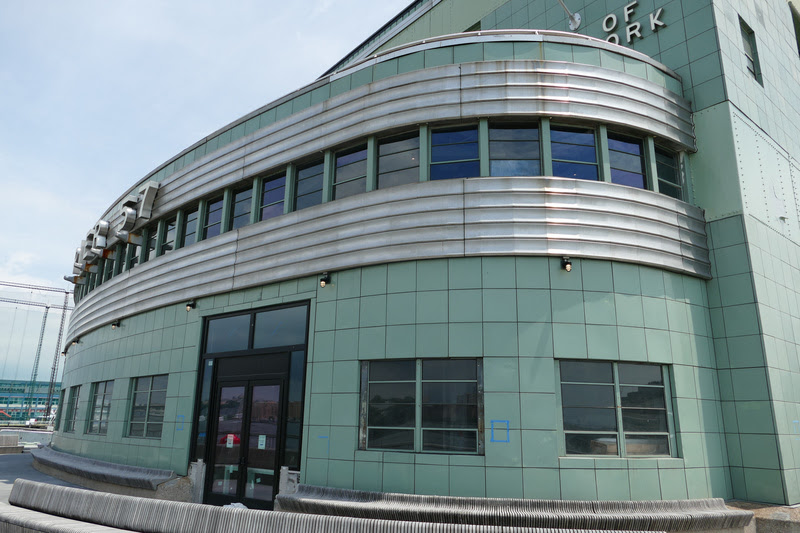
2. Pier 57, Manhattan
Photo Courtesy of Higgins Quasebarth & Partners, LLC
Pier 57 has been shuttered for twenty years but will re-open this weekend! The pier that stands today was built in 1952 as a replacement for the terminal of the Grace Line which had burnt down in 1947. It was later used as a Hudson Pier Depot for the New York City Transit Authority, before closing in 2003.
Now, the pier building has been renovated as a mixed-use waterfront property that houses a new public rooftop park, office space, a performance venue, a food market, classrooms, and community spaces. The restoration has been a collaborative effort between the Hudson River Park Trust, RXR, Young Woo & Associates, and the pier’s tenants, Google, City Winery, Jamestown, and the James Beard Foundation. When the new facilities open in April 2023, it will mark the first time the general public will get to make use of this once-vacant structure.
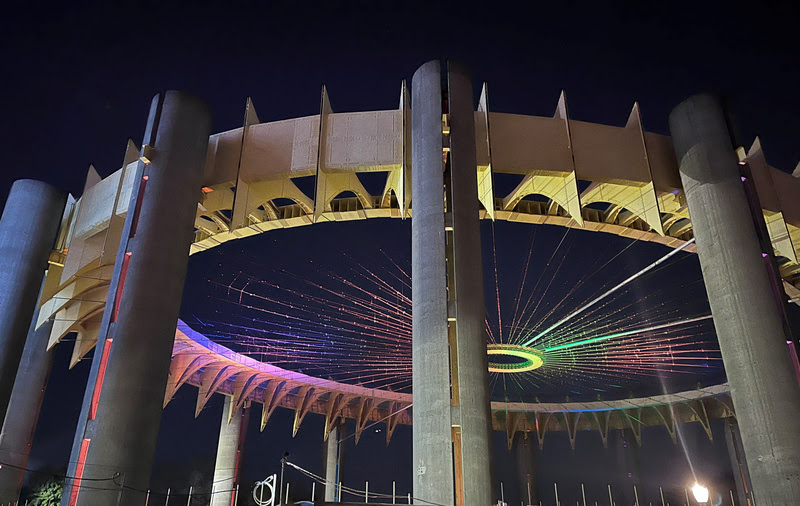
The New York State Pavilion project is being recognized for the work that has recently gone into preserving the existing structures of the pavilion including the Tent of Tomorrow and the Astro View Observation Towers. The $24 million restoration project has included the stabilization of the towers and the installation of architectural lighting at the towers and Tent of Tomorrow. These improvements are intended to immediately enhance the Pavilion now, to make future maintenance and access easier, and to encourage funding for future projects.
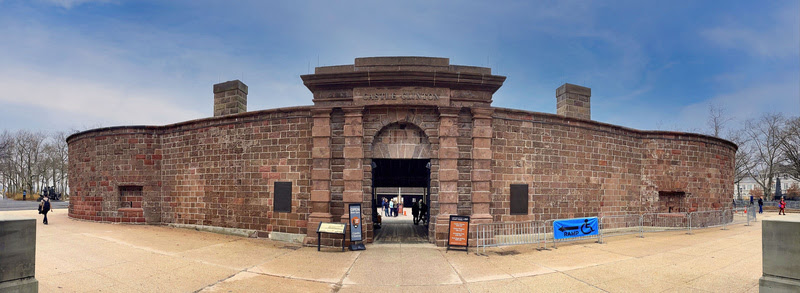
4. Castle Clinton National Monument, Manhattan
Photo by John G. Waite Associates, Architects
Castle Clinton is a prime example of successful adaptive reuse in New York City. Since it was originally constructed as Fort Clinton in 1811, the structure has evolved with the changing city around it. Its original purpose was to defend from British invasion in 1812, and in 1855 it became the nation’s first federal immigration station, processing over 8 million people. It has also served as a beer garden, theater, and public aquarium.Today, Castle Clinton serves as the National Park Service (NPS) ticket office for the Statue of Liberty and Ellis Island. More than 3 million visitors pass through annually. The preservation project being awarded has carefully restored the fort’s historic brownstone walls, fortifying the Castle for generations to come.
TO BE CONTINUED TOMORROW
FRIDAY PHOTO OF THE DAY
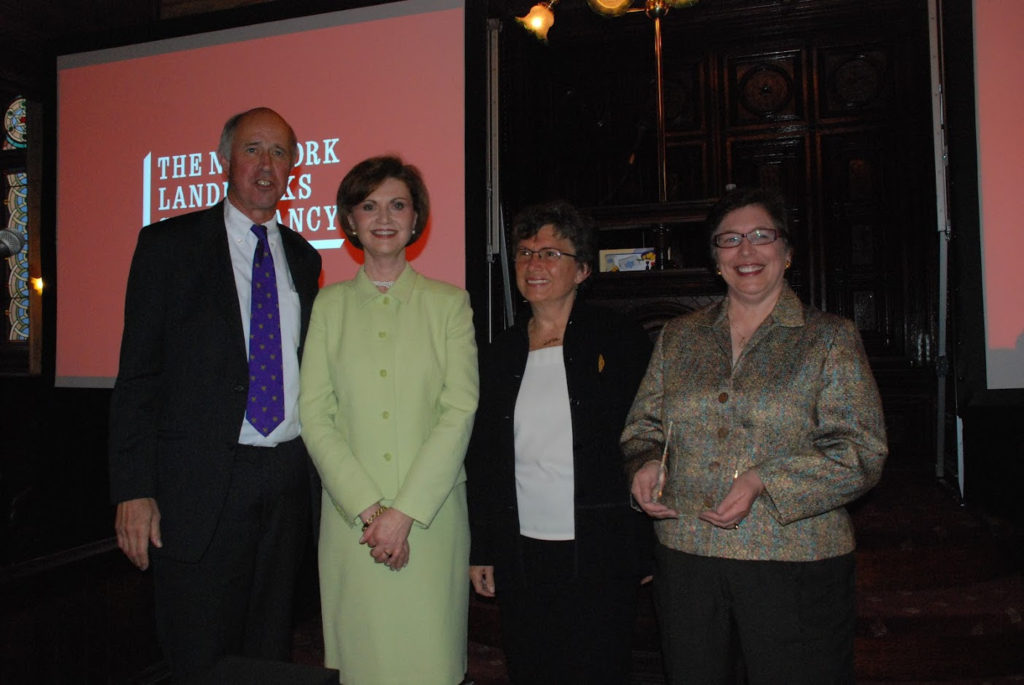
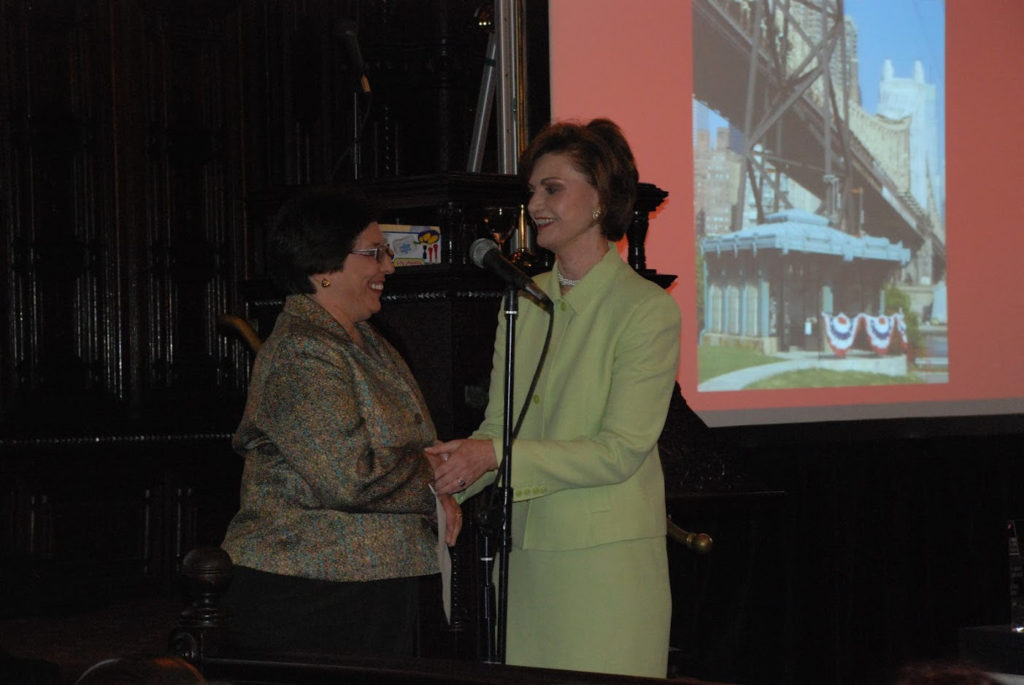
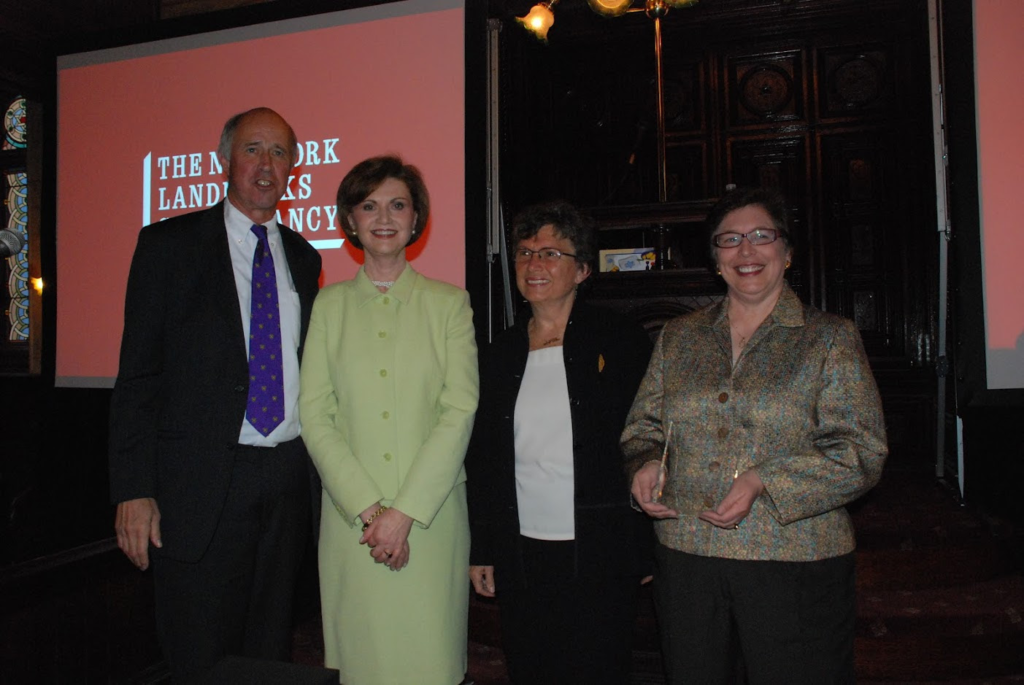
WE WILL BE AWAY FOR A FEW DAYS BELOW ARE PHOTOS FROM THE RIHS RECEIVING A LUCY MOSES AWARD IN 2008 FROM PEG BREEN OF THE NY LANDMARKS CONSERVANCY.
THURSDAY PHOTO OF THE DAY
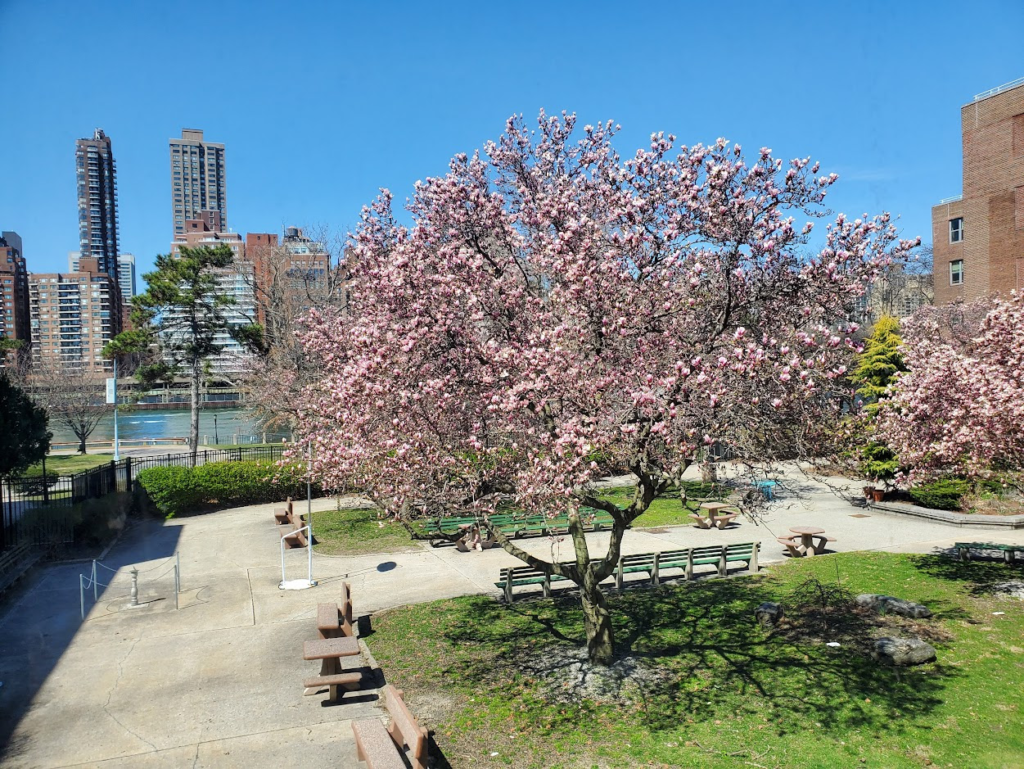
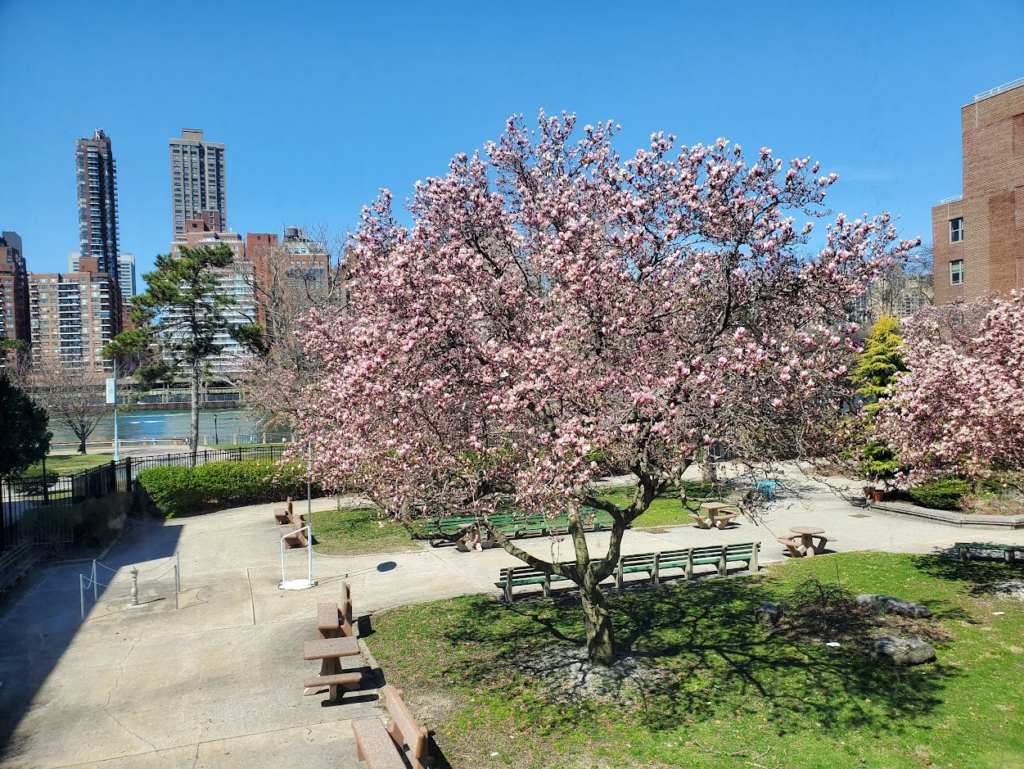
GARDEN OF COLER LONG TERM CARE WITH MAGNOLIAS IN FULL BLOOM YESTERDAY
THOM HEYER, CHRISTINA DELFICO, NINA LUBLIN, ALEXIS VILLAFANE ALL GOT IT RIGHT!
Text by Judith Berdy Thanks to Bobbie Slonevsky for her dedication to Blackwell’s Almanac and the RIHS Thanks to Deborah Dorff for maintaining our website Edited by Melanie Colter and Deborah Dorff
All image are copyrighted (c) Roosevelt Island Historical Society unless otherwise indicated
ACKNOWLEDGEMENTS
NEW YORK LANDMARKS CONSERVANCY
THIS PUBLICATION FUNDED BY DISCRETIONARY FUNDS FROM CITY COUNCIL MEMBER JULIE MENIN & ROOSEVELT ISLAND OPERATING CORPORATION PUBLIC PURPOSE FUNDS.
UPDATE: OUR FIRST DONATIONS HAVE ARRIVED THANK YOU TO RACHEL MAINES AND GLORIA, MARK HERMAN, CAROLINE CAVALLI, MR. & MRS. RICHARD MEYER, NANCY BROWN, ARLENE &STEVE BESSENOFF, MARIE EWALD & DAVID DANZIG, BARRY & JUDY SCHNEIDER, & MICHELLE ROY, ARON EISENPRESIS & ANNONYMOUS FOR THEIR DONATIONS. WE ARE WAITING TO ADD YOUR NAME TO OUR DONOR LIST
We need your help this spring to help us restore and enhance our garden. Our goal is $2000.00 for a complete restoration of soil, drainage, plantings and fencing. We will update donations daily. We will list our donors.
Join us in making our garden thrive again. ALL DONATIONS ARE TAX DEDUCTIBLE
TO MAKE YOUR DONATION: https://rihs.us/donation/ TO MAKE YOUR DONATION BY CHECK: R.I.H.S., 531 MAIN STREET, #1704. NY NY 10044
Archer M. Huntington: Titan Arts Patron of New York City
As New York City reached its Silver Jubilee in 1923, one of the ways it celebrated 25 years since its formation as a greater city uniting the five boroughs was to have residents vote on the six people who had done the city the most good. Who made the Big Apple’s early honor list?
Might you have guessed Millicent Hearst, wife of the famous press baron? Nathan Straus, co-owner of Macy’s and Abraham & Straus department stores and renowned philanthropist? Another one of those recognized as a civic hero was the magnificent patron Archer Milton Huntington. Ever heard of him? Although his and other names in this select circle might not be household figures today, this towering figure of a century ago left a mark worth remembering.
Huntington (1870-1955) utilized the enormous fortune inherited from his father, railroad magnate Collis P. Huntington, to found or assist nearly two dozen institutions. With a vision, drive, and acquired knowledge far surpassing other patrons of the arts in the Gilded Age and beyond, in 1908 he established the museum of the Hispanic Society of America, of which the New York Times apperceived “there is nothing narrow or haphazard about its origin and purpose.”
Perched on the Audubon Terrace at Broadway and 155th Street when Manhattan was seeing expansion northward, it was joined with Huntington’s patronage by the American Numismatic Society, The American Geographical Society, and in 1922 and 1923, respectively, The Museum of the American Indian, Heye Foundation and the American Academy of Arts and Letters.
For several years he was president of the first two of these societies. An Atlas of public learning, he would hoist numerous other institutions, some in the city and some elsewhere including in Spain, where he heavily endowed the Casa de Cervantes and the Casa del Greco.
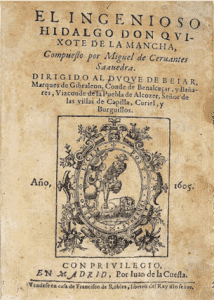
First and foremost a library, the HSA made the richness of Spain and the Hispanic world available for study with thousands of manuscripts and early printed works – first editions of works by Cervantes and Lope de Vega, to name but two notables, not to mention other earliest printings from Mexico and elsewhere in Spanish America – in addition to facsimiles, reprints, and a vast array of modern studies.
Such an institution raised the scholarly access at a time when interest in Spain was just being kindled and foresaw the “closer approach between the North and South American peoples,” as the New York Times observed in a review at its opening. It’s still doing all that.
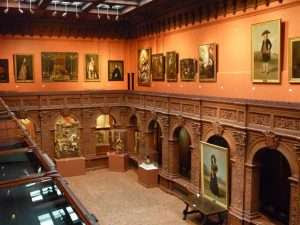
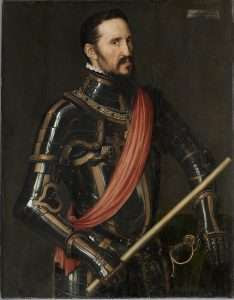
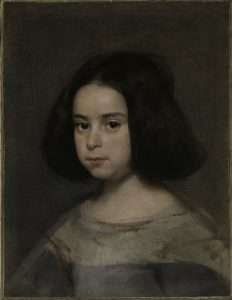
By 1923 the HSA had on display paintings by Old Masters in Spain, among them Diego Velázquez’s compelling “Portrait of a Little Girl” (ca. 1640) and Antonio Moro’s (or Antonis Mor’s) magisterial “Duke of Alba” (1549); maps including Juan (Giovanni) Vespucci’s worldmap of 1526; a precious collection of Hispano-Muslim ceramics, lusterware, silks, rugs, and carved boxes; and ancient through early modern sculpture, wares, and coinage.
The enterprising Huntington had even installed revolvable capsules that permitted the viewer to see both sides of the coins in their cases, normally not possible. Ingenuity in physical arrangement and lighting marked Huntington’s sense of maximizing space and creating an effective experience.
To gather his bountiful yield he had literally got into the dirt as well as working his way into the right social circles in Spain and judiciously putting book and art dealers into action. Specifically appointing women as curators and librarians, he stood apart from philanthropists of his day such as his cousin Henry E. Huntington of the famous library and art museum in California founded in 1919. Henry was actually emulating his younger relative in that enterprise, overcoming an earlier disdain for museum patronage.
A special exhibition in 1909 that quickly helped put the Hispanic Society in the spotlight was that of Joaquín Sorolla, a master of plein air impressionism whom Archer Huntington came upon while seeking out art in London. It could equally be said that Huntington put a new spotlight on Sorolla, until then hardly known in America.
On view for just a month, the exhibition drew close to 160,000 visitors, then a New York record. Bursting demand pushed closing hours to 11 pm. Soon Huntington commissioned Sorolla’s 12-foot tall murals labeled “Provinces of Spain” (1913-1919), also known as Vision of Spain, unfolding some 230 feet across the walls of the western wing and adding to the museum an astounding element when opened to the public in the mid-1920s.
Special exhibitions up to that time included one in 1911 of the De Forest Collection of Mexican pottery and another six years later of the famous tapestries and carpets from El Pardo Palace (Madrid), among whose eighteenth-century wall weavings from the Royal Manufactory were ten made from cartoons drawn up by Francisco de Goya. Never before had these items been removed from El Pardo.
South American historians above all must have been impressed two years later with a showing of two thousand original documents from Lima spanning from conquistadors to Peru’s wars of independence in the early nineteenth century, from the collection of Peruvian senator and antiquarian Jorge M. Corbacho.
Archer Huntington’s museums alone, even just the HSA, would merit recognition on the Silver Jubilee of New York City. But his contributions went much further. Already at twenty-seven years of age he had produced an outstanding three-volume manuscript printing – translation – notes of El Poema del Cid from the unique manuscript, in Madrid – quite a feat for a young man without formal education, instead relying on a singular focus and a preparation afforded by his means.
Honorary degrees were conferred on him by no less than Yale University (1897), Harvard University (1904), Columbia University (1907, 1908), University of Madrid (1920), and Kenyon College (1921). He was elevated to Spain’s major Orders: Isabel la Católica, Alfonso X, Alfonso XII, Carlos III, Plus Ultra. In 1916 he was made member of the Orden del Libertador of Venezuela.
By the early 1920s the Hispanic Society’s publications of specialized study were advancing research on Spain, Portugal, and the vast territories held by Spain. The library had grown to tens of thousands of items. A massive coin collection, although not publicized and only a portion of which was displayed, condensed several eras of the Iberian Peninsula in one location in New York. Later in life Huntington personally delivered it in crate after crate on indefinite loan to the American Numismatic Society next door. Who knew, for instance, that the largest collection of gold coins from the Visigothic Kingdom in Spain and southwestern France (around 450-711) are nestled in New York because of his doing?
New York City would headquarter the hugely ambitious millionth scale map of Hispanic America, which The American Geographical Society began in 1920. Twenty-five years later this essential groundwork for comprehensive geographical studies of Hispanic America was completed. Huntington’s generosity made the giant project possible. His opening outlay of $25,000 eventually accrued to a quarter million dollars – roughly 8 million in today’s terms.
Financing of a lengthy study of the native peoples of the Southwest by The American Museum of Natural History, New York led to numerous publications and a new landmark. Discovery of a 12th/13th -century Pueblo Great House near the New Mexico town of Aztec, donated by the museum to the US Government in Huntington’s name, gave rise to Aztec Ruin National Monument established by presidential proclamation in 1923.
1923 happened also to be the year that Huntington married the already acclaimed sculptress Anna Hyatt. She went on to grace not only the Audubon Terrace but many other venues with her creative genius. In subsequent years Archer Huntington added more personal accomplishments and the HSA made estimable acquisitions, as it has continued to do to the present.
Huntington’s chef-d’oeuvre, now the Hispanic Society Museum and Library, an “uptown outpost” sitting today “in the Arctic Circle of New York’s Cultural Globe,” might not draw the crowds it once did, but it never ceases to amaze visitors. Monetary wealth brought artistic and literary wealth across the seas in great measure.
Huntington would add the Medal of Merit of the Saint Nicholas Society of New York City (1939) to his host of recognition, although he shunned the limelight and frequently donated anonymously. The Gari Melchers Gold Medal of the Artists’ Fellowship, Inc., given annually “to a person or an organization that has materially furthered the interest of the profession of the fine arts,” was awarded to him five years after its inception at the end of World War II.
When Huntington died in 1955 plaudits sounded around the world. But already in his early life he had left a mark, helping solidify New York’s still emerging place as a beacon of culture and learning. On the Silver Jubilee he was given a flag of the city for his selection. It is fitting for us to remember the popular recognition a century ago of this titan New Yorker. By chance, after some years of fundraising and renovation have kept the Hispanic Society Museum and Library closed recently, it will partially reopen in Spring 2023, more than ever one of New York’s precious gems. It will be quite an anniversary gift.
WEDNESDAY PHOTO OF THE DAY THE FORMER GENERAL THEOLOGICAL SEMINARY
A portion of architect Charles Haight’s mid-1800s masterpiece and Federal Historic Landmark, the General Theological Seminary in Manhattan’s Chelsea neighborhood, have been transformed into The High Line Hotel. JOYCE GOLD AND ELLEN JACOBY GOT IT RIGHT
Text by Judith Berdy Thanks to Bobbie Slonevsky for her dedication to Blackwell’s Almanac and the RIHS Thanks to Deborah Dorff for maintaining our website Edited by Melanie Colter and Deborah Dorff
All image are copyrighted (c) Roosevelt Island Historical Society unless otherwise indicated THIS PUBLICATION FUNDED BY DISCRETIONARY FUNDS FROM CITY COUNCIL MEMBER JULIE MENIN & ROOSEVELT ISLAND OPERATING CORPORATION PUBLIC PURPOSE FUNDS.
ACKNOWLEDGEMENTS
NEW YORK ALMANACK Illustrations, from above: Archer Milton Huntington (second from left), in Spain in 1892 traversing the route of El Cid, from Burgos to Valencia; Main Hall of Hispanic Society Museum & Library (Mark B. Schlemmer, CC); Miguel de Cervantes, El Ingenioso Hidalgo Don Quixote de la Mancha, 1605, (Hispanic Society Museum and Library); Duke of Alba (Fernando Álvaro de Toledo, Third Duke of Alba), 1549, oil on canvas by Antonio Moro (Hispanic Society Museum and Library); and Portrait of a Little Girl, ca. 1638-42 by Diego Velázquez (Hispanic Society Museum and Library). PHOTOS COURTESY OF JUDITH BERDY
THANK YOU TO RACHEL MAINES AND GLORIA, MARK HERMAN, CAROLINE CAVALLI, MR. & MRS. RICHARD MEYER, NANCY BROWN, ARLENE &STEVE BESSENOFF, MARIE EWALD & DAVID DANZIG, BARRY & JUDY SCHNEIDER, & MICHELLE ROY, ARON EISENPRESIS FOR THEIR DONATIONS. WE ARE WAITING TO ADD YOUR NAME TO OUR DONOR LIST
We need your help this spring to help us restore and enhance our garden. Our goal is $2000.00 for a complete restoration of soil, drainage, plantings and fencing. We will update donations daily. We will list our donors.
Join us in making our garden thrive again. ALL DONATIONS ARE TAX DEDUCTIBLE
TO MAKE YOUR DONATION: https://rihs.us/donation/ TO MAKE YOUR DONATION BY CHECK: R.I.H.S., 531 MAIN STREET, #1704. NY NY 10044
New York City’s “Not So Secret” Enclaves: Grove Court
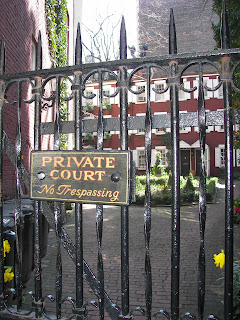
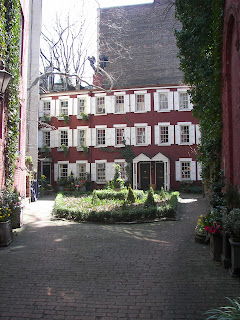
(Grove Court: Gotham Walking Tours LLC) Nestled between Numbers 10 and 12 Grove Street, one of the most charming streets of the West Village, is a row of six, brick-faced townhouses, sitting serenely in an ivy-laden patch of land. Welcome to Grove Court, one of several private courts scattered throughout the City. The three story structures are approximately 990 square feet in size – small structures when one considers the fact that the average size of townhouses in 19th Century New York City was a respectable 2,000 square feet. The six shuttered townhouses, completed between 1853 and 1854, were the brainchild of an enterprising businessman named Samuel Cocks; Cocks’ eponymous grocery was located at the corner of Grove and Bedford. What better way, he reasoned, to attract even more customers to his place of business, than by building a row of houses for tradesmen and laborers who, as luck had it, would end up patronizing his store.
(Grove Court: Gotham Walking Tours LLC) To understand the origins of Grove Court, however, requires a brief (I promise) history of Grove Street.
It didn’t start out as “Grove,” as those of us who are students of the necrology of New York City streets are no doubt aware. It was originally named “Columbia” Street, and then renamed “Cozine” Street, after a prominent family who lived in the area. From there, it became “Burrows” Street. William Burrows, an officer in the reconstituted United States Navy, saw service during the First Barbary War and the War of 1812. He died while in command of his ship, The Enterprise, during a skirmish with the British brig, The Boxer. Alas for the poor Lieutenant, Burrows Street was then renamed to “Grove” Street, so as to avoid any confusion with the nearby “Barrow” Street.
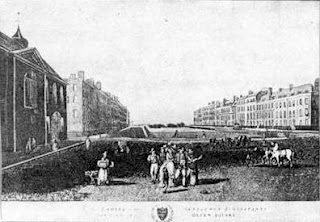
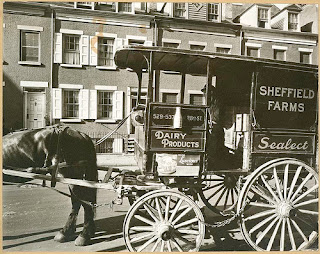
Grove Street was so named because of the lush greenery and cascading trees that once occupied the area. (It’s still a wonderfully “green” block by New York City standards). The charming row of Federal style houses to the right of Grove Court (note the Flemish bond brickwork, the six over six window panes and their clean lintels, the charming little dormers, and the wrought iron railings), were built by James N. Wells between 1825 and 1834. This row of houses (as well as Grove Court), evokes images of Bloomsbury, a district in Central London between Euston Road and Holborn, that is famous for its garden squares. Note the small buildings to the very far right of the following 1787 print of Queens Square, with the wonderful 1936 photograph by Berenice Abbott, also below, to get an idea of the similarities between the row houses:
(Bloomsbury: Wikipedia)
(Grove Street: Berenice Abbott, Changing New York, 1936, NYPL Digital Collection) Difficult to believe, but Grove Court was the last place one would want to live in mid-19th Century New York City. It lacked all the vestiges of respectability – the houses were small, lacked the stoops so common among the brownstones of the day, and, most glaringly, were devoid of any prestigious street frontage. They were, in short, “backhouses” designed to house the poor of the City. So poor, in fact, that its inhabitants couldn’t even afford a proper pint of ale and had to resort to drinking a foul concoction – the nasty dregs that remained in their local barkeeps’ beer barrel. Literally the “bottom of the barrel.” Hence Grove Court’s old moniker – “Mixed Ale Alley.” (It was also referred to as “Pig Alley.”)
In the 1920’s, the Grove Court parcel was sold by Trinity Church and the Trinity Corporation to Alentaur Realty Company, a real estate concern that intended to transform the houses into a haven for the artists and writers who were flooding into the Village. (Unfortunately, the further development of the parcel meant that families that had resided in Grove Court for a generation were displaced).
Trinity’s sale of the Grove Street parcel barely made a dent in its holdings: a 1705 land grant from Queen Anne to Trinity Church deeded all of the land west of Broadway, and between Fulton and Christopher Streets, to the Church. That huge swath of land, previously known as the “Queen’s Farm,” was subsequently referred to as the “Church Farm.”
(Trinity was also entitled to all unclaimed shipwrecks and beached whales in the Hudson. Now, I’ve lived in Tribeca, right on the Hudson, for a number of years, and have yet to see a whale, let alone a beached whale. (Does anyone know whether whales ever frequented the river?) As for unclaimed shipwrecks, I used to joke about that fact as well, until the construction crews at the World Trade Center site uncovered the skeletal remains of an 18th Century shipwreck in the foundation of the site. I’ve since taken the “shipwreck joke” out of the repertoire of stories I recount to my clients when telling them about the development of Lower Manhattan).
Times have changed . . . Grove Court is now one of the most coveted row of townhouses in the West Village; a private enclave that, somewhat like Gramercy Park, is inaccessible unless you have access to one of the coveted keys that unlock its solitary, narrow gateway. Thankfully, Grove Court survived a 1950’s plan to raze the townhouses and to replace them with a playground for P.S. 3, the elementary school located directly opposite its gateway.
So . . . the next time you’re in the neighborhood . . . look for this little oasis of greenery nestled between the houses on Grove. Close your eyes, block out the street noise (and the gaggle of natives and visitors alike who are busily taking photos of the television series’ “Friends” house located at the junction of Grove and Bedford), and imagine yourself living in this wonderful little Court.
We can dream . . . can’t we?
(This is one of several articles that will focus on the City’s hidden enclaves. Please stay tuned . . . . )
Walk Gotham! POSTED BY WALKING GOTHAM LABELS: BERENICE ABBOTT, GREENWICH VILLAGE, GROVE COURT, GROVE STREET, REAL ESTATE, WEST VILLAGEG GOTHAMWelcome to Walking Gotham! This blog celebrates the extraordinary nature and diversity of New York City: its history, culture, architecture, people, culinary traditions, ever-changing real estate market, off-the-beaten paths, and more. I hope you enjoy the postings – both short fiction and nonfiction – and I welcome any comments you may want to share. Looking forward to hearing from you. Warm regards, Lina.VIEW MY COMPLETE PROFILE
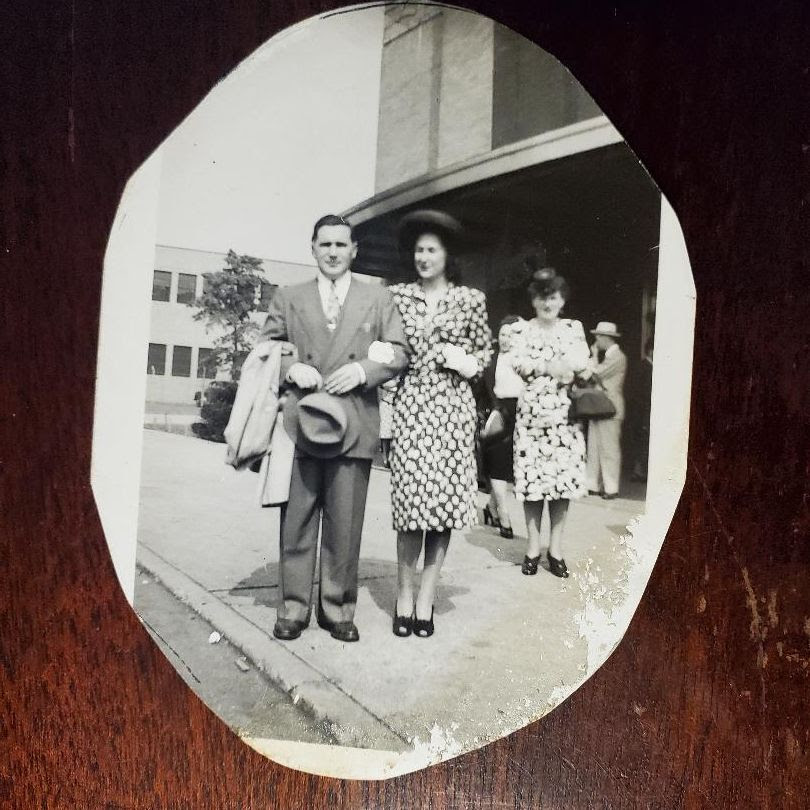
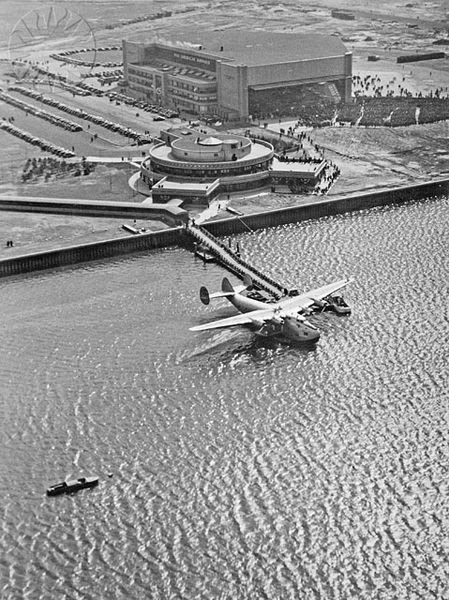
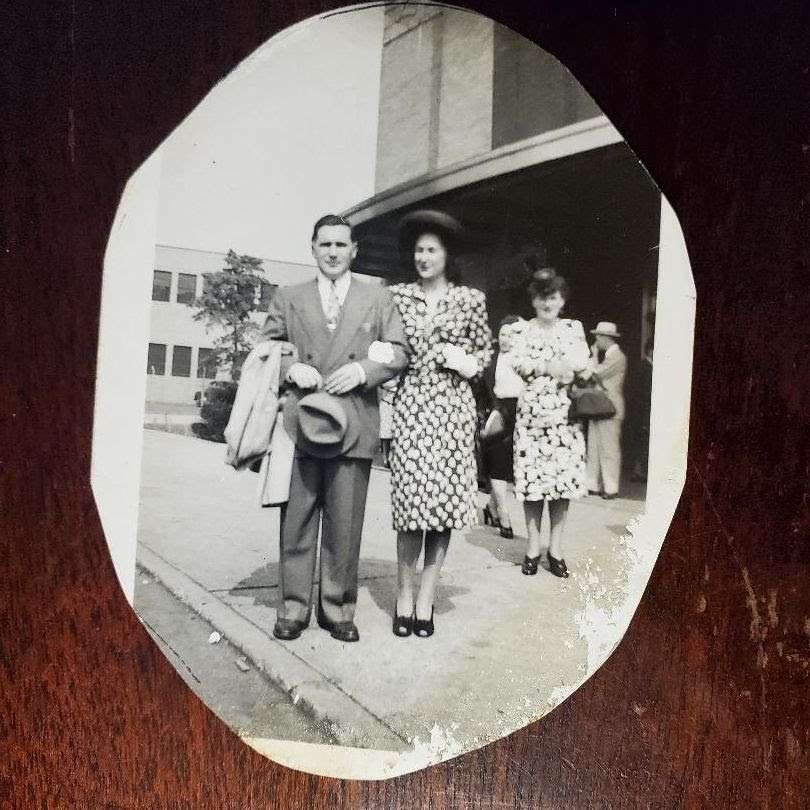
IRVING AND RUTH BERDY, MY PARENTS (BEFORE I WAS BORN) AT THE MARINE AIR TERMINAL AT LA GUARDIA. IRVING WAS DEPARTING FOR LONDON VIA GANDER, NEWFOUNDLAND AND SHANNON, IRELAND TO FLY TO GREAT BRITAIN IN 1946. PLEASE NOTE PROPER ATTIRE FOR A PASSENGER!!! PAT SCHWARTZBRG, NINA LUBLIN, THOM HEYER, ALEXIS VILLAFANE, ELLEN JACOBY, JAY JACOBSON ALL GOT IT RIGHT
Text by Judith Berdy Thanks to Bobbie Slonevsky for her dedication to Blackwell’s Almanac and the RIHS Thanks to Deborah Dorff for maintaining our website Edited by Melanie Colter and Deborah Dorff
All image are copyrighted (c) Roosevelt Island Historical Society unless otherwise indicated
ACKNOWLEDGEMENTS WALKING GOTHAM:
A WALKERS GUIDE TO NEW YORK CITY
PHOTOS COURTESY OF JUDITH BERDY
THIS PUBLICATION FUNDED BY DISCRETIONARY FUNDS FROM CITY COUNCIL MEMBER JULIE MENIN & ROOSEVELT ISLAND OPERATING CORPORATION PUBLIC PURPOSE FUNDS.
THANK YOU TO RACHEL MAINES AND GLORIA, MARK HERMAN, CAROLINE CAVALLI, MR. & MRS. RICHARD MEYER, NANCY BROWN, ARLENE &STEVE BESSENOFF, MARIE EWALD & DAVID DANZIG, BARRY & JUDY SCHNEIDER, & MICHELLE ROY, ARON EISENPRESIS FOR THEIR DONATIONS. WE ARE WAITING TO ADD YOUR NAME TO OUR DONOR LIST
We need your help this spring to help us restore and enhance our garden. Our goal is $2000.00 for a complete restoration of soil, drainage, plantings and fencing. We will update donations daily. We will list our donors.
Join us in making our garden thrive again. ALL DONATIONS ARE TAX DEDUCTIBLE
TO MAKE YOUR DONATION: https://rihs.us/donation/ TO MAKE YOUR DONATION BY CHECK: R.I.H.S., 531 MAIN STREET, #1704. NY NY 10044
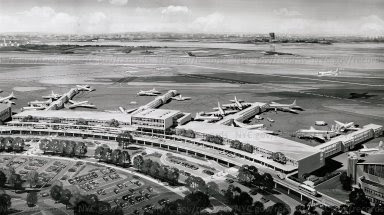
For years La Guardia was known as the worst airport by a certain former Vice President……now it is almost completely rebuilt.
This is when La Guardia was the best and only airport in town!!!
Just for comparison La Guardia is built on only 680 acres, less than 5 times the size of Roosevelt Island
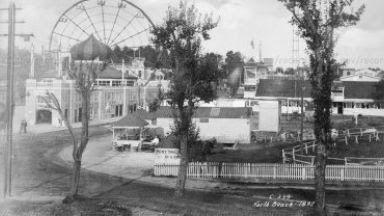
North Beach Amusement Park was on the site of the North Beach then La Guardia Airport.
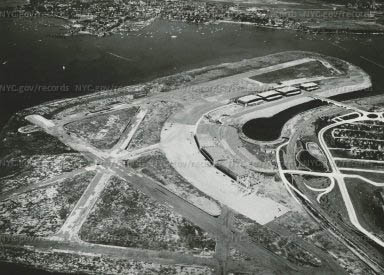
Proposed Municipal Airport No. 2, North Beach 1934-1945
Rendering, aerial view of landplane base administration building proposed for North Beach Airport.
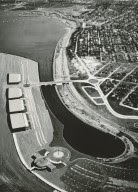
Aerial view, North Beach Airport, 1940
Aerial view, North Beach Airport (Partial rendering)1940
Air view of North Beach Airfield; Parking lots in back of American Airlines hangars. Flushing Bay in rear
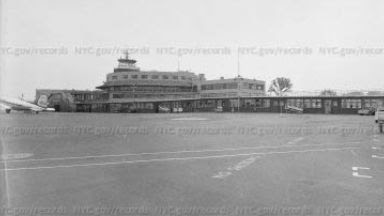
LaGuardia Airport Terminal seen from the field (dense)
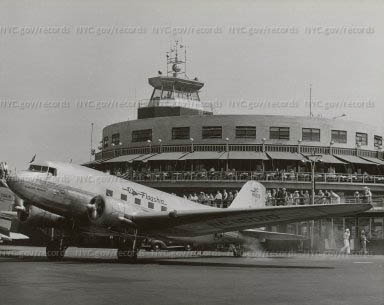
LaGuardia or North Beach Airport, American Airlines DC-3 at terminal.
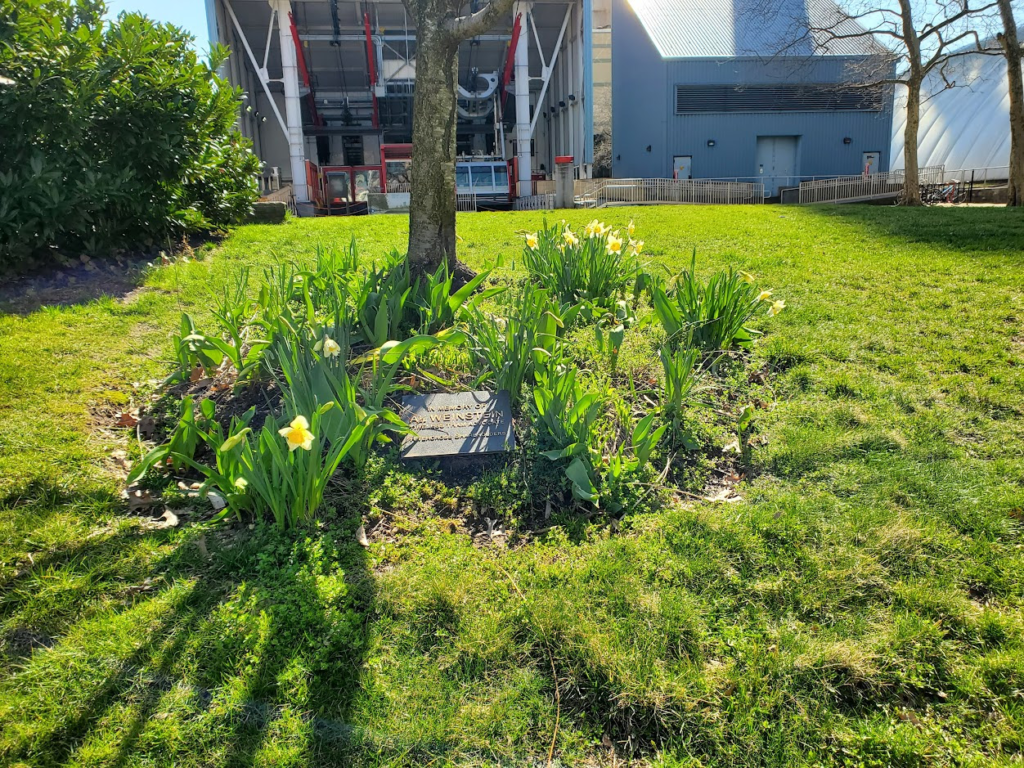
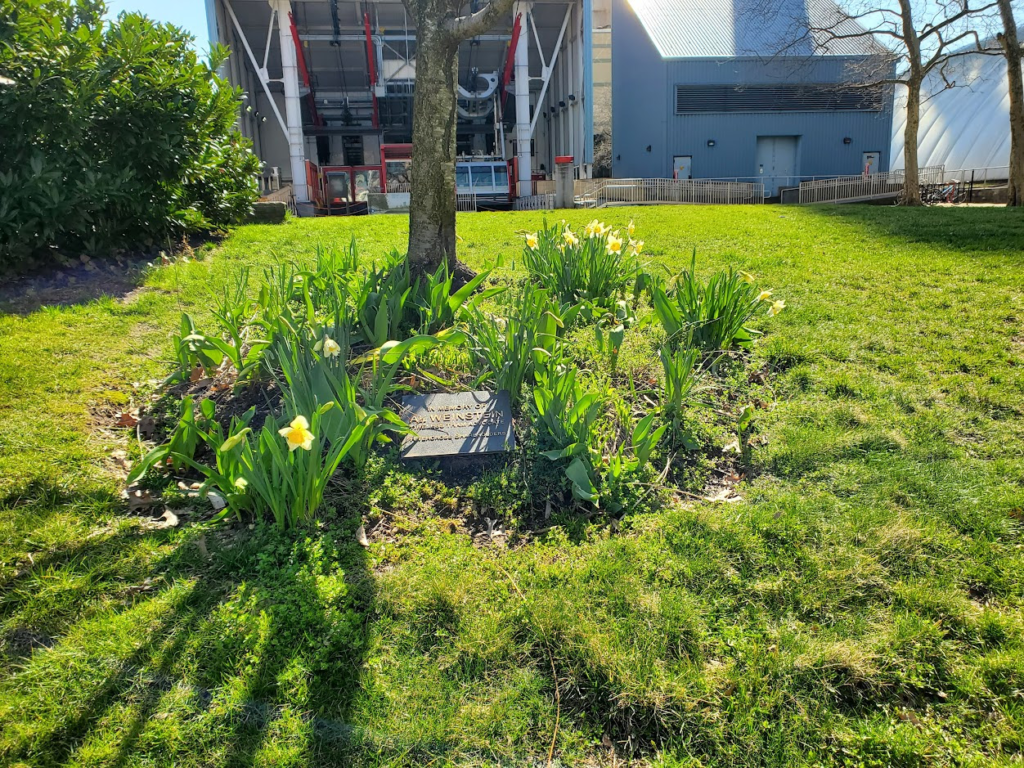
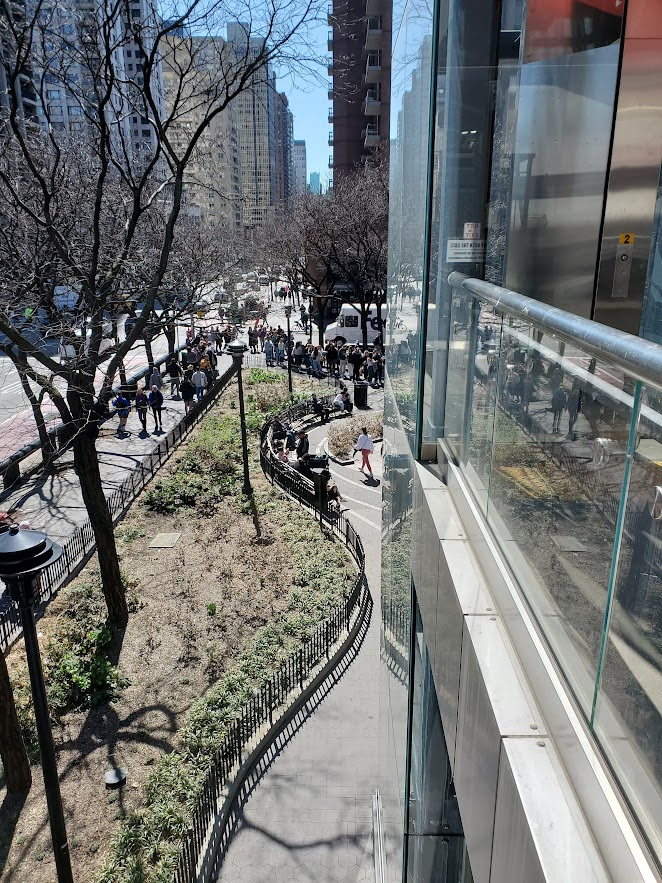
VISITORS WAITING TO ENTER THE TRAM STATION SUNDAY AT 2 P.M. NINA LUBLIN, JUDY SCHNEIDER,GLORIA HERMAN, ALEXIS VILLAFANE ALL GOT IT RIGHT
ACKNOWLEDGEMENTS NYC MUNICIPAL ARCHIVES
PHOTOS COURTESY OF JUDITH BERDY
Text by Judith Berdy Thanks to Bobbie Slonevsky for her dedication to Blackwell’s Almanac and the RIHS Thanks to Deborah Dorff for maintaining our website Edited by Melanie Colter and Deborah Dorff
All image are copyrighted (c) Roosevelt Island Historical Society unless otherwise indicated
THIS PUBLICATION FUNDED BY DISCRETIONARY FUNDS FROM CITY COUNCIL MEMBER JULIE MENIN & ROOSEVELT ISLAND OPERATING CORPORATION PUBLIC PURPOSE FUNDS.