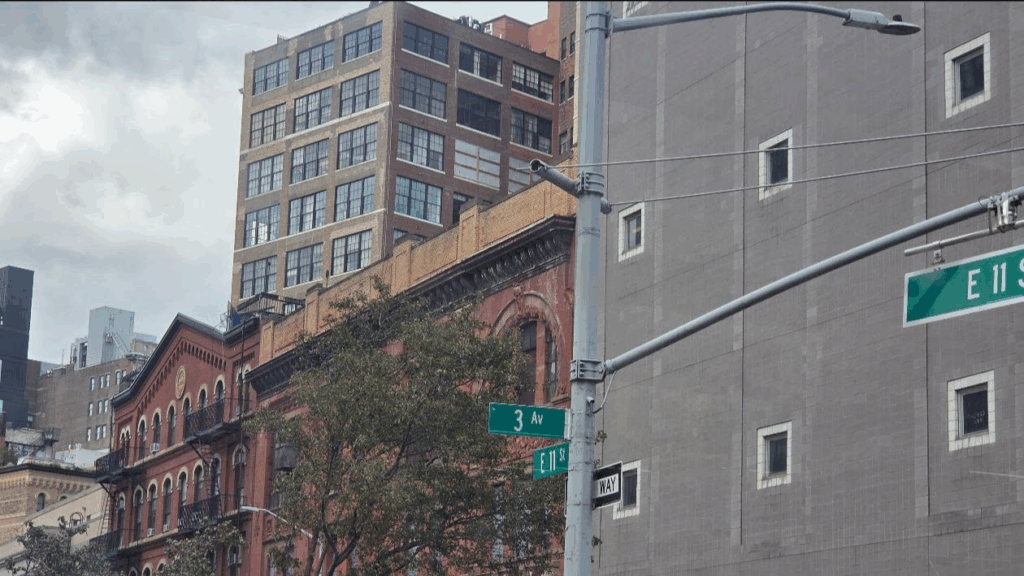
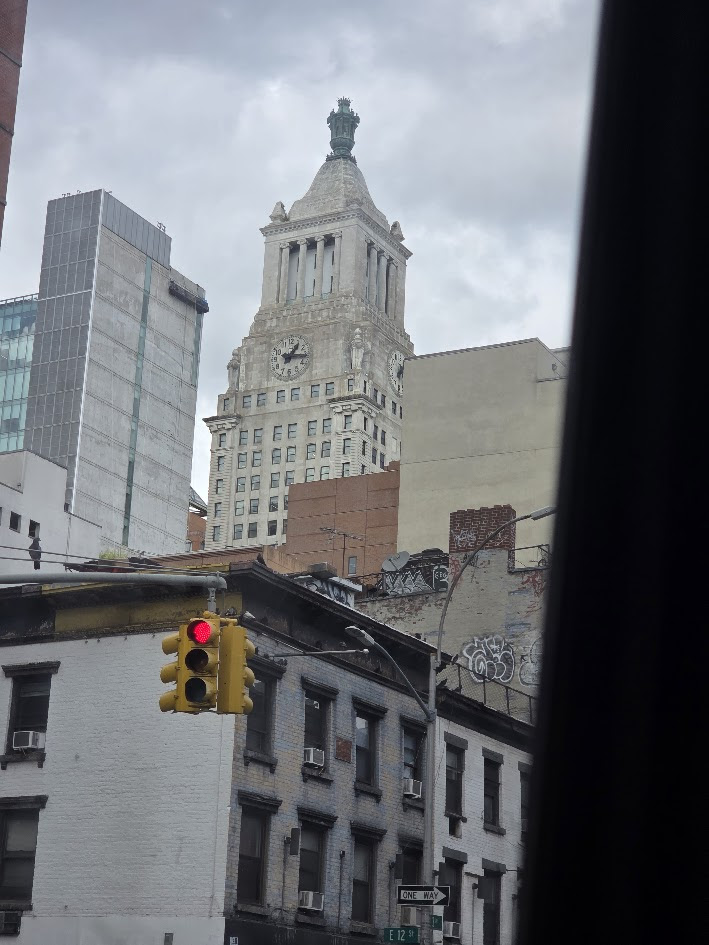
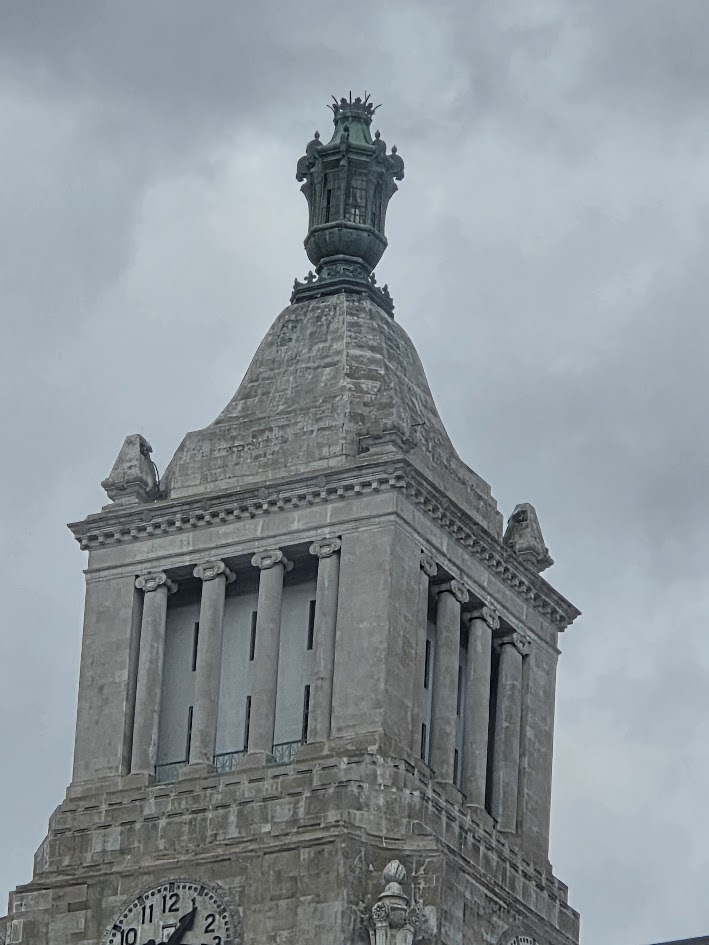
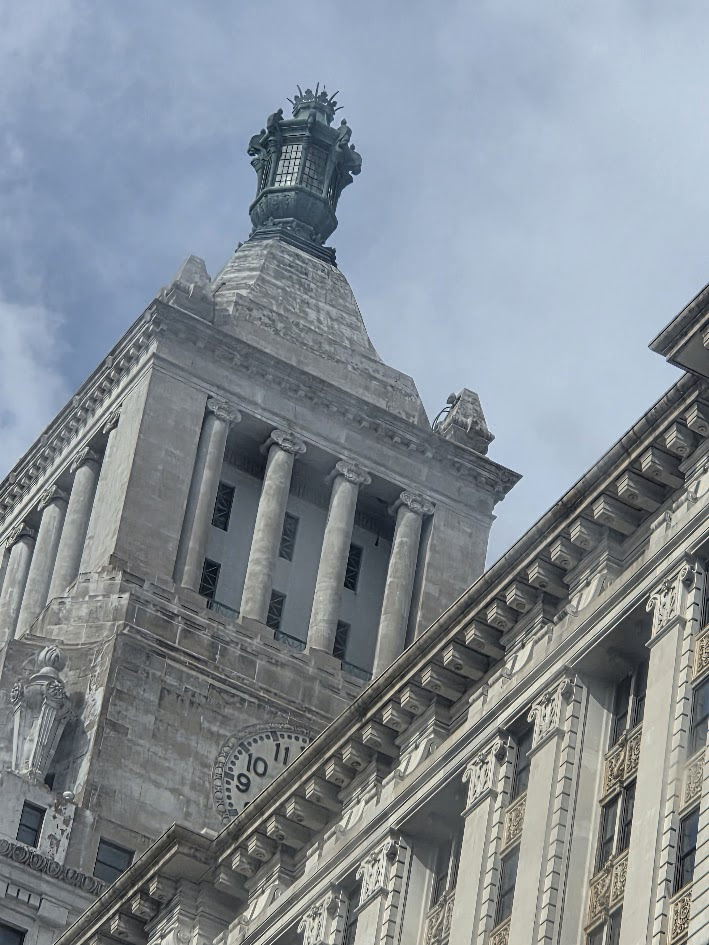
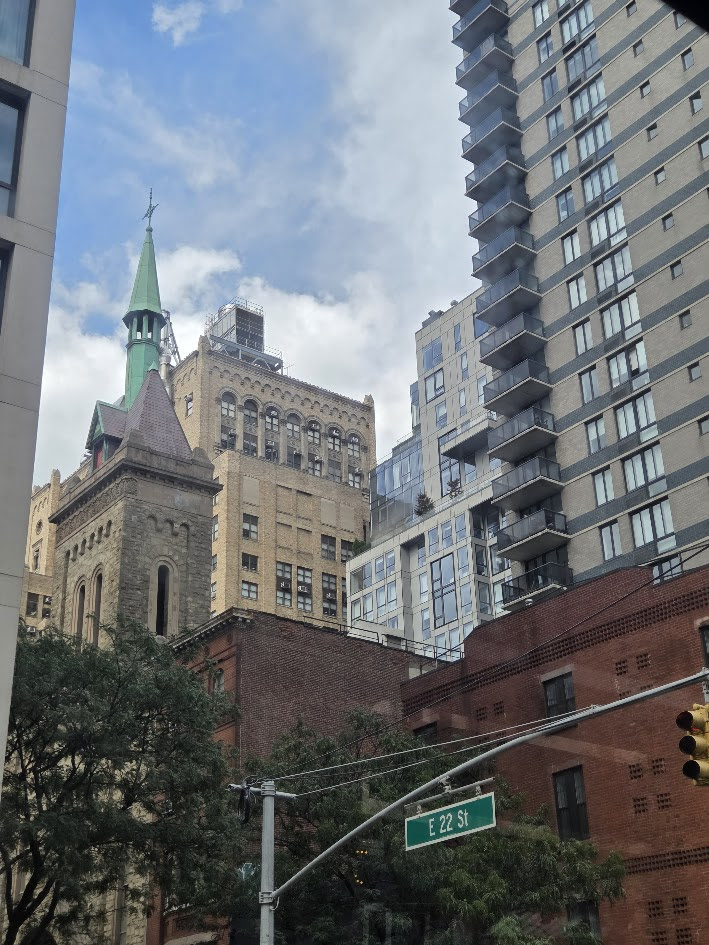
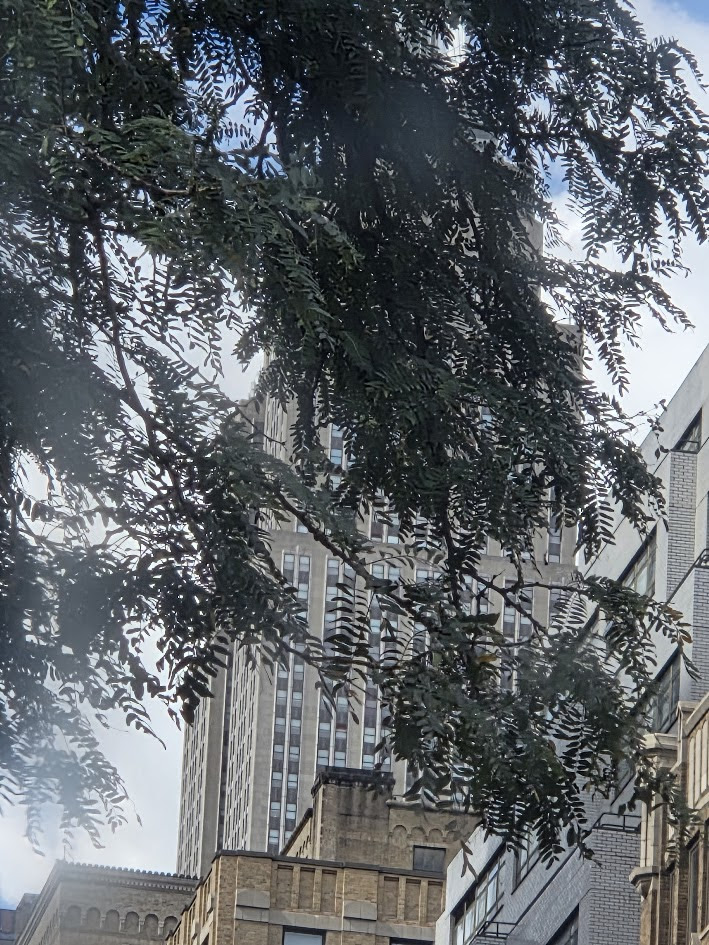
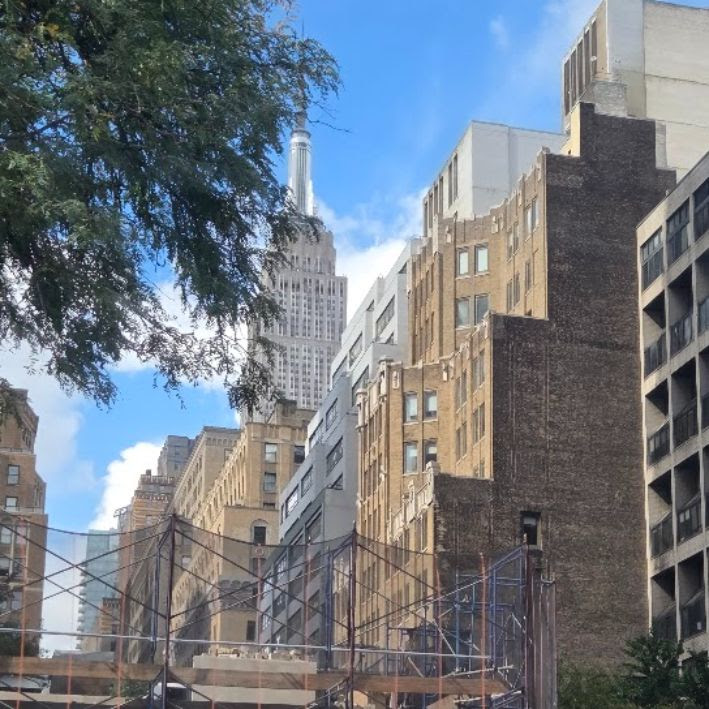
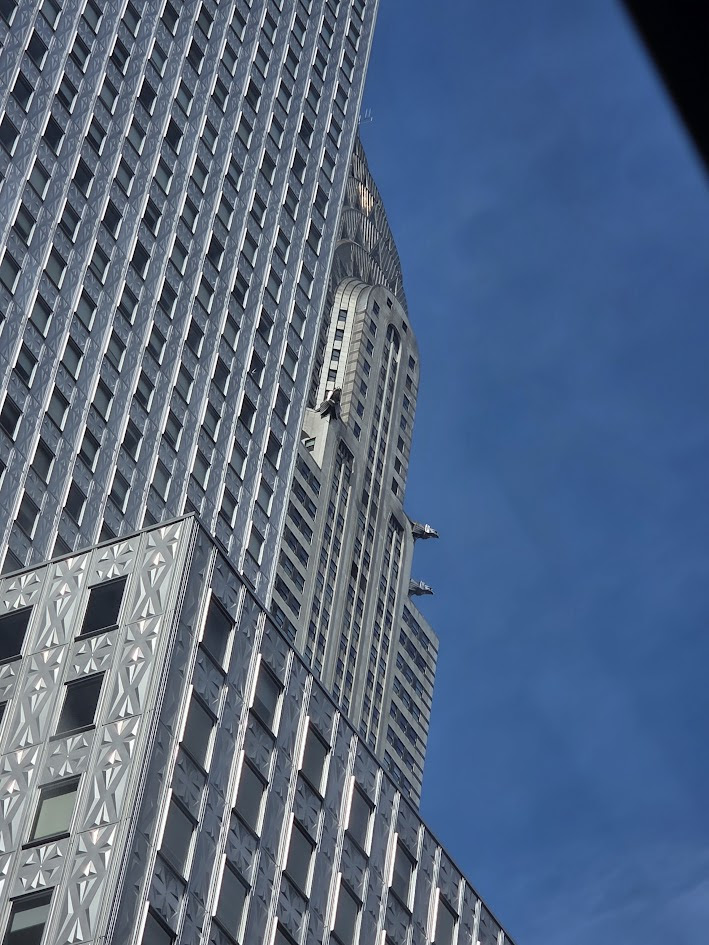
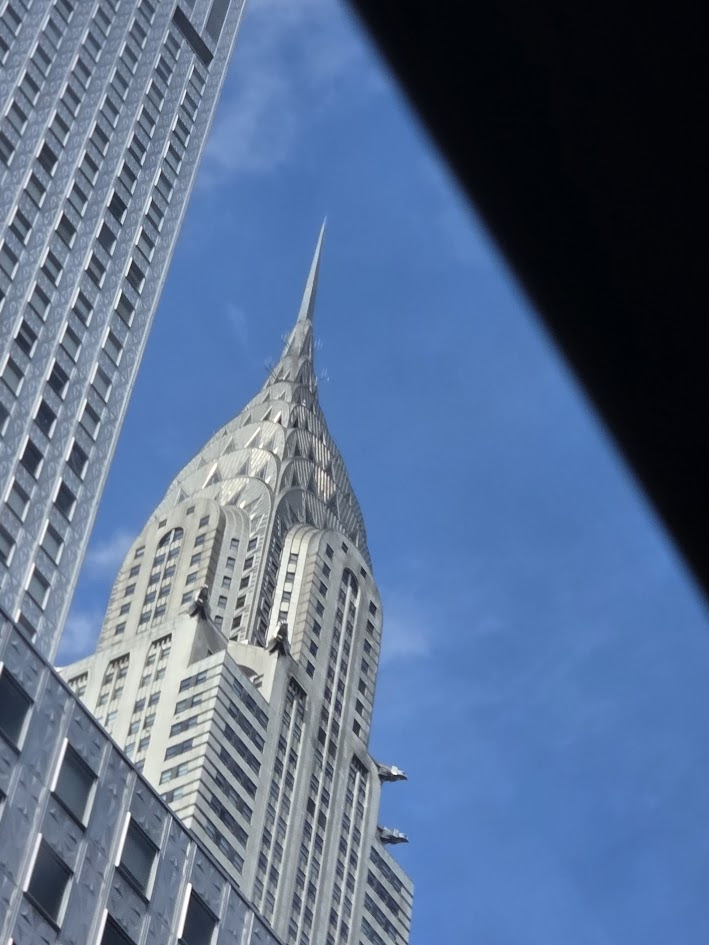
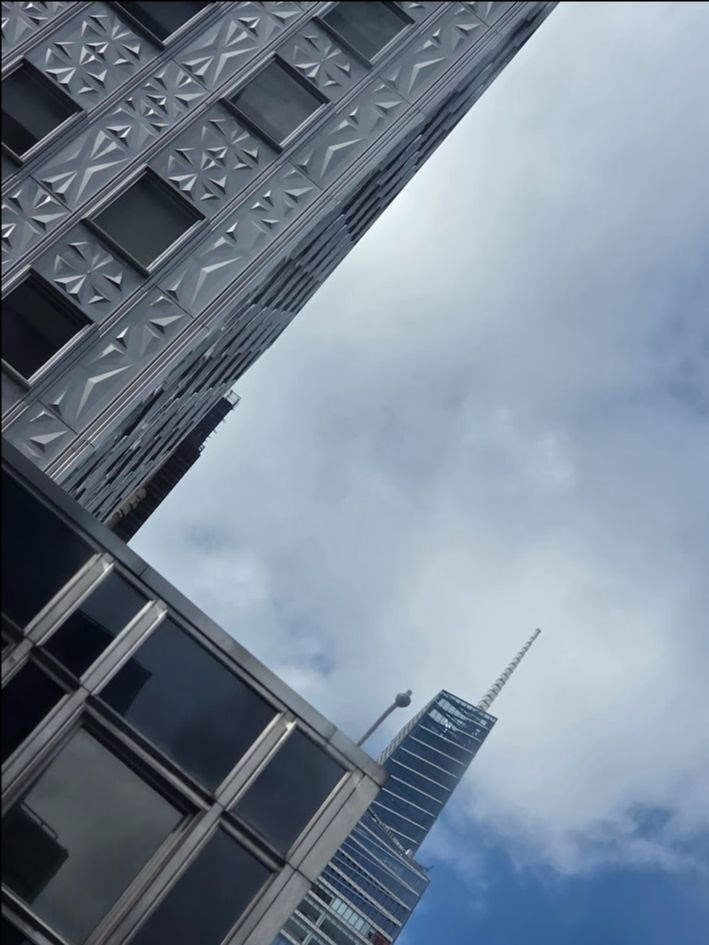
This afternoon, I was traveling north on the Q103 bus and spotted our skyscrapers and other high rise attractions from my seat. The angles are a little off, but that is the fun of trying to grab a shot in Third Avenue mid-afternoon travel.
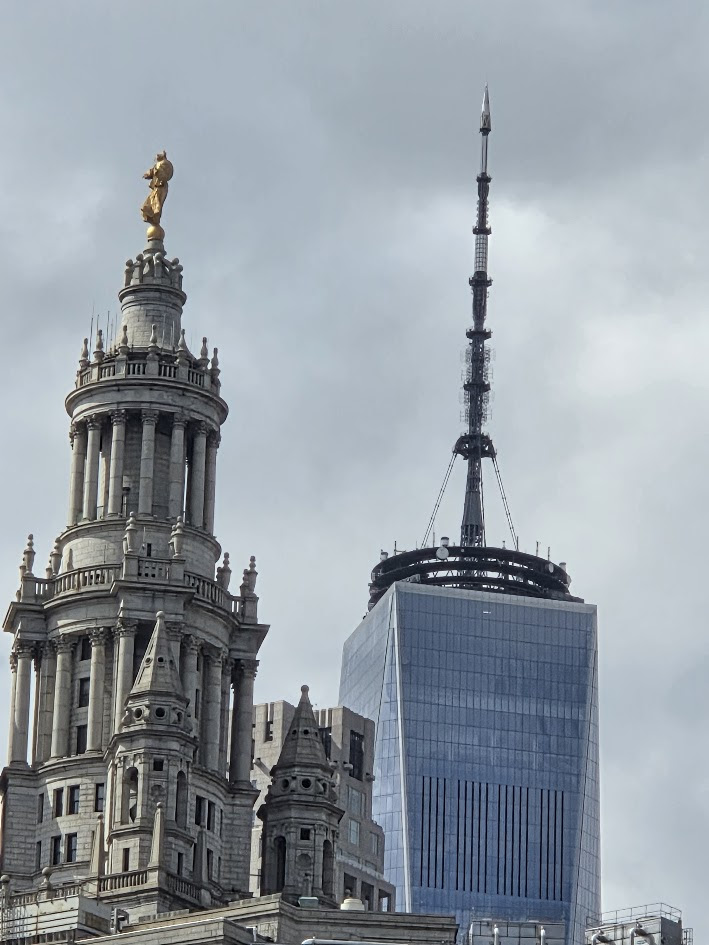
The Municipal Building and One World Trade from Chatham Square
From glorious brick to contemporary gray at 11th Street
Approaching Con Ed on Irving Place
A temple to electricity
I can almost tell the time.
A Lutheran Church peeking out
We all know what is behind the tree.
A little closer
Chrysler peeking out from former Mobil Oil headquarters
Chrysler in full view
One Vanderbilt may look better on an angle
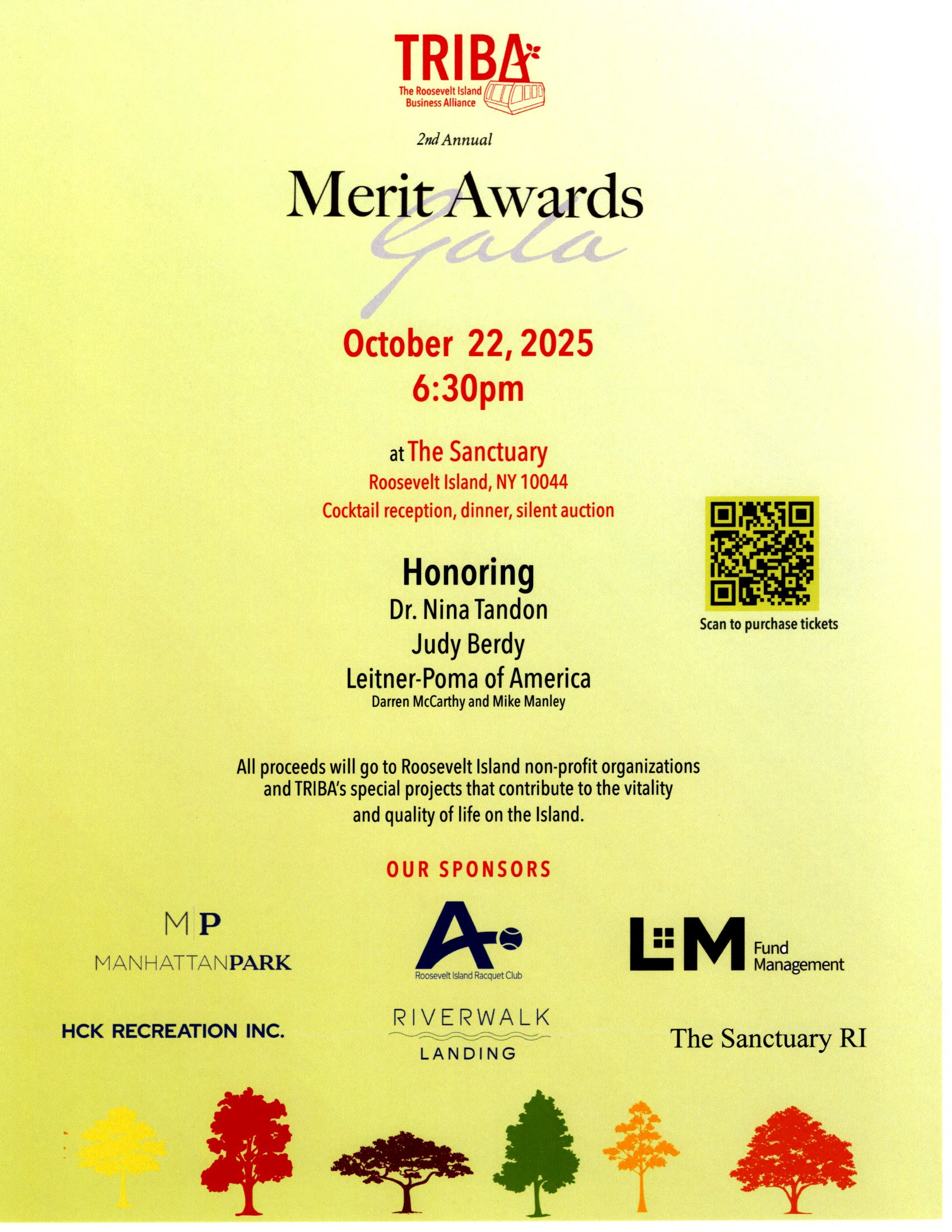
Save the Date Wednesday, October 15th 1 p.m. at the Tram Lawn for the Revealing of the “Roosevelt Island 1969-2025 Maps and Images”
Judith Berdy
Credits
All image are copyrighted (c) Roosevelt Island Historical Society unless otherwise indicated THIS PUBLICATION FUNDED BY DISCRETIONARY FUNDS FROM CITY COUNCIL MEMBER JULIE MENIN & ROOSEVELT ISLAND OPERATING CORPORATION PUBLIC PURPOSE FUNDS.
Mansions, equipages, Parisian ball gowns, box seats at the Academy of Music—top-tier Gilded Age families had access to the finest material luxuries, thanks to their deep pockets and social influence in post-Civil War New York.
Yet one luxury some Gilded Age elites desired was much harder to come by: a family connection to royalty.
America had no aristocracy, of course. But Europe did. And many lesser dukes, earls, counts, and barons in England and across the continent were finding it difficult to maintain their expensive lifestyles and ancient estates while watching their funds dwindle in poor economic conditions.
So emerged the “dollar princesses.” These marriage-age daughters of posh American families were typically pressured into tying the knot not for love but status.
Their family would arrange a dowry of sorts for the intended husband who needed the cash infusion. In turn, his new wife would gain an aristocratic title—and her social-climbing relations became linked to nobility.
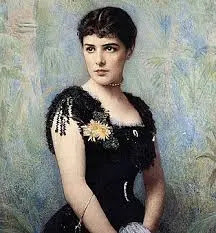
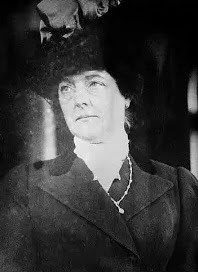
One of the earliest dollar princesses was Jennie Jerome (below left), the 19-year-old daughter of “King of Wall Street” Leonard Jerome. Jennie married Lord Randolph Churchill in 1874. (She gave birth to their son Winston seven months later.)
Perhaps the best known dollar princess was Consuelo Vanderbilt (below right), who was strong-armed by her mother, Alva, into giving up the American suitor she loved and accepting a proposal in 1894 from Charles Spencer-Churchill, aka the 9th Duke of Marlborough—a man she met on a visit to England when she was 17.
“We reached a stage where arguments were futile, and I left her then in the cold dawn of morning feeling as if all my youth had been drained away,” Consuelo recalled in a final confrontation with her manipulative mother at their Newport mansion in her 1953 autobiography, The Glitter and the Gold.
Both Jennie and Consuelo’s marriages were marred by infidelities and the transactional nature of the relationships. Consuelo cried the morning of her wedding, noting that she was 20 minutes late to the ceremony at St. Thomas Church because she had so many tears to wipe away under her veil.
The stories of these two high-profile dollar princesses have been retold over the years, with Consuelo currently serving as the inspiration for Gladys Russell in HBO’s The Gilded Age show.
But there’s a lesser-known dollar princess from New York City who also married an aristocrat from the UK. It was an unhappy union as well. But the marriage produced a descendent first known as Lady Diana Spencer and then Princess Diana, the modern world’s most famous princess.
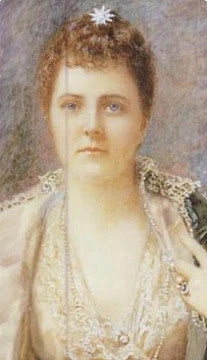
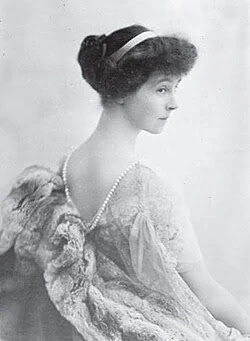
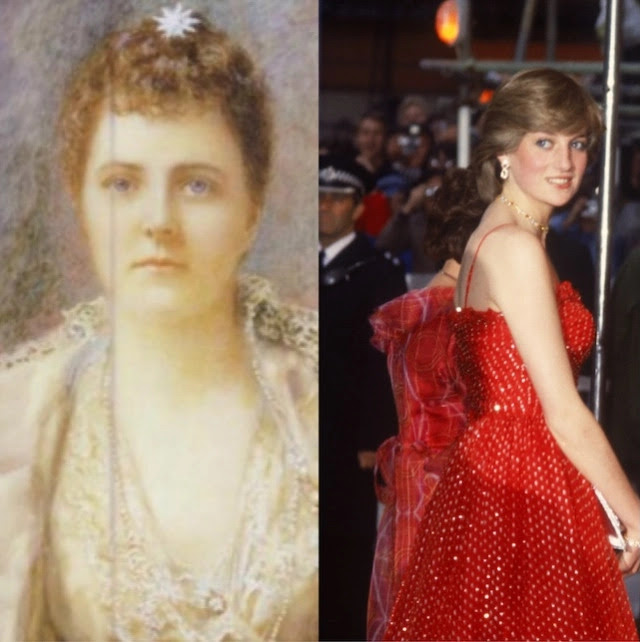
The dollar princess’s name was Frances Ellen Work (top image and at left). Born in the fashionable Madison Square neighborhood in 1857, Fanny was the daughter of a Midwesterner who earned his fortune as Cornelius Vanderbilt’s personal stockbroker, according to American Aristocracy.
Fanny grew up at 13 East 26th Street, on the northern end of Madison Square Park. Bright and fluent in French, she summered in Newport and made the rounds of social events in New York City.
“She was also headstrong, so when the handsome James Burke Roche—the son of an Irish Lord with empty pockets but ladles of charm—proposed, she ignored her father’s angry remonstrations and married him anyway,” notes American Aristocracy.
Fanny’s father may not have been pleased by the nuptials; he reportedly cut his daughter’s allowance to $7,000 per year. (Not a bad sum in the 1880s.) Yet he did pay off her husband-to-be’s $50,000 in gambling debts.
But she had the support of her grandmother, according to a writeup in History Collection, who wanted her “exceptionally beautiful” granddaughter to “run in the most prestigious social circles of them all: British nobility.”
The marriage took place at Christ Church in September 1880. Two daughters and twin sons were born to the couple, and Fanny’s father once again paid off his son-in-law’s gambling debts, which now amounted to $100,000. By 1886, Fanny Burke Roche had enough. She fled to New York and filed for divorce, claiming desertion.
The divorce was messy, thanks to custody disputes and the fact that American divorces were not valid in England at the time. Fanny married again in 1905 at the Empire Hotel, this time to her Hungarian-born driving instructor. That marriage also ended in divorce a few years later.
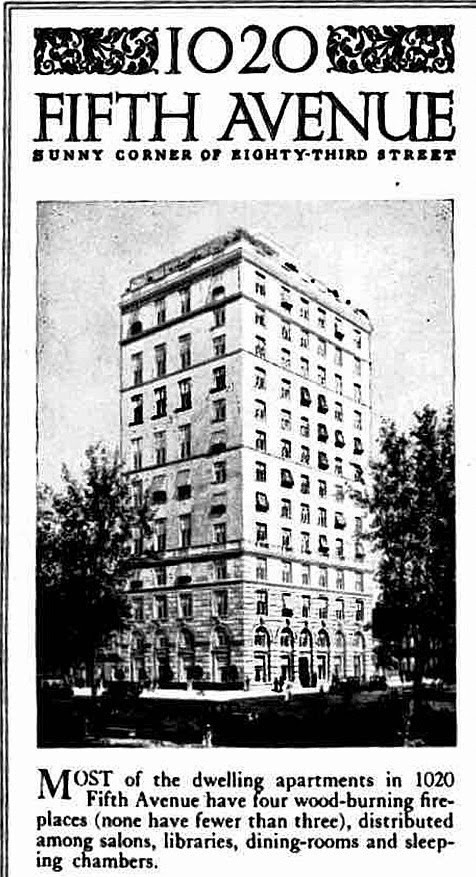
When her father died in 1911, Fanny inherited a portion of his $14 million fortune. For the rest of her life, she entertained at her apartment at 1020 Fifth Avenue (below ad from the 1920s) and in her Newport mansion. She also visited various European destinations.
“Mrs. Burke Roche, during her later years, divided her time between this country and Europe, visiting her son, Lord Fermoy, who in addition to the title, inherited an estate of 20,000 acres at Rockbarton, County Limerick, Ireland, and a seat in the British Parliament,” reported the New York Times in Fanny’s 1947 obituary, which stated that she died in her apartment at the age of 90.
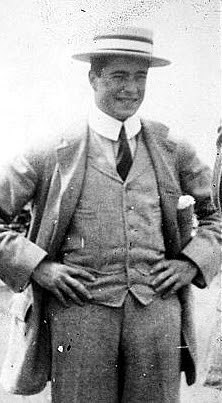
Here’s where the Princess Diana connection comes in. The son she visited in Ireland, Lord Fermoy, aka Edmund Maurice Burke Roche (above right), had a daughter named Frances Ruth Roche.
This daughter grew up to marry John Spencer, and the two became parents to four children—including Princess Diana in 1961.
Diana was born into the British aristocracy, and she hailed from a long line of UK nobles. But her connection to Gotham’s Gilded Age through a beautiful and independent-minded great-grandmother (who is also great-great-grandmother to William and Harry, and great-great-great grandmother to their children) adds a historical New York angle to her compelling life story.
[Top photo: American Aristocracy; second photo: American Aristocracy; third photo: Wikipedia; fourth photo: Wikipedia; fifth photo: American Aristocracy; sixth image: Wikipedia; seventh image: American Aristocracy (Frances Ellen Work) and Getty Images via Oprah Daily (Princess Diana)]
Save the Date Wednesday, October 15th 1 p.m. at the Tram Lawn for the Revealing of the “Roosevelt Island 1969-2025 Maps and Images”
Credits
Ephemeral New York
All image are copyrighted (c) Roosevelt Island Historical Society unless otherwise indicated THIS PUBLICATION FUNDED BY DISCRETIONARY FUNDS FROM CITY COUNCIL MEMBER JULIE MENIN & ROOSEVELT ISLAND OPERATING CORPORATION PUBLIC PURPOSE FUNDS.
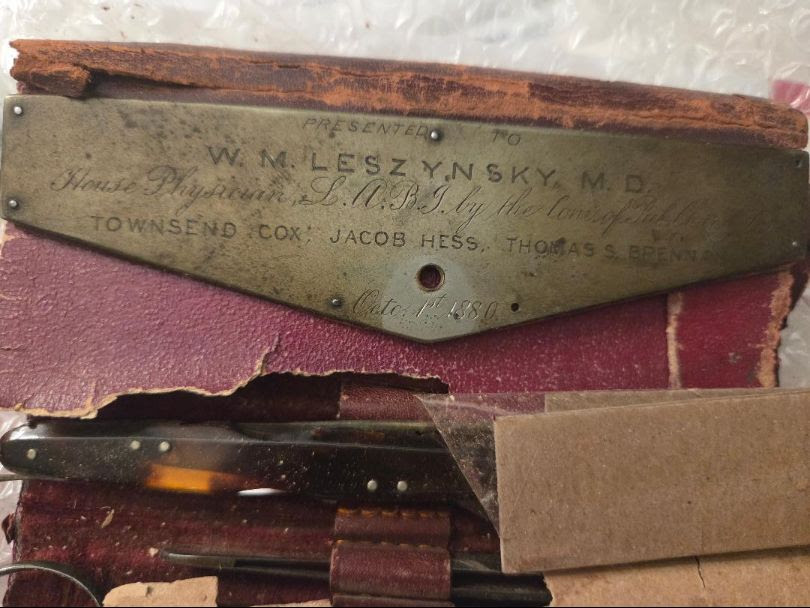
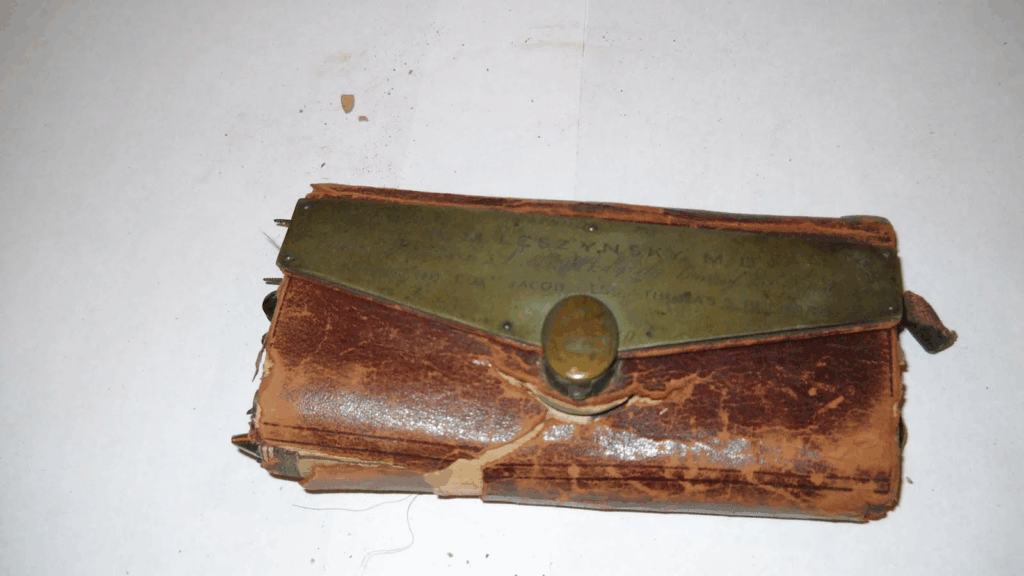
PRESENTED TO W.M. LESZYNSKY, M.D. HOUSE PHYSICIAN L.A.B.I. By the Comm of Pub Charity cor. TOWNSEND COX JACOB HESS THOMAS S. BRENNAN Oct. 1st, 1880
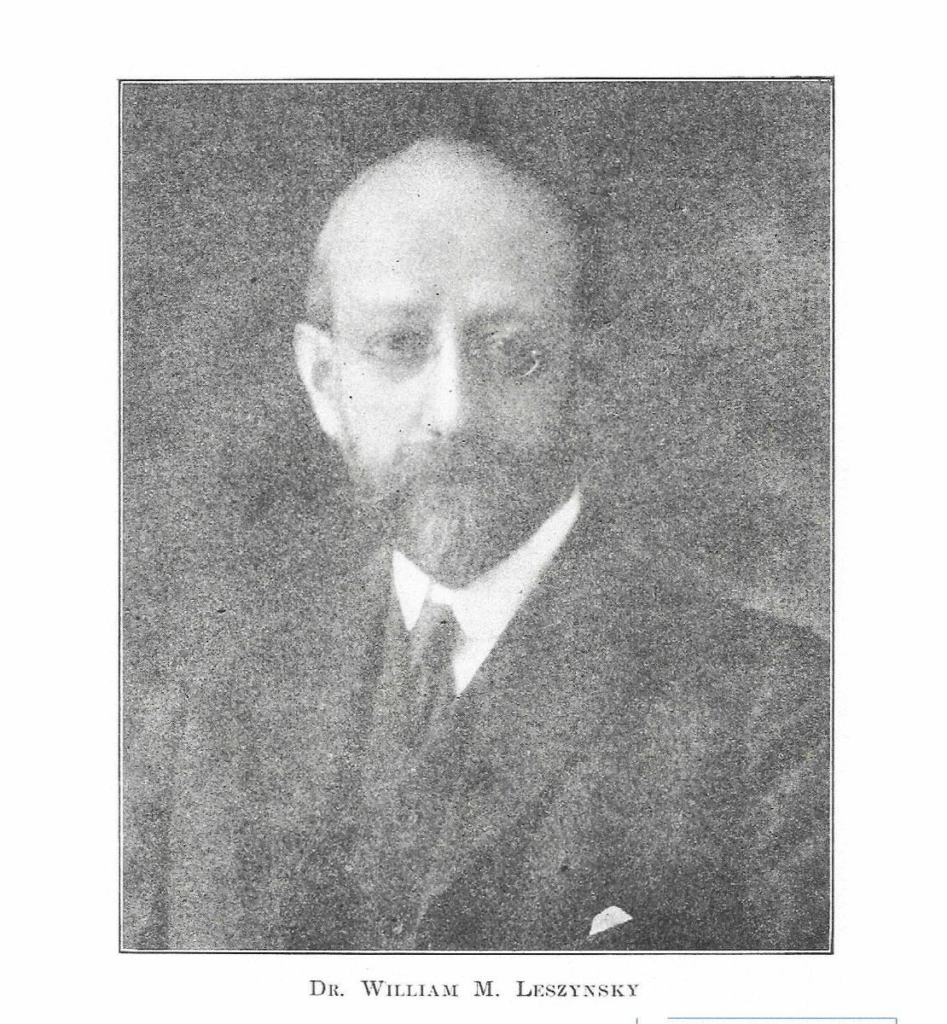
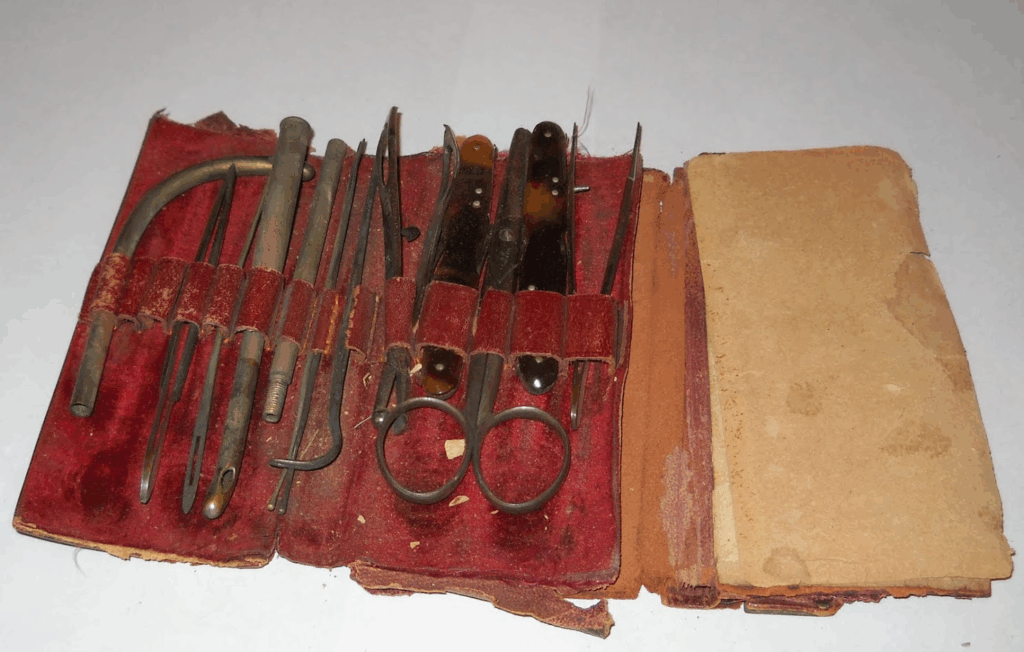
About 12 years ago the RIHS received a donation of a surgical kit from a physician who worked at the Blackwell’s Island Lunatic Asylum. Dr.Leszynsky went on to have a career in neurology (1859-1923), practicing at may New York hospitals.
The kit as we received if from Cathey Brinton, MD of Seattle.
A traveling surgical kit with instruments.
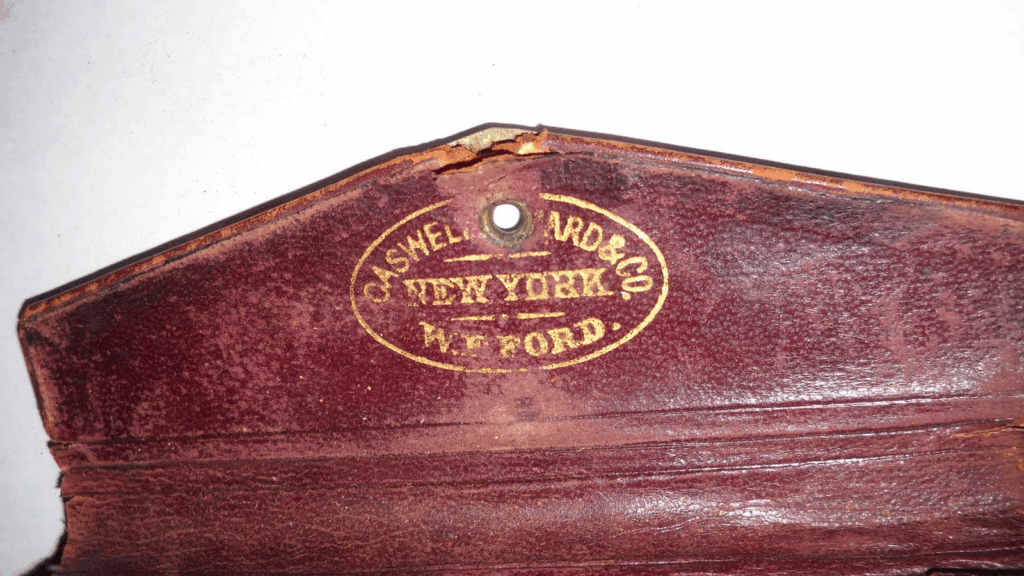
The manufacturer was in New York, one of many that supplied surgeons during the Civil War. Without census records the RIHS and other historic preservation, genealogical and archival organizations would have little biographical information to work with.
One person that I followed thru the census records was William Leszynsky, MD.
Dr. Leszynsky was a House physician at the Blackwells Island Lunatic Asylum . At one point of his work on the island he was presented with a leather and brass engraved surgical instrument set.
We tracked Dr. Leszynksy from census records.
In 1860 his mother Amelia was married to Henry and living in San Francisco In the 1870 William, 13 years old was one of 6 children of Henry and Amelia living in New York City In 1880 William, 25 was a physician living in New York City (His address is listed as the B.I. Lunatic Asylum) In 1900 William, 40 was married to Adele for 5 years and lived in Manhattan and listed as a physician. In 1910 William 52 and Adele lived in Manhattan and listed as a physician. In 1920 William, 62 and Adele were living in Manhattan listed as a Physician Neurology. In 1930 Adele (listed as Belle) was living in Manhattan, with a housekeeper Mary Cronin
(The ages do not add up by the years indicated)
It his Wikipedia listing Leszynsky graduated from University Medical College in 1878.(now NYU) . He died March 3, 1923. There are numerous papers listed on-line for him including one on “Coffee as a Beverage: It’s Deleterious Effects on the Nervous System.
Credits
Roosevelt Island Historical Society
All image are copyrighted (c) Roosevelt Island Historical Society unless otherwise indicated THIS PUBLICATION FUNDED BY DISCRETIONARY FUNDS FROM CITY COUNCIL MEMBER JULIE MENIN & ROOSEVELT ISLAND OPERATING CORPORATION PUBLIC PURPOSE FUNDS.
The Yom Kippur Riot of 1898: Lower East Side in Turmoil
Thursday, October 2, 2025
Bowery Boys
Issue # 1545
When I hear of so-called “riots” on the Lower East Side during the late 19th century, my mind goes to disgruntled newsies or agitated garment workers, rising up for fair wages and employment.
Or maybe a vicious street gang like the Whyosprimed to wreck havoc.
I don’t immediately think of the orthodox Jewish community.
But it was indeed dissatisfied members of this group that staged a bit of chaos on the corner of Canal and Division streets during Yom Kippur (the tenth day of Tishrei, or, in 1898, late September).
According to the New York Sun, the violence centered around a Russian Jewish coffee house owned by the Herrick brothers at 141 Division Street, a popular gathering place for ‘political spell-binders and labor agitators’ with likely a more casual atmosphere than the many Jewish restaurants surrounding it and certainly popular with young men.
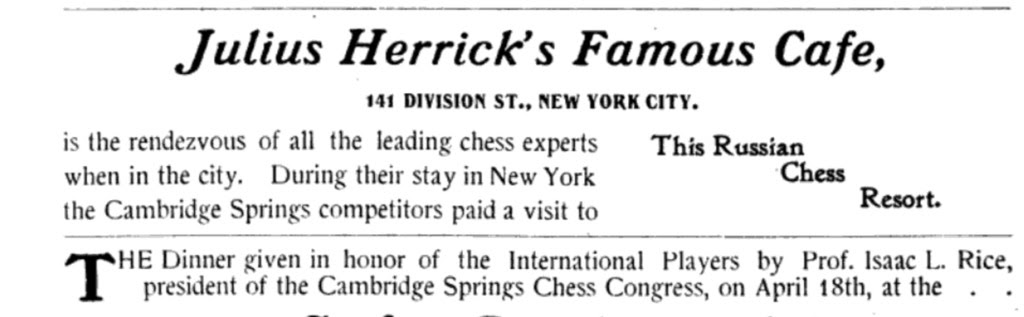
Here’s an advertisement for Herrick’s in a chess journal from 1904. By then the cafe was clearly a notable spot for chess players:
Even as sundown approached and traditional Jewish places closed their doors for the holiday, Herrick’s cafe stayed open, with tables occupied with young men in apparent disregard for the custom of fasting.
The Sun article makes a point to label most offenders as ‘American-born’ and ’16 to 18 years old’ — as in rebellious, with an implied lack of respect towards tradition.
The Herricks had actually planned this display of defiance, going so far as to advertise in an ‘anarchistic‘ newspaper that they would remain open for the holiday. They were prepared for some opposition, certainly, but certainly not for what came next.
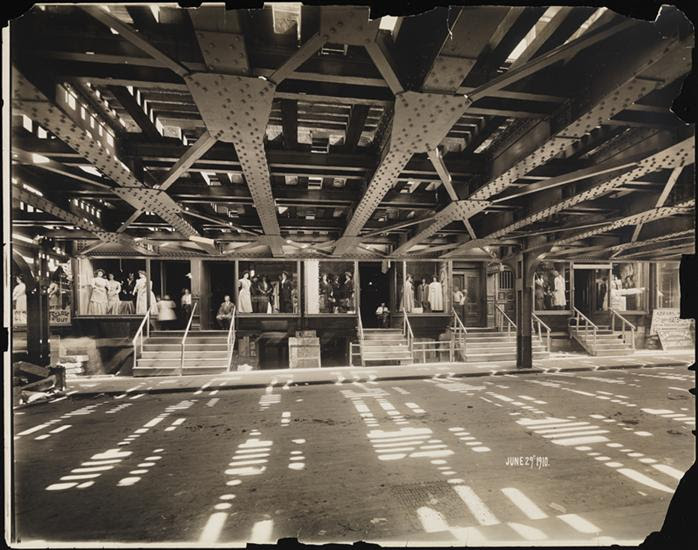
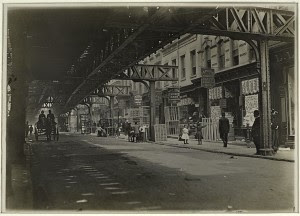
Below: Under the Division Street elevated, 1910
Courtesy Museum of the City of New York
According to the Sun, at sight of the violation, angry orthodox men mobbed the place, throwing stones and smashing the cafe windows.
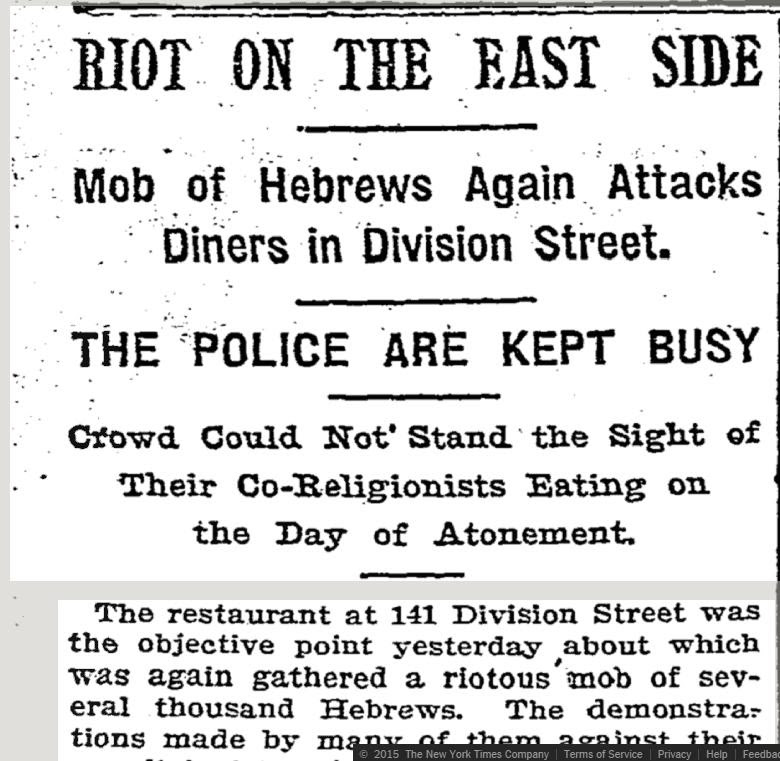
The New York Times reports that ‘several thousand Hebrews’ soon arrived to protest in the surrounding streets. The police from the local Madison Street station were called to quell the violence and asked the proprietors to close their cafe for the evening.
But violence further escalated the following day, when one of the brothers reopened the cafe the next morning ‘for customers, Jewish and Gentile, all day, at the usual prices’.
Hat stores on Division Street, below the elevated train and a bit west of the action in this article. Picture is from around 1907 (NYPL)
Fearing a repeat of the evening’s disruptions, police cordoned off the street to no avail. When diners left the cafe this time, they were met by “several thousands* [who] gathered and threatened dire vengeance on those who would eat on the holy day.”
Many offenders were chased down the street for fear of their lives. Eventually, the angry protesters even managed to storm the restaurant again where they “overturned tables, smashed dishes and threw crockery at the proprietors.”
One diner was doused in hot tea. Another diner, with his three friends, happened to be military and ‘fired off a revolver to attract police’, scattered the crowd in fear. Police did arrive, with clubs drawn.
Soon the violence spilled into the streets and devolved, like so many riots of this type, into fisticuffs among angry young men.
By the end of the day, several rioters were taken into custody, and the neighborhood quickly returned to its peaceful celebration of the holiday.
As for Herrick’s, well, the advertisement at the top is from 1904, so they obviously continued stirring up ‘political spell-binders’ and controversy in the neighborhood for many more years.*Early news reports are never very good at estimating crowd numbers, so ‘several thousands’ could also mean ‘several hundreds’. Given how crowded this neighborhood was in the 1890s, most could have simply been trying to figure out what was going on!
C’MON RIOC
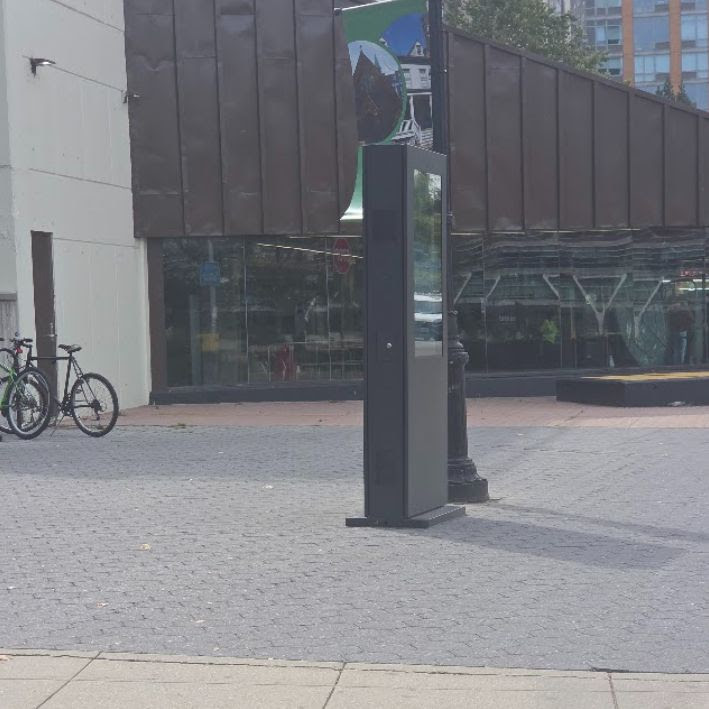
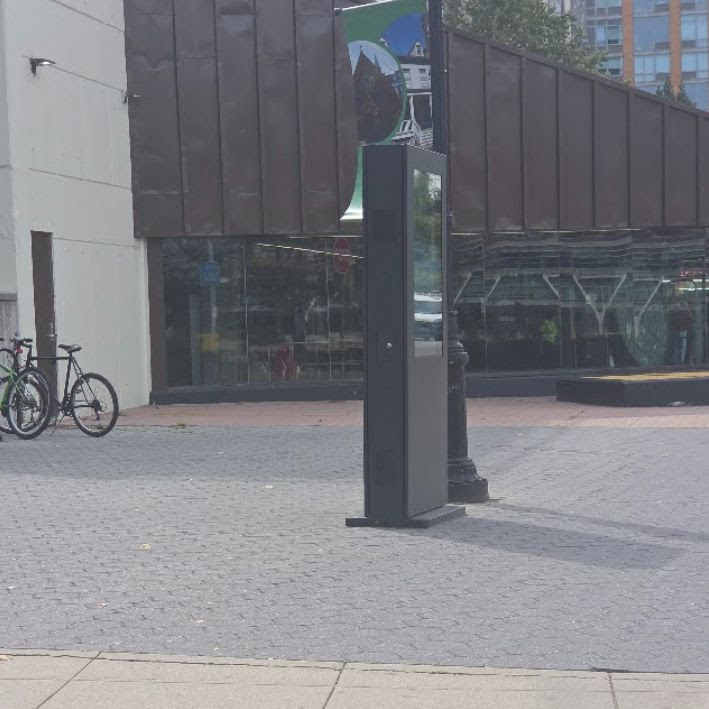
RIOC staff has placed a video display facing Manhattan north of the subway station. It looks like a black box on the street? Why it is facing the river and not facing the pedestrians walking north or south?
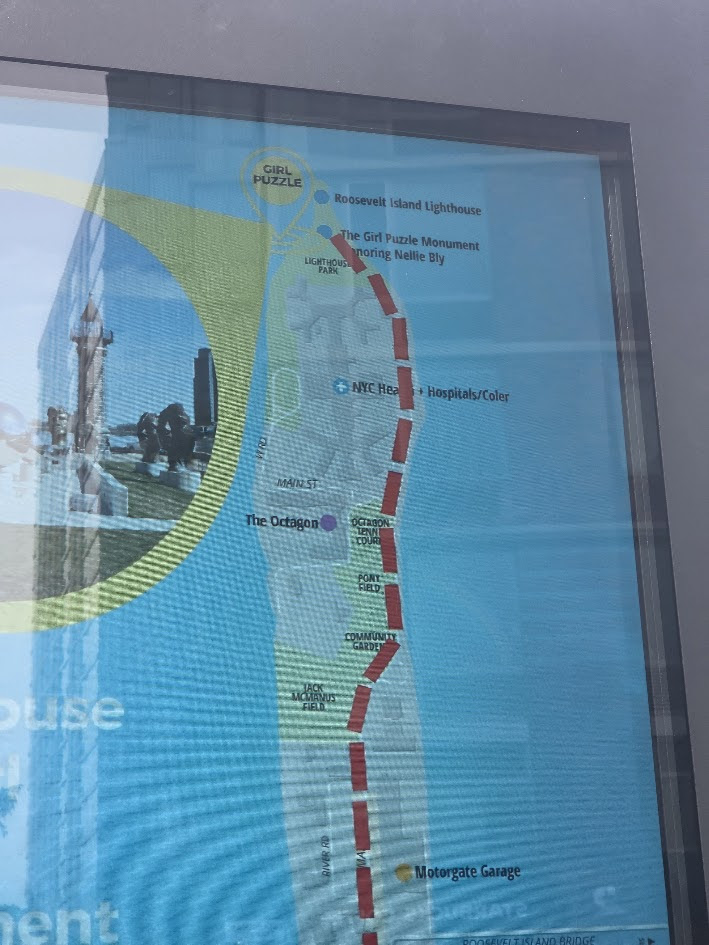
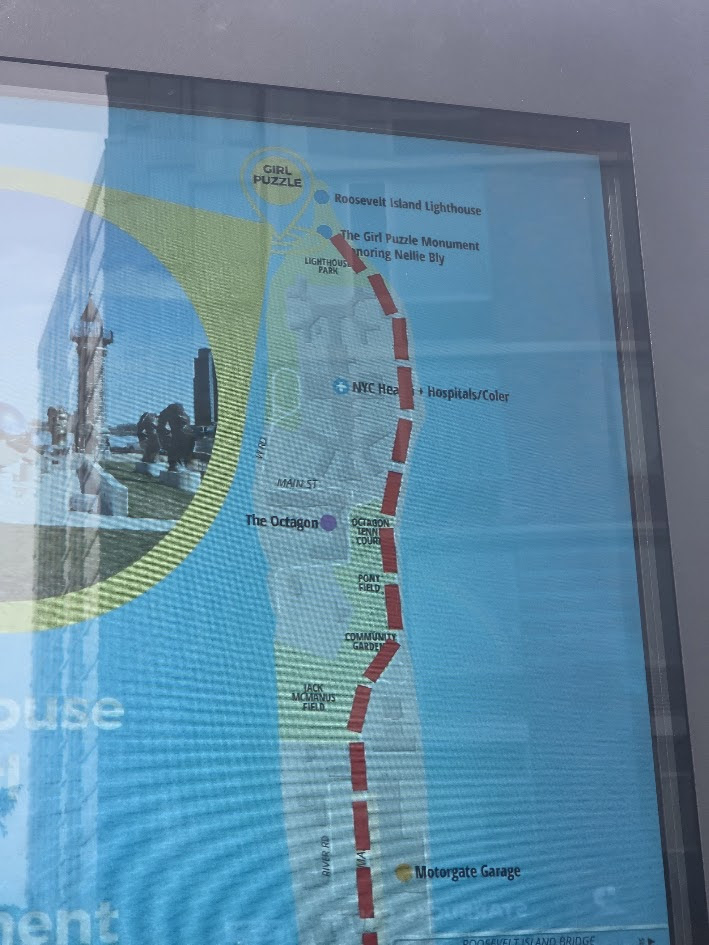
Why is the route to Lighthouse Park on the East Road? The West Promenade is a better view, well paved and more scenic.
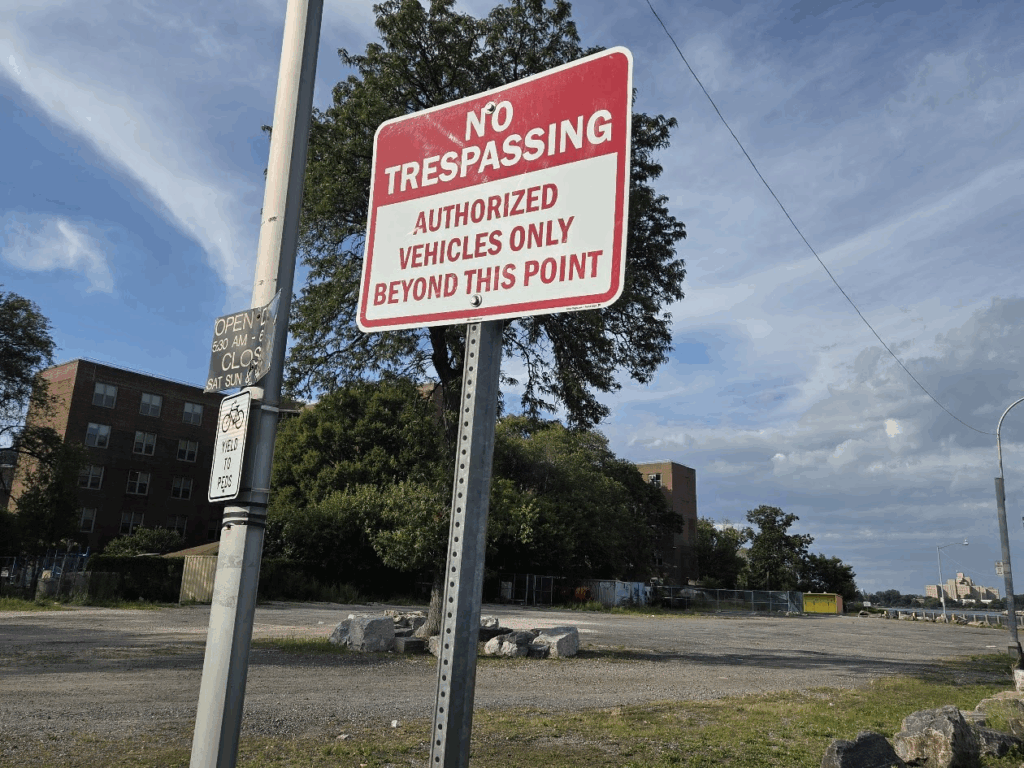
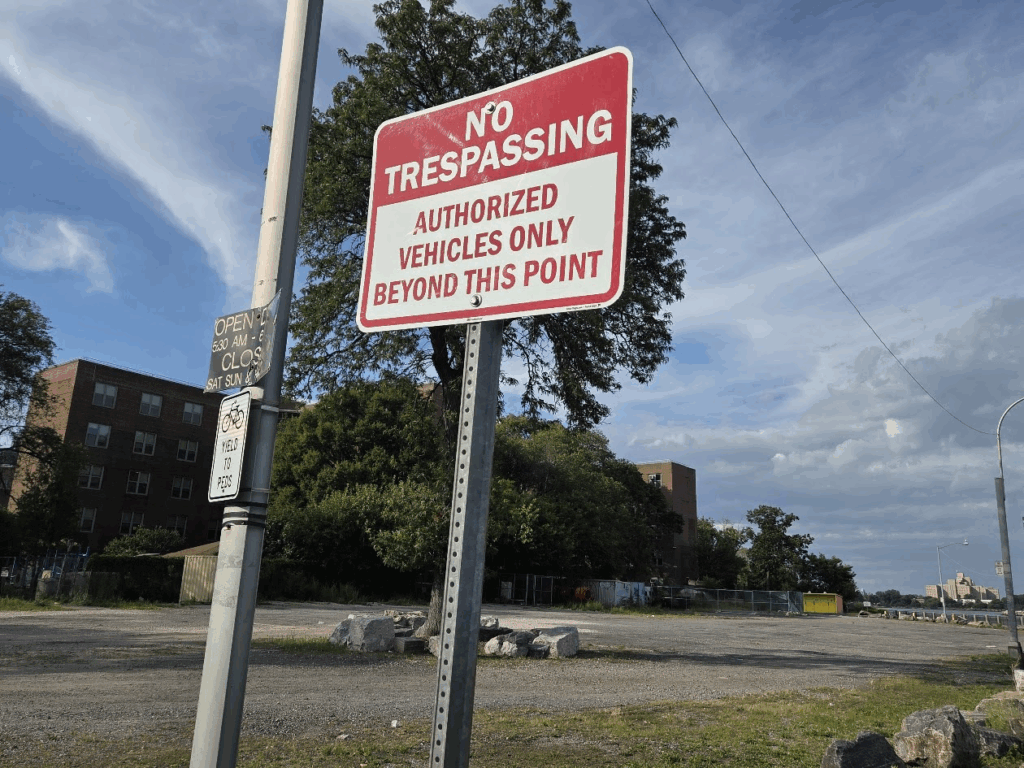
Have these confusing signs been removed? Visitors have turned back after seeing these signs on the East Road.
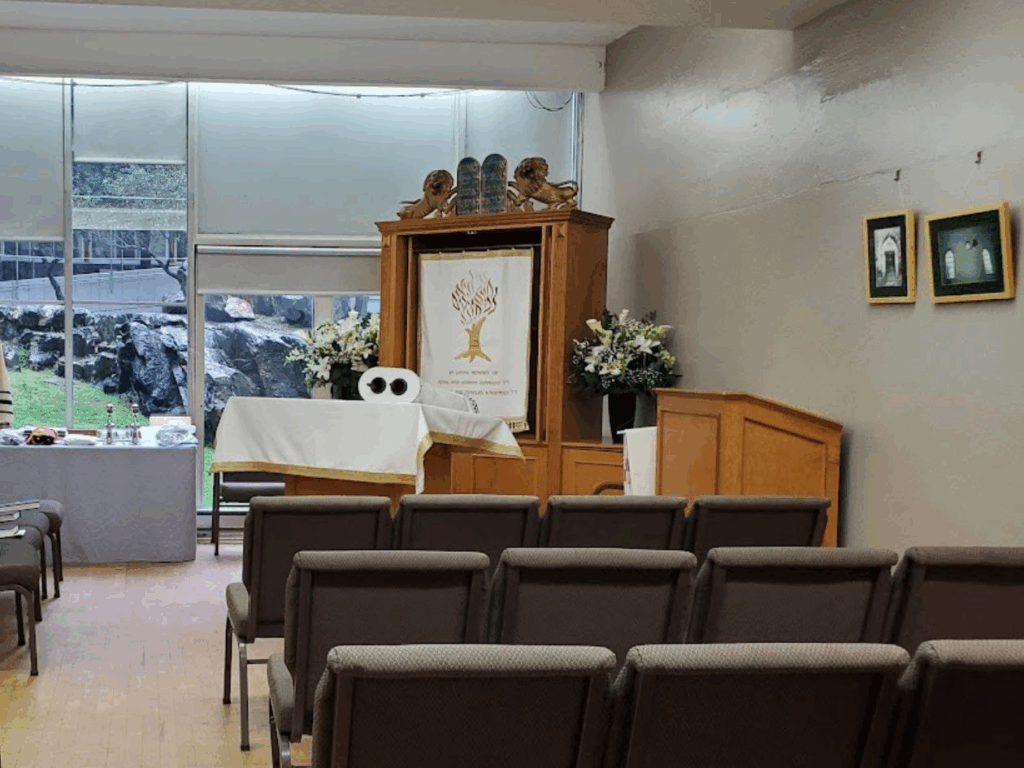
Your Seat Awaits at the RIJC
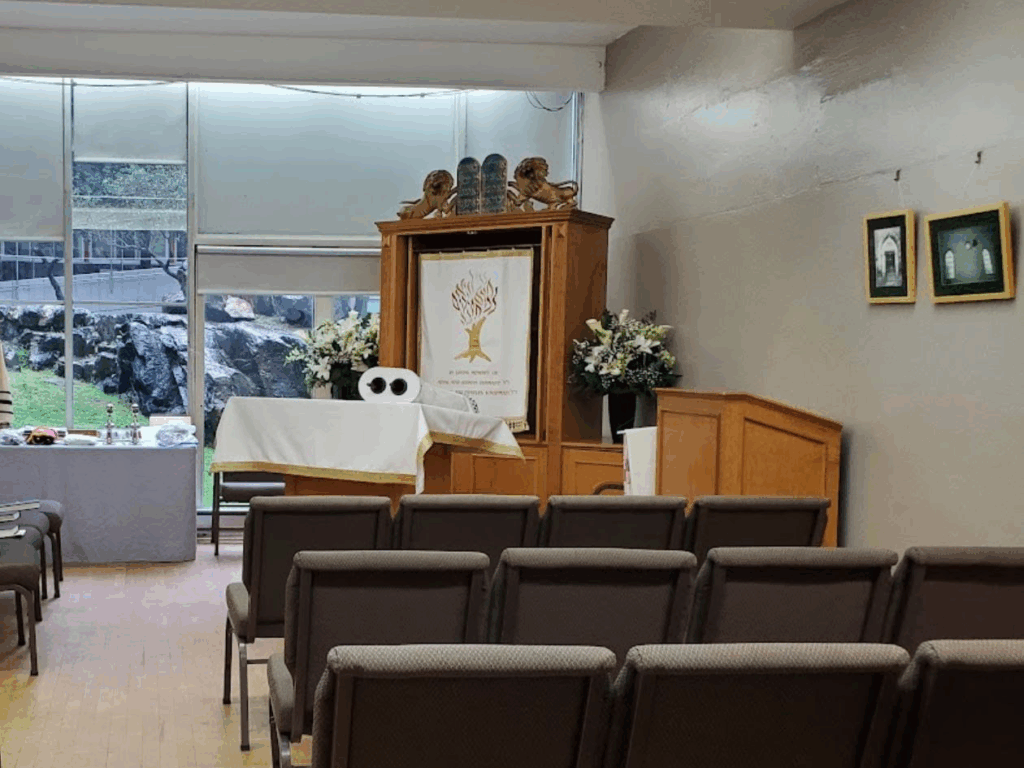
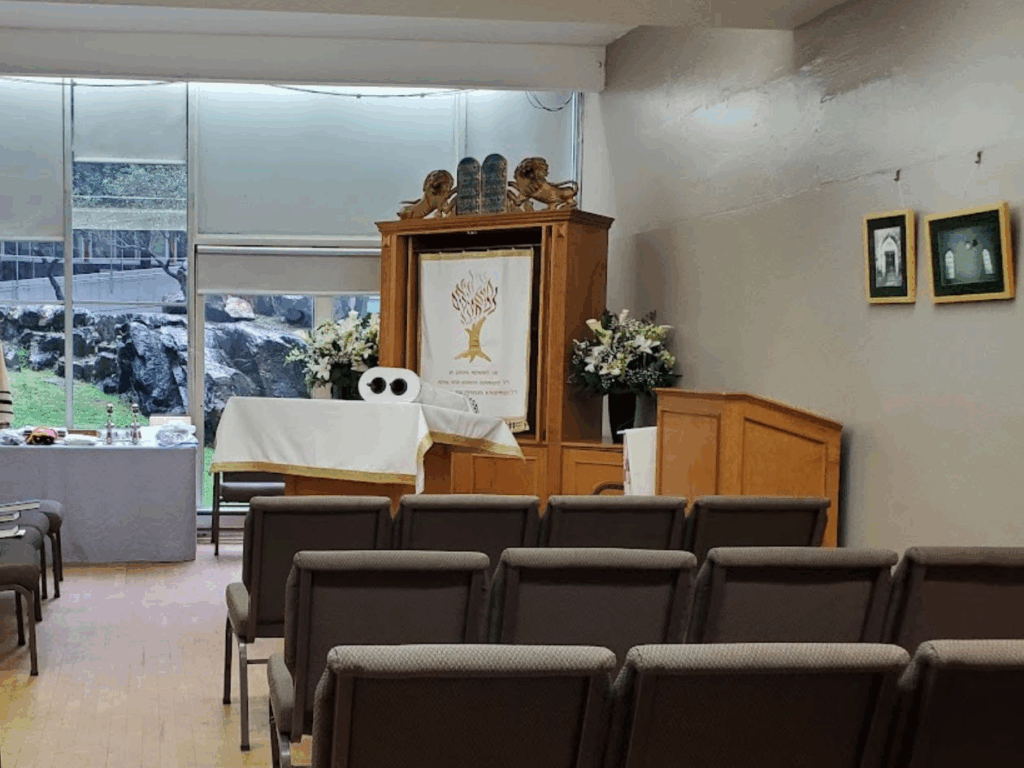
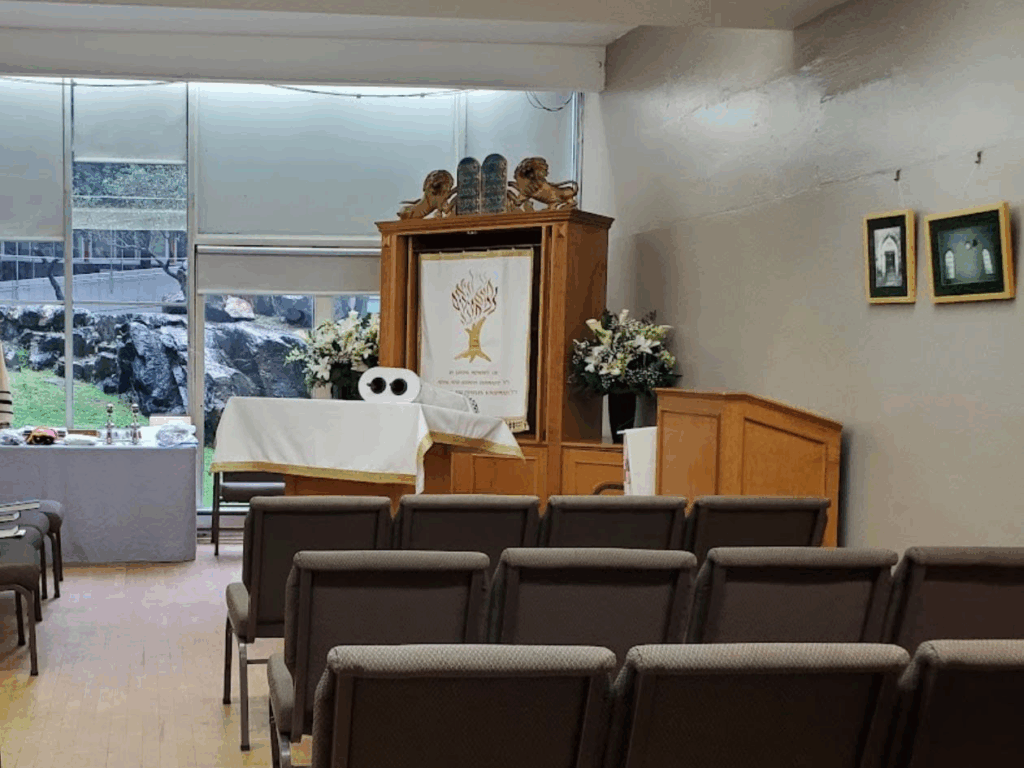
YOM KIPPUR SERVICES WEDNESDAY, OCTOBER 1 KOL NIDRE THURSDAY, OCTOBER 2 SERVICES www.rijc.org
Credits
am new york
All image are copyrighted (c) Roosevelt Island Historical Society unless otherwise indicated THIS PUBLICATION FUNDED BY DISCRETIONARY FUNDS FROM CITY COUNCIL MEMBER JULIE MENIN & ROOSEVELT ISLAND OPERATING CORPORATION PUBLIC PURPOSE FUNDS.
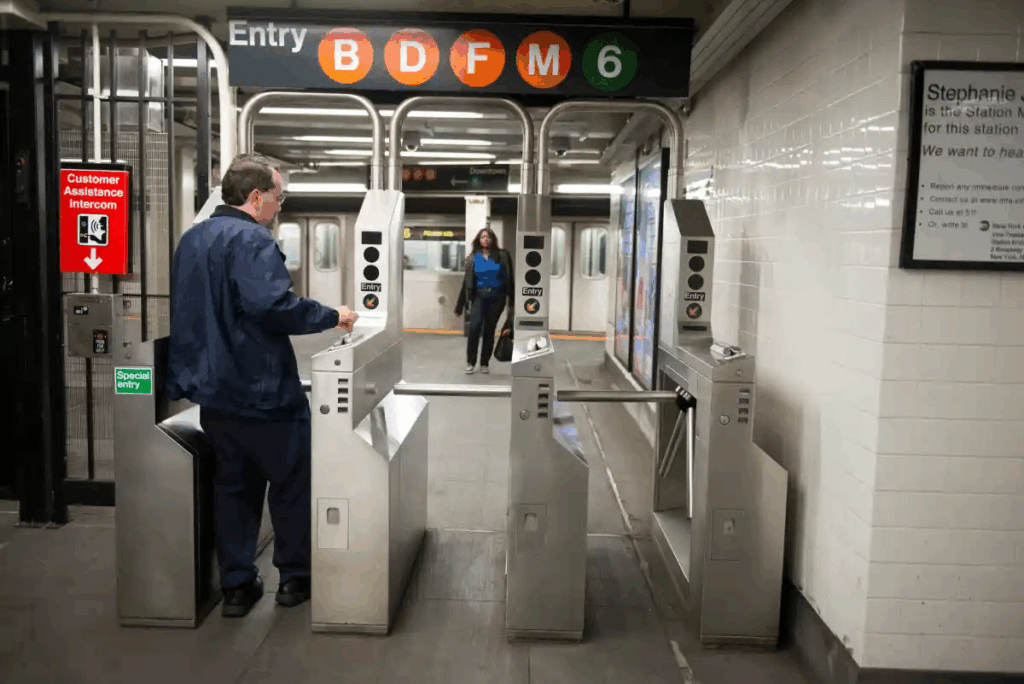
Subway Shakeup: MTA will swap F and M lines between Queens and Manhattan; what it means for your daily commute
Wednesday, October 1, 2025
6 sqft
Issue # 1544
MTA riders rallied against proposed fare hikes at the MTA hearing. Photo via Getty Images
The MTA is shaking things up for commuters by swapping two major train lines between Manhattan and Queens, the agency announced on Monday.
Starting this December, commuters will have to learn new stops on the F and M lines, at least during weekdays.
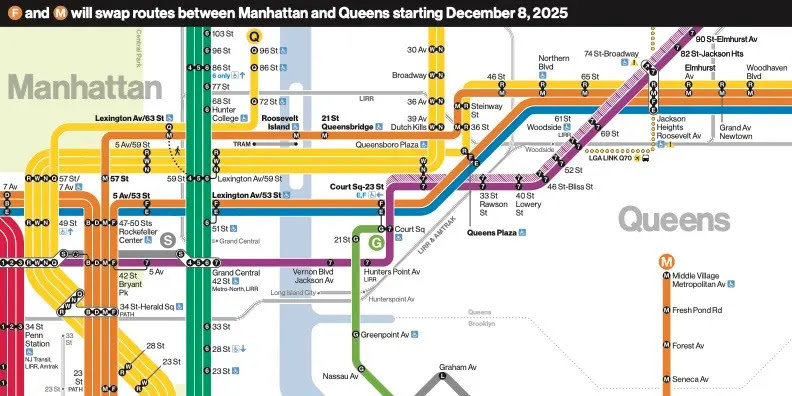
The F and M train service between Manhattan and Queens will be switched to eliminate a merge at Queens Plaza that the agency said has caused delays for Queens Boulevard Line riders.
“We’ve received a lot of customer feedback regarding delays on the F line,” NYC Transit Senior Vice President of Subways Bill Amarosa said on Sept. 29. “Swapping the F and M lines will increase reliability, reduce delays and create a more comfortable ride for everyone.”
How the F and M subway switch will work
The new service pattern between the Queens Boulevard corridor and Manhattan will be in effect weekdays from 6 a.m. to 9:30 p.m. During this time, the F will run via the 53rd Street line and Queens Plaza, alongside the E train. It will make stops at Queens Plaza, Court Square, Lexington Avenue-53rd Street and Fifth Avenue-53rd Street.
The swap is the first redesign of the subway network since 2017, when the Second Avenue Subway opened and the Q train was rerouted and extended to serve the new Upper East Side line.
The changes were presented to the MTA board, transit representatives said, and will take effect on Monday, Dec. 8.
Meanwhile, the M train will run via the 63rd Street line and Roosevelt Island on weekdays from 6 a.m. to 9:30 p.m. It will now make stops at 21st Street-Queensbridge, Roosevelt Island, Lexington Avenue-63rd Street and 57th Street.
There will be no changes for late evenings, nights and weekends — periods in which the M train usually runs between Middle Village-Metropolitan Avenue and either Myrtle Avenue-Broadway or Delancey-Essex Streets. The F train will continue to serve the 21st Street-Queensbridge, Roosevelt Island, Lexington Avenue-63rd Street and 57th Street at these times.
MTA officials said the changes, which are concentrated in an east-west rectangle connecting Queens to Manhattan, are needed to make trains run faster and more reliably.
Service will improve, transit officials said, because the changes reduce the number of trains sharing tracks at points along their routes.
For example, by eliminating the merges at Queens Plaza, any delays to local M or R trains would now be isolated from E and F express service, and vice versa. According to the MTA, approximately 15% to 20% of rush-hour trains are delayed at Queens Plaza.
C’MON RIOC
RIOC staff has place a video display facing Manhattan north of the subway station. It looks like a black box on the street? Why it is facing the river and not facing the pedestians walking norrth or south?
Why is the route to Lighthouse Park on the East Road? The West Promenade is a better view, well paved and more scenic.
Have these confusing signs been removed? Visitors have turned back after seeing these signs on the East Road.
Your Seat Awaits at the RIJC YOM KIPPUR SERVICES WEDNESDAY, OCTOBER 1 KOL NIDRE THURSDAY, OCTOBER 2 SERVICES www.rijc.org
Credits
am new york
All image are copyrighted (c) Roosevelt Island Historical Society unless otherwise indicated THIS PUBLICATION FUNDED BY DISCRETIONARY FUNDS FROM CITY COUNCIL MEMBER JULIE MENIN & ROOSEVELT ISLAND OPERATING CORPORATION PUBLIC PURPOSE FUNDS.
World’s Fair Mosaics Removed from Flushing Meadows-Corona Park in Queens
Tuesday, September 30, 2025
Untapped New York
Issue # 1543
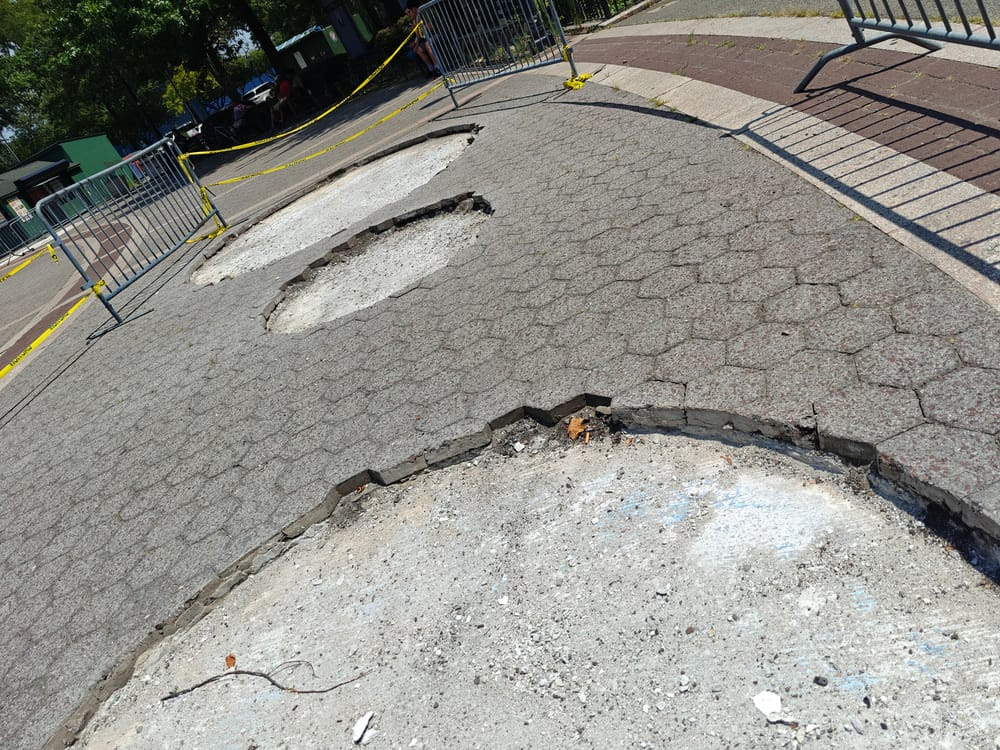
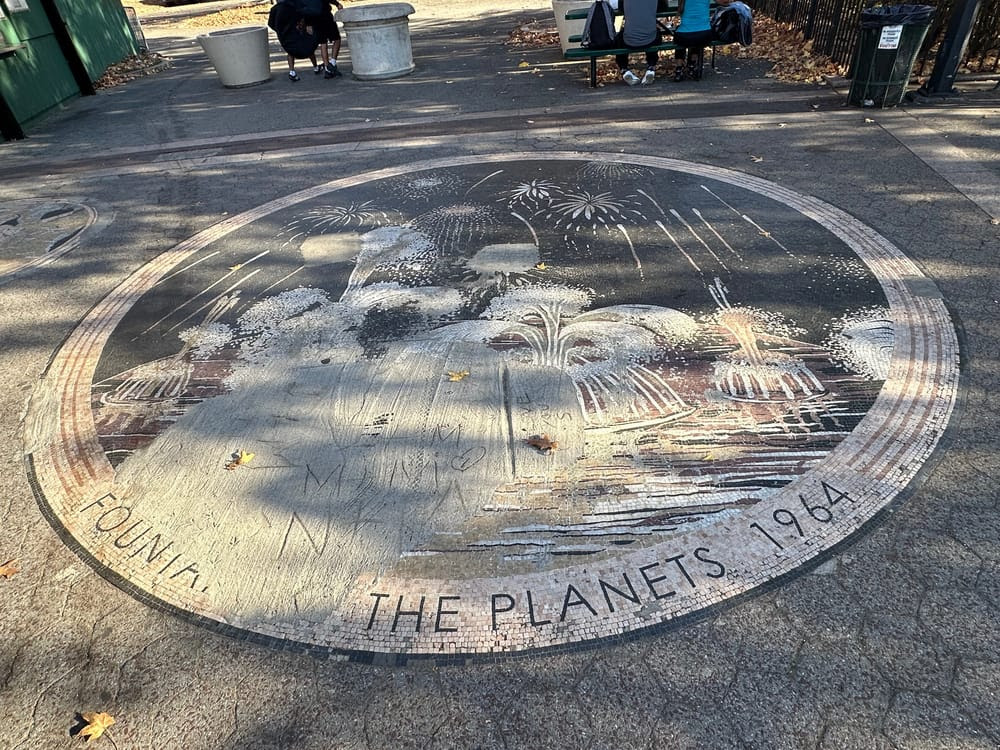
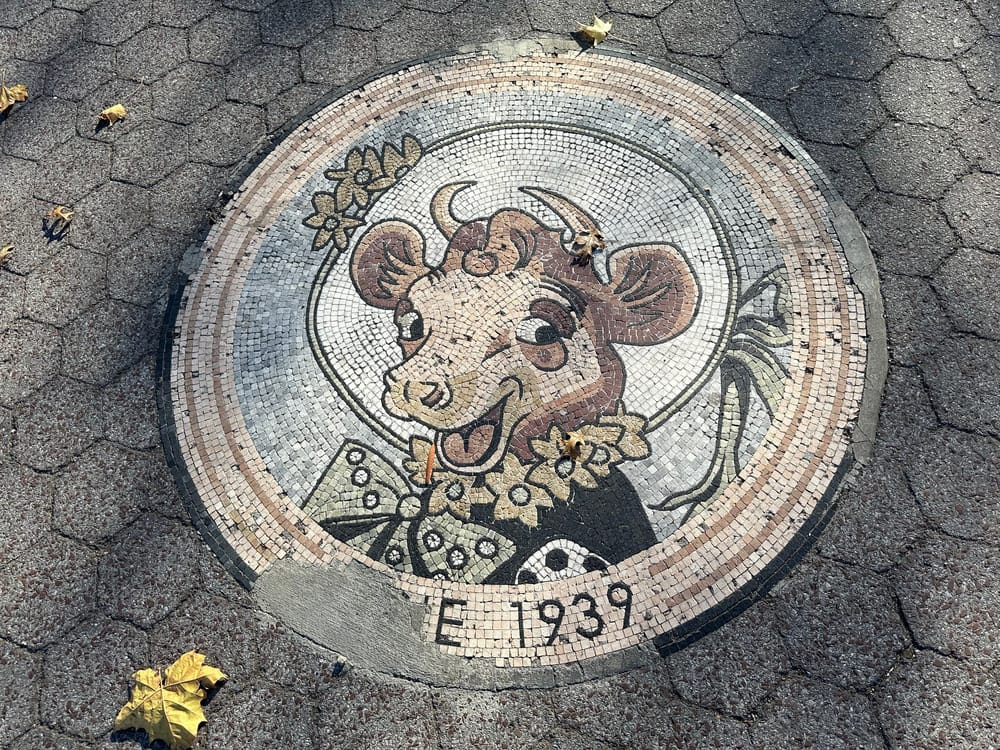
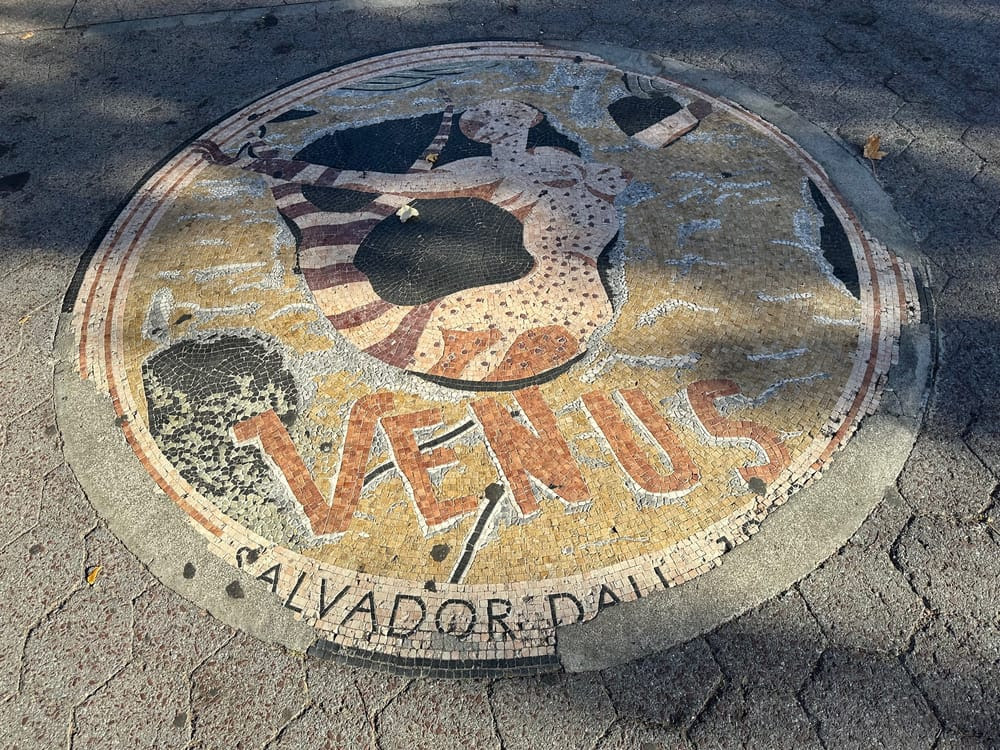
After multiple patchwork repairs, a set of colorful mosaics have been completely replaced with pavers.
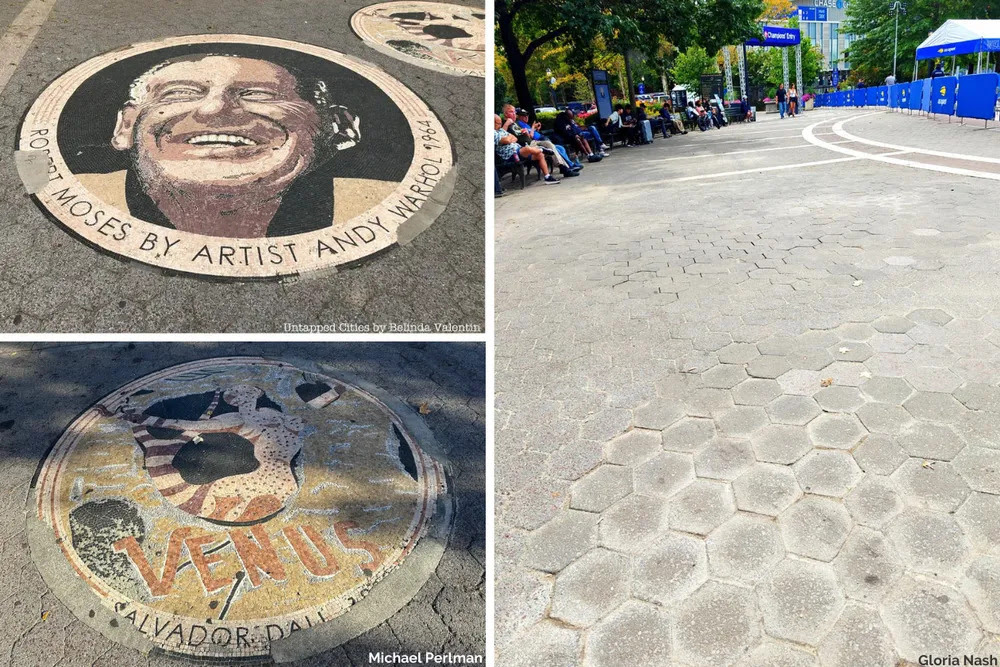
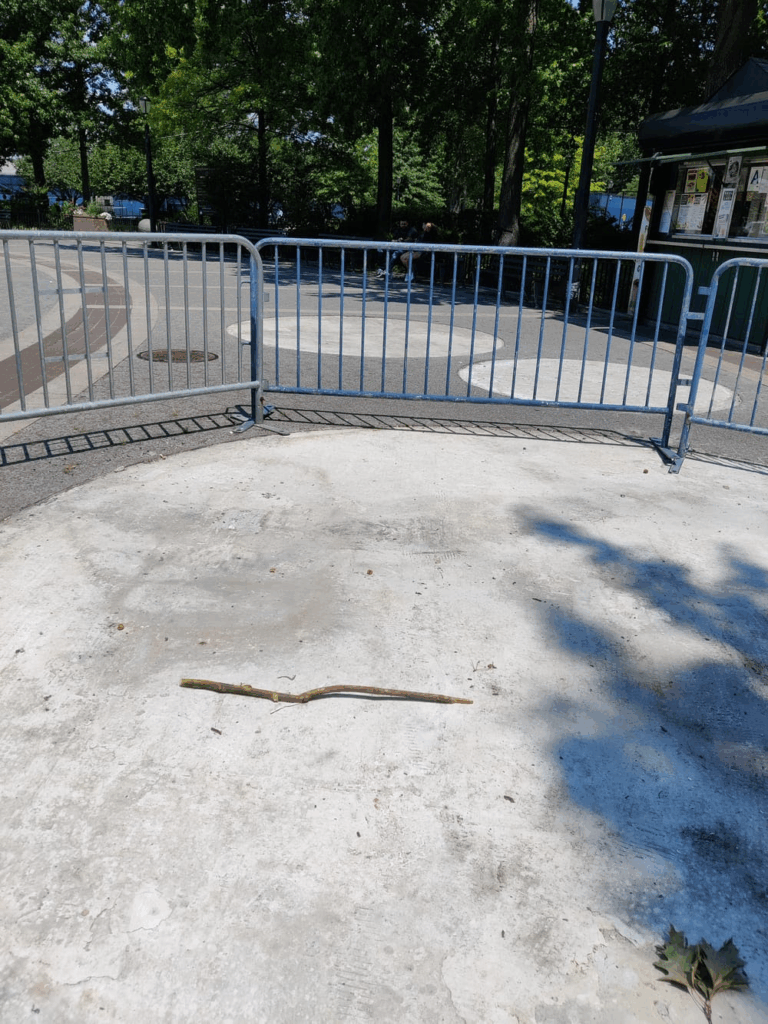
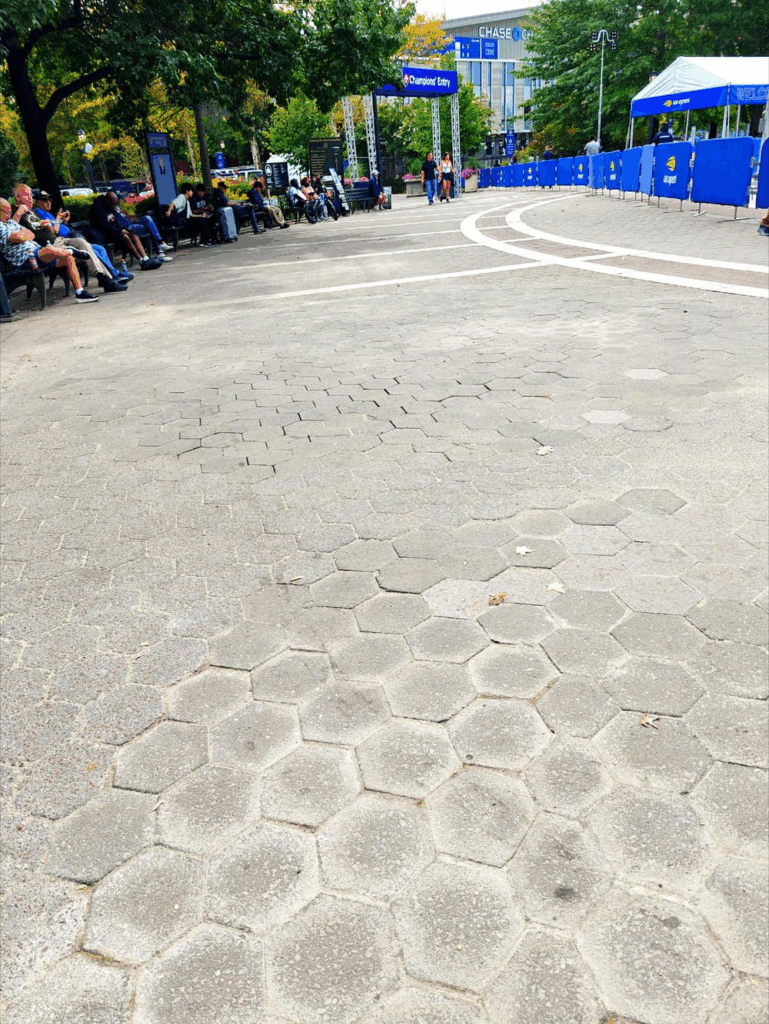
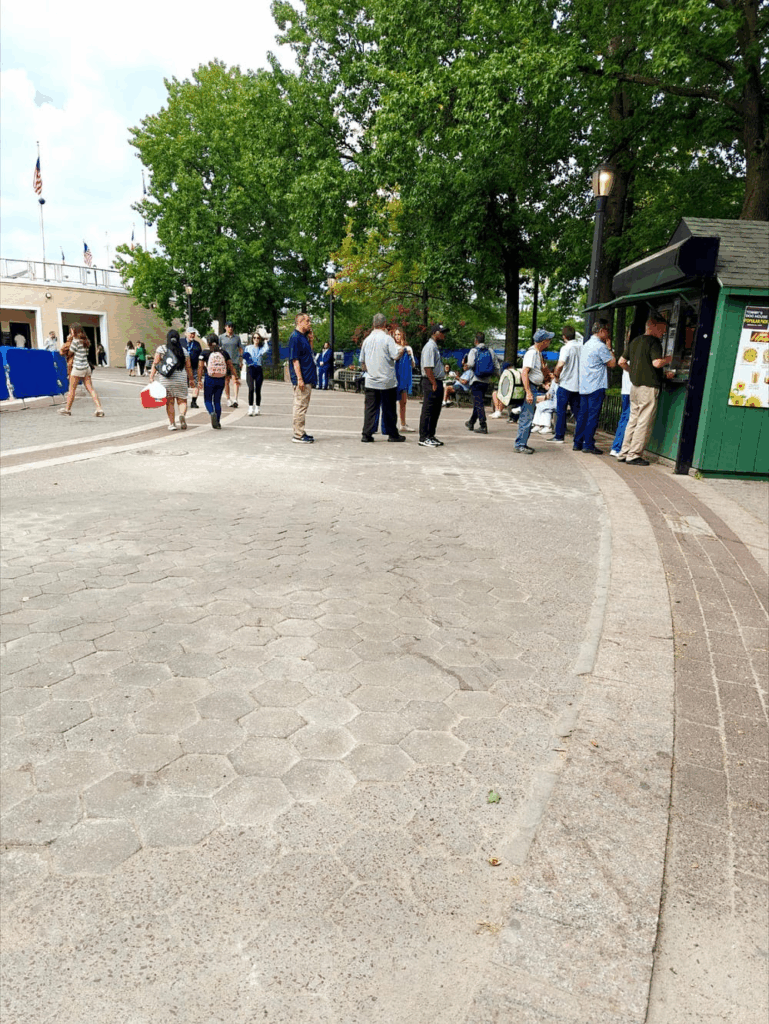
At David Dinkins Circle in Flushing Meadows-Corona Park, the ground bears little evidence of the five tile mosaics that were recently removed. The Passarelle Plaza mosaics were installed in 1997 to commemorate the 1939-40 and 1964-65 World’s Fairs. Now, they are another lost relic of World’s Fair history.
In November 2024, The New York Post broke the news that the New York City Parks Department planned to remove the mosaics. Gloria Nash, author of Looking Back At The Future and an advocate for preserving the mosaics, shared photos with us in July 2025 of the spaces where the medallions used to be. At that time, the mosaics had been excavated and the holes they left were covered by cement.
By August, once the U.S. Open arrived, the holes had been filled in with pavers, leaving barely a trace of what was once there.
The Parks Department attributes the significant deterioration of the mosaics to natural weather conditions. Because loose and missing tiles can lead to trips and falls, the works of art were deemed a safety hazard. A representative for the Department says, “The decision to remove the mosaic medallions was made after several attempts at repair, in consultation with specialists, and with the support of the original designer. We are dedicated to preserving historic objects and structures and hope the removal of these mosaics might enable their future preservation as well as ensure the safety of park patrons.”
by Gloria Nash, August 2025
Michael Perlman—a 5th-generation Forest Hills resident, author of Legendary Locals of Forest Hills and Rego Park, Chairman of Rego-Forest Preservation Council, and longtime member of the Four Borough Neighborhood Preservation Alliance—has been campaigning to save the Passarelle Plaza mosaics since 2022.
“I am hopeful that a permanent accessible home can be secured in the near future,” Perlman says of the missing mosaics. “My colleagues and I would be very interested in assisting with the restoration process and finding a space.” Perlman suggests the medallions should be restored and “resurrected in an upright position on a pan-like structure. Then they can be placed outdoors, and the Parks Department can have confidence that they will not have to be stepped on.”
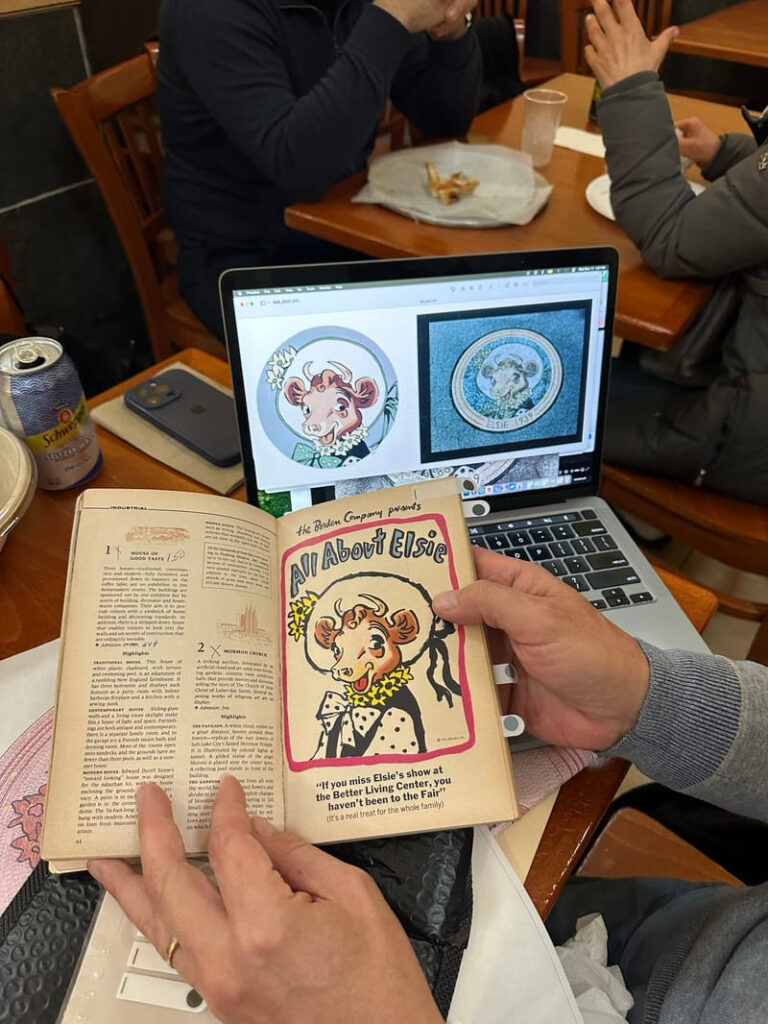
The Passarelle Plaza Mosaics depicted various elements of the two World’s Fairs in Queens. It is believed that 10 of the original mosaics have been lost, two covered by cement, and the final five recently removed. Elsie the Cow (1939), a smiling portrait of Robert Moses by Andy Warhol (1964), the New York Hall of Science and Rocket Park (1964), Fountain of Planets (1964), and Venus by Salvador Dali (1939) make up the five that survived the longest.
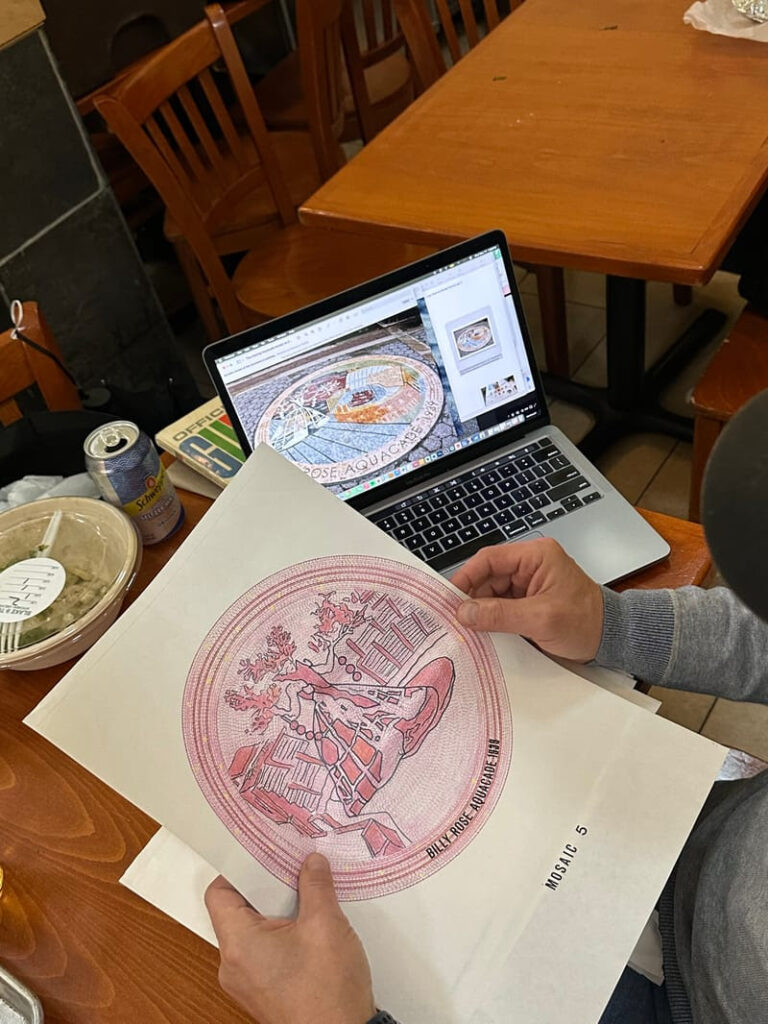
Known missing medallions include mosaics depicting a work called EAT by Robert Indiana (1964), the Billy Rose Aquacade (1939), the New York State Pavilion (1964), New York City Pavilion (1939) (now the Queens Museum), and two medallions about the Westinghouse time capsules from each fair (1939 & 1964).
“They were beautiful and rare works of mosaic art that communicate our history in a unique manner,” says Perlman, “There are very few mosaic works of art throughout our borough.”
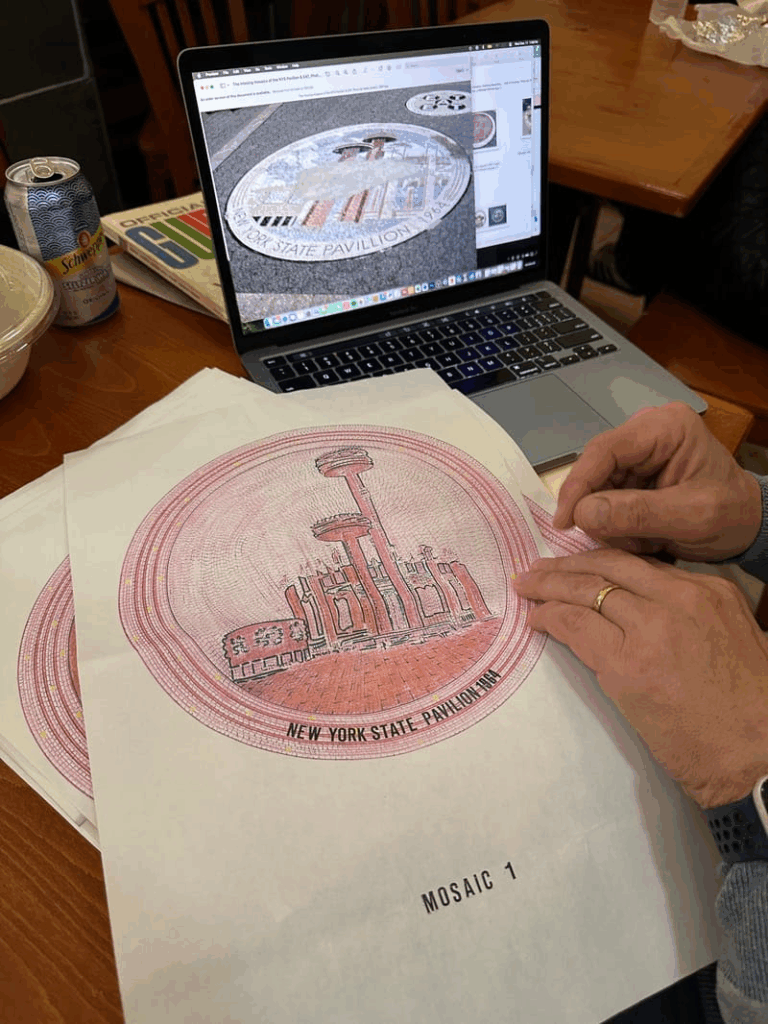
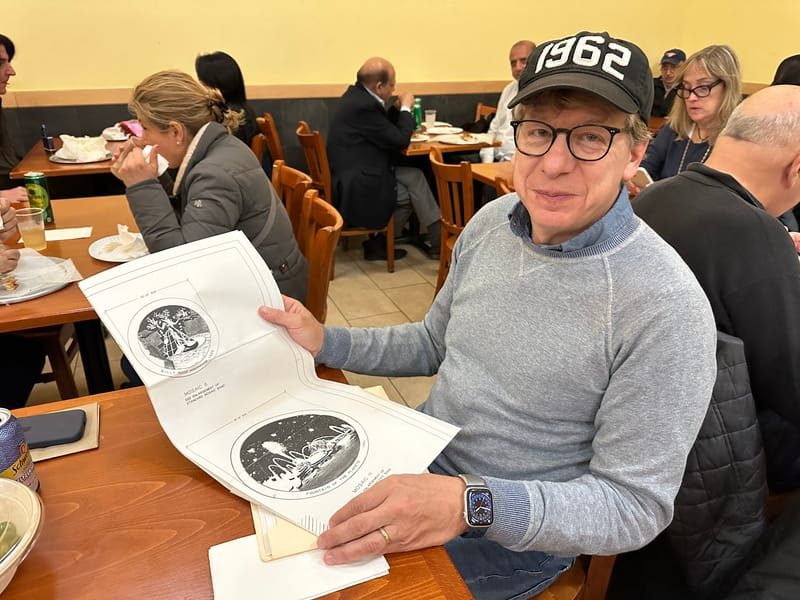
When we initially covered the news of these mosaics being removed, Michael Golden, a specialist in custom and high-end mosaics, reached out to us. Golden worked on some of the mosaic designs with the park’s landscape architect. His illustrations were then sent to the mosaic company to be produced. He dug up some of the original drawings to share with Untapped New York.
Photos Courtesy of Michael Goldman & Michael Perlman
“There are many things big and small that make our city rich with culture and meaning,” Golden says, “I was proud to have a part in designing and facilitating these mosaics. I miss them, as I know others will as well.”
While we wait to learn the final fate of the mosaics, the Parks Department has committed to prioritizing Dinkins Circle as a location for at least one public art installation each year through the Alliance for Flushing Meadows Corona Park’s Art in the Park Grant.
Your Seat Awaits at the RIJC YOM KIPPUR SERVICES WEDNESDAY, OCTOBER 1 KOL NIDRE THURSDAY, OCTOBER 2 SERVICES www.rijc.orgPHOTO OF THE DAY
Credits
Untapped New York
All image are copyrighted (c) Roosevelt Island Historical Society unless otherwise indicated THIS PUBLICATION FUNDED BY DISCRETIONARY FUNDS FROM CITY COUNCIL MEMBER JULIE MENIN & ROOSEVELT ISLAND OPERATING CORPORATION PUBLIC PURPOSE FUNDS.
“GENERATIONAL PERSPECTIVES” Program at the RI NYPL, Monday, Sep. 29th, 6:30 p.m.
CELEBRATING OUR ISLAND AT 50 YEARS
How long have you lived on Roosevelt Island?
How many generations of your family have the Island their homes?
Our island has been home to many generations of families. It is easy to name so many families whose parents, grandparents arrived here in the 1970’s and 1980’s and now their families are raising kids, grand kids and even great grand-children.
Why is this so common?
What is it like to have all the generations near?
Join us for this discussion with our multi-families.
This program is sponsored by the ROOSEVELT ISLAND HISTORICAL SOCIETY THE NEW YORK PUBLIC LIBRARY.
This program is free and open to all.
PLACES TO EXPLORE
ON 36th AVENUE
Sunday & Monday, September 28 & 29, 2025
JUDITH BERDY
Issue # 1542
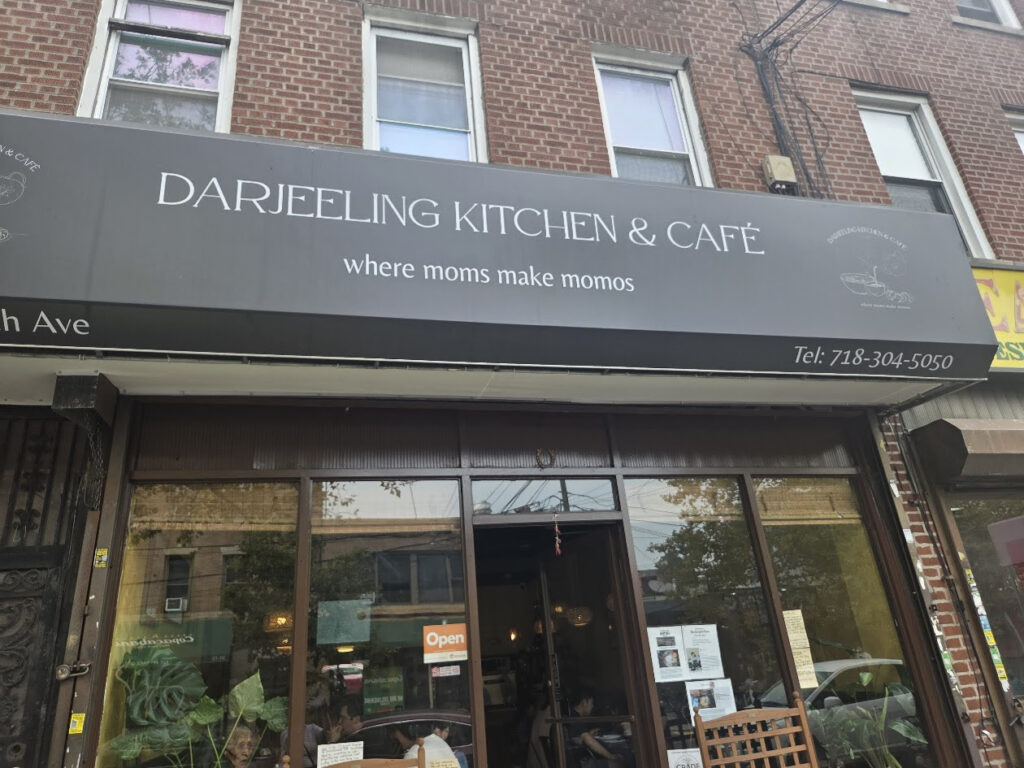
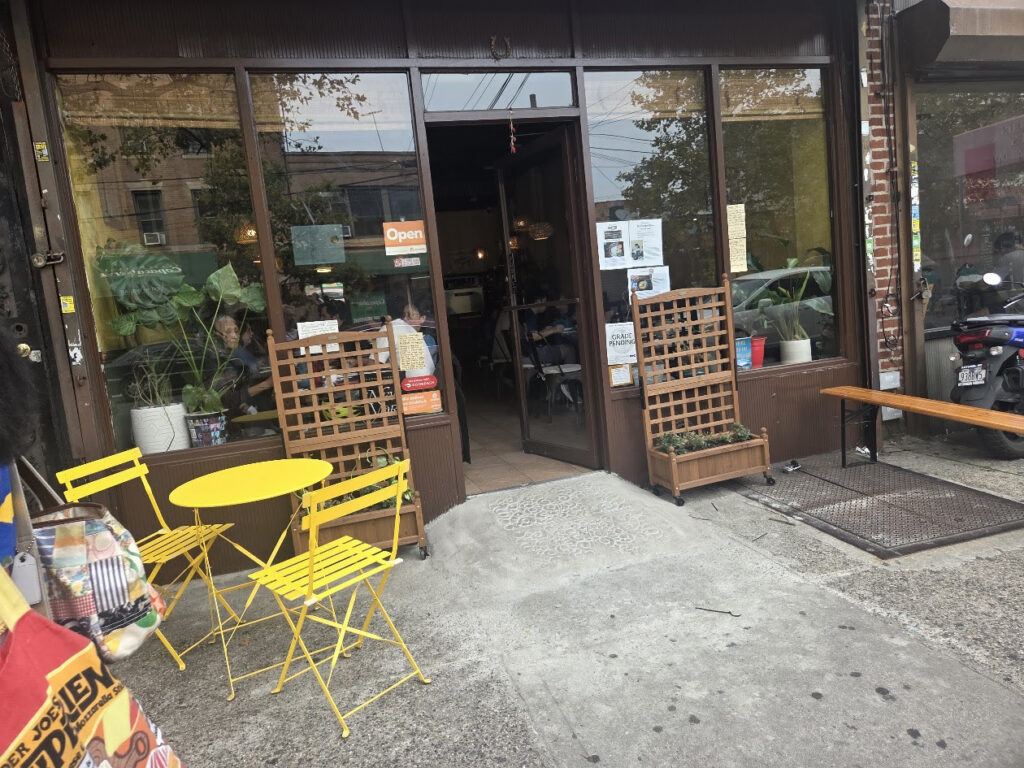
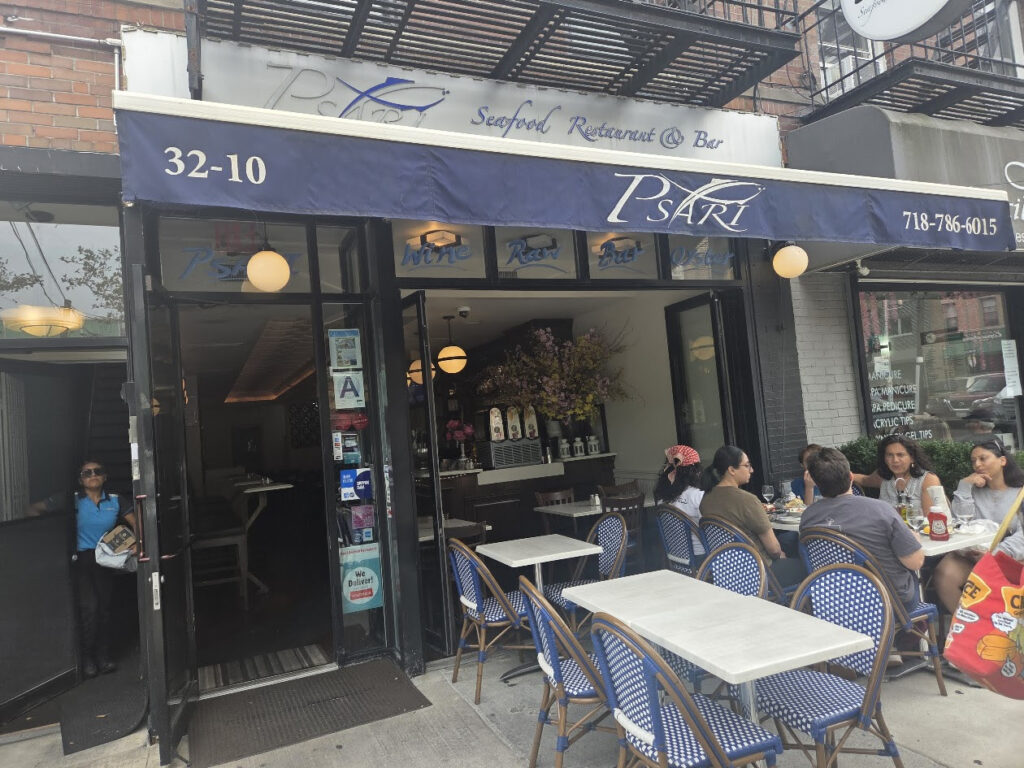
Crossing 31st Street to the east side to see what busineses and dining spots were available. There is a great selection of small, local, ethic restaurants here.
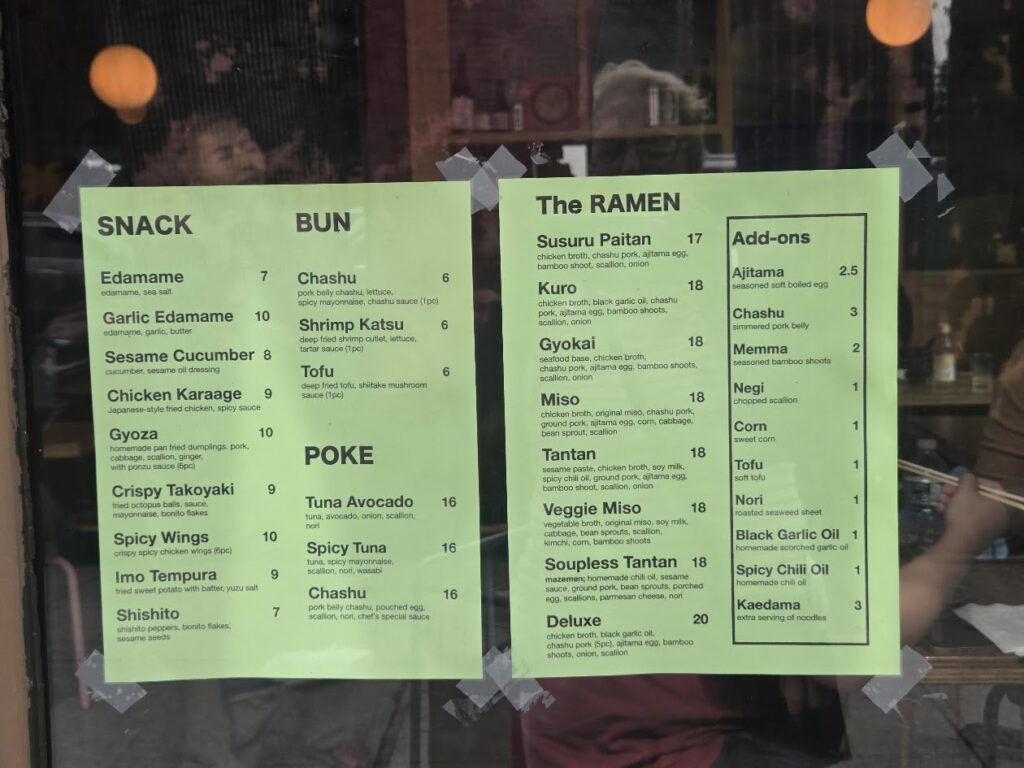
A petit space with Tibetan and Himalayan specialties, lots of great review online
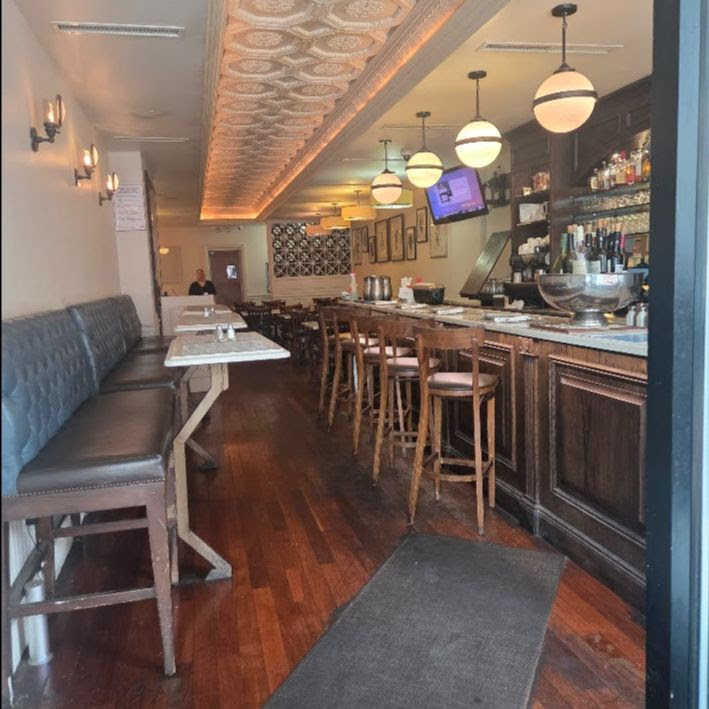
Psari Seafood, beautifully designed seafood restaurant
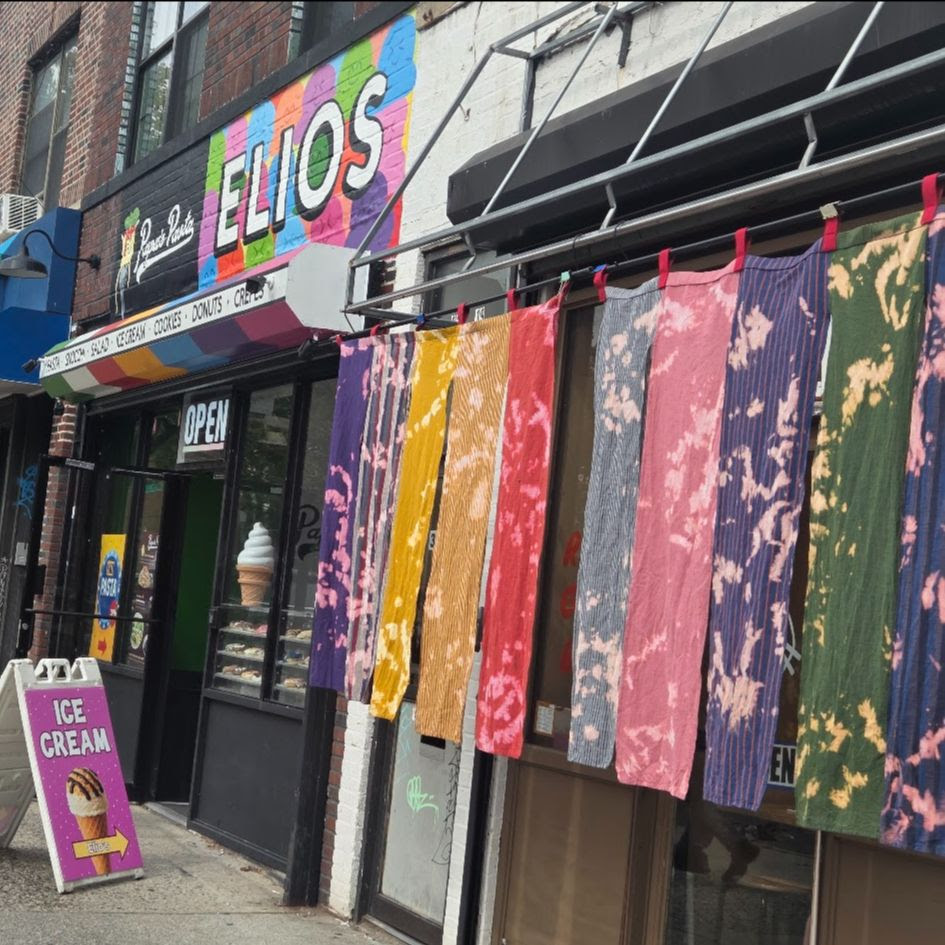
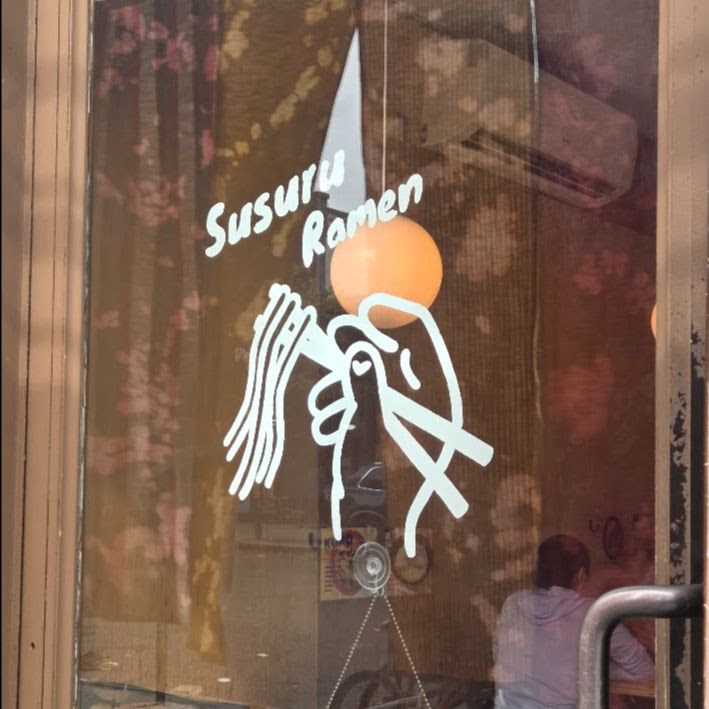
Behind to fabric, an intimate Ramen spot
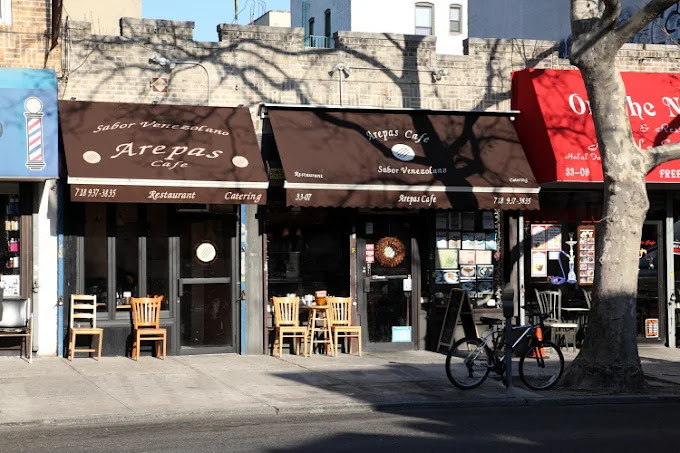
‘We could’ve just gotten 1 Arepa since they’re huge and stuffed to the brim. Probably one of the only places left in Astoria you can get some delicious arepas!’ I agree wth this review. All you need is one of their wonderful arepas, delicious. Friendly staff and is has been here 18 years. A great find.
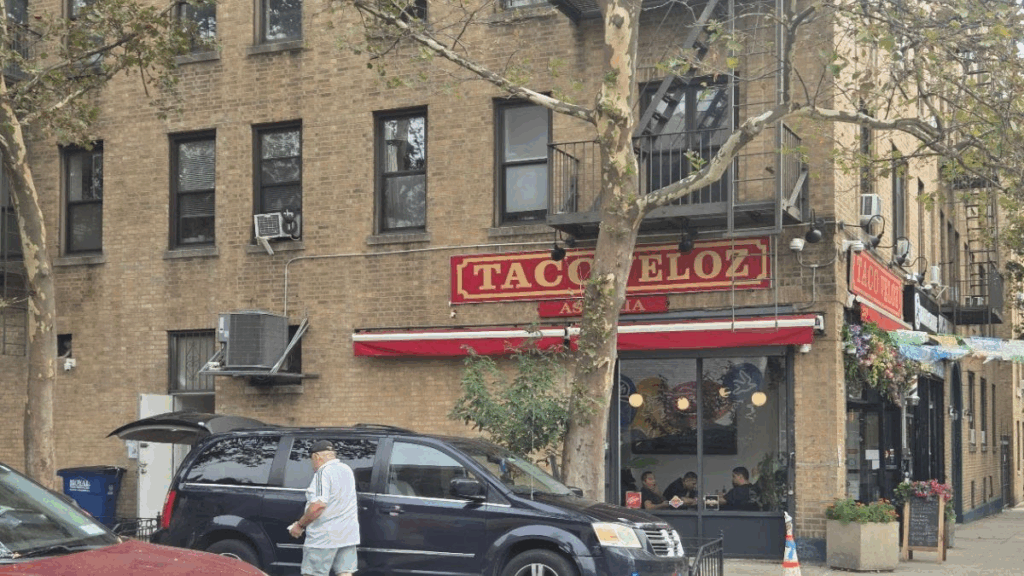
Need some tacos? Try this charming spot.
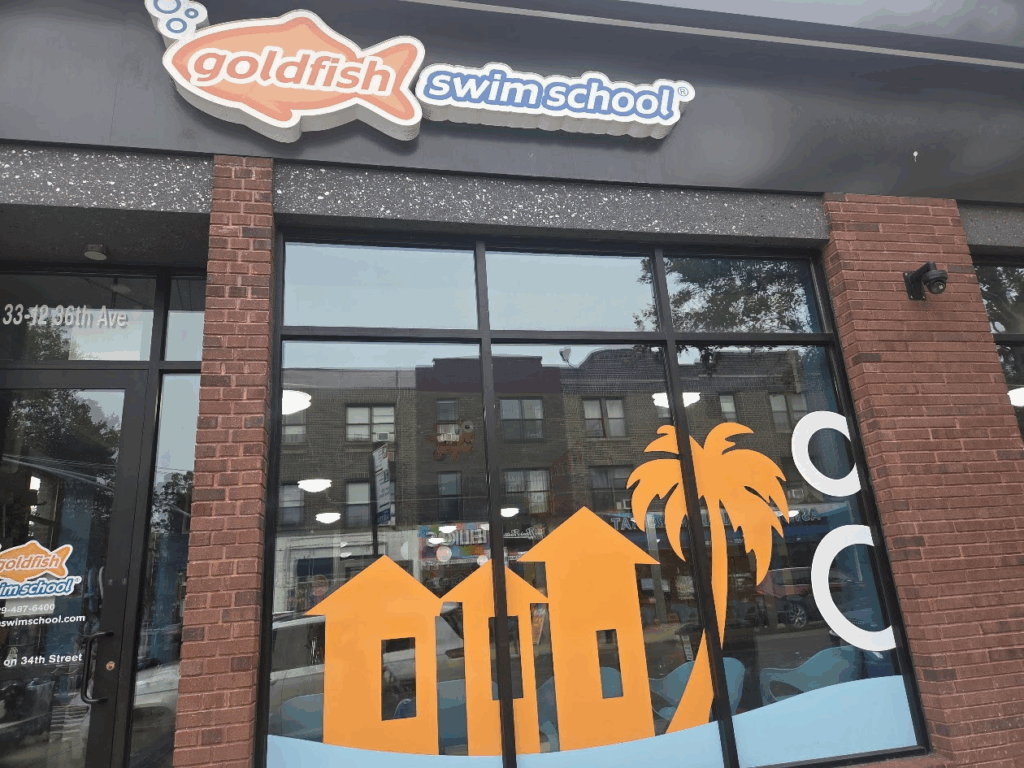
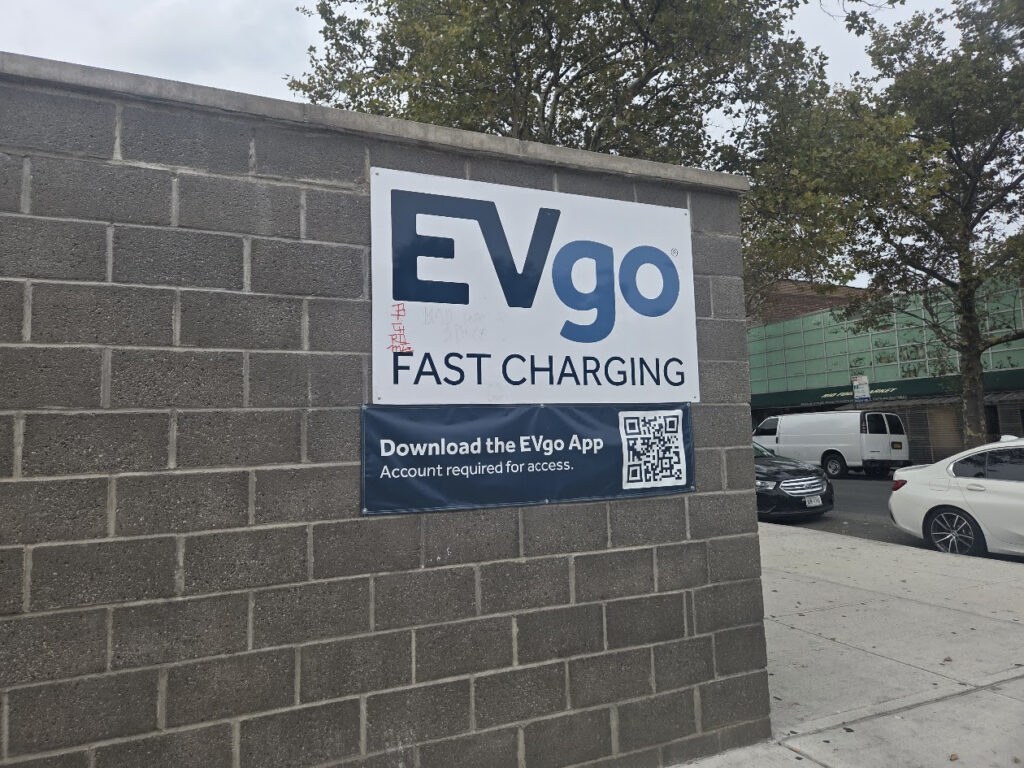
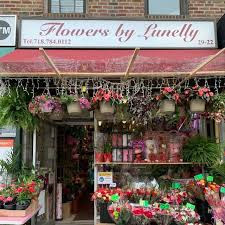
A SWIM LESSON, A EV CHARGING STATION, A GREAT FLORIST
You can bring your future olympians here to learn the basics.
A neat idea, a charging lot, looks great and powers up the neighborhood.
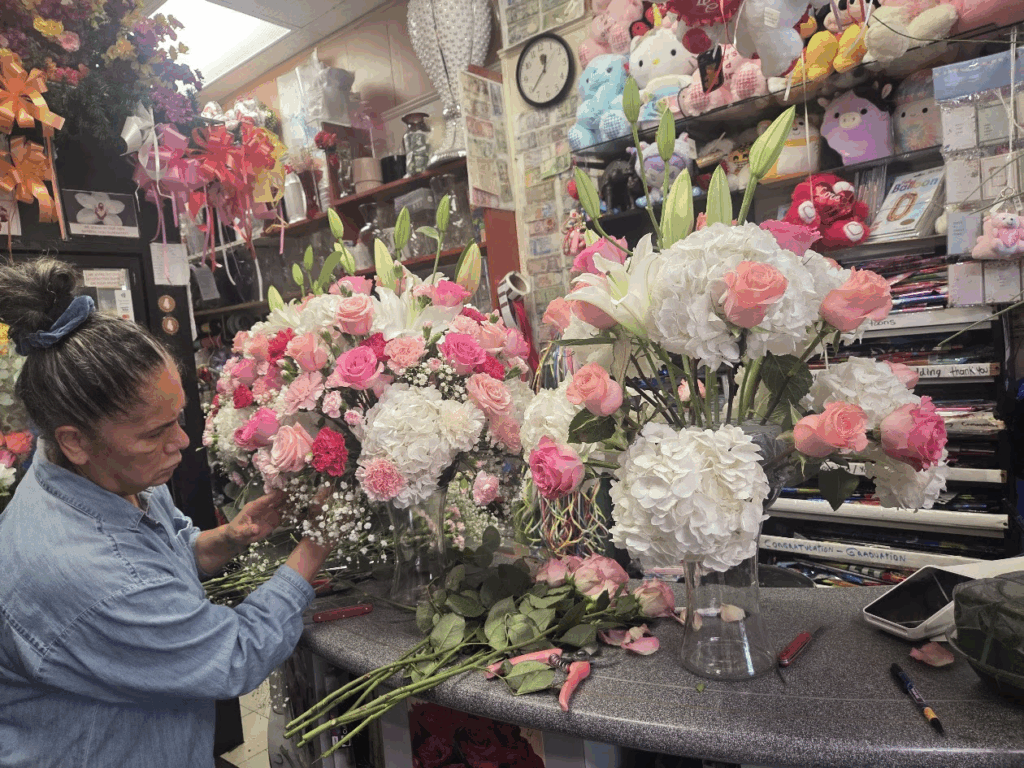
Watching arrangements coming to life at Flowers buy Lunelly. We love their work!
Your Seat Awaits at the RIJC
YOM KIPPUR SERVICES WEDNESDAY, OCTOBER 1 KOL NIDRE THURSDAY, OCTOBER 2 SERVICES www.rijc.org
Credits
Judith Berdy
Editorial I love to support Roosevelt Island and our businesses. I also love to go to Astoria, an old fashioned neighborhood in transition. For years there were empty spaces and not many businesses that invited shoppers. The area has changed into a Ethinc Mecca of dining spots.
It is fun to walk and discover everything from an Irish Bar to a Nepali restaurant.
All aboard the Q102!
All image are copyrighted (c) Roosevelt Island Historical Society unless otherwise indicated THIS PUBLICATION FUNDED BY DISCRETIONARY FUNDS FROM CITY COUNCIL MEMBER JULIE MENIN & ROOSEVELT ISLAND OPERATING CORPORATION PUBLIC PURPOSE FUNDS.
“GENERATIONAL PERSPECTIVES” Program at the RI NYPL, Monday, Sep. 29th, 6:30 p.m.
CELEBRATING OUR ISLAND AT 50 YEARS
How long have you lived on Roosevelt Island?
How many generations of your family have the Island their homes?
Our island has been home to many generations of families. It is easy to name so many families whose parents, grandparents arrived here in the 1970’s and 1980’s and now their families are raising kids, grand kids and even great grand-children.
Why is this so common?
What is it like to have all the generations near?
Join us for this discussion with our multi-families.
This program is sponsored by the ROOSEVELT ISLAND HISTORICAL SOCIETY THE NEW YORK PUBLIC LIBRARY.
This program is free and open to all.
Mabel Ping-Hua Lee, Thomas Nast & Chinese American History
Friday, September 26, 2025
New York Almanack
Issue # 1541
Mabel Ping-Hua Lee, Thomas Nast & Chinese American History
Migration from Asia to the United States was minimal before the 1800s, but facing poverty and political instability large numbers of Chinese residents began looking a better life in the West from the 1840s onward.
Many would escape the Taiping Rebellion, a large-scale civil war that had started in 1850. Lasting for fourteen years, violence and persecution encompassed much of Southern China, pushing citizens away from their traditional homes.
After German-born Swiss immigrant John Augustus Sutter discovered gold in 1848 at Sutter’s Mill, Sacramento, rumor spread about a promised land of riches. Migrants rushed to California en masse. By 1851, twenty-five thousand Chinese incomers had settled there; three decades later a quarter of the state’s workforce was Chinese.
Gold Mountain & John Chinaman
Workers arrived with high hopes, referring to their new Californian home as Gold Mountain (Gum Shan in Cantonese). Every migrant dreamed of becoming a “Gold Mountain Man.” The metaphor signified the potential of opportunity that pulled many to seek their fortunes in the West.
While some immigrants did find success, many faced the harsh realities of discrimination, brutal working conditions and the separation from their families.
Throughout the 1850s and 1860s Chinese men were recruited either as miners or workers on the construction of the Transcontinental Railroad. Local employers appreciated their cheap labor, work ethic and skills, breeding resentment among white workers.
The stand-off provoked regular disputes and conflicts. Most migrants planned to return home at some time and there was little motivation for them to assimilate. After completion of the Transcontinental Railroad in 1869, job security was at risk. By the 1870s, the economy was in a post-Civil War decline. The country experienced a series of financial crises, starting with the Panic of 1873.
The depression that followed caused income levels to fall and many laborers were sacked. In California, white workers competed for scarce jobs with Chinese migrants who would work for lower wages. They became political scapegoats, being blamed for unemployment and accused of stealing American jobs. Public opinion turned against “John Chinaman.” Stereotypes and bigotry loomed large. Discrimination became endemic.
Perceived as “totally unassimilable,” Chinese men were abused for their short stature, traditional pony-tailed hairstyles and “effeminacy.” Opium smokers and gamblers, they were considered an immoral lot. Campaigns were started to expel them from the labor market.
Social unrest led to the passing of a series of anti-Chinese legislative measures from the 1850s onward, culminating in the Chinese Exclusion Act of 1882 which was the first law in American history to ban a specific racial group from entering the country.
Turning diverse groups of immigrants against one another became a political strategy. The phrase a “nation of immigrants” is based on a very selective historical narrative.
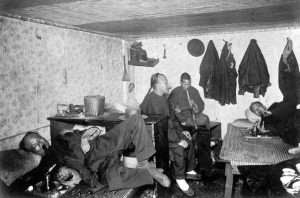
Early legal interventions were attempts to suppress the use of drugs. Many immigrants descended from Canton, a region with a long history of opium addiction. By 1875, anxious authorities in San Francisco issued an ordinance prohibiting opium dens (America’s first anti-narcotics law). As the Chinese presence spread eastwards, edicts banning opium-smoking were issued across the United States as the habit attracted a white clientele as well.
Federal law prohibited Chinese immigrants from becoming naturalized citizens. The 1892 Thomas Geary Act (officially titled: “An Act to prohibit the coming of Chinese laborers to the United States”) required them to carry a residence certificate at all times upon penalty of deportation. To (brutally) enforce the law and restrict entrance, Angel Island Immigration Station was built in San Francisco Bay in 1910.
Thomas Nast’s Cartoons
During the eighteenth century, the political cartoon became a recognized form of socio-political commentary. The British weekly satirical magazine Punch started in 1841, featuring the work of John Leech (1817-1864) whose drawings were the first to be called “cartoons.” John Tenniel (1820-1914) illustrations popularized symbols such as Britannia, John Bull or Uncle Sam.
Under British colonial rule any person who criticized the Crown or government might be imprisoned, but during the American Revolution cartoons became a much used tool in political discourse. With the ratification of the Bill of Rights in 1791, cartoon creation was protected by the First Amendment. The greatest American satirist to emerge was Thomas Nast.
Born on September 27, 1840, in military barracks in Landau, Bavaria, Nast’s father was a trombonist in the Bavarian 9th Regiment band. In trouble for his political views, he sent his wife and children to the city of New York in 1846 where he later joined the family. Thomas was educated in the city, a poor student in academic terms, but a talented illustrator.
After studying at the National Academy of Design, he eventually joined the staff of Harper’s Weekly in 1862. He quickly developed into a sharp political cartoonist, focusing on such topics as the Civil War, slavery, xenophobia, and William “Boss” Tweed’s corrupt rule at Tammany Hall. When Nast died in 1902, The New York Times eulogized him as the “Father of American Political Cartoon.”
A solitary voice, Thomas Nast dedicated forty-six cartoons in Harper’s Weekly defending Chinese Americans. His images were aligned with the journal’s editorial position of inclusion and tolerance towards immigrants.
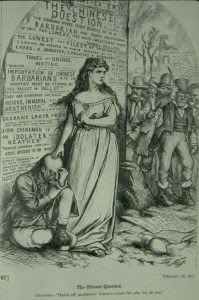
On February 18, 1871, the magazine published an article which dismissed the purported “Chinese invasion” as altogether mythical, arguing that most Americans still adhered to the “old Revolutionary doctrine that all men are free and equal before the law.”
That sentiment is reflected in Nast’s cartoon entitled “The Chinese Question.” The Romanesque goddess Columbia, who preceded Uncle Sam as a symbol of independence, is depicted shielding a Chinese worker from a furious mob (themselves immigrants), with the caption “Hands off, gentlemen! America means fair play for all men.”
Plastered on a wall behind the nurturing figure of Lady Columbia, are slurs that refer to Chinese workers as mongolian, barbarian, heathen, idolatrous and pagan. They are condemned as morally suspect, vicious and vile.
At the time of the cartoon’s publication, New York City’s Chinese population was minuscule.
Exodus to Manhattan
Some early Chinese settlers were sailors and traders who had arrived in New York Harbor and decided to stay, but most residents were refugees from the western United States. Increased mob violence and rampant discrimination in California had driven them to Manhattan where there were job opportunities as well as the relative safety of a more diverse population.
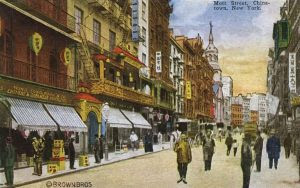
In 1870, less than a hundred Chinese people resided in New York City; two decades later there were about 13,000 living there. From the 1870s onward, Manhattan’s Chinese population began to concentrate around Mott Street. Barred from citizenship and its protections, locals formed their own internal structures that provided jobs, medical care, mutual protection and housing.
The tenement was the district’s predominant type of building and these structures were modified to conform to Chinese uses and tastes. The first genuine such building was the Chinese Consolidated Benevolent Association (CCBA) at 16 Mott Street.
Considered its “City Hall,” the appointed leader was known as the “Mayor of Chinatown.” The organization mediated in disputes, acted as a broker in business transactions, protected local residents and stood up for their rights.
By the early 1880s, Chinatown was a mini-economy with over three hundred laundries, fifty vegetable markets, twenty tobacco stores, ten pharmacies, six restaurants, and numerous opium dens and brothels. By then, the Chinese owned almost every building on Mott Street. Known as “China Town” (the term was introduced by The New York Times in 1880), the quarter counted a number of secret societies and rival gangs fighting for dominance in an almost exclusively male society.
This type of mayhem offered juicy material to reporters. The Police Gazette was a tabloid-like magazine that chronicled crime and violent acts for the consumption of New York City’s general public. Its pages were filled with lurid accounts of street battles featuring hatchet-wielding warriors fighting on behalf of Chinese secret societies.
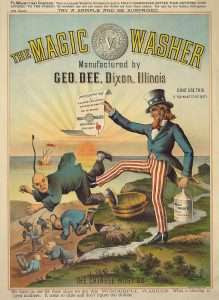
Prejudice and racial discrimination reached every aspect of society in every part of the nation. In 1886, the George Dee Magic Washing Machine Company in Dixon, Illinois, produced a poster with the slogan “Uncle Sam Kicks out the Chinaman,” promoting its new detergent (“Magic Washer”) in an effort to displace Chinese laundry operators.
Traditionally, Chinese men had left wives and family behind to come to America, hoping to make money and return home later. During the period of anti-Chinese agitation, lawmakers seized upon gender categories to impose social control and close the open borders.
In 1875, Congress passed the Horace Page Act, aiming to “end the danger of cheap Chinese labor and immoral Chinese women.” It specifically barred prostitutes, a vaguely defined category that border agents could apply as they saw fit. Single and unemployed women were qualified as sex workers. Long periods of exclusionary policies led to a severe gender imbalance in Chinese communities.
Deprived of familial ties, men relied on local associations and societies as substitute families or turned to gambling, prostitutes or opium (most arrested Chinese men were accused of one of three criminal acts: visiting brothels, gambling, or using drugs).
Some men married local women, even though an American woman would be deprived of her U.S. citizenship if she did so. Most of these ladies were of Irish background as relationships were driven by a shared experience of discrimination, hostility and exclusion. Intermarriage between Irish women and Chinese men challenged prevailing social norms, creating further racial conflicts and xenophobic hatred.
Mabel Ping-Hua Lee
Even though early Chinatown was predominantly a bachelor society, women played a crucial role in its development and evolution. They ran family businesses, worked in restaurants and laundries, maintained religious and cultural traditions, and built local community associations and networks. As the district grew and diversified, women began to take on more leading roles in the community. Some of them became prominent social activists.
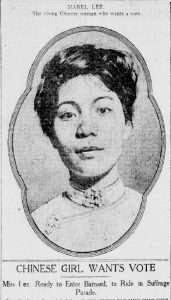
Mabel Ping-Hua Lee was born on October 7, 1897, in Guangzhou, Canton City. Her father Lee Towe was a clergyman who was called to the United States when she was four years old. By 1904 he acted as pastor of the Baptist Chinese Mission in Chinatown, Manhattan. Mabel stayed in Canton with her mother, but they were able to join him in 1905 after she was awarded a Boxer Indemnity Scholarship (a program for Chinese students to be educated in the United States). She would make her presence felt in the fight for minority rights.
Living in a tenement at 53 Bayard Street, Chinatown, she attended Erasmus Hall Academy on Flatbush Avenue, Brooklyn. Founded in 1786 as a private institution of higher learning named after Desiderius Erasmus, the school served to accommodate the sharp increase of immigrant children. In 1913 Mabel entered Barnard College. Founded in 1889 and affiliated with Columbia University, this woman’s college was one of the original group of liberal arts institutions that made up the so-called “Seven Sisters.”
As a Chinese immigrant, Mabel was legally unable to vote under the 1882 Chinese Exclusion Act. Being denied that right, she became committed to political activism at an early age and tried to inspire other Chinese women to become civically engaged.
At Barnard she joined the Chinese Students’ Association and wrote essays in support of women’s education for The Chinese Students’ Monthly, including one on the “Meaning of Woman Suffrage” (issue of May 1914).
She was already known for her views by then. Two years earlier, she had hit the headlines. On May 4, 1912, riding a white horse, she helped leading a suffrage parade in Manhattan that was attended by some ten thousand people.
By 1917, women in the state of New York were granted the right to vote. Three years later, the Nineteenth Amendment was passed that gave them the right to vote across the country, but not to Mabel and other women of color. She continued to plea for equal rights, but it would take until 1943 for the Chinese Exclusion Act to be repealed.
After graduating from Barnard College, Mabel carried on her studies at Columbia University. In 1921 she became the first Chinese woman to graduate with a PhD in economics. Her thesis was published that same year as a book entitled The Economic History of China: With Special Reference to Agriculture. The study was significant enough to be re-issued in October 2022.
Mabel never betrayed her Manhattan roots and remained involved with its immigrant community. Following her father’s death in 1924, she took over his role as Director of the First Chinese Baptist Church at Pell Street. She opened the Chinese Christian Center, offering a health clinic, a kindergarten, vocational training and English classes to the local community.
Mabel Ping-Hua Lee died in 1966. On December 3, 2018, Chinatown’s Post Office Station at Doyers Street was dedicated to her.
It is not known if she ever attained American citizenship or exercised her right to vote.
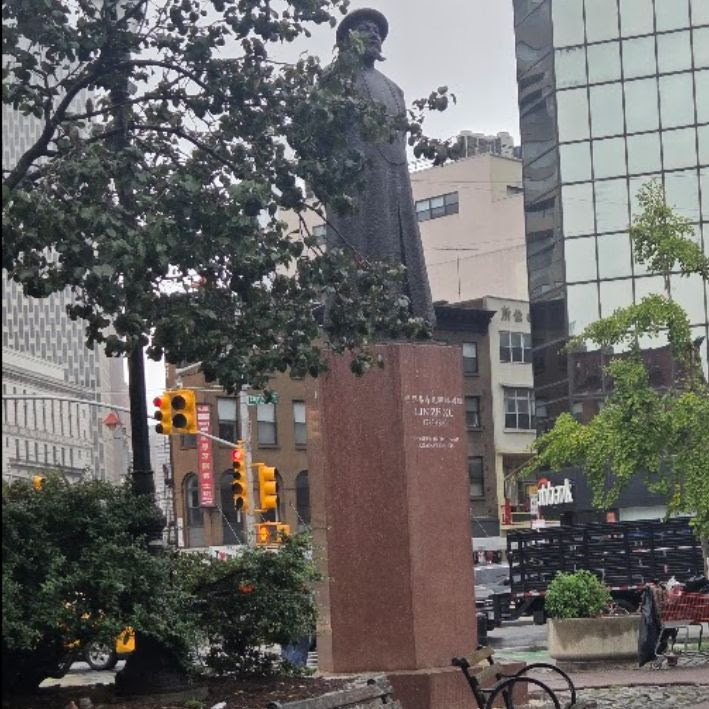
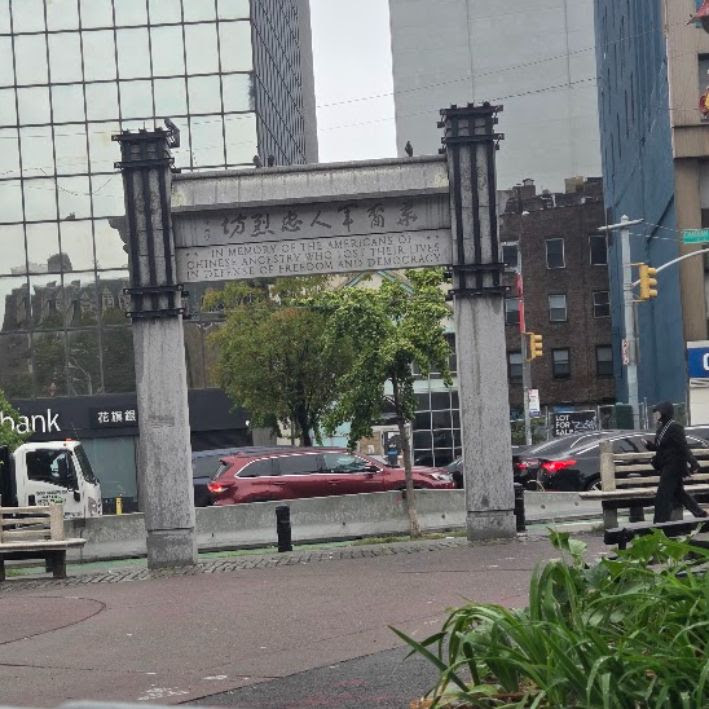
SCENE TODAY AT CONFUCIUS PLAZA, CHINATOWN
I HAPPENED TO BE AT OLIVER STREET TODAY, CONFLUENCE OF WORTH STREET, ST. JAMES PLACE, HENRY STREET, & PARK ROW.
Your Seat Awaits at the RIJC
YOM KIPPUR SERVICES WEDNESDAY, OCTOBER 1 KOL NIDRE THURSDAY, OCTOBER 2 SERVICES www.rijc.org
Credits
Illustrations, from above: Postcard of Mott Street, Chinatown late-19th century, published by Brown Brothers; Anonymous, “Opium den in San Francisco boarding house,” late nineteenth century. (The Bancroft Library); Thomas Nast, “The Chinese Question,” published on February 18, 1871, in Harper’s Weekly; The George Dee Magic Washing Machine Company, “The Chinese Must Go” broadside poster promoting a new detergent, 1886 (Library of Congress); “Chinese Girl Wants Vote” portrait of Mabel Ping-Hua Lee in the New-York Endowment Tribune, April 13, 1912 (Library of Congress).
All image are copyrighted (c) Roosevelt Island Historical Society unless otherwise indicated THIS PUBLICATION FUNDED BY DISCRETIONARY FUNDS FROM CITY COUNCIL MEMBER JULIE MENIN & ROOSEVELT ISLAND OPERATING CORPORATION PUBLIC PURPOSE FUNDS.
“GENERATIONAL PERSPECTIVES” Program at the RI NYPL, Monday, Sep. 29th, 6:30 p.m.
CELEBRATING OUR ISLAND AT 50 YEARS
How long have you lived on Roosevelt Island?
How many generations of your family have the Island their homes?
Our island has been home to many generations of families. It is easy to name so many families whose parents, grandparents arrived here in the 1970’s and 1980’s and now their families are raising kids, grand kids and even great grand-children.
Why is this so common?
What is it like to have all the generations near?
Join us for this discussion with our multi-families.
This program is sponsored by the ROOSEVELT ISLAND HISTORICAL SOCIETY THE NEW YORK PUBLIC LIBRARY.
This program is free and open to all.
1871: The New Grand Central Terminal
Thursday, September 25, 2025
New York Almanack
Issue # 1540
1871: The New Grand Central Depot at 42nd Street & Fourth Avenue, Manhattan
What follows is a July 15, 1871 Scientific American article about the opening of Manhattan’s Grand Central Depot, a predecessor to the current Grand Central Terminal, built on the site of a previous 42nd Street Station. This structure was later expanded and became known as Grand Central Station before its final reincarnation as the current Grand Central Terminal in 1913:
Among all our large commercial buildings, the railroad depots are those of which New Yorkers have least cause to be proud. Discomfort, shabbiness, and dirt, concentrated in ill-ventilated structures, have generally hitherto been all the accommodation to the public that our railroad kings have seen fit to give.
But at last a building has been erected, where space for business, order and discipline in arrangement, ample ingress and egress, and substantial elegance of interior and exterior, are provided. This is the new Union Depot, corner of Forty-Second Street and Fourth Avenue, and it is intended to be the New York terminus of the New York Central and Hudson River, the New York and Harlem, and the New York and New Haven lines, which are all, directly or indirectly, under the control of Commodore [Cornelius] Vanderbilt.
The building is nearly 800 feet in length by 240 in width, and is thus about four acres in floor area. The crown of the arched roof is over 100 feet from the ground; and the iron and glass of which the roof is built, and which is now the universal system of roof building for railroad purposes, insure to the depot plenty of light and an airy and pleasant appearance.
Offices for the transaction of the business of the three roads, well built and decorated, are exterior to the depot itself, and face Forty-Second and the adjacent streets; and waiting rooms, with restaurant adjoining, and toilet accommodation are also provided.
Telegraphic communication is made from the depot master’s office to all the switches, and the centralization of all the switch arrangements will be found to prevent the numerous slight accidents which often occur in and about a railroad depot, accidents of which the public hears nothing, but which add greatly to the expenses of a railroad.
To these well designed and costly arrangements, it will be necessary to add a well disciplined, courteous, and business like staff of clerks, porters, and attendants; and the traveling public will appreciate the convenience of the new terminus, and one of our railway presidents will have got rid, as far as he is concerned, of a lasting reproach to New York.
Your Seat Awaits at the RIJC
YOM KIPPUR SERVICES WEDNESDAY, OCTOBER 1 KOL NIDRE THURSDAY, OCTOBER 2 SERVICES www.rijc.org
Credits
Grand Central Terminal arose from a need to build a central station for the Hudson River Railroad, the New York and Harlem Railroad, and the New York and New Haven Railroad in Midtown Manhattan. The Harlem Railroad originally ran as a steam railroad on street level along Fourth Avenue (now Park Avenue), while the New Haven Railroad ran along the Harlem’s tracks in Manhattan with a trackage agreement.
Vanderbilt had purchased the Hudson River and New York Central Railroads in 1867, and merged them two years later. He then developed a proposal to unite the three separate railroads at a single central station, replacing the separate and adjacent stations that created chaos in baggage transfer. Vanderbilt commissioned John B. Snook to design this new station which was constructed from September 1, 1869, to October 1871 in the Second Empire style.
Illustration: Grand Central Depot in Manhattan, ca. 18171 (New York Public Library).
All image are copyrighted (c) Roosevelt Island Historical Society unless otherwise indicated THIS PUBLICATION FUNDED BY DISCRETIONARY FUNDS FROM CITY COUNCIL MEMBER JULIE MENIN & ROOSEVELT ISLAND OPERATING CORPORATION PUBLIC PURPOSE FUNDS.
“GENERATIONAL PERSPECTIVES” Program at the RI NYPL, Monday, Sep. 29th, 6:30 p.m.
CELEBRATING OUR ISLAND AT 50 YEARS
How long have you lived on Roosevelt Island?
How many generations of your family have the Island their homes?
Our island has been home to many generations of families. It is easy to name so many families whose parents, grandparents arrived here in the 1970’s and 1980’s and now their families are raising kids, grand kids and even great grand-children.
Why is this so common?
What is it like to have all the generations near?
Join us for this discussion with our multi-families.
This program is sponsored by the ROOSEVELT ISLAND HISTORICAL SOCIETY THE NEW YORK PUBLIC LIBRARY.
This program is free and open to all.
VISUALIZING JEWISH NEW YORK
Tuesday-Wednesday, September 23-24, 2025
New York Public Library
Issue # 1539
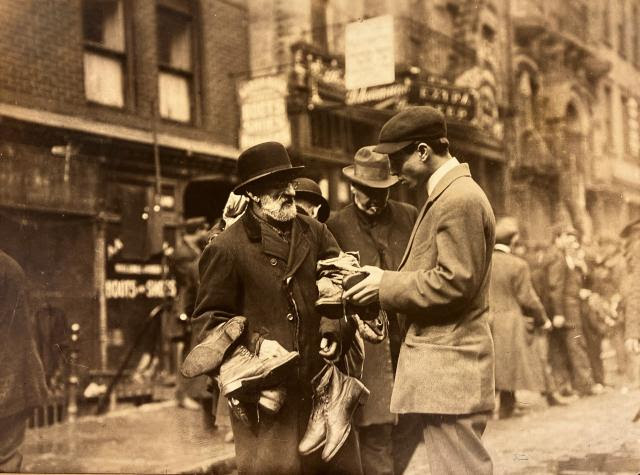
Percy Loomis Sperr, 1890–1964, “Shoes–peddler, Lower East Side” New York, ca. 1930–34 Visualizing Jewish New York
Jewish life in New York drew the attention of many prominent photographers whose affection and fascination for the city found diverse expression in the early and mid 20th century. During this time, the Jewish population of the city was growing exponentially; it reached 1.6 million in 1920. Naturally, The New York Public Library became home to extensive collections by both Jewish and non-Jewish photographers who offer intriguing snapshots of Ellis Island and street scenes from the Lower East Side, the hub of early 20th-century Jewish life in New York City. They demonstrate the many different approaches to capturing scenes and people. There are the socially driven “photo-studies” by Lewis Wickes Hine (1874–1940), the meticulous and exhaustive explorations of Lower East Side architecture and immigrant life by Percy Loomis Sperr (1890–1964), the ever-changing New York landscapes of Berenice Abbott (1898–1991), and Morris Huberland’s (1909–2003) intergenerational portrayals of the Jewish inhabitants of the Lower East Side. Together, these images celebrate the energy and aspirations of the vibrant, dynamic Jewish community of New York.
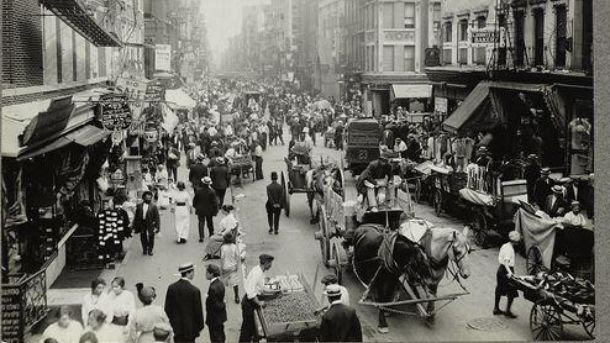
Market Day in the Lower East Side
Lewis Wickes Hine, 1874–1940
“Market day in Jewish quarter of East Side, New York City – 1912”
New York, 1912
In this photograph, Lewis Wickes Hine masterfully captures the vibrant life, dynamism, and exuberant spirit of the Lower East Side in 1912. Its atmosphere calls to mind the bustling market days in the Jewish towns in Eastern Europe, while the skyline of tenement houses and the pedestrians dressed in their Sunday best place the viewer in New York’s “Jewish quarter of East Side.”
The photograph offers a fascinating view down a long, unnamed busy street somewhere at the heart of the Lower East Side’s Jewish neighborhood. A seemingly endless row of shops lines both sides of the street, punctuated with pushcarts moving in different directions or stationed in the middle of the street, loaded with an array of wares ready to tempt some new Americans on a beautiful warm Sunday.
Hine indeed reveals the American life in the making, in the midst of the Lower East Side
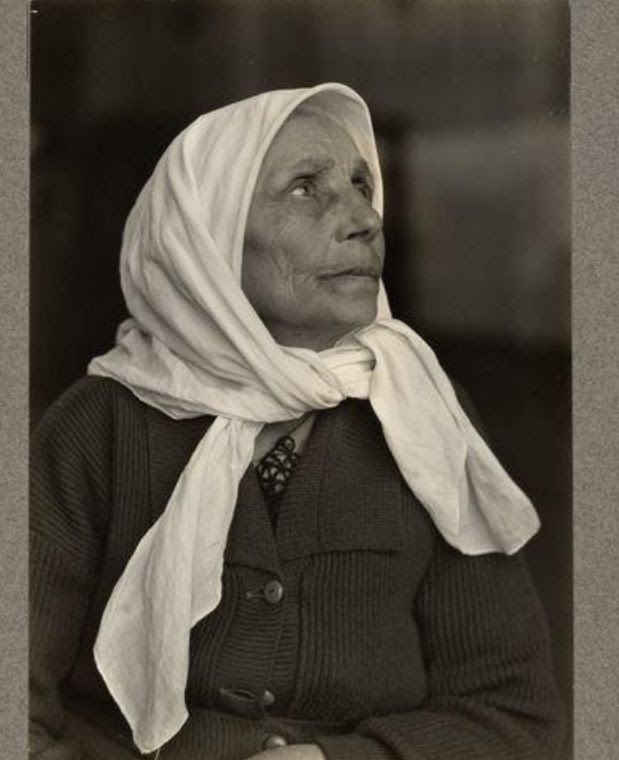
Jewish Grandmother on Ellis Island
Lewis Wickes Hine, 1874–1940
“Jewish Grandmother – Ellis Island, 1926”
New York, 1926
Lewis Wickes Hine was a renowned American sociologist and photographer who pioneered the use of the camera as a tool for social reform. He was born in Oshkosh, Wisconsin, and moved to New York in 1901. He studied sociology at the University of Chicago and Columbia University. Starting around 1904, he took thousands of photographs of immigrants who arrived at Ellis Island daily. He often referred to his work as “photo-studies,” as he was trying to see his models in detail, to deepen the perspective and make his art more impactful. For Hine, the new immigrants were not a faceless mass, but rather, vital individuals captured in real situations of life. Without depriving them of their personalities, he presented them as a group, thus amplifying the social message he aimed to deliver.
Hine frequently accompanied his gallery of portraits of Jewish immigrants on Ellis Island and scenes on the Lower East Side with some associative quotations by authors or with his own notes. These helped to frame a specific message and communicate it so the viewers would study his works from the societal point of view.
In this photograph that Hine captured on Ellis Island in 1926, the steady gaze of the Jewish grandmother is directed skyward, as though she is engaged in some kind of silent prayer.
“So this is America,” wrote Hine on the accompanying note card, as if reading the woman’s thoughts. He continued: “This Jewish grandmother’s face is filled with awe and hope, as she looks towards the land for which her people have gained, and to which they have given so much.”
Nurse and Jewish mother
Lewis Wickes Hine, 1874–1940
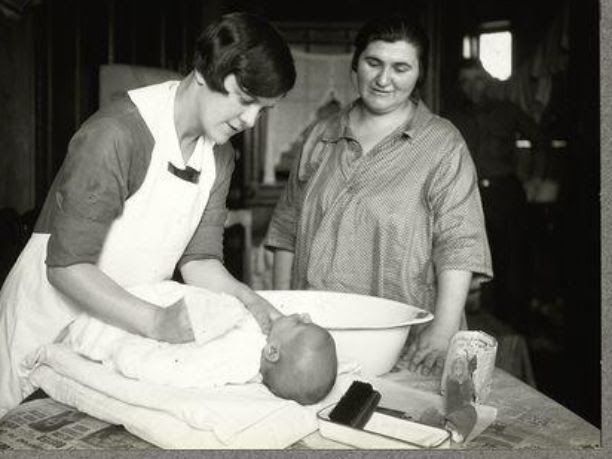
“A Visiting nurse showing Jewish mother how to care for the baby, East Side, New York – 1925”
New York, 1925
In the early 20th century, numerous immigrant welfare organizations in New York City, including the prominent Educational Alliance on the Lower East Side, played a crucial role in providing services to the newcomers. These ranged from vocational training to language instruction to healthcare, all to help the immigrants adjust to their new country. Nursing classes were available to young mothers, who were strongly encouraged to take them. The classes showed the women how best to care for their babies and helped them to embrace the new, progressive American health and hygiene practices.
In this captivating photo-study from 1925 by Lewis Wickes Hine, we witness a revealing moment of interaction between two young women, a visiting nurse and a mother, both lovingly attending to a baby in one of the Lower East Side tenement apartments. Despite their proximity in age, they seem to belong to two different generations and even worlds, although they may be speaking Yiddish to each other. The younger woman, a nurse, most likely an immigrant herself, seems to be a well-established professional with more American experience. She shows the other woman, most likely a more recent immigrant, how to care for the child. The mother is observing the process with tender attention, but with a hint of hesitation on her face.
Rivington Street – Eldridge Street
Percy Loomis Sperr, 1890–1964
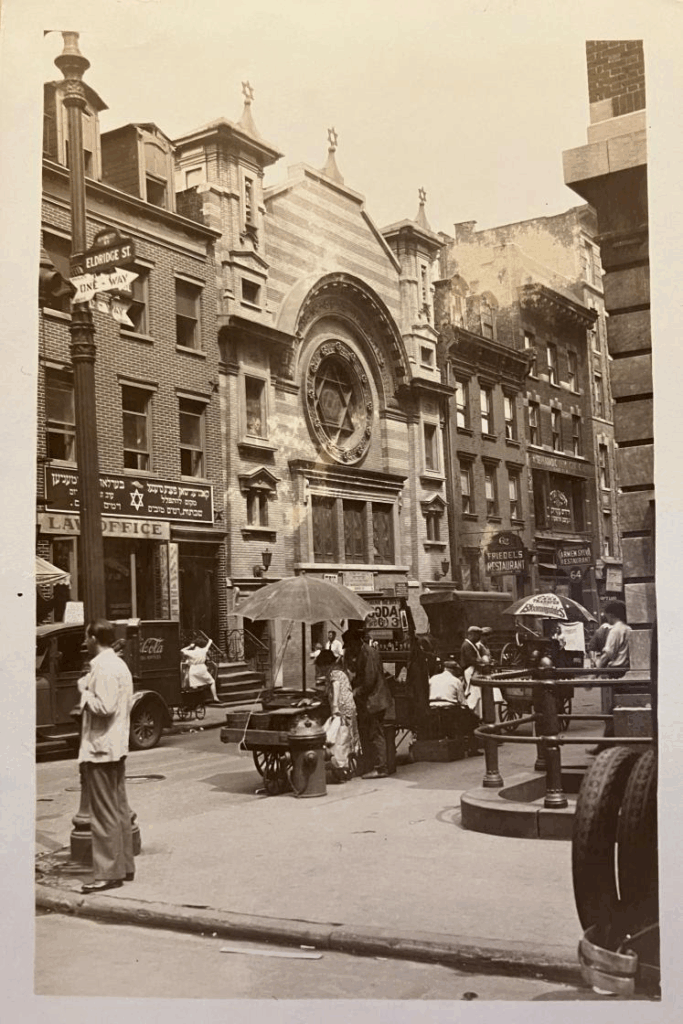
“Manhattan: Rivington Street – Eldridge Street”
New York, 1930
Percy Loomis Sperr not only documented the addresses of the buildings on the streets that he captured in his photographs, but he also considered it essential to describe the local landmarks.
This photograph offers a snapshot of Rivington Street on July 23, 1930. Sperr’s typewritten note states: “56 to 64 Rivington Street, north side, east from but not including Eldridge, to but not including Allen streets, showing the Warshauer First Congregation Synagogue (No. 58-60).” He goes on to indicate: “The Congregation was organized in 1889 and conducts services in Hebrew.”
The synagogue is featured on the left side of the photograph in the context of daily bustling life on the street. It captures pushcarts lined up right across from the building, vendors and their customers, pedestrians, and cars parked on the pavement. Adjacent establishments, such as a law office and Friedel’s restaurant, are also in the frame.
The synagogue building was constructed in the Moorish Revival style by the renowned architect Emery Roth (1871–1948), a Hungarian Jewish immigrant who designed many Beaux Arts buildings in the city. It was originally built for the congregation Adath Jeshurun of Jassy, serving immigrants from Iași, Romania. But in 1907 the building changed hands and was sold to the First Warshauer (Warsaw) Congregation, which remained on the premises until 1973. Sperr’s photograph of 1930 may be the earliest surviving photographic documentation of this historic synagogue. The Library has other images of the same synagogue that the Polish-American photographer Morris Huberland (1909–2003) captured in the 1970s, apparently after the congregation’s departure.
Shoes-peddler, Lower East Side
Percy Loomis Sperr, 1890–1964
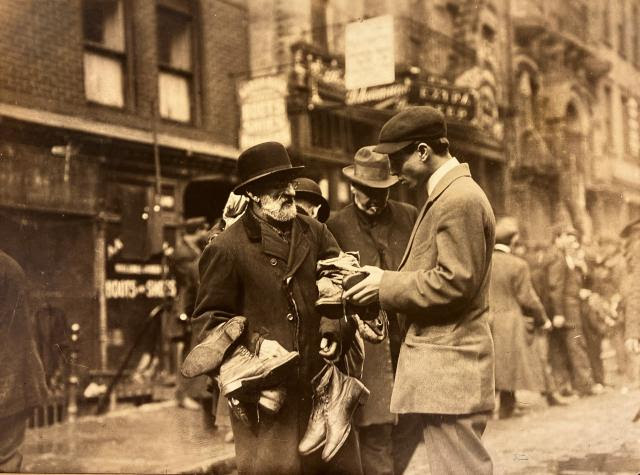
“Shoes–peddler, Lower East Side”
New York, ca. 1930–34
Percy Loomis Sperr was an American photographer best known for his meticulous documentation of the streets of New York in the 1920s through the 1940s. This resulted in more than 30,000 images for The New York Public Library’s “Streetscape and Townscape of Metropolitan New York City, 1860–1942” project as well as for the “New York City, Immigrant Life” project. During this period, Sperr was an employee of the Library, working primarily in the Lionel Pincus and Princess Firyal Map Division. His librarian’s skills and access to the relevant resources added depth to his systematic explorations of the city. What makes the results of his work even more impressive is that this man with his small, simple camera was walking dozens of miles around the city’s five boroughs on crutches, as his right leg was paralyzed from childhood.
In terms of the studies of New York’s Jewish neighborhoods, Sperr’s collection is a precious gift and a trove of information on what the theaters, synagogues, shops, and tenement houses looked like in those days, and how life was conducted on the streets around these buildings. Sperr’s photographs reflected his fascination with immigrant communities and people in general, thus preserving for us many street scenes that enhance our understanding of these neighborhoods in the context of daily life for that time.
In this photograph, one can imagine a lively conversation taking place between the elderly shoe peddler in a weathered coat and hat, whom Sperr characterized as “itinerant,” clutching several pairs of women’s and men’s second-hand shoes, and the younger, fashionably dressed customer. They are likely bargaining over a possible purchase while standing in the middle of the pavement on one of the bustling market days on the Lower East Side. The photograph dates to the early 1930s and offers a glimpse into this moment of exchange between generations and styles.
All image are copyrighted (c) Roosevelt Island Historical Society unless otherwise indicated THIS PUBLICATION FUNDED BY DISCRETIONARY FUNDS FROM CITY COUNCIL MEMBER JULIE MENIN & ROOSEVELT ISLAND OPERATING CORPORATION PUBLIC PURPOSE FUNDS.