Weekend, August 8-10, 2025 – ALL TYPES OF LAND MASSES ARE IN OUR RIVERS AND HARBOR

Abandoned Islands of New York
Weekend, August 8-10 2025
UNTAPPED NEW YORK
Issue # 1506
Shooter’s Island (Kill Van Kull)
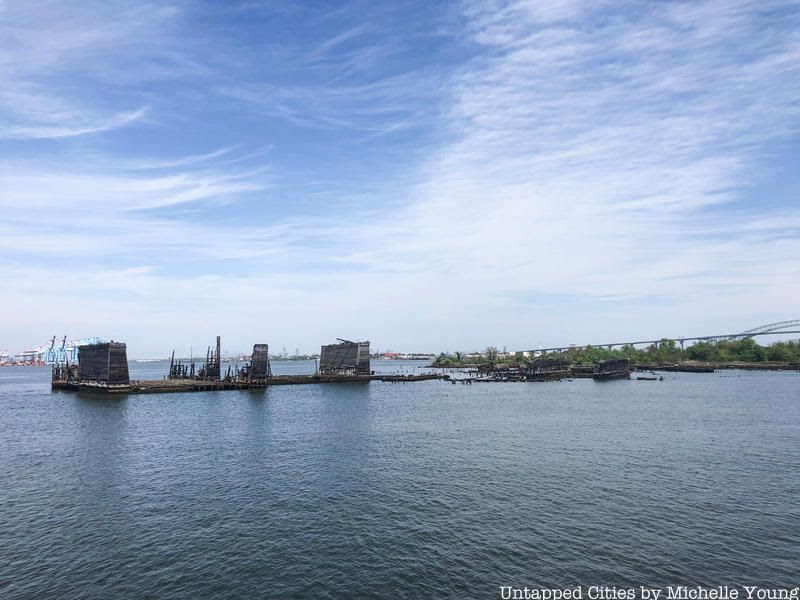
This 43-acre island straddles the border between New York and New Jersey and derives its name from the hunting activities that took place here during the Colonial Era. As New York grew into an industrial port, the island accommodated an oil refinery and shipyard during the 19th century.
Today, the island is owned by the Department of Parks and Recreation, with the Audubon Society managing wildlife research. Many prominent historical figures from George Washington to Theodore Roosevelt and Prince Henry of Prussia once made use of the island, with the former utilizing it as a location to drop off covert messages during the Revolutionary War.
Hoffman & Swinburne Islands
(Lower New York Bay)
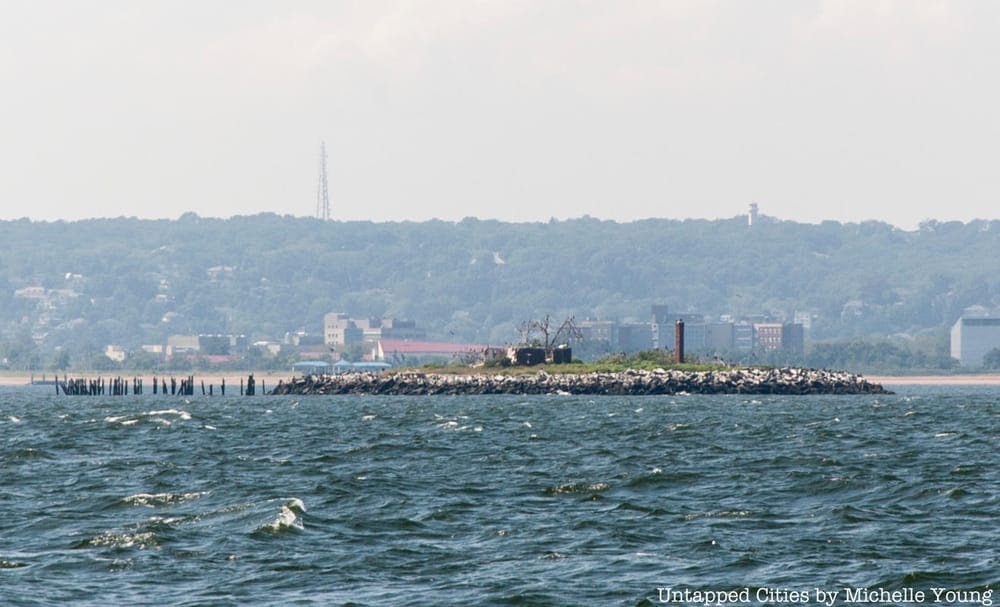
This duo of artificial islands rests close enough to Staten Island’s shore that a proposal once existed to fill the gap between the landmasses to create a park. Such a proposal might not have existed if the planners had known that the islands originally hosted quarantine stations during the height of immigration into the U.S. in the late 19th/early 20th centuries.
Constructed entirely of iron in order to keep the structures as airtight as possible, the facilities on the islands included a crematory and a mortuary for the less fortunate patients. Advances in the medical treatment of infectious diseases led to the decline of such facilities, with these two closing in 1923. Having been owned by the Department of Parks and Recreation since 1966, the islands were ironically preserved in order to maintain the “natural” topography of New York Bay.
North & South Brother Islands (East River)
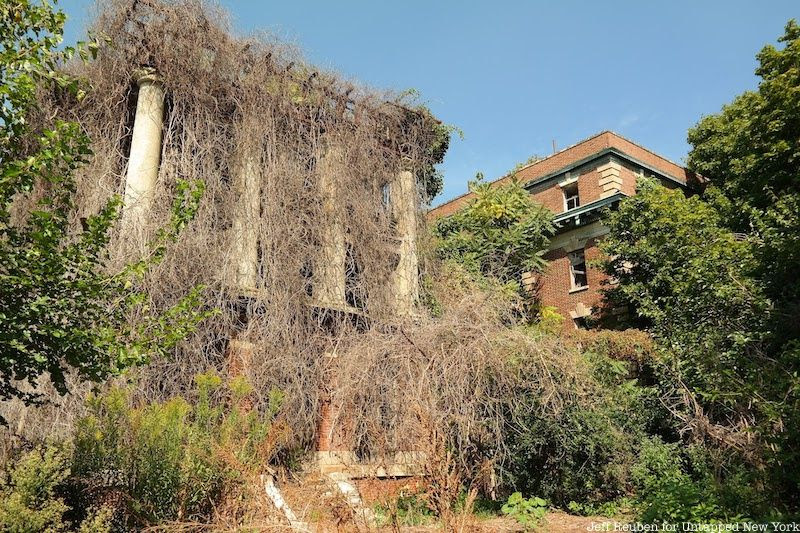
Another duo of islands, these brothers are common in name only. North Brother‘s backstory features elements that have become typical for the avid New York historian, with a history of housing the sick, the addicted, and the condemned in confined spaces away from the public. The tuberculosis pavilion has been documented by photographer Christopher Payne, and much literature has been written about the site.
For what South Brother lacks in foreboding tales of the infirm, it makes up for in humorous eyebrow-raising real estate ventures. Originally the property of Jacob Ruppert–the owner of the Yankees largely responsible for bringing Babe Ruth to New York–the island’s only structure burned down in 1909. After Rupper sold the island, the real estate transactions went something like this: private ownership to public ownership to private again to public again, with prices ranging from $10 from an investment firm in 1975 to $2 million of Federal Grant money in 2007.
Ellis Island’s Abandoned Southside Hospitals
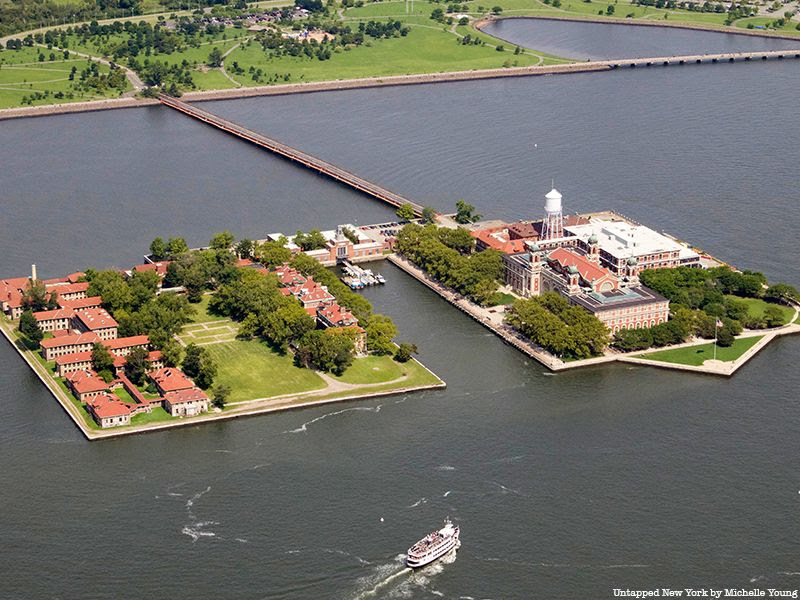
While Ellis Island has become one of New York City’s top tourist attractions, drawing over two million visitors per year, the 22-building South Side hospital complex is hidden in plain sight, just to the left of disembarking passengers headed towards the Great Hall. Looking at its desolate, skeletal frame now, it’s difficult to imagine its backstory as one of the largest public health undertakings in American history.
Mau Mau Island (Mill Basin)
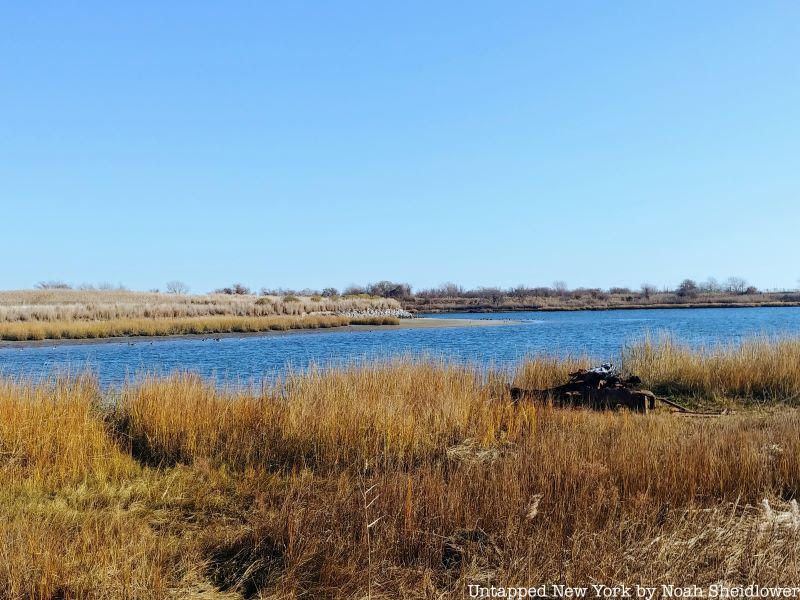
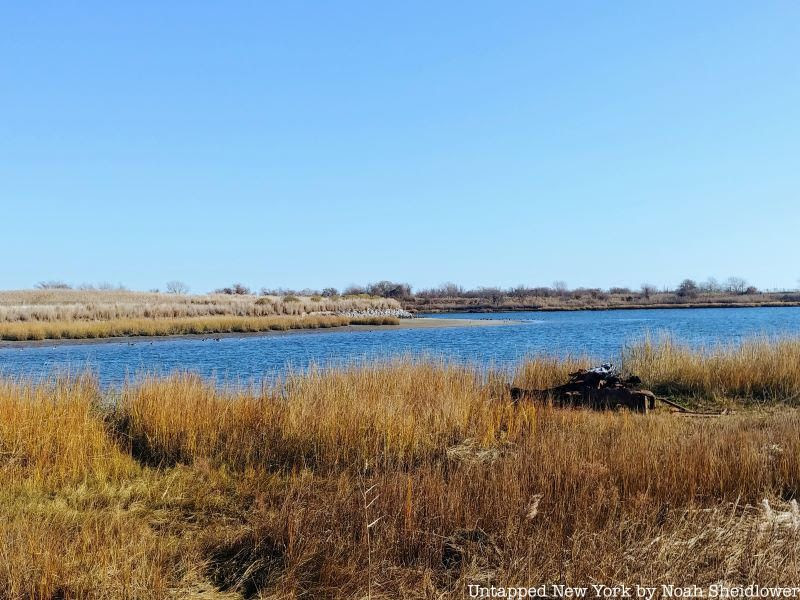
Islands have historically played strategic roles for nations and their militaries, and those in New York City are no exception. While the battles on Long Island and Manhattan have been well documented, the naval skirmish that took place on Mau Mau is a little less well-known. That might have had more to do with the post-battle bar hop, though.
r. The manmade island sits across from Marine Park golf course and has attracted little media attention–save for the construction of a bird sanctuary–since.
High Island (City Island Harbor)
A stone’s throw from New York City’s most treasured obscure landmass, City Island, High Island has also proved a cozy home, first for sharks and then for humans. The bungalow dwellers were kicked out in 1962 to make way for a radio transmission tower, which was hit by a small plane just one day before owner WCBS switched to an all-news format. A new tower has stood in place since the incident and has a daytime broadcast frequency range from Cape Cod to Cape May.
Isle of Meadows (Fresh Kills)
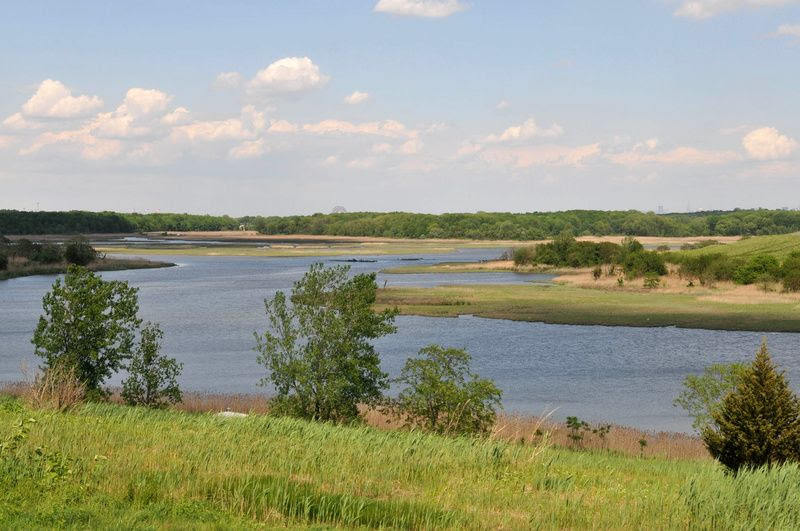
Image courtesy The City of New York and Freshkills Park by Daniel Avila
This 100-acre plot of land is as natural as they come, which is why the Audubon Society has fought so hard for its preservation over the years. Plans for its inclusion in the Fresh Kills Landfill were met with volatile opposition in the early 1990s, and today the island consists entirely of a nature preserve. Once declining populations of herons, ibis, and egrets now call the island home, and it has been considered one of the most crucial such refuges in the New York area.
PHOTO OF THE DAY
HOTEL ST. GEORGE, BROOKLYN, MORE NEXT WEEK
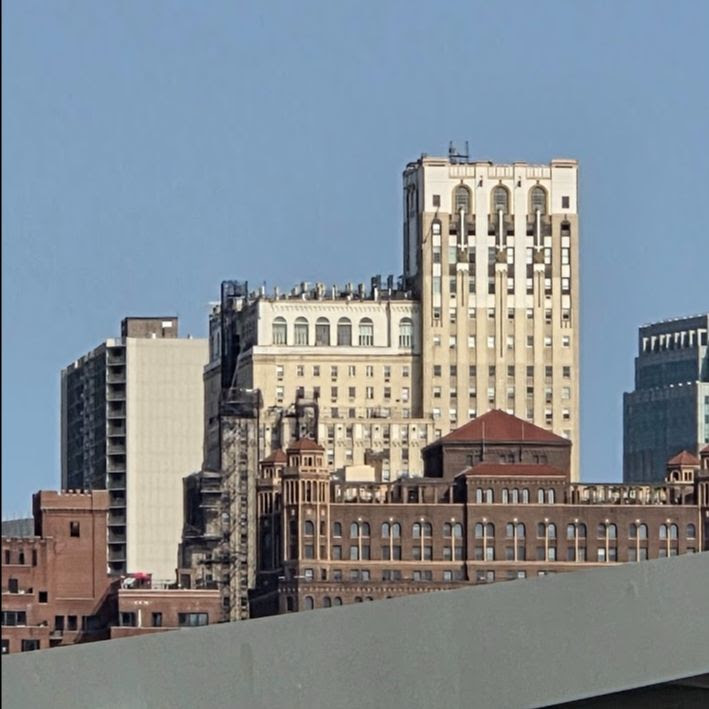
CREDIT TO
UNTAPPED NEW YORK
All image are copyrighted (c) Roosevelt Island Historical Society unless otherwise indicated
THIS PUBLICATION FUNDED BY DISCRETIONARY FUNDS FROM CITY COUNCIL MEMBER JULIE MENIN & ROOSEVELT ISLAND OPERATING CORPORATION PUBLIC PURPOSE FUNDS.

Copyright © 2025 Roosevelt Island Historical Society, All rights reserved.Our mailing address is:
rooseveltislandhistory@gmail.com
Leave a comment