Archive

You are currently browsing the Roosevelt Island Historical Society blog archives for August, 2026.

Aug

11

Tuesday, August 11, 2026 – The Musical Journey: Bandurrias & Mandolins!

By admin


A TALE OF MISTAKEN IDENTITY:


MANDOLIN MANIA IN


MANHATTAN

A Tale of Mistaken Identity: Mandolin Mania in Manhattan

August 10, 2026 by Jaap Harskamp
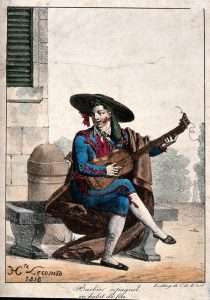
During the Renaissance (roughly 1400–1600) and Baroque (roughly 1600–1750) eras, Spanish barber shops doubled as social hubs. Barbers kept stringed instruments hanging on the wall for waiting customers to play or played them themselves to entertain patrons.

Spain has a rich lineage of stringed instruments that includes the bandurria.

Belonging to the lute family, it is a small pear-shaped, twelve-stringed instrument featuring a short neck and a headstock that holds tuning pegs. Used in traditional folk or classical ensembles, the bandurria is the most “misunderstood” member of all stringed instruments. It caused a mix-up in American music history that sparked the mandolin craze of the 1880s, highlighting an immigration paradox.

Barber-Musician

In 1775 French dramatist and bon-vivant Pierre-Augustin Caron de Beaumarchais published Le barbier de Séville (The Barber of Seville). Its main character named Fígaro would become the most famous “barber-musician.” Gioachino Rossini turned the play into a comic-opera in 1816.

In Il barbiere di Siviglia, Fígaro helps Count Almaviva to serenade his beloved Rosina with a stringed instrument beneath her balcony. By the 1880s, the opera had become wildly popular in Europe’s operatic capitals from Milan to London.

In that decade, going to the opera had become a social “must” for Manhattan’s elite. During an era that saw the rise of operatic divas, The Barber of Seville played a crucial role in this cultural phenomenon.
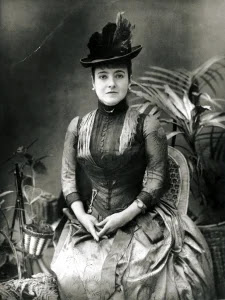
Legendary soprano Adelina Patti often toured Manhattan and her performances as Rosina in Rossini’s opera drew packed houses and generated intense media interest. When New York’s Metropolitan Opera opened for its first season, The Barber was selected as a foundational showpiece, making its premiere on November 23, 1883.

The opera was equally alive on the streets of Manhattan as the genre was part of popular culture. While major houses performed the opera in Italian, touring troupes offered vernacular versions of The Barber, recasting arias into catching ballads that were accessible to most New Yorkers. Fígaro’s opening solo piece “Largo al factotum” was a hit at the time through various translations and vaudeville adaptations.

The cult status of Rossini’s Barber coincided with the arrival of the Estudiantina Española Fígaro, a touring group known as The Spanish Students. This double musical sensation triggered a “Spanish Craze” in New York City. The performers were received as a living embodiment of Rossini’s masterpiece.

Plucking in Paris

In February 1878, sixty-four students from Madrid’s universities and colleges founded a group named the Estudiantina Española (Spanish Students) seeking to take part in the musical festivities on the eve of the Exposition Universelle (World Exhibition) in Paris. All its members were amateur musicians.

Drawing inspiration from historical serenade practices associated with student life in cities like Granada, participants dressed in Renaissance-style costumes, wearing capes, sombreros, and historical student attire. Driven by a desire to project Spanish cultural identity on an international stage, performances blended glamorized historical elements with folk music. The plucked-string ensemble featured instruments like bandurrias, guitars, violins, and tambourines (panderetas).

Members of the group arrived in Paris on March 2, 1878, and their performances proved sensational, drawing massive crowds to street and garden concerts of jotas, pasodobles, and habaneras accompanied by regional and popular dances. Mixing historical detail with exotic allure, the spectacle took Paris by storm.

A concert on March 6th outside the famous Café Riche on the Boulevard des Italiens attracted well over 50,000 onlookers, creating enormous traffic congestion. A performance in the Jardin des Tuileries the next day was also packed with enthusiastic attendees.

The group’s overwhelming success in Paris and other European capitals inspired rival ensembles to copy the model. By May 1878, guitarist and musical director Dionisio Granados split from the original group following internal disagreements and formed a splinter ensemble in Madrid.

He reduced the number of participants and named the new group Estudiantine Española Fígaro. This ensemble toured extensively throughout Europe, adapting to stage limitations if necessary and introducing vocal parts alongside the traditional plucked string instruments.
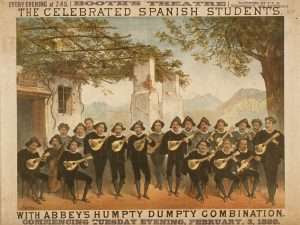
With a repertoire that fused Spanish folk tunes with classical adaptations, the Fígaro orchestra included multiple bandurrias for melody and harmony (aided by violins and cellos), guitars for rhythmic support, and tambourines for percussion, creating the typical sound of a Tuna (Iberian student string instrument groups going back to the thirteenth century). Elements of patriotism and local pride played a role in the spectacle.

At a time when nation-building faced political hurdles (regional resistance against Madrid’s centralized policies), popular musical movements bonded citizens at home and offered a romanticized flavor of Spanish character to foreign audiences. Composers started blending native folk traditions

such as Andalusian flamenco and regional dance rhythms with European classical structures. Isaac Albéniz captured the soul of nation in piano suites like Iberia, utilizing jota or habanera rhythms.

Parisians loved the visual theatricality and vibrant style of the Tuna street and stage performances. It became a rage at balls and festivities with participants wearing replica Spanish student outfits. Weary of German and Austrian domination of the musical domain, young French composers too found inspiration in Spanish tunes.

The Mediterranean region went in search of a style that contrasted with the “heavy” tones and “misty” atmosphere of Northern European compositions. Emmanuel Chabrier’s
vibrant orchestral rhapsody España (1883) is one of many examples.

Mandolin Mania in Manhattan

The Spanish Students embarked on their first visit to America in late 1879. On January 1, 1880, a reduced Fígaro ensemble, compromising nine bandurrias, five guitars, a violin (as well as five assistants), sailed into New York Harbor aboard SS France to launch an acclaimed eight-week run at Booth’s Theater on the southeast corner of 23rd Street and Sixth Avenue, Manhattan, beginning on February 3rd.

Arranged by prominent impresario Henry Eugene Abbey, their performance was an integral part of his Humpty Dumpty pantomime production. During the show’s interval, bandurria-driven Spanish tunes and medleys complemented the English vaudeville elements of the pantomime itself. It took a significant adaptation from earlier Tuna performances, but the unlikely mixture turned out to be a massive success.
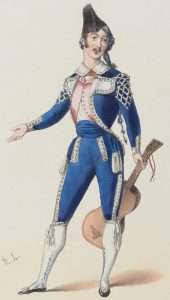
Bandurrias were unknown to most Americans; journalists mistakenly labeled them as “Spanish mandolins.” Rossini’s story of The Barber of Seville became tied to the phenomenon. The visual presence of Spanish Students ignited Manhattan’s “Mandolin Mania.”

Italian immigrants stepped in to fill the commercial demand by selling proper Neapolitan mandolins and producing instruction manuals of how to play the instrument. Musicians capitalized on the hype by forming look-alike ensembles, mimicking the name, costumes, and repertoire.

Composer Carlo Curti was born in May 1859 in the province of Potenza, Basilicata. Around 1875 he emigrated to America. Having seen the Spanish Students in 1880, he grasped the opportunity to set up a rival ensemble of Italian players that masqueraded as Spanish youth, but using mandolins rather than bandurrias. Touring extensively, Curti’s group drove the American passion for plucked instruments.

Italian Emigrants

Naples was the birthplace of the mandolin. Its metal strings were played with a plectrum to create a signature “tremolo” effect by the repeated and fast striking of a single string.

Developed by the city’s master luthiers during the mid-eighteenth century, it became the voice of Neapolitan songs and folk music. Historians credit the Vinaccia family of instrument makers (working from Rua Catalana in Naples) with perfecting the mandolin design in the 1760s. They made it an emblem of the Neapolitan soundscape.

During the nineteenth century, Naples was home to hundreds of instrument workshops. Originally embraced by classical composers like Antonio Vivaldi and Wolfgang Amadeus Mozart, the mandolin then transitioned into the ultimate symbol of popular Italian street music. It served as the melodic engine for Neapolitan folk pieces (Canzone Napoletana) and lively dances.

Italian emigration from the 1880s onward triggered a widening interest in the instrument. When millions of Italians left regions like Naples and Sicily, they carried lightweight mandolins as cultural anchors to their new destinations.

Within Europe, Marseille was a center of Italian settlement which brought a vibrant musical heritage to the historic Panier district, often referred to as “Petite Naples.”
Today, the city is a global hub for the mandolin and home to the annual Mandol’in Marseille Festival.

Italian artisans brought traditional woodworking skills to Manhattan. Having emigrated to New York in 1885, Morcone-born (Campania) luthier Angelo Mannello built a factory to produce highly ornate, award-winning mandolins. Operating his workshops at 553 East 140th Street, he employed up to seventy-five instrument makers in the early 1900s, including several artists for delicate decorative work.

Between 1880 and 1924, some four million Italians settled in the United States. They clustered in cities such as New York, Boston, Philadelphia, Chicago, and New Orleans, where music was at the heart of social life. Bowl-back Neapolitan mandolins turned up at weddings, social gatherings, and club meetings. Newcomers formed mandolin orchestras that performed everywhere, from local parish halls to mainstream civic stages.

For many second-generation Italian immigrants, such ensembles were the pathways to identity awareness and music literacy. Founded in 1924, the New York Mandolin Orchestra (NYMO) has been performing for over a century.

Roots Music & Bluegrass
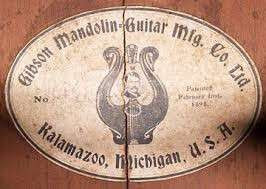
In 1898, American instrument maker Orville Gibson at Kalamazoo, Michigan, modified the Neapolitan bowl and patented (Patent Office, no. 598,245) a mandolin with a flat back and carved F-holes, producing a louder and more piercing sound. He built a national network of agents and teachers, published musical practice books, and promoted full mandolin orchestras.

Before the First World War, there were countless American mandolin ensembles producing music for social engagements and entertainment. This orchestral rage died out after the war, but the instrument found a second life in American roots music.

Gibson’s redesigned mandolin was adopted by musicians in the Appalachian Mountains, reaching new audiences by becoming the voice of bluegrass music. The 1923 Gibson F5 “Lloyd Loar” (named after its designer) was Bill Monroe’s trademark instrument as he and his Kentucky band defined the genre in the 1940s.
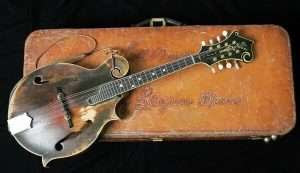
What began as a link to home for nostalgic immigrants became part of the American soundscape. This gives the mandolin its dual identity of being a marker of Italian settlement and a key force in roots music.

Nino Rota’s legendary soundtrack for Francis Ford Coppola’s The Godfather (1972, first of the trilogy) cemented the association between mandolin and Mafia. The instrument most famously appears during the film’s opening scene of Connie Corleone’s wedding celebration with master musician Giovanni Vicari (an immigrant from Catania, Sicily, nicknamed “Godfather of the Strings”) playing a Martin mandolin.

Its immediate appeal and continuous use in mafia films relied on the tremolo technique, creating a “crying” tone to balance family loyalty with brutal violence. The use of mobster-style instrumental tracks has, over the years, become a cultural stereotype. That is unfortunate. The mandolin is a traditional folk instrument that expressed the deep feelings of everyday people, not those of mob bosses.

The bandurria was restored to full international glory when it became a signature sound during Leonard Cohen’s global comeback tours between 2008 and 2013 thanks to the contribution of Zaragoza-born virtuoso Javier Mas (“shepherd of the strings”) that added Aragonese and Mediterranean textures to some of Cohen’s classic songs.

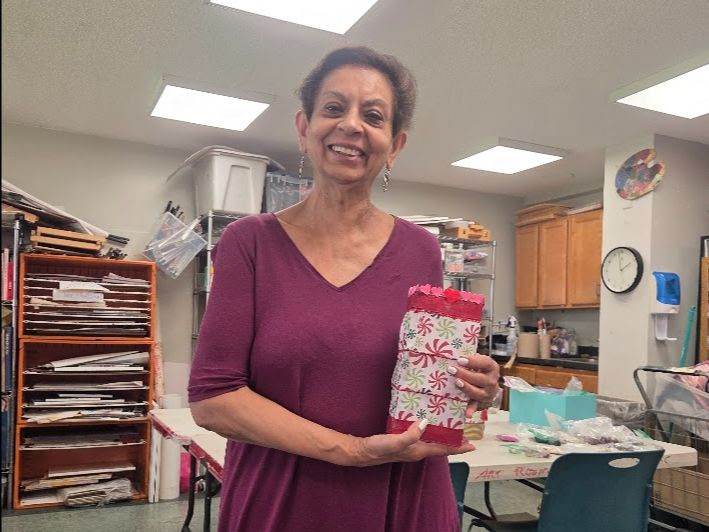
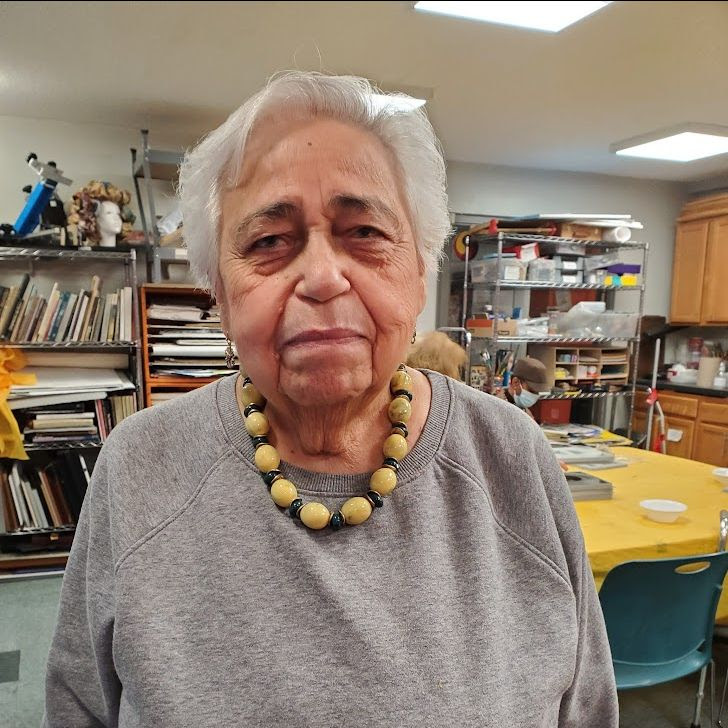
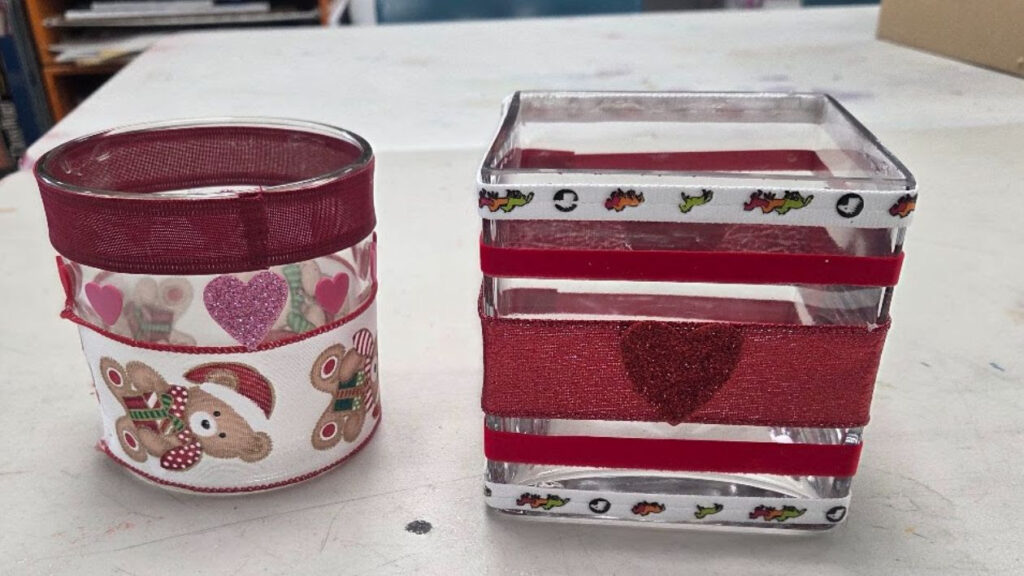
Nita Advani shows off her decorated vase made at “Jewels with Judy” at the CBN Older Adult Center.
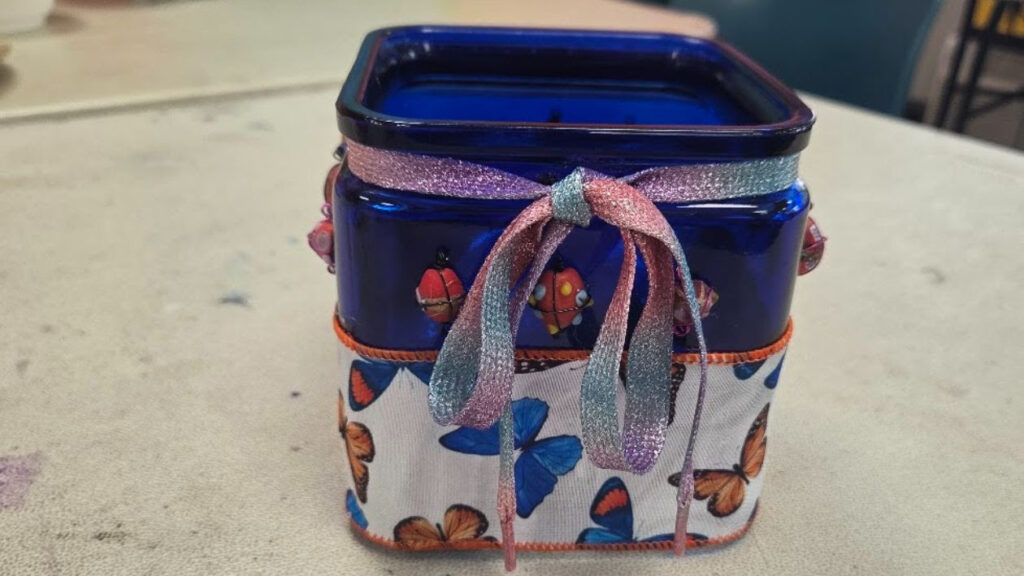
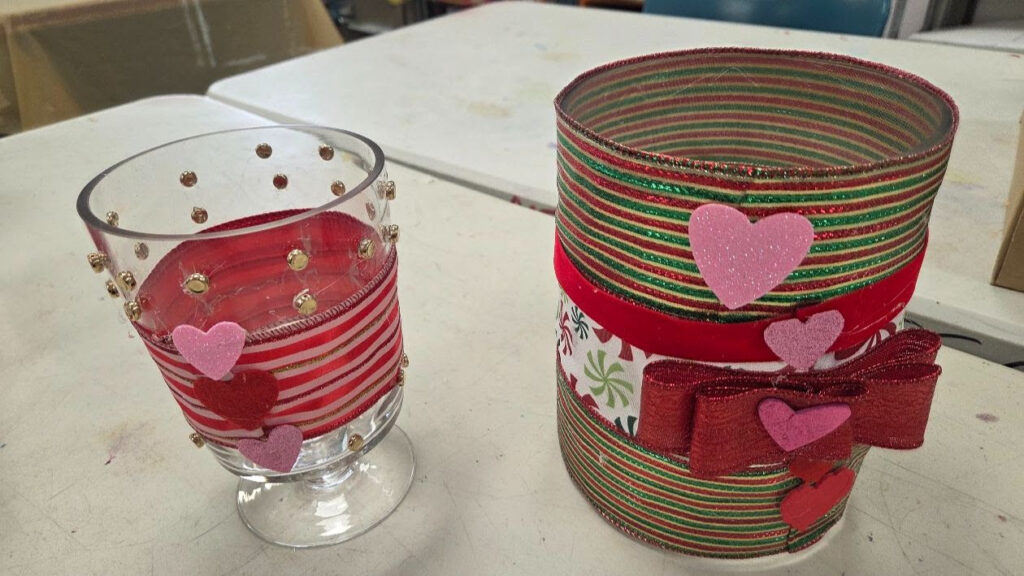
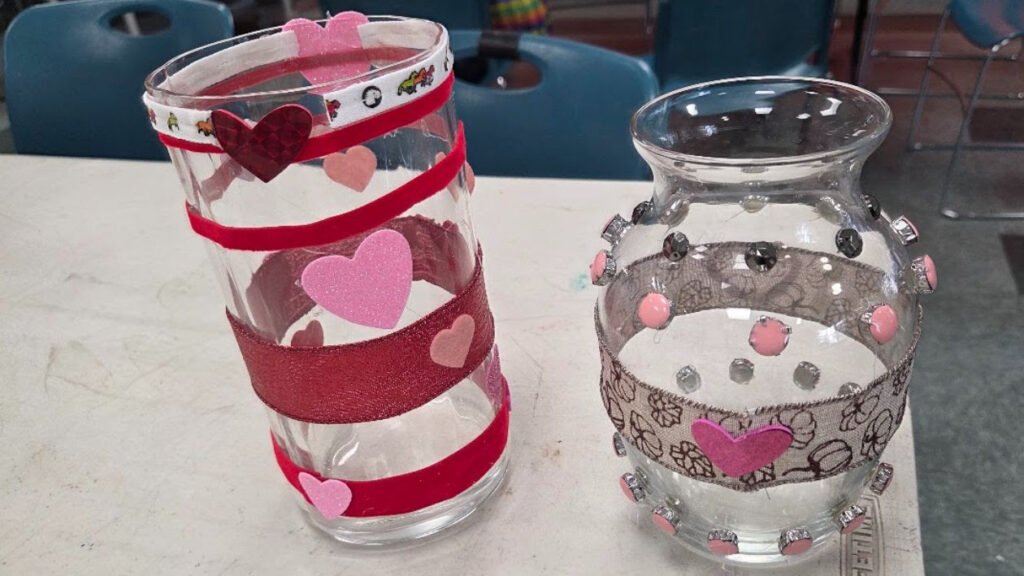
 JWJ meets twice a month and different  crafts are made.  Necklace making is popular so this week decorating vases was on the schedule.  Ribbons, jewelry and other items are used and applied by hot glue. It is a fun way to explore a new activity. No experience needed.  Next class on  MONDAY, AUGUST 24th, 1- 3 pm, CBN Center, 546 Main Street.

Looking forward to seeing you there!

Judy Berdy
NEW YORK ALMANACK
JAAP HARSKAMP

All image are copyrighted (c) Roosevelt Island Historical Society unless otherwise indicated
THIS PUBLICATION FUNDED BY DISCRETIONARY FUNDS FROM CITY COUNCIL MEMBER JULIE MENIN & ROOSEVELT ISLAND OPERATING CORPORATION PUBLIC PURPOSE FUNDS.

Copyright © 2026 Roosevelt Island Historical Society, All rights reserved.Our mailing address is:
rooseveltislandhistory@gmail.com

Aug

10

Monday, August 10, 2026 0 Brooklyn Ferry Fun: Good Eats & New Sights

By admin

A Sailing from
 
Roosevelt Island

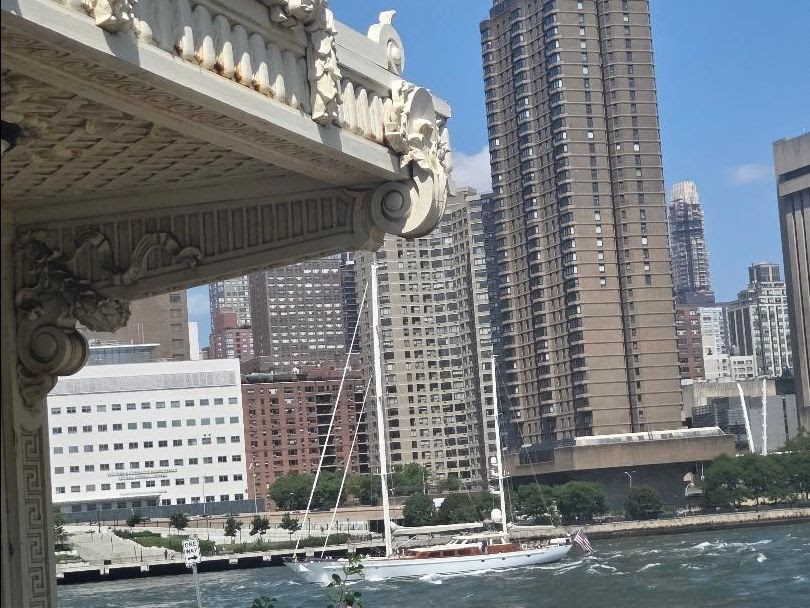
A hot summer Sunday. I stopped off at the kiosk where have been very busy selling cold water to visitors or the last 2 months. I decided Ellen would be at kiosk this afternoon and I was off to take the ferry. The site of gorgeous sallboat passing was another motive to make me set sail

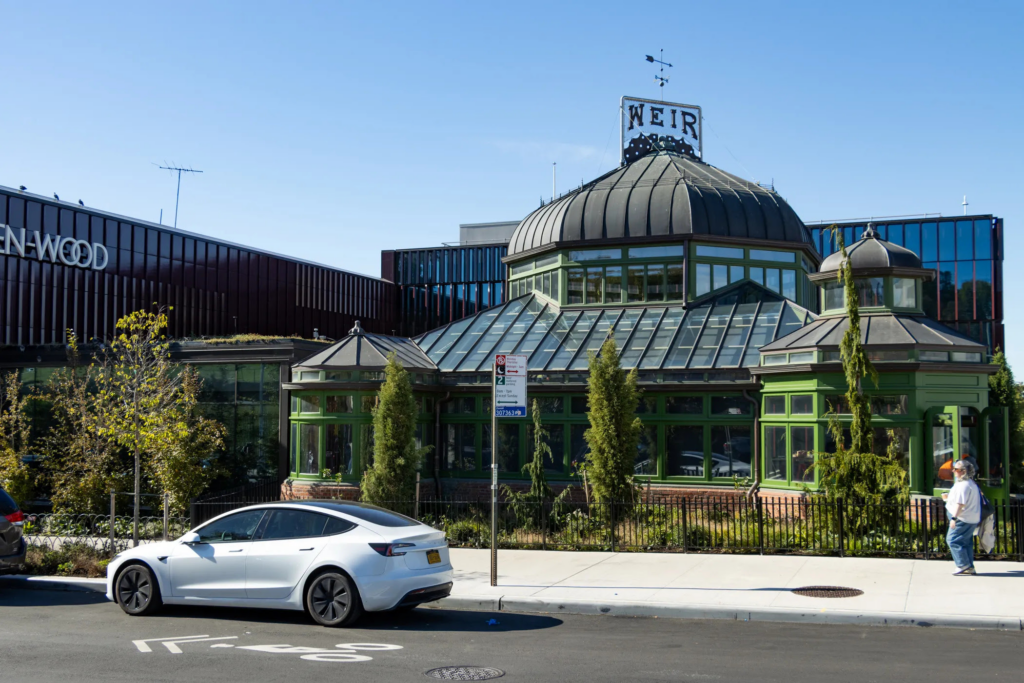
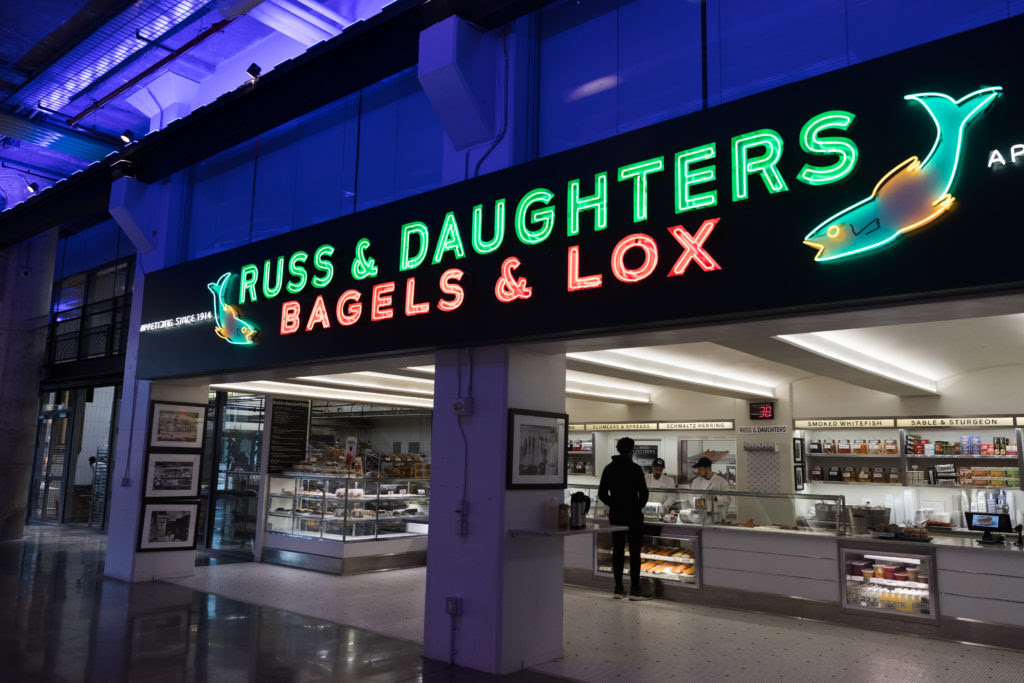
After a quick ferry ride, I was into Building 77 at the Brooklyn Navy Yard. On a quiet Sunday Russ & Daughters was open and ready to serve my need for appetizing. I left with bages, smoked salmon, whitefish salad,ruggelah and some other delicacies. I tasted some and decided it was time to take an Uber tothe Weir Greenhouse outside Green-Wood Cemetery.

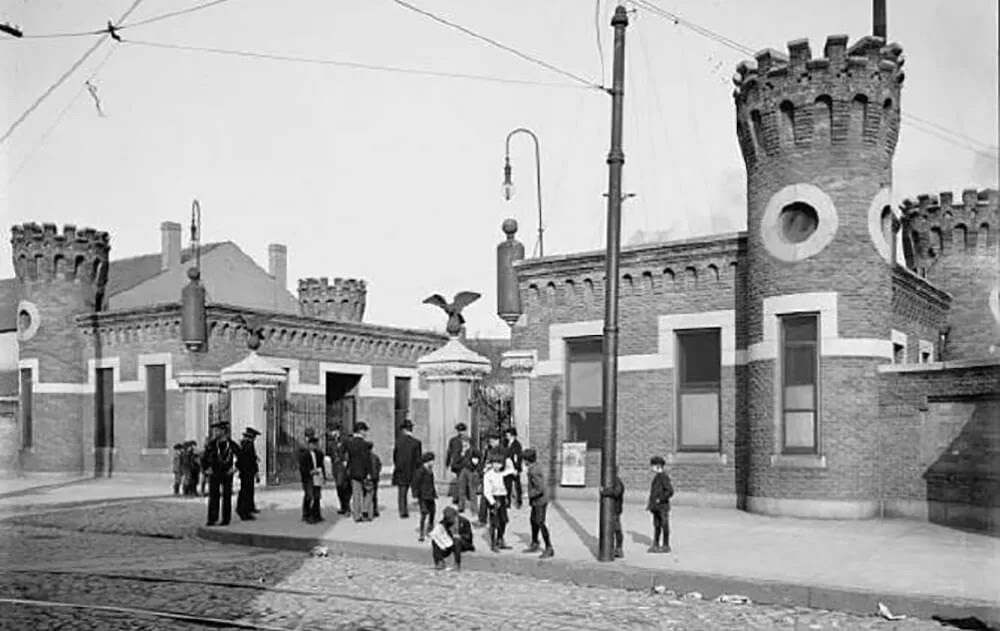
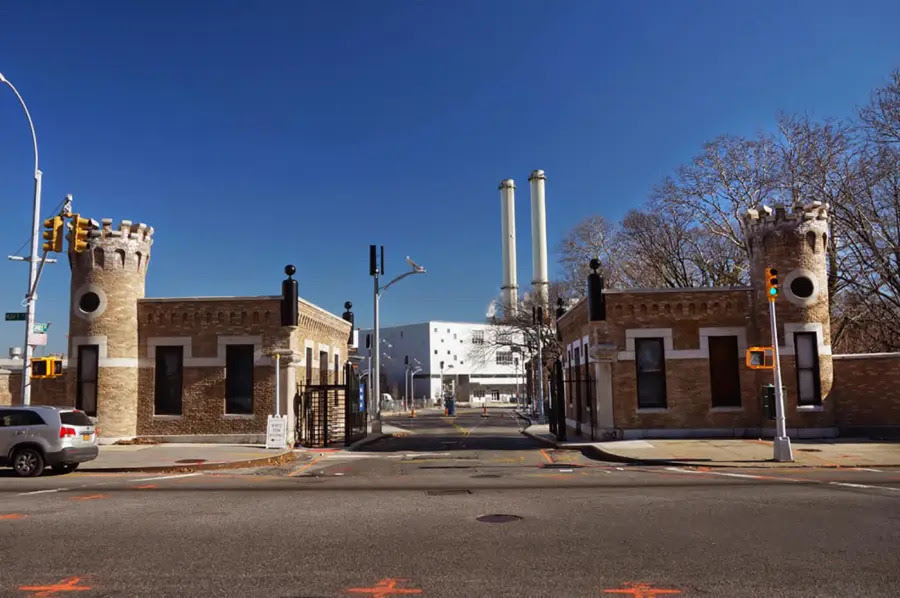
When exiting the Navy Yard, I spotted the Sand Street entrance. All entrances to the yard are secured and you must have permission to entrance. Remember for over 200 years the yard has buit ships and served military and civilian needs therefore the restricted entrance to most areas.

The gates were restored in 2015 and one of them now is home to the Kings County Distillary venue and distillary in the old Paymaster Building, nearby.(Open for tours and tastings)

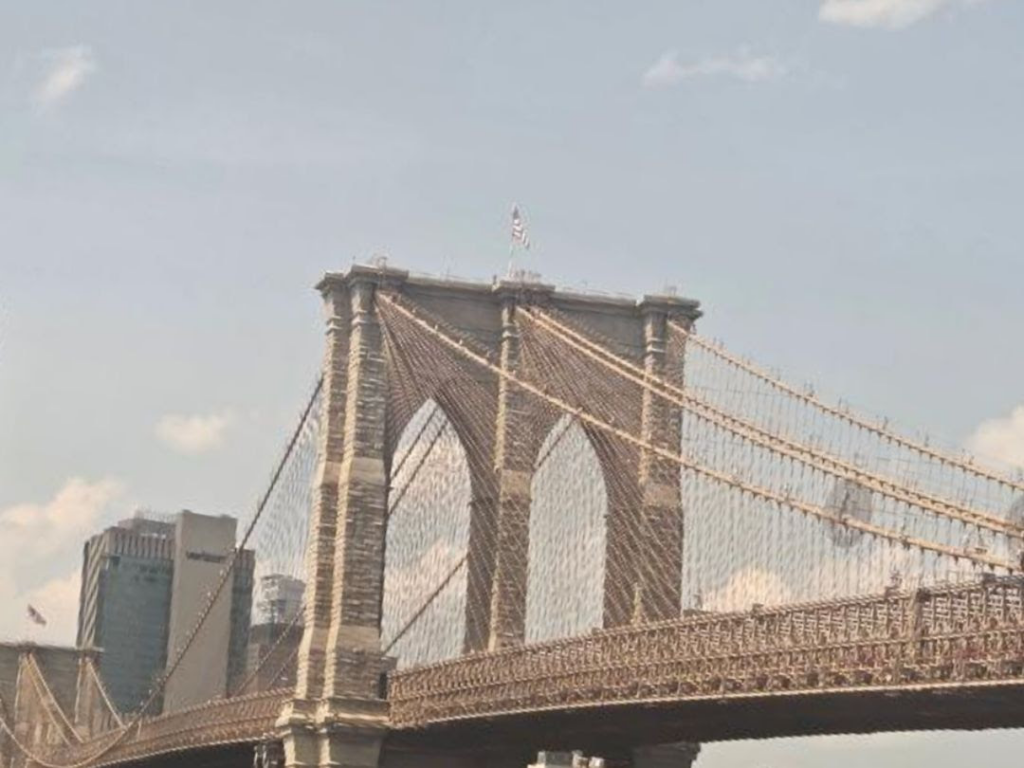
While traversing Brooklyn of the very deteriotated BQE, I spotted the bridge that has been in service since 1883, Thanks Roeblings!

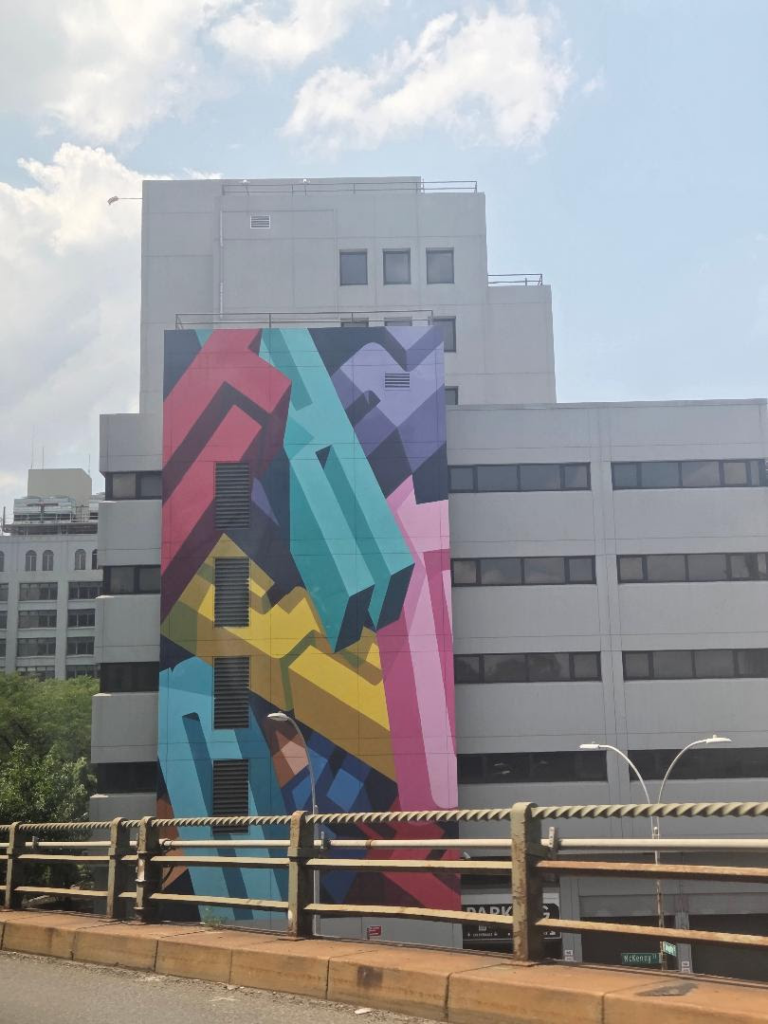
This mural was the only distraction from the onslaught of high rise structures blocking the harbor view.

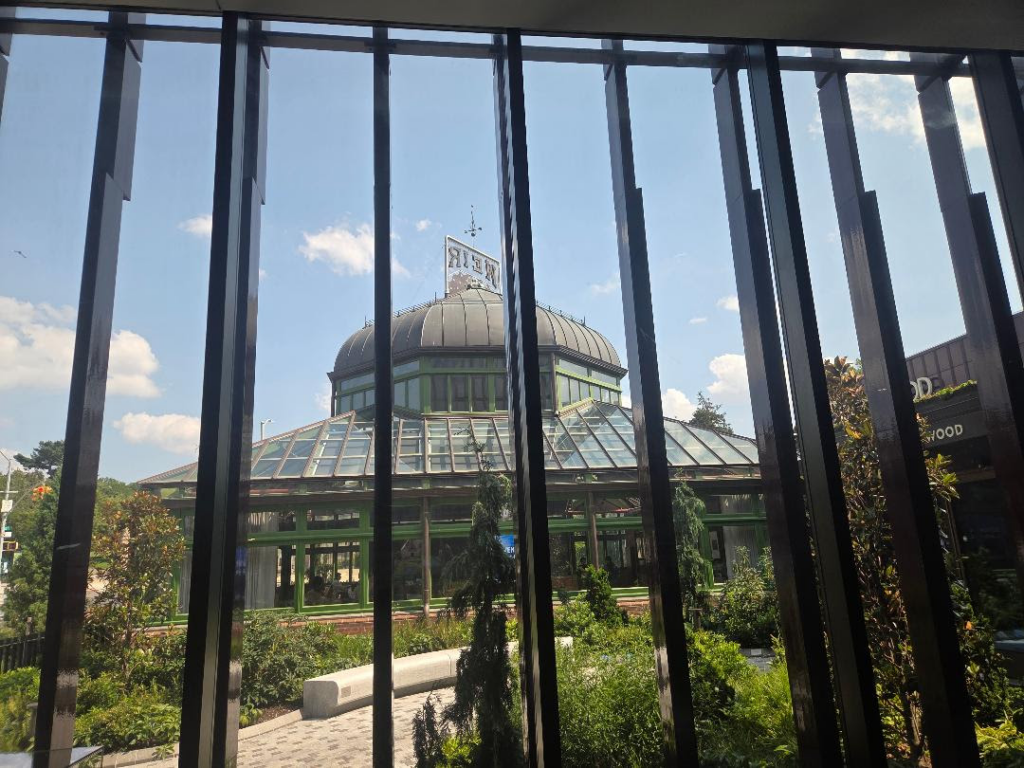
(not my photo) There it was! After decades of starts and stops the greenhouse is now a visitor center for the Green-Wood Cemetery. For years the buiding was closed and an eyesore, finally the cemetery acquired the remains of the building and how it is fully restored and a visitor center is adjoining.

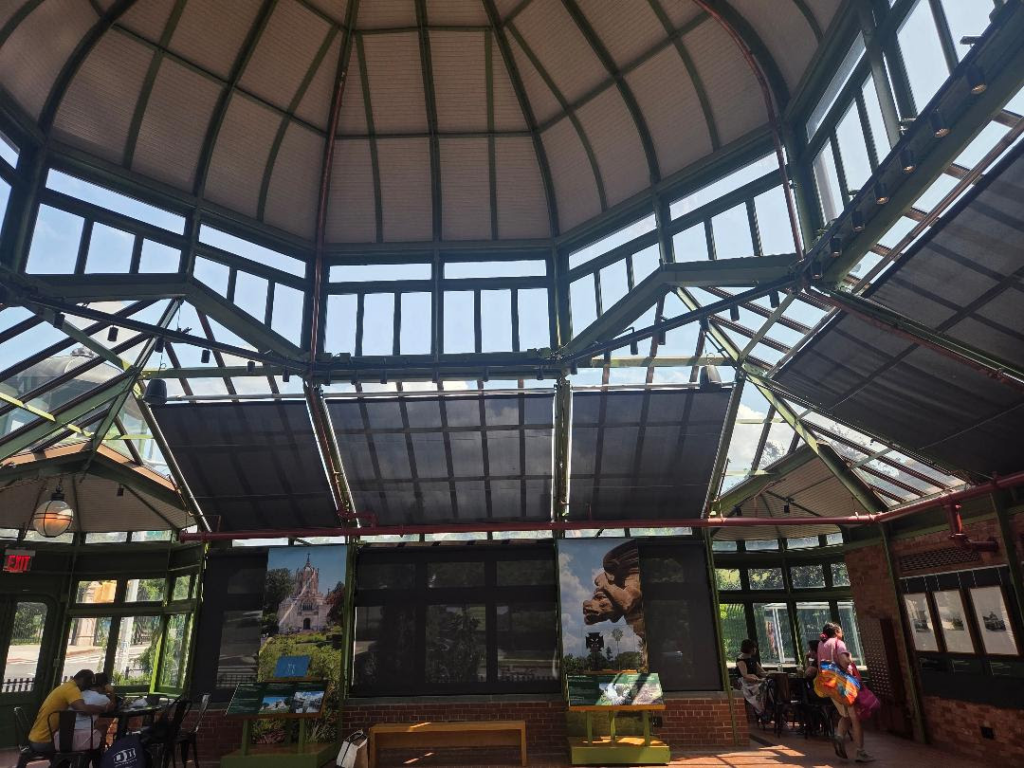
Inside the greenhouse is a large multi sided room with the wonderful glass walls and images of the cemeteries history on the walls. There is seating and guests are welcome to bring snacks and refreshments.

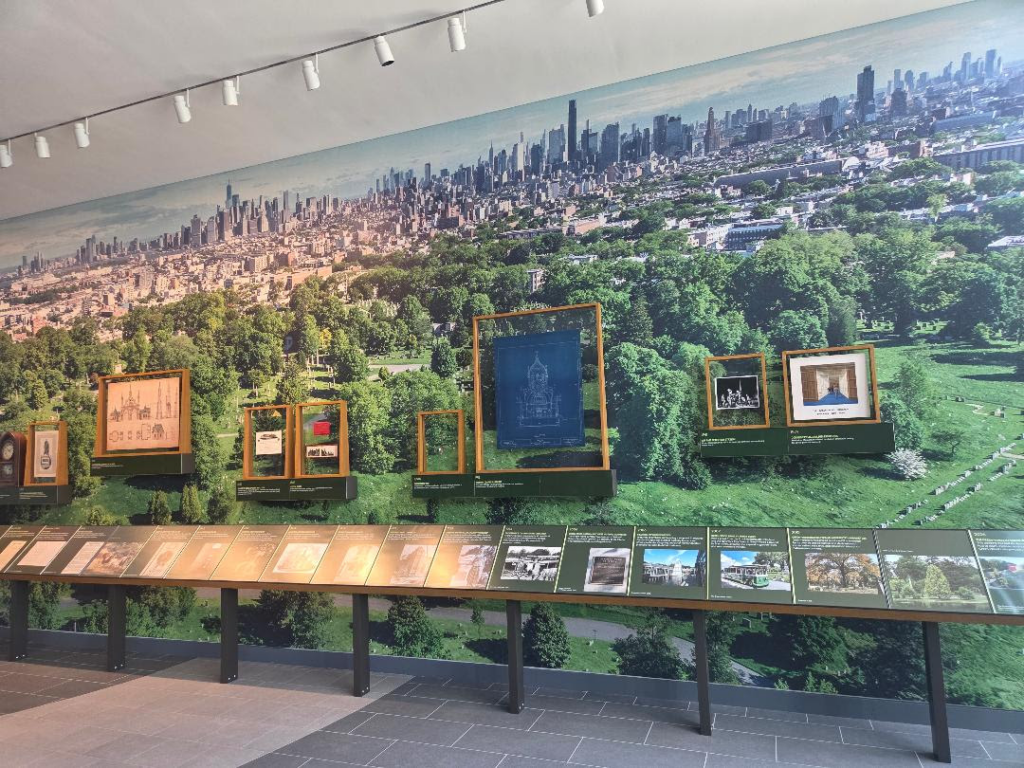
Adjoining the reception area is a gallery with the history of Green-Wood, displays and relics of times past.
It is a great illustration of how Green-Wood was developed and the importance it is to our countries and cities history.

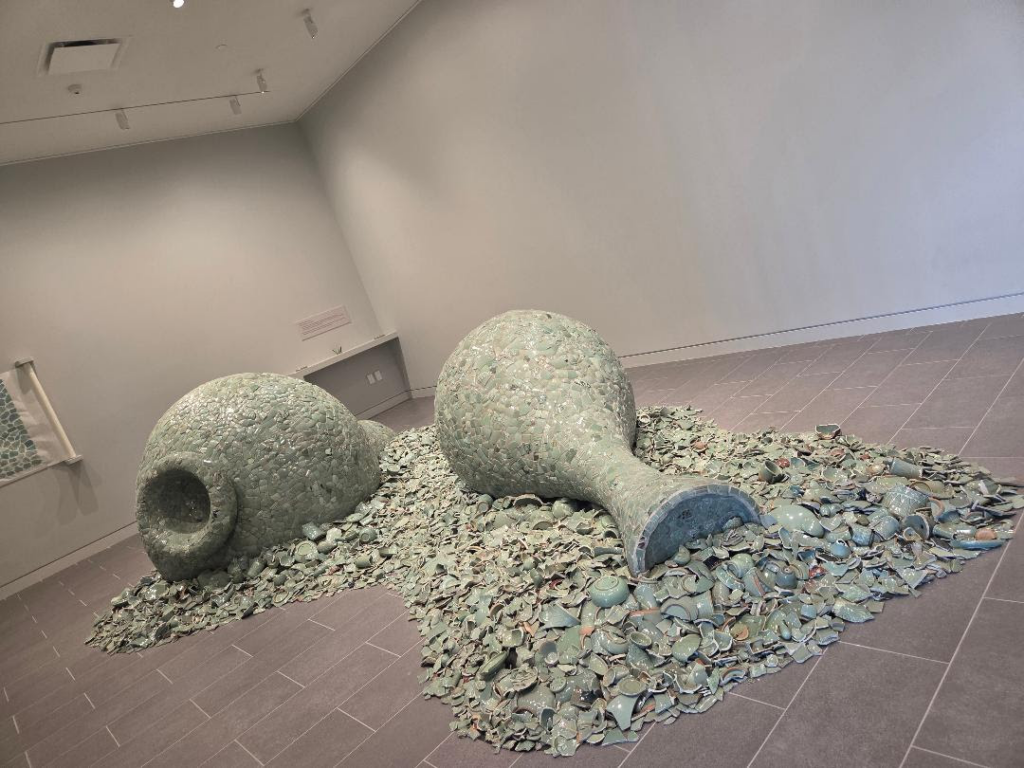
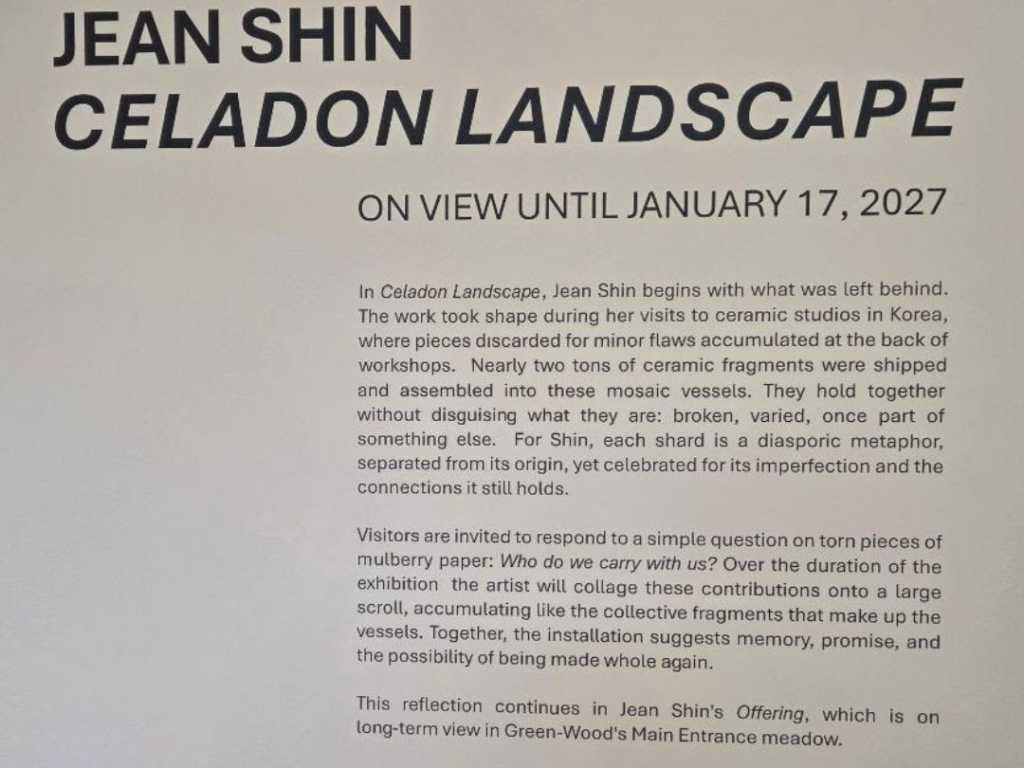
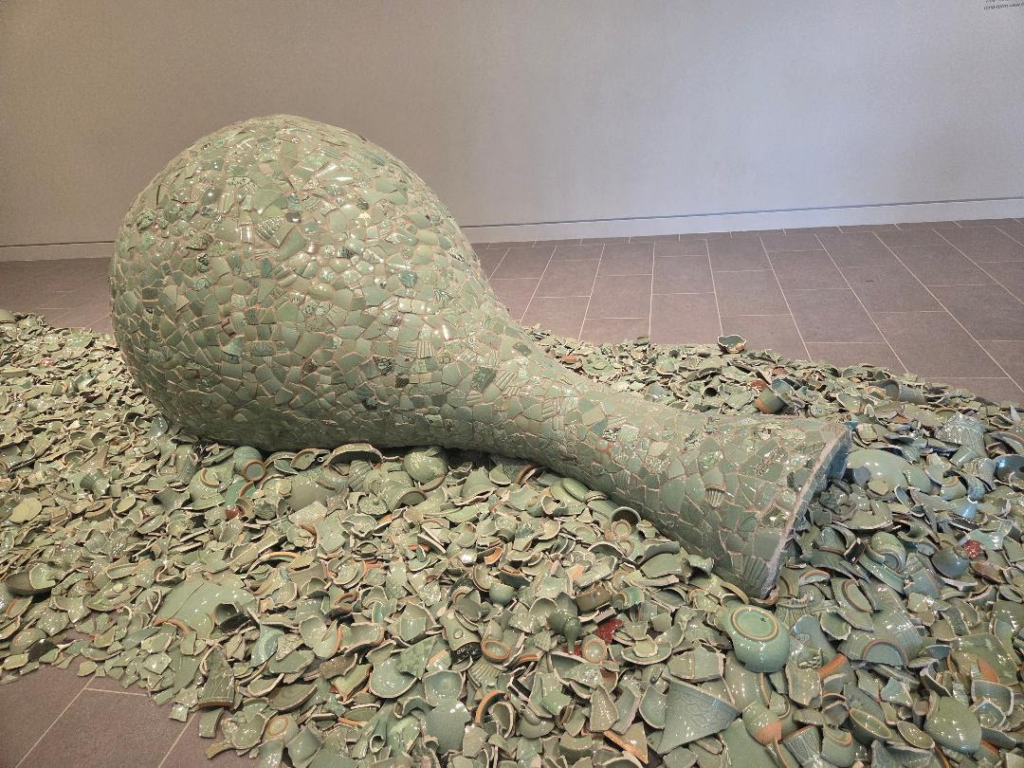
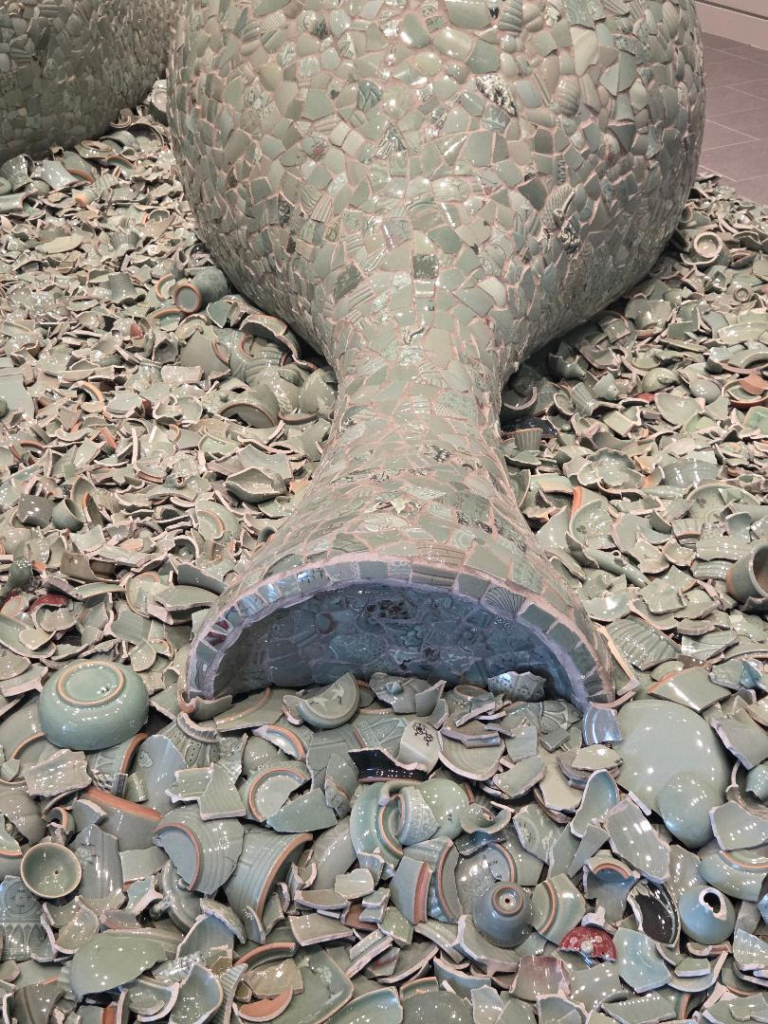
In an adjoining gallery is the wonderful installation CELADON LANDSCAPE by Jean Shin

Thousands of broken celadon pottery surround the works and you can recognize some and a few still in their original unbroken state.

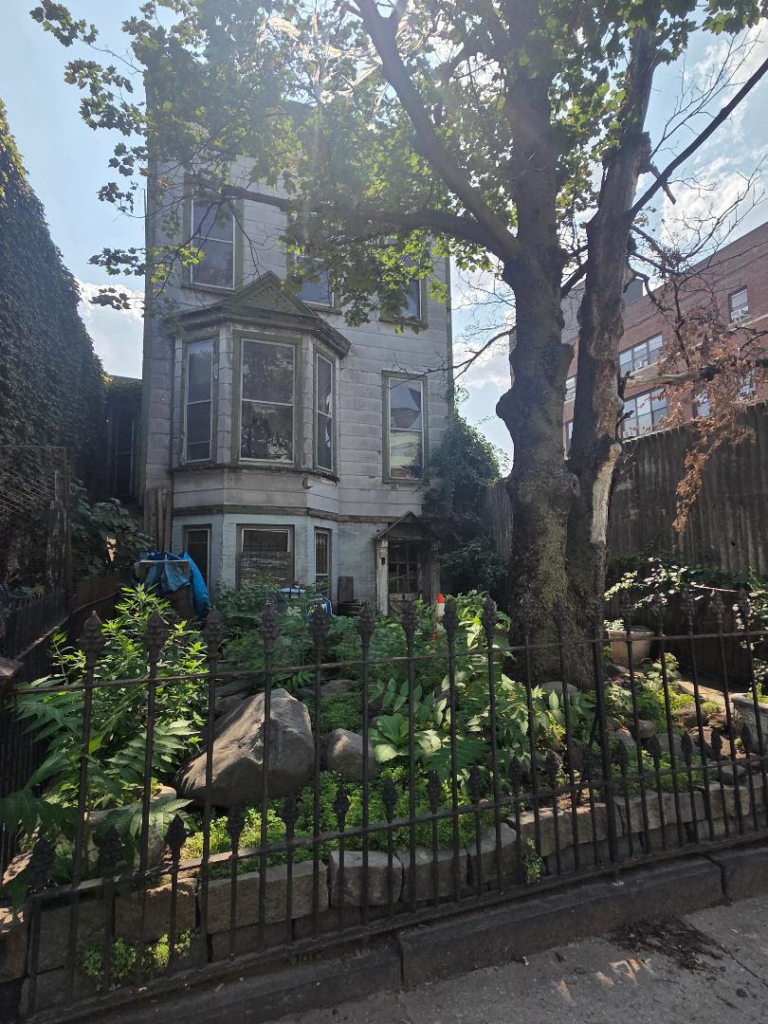
The R train station is only a block away from Green-Wood.  This abandoned house was en-route, straight our of a Halloween movie…and very spooky looking.

Happily the R train was running thru Roosevelt Island this Sunday, so I did not have to change trains, thus I had about a 24 station ride back to Roosevelt Island.

Judith Berdy

All image are copyrighted (c) Roosevelt Island Historical Society unless otherwise indicated
THIS PUBLICATION FUNDED BY DISCRETIONARY FUNDS FROM CITY COUNCIL MEMBER JULIE MENIN & ROOSEVELT ISLAND OPERATING CORPORATION PUBLIC PURPOSE FUNDS.

Copyright © 2026 Roosevelt Island Historical Society, All rights reserved.Our mailing address is:
rooseveltislandhistory@gmail.com
Aug

8

Weekend, August 8-9, 2026 – Discover the Charm of the White Clapboard House on 29th Street

By admin

Rose Hill

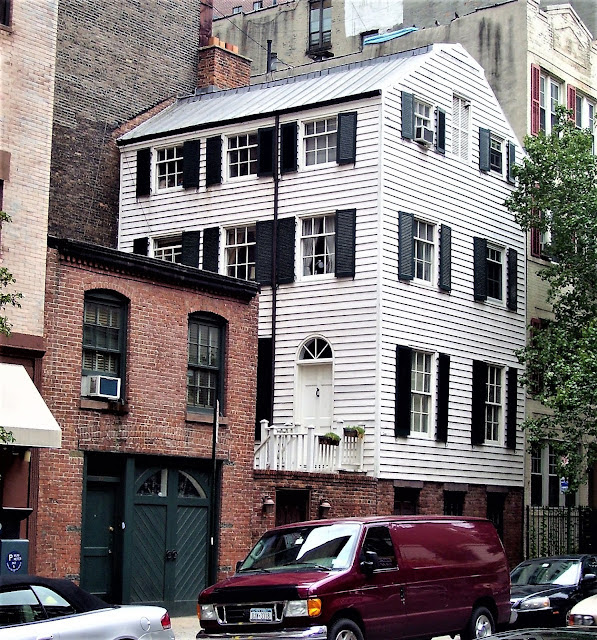
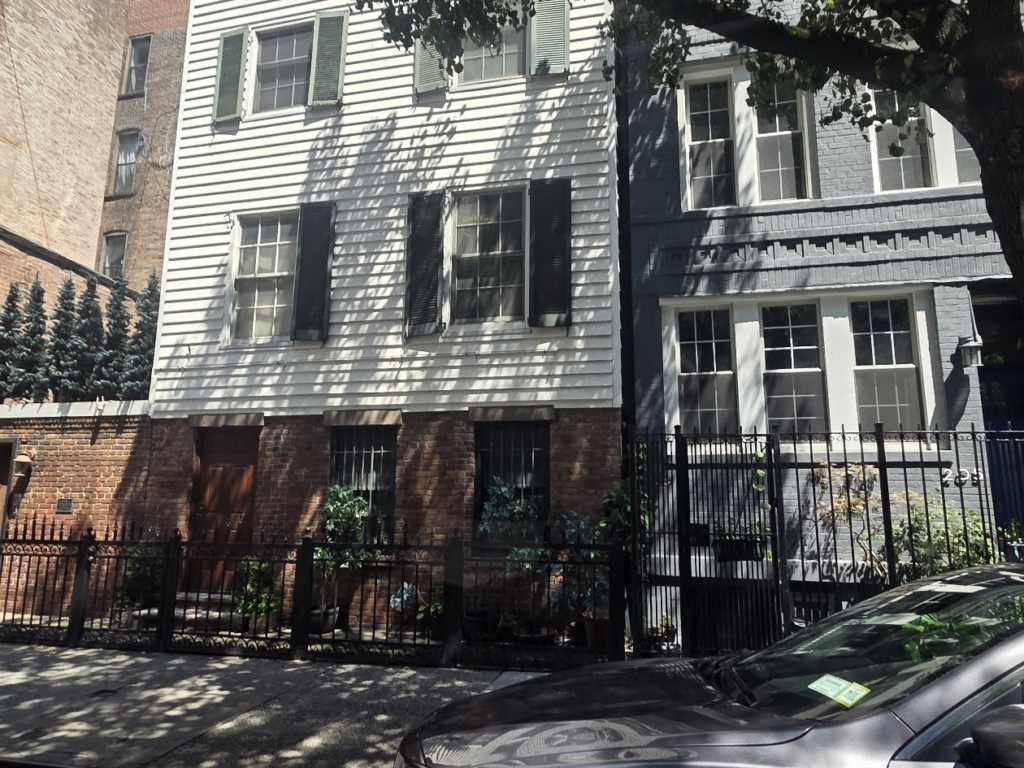
Heading west today and stuck in traffic, I noticed 203 East 29th St. A white shingled building stood out in this street of brick buildings.

Like many British Loyalists following to the Revolution, John Watts lost everything except his life.   After he was forced to leave New York, the 131-acre Rose Hill Farm that he established in 1747 was auctioned off by the Committee of Forfeiture. The property stretched from what today would approximately be East 21st Street to East 30th Street on the eastern side of Manhattan.

Nicholas Cruger spent 144 pounds in 1786 for a parcel of Watts’s farm.  Born in 1743, by 1770 Cruger had become the largest merchant in New York City.  Dealing primarily in the West Indian trade, he spent much of his time in St. Croix where, years before the Revolution, a young Alexander Hamilton had worked for him.  Around four years after he bought the former Watts property, a sturdy post-and-beam, clapboard country house appeared with a prominent Dutch-style hipped roof.

Cruger died in St. Croix on March 11, 1800.  Already the city was inching northward toward his summer estate.  In 1811 the Commissioners’ Plan laid out the street grid of midtown Manhattan.  The plan dissected Rose Hill with 29th Street edging up to the residence and Third Avenue running just behind.  Within a few years they would become actual thoroughfares, with the house Nicholas Cruger built now sitting awkwardly with its side facing 29th Street.

By 1830 Joseph Haskett, a saddler, owned the property.  And then during the Civil War the family of George McDonald lived here.  George died in the house on October 22, 1868 at the age of 56.  His funeral was held here the following Sunday afternoon.

As the city moved ever northward, eventually engulfing the wooden home, the character of the neighborhood changed.   Five years after McDonald’s death No. 203 was being operated as a rooming house. On February 9, 1873 an advertisement in The New York Herald offered “Handsomely furnished rooms to let–to gentlemen, without board.”

Among the tenants in 1893 were William Sutton and his sister, Mary.  It would appear that the families living in the 29th Street house were struggling, for a day or two after Christmas that year Sutton stole a blanket belonging to a truckman, Richard Barry. 

It was Mary, however, who was accused of the crime.  She was arrested on December 27 and held in jail over night.  The following morning her brother surrendered.  The Evening World ran the headline “Innocent Girl Arrested.”

In 1905 at least four tenants were living here: a coach driver, Charles Barshfeld, truck driver Harry Jarvis, and Mary Decker, who was a bookbinder, and 68-year old Elizabeth Lamoureaux.

Years earlier, in France, Elizabeth had been a member of Sarah Bernhardt’s company.  When she came to America she acted with the Ravel troupe, and also played the role of Pocahontas.  She retired from the state in 1885.  When Elizabeth discovered in December 1905 that Sarah Bernhardt would be appearing at the Lyric Theatre, she was determined to obtain a ticket. 

The elderly woman showed up at the Lyric Theatre at 10:00 on the cold night of December 6 carrying a camp stool.    The New-York Tribune explained “She did not wish to ask Bernhardt for free seats, and fearing that she could not buy seats near the stage unless she was first at the box office, she came last night to the theatre, prepared to sit out the dull hours between 10 in the evening and 9 o’clock the next morning.”

Lee Shubert opened the lobby so she could stay out of the cold.  At midnight he sent a boy for sandwiches and coffee.  (Apparently the thought of selling her a seat before the ticket booth opened did not occur to him.)

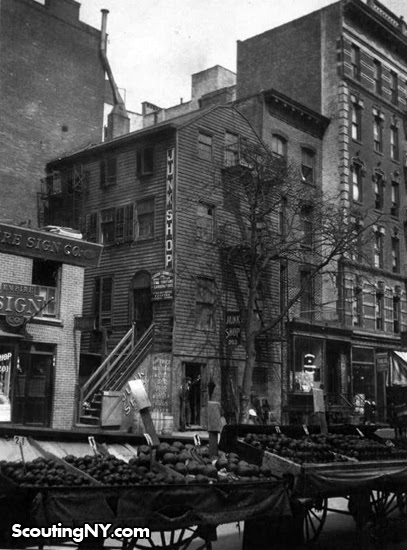
A mere five years later the house’s population had doubled.  Among the blue collar tenants were a janitor, an elevated railroad guard and an upholsterer. A junk shop took over the street level around 1912

The wooden structure sat incongruously among its brick-and-stone urban neighbors until 1979 when Patrick and Linda Lyons purchased it for $80,000.  Intent on making the well-worn house a home again, they initiated a three-year renovation. Rather than restore the venerable old structure, they gutted it.  Everything other than the timbered frame was dismantled and discarded – the clapboard siding, the interior walls, the original six-over-six paned windows.

The reproduction elements, however, are faithful to the original structure.  The renovation resulted in a single family home in the upper portion with an apartment at street level.

The unexpected wooden farmhouse at No. 203 East 29th Street has changed hands a few times since its renovation. Because of the 1866 law prohibiting construction of frame structures in Manhattan, there are only a handful of wooden buildings to be found and stumbling upon this one is a delight.


Daytonian in Manhattan
Judith Berdy

All image are copyrighted (c) Roosevelt Island Historical Society unless otherwise indicated
THIS PUBLICATION FUNDED BY DISCRETIONARY FUNDS FROM CITY COUNCIL MEMBER JULIE MENIN & ROOSEVELT ISLAND OPERATING CORPORATION PUBLIC PURPOSE FUNDS.

Copyright © 2026 Roosevelt Island Historical Society, All rights reserved.Our mailing address is:
rooseveltislandhistory@gmail.com
Aug

7

Friday, August 7, 2026 – Unbox the Past: Exciting Stories Await!

By admin

Clearing Out

August. 1977 in my backyard at 580 Main Street

Cleaning Out

I have come to the point that living with a 28 x 40-inch black  flat file that is 35 inches tall in my living room must come to an end.  This is not a divorce but just moving out the intrusive obstacle.  This cabinet (must be male) blocks access to half my living room window while obstructing opening  a cabinet door.

Though I do have a great love for island history he and  I must separate.  The children, I mean contents will have an amicable separation into some new storage.

Tonight I started clearing out the contents of the adjoining cabinet though I could only get one door open including:

Two boxes of envelopes that will never be used by me, (That is what happens when you get free stuff at Materials for the Arts).

Greeting card for all kinds of celebrations, that now get an e-mail. My current cards are from Trader Joes, and they suit me fine.

Coin wrappers from the days when the RIHS rolled coins from the donation jar and gave them to local merchants for dollar bills in exchange,

All the NY Times issues from November 23, 1963 and thru the next week of
John F. Kennedy’s funeral.  I am keeping the photos the White House sent of the young Kennedy family.

The NYTimes from the Obama inauguration are here, from a time when I was so hopeful for our country.

The Hebrew Union College Ordination of my cousin Rabbi Leon Cohen. He studied In Cincinnati and was a rabbi in Selma, Alabama.  I am keeping  that document and a trip I took to Selma a while back

Airplane tickets to many cities from extinct airlines: Pan Am, TWA and others  I will keep those and the associated baggage tags. Being a travel agent had many perks and these are wonderful memories.  Photos from cruises that have faded along with the fashions of 1992.

I just came across  my  Halsey Junior High School and Forest Hills High School diplomas. We will not mention some of my grades,  though I got an award for being a Playground Assistant in 1962. Why did I save the card with the combination to my locker (24 34 18)?

A shoe box of photos was just discovered with different eras sorted in envelopes, many more must be in my storage locker downstairs. A large envelope has photos that I took all over the world. Some are wonderful and I was surprised that I took them, more great memories.

A bag of foreign coins..though interesting, what can be done with them?

The last box is my mother’s papers and the many wonderful memories we shared. Also, so many letters, cards and e-mails from her passing in 2012.  Those are cherished and are now in a better box, suitable for them.

The cabinet is empty now with the contents all over my floor. Some will be discarded; many will find a new home.

If you are an historian, collector or hoarder, contact me this week and you may have some yellowed newsprint for your archives.

The RIHS materials are safe, not disturbed and will remain in place until a new home is found.  As a bonus, I am offering a free flat file of 2 sets of 5 drawers. (Delivery not included)

Judith Berdy

Judith Berdy

All image are copyrighted (c) Roosevelt Island Historical Society unless otherwise indicated
THIS PUBLICATION FUNDED BY DISCRETIONARY FUNDS FROM CITY COUNCIL MEMBER JULIE MENIN & ROOSEVELT ISLAND OPERATING CORPORATION PUBLIC PURPOSE FUNDS.

Copyright © 2026 Roosevelt Island Historical Society, All rights reserved.Our mailing address is:
rooseveltislandhistory@gmail.com
Aug

5

Wednesday, August 5, 2026 – Explore Astoria: Socrates Park Awaits You

By admin

An Unexpected Morning in Astoria

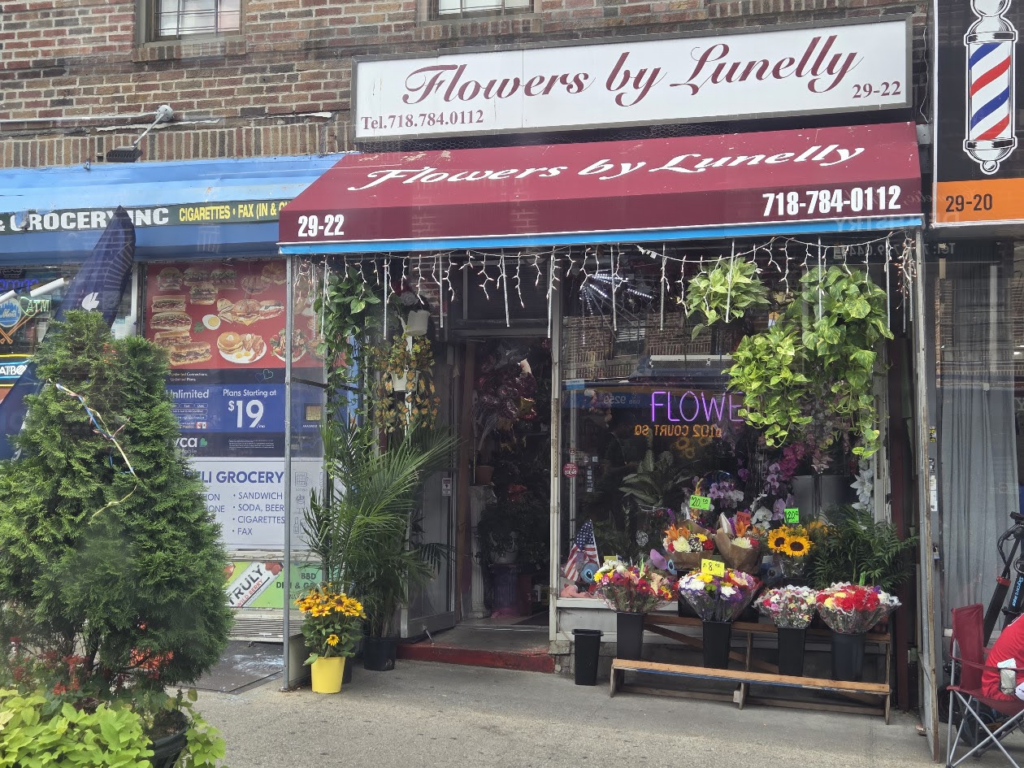
I ordered the flowers and asked Carlos the owner for a suggestion for a good cup of coffee.

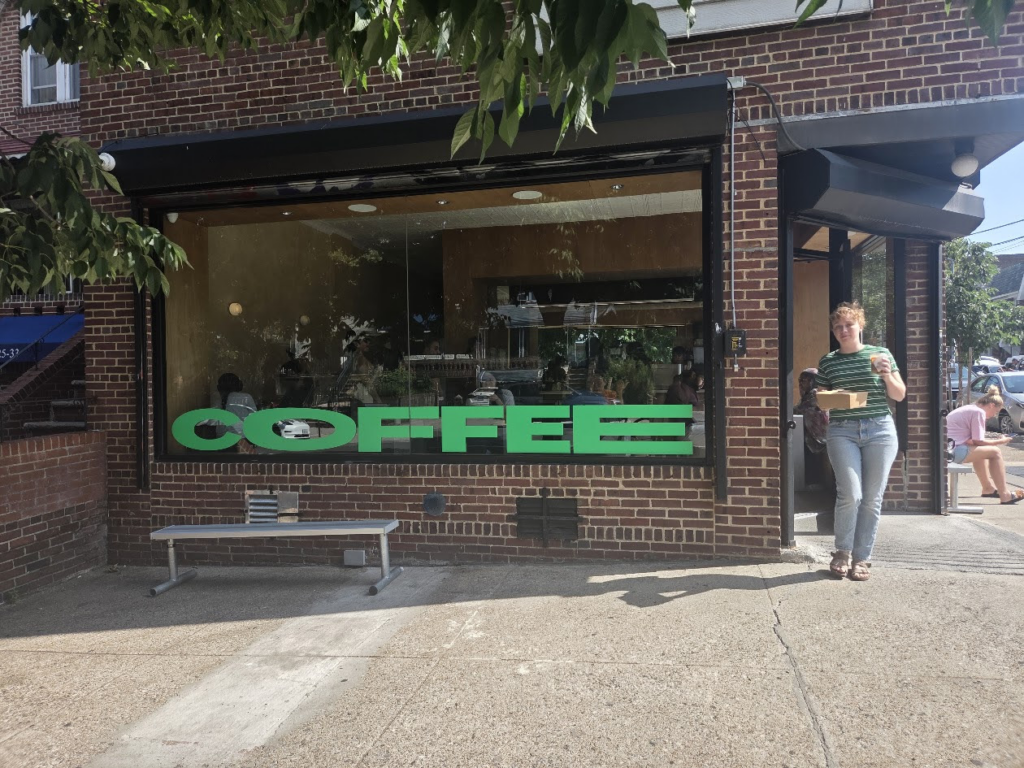
Little Flower Cafe on the Corner of 28th Street and 36th Avenue was perfect!

When I arrived at Dollar Tree at Broadway and 31 Street, it was closed.  Though looking fully stocked it seemed to be closed “temporarily”.
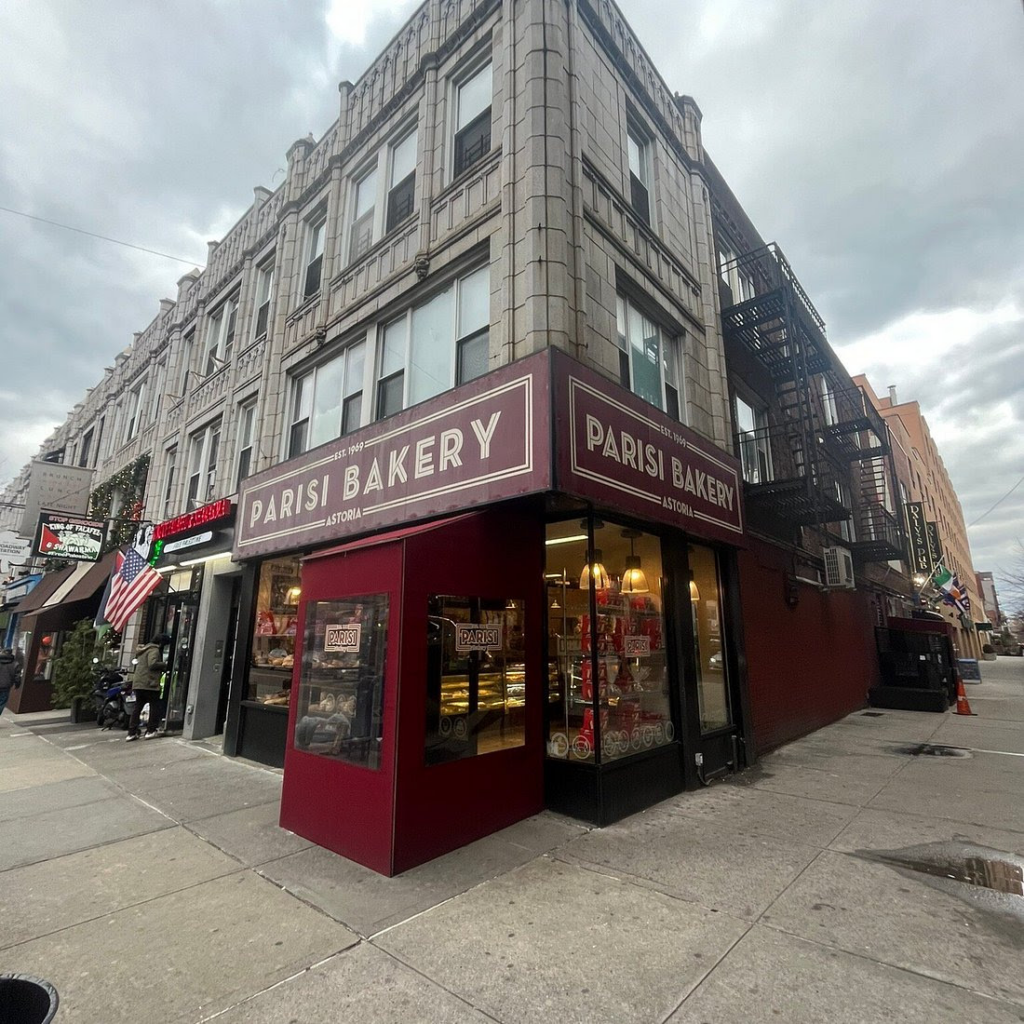
Resisted temptation for fresh bread from Parisi Baker.

What to do?  Around the corner was the Q104 bus down Broadway to  Vernon Blvd.

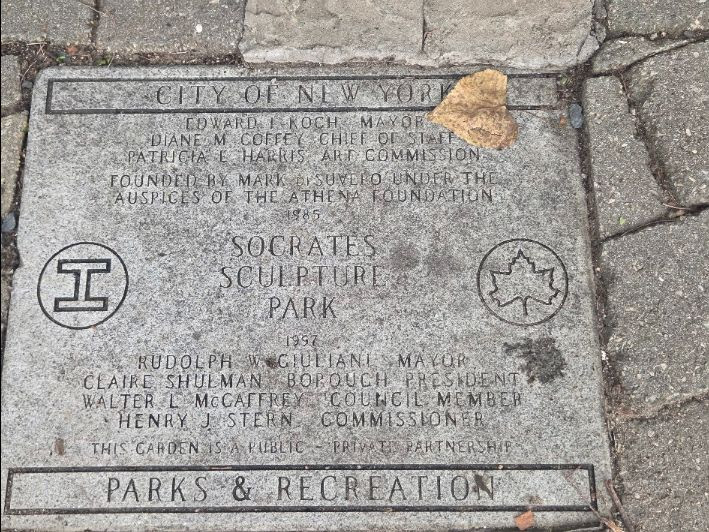
It is only a 10 minute ride and there is was in front of Costco.  I really did not want to go shopping so decided to visit Socrates Scultpture Park.

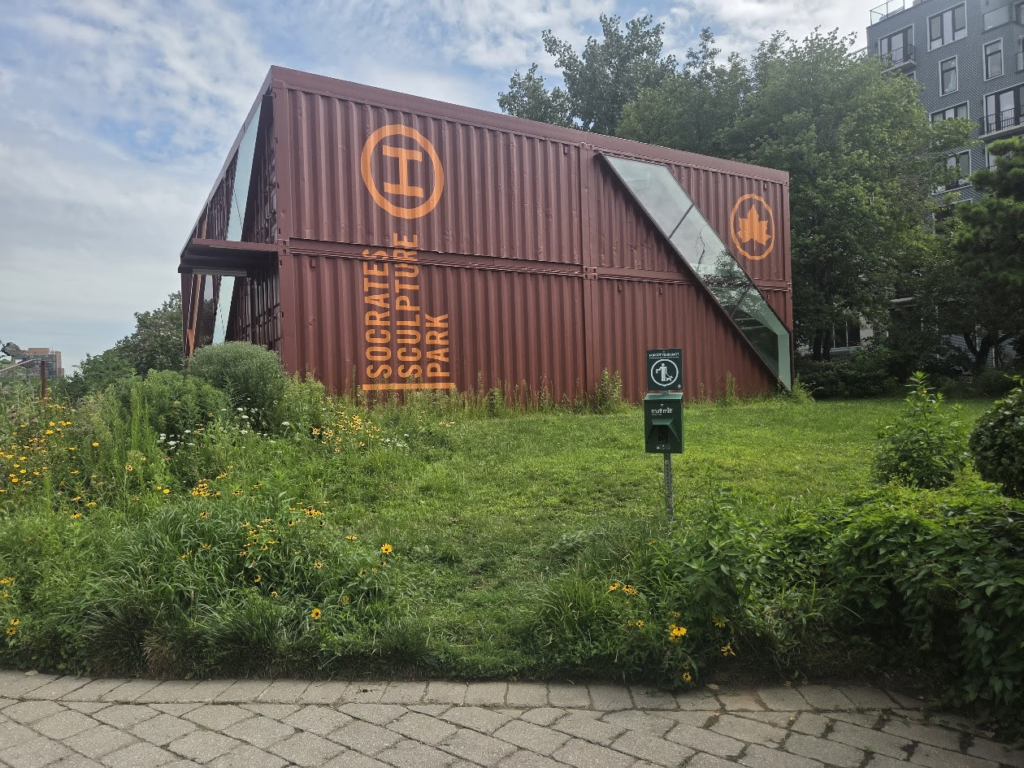
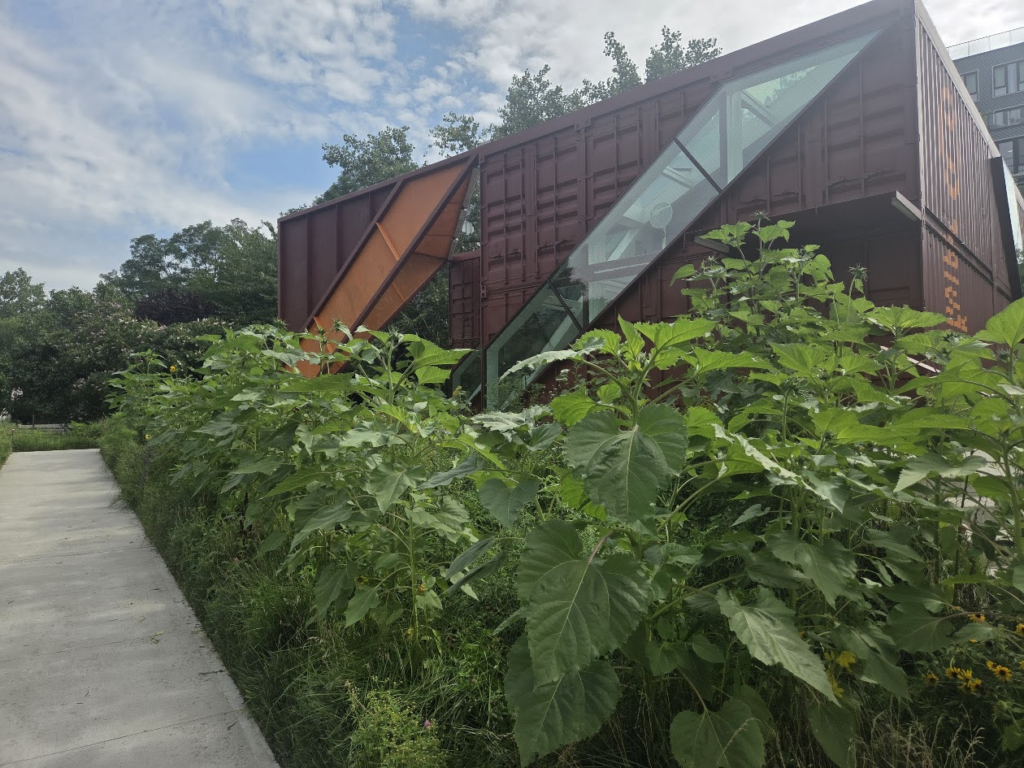
At the entrance is a new structure made out of 8 shipping containers for the offices.

The burgundy color adds class to the utilitarian structure.

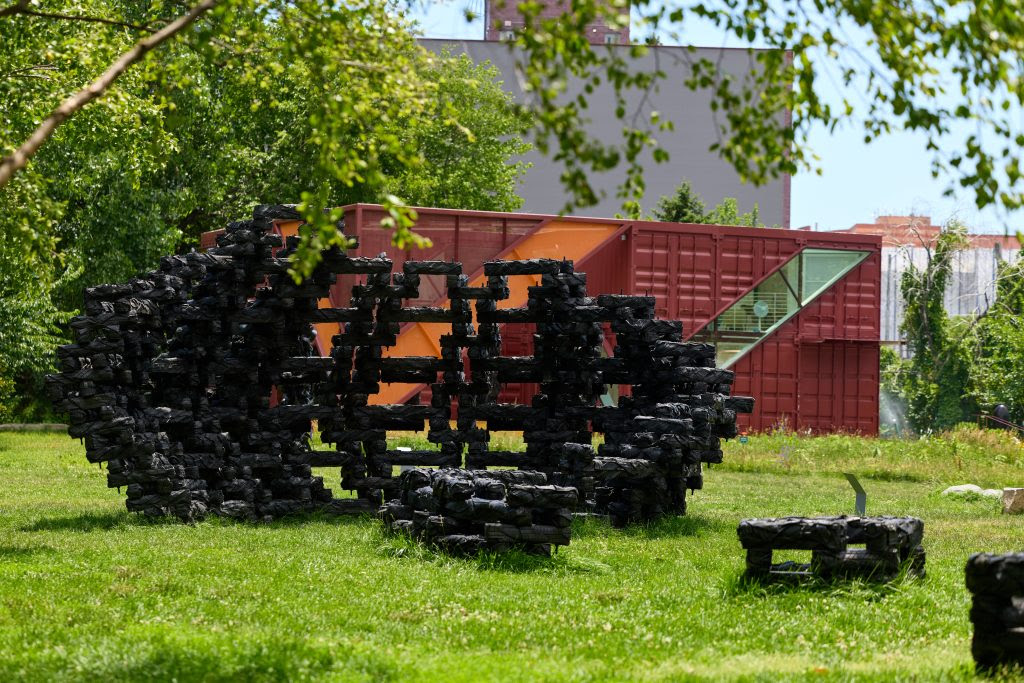
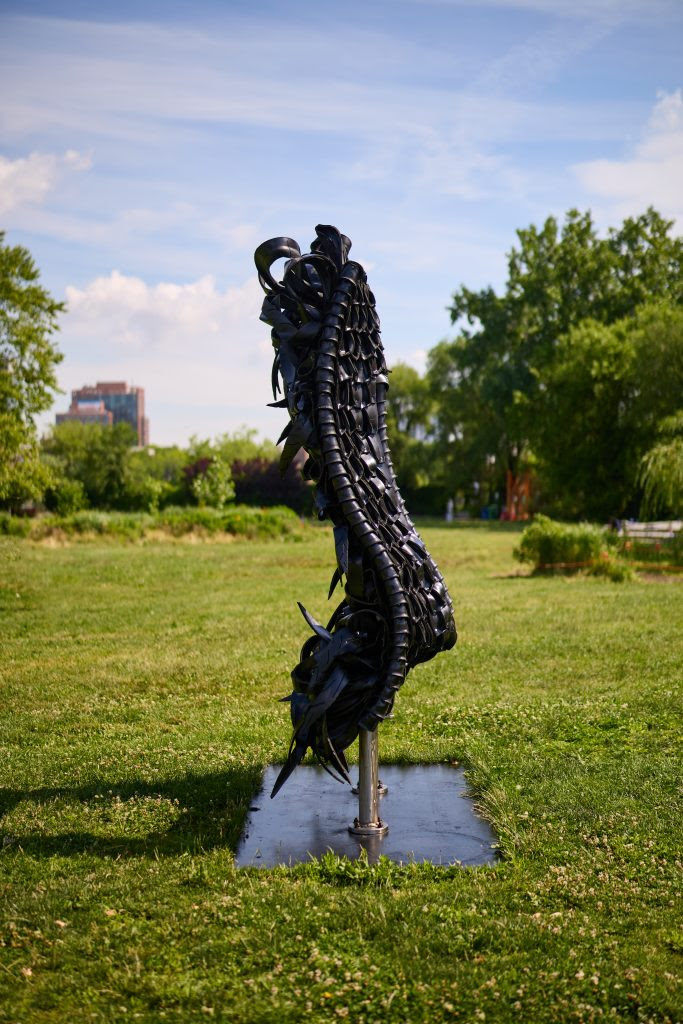
Chaikia Bookers tire art decorated the main pathway leading to the waterfront

Pieces of the are everywhere you look.

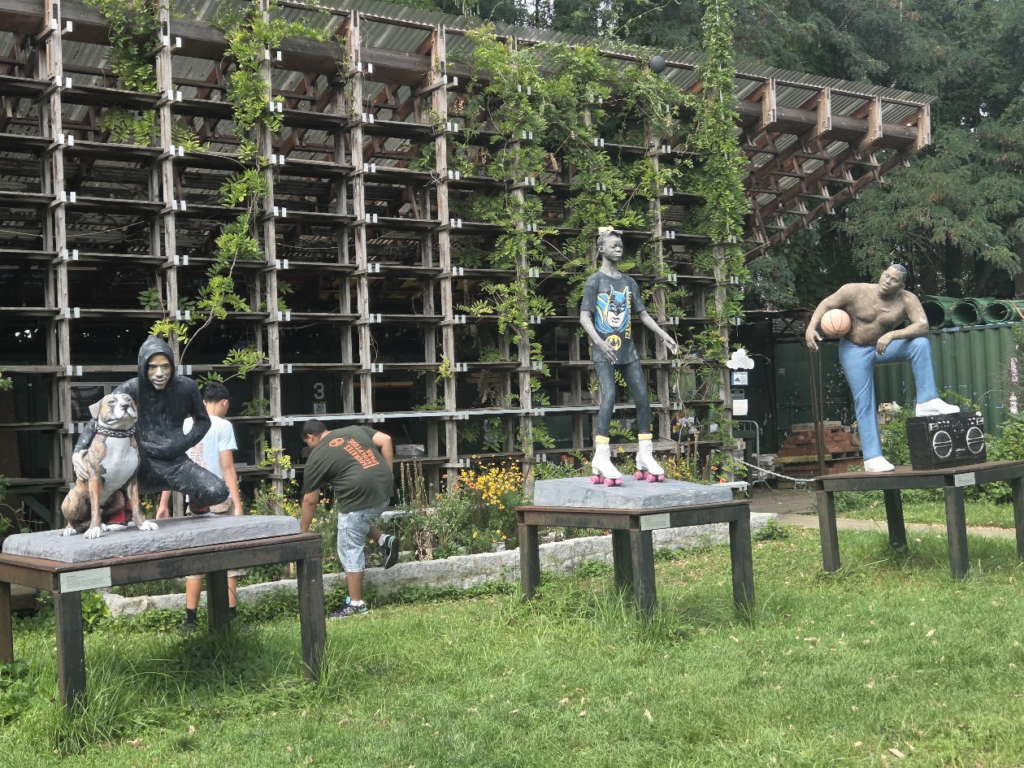
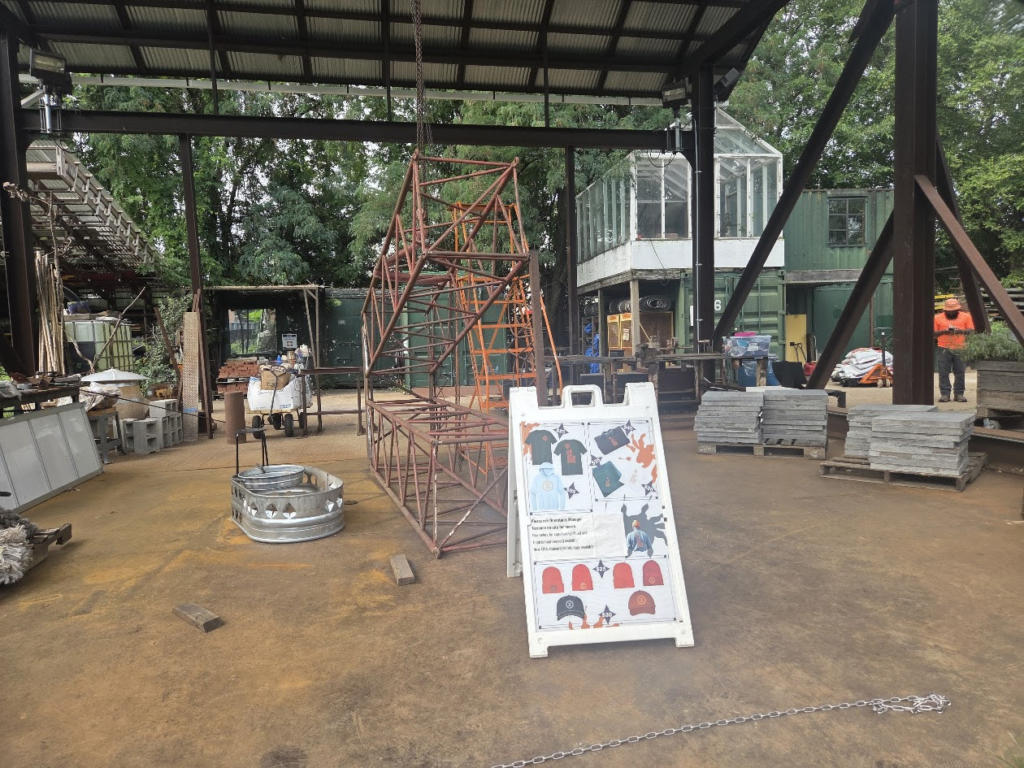
The artists work at an outdoor workshop for the upcoming fall show.

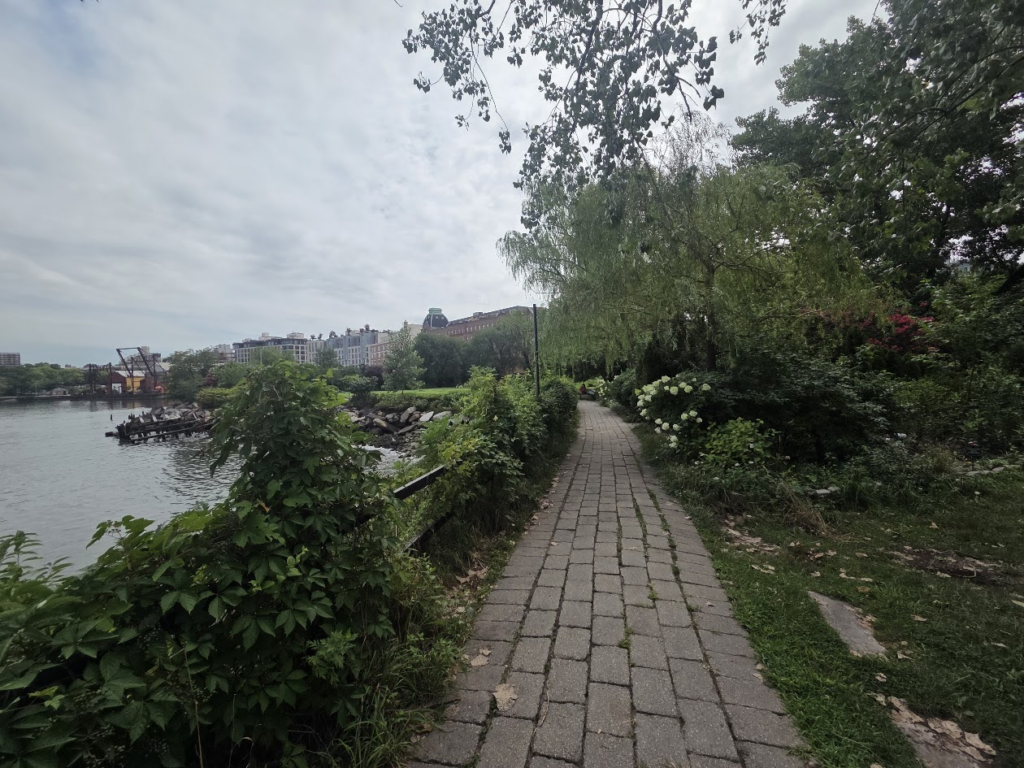
A paved path leads all around the park, perfect for walking, running and biking. Lovely trees of all varies are lining the lawn.

Walking along the path that I never knew was there. Years ago, at my last visit the park was in rough shape. Now it is landscaped though casual and welcoming to man and beast.

The artists work at an outdoor workshop for the upcoming fall show.

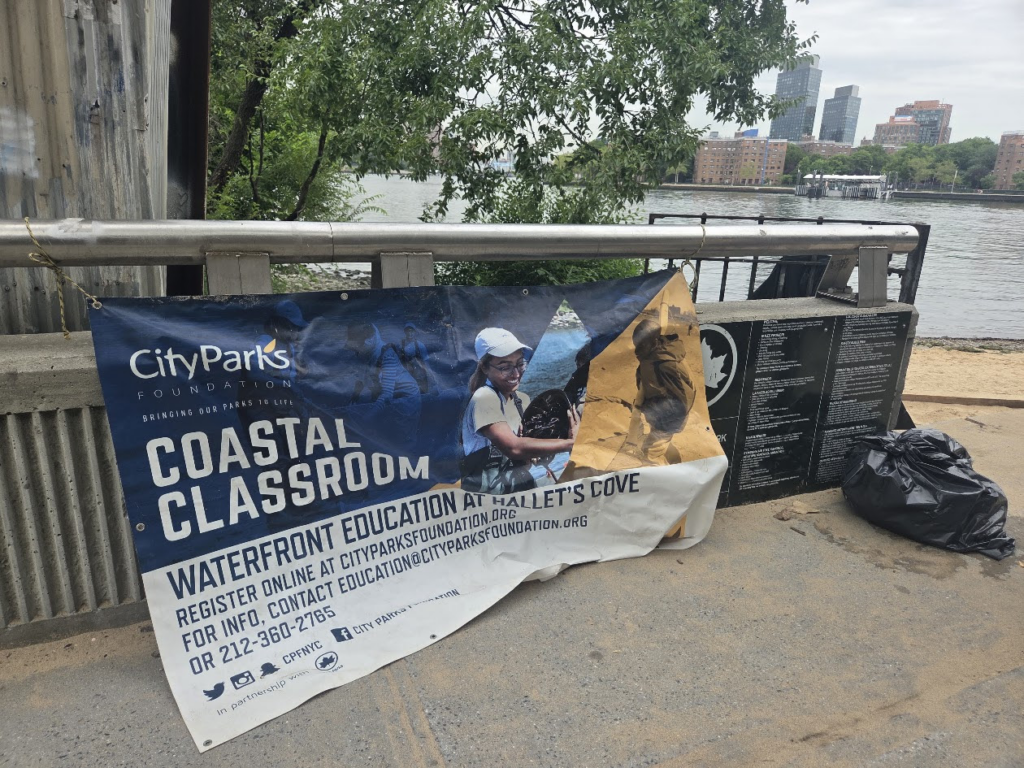
As I was walking north on Vernon Blvd. two workers from City Parks Foundation were preparing to work with neighbors in the waterfront. They were equipped with waders and were exploring on the sandy beach telling all about the marine live along the beachfront. Yes, a beach on Vernon Blvd. (no swimming please)

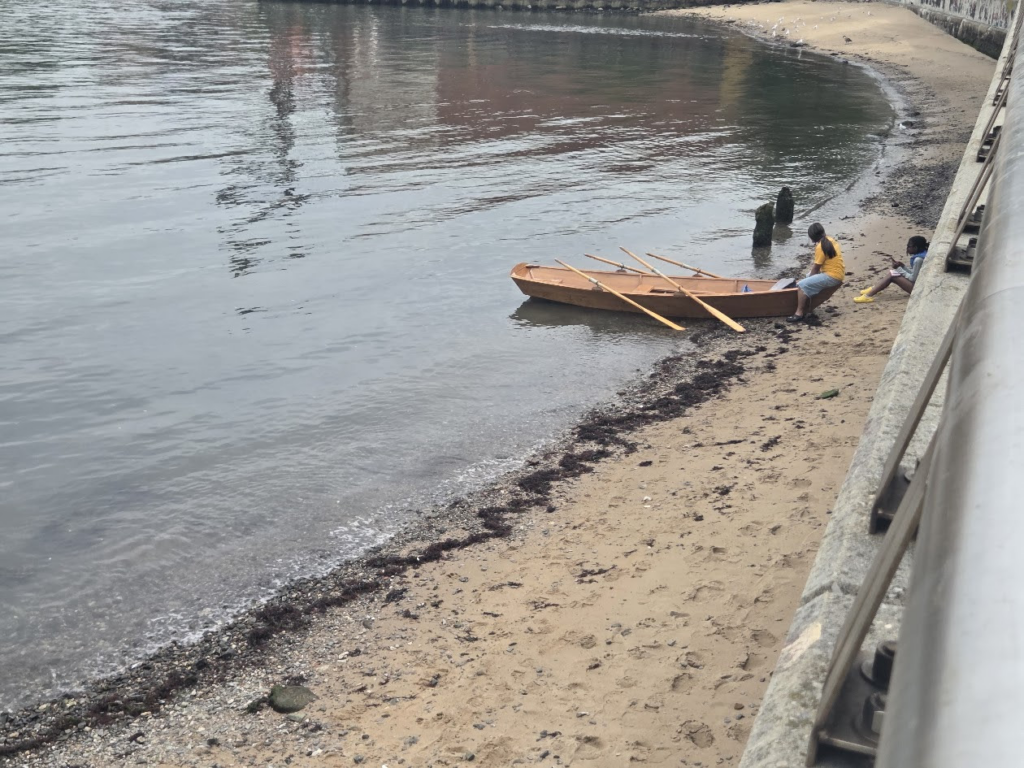
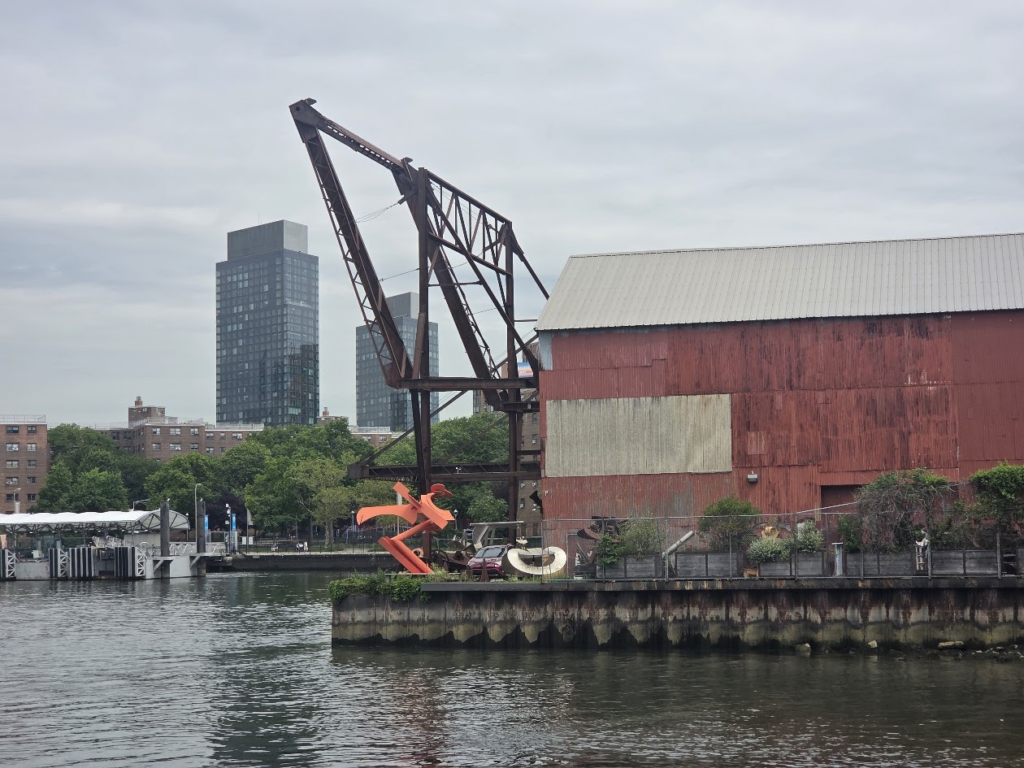
Yes, a rowboat on the beach just south of the Mark Scuvero scultpure works.
The seagulls were along the beach and enjoying a neihhbor feeding them.

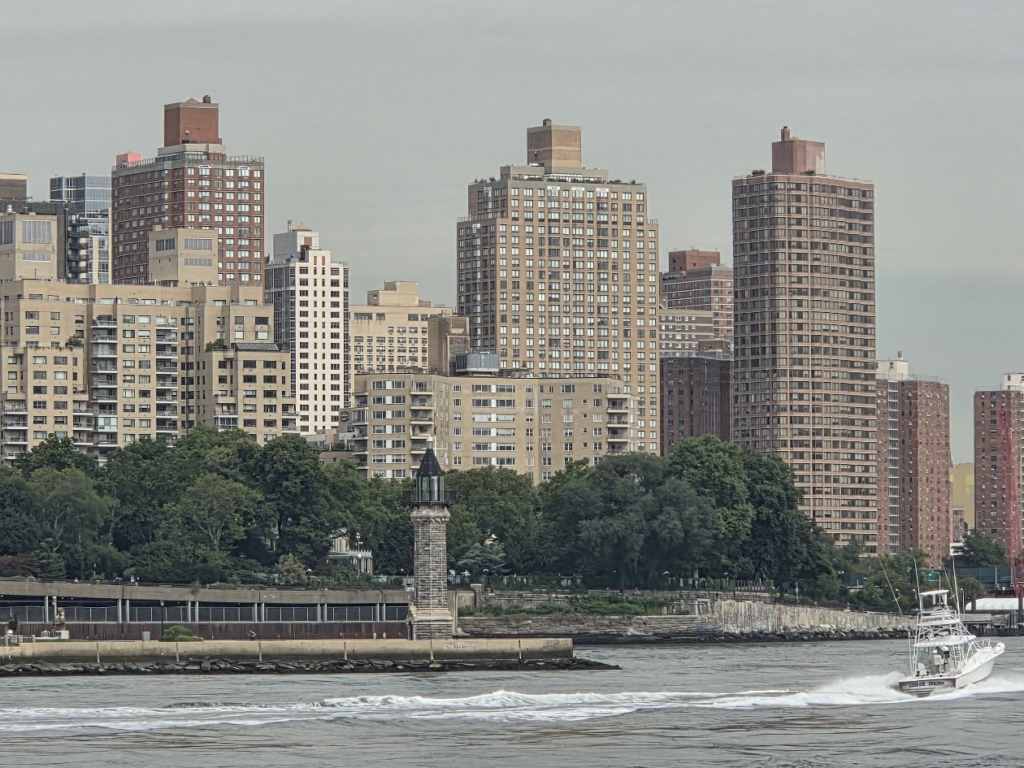
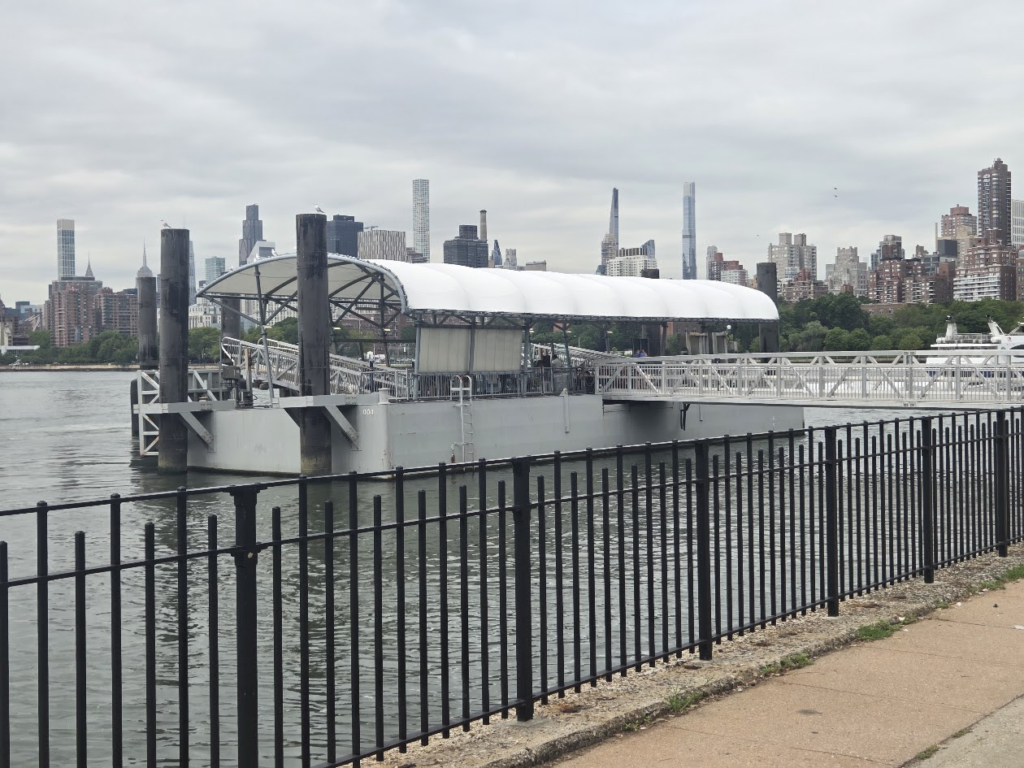
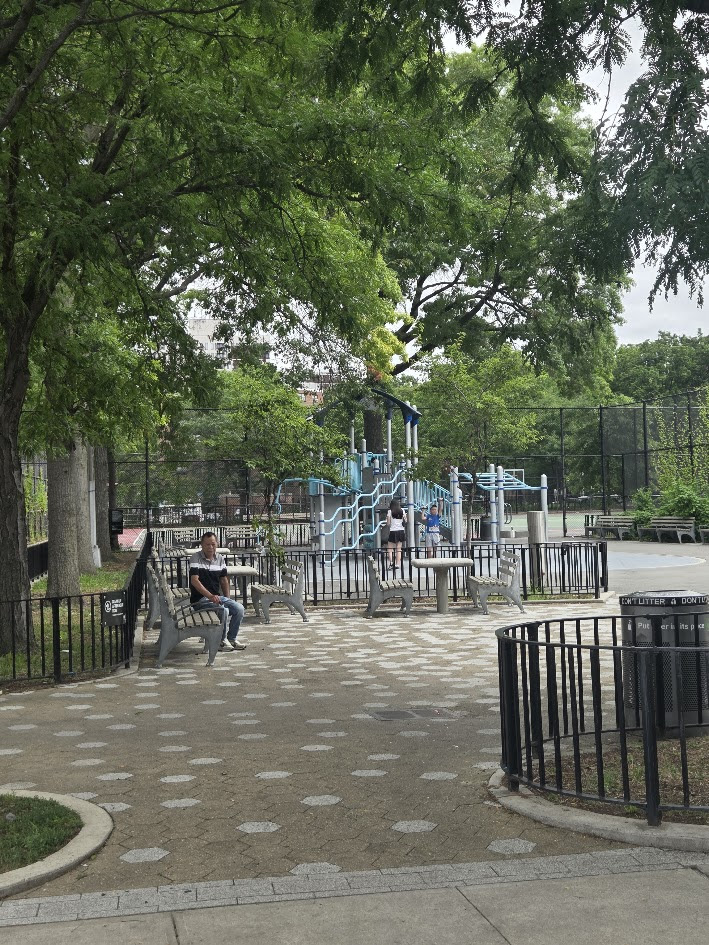
A recently refreshed playgound leads to the NYC Ferry pier and to my voyage home.

A half hour later it was lunch at the Cornell Cafe.

Judith Berdy

All image are copyrighted (c) Roosevelt Island Historical Society unless otherwise indicated
THIS PUBLICATION FUNDED BY DISCRETIONARY FUNDS FROM CITY COUNCIL MEMBER JULIE MENIN & ROOSEVELT ISLAND OPERATING CORPORATION PUBLIC PURPOSE FUNDS.

Copyright © 2026 Roosevelt Island Historical Society, All rights reserved.Our mailing address is:
rooseveltislandhistory@gmail.com
Aug

3

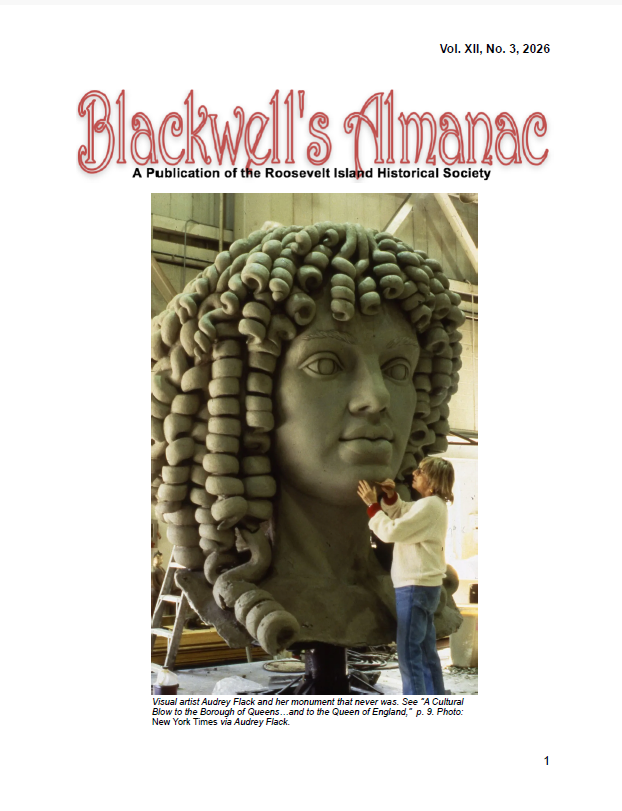
ENJOY OUR LATEST BLACKWELL’S ALMANAC

By admin

Blackwell’s Almanac
Vol. XII, No. 3

Surprise!
RIHS Archive Reveals a Now Forgotten Piece
of History

Blue Jeans: Just How American Are They?

A Cultural Blow to the Borough of Queens…
and to the Queen of England

RIHS Calendar— Roosevelt Island Historical Society Lecture Series

Summer Issue
August, 2026

Google Images (c)

Copyright © 2026 Roosevelt Island Historical Society, All rights reserved.

Our mailing address is:
rooseveltislandhistory@gmail.com
Aug

3

Monday, August 3, 2026 – A HISTORIC TREASURE YOU CAN’T MISS!

By admin

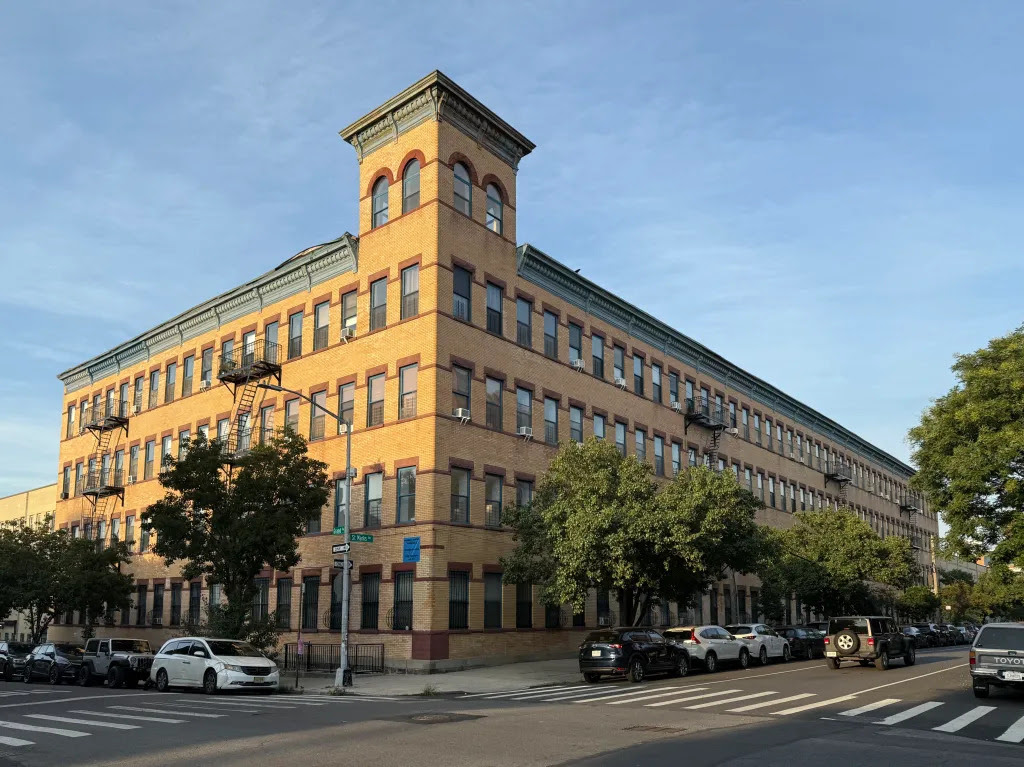
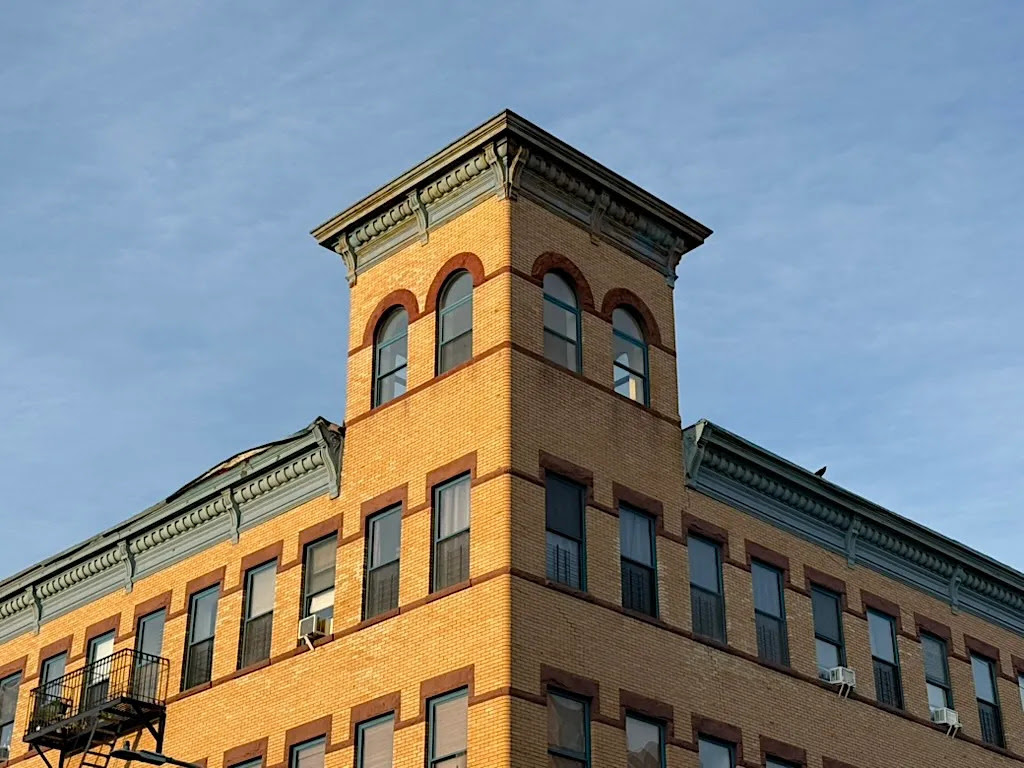
The world’s largest former hat factory almost looks as beautiful today as it did in 1890s Brooklyn

Some buildings in New York are so stunning, they make you stop in your tracks. The Knox Hat Factory, at Grand Avenue and St. Marks Place in Prospect Heights, is that kind of building

It almost looks like a castle, with the yellow brick factory walls fortified to protect the interior, and a corner watchtower to help spot and vanquish invaders.

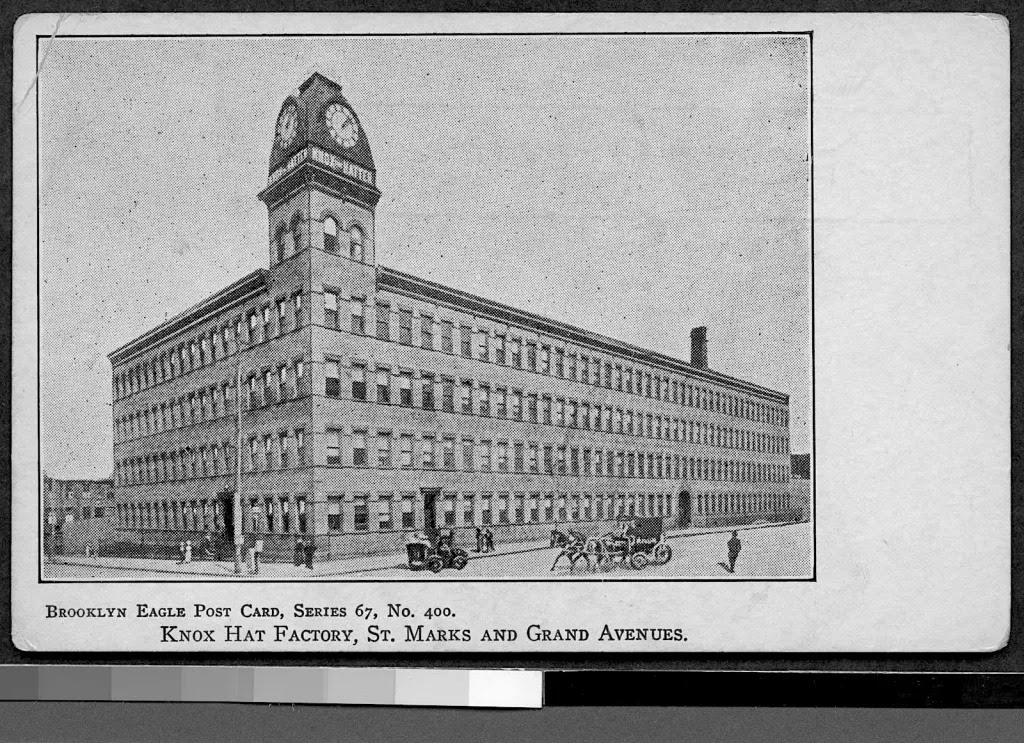
But of course this is Brooklyn, and in 1890 when the hat works opened as the world’s largest hat factory, it was just one more manufacturing building in a city filled with companies that made things.

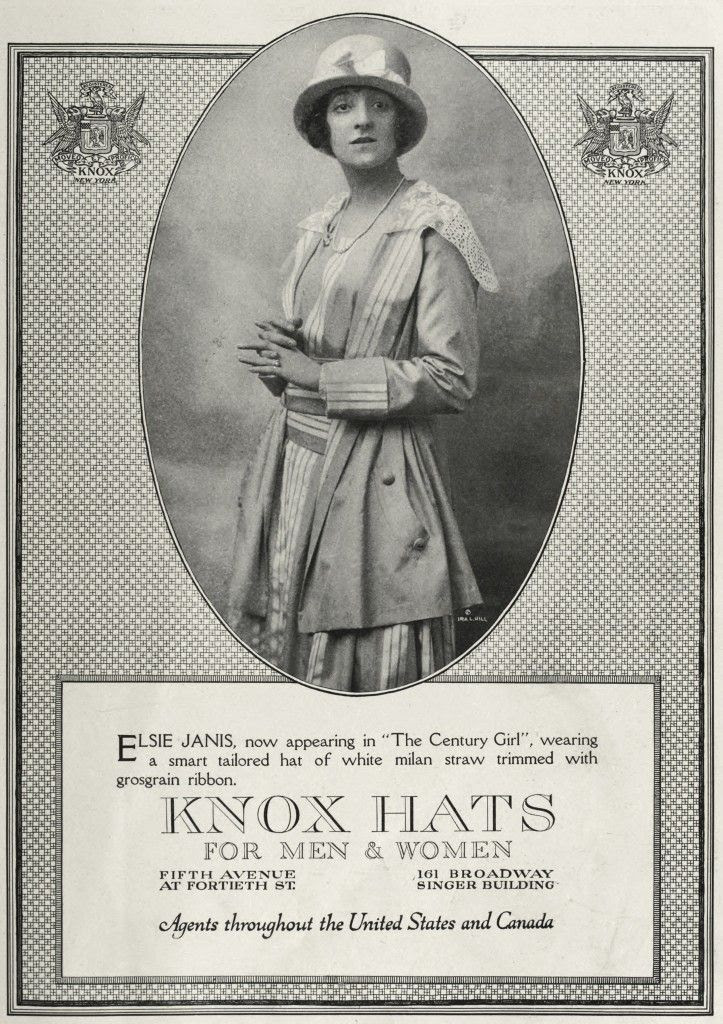
As companies go, however, Knox Hatworks has a long history in Gotham. “Founded by Irish immigrant Charles Knox, the Knox Hat Company began operations in lower Manhattan, selling beaver hats in a small store he opened in 1838,” states the Brooklyn Public Library.

“Through promotion and word of mouth, the business built an impressive clientele, including Abraham Lincoln, who purchased a new Knox stovepipe right before his 1860 speech at the Cooper Institute.”

After Charles Knox—aka “Knox the Hatter”— died, his son, Civil War hero Edward, became the head of the company.

In the ensuing years, the original Knox store on Fulton Street burned down. Edward Knox relocated the hat shop to 212 Broadway, then to the posh Fifth Avenue Hotel on 23rd Street.

In the 1880s, he decided Knox should get into the manufacturing business. A letter published in the Brooklyn Daily Eagle in 1952 recalled the factory’s early days.

“When this plant first opened, all the men who worked there wore high hats to and from work,” stated the cheeky letter writer. “What a time we kids had during snowball weather.”
Knox Hatworks continued production through World War II, but eventually the building was abandoned, according to the Brooklyn Public Library. “In the mid 1980s developers bought the building and converted it to apartments.”

The Brooklyn Public Library’s post about the factory included a photograph dating to 1905—showing a spectacular clock tower with a mansard roof, now removed.

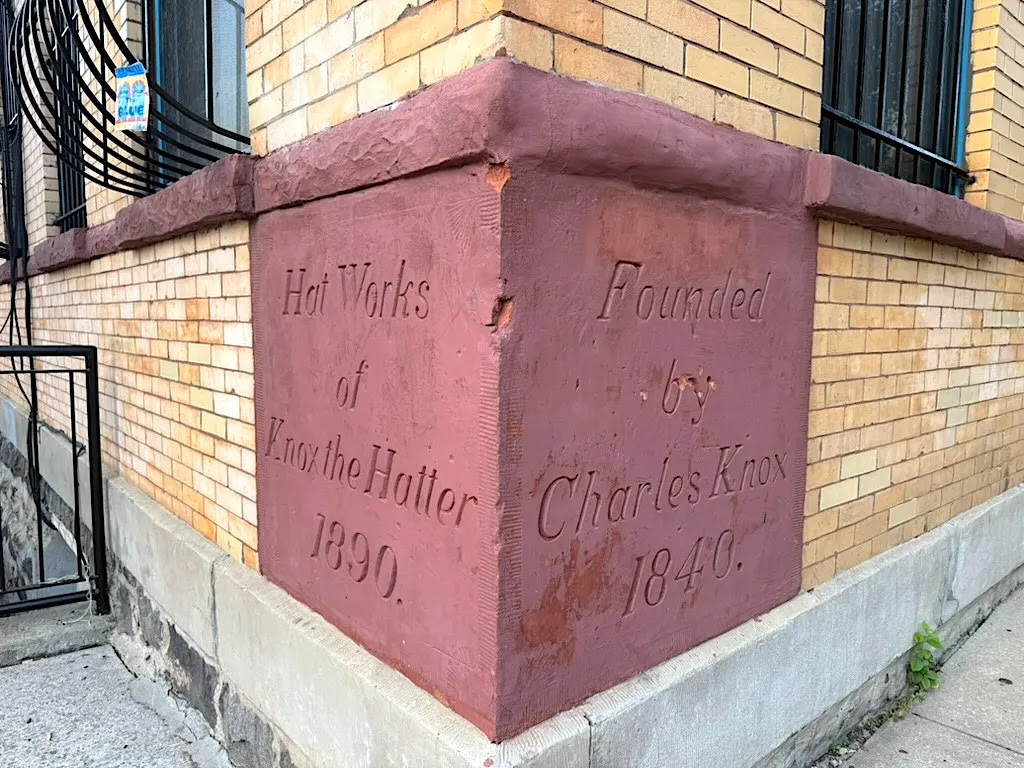
It’s unfortunate, but at least the developers kept the terra cotta panels at the corner of the building, which gives a little backstory on the building and company that curious passersby love to know. (Though the founding date of the company carved into terra cotta is wrong, per Lost New York City.)

Ephemeral New York

All image are copyrighted (c) Roosevelt Island Historical Society unless otherwise indicated
THIS PUBLICATION FUNDED BY DISCRETIONARY FUNDS FROM CITY COUNCIL MEMBER JULIE MENIN & ROOSEVELT ISLAND OPERATING CORPORATION PUBLIC PURPOSE FUNDS.

Copyright © 2026 Roosevelt Island Historical Society, All rights reserved.Our mailing address is:
rooseveltislandhistory@gmail.com