Weekend, August 2-3, 2025 – FROM SCULPTOR TO ARCHITECT A DIVERSE CAREER

From Mercury Topped
Lampposts
to
Grand Architecture
Weekend, August 2-3, 2025
Judith Berdy
Issue # 1501
This year I wrote about the Lampposts designed by Jsoseph H. Freedlander. It turns out there was much more to the story about Freedlander.
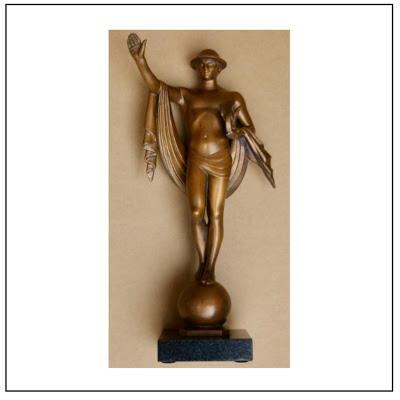
Joseph Freedlander (1870 – 1943)
Mercury
18 x 9 x 6 inches
Created 1931
Bronze on a marble base
In the late 1920s, Joseph Freedlander was asked by the City of New York to design a series of bronze light posts for Fifth Avenue. The first, completed in 1931, was installed at 41st and Fifth, and 103 others followed between 8th and 59th Streets.
Each traffic light was topped by a bronze statuette of Mercury. In the late 20th century, only several survived, two at the Museum of the City of New York, one in the offices of the Fifth Avenue Association, and a few in private collections.
If you go to the New York Times site and plug in “Joseph Freelander Mercury,” a detailed story by Christopher Gray will come up. The provenance of the sculpture is extraordinary.
NATIONAL HOME FOR DISABLED
VOLUNTEER SOLDIERS
JOHNSON CITY, TENNESSEE
VA History Tidbit – Joseph H. Freedlander, Architect – Beaux Artss architecture
– Mountain Home In celebration of National Preservation Month
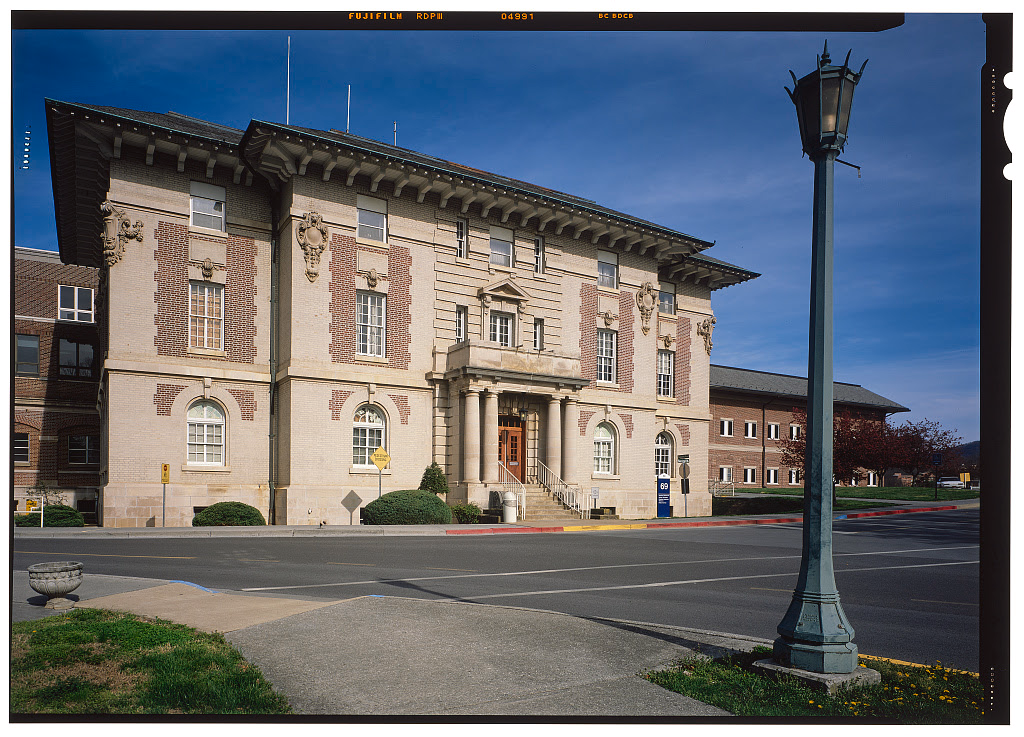
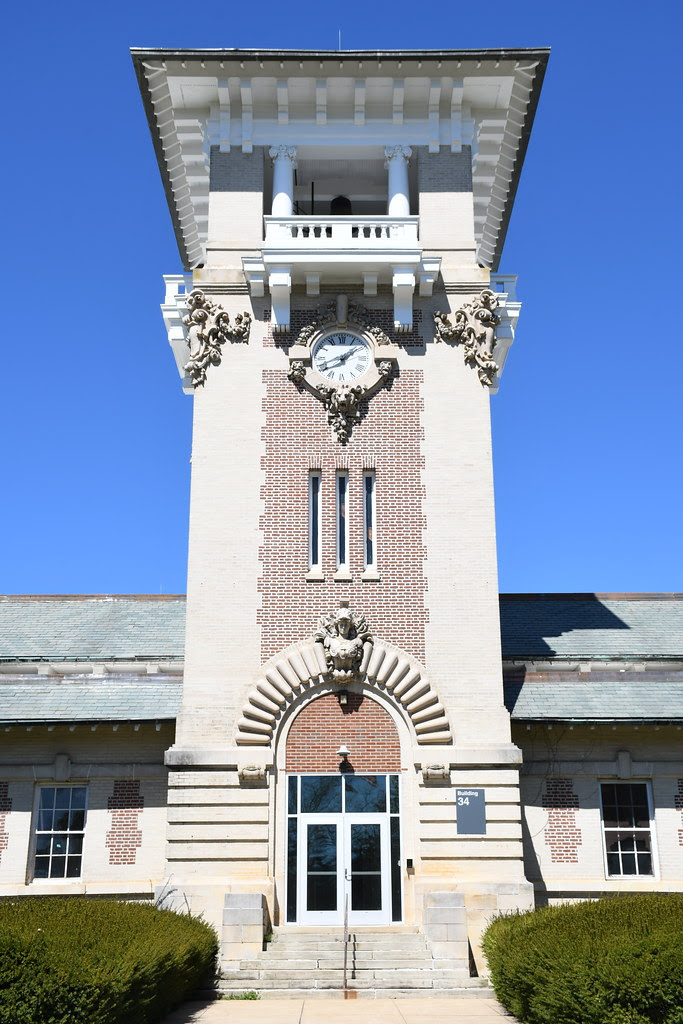
VA’s earliest hospitals were built as branches of the National Home for Disabled Volunteers Soldiers. In the aftermath of the American Civil War, Congress established the National Homes to provide medical care, rehabilitation, and a “real home” for thousands of Union veterans who survived the war, but whose disabilities or lack of family prevented them from finding suitable jobs and housing. The National Homes were purposely designed to be beautiful and welcoming and many notable architects were involved in creating that first generation of national veterans hospitals and homes. They were built in spacious, park-like settings which provided lots of opportunities for veterans to take relaxing strolls, get fresh air, and commune with nature. The National Home’s Mountain Branch, which opened in Johnson City, Tennessee, in 1903, was designed by renowned Beaux Arts architect, Joseph H. Freedlander, and is unique among VA’s early hospitals.
Joseph Henry Freedlander was born on August 18, 1870 in New York City to Jewish immigrants who migrated from Germany. His father was a hat wholesaler and his mother was a homemaker. He attended public schools and was later accepted at the Massachusetts Institute of Technology where he graduated in 1891 with a degree in architecture at the age of 20. He then became one of the first Americans to attend the prestigious Écoles des Beaux Arts in Paris and graduated in 1895. Beaux Arts was a distinctive design style that embellished classical revival architecture with lavish and ornate details. The Écoles des Beaux Arts was regarded as one of the superior fine arts school in the world, at the time, and its artistic influences spanned from the early 19th century until the mid-1930s.
After graduation, Freedlander returned to New York where he set up his private practice as a Beaux Arts atelier. In 1897 he was selected to design the St. Louis Club in St. Louis, Missouri—it was his first major work. In 1901 a national competition was announced by the National Home for Disabled Volunteer Soldiers’ Board of Managers for someone to design their new branch which was to be built in Tennessee. Out of six designs submitted, Freedlander’s design was selected in July 1901. He was 30 years old and newly married at the time and one of the youngest architects in the country.
In 1914 Freedlander was selected as Chevalier (Knight) of the Legion of Honor by the French Government—a distinctive order established by Napoleon Bonaparte in 1802. During his career he was president of the Société des Architectes Diplomés’ American group, the Fine Arts Federation of New York, chairman of the annual Paris prize committee for the Society of Beaux-Arts Architects, trustee of the Museum of French Art, and associate of the National Academy of Design. He was an active and distinguished member of architecture circles, including the American Institute of Architects and National Sculpture Society, where helped to promote and expand the presence of Beaux Arts architecture in America. He went on to design other significant public buildings including the Harlem Hospital in New York (1907), the Perry Memorial in Put-in-Bay, Ohio (1912), the French Institute (1929), the Fifth Avenue traffic towers (1929), Museum of the City of New York (1930), and the Bronx County Courthouse (1934). He also designed numerous private residences. He died of a heart attack near Madison Square Garden on November 23, 1943 at the age of 73.
Joseph H. Freedlander’s magnificent work from 112 years ago still stands at the former National Home’s Mountain Branch, which today is known as the James H. Quillen VA Medical Center. Its unique architecture and significant role in our country’s history earned its designation by the Secretary of the Interior in 2011 as one of America’s National Historic Landmarks. Please enjoy these images of Freedlander’s beautiful work at Mountain Home:
ST. LOUIS CLUB
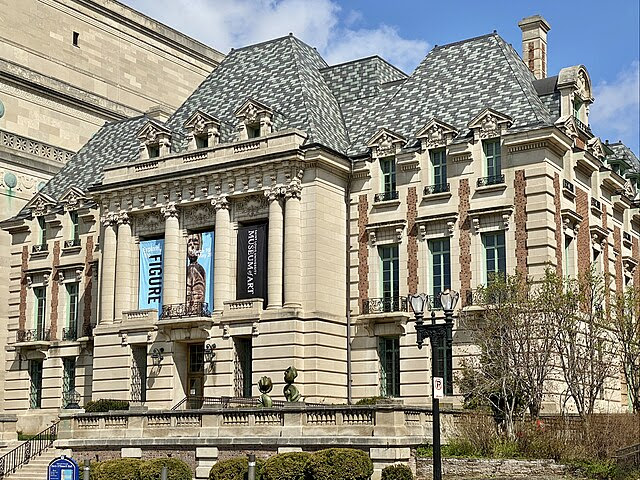
Built in 1900, this Beaux Arts-style building was designed by Arthur Dillon of Friedlander and Dillon to serve as the home of the exclusive St. Louis Club, which remained in the building until 1925.
PERRY MEMORIAL PUT-IN-BAY, OHIO
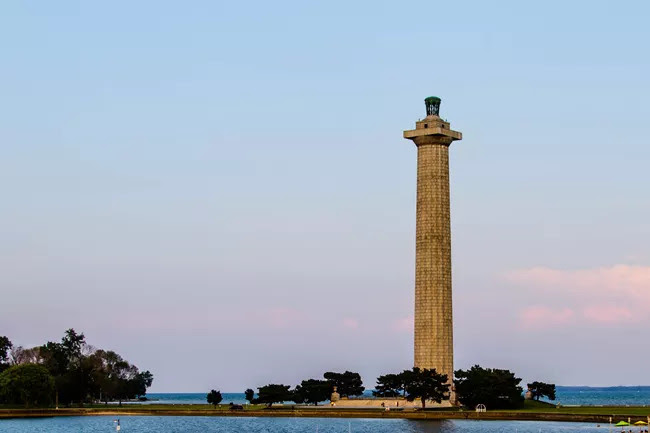
In October 1911, a “Program of a Competition” was announced and 147 architects and firms submitted designs. The winning drawing was awarded to Joseph H. Freelander and Alexander D. Seymour Jr. of New York City.
The History of the Monument
“Don’t Give Up The Ship.” Spoken by Commodore Oliver Hazard Perry to his troops as they defended this area against the British in the Battle of Lake Erie, this words remain stirring to this day. Despite being heavily unnumbered, Perry was victorious in taking control of Lake Erie. This was a crucial turning point for the War of 1812 and the US went on to win the war. The British fleet fought the Battle of Lake Erie in the waters near South Bass Island. Soon after, Oliver Hazard Perry sent the fleet back to Great Britain and celebrated the American victory.
Buried at the base of the column are six soldiers who perished during the batter. Both American officers and British officers are remembered at Perry’s Monument. The names of all the soldiers slain in the battle including Commodore Perry are also etched inside the grand rotunda.
After this war, relations between the US and England remained peaceful ever since. The monument is a symbol of this lasting peace, its construction a multi-state effort to “inculcate the lessons of international peace by arbitration and disarmament.”
MUSEUM OF THE CITY OF NEW YORK
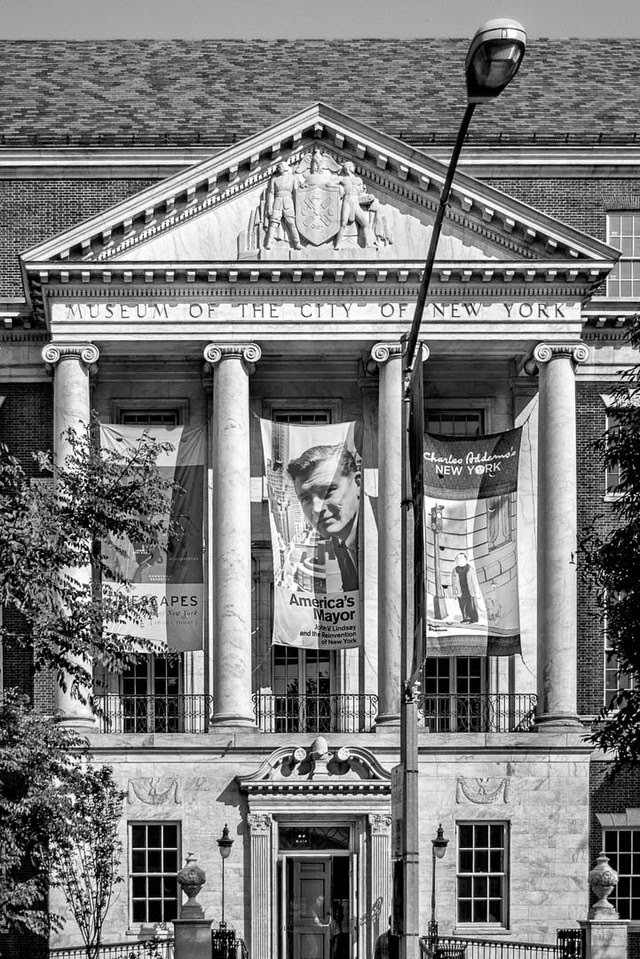
The Museum of the City of New York (MCNY) is a history and art museum in Manhattan, New York City, New York. It was founded by Henry Collins Brown, in 1923 to preserve and present the history of New York City, and its people. It is located at 1220–1227 Fifth Avenue between East 103rd to 104th Streets, across from Central Park on Manhattan’s Upper East Side, at the northern end of the Museum Mile section of Fifth Avenue.
The red brick with marble trim museum was built in 1929–30 and was designed by Joseph H. Freedlander in the neo-Georgian style, with statues of Alexander Hamilton and DeWitt Clinton by sculptor Adolph Alexander Weinman facing Central Park from niches in the facade.The museum is a private non-profit organization which receives government support as a member of New York City’s Cultural Institutions Group, commonly known as “CIG”s. Its other sources of income are endowments, admission fees, and contributions.[Wikipedia]
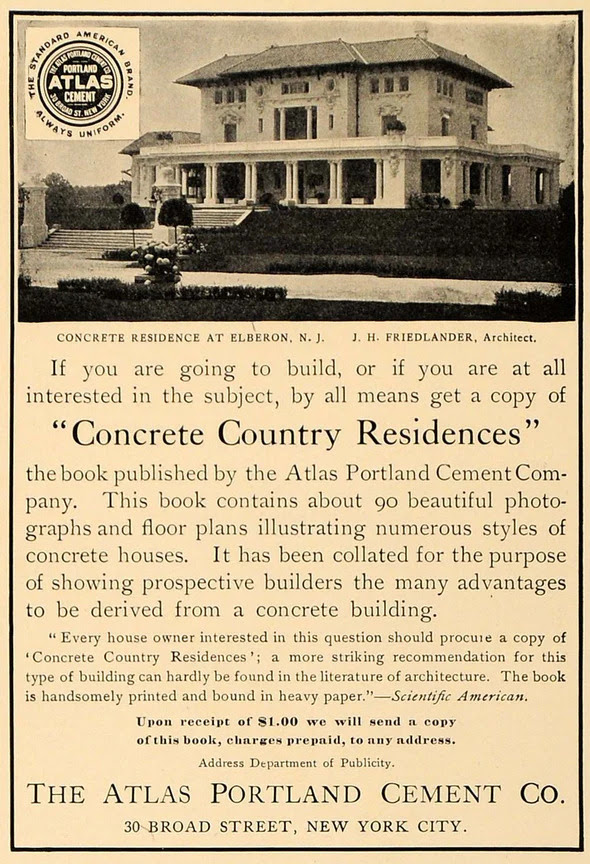
BRONX COUNTY COURTHOUSE
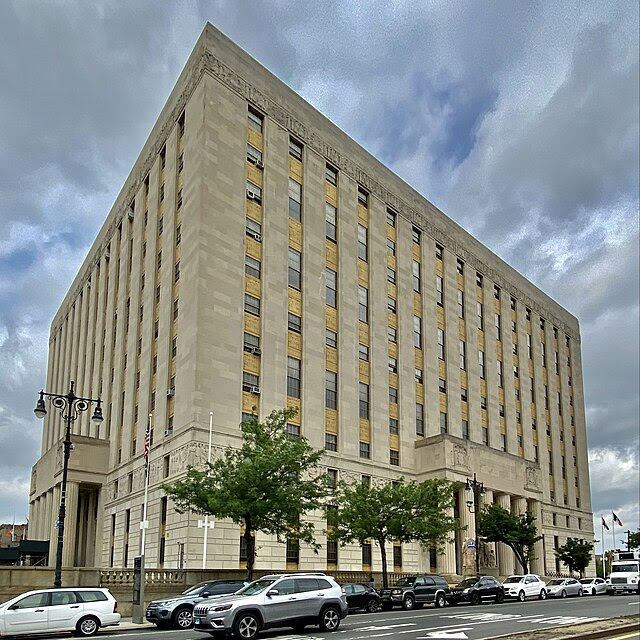
The Bronx County Courthouse, as seen from the south end of the Grand Concourse on a June 2022 afternoon. Architects Max Hausle and Joseph H. Freedlander collaborated with a bevy of noted artists and sculptors (Charles Keck, Adolf A. Weinman, James Monroe Hewlett, and Joseph Kiselewski were among those who contributed works) on this massive civic temple that was built over three years beginning in 1931 as a prominent local example of the large-scale public works projects that provided welcome job opportunities to designers and builders during the Great Depression, and of which then-New York mayor Fiorello LaGuardia was especially fond. The building’s Monumental Neoclassical style has been described by the New York City Landmarks Preservation Commission as “a characteristically American version of a style which was also popular in Europe, seen for example in the new section of Rome” in which “bold, simple geometric massing… is combined with ornamental detail and sculpture which derive inspiration primarily from ancient Greek and Roman models”. This, however, is combined with subtle but timely Art Deco flourishes such as the streamlined aesthetic that’s noticeable especially in and around the entrance porticos. Belying its name, the building houses not only the judiciary but all organs of the borough government, and its inauguration in 1934 coincided with the the 20th anniversary of the splitting off of the Bronx as a separate county. The dedication ceremonies included speeches, a military parade and band concert, and luncheons at the nearby Concourse Plaza Hotel. It was nominated as a New York City Landmark in 1976, and is listed on the National Register of Historic Places both in its own right (1983) and as a contributing property to the Grand Concourse Historic District (19
ANDREW FREEMAN HOME
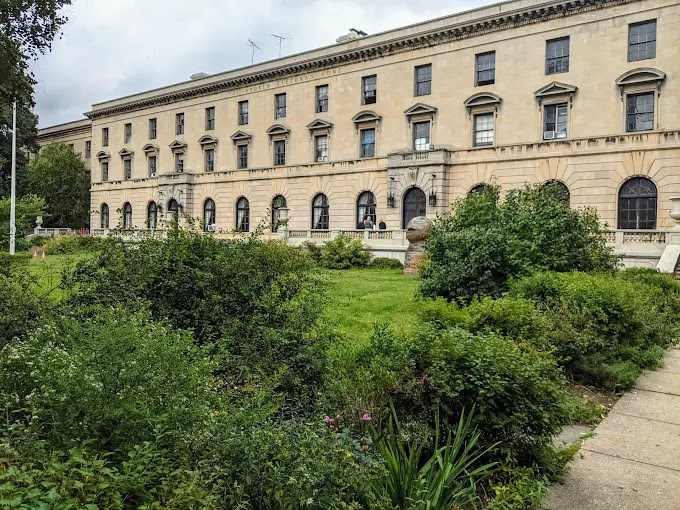
The Andrew Freedman Home is a historic building in the Bronx, New York City. Constructed by the estate of the millionaire Andrew Freedman, it has been renovated into an artists’ hub consisting of an interdisciplinary artist residency, an incubator space, workforce development and community services.[1] It is a New York City designated landmark. The money to build it was bequeathed by Freedman. Located at 1125 Grand Concourse in the Concourse neighborhood, the Andrew Freedman Home was designed as a retirement home for wealthy individuals who had lost their fortunes.
The trust that operated the Andrew Freedman Home ran out of money in the 1960s. The home was reopened in 1983 for all elderly individuals, regardless of past financial status. As of 2012, the Andrew Freedman Home serves as a day-care center and event space
BARON DE HIRSCH TRADE SCHOOL (?)
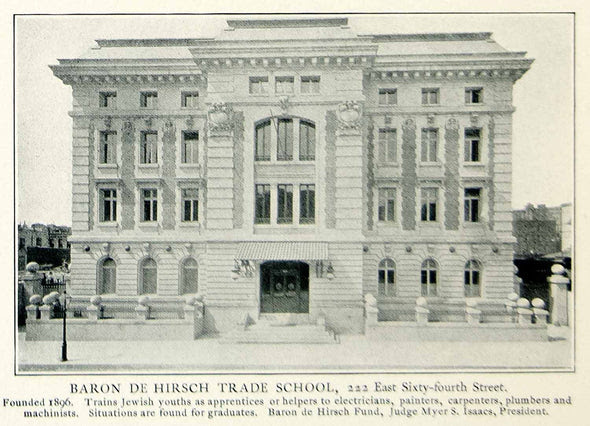
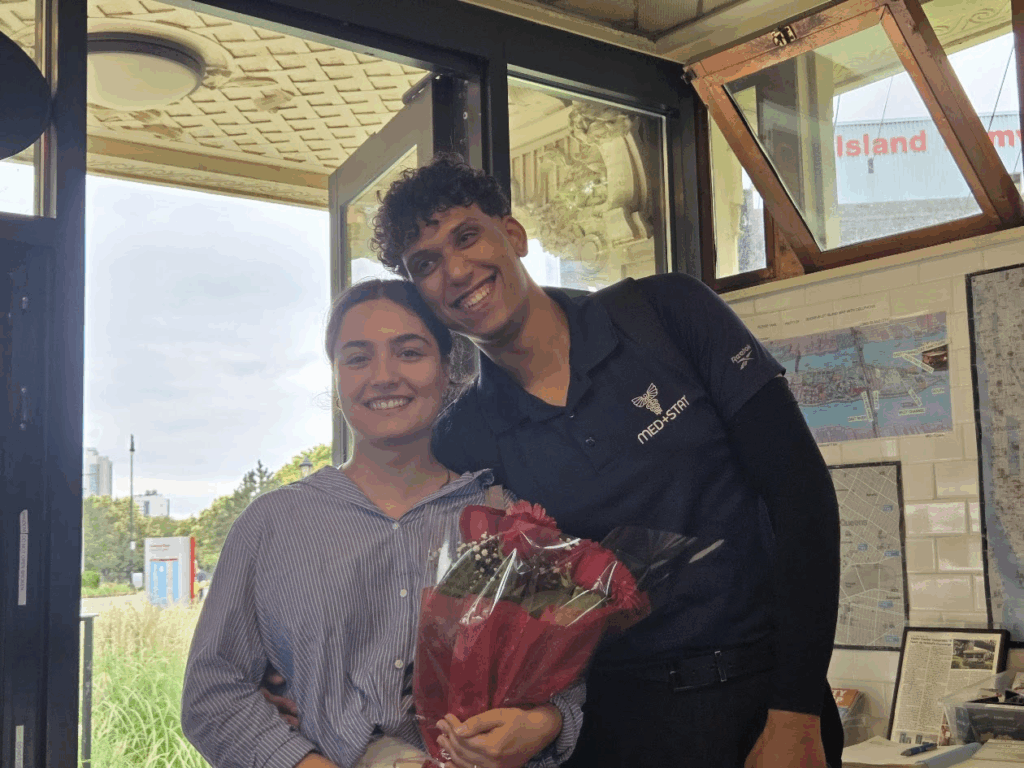
PHOTO OF THE DAY
HONEYMOONERS VISIT KIOSK
CONGRATULATIONS TO JAVIER AND EYLUL ON YOUR MARRIAGE
CREDIT TO
NATIONAL PARK SERVICE
WIKIMEDIA COMMONS
Judith Berdy
All image are copyrighted (c) Roosevelt Island Historical Society unless otherwise indicated
THIS PUBLICATION FUNDED BY DISCRETIONARY FUNDS FROM CITY COUNCIL MEMBER JULIE MENIN & ROOSEVELT ISLAND OPERATING CORPORATION PUBLIC PURPOSE FUNDS.

Copyright © 2025 Roosevelt Island Historical Society, All rights reserved.Our mailing address is:
rooseveltislandhistory@gmail.com
Leave a comment