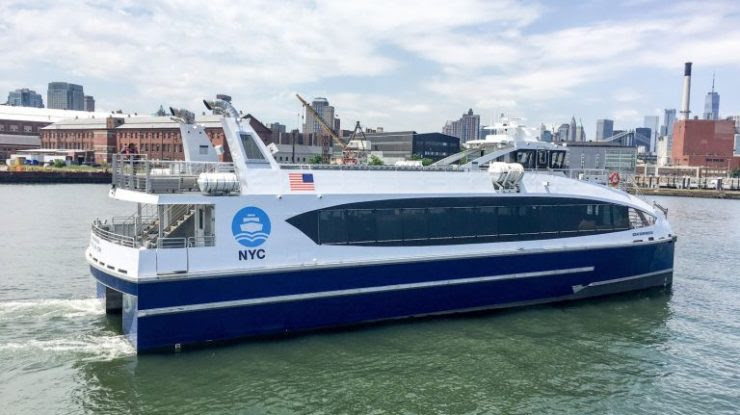
The best way to see North Brother Island is taking the Bronx Bound NYCFerry which passes as close by the island you can get.
INTRODUCTION
Both North Brother Island and South Brother Island were claimed by the Dutch West India Company in 1614 and were originally named “De Gesellen”, translated as “the companions” in English.
The islands were both originally part of Queens County. On June 8, 1881, North Brother Island was transferred to what was then part of New York County (later to become the Bronx). On April 16, 1964, South Brother Island was also transferred to the Bronx.
The islands had been incorporated into Long Island City in 1870, before the consolidation of New York City in 1898. North Brother Island The northern of the islands was uninhabited until 1885, when Riverside Hospital moved there from Blackwell’s Island (now known as Roosevelt Island). Riverside Hospital was founded in the 1850s as the Smallpox Hospital to treat and isolate victims of that disease. Its mission eventually expanded to other quarantinable diseases.
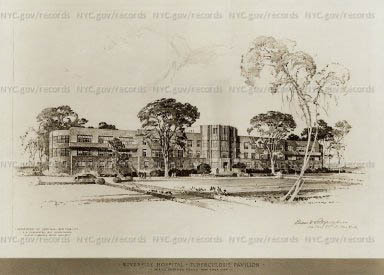
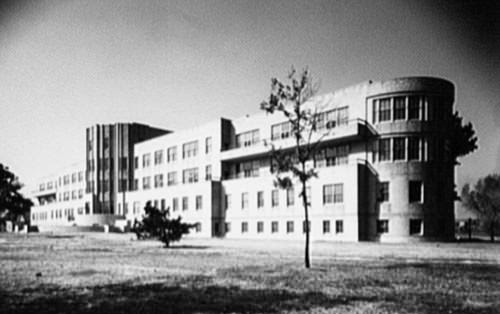
The last such facility to be established on the island was the Tuberculosis Pavilion, which opened in 1943. The Pavilion was rendered obsolete within the decade due to the increasing availability, acceptance, and use of the tuberculosis vaccine after 1945.
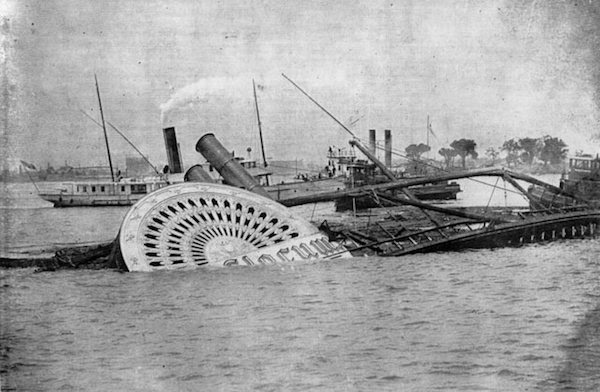
The island was the site of the wreck of the General Slocum, a steamship that burned on June 15, 1904. Over 1,000 people died either from the fire onboard the ship, or from drowning before the ship beached on the island’s shores.
According to Joseph Mitchell, a reporter for newspapers and for The New Yorker, the island was the site of many outings of “The Honorable John McSorley Pickle, Beefsteak, Baseball Nine, and Chowder Club” organized by John McSorley of McSorley’s Old Ale House; photos of the outings are featured on the walls of the bar.
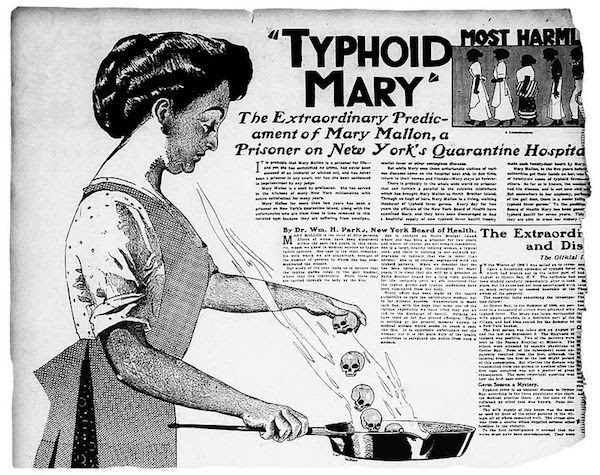
Mary Mallon, also known as Typhoid Mary, was confined to the island for over two decades until she died there in 1938. The hospital closed shortly thereafter. Following World War II, the island housed war veterans who were students at local colleges and their families. After the nationwide housing shortage abated, the island was again abandoned until the 1950s, when a center opened to treat adolescent drug addicts.
The facility claimed it was the first to offer treatment, rehabilitation, and education facilities to young drug offenders. Heroin addicts were confined to this facility and locked in a room until they were clean. Many of them believed they were being held against their will. Staff corruption and cost forced the facility to close in 1963. The facility is said to have been the inspiration for the Broadway play Does a Tiger Wear a Necktie?, which helped to launch the career of Al Pacino.
Since the mid-1960s, New York City mayors have considered a variety of uses for the island. John Lindsay, for instance, proposed to sell it, and Ed Koch thought it could be converted into housing for the homeless. The city also considered using it as an extension of the jail at Rikers Island.
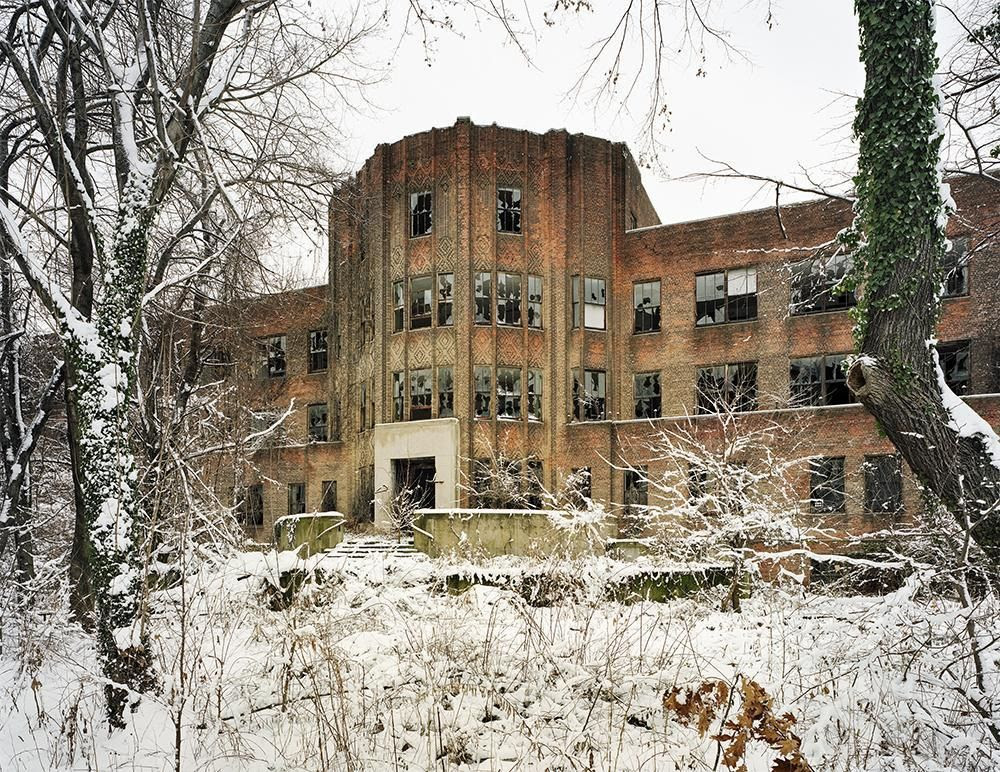
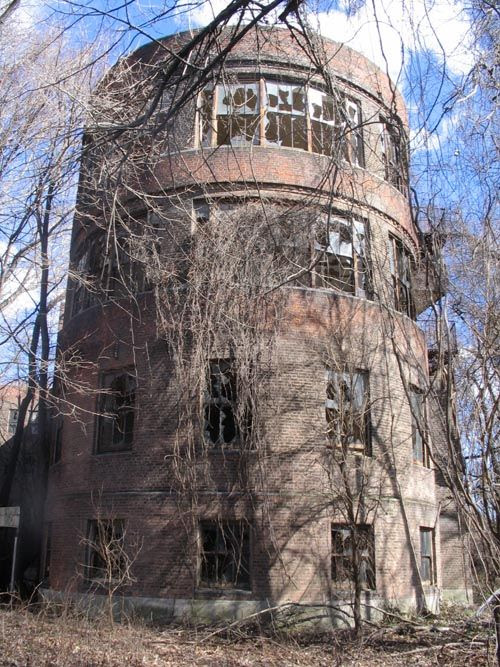
Now serving as a sanctuary for herons and other wading shorebirds, the island is presently abandoned and off-limits to the public. Most of the original hospitals’ buildings still stand, but are heavily deteriorated and in danger of collapse, and a dense forest conceals the ruined hospital buildings. Wikipedia(c)
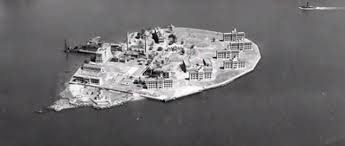
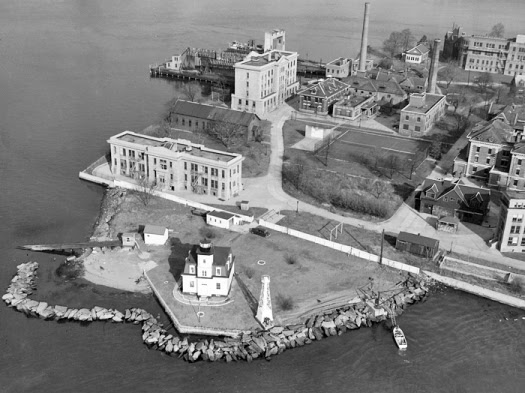
Aerial View of island with lighthouse in forefront and buildings of Riverside Hospital to the left
Neat and tidy view from above. Only 20 acres of land, 1/7th the size of Blackwell’s Island
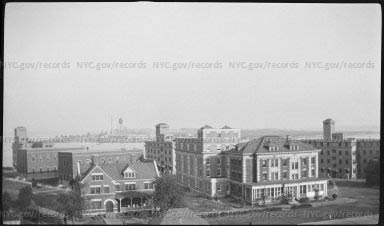
Closeup of Hospital Buddings..Riverside Hospital was originally housed in our former Smallpox Hospital
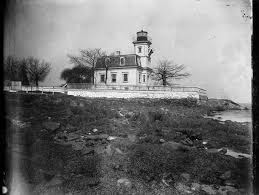
The lighthouse at the southern tip is no longer visible from the river.
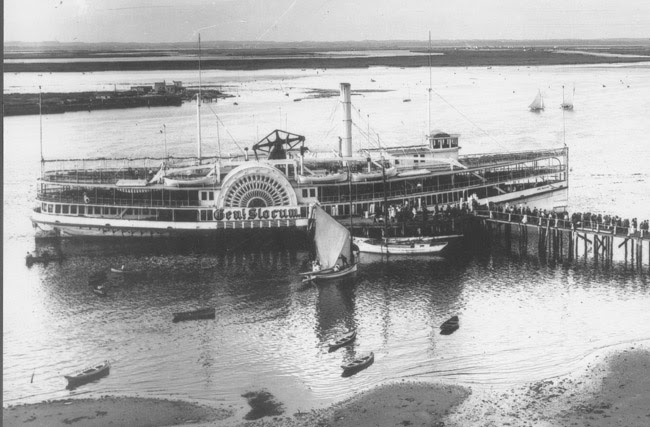
Passengers boarding the General Slocum. Carrying over 1,000 mostly women and children, it caught fire at Hell Gate, north or Blackwell’s Island and finally ran aground on North Brother Island. The island is off the coast of 135 Street in the Bronx. The patients and staff worked to rescue passengers while many died and their remains were brought to the island. It was the worst single day tragedy until 9/11.
Part of the boat lying near North Brother Island.
Many walked away with minor sentences the story of the General Slocum was lost to history for many years. The passengers were working class women and children from the Lower East Side German immigrant community.
Due to extensive and persistent tracing by a public health physician Mary Mallon was confined to North Brother Island in Quarantine twice. After being discharged the first time she went back to cooking an infecting others. This time she was sent to the Island permanently.
Mary Mallon’s cottage on North Brother Island.
Rendering of the Tuberculosis Hospital which was designed by Isadore Rosenfield, the architect of Goldwater Hospital on Welfare Island.
Rounded design to deflect germs and large open rooms were common beliefs in the treatment of Tuberculosis.
Parts of the building are still visible in winter
Probably a great nesting place for the wild birds that are now protected residents of the island.
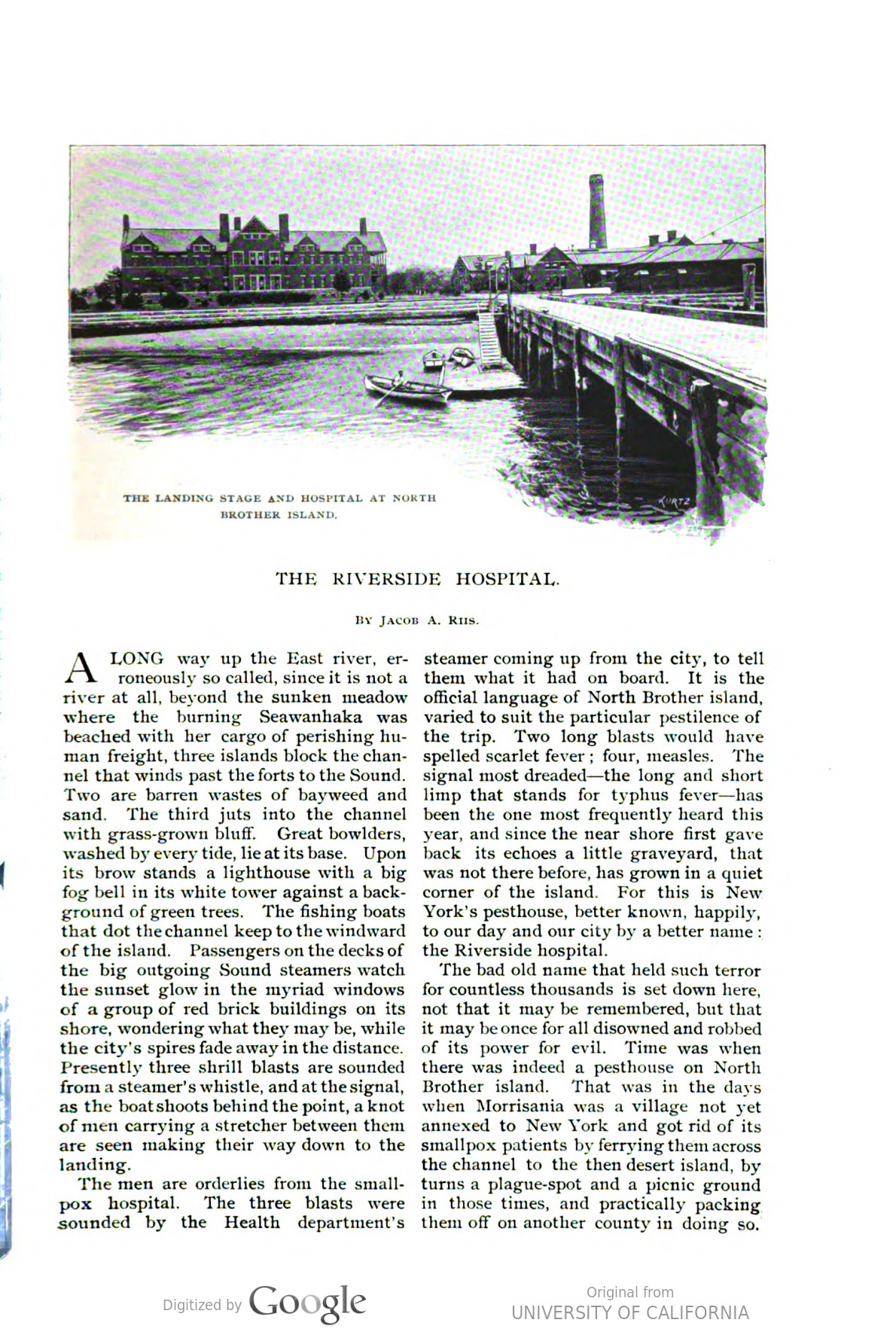
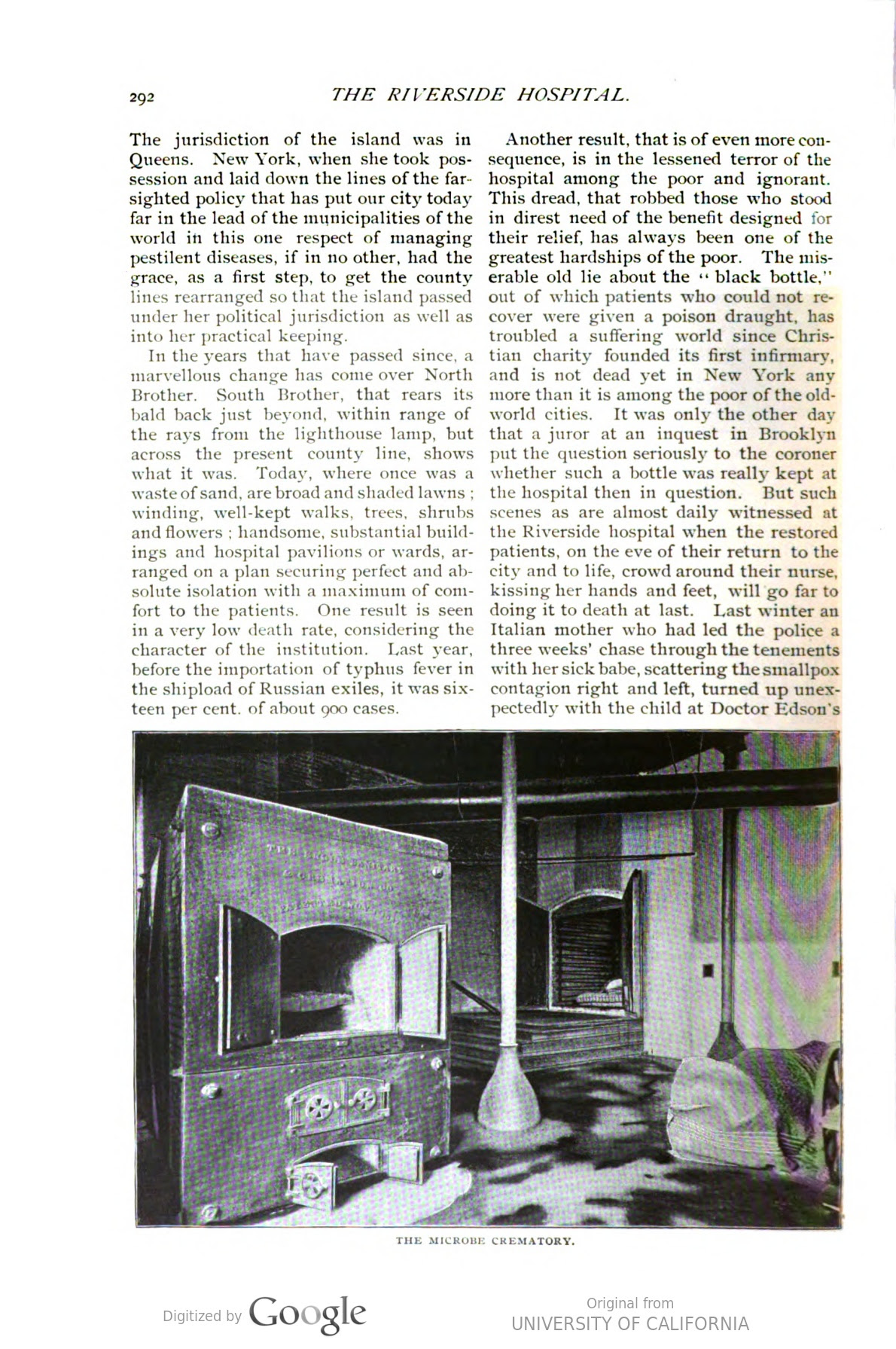
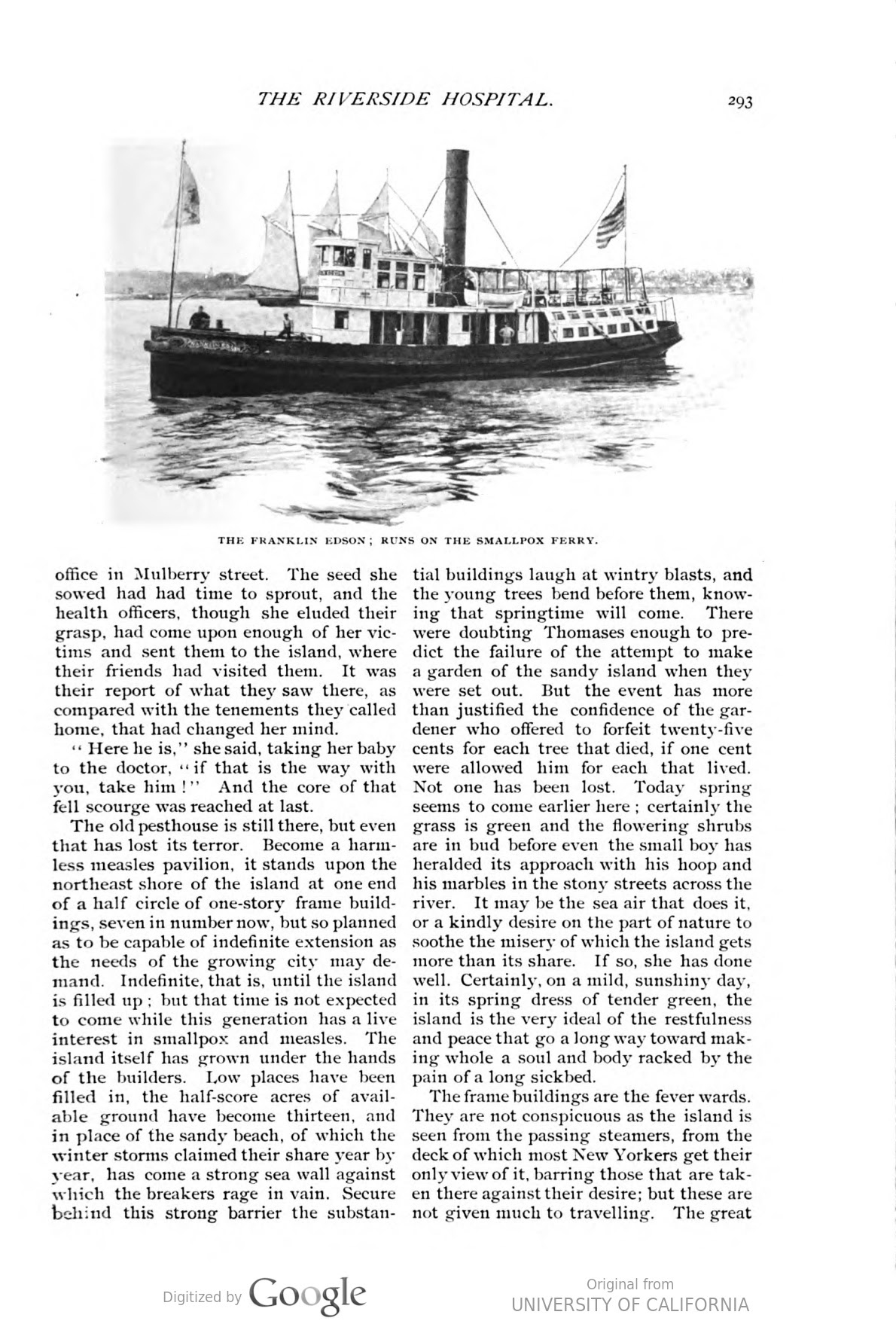
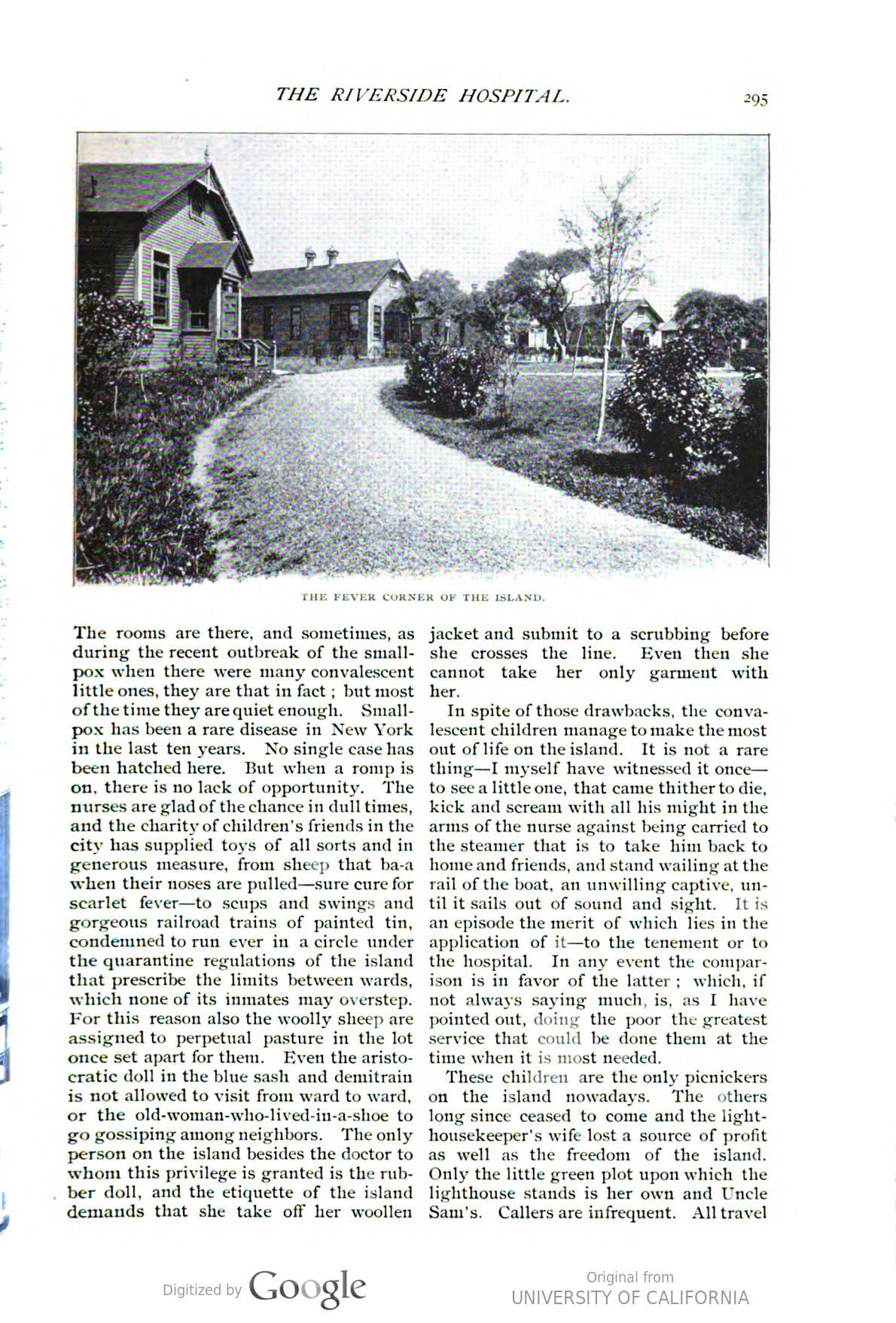
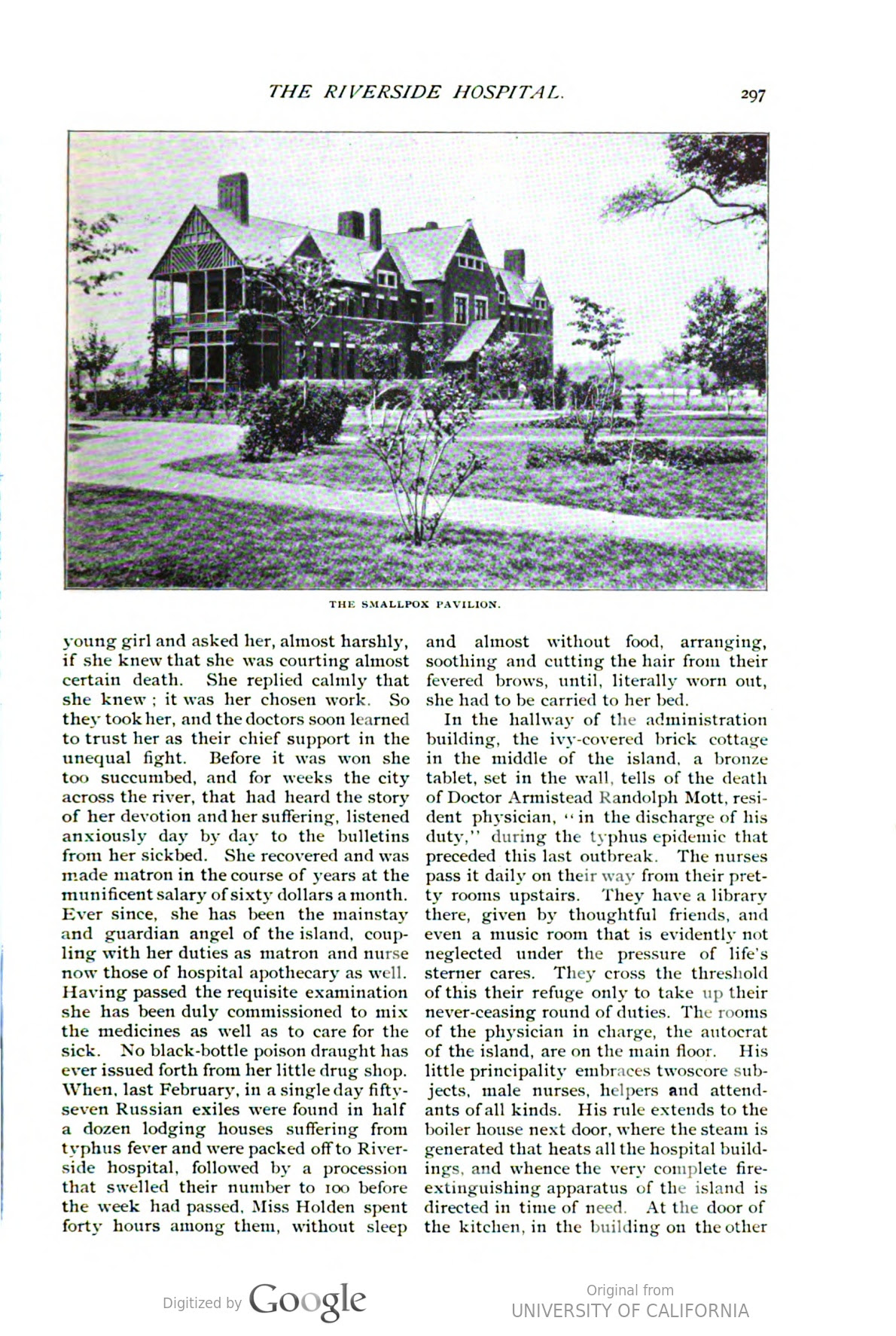
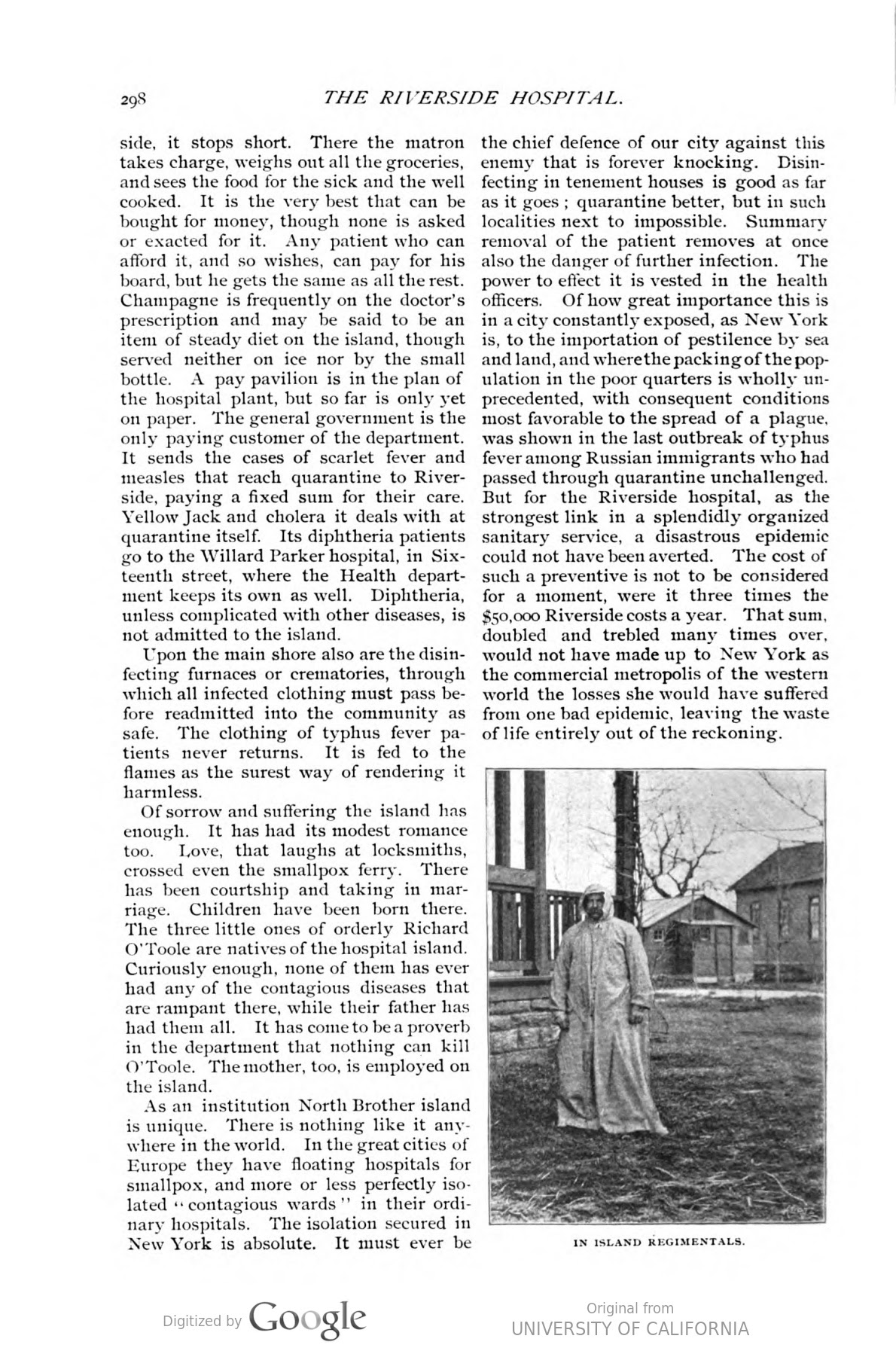
JACOB A. RIIS VISITED NORTH BROTHER ISLAND IN 1892. THIS IS HIS REPORT FROM AN ISLAND OF QUARANTINE FOR COSMOPOLITAN MAGAZINE
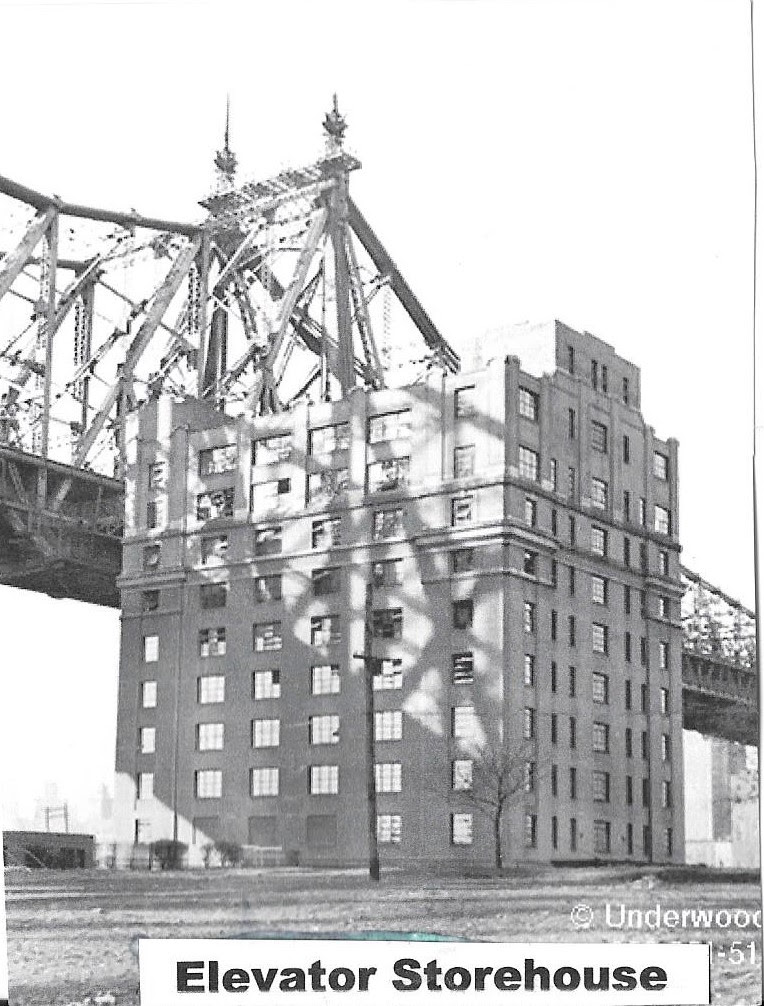
The Storehouse was located where the lawn is by the Tram Station
When I chose to write about North Brother Island I remembered that I had copy of an article from Cosmopolitan Magazine about the island. No, not the current Cosmo, but a literary journal of 1892. On-line I found this reprint of it from a university library via Google.
The story by the famous photographer Jacob Riis is a tender recounting of those who are taken to this island for care and treatment.
Most survive and leave the island, treated by staff who live there their entire careers.
I got a e-mail the the other day from Guy Ludwig, who is encamped in the wilds of Vermont for the duration. He tells of his early visit sneaking onto the not yet completed island.
It is a dreary day and even Beano the cat has no interest in stirring.
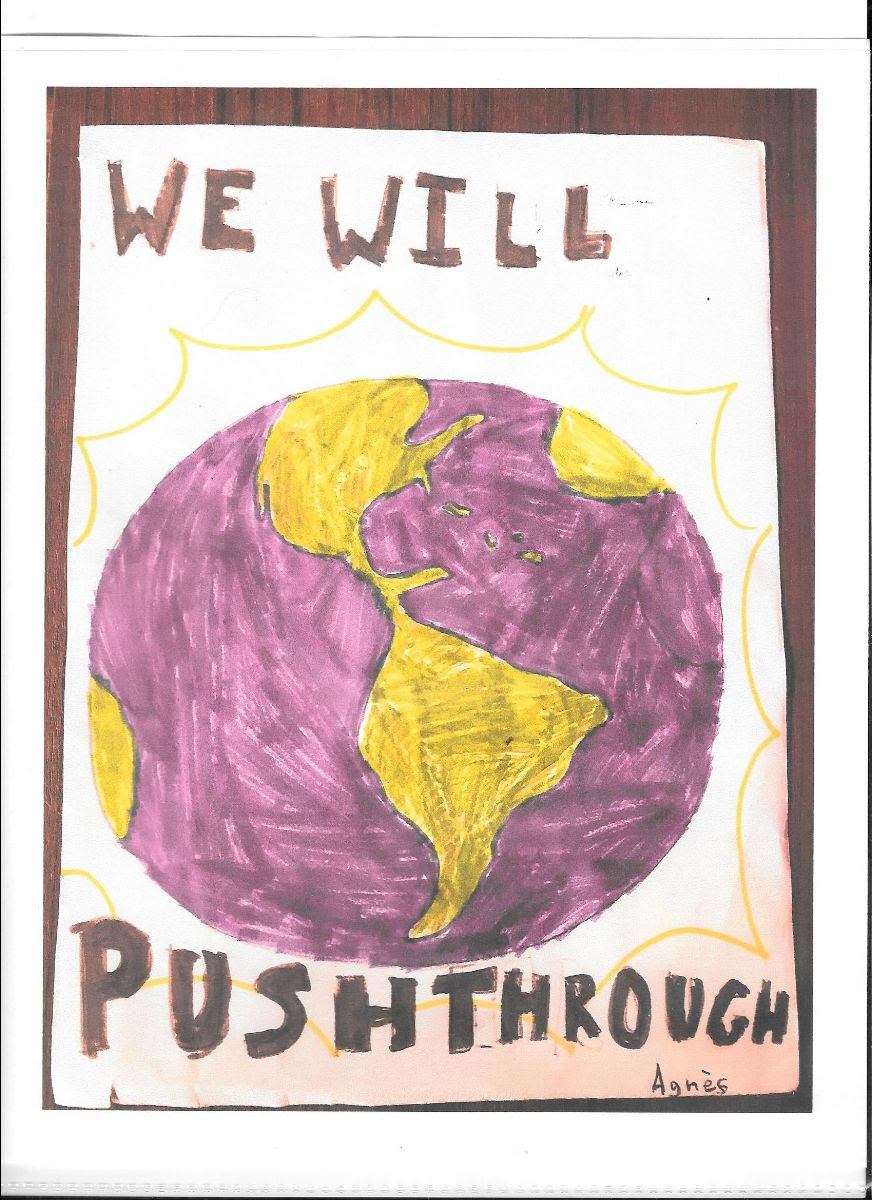
I got an artwork from my friend Henry yesterday for my birthday.
Text by Judith Berdy Thanks to Bobbie Slonevsky for her dedication to Blackwell’s Almanac and the RIHS Thanks to Deborah Dorff for maintaining our website Edited by Melanie Colter and Deborah Dorff
“I am a social painter or photographer…I find difficulty in making distinctions between photography and painting. Both are pictures.”–Ben ShahnA surge in radical political movements, efforts at social reform, and attempts by diverse populations to establish a national identity contributed to the upheaval that engulfed the United States during the Depression. Many artists who were radicalized by the events of the day became activists and sought work on New Deal relief programs. Among them was Ben Shahn (1898–1969), an artist whose socialist Jewish family had fled czarist Russia in 1906 and settled in Brooklyn.In the early 1930s, Shahn abandoned his interest in European modern art, creating instead incisive realist images, depicting what he called the “social view,” that addressed the issues dominating public debate. The development of Shahn’s social-realist vision was infused by his commitment to leftist politics and his interest in the cultural force of mass media during the 1930s. Shahn first became interested in photography at a time when rotogravure reproductions of photographs in newspapers and magazines served as essential source material for his polemic paintings and satiric caricatures. News photographs inspired Shahn to imbue such works as his famous gouache series The Passion of Sacco–Vanzetti as well as The Mooney Case with a quality of reportage that was favorably noted by many of his contemporaries. Although he became widely known at this time as a painter, muralist, and graphic artist, he was also making formidable photographs.Between 1932 and 1935, Shahn joined the vanguard of the social-documentary movement, making street photographs that defined life in New York City through the prosaic activities and expressive gestures of ordinary people. In addition to photographing activity on the sidewalks of lower and midtown Manhattan, he documented demonstrations for expanded work-relief programs and protest marches against social injustice in and around Union Square and City Hall. In preparation for one of his earliest murals, he also photographed inmates and prison officials at Blackwell’s Island Penitentiary and the New York City Reformatory. All of Shahn’s New York photographs address such topical issues as unemployment, poverty, immigration, and social reform and their connection to race and class.Shahn used a handheld 35-millimeter Leica camera. This tiny, lightweight apparatus allowed him to move unobtrusively through the crowded immigrant neighborhoods of New York City, documenting daily life. He oriented his camera horizontally and tended to photograph at eye level and at fairly close range, thereby placing the viewer in the midst of the scene. He found that by affixing to his camera a miniature periscope-style attachment known as an angle viewfinder, he could capture passersby unaware. The artist could thus present his subjects “immersed in a private world,” as Bernarda Bryson Shahn observed. This “arresting of unconscious mood,” she affirmed, constituted “one of the distinguishing marks of all of Shahn’s photographic work.”Compelling examples of social-realist art in their own right, Shahn’s New York photographs also inspired many of his most important paintings, murals, and drawings. Ben Shahn’s New York explores how the artist’s earliest photographs provided him with a fundamental means of interpreting urban life in modern times and shaped a highly influential documentary aesthetic that would influence and characterize his work for decades.
FROM THE ARCHIVE
This is the sixth in our series of historical articles from the RIHS Archives
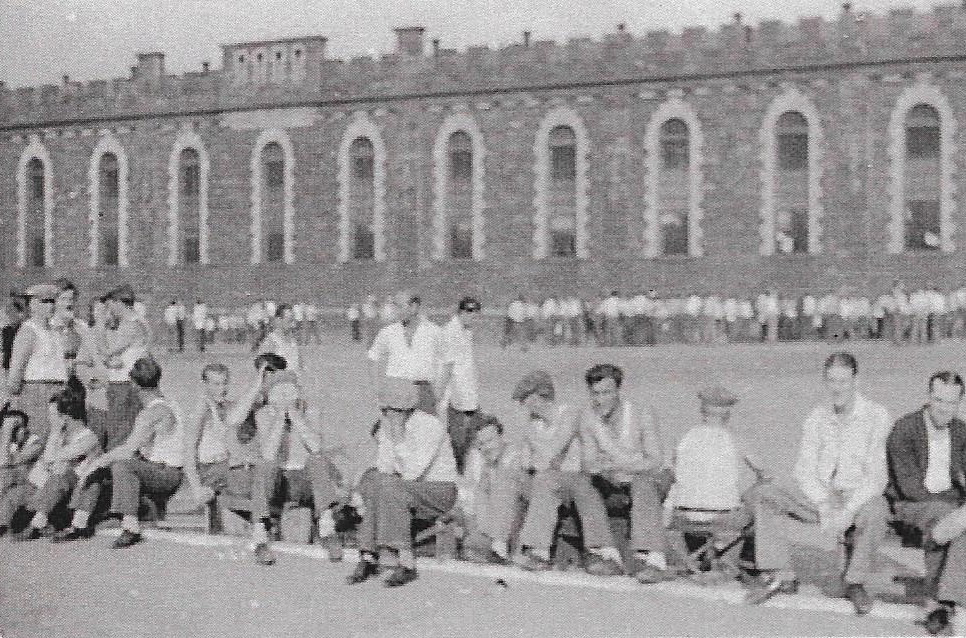
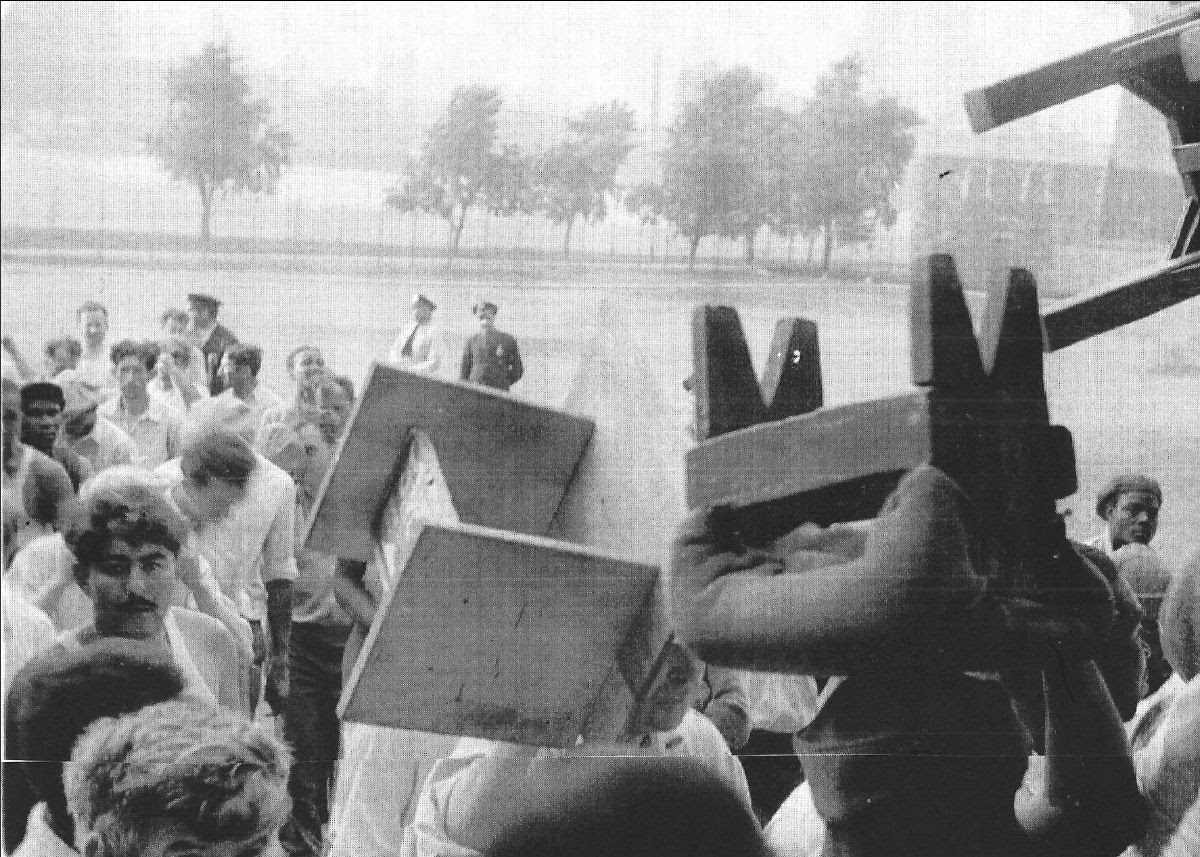
It was “bring your own seating” for outdoor activities at the Penitentiary
BEN SHAHN was a Lituanian born artist.
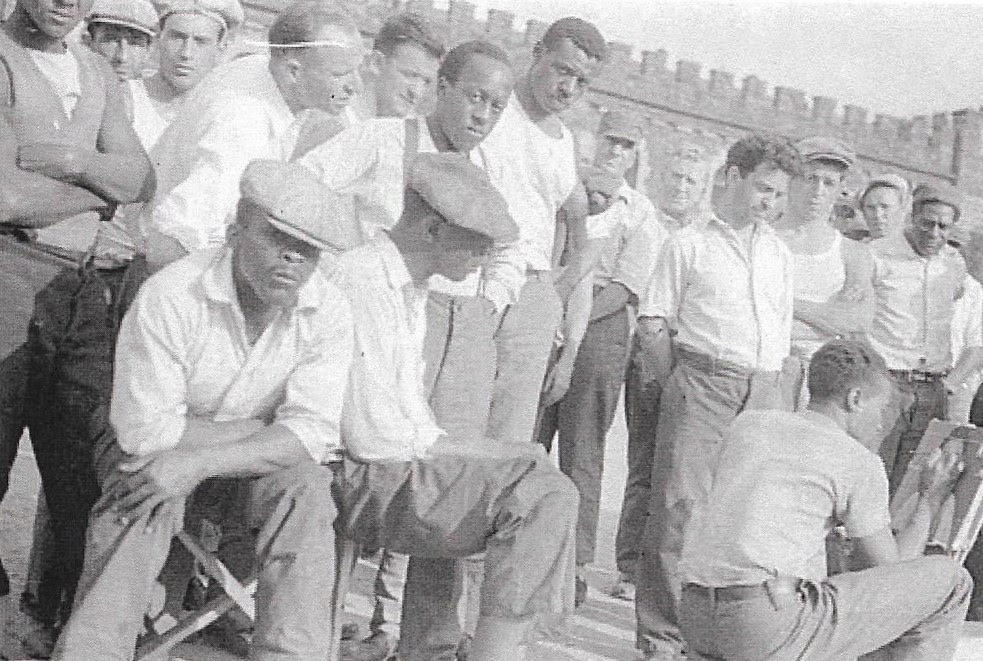
These are some of the images Shahn took of the Penitentiary.
Editorial
As I sit here writing this edition, a show is on TV about the “Food that Built America”,. Other favorites are any “Law and Order”, for early morning entertainment try “How It’s Made” on the Science Channel. Yes, I watch the news but the soothing voice of Sam Waterson makes me feel better.
I have to thank my great support system at the CARTER BURDEN SENIOR CENTER. I volunteer there and we “seniors” are being well taken care of with meals to go, boxed shelf stable meals, and the support you get from hearing from the staff; Lisa, Fred, Ulisa, Pat, Nancy and Brenda.
Our building staff, tram staff, RIOC staff, are all at work whether in person or from home keeping the island on an even keel.
Thanks to our neighbors who took out their sewing machines and made masks for our island workers.
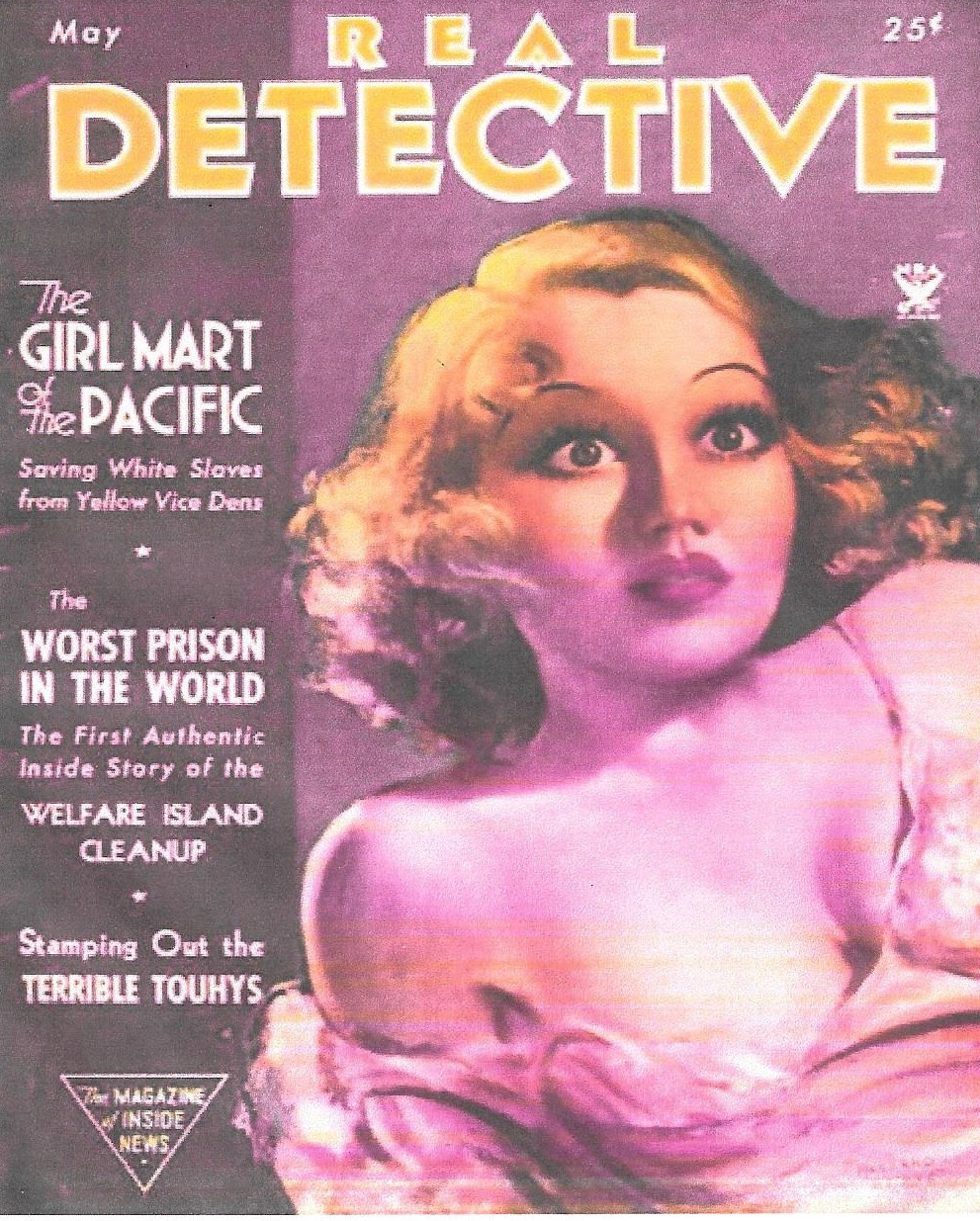
To my friends at Coler, we miss you. We miss the guys from Open Doors. We know how hard it is to be confirmed to the campus and not be able to travel the island and beyond, To the Coler staff and the incoming Bellevue staff, we salute you. We will welcome our ROOSEVELT ISLAND MEDICAL CENTER patients starting this week.(The name of the 350 bed hospital units being set-up at Coler).
There is a quote from Revered Oliver Chapin “Keep on keeping on”