FROM THE SMITHSONIAN AMERICAN ART MUSEUM AND EPHEMERAL NEW YORK
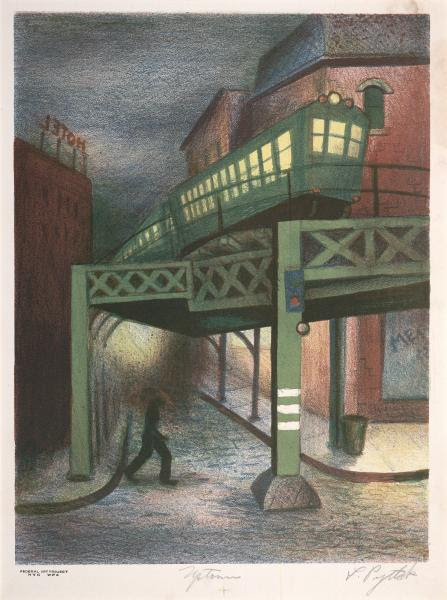
Leonard Pytlak, Uptown, ca. 1939, color lithograph, Smithsonian American Art Museum, Transfer from D.C. Public Library, 1967.72.217
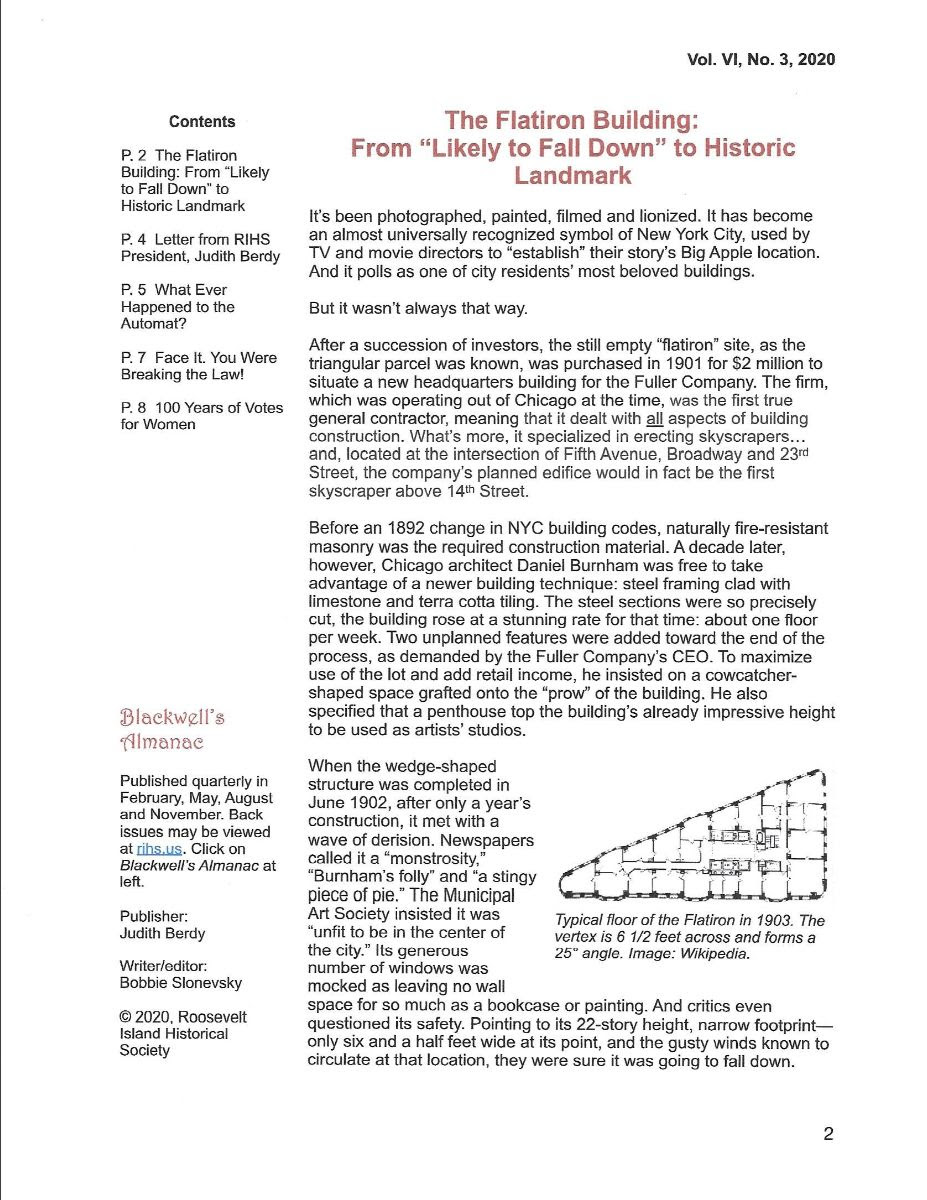
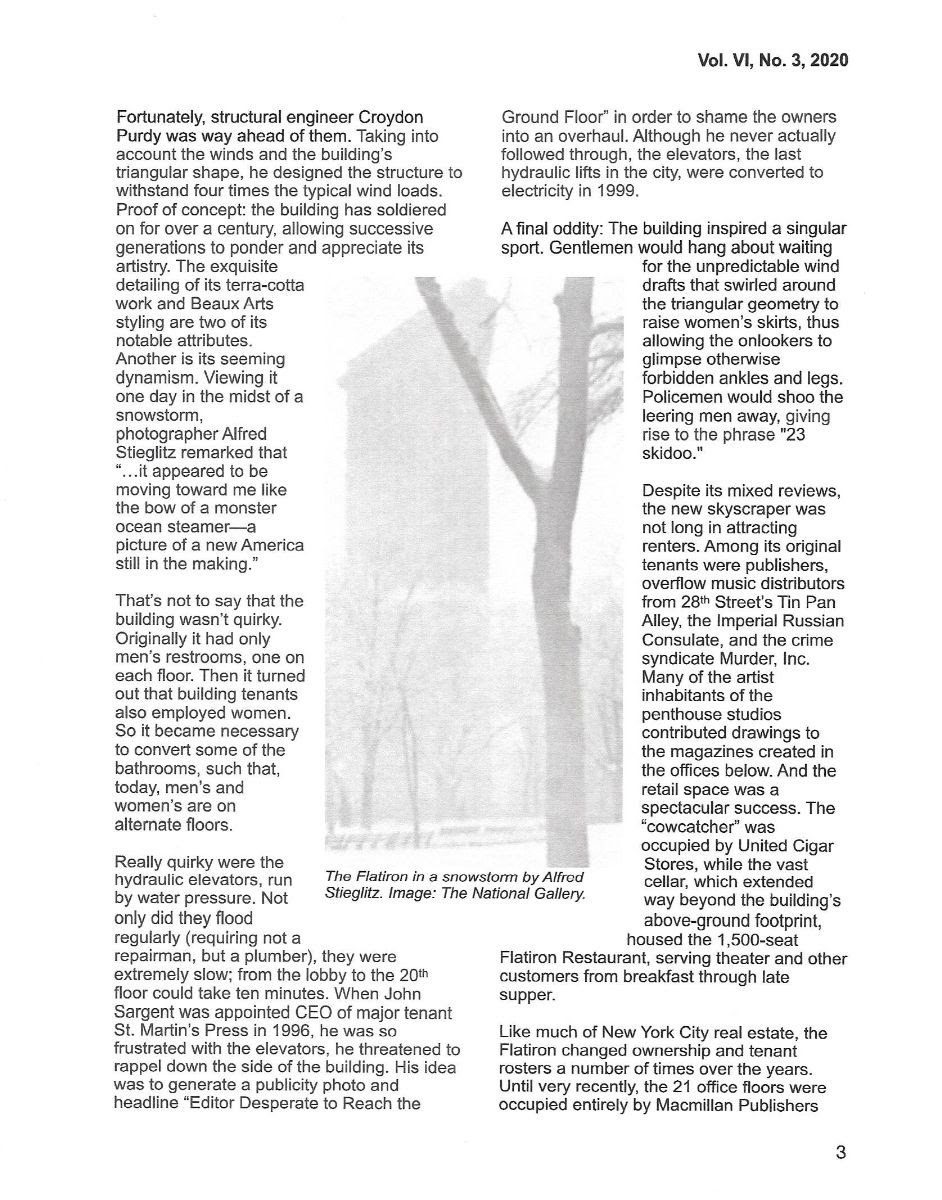
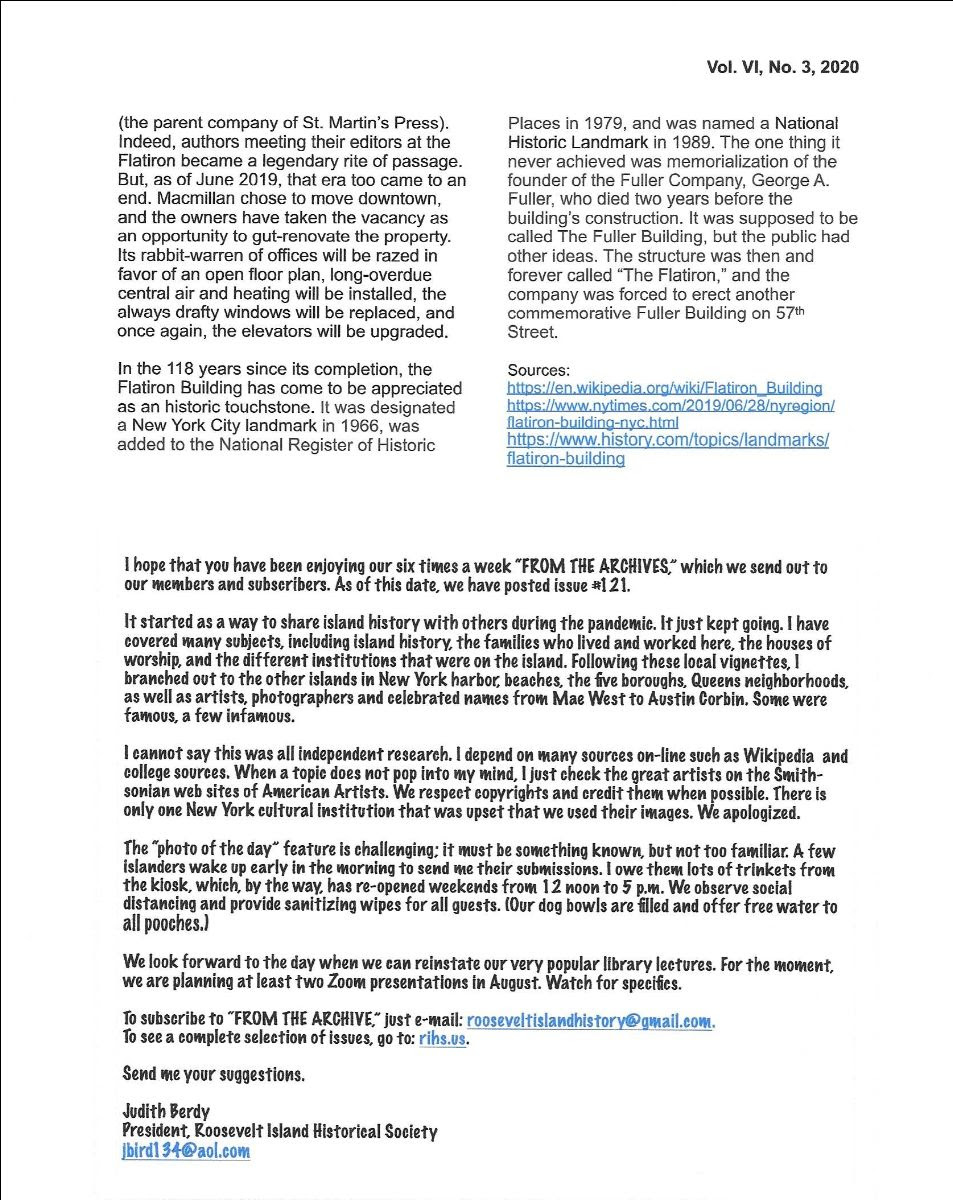
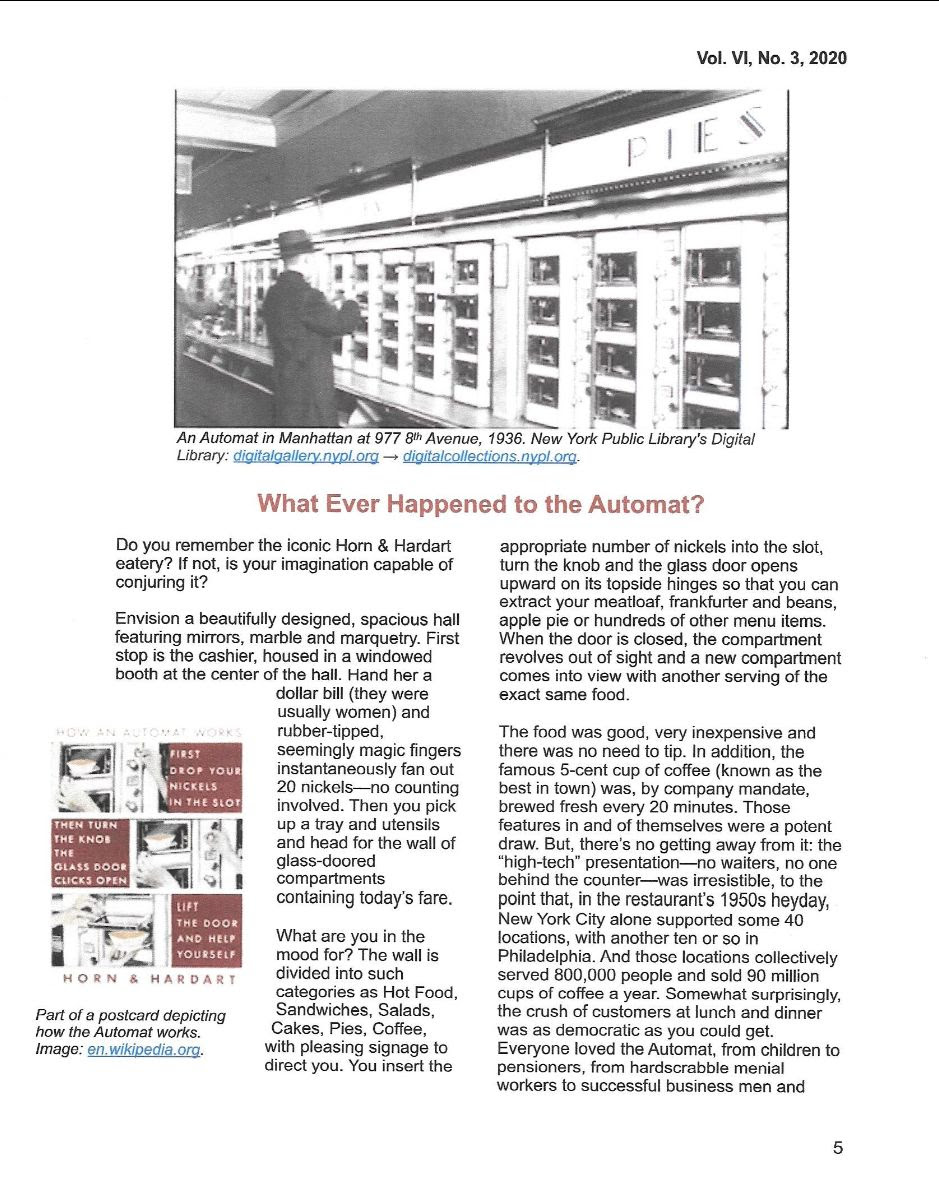
The curious el train in the nocturnal 1930s city
April 5, 2021 From Ephemeral New York
When this lithograph was made by Leonard Pytlak in 1935, Manhattan’s elevated train lines were still screeching and lurching up and down the city’s major avenues.
Already made obsolete by subways and buses and soon to be dismantled, the el trains were noisy pieces of machinery that operated high above sidewalks yet helped transform late 19th century Gotham from a horse-powered town to a mighty metropolis of steel tracks.
But if the trains were emblems of the modern machine age, why is the lone figure crossing the nighttime street below the tracks so much larger than the train itself? And why is the street no wider than an alley? My guess is that Pytlak might be trying to humanize the el train, giving us a Modernist scene of out of proportion shapes with the soft light of Post-Impressionism. There’s also the influence of Ashcan social realism here: a Belgian block city street lined with a hotel and tenements.
Born in 1910, Pytlak was a lithographer who studied at the Art Students League and worked for the New York City WPA Graphics Program from 1934 to 1941, according to the Illinois State Museum. The museum has this strangely alluring lithograph, titled “Uptown,” in its collection.
Tags: Art Students League, Elevated Trains 1930s, Elevated Trains NYC Paintings, Leonard Pytlak, Leonard Pytlak Uptown, New York City 1930s Paintings
Leonard Pytlak, Side Track, n.d., color lithograph, Smithsonian American Art Museum, Transfer from D.C. Public Library, 1967.72.216
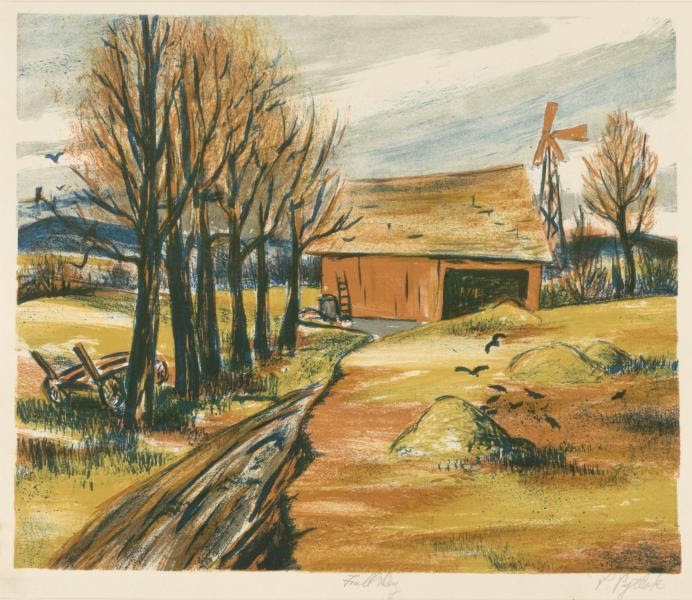
Leonard Pytlak, Fall Day, n.d., color lithograph, Smithsonian American Art Museum, Transfer from D.C. Public Library, 1967.72.318
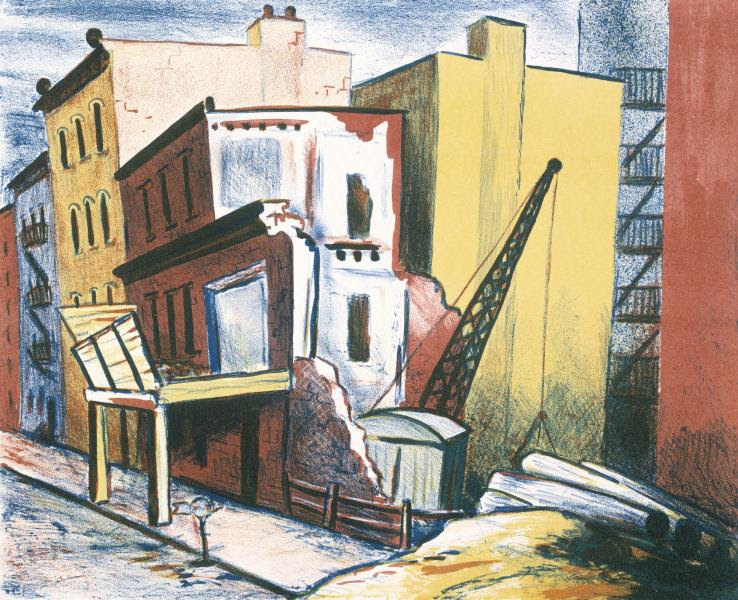
Leonard Pytlak, New for Old, ca. 1939-1940, color lithograph, Smithsonian American Art Museum, Transfer from D.C. Public Library, 1967.72.21
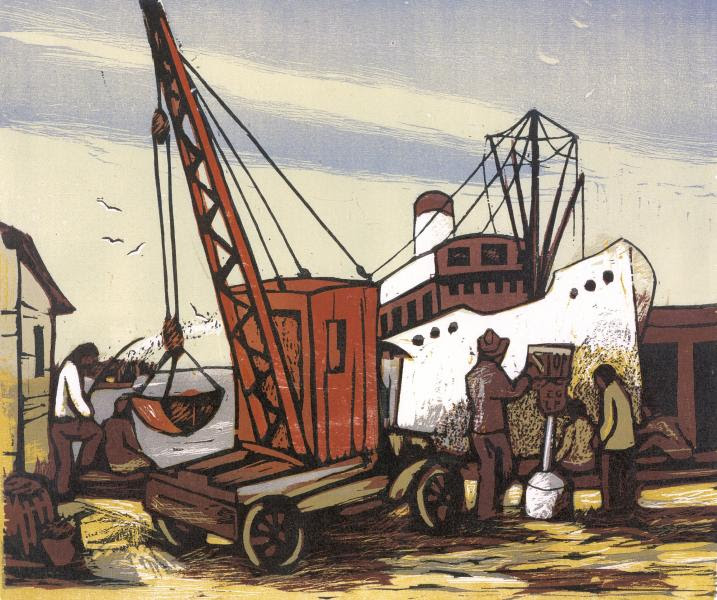
Leonard Pytlak, Dock Wallopers, ca. 1939-1940, color woodcut on paper, Smithsonian American Art Museum, Gift of Audrey McMahon, 1968.98.19
Leonard Pytlak, Back Alley, ca. 1935-1943, lithograph on paper, Smithsonian American Art Museum, Gift of Jean Nichols, 1974.38.57
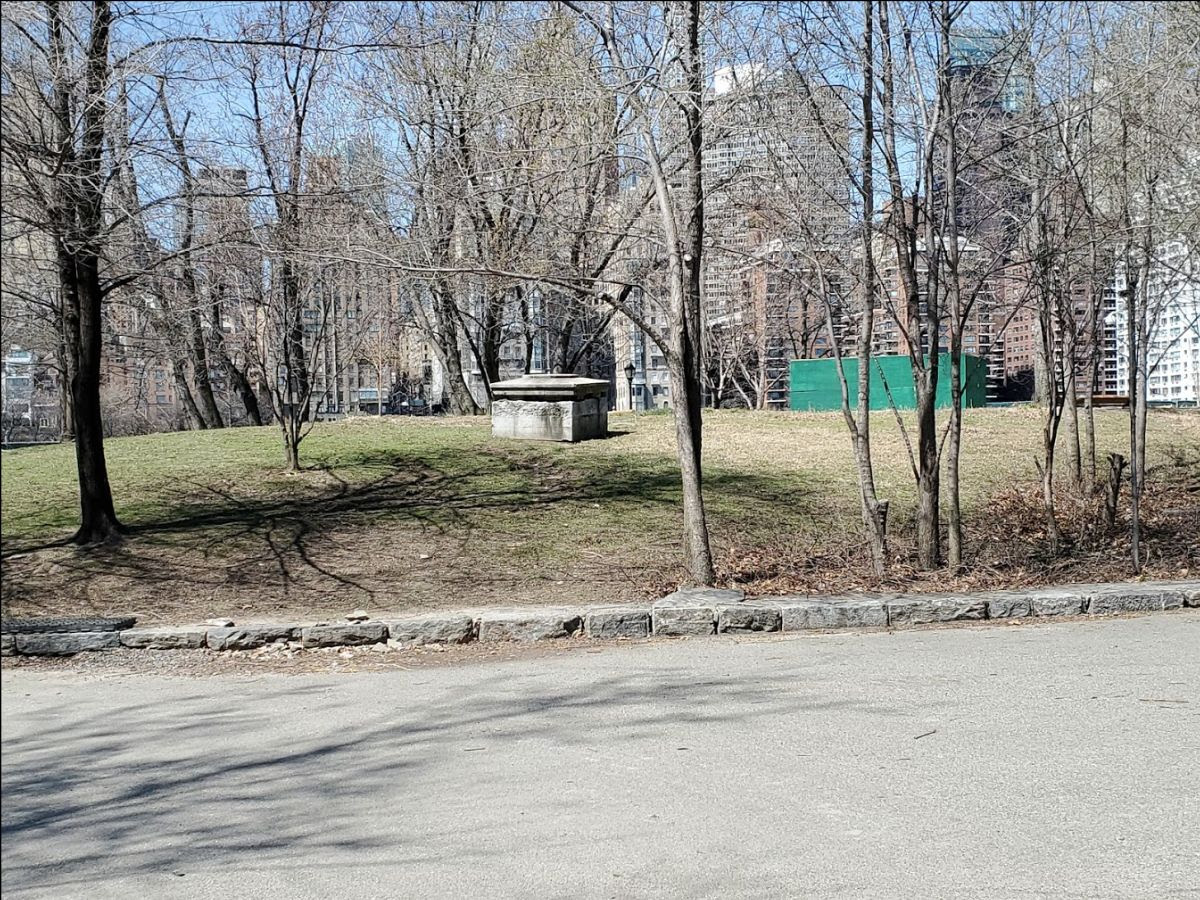
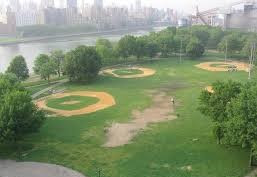
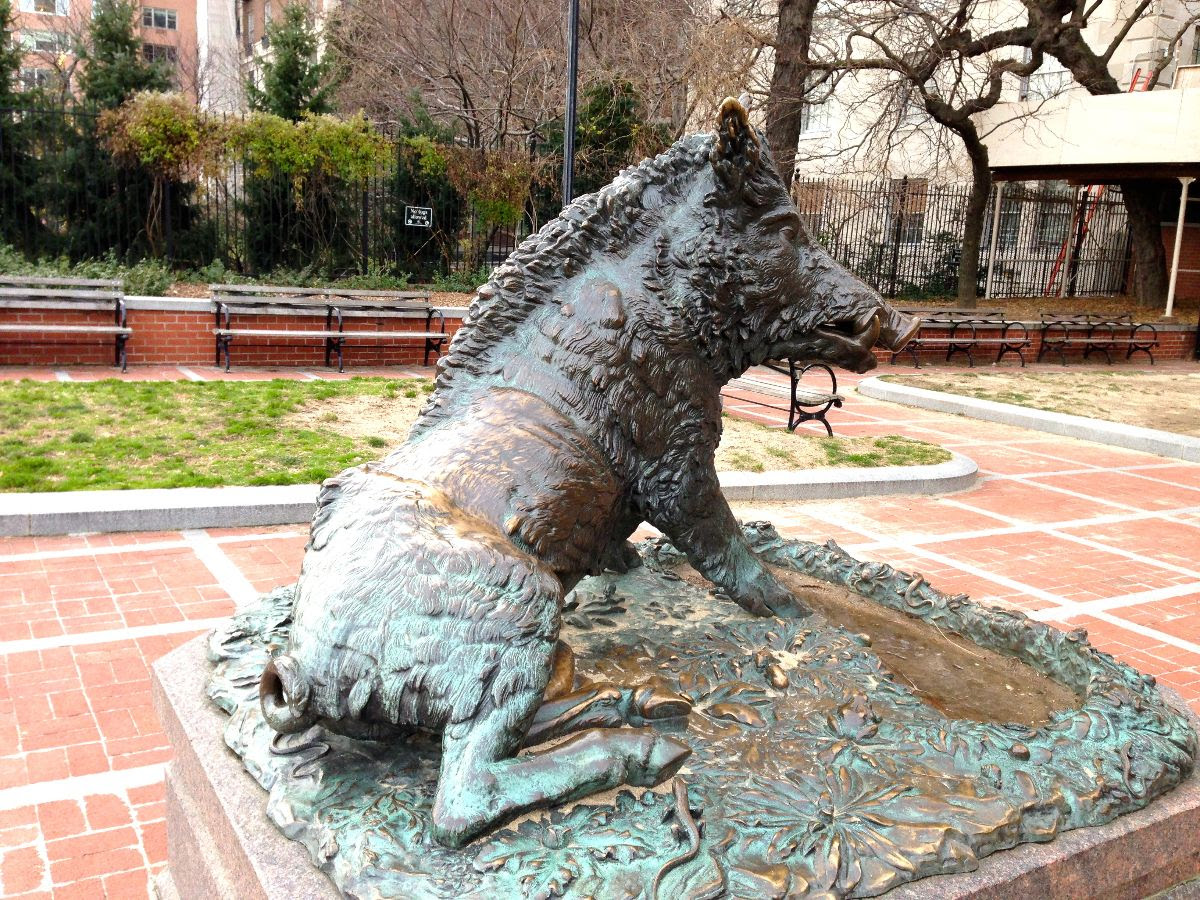
SOUTHPOINT PARK EAST SIDE LOOKING TOWARD THE SOON TO BE DEDICATED HOPE MEMORIAL (STATUES ARE IN GREEN BOX)
Text by Judith Berdy Thanks to Bobbie Slonevsky for her dedication to Blackwell’s Almanac and the RIHS Thanks to Deborah Dorff for maintaining our website Edited by Deborah Dorff All image are copyrighted (c)
SMITHSONIAN AMERICAN ART MUSEUM EPHEMERAL NEW YORK
All image are copyrighted (c) Roosevelt Island Historical Society unless otherwise indicated PHOTOS BY JUDITH BERDY / RIHS (C)
FUNDING PROVIDED BY ROOSEVELT ISLAND OPERATING CORPORATION PUBLIC PURPOSE GRANTS CITY COUNCIL REPRESENTATIVE BEN KALLOS DISCRETIONARY FUNDING THRU DYCD
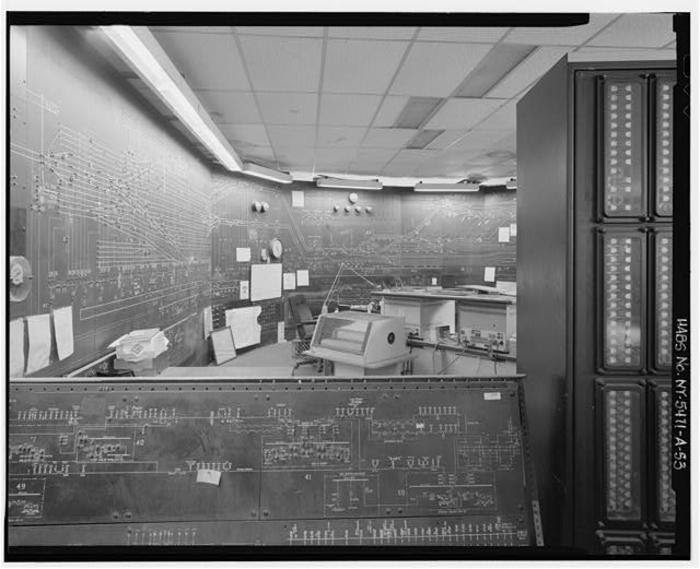
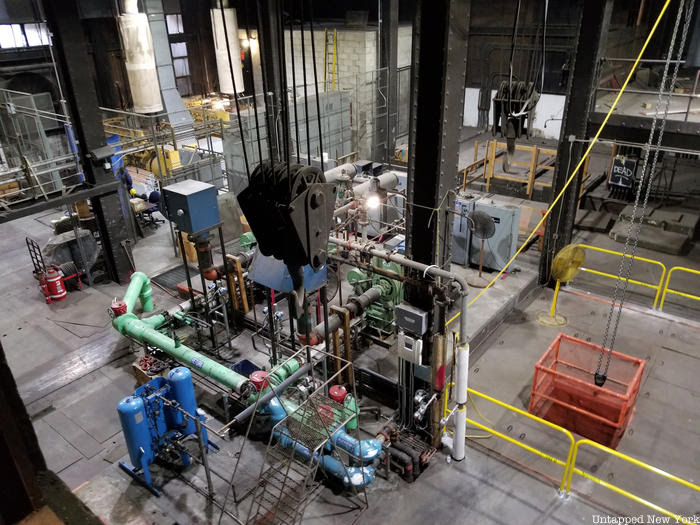
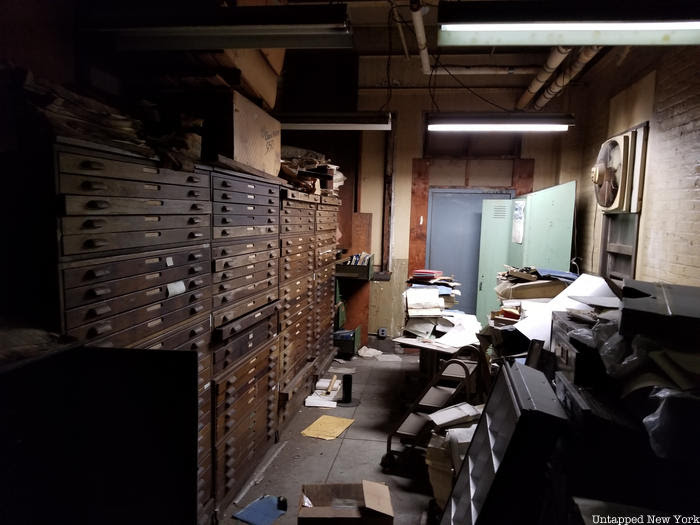
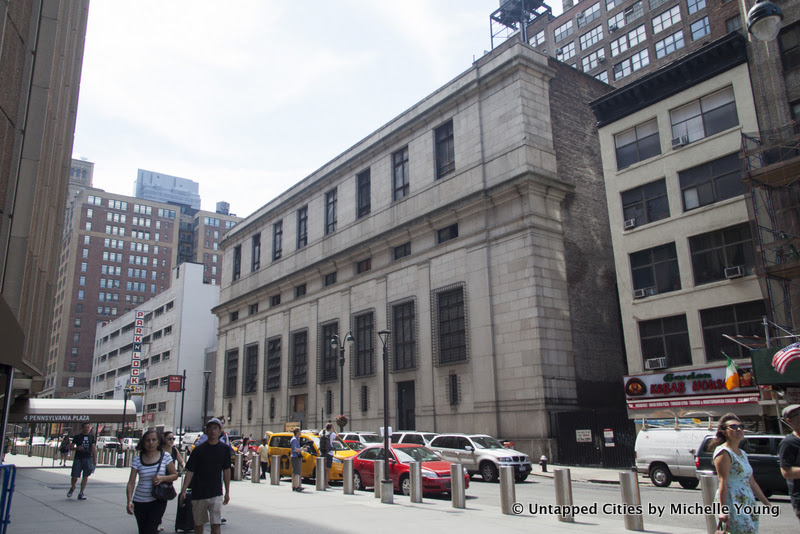
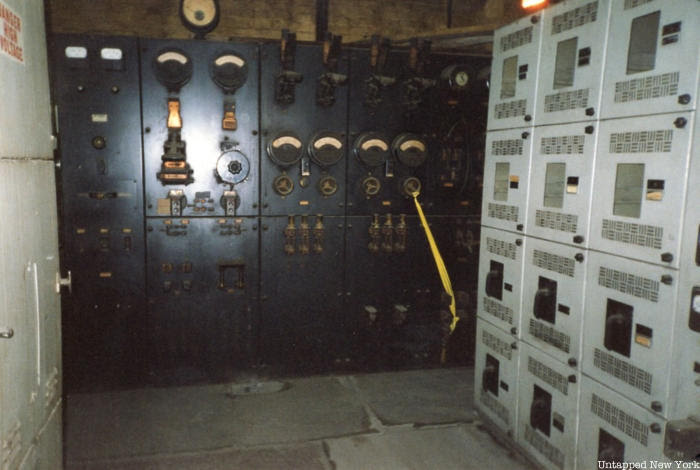
When the original McKim, Mead and White designed Penn Station was demolished in 1963, not all of it was lost. There are many remnants from the 1910 building within the station itself and there is an entire building from the original complex still standing on 31st Street. This structure is what Untapped New York’s Chief Experience Officer Justin Rivers calls Penn Station’s largest remnant, and you can see it from the outside on his Remnants of Penn Station Walking Tour. The granite building at 242 West 31st Street, facing the south side of Madison Square Garden, once served as Penn Station’s coal-fueled power plant. This structure provided a variety of vital services to the station over the years. The photos below, shared to a Penn Station Facebook group, provide a glimpse inside the now-defunct power plant which has been largely abandoned for decades.
Courtesy of the Library of Congress
Much of Penn Station’s infrastructure was once controlled from inside the service plant. According to the New York Times, machines at the 31st Street building generated electricity to power the station, provide heat, light, elevator hydraulics, and refrigeration for the station, and even incinerate garbage. The electricity used to power the trains was generated by a different power plant on the east bank of the East River at Hunter’s Point according to New York’s Pennsylvania Stations by Hilary Ballon. By 1989, the power plant on 31st Street was almost completely obsolete.
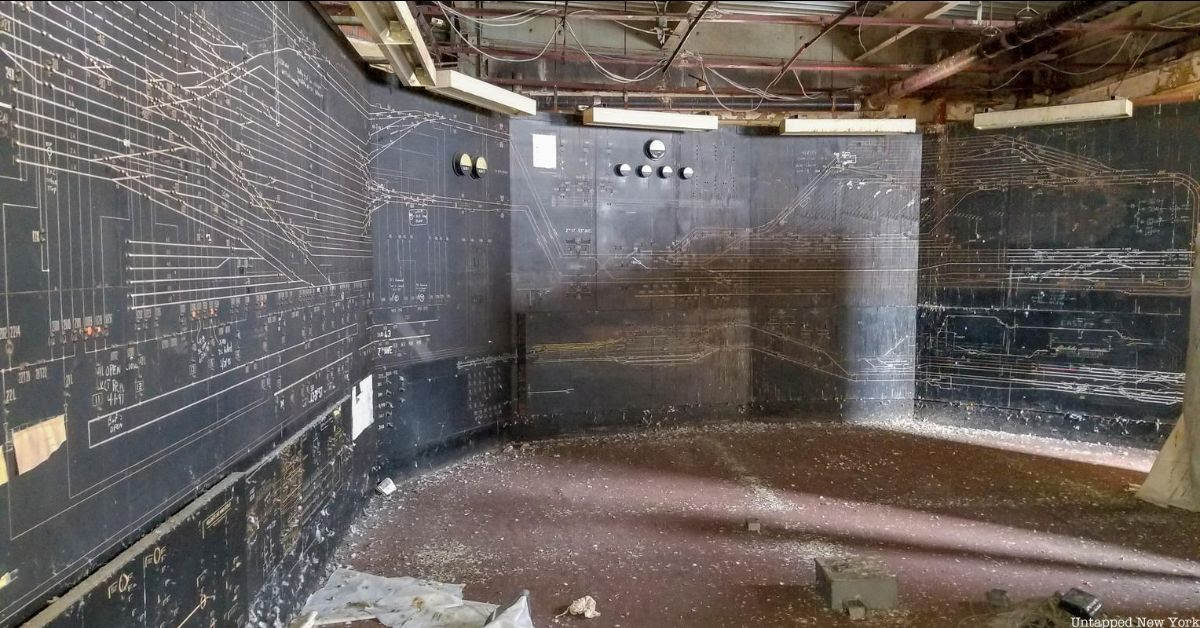
The photos in the gallery at the bottom of this article were taken in 1998 and in 2018. They reveal various corridors and rooms throughout the building filled with filing cabinets, electronics, and a giant control board showing Penn Station’s tracks and connecting subway lines. Many parts of the building are unsafe to visit due to asbestos and other containments that have resulted from years of decay.
The Penn Station power plant was constructed before the station itself. Penn Station opened in 1910 but the service building was complete by 1908. Designed by Charles McKim and William Symmes Richardson, the building features a granite facade quarried from Stony Creek Quarry in Connecticut according to Christopher Gray. A row of Doric pilasters give it a classical style, though much more subdued than the neighboring station. Two smokestacks once rose from the top of the building, but those no longer exist.
The fate of the Service Building is unknown at this time. Though it was spared during Penn Station’s demolition, it is not a New York City Landmark. As of 2003, the New York Times reported the building was still used for “storage and backup systems.” In Governor Cuomo’s proposed Empire Station Complex plan, the power plant, along with other buildings on the block bounded by 7th and 8th Avenues and 31st and 30th Streets would be demolished to make way for a new terminal building and eight additional train tracks. The plan also endangers the historic Capuchin Monastery of the Church of St. John which sits on the block. The opening of Moynihan Train Hall and renovations to Penn Station have brought many changes to the transit hub already. Future plans will determine if the power plant survives or joins the original Penn Station on New York City’s list of lost structures.
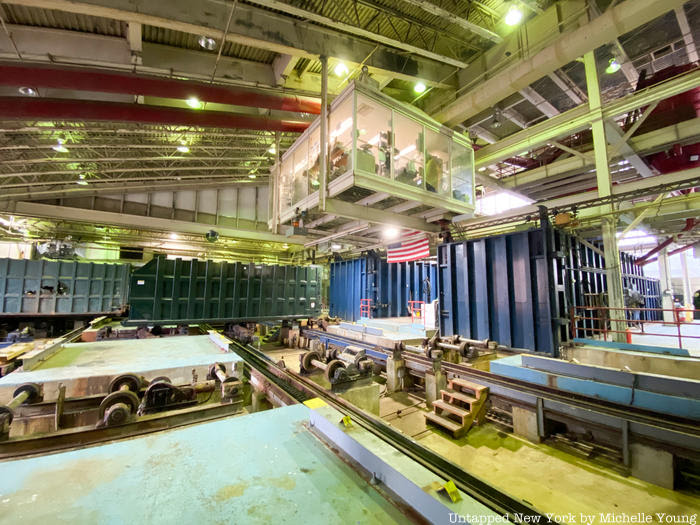
AVAC TRASH COMPACTING SYSTEM ON ROOSEVELT ISLAND GLORIA HERMAN GOT IT!
OM JAY JACOBSON, A LOYAL READER
Thanks for reminding us to celebrate the first anniversary of RIHS ! A very lively source of information about many topics that I hadn’t realized were of interest to me.
Sources
Text by Judith Berdy Thanks to Bobbie Slonevsky for her dedication to Blackwell’s Almanac and the RIHS Thanks to Deborah Dorff for maintaining our website Edited by Deborah Dorff All image are copyrighted (c)
UNTAPPED NYC
FUNDING PROVIDED BY ROOSEVELT ISLAND OPERATING CORPORATION PUBLIC PURPOSE GRANTS CITY COUNCIL REPRESENTATIVE BEN KALLOS DISCRETIONARY FUNDING THRU DYCD
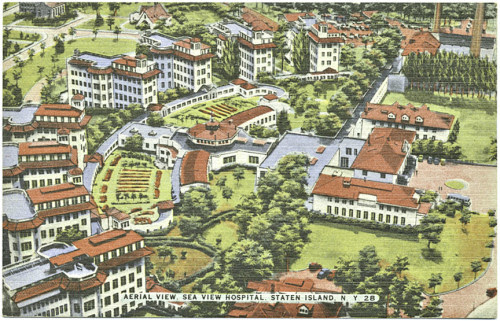
IS NOW A NURSING HOME ON STATEN ISLAND. SEAVIEW HAS A LONG HISTORY AS A FARM COLONY, HOSPITAL AND HISTORIC SITE
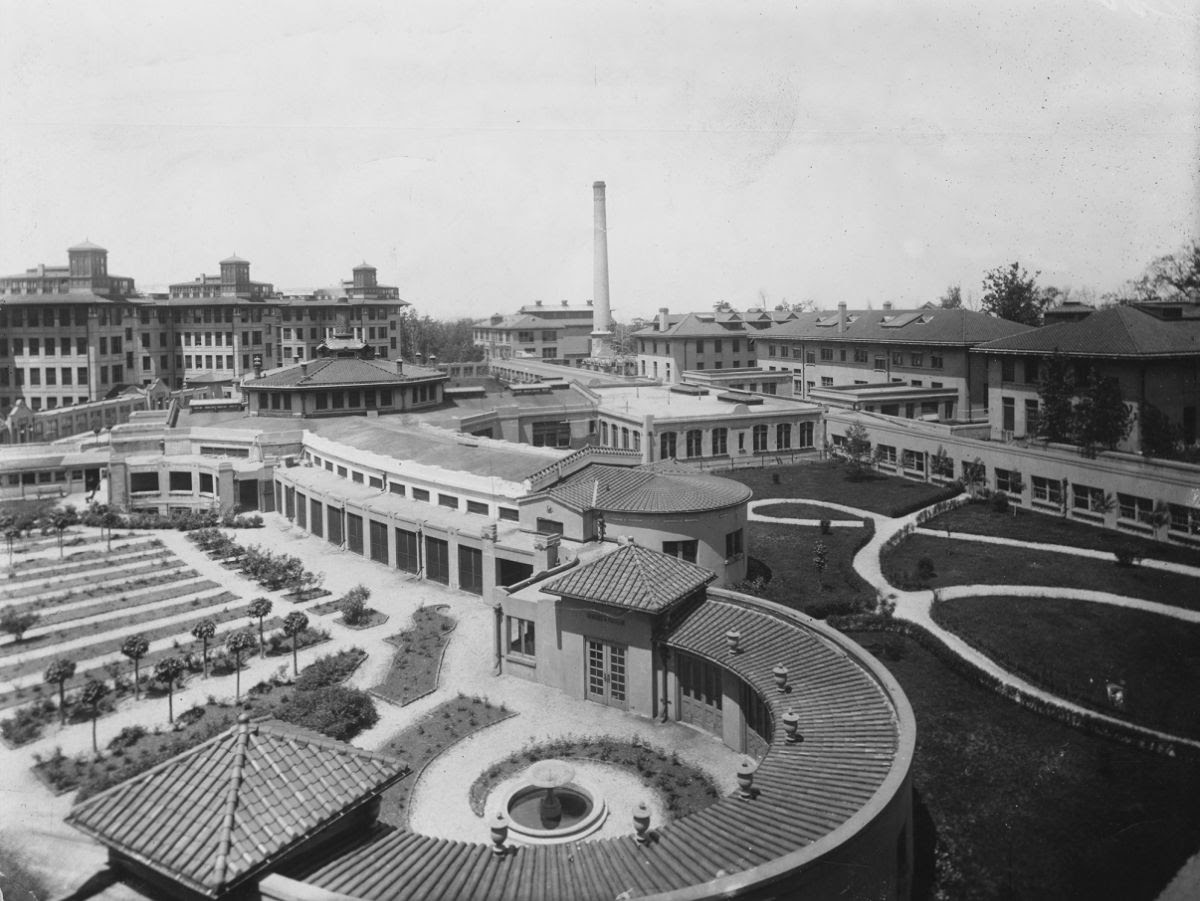
Sometime I think our island has had a vast history. The Staten Island Farm Colony and Seaview Hospital, also municipal institutions have a great place in medical and research history. Long forgotten and abandoned many parts of this campus have been left to history, Today, Seaview is a long term care home and rehabilitation facility. Parts of the campus have new housing for seniors, while this vast campus in the middle of Staten Island is a treasury of the forgotten.
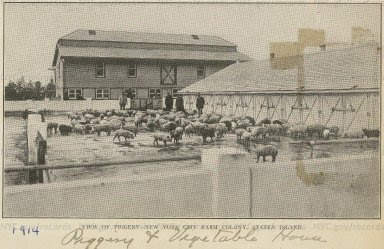
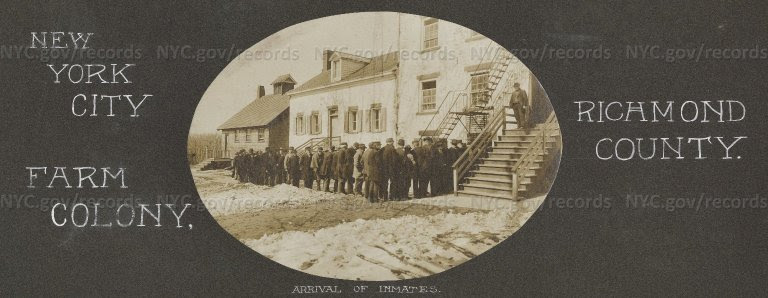
The New York City Farm Colony was a poorhouse on the New York City borough of Staten Island, one of the city’s five boroughs. It was located across Brielle Avenue from Seaview Hospital, on the edge of the Staten Island Greenbelt.
Part of the town of Castleton from the 1680s onward, the land was taken over by the government of Richmond County in 1829 and the Richmond County Poor Farm was established thereon. When Staten Island became a borough of New York City in 1898, the city assumed responsibility for the property and redesignated it the New York City Farm Colony, although it was sometimes also referred to as the Staten Island Farm Colony. In 1915, its administration was merged with that of Seaview Hospital, which had been set up with the expressed purpose of treating tuberculosis (it is now a city-run nursing home, under the new name of Sea View Farms).[1]
Jurisdiction over the site was transferred in 1924 to the city’s Homes for Dependents agency, which lifted the requirement that all residents of the colony had to work — with most of the work involving the cultivation of many varieties of fruits and vegetables, and at various times even grains such as wheat and corn; these crops fed not only the colony’s residents but met the needs of other city institutions as well.[1]
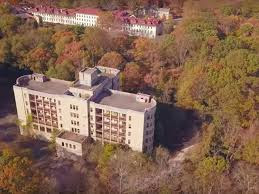
The abandoned tuberculosis hospital that is styled architecturally similar to Triboro in Queens and Riverside on North Brother Island. All were built in the 1930’s.
On a remote hilltop in Staten Island, New York City is preparing for battle in the fight against one of the nation’s most deadly diseases…again.
A hundred years ago at the height of the tuberculosis epidemic, New York City’s planners and public health establishment mobilized to develop what the New York Times called “…the largest and finest hospital ever built” for tuberculosis. Operating in the absence of any known cure for the disease, the Sea View Tuberculosis Hospital’s medical facilities were, in a real sense, speculative and aspirational. Tuberculosis (TB) had topped the list of causes of death in New York City for decades, and the call to action was urgent.
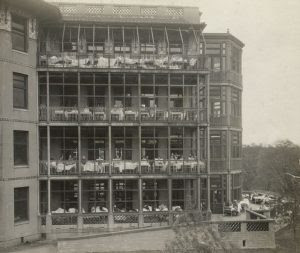
Sea View Patient Pavilion with Balconies, NYC Dept. of Records.
For the next 40 years, research and medical treatment were conducted alongside the general care of tuberculosis patients at Sea View. Fresh air, sunshine, and a nutritious diet – all known at the time to have therapeutic effects on TB patients – were woven into the hospital’s design and provided patients with relief and, on occasion, recovery.
Indeed, until a cure was discovered, Sea View’s most therapeutic agents may well have been its location, site planning, and design. Archival photos of onsite vegetable gardens, hiking trails, patient pavilions with balconies, and social gathering spaces all read like an early manual for what planners today call “Active Design” and presaged the 21st-century distillation of core Healthy Community goals: physical activity, fresh local food, access to nature, and sociability. Then, in the early 1950s, doctors at Sea View began clinical trials of hydrazides. That drug famously led to the widespread cure of the disease, and is now part of Sea View’s public health legacy.
Architects of the Seaview Hospital Complex: Renwick, Aspinwall & Owen and that firm’s successor-Renwick, Aspinwall & Tucker, Raymond F. Almirall and Charles B. Meyer.
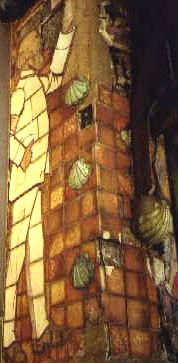
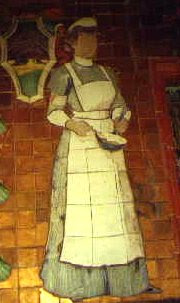
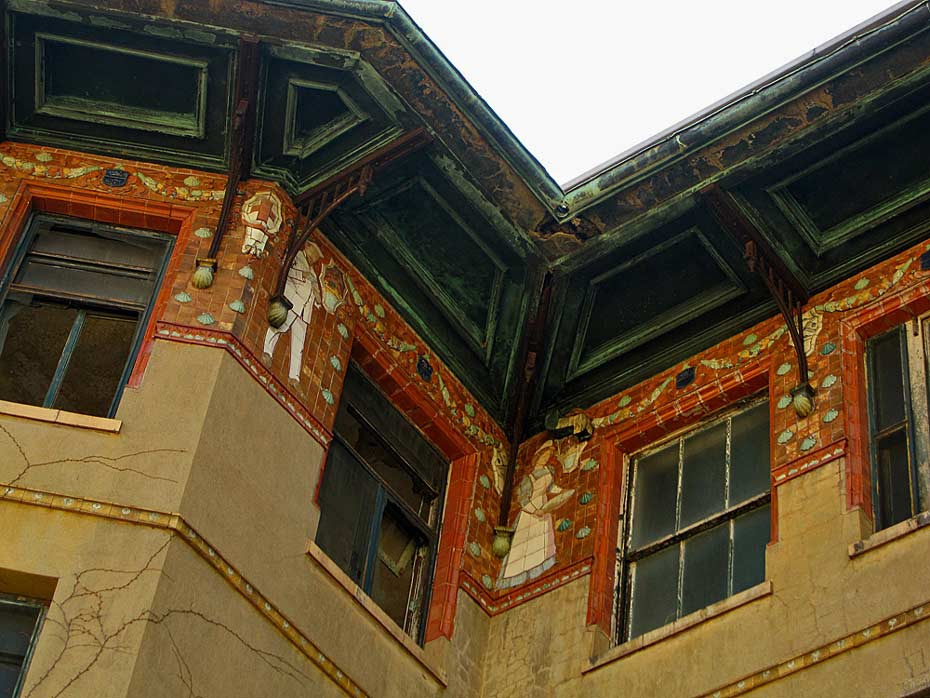
Many structures on the Seaview campus are abandoned and you can catch a glimpse of the Delft tile ceramic tiles on the exterior.
THOSE WHO TENDED TO THE PATIENTS AT SEAVIEW
Black Angels Nurses at Sea View Hospital Honored in New Mural
from Untapped New York
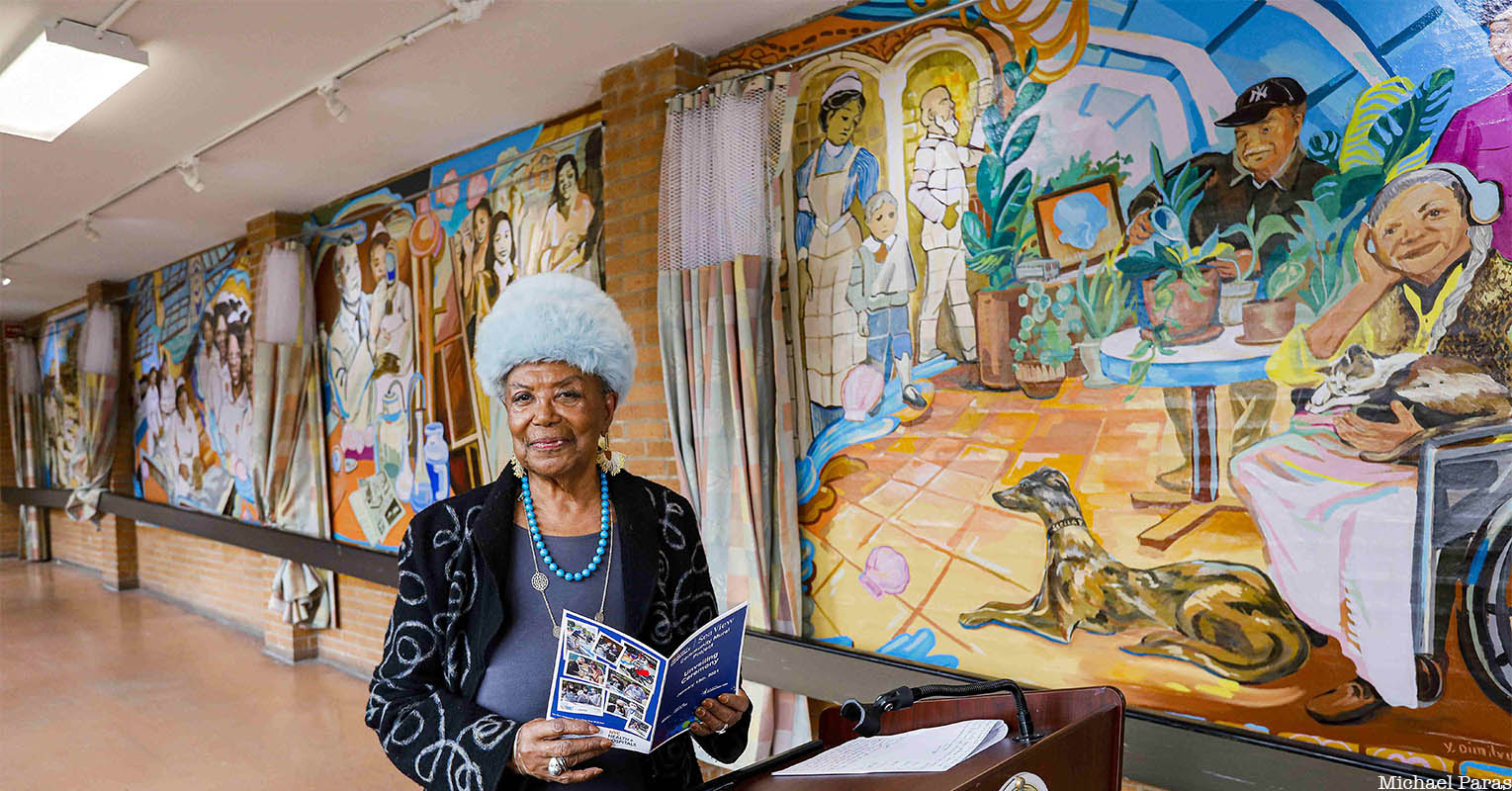
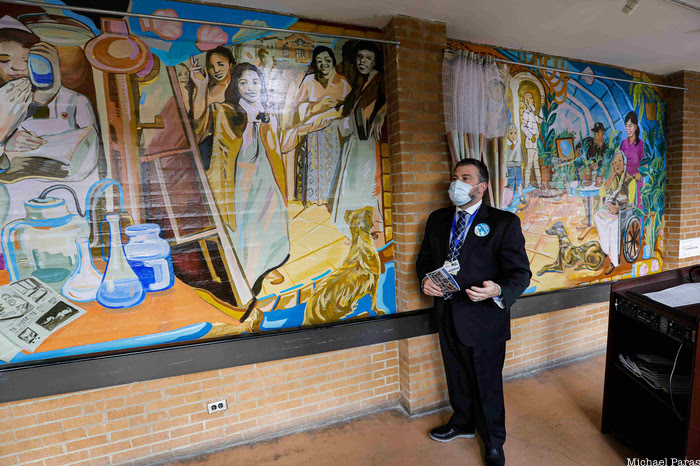
Just in time for Black History Month, a new mural has just been unveiled at Staten Island’s Sea View Hospital. “The Spirit of Sea View” by Yana Dimitrova, depicts the hospital’s deep history dedicated to serving the most vulnerable populations of New York, including the role of the Black Angels. The project was completed under New York City Health + Hospitals Community Murals Project in partnership with the Laurie M. Tisch Illumination Fund and is located in the E. Robitzek Building at Sea View. It consists of four panels, each highlighting significant individuals and events of Sea View’s past. In the mural, you’ll see a reference to the Delft terra cotta panels that were salvaged from the abandoned tuberculosis buildings in the hospital.
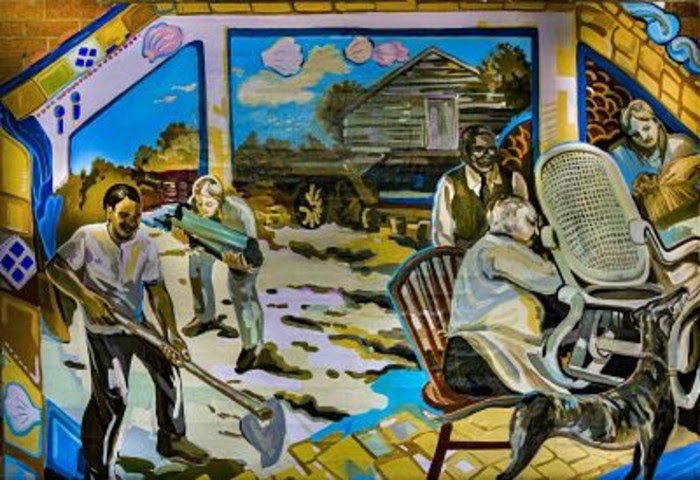
The first panel highlights Sea View’s beginnings as a part of the New York City Farm Colony. Founded in 1829 as the Richmond County Poor Farm, it welcomed the poor, mentally ill, criminals, and other outcasts of the time. In exchange for a place to stay, people were given work on the farm and in various shops that specialized in skills such as carpentry, print, and tailoring. Seaview Hospital was built as a tuberculosis sanatorium right by the Staten Island farm colony, and the two later merged in 1915, forming Seaview Farms. Combining the farm colony and the hospital enabled both institutions to maximize each others’ resources and services.
Panel ones depicts individuals involved in manual labor such as farming and construction. Photo by Michael Paras.
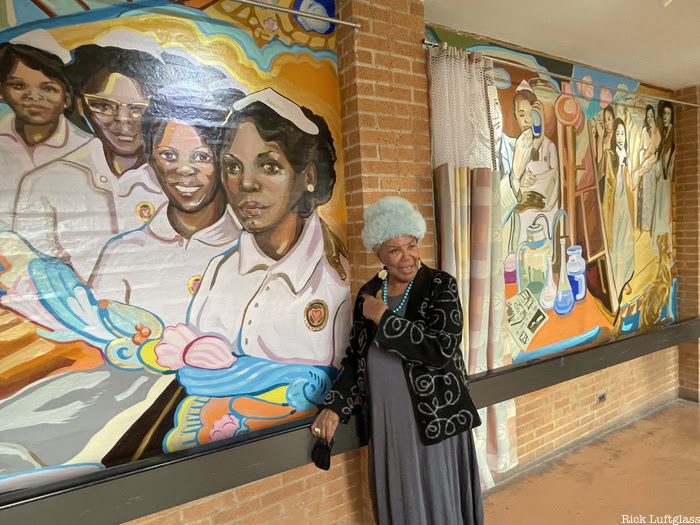
Called Black Angels by their parents, around 300 of African American nurses came to Seaview from across the country between 1928 to 1960 to help patients fight tuberculosis. Although many white nurses left Seaview during the height of the pandemic, Black nurses fearlessly and heroically served patients at the risk of their own lives. Their story will also be the subject of a forthcoming book from Oprah Books by Mara Smilios, The Black Angels: The Untold Story of the Nurses Who Helped Cure Tuberculosis.
Panel three continues the narrative of Seaview’s integral role in the tuberculosis pandemic. In it, Dr. Edward H. Robitzek, who discovered a cure for tuberculosis, has provided the mediation to a patient who is celebrating her recovery. Before, the only recommendations doctors could recommend for tuberculosis patients were ample sunlight, fresh air, and a good diet. However, Dr. Robitzek’s discovery of the effectiveness of the drug isoniazid led to drastic recoveries in patients who were likely to die from the disease. Alongside the Black Angels, Dr. Robitzek is portrayed as another commendable hero of Seaview’s history
The final panel reflects the present. Although for many years Sea View’s buildings were abandoned and forgotten, they have been revived and transformed into a rehabilitation center, nursing home, and a volunteer fire company as a part of The New York City Economic Development Corp’s efforts to create a Wellness Community. In the mural, the patient is the portrait of Miss Marquita, an actual patient of Sea View, in the greenhouse of the hospital. The four panels reflect the rich history of a hospital that has created opportunities for the poor, served tuberculosis patients with the help of Black Angels, and helped instigate a cure for tuberculosis patients.
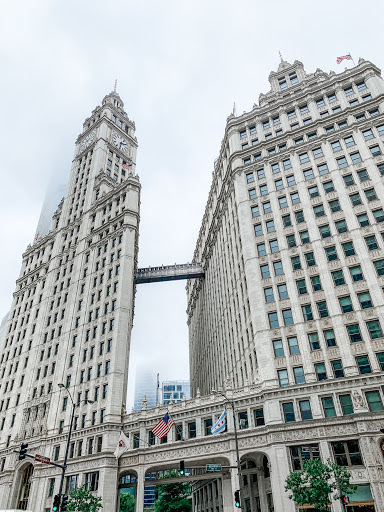
The Wrigley Building in Chicago T.W. Visee, Andy Sparberg got it!
Text by Judith Berdy Thanks to Bobbie Slonevsky for her dedication to Blackwell’s Almanac and the RIHS Thanks to Deborah Dorff for maintaining our website Edited by Deborah Dorff All image are copyrighted (c)
ROOSEVELT ISLAND HISTORICAL SOCIETY NEW YORK HEALTH + HOSPITALS UNTAPPED NEW YORK NYC MUNICIPAL ARCHIVES
Sources: JUDITH BERDY THE ROOSEVELT ISLAND HISTORICAL SOCIETY (C) FUNDING PROVIDED BY ROOSEVELT ISLAND OPERATING CORPORATION PUBLIC PURPOSE GRANTS CITY COUNCIL REPRESENTATIVE BEN KALLOS DISCRETIONARY FUNDING THRU DYCD
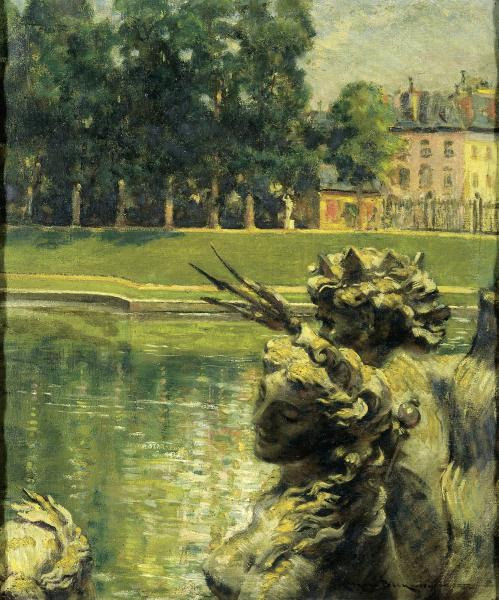
Carroll Beckwith, Bassin de Neptune, Versailles, 1913, oil on canvas, Smithsonian American Art Museum, Transfer from Cooper-Hewitt Museum of Decorative Arts and Design, Smithsonian Institution, 1974.69.18
James Carroll Beckwith painted this scene of the Neptune Fountain during one of several trips he made to Versailles. There was a movement at the time to restore the grandeur of the French palace, which may have inspired Beckwith to paint scenes of the gardens there. (Franchi and Weber, Intimate Revelations: The Art of Carroll Beckwith (1852−1917), 1999) In this painting, Beckwith captured the splendor of Versailles at the height of midsummer in the watery reflection of the trees and green knolls, and the yellow light that dances on the surface of the classical statues.
“[I] am now thinking of Versailles and wondering if I cannot paint something there in the park that would be interesting.” Carroll Beckwith, 1911, quoted in Franchi and Weber, Intimate Revelations: The Art of Carroll Beckwith (1852−1917), 1999
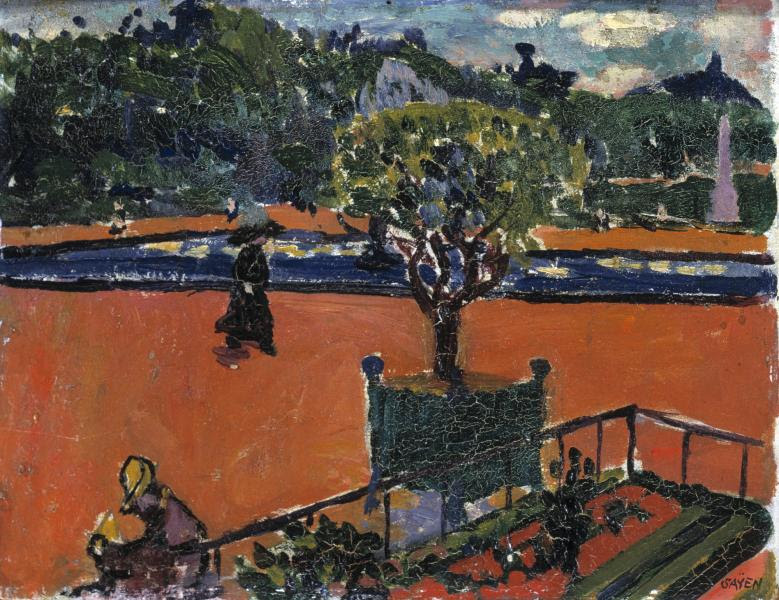
H. Lyman Saÿen, In the Luxembourg Gardens, 1910-1912, oil on wood, Smithsonian American Art Museum, Gift of H. Lyman Sayen to his Nation, 1968.19.9
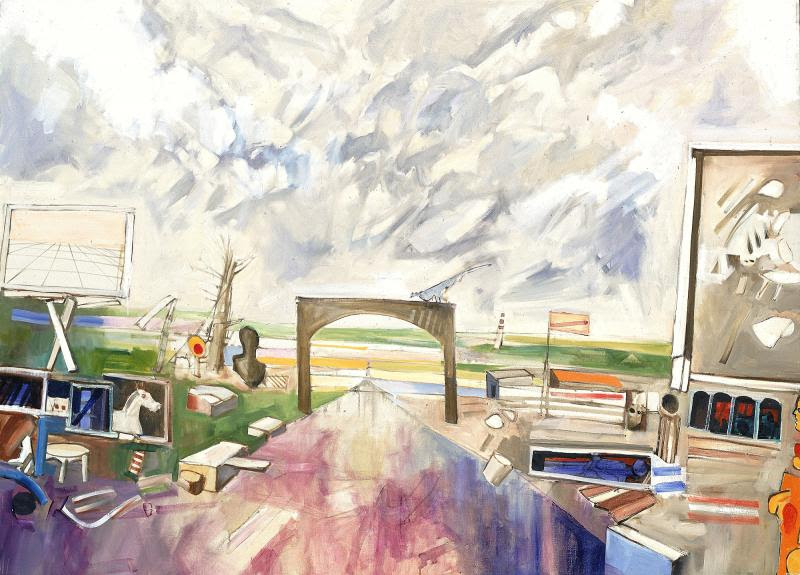
John Hultberg, Sculptor’s Garden, 1968, oil on canvas, Smithsonian American Art Museum, Gift of Mr. and Mrs. David K. Anderson, Martha Jackson Memorial Collection, 1980.137.46
John Hultberg’s paintings of imaginary environments often show strange groups of art objects and old artifacts. In Sculptor’s Garden, he included paintings, easels, and other tools to suggest artists working out-of-doors. But there are no people in the image and the works on the easels appear unfinished, as if whoever was working here had to leave suddenly; the threatening clouds and desolate landscape in the distance emphasize this sense of abandonment. Hultberg wanted to infuse his landscapes with uncertainty and ambiguity, and once wrote that “I rejoice that I find in painting a way to create my own earth.” (Jacks, John Hultberg: Painter of the In-Between, 1985)
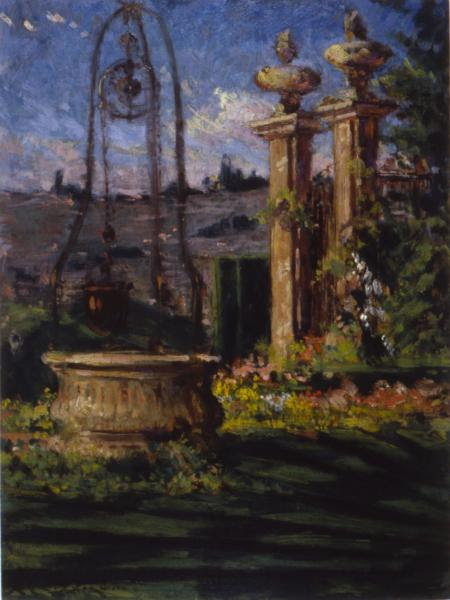
Carroll Beckwith, In the Gardens of the Villa Palmieri, 1910, oil on wood, Smithsonian American Art Museum, Transfer from Cooper-Hewitt Museum of Decorative Arts and Design, Smithsonian Institution, 1974.69.14
Carroll Beckwith traveled to Rome in 1910 and also visited Florence, where he painted this scene. The Villa Palmieri is a garden outside of Florence that was built in the 1870s for an English earl. In the foreground of this painting is a large stone well with an iron frame and a copper bucket hanging from a pulley; in the background are two gateposts topped with classical urns. Painting and sculpture from the past inspired Beckwith, who disliked the modern trends in art. (Franchi and Weber, Intimate Revelations: The Art of Carroll Beckwith (1852−1917), 1999)
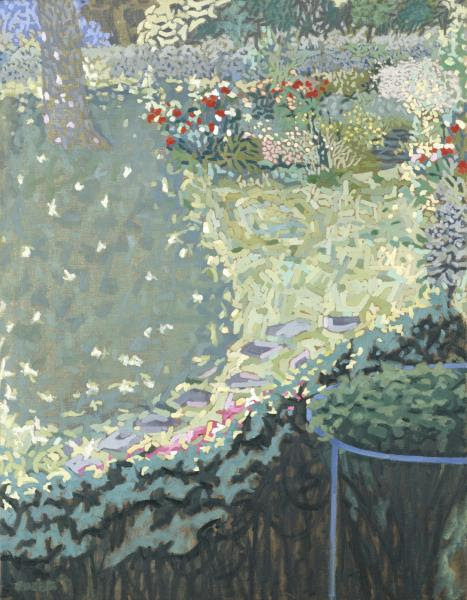
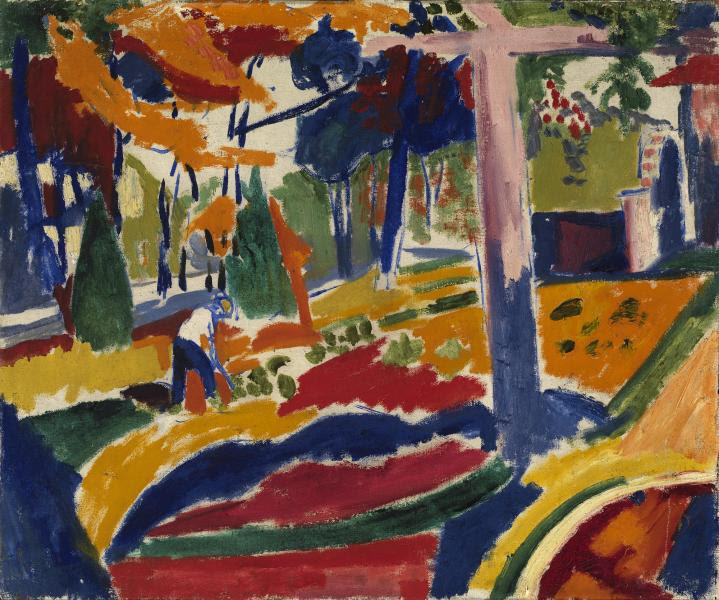
Jozef Pielage, Garden, 1969, oil on canvas, Smithsonian American Art Museum, Gift of Jozef Pielage and Betty Huse Pielage, 1978.150
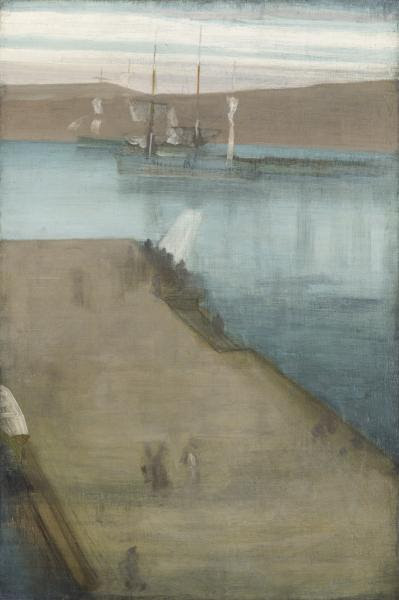
James McNeill Whistler, Valparaiso Harbor, 1866, oil on canvas, Smithsonian American Art Museum, Gift of John Gellatly, 1929.6.159
H. Lyman Saÿen, Garden, ca. 1915, oil on canvas, Smithsonian American Art Museum, Gift of H. Lyman Sayen to his nation, 1967.6.10
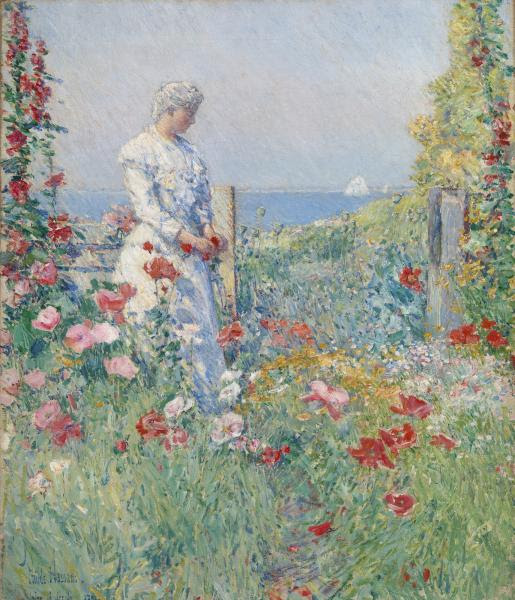
Childe Hassam, In the Garden (Celia Thaxter in Her Garden), 1892, oil on canvas, Smithsonian American Art Museum, Gift of John Gellatly, 1929.6.52
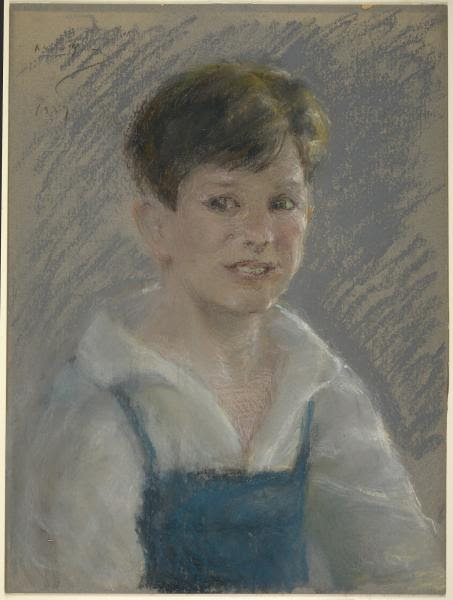
Alice Pike Barney, Little Gardener, 1927, pastel on fiberboard, Smithsonian American Art Museum, Gift of Laura Dreyfus Barney and Natalie Clifford Barney in memory of their mother, Alice Pike Barney, 1966.111.9
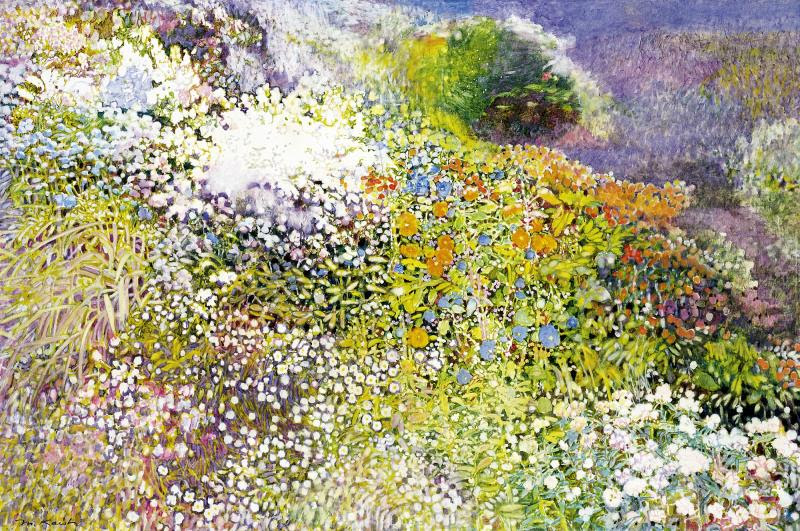
Morton Kaish, The Garden, Glenveagh, 1978, oil and acrylic? on canvas, Smithsonian American Art Museum, Gift of Mrs. Eloise Spaeth, 1983.98
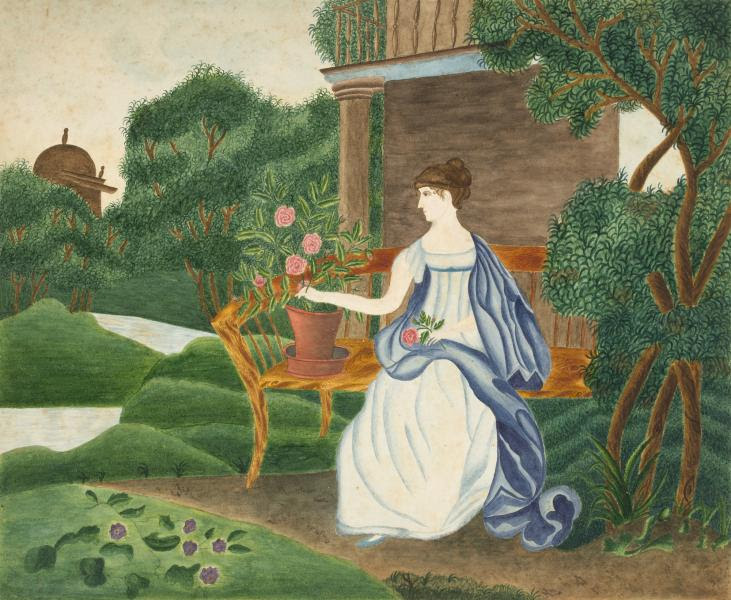
Sarah P. Wells, Woman in a Garden, 19th century, brush and colored ink and pen and colored ink on paper, Smithsonian American Art Museum, Gift of Herbert Waide Hemphill, Jr. and museum purchase made possible by Ralph Cross Johnson, 1986.65.219
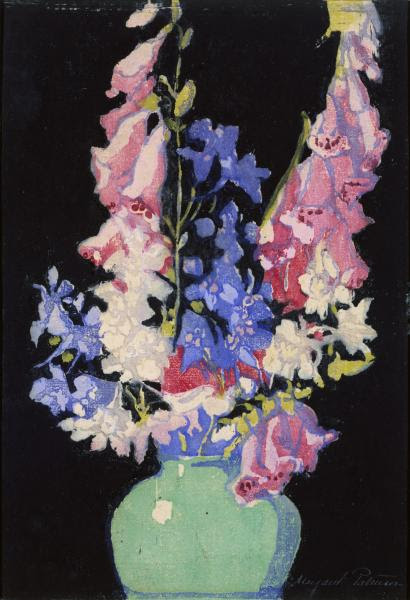
Margaret Jordan Patterson, Garden Flowers, ca. 1920, color woodcut on paper, Smithsonian American Art Museum, Gift of Luke Gwilliam, 1979.67.1
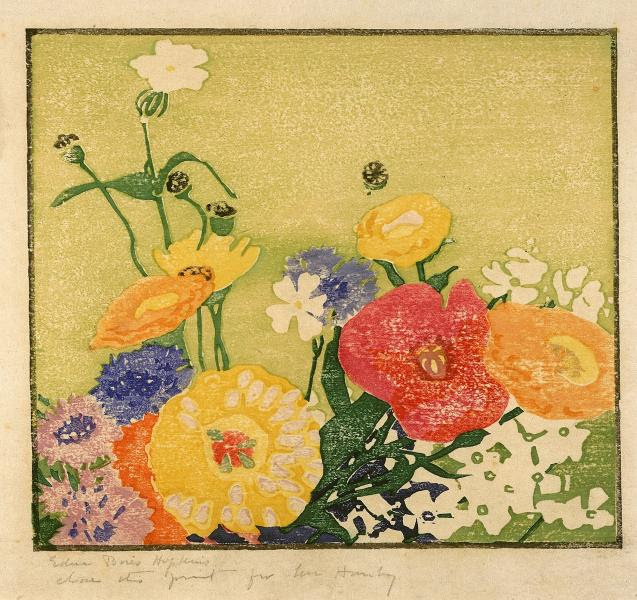
Edna Boies Hopkins, Garden Flowers, ca. 1915, color woodcut on paper, Smithsonian American Art Museum, Museum purchase, 1980.77
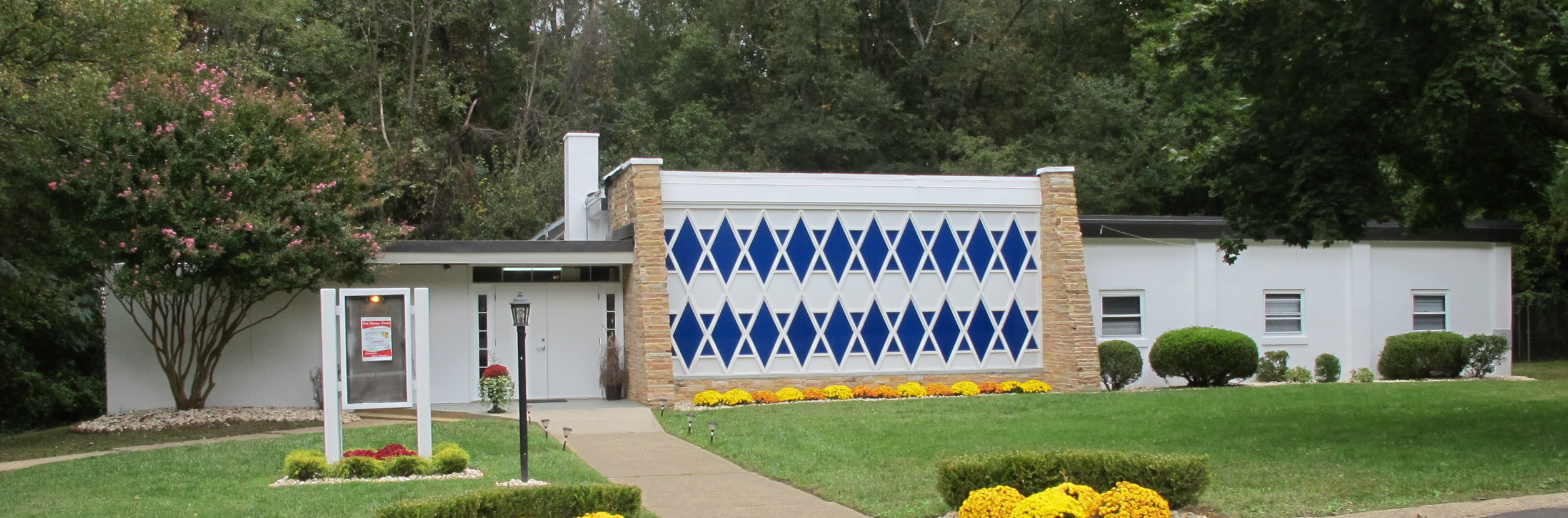
As mentioned in yesterday’s story on Roosevelt, this is the only house of worship in Roosevelt, NJ Congregation Anshei
Letter to the Editor
Hi Judy– Thanks for the wonderful virtual tour last night with Beth Goffe. Stephen & I thoroughly enjoyed her dishy stories & great sense of humor! I sent her an email this morning thanking her….. All the best– Thom
Text by Judith Berdy Thanks to Bobbie Slonevsky for her dedication to Blackwell’s Almanac and the RIHS Thanks to Deborah Dorff for maintaining our website Edited by Melanie Colter and Deborah Dorff All image are copyrighted (c)
SMITHSONIAN AMERICAN ART MUSEUM (c)
FUNDING PROVIDED BY ROOSEVELT ISLAND OPERATING CORPORATION PUBLIC PURPOSE GRANTS CITY COUNCIL REPRESENTATIVE BEN KALLOS DISCRETIONARY FUNDING THRU DYCD
TIME TO SELECT THE BEST OF 2020 DO YOU HAVE A FAVORITE ARTICLE? SEND US YOUR NOMINATIONS FOR THE BEST FROM THE ARCHIVES ARTICLES FROM 2020. TO SEE ALL THE ARTICLES, GO TO RIHS.US AND SCROLL DOWN TO SEE ALL THE EDITIONS! SEND YOUR SUBMISSION TO: ROOSEVELTISLANDHISTORY@GMAIL.COM
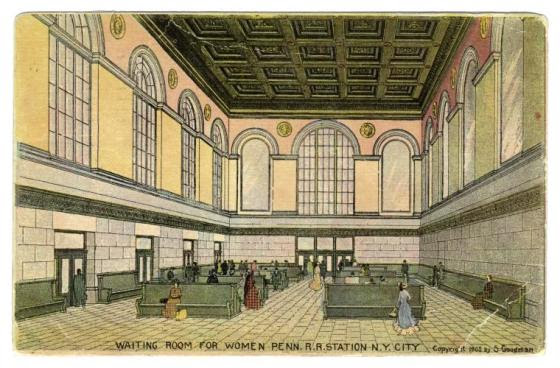
THE LADIES WAITING ROOM AT PENNSYLVANIA STATION & GRAND CENTRAL TERMINAL
by ephemeralnewyork
Old Penn Station’s women-only waiting room by ephemeralnewyork The original Penn Station, opened in November 1910, had many things: a beautiful, spacious building, arcades for high-end stores, 21 tracks for arriving and departing trains…and separate waiting rooms for men and women.
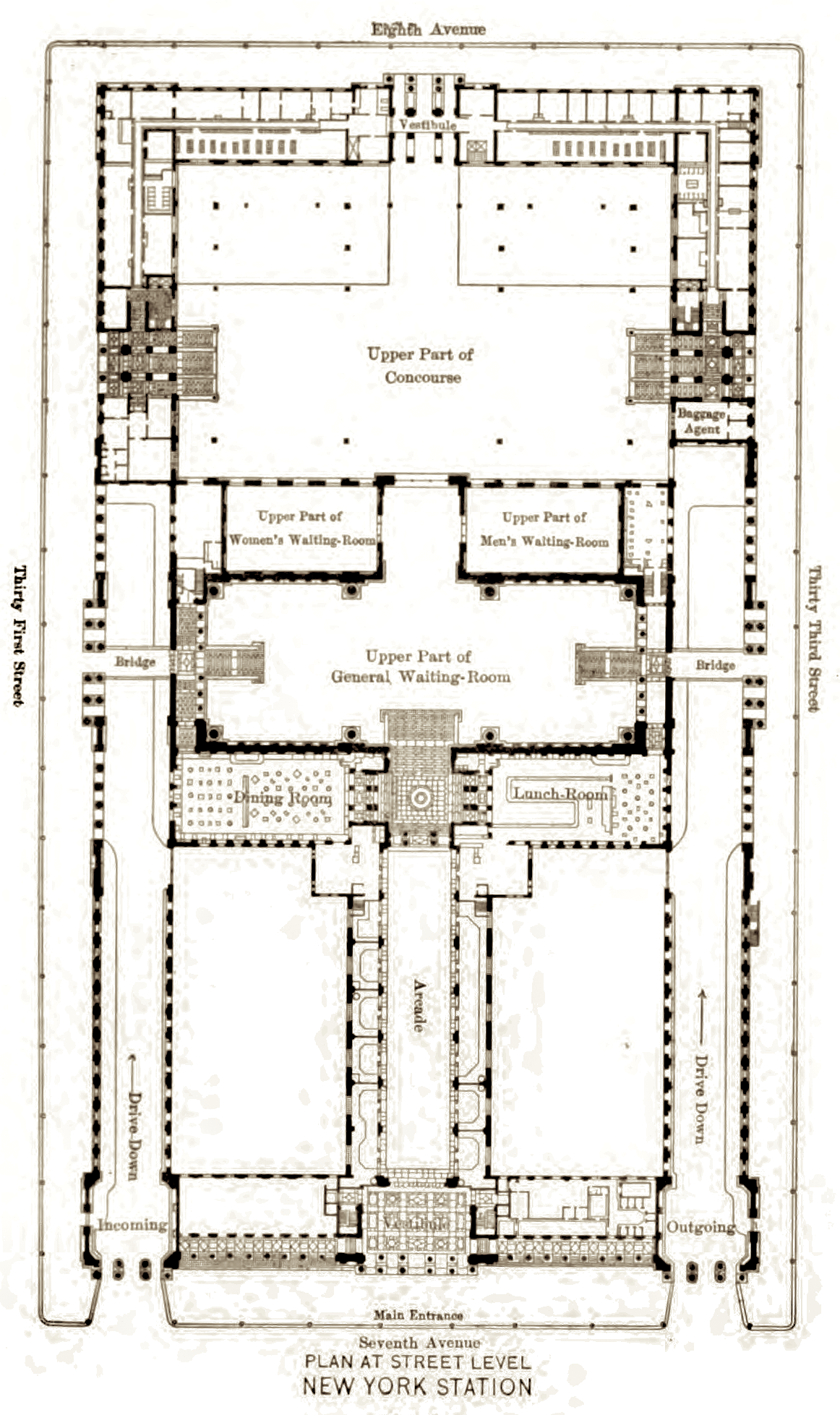
This diagram of the original station shows the upper part of each single-sex waiting room. No word on when these were phased out, if ever, before the old station was torn down in 1963. Interestingly, the city considered something similar around the same time as Penn Station opened: single-sex subway cars, so women didn’t have to be subjected to “brutes,” as this 1909 New York Times article about the possibility of female-only subway cars called them. That idea was ultimately abandoned.
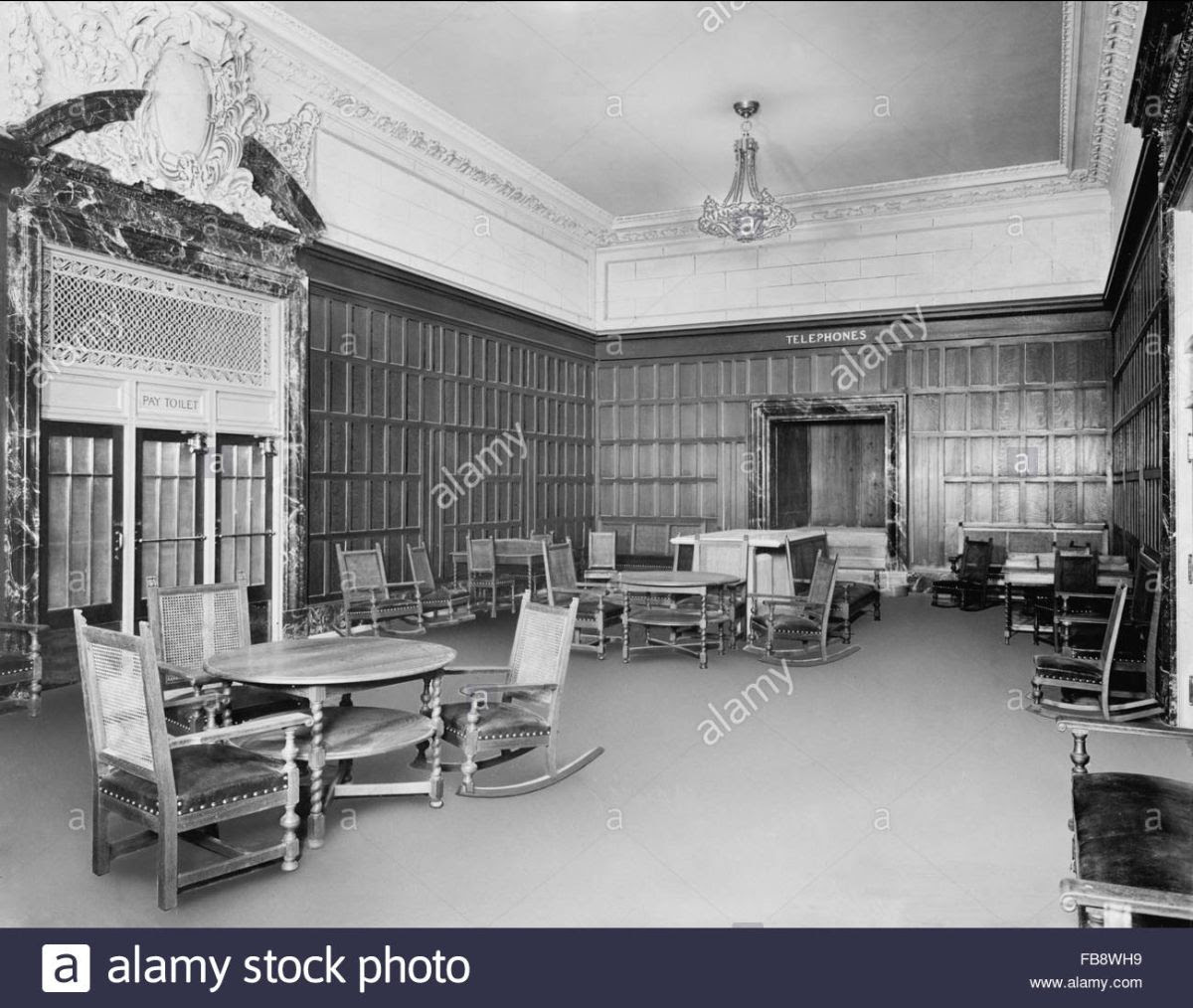
Grand Central Terminal also had a ladies waiting room.
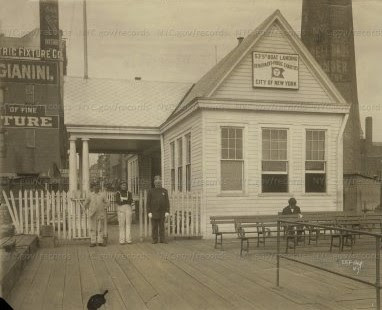
East 53rd Street Pier
We came upon this image of a pier on East 53rd Street from The Department of Public Charities
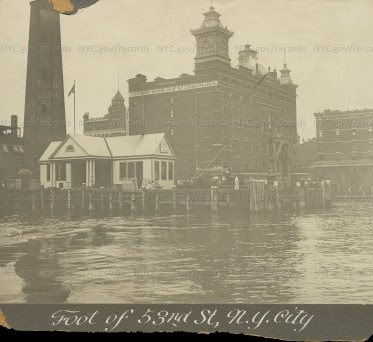
Another view of the 53 St. Pier
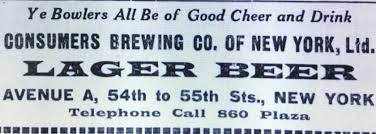
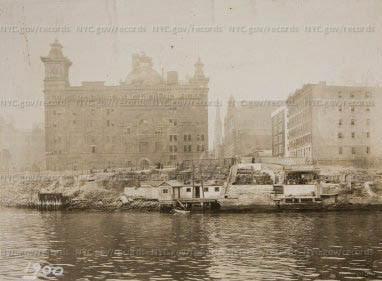
Above The building in the background is the Consumer Brewing Co. Below Remains of pier being demolished for East River Drive
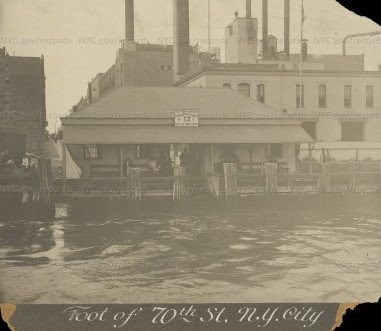
East 70 Street Pier
Pier we assume served the island since the sign is DEPARTMENT OF CHARITIES
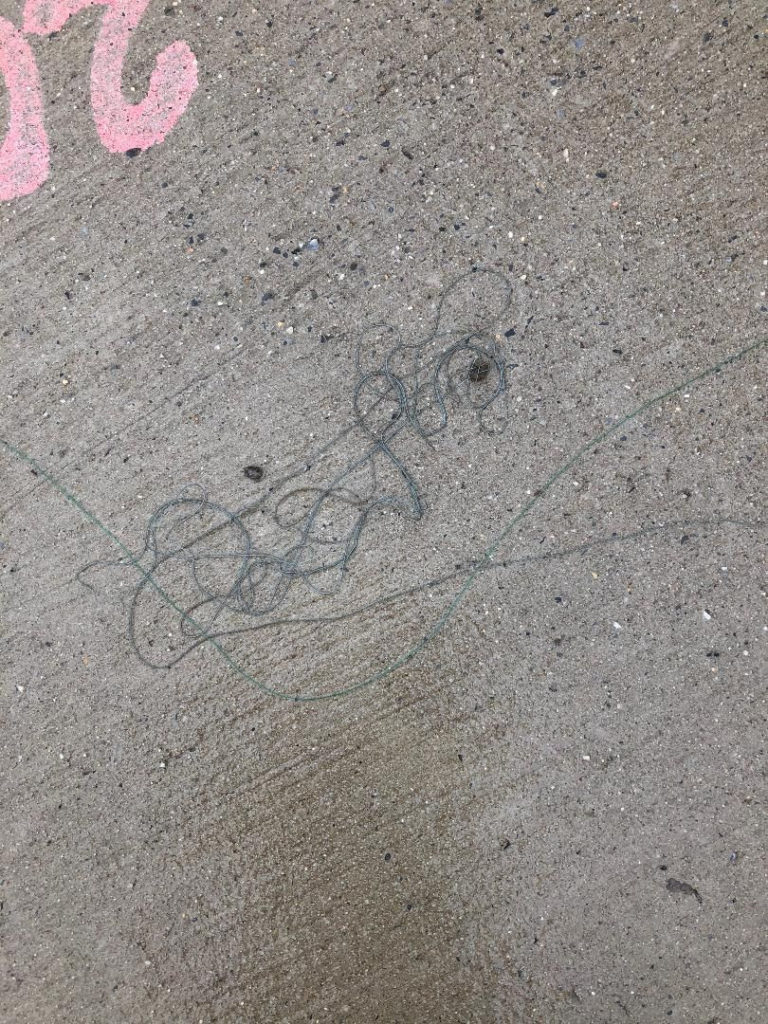
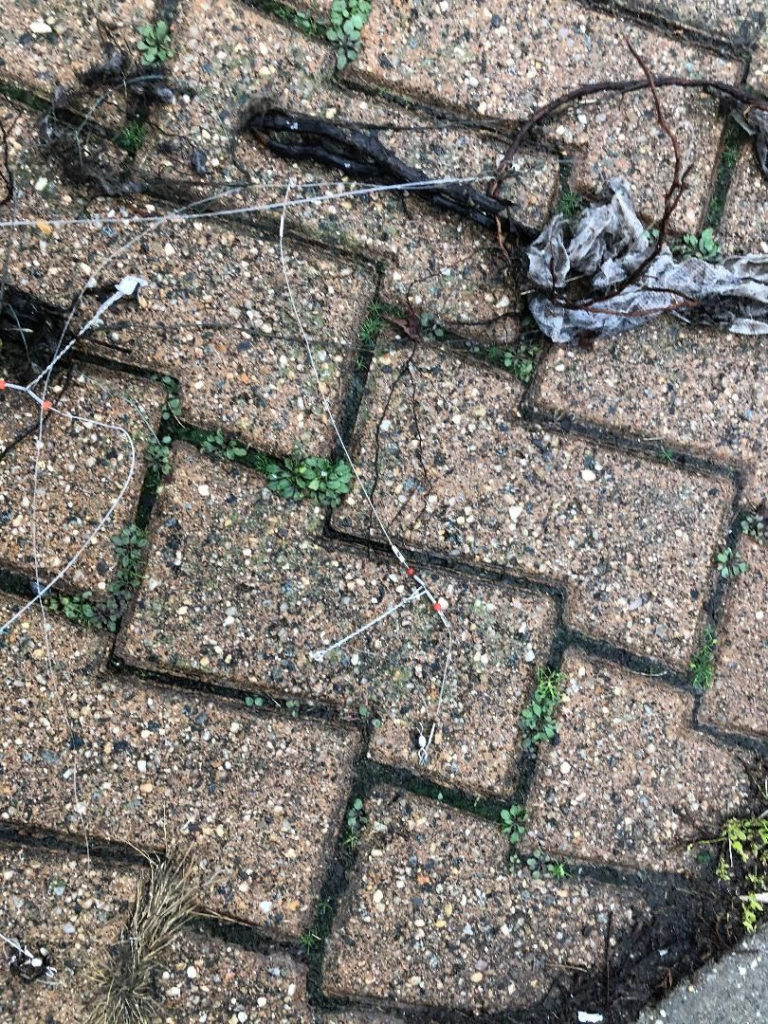
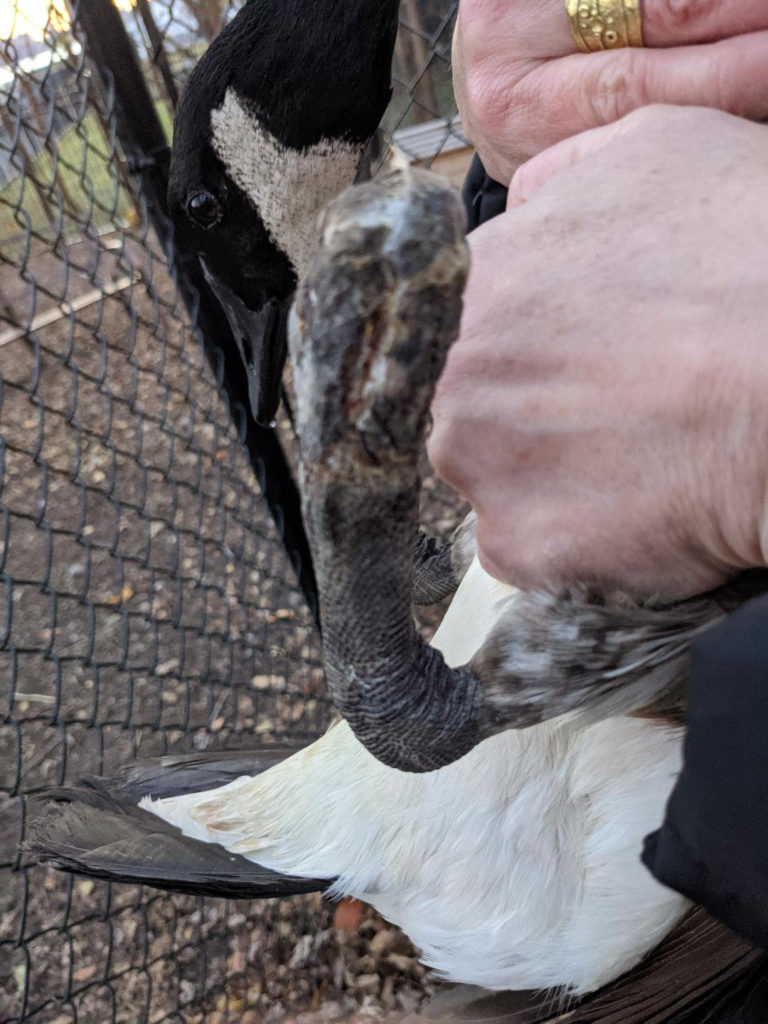
WE LOVE FISH, BUT FISHERMEN ARE CARELESS MANY BIRDS HAVE BEEN INJURED BY FISHING LINE AND HOOKS BEING ABANDONED ON THE WALKWAYS
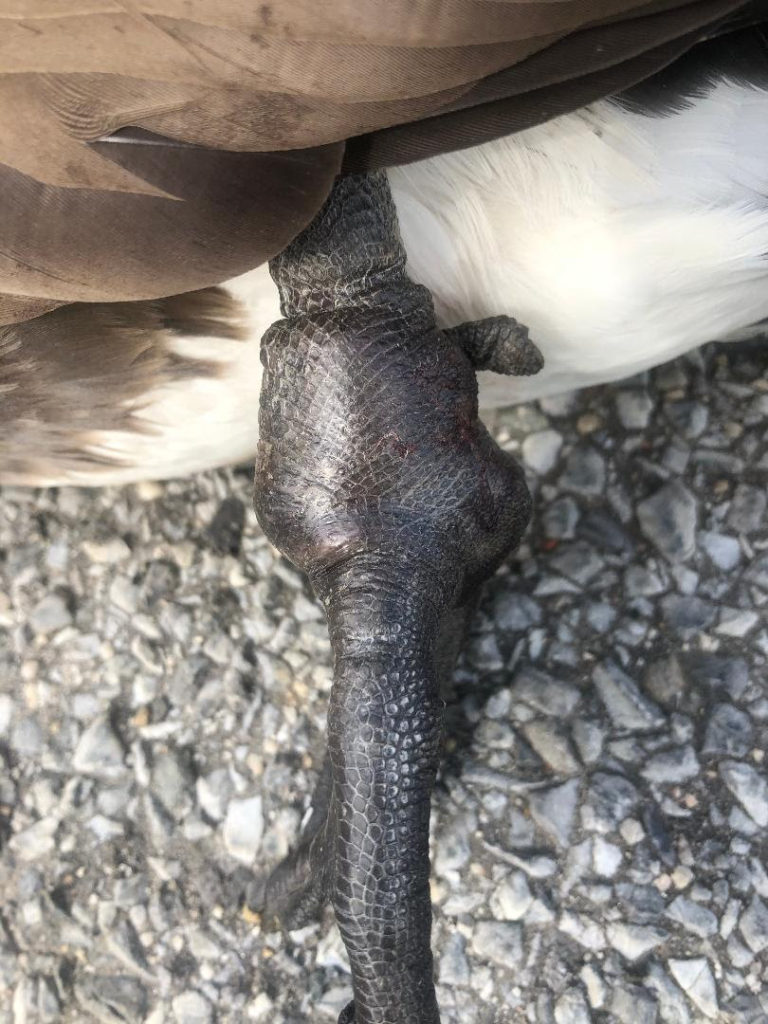
ABANDONED FISHING LINES ON SIDEWALKS GOOSE LOST HIS FOOT DUE TO BEING ENTANGLED IN FISHING LINES PHOTO WILDLIFE FREEDOM FOUNDATION (C)
Sutton Place Park Janet Spencer King, Clara Bella and Gloria Herman got it right
EDITORIAL We want to hear from you. What were your favorite subjects and articles from 2020? We featured: Island History Smithsonian Art Medical History Current Art Evens People Who Lived and Worked Here Great Architects Tales of Other New York Islands Airports and much more Go to rihs.us and scroll down to see all the 250+ editions of FROM THE ARCHIVES.
WITH BETH GOFFE RIHS LECTURE WITH THE ROOSEVELT ISLAND BRANCH, NEW YORK PUBLIC LIBRARY 7 P.M. ON GOOGLE MEET WATCH FOR RESERVATION INFORMATION
Text by Judith Berdy Thanks to Bobbie Slonevsky for her dedication to Blackwell’s Almanac and the RIHS Thanks to Deborah Dorff for maintaining our website Edited by Melanie Colter and Deborah Dorff
EPHEMERAL NEW YORK (thanks for their wonderful postings) NYC MUNICIPAL ARCHIVES WIKIPEDIA GOOGLE IMAGES ALAMY STOCK PHOTO
All image are copyrighted (c) Roosevelt Island Historical Society unless otherwise indicated SMITHSONIAN AMERICAN ART MUSEUM PHOTOS BY JUDITH BERDY / RIHS (C)
FUNDING PROVIDED BY ROOSEVELT ISLAND OPERATING CORPORATION PUBLIC PURPOSE GRANTS CITY COUNCIL REPRESENTATIVE BEN KALLOS DISCRETIONARY FUNDING THRU DYCD
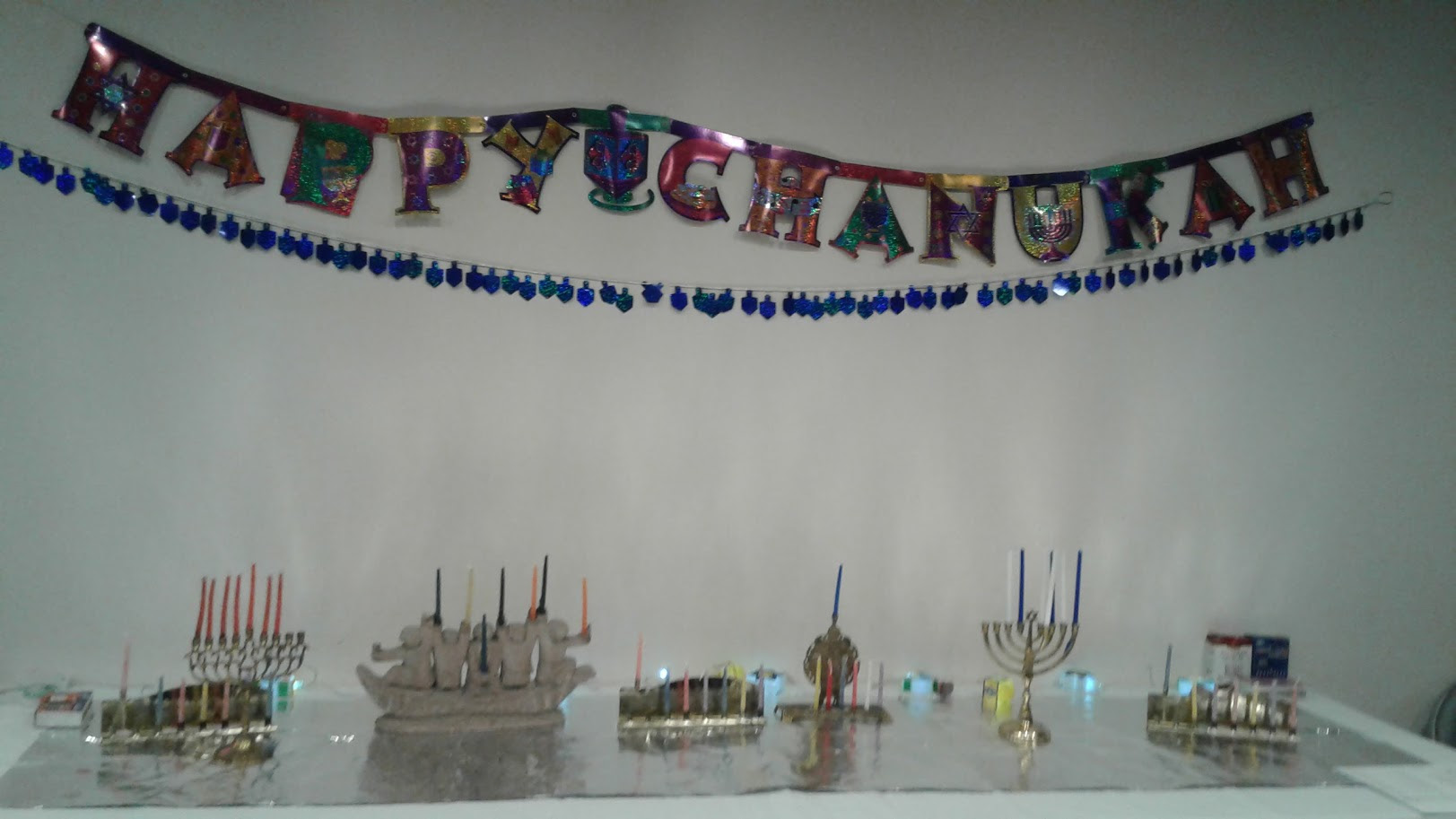
On this first day of Chanukah, we are celebrating the menorah, the candle holder or oil vessel used to celebrate the Festival of Lights.
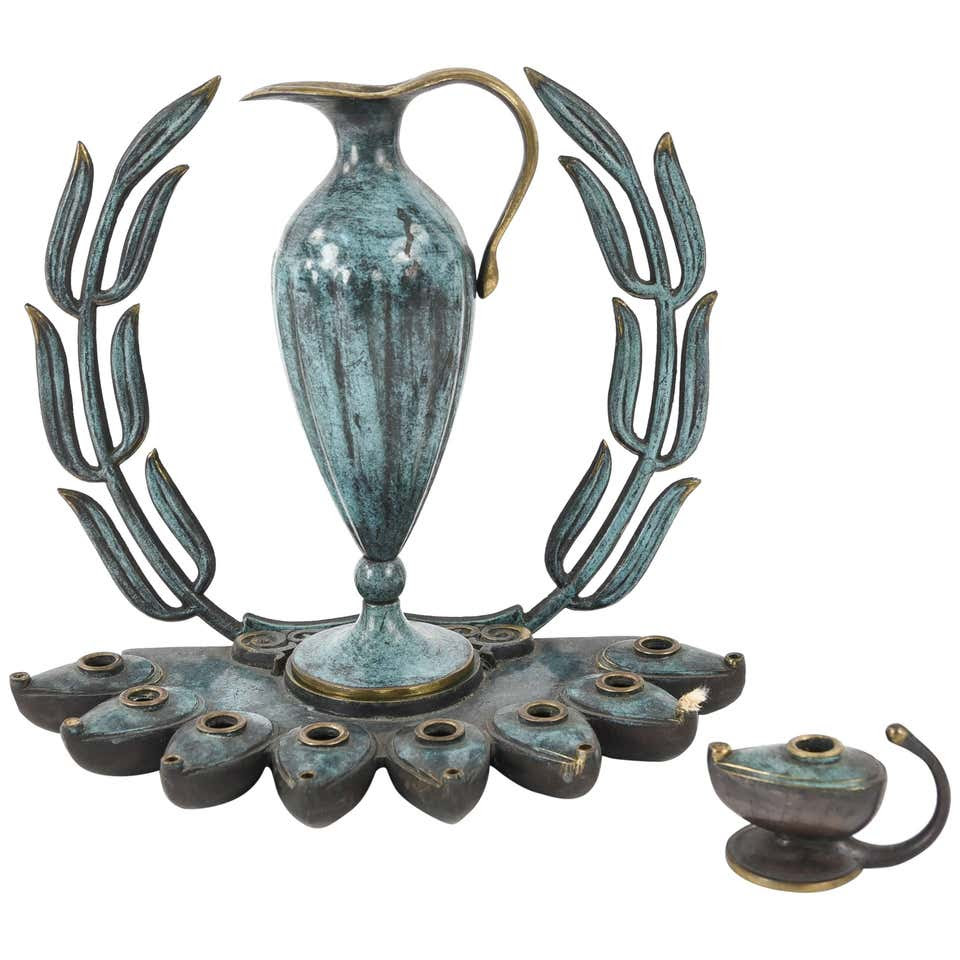
A few months back we wrote about Maurice Ascalon, the Israeli artist whose techniques launched the symbolic turquoise metalwork from his workshops.
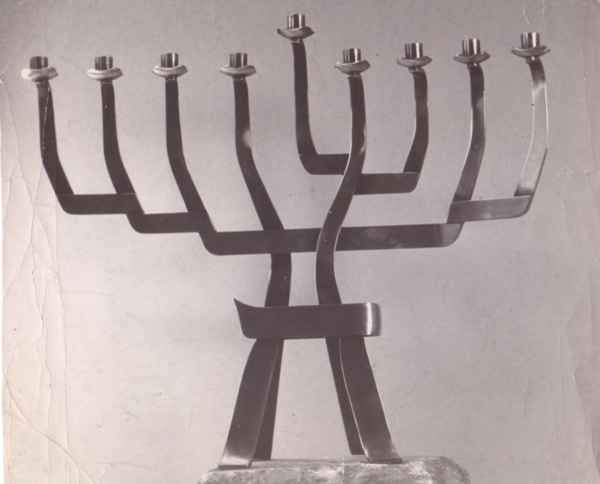
Stylized Hanukah menorah circa 1950 by the Israeli sculptor Maurice Ascalon (1913-2003).
Contemporary Menorah by the son of Maurice Ascalon, Brad Ascalon
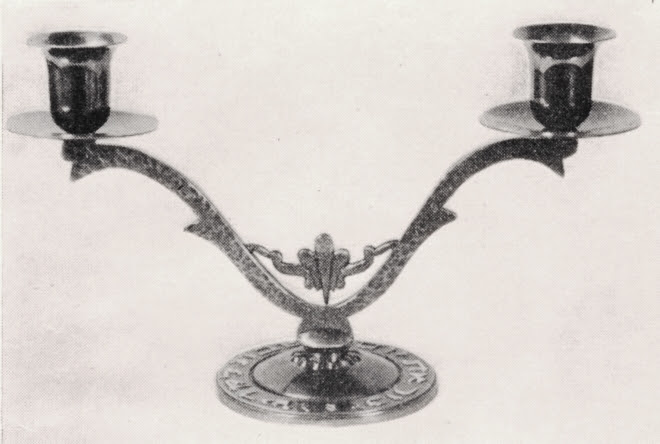
An example of a traditional Shabbat candlestick holder. This bronze example was designed by Maurice Ascalon and manufactured by his Pal-Bell Company in British Mandate Palestine in the 1940s.
270-year-old Hanukkah lamp sold in the Netherlands in November, 2016, which belonged to the family of a Dutch Jewish resistance fighter killed by the Nazis
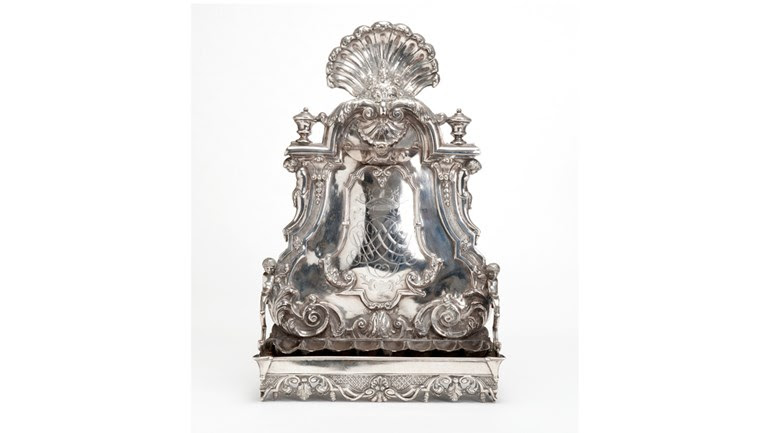
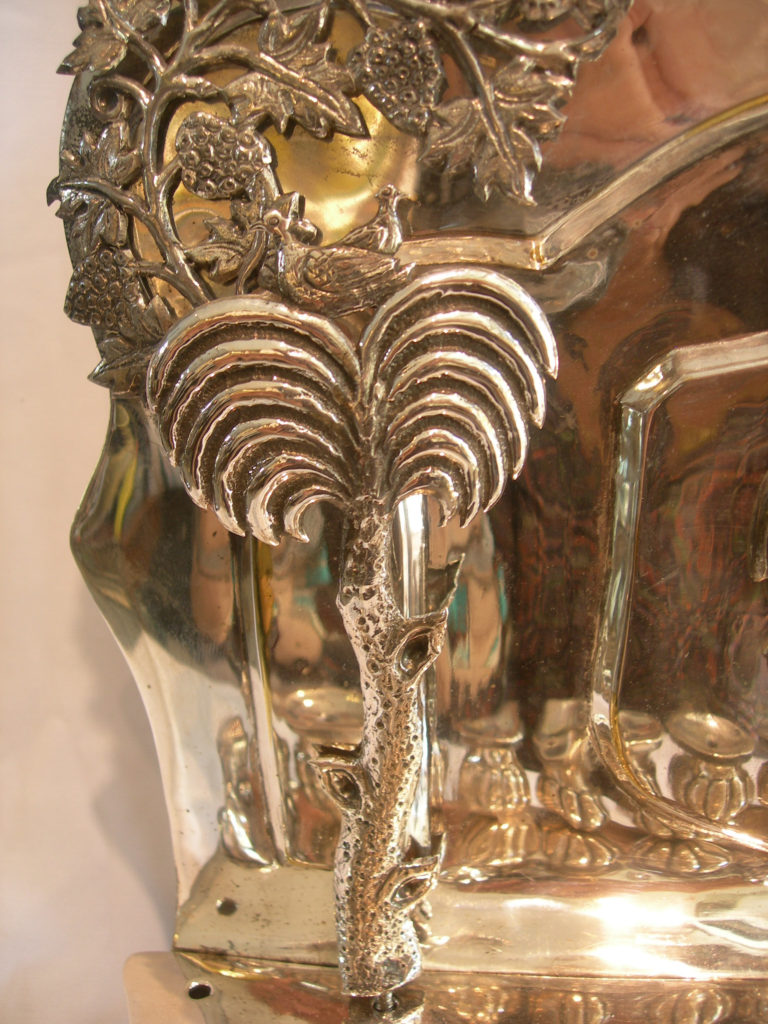
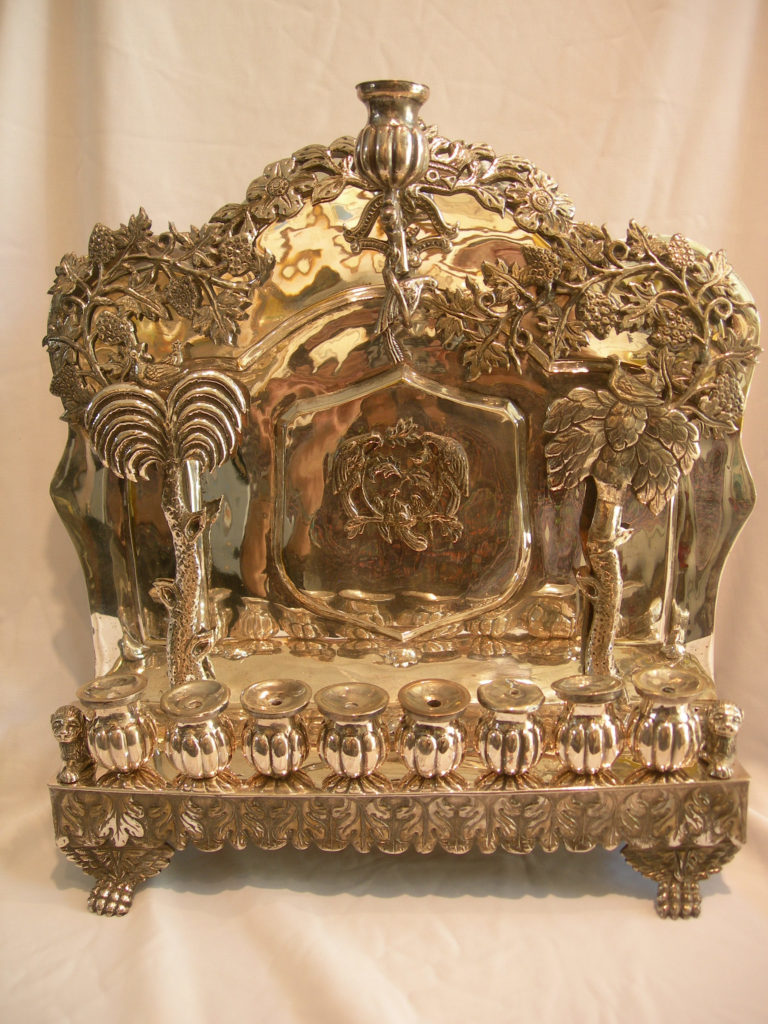
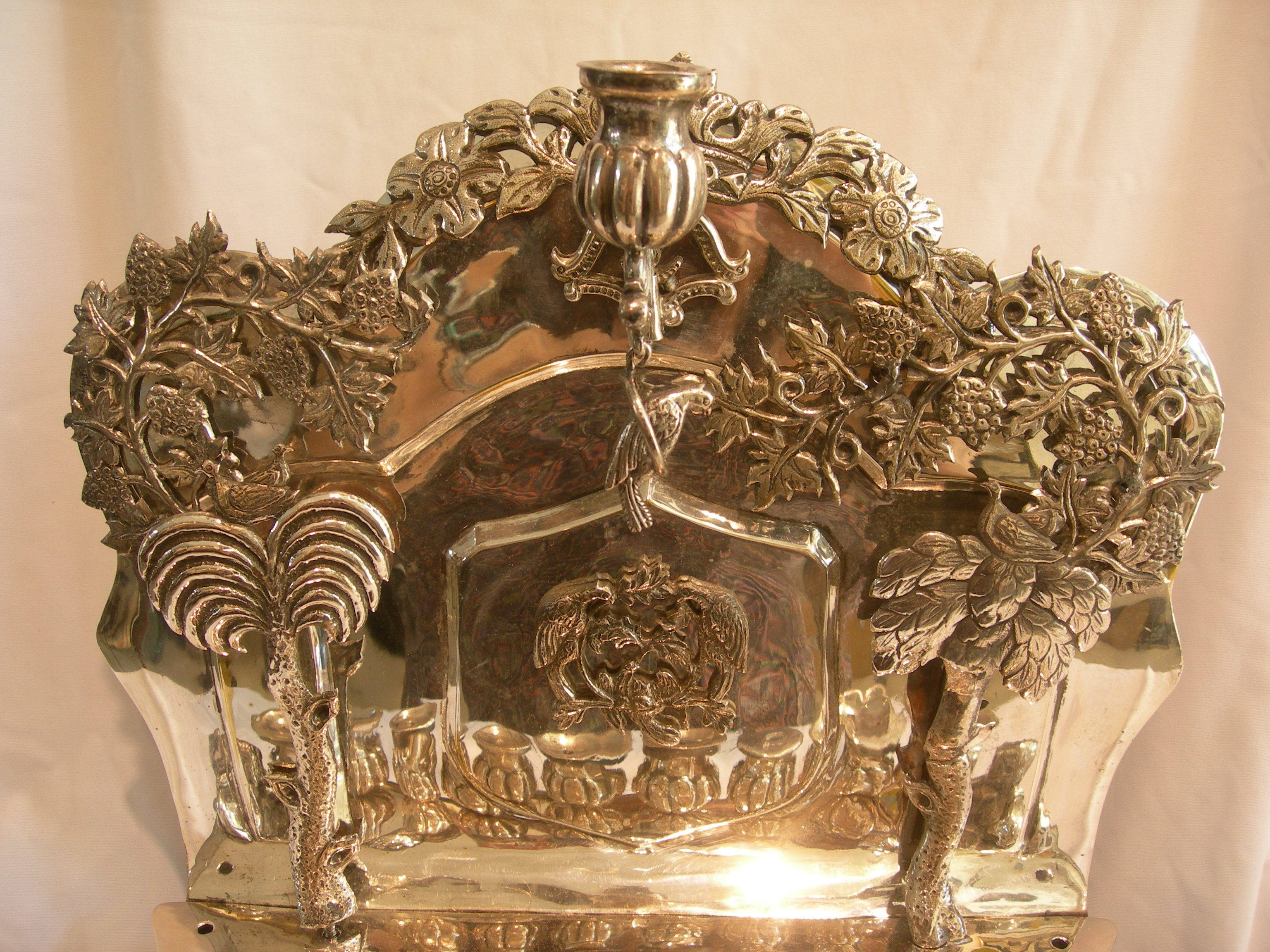
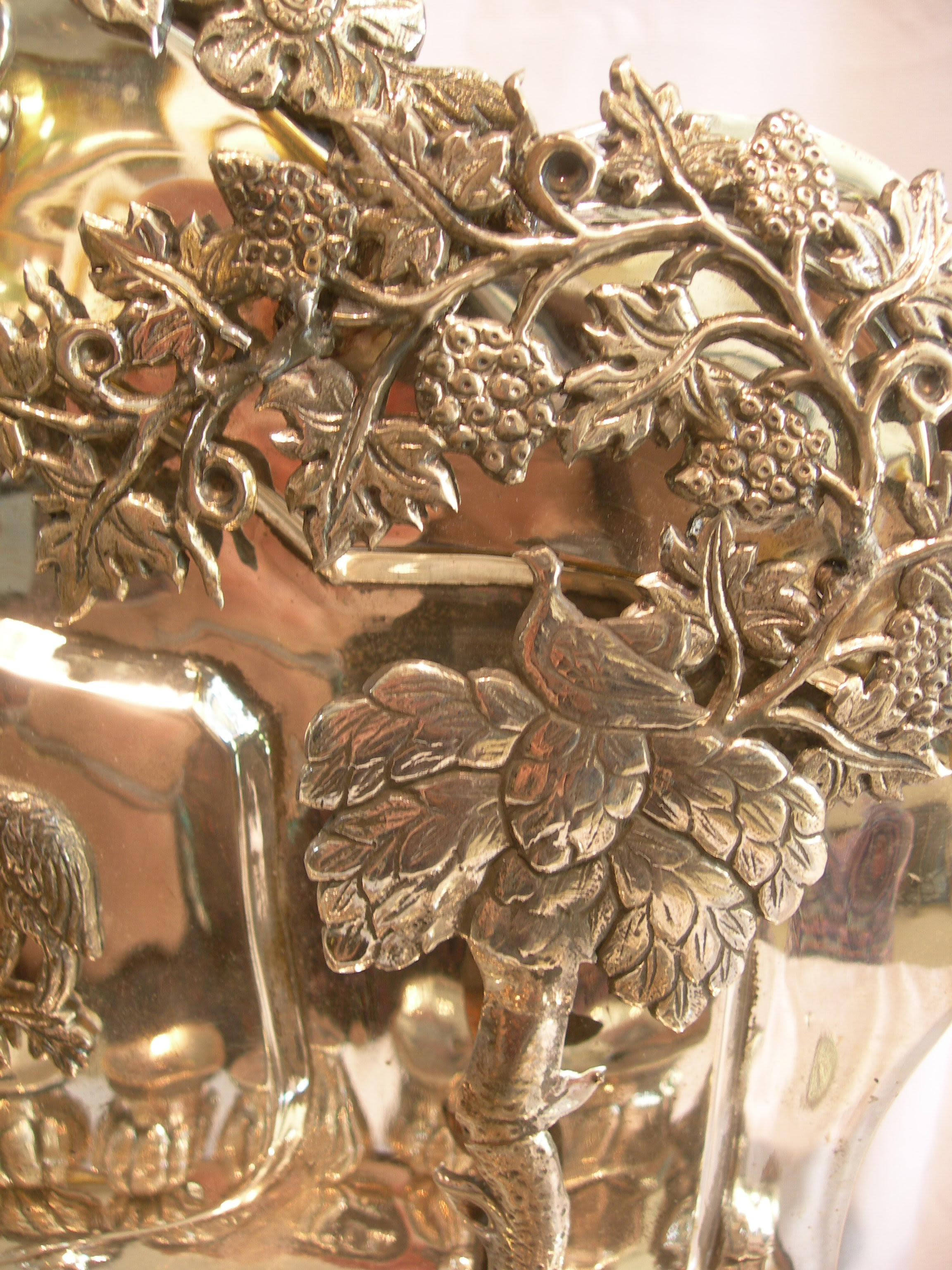
Important Polish silver Hanukkah Lamp, first half of the 19th century. The back plate embossed and applied with a crown flanked with two trees birds, foliage and vine leaves. Fitted with two seated lions flanking eight oil sockets, set on four claw form supports. The servant light hanging with a cockerel. Clearly hallmarked and stamped with the quality mark 12. Circa 1820. Courtesy Ivantiques
Latkes, Potato Pancake are another Chanukah tradition with applesauce or sour cream
FRIDAY PHOTOS OF THE DAY
THURSDAY PHOTO OF THE DAY
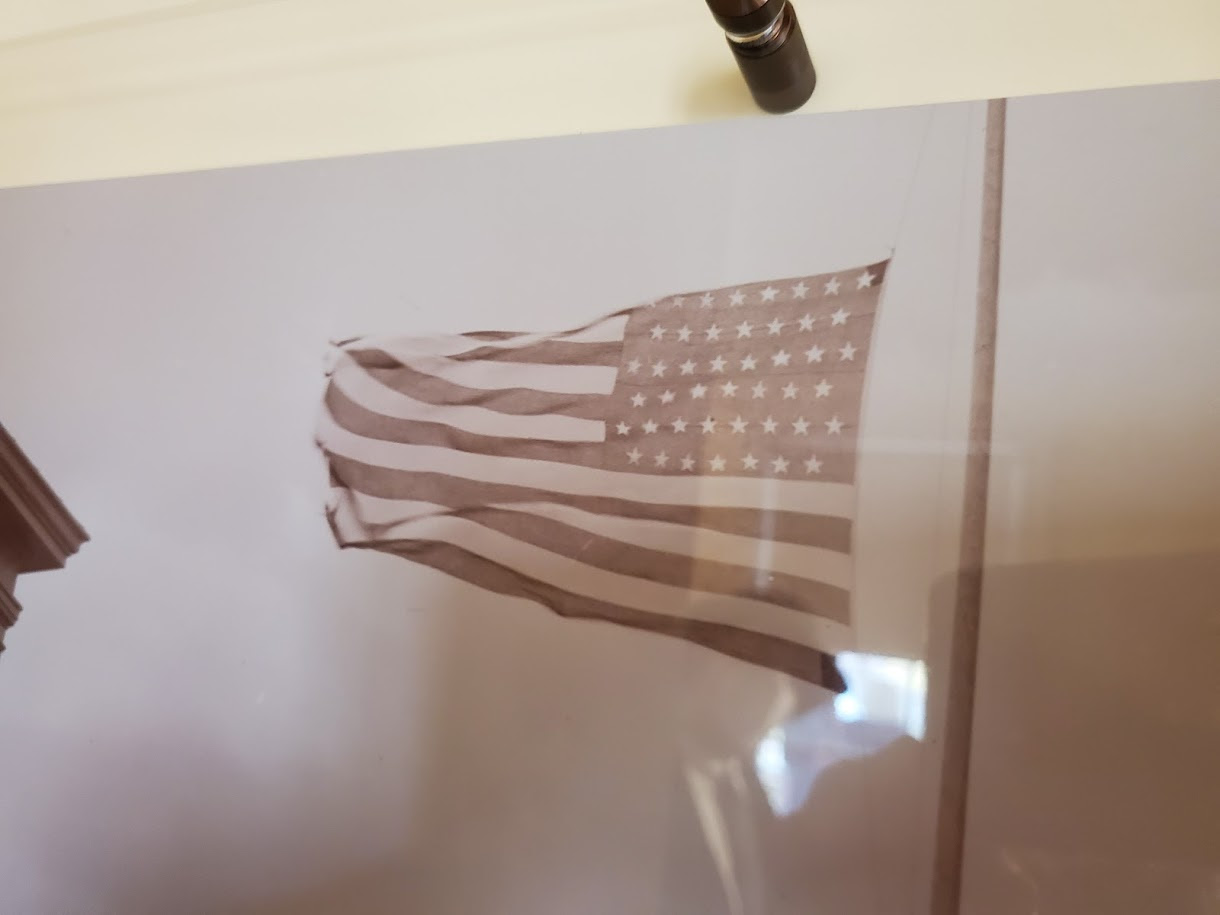
1911 flag wHen Oklahoma was added to make a 46 star flag
The NYC Test & Trace Corp, Manhattan Borough President, Gale Brewer Roosevelt Island Operating Corp
are holding:
“Get Tested” event on Roosevelt Island this weekend,
December 12-13, 2020 from 8:00 A.M – 7:00 P.M.
Free Mobile COVID-19 tests Protect Your Health, Family & Community! Get tested on Roosevelt Island
Good Shepherd Plaza 543 Main Street
Bring your insurance card if you have one— but if not, don’t worry, this is not required. Results usually take 24- 48 hours
Text by Judith Berdy Thanks to Bobbie Slonevsky for her dedication to Blackwell’s Almanac and the RIHS Thanks to Deborah Dorff for maintaining our website Edited by Melanie Colter and Deborah Dorff Roosevelt Island Historical SocietyMATERIALS USED FROM:
GOOGLE IMAGESWIKIPEDIA ASCALON ARCHIVE
WIKIPEDIA ASCALON ARCHIVE
FUNDING PROVIDED BY ROOSEVELT ISLAND OPERATING CORPORATION PUBLIC PURPOSE GRANTS CITY COUNCIL REPRESENTATIVE BEN KALLOS DISCRETIONARY FUNDING THRU DYCD
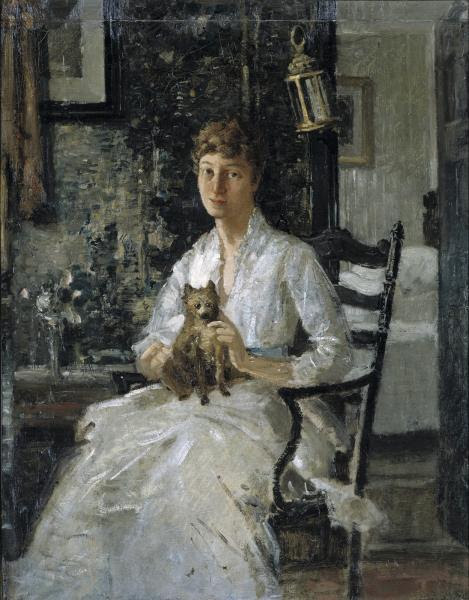
J. Alden Weir, Portrait of a Lady with a Dog (Anna Baker Weir), ca. 1890, oil on canvas, Smithsonian American Art Museum, Gift of Mahonri Sharp Young, 1977.92
J. Alden Weir taught painting classes in New York City while he cultivated his reputation as a portrait artist. Nineteen-year-old Anna Dwight Baker was one of his students, and after a brief courtship the two married in 1883. Anna Weir’s friends variously described her as “ethereal,” “like some beautiful dream woman,” qualities her husband captured in this portrait of her with his subtle, impressionistic style. She leans forward in a black ladder-back chair, holding her dog, Gyp, in her lap. Just over her shoulder the bedroom door is ajar, providing the viewer with a more intimate glimpse into the private life of the artist. Anna Weir died in 1892 due to complications after the birth of the couple’s fourth child. This touching, personal portrait remained in the family’s collection until it was given to the American Art Museum in 1977. (Dorothy Weir Young, The Life & Letters of J. Alden Weir, 1960)
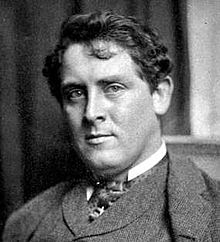
Nationality American Education National Academy of Design, École des Beaux-Arts, Jean-Léon Gérôme Known for Painting Died December 8, 1919 (aged 67) Born Julian Alden Weir August 30, 1852 West Point, New York J. Alden Weir in the late 19th century
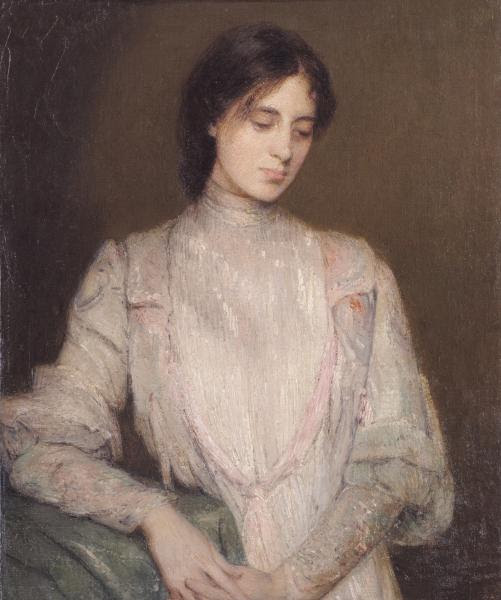
J. Alden Weir, A Gentlewoman, 1906, oil on canvas, Smithsonian American Art Museum, Gift of William T. Evans, 1909.7.72
In A Gentlewoman, J. Alden Weir depicted a well-dressed young woman in a moment of personal reflection. She rests lightly on a chair with her eyes cast downward, completely unaware of the viewer. A contemporary critic praised this woman for her “mixture of sturdiness and charm,” qualities valued in turn-of-the-century gentlewomen. In the early twentieth century, modernization brought on by steam power and railroads caused feelings of anxiety among many Americans. To help alleviate such feelings, artists created images like these of quiet interior scenes, a visually soothing antidote to an unquiet age.
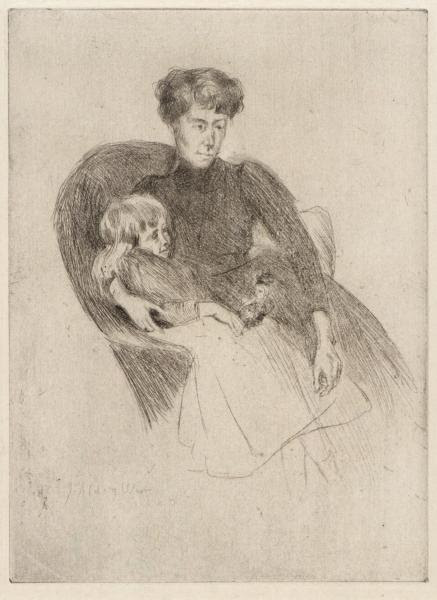
J. Alden Weir, Woman and Child, Seated (Mother and Child with Toy), ca. 1887-1893, drypoint on paper, Smithsonian American Art Museum, Gift of Brigham Young University, 1972.84.113
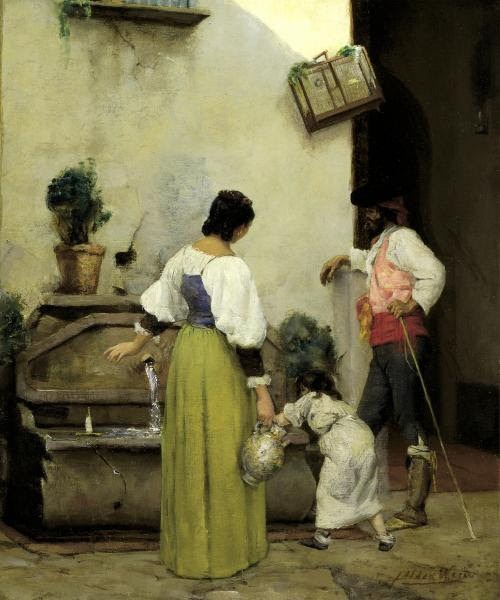
J. Alden Weir, At the Water Trough, 1876-1877, oil on canvas, Smithsonian American Art Museum, Museum purchase, 1978.125
At the Water Trough is an early work by J. Alden Weir, which he painted in the fall of 1876 after returning to Paris from a trip to Spain. It is the only known painting from this trip, and was based on sketches and photographs that Weir made in the Spanish city of Granada. This scene, which shows people gathering at a water fountain to exchange news and take a rest from their daily chores, would have been a common sight in Spain at that time, as indoor plumbing was not yet widespread. The painting was exhibited the following year at the National Academy of Design in New York.
J. Alden Weir, On the Porch, 1889, drypoint on paper, Smithsonian American Art Museum, Gift of Brigham Young University, 1972.84.50
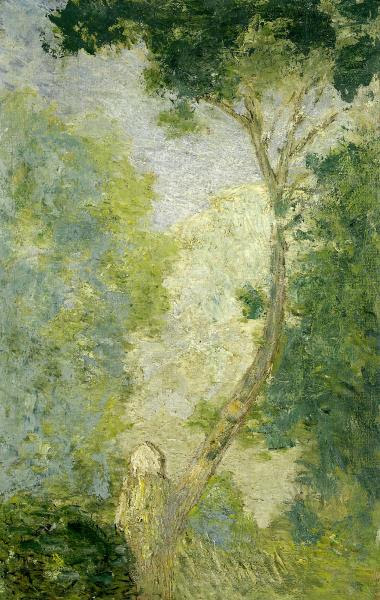
J. Alden Weir, (Landscape), after 1900, oil on wood, Smithsonian American Art Museum, Gift of Mahonri Sharp Young, 1978.110
Julian Alden Weir was a nature lover whose Branchville, Connecticut, farm was a retreat from the pressures of New York City. His younger brother had advised him to “hang onto this place, old boy … keep it trim and untrammeled, and you will find a haven of refuge.” Weir began painting landscapes around the property after his beloved wife, Anna, died. This spindly poplar with its elegantly bending trunk might be one of those that he and Anna had planted together and that he closely identified with her. (Cummings, “Home Is the Starting Place: J. Alden Weir and the Spirit of Place,” J. Alden Weir: A Place of His Own, 1991). Perhaps the ghostly figure in the foreground is meant to suggest his wife’s spirit dwelling under the trees.
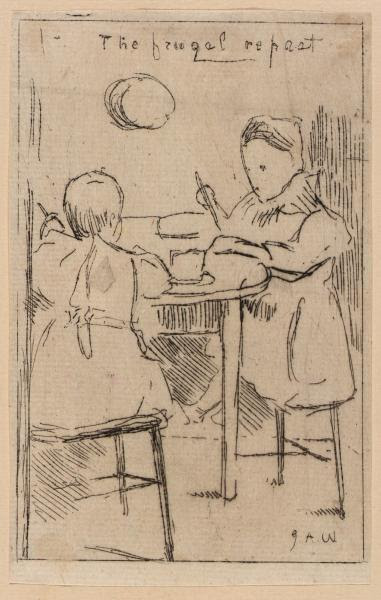
J. Alden Weir, The Frugal Repast–Isle of Man, 1889, etching on paper, Smithsonian American Art Museum, Gift of Brigham Young University, 1972.84.10
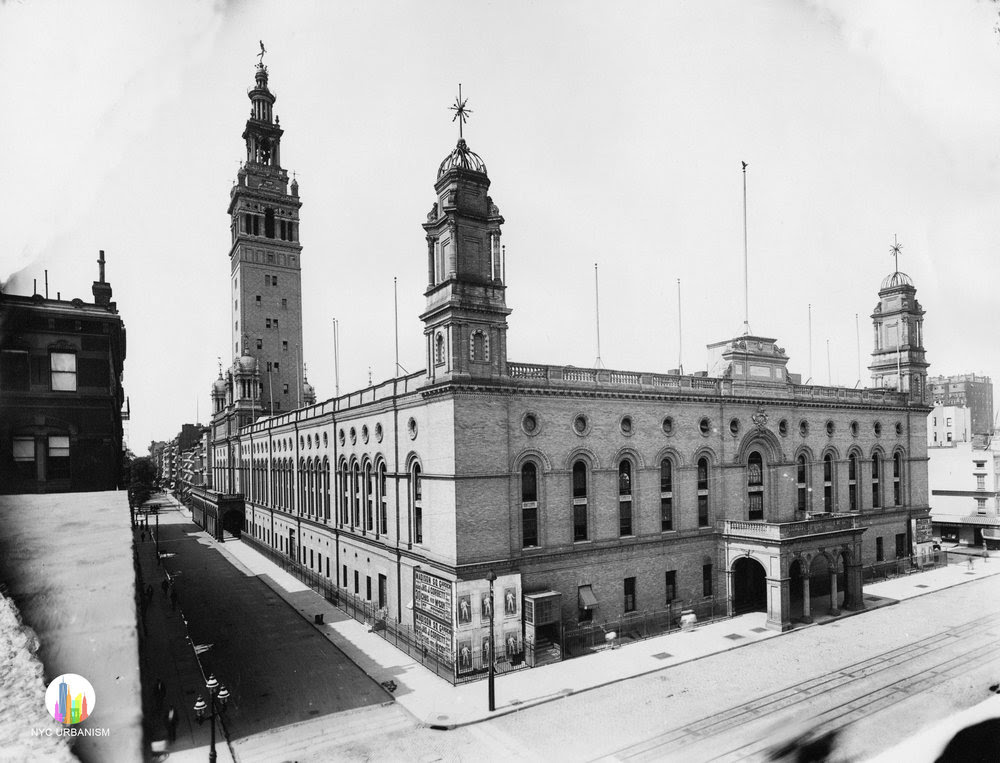
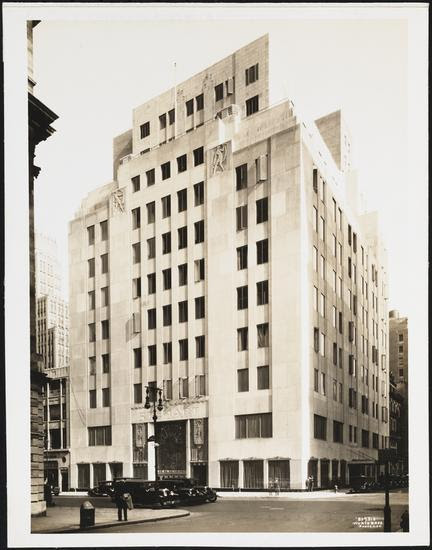
The wonderful Bonwit Teller building at 56th Street and Fifth Avenue. Demolished by a developer with no regard of historical value of this building.
Harriet Lieber knew this one!!!
EDITORIAL
A thought: every two to three days more Americans die from Covid-19 than died in the 9/11 attack.
Judith Berdy
Text by Judith Berdy Thanks to Bobbie Slonevsky for her dedication to Blackwell’s Almanac and the RIHS Thanks to Deborah Dorff for maintaining our website Edited by Melanie Colter and Deborah Dorff Roosevelt Island Historical SocietyMATERIALS USED FROM:
SMITHSONIAN AMERICAN ART MUSEUM (C)
FUNDING PROVIDED BY ROOSEVELT ISLAND OPERATING CORPORATION PUBLIC PURPOSE GRANTS CITY COUNCIL REPRESENTATIVE BEN KALLOS DISCRETIONARY FUNDING THRU DYCD
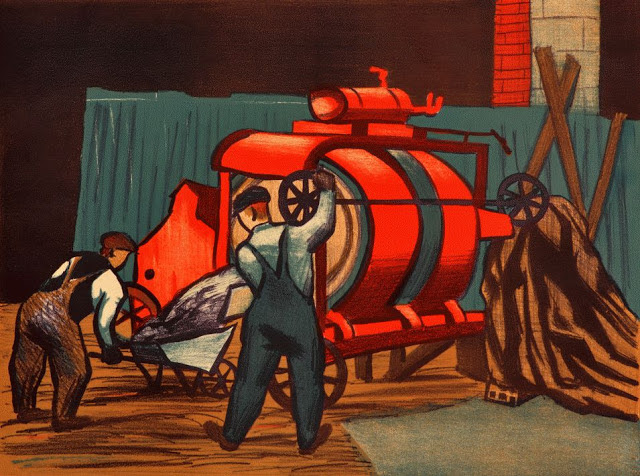
Above: “Cement Mixer,” a color lithograph by Jacob Kainen (1909-2001), created while he was in the WPA’s Federal Art Project, 1937. Kainen developed left-wing views during the Great Depression, and when asked about it, he said: “Well, in the Depression, in 1929, I used to see entire blocks evicted, people with their bedding out in the street… no place to go, their mattresses out there. So I took part in the unemployed councils. We used to take the furniture back upstairs and the police gave only half-hearted resistance. So I think that got me started. The government seemed to do nothing about [the economic problems of the working class].” Image courtesy of the General Services Administration and the University of Iowa Museum of Art.
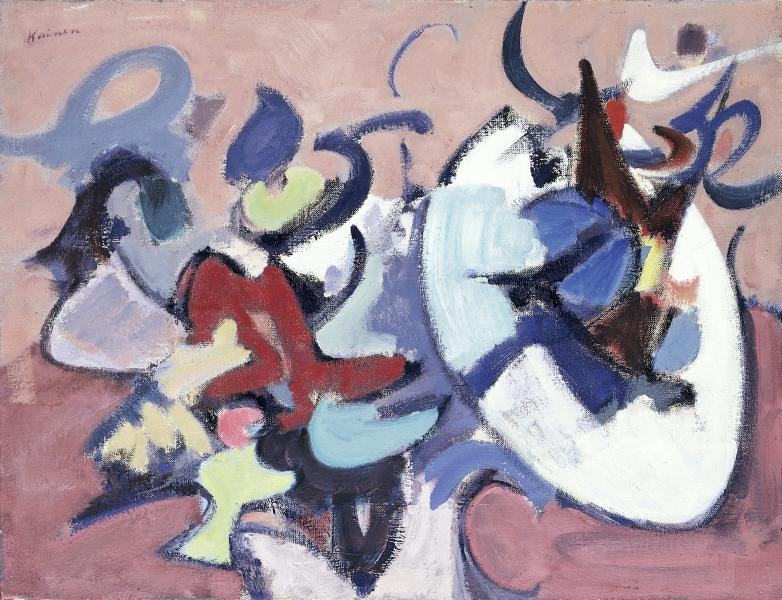
Jacob Kainen, The Search, 1952, oil on canvas, Smithsonian American Art Museum, Gift of the artist, 1979.80.9
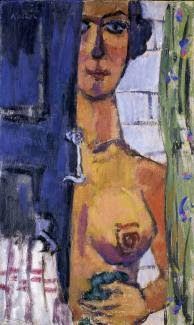
Jacob Kainen (December 7, 1909 – March 19, 2001) was an American painter and printmaker. He is also known as an art historian, writing books on art. Kainen was a collector of German Expressionist art, and he and his second wife, Ruth, donated a collection of this work to the National Gallery of Art in 1985.
TEXT FROM WIKIPEDIA
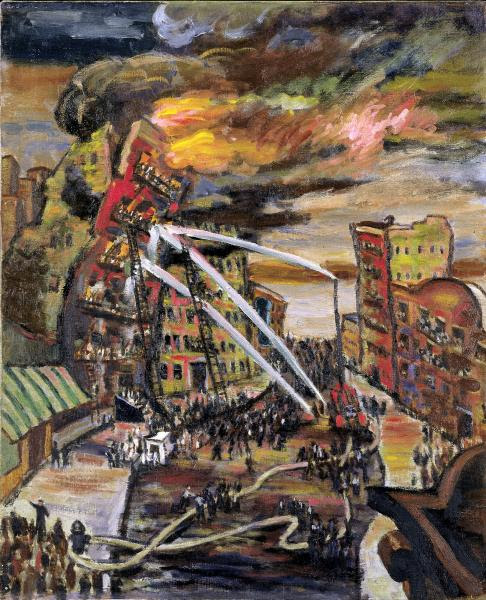
Jacob Kainen, Tenement Fire, 1934, oil on canvas, Smithsonian American Art Museum, Gift of the artist, 1979.80.1
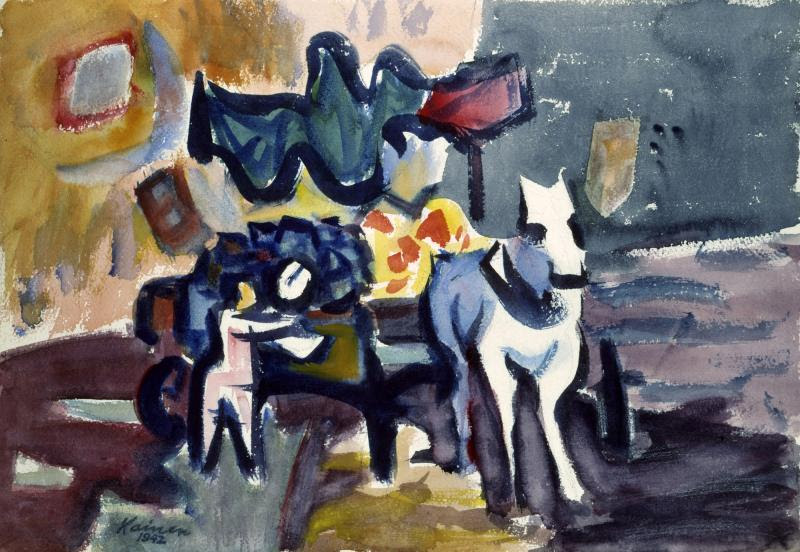
Jacob Kainen, Huckster, 1942, watercolor on paper, Smithsonian American Art Museum, Gift of Christopher and Alexandra Middendorf, 1991.7.9
Jacob Kainen was born in Waterbury, Connecticut, in 1909. As the second of three sons born to Russian immigrants, Kainen grew up in a family that appreciated culture and talent. His father’s artistry as an inventor and his mother’s love for music and literature undoubtedly fostered in Kainen an insatiable interest in art. Even at age ten, Kainen was eager to study master works, including clippings of art reproductions from The Jewish Daily Forward in his scrapbooks.
In 1918 the family moved to New York City, where Kainen’s budding passion would further advance with trips to The Metropolitan Museum of Art and the New York Public Library. Poetry and literature became major components of his artistic study during high school. When Kainen graduated from DeWitt Clinton High School at sixteen, he was too young to be admitted to the Pratt Institute. In the meantime he took drawing classes at the Art Students League, where Kimon Nicolaides taught him to “trust in the freedom and sureness of his hand.” It was during this period that Kainen made his first prints, drypoint etchings. Kainen used this time to further exercise his interests by working in the classics department of Brentano’s bookstore, as well as developing his skills as a boxer.
Kainen would go on to become an expert in the classics and quite a skilled amateur prizefighter. Kainen was finally granted admittance to Pratt in the fall of 1927. Though Kainen had a deep interest and appreciation for the old masters during this period of his life, he quickly found the Pratt curriculum backward, too anti-modernist, and dogmatic. Upon entering school his portraits and color choices remained warm in tone, but as he progressed they became brighter and more reminiscent of Cézanne’s palette. In Kainen’s final year of school, Pratt instituted a curriculum that focused more on commercial art and commercialized drawing styles. This catalyzed Kainen into a rebellion that resulted in his expulsion from the institute three weeks before graduation, and subjected him to further scorn from many of those associated with Pratt.
This event proved monumental in Kainen’s conceptual and artistic development. After his expulsion, Kainen sought out other avant-garde artists in the city, especially those who shared his institutional disdain. It led him to begin to engage with the emotive palette and gestures of German Expressionism and the social awareness and ferocity of social realism during the 1930s. He became a part of the New York Group, “interested in those aspects of contemporary life which reflect the deepest feelings of the people; their poverty, their surroundings, their desire for peace, their fight for life.”His expressionist and social leanings began to definitively merge in the mid-1930s in works such as Tenement Fire (1934) and The Flood (1936).
Jacob Kainen, The Bath, 1941, oil on paperboard, Smithsonian American Art Museum, Gift of the artist, 1979.80.6
CAREER Kainen also frequented cafeterias that had become the places where urban artists met to debate and develop ideas, both social and aesthetic. Kainen and Arshile Gorky became acquainted during a particular exchange in which they both defended the importance of copying master works and admitted to lurking in museums. The friendship with Gorky and his influence that resulted from their meeting would prove to be a lifelong one. Kainen was an active participant in the WPA‘s graphic arts program during the second half of the decade, but he eventually parted with the aesthetics of social realism in favor of abstraction. Yet his work would never lose its humanism or its concern for history: “However abstract the forms and colors seem, they should somehow give off an aura of human experience.”[2] When opportunities in New York for work with the WPA ran low, Kainen moved to Washington, DC. in 1942.[3]
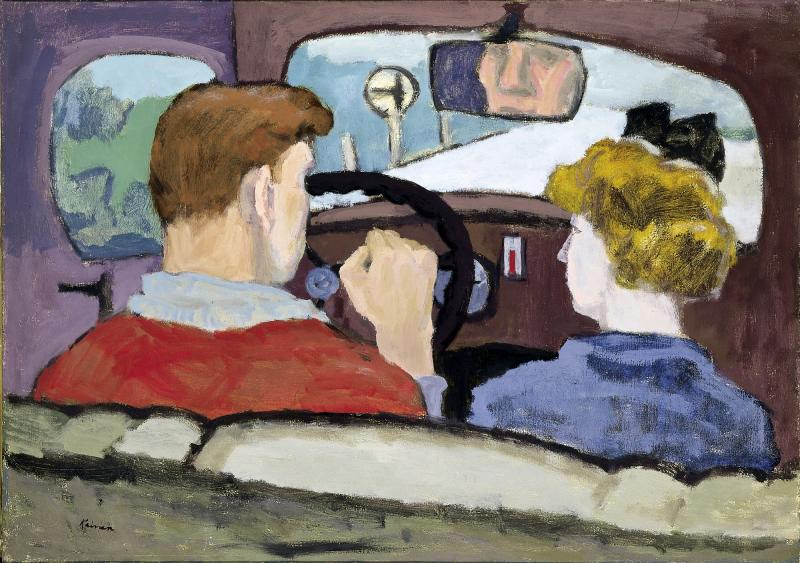
Jacob Kainen, Driver’s Seat, 1938, oil on canvas, Smithsonian American Art Museum, Gift of the artist, 1979.80.3
CURATOR From 1942 to 1970 Kainen was curator of the Division of Graphic Arts at the Smithsonian’s U. S. National Museum. Though jarred by the elementary state of Washington’s then slow-paced art scene, Kainen found inspiration in the Victorian skyline and architecture that defined the buildings surrounding his studio in Dupont Circle. In the 1940s he was one of the first abstract artists working in the city, and produced abstract compositions of symbols and forms that resounded with both his physical surroundings and personal experiences.
In 1949 Kainen’s national loyalty was questioned and he was placed under investigation by the Civil Services loyalty board. During the 1930s, and the time spent in New York after his expulsion from Pratt, Kainen had written art reviews for the Daily Worker and signed legal petitions that attempted to institute social change. Such activities later put his job in jeopardy when he was being considered an “enemy of the state”.[This quote needs a citation] Kainen was not cleared of formal charges until 1954. The psychological strain and anxiety of this period became evident in his vivid abstractions with titles like Exorcist (1952), Unmoored #2 (1952) and The Listener (1952). Kainen later remembered this time as a period when: “I begin with the aesthetic balancing of forms but these psychological ghosts take over.”
Soon after his clearance by the Civil Services board, Kainen shifted from abstraction to elegant figurative work. As evidence of fervent independence, Kainen rejected the popularity of Abstract Expressionism for a return to the figure. Kainen began to participate in substantially more exhibitions in Washington after he met his wife, Ruth Cole, in 1968. Prior to their marriage Kainen painted nightly after his workday, at his unheated studio, until ten or eleven o’clock at night, then returned home to do writing or museum research until 2 a.m. because he was not allowed to do scholarly writing on government time. Kainen retired from the Smithsonian in 1970 in order to paint full-time. Kainen taught evening classes in painting and printmaking at the Washington Workshop Center for the Arts,[4] and was instrumental in introducing Morris Louis to Kenneth Noland and hiring Louis to teach painting at the Workshop. Shortly thereafter, Louis and Noland began collaborating on “staining”, the fundamental notion of Washington Color Field Painting, and a groundbreaking technique with many influential practitioners, although Kainen did not consider himself to be a member of the Washington Color School.[5] After his departure from the Smithsonian Institution in 1970, his work shifted back to pure abstraction.
Jacob Kainen died in his home in Chevy Chase, Maryland, at the age of 91 as he was preparing to go to his studio to paint. He was the father of mathematician Paul Kainen and inventor Daniel Kainen.
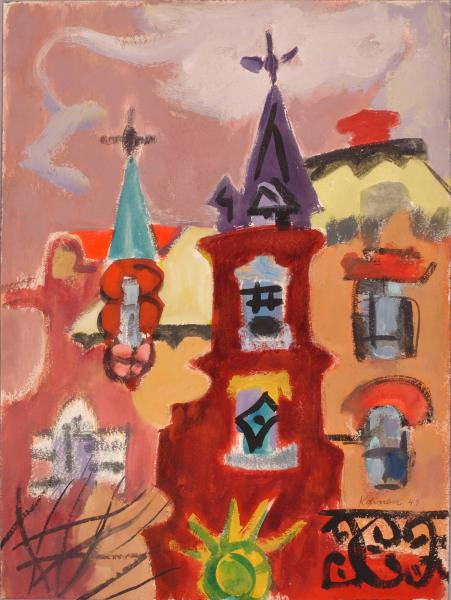
Jacob Kainen, Residential Facades, 1949, gouache on paper, Smithsonian American Art Museum, Gift of Christopher and Alexandra Middendorf, 1991.7.8
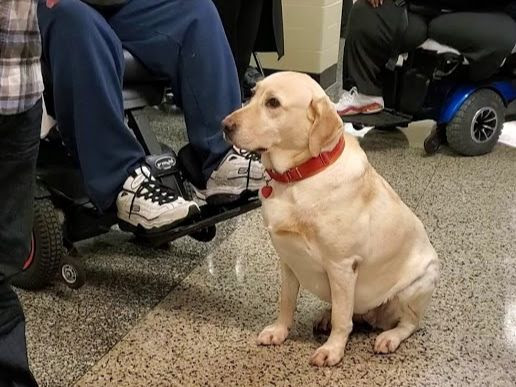
MOMO THE COLER HEALING HOUND CLARA BELLA GUESSED IT !!
CLARIFICATION WE ARE HAPPY TO GIVE WINNERS OF OUR DAILY PHOTO IDENTIFICATION A TRINKET FROM THE VISITOR CENTER. ONLY THE PERSON IDENTIFYING THE PHOTO FIRST WILL GET A PRIZE. WE HAVE A SPECIAL GROUP OF ITEMS TO CHOOSE FROM. WE CANNOT GIVE AWAY ALL OUR ITEMS,. PLEASE UNDERSTAND THAT IN THESE DIFFICULT TIMES, WE MUST LIMIT GIVE-AWAYS. THANK YOU
EDITORIAL
Kainen was one of numerous artists and scholars who were considered enemies of the state. Many were never exonerated and their lives ruined. This article features only a small amount of his works. Please check out his pages on the Smithsonian American Arts Museum site, https://americanart.si.edu/search?query=%22Jacob+Kainen%22
Text by Judith Berdy Thanks to Bobbie Slonevsky for her dedication to Blackwell’s Almanac and the RIHS Thanks to Deborah Dorff for maintaining our website Edited by Melanie Colter and Deborah Dorff
All image are copyrighted (c) Roosevelt Island Historical Society unless otherwise indicated IMAGES COURTESY OF THE SMITHSONIAN AMERICAN ART MUSEUM AND ARE COPYRIGHTED (C) TEXT COURTESY OF WIKIPEDIA
FUNDING PROVIDED BY ROOSEVELT ISLAND OPERATING CORPORATION PUBLIC PURPOSE GRANTS CITY COUNCIL REPRESENTATIVE BEN KALLOS DISCRETIONARY FUNDING THRU DYCD
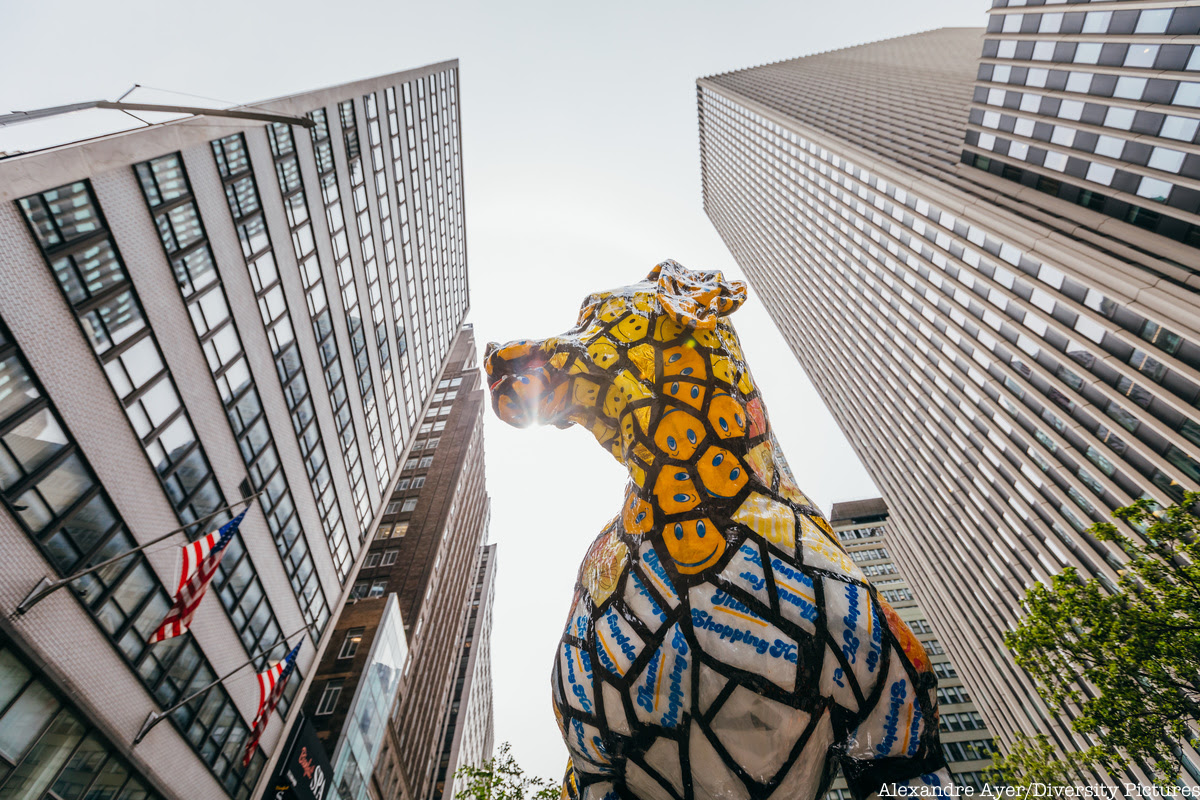
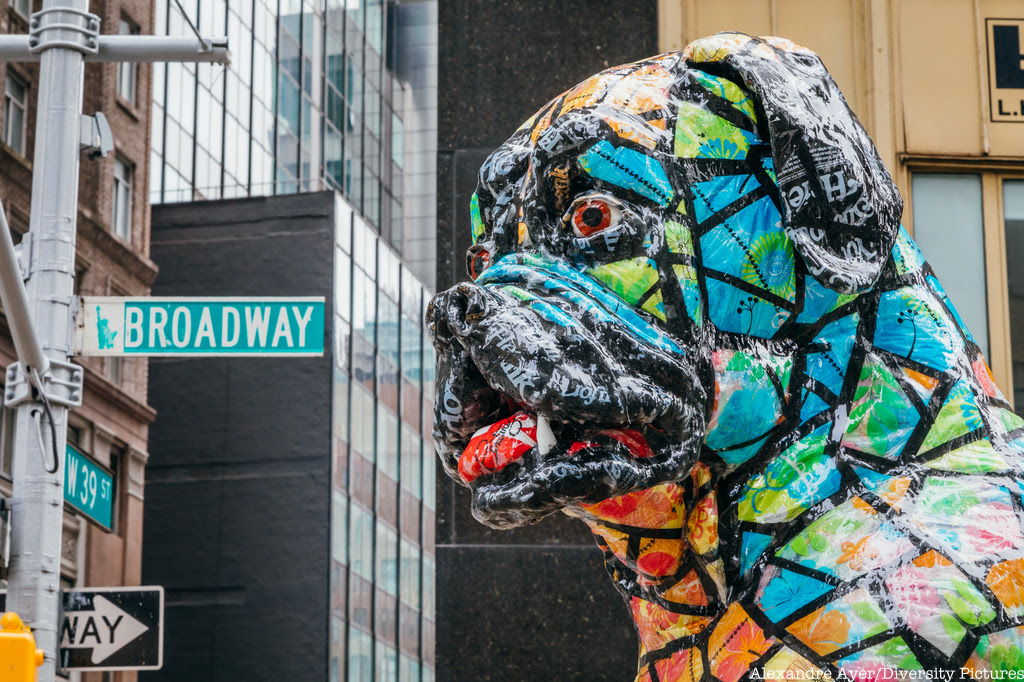
Doggy Bags sculptures on Broadway“Doggy Bags” giant dog sculptures take over Garment District. Photo: Alexandre Ayer/Diversity Pictures
October is a great time to visit some of the newest public art installations throughout New York City — while abiding by the health and safety guideline with social distancing and mask wearing. With the Photoville festival taking place over different boroughs for the ninth year and Union Square’s climate clock making a buzz on the headlines for marking the end of civilization on Earth, October offers some new additions to the already expansive art installation checklist from September. During these challenging times, perhaps we can experience a little rest from Optical Animal’s Projection Napping at Time Square and browse through the graffiti wall in Bowery. Here are the public art installations on display in New York City this October:
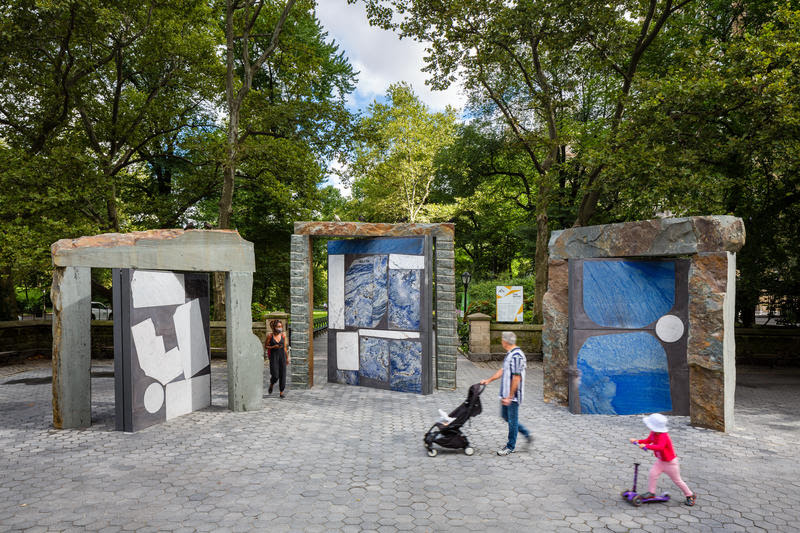
Doors for Doris at Doris C. Freedman Plaza
Photo by Nicholas Knight, Courtesy Public Art Fund
Artist Sam Moyer created a massive three-part hybrid sculpture using imported stones and rock indigenous to New York in order to pay homage to Public Art Fund founder Doris C. Freedman at the plaza named for her outside Central Park.
According to Public Art Fund’s website, “these polished stones bear the markings and shapes of their original uses. They also display the unique colors, patterns, and geological history of their sources — quarries in Brazil, China, India, Italy, and beyond. Each stone in Moyer’s mosaic compositions takes on an even more striking hue against the others and the locally-quarried rock, an apt metaphor that encourages us to consider the diverse character of our city and our interconnected lives within it.” The installation will run from September 16, 2020 to September 12, 2021.
“Doggy Bags,”, the latest art installation on Broadway in the Garment District is up and is positively pooch-tastic. The works by New York-based artist Will Kurtz entitled “Doggy Bags” are all made of recycled materials. On display are multiple breeds including an English bulldog named Harriet, chihuahua called Harriet, a pug named Maisy, a bassett hound called Stanley, and a bull mastif known as Daphne. The works are part of a year-round program from the Garment District Alliance and this fall there is an additional impetus: to welcome New Yorkers back to Midtown Manhattan amidst the ongoing city reopening.
MATZU
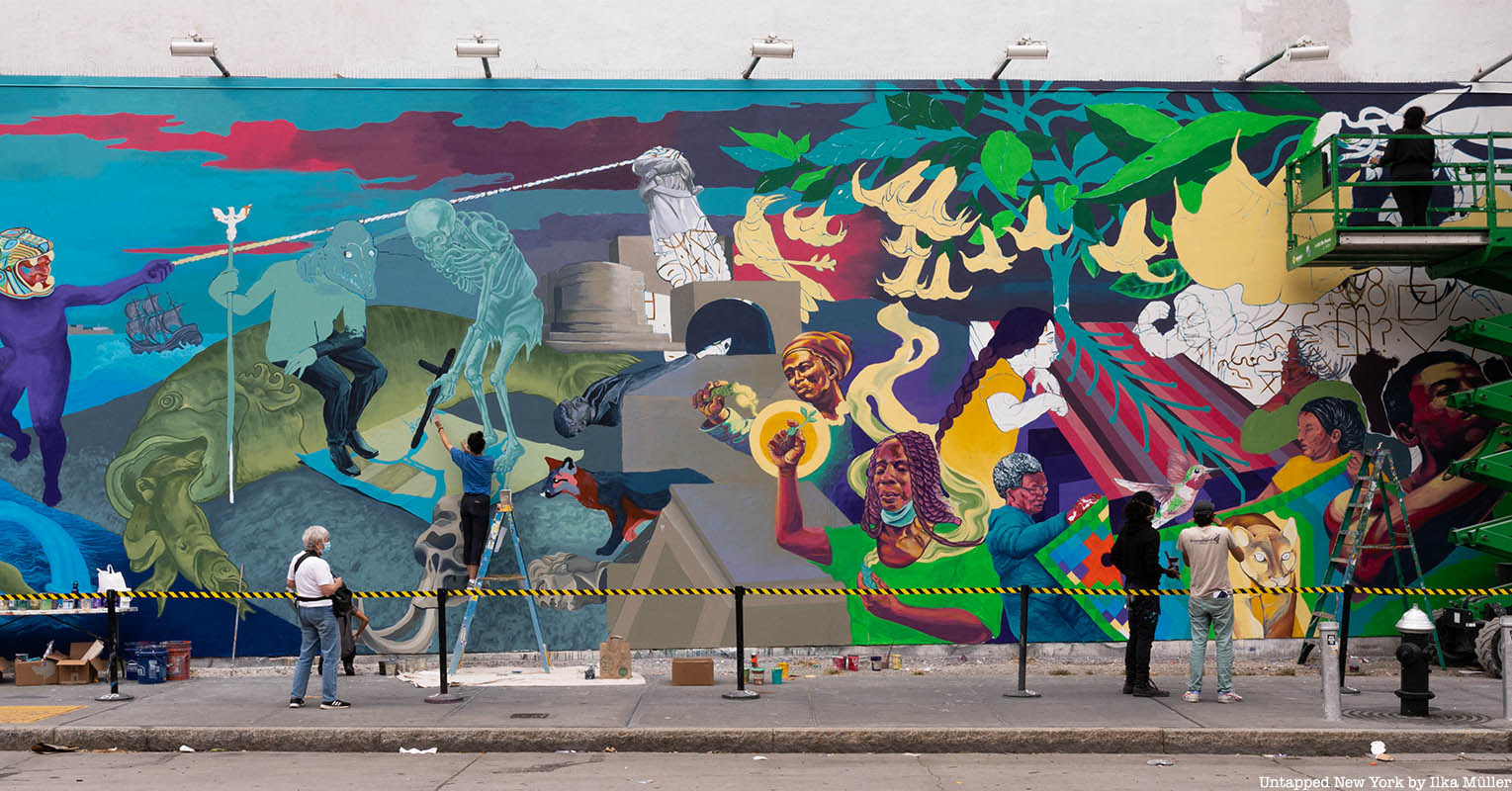
On the Bowery graffiti wall, Groundswell has completed the newest mural to be seen at the street art site in a year. The work was designed by artist Raul Ayala and painted by a team of ten youth artists The last piece, by Japanese artist Tomokazu Matsuyama “Matzu” was completed in September of last year. The mural for 2020 coincides with the 25th anniversary of Groundswell, an organization that uses art for change. The new mural at the Bowery graffiti wall, located on Houston Street between Bowery and Elizabeth streets, incorporates numerous portraits of Black figures and also has a seafaring folklore theme with mythical creatures pulling down statues. On the left side, the skyline of Manhattan appears.
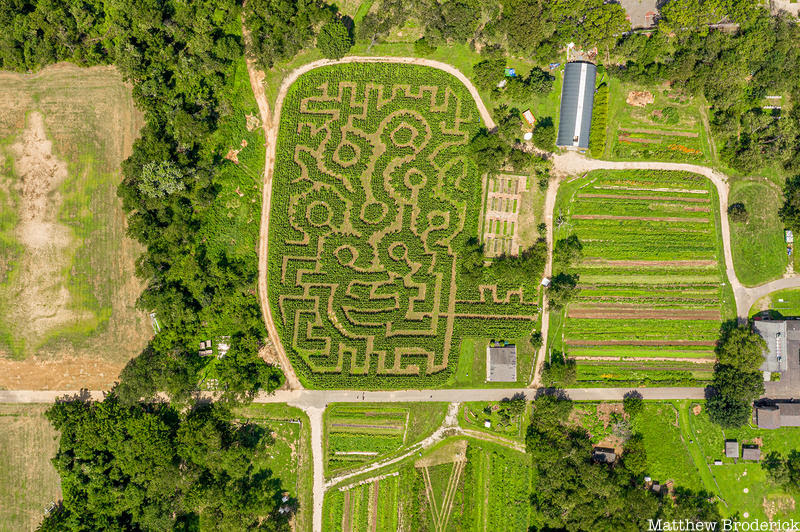
Experience New York City’s only corn maze at the Queens County Farm Museum, this year designed in the shape of Van Gogh’s sunflowers! The Amazing Maize Maze three acres large and the adventure begins with a “Stalk Talk” to prepare visitors for the challenge ahead, who must find their way to Victory Bridge “where the full vista of Van Gogh’s ‘Sunflowers’ is revealed.”
Courtesy of Jessica Bal for United Photo Industries
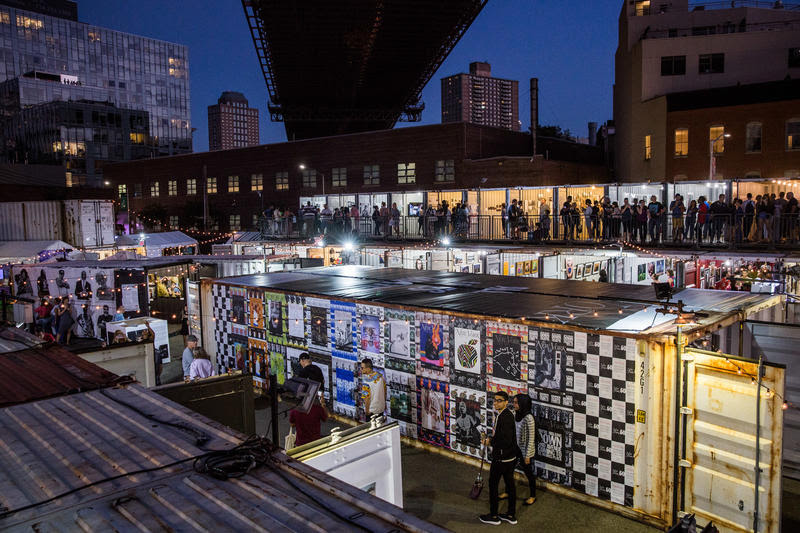
The Photoville festival returns for a ninth year this fall with over 60 outdoor exhibitions from September 17 to November 29, 2020. Organized by Photoville, a New York based non-profit organization, the festival takes place across five boroughs with different photo exhibitions featuring different forms of photojournalism and conceptual narrative projects. This year, due to the pandemic, Photoville features both physical public exhibitions and over 30 free online programs, including online storytelling events, artist talks, workshops, demonstrations, educational programs, and community programming.
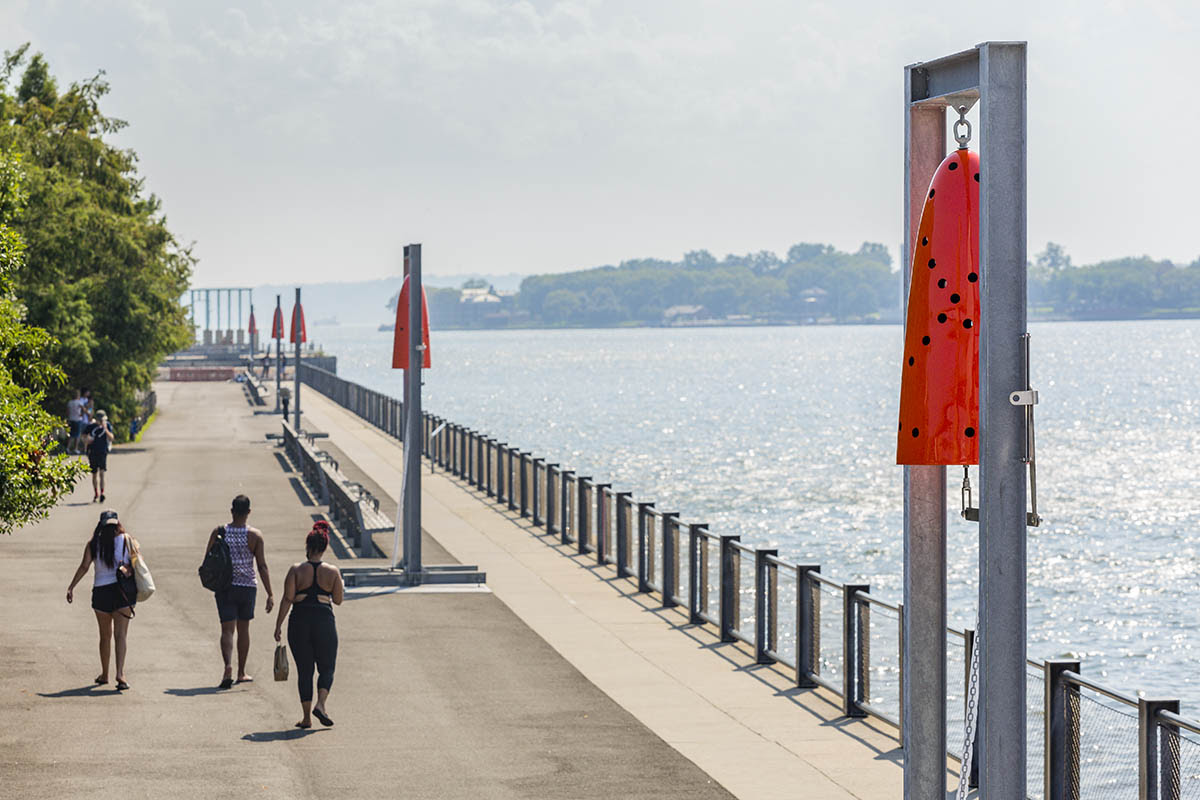
Reverberation, a new piece by sculptor Davina Semo is now on display along the waterfront in Brooklyn Bridge Park. The large-scale installation is made up of interactive bells and is meant to evoke public modes of communication that harken back to New York City’s maritime history. Located adjacent to the Brooklyn Bridge, the piece explores our relationship to industrial material and the built environment. And yes, park visitors can ring the bells!
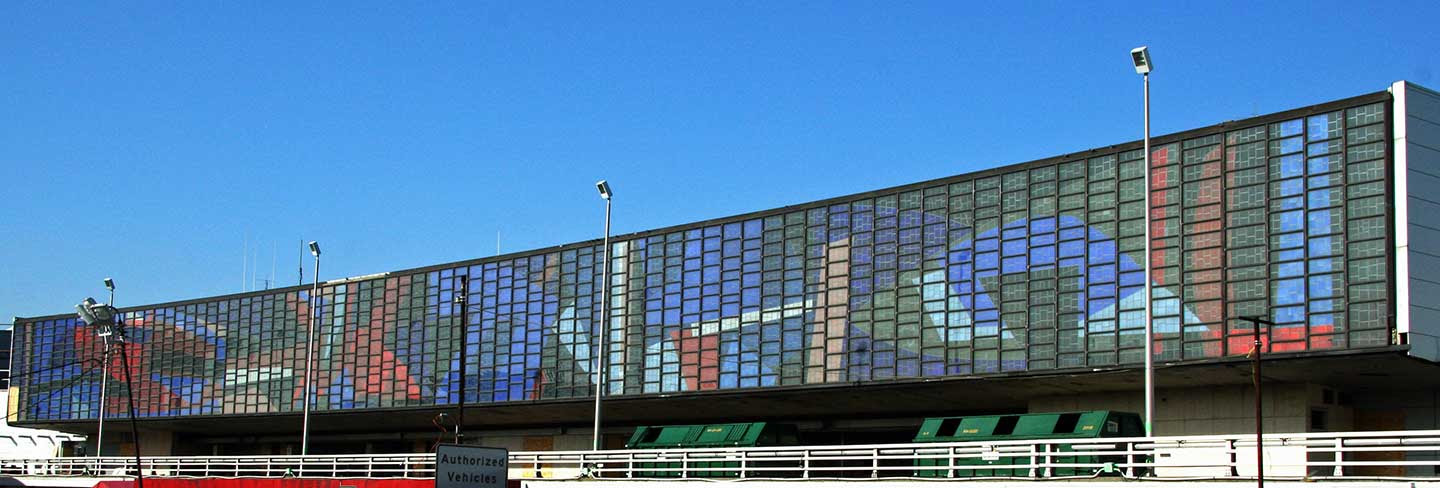
The installation is supported by the Public Art Fund and was curated by Daniel S. Palmer. The Public Art Fund uses contributions from individuals, corporations, and private foundations to support works of art throughout the five boroughs, including the artwork at LaGuardia Airport’s new Terminal B.
October is the beginning of our annual membership drive.
The RIHS has served the community since 1976. In ordinary times, we sponsor programs, lectures, tours, classes and many community events that the RIHS participates in.
Our dues are very reasonable and we need your support to keep our activities coming as soon as we are able.
To join the RIHS go to our membership link at: https://rihs.us/join-us/
Thanking you in advance for your support Judith Berdy
Funding Provided by: Roosevelt Island Operating Corporation Public Purpose Funds Council Member Ben Kallos City Council Discretionary Funds thru DYCD Text by Judith Berdy
CREDITS
UNTAPPED CITIES (C)
Edited by Deborah Dorff ALL PHOTOS COPYRIGHT RIHS. 2020 (C) PHOTOS IN THIS ISSUE (C) JUDITH BERDY RIHS
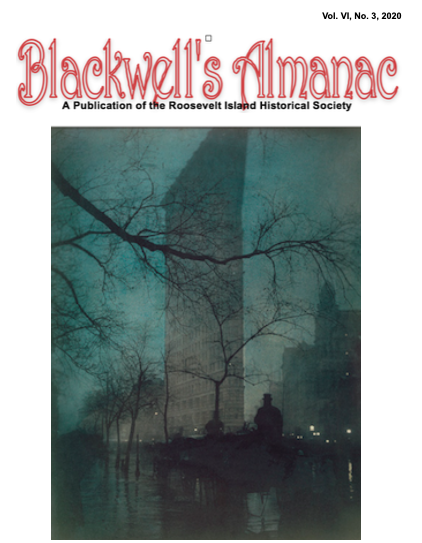
Click the image of the first page above for the full PDF version.
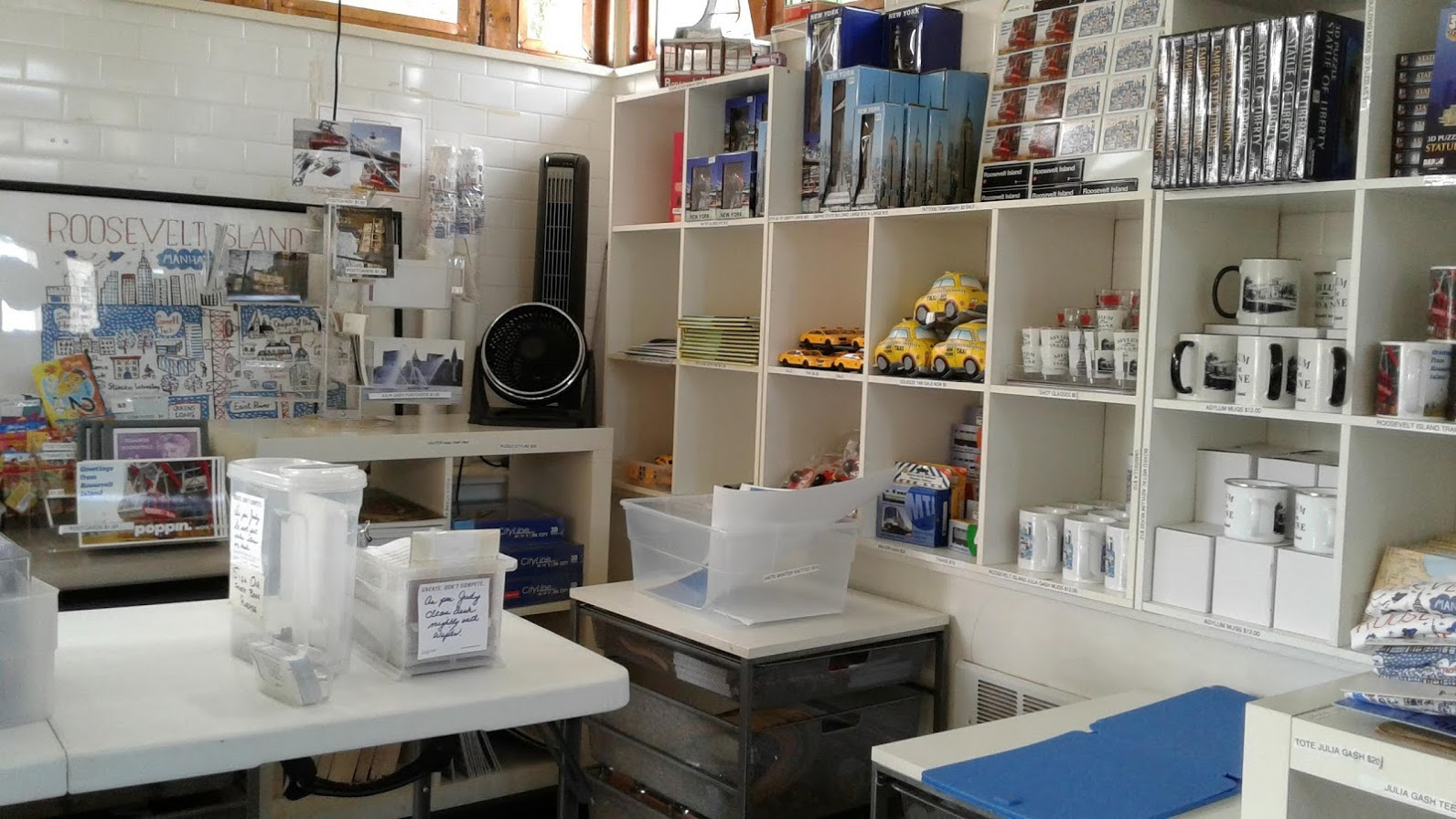
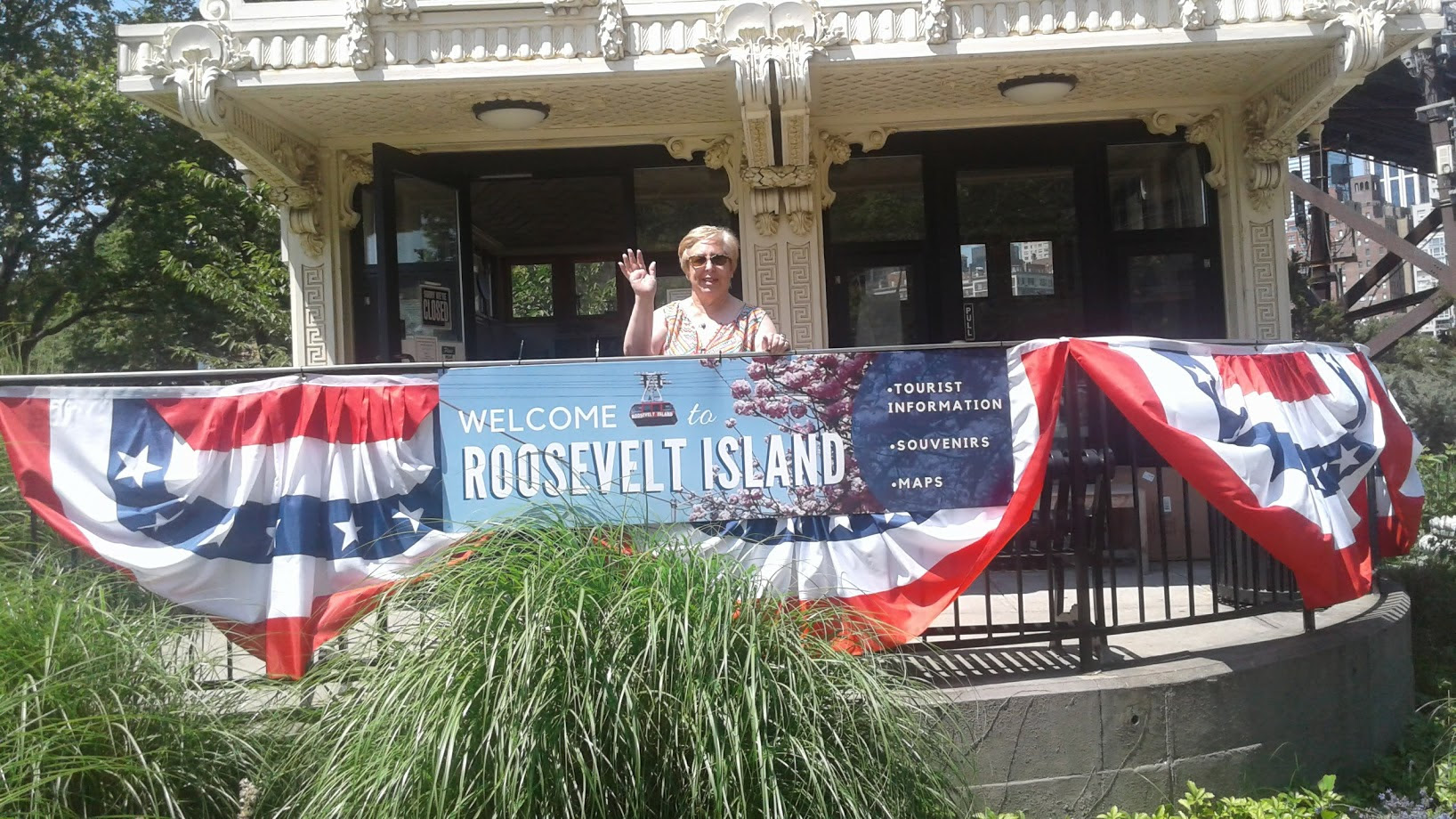
SUPPORT THE R.I.H.S. WE ARE OPEN EVERY SATURDAY AND SUNDAY DO YOUR GIFT SHOPPING WITH US!!
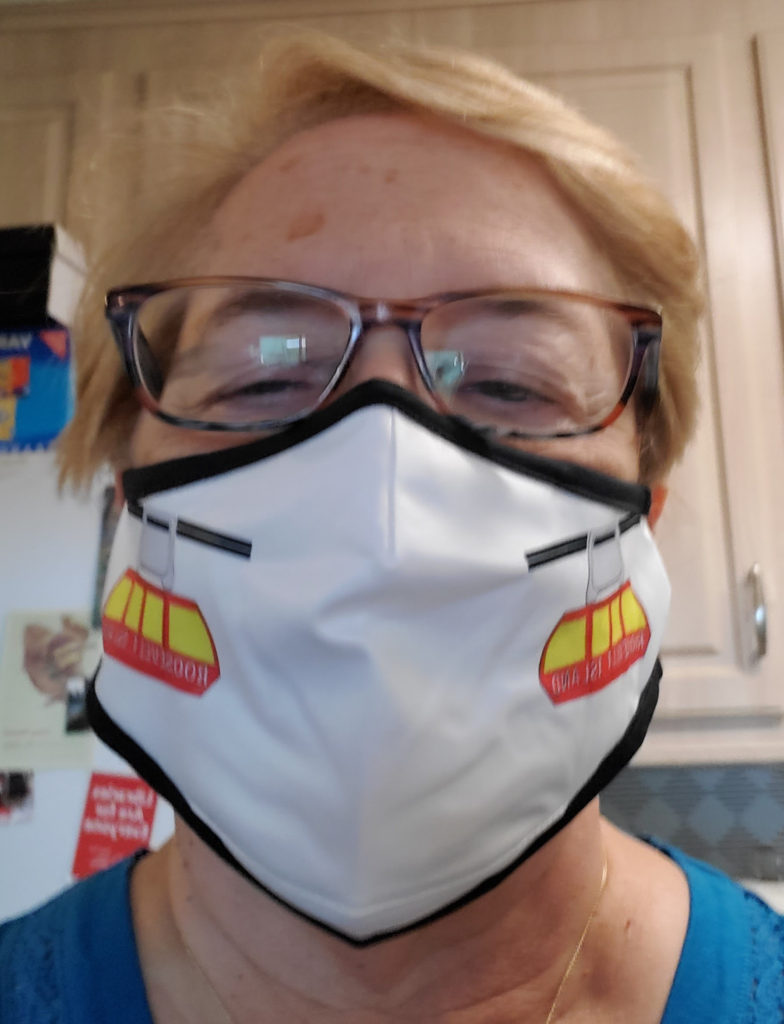
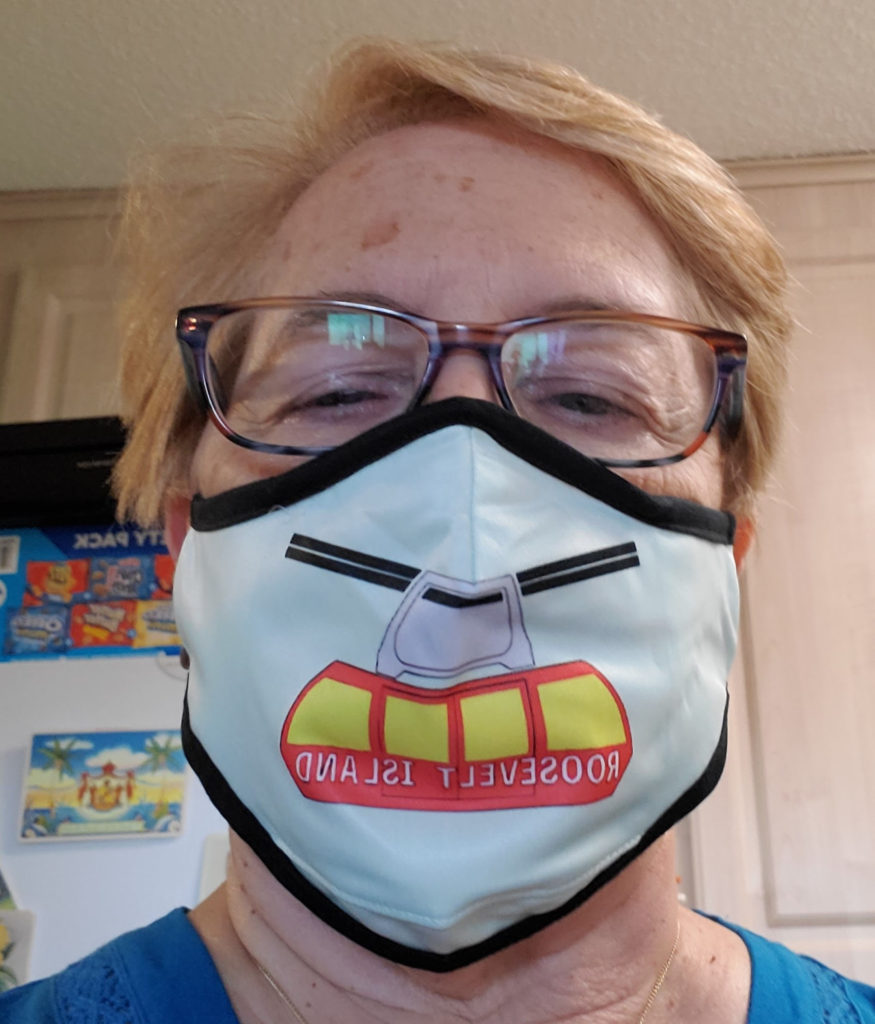
OWN YOU OWN TRAM MASK! AVAILABLE AT THE RIHS VISITOR CENTER KIOSK $25- SUPPLIES ARE LIMITED KIOSK OPEN WEEKENDS 12 NOON TO 5 PM.
Funding Provided by: Roosevelt Island Operating Corporation Public Purpose Funds Council Member Ben Kallos City Council Discretionary Funds thru DYCD Text by Judith Berdy Thanks to Bobbie Slonevsky for her dedication to Blackwell’s Almanac and the RIHS Thanks to Deborah Dorff for maintaining our website Edited by Deborah Dorff ALL PHOTOS COPYRIGHT RIHS. 2020 (C) PHOTOS IN THIS ISSUE (C) JUDITH BERDY RIHS